Category: 3. Business

  • Orrick Continues to Expand Asia Energy Platform with Tokyo Hire

    Orrick Continues to Expand Asia Energy Platform with Tokyo Hire

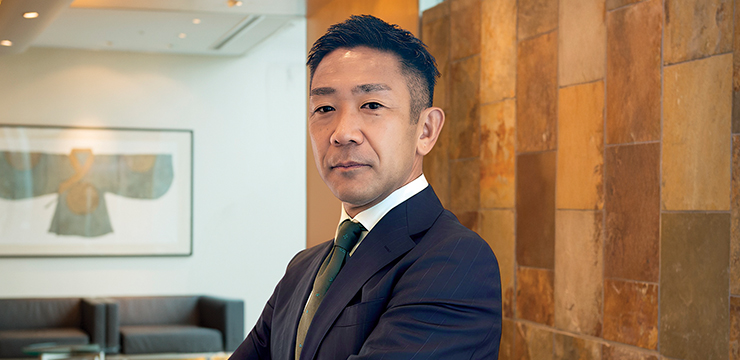
    • Akira Takahashi joins Orrick from RWE Renewables as a partner on our Energy & Infrastructure team in Tokyo.
    • Akira, who is Japanese and New York law-qualified, brings deep experience advising on international energy projects and project finance transactions. He will collaborate with the firm’s Tokyo and Singapore teams representing Japanese export credit and insurance agencies, development banks, trading houses and other commercial lending institutions in their investments in Singapore and across Southeast Asia.
    • Prior to his time as senior legal counsel at RWE Renewables, Akira practiced at Allen & Overy for 11 years. He also spent four years on secondment to the Japan Bank for International Cooperation, where he supported their energy and natural resources businesses. His inbound and outbound experience spans the full spectrum of E&I technologies, including offshore wind, solar, LNG, hydropower and storage.
    • With his arrival, Orrick has added 15 partners to its global Energy & Infrastructure platform in 2025, including Chambers Band 1 projects advisor Adam Moncrieff in Singapore, and Global Head of Oil & Gas Anna Howell in London, who is also Chambers Band 1-ranked. The firm now has nine E&I partners across Tokyo and Singapore.

    “We’re excited to welcome a top-quality practitioner like Akira and strengthen our support for Japanese clients in their investments across Asia, as well as our work in inbound investment in Japan,” said E&I Partner Minako Wakabayashi, the leader of Orrick’s Tokyo office.

    Orrick’s Tokyo office, in collaboration with the firm’s Singapore team, advises on both traditional and innovative energy projects across Japan, Singapore, Indonesia, Vietnam, India, Taiwan and other markets with accelerating energy needs. This includes leading some of the largest wind and solar projects, as well as some of the first renewables PPAs to support data centers in the region.

    “Akira brings a deep understanding of the needs of today’s energy market participants, having advised on complex outbound transactions across Southeast Asia,” said Singapore-based Orrick Energy & Infrastructure Partner Michael Tardif, also a Chambers Band 1 advisor. “I’ve seen firsthand his versatile skillset and commitment to client service. We’re thrilled to welcome him as we continue building a full-service energy offering for our clients.”

    “I’m delighted to reunite with my former colleagues, Michael and Adam, and to collaborate with the entire Orrick team to support our clients on their most sophisticated financings and projects,” Akira said.

    Orrick is the No. 2 law firm globally for Energy Transition and No. 1 globally for PPAs (inspiratia, 2024). The firm acts for four of the top 10 oil & gas majors, 60 of the top 100 energy & infrastructure investors globally and half of the top 50 renewables sponsors worldwide.

    Continue Reading

  • Customers sue maker of popular On Cloud shoes over ‘noisy and embarrassing’ squeaks

    Customers sue maker of popular On Cloud shoes over ‘noisy and embarrassing’ squeaks

    Athletic shoe company On is facing a lawsuit from customers who claim that its popular sneakers make a “noisy and embarrassing squeak”.

    The “CloudTec” sneakers typically cost around $200 (£150) and have holes in the sole designed to make users feel like they are “running on clouds”. Instead, the lawsuit says, they cause issues in daily life – especially for nurses who wear them all day.

    “No reasonable consumer would purchase Defendant’s shoes – or pay as much for them as they did – knowing each step creates an audible and noticeable squeak,” the customers allege.

    The company, which did not immediately respond to a BBC enquiry, has declined to comment on the allegations.

    The class action lawsuit was filed on October 9 in US District Court in Oregon.

    The customers say that multiple On sneaker styles are unwearable without “significant DIY modifications”. They accused the company of “deceptive marketing”.

    The plaintiffs, who claim they were unable to return the shoes after complaining about the noise, are seeking refunds and other damages.

    The Switzerland-based sneaker company could have “fixed the design, and/or offered to fix the shoes or [given] consumers their money back but did none of those things”, the complaint alleges, citing the Cloudmonster and Cloudrunner models, among others.

    One customer claimed in the complaint that she was “no longer able to use her shoes as intended due to the embarrassment and annoyance”.

    The plaintiffs in their complaint reference social media posts, on TikTok and Reddit, from other frustrated customers who have suggested at-home remedies for the noise – including applying coconut oil to the soles of the shoes.

    On, which is backed by the tennis player Roger Federer, reported better-than-expected earnings in August. Its quarterly revenue was boosted by direct-to-consumer sales.

    Earlier this year, the company said sales of its Cloudmonster and Cloudsurfer sneaker models contributed “significantly” to its growth.

    Continue Reading

  • Hilton Expands Resorts Portfolio with New Signing in Croatia Under Flagship Brand

    Hilton Expands Resorts Portfolio with New Signing in Croatia Under Flagship Brand

    Hilton Lopud Beach Resort & Spa marks the third Hilton Hotels & Resorts property in Croatia, and Hilton’s first property on Lopud Island.

    LOPUD ISLAND, Croatia – 17 October 2025 – Hilton (NYSE: HLT) today announced the signing of Hilton Lopud Beach Resort & Spa, following a management agreement with Anker Grupa d.o.o. The resort, located on the picturesque Lopud Island near Dubrovnik, will offer guests a blend of comfort and natural beauty when it opens in 2027 following an extensive renovation of the property and grounds. 

    The resort is set in a prime seafront location surrounded by palm trees and Mediterranean greenery, offering guests an inspiring homebase that combines Hilton’s signature hospitality with a unique local experience. Hilton Lopud Beach Resort & Spa will feature 111 modern and comfortable rooms and suites, each with a balcony or terrace, and seven spacious apartments in a separate building, each with their own terraces. 

    Alan Mantin, vice president, development, Southern Europe, Hilton, said, “Hilton Lopud Beach Resort & Spa represents an exciting step for Hilton in Croatia, bringing our flagship brand to one of the country’s most beautiful and tranquil islands. Croatia is a country known for its ancient history, diverse cuisine and welcoming people, so we’re delighted to be collaborating with Anker Grupa d.o.o. as we further expand our portfolio.”

    Alessandra Severi, member of the Ownership and Board of Directors, Anker Grupa d.o.o., said, “We are proud to work with Hilton on this landmark project for Lopud Island. Our vision is to create a resort that celebrates the island’s natural beauty and heritage, while offering guests an unforgettable experience of relaxation and respect for the surrounding environment.  By partnering with Hilton, we’re bringing international standards of excellence to Lopud and presenting it as a premier Mediterranean destination, and we look forward to welcoming visitors in 2027.”

    Lopud Island, the second largest of the Elaphiti Islands, is renowned for its sandy beaches, crystal-clear waters, and serene atmosphere. With its proximity to Dubrovnik – a UNESCO World Heritage site and one of Southern Europe’s most popular destinations – the new resort is perfectly positioned to attract both leisure and business guests seeking an exclusive island experience.

    Guests will enjoy a variety of dining options, including three restaurants and two bars, all with panoramic terraces and stunning views of the Adriatic. Other facilities will include a spa and wellness centre, including a heated infinity swimming pool, a private beach house, beach gazebos, and a range of sporting activities such as a gym, bike hire, and outdoor tennis courts. The resort will also offer yacht rental for guests, and a Grab & Go food market for added convenience.

    With four meeting rooms and a ballroom, the hotel makes an ideal setting for business travellers and event organisers, and the resort’s private pier and boats will provide seamless transfers to and from the mainland, ensuring easy access to Dubrovnik’s Old Town and Dubrovnik Airport.Hilton Lopud Beach Resort & Spa will be the first internationally branded hotel on Lopud Island, joining Hilton’s growing Croatian portfolio of 13 hotels trading or in the pipeline, including Hilton Imperial Dubrovnik, Hotel Preko Ugljan Island, Curio Collection by Hilton and Hilton Rijeka Costabella Beach Resort & Spa.


    About Hilton

    Hilton (NYSE: HLT) is a leading global hospitality company with a portfolio of 25 world-class brands comprising more than 9,000 properties and over 1.3 million rooms, in 139 countries and territories. Dedicated to fulfilling its founding vision to fill the earth with the light and warmth of hospitality, Hilton has welcomed over 3 billion guests in its more than 100-year history, was named the No. 1 World’s Best Workplace by Great Place to Work and Fortune and has been recognized as a global leader on the Dow Jones Sustainability Indices. Hilton has introduced industry-leading technology enhancements to improve the guest experience, including Digital Key Share, automated complimentary room upgrades and the ability to book confirmed connecting rooms. Through the award-winning guest loyalty program Hilton Honors, the more than 226 million Hilton Honors members who book directly with Hilton can earn Points for hotel stays and experiences money can’t buy. With the free Hilton Honors app, guests can book their stay, select their room, check in, unlock their door with a Digital Key and check out, all from their smartphone. Visit stories.hilton.com for more information, and connect with Hilton on Facebook, X, LinkedIn, Instagram and YouTube.


    About Hilton Hotels & Resorts

    For over a century, Hilton Hotels & Resorts has set the benchmark for hospitality around the globe, connecting people, cultures and communities. Offering striking design and vibrant communal spaces—from buzzing lobbies to lively bars, best-in-class restaurants, and iconic event venues— Hilton Hotels & Resorts is the place to see and be seen in the world’s most sought-after destinations. With more than 600 hotels across six continents, Hilton Hotels & Resorts is where the world comes together, and travelers are masterfully hosted with expertise and care.  Experience a legendary stay at Hilton Hotels & Resorts by booking at hiltonhotels.com or through the industry leading Hilton Honors app. Hilton Honors members who book directly through preferred Hilton channels have access to instant benefits. Learn more about Hilton Hotels & Resorts at stories.hilton.com/hhr, and follow the brand on Facebook, X and Instagram.


    Continue Reading

  • Proxy adviser ISS says Tesla investors should oppose $1tn Elon Musk pay deal

    Proxy adviser ISS says Tesla investors should oppose $1tn Elon Musk pay deal

    Unlock the Editor’s Digest for free

    Proxy adviser Institutional Shareholder Services advised Tesla shareholders to vote against Elon Musk’s proposed $1tn pay package, citing its “striking magnitude”.

    ISS also said its lack of binding terms would not ensure the billionaire remains committed to the company.

    “The 2025 award has an astronomical grant value conditioned upon far-reaching performance targets that, if achieved, would create enormous value for shareholders,” ISS said in a report on Friday.

    “While it is recognised that the board seeks to retain Musk due to his track record and vision for Tesla’s future . . . there are unmitigated concerns surrounding the special award’s magnitude and design,” the proxy adviser added.

    The report comes ahead of Tesla’s annual meeting on November 6 when shareholders will vote on the unprecedented package, which could grant Musk as much as $1tn in stock over the next decade.

    Musk would receive no salary or bonus under the plan but would collect shares in instalments unlocked by increases in Tesla’s market value, combined with milestones, including a huge increase in earnings and selling millions of cars, robotaxis and artificial intelligence-powered robots.

    Achieving the maximum payout of 423mn shares would be extremely challenging. Musk would have to increase adjusted earnings 24-fold to $400bn and boost Tesla’s market capitalisation to $8.5tn from $1.38tn today — almost twice that of Nvidia, currently the world’s most valuable company at $4.5tn.

    “While performance targets are far-reaching, unprecedented size locks in high pay opportunities for years to come, and billions can be earned for just partial goal achievement,” ISS added.

    Musk runs numerous other companies and has already amassed a $448bn fortune from his stake in Tesla and private holdings in SpaceX, xAI, Neuralink and The Boring Company.

    ISS noted that “there are no prescriptive elements within the award to ensure his focus and time remain on Tesla as opposed to his other ventures, undermining the award’s primary rationale”.

    The proxy recommendation is a blow to the board and its chair, Robyn Denholm, who are lobbying large shareholders to support their plan. She told the Financial Times the award was justified because Musk is a generational talent that would have to expend “time, energy and effort beyond what most humans can do”.

    Last year, ISS and peer Glass Lewis also counselled investors to reject a proposal to reinstate Musk’s $56bn 2018 Tesla pay deal, which was struck down by a Delaware judge after a protracted court battle. However, Tesla won the vote anyway with more than three-quarters backing the company.

    If approved, the additional shares Musk could receive would push his holdings in the electric-vehicle maker from about 16 per cent to at least 25 per cent, after taxes and dilution. The chief executive has said that he may leave Tesla if he does not gain greater control, arguing that he needs to protect the company from activists or a hostile takeover as it develops powerful AI technology and humanoid robots.

    A spokesperson for Tesla did not immediately respond to a request for comment.

    ISS said Tesla’s corporate governance committee chair Ira Ehrenpreis should not be reelected to the board after “unilaterally” adopting a bylaw that “materially restricts shareholders’ litigation rights”.

    However, the adviser said two other directors, Kathleen Wilson-Thompson and Joe Gebbia, should be backed.

    Continue Reading

  • Chair’s Statement Fifty-Second Meeting of the IMFC – Mr. Mohammed Aljadaan, Minister for Finance of Saudi Arabia – International Monetary Fund

    1. Chair’s Statement Fifty-Second Meeting of the IMFC – Mr. Mohammed Aljadaan, Minister for Finance of Saudi Arabia  International Monetary Fund
    2. IMF members express concern over trade tensions, AI impact on global economy  Investing.com
    3. IMF steering committee eyes risks, hopes for more disinflation  Reuters
    4. AI may boost output but fuel divergence between rich and poor countries, IMF chief says  ZAWYA
    5. IMF chief says AI could be source of divergence within countries and across countries  Xinhua

    Continue Reading

  • These companies are reporting earnings next week and have momentum on their side

    These companies are reporting earnings next week and have momentum on their side

    Continue Reading

  • ESMO 2025: Patient Reported Outcomes from AMPLITUDE, a Trial of Niraparib and Abiraterone Acetate plus Prednisone in mHSPC with Homologous Recombination Repair Mutations – UroToday

    ESMO 2025: Patient Reported Outcomes from AMPLITUDE, a Trial of Niraparib and Abiraterone Acetate plus Prednisone in mHSPC with Homologous Recombination Repair Mutations – UroToday

    1. ESMO 2025: Patient Reported Outcomes from AMPLITUDE, a Trial of Niraparib and Abiraterone Acetate plus Prednisone in mHSPC with Homologous Recombination Repair Mutations  UroToday
    2. Niraparib Combo Boosts rPFS in Metastatic HRR-Altered CSPC  CancerNetwork
    3. JnJ gets USFDA priority review for Akeega plus prednisone for prostate cancer  Medical Dialogues
    4. New Drug Combination May Reduce Risk of Prostate Cancer Progression  Healthgrades Health Library
    5. New drug combination offers hope for men with advanced prostate cancer: Study  Medical Dialogues

    Continue Reading

  • Lenvatinib Plus Pembrolizumab and Chemotherapy Fails to Improve OS in Advanced ESCC

    Lenvatinib Plus Pembrolizumab and Chemotherapy Fails to Improve OS in Advanced ESCC

    The combination of lenvatinib (Lenvima) and pembrolizumab (Keytruda) plus chemotherapy failed to improve overall survival (OS) vs pembrolizumab plus chemotherapy alone as frontline treatment in patients with metastatic esophageal squamous cell carcinoma (ESCC), according to data from the phase 3 LEAP-014 trial (NCT04949256) presented at the 2025 ESMO Congress.1

    The median OS in the lenvatinib arm was 17.6 months (95% CI, 15.5-19.1) vs 15.5 months (95% CI, 13.5-17.2) in the chemoimmunotherapy arm (HR, 0.92; 95% CI, 0.77-1.10; P = .1852). The 12- and 24-month OS rates were 65% and 34% in the investigational arm vs 61% and 32% in the control arm, respectively.

    In patients with a PD-L1 combined positive score (CPS) of at least 10, the median OS was 18.0 months (95% CI, 16.4-20.4) in the lenvatinib arm vs 15.8 months (95% CI, 13.1-17.4) in the control arm (HR, 0.89; 95% CI, 0.71-1.11). The 12- and 24-month OS rates were 67% and 36% in the investigational arm vs 63% and 31% in the control arm, respectively.

    “Lenvatinib plus pembrolizumab and chemotherapy did not significantly improve OS as first-line treatment for [patients with] metastatic ESCC vs pembrolizumab plus chemotherapy,” lead study author Jong-Mu Sun, MD, PhD, of the Division of Hematology-Oncology, Department of Medicine, Samsung Medical Center, Sungkyunkwan University School of Medicine in Seoul, Republic of Korea, stated during the presentation.

    What Are the Key Components of the LEAP-014 Trial?

    The LEAP-014 trial enrolled patients who were at least 18 years of age with histologically and/or cytologically confirmed locally advanced, unresectable or metastatic ESCC.2 Prior treatment, an ECOG performance status of 2 or higher, and lack of measurable disease per RECIST 1.1 criteria excluded patients from enrollment.

    A total of approximately 850 patients were randomly assigned 1:1 to treatment.1 In the investigational arm, patients received 8 mg of oral lenvatinib once daily, plus 400 mg of intravenous (IV) pembrolizumab every 6 weeks, and either cisplatin plus 5-flourouracil (FP) or paclitaxel plus cisplatin (TP) every 3 weeks, or modified FOLFOX6 (mFOLFOX6) every 2 weeks. This was followed by 20 mg of lenvatinib plus 400 mg of pembrolizumab every 6 weeks until progression, unacceptable toxicity, or withdrawal. In the control arm, patients received 400 mg of IV pembrolizumab every 6 weeks plus FP or TP every 3 weeks or mFOLFOX6 every 2 weeks in accordance with local standards.

    OS served as the primary end point. Secondary end points included progression-free survival (PFS), objective response rate (ORR), duration of response (DOR) by blinded independent central review, and safety.

    A total of 850 patients were randomly assigned to the investigational (n = 423) and control (n = 427) arms: 421 and 426 of whom were treated in the respective arms. In the investigational arm, 2 patients completed treatment and 93 patients remained on therapy. Reasons for discontinuation included progressive disease (n = 206), adverse effects (AEs; n = 72), clinical progression (n = 25), patient decision (n = 18), physician decision (n = 3), and protocol violation (n = 2). In the control arm, 23 patients completed treatment and 70 patients remained on therapy. Reasons for discontinuation included progressive disease (n = 202), AEs (n = 73), clinical progression (n = 22), patient decision (n = 25), physician decision (n = 10), and follow-up loss (n = 1).

    Baseline characteristics were well balanced between the treatment groups, Sun said. Within the investigational arm, the median age was 64 (range, 27-86); 49% were above the age of 65. Most patients were male (78%), Asian (66%), and from East Asia (66%). ECOG performance status was 1 in 64% of cases, and most patients had a PD-L1 CPS of 10 or greater (66%). Ninety-nine percent of patients did not have brain metastases and had stage IVB disease. The preferred choice of chemotherapy was mFOLFOX6 (65%), followed by FP (24%) and TP (10%).

    Per the study design, efficacy was evaluated in all randomized patients, whereas safety was limited to all randomized patients who received at least 1 dose of study therapy. Of note, PFS and ORR were not tested for statistically significance since OS was not positive. The data cutoff for the present analysis was May 8, 2025, at which point approximately 482 OS events had occurred, or 42 months had passed since the first participant had been randomized.

    What Additional Efficacy Data Were Presented?

    Sun stated that the OS results were consistent across the prespecified subgroups, including PD-L1 status (CPS ≥10 vs CPS <10), Region (East Asia vs North America and Western Europe vs rest of the world), and chemotherapy (FP vs TP vs mFOLFOX).

    Additional results indicated that the median PFS in all randomized patients was 7.2 months (95% CI, 6.8-8.4) in the lenvatinib arm vs 6.9 months (95% CI, 5.8-7.0) in the control arm (HR, 0.89; 95% CI, 0.75-1.04). The 12- and 24-month PFS rates were 31% and 12% in the investigational arm vs 23% and 15% in the control arm, respectively.

    The median PFS in patients with a PD-L1 CPS of at least 10 was 8.1 months (95% CI, 6.9-9.5) in the lenvatinib arm vs 6.9 months (95% CI, 6.3-7.2) in the control arm (HR, 0.85; 95% CI, 0.69-1.04). The 12- and 24-month PFS rates were 36% and 16% in the investigational arm vs 25% and 14% in the control arm, respectively.

    With respect to response, the ORR was 62.2% (95% CI, 57.4%-66.8%) in the lenvatinib arm vs 54.8% (95% CI, 49.9%-59.6%) in the chemoimmunotherapy arm (delta, 7.3%; 95% CI, 0.7%-13.8%). In the lenvatinib arm, best responses included complete response (CR; 16.3%), stable disease (SD; 22.0%), and progressive disease (PD; 8.0%); 7.3% of patients were not evaluable (NE). In the control arm, best responses included CR (19.2%), PR (35.6%), SD (29.7%), and PD (8.9%); 5.4% of patients were NE.

    The median DOR was 8.1 months (range, 1.2+ to 38.7+) in the lenvatinib arm and 17% of patients experienced a response lasting 24 months or greater. In the control arm, the median DOR was 6.8 months (range, 1.2+ to 36.4+) and 21% of patients experienced a response lasting at least 24 months.

    Key Takeaways From the Phase 3 LEAP-014 Trial

    • Adding lenvatinib to pembrolizumab plus chemotherapy did not improve overall survivalcompared with pembrolizumab plus chemotherapy alone for patients with metastatic esophageal squamous cell carcinoma.
    • The investigational regimen showed numerically higher PFS and ORR, but these outcomes were not tested for statistical significance because the primary OS end point was not met.
    • Grade 3 or greater toxicities occurred in more than 80% of patients in the investigational arm.

    What Were the Key Safety Data That Were Presented?

    The median duration of treatment exposure was 7.1 months (range, 0.03-41.9) in the lenvatinib arm vs 5.6 months (range, 0.03-28.8) in the control arm. In the investigational arm, any-grade AEs occurred in 99.5% of patients (grade ≥3, 81.2%; grade 5, 9.7%). AEs leading to drug discontinuation occurred in 33.3% of patients. Treatment-related AEs (TRAEs) occurred in 97.1% of patients.

    In the control arm, any-grade AEs occurred in 99.3% of patients (grade ≥3, 79.1%; grade 5, 11.5%). AEs leading to drug discontinuation occurred in 39.0% of patients. TRAEs occurred in 96.5% of patients.

    AEs that occurred in at least 15% of patients in either arm in order of frequency were decreased neutrophil count, nausea, hypertension, diarrhea, decreased platelet count, anemia, hypothyroidism, stomatitis, decreased white blood cell count, fatigue, decreased appetite, palmar plantar erythrodysesthesia syndrome, proteinuria, aspartate aminotransferase increase, vomiting, rash, weight decrease, constipation, alanine aminotransferase increase, pyrexia, increased lipase, increased amylase, peripheral neuropathy, hypoalbuminemia, and pneumonia.

    Immune-mediated AEs and infusion reactions in the experimental arm included adrenal insufficiency (any grade, 4.8%; grade ≥3, 1.4%), colitis (any grade, 1.7%; grade ≥3, 0.9%), encephalitis (any grade, 0.2%; grade ≥3, 0.2%), gastritis (any grade, 2.9%; grade ≥3, 0.2%), hepatitis (any grade, 1.2%; grade ≥3, 0.7%), hyperthyroidism (any grade, 8.1%; grade ≥3, 0%), hypophysitis (any grade, 2.1%; grade ≥3, 0.7%), hypothyroidism (any grade, 33.5%; grade ≥3, 0%), infusion reactions (any grade, 2.1%; grade ≥3, 0.5%), myocarditis (any grade, 0%; grade ≥3, 0%), myositis (any grade, 0.2%; grade ≥3, 0%), nephritis (any grade, 0%; grade ≥3, 0%), pancreatitis (any grade, 0.5%; grade ≥3, 0.5%), pneumonitis (any grade, 7.6%; grade ≥3, 2.6%), severe skin reactions (any grade, 1.9%; grade ≥3, 1.4%), thyroiditis (any grade, 0.7%; grade ≥3, 0%), type 1 diabetes mellitus (any grade, 0.5%; grade ≥3, 0.2%), and vasculitis (any grade, 0.7%; grade ≥3, 0.2%).

    “Safety profiles were generally consistent with the known safety profiles of lenvatinib in combination with pembrolizumab and chemotherapy or the pembrolizumab plus chemotherapy regimen,” Sun concluded.

    Disclosures: Sun reported financial interests, institutional, and research funding from MSD, Yuhan, AstraZeneca, Ono, and Pfizer.

    References

    1. Sun JM, Kim SB, Ogata T, et al. Lenvatinib plus pembrolizumab and chemotherapy vs pembrolizumab and chemotherapy in untreated metastatic esophageal squamous cell carcinoma: the randomized phase III LEAP-014 study. Presented at: 2025 ESMO Congress; October 17-21, 2025; Berlin, Germany. Abstract LBA79.
    2. Efficacy and safety of pembrolizumab (MK-3475) plus lenvatinib (E7080/​MK-7902) plus chemotherapy in participants with metastatic esophageal carcinoma (MK-7902-014/​E7080-G000-320/​LEAP-014). Clinicaltrials.gov. Updated August 22, 2025. Accessed October 17, 2025. https://clinicaltrials.gov/study/NCT04949256

    Continue Reading

  • Alternative Docetaxel Dosing Slashes Toxicity in mHSPC Triplet Therapy | Targeted Oncology

    Alternative Docetaxel Dosing Slashes Toxicity in mHSPC Triplet Therapy | Targeted Oncology

    An alternate regimen of docetaxel (50 mg/m2 once every 2 weeks instead of 75 mg/m2 once every 3 weeks) plus darolutamide (Nubeqa) and androgen deprivation therapy (ADT) demonstrated statistically highly significant and clinically meaningful improvements in grade 3–5 adverse event (AE) rates as well as grade 3–4 neutropenia or death of any reason rates in patients with metastatic hormone-sensitive prostate cancer.1

    The findings, from the phase 3 ARASAFE study (NCT05676203), were presented at the 2025 European Society for Medical Oncology Congress in Berlin, Germany by Marc-Oliver Grimm, MD, professor and chair of urology at Jena University Hospital in Jena, Germany.

    By way of background, Grimm explained that the use of ADT, darolutamide, and docetaxel is FDA approved for patients with mHSPC based on findings from the phase 3 ARASENS trial (NCT027996602). In that regimen, the docetaxel dosage is 75 mg/m2 once every 3 weeks. However, Grimm pointed out that toxicity such as neutropenic complications could limit the use of this regimen compared with androgen receptor pathway inhibitor/ADT doublet therapy. For ARASAFE, Grimm and his co-authors sought to evaluate toxicity in triplet therapy with darolutamide/ADT/docetaxel with docetaxel dosages of 50 mg/m2 once every 2 weeks and 75 mg/m2 once every 3 weeks.

    “We hypothesized that triplet therapy with darolutamide, ADT, and 50 mg[/m2] every 2 weeks reduces grade 3 to 5 adverse events compared to the standard 75-mg[/m2] schedule,” Grimm said. Grimm also pointed to previous research indicating that ADT plus docetaxel 50 mg/m2 once every 2 weeks was associated with better time to treatment failure and fewer grade 3–4 AEs in patients with metastatic castration-resistant prostate cancer.3

    In ARASAFE, a total of 250 patients with mHSPC were randomly assigned 1:1 to darolutamide 600 mg twice daily plus ADT plus 6 cycles of docetaxel 75 mg/m2 once every 3 weeks (3-week cycle, 129 patients) or to darolutamide 600 mg twice daily plus ADT plus 6 cycles of docetaxel 50 mg/m2 once every 2 weeks (4-week cycle, 121 patients). Total expected docetaxel dose was 450 mg/m2 in the 75 mg/m2 arm vs 600 mg/m2 in the 50 mg/m2 arm.

    Primary end points included grade 3-5 AEs and grade 3-4 neutropenia or death of any reason. Secondary end points included time to castration resistant prostate cancer, overall survival, time to pain progression, time to first symptomatic skeletal event, time to initiation of subsequent systemic antineoplastic therapy, time to worsening of disease-related physical symptoms, and quality of life.

    Median age at baseline was 68.0 years (IQR, 63.0–74.0 years) in the 75 mg/m2 arm vs 67.0 years (IQR, 63.0–73.0 years) in the 50 mg/m2 arm. High-volume disease was present in 108 (83.7%) patients in the 75 mg/m2 arm vs 104 (86.0%) patients in the 50 mg/m2 arm. Mean number of docetaxel doses was 5.6 (standard deviation [SD], 1.1) in the 75 mg/m2 arm vs 10.7 (SD, 2.2) in the 50 mg/m2 arm. Mean cumulative docetaxel dose was 842.8 mg (SD, 181.7 mg) in the 75 mg/m2 arm vs 1073.5 mg (SD, 240.4 mg) in the 50 mg/m2 arm.

    Grimm reported that the study reached its primary end points: The grade 3-5 AE rate was 78.9% (95% CI, 70.8%–85.6%) in the 75 mg/m2 arm vs 61.2% (95% CI, 51.9%–69.9%) in the 50 mg/m2 arm (P =.0024). Additionally, the grade 3–4 neutropenia/death of any reason rate was 64.1% (95% CI, 55.1%–72.3%) in the 75 mg/m2 arm vs 24.0% (95% CI, 16.7%–32.6%) in the 50 mg/m2 arm (P <.00001).

    Grimm also reported that the rates of neutropenia, leukopenia, and febrile neutropenia favored the 50 mg/m2 dosage over the 75 mg/m2 dosage.

    The investigators utilized prostate-specific antigen (PSA) response at week 26 as a putative surrogate for oncologic outcome. Grimm reported that the median PSA level in the 75 mg/m2 arm was 0.16 ng/mL (IQR, 0.03 ng/mL–1.00 ng/mL) vs 0.26 ng/mL (IQR, 0.05 ng/mL–1.55 ng/mL) in the 50 mg/m2 arm. PSA levels of 0.2 ng/mL or lower were observed in 63 (48.8%) patients in the 75 mg/m2 arm vs 50 (41.3%) patients in the 50 mg/m2 arm.

    “In summary, ARASAFE demonstrates a statistically highly significant and clinically meaningful reduction in the incidence of grade 3 to 5 adverse event rate and the rate of grade 3 to 4 neutropenia or death regardless of reason for the experimental approach. This was achieved despite higher total doses of docetaxel in the experimental arm. Therefore, the ARASAFE approach may be considered a potential new standard of care,” Grimm said in his concluding remarks.

    DISCLOSURES: Grimm noted advisory board/invited speaker/institutional associations with AstraZeneca, Bayer, Bristol Myers Squibb, Ipsen Pharma, Merck Serono, MSD, Pfizer, Roche, Eisai, Janssen Cilag, Gilead, Novartis, Telix, Astellas, Kranus, Recordati, Janssen, and Intuitive Surgical.

    REFERENCES:
    1. Grimm M-O, Von Amsberg G, Heers H, et al. 3-weekly docetaxel 75 mg/m2 vs 2-weekly docetaxel 50 mg/m2 in combination with darolutamide + ADT in patients with mHSPC: Results from the randomised phase III ARASAFE trial. Presented at: European Society for Medical Oncology Congress. October 17-21, 2025. Berlin, Germany. LBA92. https://tinyurl.com/vs3p8wh3
    2. FDA approves darolutamide tablets for metastatic hormone-sensitive prostate cancer. Published online August 5, 2022. Accessed October 17, 2025. https://tinyurl.com/yhjw2sw2
    3. Kellokumpu-Lehtinen P-K, Harmenberg U, Joensuu T, et al. 2-weekly versus 3-weekly docetaxel to treat castration-resistant advanced prostate cancer: a randomised, phase 3 trial. Lancet Oncol. 2013;14(2):117-24. doi:10.1016/S1470-2045(12)70537-5

    Continue Reading

  • Blackstone Charitable Foundation Awards $3 Million to Launch Blackstone Skilled Futures

    Blackstone Charitable Foundation Awards $3 Million to Launch Blackstone Skilled Futures

    Expanding Trades Opportunities in Arizona

    Phoenix, AZ and New York, NY – The Blackstone Charitable Foundation has awarded a $3 million grant to launch Blackstone Skilled Futures in partnership with Arizona State University, Maricopa Community Colleges and local nonprofits. The program aims to increase access to high-quality training and workforce development, focusing on construction and advanced manufacturing in the Phoenix area.

    Blackstone Skilled Futures will support students in need, along with capacity building for training institutions and other wraparound support to ensure learners can get the education, certifications, and employment in these fields.

    The initiative will also support high school students with career-connected programming, creating workforce pipelines into post-secondary training and industry credentials in high-wage, high-demand, and high-skill jobs in the skilled trades.

    Arizona’s rapid growth in electric vehicles, AI, energy infrastructure and semiconductors is fueling a construction and advanced manufacturing boom. The Arizona Office of Economic Opportunity projects 37,000 new construction jobs will be added in Arizona by 2031, including 13,000 electricians and 3,000 HVACR (heating, ventilation, air conditioning and refrigeration) technicians. Job demand in advanced manufacturing parallels this trend, with the state expecting to add over 30,000 jobs by 2033.

    “It’s getting harder and harder for people to find good-paying, stable jobs without a college degree, but this investment helps change that,” said Senator Ruben Gallego. “By preparing Arizona students for careers in high-demand fields like construction, manufacturing and energy, we can strengthen our local businesses, keep our state competitive, and help more people build their careers and families in Arizona.”

    Blackstone Skilled Futures plans to:

    • Award scholarships to 4,000 students
    • Introduce skilled trades to 3,500 new students
    • Enroll 5,000 students in training or apprenticeships
    • Support 1,000 job placements

    The program will provide scholarships, dual-enrollment credits, OSHA training, recruitment tools and connections to employers. ASU’s Academic Alliances, in partnership with the OSHA Training Institute at ASU’s Del E. Webb School of Construction and Maricopa Community Colleges, will expand training and certificate programs.

    “The demand for skilled trades is growing and these careers are the backbone of a thriving Arizona community. The Blackstone Charitable Foundation is committed to opening doors for individuals to gain the training, tools and opportunities they need to succeed. By investing in skilled trades, we’re not just helping to meet today’s demand, we’re supporting a stronger future for the city and the people who call it home,” said Maura Pally, executive director of the Blackstone Charitable Foundation.

    “ASU is honored to work closely on this grant with the Blackstone Charitable Foundation and the Maricopa Community Colleges, one of the university’s most valued community college partners,” said Nancy Gonzales, executive vice president and university provost. “We share a mission of student excellence, access and impact and this collaboration is a direct reflection of ASU’s commitment to transfer student success.”

    The colleges and university will collaborate with Center for the Future of Arizona (CFA), Greater Phoenix Chamber of Commerce, Phoenix Mayor’s Future Talent Fund and Maricopa County Regional School District to increase the number of students pursuing these skilled trades.

    Center for the Future of Arizona will connect education and industry leaders to build seamless college and career pathways in high-demand sectors through the Arizona Pathways to Prosperity initiative. The organization will engage school districts, nonprofit organizations, municipalities, state agencies, companies and chambers of commerce – to recruit students and provide technical assistance and scholarships. CFA will continue collaborating with the Greater Phoenix Chamber Foundation to support employer outreach.

    “Building the workforce of the future requires collaboration, innovation, and a deep commitment to creating opportunity through education and training,” said Sybil Francis, chair, president and CEO of Center for the Future of Arizona. “We are proud to join the Blackstone Charitable Foundation, ASU, and Maricopa Community Colleges in creating pathways that empower young people across Arizona to pursue rewarding, high-skill careers. Together, we’re providing all Arizonans with access to training and opportunities to help them thrive.”

    At the same time, the Maricopa Community Colleges will lead localized engagement efforts, which include expanding scholarships for low-income students, securing industry partners to serve as hosts and training providers for apprenticeships, facilitating work-based learning and career support activities such as resume reviews and mock interviews, and convening industry advisory councils to inform curriculum updates and identify student engagement opportunities.

    “Maricopa Community Colleges have a rich history of training skilled workers,” said Steven R. Gonzales, Maricopa Community Colleges chancellor. “As the largest provider of workforce training in Arizona, we are developing the next generation of skilled workers—who will undoubtedly play a critical role in supporting nearly every facet of our infrastructure.”

    Collectively, the partners will reach a variety of populations who can benefit from these skilled trades opportunities, including high school students, community college students and working adults to rapidly scale access to high-wage, high-demand careers.

    About Arizona State University
    Arizona State University, ranked the No. 1 “Most Innovative School” in the nation by U.S. News & World Report for 11 years in succession, has forged the model for a New American University by operating on the principles that learning is a personal and original journey for each student; that they thrive on experience and that the process of discovery cannot be bound by traditional academic disciplines. Through innovation and a commitment to accessibility, ASU has drawn pioneering researchers to its faculty even as it expands opportunities for qualified students.

    About Blackstone Charitable Foundation (BXCF)
    With a commitment to fostering career and economic mobility, the Blackstone Charitable Foundation leverages its financial and human capital to support initiatives that bridge opportunity gaps and strengthen communities. Blackstone Skilled Futures is BXCF’s latest grant program, aiming to expand the next generation of skilled talent by reducing barriers and increasing access to high-quality training programs in the trades. BXCF has also funded the Phoenix talent pipeline through Blackstone LaunchPad, with over $1.5 million in grants to support ASU and MCCCD students in skill-building, career readiness and paid summer internships.

    About Maricopa Community Colleges
    The Maricopa County Community College District includes 10 individually accredited colleges – Chandler-Gilbert, Estrella Mountain, GateWay, Glendale, Mesa, Paradise Valley, Phoenix, Rio Salado, Scottsdale, and South Mountain – and the Maricopa Corporate College, serving approximately 140,000 students with bachelor’s degrees, two-year degrees, certificates, and university transfer programs. Visit www.maricopa.edu to learn more.

    About Center for the Future of Arizona
    Center for the Future of Arizona (CFA) is a nonprofit, nonpartisan “do-tank” that brings Arizonans together to create a stronger and brighter future for our state. Through its extensive survey research & communications, Arizona Progress Meters, and impact initiatives & programs in education, workforce, and civic health, CFA listens to Arizonans to learn what matters most to them, shares trusted data about how Arizona is doing in those priority areas, brings critical issues to public attention, and works with communities and leaders to solve public problems. CFA’s work is focused on building The Arizona We Want – a research-informed vision of success for the state, where all Arizonans, now and in the future, thrive and enjoy sustained prosperity, unmatched quality of life, and real opportunity.

    Media Contact
    Avery Didden
    [email protected]

    Continue Reading