The third edition of the EssilorLuxottica Paris Business Game recently took place, bringing together bright young minds from across Europe to imagine the future of vision care, fashion and technology.
This year 15 outstanding candidates, each pursuing a Master’s degree, were carefully selected through a rigorous process led by EssilorLuxottica’s Talent Acquisition team and the Alliance of European Business Games (AEBG).
An Invitation to Innovate
Over the two-day experience, participants were immersed in a live EssilorLuxottica business case that mirrors challenges the Group manages every day in marketing, e-commerce and finance. They had a chance to test their skills and strategic thinking to propose innovative solutions, all while networking with peers from diverse international backgrounds.
EssilorLuxottica leaders were part of the initiative, engaging with participants to exchange ideas and offer insight that goes far beyond the classroom. The Group’s leaders also formed a jury to select the winning team, which was recognized for presenting the strongest business case solution as well as showcasing leadership and teamwork.
Beyond the Game: Opening Doors to Careers
For many, the Paris Business Game represents a first step into an exciting career journey. Selected participants will be offered internship opportunities at EssilorLuxottica in France, providing a chance to further develop their skills and grow within the Group.
Tommaso La Macchia, our 2025 Business Game Ambassador, is a recent success story. A participant in the very first edition, Tommaso now thrives within the EssilorLuxottica Finance team.
“Taking part in the EssilorLuxottica Business Game is an awesome opportunity for anyone to discover more about the Group by challenging yourself, collaborating and sharing ideas with other young talent and business professionals.”
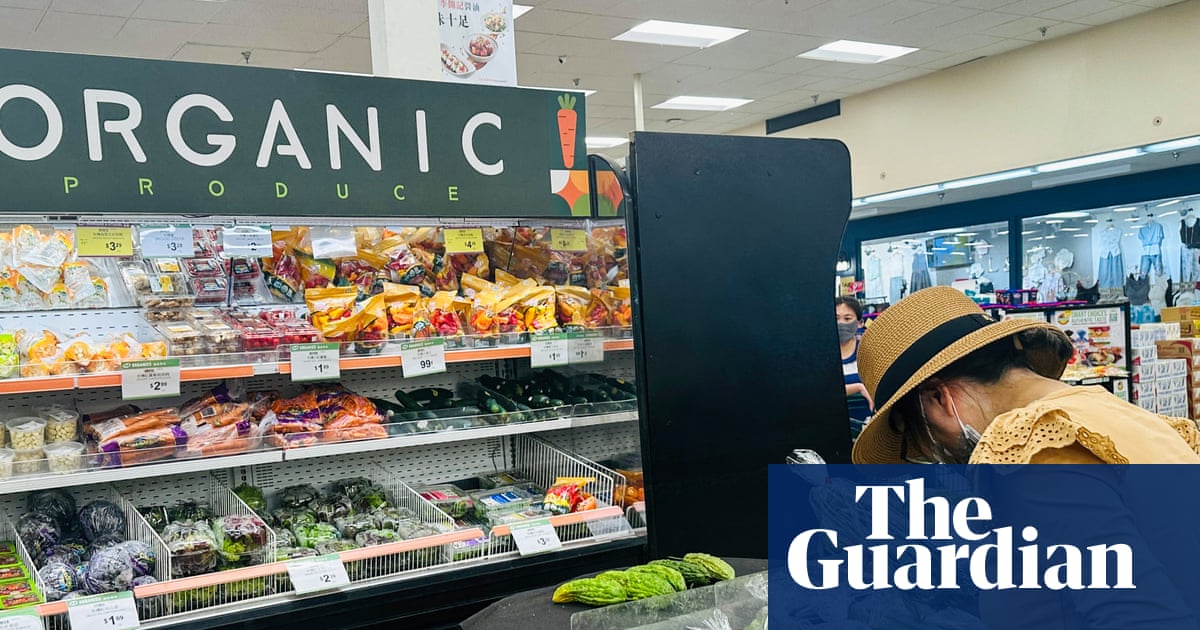
Nine months after Donald Trump took office, promising to reduce prices on “day one”, a clear majority of Americans say their monthly costs have risen by between $100 and $749, according to an exclusive new poll conducted for the Guardian.
The president has continued to insist that there is “virtually no inflation”. “Prices are ‘WAY DOWN’ in the USA,” Trump wrote on social media in late August.
Yet according to a new Harris poll, Americans are still reporting soaring inflation and are increasingly pessimistic about the economy.
When asked to estimate how much their regular monthly household costs have increased from last year, 74% of those surveyed said they had seen increases of at least $100, according to the poll.
A bar chart showing that three-fourth of respondents said their monthly household costs are going up by more than $100
The increases were reported across the political spectrum, with both Democrats and Republicans, along with independents, reporting price hikes.
Trump’s re-election victory came as voters soured on Joe Biden’s economic policies and the legacy of Covid-era inflation. “Starting on day one, we will end inflation and make America affordable again,” Trump said in a rally in August 2024.
The inflation rate has declined from an annual rate of 3% in January, when Trump took office, to 2.9% annually in August (the last figures published). It has fallen substantially from its peak of over 9% in 2022 but remains uncomfortably ahead of the Federal Reserve’s target of 2%.
The poll’s findings echo those of the Yale Budget Lab, whose economists have calculated that households will see an average increase of $2,300 in costs a year due to Trump’s tariffs – an average of $191 per month. That research calculates overall price level increases and the effect the increases will have on average household income figures.
A graph showing the inflation rate from 2016 to 2025.
Many believe the 2024 presidential election was a referendum on Biden’s economy. Inflation soared in the years after the pandemic while wages struggled to keep up, leaving many Americans feeling like their paychecks were losing power. While the Democratic presidential candidate, Kamala Harris, fought to present a new economic vision focused on costs, for many voters it was too late.
But with just over a year until the midterm elections, Trump’s economy isn’t looking much brighter. A slight majority (54%) of Americans said they believed the economy was in a recession, five percentage points more than Harris’s Guardian polllast September. The majority of Americans (53%) also think the economy is getting worse, compared with 48% who said the same last year.
Inflation was rated as the biggest risk to the US economy when those polled were asked to pick one issue from a list of threats, including immigration, US democracy and tariffs. Inflation was the top risk for Republicans (31%) and independents (33%), and it was the second biggest risk for Democrats (29%), behind tariffs.
A bar chart showing what respondents perceived as biggest risk to the US economy
But the parties diverge over where they see the cracks. Immigration was the second biggest risk for Republicans, with 20% saying it was the biggest risk to the economy, compared with just 8% of Democrats and independents. Meanwhile, tariffs were a big risk for many Democrats (31%) and independents (24%).
When asked about the driving force behind price increases, Republicans were far more likely (45%) to say they were standard yearly changes due to inflation, compared with 22% of Democrats and 27% of independents. Meanwhile, 55% of Democrats and 55% of independents said they thought price increases were driven by current economic policies set out by the government. About the same percentage of people across the political spectrum, slightly over 20%, said the changes were caused by businesses overcharging customers to boost profits.
skip past newsletter promotion
after newsletter promotion
While Republicans seem far less likely to blame tariffs, and thus the Trump administration, on the price increases than Democrats, independents seemed just as willing as Democrats to point to tariffs as an issue.
This is a considerable flip from last year. Last September, when Biden was still president, independents were more aligned with Republicans on pessimism around the economy. The pessimism probably lent itself to votes for Trump: though independents were split between Trump and Biden in 2024, the group had favored Biden by 9% in the 2020 election, according to the Pew Research Center.
But while dissatisfaction over the economy was a boon for Republicans last election, it may not translate to an easy pathway to the midterms for Democrats.
The poll showed that the pessimism about the economy among independents, though shared with Democrats, doesn’t necessarily translate to support for the party.
Among all those polled, optimism for the Democratic party (25%) has dropped since last September (37%), while pessimism (39%) has increased.
Pessimism is slightly higher for Republicans (41%) compared with last year, while optimism for the Republican party has stayed the same since last year, just over 30%.
Boosts to Republican optimism come from within the party: among Republicans, 60% said they were optimistic for their party, compared with 42% of Democrats who said the same about their own party.
Pessimism among independents is higher for the Republican party this year (43%) compared with last year (33%), though it’s now about the same as those also pessimistic about the Democratic party (41%).
But despite the decline in support for Democrats, economic policies coming from Democrats’ policies, including a federal ban on price gouging for food and grocery prices, expanding the child tax credit, and increasing tax rates on long-term capital gains for millionaires, are still popular among voters, and are far more popular than policies that Trump ran on and has implemented. The support for Democratic policies mirrors results that were seen last September.
The ban on price gouging, which was proposed by Harris’s campaign, was still the most popular policy, with 45% of Americans saying it would strengthen the economy. Trump’s top policy, with 43% support, was eliminating taxes on social security – something his administration has yet to act on.
Despite being the core of Trump’s economic agenda, mass deportation of migrants (24%), tax cuts (22%) and tariffs on foreign goods (22%) were some of the least popular policies.
This survey was conducted online within the US by the Harris Poll from 11 to 13 September 2025, among a nationally representative sample of 2,093 US adults.
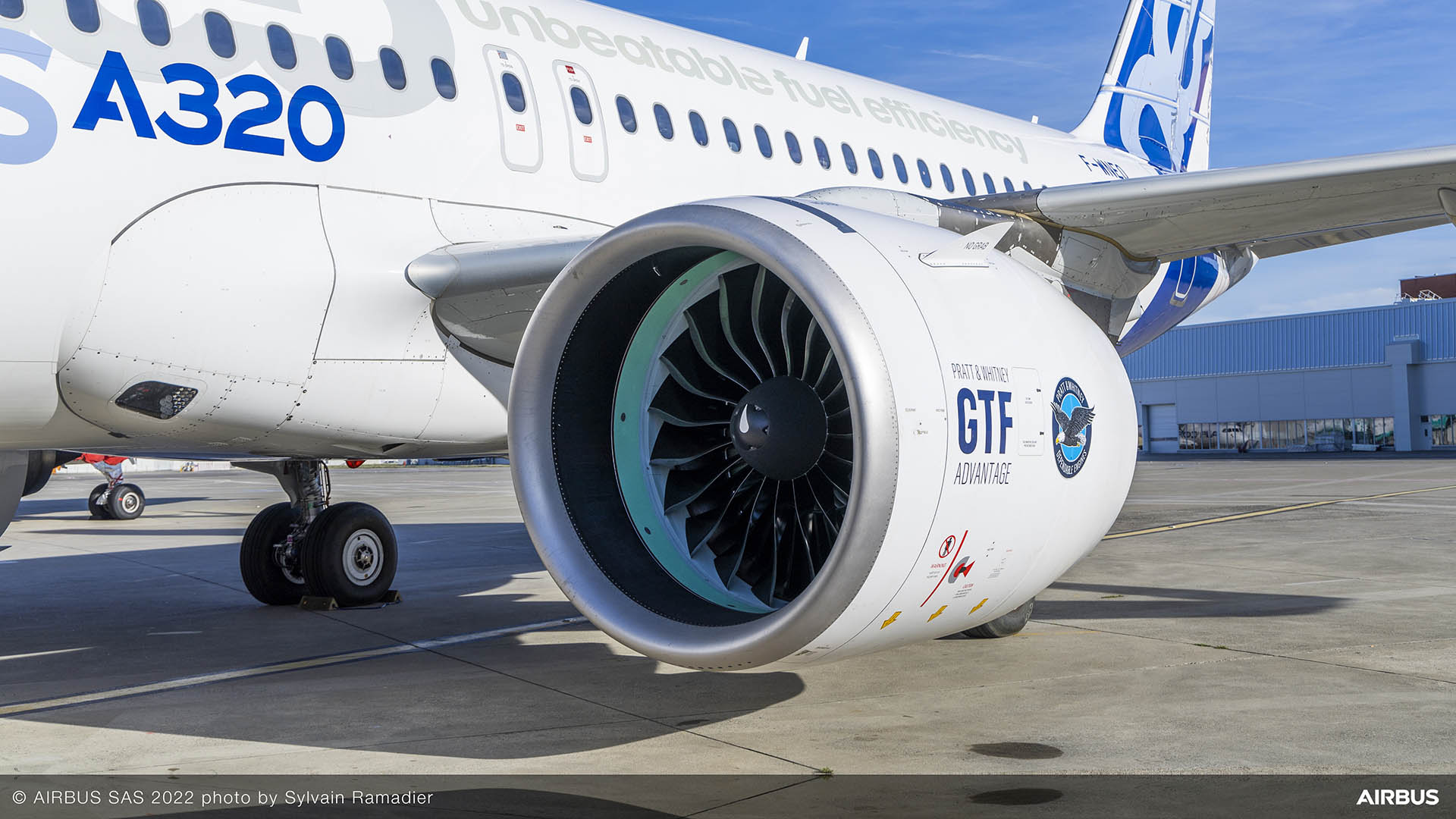
EAST HARTFORD, Conn., Oct. 16, 2025 /PRNewswire/ — Pratt & Whitney, an RTX (NYSE: RTX) business, announced that type certification for the GTF Advantage engine has been validated by the European Union Aviation Safety Agency (EASA), paving the way for entry into service in 2026. The engine was certified by the U.S. Federal Aviation Administration earlier this year.
“EASA certification marks another critical milestone for the GTF Advantage program, demonstrating our ongoing commitment to deliver value for our customers,” said Rick Deurloo, president of Commercial Engines at Pratt & Whitney. “With enhanced payload and range capability, and a more durable configuration that delivers up to double the time on wing, the GTF Advantage will be a game-changer for operators.”
The GTF Advantage will deliver 4% more takeoff thrust at sea level airports and 8% more at high altitude airports, along with better fuel efficiency. GTF Advantage is fully intermixable and interchangeable with today’s GTF engine model and will ultimately become the production standard.
The GTF Advantage features the most state-of-the-art hot section in the single-aisle market. Pratt & Whitney recently announced Hot Section Plus (HS+), an upgrade option for today’s GTF engine derived from GTF Advantage technology. HS+ will provide 90 to 95% of the GTF Advantage’s durability benefits.
About Pratt & Whitney Pratt & Whitney, an RTX business, is a world leader in the design, manufacture and service of aircraft engines and auxiliary power units for military, commercial and civil aviation customers. Since 1925, our engineers have pioneered the development of revolutionary aircraft propulsion technologies, and today we support more than 90,000 in-service engines through our global network of maintenance, repair and overhaul facilities.
About RTX RTX is the world’s largest aerospace and defense company. With more than 185,000 global employees, we push the limits of technology and science to redefine how we connect and protect our world. Through industry-leading businesses – Collins Aerospace, Pratt & Whitney, and Raytheon – we are advancing aviation, engineering integrated defense systems for operational success, and developing next-generation technology solutions and manufacturing to help global customers address their most critical challenges. The company, with 2024 sales of more than $80 billion, is headquartered in Arlington, Virginia.
For questions or to schedule an interview, please contact [email protected].
Tata Consultancy Services (TCS) commissioned Oxford Economics to calculate their economic footprint in the UK in 2023/24.
We estimate that TCS supported a £3.3 billion contribution to UK gross domestic product (GDP) in FY2024. This is the sum of three channels of impact. Some £1.7 billion was contributed directly by TCS. A further £350 million was contributed by the company’s procurement spending, and the subsequent economic activity that this triggered through TCS’s supply chain—its indirect impact. Finally, the payment of wages by TCS and the firms in its supply chain supported a further £1.2 billion contribution to UK GDP—its induced impact.
The company was also estimated to have supported almost 42,700 jobs across the UK economy in FY2024. TCS directly employed approximately 22,200 people. A further 5,000 jobs were supported along the UK supply chain by its procurement spend, whilst some 15,500 jobs were sustained through wage-induced spending.
Explore the complete findings in our report at the link opposite.
EBRD unfunded portfolio guarantee of up to €25 million to Raiffeisen Bank in support of local SMEs
€3 million to be on-lent to households for green investments
Investments supported by the European Union in the form of technical cooperation, guarantees and incentive grants
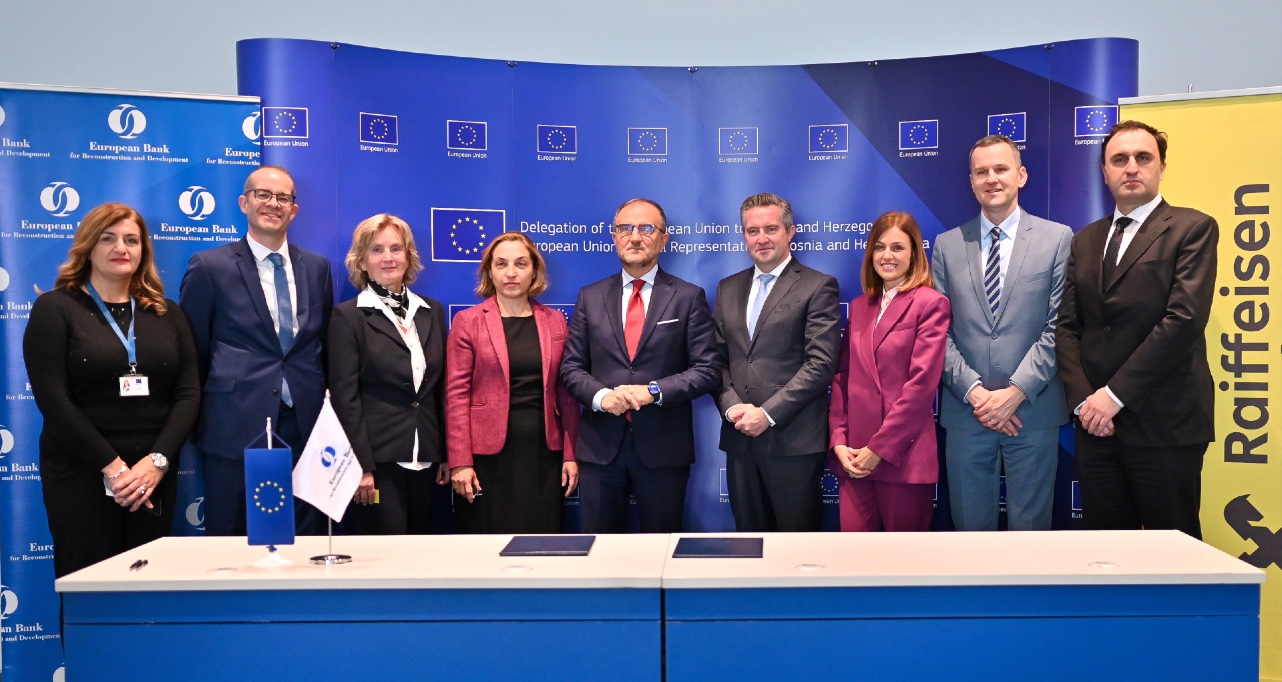
The European Bank for Reconstruction and Development (EBRD) and the European Union (EU), in partnership with Raiffeisen Bank Bosnia and Herzegovina, are boosting access to finance for small and medium-sized enterprises (SMEs) and households across the country.
The EBRD is providing Raiffeisen with a €25 million unfunded risk-sharing guarantee, enabling €50 million in new lending to SMEs under the EBRD’s portfolio risk sharing (PRS) product. The guarantee will cover up to 50 per cent of the credit risk on new SME loans issued by Raiffeisen Bank. Backed by technical assistance and first-loss counter-guarantee from the EU’s European Fund for Sustainable Development Plus (EFSD+) Growth for All programme, the initiative targets underserved businesses – including those led by women and young people – and SMEs operating in tourism, agriculture and rural areas. This transaction is the first PRS facility supported by the EFSD+ in the Western Balkans, ahead of a regional roll-out.
By sharing part of the risk with Raiffeisen Bank, the EBRD and EU are helping the bank strengthen its resilience and expand lending to more SMEs using the bank’s own funds. The PRS broadens the spectrum of EBRD products in the market, with an innovative solution designed to reduce risk for the EBRD’s partner financial institutions and to address financing gaps for MSMEs.
In addition, a €3 million EBRD loan will be on-lent to households for energy-saving upgrades in homes. Eligible borrowers can receive up to 20 per cent cashback from the EU on successful completion of their project. Technical assistance, funded by Japan and the EU, will support effective implementation.
This financing is part of the EBRD’s Green Economy Financing Facility (GEFF) for the Western Balkans, which has already helped over 22,000 households improve their energy efficiency. The programme also supports housing associations and construction firms developing high-performance residential buildings.
Stela Melnic, EBRD Head of Bosnia and Herzegovina, said: “This partnership with Raiffeisen Bank, supported by the European Union, marks a significant milestone in our efforts to expand access to finance for underserved businesses in Bosnia and Herzegovina. By sharing risk and combining innovative financial instruments with targeted technical assistance, we are enabling more SMEs and households to invest in their future, whether through business growth or energy-efficient home upgrades. This is the kind of inclusive and green financing the EBRD is proud to champion across the Western Balkans.”
Luigi Soreca, Head of the Delegation of the European Union to Bosnia and Herzegovina, and European Union Special Representative, said: “The signing of these two agreements is yet another example of the European Union’s commitment to providing new opportunities for SMEs across Bosnia and Herzegovina and improving the lives of its citizens. By improving access to finance, especially for businesses outside big cities, and supporting households in making their homes more energy-efficient, we are helping businesses grow and compete, and citizens live better. These initiatives also play an important role in the EU Growth Plan for the Western Balkans by driving green and digital transformation and strengthening the resilience of the private sector. Together, we are laying the foundation for a more sustainable and prosperous future for all citizens of Bosnia and Herzegovina.”.
Rainer Schnabl, CEO of Raiffeisen Bank Bosnia and Herzegovina, said: “We are proud to be the first bank in Bosnia and Herzegovina to join the EBRD’s portfolio risk sharing programme. This cooperation enables us to expand lending to small and medium-sized enterprises, especially those led by young people and women, and to reach regions beyond the main urban centres. At the same time, through the Green Economy Financing Facility, we are supporting households that invest in energy-efficient solutions, helping to lower costs and contribute to a more sustainable future. As Raiffeisen Bank marks 25 years of being a good neighbour in Bosnia and Herzegovina, this initiative reflects our longstanding commitment to fostering entrepreneurship, competitiveness and the green transition of country’s economy.”
The EBRD has invested more than €3.4 billion in 252 projects in Bosnia and Herzegovina since it began operating there in 1996. The Bank’s strategic priorities in the country are to promote the green economy, support the competitive development of the private sector and foster regional integration.
OEVEL, Belgium–(BUSINESS WIRE)–
The Estée Lauder Companies Inc. (NYSE:EL), today celebrated the sixtieth anniversary of its Manufacturing & Fulfillment Campus in Oevel, Belgium. Since its opening in 1965, the Oevel Campus has developed into a state-of-the-art manufacturing, fulfillment and biotech hub. Today the campus serves as a cornerstone of the company’s global value chain and is one of its largest manufacturing facilities by volume, annually producing over 100 million prestige beauty products, which are then shipped to more than 100 countries.
This press release features multimedia. View the full release here: https://www.businesswire.com/news/home/20251016330616/en/
The Estée Lauder Companies celebrates 60th anniversary of its Manufacturing & Fulfillment Campus in Oevel, Belgium
“Nearly sixty years ago, my grandparents, Estée and Joseph Lauder, laid the cornerstone of our first facility here in Oevel, establishing what would become a vital part of our global operations,” said William P. Lauder, Chair, Board of Directors, The Estée Lauder Companies. “From those early days, our Oevel Campus has evolved into a vibrant community and one of our most advanced centers for manufacturing and innovation. It reflects and embodies the visionary spirit of my grandmother, Mrs. Estée Lauder, as well as who we are as a company. This anniversary is both a celebration of our people and a tribute to the enduring partnerships that have shaped The Estée Lauder Companies’ legacy in Europe.”
The celebration brought together hundreds of the Oevel Campus employees, Belgian government officials, media, and leadership from across The Estée Lauder Companies for a day of reflection and recognition. Guests explored a heritage exhibit, toured the manufacturing plant, and unveiled a commemorative sixtieth-anniversary mural.
“The evolution of our Oevel Campus is a powerful reflection of how The Estée Lauder Companies honors its heritage while moving boldly into the future,” said Stéphane de La Faverie, President and Chief Executive Officer. “As one of our most advanced and sustainable manufacturing sites, our campus here exemplifies how we are reimagining beauty through innovation, quality, and responsibility – driven every day by the passion and expertise of our people.”
“The Estée Lauder Companies’ site in Belgium has become a global benchmark in innovation, sustainability and beauty,” said Matthias van Diepenaele, President of Flanders. “Flanders is proud of this long-term partnership, which creates economic added value, but also demonstrates confidence in our people, our expertise and our future. Many congratulations to the company, its employees and the Lauder family.”
The Oevel Campus’s transformation over six decades reflects The Estée Lauder Companies’ strategic investments in technology, sustainability, and talent. Today, the campus spans more than 100,000 square meters across multiple buildings, having grown fivefold from its original footprint. The site now includes a cutting-edge BioTech Hub in nearby Olen, where scientists produce bio-based raw materials using fermentation and biotechnology, advancing The Estée Lauder Companies’ commitment to sustainability and innovation. The Oevel Campus has evolved from the original ‘Lauder Blue Plant’ – inspired by the packaging used at the time – into a future-ready campus that supports more than twenty brands. The facility enables rapid new product launches and personalized manufacturing, with advanced technologies and AI integrated throughout.
As part of The Estée Lauder Companies’ value chain regionalization strategy, approximately 70% of products sold in Europe are produced within the region, reducing long-haul transport needs and supporting local economies. The Oevel Campus’s growth and transformation exemplify ELC’s focus on operational excellence, transformative innovation, and its enduring commitment to Belgium and Europe.
Statements in this press release may constitute forward-looking statements within the meaning of the Private Securities Litigation Reform Act of 1995. Such statements include those in the various quotations. Although the Company believes that its expectations are based on reasonable assumptions within the bounds of its knowledge of its business and operations, actual results may differ materially from the Company’s expectations. Factors that could cause actual results to differ from expectations include the ability to successfully implement the Company’s strategy, including Beauty Reimagined and the profit recovery and growth plan; successfully transition its leadership; and those other factors described in the Company’s filings with the Securities and Exchange Commission, including its most recent filings with the Securities and Exchange Commission. The Company assumes no responsibility to update forward-looking statements made herein or otherwise.
About The Estée Lauder Companies
The Estée Lauder Companies Inc. is one of the world’s leading manufacturers, marketers, and sellers of quality skin care, makeup, fragrance, and hair care products, and is a steward of luxury and prestige brands globally. The company’s products are sold in approximately 150 countries and territories under brand names including: Estée Lauder, Aramis, Clinique, Lab Series, Origins, M·A·C, La Mer, Bobbi Brown Cosmetics, Aveda, Jo Malone London, Bumble and bumble, Darphin Paris, TOM FORD, Smashbox, AERIN Beauty, Le Labo, Editions de Parfums Frédéric Malle, GLAMGLOW, KILIAN PARIS, Too Faced, Dr.Jart+, the DECIEM family of brands, including The Ordinary and NIOD, and BALMAIN Beauty.
ELC-C
View source version on businesswire.com: https://www.businesswire.com/news/home/20251016330616/en/
Warburg Pincus enters exclusive negotiations to acquire a significant minority stake in Sebia
Existing shareholders CVC Funds, La Caisse (formerly CDPQ) and Téthys Invest to remain significant investors
Sebia, a global leader in specialty diagnostics, and Warburg Pincus, the pioneer of private equity global growth investing, today announced that Warburg Pincus has entered into exclusive negotiations for the potential acquisition of a significant minority stake in Sebia.
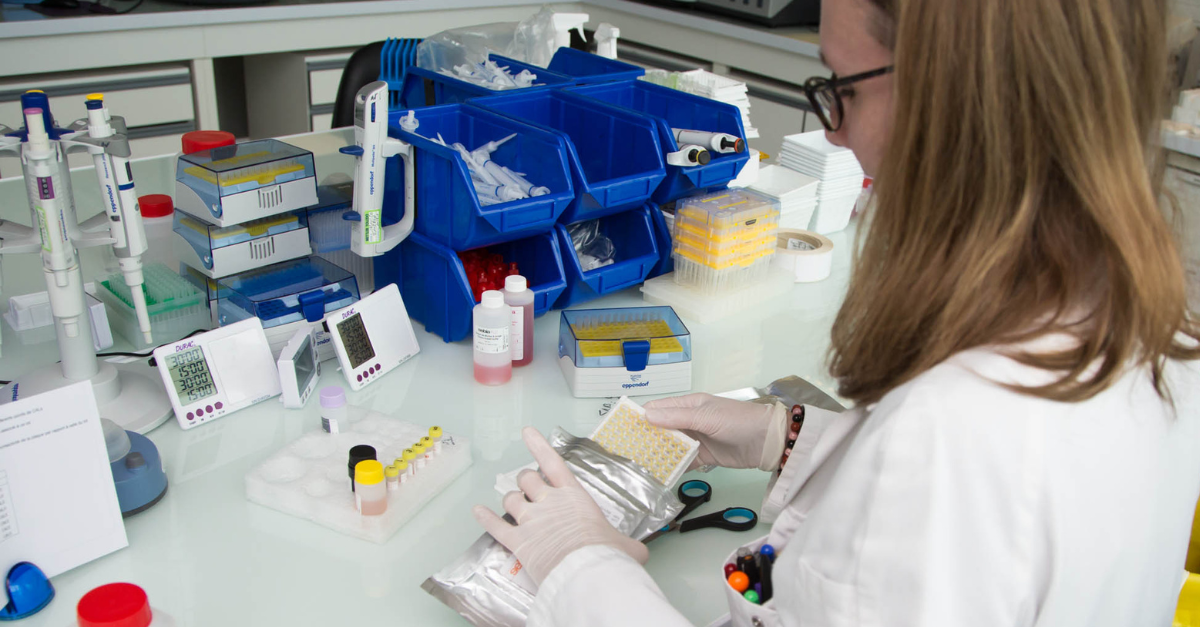
Sebia is a global specialized In Vitro Diagnostics player providing equipment and reagents for the screening and monitoring of various diseases, primarily in the areas of Oncology (Multiple Myeloma), Diabetes, Hemoglobinopathy, Autoimmune and Infectious diseases and other rare pathologies. The company serves customers in more than 140 countries through a broad installed base and a portfolio of proprietary reagents and instruments.
Jean-Marc Chermette, Chief Executive Officer of Sebia, said: “Our mission is to provide powerful tools that translate what is happening in a patient’s body into a readable and interpretable language. We welcome Warburg Pincus as a new partner alongside our existing investor base. Their global healthcare expertise and growth orientation will help accelerate Sebia’s strategy while maintaining our commitment to scientific rigor, product quality and patient impact, helping us deliver for our customers and partners.”
TJ Carella, Managing Director and Global Head of Healthcare, and Jake Strauss, Managing Director and Head of European Healthcare at Warburg Pincus, said: “Sebia is a best-in-class diagnostics platform with differentiated technology and a strong track record of delivering innovative products and solutions to customers and patients worldwide. We are excited to partner with Jean-Marc, the management team, and existing shareholders to support the company’s next phase of growth, including continued advances in diagnostic modalities, scientific excellence and manufacturing capabilities.”
The terms of the proposed transaction are not disclosed. Following completion, Sebia will continue to operate as an independent company from its headquarters in Lisses, France.
Execution of the proposed transaction remains subject to completion of applicable employee consultation processes, and receipt of customary regulatory approvals. Closing is expected to occur no earlier than Q1 2026.
Amazon One Medical Pay-per-visit currently focuses on treating pink eye, head lice, and common kids’ skin issues, including eczema, contact dermatitis, impetigo, fungal rashes (e.g., ringworm), bug bites, hand-foot-and-mouth disease, fifth disease, roseola, poison ivy, and diaper rash. Parents can also renew their kids’ EpiPen and asthma medications.
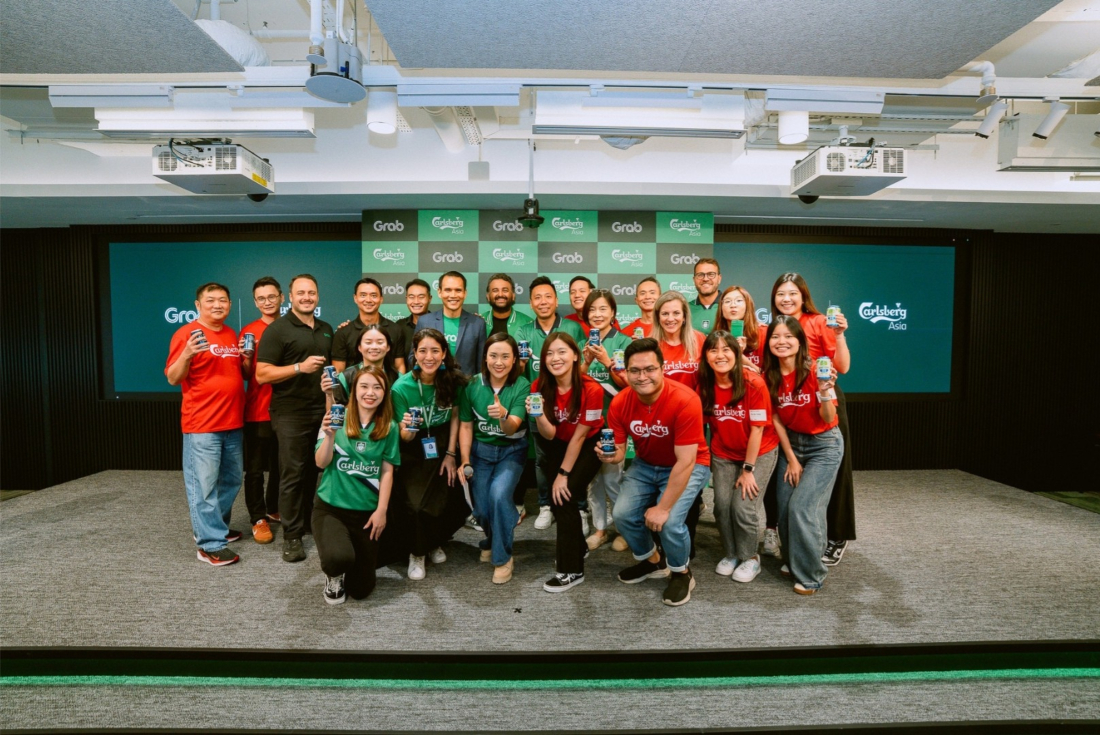
Carlsberg Asia and Grab marked the second year of their partnership this September, a collaboration that’s transforming how consumers across Southeast Asia enjoy beer responsibly.
Launched in late 2024, the partnership connects Carlsberg’s premium beer experiences with Grab’s vast digital ecosystem, from mobility and food delivery to dine-out offers, embedding responsible drinking messages into everyday moments.
This strategic partnership has already yielded significant results. From January to August 2025, there has been a 37% increase in average new Carlsberg consumers per month within the Grab ecosystem (vs. same period in 2024), 22% year-on-year growth in user numbers and average uplift of 49% in Carlsberg sales, marking a 35% year-on-year increase in overall sales.
Anchored in Carlsberg’s long-standing partnership with Liverpool F.C., the longest-running partnership in Premier League history since 1992, the collaboration has turned key football occasions into moments that combine celebration and moderation. In Singapore, the campaign culminated in September with the ‘Champion EPL Season with Carlsberg’ event, featuring Liverpool legend Robbie Fowler. Fowler toured Grab’s headquarters, rode through Orchard Road and the Civic District on an open-top bus, and met with fans, media, and VIP guests, celebrating the partnership’s success and reinforcing the message of responsible enjoyment.
Events across Malaysia, Cambodia, Myanmar, and Singapore brought fans together both online and offline, while in-app activations on Grab offered prizes like match tickets, retro jerseys, and ride discounts promoting safe mobility. Following these successes, the next phase of the campaign will roll out in Vietnam later in 2025.
“Our partnership with Grab is a powerful expression of Carlsberg’s Accelerate SAIL strategy in action,” says Arindam Varanasi, Commercial VP, Carlsberg Asia. “By combining Carlsberg’s brand strength with Grab’s reach, we’re shaping a culture where enjoyment and mindful consumption go hand in hand.” Through Grab’s ecosystem, including GrabFood, GrabMart, Dine Out, and mobility services, Carlsberg can reach consumers across multiple occasions, linking celebration with safety and convenience.
The partnership will continue to expand in Vietnam and beyond later this year, building on its success to make responsible drinking a natural part of how people connect, celebrate, and enjoy life across Asia.