Category: 3. Business

  • New Holland Showcases Smart Farming Innovations at FIRA USA 2025

    New Holland Showcases Smart Farming Innovations at FIRA USA 2025

    • New Holland is returning to FIRA USA with a focus on automation specifically for vineyards and specialty crops
    • The New Holland booth will be at #53
    • FIRA is the leading event for ag robotics and farming automation, with two editions per year: World FIRA in France, and FIRA USA in the United States.

    New Holland, Pa., October 2025

    From October 21–23, 2025, New Holland, a global leader in agricultural machinery and solutions, returns to FIRA USA, the leading event for agricultural robotics and automation. Its attendance reaffirms the brand’s commitment to sustainable farming through cutting-edge technologies and real-world solutions.

    With a focus on automation, precision agriculture and regenerative practices, New Holland’s emphasis is on providing farmers with equipment and technology that boost productivity, efficiency and environmental responsibility. Taking place in Woodland, California, FIRA is the ideal event at which to showcase this, bringing together farmers, industrial leaders, startups, scientists and investors to shape the future of agriculture.

    Technology Highlights

    A highlight of the New Holland display at FIRA USA 2025 will be a T4.120F specialty tractor paired with a precision fan sprayer, outfitted with a Raven Air Blast Sprayer Kit. Designed specifically for vineyards and specialty crop fields, this is available to customers today and brings precision spraying to a segment traditionally underserved in this area.

    This advanced system is designed to eliminate application overlaps and skips through coverage sharing, increasing daily coverage by up to 20% and reducing crop protection input use by up to 10%. The result is more sustainable and environmentally conscious applications, delivering cost savings for growers and reducing waste.

    XPower XPR Concept: Electric Weeding for Row Crops

    At FIRA USA, New Holland is also displaying the XPower XPR concept, developed in collaboration with Zasso. This innovative system offers a chemical-free approach to weed control by using high-voltage electricity to eliminate weeds right down to the root. This sustainable alternative to traditional herbicides not only prevents regrowth but also helps reduce erosion and preserve soil health, a key illustration of how New Holland is supporting regenerative agriculture with practical, forward-thinking solutions.

    Interactive Demonstrations: Technology That Works for Farmers

    Visitors can explore New Holland’s full suite of precision technologies through hands-on experiences at the demo trailer, featuring a tabletop rate control display for intuitive understanding of precision spraying and one-on-one expert demos showcasing real-world applications.

    New Holland invites all FIRA attendees to visit booth #53 to talk with its team of experts and learn more about the brand’s innovative solutions to farmers’ challenges. For more information about New Holland’s participation, see https://fira-usa.com/.

    Continue Reading

  • Generalizability of neuromuscular coordination in the human upper extremity after stroke and its implications in neurorehabilitation | Journal of NeuroEngineering and Rehabilitation

    Generalizability of neuromuscular coordination in the human upper extremity after stroke and its implications in neurorehabilitation | Journal of NeuroEngineering and Rehabilitation

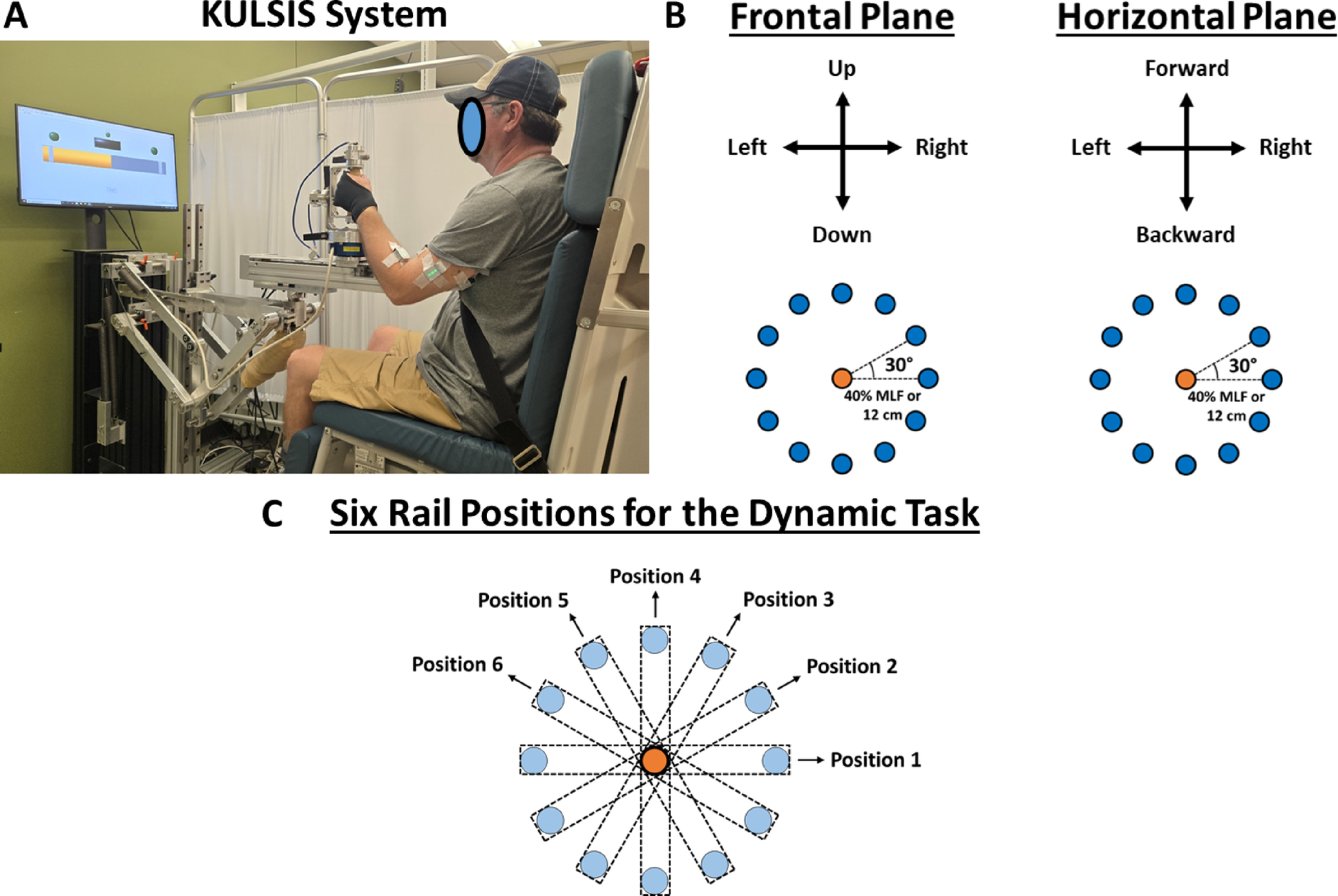
    The primary aim of this study was to investigate the generalizability of muscle synergy characteristics between isometric force generation and dynamic reaching tasks after stroke. In the isometric task, the force load for the target-matching task was set at 40% of each participant’s MLF. MLF was significantly higher in healthy participants [40.13 ± 14.14 N (mean ± SD)] compared with stroke survivors (24.07 ± 12.03 N; p < 0.01). The mean isometric target-matching time for each participant, including the ramp and the one-second holding phases, was longer for stroke survivors (6.14 ± 1.91 s) than for healthy individuals (4.63 ± 0.93 s), although this difference was not statistically significant (p = 0.052). In the dynamic reaching task, the average of each participant’s time from the target-onset to the initial timing of a target match was significantly lower for healthy individuals (1.71 ± 0.16 s) compared with stroke survivors (2.02 ± 0.09 s; p < 0.01). For both tasks, healthy participants matched all the targets, while stroke survivors matched, on average, 85.81% and 96.6% of the targets for the isometric and dynamic reaching, respectively, mainly because of the difficulty in holding the target match for one second in the isometric task. The average experiment duration was 2.5 h and 3.5 h for healthy volunteers and stroke survivors, respectively.

    EMG patterns of two-dimensional isometric force generation and dynamic reaching

    The EMG signals recorded in neurologically intact volunteers and stroke survivors showed distinct muscle activity underlying isometric force generation and dynamic reaching. For instance, Fig. 2 shows the EMG patterns from two participants (a healthy, representative volunteer and a moderately impaired stroke survivor) performed during static and dynamic tasks in a medial direction target in the horizontal plane. The healthy volunteer mainly recruited AD, MD, and PEC during the isometric force generation trial (Fig. 2A), while BRD, BB, AD, and PEC were activated during the dynamic reaching (Fig. 2B). In contrast, the moderately impaired stroke participant mainly recruited BB and PEC during the static trial, while mainly PEC, with some activation of AD and BB, was recruited for the dynamic trial. Over time, the EMG signal magnitudes varied between the two tasks for both participants. Moreover, alterations in the EMG patterns were typically observed in stroke survivors, varying by individuals and depending on the level of motor impairment.

    Fig. 2

    EMG, force, and speed data were collected from one representative healthy participant (left) and one post-stroke volunteer (right) for both isometric force production and dynamic reaching tasks. EMG signals were collected during center-out, point-to-point reaching under static or dynamic conditions to the nine-o’clock direction. The signals were normalized for each muscle against the maximum contraction observed across all trials within each motor task to highlight muscle activation patterns throughout the trial. This normalization by maximum contraction was performed for visualization purposes only for this Figure, and it was not used for muscle synergy identification. A, three-dimensional endpoint forces (Fx, lateral-medial; Fy, forward-backward; Fz, upward-downward) and EMG signals were recorded during the isometric force target-matching task. The one-second holding period data, demarcated by the two blue lines, were used for synergy analysis. B, Hand speed and EMG activity during a center-out reaching movement. EMG data from the movement onset to offset based on the 10% of max speed (indicated by the blue lines) were included for synergy identification. The muscles recorded were brachioradialis (BRD), biceps brachii (BB), triceps brachii (long and lateral heads) (TrLo and TrLa, respectively), deltoids (anterior, middle, and posterior fibers; AD, MD, and PD, respectively), and pectoralis major clavicular head (PEC)

    Optimal number of muscle synergies in isometric force generation and dynamic reaching tasks

    The number of muscle synergies required to explain EMG variance differed between tasks in healthy individuals but remained consistent in stroke survivors. Figure 3 shows the average number of muscle synergies for both groups across the two tasks. Based on the criteria described in the previous section (see Method section, Muscle Synergy Identification), on average, four synergies (3.75 ± 0.89; mean ± SD) were required to account for the variance of the EMG underling the isometric force generation in the healthy individuals (n = 8), while five synergies (4.75 ± 0.83) were required for the dynamic reaching task in the same group. Similarly, for the stroke survivors (n = 14), four synergies were typically required for both tasks, isometric force generation (3.93 ± 0.83) and dynamic reaching (4.29 ± 0.47). A significant difference was found in the optimal number of muscle synergies in the healthy group between tasks (paired t-test, p < 0.05), but not in the stroke population. Finally, no significant relationship or trend was observed between the number of synergies and the level of motor impairment after stroke in either task.

    Fig. 3
    figure 3

    The optimal number of muscle synergies (mean ± SD) during isometric force generation (white) and dynamic reaching (black) tasks for the healthy individuals (n = 8) and stroke survivors (n = 14). The criteria for the optimal number of muscle synergies per participant included 90% of the global variance accounted for (gVAF) and a 5% difference of gVAF by adding one more synergy (diffVAF; see Method section, Muscle Synergy Identification). There was a significant difference between the isometric force generation and dynamic reaching tasks in the healthy group exclusively (paired t-test; *, p < 0.05)

    Muscle synergy patterns

    Muscle synergy patterns were consistent across both isometric force generation (Fig. 4A) and dynamic reaching (Fig. 4B) tasks within each subgroup, including healthy individuals, and the stroke subgroups with mild-to-moderate, and severe motor impairment. As a validation, a post hoc analysis was applied to a subset of the data collected (eight stroke survivors and four healthy individuals) to compare muscle synergy composition identified from the holding period only and from the ramp phase plus holding period. Consistent with our previous study in stroke [28], synergy patterns were similar between different phases during the isometric force generation task. The synergy patterns were named following the appropriate mechanical action of the muscles mainly activated within each synergy. The muscle synergies of the healthy participants activated during both isometric force generation and dynamic reaching tasks were as follows: elbow flexor (EF), elbow extensor (EE), shoulder flexor/adductor (SF/Ad), and shoulder extensor/abductor (SE/Ab). The fifth synergy of dynamic reaching was named shoulder adductor (SAd) because of its functional activation during the task performance. The EF synergy included the activation of the elbow flexor muscles (BRD and BB). The EE synergy consisted of the activation of the elbow extensor muscles (TrLo and TrLa). The SF/Ad consisted of the activation of AD, MD, and PEC. The SE/Ab synergy contained the activation of MD and PD. The SAd synergy contained the activation of PEC with some activation of BB.

    Similarly, the muscle synergies from the two stroke subgroups (mild-to-moderate and severe) included: EF, EE, SF/Ad, and SE/Ab. However, systematic alterations were observed in stroke participants, especially in severely impaired subgroups. The EF synergies mainly consisted of BRD and BB, with some co-activation of TrLa, AD, and MD for the two tasks. In addition, SF/Ad synergies mainly consisted of PEC with an abnormal reduction of AD and MD, and an atypical co-activation with BB for the severely impaired subgroup.

    Fig. 4
    figure 4

    Muscle synergy patterns (EF, elbow flexor; EE, elbow extensor; SF/Ad, shoulder flexor/adductor; SE/Ab, shoulder extensor/abductor; and SAd, shoulder adductor) per subgroup (n = 8, healthy; n = 8, mild-to-moderate; n = 6, severe) during isometric force generation (A) and dynamic reaching (B). SAd synergy was identified exclusively in the healthy group during the dynamic condition. The muscle synergy composition was consistent with some small variations within each of the three subgroups. Nevertheless, group differences were observed, especially in EF and SF/Ad for the severely impaired stroke subgroups compared with healthy individuals

    Within-subject similarity of muscle synergy composition between isometric force generation and dynamic reaching tasks

    The majority of the synergies were statistically similar (threshold [r] = 0.819; p < 0.05) between isometric force generation and dynamic reaching within each individual of each subgroup (Fig. 5). In healthy individuals, all four muscle synergies were significantly similar between the two tasks. For instance, in the EF and EE synergies, the similarity indices [mean ± SD] were 0.85 ± 0.13 and 0.88 ± 0.10, respectively. Also, the similarity indices of the SF/Ad and SE/Ab synergies were 0.84 ± 0.09 and 0.86 ± 0.10, respectively. In addition, in the stroke group, three out of the four identified synergies were similar, including EE, SF/Ad, and SE/Ab synergies. The elbow flexor synergy was not statistically similar between the two tasks, mainly because of the greater variability in the muscle weights of the elbow flexor muscles (BRD and BB) with an elbow extensor (TrLa) and a shoulder adductor (AD) within the same participant across both tasks, particularly observed in severely impaired stroke survivors.

    Fig. 5
    figure 5

    Muscle synergy composition similarity between isometric force generation and dynamic reaching. A, four pairs of synergies (EF, elbow flexor; EE, elbow extensor; SF/Ad, shoulder flexor/adductor; SE/Ab, shoulder extensor/abductor) underlying the two tasks were similar (*, p < 0.05) within each participant in the healthy group. B, three out of the four pairs of synergies (EE, SF/Ad, and SE/Ab) were similar between the static and dynamic tasks for the stroke group. The dotted line indicates the statistical similarity threshold

    Altered, stroke-induced synergies explained as merging of synergies of healthy individuals

    Altered, stroke-induced muscle synergies observed during both isometric force generation and dynamic reaching were explained as a linear combination of muscle synergies underlying dynamic reaches of healthy participants. The mean of muscle synergies underlying dynamic reaching in the healthy group formed the norm (model) synergies. The scalar products of the best-matched synergy pairs between the norm synergies and each stroke participant’s synergies underlying each motor task were calculated. Regarding the static task, 41 out of the 56 synergies (14 stroke survivors × 4 synergies per participant) of all the stroke participants were identified as preserved (i.e., the scalar product greater than the threshold (0.819); see Methods section, Calculating Muscle Synergy Similarities). Similarly, 42 out of the 56 synergies of the 14 stroke survivors were also identified as preserved during dynamic reaching. Moreover, by merging two norm (model) synergies observed from healthy individuals during the dynamic task, nine out of 13 altered, stroke-induced synergies in the isometric task, and 12 out of 14 altered synergies in the dynamic task were successfully reconstructed (i.e., the scalar products between the altered synergies and merged synergies were greater than the threshold). This finding indicates that merging or co-activation of synergies recruited during dynamic reaching in healthy conditions can largely account for abnormal synergy patterns observed after stroke across both static and dynamic motor tasks. In contrast, merging the model synergies underlying the isometric conditions could not reconstruct the same altered, stroke-induced synergies as much as merging the model synergies underlying the dynamic conditions (i.e., only less than half of the altered synergies were explained). This observation highlights that merging synergies underlying dynamic reaches of healthy individuals provides a better explanation of altered, stroke-induced muscle synergies than merging synergies underlying static tasks.

    Finally, we assessed the impact of the merging on the similarity index and found that it consistently increased beyond the synergy similarity threshold (0.819), with values typically approaching 0.9. This increase in similarity was significant within each task, showing that merging dynamic synergies of healthy individuals closely resembled the altered muscle synergy patterns during both tasks (Fig. 6). Altered, stroke-induced synergies that could not be explained by merging as a linear combination of model synergies were not included in this analysis.

    Fig. 6
    figure 6

    The altered, stroke-induced synergies were explained by merging the model muscle synergies underlying the dynamic reaching from the healthy individuals. The two white bars represent the similarity index (mean ± SD) of the scalar product of the best-matched synergy pairs between each altered, stroke-induced synergy and the norm synergies (i.e., the averaged synergies within the healthy group) underlying dynamic reaching. The two gray bars show the similarity between altered, stroke-induced synergies and the merging of two norm synergies during the dynamic task, which are higher than the first two, respectively (**, p < 0.01). The dashed line shows the statistical threshold of the similarity index. Altered synergies that were explained by merging model synergies of healthy individuals were included exclusively (n = 9, isometric force generation; and n = 12, dynamic reaching)

    Differences in muscle synergy recruitment during isometric force generation and dynamic reaching

    The static and dynamic tasks tended to adopt different muscle synergy recruitment strategies. These patterns were based on the averaged activation profiles within each subgroup, including healthy individuals, and mild-to-moderate and severe stroke subgroups. For visualization purposes, the 24 target directions were divided into two sets: one representing the 12 target directions from the horizontal plane (Fig. 7) and the other representing the 12 target directions from the frontal plane (Fig. 8). In the horizontal plane, synergy activation profiles appeared more directionally tuned during isometric force generation than during dynamic reaching across all subgroups, except for the severely impaired stroke subgroup (Fig. 7A vs. 7B). Furthermore, task-specific variations in synergy recruitment between isometric and dynamic motor control were reflected in terms of the number of synergies used per target direction. Healthy participants generally recruited one more muscle synergy per target direction in dynamic reaching than in isometric force generation in the horizontal plane; however, severely impaired stroke survivors generally recruited one more muscle synergy per target direction in isometric force generation than in dynamic reaching (Fig. 7C). No difference between the two tasks was observed in the stroke subgroup with mild-to-moderate motor impairment in the number of recruited synergies per target in the horizontal plane. For healthy individuals, the activation thresholds of isometric force generation (t_iso) and dynamic reaching (t_dyn) thresholds were t_iso_healthy = 1 and t_dyn_healthy = 0.88 in the healthy group, whereas for the stroke groups, they were t_iso_stroke = 0.88 and t_dyn_stroke = 0.85.

    Fig. 7
    figure 7

    The averaged tuning curves of muscle synergy activation and the number of significantly activated synergies per target direction during isometric force generation (A) and dynamic reaching (B) in the horizontal plane per subgroup. The muscle synergy activation tuning curves were more tuned during isometric force generation than during dynamic reaching for all subgroups, except the severely impaired stroke subgroup. Each of the five colors is mapped to each of the five synergy-activation profiles. C, the number of muscle synergies significantly activated across the 12 target directions in the isometric force generation (circle) and dynamic reaching (triangle) based on the mean muscle synergy activation per subgroup. The squares refer to the case in which the number of significantly activated synergies is the same for both tasks in a specific target direction. The magnitude of the mean synergy activation greater than the threshold (see Method section, Number of synergies required per target direction) was considered significant. For the healthy group, the number of synergies significantly activated per target direction was typically lower in the isometric force generation than in the dynamic reaching. In contrast, for the severely impaired stroke subgroup, the number of synergies was typically higher in the isometric task than in the dynamic task. For the stroke subgroup with mild-to-moderate impairment, no clear difference between conditions was observed. EF, elbow flexor; EE, elbow extensor; SF/Ad, shoulder flexor/adductor; SE/Ab, shoulder extensor/abductor; and SAd, shoulder adductor

    Similarly, Fig. 8 shows that the averaged activation profile of each muscle synergy was more tuned in the isometric force generation task (Fig. 8A) than in the dynamic reaching (Fig. 8B) in the frontal plane for healthy individuals, and stroke participants with mild-to-moderate impairment, but not for severely impaired stroke survivors. Meanwhile, during the dynamic reaching, several muscle synergies were activated per target direction for all subgroups, except for the severely impaired subgroup, suggesting that multiple synergies need to be activated to perform the desired point-to-point dynamic reaching in the healthy group as well as in the stroke subgroup with mild-to-moderate motor impairment. In addition, differences were observed in the number of muscle synergies significantly activated across the 12 target directions in the frontal plane. Healthy participants tended to recruit one more muscle synergy per target direction during the dynamic reaching than during the static task. Interestingly, severely impaired stroke survivors generally recruited one more muscle synergy per target direction during isometric force generation than during dynamic reaching (Fig. 8C). Consistent with the horizontal plane, no difference in the number of recruited synergies per target in the frontal plane was observed between the two tasks in the mild-to-moderate stroke subgroup.

    Fig. 8
    figure 8

    The averaged tuning curves of muscle synergy activation profiles and the number of significantly activated synergies per target direction during static (A) and dynamic (B) tasks in the frontal plane, across subgroups. In general, synergy activation tuning curves were more tuned during static than during dynamic reaching for healthy individuals, and the stroke subgroup with mild-to-moderate impairment, but not for the severely impaired stroke subgroup. Each of the five colors from the activation tuning curve is mapped to each of the five muscle synergy activation profiles. C, the number of significantly activated muscle synergies across the 12 target directions for both tasks (circles indicate isometric force generation, triangles indicate dynamic reaching, and squares represent target directions where participants activated the same number of synergies in both tasks). Synergy activation was considered significant if its average magnitude exceeded a defined threshold (see Method section, Number of synergies required per target direction). For healthy individuals, fewer synergies per target direction were typically activated during isometric force generation than during dynamic reaching. Conversely, for stroke survivors with severe motor impairment, the number of synergies was typically higher in the isometric task than in the point-to-point reaching task. No consistent difference in the number of activated synergies was observed between the two tasks in the mild-to-moderate stroke subgroup. EF, elbow flexor; EE, elbow extensor; SF/Ad, shoulder flexor/adductor; SE/Ab, shoulder extensor/abductor; and SAd, shoulder adductor

    Even though variability was observed across subgroups, the averaged synergy activation profiles as a function of the target force direction across both planes were generally aligned with the expected mechanical action of the muscles predominantly activated within each respective muscle synergy pattern. For instance, in the horizontal plane (Fig. 7A) during the isometric task across subgroups, the EF and EE synergies were mostly activated in the backward-medial and forward-lateral directions, respectively, whereas the SF/Ad and SE/Ab synergies were more active in the medial and lateral directions, respectively. Similarly, in the dynamic reaching, the activation of EF, EE, and SF/Ad in the healthy subgroup retained similar directional preferences, whereas the preferred activation of SE/Ab shifted toward a backward-lateral direction in the horizontal plane (Fig. 7B).

    The number of average muscle synergies significantly activated per target direction, with both planes combined, varied between isometric force generation and dynamic tasks in healthy individuals and severely impaired stroke survivors. Figure 9 shows the number of synergies activated and averaged across the 24 targets (12 horizontal and 12 frontal) for the three subgroups. The Wilcoxon signed-rank test between corresponding subgroups across the two tasks showed a significant difference in the number of synergies activated across the 24 target directions in the healthy individuals, suggesting that the reaching task was more complex. Interestingly, for the severe stroke subgroup, a significant difference was also found, with the isometric task typically requiring one more synergy significantly activated per target direction than the dynamic task, suggesting abnormal muscle synergy recruitment strategies in the neuromuscular coordination of motor tasks in severely impaired stroke survivors. Finally, a post-hoc power analysis was conducted to assess the reliability of these within-subgroup comparisons between the two tasks, indicating a statistical power exceeding the standard 80% threshold.

    Fig. 9
    figure 9

    The average number of muscle synergies significantly activated across the 24 targets in both planes in the healthy group (A) and stroke subgroups with mild-to-moderate (B) and severe (C) impairment. Wilcoxon signed-rank test showed that healthy participants activated a significantly greater number of synergies across the 24 target directions during the dynamic task than during the isometric task (**, p < 0.01). In contrast, stroke survivors with severe motor impairment activated a greater number of synergies during the isometric task than during the dynamic task (**, p < 0.01). No significant difference was found between the two tasks in the stroke subgroup with mild-to-moderate impairment

    Correlation of a pair of synergy activation profiles

    The trend in the correlation of any possible pairs of averaged synergy activation profiles was different between isometric force generation (Fig. 10A) and dynamic reaching (Fig. 10B) (Spearman’s rank correlation, p < 0.05). During the isometric task, the elbow flexor and extensor synergy activations were negatively correlated in healthy individuals (rho = − 0.84, p < 0.01) as well as in all two-stroke subgroups (rho = − 0.82, p < 0.01, mild-to-moderate; and rho = − 0.83, p < 0.01, severe). Additionally, the preservation of a negative correlation even after stroke was observed between the shoulder antagonistic synergies (SF/Ad and SE/Ab) for the healthy individuals (rho = − 0.48, p < 0.05) and the two-stroke subgroups (rho = − 0.69, p < 0.01, mild-to-moderate; and rho = − 0.72, p < 0.01, severe). Additionally, positive correlations between agonistic synergies across both arm joints (EF and SF/Ad) were consistently maintained for healthy individuals (rho = 0.55, p < 0.01) and the two stroke subgroups (rho = 0.72, p < 0.01, mild-to-moderate; and rho = 0.43, p < 0.05, severe). Finally, the negative correlations between antagonistic synergies across both arm joints (EE and SF/Ad) were found to be kept in the healthy group (rho = − 0.77, p < 0.01), and the two stroke subgroups (rho = − 0.70, p < 0.01, mild-to-moderate; and rho = − 0.61, p < 0.01, severe). These results suggest that the correlation between any possible pairs of the averaged synergy activation profiles within each subgroup remains preserved mainly in the isometric condition, even after stroke.

    In contrast, in the dynamic condition, a significant negative correlation between elbow flexor and extensor synergy activations was not observed in the healthy individuals (rho = − 0.05, p = 0.82), but in the mild-to-moderate (rho = − 0.59, p < 0.01) and severe impaired (rho = − 0.57, p < 0.01) stroke subgroups. Similarly, the shoulder antagonistic synergies (SF/Ad and SE/Ab) did not exhibit a significant correlation for healthy (rho = 0.11, p = 0.59) and stroke survivors with mild-to-moderate impairment (rho = − 0.25, p = 0.25), but they did for severely impaired subgroups (rho = − 0.59, p < 0.01). Interestingly, in participants with severe motor impairment, positive coupling was identified between the elbow flexor and shoulder extensor/abductor synergies (rho = 0.61, p < 0.01).

    Fig. 10
    figure 10

    The correlation coefficients of any possible pairs of synergy activation profiles averaged across participants in any subgroup (Spearman correlation, *, p < 0.05; **, p < 0.01) during the isometric force generation task (A) and the point-to-point reaching task (B). EF, elbow flexor; EE, elbow extensor; SF/Ad, shoulder flexor/adductor; and SE/Ab, shoulder extensor/abductor

    Continue Reading

  • Modernizing mobile networks: Orange begins the transition away from 2G and 3G

    Modernizing mobile networks: Orange begins the transition away from 2G and 3G

    Published on 14 October 2025

    Orange is modernizing its mobile networks to keep pace with fast-changing digital habits. Starting in 2026, 2G will gradually be phased out in mainland France as part of the Lead the Future strategic plan.

    This transition has a clear goal: provide network connectivity that’s simpler, safer, and more sustainable – built for today and ready for tomorrow.

    Orange is part of a global movement: more than 200 operators have already started or completed 2G / 3G migration. Staying true to our role, we’re taking a gradual, step-by-step approach to ensure reliable service and meet the needs of all our customers.

    A responsible technological shift in line with global standards

    Phasing out 2G is an important step toward the future. Orange is preparing a network that is faster, more efficient, and safer. It will meet growing mobile needs, support connected devices, and handle critical services, while strengthening security.

    Phasing out older technologies like 2G and 3G is essential to keep Orange among Europe’s leading network operators and give our customers the best connectivity,” explains Michaël Trabbia, EVP, CEO of Orange Wholesale

    The upgrade follows a global trend. Today, more than 200 operators in nearly 100 countries have already moved on from 2G or 3G. Orange is moving in the same direction while keeping in mind regional differences and the needs of our customers..

    Why is Orange phasing out 2G and 3G?

    2G and 3G are now less used, less secure, and more energy consuming, so they no longer meet the requirements of today’s digital technology. Phasing them out is a logical and responsible step.

    • 4G and 5G networks offer stronger security, including advanced encryption, reliable authentication, and better protection against threats.

    • 2G and 3G carry only a very small part of network traffic today.

    • The frequencies used by 2G and 3G will be repurposed to improve the performance of the latest-generation networks.


    Modernizing our fixed and mobile networks is central to our strategy. With the planned phase-out of 2G in 2026 and 3G by the end of 2028, Orange will guide all customers to 4G and 5G. Our goal is to move all copper network users to fiber and ultra-fast broadband by 2030. This will give faster, safer, and more energy-efficient networks.” Bénédicte Javelot, EVP Strategic Projects & Development at Orange

    This is not just a technological choice but also an environmental one, to better support tomorrow’s digital needs.

    Gradual timeline and support in France

    The change will happen gradually, giving everyone time to adapt. Between March and June 2026, 2G will be phased out in nine departments in the Southwest. It will then expand to the rest of mainland France in the fall. 3G will follow, with full phase-out planned for the end of 2028.

    Key dates reseaux.orange-business (in French)

    Network modernization

    Orange is upgrading its mobile infrastructure in France and Europe

    +200

    Operators worldwide that have started or completed 2G or 3G phase-out

    98.8%

    4G coverage in Romania, the first Orange country to start phasing out 3G

    2026

    Gradual start and end of 2G in mainland France

    End of 2028

    Full 3G shutdown in France

    2030

    Full shutdown of 2G and 3G in all European countries where Orange operates

    This approach ensures clear communication, field testing, and tailored support, keeping services running smoothly while helping individuals and businesses make the transition. .

    Who will be impacted in France?

    As stated in our press release from 21 February 2022, most customers won’t notice the transition. Most phones in use today already support 4G or 5G. Customers with older devices will receive additional support.

    For businesses, some IoT and mobile devices still rely on 2G or 3G. Orange offers full support to help companies move to newer technologies like 4G, LTE-M, VoLTE, or 5G. This includes personalized fleet assessments and step-by-step migration plans to ensure continuous service.

    What is LTE-M?

    LTE-M is a 4G-based cellular technology designed for IoT devices. It uses less energy, works well indoors and underground, and supports mobility and long device lifespan.

    What is VoLTE?

    VoLTE (Voice over LTE) is a cellular technology that allows calls over 4G, providing better audio quality and faster connections compared with 2G or 3G. It also lets voice and data run at the same time on the same network.


    Looking ahead

    This change is part of a clear strategy toward useful, inclusive, and energy-conscious digital services. By focusing on the most effective technologies, Orange strengthens the networks of tomorrow.

    Phasing out 2G and 3G is also central to our Lead the Future strategic plan. Orange is also investing in fiber, 5G, the circular economy, and aims to reach carbon neutrality by 2040.

    It’s a necessary step that’s being carefully managed to operate networks that are easier to use, safer, and more sustainable.

    Key takeaways

    • Networks will be upgraded gradually: 2G ends in 2026 and 3G from late 2028 in France, with a clear timeline.

    • Multiple benefits: safer, more energy-efficient networks ready for today and tomorrow.

    • Tailored support: personalized solutions for individuals and businesses, with special attention to specific and critical uses.

    Continue Reading

  • JPMorgan’s Profit Jumps as Business Booms on Main Street, Wall Street – The Wall Street Journal

    1. JPMorgan’s Profit Jumps as Business Booms on Main Street, Wall Street  The Wall Street Journal
    2. JPMorgan Chase tops estimates as trading revenue hits a record of nearly $9 billion  CNBC
    3. Dimon Calls Out Weaker Job Market, Inflation as Provisions Rise  Bloomberg.com
    4. US banks: JPM and Wells Fargo rise after Q3 results  TradingView
    5. JPMorgan gets Wall Street lift, warns of economy ‘softening’  American Banker

    Continue Reading

  • SOX4 enhances tumor progression and cisplatin resistance in orthotopic mouse xenograft model of head and neck squamous cell carcinoma | BMC Cancer

    SOX4 enhances tumor progression and cisplatin resistance in orthotopic mouse xenograft model of head and neck squamous cell carcinoma | BMC Cancer

    Cell culture and transfection

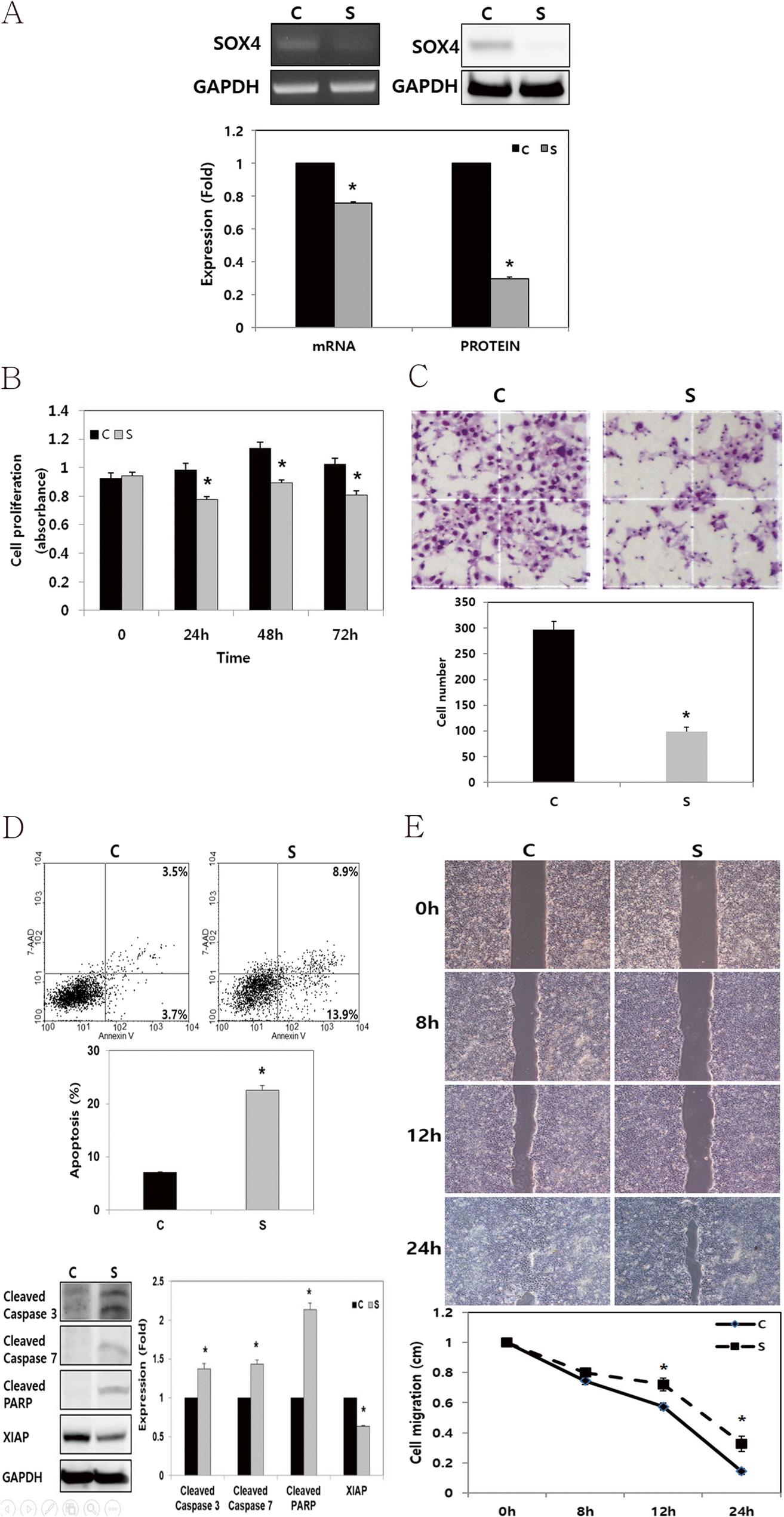
    The HNSCC, FADU cell lines were purchased from the American Type Culture Collection (Manassas, VA, USA). FADU cell line were cultured in DMEM/F12 medium (GIBCO®, Invitrogen, Carlsbad, CA, USA) with 10% fetal bovine serum (FBS, GIBCO®, Invitrogen) and 1% penicillin/streptomycin. Cells were cultured in a Humidified incubator at 37°C with 5% CO2. To knock down endogenous SOX4 gene expression in FADU cells, small interfering RNAs (siRNAs) were utilized. FADU cells were seeded into 6-well plates at a density of 2.0 × 105 cells/well and transfected with a SOX4-specific (Bioneer, Daejeon, Korea) or a negative control siRNA (cat. no. 1027281, Qiagen, Germantown, MD, USA) using (Invitrogen) for 48 h at 37°C. The SOX4-specific si-RNA sequences were as follows: Sense, 5’- GAU AGA UGG CGC UAU CUU U-3’ and Antisense, 5’-AAA CAU AGC GCC AUC UAU C −3’. Subsequent analyses were conducted 48 h post-transfection.

    RNA isolation and reverse-transcription polymerase chain reaction

    Total RNA was extracted from FADU using TRIzol reagent (Invitrogen) following the manufacturer’s protocol. For reverse transcription (RT), total RNA (1 µg), M-MLV reverse transcriptase (Invitrogen), 1 µL of 2 mM dNTP mix (Enzynomics Co., Ltd., Daejeon, Korea), 2 µL of 0.1 M dithiothreitol (Invitrogen), 4 µL of 5× first strand buffer (Invitrogen), 1 µL of RNase inhibitor (Promega Corporation), and 1 µL of oligo dT (Bioneer Corporation, Daejeon, Korea) were used. Primers specific for SOX4 and Glyceraldehyde-3-Phosphate Dehydrogenase (GAPDH, Bioneer Corporation) were utilized to amplify the cDNA. Polymerase chain reaction (PCR) was performed using GoTaq DNA Polymerase and 5× Green GoTaq reaction buffer (Promega Corporation). The primer sequences employed were as follows: SOX4 forward, 5ʹ- GCA CAT GGC TGA CTA CCC C-3ʹ; SOX4 reverse, 5ʹ- GCC TTG TAC AGC GAG TGG TG-3ʹ; GAPDH forward, 5ʹ-ACC ACA GTC CAT GCC ATC AC-3ʹ; and GAPDH reverse, 5ʹ-TCC ACC CTG TTG CTG TA-3ʹ. PCR products were separated via electrophoresis on a 1% agarose gel containing ethidium bromide.

    Protein isolation and western blot analysis

    Cells were lysed using a radioimmunoprecipitation assay buffer (Biosesang Inc.). Protein concentrations were subsequently measured using a bicinchoninic acid assay. Protein lysates (20–30 µg per lane) were separated via sodium dodecyl sulfate-polyacrylamide gel electrophoresis on 10%–12% gels and electrophoretically transferred onto polyvinylidene fluoride membranes. The membranes were then incubated at room temperature for 1 h with 5% bovine serum albumin (BSA; Bioshop Canada Inc.) in Tris-buffered saline (TBS) containing 0.1% Tween-20. The membranes were then washed four times for 15 min each with TBS–0.1% Tween-20. Specific proteins were identified using primary antibodies targeting GAPDH (cat. no. sc-25778; Santa Cruz Biotechnology, Inc., Dallas, TX, USA), β-actin (cat. no. 3700 S; Cell signaling Technology, Inc.), SOX4 (cat. no. ab80261; Abcam, UK), Cleaved caspase-3 (cat. no. 9664; Cell Signaling Technology, Inc.), Cleaved caspase-7 (cat. no. 9491; Cell Signaling Technology, Inc.), X-linked inhibitor of apoptosis protein (XIAP, cat.no. sc-11426; Santa Cruze Biotechnology, Texas, USA), and Cleaved poly (ADP-ribose) polymerase (PARP; cat. no. 5625; Cell Signaling Technology, Inc.; cat. no. ab32064; Abcam). The primary antibodies were diluted at a 1:1,000 ratios in TBS–0.1% Tween-20 and incubated with the membranes for 24 h at 4 °C. Secondary antibodies, anti-rabbit (cat. no. 7074; Cell Signaling Technology, Inc.) or anti-mouse (cat. no. 7076; Cell Signaling Technology, Inc.), were diluted at 1:2,000 ratio, and incubated at room temperature for 1 h. Immunoreactive proteins were visualized using a LAS 4000 luminescence image analyzer (FUJIFILM Wako Pure Chemical Corporation) and an enhanced chemiluminescence detection system for HRP (EMD Millipore). Western blot analysis was independently conducted in triplicate.

    Cell proliferation assay

    Following of transfection, cells plated in 24-well plates (1 × 104 cells per well). After an additional 48 h incubation, cell viability was measured using an EZ-CyTox (WST-1) enhanced cell viability assay kit (cat. no. EZ-3000; Daeil Lab Inc.) at 37 °C for 1–2 h. Absorbance was measured at 460 nm using a microplate reader. Cell viability assays were performed in triplicate and repeated independently.

    Cell invasion assay

    The extent of cell invasion was evaluated by counting the number of cells that migrated through an 8.0 μm pore Transwell invasion chamber (cat. no. 3422; Costar, Inc.). The upper chamber was coated with a 1% gelatin solution and incubated for 12 h at 37 °C, followed by 12 h of drying at room temperature before the experiment. After 48 h of transfection, cells in the upper chamber were seeded at a density of 2 × 105 cells in 120 µl of 0.2% BSA (BioShop Canada, Inc.) in FBS-free DMEM. As a chemoattractant, 400 µl of 0.2% BSA in FBS-free DMEM containing fibronectin (cat. no.361635; Calbiochem, San Diego, CA, USA) was loaded into the lower chamber. After 24 h of incubation, cells that had migrated to the bottom of the Transwell membranes were stained with Diff-Quik solution (Sysmex Corporation). Using a Light microscope, the cells were then counted in five random fields at 100× magnification. Results were expressed as mean ± standard error of the number of cells per field from three independent experiments.

    Cell migration assay (wound healing assay)

    The cells were seeded into each well of Culture-Inserts (Ibidi GmbH) at 1.5 × 105 cells/well, following transfection. They were incubated for 24 h. Following that, each insert was detached, and the progression of cell migration was assessed by imaging at 0, 8, 12, and 24 h using an inverted microscope. Distances between gaps were normalized to 1 cm after three random sites were captured.

    Apoptosis assay

    Apoptosis was evaluated using an APC Annexin V assay. Following transfection, the cells were harvested via trypsinization, washed twice with phosphate-buffered saline, and resuspended in a binding buffer (cat. no. 556454; BD Biosciences, San Jose, CA, USA). After adding APC Annexin V (cat. no. 550474) and 7-amino-actinomycin D (cat. no. 559925; BD Biosciences, San Jose, CA, USA), the cells were incubated in the dark for 15 min. The samples were subsequently resuspended in 400 µl of binding buffer. They were analyzed using a FACSCalibur flow cytometer (BD Biosciences) and BD Cell Quest version 3.3 software (Becton Dickinson). Data analysis was performed using WinMDI version 2.9 (The Scripps Research Institute). Apoptosis assays were conducted independently in triplicate.

    Cell irradiation or cisplatin treatment

    After 48 h of transfection, the cells were maintained at 37 °C and exposed to γ-irradiation at varying doses (8–10 Gy, 137Cs, and 2.875 Gy/min) using a Gammacell 3000 Elan (Therathronics) at room temperature. A stock solution of cisplatin (10 mg/20 ml; Dong-A, Co., Ltd., Seoul, Korea) was prepared and diluted to 2.5 ~ 5 µg/ml concentrations. The cisplatin solution was incubated at 37 °C for 24 h before being used in experiments.

    Establishment of SOX4 overexpressing stable cell line and an orthotopic mouse xenograft model of head and neck squamous cell carcinoma

    A stable SOX4-overexpressing SCC VII mouse squamous cell carcinoma cell line was established. After transfection of pcDNA6/myc-SOX4 into SCC VII cells using Lipofectamine 2000 (Thermo Fisher Scientific, USA), transfected cells were selected by culturing in media containing blasticidin (cat. no. A11139-03; ThermoFisher, Massachusetts, USA) at 5 µg/ml concentration. The stable overexpression of SOX4 in selected clones was confirmed via Western blot analysis. Female C3H/HeJ syngeneic mice (6–8 weeks old) were purchased from OrientBio (Seongnam, South Korea), and randomly assigned to a control or SOX4 overexpression group. Furthermore, 1 × 106 of SOX4 overexpressed or controlled SCC VII cells were suspended in 70 µl of serum-free media and slowly injected into the floor of the mouth (FOM) of mice via an intraoral approach. These animal experimental procedures were approved by the Chonnam National University Animal Care and Use Committee (CNU IACUC-H-201624). All animal care, experiments and euthanasia were performed per protocols approved by the Chonnam National University Animal Research Committee. For the euthanasia of mice, mice were first rendered unconscious with isoflurane, and then death was confirmed after 5 to 10 min using carbon dioxide.

    Immunofluorescence

    Tumor tissue-mounted slides were subjected to a graded ethanol series for permeabilization, involving sequential immersion in 100%, 90%, 80%, 70%, and 60% ethanol for 5 min each. Antigen retrieval was then performed using citrate buffer (pH 6.0) for 15–20 min via heat-induced epitope retrieval (HIER). Slides were subsequently cooled under running water and treated with 0.1% Triton X-100 for 10 min at room temperature to reduce non-specific background staining. After three washes in PBS (5 min each), endogenous peroxidase activity was blocked using Endoblocker (Peroxidase-Blocking Solution, cat. no. S2023; Dako, Glostrup, Denmark) for 20 min at room temperature. Slides were again washed with PBS (3 × 5 min), and then incubated overnight at 4 °C with the primary antibody against Ki-67 (cat. no. ab16667; Abcam, Cambridge, UK), diluted 1:300 in blocking buffer. The following day, after three additional PBS washes, the sections were incubated with the secondary antibody, anti-rabbit Alexa Fluor 568 (cat. no. A1101; Invitrogen, California, USA), diluted 1:200, for 1 h at room temperature. Nuclear counterstaining was performed using DAPI (1:500 dilution; cat. no. D1306; Life Technologies, California, USA) for 10 min. After a final PBS wash (3 × 5 min), slides were mounted using Paramount Aqueous Mounting Medium (cat. no. S3025; Dako, Life Technologies, California, USA) and covered with a coverslip. Mounted slides were allowed to dry at room temperature for 24 h. Fluorescence images were acquired using the EVOS FL Imaging System (Invitrogen, California, USA). The number of Ki-67–positive cell per 100 tumor cells was used to determine the Ki-67 labeling proliferation index (%).

    Statistical analysis

    The significance of experimental differences was assessed using an unpaired Student’s t-test. Data are presented as mean ± standard error. All experimental assays were conducted independently in triplicate. Statistical analyses were conducted using SPSS version 21.0 (IBM Corp.). A p-value of < 0.05 was considered statistically significant.

    Continue Reading

  • Chattaway MA, Gentle A, Nair S, Tingley L, Day M, Mohamed I, Jenkins C, Godbole G. Phylogenomics and antimicrobial resistance of Salmonella Typhi and paratyphi A, B and C in england, 2016–2019. Microb Genom 2021, 7(8):000633.

  • Xiang Y, Zhu K, Min K, Zhang Y, Liu J, Liu K, et al. Characterization of a Salmonella enterica serovar typhimurium lineage with rough colony morphology and multidrug resistance. Nat Commun. 2024. https://doi.org/10.1038/s41467-024-50331-y.

    Article 
    PubMed 
    PubMed Central 

    Google Scholar 

  • Coburn B, Grassl GA, Finlay BB. Salmonella, the host and disease: a brief review. Immunol Cell Biol. 2007;85(2):112–8.

    PubMed 

    Google Scholar 

  • Shi H, Zhou X, Zou W, Wang Y, Lei C, Xiang R, et al. Co-occurrence of biofilm formation and quinolone resistance in Salmonella enterica serotype typhimurium carrying an IncHI2-type oqxAB-positive plasmid. Microb Pathog. 2018;123:68–73.

    CAS 
    PubMed 

    Google Scholar 

  • Chang MX, Zhang JF, Sun YH, Li RS, Lin XL, Yang L, et al. Contribution of different mechanisms to ciprofloxacin resistance in Salmonella spp. Front Microbiol. 2021;12:663731.

    PubMed 
    PubMed Central 

    Google Scholar 

  • Nambiar RB, Elbediwi M, Ed-Dra A, Wu B, Yue M. Epidemiology and antimicrobial resistance of Salmonella serovars typhimurium and 4,[5],12:i- recovered from hospitalized patients in China. Microbiol Res. 2024;282:127631.

    CAS 
    PubMed 

    Google Scholar 

  • Kuang D, Zhang J, Xu X, Shi W, Chen S, Yang X, et al. Emerging high-level Ciprofloxacin resistance and molecular basis of resistance in Salmonella enterica from humans, food and animals. Int J Food Microbiol. 2018;280:1–9.

    CAS 
    PubMed 

    Google Scholar 

  • Yu F, Chen Q, Yu X, Pan J, Li Q, Yang L, et al. High prevalence of plasmid-mediated quinolone resistance determinant aac(6’)-Ib-cr amongst Salmonella enterica serotype typhimurium isolates from hospitalised paediatric patients with diarrhoea in China. Int J Antimicrob Agents. 2011;37(2):152–5.

    PubMed 

    Google Scholar 

  • Campillo R, Garcia-Penas I, Lopez N, Sanchez A, Fau A, Gomez D, et al. Ciprofloxacin-resistant Salmonella typhimurium demonstrates cross-tolerance to heat treatments in liquid food matrices. Food Res Int. 2025;210:116330.

    CAS 
    PubMed 

    Google Scholar 

  • Andersson DI, Nicoloff H, Hjort K. Mechanisms and clinical relevance of bacterial heteroresistance. Nat Rev Microbiol. 2019;17(8):479–96.

    CAS 
    PubMed 

    Google Scholar 

  • Lin JY, Zhu ZC, Zhu J, Chen L, Du H. Antibiotic heteroresistance in Klebsiella pneumoniae: definition, detection methods, mechanisms, and combination therapy. Microbiol Res. 2024;283:127701.

    CAS 
    PubMed 

    Google Scholar 

  • El-Halfawy OM, Valvano MA. Antimicrobial heteroresistance: an emerging field in need of clarity. Clin Microbiol Rev. 2015;28(1):191–207.

    CAS 
    PubMed 
    PubMed Central 

    Google Scholar 

  • Chen Y, Hu D, Zhang Q, Liao XP, Liu YH, Sun J. Efflux pump overexpression contributes to Tigecycline heteroresistance in Salmonella enterica serovar typhimurium. Front Cell Infect Microbiol. 2017;7:37.

    PubMed 
    PubMed Central 

    Google Scholar 

  • Hjort K, Nicoloff H, Andersson DI. Unstable tandem gene amplification generates heteroresistance (variation in resistance within a population) to colistin in Salmonella enterica. Mol Microbiol. 2016;102(2):274–89.

    CAS 
    PubMed 

    Google Scholar 

  • Weston N, Sharma P, Ricci V, Piddock LJV. Regulation of the AcrAB-TolC efflux pump in Enterobacteriaceae. Res Microbiol. 2018;169(7–8):425–31.

    CAS 
    PubMed 

    Google Scholar 

  • Hernando-Amado S, Laborda P, La Rosa R, Molin S, Johansen HK, Martinez JL. Ciprofloxacin resistance rapidly declines in NfxB defective clinical strains of Pseudomonas aeruginosa. Nat Commun. 2025;16(1):4992.

    CAS 
    PubMed 
    PubMed Central 

    Google Scholar 

  • Suwanthada P, Kongsoi S, Jayaweera S, Akapelwa ML, Thapa J, Nakajima C, et al. Interplay between amino acid substitution in GyrA and QnrB19: elevating fluoroquinolone resistance in Salmonella typhimurium. ACS Infect Dis. 2024;10(8):2785–94.

    CAS 
    PubMed 

    Google Scholar 

  • Strahilevitz J, Jacoby GA, Hooper DC, Robicsek A. Plasmid-mediated quinolone resistance: a multifaceted threat. Clin Microbiol Rev. 2009;22(4):664–89.

    CAS 
    PubMed 
    PubMed Central 

    Google Scholar 

  • Wong MH, Chan EW, Xie L, Li R, Chen S. IncHI2 plasmids are the key vectors responsible for OqxAB transmission among Salmonella species. Antimicrob Agents Chemother. 2016;60(11):6911–5.

    CAS 
    PubMed 
    PubMed Central 

    Google Scholar 

  • Wan Y, Myall AC, Boonyasiri A, Bolt F, Ledda A, Mookerjee S, Weisse AY, Getino M, Turton JF, Abbas H, et al. Integrated analysis of patient networks and plasmid genomes to investigate a regional, multispecies outbreak of Carbapenemase-Producing enterobacterales carrying both blaIMP and mcr-9 genes. J Infect Dis. 2024;230(1):e159–70.

    PubMed 
    PubMed Central 

    Google Scholar 

  • Treilles M, Chatre P, Drapeau A, Madec JY, Haenni M. Spread of the mcr-1 colistin-resistance gene in Escherichia coli through plasmid transmission and chromosomal transposition in French goats. Front Microbiol. 2022;13:1023403.

    PubMed 

    Google Scholar 

  • Tan W, Lu Y, Zhu Z, Xu Z, Zhang Y, Huang Q, Meng X, Li S. Cotransfer of resistance to cephalosporins, colistin, and fosfomycin mediated by an IncHI2/pSH16G4928-like plasmid in ESBL-producing monophasic Salmonella typhimurium strains of pig origin. J Appl Microbiol 2023, 134(3):lxac060.

  • Deng L, Lv LC, Tu J, Yue C, Bai Y, He X, et al. Clonal spread of blaNDM-1-carrying Salmonella enterica serovar typhimurium clone ST34 and wide spread of IncHI2/ST3-blaNDM-5 plasmid in China. J Antimicrob Chemother. 2024;79(8):1900–9.

    CAS 
    PubMed 

    Google Scholar 

  • Zhang CZ, Zhang Y, Ding XM, Lin XL, Lian XL, Trampari E, et al. Emergence of ciprofloxacin heteroresistance in foodborne Salmonella enterica serovar agona. J Antimicrob Chemother. 2020. https://doi.org/10.1093/jac/dkaa288.

    Article 
    PubMed 
    PubMed Central 

    Google Scholar 

  • Zwe YH, Chin SF, Kohli GS, Aung KT, Yang L, Yuk HG. Whole genome sequencing (WGS) fails to detect antimicrobial resistance (AMR) from heteroresistant subpopulation of Salmonella enterica. Food Microbiol. 2020;91:103530.

    CAS 
    PubMed 

    Google Scholar 

  • Langfelder P, Horvath S. WGCNA: an R package for weighted correlation network analysis. BMC Bioinformatics. 2008;9:559.

    PubMed 
    PubMed Central 

    Google Scholar 

  • Zhang B, Horvath S. A general framework for weighted gene co-expression network analysis. Stat Appl Genet Mol Biol. 2005;4:Article17.

    PubMed 

    Google Scholar 

  • Zhang H, Ma S, Wang Y, Chen X, Li Y, Wang M, Xu Y. Development of an obesity-related multi-gene prognostic model incorporating clinical characteristics in luminal breast cancer. iScience. 2024;27(3):109133.

    PubMed 
    PubMed Central 

    Google Scholar 

  • Lieberman-Aiden E, van Berkum NL, Williams L, Imakaev M, Ragoczy T, Telling A, Amit I, Lajoie BR, Sabo PJ, Dorschner MO, et al. Comprehensive mapping of long-range interactions reveals folding principles of the human genome. Science. 2009;326(5950):289–93.

    CAS 
    PubMed 
    PubMed Central 

    Google Scholar 

  • Lioy VS, Cournac A, Marbouty M, Duigou S, Mozziconacci J, Espeli O, et al. Multiscale structuring of the E. coli chromosome by nucleoid-associated and condensin proteins. Cell. 2018;172(4):771-e783718.

    CAS 
    PubMed 

    Google Scholar 

  • Zhao X, Drlica K. Reactive oxygen species and the bacterial response to lethal stress. Curr Opin Microbiol. 2014;21:1–6.

    PubMed 

    Google Scholar 

  • Hall CW, Zhang L, Mah TF. PA3225 is a transcriptional repressor of antibiotic resistance mechanisms in Pseudomonas aeruginosa. Antimicrob Agents Chemother. 2017. https://doi.org/10.1128/AAC.02114-16.

    Article 
    PubMed 
    PubMed Central 

    Google Scholar 

  • Dewachter L, Fauvart M, Michiels J. Bacterial heterogeneity and antibiotic survival: understanding and combatting persistence and heteroresistance. Mol Cell. 2019;76(2):255–67.

    CAS 
    PubMed 

    Google Scholar 

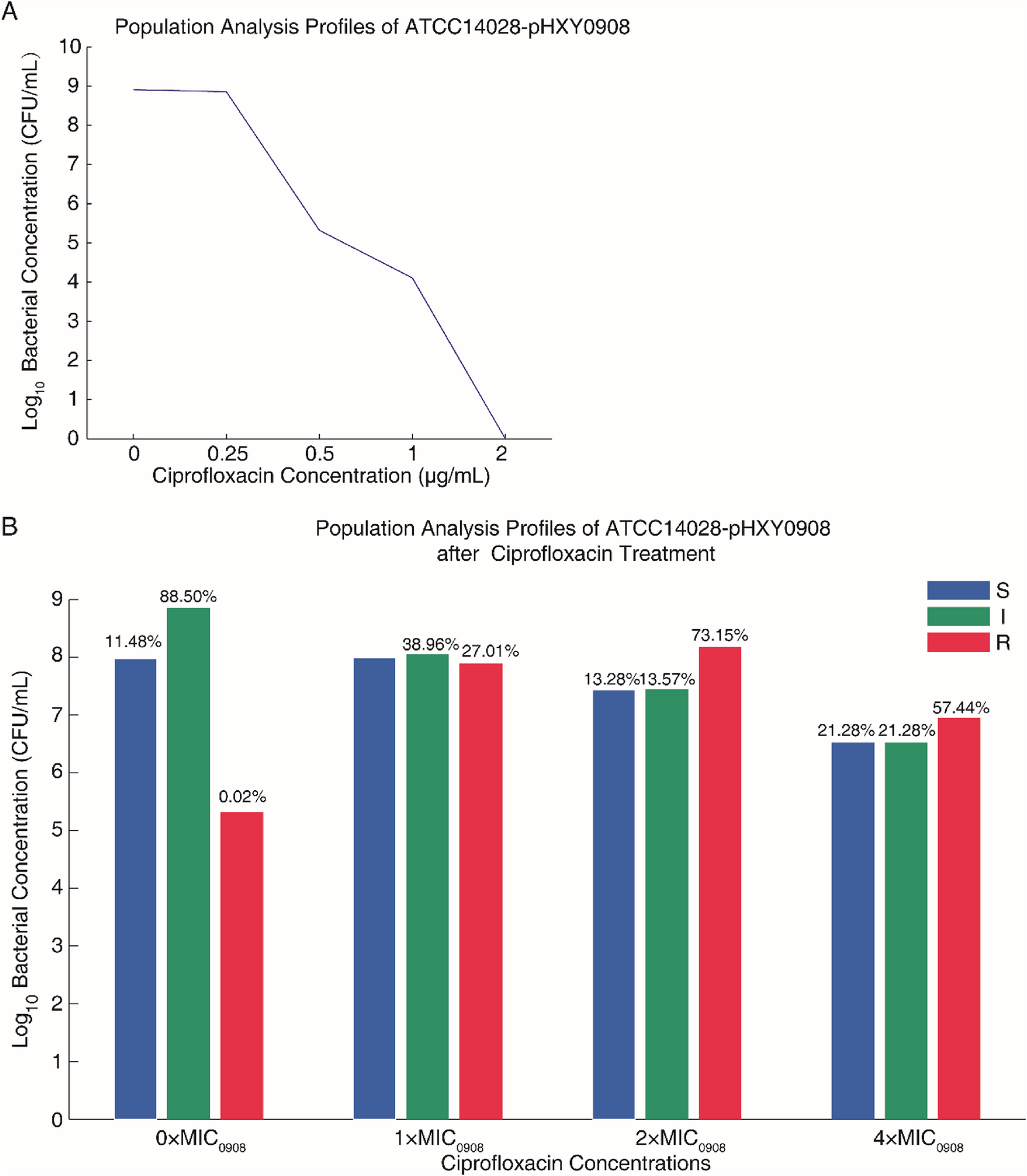
  • Lian X, Wang X, Liu X, Xia J, Fang L, Sun J, et al. oqxAB-positive IncHI2 plasmid pHXY0908 increase Salmonella enterica serotype typhimurium strains tolerance to ciprofloxacin. Front Cell Infect Microbiol. 2019;9:242.

    CAS 
    PubMed 
    PubMed Central 

    Google Scholar 

  • Calhoun LN, Kwon YM. Structure, function and regulation of the DNA-binding protein Dps and its role in acid and oxidative stress resistance in Escherichia coli: a review. J Appl Microbiol. 2011;110(2):375–86.

    CAS 
    PubMed 

    Google Scholar 

  • Oh TJ, Jung IL, Kim IG. The Escherichia coli SOS gene SbmC is regulated by H-NS and RpoS during the SOS induction and stationary growth phase. Biochem Biophys Res Commun. 2001;288(4):1052–8.

    CAS 
    PubMed 

    Google Scholar 

  • Labrou M, Michail G, Ntokou E, Pittaras TE, Pournaras S, Tsakris A. Activity of oxacillin versus that of vancomycin against oxacillin-susceptible mecA-positive Staphylococcus aureus clinical isolates evaluated by population analyses, time-kill assays, and a murine thigh infection model. Antimicrob Agents Chemother. 2012;56(6):3388–91.

    CAS 
    PubMed 
    PubMed Central 

    Google Scholar 

  • Wu X, Xu L, Gu W, Xu Q, He QY, Sun X, Zhang G. Iterative genome correction largely improves proteomic analysis of nonmodel organisms. J Proteome Res. 2014;13(6):2724–34.

    CAS 
    PubMed 

    Google Scholar 

  • Zhang G, Fedyunin I, Kirchner S, Xiao C, Valleriani A, Ignatova Z. FansE: an accurate algorithm for quantitative mapping of large scale sequencing reads. Nucleic Acids Res. 2012;40(11):e83.

    CAS 
    PubMed 
    PubMed Central 

    Google Scholar 

  • Xiao CL, Mai ZB, Lian XL, Zhong JY, Jin JJ, He QY, et al. FANSe2: a robust and cost-efficient alignment tool for quantitative next-generation sequencing applications. PLoS ONE. 2014;9(4):e94250.

    PubMed 
    PubMed Central 

    Google Scholar 

  • Yang L, Lian X, Zhang W, Guo J, Wang Q, Li Y, Chen Y, Yin X, Yang P, Lan F, et al. Finding missing proteins from the epigenetically manipulated human cell with stringent quality criteria. J Proteome Res. 2015;14(9):3645–57.

    CAS 
    PubMed 

    Google Scholar 

  • Mortazavi A, Williams BA, McCue K, Schaeffer L, Wold B. Mapping and quantifying mammalian transcriptomes by RNA-seq. Nat Methods. 2008;5(7):621–8.

    CAS 
    PubMed 

    Google Scholar 

  • Bloom JS, Khan Z, Kruglyak L, Singh M, Caudy AA. Measuring differential gene expression by short read sequencing: quantitative comparison to 2-channel gene expression microarrays. BMC Genomics. 2009;10:221.

    PubMed 
    PubMed Central 

    Google Scholar 

  • Zhao J, Zhang H, Qin B, Nikolay R, He QY, Spahn CMT, et al. Multifaceted stoichiometry control of bacterial operons revealed by deep proteome quantification. Front Genet. 2019;10:473.

    CAS 
    PubMed 
    PubMed Central 

    Google Scholar 

  • Robinson MD, McCarthy DJ, Smyth GK. EdgeR: a bioconductor package for differential expression analysis of digital gene expression data. Bioinformatics. 2010;26(1):139–40.

    CAS 
    PubMed 

    Google Scholar 

  • McCarthy DJ, Chen Y, Smyth GK. Differential expression analysis of multifactor RNA-seq experiments with respect to biological variation. Nucleic Acids Res. 2012;40(10):4288–97.

    CAS 
    PubMed 
    PubMed Central 

    Google Scholar 

  • Futschik ME, Carlisle B. Noise-robust soft clustering of gene expression time-course data. J Bioinform Comput Biol. 2005;3(4):965–88.

    CAS 
    PubMed 

    Google Scholar 

  • Kumar L. Mfuzz: a software package for soft clustering of microarray data. Bioinformation. 2007;2(1):5–7.

    PubMed 
    PubMed Central 

    Google Scholar 

  • Ghazalpour A, Doss S, Zhang B, Wang S, Plaisier C, Castellanos R, Brozell A, Schadt EE, Drake TA, Lusis AJ, et al. Integrating genetic and network analysis to characterize genes related to mouse weight. PLoS Genet. 2006;2(8):e130.

    PubMed 
    PubMed Central 

    Google Scholar 

  • Mi H, Muruganujan A, Ebert D, Huang X, Thomas PD. PANTHER version 14: more genomes, a new PANTHER GO-slim and improvements in enrichment analysis tools. Nucleic Acids Res. 2019;47(D1):D419-26.

    CAS 
    PubMed 

    Google Scholar 

  • Supek F, Bošnjak M, Škunca N, Šmuc T. Revigo summarizes and visualizes long lists of gene ontology terms. PLoS ONE. 2011;6(7):e21800.

    CAS 
    PubMed 
    PubMed Central 

    Google Scholar 

  • Ortet P, De Luca G, Whitworth DE, Barakat M. P2TF: a comprehensive resource for analysis of prokaryotic transcription factors. BMC Genomics. 2012;13:628.

    CAS 
    PubMed 
    PubMed Central 

    Google Scholar 

Continue Reading

  • Marvell Adds Active Copper Cable Linear Equalizers to Its Connectivity Portfolio :: Marvell Technology, Inc. (MRVL)

    Marvell Adds Active Copper Cable Linear Equalizers to Its Connectivity Portfolio :: Marvell Technology, Inc. (MRVL)


    Marvell ACC Linear Equalizers Enable Longer Reach and Power-efficient Copper in High-speed, Scale-up Interconnects

    SANTA CLARA, Calif.–(BUSINESS WIRE)–
    2025 OCP Global Summit — Marvell Technology, Inc. (NASDAQ: MRVL), a leader in data infrastructure semiconductor solutions, today announced that it is expanding its industry-leading connectivity portfolio with the addition of Marvell® active copper cable (ACC) linear equalizers.

    The scale and complexity of today’s AI workloads are driving exponential growth in data center bandwidth, requiring new challenges in managing thermal and power efficiency. Copper remains the preferred solution for in-rack scale-up interconnects due to its low cost and ease of deployment. However, next-generation AI systems demand thinner copper-based interconnects within server racks to improve airflow and cooling. Meanwhile, as bandwidth and cable gauge requirements continue to rise, the signal transmission performance of direct attach copper (DAC) technology is increasingly limited.

    Analog ACC devices incorporate a signal equalizer, offering longer reach than traditional passive DAC cables while adding minimal latency. They are also more cost-effective and power-efficient than digital alternatives.

    Leveraging Marvell industry-leading PAM4 technology and expertise in 100G/lane and 200G/lane analog devices, the new Marvell ACC linear equalizers deliver superior gain, extending the reach of ACC compared to competitive ACC solutions at the same cable gauge. They support 800G and 1.6T copper interconnects and expand the Marvell scale-up interconnect portfolio, which includes chipsets for active electrical cables (AEC) and active optical cables (AOC).

    “Offering a full complement of ACC, AEC and AOC silicon technologies, Marvell is unique in the scale-up interconnect landscape, providing customers with a full range of solutions to meet their individual requirements,” said Xi Wang, senior vice president and general manager, Connectivity Business Unit at Marvell. “We are excited to work with our ecosystem of cable OEM partners and system vendors to provide end customers with high-performance, in-rack connectivity solutions to handle their most advanced AI workloads.”

    Marvell is showcasing its latest advancements in accelerated infrastructure at the OCP Global Summit this week, October 13 to 16, at the San Jose Convention Center in San Jose, California. More information about Marvell at OCP 2025 can be found here.

    Availability

    Marvell ACC linear equalizers are currently sampling to customers.

    About Marvell

    To deliver the data infrastructure technology that connects the world, we’re building solutions on the most powerful foundation: our partnerships with our customers. Trusted by the world’s leading technology companies for over 30 years, we move, store, process and secure the world’s data with semiconductor solutions designed for our customers’ current needs and future ambitions. Through a process of deep collaboration and transparency, we’re ultimately changing the way tomorrow’s enterprise, cloud and carrier architectures transform—for the better.

    Marvell and the M logo are trademarks of Marvell or its affiliates. Please visit www.marvell.com for a complete list of Marvell trademarks. Other names and brands may be claimed as the property of others.

    This press release contains forward-looking statements within the meaning of the federal securities laws that involve risks and uncertainties. Forward-looking statements include, without limitation, any statement that may predict, forecast, indicate or imply future events, results or achievements. Actual events, results or achievements may differ materially from those contemplated in this press release. Forward-looking statements are only predictions and are subject to risks, uncertainties and assumptions that are difficult to predict, including those described in the “Risk Factors” section of our Annual Reports on Form 10-K, Quarterly Reports on Form 10-Q and other documents filed by us from time to time with the SEC. Forward-looking statements speak only as of the date they are made. Readers are cautioned not to put undue reliance on forward-looking statements, and no person assumes any obligation to update or revise any such forward-looking statements, whether as a result of new information, future events or otherwise.

    Media Contact:

    George Millington

    pr@marvell.com

    Source: Marvell Technology, Inc.

    Continue Reading

  • Global government bonds rise as Trump slaps new 100% tariffs on China

    Global government bonds rise as Trump slaps new 100% tariffs on China

    Traders work on the floor of the New York Stock Exchange.

    NYSE

    Bond yields reflect borrowing costs for the governments who issue them, but can have an effect on mortgage rates, investment returns, the wider economy and personal borrowing.

    Certain markets have their own domestic issues at play. An uptick in unemployment in the U.K., political instability in France, and the ongoing U.S. government shutdown are also influencing investors in those respective markets, for example.

    However, market watchers told CNBC that Tuesday’s rally in sovereign bonds was largely due to a broad move into safer assets. Alongside bonds, gold, the Japanese yen and the Swiss franc — all typically regarded as safe haven assets in times of uncertainty or volatility — moved higher.

    Investors are seeking options to ride out fresh tariffs-induced volatility, according to Marc Ostwald, chief economist and global strategist at London’s ADM Investor Services.

    “The move lower in [developed markets] yields is broad based, and a function of flight to safety due to rising volatility in risk assets, even if a lot of this is very knee-jerk, and as we saw yesterday can turn on sixpence into renewed risk appetite,” he said in an email.

    Monday saw a brief reprieve for equities following Friday’s selloff, with Wall Street’s major averages clawing back some of the previous session’s losses, while European stocks also notched gains.

    “It is all tied to the now typical ambiguous and posturing headlines and measures from the U.S. and China in respect of trade relations and negotiations, and unlikely to dissipate in the near term,” Ostwald added on Tuesday.

    “Longer term concerns about political instability … and headwinds from the high level of government debt, which no DM government is doing anything to address, will tend to temper gains, [but] this week’s speeches at the IMF/World Bank … which may offer hints on relaxing bank capital rules with regards to purchases of [U.S. Treasurys] could also give bonds something of a tailwind,” he said in reference to the IMF and the World Bank’s Annual Meetings taking place in Washington, D.C., this week.

    Broader risk appetite

    Russ Mould, investment director at AJ Bell, agreed that the bond markets could be responding to a shift in overall sentiment.

    “Western sovereign bond yields are moving lower, and thus prices are moving higher. This may be the result of an easing in risk appetite – Asian and European headline equity indices are generally down today, thanks to ongoing worries over U.S.-China trade relations,” he told CNBC via email on Tuesday.

    Mould also pointed to broader concerns over the economy and key industries, with the high profile collapse of First Brands raising concerns and sending jitters through markets.

    “[These are] worries which will not ease in the context of a profit warning from another company which supplies the car industry, namely France’s Michelin,” he said. “Yield curves are flattening a touch, too, again to perhaps reflect concerns over economic softness and to price in further interest rate cuts from central banks.”

    Tim Hynes, head of credit research at Debtwire, also told CNBC on Tuesday that bonds were rallying due to concerns about the possible reignition of a Sino-U.S. trade war, attributing the market moves to “trade tension and growth fears.”

    “The renewed U.S.–China trade escalation is tilting sentiment toward risk-off,” he said. “Investors, fearing weaker demand, are piling into government bonds.”

    Continue Reading

  • Hippo pathway suppression reprograms TNFα-primed glioblastoma extracellular vesicles transcripts cargo to drive mesenchymal stem/stromal cells vasculogenic mimicry | Cell Communication and Signaling

    Hippo pathway suppression reprograms TNFα-primed glioblastoma extracellular vesicles transcripts cargo to drive mesenchymal stem/stromal cells vasculogenic mimicry | Cell Communication and Signaling

  • Xue J, Zhang J, Zhu J. Unraveling molecular signatures and prognostic biomarkers in glioblastoma: a comprehensive study on treatment resistance and personalized strategies. Discov Oncol. 2024;15(1):743.

    CAS 
    PubMed 
    PubMed Central 

    Google Scholar 

  • Seker-Polat F, Pinarbasi Degirmenci N, Solaroglu I, Bagci-Onder T. Tumor cell infiltration into the brain in glioblastoma: from mechanisms to clinical perspectives. Cancers (Basel). 2022;14(2):443.

    CAS 
    PubMed 

    Google Scholar 

  • Skaga E, Kulesskiy E, Fayzullin A, Sandberg CJ, Potdar S, Kyttälä A, Langmoen IA, Laakso A, Gaál-Paavola E, Perola M, Wennerberg K, Vik-Mo EO. Intertumoral heterogeneity in patient-specific drug sensitivities in treatment-naïve glioblastoma. BMC Cancer. 2019;19(1):628.

    CAS 
    PubMed 
    PubMed Central 

    Google Scholar 

  • Dymova MA, Kuligina EV, Richter VA. Molecular mechanisms of drug resistance in glioblastoma. Int J Mol Sci. 2021;22(12):6385.

    CAS 
    PubMed 
    PubMed Central 

    Google Scholar 

  • Narsinh KH, Perez E, Haddad AF, Young JS, Savastano L, Villanueva-Meyer JE, Winkler E, de Groot J. Strategies to improve drug delivery across the blood-brain barrier for glioblastoma. Curr Neurol Neurosci Rep. 2024;24(5):123–39.

    PubMed 
    PubMed Central 

    Google Scholar 

  • White J, White MPJ, Wickremesekera A, Peng L, Gray C. The tumour microenvironment, treatment resistance and recurrence in glioblastoma. J Transl Med. 2024;22(1):540.

    PubMed 
    PubMed Central 

    Google Scholar 

  • Lv B, Wang Y, Ma D, Cheng W, Liu J, Yong T, Chen H, Wang C. Immunotherapy: reshape the tumor immune microenvironment. Front Immunol. 2022;13:844142.

    PubMed 
    PubMed Central 

    Google Scholar 

  • Casati G, Giunti L, Iorio AL, Marturano A, Galli L, Sardi I. Hippo pathway in regulating drug resistance of glioblastoma. Int J Mol Sci. 2021;22(24):13431.

    CAS 
    PubMed 
    PubMed Central 

    Google Scholar 

  • Masliantsev K, Karayan-Tapon L, Guichet PO. Hippo signaling pathway in gliomas. Cells. 2021;10(1):184.

    CAS 
    PubMed 
    PubMed Central 

    Google Scholar 

  • Kim MH, Kim J. Role of YAP/TAZ transcriptional regulators in resistance to anti-cancer therapies. Cell Mol Life Sci. 2017;74(8):1457–74.

    CAS 
    PubMed 

    Google Scholar 

  • Saadh MJ, Ahmed HH, Kareem RA, Bishoyi AK, Roopashree R, Shit D, Arya R, Sharma A, Khaitov K, Sameer HN, Yaseen A, Athab ZH, Adil M. Molecular mechanisms of Hippo pathway in tumorigenesis: therapeutic implications. Mol Biol Rep. 2025;52(1):267.

    CAS 
    PubMed 

    Google Scholar 

  • Yang D, Zhang N, Li M, Hong T, Meng W, Ouyang T. The Hippo signaling pathway: the trader of tumor microenvironment. Front Oncol. 2021;11:772134.

    CAS 
    PubMed 
    PubMed Central 

    Google Scholar 

  • Azad T, Ghahremani M, Yang X. The role of YAP and TAZ in angiogenesis and vascular mimicry. Cells. 2019;8(5):407.

    CAS 
    PubMed 
    PubMed Central 

    Google Scholar 

  • Roy ME, Elimam R, Zgheib A, Annabi B. A role for the Hippo/YAP1 pathway in the regulation of in vitro vasculogenic mimicry in glioblastoma cells. J Cell Mol Med. 2024;28(24):e70304.

    CAS 
    PubMed 
    PubMed Central 

    Google Scholar 

  • Wei X, Chen Y, Jiang X, Peng M, Liu Y, Mo Y, Ren D, Hua Y, Yu B, Zhou Y, Liao Q, Wang H, Xiang B, Zhou M, Li X, Li G, Li Y, Xiong W, Zeng Z. Mechanisms of vasculogenic mimicry in hypoxic tumor microenvironments. Mol Cancer. 2021;20(1):7.

    PubMed 
    PubMed Central 

    Google Scholar 

  • Roy ME, Veilleux C, Paquin A, Gagnon A, Annabi B. Transcriptional regulation of CYR61 and CTGF by LM98: a synthetic YAP-TEAD inhibitor that targets in-vitro vasculogenic mimicry in glioblastoma cells. Anticancer Drugs. 2024;35(8):709–19.

    CAS 
    PubMed 
    PubMed Central 

    Google Scholar 

  • van Janse HJ, Taha Z. The Hippo pathway, immunity, and cancer: an update. J Cell Immunol. 2020;2(6):265–75.

    Google Scholar 

  • Oceandy D, Amanda B, Ashari FY, Faizah Z, Azis MA, Stafford N. The cross-talk between the TNF-α and RASSF-Hippo signalling pathways. Int J Mol Sci. 2019;20(9):2346.

    CAS 
    PubMed 
    PubMed Central 

    Google Scholar 

  • Lu J, Hu Z, Deng Y, Wu Q, Wu M, Song H. MEKK2 and MEKK3 orchestrate multiple signals to regulate Hippo pathway. J Biol Chem. 2021;296:100400.

    CAS 
    PubMed 
    PubMed Central 

    Google Scholar 

  • Kabiraj P, Grund EM, Clarkson BDS, Johnson RK, LaFrance-Corey RG, Lucchinetti CF, Howe CL. Teriflunomide shifts the astrocytic bioenergetic profile from oxidative metabolism to Glycolysis and attenuates TNFα-induced inflammatory responses. Sci Rep. 2022;12(1):3049.

    CAS 
    PubMed 
    PubMed Central 

    Google Scholar 

  • Jena BC, Mandal M. The emerging roles of exosomes in anti-cancer drug resistance and tumor progression: an insight towards tumor-microenvironment interaction. Biochim Biophys Acta Rev Cancer. 2021;1875(1):188488.

    CAS 
    PubMed 

    Google Scholar 

  • Semeradtova A, Liegertova M, Herma R, Capkova M, Brignole C, Del Zotto G. Extracellular vesicles in cancer´s communication: messages we can read and how to answer. Mol Cancer. 2025;24(1):86.

    PubMed 
    PubMed Central 

    Google Scholar 

  • Franceschi S, Lessi F, Morelli M, Menicagli M, Aretini P, Gambacciani C, Pieri F, Grimod G, Trapanese MG, Valenti S, Paiar F, Di Stefano AL, Santonocito OS, Pasqualetti F, Mazzanti CM. Exploring extracellular vesicle surface protein markers produced by glioblastoma tumors: A characterization study using in vitro 3D patient-derived cultures. Cancers (Basel). 2024;16(22):3748.

    CAS 
    PubMed 

    Google Scholar 

  • Musatova OE, Rubtsov YP. Effects of glioblastoma-derived extracellular vesicles on the functions of immune cells. Front Cell Dev Biol. 2023;11:1060000.

    PubMed 
    PubMed Central 

    Google Scholar 

  • Becker A, Thakur BK, Weiss JM, Kim HS, Peinado H, Lyden D. Extracellular vesicles in cancer: Cell-to-cell mediators of metastasis. Cancer Cell. 2016;30(6):836–48.

    CAS 
    PubMed 
    PubMed Central 

    Google Scholar 

  • Gharib E, Veilleux V, Boudreau LH, Pichaud N, Robichaud GA. Platelet-derived microparticles provoke chronic lymphocytic leukemia malignancy through metabolic reprogramming. Front Immunol. 2023;14:1207631.

    CAS 
    PubMed 
    PubMed Central 

    Google Scholar 

  • Veilleux V, Pichaud N, Boudreau LH, Robichaud GA. Mitochondria transfer by platelet-derived microparticles regulates breast cancer bioenergetic States and malignant features. Mol Cancer Res. 2024;22(3):268–81.

    CAS 
    PubMed 

    Google Scholar 

  • Gonzalez Suarez N, Fernandez-Marrero Y, Hébert MPA, Roy ME, Boudreau LH, Annabi B. EGCG inhibits the inflammation and senescence inducing properties of MDA-MB-231 triple-negative breast cancer (TNBC) cells-derived extracellular vesicles in human adipose-derived mesenchymal stem cells. Cancer Cell Int. 2023;23(1):240.

    CAS 
    PubMed 
    PubMed Central 

    Google Scholar 

  • Szklarczyk D, Gable AL, Nastou KC, Lyon D, Kirsch R, Pyysalo S, Doncheva NT, Legeay M, Fang T, Bork P, Jensen LJ, von Mering C. The STRING database in 2021: customizable protein-protein networks, and functional characterization of user-uploaded gene/measurement sets. Nucleic Acids Res. 2021;49(1):605–12.

    Google Scholar 

  • Annabi B, Lee YT, Turcotte S, Naud E, Desrosiers RR, Champagne M, Eliopoulos N, Galipeau J, Béliveau R. Hypoxia promotes murine bone-marrow-derived stromal cell migration and tube formation. Stem Cells. 2003;21(3):337–47.

    CAS 
    PubMed 

    Google Scholar 

  • Roy ME, Veilleux C, Annabi B. In vitro biomaterial priming of human mesenchymal stromal/stem cells: implication of the Src/JAK/STAT3 pathway in vasculogenic mimicry. Sci Rep. 2024;14(1):21444.

    CAS 
    PubMed 
    PubMed Central 

    Google Scholar 

  • Heng BC, Zhang X, Aubel D, Bai Y, Li X, Wei Y, Fussenegger M, Deng X. An overview of signaling pathways regulating YAP/TAZ activity. Cell Mol Life Sci. 2021;78(2):497–512.

    CAS 
    PubMed 

    Google Scholar 

  • Varelas X. The Hippo pathway effectors TAZ and YAP in development, homeostasis and disease. Development. 2014;141(8):1614–26.

    CAS 
    PubMed 

    Google Scholar 

  • Boopathy GTK, Hong W. Role of Hippo pathway-YAP/TAZ signaling in angiogenesis. Front Cell Dev Biol. 2019;7:49.

    PubMed 
    PubMed Central 

    Google Scholar 

  • Saab S, Chang OS, Nagaoka K, Hung MC, Yamaguchi H. The potential role of YAP in Axl-mediated resistance to EGFR tyrosine kinase inhibitors. Am J Cancer Res. 2019;9(12):2719–29.

    CAS 
    PubMed 
    PubMed Central 

    Google Scholar 

  • Yamaguchi H, Taouk GM. A potential role of YAP/TAZ in the interplay between metastasis and metabolic alterations. Front Oncol. 2020;10:928.

    PubMed 
    PubMed Central 

    Google Scholar 

  • Yang W, Zhang M, Zhang TX, Liu JH, Hao MW, Yan X, Gao H, Lei QY, Cui J, Zhou X. YAP/TAZ mediates resistance to KRAS inhibitors through inhibiting proapoptosis and activating the SLC7A5/mTOR axis. JCI Insight. 2024;9(24):e178535.

    PubMed 
    PubMed Central 

    Google Scholar 

  • Tang TT, Konradi AW, Feng Y, Peng X, Ma M, Li J, Yu FX, Guan KL, Post L. Small molecule inhibitors of TEAD auto-palmitoylation selectively inhibit proliferation and tumor growth of NF2-deficient mesothelioma. Mol Cancer Ther. 2021;20(6):986–98.

    CAS 
    PubMed 

    Google Scholar 

  • Paul S, Hagenbeek TJ, Tremblay J, Kameswaran V, Ong C, Liu C, Guarnaccia AD, Mondo JA, Hsu PL, Kljavin NM, Czech B, Smola J, Nguyen DAH, Lacap JA, Pham TH, Liang Y, Blake RA, Gerosa L, Grimmer M, Xie S, Daniel B, Yao X, Dey A. Cooperation between the Hippo and MAPK pathway activation drives acquired resistance to TEAD Inhibition. Nat Commun. 2025;16(1):1743.

    CAS 
    PubMed 
    PubMed Central 

    Google Scholar 

  • Chapeau EA, Sansregret L, Galli GG, Chène P, Wartmann M, Mourikis TP, Jaaks P, Baltschukat S, Barbosa IAM, Bauer D, Brachmann SM, Delaunay C, Estadieu C, Faris JE, Furet P, Harlfinger S, Hueber A, Jiménez E Núñez, Kodack DP, Mandon E, Martin T, Mesrouze Y, Romanet V, Scheufler C, Sellner H, Stamm C, Sterker D, Tordella L, Hofmann F, Soldermann N, Schmelzle T. Direct and selective Pharmacological disruption of the YAP-TEAD interface by IAG933 inhibits Hippo-dependent and RAS-MAPK-altered cancers. Nat Cancer. 2024;5(7):1102–20. Erratum in: Nat Cancer. 2024;5(7):1130.

    CAS 
    PubMed 
    PubMed Central 

    Google Scholar 

  • Chène P. Direct Inhibition of the YAP: TEAD interaction: an unprecedented drug discovery challenge. ChemMedChem. 2024;19(19):e202400361.

    PubMed 

    Google Scholar 

  • Beck S, Hochreiter B, Schmid JA. Extracellular vesicles linking inflammation, cancer and thrombotic risks. Front Cell Dev Biol. 2022;10:859863.

    PubMed 
    PubMed Central 

    Google Scholar 

  • Liu YJ, Wang C. A review of the regulatory mechanisms of extracellular vesicles-mediated intercellular communication. Cell Commun Signal. 2023;21(1):77.

    PubMed 
    PubMed Central 

    Google Scholar 

  • Xiang H, Bao C, Chen Q, Gao Q, Wang N, Gao Q, Mao L. Extracellular vesicles (EVs)’ journey in recipient cells: from recognition to cargo release. J Zhejiang Univ Sci B. 2024;25(8):633–55.

    PubMed 

    Google Scholar 

  • Annabi B, Naud E, Lee YT, Eliopoulos N, Galipeau J. Vascular progenitors derived from murine bone marrow stromal cells are regulated by fibroblast growth factor and are avidly recruited by vascularizing tumors. J Cell Biochem. 2004;91(6):1146–58.

    CAS 
    PubMed 

    Google Scholar 

  • Bergers G. Bone marrow-derived cells in GBM neovascularization. In: Meir E, editor. CNS cancer. cancer.Drug discovery and development. Humana; 2009. https://doi.org/10.1007/978-1-60327-553-8_31.

  • Kim H, Son S, Ko Y, Lee JE, Kim S, Shin I. YAP, CTGF and Cyr61 are overexpressed in tamoxifen-resistant breast cancer and induce transcriptional repression of ERα. J Cell Sci. 2021;134(11):jcs256503.

    CAS 
    PubMed 

    Google Scholar 

  • Kumar R, Hong W. Hippo signaling at the hallmarks of cancer and drug resistance. Cells. 2024;13(7):564.

    CAS 
    PubMed 
    PubMed Central 

    Google Scholar 

  • Schulz JA, Rodgers LT, Kryscio RJ, Hartz AMS, Bauer B. Characterization and comparison of human glioblastoma models. BMC Cancer. 2022;22(1):844.

    CAS 
    PubMed 
    PubMed Central 

    Google Scholar 

  • Pouyan A, Ghorbanlo M, Eslami M, Jahanshahi M, Ziaei E, Salami A, Mokhtari K, Shahpasand K, Farahani N, Meybodi TE, Entezari M, Taheriazam A, Hushmandi K, Hashemi M. Glioblastoma multiforme: insights into pathogenesis, key signaling pathways, and therapeutic strategies. Mol Cancer. 2025;24(1):58.

    CAS 
    PubMed 
    PubMed Central 

    Google Scholar 
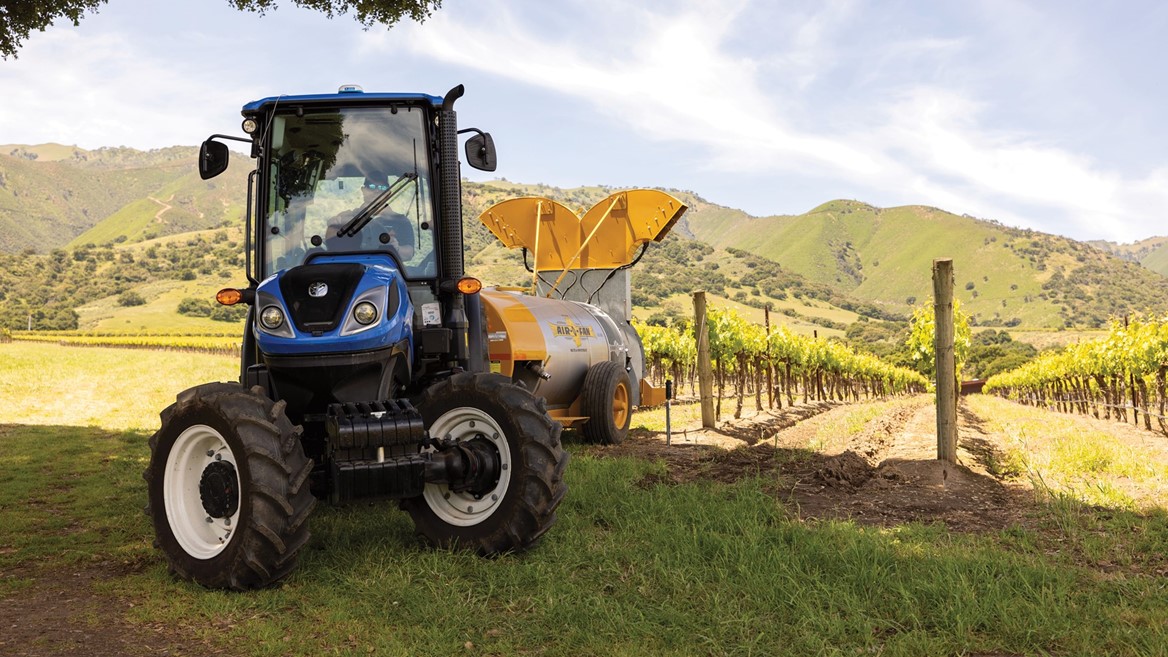
  • Continue Reading

  • WFW advises Eiffel Investment Group on acquisition of 50% stake in 270 MW TotalEnergies Renouvelables France renewables portfolio

    WFW advises Eiffel Investment Group on acquisition of 50% stake in 270 MW TotalEnergies Renouvelables France renewables portfolio

    Watson Farley & Williams (“WFW”) advised Eiffel Investment Group on its acquisition of a 50% stake in a 270 MW French wind and solar portfolio from TotalEnergies Renouvelables France, valued €265m.

    TotalEnergies retains a 50% stake in the portfolio and will continue to operate the assets and distribute the majority of the energy produced.

    Eiffel Investment Group is a French asset management firm with approximately €7bn AUM. With an investor base comprising large institutional investors and retail investors via intermediated distribution, it delivers strong industrial expertise, particularly in the field of energy transition.

    Paris-headquartered TotalEnergies is a multi-energy company that puts sustainable development at the heart of all its projects and operations. With 30+ GW of gross renewable capacity, it aims to reach 35 GW by the end of 2025 and 100+ TWh net electricity production by 2030.

    The multidisciplinary WFW Paris team that advised Eiffel Investment Group was led by Regulatory and Public Law Partner Laurent Battoue, assisted by Partner Thomas Rabain on corporate and M&A matters. They were supported notably by Counsel Antoine Bois-Minot and Associate Lucile Mazoué. Finance expertise was provided by Partner Laurence Martinez-Bellet, with Partner Romain Girtanner advising on the tax aspects of the transaction.

    All the above partners were supported by their respective teams of counsel, senior associates and associates.

    Continue Reading