Current account recorded €12 billion surplus in August 2025, down from €30 billion in previous month
Current account surplus amounted to €303 billion (2.0% of euro area GDP) in the 12 months to August 2025, down from €404 billion (2.7%) one year earlier
In financial account, euro area residents’ net acquisitions of non-euro area portfolio investment securities totalled €848 billion and non-residents’ net acquisitions of euro area portfolio investment securities totalled €745 billion in the 12 months to August 2025
Chart 1
Euro area current account balance
(EUR billions unless otherwise indicated; working day and seasonally adjusted data)
Source: ECB.
The current account of the euro area recorded a surplus of €12 billion in August 2025, a decrease of €18 billion from the previous month (Chart 1 and Table 1). Surpluses were recorded for goods (€15 billion) and services (€14 billion). Deficits were recorded for secondary income (€16 billion) and primary income (€1 billion).
Table 1
Current account of the euro area
(EUR billions unless otherwise indicated; transactions; working day and seasonally adjusted data)
Source: ECB.
Note: Discrepancies between totals and their components may be due to rounding.
Data for the current account of the euro area
In the 12 months to August 2025, the current account recorded a surplus of €303 billion (2.0% of euro area GDP), compared with a surplus of €404 billion (2.7% of euro area GDP) one year earlier. This decrease was explained by a deterioration of all the accounts, particularly by a switch from a surplus (€41 billion) to a deficit (€11 billion) for primary income, but also by a larger deficit for secondary income (up from €167 billion to €186 billion), and reductions in the surplus for services (down from €169 billion to €154 billion) and goods (down from €360 billion to €347 billion).
Chart 2
Selected items of the euro area financial account
(EUR billions; 12-month cumulated data)
Source: ECB.
Notes: For assets, a positive (negative) number indicates net purchases (sales) of non-euro area instruments by euro area investors. For liabilities, a positive (negative) number indicates net sales (purchases) of euro area instruments by non-euro area investors.
In direct investment, euro area residents made net investments of €123 billion in non-euro area assets in the 12 months to August 2025, following net disinvestments of €191 billion one year earlier (Chart 2 and Table 2). Non-residents invested €57 billion in net terms in euro area assets in the 12 months to August 2025, following net disinvestments of €472 billion one year earlier.
In portfolio investment, euro area residents’ net purchases of non-euro area equity increased to €226 billion in the 12 months to August 2025, up from €139 billion one year earlier. Over the same period, net purchases of non-euro area debt securities by euro area residents increased to €623 billion, up from €420 billion. Non-residents’ net purchases of euro area equity increased to €387 billion in the 12 months to August 2025, up from €370 billion one year earlier. Over the same period, non-residents made net purchases of euro area debt securities amounting to €359 billion, following net purchases of €415 billion.
Table 2
Financial account of the euro area
(EUR billions unless otherwise indicated; transactions; non-working day and non-seasonally adjusted data)
Source: ECB.
Notes: Decreases in assets and liabilities are shown with a minus sign. Net financial derivatives are reported under assets. “MFIs” stands for monetary financial institutions. Discrepancies between totals and their components may be due to rounding.
Data for the financial account of the euro area
In other investment, euro area residents recorded net acquisitions of non-euro area assets amounting to €489 billion in the 12 months to August 2025 (following net acquisitions of €202 billion one year earlier), while their net incurrence of liabilities was €367 billion (following net disposals of €209 billion one year earlier).
Chart 3
Monetary presentation of the balance of payments
(EUR billions; 12-month cumulated data)
Source: ECB.
Notes: “MFI net external assets (enhanced)” incorporates an adjustment to the MFI net external assets (as reported in the consolidated MFI balance sheet items statistics) based on information on MFI long-term liabilities held by non-residents, available in b.o.p. statistics. B.o.p. transactions refer only to transactions of non-MFI residents of the euro area. Financial transactions are shown as liabilities net of assets. “Other” includes financial derivatives and statistical discrepancies.
The monetary presentation of the balance of payments (Chart 3) shows that the net external assets (enhanced) of euro area MFIs increased by €245 billion in the 12 months to August 2025. This increase was driven by the current and capital accounts surplus and euro area non-MFIs’ net inflows in other investment and portfolio investment equity. These developments were partly offset by euro area non-MFIs’ net outflows in other flows, direct investment and portfolio investment debt.
In August 2025 the Eurosystem’s stock of reserve assets increased to €1,507.8 billion up from €1,499 billion in the previous month (Table 3). This increase was driven by positive price changes (€13.8 billion), mostly due to an increase in the price of gold, and, to a lesser extent, by net acquisitions of assets (€1.2 billion) which were partly offset by negative exchange rate changes (€6.2 billion).
Table 3
Reserve assets of the euro area
(EUR billions; amounts outstanding at the end of the period, flows during the period; non-working day and non-seasonally adjusted data)
Source: ECB.
Notes: “Other reserve assets” comprises currency and deposits, securities, financial derivatives (net) and other claims. Discrepancies between totals and their components may be due to rounding.
Data for the reserve assets of the euro area
Data revisions
This press release incorporates revisions to the data for July 2025. These revisions did not significantly alter the figures previously published.
Next releases:
Monthly balance of payments: 19 November 2025 (reference data up to September 2025)
Quarterly balance of payments: 13 January 2026 (reference data up to the third quarter of 2025)[1]
For media queries, please contact Benoît Deeg, tel.: +49 172 1683704.
Notes
Current account data are always seasonally and working day-adjusted, unless otherwise indicated, whereas capital and financial account data are neither seasonally nor working day-adjusted.
Hyperlinks in this press release lead to data that may change with subsequent releases as a result of revisions.
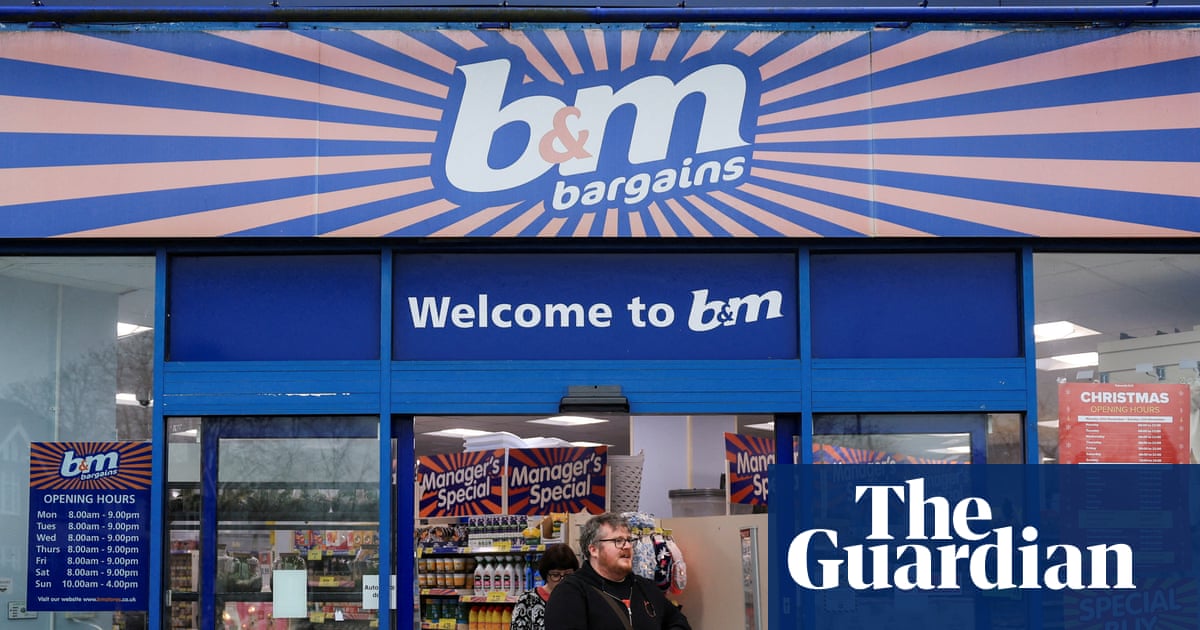
The discount retailer B&M has ousted its finance chief after reporting a £7m accounts blunder that will cut its annual earnings – its second profit warning within two weeks.
The company told investors it looking for a successor to Mike Schmidt, who is stepping down as chief financial officer, after the accounting error.
The company, which sells things ranging from DIY, electricals and garden products to toys, pet food and everyday essentials, discovered that £7m of overseas freight costs were not “correctly recognised in cost of goods sold,” after an update to its operating system earlier this year.
This means that adjusted profits for the year to March 2026 are now expected to be between £470m and £520m, down from its previous estimate of between £510m and £560m. For the first half, B&M expects profits of £191m, down from £198m.
Shares in the FTSE 250-listed company slumped by nearly 18% in early trading. They have lost nearly 50% of their value this year.
The retailer said Schmidt will remain with the group until a replacement is found. The system issue at the centre of the problem has since been fixed, it said.
B&M will commission an external review, and will provide a further update when it releases first-half results on 13 November.
One of Britain’s biggest discount retailers, it has been struggling and warned on profits earlier in October. It announced a “back to basics” plan under its new chief executive, Tjeerd Jegen, who took the helm in June.
It expects UK sales at stores open for at least a year to either fall, or rise in low single digits, this year.
Jegen said in early October that the company had cut prices and was working to refocus its ranges, improve on-shelf availability and “bring back excitement to our stores”.
skip past newsletter promotion
after newsletter promotion
B&M also issued a profit warning in February, and in June blamed sliding sales on more cautious consumer spending, particularly among lower-income shoppers who are its main customers.
In a short statement on Monday, B&M said: “The board wishes Mike well for the future.”
B&M, founded in 1978, became one of Britain’s most successful retailers during the pandemic, when it was still run by the Arora brothers, Simon and Bobby. They acquired the business from Phildrew Investments in late 2004 when it was an ailing regional chain of 21 stores, and built it into a retail empire in the UK and France. It listed on the London Stock Exchange in 2014.
The company has 1,270 stores, mostly in the UK under the B&M, Heron Foods and B&M Express brands. The figure also includes 140 B&M shops in France.
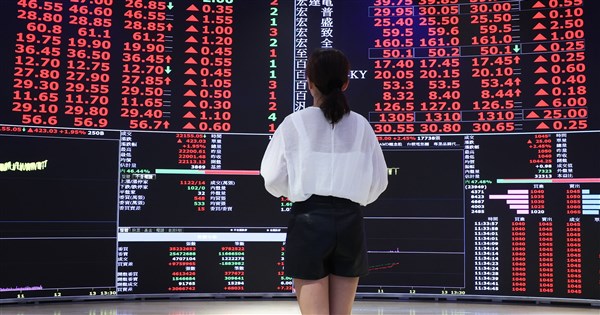
Taipei, Oct. 20 (CNA) Shares in Taiwan moved sharply higher by almost 400 points Monday to smash closing records after the bellwether electronics sector staged a rebound from Friday’s slump amid lingering optimism toward artificial intelligence development, dealers said.
After falling 1.25 percent Friday, the Taiex, the weighted index on the Taiwan Stock Exchange (TWSE), ended up 386.26 points, or 1.41 percent, at 27,688.63 Monday after fluctuating between 27,412.45 and 27,768.27. Turnover totaled NT$485.86 billion (US$15.87 billion).
“Friday’s losses largely came as investors pocketed their recent strong gains by trimming holdings in TSMC (Taiwan Semiconductor Manufacturing Co.), although the contract chipmaker raised its sales outlook for 2025,” equity market analyst Andy Hsu said.
“Buying remerged today as optimism toward AI applications continued to prompt investors to pick up bargains,” Hsu said.
Following a 2.15 percent decline Friday, TSMC, the most heavily weighted stock in the local market, rose 2.07 percent to close at NT$1,480.00 Monday, contributing about 240 points to the Taiex’s rise and sending the electronics index higher by 1.91 percent.
TSMC’s buying spread to other semiconductor stocks, with its application specific integrated circuit (ASIC) design unit Global Unichip Corp. rising 2.01 percent to end at NT$1,525.00.
In addition, due to rising memory chip prices, Winbond Electronics Inc. gained 5.46 percent to close at NT$46.35 and rival Nanya Technology Corp. added 2.88 percent to end at NT$107.00.
“AI server maker Hon Hai Precision Industry Co., second to TSMC in terms of market value, also extended momentum from Friday, lending additional support to the Taiex,” Hsu said.
With its target price raised to NT$400 by foreign brokerages citing strong AI server sales, Hon Hai shares rose 5.30 percent to close at NT$238.50.
Buying also rotated to major electronic component suppliers, with Yageo Corp., the world’s third-largest multi-layer ceramic capacitor (MLCC) maker, gaining 6.23 percent to end at NT$196.00.
Hsu said while these large-cap tech stocks attracted market attention, old economy stocks largely lagged behind the broader market.
Among them, China Steel Corp., the largest steel maker in Taiwan, fell 0.79 percent to close at NT$18.90, and Tung Ho Steel Corp. shed 2.51 percent to end at NT$62.10.
Formosa Chemicals & Fibre Corp. lost 0.50 percent to close at NT$29.80, and Formosa Plastics Corp. ended down 0.13 percent at NT$38.85.
In the financial sector, which lost 0.09 percent, Fubon Financial Holding Co. lost 0.45 percent to close at NT$89.10, while Cathay Financial Holding Co. ended up 0.15 percent at NT$65.30.
“Judging the market movement, I think the Taiex’s uptrend is expected to continue, led by AI hopes, although investors need to watch possible technical pullbacks,” Hsu said. “Ample liquidity from a rate cut cycle by the U.S. Federal Reserve is expected to continue to help the index to move higher.”
According to the TWSE, foreign institutional investors bought/sold a net NT$14.22 billion worth of shares on the main board on Monday.
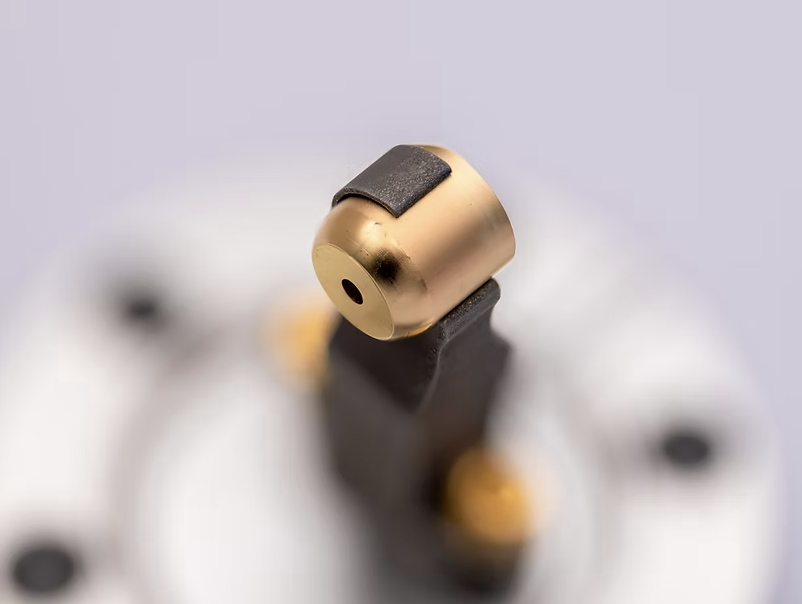
QFX, a UK-based quantum hardware supplier, has launched with a mission to deliver scalable networked quantum technologies for computing, sensing, and secure communications.
Founded by Dr. Joe Goodwin and researchers from the University of Oxford, the company builds on advances in trapped-ion and neutral-atom architectures, emphasizing modular design for large-scale quantum systems.
The company raised £2 million in seed funding led by investor Paul Graham and appointed Dr. Timothy Ballance as CEO and Sadie Mansell as COO, both formerly of Infleqtion, to lead its commercial and operational expansion.
PRESS RELEASE — QFX, a UK-based supplier of advanced quantum hardware, announces its mission to deliver networked quantum technologies at the scale required for significant quantum advantage. Applying a modular philosophy to precision quantum engineering, QFX will provide the building blocks to revolutionise trapped ion and neutral atom quantum technologies.
Incorporated as Quantum Fabrix Ltd, trading as QFX, the company builds on world-leading trapped ion quantum computing research at the University of Oxford, including development of the world’s foremost networked quantum computing demonstrator. The company was founded by Associate Professor and ERC Laureate Dr Joe Goodwin and researchers from his group, which is developing the first scalable networked quantum computing architectures, combining individual trapped ions with optical microcavities.
The company recently closed a £2 million seed funding round, led by renowned Silicon Valley investor and Y-Combinator co-founder, Paul Graham. The funding will support QFX’s mission to deliver scalable quantum technologies for computing, sensing, and secure communications-addressing the growing demand for robust quantum infrastructure across industry and academia.
QFX has recently welcomed two seasoned industry leaders to its executive team:
Dr Timothy Ballance, appointed Chief Executive Officer, joins from Infleqtion, where he served as President – UK having led the firm’s UK subsidiary since its inception, building on his academic background in networked trapped ion quantum computing research in Cambridge and Oxford. Timothy has since played a central role in commercialising quantum technologies for national defence, navigation, and computing. Under his leadership, Infleqtion UK grew from a single-person operation to a 50-strong team and delivered pioneering products such as the cold atom sources and the atomic clocks.
Sadie Mansell, appointed Chief Operating Officer at QFX, also joins from Infleqtion, where she served as Director of Operations. Sadie brings extensive experience in scaling quantum ventures, operational strategy, and delivering complex R&D programmes. Her leadership has been instrumental in building high-performing teams and driving operational excellence in fast-growth quantum environments.
Several company Founders will continue to play pivotal roles in the growth of the company:
Dr Joe Goodwin will direct technical strategy at QFX as Chief Technology Officer, continuing his research into scalable networked quantum computing architectures [1] [2].
Dr Laurent Stephenson will lead research and development as Chief Scientific Officer, building on his decade of experience at the forefront of trapped ion quantum computing which has resulted in the world’s highest performance networked quantum computing system [3] [4].
Dr Peter Drmota will lead innovation as Chief Innovation Officer, having established himself as an award-winning innovator with his high-impact work on photonically-networked distributed quantum computers [5][6].
“With strong investor backing and a leadership team rooted in deep technical and commercial expertise,” said Dr Ballance, “I am thrilled to be leading QFX delivering quantum hardware which will enable the next generation of quantum systems.”
Nigeria, previously the centre of venture capital funding in Africa, is falling behind the continent’s other major markets when it comes to attracting investment, in a trend that one analyst says “reflects structural and long-term challenges in Nigeria’s venture capital ecosystem.”
In 2021, Africa’s record year for venture capital with 681 fundraising rounds totalling $5.2bn, Nigeria ranked first for both deal volume and the overall amount of cash raised. That year, Nigerian startups secured around $1.8bn in funding, over a third of the continent’s total and more than the continent’s three other major markets – Kenya, South Africa, and Egypt – combined.
However, this status appears to be slipping. As of August 2025, more than 500 African startups had raised about $2.8bn. However, Nigeria accounted for just $186m of that. By contrast, Kenya has managed $879m, South Africa has secured $848m, while Egyptian companies have collectively raised $561m. For the first time in several years, Nigeria is firmly last among the so-called “big four” African markets.
Too reliant on foreign investment
What explains this sharp downturn in fortune? Speaking to African Business in Lagos, Noah Banjo, a tech and venture capital analyst, says a reliance on foreign investors is limiting Nigerian startups’ ability to raise funds.
“The primary reason Nigeria is falling behind other major markets in venture capital funding is that Nigerian firms participate in but rarely lead big funding rounds, which leaves startups dependent on foreign investors for significant growth-stage funding,” Banjo says.
This reliance on foreign venture capital funds is especially problematic because Nigeria has experienced several major macroeconomic challenges in recent years, which has deterred foreign investors from assuming too much exposure to the Nigerian market.
In particular, since President Bola Tinubu committed to liberalising foreign exchange markets and freely floated the Nigerian naira (NGN) is June 2023, the currency has depreciated by almost 70% against the US dollar.
For the majority of startups earning their revenue in the local currency, this makes it extremely difficult for them to offer dollar returns to international investors. This means that even some of the country’s fastest growing companies with increasingly large naira-denominated revenue can still struggle in dollar terms.
For example, Pawel Swiatek, chief operating officer at Nigerian fintech unicorn Moniepoint, told African Business in April that the massive depreciation of the naira had significantly dented its US dollar profits.
“While the naira has now thankfully stabilised, one of the challenges we always contend with is exchange rate risk,” he said. He added that Moniepoint was seeking to expand outside of the West African country partly “to diversify and have macroeconomic and forex exposure to other countries and not just Nigeria.”
In addition to currency depreciation, associated issues such as stubbornly high inflation – prices are still rising at year-on-year rate of over 20% – further complicate the business landscape and make the market more challenging for foreign investors.
Protfit repatriation fears
The Private Equity and Venture Capital Association of Nigeria (PEVCA) has also pointed out that foreign investors are often apprehensive about committing to the Nigerian market over concerns they will struggle to repatriate their profits as a result of capital controls.
These concerns have been reinforced by high-profile disputes, such as that between Nigeria and the United Arab Emirates over the inability of Emirates and Etihad Airlines to repatriate funds. While the row was ultimately resolved, the dispute saw Emirates suspend all flights to and from Nigeria for around a year from August 2022, citing slow progress on its efforts to repatriate around $85m of profits.
Banjo notes that Nigeria’s drop in venture capital funding is partly driven by these “economic challenges such as inflation, currency devaluation, and high borrowing costs” and adds that “this reflects structural and longer-term challenges in Nigeria’s venture capital ecosystem, influenced by macroeconomic factors.”
Rotimi Ogunyemi, a Lagos-based technology attorney and partner at BOC Legal, similarly notes that “persistent currency volatility, high inflation, and still-unstable economic policies make it difficult for investors, especially international ones, to price risk with confidence.”
Regulatory issues persist
Ogunyemi also points out that Nigeria’s regulatory landscape can prove challenging for foreign venture capital funds to navigate. He says that “over the past few years, sudden policy shifts in foreign exchange management, taxes, and regulations have created real uncertainty – and investors have responded by becoming more cautious.”
“The narrative that Nigeria is “risky” has grown partly because, historically, the rules have kept changing mid-game. Other African markets have their own challenges, but they have been better at providing clear forward guidance and sticking to it,” he adds.
“Kenya, for example, communicates regulatory changes more systematically, giving startups and investors time to adjust,” Ogunyemi tells African Business. “Nigeria can do the same, without losing its dynamism, by introducing more transparent consultation periods, clearer roadmaps, and predictable regulatory timelines.”
No way out?
Another issue which analysts say is hampering Nigeria’s venture capital ecosystem is the lack of exit options for investors. To varying degrees, this is a problem across the continent.
Sadaharu Saiki, general partner at Sunny Side Ventures in Cairo, has previously told African Business that a lack of IPO activity and limited numbers of mergers and acquisitions or secondary transactions makes it difficult for investors to exit their positions and cash in their profits.
“It is clear we need more liquidity options to boost the attractiveness of African markets for investors,” he said.
However, Ogunyemi believes that this issue is particularly acute in Nigeria, arguing that the country “has not yet built the kind of domestic capital pools and exit channels, such as local IPOs or secondary markets, that give later-stage investors the confidence they will get returns.”
“South Africa’s more developed capital markets, for example, give investors confidence about eventual exits,” he says. “Nigeria can replicate some of this by creating, for instance, a dedicated tech growth board on the Nigerian Exchange, with lighter listing requirements and incentives for research coverage and market making.”
Time to encourage local investment
What could be done to reverse these trends? Beyond stabilising the macroeconomic environment – bringing the naira to a more stable level and getting inflation under control – both Banjo and Ogunyemi believe that reducing Nigeria’s reliance on foreign investors is essential.
Banjo says that “increasing the capital and leadership role of Nigerian venture capitalists in funding rounds is crucial to reducing reliance on foreign investors.”
Ogunyemi adds that this could be achieved by encouraging “local growth funds backed by pension, insurance, and diaspora capital, so startups are not wholly dependent on foreign venture capital cycles.”
Yet despite the challenges, there are reasons to be optimistic about the future of startup funding in Nigeria.
For one, the government has claimed that Nigeria is past the worst of its economic instability having taken its “bitter medicine.” In a recent speech in Abuja, Tinubu said that “the economy is stabilised […] the bleeding has stopped, haemorrhage is gone; the patient is alive.” The naira has recovered about 15% of its value since the 2023 devaluation, perhaps suggesting that more stable macro conditions could be ahead.
Banjo also notes that the Nigerian venture capital space is changing in response to the challenges it has faced.
“Emerging funding forms like venture debt and increased involvement from development finance institutions indicate potential for recovery and evolution in the ecosystem,” he says.
“Despite a decline in deal value, Nigeria still leads Africa in venture capital deal volume, suggesting there is plenty of room for sustainable growth ahead.”
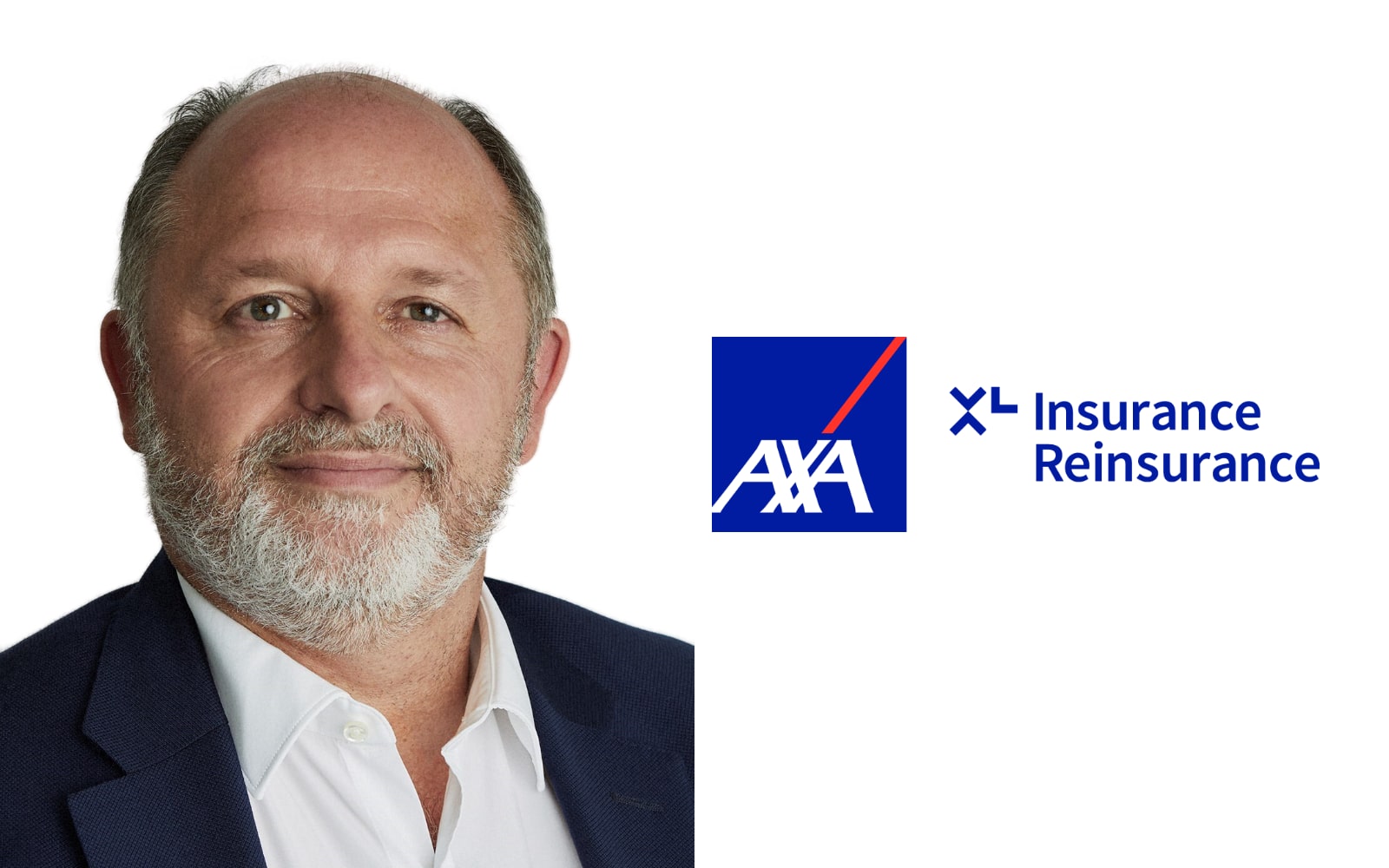
As the reinsurance industry meets in Baden-Baden, the rise of secondary perils are expected to be a key focus and with elevated loss activity there will be a lot of focus on catastrophe covers at the January 1st, 2026, renewals, according to Bertrand Romagne, CEO, International, AXA XL Reinsurance.
We spoke with Romagne around the 2025 Baden-Baden Reinsurance Meeting, where the industry gets together to accelerate discussions kicked off last month in Monte Carlo ahead of the 1.1 renewal season.
Romagne explained that, for him, the rise of secondary perils are key and he expects that to be one of the most pressing trends at this year’s Baden-Baden conference.
“As an industry, we need to think differently about what are traditionally referred to as secondary perils,” he said.
“Wildfire is now almost as big a risk in Europe as in the US. We are using our research partners to promote a better understanding of risk and allow us to speak to our clients comprehensively about the risks they face both in the shorter and longer term.
“The wildfire research commissioned from the Cambridge Centre for Risk Studies shows that building codes in California have had a positive impact on the risk – properties built to chapter 7a code are 2.8 times more likely to survive a wildfire.
“By raising awareness of this kind of research, we can help be part of the solution,” continued Romagne.
In light of elevated loss activity from secondary perils such as wildfires, floods, and severe convective storms, Romagne emphasised that there is greater demand for protection ahead of the key January renewals, with a lot of focus on catastrophe covers expected.
“Catastrophe is only part of our global portfolio. Casualty, Aviation, Marine, Credit and Surety are all just as important, each with its own technical issues,” said Romagne.
Overall, Romagne feels that the market “looks good” in the run up to 1.1.
In terms of the management of AXA XL Reinsurance’s natural catastrophe exposures ahead of the renewals, Romagne emphasised that the firm has a focus on aggregate risk diversification.
“We have put a lot of work into rationalising our portfolio and it has been effective for us. The market is not short of capacity but our appetite is unchanged, we assess on a case-by-case-basis, and evaluate the relevance and the value of our clients’ business” he said.
At the upcoming renewals, AXA XL Reinsurance is keen to grow with its strategic clients and work with them throughout the cycle, explained Romagne.
“We listen to, partner and find solutions that help our cedants manage volatility sustainably. Understand what’s changed in their portfolios, their underwriting policy, their Terms & Conditions. Transparency and data quality are key to allow us to offer the best service we can,” he said.
Throughout the second half of this year, noise of market softening has intensified, although numerous industry leaders have stressed that while rates have come down from the highs of 2023, it is still an attractive market with adequate returns in many areas.
This year, reinsurers are expected to once again meet their cost of capital, but in light of the softening environment, we asked Romagne what companies need to do to ensure they continue to meet their cost of capital in 2026 and beyond.
“It requires experience and expertise, financial and reputational capital, and robustness and discipline to be able to be active in the market and bring value to clients but that’s what we do,” he concluded.
Chevron Corporation, which headquarter is in Houston (Texas), is a major oil company that traces its roots back to the renowned Standard Oil Company, founded by John D. Rockefeller in 1870.
In 1911, the Standard Oil Company was split into 34 smaller companies by the U.S. Supreme Court due to violation of federal antitrust laws. Chevron was one of these successor companies, originally known as Standard Oil of California.
In 1984, Standard Oil of California officially changed its name to Chevron Corporation.
Chevron is specialised in the production and sale of oil & gas products.
Its organisation is divided into two business segments:
The upstream business unit, which primarily consists of the exploration, development, production and transportation of crude oil and natural gas (oil production is a consolidated business for the upstream segment, while natural gas is considered a growing activity).
The downstream business unit, which primarily consists of the refining and marketing of oil and gas products.
During the first six months of 2025, company’s worldwide net oil-equivalent production averaged 3.37 million barrels per day (+2% compared to the same period of 2024), thanks to the increasing production in the Permian Basin, TCO, and the Gulf of America.
Chevron focuses its business mainly in the United States (no other country accounted for 10% or more of the company’s total sales and other operating revenues), where more than half of its workforce is also employed (Chevron reported a total of 45,298 employees at the end of 2024).
In the first six months of 2025, Chevron recorded sales and other operating revenues for an amount of $90,476m ($96,154m for the same period of 2024) and cost of revenues for an amount of $63,935m ($66,703 in 2024).
The gross profit result was $26,541 million, EBIT was recorded at $12,772 million, and the net income for the period was $6,027 million.
Chevron CAPEX analysis: from Permian efficiency to Guyana growth
The American-based Company has a leading position in a mature business, and it generates solid cash flows from its operating activities that it uses to pay dividends, repurchase its stock and invest in long-term projects.
It is a stock that well-respected investors select for the dividend income it offers to its shareholders like Warren Buffet, Bill Gates, and Arnold Van Den Berg who have Chevron inside their portfolio in this moment.
In this article, we analyse the CAPEX investments made by the Company over the last five years and explain which businesses we expect will support cash generation in the future.
The analysis support investors’ decision by identifying the risks and expected returns Chevron will be able to offer in the coming years.
Capital expenses (CAPEX) include the purchase of items such as new equipment, machinery, land, plants, buildings, furniture and fixtures and intangible assets such as patents or licences.
The main characteristic of these assets is their ability to benefit the company organisation for more than one year; for this reason, they are listed in the balance sheet as “non-current assets” and not in the Income Statement.
Capital expenses refer to investments that are often very expensive and will influence the productivity of the Company and its competitiveness for many years.
When a company establishes a long-term strategy, it determines which business will be its future cash engine and sets up the CAPEX budgets accordingly (for instance, as explained below, Chevron’s long-term strategy focuses on the oil sector, with CAPEX budgets dedicating significant resources to projects in the Permian Basin, Kazakhstan, and Guyana).
CAPEX investments (particularly in the upstream sector) require substantial cash resources, necessitate a long period to reach the break-even point, and generate significant profit margins only over an extended timeframe.
CAPEX can create barriers to entry in industries such as oil, providing a competitive advantage to established companies (new competitors should invest significant capital resources in a high-risk activity to enter into the business).
However, these CAPEX investments also pose risks for companies already leading in the sector, as such investments can limit their flexibility, making it challenging to adapt their strategies if market trends shift (as explained below, we view Chevron’s long-term strategy as a risky approach for investors, particularly given the challenges currently facing the energy sector).
An analysis of CAPEX investments identifies the following key factors:
The risks associated with the business and the implications for investing in the company’s stock.
The anticipated cash flow that the target company is expected to generate in the future.
The potential returns from both the business and stock investments.
CAPEX analysis is an essential job for investors because CAPEX investments are the engine for future cash generation and the return to investors (dividends + stock buy back programs) depends on the cash the company will generate, not the net income it will record in the income expenditure.
We have analysed Chevron CAPEX investments from 2021 to the first six months of 2025.
Based on our analyses, more than 80% of the CAPEX budgets have been allocated to the upstream segment.
Chevron CAPEX analysis: from Permian efficiency to Guyana growth
In the last five years, Chevron has significantly increased its CAPEX budget from $8.056mln in 2021 to $16,448mln in 2024. The American firm estimates CAPEX investments in the range of $14.5-15.5 billion in 2025 (it is $7,639 mln at the end of June 2025).
The Company has dedicated about 80% of its budget to investments in the upstream business unit every year since 2021; in 2023, 2024 and for the first six months of 2025, the allocation was 86.41%, 87.13%, and 92.43% (If we consider the total CAPEX investments, more than half has been allocated in favour of the upstream assets in the USA).
During the period of analysis, total investments in the downstream business segment represented only 10-12% of the total budget (except 2022, which percentage was 17.32%), while the allocation of resources in favour of low-carbon activities was only $1.5-2 billion per year.
At the end of 2024, Chevron sold its assets in the Athabasca oil sands and the Duvernay shale formation to Canadian Natural Resources for $6.5 billion. This all-cash deal is part of Chevron’s strategy to reshape its investment portfolio and divest assets for about $10-15 billion by 2028.
Chevron’s overall strategy is to divest assets and focus resources on investments with higher returns, such as Hess aquisition, making capital efficiency the key differentiator.
Based on our analysis, the future cash flow generation (and return for investors) will mostly depend on the production in Kazakhstan, the activities in the Gulf of Mexico, the production in the Permian Basin and in Guyana.
The production in Kazakhstan through Tengizchevroil LLP is expected to add high-margin oil volumes at low break-even prices (Tengizchevroil LLP is a Kazakhstani partnership owned by Chevron, 50%; KazMunayGas, 20%; ExxonMobil, 25%; and Lukoil, 5%) while the activities in the Gulf of Mexico present significant economic brownfield development opportunities for Chevron, given the past exploration success in this region, particularly at costs below $45 per barrel (overall production volumes in the Gulf are expected to increase by 50% by 2027). The importance of the activities in the Permian Basin and in Guyana are explained in more details below.
The Q2/2025 results have confirmed the importance of these projects.
During this period, U.S. net oil-equivalent production was up 123,000 barrels per day from a year earlier, primarily due to higher production in the Permian Basin and Gulf of America.
In general, worldwide and U.S. net oil-equivalent production set quarterly records, thanks to increases at the Company’s Tengizchevroil (TCO) affiliate (34%), in the Gulf of America (22%), and in the Permian Basin (14%).
Chevron has been active in the Permian Basin since 1920.
The Company has one of the largest positions, and it is one of the largest producers.
The Company’s advantaged portfolio of development areas in West Texas and Southeast New Mexico comprises stacked formations, enabling production from multiple geologic zones from a single surface location. Chevron has implemented a Permian factory development strategy utilising multi-well pads to drill a series of horizontal wells that are subsequently completed concurrently using hydraulic fracture stimulation.
New techniques and improved production efficiency have been made based on the fact that Chevron has decided to prioritize returns over volume.
While many competitors target 5-10% annual production growth, Chevron maintains a measured 3% annual growth rate through 2025, focusing instead on generating superior returns from each barrel.
This strategic approach has yielded remarkable results: Chevron’s Permian operations achieve break-even costs of $30-$40 per barrel, which is significantly below the industry average of $45-$55.
In the period 2020-2022, the Company has successfully reduced CAPEX investments in the Permian while maintaining the same output levels. In contrast, several competitors (such as Pioneer Resources, now part of ExxonMobil group) have increased production by 12%, but they have also generated negative free cash flow.
During the presentation of the Q2/2025 results, Chevron announced that it has achieved the goal of 1 million barrels of oil equivalent per day in the Permian Basin, which it expects to sustain through 2040.
Permian Basin activity is moving now into a new phase, as Chevron approaches a production plateau in the Area; the activity is shifting from growth to cash generation.
Chevron has reduced its rigs from 13 to 9 and frack crews from four to three this year. These cutbacks are expected to boost free cash flow from the Permian by $2 billion over this year and next, reaching $5 billion annually by 2027 (assuming Brent crude averages $60 a barrel).
As the Permian Basin has been the Area where Chevron has dedicated a significant portion of its CAPEX budgets in the last few years, achieving a production plateau is important information for investors because the assets are now becoming a cash flow generator and an important source to support dividend returns.
In July 2025, Chevron completed its $53 billion acquisition of Hess, which provided the opportunity to expand its drilling operations from North Dakota to Southeast Asia.
However, the most important part of this acquisition is the lucrative oil project off the shores of Guyana, in South America, which is strategic for its portfolio of investments; if we consider that the production of oil in the Permian Basin appears to be approaching a plateau, CAPEX investments can be re-direct to the production in near Guyana, which is still ramping up.
Guyana, situated on South America’s northern coast neighbouring Venezuela, Suriname, and Brazil, has emerged as a significant contributor to growth in the global supply of crude oil. Since starting production in 2019, Guyana has increased its crude oil production to 645,000 barrels per day (b/d) as of early 2024, all from the Stabroek block.
Guyana increased its crude oil production by an annual average of 98,000 barrels per day (b/d) from 2020 to 2023, making it the third-fastest-growing non-OPEC producing country during this period.
Guyana’s most recent estimate of recoverable oil and natural gas resources exceeds 11 billion oil-equivalent barrels, and developers continue to explore the country’s offshore waters.
Why Chevron is interested in the Guyana project
Access to the Stabroek Block in Guyana, one of the world’s largest and most promising offshore oil developments, gives Chevron the opportunity to have access to a high-growth, low-cost oil basin, bolstering its long-term production outlook and addressing concerns about declining reserves in other regions.
Guyana is one of the most prized oil and gas projects on the planet. It was developed in record time and provides comparatively low-emissions oil; the oil production in the Area is still ramping up, offering Chevron a significant opportunity for growth and increased production capacity in a Region with massive untapped reserves.
The oil in Guyana is relatively cheap to extract, with production costs below $35 per barrel, making it highly profitable and attractive for oil companies like Chevron. We believe the Company will focus on growing the activity in the area and also on production efficiency (as it does in the Permian Basin) to reduce the breakeven point below $30. If Chevron achieves these goals, Guyana can offer substantial cash support for an estimate annual dividend increase of 6-7% in the long-term period (considering also the reshaping of its portfolio and the increasing returns on assets from the other CAPEX investments).
Finally, the oil extract from the Stabroek Block in Guyana is a medium to light crude, which is considered a good quality of oil because companies can extract a decent amount of gasoline and diesel from it.
Chevron Corporation is a big oil company specialised in the production and sale of oil and gas products. The American-based firm organises its activity through the upstream and downstream business segments.
During the first six months of 2025, the company’s worldwide net oil-equivalent production averaged 3.37 million barrels per day (+2% compared to the same period in 2024), thanks to increasing production in the Permian Basin, TCO, and the Gulf of America.
Chevron focuses its business mainly in the United States (no other country accounted for 10% or more of the company’s total sales and other operating revenues), where more than half of its workforce is also employed (Chevron reported a total of 45,298 employees at the end of 2024).
Since 2021, the American Company has allocated approximately 80% of its budget to investments in the upstream business unit each year, with this figure reaching 92.43% during the first six months of 2025.
When considering total capital expenditures (CAPEX), more than half has been directed toward upstream assets in the USA.
Chevron Corporation has continued to focus on the oil business, dedicating significant CAPEX investments to its projects in Kazakhstan, the Gulf of Mexico, and the Permian Basin. In the Permian Basin, the American Company has successfully reached its production goal of 1 million barrels, and this location is now set to become a source of cash flow.
In our opinion, the restructuring of its investment portfolio to focus on higher-return assets, along with the fact that the Permian Basin has now become a significant source of cash flow, will support a reasonable 5% increase in dividends in the short to mid-term.
We also believe that the dividend policy will remain unchanged in the event of a short-term recession. In our opinion, Chevron is likely to leverage its resources to maintain the return to investors, as it successfully did during the COVID-19 pandemic.
The Hess acquisition is a significant success for Chevron, which now has access to the Guyana development that offers low production costs and potential high profit margins.
Thanks to this acquisition, Chevron now has the opportunity to increase its reserves (which represent a major concern at the moment) and predict a significant injection of cash flow from this development after 2030.
For this reason, we expect that Chevron will allocate significant part of its CAPEX budget to the development of the Guyana project which is expected to enhance Chevron’s cash generation after 2030 and potentially enable the company to increase its dividends to 6-7% annually.
However, investors should also be aware of the increasing risks associated with Chevron’s long-term stock investment. While the company has a solid balance sheet that can withstand a potential recession in the short term, its long-term strategy, which focuses heavily on the oil business, may pose limitations.
If market trends shift, Chevron might lack the flexibility to adapt its strategy due to the significant cash resources already committed to projects that are expected to yield returns only in the long-term. As climate change becomes a pressing issue for public opinion, and with the growing importance of low-carbon energy sources, investors should view Chevron’s focus on the oil sector as a potential long-term risk.
FDA OKs Rybelsus to Reduce CV Risk in T2D Medscape
First oral GLP-1 cuts cardiovascular risk by 14% – and it’s now FDA-approved New Atlas
Novo GLP-1 pill OK’d in U.S. for heart disease risk (NVO:NYSE) Seeking Alpha
FDA approves Novo Nordisk’s oral semaglutide for cardiovascular (CV) risk reduction in adults with type 2 diabetes who are at high risk, including those who have not had a prior CV event BioSpace
Popular weight loss drug reduces heart disease death risk by 26 percent Earth.com
NEW YORK, Oct. 20, 2025 /PRNewswire/ — A drug that harnesses the immune system to attack cancer cells has proved successful in preventing a rare and aggressive form of skin cancer from spreading to other organs when given immediately after surgery, a new study shows.
Led by researchers at NYU Langone Health and its Perlmutter Cancer Center, the study is the largest clinical trial to date to evaluate the use of pembrolizumab (Keytruda) to treat Merkel cell carcinoma after surgical removal of the tumor. The cancer is known to grow in the skin’s outermost layer and in places that are exposed to the sun, such as the face, arms, and legs.
The researchers say their analysis showed that, numerically, pembrolizumab therapy results in a trend toward improvement in the amount of time patients with Merkel cell carcinoma are alive and without signs of the cancer. Two years after cancer surgery, 73% of patients taking pembrolizumab showed no signs of cancer recurrence, while fewer patients (66%) showed no signs of relapse among those who did not take the drug. However, the researchers point out this result was not statistically significant.
Another key observation was that one to two years posttreatment, study participants on pembrolizumab achieved a significant improvement in distant metastasis-free survival. Patients on pembrolizumab had a 42% lower chance of dying from their cancer spreading to other organs, such as bones, the liver, and lungs than those participants who did not receive the drug.
“Our study provides the first solid evidence that immunotherapy with pembrolizumab postsurgery may help people with Merkel cell carcinoma by preventing their cancer from returning in organs considered distant from the site of the original disease,” said study lead investigator Janice Mehnert, MD.
“This is a positive development for people who are living with the highly aggressive cancer that is Merkel cell carcinoma,” said Mehnert, who is director of the melanoma medical oncology program and associate director of clinical research at the Perlmutter Cancer Center.
A professor in the Department of Medicine at the NYU Grossman School of Medicine, Mehnert is presenting the findings of her team’s study, known formally as ECOG-ACRIN EA6174, during the European Society for Medical Oncology meeting on Oct. 20 in Berlin.
Mehnert says because the National Cancer Institute (NCI), a member of the National Institutes of Health (NIH), considers Merkel cell carcinoma a rare tumor, conducting clinical trials for this disease requires national collaborations like this study included.
The advanced phase 3, multicenter trial was conducted at cancer centers across the United States from 2018 to 2023. It involved 293 men and women whose Merkel cell tumors had grown or had spread to other areas of the body. Researchers say the study was the largest completed trial to test the role of immunotherapy after surgery.
All study participants had surgery to remove their skin tumors, with 147 randomized to receive infusions of pembrolizumab postsurgery and 146 randomized to not receive the infusions. Study participants were then monitored to see whose cancer returned. Radiation therapy was also offered to patients in some cases after consultation with their physician.
Merkel cell carcinoma, also called neuroendocrine carcinoma of the skin, is rare, occurring in no more than 3 in 1 million people, most often in people over age 50 and as a bump on the skin. The cancer is known to spread fast and aggressively, with fewer than half of those with the disease surviving five years after diagnosis.
Pembrolizumab is a monoclonal antibody drug known as a PD-1 inhibitor. The drug treats many kinds of cancer and works by blocking a protective mechanism, the PD-1 protein receptor, that cancer cells use to avoid detection by the body’s immune system. Blocking PD-1 allows immune cells to recognize harmful cancer cells as foreign to the body, and to then attack them like they would an invading virus or bacterium.
Funding support for this study was provided by the NIH, NCI’s National Clinical Trials Network, and NCI grant R50CA282100.
Besides Mehnert, other study co-investigators are Sandra Lee, ScD, and David Miller, MD, PhD, at the Dana-Farber Cancer Institute in Boston; Brian Gastman, MD, and Donald Eicher, MD, at the Cleveland Clinic; Charles Hsu, MD, PhD, at the University of Arizona in Tucson; Gary Cohen, MD, at the Greater Baltimore Medical Center in Towson, Maryland; Pauline Funchain, MD, at Stanford University in Palo Alto, California; Evan Wuthrick, MD, at the Moffitt Cancer Center in Tampa, Florida; Jedd Wolchok, MD, PhD, at Weill Cornell Medicine in New York City; and Anuradha Chakravarthy, MD, and study senior investigator John Kirkwood, MD, at the University of Pittsburgh Medical Center.
About NYU Langone Health
NYU Langone Health is a fully integrated health system that consistently achieves the best patient outcomes through a rigorous focus on quality that has resulted in some of the lowest mortality rates in the nation. Vizient Inc. has ranked NYU Langone No. 1 out of 118 comprehensive academic medical centers across the nation for four years in a row, and U.S. News & World Report recently ranked four of its clinical specialties No. 1 in the nation. NYU Langone offers a comprehensive range of medical services with one high standard of care across seven inpatient locations, its Perlmutter Cancer Center, and more than 320 outpatient locations in the New York area and Florida. With $15.5 billion in revenue this year, the system also includes two tuition-free medical schools, in Manhattan and on Long Island, and a vast research enterprise.
Note: Abstract #6267, titled ECOG-ACRIN EA6174: Surgically Treated Adjuvant Merkel Cell Carcinoma with Pembrolizumab, is scheduled to be presented during the European Society for Medical Oncology meeting on Monday, Oct. 20, at 2:30 a.m. ET in the Cologne Auditorium, Messe Berlin, Berlin.
Media Contact David March 212-404-3528 [email protected]
SEOUL, South Korea, Oct. 20, 2025 /PRNewswire/ — HD Hyundai announced that Executive Vice Chairman Chung Kisun has been promoted to Chairman in its latest executive appointments.
Chung Kisun, HD Hyundai Chairman
Chairman Chung holds a bachelor’s degree in Economics from Yonsei University and an MBA from Stanford University in the United States. He began his career in 2009 in the Finance Team of the Corporate Planning Division at HD Hyundai Heavy Industries. Since then, he has served as Head of Management Support at HD Hyundai, Head of Ship Sales at HD Hyundai Heavy Industries, and CEO of HD Hyundai Marine Solution. He currently serves as CEO of HD Hyundai, the holding company, as well as HD Korea Shipbuilding & Offshore Engineering, the intermediate holding company for the shipbuilding division. In this latest personnel announcement, Chairman Chung was also appointed Co-CEO of HD Hyundai XiteSolution, where he will lead efforts to overcome the recent downturn in the construction equipment business and establish new growth drivers.
Chairman Chung spearheaded the establishment of HD Hyundai Marine Solution in 2016, developing it into one of the group’s core businesses with a market capitalization of KRW 11 trillion. In 2021, he led the acquisition of Doosan Infracore, nurturing the construction equipment business into another key growth pillar for the group. As Executive Vice Chairman, he directly oversaw major strategic issues across the HD Hyundai Group. More recently, he has focused on securing the company’s future growth engines — including artificial intelligence (AI), digital innovation, and eco-friendly core technologies — while strengthening cooperation with the United States, which has renewed its commitment to revitalizing the shipbuilding industry, by engaging with key U.S. figures.
An HD Hyundai official stated, “This appointment reflects our determination to pioneer a new era under strong leadership amid an increasingly competitive and diversified global business environment,” adding “By maintaining our leadership in the shipbuilding industry, HD Hyundai will contribute to the success of the Korea–U.S. Shipbuilding Cooperation Project, as well as to the growth of the Korean economy and the advancement of national interests.”