Category: 3. Business

  • Japan’s More Rigorous Business Manager Work Permit Requirements Now in Effect – Publications

    Japan’s More Rigorous Business Manager Work Permit Requirements Now in Effect – Publications


    LawFlash


    October 17, 2025

    The stricter eligibility requirements for the business manager (“keiei kanri” in Japanese) work permit became effective on October 16, 2025 with additional eligibility criteria.

    As we reported in our September 12 LawFlash, as scheduled the Immigration Services Agency of Japan (ISA) has amended the eligibility criteria for business managers and the new rules became effective as of October 16, 2025.[1] 

    Originally, the ISA proposed that

    • the company the applicant manages (Company) shall employ at least one full-time worker[2] resident in Japan;
    • the Company shall have JPY 30 million or more of stated capital or capital contribution;
    • the applicant shall either (1) hold a doctoral degree, master’s degree, or professional degree in a field related to business management or related to the technical skills or knowledge necessary for the business operations or (2) have at least three years of business management experience; and
    • the applicant shall submit a business plan evaluated by a business management expert (such as a CPA, tax lawyer, or certified management consultant).[3]

    In addition to this eligibility criteria, the ISA added another requirement concerning Japanese language ability. Under the new rules, either the applicant or a full-time employee[4] shall have a “sufficient level of Japanese language ability” (i.e., “B2 or above” in the “Frame of Reference for Japanese Language Education”).

    In other words, the applicant or full-time employee (except for Japanese nationals or special permanent residents) shall have Japanese language ability equivalent to one of the following criteria:

    • Have been certified at level N2 or above on the Japanese Language Proficiency Test administered by the Japan Educational Exchanges and Services Public Interest Incorporated Foundation and the Japan Foundation
    • Achieve a score of 400 or more on the BJT Business Japanese Proficiency Test administered by the Japan Kanji Aptitude Testing Foundation
    • Have resided in Japan for more than 20 years as a mid- to long-term resident
    • Are a graduate of a university or other higher education institution in Japan
    • Have completed compulsory education in Japan and graduated from high school

    Please also note that if the business activities as a business owner are not fully recognized (such as outsourcing most business to a third party), the applicant will not be recognized as engaging in activities that fall under the “Business Manager” status of residence.

    Foreigners who are currently living in Japan under a business manager work permit are granted a three-year grace period; that is, if such foreigner applies to extend the period of stay on or before October 16, 2028 (i.e., three years from the enforcement date) the application could be approved considering all aspects of the applicant’s residence status, including that their business situation is good, corporate tax obligations have been properly fulfilled, and it is likely that the applicant will meet the new eligibility criteria by the time of the next renewal application.

    Paralegals Mai Ishii and Ayako Hiraiwa contributed to this LawFlash.

    Continue Reading

  • What is fuelling the rise and rise of gold in 2025 and will this surge hold?

    What is fuelling the rise and rise of gold in 2025 and will this surge hold?

    2025 is turning into the year of gold.

    Prices of the yellow metal are galloping towards historic highs and at such blistering speeds that none imagined.

    On Thursday, the spot price crossed a record high of $4,320 per ounce — the highest weekly gain since 2008 — and continued its march on Friday to settle at $4,365 per ounce. As for the domestic market, 24K gold was retailing at an all-time high of Rs 1.33 lakh per 10 grams. 

    So far in 2025, the precious metal has gained over 60% and nearly 100% since the current rally began in early 2024. The speed of the upswing is much faster than forecasts and as the bullion bonanza continues to reach what could be the third-straight year of double-digit gains for gold, analysts are pegging gold to breach $5,000 per ounce in 2026.

    Prices are surging due to a host of factors: geopolitical tensions, aggressive interest rate-cut bets, unprecedented central bank buying, de-dollarisation and robust Exchange Traded Funds (ETFs) inflows. Amid relentless demand from retail and institutional buyers, bullion is on track for its strongest annual performance since 1979 and 1980, when prices jumped by 126%, thanks to the revolution in Tehran, which jacked up oil prices and rocked the global economy, closely followed by the Soviet invasion of Afghanistan. Per estimates, between 1978 and 1980, gold prices quadrupled from about $200 to over $850 per ounce, though prices plunged from their peaks in subsequent years.

    Interestingly, the current rally mirrors the previous bull runs in gold. Notably, gold has climbed from $3,500 per ounce to $4,320 in less than two months, compared to an average 30 months it took in ordinary course, according to the World Gold Council (WGC). The biggest question is ‘how much room is left to run?’

    There are no clear answers, but what’s certain is that gold prices will continue to sparkle simply because of its scarcity. According to WGC, if all the gold ever mined was gathered into a single cube, it would measure approximately 22 metres on each side.

    Other reasons that explain the current record gold run and rally further include global economic uncertainties on account of rising government debt, which forced the US government into a shutdown. Besides, there are growing concerns about the independence of the US Federal Reserve and whether political interference influences interest rate cuts. 

    But these are only ancillary factors and aren’t the main drivers behind gold’s ongoing price rise, according to some. What’s driving the current rally is the growing demand from gold ETFs.

    According to WGC data, ETF inflows topped $26 billion during the September quarter alone and for the nine months ending September inflows stood at $64 billion. 

    According to Goldman Sachs, buyers of gold fall into two broad groups. Conviction buyers (including central banks, ETFs and speculators) consistently buy gold regardless of the price, and their buying tends sets the price direction. As a rule of thumb, every 100 tonnes of net purchases by these conviction holders corresponds to a 1.7% rise in the gold price.

    The other group, classified as opportunistic buyers include households, who step in when they believe the price is right. 

    In addition to retail investor demand for ETFs, emerging market economies, notably China and Russia, are switching their official reserve assets out of currencies like the US dollar and into gold. According to the IMF, central bank holdings of physical gold in emerging markets rose by 161% since 2006 to about 10,300 tonnes. 

    Central banks, particularly in emerging markets, have increased the pace of gold purchases roughly fivefold since 2022, when Russia’s foreign currency reserves were frozen following its invasion of Ukraine. Central banks are expected to continue accumulating gold as many view the major Western currencies as carrying unwanted risk of financial sanctions.

    As per WGC data, they bought 1,082 tonnes in 2022, 1,037 tonnes in 2023, and a record 1,180 tonnes in 2024, which is more than double the earlier annual average of about 500 tonnes.

    Russia became a net buyer of gold in 2006, and has been accumulating gold reserves since and now has one of the largest stockpiles in the world. China too is following suit, buying gold reserves in lieu of government bonds, reducing dependency on the US currency. In fact, several emerging markets including India are piling on the yellow metal.

    Analysts expect further de-dollarisation efforts by emerging market economies. Gold then, in the long term, has only one direction it can take. Considering hitching your wagon to the golden star?

    Continue Reading

  • Federal Bank Agencies’ Withdrawal of Principles for Climate-Related Financial Risk Management a Political Move

    WASHINGTON, D.C. — On Thursday, October 16, the Federal Reserve, Office of the Comptroller of the Currency (OCC), and Federal Deposit Insurance Corporation (FDIC) announced the withdrawal of the interagency Principles for Climate-Related Financial Risk Management for Large Financial Institutions.

    The principles, finalized in October 2023, provided guidance for how large banks should manage the climate-related risks in order to protect the stability of the broader financial system. The principles include crucial guidance on net-zero commitments and climate scenario analysis, two critical components for the effective management of physical and transition risks posed by climate change.

    In response to the news, Jessye Waxman, Campaign Advisor with the Sierra Club’s Sustainable Finance campaign, issued the following statement:

    “Federal regulators in the U.S. and globally recognize that climate change poses a destabilizing, systemic threat to the financial system. From stranded assets and market shocks to supply chain disruptions, political instability, and ‘climateflation,’ the repercussions are expected to be unprecedented. Economists liken the impacts to those of the Great Depression, but permanent.

    Federal Reserve chair Jerome Powell oversaw the passage, and now the removal, of this guidance. So what’s changed? The science remains clear, the risks have grown, and financial best practices have become more sophisticated. The only change is political leadership, making this reversal a purely political move. These principles were designed to promote best practices to help avoid another financial crisis like 2008. Abandoning sound oversight to align with climate denialists is alarming, and should concern anyone who doesn’t want to face another Great Recession — or worse.”

    BACKGROUND

    In October 203, the Sierra Club applauded the publication of the final principles for finally recognizing that climate change poses a threat to financial stability and for acknowledging the risk of greenwashing by financial institutions.

    The principles were crafted based on significant feedback during various interagency comment periods held from 2022 to 2023. The Sierra Club signed onto a coalition comment letter led by Public Citizen and signed by 68 organizations submitted to the Federal Reserve, and a comment letter led by Public Citizen submitted to the OCC. Sierra Club supporters also submitted comments to the Federal Reserve.


    Continue Reading

  • Strike impacts Port of Rotterdam | NorthStandard

    Port workers demanding higher wages and better working conditions have gone on strike.

    NNPC Correspondent brings us this update.

    Due to strikes, the lashing of containers had been suspended as from 9 October 2025.

    The two lashing companies that carry out the lashing work in the port of Rotterdam, have held talks with the trade union, but have not yet reached an agreement. The dock workers employed by the lashing companies have announced that they will continue the strike indefinitely.

    However, the dock workers and crane operators in the Port of Rotterdam returned to work on Monday 13 October due to a decision of the Court of Rotterdam.

    Nevertheless, due to the number of vessels already waiting to enter the port the effects of the strike will remain noticeable for some time yet.

    Impact of the strike

    The impact of the strike which had been ongoing from 8 October 2025 and over the weekend was significant with the cranes at the ECT container transshipment terminal on the Rotterdam-Maasvlakte having been out of operation. As a result, the Rotterdam Port Authority now reports that it will take until at least the end of October to clear all the backlogs and at present over 20 large container ships remain anchored off the Dutch coast, including m/v “One Innovation”, one of the world’s largest container ships.

    The court ruling on 13 October 2025 meant that the dock workers and crane operators must return to work but that in the meantime wage negotiations between the unions and employers will continue. If the parties fail to reach an agreement, the dock workers may resume their strike. Based on our information the concern is that further suspension will complicate efforts to resolve the backlog and potentially extend the effects of the strike into November even if a lasting solution can be found in the coming weeks.

    The impact of the days on which dockworkers downed tools was significant. “Every three seconds, a container is handled at our port, which amounts to 37,000 TEU per day. After five days, 185,000 TEU will not have been handled. That is more than 1,000 kilometres of containers, from Rotterdam to Nice, to give you an idea.”, said an official of the Rotterdam Port Authority in the local media.

    Continue Reading

  • Gold prices topped $4,300 this week. What’s driving the surge?

    Gold prices topped $4,300 this week. What’s driving the surge?

    NEW YORK (AP) — As economic uncertainty deepens, the rush for gold continues — with prices for the precious metal topping $4,300 for the first time this week.

    The going price for New York spot closed at a record $4,326 per troy ounce on Thursday. Futures also traded as high at more than $4,344 per troy ounce Thursday, before falling below the $4,300 mark Friday morning. Still, gold is up 6.7% over the last week, marking one of its best weeks to date.

    Gold sales can rise sharply when anxious investors seek a “safe haven” for their money. For the U.S., the latest gains arrive amid the now weekslong government shutdown and ongoing trade wars abroad — with President Donald Trump most recently threatening to place much higher tariffs on China, before appearing to walk back those potential new levies as unsustainable. Still, his barrage of other import taxes has already strained economies worldwide. Meanwhile, the prospect of lower interest rates is also making gold a more attractive investment.

    How much have gold prices climbed this year? What about silver?

    Gold futures are up nearly 60% since the start of 2025 — trading at about $4,268 per troy ounce, the standard for measuring precious metals, as of around 11:45 a.m. Friday. That’s up from around $2,670 at the beginning of January.

    Silver has seen an even bigger percentage jump year to date. Silver futures are up about 70%, trading at over $50 per troy ounce Friday morning.

    Why are prices going up?

    A lot of it boils down to uncertainty. Interest in buying metals like gold typically spikes when investors become anxious.

    Much of this year’s economic turmoil has spanned from Trump’s trade wars. Since the start of 2025, steep new tariffs the president has imposed on goods coming into the U.S. from around the world have strained businesses and consumers alike — pushing costs higher and helping to weaken the job market. As a result, hiring has plunged while inflation has inched back up. And more and more consumers are expressing pessimism about the road ahead.

    The U.S. government shutdown adds to those anxieties. Key economic data has been delayed — and scores of federal employees are already feeling the effects of furloughs and working without pay as long as the shutdown lasts, which has no immediate end in sight. The Trump administration also moved to use the shutdown to conduct mass firings, although a judge temporarily blocked such action.

    Separately, analysts have pointed to continued weakness of the U.S. dollar and renewed rate cuts from the Federal Reserve. Last month, the Fed cut its key interest rate by a quarter-point — and projected it would do so twice more this year.

    Continue Reading

  • Key Section 101 Insights for In-House Counsel from USPTO ARP Decision in Ex parte Desjardins – Dentons

    1. Key Section 101 Insights for In-House Counsel from USPTO ARP Decision in Ex parte Desjardins  Dentons
    2. USPTO Signals Patentee-Friendly Shift in Subject-Matter Eligibility Policy for AI  JD Supra
    3. USPTO Panel’s Reversal Signals A Shift On AI Patents  Law360
    4. Squires Confirmed to USPTO: Recapping His Statements So Far on Plans for the Office  IPWatchdog.com
    5. New USPTO Director Signals Major Change Afoot for Patents  Inc.com

    Continue Reading

  • Kirkland Advises 26North on Investment in NEP Group | News

    Kirkland & Ellis advised lead investor 26North Partners LP on its equity investment in NEP Group, a leading media services and technology partner for content producers worldwide. Carlyle, NEP’s existing sponsor, is participating alongside 26North in the investment and will remain its largest shareholder, reaffirming Carlyle’s long-term commitment to the company.


    Read the transaction press release


    The Kirkland team included corporate lawyers Ryan Brissette, Jimin He and Pete Martelli; debt finance lawyers Doug Tedeschi, Jud Oswald and Andrew Hurley; tax lawyers Vivek Ratnam and Mike Beinus; and investment funds lawyers David Sherman and Michael Lee.

    Continue Reading

  • More than 1,200 Stansted Airport staff and passengers taught CPR

    More than 1,200 Stansted Airport staff and passengers taught CPR

    Alexander StevanovicEssex

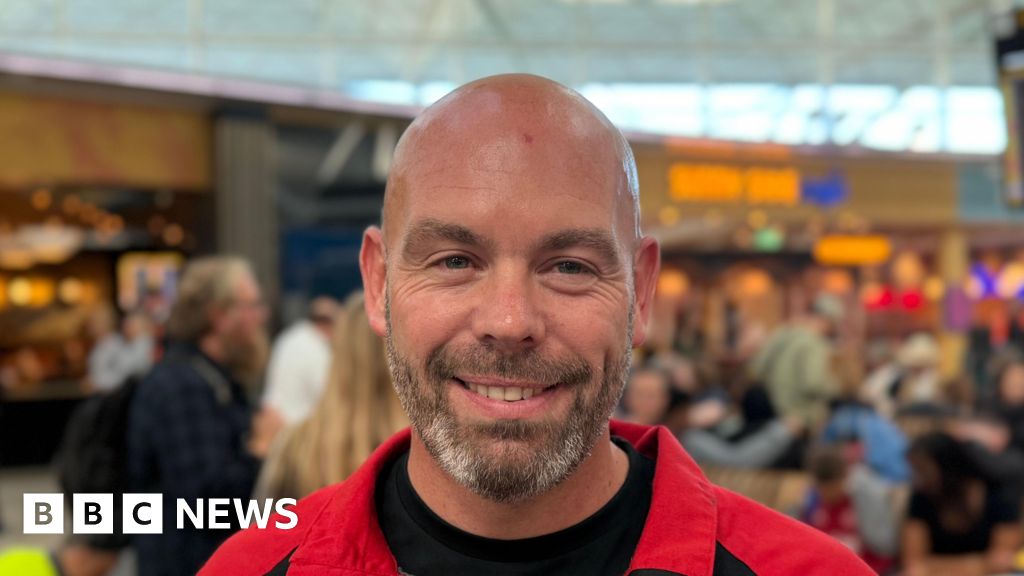
    Elliot Deady/BBC Adam is standing inside Stansted Airport.  There are people in the background as well as shops and restaurants.Elliot Deady/BBC

    Paramedic Adam Carr said learning CPR was “essential” and that “everyone should do it”

    More than a thousand people have been taught CPR during an event at Stansted Airport.

    Medical staff at Essex & Herts Air Ambulance Trust (EHAAT) taught 1,208 passengers and staff the life-saving technique from 04:00 BST on Thursday until 22:00 BST.

    They well surpassed the number they hit during the first session at the airport last year, which was about 700 people during a 10-hour shift.

    Adam Carr, who is EHAAT’s critical care paramedic, said: “Learning CPR is essential, everyone should do it. It’s such a simple thing to do but it can be the difference between life and death.”

    The event was timed with the national Restart a Heart Day, led by healthcare charity Resuscitation Council UK.

    Mr Carr said there had been three cardiac arrests at Stansted in the past year, in which staff helped save lives.

    One of those passengers made a full recovery after the incident at a check-in desk, Mr Carr explained.

    Elliot Deady/BBC Alison is standing inside Stansted airport wearing a white top with black stripes across it.  She is also wearing glasses and lanyards.  In the background there are passengers in a busy terminal.Elliot Deady/BBC

    Alison Newman, who suffered a cardiac arrest in August 2021, was one of the airport staff learning CPR

    Alison Newman, 64, from Bishop’s Stortford in Hertfordshire, suffered a cardiac arrest in August 2021 and was one of the airport staff learning CPR.

    “My daughter rang 999 and they told her to start CPR, which she did for six minutes before the paramedics arrived,” she said.

    “It’s such a simple procedure – the more people that learn it, the more people will survive these type of cardiac events.”

    Patricia was another who learned CPR along with her eight-year-old daughter Aleksandra and said she found the experience “very helpful”.

    “If my daughter needed to act in such a case, she would know what to do,” she said.

    Becca Dow, who organised the event, said: “It’s successfully shown that we are able to help people who suffer from a real-life cardiac arrest.”

    Through EHAAT’s CPR Smart programme, it aims to ensure every child in Essex and Hertfordshire leaves school knowing how to perform CPR.

    Continue Reading

  • Adjuvant Nivolumab Generates Long-Term DFS Benefit in Resected MIUC

    Adjuvant Nivolumab Generates Long-Term DFS Benefit in Resected MIUC

    Treatment with adjuvant nivolumab (Opdivo) led to a sustained disease-free survival (DFS) advantage compared with placebo in patients with muscle-invasive urothelial carcinoma (MIUC) following radical radical resection, according to 5-year follow-up findings from the phase 3 CheckMate 274 trial (NCT02632409) presented at the 2025 ESMO Congress and published concurrently in Annals of Oncology.

    Among all randomly assigned patients, the median DFS was 21.9 months (95% CI, 18.8-36.9) with nivolumab vs 11.0 months (95% CI, 8.3-16.6) with placebo (HR, 0.74; 95% CI, 0.61-0.90). In each respective arm, the DFS rates were 45.1% vs 35.3% at 36 months, 41.2% vs 33.0% at 48 months, and 36.4% vs 30.9% at 60 months. In patients with a PD-L1 expression of 1% or higher, the median DFS was 55.5 months (95% CI, 25.8-66.5) in the nivolumab arm and 8.4 months (95% CI, 5.6-20.0) in the placebo arm (HR, 0.58; 95% CI, 0.42-0.79). The DFS rates in the PD-L1 expression of 1% or higher population were 56.6% vs 33.1% at 36 months, 53.9% vs 32.2% at 48 months, and 46.8% vs 32.2% at 60 months in the experimental and placebo arms, respectively.

    Among all randomly assigned patients with muscle-invasive bladder cancer (MIBC), the median DFS was 25.6 months (95% CI, 19.2-42.6) with nivolumab and 9.4 months (95% CI, 7.4-13.7) with placebo (HR, 0.66; 95% CI, 0.53-0.81). The 36-month, 48-month, and 60-month DFS rates were 46.8% vs 32.3%, 42.8% vs 30.2%, and 36.7% vs 28.9%, respectively. Among patients with MIBC and a PD-L1 expression of at least 1%, the median DFS in each arm was 59.4 months (95% CI, 39.5-not evaluable [NE]) and 8.3 months (95% CI, 4.7-16.6); the DFS rates were 60.3% vs 30.7% at 36 months, 57.0% vs 30.7% at 48 months, and 48.3% vs 30.7% at 60 months (HR, 0.50; 95% CI, 0.36-0.72).

    In patients with MIBC and prior receipt of cisplatin, the median DFS was 19.6 months (95% CI, 15.6-48.2) with nivolumab compared with 8.3 months (95% CI, 5.6-11.2) using placebo (HR, 0.63; 95% CI, 0.47-0.84). The DFS rates in each arm were 46.8% vs 29.3% at 36 months, 42.6% vs 27.8% at 48 months, and 33.4% vs 26.2% at 60 months. Among those without prior receipt of cisplatin for MIBC, data showed a median DFS of 25.9 months (95% CI, 19.2-55.5) vs 13.7 months (95% CI, 8.2-22.1) in each respective arm (HR, 0.70; 95% CI, 0.52-0.95). The DFS rates in each arm across this population were 46.6% vs 35.6% at 36 months, 42.8% vs 32.9% at 48 months, and 39.8% vs 31.9% at 60 months.

    “With 5 years [of] follow-up, adjuvant nivolumab continues to show DFS benefits vs placebo in all [randomly assigned] patients and in patients with tumors PD-L1 [expression] greater than or equal to 1%. The benefits of nivolumab extended to the secondary and exploratory end points,” presenting investigator Matthew Galsky, MD, professor of Medicine (Hematology and Medical Oncology), director of Genitourinary Medical Oncology, co-director of the Center of Excellence for Bladder Cancer, and associate director for Translational Research at The Tisch Cancer Institute, stated in the presentation. “Overall, these results provide additional support for adjuvant nivolumab as a standard treatment for patients with high-risk MIUC after radical surgery.”

    In the double-blind, multicenter phase 3 CheckMate 274 trial, 709 patients with high-risk MIUC were randomly assigned 1:1 to receive nivolumab at 240 mg intravenously every 2 weeks (n = 353) or matched placebo (n = 356). Investigators stratified patients by tumor PD-L1 expression status, receipt of prior neoadjuvant cisplatin-containing chemotherapy, and nodal status.

    The trial’s primary end point was DFS in all randomly assigned patients and among those with a PD-L1 expression status of at least 1%. Secondary end points included overall survival (OS) and disease-specific survival (DSS). Safety was an exploratory end point.

    Interim OS data showed that among all randomly assigned patients, the median OS was 75.0 months (95% CI, 56.7-NE) with nivolumab and 50.1 months (95% CI, 38.0-72.1) with placebo (HR, 0.83; 95% CI, 0.67-1.02). The 36-month, 48-month, and 60-month OS rates in each arm were 65.3% vs 57.7%, 59.5% vs 51.3%, and 54.6% vs 47.1%, respectively. Among those with PD-L1 expression of 1% or higher, the median OS was not reached (NR; 95% CI, 70.0-NE) vs 59.4 months (95% CI, 29.1-NE), with respective rates of 73.8% vs 56.5% at 36 months, 69.6% vs 51.6% at 48 months, and 64.3% vs 49.9% at 60 months (HR, 0.63; 95% CI, 0.44-0.90).

    Among all randomly assigned patients with MIBC, interim data showed a median OS of 61.2 months (95% CI, 48.2-NE) with nivolumab and 38.2 months (95% CI, 29.8-50.3) with placebo (HR, 0.73; 95% CI, 0.58-0.91). The OS rates in this population were 63.8% vs 53.1% at 36 months, 56.6% vs 45.9% at 48 months, and 51.3% vs 41.8% at 60 months. Among those with MIBC and PD-L1 expression in at least 1% of tumor cells, the median OS was NR (95% CI, 75.0-NE) vs 38.2 months (95% CI, 27.8-72.1) in the nivolumab and placebo arms, respectively (HR, 0.51; 95% CI, 0.35-0.76). The OS rates were 75.0% vs 53.3% at 36 months, 70.0% vs 47.4% at 48 months, and 64.8% vs 45.3% at 60 months.

    In the overall population, the median DSS was NR (95% CI, 91.9-NE) with nivolumab and NR (95% CI, 52.1-NE) with placebo (HR, 0.79; 95% CI, 0.62-1.00). Data showed DSS rates of 71.7% vs 63.1% at 36 months, 66.7% vs 57.5% 48 months, and 63.0% vs 54.1% at 60 months. In patients with PD-L1 expression of 1% or higher, the median DSS in each arm was NR (95% CI, NE-NE) vs 92.1 months (95% CI, 54.4-NE); the DSS rates in each arm were 79.8% vs 64.3% at 36 months, 77.0% vs 59.6% at 48 months, and 74.0% vs 57.6% at 60 months (HR, 0.57; 95% CI, 0.37-0.87).

    Among 709 randomly assigned patients, 133 (18.8%) underwent circulating tumor DNA (ctDNA) analysis; of these patients, 54 (40.6%) had evaluable ctDNA. The median DFS was 52.1 months (95% CI, 19.4-NE) in patients with undetectable ctDNA (n = 79) vs 5.0 months (95% CI, 2.8-6.5) among those with detectable ctDNA (n = 54; HR, 0.30; 95% CI, 0.18-0.48). Additionally, the median OS was NR (95% CI, 62.0-NE) and 28.2 months (95% CI, 19.4-36.1) among patients with undetectable and detectable ctDNA, respectively (HR, 0.44; 95% CI, 0.25-0.76).

    Among patients with detectable ctDNA, nivolumab conferred improvements in DFS (HR, 0.35; 95% CI, 0.18-0.66) and OS compared with placebo (HR, 0.41; 95% CI, 0.20-0.83). In those with undetectable ctDNA, numerical improvements occurred with nivolumab for DFS (HR, 0.99; 95% CI, 0.51-1.93) and OS (HR, 0.87; 95% CI, 0.41-1.84). Galsky noted that conclusions in exploratory post hoc ctDNA analyses were limited due to a small sample size.

    Investigators observed no new safety signals in the latest analysis for CheckMate 274. Any-grade treatment-related adverse effects (TRAEs) occurred in 79% and 56% of the nivolumab and placebo arms, respectively; grade 3 or higher toxicities affected 18% vs 7%. The most common any-grade TRAEs in each arm included pruritus (23% vs 11%), fatigue (17% vs 12%), diarrhea (17% vs 11%), rash (15% vs 6%), and lipase increases (10% vs 6%).

    Disclosures: Galsky noted advisory board/consul associations with AbbVie, Alligator Bioscience, Analog Devices, ARS Pharmaceuticals, Asieris Pharmaceuticals, AstraZeneca, Basilea Pharmaceutica, Bicycle Therapeutics, Bristol Myers Squibb, Curis, Daiichi Sankyo, Dragonfly Therapeutics, EMD Serono, Fujifilm, Genentech, Gilead Sciences, GlaxoSmithKline, Janssen, Merck, Numab Therapeutics, Pfizer, Rappta Therapeutics, Seagen, UroGen Pharma, and Veracyte.

    Reference

    Galsky MD, Gschwend JE, Milowsky MI, et al. Adjuvant nivolumab versus placebo for high-risk muscle-invasive urothelial carcinoma: 5-year efficacy and ctDNA results from CheckMate 274. Ann Oncol. Published online October 17, 2025. doi:10.1016/j.annonc.2025.09.139


    Continue Reading

  • CHEST to Offer Compelling Panels on Lung, Heart Health at Upcoming Conference

    CHEST to Offer Compelling Panels on Lung, Heart Health at Upcoming Conference

    The windy city of Chicago, Illinois, is set to host the CHEST: American College of Chest Physicians Annual Meeting from October 19 to October 22, 2025, highlighting innovative research and discussions surrounding pulmonary and critical care specialties. The conference will feature multiple sessions concerning the use of artificial intelligence (AI) in medicine, the use of glucagon-like peptide 1 inhibitors to address issues in sleep medicine, and late-breaking abstracts in its 4-day schedule.

    The main conference events kick off on October 19, with the keynote address coming from inspirational speaker Sean Swarner, who has 1 functioning lung after 2 bouts with cancer. The power of pulmonary medicine, allowing those with lower lung function to lead normal lives, highlights the reason that many of the doctors practice: to improve the prognosis for those with major pulmonary challenges. After this demonstration of what progress in pulmonary medicine can do for the average person, the core of the conference will get underway.

    New coverage guidelines will be debated on Monday morning, specifically on noninvasive ventilation in chronic obstructive pulmonary disease (COPD). The panel aims to review the National Coverage Determination guidelines, identify challenges that will arise due to the guidelines, and discuss how to implement the guidelines into practice.

    AI is a topic of conversation at multiple panels, including at the opening session on Tuesday, October 21, where the use of AI will be discussed in both pulmonary and critical care medicine. Experts on the panel plan to highlight 3 AI applications that are affecting medicine in the pulmonary, critical care, and sleep specialties and teach the audience how to use these AI tools to help documentation and clinical decisions. Ethical challenges and implementation pitfalls of AI will also be covered as the practical use of AI is questioned.

    Also on Tuesday, the conference will focus on the past, present, and future of respiratory vaccines. COVID-19 vaccines, influenza, and pneumococcal disease vaccines have previously been shown to be helpful in avoiding unnecessary death due to these viruses, and the future development of vaccines in this space could further reduce morbidity in vulnerable populations. The goal of the panel, according to the description, is to “encourage[e] pulmonary and critical care clinicians to continue their work as advocates of vaccination” by going over current science and recommendations for respiratory vaccines.

    The conference’s Wednesday events kick off with a panel about the new federal policies in the US that have changed the priorities affecting multiple areas of health. The National Medical Association will be offering insight into what these changes mean for medical education and research across the country, including highlighting both legislation and executive orders that affect health care and discussing methods of reducing the harm that could come from these actions. Aaron Baugh, MD, and Marilyn Foreman, MD, MS, of UCSF Department of Medicine and Indiana University School of Medicine, respectively, will be the moderators for this panel.

    The conference is set to conclude on October 22. After 4 full days of panels, discussions, and abstract presentations, CHEST will draw to a close on Wednesday evening, after providing pulmonologists and other specialists across the country with updated research, information, and guidelines to better serve their patients when they return to their practices.

    Continue Reading