Category: 3. Business

  • Vietnam Reclassified to Emerging Market Status by FTSE Russell

    Vietnam Reclassified to Emerging Market Status by FTSE Russell

    Vietnam’s upgrade to Emerging Market status by FTSE Russell is a green flag for global investors and a step towards greater financial market integration. The 2025-2027 reforms can translate into easier capital access and disclosure transparency for businesses looking at a long-term foothold in Vietnam.


    FTSE Russell announced on October 7, 2025, that Vietnam will be upgraded from Frontier to Secondary Emerging Market (EM) status, from September 21, 2026, after a final review scheduled for March 2026. The decision comes after nearly seven years of gradual reform since Vietnam was first placed on the FTSE watchlist in 2018.

    Vietnam’s upgrade to Secondary Emerging Market status places it alongside China, India, Indonesia, the Philippines, and Qatar. It ranks below Advanced Emerging Markets such as Thailand and Malaysia, and Developed Markets like Singapore.

    Understanding the FTSE classification and upgrade process

    FIND BUSINESS SUPPORT

    FTSE Russell’s Equity Country Classification Framework evaluates markets based on a set of quantitative and qualitative indicators that measure openness and regulatory quality.

    The Secondary Emerging Market status hinges on countries satisfying these primary criteria:

    • Market accessibility for foreign investors;
    • Settlement and custody infrastructure;
    • Transaction transparency and liquidity; and
    • Market size, free float, and institutional participation.

    Vietnam successfully met all these conditions and addressed many longstanding barriers that were limiting investor participation. The country addressed two critical technical barriers that previously prevented the upgrade, including:

    • Settlement cycle and pre-funding requirements

    In November 2024, the Ministry of Finance issued Circular 68/2024/TT-BTC, which introduced the Non-Pre-funding Solution (NPS) model. Before, foreign institutional investors were required to fully pre-fund equity purchases before execution, a rule that discouraged global funds accustomed to T+2 settlement systems. Under the NPS, securities firms now bear the responsibility of assessing and managing payment risk under the contracts.

    • Failed trade processing mechanism

    Vietnam implemented a mechanism for handling settlement failures to improve transparency in post-trade activities. It ensures the timely resolution of settlement failures and brings Vietnam’s back-office procedures closer to international standards.

    Interim review and pending conditions

    Although Vietnam has met the requirements for EM classification, the March 2026 interim review will evaluate one remaining area, which is direct access for global brokerage firms.

    FTSE Russell noted that this is not a mandatory criterion for maintaining EM status, but it remains crucial for Vietnam’s index and for aiding participation by major global institutional investors.

    Projected capital inflows and portfolio effects

    The upgrade is expected to catalyze a lot of foreign capital inflows. Analysts have made various investment projections, some of which like:

    FIND BUSINESS SUPPORT

    • FTSE Russell estimates inflows of around US$6 billion from passive index trackers that replicate the FTSE Emerging Market Index;
    • The World Bank projects short-term inflows of approximately US$5 billion before and after the upgrade from passive and active investors, and long-term potential inflows could reach $25 billion by 2030; and
    • HSBC forecasts range from US$3.4 billion (active funds) to US$10.4 billion (total including passive funds).

    Vietnam is expected to account for approximately 0.5 percent of the FTSE Emerging Market Index once the reclassification takes effect.

    Active fund participation

    According to HSBC, approximately 38 percent of Asia-focused funds and 30 percent of global emerging market funds already hold Vietnamese equities, which suggests that beyond passive index flows, Vietnam could attract new active fund allocations too.

    Liquidity, valuation, and trading depth

    Vietnam’s stock market has demonstrated strong liquidity in 2025. In July 2025, average daily trading volume reached over 1,422 million shares as average daily turnover reached VND 34,993 billion (US$1.32 billion). The market hit historic liquidity records with total trading value on the Ho Chi Minh City Stock Exchange (HOSE) as it approached VND 78.2 trillion (US$2.9 billion) in early August 2025. As of May 2025, Vietnam Exchange posted nearly US$18 billion in monthly trading value, overtaking Malaysia (US$12.1 billion) and Indonesia (US$15.3 billion)

    Anticipation of the FTSE announcement has already influenced domestic equity performance. The VN-Index has risen from 1,100 points in April 2025 to nearly 1,700 points by October 2025, which is a 50 percent jump and a 33 percent year-to-date gain; thus, Vietnam has become the best-performing market in Southeast Asia.

    HSBC analysts, however, caution that front-loading, the tendency of investors to buy in anticipation of future reclassification, may limit further short-term upside. Profit-taking could occur after the announcement, as observed in other markets following index upgrades. Nevertheless, most research expects active funds to disburse gradually between March and September 2026.

    Domestic reforms enabling the upgrade

    Vietnam’s reclassification is a cumulative result of regulatory and structural reforms that have improved its foreign access.

    Central counterparty and post-trade reforms

    The State Securities Commission (SSC) has given a roadmap to launch a central counterparty (CCP) system for Vietnam’s equity market by Q1 2027. Milestones on the way are:

    FIND BUSINESS SUPPORT

    • Q1-Q2 2026: SSC and the Vietnam Securities Depository and Clearing Corporation (VSDC) will issue a new circular to replace Circular 119/2020/TT-BTC on registration, custody, and settlement;
    • Q3 2025-Q1 2026: Establishment of a VSDC subsidiary to handle CCP functions;
    • Q3 2025-Q4 2026: Introduction of a revised accounting framework to replace Circular 89/2019/TT-BTC;
    • 2026: IT system upgrades, staff training, and simulation testing; and
    • Q1 2027: Full-scale operation of the CCP.

    CCP will help foreign institutional investors reduce currency risk during the payment cycle and provide safer mechanisms against payment risks.

    Technology infrastructure modernization

    Vietnam launched the KRX trading platform on May 5, 2025, in partnership with the Korea Exchange (KRX). The platform addresses several bottlenecks and expands derivative products available to investors with these new features:

    • Same-day trading (T+0) and short selling;
    • Faster settlement processing; and
    • Support for options contracts and CCP clearing.

    Disclosure and transparency

    From January 1, 2025, all VN30 companies (the 30 largest listed firms) have been required to publish disclosures in Vietnamese as well as English. By the end of 2026, all approximately 2,000 listed and registered trading companies must complete the transition to English-language disclosures. Currently, only about 25-30 percent of listed companies provide complete English disclosures.

    Other reforms

    Other transformative reforms include:

    • Removal of pre-funding obligations: As noted above, Circular 68/2024/TT-BTC eliminated the full pre-funding requirement for foreign investors.
    • Foreign ownership liberalization: Decree 245/2025/ND-CP, issued on September 11, 2025, removed provisions that allowed listed companies to set foreign ownership limits below the legal maximum. All public companies must now publicly disclose their maximum allowable foreign ownership ratio within 12 months of the decree’s coming into force.
    • Simplified trading code issuance: Foreign investors can now receive an electronic securities trading code (ESTC) and commence trading immediately without submitting physical paperwork.
    • Accelerated IPO and listing timelines: The period for securities to be traded after listing approval was shortened from 90 days to 30 days, and the overall listing process was reduced by 3-6 months.

    Remaining reform gaps

    Despite its upgrade, Vietnam continues to face structural challenges that must be addressed to sustain investor confidence.

    FIND BUSINESS SUPPORT

    • Currency convertibility: The Vietnamese Dong is not freely convertible and cannot be remitted overseas. Foreign exchange transactions remain subject to State Bank of Vietnam (SBV) controls.
    • Global broker access: The March 2026 interim review will specifically assess progress in this area.
    • ESG disclosure: Only 25 percent of listed companies publish environmental, social, and governance (ESG) reports, most without external assurance.

    Integration with global finance

    The FTSE upgrade is a part of a series of efforts Vietnam is taking for global financial integration and capital market openness. Vietnam’s Finance Minister Nguyen Van Thang stated that “the official recognition and upgrade of Vietnam’s securities market is clear evidence of the country’s sound development path and its growing capacity to integrate deeply into the global financial system”.​

    The government has set an ambitious target of 8 percent GDP growth for 2025 and aims to achieve double-digit growth between 2026 and 2030. The present roadmap for Vietnam’s stock market development goes up to 2030. The market can aim for medium-term targets for MSCI Emerging Market upgrade between 2026 and 2027 and can have long-term goals for FTSE Advanced Emerging Market status by 2029 and 2030.

    Monetary and currency management

    FIND BUSINESS SUPPORT

    Vietnam’s GDP growth recorded an 8.23 percent year-on-year rise in Q3 2025, the fastest since 2022. The Purchasing Manager’s Index was 50.4 in September 2025, and total trade volume reached US$680 billion, with exports up 14.8 percent to US$262.44 billion.

    The SBV maintains an inflation target of 4.5 percent for 2025. As of mid-year, consumer prices rose 3.27 percent, and core inflation stood at 3.16 percent. Refinancing rates remain at 4.5 percent (at an accommodative policy stance).

    The Federal Reserve’s rate cuts in 2025 have provided room for Vietnam to maintain low domestic interest rates without pressuring the dong. As we noted, the Vietnamese Dong is not freely convertible as foreign exchange transactions still are subject to SBV controls.

    Vietnam’s sovereign credit ratings remain below investment grade but stable:

    • Standard & Poor‘s BB+ with stable outlook (affirmed August 2025);
    • Fitch’s BB+ with stable outlook (affirmed June 2025); and
    • Moody’s: Ba2 with stable outlook (unchanged since 2022).

    The EM reclassification could fuel investor appetite for Vietnamese sovereign bonds, which could potentially lower long-term borrowing costs. Vietnam now stands at the threshold of deeper global integration. Despite global headwinds, Vietnam’s domestic reforms and foreign investors’ belief in its robustness can provide a much-needed boost for double-digit growth.

    Read more: Vietnam’s Rising Purchasing Power: 2024 Household Living Standards Survey

    (US$1 = VND 26,349.5)

    About Us

    Vietnam Briefing is one of five regional publications under the Asia Briefing brand. It is supported by Dezan Shira & Associates, a pan-Asia, multi-disciplinary professional services firm that assists foreign investors throughout Asia, including through offices in Hanoi, Ho Chi Minh City, and Da Nang in Vietnam. Dezan Shira & Associates also maintains offices or has alliance partners assisting foreign investors in China, Hong Kong SAR, Indonesia, Singapore, Malaysia, Mongolia, Dubai (UAE), Japan, South Korea, Nepal, The Philippines, Sri Lanka, Thailand, Italy, Germany, Bangladesh, Australia, United States, and United Kingdom and Ireland.

    For a complimentary subscription to Vietnam Briefing’s content products, please click here. For support with establishing a business in Vietnam or for assistance in analyzing and entering markets, please contact the firm at vietnam@dezshira.com or visit us at www.dezshira.com

     

    Continue Reading

  • China’s biggest shopping event starts five weeks early to revive spending

    China’s biggest shopping event starts five weeks early to revive spending

    It’s known to be China’s biggest online shopping event – taking place on 11 November each year.

    But this year, Single’s Day sales have already begun in mid-October, as part of efforts by Chinese retailers to boost spending in a sluggish market.

    China has been plagued with issues like growing youth unemployment , a prolonged property crisis, steep government debt and an ongoing trade war with the US – all of which is making the country’s consumers cut back on spending.

    The Chinese government has been spending billions – through family subsidies, more wages and discounts for consumer goods in a bid to counter this, but retail sales growth is still failing to meet expectations.

    Originally created by Alibaba as a Chinese shopping festival, Singles’ Day is akin to Amazon’s Prime Day or Black Friday promotions elsewhere in the world.

    A major revenue driver in the final quarter of the year, the event is marked with deep discounts online and in stores, with most retailers in the country competing for sales.

    Over the years, the sales window has evolved from a single day to one of the year’s biggest shopping events, often ushered in with extravagant opening events featuring popstars like Jessie J.

    But this year, retailers launched their sales campaigns in October, coinciding with the end of China’s Golden Week holiday.

    Platforms like Taobao, JD.com and Douyin are actively promoting “11.11” sales, with banners on their apps showing discounts and vouchers.

    Alibaba, which runs e-commerce platforms Taobao, Tmall and AliExpress, said in its newshub that it is kicking off this years “11.11 Global Shopping Festival” on 15 October.

    The firm is also tapping artificial intelligence in its search and recommendation tools to make it easier for shoppers to navigate its sprawling sites and suggest relevant products.

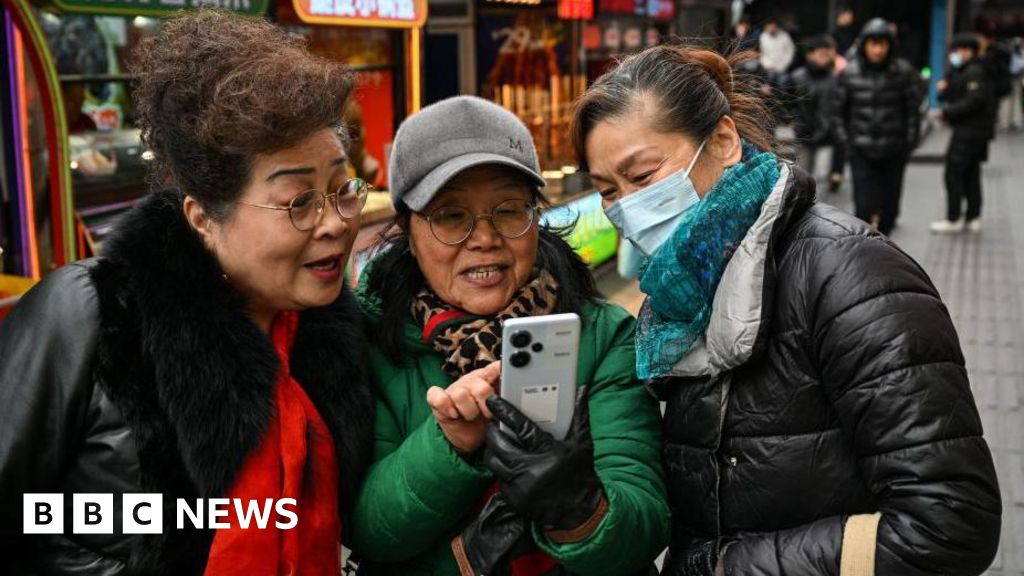
    Chinese consumers have adopted more cautious spending habits since the Covid-19 pandemic – a trend that has continued as the country continues to battle deflation.

    The spending crunch has hit high-end retailers especially hard. Fashion brands like Louis Vuitton and Burberry reported a drop in sales in recent months in China, which accounts for around a third of global luxury sales.

    However, investors seem optimistic about a rebound in China’s market, as shares of luxury brands like LVMH and Moncler rose this week, lifted by signs of improved demand in the region.

    Continue Reading

  • Central Banks Must Guide ASEAN+3 Through Age of Novel Risks – ASEAN+3 Macroeconomic Research Office

    Central Banks Must Guide ASEAN+3 Through Age of Novel Risks – ASEAN+3 Macroeconomic Research Office

    This article was first published in The Business Times on October 9, 2025. It was co-authored with Julia Bingler, Fellow at the Council on Economic Policies.

    Authorities must revise capital frameworks and integrate resilience into monetary operations to tackle challenges

    In just the last few months, novel risks have crystallized across ASEAN+3.

    Grab merchants in Singapore began accepting stablecoin payments; Typhoon Bualoi flooded Philippine and Vietnamese ports and factories, paralyzing entire provinces; and US tariff increases are forcing regional economies to recalibrate supply chains.

    These disruptions share a common thread: traditional economic frameworks cannot keep pace. Digital assets are reshaping monetary systems, social tensions are threatening political and economic stability, climate extremes are disrupting supply chains, and geopolitical shifts are upending trade patterns.

    Policymakers must now simultaneously respond swiftly to immediate crises, such as rising living costs, geopolitical pressures and extreme weather events, while steering deeper structural changes involving demographic shifts, digital currencies, artificial intelligence (AI) and the transition to sustainable economies.

    The prosperity of ASEAN+3 economies–the 10 Southeast Asian nations plus China (including Hong Kong), Japan and South Korea–hinges on whether policymakers, central banks and financial supervisors can navigate an increasingly complex landscape of novel risks that cut across food security, labor markets and infrastructure resilience, potentially undermining economic welfare and financial stability.

    The rising likelihood of compound shocks adds complexity. But if tackled strategically, such policies can become catalysts for sustainable prosperity.

    New risks require new approaches

    Novel risks are not simply variations of known shocks. Most are cross-border, systemic and fraught with deep uncertainties, with a high likelihood of materializing concurrently.

    Because they challenge conventional governance and risk management approaches, these risks require more adaptive and targeted instruments to safeguard financial stability, as well as to ensure price stability and sustainable long-term prosperity.

    Conventional financial risk assessment models based on historical data and unrealistic assumptions cannot capture novel risks appropriately. Backward-looking stress testing is increasingly unviable. By their nature, these are risks that economies have not faced before, making forward-looking risk management and analysis essential.

    Global systemic challenges at this level cannot be hedged or diversified away. When they crystallize, there will be wide cross-border implications.

    Novel risks also put monetary policy under pressure. Stablecoins and climate change weaken monetary transmission channels and exacerbate existing vulnerabilities.

    While fully pegged stablecoins promote financial inclusion for the under-banked and bridge traditional finance with the digital economy, they also amplify currency devaluation and weaken central banks’ ability to set monetary policy in line with domestic economic conditions. They could trigger capital flow volatility, liquidity shortfalls, and sudden devaluations that wipe out savings.

    Climate change, meanwhile, will damage productive capacity, alter investment patterns and create inflationary pressures through supply shocks.

    Financial authorities must step up

    Finance ministers, central bankers and financial supervisors need new approaches to address these challenges.

    Price and financial stability must now take into account forces that threaten stability beyond traditional business cycles. Without such adaptation, economic and financial governance frameworks risk losing their effectiveness.

    Novel risks demand strategically recalibrated monetary policy, resilience-focused financial regulation and forward-looking supervision. Policymakers, central banks and financial regulators already possess powerful tools that – if deployed early and strategically – can help financial markets navigate these risks more effectively.

    Several ASEAN+3 central banks are already leading the way with initiatives to manage the digitalization of financial services, strengthen regional payment systems, develop human capital, promote financial inclusion and support the transition to climate-resilient economies.

    The Bank of Korea has created a virtual asset committee to monitor crypto developments and support legislation; the Bank of Thailand has completed consultation on its AI risk management policy; and the Monetary Authority of Singapore is developing a generative AI risk framework through Project MindForge. Japan has amended the Payment Services Act to introduce stablecoin licensing requirements, and Bank Negara Malaysia has launched a Climate Finance Innovation Lab while integrating climate risks into supervision.

    However, these initiatives remain fragmented and often modest in scale relative to the magnitude of the risks ahead. The time has come to scale up, systematize the implementation of these measures and regionalize them.

    Supervisors and regulators need to revise capital adequacy frameworks to reflect novel risks, and issue explicit guidance on how institutions must incorporate them into strategies.

    Disclosures must deliver decision-useful, forward-looking information. Systemic capital buffers need calibration to reflect the likelihood of risks materializing simultaneously. Regional collaboration will be critical to avoid regulatory arbitrage and fragmentation.

    For monetary policy, central banks need to integrate resilience directly into refinancing operations and asset purchase programs. They must reflect novel risks in collateral frameworks and balance sheet management, including foreign reserve holdings.

    Regional cooperation essential

    ASEAN+3, as a region of diverse economies bound by deep interdependence, faces unique challenges.

    Risk spillovers are inevitable, and no single nation’s measures will suffice. A prolonged heatwave in one country disrupts food supply chains in another. Capital mispriced in one jurisdiction creates vulnerabilities across the regional financial system. A rapid shift to US dollar stablecoins could weaken monetary policy effectiveness and create sudden liquidity shortfalls.

    To deal with these risks, both individually and simultaneously, the region must monitor developments, meet regularly to coordinate policy actions, and develop internal capacity to understand and manage them.

    By pooling expertise as well as developing common standards and interoperable regulatory frameworks, ASEAN+3 policymakers can transform a patchwork of responses into a regional architecture of resilience.

    Finance ministries and central banks have long been the guardians of economic and financial stability. In this new age, they must also become architects of resilience and enablers of economic transitions.

    Aligning financial supervision and monetary policy with novel risks is not a technocratic exercise. It is a strategic choice that will define whether regional economies can achieve sustained growth, mitigate emerging risks, enhance social welfare, and benefit from climate-resilient prosperity in the decades ahead.

    ASEAN+3 can provide an example of global best practice, leading in setting the framework and institutional arrangements necessary to monitor and manage novel risks.


    Continue Reading

  • Nestle Stock: Strategy Update Is A Sign Of Change (Upgrade) (OTCMKTS:NSRGY) – Seeking Alpha

    1. Nestle Stock: Strategy Update Is A Sign Of Change (Upgrade) (OTCMKTS:NSRGY)  Seeking Alpha
    2. Nestlé is suffering from a major shift in consumer behavior  TheStreet
    3. Nestlé S.A. Reports Sales Results for the Third Quarter and Nine Months 2025  MarketScreener
    4. Nestle expects FY25 organic sales growth to improve compared to FY24  TipRanks
    5. Nestlé rallies after guidance and strategy update  MSN

    Continue Reading

  • Siemens Mobility increases share of “green steel” in production | Press | Company

    Siemens Mobility increases share of “green steel” in production | Press | Company

    [{“nid”:0,”name”:”Products & Solutions”,”tid”:0,”url_str”:”https://www.siemens.com/global/en/products.html”,”alias”:”https://www.siemens.com/global/en/products.html”,”level”:1,”image”:{“fid”:false,”furl”:””},”options”:{“menu_icon”:{“fid”:false},”external”:true},”depth”:1,”parent”:false,”children”:[]},{“nid”:0,”name”:”Industries”,”tid”:1,”url_str”:”https://xcelerator.siemens.com/global/en/industries.html”,”alias”:”https://xcelerator.siemens.com/global/en/industries.html”,”level”:1,”image”:{“fid”:false,”furl”:””},”options”:{“menu_icon”:{“fid”:false},”external”:true},”depth”:1,”parent”:false,”children”:[]},{“nid”:0,”name”:”Company”,”tid”:2,”url_str”:”https://www.siemens.com/global/en/company.html”,”alias”:”https://www.siemens.com/global/en/company.html”,”level”:1,”image”:{“fid”:false,”furl”:””},”options”:{“menu_icon”:{“fid”:false},”external”:true},”depth”:1,”parent”:false,”children”:[]}]

    Continue Reading

  • Stocks Fall, Bonds Rally on US Bank Credit Woes: Markets Wrap

    Stocks Fall, Bonds Rally on US Bank Credit Woes: Markets Wrap

    (Bloomberg) — Asian stocks fell after shares of US regional banks tumbled on rising concerns about lending standards. Government bonds rose and gold was poised for a ninth week of gains.

    The MSCI Asia Pacific Index fell 0.8%, with financial companies among the biggest losers. US equity-index futures fell 0.3%, after the underlying gauges dipped Thursday. Contracts indicated European shares were also set for a weaker open. Regional lenders slid in the US after the fallout from the collapse of subprime auto lender Tricolor Holdings spread beyond Wall Street.

    As investors positioned for safe havens, gold and silver hit new all-time highs, powered by fears about credit quality in the US economy and heightened American frictions with China. Treasuries extended gains with the two-year yield falling to the lowest level since 2022 and the 10-year yield below 4%. An index of the dollar declined, while the yen strengthened past the 150 against the greenback.

    The moves highlighted growing concerns about the US credit market, serving as the clearest evidence of the nervous undercurrents recently plaguing Wall Street, after stocks rallied to record high levels. That’s adding to a list of worries facing investors, including the US government shutdown, fears of an AI bubble and renewed US-China trade tensions.

    “This US banking shock is more about market sentiment and liquidity than a systemic credit collapse,” said Dilin Wu, a strategist at Pepperstone Group Ltd. “It’s a good case of global risk aversion at the moment — fundamentals are okay, but fear is dominating the trading desks.”

    In other corners of the market, shares in Hong Kong dropped more than 1%, leading losses in the region as tensions with the US continued to weigh on sentiment. Technology shares retreated with Taiwan Semiconductor Manufacturing Co. dropping 1.7% in Taipei trading as traders locked in gains.

    The Treasury 10-year yield dropped two basis points to 3.96%, while similar-maturity Australian yields fell four basis points to 4.11%.

    Earlier, the S&P Regional Banks Select Industry Index plunged 6.3% on Thursday, its biggest decline since April’s tariff-induced selloff and an echo of the losses that rocked the sector during a crisis in 2023.

    Zions Bancorp fell 13% after a $50 million charge-off tied to a California Bank & Trust loan, while Western Alliance Bancorp dropped 11% after revealing exposure to the same borrowers.

    Two high-profile collapses in short order — last month’s implosion of auto lender Tricolor and the bankruptcy of auto-parts supplier First Brands Group — have put traders on alert for more bad news waiting in the wings. Asian bank stocks dropped as well.

    What Bloomberg strategists say…

    Asia stock investors look more inclined to take money off of the table than to make bold positional moves, heading into the event horizon of another weekend of potential geopolitical bumps. The overall lack of conviction is neatly encapsulated so far by gold’s failure to sustain strong moves in either direction.

    — Garfield Reynolds, Markets LIV Team Leader. Click here for full analysis.

    “It will be creating some cautious pullback, taking risk off the table,” said Vishnu Varathan, head of macro research for Asia ex-Japan at Mizuho Bank. “Investors in Asia may be cautious of exposures or liabilities on the books in Asia that may get hurt.”

    In trade news, the White House is poised to ease tariffs on the US auto industry, a move that would deliver a major win for carmakers that have aggressively lobbied to stem the fallout from record-level import duties.

    US-China trade tensions are once again emerging as a drag on equities, and the selloff in Asia and emerging markets could overshoot expectations given their stretched valuations, according to Morgan Stanley.

    “Recent client marketing in the US indicates seasoned investors are positioning more defensively, seeking quality and yield,” strategists including Jonathan Garner wrote in a note.

    Meanwhile, Bank of Japan Governor Kazuo Ueda indicated that the bank will continue normalizing policy if confidence in achieving its economic outlook strengthens — keeping the door open for a near-term interest-rate hike.

    Also in Japan, the likelihood of Japan’s ruling Liberal Democratic Party forming a new coalition with opposition party Ishin is 50-50, the leader of the smaller party said Friday, as key talks continue ahead of a parliamentary vote on who will lead the nation.

    In geopolitical news, President Donald Trump and his Russian counterpart Vladimir Putin agreed to meet in Budapest during a two-hour phone call. The conversation took place a day before Trump’s White House meeting with Ukrainian President Volodymyr Zelenskiy.

    Oil headed for a third weekly decline as investors focused on oversupply and the fallout from renewed US-China trade tensions. Brent was near $61 a barrel as Trump said he would hold a second meeting with Putin, raising the prospect that an increase of barrels from the OPEC+ member will exacerbate a global glut.

    Corporate News:

    Meta Platforms Inc. is set to seal an almost $30 billion financing package for its data center site in rural Louisiana, marking the final step for the largest private capital deal on record. Apple Inc. is preparing to finally launch a touch-screen version of its Mac computer, reversing course on a stance that dates back to co-founder Steve Jobs. Infosys Ltd. raised the lower end of its forecast for yearly revenue, banking on a revival in spending on technologies such as artificial intelligence. Nintendo Co. has asked suppliers to produce as many as 25 million units of the Switch 2 by the end of March 2026. Taiwan Semiconductor Manufacturing Co. shares drop as much as 2.4% in Taipei, despite the chipmaker raising its revenue outlook on strong AI demand. Some investors are seen taking profits after a run-up in the stock in recent months. Some of the main moves in markets:

    Stocks

    S&P 500 futures fell 0.4% as of 12:46 p.m. Tokyo time Nikkei 225 futures (OSE) fell 1.5% Japan’s Topix fell 0.9% Australia’s S&P/ASX 200 fell 0.8% Hong Kong’s Hang Seng fell 1.6% The Shanghai Composite fell 1% Euro Stoxx 50 futures fell 0.8% Currencies

    The Bloomberg Dollar Spot Index was little changed The euro rose 0.2% to $1.1710 The Japanese yen rose 0.3% to 150.00 per dollar The offshore yuan was little changed at 7.1255 per dollar The Australian dollar fell 0.3% to $0.6465 Cryptocurrencies

    Bitcoin rose 1% to $109,000.08 Ether rose 2% to $3,928.49 Bonds

    The yield on 10-year Treasuries declined three basis points to 3.94% Japan’s 10-year yield declined three basis points to 1.625% Australia’s 10-year yield declined six basis points to 4.09% Commodities

    West Texas Intermediate crude fell 0.3% to $57.31 a barrel Spot gold rose 0.7% to $4,355.68 an ounce This story was produced with the assistance of Bloomberg Automation.

    –With assistance from Winnie Hsu, Mark Cranfield and Abhishek Vishnoi.

    ©2025 Bloomberg L.P.

    Continue Reading

  • Asian shares slide, gold scales new peak as banking fears weigh – Reuters

    1. Asian shares slide, gold scales new peak as banking fears weigh  Reuters
    2. Asia stocks slide tracking Wall St losses; China top loser amid tariff worries  Investing.com
    3. Stocks sink on concerns about regional bank loans  CNN
    4. S&P500: Early Gains Reversed as VIX Spike Signals Rising Market Fear Today  FXEmpire
    5. FTSE 100 Joins Global Selloff  TradingView

    Continue Reading

  • SEKISUI CHEMICAL, Fujitsu, and SAP Japan announce comprehensive modernization of management platform to drive data-driven approach

    SEKISUI CHEMICAL, Fujitsu, and SAP Japan announce comprehensive modernization of management platform to drive data-driven approach

    SEKISUI CHEMICAL CO., LTD. Fujitsu Limited, and SAP Japan Co., Ltd. today announced the comprehensive modernization of SEKISUI CHEMICAL’s management platform. This modernization project aims to enhance data-driven and agile management decision making by implementing SAP S/4HANA® Cloud [1] as the new core system. The first phase, focusing on accounting systems, commenced in April 2025. Moving forward, SAP S/4HANA Cloud will be gradually rolled out to approximately 100 SEKISUI CHEMICAL Group companies around the world, enabling SEKISUI CHEMICAL to centralize and unify adminstration and data management across its group companies globally, while also standardizing platforms for sales and purchasing management in addition to the accounting foundation.

    SEKISUI CHEMICAL initiated a company-wide digital transformation project to enhance long-term corporate value in today’s uncertain business environment where companies must respond quickly to change. As part of this, the company launched a global management transformation project in 2021, beginning the modernization project to adopt SAP, a global standard. Through this project, SEKISUI CHEMICAL aims to enhance company management and create new value through the establishment of a data-driven approach.

    Fujitsu, leveraging its original methodology [2] – a culmination of over 40 years of experience as a global SAP partner – provided robust support for the execution and implementation of SAP S/4HANA Cloud and other solutions, including SAP® Business Technology Platform [3]. For this project, Fujitsu utilized its Japan Global Gateway and Global Delivery Center in India to establish a system for speedy and high-quality core system modernization. Fujitsu will continue to provide comprehensive support until the project’s completion, drawing on its extensive expertise and internal implementation references.

    SAP Japan will continue to support SEKISUI CHEMICAL in building a management foundation. Through providing Japanese and global insights, case studies, and optimal solutions, SAP Japan will contribute to SEKISUI CHEMICAL’s sustainable corporate value creation by enabling integrated utilization of a wide range of financial and non-financial information.

    Continue Reading

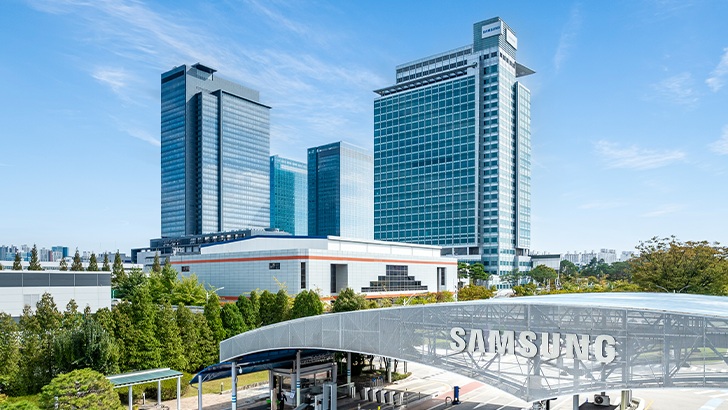
  • Samsung and GRAIL Announce Strategic Collaboration To Bring GRAIL’s Galleri® Multi-Cancer Early Detection Test to Asia – Samsung Global Newsroom

    Samsung and GRAIL Announce Strategic Collaboration To Bring GRAIL’s Galleri® Multi-Cancer Early Detection Test to Asia – Samsung Global Newsroom

    Samsung C&T and Samsung Electronics Will Make an Equity Investment of $110 Million Into GRAIL, Subject to Closing Conditions

    Samsung C&T Will Drive Commercialization of Galleri in South Korea With Possible Expansion to Japan and Singapore

    Samsung Electronics and GRAIL Will Also Explore Potential Strategic and Operational Collaborations

    Samsung C&T (SCT), Samsung Electronics (SEC), and GRAIL, Inc. (Nasdaq: GRAL), today announced they have signed a binding Letter of Intent for a strategic collaboration to bring GRAIL’s Galleri multi-cancer early detection (MCED) test to key Asian markets. SCT and SEC have also agreed to invest $110 million into GRAIL, a healthcare company whose mission is to detect cancer early when it can be cured, at a price of $70.05 per share of common stock.1


    “Guided by its commitment to advancing next-generation bio-technologies and improving quality of life, Samsung C&T has continuously invested in innovative companies. The collaboration with GRAIL represents a significant new step—moving beyond investment to a strategic business partnership that provides Samsung with a strong foothold for expanding into the cancer screening field and delivering one of these promising technologies to customers in South Korea and across Asia.” said Jaywoo Kim, Executive Vice President of Life Science Business at Samsung C&T.


    Subject to final execution of definitive agreements, GRAIL and SCT will work as exclusive partners to commercialize the Galleri test in South Korea, with a possible extension into other Asian geographies, including Japan and Singapore. SCT will undertake key activities to drive adoption of Galleri . Initially, tests will be performed in GRAIL’s clinical laboratory in Research Triangle Park, North Carolina.


    “We look forward to partnering with Samsung to bring multi-cancer early detection to Asia, beginning in South Korea,” said Sir Harpal Kumar, President, International Business & Biopharma, at GRAIL. “Samsung’s significant equity investment strengthens our balance sheet and provides further cash runway as we advance through key milestones to secure reimbursement for Galleri in the U.S. and key international markets.”


    In addition, SEC and GRAIL intend to explore potential strategic and operational collaborations such as supporting longitudinal genomic-lifestyle clinical research, and the integration of SEC’s health data platform with GRAIL’s technologies and data.


    “Our investment in and strategic cooperation with GRAIL is part of our vision to improve the health of billions of people. A potential collaboration with GRAIL could allow for the integration of our AI, our digital care platform, and device ecosystem with GRAIL’s clinical genetic data and technology, which could allow us to provide a level of personalization for our users to help them better understand their health,” said Hon Pak, Senior Vice President and Head of Digital Health Team, Mobile eXperience Business, at Samsung Electronics.


    The terms of the collaborations are set forth in the term sheets between the parties. Definitive agreements will be negotiated in good faith pursuant to the term sheet and are intended to be entered into in early 2026. Commercial operations will begin soon after execution. Within South Korea, and potentially Japan and Singapore, GRAIL will partner with SCT as its sole distributor, subject to certain requirements, and GRAIL’s Galleri test will be the exclusive MCED test distributed by SCT.


    The investment is subject to execution of the definitive collaboration agreements between the parties, as well as customary closing conditions and regulatory approvals. The investment is expected to close in early 2026.


    Latham & Watkins served as legal advisor and Morgan Stanley & Co. LLC served as financial advisor to GRAIL. Samsung was advised by Covington & Burling, BKL, and E&Y Han Young (Korea).


    1 Representing a 10% premium to the 15 day VWAP.


    About Samsung C&T Corporation

    Samsung C&T Corporation, a dynamic player in industries ranging from construction, trading, fashion and resorts, is actively expanding its portfolio with strategic investments in the fields of biopharmaceutical and life sciences. Since its investment in Samsung Biologics and Samsung Bioepis, Samsung C&T continues to invest in innovative technologies and businesses within the bio and healthcare sectors, with the goal of contributing to improving the quality of human life.


    About GRAIL

    GRAIL is a healthcare company whose mission is to detect cancer early, when it can be cured. GRAIL is focused on alleviating the global burden of cancer by using the power of next-generation sequencing, population-scale clinical studies, and state-of-the-art machine learning, software, and automation to detect and identify multiple deadly cancer types in earlier stages. GRAIL’s targeted methylation-based platform can support the continuum of care for screening and precision oncology, including multi-cancer early detection in symptomatic patients, risk stratification, minimal residual disease detection, biomarker subtyping, treatment and recurrence monitoring. GRAIL is headquartered in Menlo Park, CA with locations in Washington, D.C., North Carolina, and the United Kingdom.


    For more information, visit grail.com.


    About Galleri®
    The Galleri multi-cancer early detection test is a proactive tool to screen for cancer. With a simple blood draw, Galleri can detect more than 50 types of cancer before symptoms appear — when they can be easier to treat and are potentially curable2. Galleri is the only available MCED test with demonstrated performance in patients screened for cancer2,*. The Galleri test doubles the number of cancers detected when added to standard of care cancer screening, and has the lowest false positive rate of any MCED test1,2,3,4,**. When a cancer signal is found, Galleri provides a cancer signal of origin with high accuracy to help guide an efficient diagnostic work-up4,5,6. The Galleri test requires a prescription from a licensed healthcare provider and should be used in addition to recommended cancer screenings such as mammography, colonoscopy, prostate-specific antigen (PSA) test, or cervical cancer screening. The Galleri test is recommended for adults with an elevated risk for cancer, such as those aged 50 or older.


    For more information, visit galleri.com.


    * The Galleri test performance metrics were derived from the outcomes of an interventional clinical study of patients presenting for screening without clinical suspicion of cancer, a study population that reflects the intended use population.

    ** Test performance metrics do not represent results of a head-to-head comparative study. Separate studies have different designs, objectives, and participant populations, which limits the ability to draw conclusions about comparative performance.


    Important Galleri Safety Information
    The Galleri test is recommended for use in adults with an elevated risk for cancer, such as those age 50 or older. The test does not detect all cancers and should be used in addition to routine cancer screening tests recommended by a healthcare provider. The Galleri test is intended to detect cancer signals and predict where in the body the cancer signal is located. Use of the test is not recommended in individuals who are pregnant, 21 years old or younger, or undergoing active cancer treatment.
    Results should be interpreted by a healthcare provider in the context of medical history, clinical signs, and symptoms. A test result of No Cancer Signal Detected does not rule out cancer. A test result of Cancer Signal Detected requires confirmatory diagnostic evaluation by medically established procedures (e.g., imaging) to confirm cancer.


    If cancer is not confirmed with further testing, it could mean that cancer is not present or testing was insufficient to detect cancer, including due to the cancer being located in a different part of the body. False positive (a cancer signal detected when cancer is not present) and false negative (a cancer signal not detected when cancer is present) test results do occur. Rx only.


    Laboratory/Test Information
    The GRAIL clinical laboratory is certified under the Clinical Laboratory Improvement Amendments of 1988.


    (CLIA) and accredited by the College of American Pathologists. The Galleri test was developed — and its performance characteristics were determined — by GRAIL. The Galleri test has not been cleared or approved by the Food and Drug Administration. The GRAIL clinical laboratory is regulated under CLIA to perform high-complexity testing. The Galleri test is intended for clinical purposes.


    GRAIL Forward Looking Statements
    This press release contains forward-looking statements. In some cases, you can identify these statements by forward-looking words such as “aim,” “anticipate,” “believe,” “continue,” “could,” “estimate,” “expect,” “intend,” “may,” “might,” “plan,” “potential,” “predict,” “should,” “would,” or “will,” the negative of these terms, and other comparable terminology. These forward-looking statements, which are subject to risks, uncertainties, and assumptions about us, may include expectations and projections of our ability to negotiate definitive agreements, the closing of the investment, the terms under which we will conduct our collaborations, future potential additional collaborations, our ability to commercialize Galleri in other geographies, success of our collaboration with counterparties, sufficiency of cash on hand to finance our business and anticipated trends in our business.


    These statements are only predictions based on our current expectations and projections about future events and trends. There are important factors that could cause our actual results, level of activity, performance, or achievements to differ materially and adversely from those expressed or implied by the forward-looking statements, including those factors and numerous associated risks discussed under the sections entitled “Risk Factors” in our Annual Report on Form 10-K for the period ended December 31, 2024 and in our Quarterly Report on [Form 10-Q for the period ended June 30, 2025] (the “Form 10-Q”). Moreover, we operate in a dynamic and rapidly changing environment. New risks emerge from time to time. It is not possible for our management to predict all risks, nor can we assess the impact of all factors on our business or the extent to which any factor, or combination of factors, may cause actual results, level of activity, performance, or achievements to differ materially and adversely from those contained in any forward-looking statements we may make.


    Forward-looking statements relate to the future and, accordingly, are subject to inherent uncertainties, risks, and changes in circumstances that are difficult to predict and many of which are outside of our control. Although we believe the expectations and projections expressed or implied by the forward-looking statements are reasonable, we cannot guarantee future results, level of activity, performance, or achievements. Our actual results, financial condition and success in our business strategies and operations may differ materially from those indicated in the forward-looking statements. Except to the extent required by law, we undertake no obligation to update any of these forward-looking statements after the date of this press release to conform our prior statements to actual results or revised expectations or to reflect new information or the occurrence of unanticipated events.


    References:

    1. Nabavizadeh N, et al. Safety and Performance of a Multi-Cancer Early Detection (MCED) Test in an Intended-Use Population: Initial Results from the Registrational PATHFINDER 2 Study. Proffered Presentation Presented at: European Society for Medical Oncology (ESMO) Annual Meeting; October 17-21, 2025; Berlin, Germany.
    2. Klein EA, Richards D, Cohn A, et al. Clinical validation of a targeted methylation-based multi-cancer early detection test using an independent validation set. Ann Oncol. 2021 Sep;32(9):1167-77. doi: 10.1016/j.annonc.2021.05.806
    3. GRAIL, Inc. False positive rate. [Data on file: GR-2025-0256]
    4. Schrag D, Beer TM, McDonnell CH, et al. Blood-based tests for multi-cancer early detection (PATHFINDER): a prospective cohort study. Lancet. 2023;402:1251-1260. doi: 10.1016/S0140-6736(23)01700-2
    5. GRAIL, Inc. Enhanced Cancer Signal Origin prediction. [Data on file: VV-TMF-59592]
    6. Hackshaw A, et al. Cancer Cell. 2022;40(2):109-13.

    Continue Reading

  • Aston Martin unveils new configurator that sets the standard for automotive digital products

    Aston Martin unveils new configurator that sets the standard for automotive digital products

    • Aston Martin announces a comprehensive update to its online configurator
    • Lustrous paint finishes and new environments provide the perfect showcase for Aston Martin’s ultra-luxury design
    • New graphics and navigation bring Aston Martin’s product range to life


    16 October 2025, Gaydon: Aston Martin launches the most comprehensive update of its online Configurator since it was originally launched four years ago. This essential component of modern car buying is a true gateway to the brand, and the refresh refines and elevates aspects of the user experience to create a truly premium digital presence.


    At the heart of the new configurator is an enhanced user experience, richer image quality and a more immersive feel overall. These changes are based on extensive user research and testing that has been undertaken to guide the configurator towards its new iteration. From the moment the configurator is opened, it presents a cohesive overview of the Aston Martin product range. Users then select the image of the model they want to start the configuration process. Once selected, the accompanying vehicle statistics are now more prominent, located directly below the cars themselves.


    The new configurator also uprates the graphical quality of the rendered images, with paint finishes appearing more lustrous and reflective, thanks to new animated previews that showcase colours responding to lighting finishes.  Paint thumbnail designs have also been enlarged, with a new graphic that emphasises the three-dimensional qualities of the paint as it moves across the surface of the bodywork.


    In addition to the existing rendered backgrounds, a new Gaydon environment has been created to help showcase the customer’s finalised specification. The stunning atrium entrance hall of Aston Martin’s Warwickshire HQ has played host to Aston Martins of every generation, from road and race cars to concepts and classics.


    On desktop systems, the navigation bar has also been moved from vertical to horizontal, allowing more space for the image of the vehicle. This sidebar can also be expanded or collapsed for a clearer view. As the customer makes their choices, key options are presented via a more accurate and relevant zoomed in view to highlight the difference between the various product selections.


    The newly enhanced configurator streamlines an essential part of the customer journey, with a fresh design language and graphical depictions. It will provide a showcase for the marque’s newest models, including the Aston Martin Vanquish Volante, Aston Martin DBX S, and the forthcoming Aston Martin Valhalla. In addition, paint colours like Apex Grey and Podium Green, are rendered in vivid, crisp detail, as are material surfaces like carbon fibre and titanium.


    ‘Our Configurator is an integral part of the modern Aston Martin customer experience,’ says Alex Long, Aston Martin’s Global Marketing Director. Our digital team has worked closely with Aston Martin’s design studio to shape an experience that is vivid, responsive, and inspirational. It’s essential to us that the quality and richness of Aston Martin’s design, engineering and craftsmanship is faithfully rendered to potential customers.’


    -ENDS-

    Continue Reading