Landmark data from the phase 3 SOLO-1 (NCT01844986) and SOLO-2 (NCT01874353) trials collectively established olaparib (Lynparza) as a central component of maintenance therapy for patients with BRCA-mutated ovarian cancer, according to Kevin Elias, MD.1,2
“Olaparib is still very much one of the treatments of choice for women with somatic or germline [BRCA] mutations who have just finished primary therapy. We have the longest safety and efficacy data for olaparib compared with other PARP inhibitors, and we know that for this subgroup of patients, the benefit is tremendous,” Elias said during an interview with OncLive®. Elias is a gynecologic oncologist and the Lilli and Seth Harris Endowed Chair for Ovarian Cancer Research at the Cleveland Clinic in Ohio.
In the interview, Elias discussed the need for germline and somatic testing at diagnosis, the ongoing investigation of optimal treatment duration, and safety considerations associated with the use of PARP inhibitors.
OncLive: What were the key efficacy findings from the SOLO-1 and SOLO-2 trials?
Elias: The SOLO-1 and SOLO-2 trials were looking at maintenance olaparib therapy. The SOLO studies focused on individuals with germline mutations in the BRCA1 or BRCA2 genes, but in SOLO-1, patients could have somatic mutations in BRCA1 or BRCA2. SOLO-1 was looking at newly diagnosed women who had just finished primary therapy with surgery and a platinum doublet for ovarian cancer and randomized them to either maintenance olaparib therapy, which was [given at a dose of] 300 mg twice daily, or placebo for up to 2 years.
The primary outcome was progression-free survival [PFS], and for women randomized to olaparib, the chances of progression or death were reduced by 70% [compared with placebo]. It was a very positive study.
SOLO-2 was a little bit different [because it looked] at women with recurrent ovarian cancer and only focused on germline mutation carriers. All patients in SOLO-2 had received at least 2 lines of platinum-based chemotherapy and were platinum sensitive in the most recent line. These patients were also randomized to 300 mg of olaparib twice daily or placebo.
Similarly, there was also a strong PFS benefit in that setting, although the magnitude of benefit in the recurrent setting was not quite as great as in the primary setting. In SOLO-2, the median PFS in the olaparib group was 19.1 months vs 5.5 months in the placebo group.
What did the long-term data from SOLO-1 show?
The long-term survival data from SOLO-1 showed that, at 7 years from randomization, the risk of death [was reduced by 45%] for those receiving olaparib vs those in the placebo group. Almost half [45.3%] of patients in the olaparib group were still alive and had not recurred at 7 years, whereas [79.4%] of patients in the placebo group had recurred or died [within that period].
How do these data inform treatment decision-making?
[These data] highlight the importance of understanding underlying germline predisposition in ovarian cancer at initial diagnosis. The earlier we know if someone is a BRCA1 or BRCA2 mutation carrier, either at a germline or somatic level, the sooner we’re able to get them appropriately onto olaparib therapy. We can make a strong recommendation that it alters the treatment trajectory.
What I counsel my patients is that, looking across the studies with olaparib, if they’re a good candidate based on the study criteria, we can cut their risk of relapse or death by more than half by going on [PARP inhibitor] maintenance therapy.
What questions persist regarding olaparib use in ovarian cancer treatment?
We still have questions about olaparib as far as the duration of therapy. In the initial studies, all patients were randomized to 2 years of olaparib therapy. There’s currently a study funded by the NRG that’s randomizing patients to either 2 years or 1 year of maintenance therapy. Two years of therapy was chosen rather empirically, and it could be that patients might benefit from shorter courses, which would be beneficial not only in terms of cost but also [adverse] effects [AEs].
We know these medicines have a risk of myelodysplastic syndrome, and perhaps by exposing patients to shorter durations of therapy, we might reduce one of the most concerning AEs of these drugs.
References
DiSilvestro P, Banerjee S, Colombo N, et al. Overall survival with maintenance olaparib at a 7-year follow-up in patients with newly diagnosed advanced ovarian cancer and a BRCA mutation: the SOLO1/GOG 3004 trial. J Clin Oncol. 2023;41(3):609-617. doi:10.1200/JCO.22.01549
Poveda A, Floquet A, Ledermann JA, et al. Final overall survival (OS) results from SOLO2/ENGOT-ov21: a phase III trial assessing maintenance olaparib in patients (pts) with platinum-sensitive, relapsed ovarian cancer and a BRCA mutation. J Clin Oncol. 2020;38(suppl 15):6002. doi:10.1200/JCO.2020.38.15_suppl.6002
The firm order for one Global 8000 aircraft was announced during NBAA-BACE 2025
Comlux will elevate its ultra-long-range charter capabilities with Bombardier’s flagship aircraft, delivering unmatched performance and refined passenger experience
Set to enter into service this year, the Global 8000(1)is the fastest business jet in the world, offering the longest range in its class and the ability to operate from short runways
Bombardier is proud to announce that Comlux, a leading business aviation company, will take delivery of the industry-defining Global 8000(1) aircraft in 2026. Renowned for its expertise in long-range operations with aircraft such as the Bombardier Global 6000 and Global 6500, Comlux is strategically enhancing its charter offering with Bombardier’s flagship jet. With its industry-leading ultra-long-range capabilities and top speed, the Bombardier Global 8000 aircraft is the ideal complement to Comlux Aviation’s fleet—delivering exceptional performance, comfort, and efficiency for premium global travel.
“The Bombardier Global 8000 aircraft integrates perfectly into our long-range fleet, in between our wide-body fleet and our Global 6500 fleet,” said Comlux Aviation CEO, Andrea Zanetto. He continues: “At Comlux, we offer comfort in ownership and luxury in flight! We have built our reputation on delivering premium global travel solutions and this aircraft allows us to offer ultra-long-range. Comlux continuously elevates its fleet to offer clients an unmatched charter experience across the globe with a diversified fleet. The delivery of the Global 8000 will mark the beginning of an exciting new chapter, as we continue to attract more clients to manage the operation of Global 7500 and Global 8000.”
“The Bombardier Global 8000 jet offers the perfect balance of ultra-long-range performance and refined passenger experience—an ideal fit for Comlux’s discerning clientele,” said Éric Martel, President and CEO, Bombardier. “As our valued business relationship continues to grow, the Global 8000 aircraft will deliver its exceptional performance and signature smooth ride to Comlux’s customers around the world.”
The Global 8000(1), the world’s fastest purpose-built business jet, represents a new era of performance, comfort and innovation. With its unmatched speed and a range of 8,000 nautical miles, the aircraft is designed to meet the needs of the most discerning travelers—delivering seamless connectivity between global cities with exceptional onboard luxury.
Comlux’s upcoming delivery marks a significant milestone in the continued adoption of the Bombardier Global 8000 jet by leading operators worldwide. The aircraft’s advanced technology and refined cabin experience make it a standout choice for those seeking the ultimate in private aviation.
About Bombardier
At Bombardier (BBD-B.TO), we design, build, modify and maintain the world’s best-performing aircraft for the world’s most discerning people and businesses, governments and militaries. That means not simply exceeding standards, but understanding customers well enough to anticipate their unspoken needs.
For them, we are committed to pioneering the future of aviation—innovating to make flying more reliable, efficient and sustainable. And we are passionate about delivering unrivaled craftsmanship and care, giving our customers greater confidence and the elevated experience they deserve and expect. Because people who shape the world will always need the most productive and responsible ways to move through it.
Bombardier customers operate a fleet of more than 5,100 aircraft, supported by a vast network of Bombardier team members worldwide and 10 service facilities across six countries.
Bombardier’s performance-leading jets are proudly manufactured in aerostructure, assembly and completion facilities in Canada, the United States and Mexico. In 2024, Bombardier was honoured with the prestigious “Red Dot: Best of the Best” award for Brands and Communication Design.
About Comlux
Comlux Group is one of the leaders in business aviation industry. For over 20 years, the company has been engineering luxury for VIP customers seeking personal and professional management of their private aviation needs, including aircraft sales and acquisitions, aircraft operations and charter management. Headquartered in Switzerland with a global presence around the world, Comlux delivers world-class, Swiss-made business aviation services.
For Information
For corporate news and information, including Bombardier’s Sustainability report, as well as the company’s initiative to cover all its flight operations with a Sustainable Aviation Fuel (SAF) blend utilizing the Book-and-Claim system visit bombardier.com.
Learn more about Bombardier’s industry-leading products and customer service network at bombardier.com. Follow us on X @Bombardier.
Media Contacts
General media contact webform
Bombardier, Global, Global 6000, Global 6500, Global 7500 and Global 8000 are registered or unregistered trademarks of Bombardier Inc. or its subsidiaries.
(1)The Global 8000 aircraft is currently under development and remains to be finalized and certified. It is expected to enter into service in 2025. See forward-looking statements disclaimer hereafter. All specifications and data are approximate and may change without notice and are subject to certain operating rules, assumptions and conditions.
Forward-looking statements
This press release contains certain forward-looking statements. By their nature, forward-looking statements require the Corporation to make assumptions and are subject to important known and unknown risks and uncertainties, which may cause actual results in future periods to differ materially from those set forth in the forward-looking statements. Please refer to the “Forward-Looking Statements” disclaimer contained in Bombardier Inc.’s most recently published financial report for additional details.
(Bloomberg) — Wall Street traders lifted stocks as the US and China signaled willingness to keep trade negotiations alive, Middle East tensions cooled while the artificial-intelligence rally powered ahead.
Following its worst rout in six months, the S&P 500 jumped about 1.5% to extend a bull market that’s already added $28 trillion to its value. The benchmark saw its best session since August. A key gauge of chipmakers surged 5%. Broadcom Inc. soared 10% as OpenAI agreed to buy its custom chips and networking equipment in a multiyear agreement.
Subscribe to the Stock Movers Podcast on Apple, Spotify and other Podcast Platforms.
With trade jitters easing and investors brushing aside fears of a tech-fueled bubble, the market rebound showed that the buy-the-dip mentality remains firmly in place. That’s just ahead of the unofficial start of the US earnings season, with a barrage of reports from big banks Tuesday.
“Investors remain eager for exposure, and if this recovery holds, it will reinforce the idea that retail investors can’t be easily shaken and another reminder that buying the dip continues to work,” said Mark Hackett at Nationwide.
Risk appetite increased after President Donald Trump’s administration signaled openness to a deal with China to quell fresh trade tensions while China’s Ministry of Commerce urged further negotiations to resolve outstanding issues.
Sentiment was also buoyed as Trump visited the Middle East to celebrate a deal halting the war in Gaza and securing the release of prisoners held by Hamas. Trump said food and aid has begun to flow into Gaza, which has been devastated by the conflict.
Treasury futures edged mildly lower, with the US bond market closed for Columbus Day. The dollar rose 0.2%.
Wall Street’s biggest banks are poised for another strong quarter, buoyed by resilient trading desks and a rebound in deal activity. Bank stocks have surged in recent weeks on optimism that a milder regulatory environment under the Trump administration would jump-start corporate dealmaking and boost advisory revenue.
A record-setting surge in US stocks has traders approaching the start of corporate earnings season with little patience for companies that don’t meet the bar. Investors will also be looking for reassurance on a range of potentially thorny issues, from the durability of AI spending to how elevated tariffs are impacting companies.
“This earnings season is important to gauge the overall health of the bull market. Investors will closely examine technology earnings as AI and data center capex is increasingly being called into question in terms of how this spending may or may not be leading to profits,” said Richard Saperstein at Treasury Partners.
Meantime, equity analyst sentiment toward corporate profits is losing momentum at a time when US stocks are trading near record highs, suggesting the rally could face speed bumps this earnings season.
A Citigroup Inc. index tracking US earnings revisions — the number of analysts upgrading versus downgrading estimates — has turned flat for the first time since August. At the same time, the S&P 500 is trading around 22 times forward earnings, above the average over the past decade of nearly 19 times.
Investors should buy cheap stocks with the highest track record of beating both revenue and earnings expectations ahead of the third-quarter reporting season, according to a team of strategists led by Evercore ISI’s Julian Emanuel.
With the S&P 500 already at high valuation multiples and investors bracing for tariff negotiations between US and China, earnings reactions will likely be varied and violent for stocks, the strategists said.
The rally in US stocks is likely to pause if momentum in corporate profits fades in the third quarter, RBC Capital Markets strategists wrote in a note.
“If the strong sentiment around earnings that was seen in the last reporting season can’t be maintained, we think it will be difficult for the major indices to avoid a period of digestion in very near term,” the team led by Lori Calvasina said.
The bull market in US stocks saw its third anniversary on Sunday, but if history is any guide it needs to broaden out soon to keep running.
Of the 13 prior bull markets since World War II, seven completed a fourth year, with an average total gain of 88%. This one has essentially done that in three years, putting the S&P 500’s trailing price-to-earnings ratio at 25 — the highest ever for a bull market in its third year, said Wall Street veteran and CFRA chief investment strategist Sam Stovall.
Even as Stovall thinks the bull market has a good chance of celebrating its fourth birthday, history says it may be a volatile one, he noted.
“More generally, we think that the bull market will remain intact, so pullbacks should offer an opportunity for investors who are underallocated to equities to consider adding long-term exposure,” said Ulrike Hoffmann-Burchardi at UBS Global Wealth Management.
Bull markets that made it to year four have tended to perform very well during that year, according to Jeff Buchbinder and Adam Turnquist at LPL Financial.
For the seven bull markets since 1950 that lasted at least four years, the S&P 500 has, on average, gained 12.8% during the fourth year, they said. Six of the seven mature bull markets had positive year fours, with stocks falling during the fourth year of the first bull market after World War II that began in June 1949.
While this bull market has enjoyed a strong three years, history suggests it probably has more room to run, the LPL strategists noted.
“First, we need economic growth. Recessions kill bull markets, and thankfully, we don’t see one on the horizon. The Fed is in the middle of a rate-cutting cycle and inflation appears to be under control despite increased tariffs,” they concluded.
Corporate Highlights:
Broadcom Inc. shares jumped after OpenAI agreed to buy the company’s custom chips and networking equipment in a multiyear deal, part of an ambitious plan by the startup to add artificial intelligence infrastructure. As part of the pact, OpenAI will design the hardware and work with Broadcom to develop it, according to a joint statement on Monday. The plan is to add 10 gigawatts’ worth of AI data center capacity, with the companies beginning to deploy racks of servers containing the gear in the second half of 2026. Amazon.com Inc. plans to hire 250,000 workers during its peak season — unchanged from the previous two years — making the online retailer a standout in an otherwise bleak holiday labor market. Apple Inc. is bringing its superthin iPhone Air to China after a pause that allowed local carriers to prepare for the eSIM-only device. Exxon Mobil Corp. Chief Executive Officer Darren Woods renewed criticism of the European Union’s energy policies while praising US President Donald Trump’s approach. JPMorgan Chase & Co. vowed to funnel $1.5 trillion into industries that bolster US economic security and resiliency over the next 10 years — an initiative that will invest billions of dollars in companies and hire bankers and other professionals. Oracle Corp. will get a chance this week to reassure investors that a rally which has added roughly $370 billion to its market value this year is on stable footing. The software maker is hosting a four-day AI World conference starting Monday in Las Vegas, where much of the focus will be on Oracle’s cloud computing business. Beyond Meat Inc. tumbled after the troubled plant-based protein producer said nearly all creditors had accepted a debt swap that will lead to a substantial dilution of shareholders. Keurig Dr Pepper Inc. jumped after the Financial Times reported that Starboard Value had built a stake in the beverage company. Walt Disney Co. will air a six-part docuseries on the behind-the-scenes action of Taylor Swift’s Eras Tour, the highest-grossing concert tour of all time. First Brands Group’s Chief Executive Officer Patrick James has resigned from the company. James will be replaced by Charles Moore as interim CEO, according to a company statement. Jefferies Financial Group Inc. defended its dealings with First Brands Group and said its exposure to the bankrupt auto-parts supplier was small, as the investment bank sought to revive investor confidence after a sharp selloff in its stock. Douglas Lebda, the founder and chief executive officer of LendingTree Inc., died Sunday following an all-terrain vehicle accident. He was 55. Airbus SE is opening additional assembly lines in the US and China for its bestselling A320neo family as the company tries to reach production of 75 jets a month amid a massive backlog. Virgin Atlantic Airways Chief Executive Officer Shai Weiss will step down after a seven-year tenure marked by returning the UK airline to an annual profit. Brookfield will acquire the remaining parts of distressed-debt specialist Oaktree Capital Management it doesn’t already own, adding further heft to its credit business that’s emerged as a key driver of growth in recent years. Tata Capital Ltd. advanced in its Mumbai trading debut after the shadow lender wrapped up its 155-billion-rupee ($1.7 billion) initial public offering, India’s biggest this year. What Bloomberg Strategists say…
“In the absence of official data, what banks can say about credit card losses, loan losses, credit quality and the pulse of the consumer will go a long way toward filling the data void.”
– Edward Harrison, Macro Strategist, Markets Live. For the full analysis, click here.
Some of the main moves in markets:
Stocks
The S&P 500 rose 1.4% as of 2:58 p.m. New York time The Nasdaq 100 rose 2% The Dow Jones Industrial Average rose 1.1% The MSCI World Index rose 1% Bloomberg Magnificent 7 Total Return Index rose 2.2% Philadelphia Stock Exchange Semiconductor Index rose 4.7% The Russell 2000 Index rose 2.6% Broadcom rose 9.5% Currencies
The Bloomberg Dollar Spot Index rose 0.2% The euro fell 0.4% to $1.1568 The British pound fell 0.2% to $1.3333 The Japanese yen fell 0.7% to 152.31 per dollar Cryptocurrencies
Bitcoin rose 0.2% to $115,203.04 Ether rose 2.2% to $4,231.59 Bonds
Germany’s 10-year yield was little changed at 2.64% Britain’s 10-year yield declined two basis points to 4.66% Commodities
PARIS LA DÉFENSE, France, Oct. 13, 2025 /PRNewswire/ — Nexans announces that its Board of Directors has resolved to appoint Julien Hueber as the new Chief Executive Officer and to part ways with Christopher Guérin. These decisions will take effect immediately; Christopher will be available to Julien until October 31st, 2025.
The Board of Directors wishes to create a new momentum to further optimize performance while executing the roadmap which was presented during the last Capital Market Day. The Appointments & Corporate Governance Committee has conducted a comprehensive process to propose a successor for the role of Chief Executive Officer, in line with its established succession plan approach and with the support of a leading executive search firm.
Julien Hueber, Executive Managing Director of Power Grid & Connect Europe, oversees a €2.6 billion business spanning 23 manufacturing plants. A member of Nexans’ Executive Committee since 2018, he joined the company in 2002. Julien brings extensive expertise in supply chain and procurement, as well as deep regional knowledge of Asia-Pacific, particularly China and South Korea, where he spent several years leading operations. He later headed Nexans’ global “Industrial Cables – Industry Solutions & Projects” business.
Jean Mouton, Chairman of the Board of Directors, stated: “Over the past 23years,Julienhas demonstrated exceptional leadership and a profound understanding of Nexans’ business, operating model, and culture. He combines a strategic vision for future technologies with a strong record of operational excellence, as evidenced by the remarkable acceleration of the PWR Grid & Connect Europe segment under his leadership. I have complete confidence in his ability to lead Nexans in this new phase of focused acceleration, in line with the goals announced during the last Capital Markets Day.”
The Board concluded that Julien Hueber’s extensive experience, proven leadership, and deep understanding of Nexans made him the ideal choice to lead the Company. His strong track record in shaping vision, defining strategy, and driving successful execution further reinforced this decision. The Board of Directors unanimously and enthusiastically endorsed his appointment.
The Board would like to express its deep gratitude to Christopher Guérin for his exceptional contribution to Nexans during his seven years as Chief Executive Officer. Beyond the strong financial results, Christopher has profoundly transformed Nexans into a focused leader in sustainable electrification, giving meaning and direction to its mission. He has brought innovation, responsibility, and simplicity to the heart of the company, while restoring confidence across teams worldwide. His leadership and passion have left a lasting mark on the Group and its people.
Jean Mouton, Chairman of the Board of Directors, said: “I would like to warmly thank Christopher for his remarkable commitment and his essential contribution to the transformation of Nexans. He has restored a sentiment of pride to be part of the Nexans family. We wish him every success in his future endeavours.”
About Nexans
Nexans is the global pure player in sustainable electrification, building the essential systems that power the world’s transition to a connected, resilient, and low-carbon future. From offshore and onshore renewable energies to smart cities and homes, Nexans designs and delivers advanced cable solutions, accessories and services that electrify progress safely, efficiently, and sustainably.
With over 140 years of history, through three core businesses: PWR Transmission, PWR Grid, and PWR Connect, Nexans blends deep industry expertise with cutting-edge innovation to accelerate the energy transition and better meet its customers’ needs. Its unique E3 model, focused on Environment, Economy and Engagement, drives every action, aligning performance with purpose.
Nexans operates in 41 countries with 28,500 people and generated €7.1 billion in standard sales in 2024. As recognized climate action leader, Nexans is committed to Net-Zero emissions by 2050 aligned with the Science Based Targets initiative (SBTi) and expanding energy access through the Foundation Nexans.
Nexans is listed on Euronext Paris, Compartment A. www.nexans.com | #ElectrifyTheFuture
The wait is almost over. The 2025 ESMO Congress is only days away.
As the global oncology community turns its focus to Berlin, Germany, for the start of the 2025 ESMO Congress on Friday, October 17, the meeting is again primed to deliver practice-changing data across various tumor types and specialties.
With this year’s program shaping up to be one of the most comprehensive yet, OncLive® is here to help you navigate a crowded agenda featuring key updates and research across the lung, breast, gastrointestinal (GI), genitourinary (GU), gynecologic, and hematologic cancer spaces.
In anticipation of the congress, we gathered insights from experts in their respective fields, and we also invited the oncology community to vote in a series of preview polls highlighting the most-anticipated abstracts and topics in each tumor type.
Before experts from across the field of oncology converge at the 2025 ESMO Congress, there’s still time to prepare and preview some of the biggest presentations and data that shape the next era of oncology care.
Below, take a look at all of our previews for the 2025 ESMO Congress. Be sure to dive in before the congress kicks off on Friday.
Breast Cancer Experts: Key ADC Developments and CDK 4/6 Inhibitor Updates Set to Dominate ESMO 2025
There will be no shortage of anticipated data in the breast cancer space during the 2025 ESMO Congress, with a smattering of late-breaking abstracts and other oral presentations set to dominate the meeting.
“A lot of incredible abstracts and late-breakers will be [presented during] ESMO 2025, [but] there are 2 main categories [of research driving the conversation],” Paolo Tarantino, MD, a research fellow in the Department of Medicine at the Dana-Farber Cancer Institute in Boston, Massachusetts, shared with OncLive. “One, as it often happens, is antibody-drug conjugates [ADCs]. The other hot [topic] is new drugs for hormone receptor–positive breast cancer…[including] CDK 4/6 inhibitors combined with PI3K/mTOR inhibitors.”
Our preview featured insights from Tarantino and the following breast cancer experts:
Kelly McCann, MD, PhD, an associate clinical professor of medicine in the Division of Hematology/Oncology at the University of California, Los Angeles Health
Jason A. Mouabbi, MD, an assistant professor in the Department of Medical Breast Oncology in the Division of Cancer Medicine at The University of Texas MD Anderson Cancer Center in Houston
Erika P. Hamilton, MD, director of Breast Cancer Research at Sarah Cannon Research Institute in Nashville, Tennessee
Inside the Most Anticipated Lung Cancer Abstracts at ESMO 2025
“The 2025 ESMO Congress will feature multiple late-breaking abstracts that could reshape the lung cancer treatment landscape,” Amol Akhade, MD, MBBS, a senior consultant at Fortis Hospitals Mumbai, consultant medical oncologist at Suyog Cancer Clinics in Thane, and the honorary in-charge consultant medical oncologist at Topiwala National Medical College in Mumbai, India, told OncLive. “Among them, the [trials] that stand out as particularly important [are the phase 3] HARMONi-6 [NCT05840016] and OptiTROP-Lung04 [NCT05870319] trials, as well as the [the phase 1] Beamion LUNG-1 trial [NCT04886804] and [the phase 1/2] SOHO-01 trial [NCT05099172] in the HER2-mutant setting.”
Along with Akhade, our preview featured expert insights from:
Sagus Sampath, MD, a radiation oncologist at City of Hope in Duarte, California.
Balazs Halmos, MD, a professor in the Department of Oncology (Medical Oncology) and Department of Medicine (Oncology and Hematology) and associate director of clinical science at Montefiore Einstein Comprehensive Cancer Center in the Bronx, New York.
D. Ross Camidge, MD, PhD, a professor in medicine-medical oncology and director of the Thoracic Oncology Clinical and Clinical Research Programs at the University of Colorado Cancer Center/Anschutz Medical Campus in Aurora.
Edward B. Garon, MD, MS, a thoracic medical oncologist and a professor of medicine at the David Geffen School of Medicine at UCLA in Los Angeles, California.
Advances in Targeted Therapies and ADCs in Gynecologic Cancer Are Highly Anticipated at ESMO 2025
“[Something] we have to keep track of as we’re hearing the new data is what trials are currently opening up [for enrollment],” Brian Slomovitz, MD, the director of Gynecologic Oncology and cochair of the Cancer Research Committee at Mount Sinai Medical Center in New York, told OncLive. “We have a whole slew of trials opening up in endometrial cancer, about 9 or 10 randomized, phase 3 trials that were opening up…These are all potentially practice-changing trials. We need to really keep an eye on where the data is going and what the new studies are that are coming out that’ll help us do what’s better for our patients.”
Our expert-led gynecologic cancer preview also featured insights from:
Premal H. Thaker, MD, MS, the David G. and Lynn Mutch Distinguished Professor of Obstetrics and Gynecology and director of Gynecological Oncology Clinical Research, and interim chief of the Division of Gynecologic Oncology at Siteman Cancer Center in Saint Louis, Missouri
Dana M. Chase, MD, a professor of Clinical Obstetrics and Gynecology in the Division of Gynecologic Oncology at the University of California, Los Angeles
ESMO 2025 Will See Novel Agents Emerge and Standard Strategies Shift in GI Oncology
“We’re all looking forward to data with immuno-oncology [IO] and VEGF [inhibitor] combinations that might be coming out,” Kanwal P. S. Raghav, MBBS, MD, a professor in the Department of Gastrointestinal Medical Oncology in the Division of Cancer Medicine, associate vice president of the Department of Ambulatory Medical Operations, and executive medical director of the Department of Ambulatory Treatment Centers at The University of Texas MD Anderson Cancer Center in Houston, told OncLive. “There are data on multiple antibody-drug conjugates with colorectal expansions that are coming forward, [including] data on HER2 and the long-term outcomes for the now FDA-approved fam-trastuzumab deruxtecan-nxki [Enhertu] in CRC. It’s going to be an exciting ESMO.”
Along with Raghav, our exclusive expert preview featured insights from:
Tanios S. Bekaii-Saab, MD, the David F. and Margaret T. Grohne Professor of Novel Therapeutics for Cancer Research I at the Mayo Clinic College of Medicine and Science, chairman for the Division of Hematology/Medical Oncology at Mayo Clinic, and co-leader of the Advanced Clinical and Translational Science Program and the Disease Group leader for Gastrointestinal Cancers for the Mayo Clinic Cancer Center in Phoenix, Arizona
Suneel Kamath, MD, an assistant professor of medicine at the Cleveland Clinic Lerner College of Medicine of Case Western Reserve University, as well as a gastrointestinal (GI) medical oncologist at Cleveland Clinic in Ohio
Inside the Most Anticipated Genitourinary Cancer Abstracts at ESMO 2025
“[At the 2025 ESMO Congress,] there will be many exciting abstracts in [GU oncology], so it is difficult to pick just a handful. In the frontline settings, we are in need of novel agents to improve the rate of durable responses. Kidney cancer is still in need of predictive and prognostic biomarkers, and there is much interesting work being done in this space,” David A. Braun, MD, PhD, an assistant professor of medicine (medical oncology) and Louis Goodman and Alfred Gilman Yale Scholar at Yale Medical School in New Haven, Connecticut, explained.
For the GU oncology preview, Braun’s insights were accompanied from perspectives from:
Alan Tan, MD, an associate professor of medicine, Division of Hematology Oncology at Vanderbilt University Medical Center in Nashville, Tennessee.
Axel Merseburger, MD, PhD, a professor and chair of the Department of Urology at University Hospital Schleswig-Holstein in Lübeck, Germany.
Hematologic Oncology Abstracts to Watch at the 2025 ESMO Congress
Although the 2025 ESMO Congress program is driven primarily by data, abstracts, and presentations surrounding solid tumor management, the congress will feature a spread of updates and data emerging from the hematologic oncology landscape.
Read our preview and poll results above to see what hematologic oncology topics made the cut for ESMO 2025 before this field turns its attention to the 2025 ASH Annual Meeting and Exposition in December.
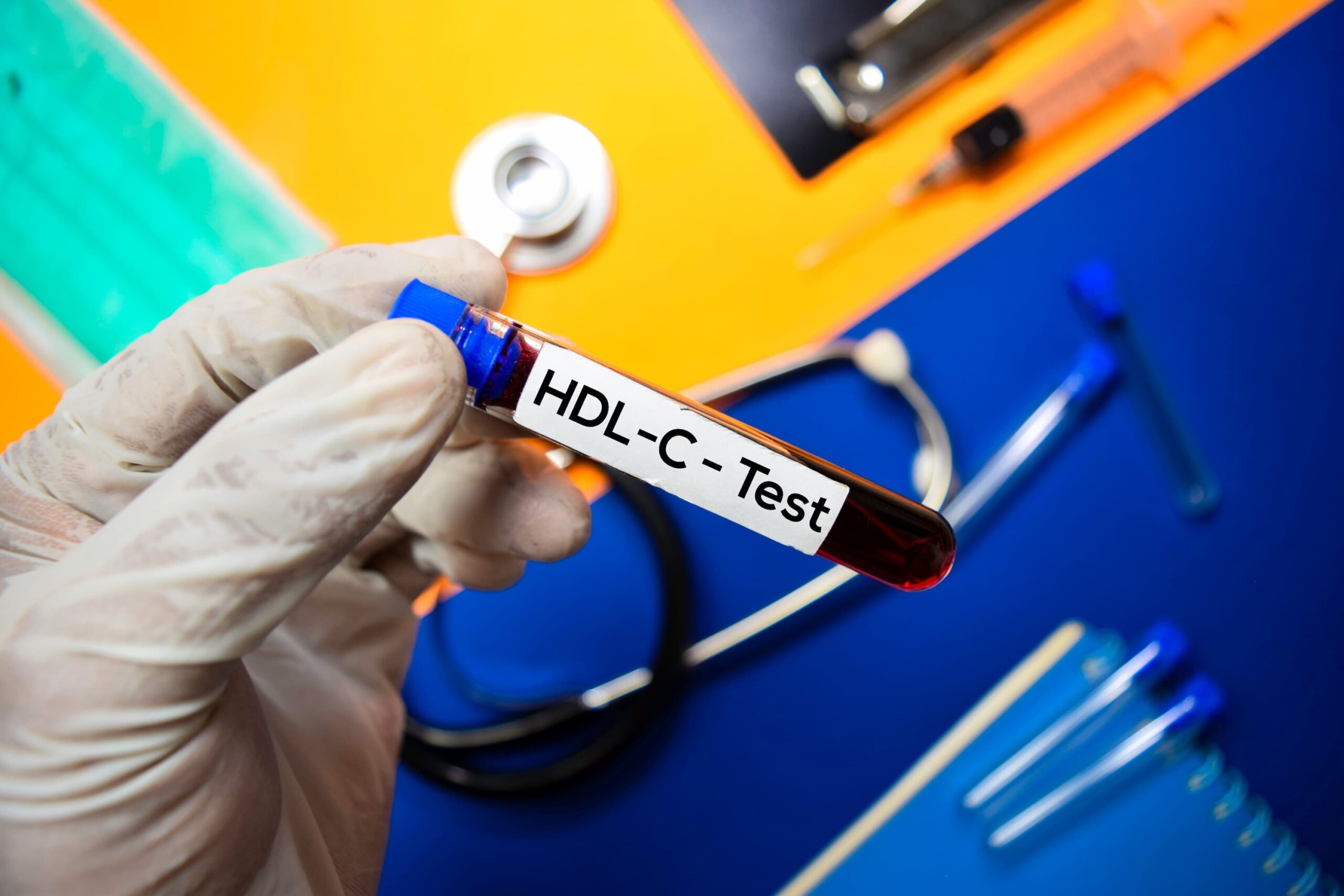
Ratio of high-density lipoprotein cholesterol (HDL-C) to low-density lipoprotein cholesterol (LDL-C) (HDL-C/LDL-C) can be used to predict the prognosis of individuals at high risk for cardiovascular disease (CVD) without type 2 diabetes (T2D), with a ratio between 0.3 and 0.5 being the most helpful range for patients in this population, according to new data published by investigators in Chronic Diseases and Translational Medicine.1
What is the HDL-C/LDL-C Ratio?
Lipid management is a hallmark of CVD prevention and can improve patient prognosis. Patients with T2D have an especially heightened risk of CVD morbidity and mortality and has been directly linked to lipid metabolism. It is essential to identify more valuable lipid indicators for prognosis improvement and primary prevention.1,2
Accordingly, studies have affirmed that extremely high HDL-C and excessively low LDL-C can increase the risk of adverse prognoses, highlighting the potential role of the HDL-C/LDL-C ratio as a marker of cholesterol control. Controlling HDL-C/LDL-C ratio can be used to prevent coronary heart disease and stroke, with studies indicating that mortality from such diseases is lowest when HDL-C/LDL-C ratio is between 0.4 and 0.6. Critically, the ratio has been shown to be a more accurate predictor of clinical disease compared with individual lipoprotein levels.3-5
There is a lack of existing research on the HDL-C/LDL-C ratio, especially in populations at high CVD risk. Furthermore, there is limited data on whether such a ratio could be a reliable prognostic biomarker in populations with high CVD risk who both do and do not have T2D. The current authors aimed to address the association between HDL-C/LDL-C ratio and adverse prognoses in populations at high risk for CVD, while comparing its usefulness between populations with and without T2D.1
This analysis was based on the Fujian Cardiometabolic Diseases and Comorbidities Cohort trial (NCT06102187), which was an observational study conducted between 2017 and 2021 to assess CVD risk. Associations between HDL-C/LDL-C ratio and all-cause mortality were analyzed using restricted cubic spline curves (RCSs), and the investigators then categorized patients into 3 groups using thresholds of 0.3 and 0.5 for low HDL-C/LDL-C (less than 0.3), middle (HDL-C/LDL-C, between 0.3 and 0.5), and high HDL-C/LDL-C (more than 0.5).1
What is the Ideal HDL-C/LDL-C Ratio for CVD Prevention?
A total of 32,609 participants were included in the cohort. Based on the RCS analysis, a nonlinear U-shaped relationship between HDL-C/LDL-C and the participants’ all-cause mortality was identified. Compared with the other groups, the RCS analysis indicated that the middle group had the lowest all-cause mortality risk. Kaplan-Meier survival analysis revealed that cumulative all-cause mortality rate was higher in the low and high groups than in the middle group (P < .05), which was verified by a Cox proportional analysis.1
Additionally, the risk of all-cause mortality (hazard ratio [HR] = 1.40 [95% CI, 1.08—1.82], P < .05 for low; HR = 1.41 [95% CI, 1.15—1.71], P < .01 for high) was greater in the low and high groups than in the middle group in the univariate analysis. When the investigators controlled for covariates, the risk of all-cause mortality (HR = 1.48 [95% CI, 1.14—1.93], P < .01 for low; HR = 1.30 [95% CI, 1.06—1.58], P < .05 for high) was elevated in both groups.1
The investigators specifically examined associations between HDL-C/LDL-C and all-cause mortality in individuals with and without type 2 diabetes. Kaplan-Meier analyses revealed that the middle group without T2D presented the lowest cumulative all-cause mortality, while no statistically significant differences in all-cause mortality were observed across subgroups in populations at high CVD risk with T2D. Concurrently, Cox proportional hazards regression analysis demonstrated greater risk of all-cause mortality in the low and high ratio groups than in the middle group.1
Because HDL-C and LDL-C are widely available and simple-to-measure biomarkers, pharmacists and clinicians can easily calculate the ratio necessary to determine patient CVD prognosis. It is critical that the authors noted a range of a ratio of 0.3 to 0.5 was the most beneficial for patients, allowing pharmacists to specifically tailor treatment strategies and help patients reach their goals. Above all, another indicator that can provide early intervention in populations at high CVD risk is critical for primary prevention.1
“Maintaining HDL-C/LDL-C ratios within the range of 0.3–0.5 may have clinical significance for cohorts without T2D, whereas its prognostic implications in individuals with T2DM necessitate further exploration,” the study authors wrote in their conclusion.1
REFERENCES
1. Lin B, Ling Y, Zhou G, et al. HDL-C/LDL-C ratio and all-cause mortality in populations at high CVD risk: A prospective observational cohort study. Chronic Dis Transl Med. 2025;11(3):213-223. doi:10.1002/cdt3.70013
2. Haas ME, Attie AD, Biddinger SB. The regulation of ApoB metabolism by insulin. Trends Endrocrinol Metab. 2013;24(8):391-397. doi:10.1016/j.tem.2013.04.001
3. You S, Zhong C, Zu J, et al. LDL-C/HDL-C ratio and risk of all-cause mortality in patients with intracerebral hemorrhage. Neurol Res. 2016;38(10):903-908. doi:10.1080/01616412.2016.1204797
4. Zimmer F, Riebeling V, Benke B, Schuster J, Roskamm H. The LDL-HDL ratio in patients with coronary arteriosclerosis. Z Kardiol. 1980;69(3):149-153. PMID: 7456590. https://pubmed.ncbi.nlm.nih.gov/7456590/
5. Sun T, Chen M, Shen H, et al. Predictive value of LDL/HDL ratio in coronary atherosclerotic heart disease. BMC Cardio Disord. 2022;22(273). doi:10.1186/s12872-022-02706-6
6. Cohort study in Fuijan province. ClinicalTrials.gov Identifier: NCT06102187. Last Updated November 3, 2023. Accessed October 13, 2025. https://clinicaltrials.gov/study/NCT06102187
Comprehensive bridging therapy administered prior to anti-BCMA CAR T-cell therapy exhibited safety and tolerability as treatment in a small cohort of patients with relapsed/refractory multiple myeloma from a single institution, according to findings from a retrospective analysis exhibited in a poster presentation at the 2025 American Society of Radiation Oncology (ASTRO) Annual Meeting.
Data from the trial revealed that among 19 patients treated with bridging radiotherapy prior to CAR T-cell therapy, no grade 3 or higher toxicities were observed related to the use of bridging therapy. Additionally, 2 patients experienced grade 2 cytokine release syndrome (CRS), and 2 had developed grade 2 immune effector cell-associated neurotoxicity syndrome (ICANS); no grade 3 CRS or ICANS events were observed.
Additionally, efficacy data revealed that the median progression-free survival (PFS) among all patients treated with bridging therapy was 6.8 months after a median follow-up of 8.2 months. The median overall survival (OS) had not been reached. Furthermore, among those who experienced progression, 60% showed no evidence of bone marrow involvement, and all 10 patients developed distant plasmacytopenias.
Among patients who did not have extramedullary disease (EMD), a statistically significant improvement in PFS was observed: the median PFS was 10.4 months vs 6.6 among patients with EMD (P = .006) in a Kaplan-Meier analysis of PFS for EMD. In patients with EMD who received comprehensive vs focal bridging radiation therapy, a nonsignificant trend for PFS favored those who received comprehensive bridging radiotherapy in a Kaplan-Meier analysis of PFS between both modalities. The median PFS was 6.7 months vs 4.4 months in those who received focal bridging therapy (P = .055).
“[Bridging radiotherapy] prior to anti-BCMA CAR T therapy appears to be a safe and tolerable treatment strategy, with no grade [3 or higher] toxicities,” Preston Perez, BA, of the University of South Florida Morsani School of Medicine and the Moffitt Cancer Center, wrote in the presentation with study coinvestigators. “EMD continues to be associated with inferior clinical outcomes. Comprehensive [bridging radiotherapy] to all sites of EMD prior to CAR T may be associated with improved PFS.”
The retrospective analysis included patients with relapsed/refractory multiple myeloma who received bridging radiation therapy within 90 days of CAR T-cell infusion. PFS and OS outcomes were treated using the Kaplan-Meier method from the time of CAR T infusion.
Local failure was defined as recurrent disease within a previously irradiated site, and comprehensive bridging radiotherapy encompassed radiation to all sites of EMD. Toxicities were graded using CTCAE v.5.0 criteria. ASTCT criteria were used for all CRS and ICANS events.
The most common dose and fractionation was 20 Gy in 5 fractions among 6 patients and 8 Gy in 1 fraction among 8 patients.
The investigators sought to ascertain the role of bridging radiation therapy prior to anti-BCMA CAR T cell-therapy by evaluating its efficacy and safety in that indication. They also assessed the local control of EMD and its impact on survival outcomes.
According to the study authors, a phase 2 single arm trial is ongoing to evaluate comprehensive bridging therapy for patients with multiple myeloma with EMD prior to CAR T-cell therapy. A total of 26 patients have been enrolled, all of whom are receiving bridging therapy to all sites of EMD, with a primary end point of 12-month PFS; specifically, an improvement from 25% to 50%. Bridging radiation therapy will be given at 20 Gy in 5 fractions.
Reference
Perez PE, Nakashima JY, Peterson J, et al. Clinical outcomes following bridging radiotherapy in relapsed/refractory multiple myeloma patients prior to chimeric antigen receptor T-cell therapy. Presented at: 2025 American Society of Radiation Oncology (ASTRO) Annual Meeting; September 27 – October 1, 2025; San Francisco, CA. Abstract 3705.
Data published in the Journal of Clinical Investigation demonstrated that patients with asthma have significantly elevated levels of cyclic adenosine monophosphate (cAMP), a certain molecule within the blood. With this discovery, the researchers determined that a simple blood test may be able to diagnose asthma and its severity, which could be significant when identifying and monitoring patients with asthmatic symptoms.1,2
The authors wrote that β2-agonists are cornerstone treatments of asthma when attempting to prevent or reverse the shortening of human airway smooth muscle (HASM), the pivotal cell regulating bronchomotor tone. β2-agonists act upon β2-adrenoceptor (β2AR) and activate adenylyl cyclase, which generates 3′,5′-cAMP. An increase in intracellular cAMP levels stimulates protein kinase A, which modulates multiple downstream targets to promote HASM relaxation and reverse airflow obstruction.1
To further explore the clinical utility of detecting circulating cAMP, the authors conducted their study to measure cAMP levels in a serum biobank from the Severe Asthma Research Program 3 (SARP-3). The investigators obtained 87 serum samples of patients with asthma, of whom 39 were diagnosed with severe disease, as well as 273 serum samples of participants without a known history of asthma or other lung diseases.1
“What we discovered is a specific transporter, a protein on the membrane of airway smooth muscle cells, allows cAMP to leak into the blood,” senior study author Reynold Panettieri, vice chancellor and director of translational medicine and science at Rutgers University, said in a news release. “For decades, we believed that an enzyme called phosphodiesterase was the critical factor in decreasing cAMP. We now refute that and say this transporter simply leaks it out.”2
A high variability—or a wide spread of cAMP levels—was detected in the 87 serum samples of patients with asthma, ranging from about 0.291 to 563.9 picomoles. Conversely, the range of cAMP levels in the 273 serum samples of individuals without asthma was markedly smaller (0–27.72 picomoles), and compared with the nonasthma group (median: 0.520 picomole), serum cAMP levels were significantly higher in patients with asthma (median: 6.220 picomoles).1
“We would anticipate maybe in the next 6 months, we’ll have nailed the fidelity of it, get it into our intellectual property and patent the test itself, and then in a year to 2, it could become available,” Panettieri said. “Every disease we study or treat is not one disease. There are different aspects and attributes within a disease entity.”2
To further test the hypothesis that cAMP levels can differentiate asthma severity (severe vs nonsevere) in Severe Asthma Research Program 3 (SARP-3) samples, the investigators applied linear regression models with age and sex as covariates across clinical groups. They observed no significant difference of serum cAMP levels between the 2 severities; however, each asthma group showed significantly higher cAMP levels (adjusted P < .00001) than the nonasthma group.1
The SARP-3 data were also leveraged to assess whether measured serum cAMP levels are associated with any clinical traits of asthma, such as asthma endotypes, poor control indicators, and postbronchodilator airflow reversibility. There were no significant differences in cAMP levels among or between groups stratified by eosinophilic or neutrophilic asthma nor any of the poor control indicators. In addition, the investigators reported they did not detect significant differences in serum cAMP levels with maximum FEV1 reversibility with albuterol. Also of note, serum cAMP levels increased with the number of inhaled corticosteroid puffs and controllers used, and in the nonsevere asthma group, increased with the increases of postbronchodilator lung function.1
The authors explained that lung function tests in kids under the age of 5 years are difficult; therefore, pinprick or blood tests may be more feasible options in this age group.2 Future research is needed to further confirm the link between serum cAMP levels in asthma severity and other disease characteristics.1
“Further studies are necessary to explore the link between serum cAMP levels with bronchodilator or treatment responses by asthma severity; ABCC1 expression and activity in health and disease, including specific cell types of origin; and, whether these physiological outcomes and clinical phenotypes are affected by variations in ABCC1 genotypes in a large cohort of patients with and without asthma,” the authors concluded.1
REFERENCES
1. An SS, Cao G, Ahn K, et al. Serum cAMP levels are increased in patients with asthma. J Clin Invest. 2025;135(5):e186937. doi.org/10.1172/JCI186937
2. Rutgers University. Scientists discover potential blood test for asthma diagnosis and severity. News release. September 29, 2025. Accessed October 13, 2025. https://www.rutgers.edu/news/scientists-discover-potential-blood-test-asthma-diagnosis-and-severity