Category: 3. Business

  • Securing the smart grid: cybersecurity challenges in Australia’s distributed energy future

    Securing the smart grid: cybersecurity challenges in Australia’s distributed energy future

    Part I: The digitised grid

    Introduction

    In recent years, Australia has become a world leader in distributed energy resources (DER) and consumer energy resources (CER)[1], with many households and small businesses generating power through rooftop solar, battery storage and electric vehicles.[2]

    At the same time, the growing number of connected devices has expanded the potential entry points for cyberattacks.[3] As operational technology (OT) and information technology (IT) become more integrated, the grid faces increased exposure to cyberwarfare and ransomware. Hackers may target the grid for financial gain, disruption of critical infrastructure or to access sensitive information. Breaches could interrupt electricity supply, cause widespread blackouts and destabilise essential services such as telecommunications, transport and water systems.

    Protecting the grid is therefore a priority. Australia must implement robust IT and OT security measures, enhance its regulatory frameworks, ensure vendors maintain full visibility and control of connected systems and foster cooperation between government, industry and cybersecurity experts to safeguard critical infrastructure.[4]

    How has Australia’s grid become more digitised?

    Across Australia, the energy landscape is undergoing rapid change. Projections indicate that by 2050 almost half of all households and businesses will operate rooftop solar systems, with approximately 61% – 84% of rooftop solar systems expected to be coupled with a battery as uptake increases.[5]

    Integrating these variable energy sources into the grid is challenging and can result in grid constraints and power inefficiencies if not done effectively.[6]

    Grid digitisation involves integrating information and communication technologies (ICT) and advanced data analytics into the electricity network to improve efficiency, reliability and security.[7]

    Notably, Australia’s renewable energy industry has been transformed by:

    1. The ‘Internet of Things’ (IoT): In the renewable energy context, is a network of interconnected devices (such as smart meters, solar inverters, wind turbine sensors, batteries and electric vehicle chargers) that collect and exchange real-time data to optimise energy production, storage and use. IoT enables operators to monitor equipment performance, forecast generation, balance supply and demand and detect faults early. At the household level, IoT supports ‘smart’ energy use by automatically running appliances based on solar output or off-peak times, forming the foundation for technologies like smart grids and energy management systems.[8]
    2. Smart grid technology: A digitised network that uses data analytics, sensors and automated control systems to manage electricity flows in real-time.[9] This allows the grid to respond dynamically to fluctuations in supply and demand, integrate DER more effectively and provide greater visibility for both operators and consumers.
    3. Energy management software (EMS): Cloud-based systems that monitor and control DER to optimise energy use.[10] In homes, EMS platforms decide when to charge or discharge batteries or draw from the grid to minimise costs.[11] In commercial settings, they provide centralised, real-time oversight of energy performance across sites, often integrating with building management systems to manage temperature, ventilation, and lighting.

    However, whilst these innovations help bridge the gap between OT and IT, the increased connectivity of devices and systems (which were previously more isolated)[12] also brings new vulnerabilities, fuelling an increase in concerns around data protection and cybersecurity.


    The harm with digitisation

    How digitisation increases risk

    As society’s dependence on digitally connected renewable energy infrastructure grows and more automation is introduced to manage the grid’s increasing complexities, vulnerability to cyberattacks rises. Each new connection introduces potential weaknesses, increasing the risk of compromised security and large-scale disruption.[13]

    The rapid uptake of solar and smart energy appliances in homes and businesses has expanded potential entry points for cyberattacks, [14] with connected devices varying widely in their levels of security. [15]

    Because the renewable energy sector underpins both national infrastructure and the broader economy, a single cyber incident or technical failure could disrupt electricity supply, compromise critical infrastructure, weaken grid stability and (in severe cases) destabilise entire regions. [16]

    Cybersecurity experts warn that as systems become more interconnected, cybersecurity becomes even more critical.[17] Our energy networks, and by extension, modern life, depend on secure, uninterrupted access to power.[18]

    Consequently, cybersecurity is not just about protecting digital assets but about safeguarding the stability of the national energy system itself.[19] Continuous monitoring, validation, and authentication across all devices and users are essential to maintaining that security.[20]


    Types of threats hackers can carry out

    Over the past year, cyberattacks on the energy, transport and telecommunications sector have increased by 30%.[21] In 2023 alone, 90% of the world’s largest energy companies suffered a cybersecurity breach.[22]

    There are various types of threats to DERs and that may be carried out by hackers, including:

    1. Social engineering attacks: Hackers use phishing emails, fake websites, or messages to trick employees, installers, or consumers into revealing passwords or system access credentials, potentially allowing unauthorised control of solar inverters, batteries, or management platforms.[23]
    2. Malware-based attacks: Malicious software such as ransomware or trojans can infiltrate energy management systems or IoT devices, disrupting operations, encrypting control data, or remotely manipulating device settings to destabilise local grids or virtual power plants.[24]
    3. Supply chain compromises: Attackers may target trusted vendors, installers, or software providers, injecting malware into firmware updates or compromising third-party integrations, to gain indirect access to multiple DER systems simultaneously.[25]

    An example of how these threats could affect DER is through smart meters or home energy management systems. If an attacker manipulates DER telemetry or control signals (such as coordinating rapid, periodic changes in battery charge/discharge or photovoltaic output) it could mimic an oscillation attack, destabilising local voltage or frequency. Grid protection systems may then trip automatically, potentially causing localised blackouts or disrupting aggregated DER services like virtual power plants.[26]

    As security systems strengthen, cybercriminals are becoming increasingly sophisticated,[27] exploiting gaps between IT and OT (with the latter historically being less developed and protected). With IT and OT now more integrated, companies are adopting software solutions to properly safeguard OT, identify grid bottlenecks and mitigate these emerging cyber risks. [28]

    Part II: Cyber resilience and regulation

    Current regulatory landscape

    Regulatory frameworks and gaps

    Australia’s current protections for DER are delivered through a combination of the below key sector-led guidance and legislative frameworks.

    Two new legal frameworks were recently passed that focus specifically on CERs. Whilst CERs form a substantial component of DERs, the two are not identical, with DERs being broader in scope. Not all measures and protections that apply to CERs will extend to DERs more generally.

    1. Cyber Security Act 2024 (Cth) (Cyber Act):[29]
      Enacted on 29 November 2024, the Cyber Act strengthens CER protections by requiring smart energy devices, including inverters and battery systems, to meet minimum cybersecurity standards. It also mandates reporting ransom or extortion incidents within 72 hours and establishes a Cyber Incident Review Board to assess major incidents and issue sector-wide recommendations. These reforms directly target vulnerabilities at the device level and are expected to influence the broader DER ecosystem as smart devices proliferate.
    2. Cyber Security (Security Standards for Smart Devices) Rules 2025 (Cyber Rules):[30]
      Effective 4 March 2026, the Cyber Rules set a mandatory baseline for consumer-grade internet-connected devices, including CER. Requirements include unique passwords, security contact points, and defined update periods. By addressing these common vulnerabilities like default passwords and inconsistent updates, the Cyber Rules enhance CER security, privacy, and reliability while indirectly strengthening protections for the wider energy network into which DERs integrate.

    The above CER-specific frameworks sit alongside the following broader DER-relevant mechanisms:

    1. Updates to the National Electricity Rules (NER)
      In December 2024, the Australian Energy Market Commission introduced a rule clarifying the Australian Energy market Operator’s (AEMO) cybersecurity role, formalising four functions: coordinating incidents, supporting preparedness via AESCSF and exercises, advising government and industry on risks, and sharing critical cybersecurity information with market participants.[31]
    2. Australian Energy Sector Cyber Security Framework (AESCSF)
      The AESCSF is a cybersecurity framework developed and tailored to the Australian energy sector, enabling market and non-market participants (including DER participants), to assess, evaluate, prioritise, and improve their cybersecurity capability and maturity.[32]The AESCSF Lite Framework provides a customised approach for smaller, emerging, or resource-constrained organisations, including those operating within the DER ecosystem.[33] These organisations play a vital role in the broader energy landscape and are increasingly interconnected with critical energy systems. The framework is deliberately designed to be agnostic to organisational size, scale, or maturity, making it more suited for DER participants that may lack dedicated cybersecurity teams or fully developed security programmes.[34]
    3. Security of Critical Infrastructure Act 2018 (SOCI Act)
      The amended SOCI Act broadened its scope to include the energy sector, introducing stringent cybersecurity standards and incident reporting obligations for energy providers. Under the SOCI Act, owners and operators of ‘critical infrastructure’ face fines and penalties if they fail to meet prescribed security requirements.[35]

    However, despite these frameworks, DER presents unique vulnerabilities. Except for the Cyber Act and Cyber Rules (which are more relevant for CERs), most of the above frameworks[36] largely focus on aggregated or centrally registered assets, leaving gaps for behind-the-meter DER. Key observations made by industry stakeholders include:

    1. The SOCI Act excludes generators with a capacity under 30 MW and lacks a clear classification for DER aggregators (which may control capacities above this threshold), creating uncertainty about which obligations apply to original equipment manufacturers (OEMs).[37]
    2. Some distribution network service providers (DNSPs) have introduced their own guidelines for how SOCI Act requirements apply to DER and OEMs, but SMA and the Smart Energy Council note this can lead to inconsistencies and potential misunderstandings across jurisdictions.[38]
    3. The AESCSF does not cover device-level standards for products such as inverters, and the new NER, which formalised AEMO’s cybersecurity role, does not give AEMO authority to mandate participation, leaving OEMs guided by generators’ requirements, which may include SOCI Act obligations.[39]

    Although cyber regulation and policies exist, it can be difficult for consumers to find out how these requirements are enforced and reported.[40] Stakeholders have called for a national, DER cybersecurity strategy, clearer guidance from market bodies and governments on DER security, and the introduction of mandatory standards for DER systems.[41] Whilst stakeholders have welcomed the emerging CER-specific protections, it is noted that these measures are still in early stages[42] and further clarity is needed from market bodies and governments on the practical application of these requirements.[43]


    Current technology and gaps

    Australia’s DER systems employ multiple layers of cybersecurity to protect renewable energy assets.[44]

    At a high level, operators use encrypted communications, multi-factor authentication, network segmentation, automated threat detection, and AI driven anomaly monitoring, often supported by 24/7 Security Operations Centres. Frameworks such as the AESCSF help DER providers conduct risk checks, vet vendors, and plan incident responses.[45] Device-level systems, such as microgrid controllers and inverters, use layered security including firewalls, encryption, and intrusion detection.[46] Initiatives like South Australia’s Virtual Power Plant security framework provide real-time monitoring and active protection across DER networks.[47]

    Despite these measures, DER systems remain vulnerable to attack. Internet-connected inverters, batteries, and other DER devices are still exposed to data attacks, operational disruption, or grid instability,[48] increasing the volume of sensitive data at risk.[49] Diverse technologies, multiple stakeholders, and mixed old and new systems makes consistent protection challenging.[50] Stand-alone security solutions often fail to detect risks across interconnected DER assets, while operators and utilities may lack access to sufficient operational data to respond quickly, leaving gaps similar to those seen in consumer-grade smart devices.


    Future directions for DER cybersecurity

    Preventing attacks is not the responsibility of a single group. Close cooperation between all industry players is essential to building a robust defence,[51] ensuring the responsibility for protection does not fall entirely on households and small businesses. For owners of DER, practical steps such as maintaining a secure home Wi-Fi network and using strong, unique passwords can provide an added layer of protection.[52]

    The industry should consider the following initiatives to strengthen DER cybersecurity:

    1. Close regulatory gaps and harmonise frameworks: Address the SOCI Act’s 30 MW threshold and implement a national strategy to align requirements across jurisdictions and DNSPs.[53]
    2. Introduce mandatory device-level standards across all DERs: Require mandatory security standards across all DERs (rather than only focusing on regulation at the CER level and relying on voluntary frameworks for broader DERs) for inverters, smart meters, and communications gateways, including proactive safeguards, vulnerability testing,[54] secure procurement, multi-factor authentication, network segmentation, and timely intelligence sharing with AEMO and regulators.[55]
    3. Ensure supply chain accountability: Provide clear guidance on how cybersecurity obligations flow through the DER supply chain, from OEMs to service providers to end users, recognising that overall security is only as strong as the weakest link, with IoT and AI creating additional risks.[56]
    4. Enhance AEMO resourcing and preparedness: Expand AEMO’s role in risk assessment, threat intelligence dissemination, and proactive guidance to improve DER resilience.[57]
    5. Adopt a prescriptive regulatory approach: Stronger and more integrated regulatory measures are needed to address the current fragmented framework and better safeguard Australia’s evolving energy ecosystem.[58]


    Conclusion

    Australia’s shift to a decentralised, digitally connected energy grid has made it a global leader in DER, delivering sustainability, efficiency, and energy independence. However, increased IT/OT integration has expanded the cyberattack surface, where vulnerabilities in one area can have widespread effects.

    Mitigating these risks requires a coordinated approach: strengthening IT and OT protections, maintaining visibility and control over infrastructure, and regularly testing and updating cybersecurity measures. Collaboration between government, industry, specialists, and consumers ensures shared responsibility. By combining technological safeguards with coordinated policy and active risk management, Australia can grow its clean energy capabilities while protecting critical infrastructure from emerging cyber threats.


    The Hamilton Locke team advises across the energy project life cycle – from project development, grid connection, financing, and construction, including the buying and selling of development and operating projects. For more information, please contact Matt Baumgurtel.


    [1] CERs are a subset of DERs and specifically refer to the consumer-owned technologies which generate, store or manage electricity. The primary focus of this article is on DERs.

    [2] Michael Rothschild, ‘Combating the cyber threat to Australia’s distributed solar grid ambitions’ Australian Information Security Association (Web Page) .

    [3] Daniel Mercer, ‘Australia’s electricity grid increasingly vulnerable to hackers via solar panels, smart devices’, ABC News (online, 14 March 2022) .

    [4] Rothschild (n 2).

    [5] Green Energy Markets, Projections for distributed energy resources – solar PV and stationary energy battery systems (Report, December 2024) 14 chrome-extension://efaidnbmnnnibpcajpcglclefindmkaj/https://www.aemo.com.au/-/media/files/major-publications/isp/2025/GEM-2024-Solar-PV-and-Battery-Projections-Report.pdf>.  

    [6] ‘Role of Smart Grids in Australia’s Path to Energy Independence’ Smart Lifestyle Australia  (Web Page, 11 February 2025) .

    [7]Power Circle, Digitalization of the Grid (White Paper, November 2022) 2 .

    [8] Jasmin Jessen, ‘Top 10 Uses of IoT in Energy’, Energy Digital (Web Page, 12 March 2025) ; Tanveer Ahmad and Dongdong Zhang, ‘Using the internet of things in smart energy systems and networks’ (2021) 68 Sustainable Cities and Society.

    [9] Warren, Smart Grid Technology: Powering Australia’s Renewable Energy Future’ Sustainable Future Australia (Web Page, 2 April 2025) .

    [10] ‘How cyber attacks can threaten the energy transition’, Twoday (Web Page, 1 September 2025) .

    [11] ‘Home Energy Management System’, Evergen (Web Page) <https://evergen.energy/home-energy-management-systems/>.

    [12] Warren (n 9).

    [13] Mercer (n 3).

    [14] Warren, ‘Renewable Energy’s Achilles Heel: Why Cybersecurity is Critical for Australia’s Green Grid’, Sustainable Future Australia (Web Page, 3 April 2025). .

    [15] Mercer (n 3)

    [16] Warren (n 14).

    [17] Mercer (n 3).

    [18] Mercer (n 3).

    [19] Warren (n 14).

    [20] Richard Bergman, Tony Martin and Emma Hawthorne, ‘How cyber security can keep pace with the energy transition’, EY (Web Page, 9 October 2023). .

    [21] The Transformation Group, Safeguarding the grid: Cyber Threats in Energy Infrastructure (Report) 2 .

    [22] ‘Securing Renewable Data: Green Energy Sector Cybersecurity Challenges’ Beetroot (Web Page, 3 May 2025) < https://beetroot.co/business/securing-renewable-data-green-energy-sector-cybersecurity-challenges/#:~:text=Renewable%20energy%20systems%2C%20from%20wind,millions%20of%20customer%20data%20records.>.

    [23] ‘Cybersecurity Challenges in the Renewable Energy Sector’, EC-Council University (Web Page, 10 February 2025) .

    [24] See ibid.

    [25] Twoday (n 10).

    [26] Falah Alanazi, Jinsub Kim and Eduardo Cotilla-Sanchez, ‘Load Oscillating Attacks of Smart Grids: Vulnerability Analysis’ (2023) 11 IEEE Access 36538, 36538-36539.

    [27] CrowdStrike, 2025 Global Threat Report (Report) 2-3 .

    [28] Tom Kline, Unlocking Australia’s Green Future: The Critical Rols of New Grid Technology’, Climate Tech Partners (Web Page, 28 October 2025) .

    [29] Department of Home Affairs, ‘Cyber Security (Security Standards for Smart Devices) Explanatory Document’ (Explanatory Document, 2024) .

    [30] See Ibid.

    [31] Australian Energy Market Commission, ‘National Electricity Amendment (Cyber security roles and responsibilities) Rule 2024 (Final Determination, December 2024) 32 .

    [32] Australian Energy Market Operator, ‘AESCSF 2025 Distributed & Consumer Energy Resources Guidance’ (Guidance Material, 2025) 4 .

    [33] See Ibid 5-7.

    [34] Australian Energy Market Operator (n 32) 7.

    [35] Australian Energy Market Commission (n 31).

    [36] Department of Climate Change, Energy, the Environment and Water, ‘National Consumer Energy Resources Roadmap’ (Report, July 2024) .

    [37] Australian Energy Market Operator (n 32).

    [38] Australian Energy Market Operator (n 32).

    [39] Australian Energy Market Operator (n 32).

    [40] SolarEdge, ‘Submission to the 2023-2030 Australian Cyber Security Strategy’ (Submission, 29 August 2025) 2 .

    [41] Department of Climate Change, Energy, the Environment and Water (n 36).

    [42] SolarEdge (n 40).

    [43] Department of Climate Change, Energy, the Environment and Water, ‘National Consumer Energy Resources (CER) Roadmap Implementation Plan Update’ (Report, August 2025) 20 .

    [44] Warren (n 14).

    [45] Warren (n 14).

    [46] Juanwei Chen et al,’ Cybersecurity of distributed energy resource systems in the smart grid: A survey’ (2025) 383 Applied Energy.

    [47] Warren (n 14).

    [48] Juanwei Chen et al (n 46).

    [49] Juanwei Chen et al (n 46).

    [50] Juanwei Chen et al (n 46).

    [51] ‘OT Security: Recent Attacks Expose Risks for Australia’s Critical Infrastructure‘ KineticIt, (Web Page, 15 October 2024) .

    [52] Dor Son Tan, ‘Energy System Cybersecurity for an Uncertain World’, Energy Networks Australia (Web Page, 20 April 2023) .

    [53] Australian Energy Market Commission (n 31).

    [54] Bella Peacock, ”Really Serious’ Problems Cybersecurity Breaches Pose in Australia’s DER Future’, PV Magazine Australia (Webpage, 27 June 2023) .

    [55] Australian Energy Market Commission (n 31).

    [56] Australian Energy Market Commission (n 31).

    [57] Australian Energy Market Commission (n 31).

    [58] Australian Energy Market Commission (n 31).

    Continue Reading

  • Industry calls for US leadership in AI as a democratic imperative – Nextgov/FCW

    1. Industry calls for US leadership in AI as a democratic imperative  Nextgov/FCW
    2. Comments to ITA on the AI Exports Program  Center for Data Innovation
    3. Arvind Krishna seeks open approaches to AI for faster economic growth  The American Bazaar
    4. IBM’s Arvind Krishna Urges Easier U.S. Export Rules for AI Technologies  INDIA New England News
    5. Loosen AI Stack Export Rules: IBM’s Krishna At White House Roundtable  IndiaWest

    Continue Reading

  • Will TEMPO Accelerate Your Market ACCESS and Reimbursement? FDA’s New Pilot Program Offers Enforcement Discretion for Certain Digital Health Technologies

    Will TEMPO Accelerate Your Market ACCESS and Reimbursement? FDA’s New Pilot Program Offers Enforcement Discretion for Certain Digital Health Technologies

    In a move aimed at tying reimbursement to patient outcomes, the Centers for Medicare & Medicaid Services (CMS) Innovation Center announced the “Advancing Chronic Care with Effective Scalable Solutions” (ACCESS) model, a 10-year demonstration project that will begin in April 2026. Unlike traditional fee-for-service structures that reward activities, ACCESS will offer participating organizations reimbursement based on whether patients achieve defined health goals – rather than on the volume of services provided. The potential to receive reimbursement for technology-enabled services via ACCESS could be a boon for telehealth and disease management companies, especially those aimed at chronic conditions, such as obesity, diabetes, chronic musculoskeletal pain and depression, that may use technology-enabled services to complement traditional care pathways.

    On December 8, 2025, the Food and Drug Administration (FDA) unveiled its companion pilot program, “Technology-Enabled Meaningful Patient Outcomes” (TEMPO), which seeks to “encourage the use of digital technologies that meet people where they are.” TEMPO is a voluntary program that would enable up to 40 companies (approximately 10 for each of four program areas, namely, early cardio-kidney-metabolic conditions, cardio-kidney-metabolic conditions, musculoskeletal pain and behavioral health) to opt in to FDA’s risk-based program whereby FDA would exercise enforcement discretion with respect to certain requirements for sponsors in the program, such as premarket review requirements, before commercialization. In exchange, those enrolled in TEMPO will collect, monitor and report to FDA real-world data for how these technologies perform in practice.

    Participation in TEMPO requires an initial simple step. Interested parties need to submit only a “Statement of Interest” as early as January 2, 2026, that:

    1. Identifies the manufacturer and its device, including any current authorizations or prior FDA interactions related to the device or proposed indications for use.
    2. Requests that FDA give the manufacturer a statement that FDA does not intend to enforce certain legal requirements, such as premarket authorization requirements, Investigational Use Device (IDE) requirements, and requirements under 21 CFR Parts 50 and 56.

    In addition, the digital health devices in the TEMPO pilot must pose no serious risk to patients and be intended for clinician-supervised outpatient use. If selected, participants are expected to submit a much more onerous package to the agency in March 2026 that includes information such as device descriptions, safety data, quality management systems, risk mitigation plans, performance goals, timelines for marketing submissions and interim reporting strategies. Selected participants can also engage in “sprint” discussions with FDA to resolve specific issues within defined time frames. Importantly, participation in TEMPO does not guarantee future marketing authorization, though data generated during the pilot may support subsequent submissions.

    The process for applying to ACCESS is also simple. Similar to the FDA process, to participate in ACCESS, an organization must first complete a nonbinding ACCESS Model Interest Form, followed by a full application. Although the application form has not yet been released, for the performance period beginning July 1, 2026, applications will be due by April 1, 2026.

    Participation in ACCESS also requires Medicare Part B enrollment and a designated medical director to oversee care quality and compliance with applicable federal and state regulations, including licensure, Health Insurance Portability and Accountability Act (HIPAA) and privacy security, and FDA requirements. This last regulatory requirement is where ACCESS and TEMPO are meant to work together. Through TEMPO, sponsors of technology-enabled healthcare products may be able to offer their technology under the TEMPO program’s enforcement discretion policies to participants in the ACCESS model, which may be eligible to receive reimbursement for those technology-enabled services through ACCESS.

    Key considerations before applying to ACCESS and TEMPO

    Potential applicants should keep in mind that applying to one program does not require application to the other, though FDA stated that it expects TEMPO participants’ devices to be offered to or by ACCESS participants. Therefore, when considering whether to apply to TEMPO and/or ACCESS, companies should consider the benefits of each separately and together. For digital health entities, such considerations often begin with understanding the product roadmap and overall regulatory framework for various software functions and digital health tools. ACCESS may also present benefits for provider groups not currently engaged in remote patient monitoring, but which can now consider whether use of digital health tools could qualify for reimbursement through ACCESS.

    Particularly for new and emerging companies, the ability to commercialize digital health technologies without having to wait for FDA marketing authorization is a huge incentive for applying to TEMPO. That said, entities should not rush to participate in the program without first considering some key questions, such as:

    1. Is your digital health technology a medical device under the Federal Food, Drug, and Cosmetic Act, 21 USC 321(h)(1), or is it not a medical device under the carve outs to that definition created by the 21st Century Cures Act?
    2. What is your plan and market positioning for your digital health technology? How are your competitors marketed? Are they medical devices or medical devices that are already subject to FDA’s current enforcement discretion policies concerning “wellness products”?
    3. Have you already engaged with FDA through pre-submission meetings? If so, have you aligned with the agency on a regulatory approach for your product?
    4. Do you have FDA’s marketing authorization for any of your products? Do you have plans to modify your product with artificial intelligence or other technological enhancements? Are you looking to expand your indications to include one of the areas covered by ACCESS and TEMPO?
    5. Are you looking to achieve enhanced reimbursement for your digital health technology?

    Similarly, when considering whether to apply to ACCESS, companies should first think through their commercialization strategy, which builds from the above questions. For example, potential ACCESS applicants should consider the following before applying:

    • Are you positioned to enroll directly in the Medicare program, or will you need to work via healthcare provider partners to offer your technology through ACCESS?
    • Is your product otherwise eligible for reimbursement outside of the ACCESS program? For instance, is your digital health technology reasonable and necessary to deliver services already recognized under care management or remote patient monitoring codes?
    • Are there features of your product or new products you are developing in areas that Medicare has not traditionally reimbursed, such as general wellness?

    Cooley’s life sciences and healthcare regulatory team closely monitors these new programs and actively works with clients to think through these and related strategic regulatory questions. We are available to discuss the implications of these programs for your organization and advise on FDA requirements and healthcare compliance more generally. For assistance, please contact the authors listed below.

    Cooley associate Regina DeSantis and law clerk Laura Wenzel also contributed to this alert.

    Continue Reading

  • Person detained after man injured in shooting on Northwest Side, SAPD says

    Person detained after man injured in shooting on Northwest Side, SAPD says

    The shooting happened Monday afternoon in the 12200 block of Vance Jackson Road

    The shooting happened just before 2 p.m. Monday in the 12200 block of Vance Jackson Road. (Copyright 2025 by KSAT – All rights reserved.)

    SAN ANTONIO – A person was detained after a man was shot Monday on the Northwest Side, according to the San Antonio Police Department.

    The shooting happened just before 2 p.m. at The Jax Apartments located in the 12200 block of Vance Jackson Road near Huebner Road.

    According to an SAPD preliminary report, the man suffered a gunshot wound. He was taken to a hospital with non-life-threatening injuries.

    Additional information was not immediately available. SAPD said its investigation is ongoing.

    This is a developing story. Check back for updates.


    Read also:


    Continue Reading

  • Ovintiv Enters Into Agreement for Cedar LNG Capacity

    Ovintiv Enters Into Agreement for Cedar LNG Capacity

    DENVER, Dec. 15, 2025 /CNW/ – Ovintiv Inc. (NYSE: OVV) (TSX: OVV) (“Ovintiv” or the “Company”) and a subsidiary of Pembina Pipeline Corporation (“Pembina”) (TSX: PPL; NYSE: PBA) today announced the signing of a 12-year agreement (the “Agreement”) for 0.5 million tonnes per annum (“mtpa”) of Pembina’s liquefaction capacity at the Cedar LNG facility (“Cedar LNG”).

    The Agreement enables the export of 0.5 mtpa of LNG, under which Pembina will provide transportation and liquefaction capacity to Ovintiv over a 12-year term, commencing with commercial operations at Cedar LNG, anticipated in late 2028. It provides Ovintiv, one of Canada’s largest natural gas producers, with access to additional export markets, complementary to the Company’s existing portfolio of natural gas transportation arrangements. Export from the west coast of Canada offers the shortest shipping distance to Asian LNG markets from North America.

    “Today’s announcement marks a significant advancement in our strategy to expand market access and maximize the profitability of our Montney gas resource through participation in global LNG markets,” said Meghan Eilers, EVP of Midstream and Marketing at Ovintiv. “We are excited to partner with Pembina to supply low-cost Canadian natural gas to overseas markets, supporting energy security and global emissions reductions.”

    Important information

    Unless otherwise specified or the context otherwise requires, references to “Ovintiv,” “we,” “its,” “our” or to “the Company” includes reference to subsidiaries of and partnership interests held by Ovintiv Inc. and its subsidiaries.

    Please visit Ovintiv’s website and Investor Relations page at www.ovintiv.com and investor.ovintiv.com, where Ovintiv often discloses important information about the Company, its business, and its results of operations.

    ADVISORY REGARDING FORWARD-LOOKING STATEMENTS – This news release contains forward-looking statements or information (collectively, “forward-looking statements”) within the meaning of applicable securities legislation, including Section 27A of the Securities Act of 1933, as amended, and Section 21E of the Securities Exchange Act of 1934, as amended. All statements, except for statements of historical fact, that relate to the anticipated future activities, plans, strategies, objectives or expectations of the Company, including targets and initiatives, emissions reductions, expected access to additional LNG markets, and the anticipated timing of commencing with commercial operations at Cedar LNG, are forward-looking statements. When used in this news release, the use of words and phrases including “anticipate,” “strategy,” “will,” and other similar terminology are intended to identify forward-looking statements, although not all forward-looking statements contain such identifying words or phrases. Readers are cautioned against unduly relying on forward-looking statements which, are based on current expectations and by their nature, involve numerous assumptions that are subject to both known and unknown risks and uncertainties (many of which are beyond our control) that may cause such statements not to occur, or actual results to differ materially and/or adversely from those expressed or implied. These assumptions include, without limitation:  future commodity prices and global LNG demand; expectations of plans, strategies and objectives of the Company, including anticipated production volumes and capital investment; the outlook of the oil and natural gas industry generally, including impacts from changes to the geopolitical environment; the impact of changes in federal, state, provincial, local and tribal laws, rules and regulations, including the impact of changes in trade policies, tariffs, and interprovincial pipeline development and capacity; and projections made in light of, and generally consistent with, the Company’s historical experience and its perception of historical industry trends; and the other assumptions contained herein.

    Although the Company believes the expectations represented by its forward-looking statements are reasonable based on the information available to it as of the date such statements are made, forward-looking statements are only predictions and statements of our current beliefs and there can be no assurance that such expectations will prove to be correct. All forward-looking statements contained in this news release are made as of the date of this news release and, except as required by law, the Company undertakes no obligation to update publicly; revise or keep current any forward-looking statements. The forward-looking statements contained or incorporated by reference in this news release, and all subsequent forward-looking statements attributable to the Company, whether written or oral, are expressly qualified by these cautionary statements.

    The reader should carefully read the risk factors described in the “Risk Factors” and “Management’s Discussion and Analysis of Financial Condition and Results of Operations” sections of the Company’s most recent Annual Report on Form 10-K, Quarterly Reports on Form 10-Q, and in other filings with the SEC or Canadian securities regulators, for a description of certain risks that could, among other things, cause actual results to differ from these forward-looking statements. Other unpredictable or unknown factors not discussed in this news release could also have material adverse effects on forward-looking statements.

    Further information on Ovintiv Inc. is available on the Company’s website, www.ovintiv.com, or by contacting:

    Investor contact:

    (888) 525-0304 

    Media contact:

    (403) 645-2252

    SOURCE Ovintiv Inc.

    Continue Reading

  • TPA celebrates 40 years of flying with Cayman Airways

    TPA celebrates 40 years of flying with Cayman Airways

    Tampa International Airport and Cayman Airways on Monday celebrated 40 years of nonstop flights between Tampa Bay and the Cayman Islands with music, snacks and plenty of VIPs.

    The airline began flying between TPA and Grand Cayman’s Owen Roberts International Airport (GCM) in 1985. Since then, Cayman Airways has become TPA’s longest-serving airline to the Caribbean region, which Airport CEO Michael Stephens said was a prime example of the close bonds the Tampa Bay region and the Cayman Islands have created over the last four decades.

    “For the past 40 years, TPA and Cayman Airways have been forging a tremendous relationship that connects both people and cultures, and strengthens year after year,” Stephens said. “This relationship illustrates just how important working together has been, not only to our airport, but to the entire Tampa Bay community.”

    TPA marked the anniversary with Caymanian music, traditional treats, giveaways and more in its Main Terminal and at Airside F. The entertainment included live performances by Stuart Wilson, a native Caymanian who traveled to Tampa for the event.

    Also joining the festivities were members of the Caymanian Parliament, including Deputy Premier and Minister for Tourism and Trade Development Gary Rutty, who spoke at Monday’s departing flight about the ties between the islands and the city of Tampa. 

    “For many Caymanians, including myself, Tampa has always been more than a destination – it is a familiar place where Caymanians have traveled for education, medical care, shopping and weekend getaways,” Rutty said. “For our Floridian friends, the Cayman Islands have become a favorite home away from home. Over the years, thousands of visitors from Tampa have discovered the beauty of our beaches, the warmth of our people and the unmistakable feeling of Cayman kindness found only within our shores.”

    Capt. Kris Bergstrom, the Deputy Chairman of the Board of Directors for Cayman Airways, said he anticipated great things from the continued success of the Tampa to Grand Cayman route.

    “Today, as we celebrate 40 years of service, we also celebrate the enduring relationship between Tampa and the Cayman Islands, one built on trust, history and mutual respect,” Bergstrom said. “As we look forward, we do so with confidence that this route will continue to serve as a bridge between our communities for many, many years to come.”

    Nonstop flights are available five days a week, making Tampa Bay the destination with the second-highest number of flights among U.S. cities for Cayman Airways. About 17,000 visitors from the Tampa Bay catchment area visited the Cayman Islands over the past year.

    If you’re thinking about making the short trip down to the Cayman Islands, click here to read TPA’s travelogue about Grand Cayman to learn more about all you can see and do while on island time. 

    To celebrate this historic milestone, TPA and Cayman Airways have partnered to give away two roundtrip tickets and a stay at the Wyndham Reef Resort. The giveaway ends at 10 a.m. on Monday, Dec. 22, so enter today by clicking here: https://tpasweepstakes.wishpondpages.com/landing-page-2830739/

    Click a photo below to enlarge or download it:

    ';

    Continue Reading

  • Ford stops production of the all-electric F-150 Lightning, turns to hybrids : NPR

    Ford stops production of the all-electric F-150 Lightning, turns to hybrids : NPR

    NILES, ILLINOIS – JULY 18: A 2023 Ford F-150 Lightning EV is offered for sale at Golf Mill Ford on July 18, 2023 in Niles, Illinois.

    Scott Olson/Getty Images North America


    hide caption

    toggle caption

    Scott Olson/Getty Images North America

    Ford Motor Company has ceased production of the all-electric F-150 Lightning, its flagship full-size electric pickup, and will focus instead on hybrid vehicles and a future line of smaller, cheaper EVs. Battery plants once intended to supply Ford trucks will now be sending batteries to bolster the electric grid instead.

    Ford says the move is following customer demand, and reflecting the reality that the all-electric Lightning was a money-loser — and Ford, concluded, it always would be.

    “The American consumer is speaking clearly and they want the benefits of electrification like instant torque and mobile power,” said Andrew Frick, the president of Ford Blue and Ford model e, the company’s commercial and electric divisions. He spoke to reporters on a call on Monday. “But they also demand affordability … rather than spending billions more on large EVs that now have no path to profitability, we are allocating that money into higher-returning areas.”

    The Lightning’s design evolved from what was once a gas-powered truck. And now it will come full circle; an upcoming plug-in hybrid version of the truck will once again have a gasoline engine, in the form of a generator that will allow the vehicle to keep driving even if the battery runs out of juice. The all-electric Lightning is dead; the extended-range Lightning is on its way.

    The all-electric F-150 Lightning was a big deal to Ford. It was announced in 2021 with great fanfare and an appealingly low price of just $40,000. But once it actually hit production lines, Ford was never able to sell it for anything close to the promised price tag; the 2025 model started at around $55,000.

    The truck was designed to appeal to mainstream truck enthusiasts, with no quirky EV styling. It came festooned with outlets everywhere, leveraging the onboard battery so drivers could run tools at a worksite, power appliances at a tailgate party and even run their house on it, using it like a generator during a power outage.

    The Lightning won 2023 Truck of the Year from Motortrend, unanimously, and from the North American Car, Utility and Truck of the Year Awards. It was Kelley Blue Book’s top pick for electric trucks in 2024. And it was the best-selling electric truck in America last quarter, Ford says.

    But that category as a whole was struggling, as electric pickups failed to live up to lofty expectations — for performance and affordability, and as a result, for sales. The Lightning, in particular, struggled with reliability. Shoppers were turned off by its limited range when towing; why buy a truck that can’t do truck stuff? 

    And, more to the point, Ford lost money on every vehicle, even at the higher-than-promised price point. EV sales have been lower than automakers had expected in the past few years. Production costs didn’t come down as much as Ford had hoped.

    Meanwhile, the Trump administration has pulled a 180 on EV policy, eliminating incentives and requirements that pushed buyers and automakers alike toward electric vehicles.

    That includes stripping away a $7,500 tax credit that had made some EVs more affordable, and removing emissions and fuel economy standards that gave Ford — among other EV makers — an incentive to keep unprofitable vehicles in production. Those rules, which required automakers to make their new vehicle fleets cleaner, on average, over time, are being dialed down — which means automakers can make more big gas- and diesel-powered trucks and fewer EVs without running afoul of federal regulations.

    Frick said that “changes in the regulatory environment” were part of the “entire landscape” that pushed Ford to discontinue the vehicle and work on the extended-range version instead.

    Meanwhile, Ford’s all-electric ambitions will be smaller — literally, with more compact and affordable vehicles at the heart of the company’s EV plans, starting with the midsize pickup truck the company announced in August. Ford is targeting a price point of $30,000 and expects to roll them out roughly a year from now.

    The change in plans will cost Ford billions of dollars in write-offs and cash this year, but the company says it will make up for it by replacing a money-losing vehicle with ones it hopes will be profitable.

    The pivot also leaves Ford with far more battery production capacity than it needs, since the company had invested heavily to build battery factories to supply the EV production lines that it’s now idling.

    So it announced a new line of business: Ford will be revamping a battery production site in Kentucky to build batteries for stationary storage instead of for trucks. Those batteries can be sold to balance the electric grid — batteries can charge up when electricity is cheap, like when wind and solar are abundant, and discharge it when electricity is scarce, a phenomenon that’s already reshaping the electric grids in California and Texas.

    They’ll also be sold to data centers and other industrial customers, Ford says.

    Continue Reading

  • Ford stops production of the F-150 Lightning, turns to hybrids : NPR

    Ford stops production of the F-150 Lightning, turns to hybrids : NPR

    NILES, ILLINOIS – JULY 18: A 2023 Ford F-150 Lightning EV is offered for sale at Golf Mill Ford on July 18, 2023 in Niles, Illinois.

    Scott Olson/Getty Images North America


    hide caption

    toggle caption

    Scott Olson/Getty Images North America

    Ford Motor Company has ceased production of the F-150 Lightning, its flagship full-size electric pickup, and will focus instead on hybrid vehicles and a future line of smaller, cheaper EVs. Battery plants once intended to supply Ford trucks will now be sending batteries to bolster the electric grid instead.

    Ford says the move is following customer demand, and reflecting the reality that the Lightning was a money-loser — and Ford, concluded, it always would be.

    “The American consumer is speaking clearly and they want the benefits of electrification like instant torque and mobile power,” said Andrew Frick, the president of Ford Blue and Ford model e, the company’s commercial and electric divisions. He spoke to reporters on a call on Monday. “But they also demand affordability … rather than spending billions more on large EVs that now have no path to profitability, we are allocating that money into higher-returning areas.”

    The Lightning’s design evolved from what was once a gas-powered truck. And now it will come full circle; an upcoming plug-in hybrid version of the truck will once again have a gasoline engine, in the form of a generator that will allow the vehicle to keep driving even if the battery runs out of juice. The all-electric Lightning is dead; the extended-range Lightning is on its way.

    The F-150 Lightning was a big deal to Ford. It was announced in 2021 with great fanfare and an appealingly low price of just $40,000. But once it actually hit production lines, Ford was never able to sell it for anything close to the promised price tag; the 2025 model started at around $55,000.

    The truck was designed to appeal to mainstream truck enthusiasts, with no quirky EV styling. It came festooned with outlets everywhere, leveraging the onboard battery so drivers could run tools at a worksite, power appliances at a tailgate party and even run their house on it, using it like a generator during a power outage.

    The Lightning won 2023 Truck of the Year from Motortrend, unanimously, and from the North American Car, Utility and Truck of the Year Awards. It was Kelley Blue Book’s top pick for electric trucks in 2024. And it was the best-selling electric truck in America last quarter, Ford says.

    But that category as a whole was struggling, as electric pickups failed to live up to lofty expectations — for performance and affordability, and as a result, for sales. The Lightning, in particular, struggled with reliability. Shoppers were turned off by its limited range when towing; why buy a truck that can’t do truck stuff? 

    And, more to the point, Ford lost money on every vehicle, even at the higher-than-promised price point. EV sales have been lower than automakers had expected in the past few years. Production costs didn’t come down as much as Ford had hoped.

    Meanwhile, the Trump administration has pulled a 180 on EV policy, eliminating incentives and requirements that pushed buyers and automakers alike toward electric vehicles.

    That includes stripping away a $7,500 tax credit that had made some EVs more affordable, and removing emissions and fuel economy standards that gave Ford — among other EV makers — an incentive to keep unprofitable vehicles in production. Those rules, which required automakers to make their new vehicle fleets cleaner, on average, over time, are being dialed down — which means automakers can make more big gas- and diesel-powered trucks and fewer EVs without running afoul of federal regulations.

    Frick said that “changes in the regulatory environment” were part of the “entire landscape” that pushed Ford to discontinue the vehicle and work on the extended-range version instead.

    Meanwhile, Ford’s all-electric ambitions will be smaller — literally, with more compact and affordable vehicles at the heart of the company’s EV plans, starting with the midsize pickup truck the company announced in August. Ford is targeting a price point of $30,000 and expects to roll them out roughly a year from now.

    The change in plans will cost Ford billions of dollars in write-offs and cash this year, but the company says it will make up for it by replacing a money-losing vehicle with ones it hopes will be profitable.

    The pivot also leaves Ford with far more battery production capacity than it needs, since the company had invested heavily to build battery factories to supply the EV production lines that it’s now idling.

    So it announced a new line of business: Ford will be revamping a battery production site in Kentucky to build batteries for stationary storage instead of for trucks. Those batteries can be sold to balance the electric grid — batteries can charge up when electricity is cheap, like when wind and solar are abundant, and discharge it when electricity is scarce, a phenomenon that’s already reshaping the electric grids in California and Texas.

    They’ll also be sold to data centers and other industrial customers, Ford says.

    Continue Reading

  • 10 Years of Consistency: Georgetown University Study Demonstrates the Power of Moderation

    Over the past decade, AB InBev has invested more than $1 billion in our Global Smart Drinking Goals to champion moderation and reduce harmful drinking around the world. “The Global Smart Drinking Goals,” a new case study from Georgetown University’s Business for Impact, highlights our progress and how our ambitious program contributes to the UN Sustainable Development Goals on health, well‑being, and partnership, as well as the WHO’s Global Alcohol Action Plan.

    The study shows that AB InBev’s approach to moderation – rooted in social impact and collaboration with governments, health experts, and community leaders – creates shared value by driving business growth while improving well‑being in our communities.

    Spotlighting the four Smart Drinking Goals, the study underscores our progress, including global programs to improve road safety, responsible beverage service training, and screening and brief interventions; a $250M investment in social norms marketing to shift consumer attitudes toward moderation; a growing balanced choices portfolio with innovative brewing that brings consumers the same great taste in low- and no-alcohol options; and a $500M investment in the industry’s largest voluntary labeling program, giving consumers clear, actionable guidance to help prevent harmful drinking.

    “This is a landmark achievement,” noted Leslie Crutchfield, executive director of Business for Impact. “AB InBev carried through on a bold 10-year commitment. While not every goal was fully realized, significant progress was made on each front, including several unexpected breakthroughs that are having global impact for consumers who seek lower- and no-alcohol beverage choices.”

    The study notes that, “we achieved more together than we could have alone.” Programs thrived when we brought together diverse perspectives, combining local stakeholders’ community insights with AB InBev’s business expertise in systems, project management, and consumer behavior. Other key findings include:

    1. A beer company can make a difference. When business and public health work together, the impact multiplies.
    2. Social norms marketing works. Campaigns that highlight positive behavior — not fear or restriction — shift attitudes more effectively and sustainably.
    3. No alcohol beers are transformative. They expanded choices, reduced stigma, and made moderation aspirational. Georgetown identified our portfolio as having “driven substantial innovation, market transformation, and cultural impact.”
    4. Data and measurement matter. Systematic data collection and third-party evaluation were essential to guide strategy and prove impact.
    5. Partnerships amplify results. Collaborations with governments, NGOs, universities, and the private sector ensured scale and credibility.

    “Everyone from industry leaders to governments, customers, and consumers has a role to play. Our accomplishments so far are only possible because of strong partnerships, and we look forward to growing our impact in the years ahead,” said John Blood, Chief Legal and Corporate Affairs Officer, AB InBev.

    Building on a decade of insights, programs, and partnerships, AB InBev is scaling our Smart Drinking efforts globally to drive greater impact. In line with Georgetown’s roadmap for continued progress, we will continue working with our partners and stakeholders to expand consumer choice, promote responsible consumption, and foster moderation in our communities.

    Continue Reading

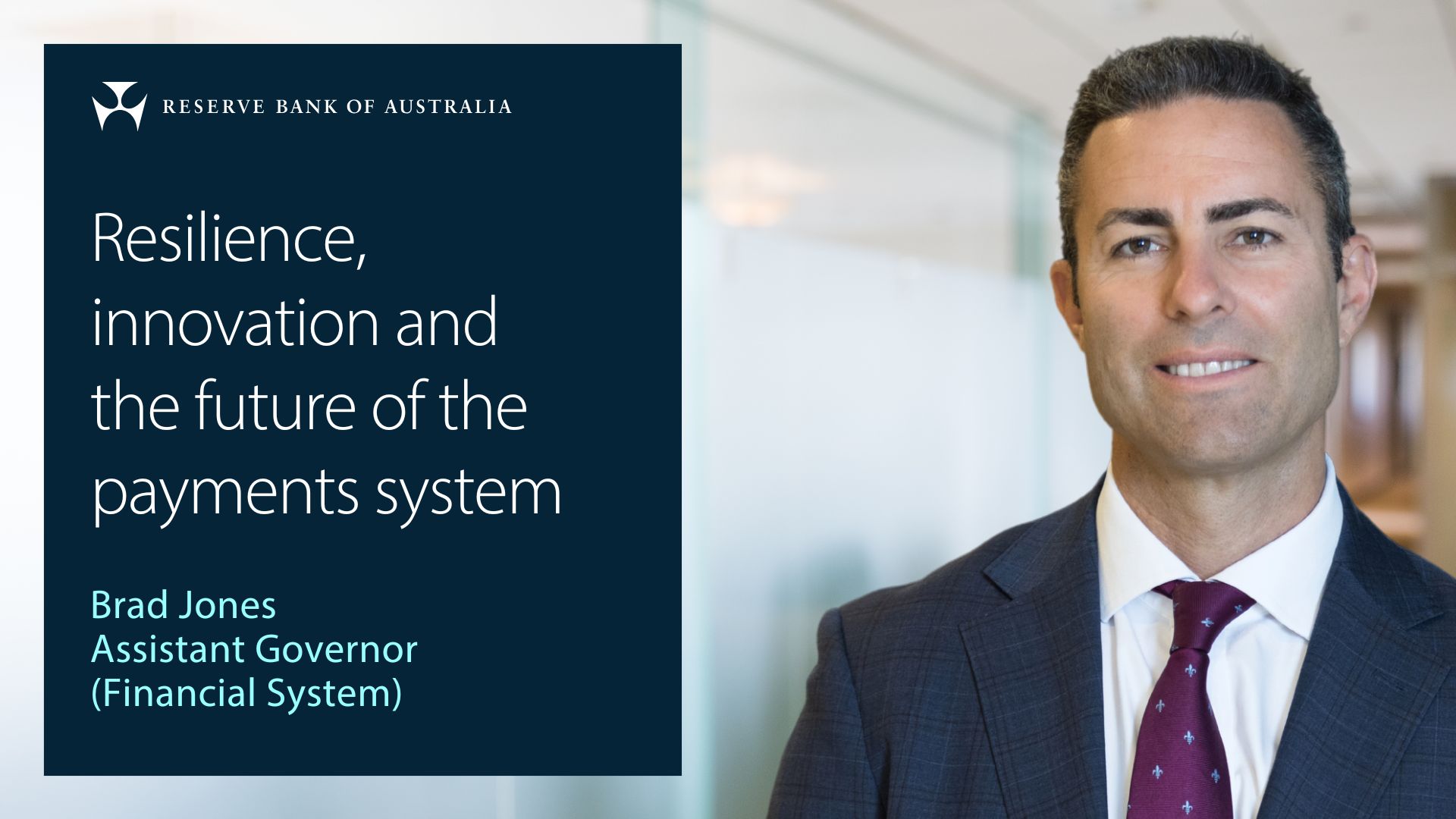
  • Resilience, Innovation and the Future of the Payments System | Speeches

    Resilience, Innovation and the Future of the Payments System | Speeches

    Introduction

    Let me begin by acknowledging the tragic events in Bondi over the weekend. Our thoughts and condolences go
    out to anyone who has been affected.

    Thank you to AusPayNet for the opportunity to join you all here at the annual Summit. Though this forum
    has been running for less than a decade, it has emerged as a centrepiece on the calendar for both
    industry and regulators. I suspect that at least some part of the reason we have a world-class payments
    system in Australia is because we have opportunities like this where a range of big ideas for the future
    of the system can be thoroughly debated. Long may this spirit of engagement continue.

    It is difficult to think of another time where developments in the payments and digital money ecosystems
    – in Australia and abroad – were more fascinating than now. There are big structural forces
    reshaping the operating environment, technological change and geopolitical disruption among them. This
    change is amplifying both risks and opportunities. As Governor Michele Bullock observed in her Bradfield
    Oration, our collective challenge is to manage both in a way that improves the lives of all
    Australians.

    The key question I will address in my remarks today is this – in a period of profound structural
    change, how can we build an ecosystem for payments and market infrastructure that is both highly
    resilient and highly innovative? One that is not just able to weather storms, but as I discussed
    recently, ‘anti-fragile’, in the sense that it stands to benefit from change and
    disruption.

    It is no accident that the twin themes of resilience and innovation underpin the RBA’s refreshed
    payments policy strategy out to 2027. This strategy has recently been endorsed and published by the
    Payments System Board (PSB) to assist industry in their prioritisation efforts. Conscious that
    industry already has plenty on its plate, the RBA’s contribution to the implementation plan of the
    Council of Financial Regulators (CFR) ‘Better Regulation Roadmap’ will also shortly be
    published to provide industry with additional visibility over the sequencing of our wider priority set.
    The bottom line today is that I am optimistic our system is up to this twin challenge, but it will
    require everyone involved – industry and regulators – to prioritise somewhat differently to
    recent decades.

    Why resilience, why now?

    If we step back for a moment and consider the properties of resilience that could apply to any technical
    system – not just payments – and one whose operating environment is changing in material
    ways, quite a few possibilities spring to mind: interoperability, diversity, redundancy and adaptability.
    Each of these brings pros and cons on their own of course, and how they interact is critical – as a
    case in point, if diversity simply translates to duplicating systems with limited interoperability, there
    may be more costs than benefits to the wider system. But in the years ahead, I suspect that concepts like
    these will feature more prominently in the design of our payments system and associated infrastructure.

    To move from the conceptual to the concrete, a safe and resilient payments system underpins economic
    activity in Australia. Every day, the average daily value of payments settled at the RBA through our
    real-time gross settlement system is equivalent to more than 10 per cent of Australia’s
    annual GDP. The size and interconnectivity of our payments system means that major disruptions could have
    systemic consequences – for financial stability, economic activity and, in extreme cases, social
    cohesion. This is a sobering reality. Three themes stand out here, all structural rather than cyclical in
    nature.

    The first relates to our deteriorating strategic circumstances. As the Director-General of the Office of
    National Intelligence recently reminded us: the pace and gravity of strategic change is accelerating, our
    region is now the epicentre of global systemic rivalry and our operating environment is one where
    coercion below the threshold of conflict is becoming normalised. This makes for a less forgiving and less
    predictable world. The potential for external shocks to threaten the
    provision of critical financial services is rising, and the risk of coordination failure is larger for
    adverse geopolitical scenarios compared with more traditional financial risks. This realisation has been
    informing a program of work overseen by the CFR for some time now.

    The second source of structural change relates to technological transformation. Increasing digitalisation
    is yielding substantial efficiencies for the financial system and making new functionality possible. At
    the same time, it is expanding the attack surface for cyber intrusions and making the potential
    consequences of operational disruptions more severe. Applications of artificial intelligence (AI) reflect
    both sides of this coin. The financial system is contending with accelerating waves of distributed denial
    of service attacks, and the commercialisation of cybercrime on the dark web is becoming big business. A
    concentrated group of key third-party technology providers are increasingly performing critical
    functions, such that a major disruption in one could have ripple effects across the entire system. Last
    year’s Crowdstrike episode, and the Amazon Web Services outage a couple of months ago, are just a
    couple of recent reminders.

    A third and related challenge is that interdependencies between the payments system and other critical
    national infrastructure are coming into sharper focus. It can be taken for granted that the functioning
    of our financial system, and the payments system within it, is dependent on the smooth functioning of the
    electrical grid and telecommunications network. But these core services are increasingly experiencing
    their own resilience challenges, which can have downstream impacts on the broader economy. A recent
    example was the April 2025 blackout of the Iberian Peninsula that affected 50 million households and
    saw daily economic activity and electronic retail payments in Spain decline by approximately half. This
    disruption could easily have been worse, had the geographical span of the outage been different and cash
    not been readily available as a means of payment.

    Recognising it is insufficient to just admire these problems from a distance, let me turn now to several
    related priorities in the RBA’s forward work program. A common theme here is the importance of
    payments infrastructures investing in their governance, risk management capabilities and operational
    resilience to meet not just regulator expectations but also those of the wider community.

    System-wide interdependencies

    One element is a stepped-up focus on system-wide interdependency and concentration risk. We are conscious
    that individual entities may have limited visibility over the extent to which their vulnerability to
    third-party providers or single points of failure is mirrored elsewhere and could amplify disruptions if
    a large shock were to occur. As a result, the RBA has embarked on a program of analysis and outreach with
    industry and other arms of government. The scope of this work ranges from high-value payments through to
    retail point-of-sale and account-to-account (A2A) transfers. We are actively engaging with CFR agencies,
    the Department of Home Affairs, national security agencies, overseas central banks, other non-financial
    regulators and industry, in order to develop a more holistic system-wide mapping of vulnerabilities.

    A notable example where our collaboration with industry is spurring both increased resilience and
    innovation is through the Industry Resilience Initiative. Here, the RBA and the Australian Prudential
    Regulation Authority (APRA) are working with banks, Australian Payments Plus and AusPayNet to enhance
    existing contingency capabilities so that payment services can continue to operate, even if in a reduced
    form, in the event of a significant shock like a major institution ‘going dark’ for some time.

    Another area where we see the concepts of system-wide resilience and innovation coming together is in
    quantum computing. The brute-force computing power enabled by quantum computing offers intriguing
    possibilities – it will unleash capabilities in the financial system that are not currently
    possible, especially when coupled with AI. At the same time, these advances could pose first-order data
    security risks and so compromise the integrity of the financial system. We know that threat actors are
    already capturing data with the expectation of breaking current encryption down the track – a
    strategy known as ‘harvest now, decrypt later’.

    As a result, the PSB strongly supports industry efforts to migrate card payments to the Advanced
    Encryption Standard (AES). AES is viewed as a quantum-safe solution, should advances in quantum computing
    undermine the secure exchange of payment details. Some European countries are already there. The PSB
    expects industry to progress migration with sufficient urgency to enable the readiness of AES for use by
    2030 and has agreed to consult around the middle of next year on using the RBA’s standard-setting
    powers under the Payment Systems (Regulation) Act 1998 (PSRA) to support the migration.

    Cash distribution

    Another element of our work on payments system resilience relates to cash access. Not only does cash
    remain an essential part of the payments system – 1.5 million Australians still rely on it to
    make everyday payments – cash also provides a backup for localised disruptions (e.g. floods and
    fires) when digital payments are unavailable. In this sense, physical cash is an ‘all hazards’
    digital hedge. In discussions with my international counterparts, I am increasingly struck by how uniform
    the view has become about the critical contingency role cash can play in the economy. Sweden is one
    example, where authorities are now requiring cash distribution entities to maintain a heightened level of
    crisis preparedness and a public campaign has been launched to advise the community to maintain personal
    cash holdings in preparation for crises.

    The RBA fully supports the Government’s commitment to ensuring that Australians retain adequate
    access to cash for as long as they wish to use it. Accordingly, the RBA, CFR and the Australian
    Competition and Consumer Commission (ACCC) have consulted on regulatory arrangements for the cash
    distribution system that are designed to ensure the system remains on a strong footing far into the
    future. In seeking to promote system-wide resilience, the framework embeds crisis readiness and
    resolution powers as key features.

    Promoting an innovative and resilient payments system

    Ensuring our payments system can withstand extreme-but-plausible disruptions should not mean innovation
    grinds to a halt. Quite the contrary. Australia has always been up around the front of the pack regarding
    innovation in the payments system. In the context of our national productivity challenge,
    it is important that this remains so. And as I have stressed before, there are big opportunities ahead of
    us if we can harness innovation in ways that not only enhance efficiency but also resilience –
    there need not be a trade-off.

    To help play our part in fostering an innovative payment system, we have several initiatives underway.

    Project Acacia and the Future of Money

    One is Project Acacia, the centrepiece of our Future of Money program this year. Working alongside
    industry, regulators and our research partners at the Digital Finance Cooperative Research Centre, we are
    exploring how new forms of digital money and financial infrastructure could support the development of
    tokenised asset markets in Australia. This is also a growing area of interest for central banks and
    industry globally. We’ve taken the step of issuing pilot central bank digital currency onto external
    digital ledger platforms to better understand how new forms of money and tokenised assets could more
    seamlessly interact on the same ledger. This includes where trading and settlement are synchronised into
    a single function – obviating the need for clearing or tying up of collateral for days. The project
    has also explored the role that private digital money, in the form of tokenised bank deposits and
    stablecoins, could play in tokenised asset markets.

    It has been pleasing to see Acacia draw strong interest from a wide cross-section of industry, from large
    banks to smaller fintechs to technology companies. Across more than 20 use cases, a range of
    real-world assets have been tokenised: government bonds, money market securities, mining royalties and
    repurchase agreements among them. We’ve deliberately not been prescriptive about these use cases, as
    we have wanted to hear from those on the front line of industry innovation where they think the largest
    potential benefits could be for the Australian financial system.

    The experiments will be wrapping up shortly. I will have more to say about Acacia and our related
    strategic priorities on the Future of Money at the end of March, and shortly thereafter the Acacia
    project report will be published. But for now, I’d like to thank all our project partners for their
    contribution to the project – it has been a leading example of how the public and private sectors
    can collaborate on important policy issues arising from the application of frontier technologies.

    Future of account-to-account payments

    Let me now turn to a topic I addressed at last year’s Summit that also sits at the intersection of
    innovation and resilience – the future of Australia’s A2A payments system. At that time, and
    as our risk assessment of the decommissioning of the Bulk Electronic Clearing System (BECS) later set out
    in detail, the feedback we received from a range of stakeholders suggested that a foundational element
    was missing in the migration to modern payment rails – a shared vision among industry on the
    desired features of the future system. We shared industry concerns that loading more risk onto
    modern rails that had higher outage rates than the legacy bulk system was going to be problematic if
    contingency arrangements were not also significantly uplifted.

    To support strategic planning by industry, RBA staff published a Public Interest Framework in July. The framework
    outlines technology-agnostic principles that prioritise the reliability of the payments system through
    robust contingency arrangements, alongside new functionality spurred by competition and innovation. As an
    example, we view interoperability – the ability for different payment systems to connect to each
    other – as integral to promoting resilience, competition and efficiency. In good times, end users
    will have greater choice over their providers; when systems go down, contingency options will be
    available.

    Fast forward to today, and I am pleased to say that industry has made important progress, including in
    establishing a new coordination forum and completing an end user consultation to inform the future vision
    for A2A payments. At the same time, there is still a big lift ahead: key outstanding issues include the
    processing of large volumes, the account reach of the New Payments Platform (NPP) and contingency
    arrangements.

    We want to thank industry for engaging in the A2A reset over the past year. We recognise it has not been
    easy. As we have said all along, if it takes industry a little longer than originally envisaged to come
    to a shared understanding of the system’s central features, then it should be time well spent. For
    our part, RBA staff will continue to engage with industry via the A2A Roundtable and in March 2026 we
    will publish an update on the risks associated with the migration.

    We are all striving for the same objective – that Australians can benefit from the features that
    modern payment systems such as the NPP can provide. These include 24/7
    real-time payments, richer data, confirmation of payee and real-time verification of payment. To achieve
    this, we need everyone in the ecosystem to continue engaging – payments service providers (PSPs),
    and corporate and government end users.

    Modernising the RBA’s settlement system to support innovation

    Ensuring that Australia’s financial infrastructure is fit for the future is a key focus of ours. This
    can be seen not only in our involvement in initiatives like Project Acacia and the modernisation of
    Australia’s A2A system, but also in the RBA’s forthcoming strategic modernisation of
    Australia’s high-value real-time settlement system – the Reserve Bank Information and Transfer
    System (RITS). The last major innovation in RITS occurred in 2018, with the public launch of the Fast
    Settlement Service. This system enables real-time, 24/7 settlement of NPP
    transactions and currently processes about four million transactions per day – most in under a
    second. The RITS modernisation project will explore a range of options to ensure our critical settlement
    infrastructure can support the evolving needs of the financial system well into the future.

    Enhancing cross-border payments

    Under the G20 roadmap, Australia is committed to supporting the international effort to address
    challenges in cross-border payments. A priority for the RBA in recent years has been engaging with
    industry over the adoption of richer data and new capabilities in Australia’s cross-border payments
    infrastructure. Next year, we will be examining ways to enhance wholesale cross-border payments,
    including as it relates to our RITS modernisation project and research on the role of digital money. We
    are also collaborating with central bank partners on a second phase of the BIS Innovation Hub’s
    Project Mandala. This project explores protocols to automate regulatory
    compliance processes in cross-border payments using new technologies like digital ledgers. The aim here
    is to make cross-border payments more transparent, faster and safer.

    Supporting national reform priorities

    In light of the Government’s efforts to modernise Australia’s payments regulatory framework, the
    RBA also has a number of initiatives in train.

    First, following the recent amendments to the PSRA, the RBA will publicly consult on the PSB’s
    regulatory priorities in mid-2026, taking into account these amendments and technology modernisation in
    the payments industry. The focus will extend to regulatory issues beyond those addressed in the Review of
    Merchant Card Payment Costs and Surcharging. The consultation will include efficiency, competitiveness
    and safety issues with mobile wallets, three-party schemes, buy-now-pay-later providers and e-commerce
    platforms. We look forward to your input.

    Second, the RBA will be reviewing its policies for accessing Exchange Settlement Accounts to support
    competition and innovation in payments. We expect to commence this review in the second half of 2026,
    once the first tranche of the Government’s PSP licensing reforms has passed Parliament and work on
    the second tranche has begun. This second phase includes the proposed common access requirements. This
    framework would involve APRA setting proportionate regulatory and supervisory arrangements for non-bank
    PSPs seeking to directly access Australian payment systems. In the meantime, we are engaging with our
    peer central banks to better understand how they see the competition and financial stability implications
    from stablecoin issuers holding funds in central bank deposits. We note the regulatory framework for the
    licensing and prudential supervision of issuers of Australian dollar-denominated stablecoins is an
    important pillar of the Government’s approach to developing responsible innovation in the Australian
    digital asset industry.

    Third, to support responsible innovation in the wider financial system, the RBA will be providing input
    into the review of Australia’s Enhanced Regulatory Sandbox (ERS). Similarly, as a result of its
    learnings from Project Acacia, we are examining whether and how a dedicated digital securities sandbox
    could further support the development of tokenised markets and complement the general purpose ERS. We are
    looking closely at the experience in places like the United Kingdom, euro area, Switzerland and others to
    guide us here.

    Update on the Review of Retail Payments Regulation

    Before I close, it would be remiss not to provide a brief update on the current Review of Merchant Card
    Payment Costs and Surcharging, which includes a package of proposed reforms:

    • reductions in ‘downstream’ consumer payment costs via changes to the surcharging regime for
      eftpos, Mastercard and Visa networks
    • reductions in ‘upstream’ payment costs incurred by Australian merchants, via their service
      provider, in the form of lower interchange rates on card transactions
    • increased disclosure of fees charged by acquirers, and collection and publication of wholesale fees
      charged by card networks, to help ensure savings from lower interchange are passed through to
      Australian merchants.

    We received more than 170 submissions from a broad cross-section of stakeholders, including
    merchants, issuers, acquirers, PSPs and the card networks. It is fair to say that each of these
    stakeholders come at the issues from different perspectives, so we are carefully weighing the balance of
    the various arguments as they relate to our mandate. Given the reforms will inevitably result in some
    redistribution of costs and benefits across the system, we recognise it won’t be possible to please
    all stakeholders. But when the PSB publishes its conclusions and an implementation timeline for any
    regulatory action by March 2026, I can assure you that a huge volume of information, consultation
    meetings, requests for further information, and so on, will have been channelled towards landing on a
    package that we believe most promotes the public interest. The PSB is also aiming to ensure that
    decisions on issues like the scope of surcharging and the extent of interchange cuts will not be affected
    by the recent amendments to the PSRA.

    Conclusion

    Let me conclude. We should all aspire for a payments system that is safe and resilient – one that
    Australians can rely on – and one that is a hotbed of innovation and competitive efficiency.
    I’ve set out today a number of the opportunities we see here. They are reflected in our priorities
    that span regulatory reform, the Future of Money and tokenisation, A2A payments, the Industry Resilience
    Initiative, cross-border payments, quantum-safe encryption standards, physical cash and the modernisation
    of RITS. As we realise that the sequencing of priorities is always a challenge, my colleagues at the RBA
    and on the PSB are more committed than ever to working constructively with AusPayNet and the wider
    industry. There is much to celebrate in the Australian payments system, and we all want to ensure this
    remains the case far into the future.

    Thank you, and I look forward to taking your questions.

    Continue Reading