Category: 3. Business

  • ‘It’s amazing’ – the wonder material very few can make

    ‘It’s amazing’ – the wonder material very few can make

    Chris BaraniukTechnology Reporter

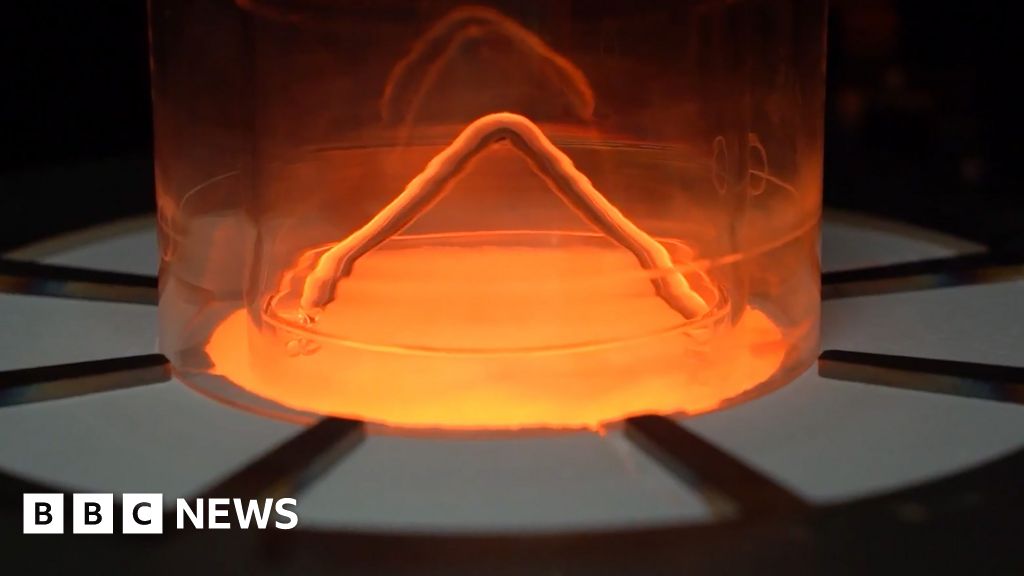
    Kromek Amber-coloured cadmium zinc telluride in furnace.Kromek

    Very few organisations can supply cadmium zinc telluride

    Lying on your back in a big hospital scanner, as still as you can, with your arms above your head – for 45 minutes. It doesn’t sound much fun.

    That’s what patients at Royal Brompton Hospital in London had to do during certain lung scans, until the hospital installed a new device last year that cut these examinations down to just 15 minutes.

    It is partly thanks to image processing technology in the scanner but also a special material called cadmium zinc telluride (CZT), which allows the machine to produce highly detailed, 3D images of patients’ lungs.

    “You get beautiful pictures from this scanner,” says Dr Kshama Wechalekar, head of nuclear medicine and PET. “It’s an amazing feat of engineering and physics.”

    The CZT in the machine, which was installed at the hospital last August, was made by Kromek – a British company. Kromek is one of just a few firms in the world that can make CZT. You may never have heard of the stuff but, in Dr Wechalekar’s words, it is enabling a “revolution” in medical imaging.

    This wonder material has many other uses, such as in X-ray telescopes, radiation detectors and airport security scanners. And it is increasingly sought-after.

    Investigations of patients’ lungs performed by Dr Wechalekar and her colleagues involve looking for the presence of many tiny blood clots in people with long Covid, or a larger clot known as a pulmonary embolism, for example.

    The £1m scanner works by detecting gamma rays emitted by a radioactive substance that is injected into patients’ bodies.

    But the scanner’s sensitivity means less of this substance is needed than before: “We can reduce doses about 30%,” says Dr Wechalekar. While CZT-based scanners are not new in general, large, whole-body scanners such as this one are a relatively recent innovation.

    Guy's and St Thomas' NHS Foundation Trust Wearing a white jacket, Dr Kshama Wechalekar stands alongside a hospital scannerGuy’s and St Thomas’ NHS Foundation Trust

    Dr Kshama Wechalekar with the latest scanner at London’s Royal Brompton Hospital

    CZT itself has been around for decades but it is notoriously difficult to manufacture. “It has taken a long time for it to develop into an industrial-scale production process,” says Arnab Basu, founding chief executive of Kromek.

    In the company’s facility at Sedgefield, there are 170 small furnaces in a room that Dr Basu describes as looking “like a server farm”.

    A special powder is heated up in these furnaces, turned molten, and then solidified into a single-crystal structure. The whole process takes weeks. “Atom by atom, the crystals are rearranged […] so they become all aligned,” says Dr Basu.

    The newly formed CZT, a semiconductor, can detect tiny photon particles in X-rays and gamma rays with incredible precision – like a highly specialised version of the light-sensing, silicon-based image sensor in your smartphone camera.

    Whenever a high energy photon strikes the CZT, it mobilises an electron and this electrical signal can be used to make an image. Earlier scanner technology used a two-step process, which was not as precise.

    “It’s digital,” says Dr Basu. “It’s a single conversion step. It retains all the important information such as timing, the energy of the X-ray that is hitting the CZT detector – you can create colour, or spectroscopic images.”

    He adds that CZT-based scanners are currently in use for explosives detection at UK airports, and for scanning checked baggage in some US airports. “We expect CZT to come into the hand luggage segment over the next [few] years.”

    Kromek A technician wearing blue gloves adjusts one of a line of furnaces.Kromek

    Special furnaces are needed to make CZT

    But it’s not always easy to get your hands on CZT.

    Henric Krawczynski at Washington University in St Louis in the US has used the material before on space telescopes attached to high altitude balloons. These detectors can pick up X-rays emitted by both neutron stars and plasma around black holes.

    Prof Krawczynski wants very thin, 0.8mm pieces of CZT for his telescopes because this helps to reduce the amount of background radiation they pick up, allowing for a clearer signal. “We’d like to buy 17 new detectors,” he says. “It’s really difficult to get these thin ones.”

    He was unable to source the CZT from Kromek. Dr Basu says his firm has high demand at the moment. “We support many, many research organisations,” he adds, “It’s very difficult for us to do a hundred different things. Each research [project] needs a very particular type of detector structure.”

    For Prof Krawczynski, it’s not a crisis – he says he might use either CZT that he has from previous research, or cadmium telluride, an alternative, for his next mission.

    However, there are bigger headaches at the moment. That upcoming mission was due to fly from Antarctica in December but “all the dates are in flux”, says Prof Krawczynski, because of the US government shutdown.

    Diamond Light Source A technician adjusts equipment at Diamond Light SourceDiamond Light Source

    CZT will be used in an upgrade of Diamond Light Source

    Many other scientists use CZT. In the UK, a major upgrade of the Diamond Light Source research facility in Oxfordshire – costing half a billion pounds – will improve its capabilities thanks to the installation of CZT-based detectors.

    Diamond Light Source is a synchrotron, which fires electrons around a giant ring at nearly the speed of light. Magnets cause these whizzing electrons to lose some energy in the form of X-rays, and these are directed off from the ring in beamlines so that they may be used to analyse materials, for example.

    Some recent experiments have involved probing impurities in aluminium while it melts. Understanding those impurities better could help improve recycled forms of the metal.

    With Diamond Light Source’s upgrade, due to complete in 2030, the X-rays produced will be significantly brighter, meaning that existing sensors would not be able to detect them properly.

    “There’s no point in spending all this money in upgrading these facilities if you can’t detect the light they produce,” says Matt Veale, group leader for detector development at the Science and Technology Facilities Council, which is the majority owner of Diamond Light Source.

    That’s why, here too, CZT is the material of choice.

    More Technology of Business

    Continue Reading

  • Mazdutide Demonstrates Significant Weight Loss and Metabolic Benefits in Phase 1b Clinical Trial in Chinese Adolescents with Obesity

    • After 12 weeks of treatment, the 4 mg and 6 mg mazdutide groups achieved reductions in BMI from baseline of 8.78% and 10.99%, respectively, with corresponding body weight reductions of 7.72 kg and 8.65 kg. These results were significantly superior to those observed in the placebo group (BMI reduction: 1.73%; weight reduction: 1.42 kg; with nominal P values < 0.01). Furthermore, multiple metabolic parameters improved simultaneously.
    • Mazdutide demonstrated a favorable overall safety and tolerability profile. All enrolled subjects completed the protocol-specified visits. Throughout the study period, there were no serious adverse events (SAEs) reported in the mazdutide groups, and no subjects discontinued treatment due to adverse events (AEs).
    • there are currently no approved weight-loss medications specifically indicated for children and adolescents in China. A Phase 3 registrational clinical trial for adolescent obesity is scheduled to be initiated soon.

    SAN FRANCISCO and SUZHOU, China, Dec. 11, 2025 /PRNewswire/ — Innovent Biologics, Inc. (“Innovent”) (HKEX: 01801), a world-class biopharmaceutical company that develops, manufactures and commercializes high-quality medicines for the treatment of oncology, autoimmune, cardiovascular and metabolic, ophthalmologic and other major diseases, announced that the Phase 1b clinical study of mazdutide injection (a glucagon-like peptide-1 [GLP-1] and glucagon [GCG] dual receptor agonist, R&D code: IBI362) in Chinese adolescents with obesity met its primary endpoint.

    The global issue of childhood and adolescent obesity continues to escalate. According to a UNICEF report, the global obesity rate among children and adolescents aged 5–19 has risen from 3% to 9.4% since the year 2000. Obesity has now become a more prevalent form of malnutrition than underweight, affecting one in every ten school-aged children and adolescents (approximately 188 million individuals) and placing them at risk for severe health conditions [1].

    The situation regarding obesity prevention and control among Chinese children and adolescents is equally severe. The combined detection rate of overweight and obesity among children and adolescents aged 7–18 in China surged from 1.2% in 1985 to 23.4% in 2019—an 18.1-fold increase. Notably, the obesity detection rate alone soared from 0.1% in 1985 to 9.6% in 2019, representing a staggering 75.6-fold rise [2].

    Adolescent obesity is associated with numerous long-term health risks, including hypertension, dyslipidemia, type 2 diabetes, metabolic syndrome, and psychological and behavioral issues. Furthermore, there are currently no approved weight-loss medications specifically indicated for children and adolescents in China [3], highlighting a significant unmet clinical need.

    This study is a multicenter, randomized, double-blind, placebo-controlled Phase 1b clinical trial designed to evaluate the safety, tolerability, pharmacokinetics, and weight-loss efficacy of mazdutide in Chinese adolescents with obesity. A total of 36 adolescent participants (≥12 and <18 years old) with obesity were enrolled. All participants had undergone dietary and exercise intervention for at least 12 weeks prior to enrollment but achieved less than 5% reduction in body mass index (BMI). The participants met the obesity criteria specified in the Chinese national standard “WS/T 586‑2018 Screening for Overweight and Obesity in School-Age Children and Adolescents,” with a median age of 14.0 years, a mean baseline BMI of 34.12 kg/m², and a mean baseline body weight of 95.83 kg. They were randomized in a 1:1:1 ratio to receive either mazdutide 4 mg, mazdutide 6 mg, or placebo (with dose escalation) and a total treatment duration is 12 weeks.

    The study results demonstrate that mazdutide, administered via weekly multiple subcutaneous injections following a dose-titration regimen, exhibited a favorable overall safety and tolerability profile in Chinese adolescent participants with obesity. All subjects completed the protocol-specified visits. No serious adverse events (SAEs) were reported in the mazdutide treatment groups during the study period, and no subjects discontinued the study due to adverse events (AEs). The most frequently reported adverse events were gastrointestinal reactions, all of which were mild or moderate in severity. The pharmacokinetic profile of mazdutide was similar between adolescents and adults. The clinically validated safe and effective exposure range established in adults adequately covered the drug exposure levels observed with the 4 mg and 6 mg doses in adolescents.

    After the 12-week treatment period for Chinese adolescents with obesity, the mazdutide treatment groups demonstrated statistically significant reductions in both key efficacy endpoints—BMI and body weight—confirming the weight-loss efficacy of mazdutide in this population.

    Specifically, compared to baseline, the 4 mg and 6 mg mazdutide groups achieved relative reductions in BMI of 8.78% and 10.99%, and in body weight of 7.87% and 9.93%, respectively. The absolute weight reductions were 7.72 kg and 8.65 kg, respectively. These results were statistically superior to those in the placebo group (BMI reduction: 1.73%; body weight reduction: 1.19% or 1.42 kg), with all between-group comparisons reaching statistical significance (all nominal P values < 0.01). Furthermore, the 6 mg group showed numerically greater efficacy compared to the 4 mg group, suggesting a dose-dependent trend.

    Beyond weight loss, favorable trends of improvement were also observed in the mazdutide groups for multiple metabolic parameters, including waist circumference, blood pressure, blood lipids, serum uric acid, liver transaminase levels, and glycemic control indicators. These findings indicate that mazdutide may provide adolescents with obesity not only with weight reduction but also with multiple metabolic benefits.

    Based on the positive safety and efficacy results from this Phase 1b study, Innovent plans to initiate a Phase 3 registration clinical trial in adolescent participants with obesity or overweight in the near future. This initiative aims to bring this potential treatment to the large population of adolescents with obesity or overweight in China as early as possible.

    Professor Ni Xin, Principal Investigator of the study from Beijing Children’s Hospital, Capital Medical University, stated: “The issue of adolescent obesity is becoming increasingly severe, emerging as a major concern both nationally and globally. The results of this study are highly encouraging. They demonstrate that mazdutide offers a novel therapeutic approach for Chinese adolescents with obesity, characterized by potent weight-loss efficacy and a favorable safety profile. Adolescents could have better chance to adopt positive and healthy lifestyle changes supported with an effective pharmacotherapy.”

    Professor Gong Chunxiu, Principal Investigator of the study from Beijing Children’s Hospital, Capital Medical University, stated: “Treating childhood obesity is challenging. The reversal of elevated body weight through lifestyle education alone has a low success rate, and persistent obesity is prone to progression and the development of complications. Notably, the benefits brought by mazdutide, as evidenced by robust data, have demonstrated an effect that significantly surpasses weight management alone. In the study participants, we observed favorable trends of comprehensive improvement across multiple metabolic parameters, including waist circumference, blood pressure, blood lipids, serum uric acid, and blood glucose levels. This holds profound significance for potentially halting the progression from adolescent obesity to clinical obesity and metabolic syndrome in adulthood. These data reveal the advantages of mazdutide as a GCG/GLP-1 dual receptor agonist: it not only achieves effective weight loss but may also fundamentally improve the multiple metabolic disorders associated with obesity, thereby offering patients more comprehensive health benefits.”

    Dr. Lei Qian, Chief R&D Officer of General Biomedicine at Innovent Biologics, stated: “There are currently no weight-loss medications approved for children or adolescents in China. The breakthrough achieved by mazdutide in the field of adolescent obesity has robustly validated its therapeutic potential across different age groups of patients. We have observed that mazdutide reproduces the potent weight-loss efficacy and multiple metabolic benefits in adolescents that were demonstrated in adult studies. Furthermore, its pharmacokinetic profile is similar to that in adults. This provides a solid scientific foundation for its further clinical development. We will accelerate the exploration of this innovative therapy for additional indications, striving to benefit a broader population of patients with obesity across different age groups and with varying treatment needs.”

    About Mazdutide

    Innovent entered into an exclusive license agreement with Eli Lilly and Company (Lilly) for the development and commercialization of mazdutide, a dual GCG /GLP-1 receptor agonist, in China. As a mammalian oxyntomodulin (OXM) analogue, in addition to the effects of GLP-1 receptor agonists on promoting insulin secretion, lowering blood glucose and reducing body weight, mazdutide may also increase energy expenditure and improve hepatic fat metabolism through the activation of glucagon receptor. Mazdutide has demonstrated excellent weight loss and glucose-lowering effects in clinical studies, as well as reducing waist circumference, blood lipids, blood pressure, serum uric acid, liver enzymes, liver fat content and improved insulin sensitivity.

    Seven Phase 3 clinical studies of mazdutide have been initiated or completed, including:

    • GLORY-1: in Chinese adults with overweight or obesity;
    • GLORY-2: in Chinese adults with moderate to severe obesity;
    • DREAMS-1: in Chinese drug-naïve adults with type 2 diabetes;
    • DREAMS-2: comparing mazdutide to dulaglutide in Chinese adults with type 2 diabetes inadequately controlled with oral antidiabetic drugs;
    • DREAMS-3: comparing mazdutide to semaglutide in Chinese adults with type 2 diabetes and obesity;
    • GLORY-3: comparing mazdutide to semaglutide in Chinese adults with overweight or obesity and metabolic dysfunction-associated fatty liver disease (MAFLD);
    • GLORY-OSA: in Chinese adults with obstructive sleep apnea (OSA) and obesity.

    Among these, the first five Phase 3 clinical studies have met their primary endpoints, while the other two Phase 3 studies are ongoing.

    Furthermore, mazdutide is currently being evaluated in several additional ongoing clinical studies. These include trials investigating its use in metabolic dysfunction-associated steatohepatitis (MASH), heart failure with preserved ejection fraction (HFpEF), and a higher-dose head-to-head clinical study against tirzepatide for the treatment of moderate-to-severe obesity.

    *Mazdutide has received NMPA approval for two indications:

    First Indication: as an adjunct to a reduced-calorie diet and increased physical activity for chronic weight management in adult patients with an initial Body Mass Index (BMI) of:

    • BMI ≥ 28 kg/m² (obesity); or
    • BMI ≥ 24 kg/m² (overweight) in the presence of at least one weight-related comorbid condition (e.g., hyperglycemia, hypertension, dyslipidemia, fatty liver, or obstructive sleep apnea syndrome and etc.);

    Second Indication: glycemic control in adults with type 2 diabetes:

    Monotherapy

    For adults with type 2 diabetes who have inadequate glycemic control despite diet and exercise interventions.

    Combination Therapy

    For adults with T2D who still have poor glycemic control despite:

    Diet and exercise, plus Metformin and/or sulfonylureas, or Metformin and/or SGLT2 inhibitors (SGLT2i).

    About Innovent Biologics

    Innovent is a leading biopharmaceutical company founded in 2011 with the mission to empower patients worldwide with affordable, high-quality biopharmaceuticals. The company discovers, develops, manufactures and commercializes innovative medicines that target some of the most intractable diseases. Its pioneering therapies treat cancer, cardiovascular and metabolic, autoimmune and eye diseases. Innovent has launched 17 products in the market. It has 1 new drug applications under regulatory review, 4 assets in Phase III or pivotal clinical trials and 15 more molecules in early clinical stage.

    Innovent partners with over 30 global healthcare companies, including Eli Lilly, Roche, Takeda, Sanofi, Incyte, LG Chem and MD Anderson Cancer Center. Guided by the motto, “Start with Integrity, Succeed through Action” Innovent maintains the highest standard of industry practices and works collaboratively to advance the biopharmaceutical industry so that first-rate pharmaceutical drugs can become widely accessible.

    For more information, visit www.innoventbio.com, or follow Innovent on Facebook and LinkedIn.

    Statement: Innovent does not recommend the use of any unapproved drug (s)/indication (s).

    Forward-looking statement

    This news release may contain certain forward-looking statements that are, by their nature, subject to significant risks and uncertainties. The words “anticipate”, “believe”, “estimate”, “expect”, “intend” and similar expressions, as they relate to Innovent, are intended to identify certain of such forward-looking statements. Innovent does not intend to update these forward-looking statements regularly.

    These forward-looking statements are based on the existing beliefs, assumptions, expectations, estimates, projections and understandings of the management of Innovent with respect to future events at the time these statements are made. These statements are not a guarantee of future developments and are subject to risks, uncertainties and other factors, some of which are beyond Innovent’s control and are difficult to predict. Consequently, actual results may differ materially from information contained in the forward-looking statements as a result of future changes or developments in our business, Innovent’s competitive environment and political, economic, legal and social conditions.

    Innovent, the Directors and the employees of Innovent assume (a) no obligation to correct or update the forward-looking statements contained in this site; and (b) no liability in the event that any of the forward-looking statements does not materialize or turn out to be incorrect.

    References

    [1] https://news.un.org/zh/story/2025/09/1140658

    [2] Prevalence trends and projection of overweight and obesity among children and adolescents aged 7-18 years in China from 1985 to 2019. Chinese Journal of Preventive Medicine, 2023, 57(4): 461-469.

    [3] Guidelines for Diagnosis and Treatment of Obesity (2024 Edition). National Health Commission of the People’s Republic of China.

    SOURCE Innovent Biologics

    Continue Reading

  • Access Denied


    Access Denied

    You don’t have permission to access “http://www.spglobal.com/energy/en/news-research/latest-news/metals/121125-interview-italys-marcegaglia-fairly-positive-on-european-steel-demand-for-2026” on this server.

    Reference #18.dad5ce17.1765520878.13fde536

    https://errors.edgesuite.net/18.dad5ce17.1765520878.13fde536

    Continue Reading

  • Asia Stocks Rise at Open After S&P 500 Hits Record: Markets Wrap

    Asia Stocks Rise at Open After S&P 500 Hits Record: Markets Wrap

    (Bloomberg) — Asian stocks opened higher after US shares and a broader gauge of global equities hit fresh records, helped by the Federal Reserve’s third consecutive interest-rate cut.

    MSCI Inc.’s gauge of Asian shares was up 0.5% in early trading, with benchmarks in Japan and Australia rallying about 1%. Shares of SoftBank Group Corp. jumped more than 5% after people with knowledge of the matter said it is studying potential acquisitions including data center operator Switch Inc.

    The S&P 500 climbed 0.2% on Thursday. Despite the record highs, some caution for tech names persisted, as Broadcom Inc.’s shares slid in late trading after the chipmaker’s outlook for artificial intelligence revenue failed to meet investors’ lofty expectations. US stock futures were lower on Friday, with contracts on the tech-heavy Nasdaq 100 down 0.2%.

    “The momentum should continue into year-end. With rate cuts underway, a new Fed chair on deck, and earnings trending higher, the bull market looks positioned to extend into 2026,” said Gina Bolvin, President of Bolvin Wealth Management Group. “As more companies adopt AI, participation should broaden and sectors beyond the Magnificent Seven may start to show strength.”

    Thursday’s action lifted the MSCI All Country World Index — one of the broadest measures of the stock market — to a new closing high. The move placed the global equity benchmark on track for its best year since 2019.

    In Asia, Thailand markets will be in focus after Prime Minister Anutin Charnvirakul moved to dissolve parliament, setting the stage for an early election after reports of a key political party backing his minority government moving to withdraw its support.

    Yields on 10-year Treasuries edged slightly lower Friday after a small gain on Thursday. Data showed that initial jobless claims rose more than expected in the Dec. 6 week. An index of the dollar, meanwhile, traded around a two-month low.

    Elsewhere, copper climbed to a fresh record high and most other industrial metals rose as the Fed delivered the widely expected interest-rate cut and upgraded its growth forecast for the US economy. Gold and silver edged lower in Asia after rising in the previous session. Oil rose and Bitcoin flip-flopped in a tight range around $93,000.

    The tech sector also continues to be on traders’ radar after dominating much of the recent market action following Oracle Corp.’s results — which brought worries about valuations and whether heavy spending on AI infrastructure will pay off back into focus.

    While the sector has powered the global equities rally this year, overspending fears and lofty valuations have prompted some investors to rotate into other areas. Nvidia Corp. fell 1.6% on Thursday while the Magnificent Seven index of US tech giants dropped 0.6%.

    “The effect of Oracle has been greater than the Fed. This already tells us everything as we’ve been witnessing a strong concentration and one theme — AI — leading the market,” said Alberto Tocchio, a portfolio manager at Kairos Partners. “This doesn’t mean that AI is gone or it’s a bubble, but we need to focus on a wider scale.”

    Delivering a third consecutive cut, Fed Chair Jerome Powell suggested the Fed had now done enough to help stabilize the threat to employment while leaving rates high enough to continue weighing on price pressures. Traders stuck to bets on two cuts in 2026, even as the Fed’s new projections signaled only one such move.

    “The Fed’s ‘hawkish-but-bullish’ cut last night reinforces this: stronger 2026 growth, faster disinflation,” said Florian Ielpo, head of macro at Lombard Odier Investment Managers. “Cuts are continuing, but they’re no longer automatic — and that’s usually a constructive backdrop for equities.”

    Some of the main moves in markets:

    Stocks

    S&P 500 futures were little changed as of 9:22 a.m. Tokyo time Japan’s Topix rose 1.7% Australia’s S&P/ASX 200 rose 1% Euro Stoxx 50 futures rose 0.9% Currencies

    The Bloomberg Dollar Spot Index was little changed The euro was little changed at $1.1744 The Japanese yen was little changed at 155.64 per dollar The offshore yuan was little changed at 7.0515 per dollar Cryptocurrencies

    Bitcoin fell 0.3% to $92,569.93 Ether fell 0.3% to $3,241.07 Bonds

    The yield on 10-year Treasuries was little changed at 4.15% Japan’s 10-year yield was unchanged at 1.930% Australia’s 10-year yield was little changed at 4.72% Commodities

    West Texas Intermediate crude rose 0.6% to $57.92 a barrel Spot gold was little changed This story was produced with the assistance of Bloomberg Automation.

    –With assistance from Joanna Ossinger and Richard Henderson.

    ©2025 Bloomberg L.P.

    Continue Reading

  • Lancet study shows new antibiotic effective against gonorrhea

    Lancet study shows new antibiotic effective against gonorrhea

    Helen Branswell covers issues broadly related to infectious diseases, including outbreaks, preparedness, research, and vaccine development. Follow her on Mastodon and Bluesky. You can reach Helen on Signal at hbranswell.01.

    A single-dose oral antibiotic from a new class of drugs was as effective as the previous standard of care at treating uncomplicated urogenital gonorrhea, a study published Thursday in The Lancet reported. If approved for use, zoliflodacin would be a welcome addition to an armamentarium that contains precious few tools to treat Neisseria gonorrhoeae, the wily bacterium that causes the infection.

    In fact, the world should learn soon if zoliflodacin, which is being developed as part of a private-public partnership, will be deployed in the fight against gonorrhea. The Food and Drug Administration set a decision date of Dec. 15 to tell the drug’s developers — Innoviva Specialty Therapeutics and the Global Antibiotic Research & Development Partnership, or GARDP — whether it will approve zoliflodacin.

    Earlier Thursday, the FDA approved an extension of the license for GSK’s drug Blujeba (gepotidacin) to allow its use in the treatment of uncomplicated urogenital gonorrhea. Earlier this year the antibiotic was approved for the treatment of uncomplicated urinary tract infections.

    STAT+ Exclusive Story

    This article is exclusive to STAT+ subscribers

    Unlock this article — plus in-depth analysis, newsletters, premium events, and news alerts.

    Already have an account? Log in

    View All Plans

    To read the rest of this story subscribe to STAT+.

    Subscribe

    Continue Reading

  • FDA APPROVES UPLIZNA® FOR ADULTS WITH GENERALIZED MYASTHENIA GRAVIS| Amgen

    FDA APPROVES UPLIZNA® FOR ADULTS WITH GENERALIZED MYASTHENIA GRAVIS| Amgen

    UPLIZNA Offers gMG Patients Deep and Durable Symptom Control and Twice-Yearly Dosing*

    First and Only CD19-Targeted B Cell Therapy Approved in anti-AChR and anti-MuSK Ab+ gMG

    THOUSAND OAKS, Calif., Dec. 11, 2025 /PRNewswire/ — Amgen (NASDAQ:AMGN) today announced that the U.S. Food and Drug Administration (FDA) has approved UPLIZNA® (inebilizumab-cdon) for the treatment of generalized myasthenia gravis (gMG) in adults who are anti-acetylcholine receptor (AChR) and anti-muscle specific tyrosine kinase (MuSK) antibody positive. The approval offers patients a new targeted treatment option that has the potential for long-term disease control with just two doses a year, after two initial loading doses.

    “This approval marks a significant advancement for people living with gMG,” said Jay Bradner, M.D., executive vice president of Research and Development at Amgen. “By selectively targeting CD19-positive B cells, UPLIZNA offers a new approach to treatment that addresses a biological root cause of disease. UPLIZNA is conveniently dosed twice a year and delivers durable efficacy, helping people manage debilitating symptoms that can compromise daily function – including trouble breathing, speaking and seeing.”

    gMG is a rare, unpredictable, chronic, B-cell-mediated autoimmune disorder that impairs neuromuscular communication and can cause fluctuating muscle weakness.1-3 The disease is thought to be primarily driven by AChR and MuSK autoantibodies, which are produced by CD19+ B cells, particularly plasmablasts and some plasma cells.1-3 Myasthenia gravis impacts approximately 80,000 to 100,000 people in the U.S.4,5

    The approval of UPLIZNA for gMG is supported by data from the Myasthenia Gravis Inebilizumab Trial (MINT), the largest Phase 3 biologic study to include both AChR+ and MuSK+ patients, and the first to successfully incorporate a steroid taper into its protocol. Patients on steroids at baseline began tapering at Week 4 to reach prednisone 5 mg per day by Week 24. By Week 26, 87.4% of patients taking UPLIZNA and 84.6% of those taking placebo had reduced their steroid dose to 5 mg or less per day.6

    “UPLIZNA showed strong efficacy at 26 weeks in both AChR+ and MuSK+ patients, with AChR+ patients continuing to improve through 52 weeks in MINT,” said Richard J. Nowak, M.D., M.S., global principal investigator and director of the Myasthenia Gravis Clinic at Yale University. “MINT also uniquely required steroid tapering, recognizing that long-term steroid use adds to the overall burden of disease. This approval brings a new first-in-class approach to gMG, expanding treatment options for clinicians and patients.”

    At Week 26, UPLIZNA demonstrated a 1.9-point difference in the Myasthenia Gravis Activities of Daily Living (MG-ADL) score compared with placebo (-4.2 vs. -2.2; p<0.0001).6 Benefits in the AChR+ patient subgroup continued through Week 52 – the longest randomized-controlled period for a Phase 3 trial in gMG – with an exploratory analysis of AChR+ patients showing a 2.8-point difference in MG-ADL for UPLIZNA compared with placebo (-4.7 vs. -1.9; 95% CI: −3.9 to −1.7).6

    “Managing a rare and chronic illness can mean facing unpredictable relapsing symptoms and demanding treatment schedules,” said Samantha Masterson, president and chief executive officer of the Myasthenia Gravis Foundation of America. “This approval marks an important milestone, offering durable efficacy and a dosing schedule that provides people living with generalized myasthenia gravis six months of treatment-free time between maintenance doses.”

    This is the third indication for UPLIZNA, which was previously approved by the FDA for the treatment of adult patients with anti-aquaporin-4 (AQP4) antibody positive neuromyelitis optica spectrum disorder (NMOSD) in June 2020, and for the treatment of adult patients with Immunoglobulin G4-related disease (IgG4-RD) in April 2025.

    The most common adverse reactions in gMG were headache and infusion-related reactions.7 

    Amgen is committed to supporting patients with gMG and helping appropriate patients with access to UPLIZNA. Patients and caregivers who need support, tools, or resources can contact Amgen By Your Side.

    *After two initial loading doses.

    About the Myasthenia Gravis Inebilizumab Trial (MINT)
    MINT is a randomized, double-blind, placebo-controlled, parallel-group trial (NCT04524273) designed to evaluate the efficacy and safety of UPLIZNA in adults with gMG. The trial enrolled 238 adults with gMG, including 190 patients who are AChR+ and 48 patients who are MuSK+.6

    Eligibility criteria at screening and randomization included a Myasthenia Gravis Foundation of America (MGFA) classification of II, III or IV disease, MG-ADL score between 6 and 10 with greater than 50% of this score attributed to non-ocular items, or an MG-ADL score of at least 11, and a Quantitative Myasthenia Gravis (QMG) score of at least 11.6 Participants had to have been receiving a stable dose of steroids and/or nonsteroidal immunosuppressive therapy (or both) at the time of randomization.6

    The primary endpoint was change from baseline in MG-ADL score at Week 26 in the combined study population.6 Key secondary endpoints included change from baseline in QMG scores in the combined study population; change from baseline in MG-ADL score at Week 26 for the AChR+ cohort and separately the MuSK+ cohort; and change from baseline in QMG score at Week 26 for the AChR+ cohort and separately the MuSK+ cohort.6 MINT also includes an optional three-year open-label treatment period.

    Key findings from MINT include:6

    Primary Endpoint:

    • A 1.9-point difference in the MG-ADL score for UPLIZNA (-4.2) compared to placebo (-2.2) (p<0.0001) at Week 26 for the combined study population.

    Key Secondary Endpoints:

    • A 2.5-point difference in the QMG score for UPLIZNA (-4.8) compared to placebo (-2.3) (p=0.0002) at Week 26 for the combined treated population.
    • A 1.8-point difference in the MG-ADL score for UPLIZNA (-4.2) compared to placebo (-2.4) (p=0.0015) at Week 26 for the AChR+ population.
    • A 2.5-point difference in the QMG score for UPLIZNA (-4.4) compared to placebo (-2.0) (p=0.0011) at Week 26 for the AChR+ population.
    • A 2.2-point difference in the MG-ADL score for UPLIZNA (-3.9) compared to placebo (-1.7) (p=0.0297) at Week 26 for the MuSK+ population.
    • A 2.3-point difference in the QMG score for UPLIZNA (-5.2) compared to placebo (-3.0) (p=0.1326) at Week 26 for the MuSK+ population; this difference was not statistically significant.

    Additional Exploratory Endpoints:

    • A 2.8-point difference (95% CI: −3.9 to −1.7) in the MG-ADL score for UPLIZNA (-4.7) compared with placebo (-1.9) at Week 52 for the AChR+ population.
    • A 4.3-point difference (95% CI: −5.9 to −2.8) in the QMG score for UPLIZNA (-5.8) compared with placebo (-1.4) at Week 52 for the AChR+ population.
    • 87.4% of UPLIZNA patients and 84.6% of those taking placebo reduced their steroid dose to 5 mg or less per day by Week 26.

    MG-ADL scale, which assesses the impact of gMG on daily functions of 8 signs or symptoms that are typically affected in gMG. Each item is assessed on a 4-point scale, where a score of 0 represents normal function and a score of 3 represents loss of ability to perform that function. The total MG-ADL score ranges from 0 to 24, with higher scores indicating more impairment.

    The QMG score is a 13-item categorical grading system that quantitively measures disease impairment by mainly assessing muscle weakness. Each item is assessed on a 4-point scale where a score of 0 represents no impairment weakness and a score of 3 represents severe impairment weakness. A total possible score ranges from 0 to 39, where higher scores indicate more severe impairment.

    About Generalized Myasthenia Gravis (gMG)
    gMG is a rare, unpredictable, chronic, B-cell-mediated autoimmune disorder that impairs neuromuscular communication and can cause fluctuating muscle weakness, trouble breathing, difficulty swallowing, and impaired speech and vision.1-3

    Approximately 85% of patients with myasthenia gravis have the generalized form, or gMG.8,9 The prevalence and incidence of gMG are increasing worldwide.9 There are between 80,000 and 100,000 patients with myasthenia gravis in the U.S.4,5 Approximately 85% of patients with myasthenia gravis have detectable antibodies against AChR, and approximately 7% have detectable antibodies against MuSK.10 Global prevalence is estimated at 2-36 cases per 100,000.11  The disease is more frequently seen in young women (age 20-30) and men aged 50 years and older.9,11

    B cells are central to the pathogenesis of gMG. The disease is thought to be primarily driven by AChR and MuSK autoantibodies which are produced by CD19+ B cells, particularly plasmablasts and some plasma cells. These antibodies target and disrupt critical proteins in the neuromuscular junction.1-3

    About UPLIZNA® (inebilizumab-cdon)
    UPLIZNA is a humanized monoclonal antibody (mAb) that causes targeted and sustained depletion of key cells that contribute to underlying disease process (autoantibody-producing CD19+ B cells, including plasmablasts and some plasma cells). The precise mechanism by which UPLIZNA exerts its therapeutic effects in gMG is unknown. After two initial infusions, patients need one dose of UPLIZNA every six months.

    UPLIZNA® (inebilizumab-cdon) U.S. INDICATION

    INDICATIONS 
    UPLIZNA® (inebilizumab-cdon) is indicated in adult patients for the treatment of: anti-aquaporin-4 (AQP4) antibody positive neuromyelitis optica spectrum disorder (NMOSD); Immunoglobulin G4-related disease (IgG4-RD); anti-acetylcholine receptor (AChR) or anti-muscle specific tyrosine kinase (MuSK) antibody positive (Ab+) generalized myasthenia gravis (gMG).

    IMPORTANT SAFETY INFORMATION

    CONTRAINDICATIONS 
    UPLIZNA® (inebilizumab-cdon) is contraindicated in patients with a history of a life-threatening infusion reaction to UPLIZNA, active hepatitis B infection, or active or untreated latent tuberculosis.

    WARNINGS AND PRECAUTIONS

    • Infusion Reactions: Infusion reactions, including anaphylaxis, can occur. Symptoms can include headache, nausea, somnolence, dyspnea, fever, myalgia, rash, or palpitations. Infusion reactions were observed in 9.3%, 7.4%, and 10.1% of patients treated with UPLIZNA during the randomized controlled periods (RCPs) of Study 1 in patients with NMOSD, Study 2 in patients with IgG4-RD, and Study 3 in patients with gMG, respectively. Infusion reactions were most common with the first infusion but were also observed during subsequent infusions.

      Administer pre-medication with a corticosteroid, an antihistamine, and an antipyretic. For life-threatening infusion reactions, immediately and permanently stop UPLIZNA and administer appropriate supportive treatment. For less severe infusion reactions, management may involve temporarily stopping the infusion, reducing the infusion rate, and/or administering symptomatic treatment.

    • Infections: Serious, including life-threatening or fatal, bacterial, fungal, and new or reactivated viral infections have been observed during and following completion of treatment with B-cell depleting therapies, including UPLIZNA. The most common infections reported by UPLIZNA-treated patients in the NMOSD randomized and open-label clinical trial periods for NMOSD were urinary tract infection (20%), nasopharyngitis (13%), upper respiratory tract infection (8%), and influenza (7%). In the IgG4-RD RCP, the most common infections reported by UPLIZNA-treated patients were urinary tract infection, influenza, and pneumonia. In the gMG RCP, the most common infections reported by UPLIZNA-treated patients were urinary tract infection and nasopharyngitis. Delay UPLIZNA administration in patients with an active infection until the infection is resolved.

      Possible Increased Risk of Immunosuppressant Effects with Other Immunosuppressants:
       If combining UPLIZNA with another immunosuppressive therapy, consider the potential for increased immunosuppressive effects.

      Hepatitis B Virus (HBV) Reactivation:
      HBV reactivation has been observed with B-cell-depleting therapies, including UPLIZNA. Fulminant hepatitis, hepatic failure, and death caused by HBV reactivation have occurred in patients treated with B-cell depleting therapies. HBV reactivation was observed in a patient treated with UPLIZNA during the gMG clinical trial and in the postmarketing setting. Patients with active or chronic HBV infection were excluded from clinical trials. Perform HBV screening in all patients before initiation of treatment. Do not administer to patients with active HBV confirmed by positive results for HBsAg and anti-HB tests. For patients who are negative for HBsAg and positive for HBcAb, or who are carriers of HBV (i.e., HBsAg+), consult liver disease experts before starting and during treatment.

      Progressive Multifocal Leukoencephalopathy (PML):
      Although no confirmed cases of PML were identified in UPLIZNA clinical trials, JC virus infection resulting in PML has been observed in patients treated with other B-cell-depleting antibodies and other therapies that affect immune competence. In UPLIZNA clinical trials one subject died following the development of new brain lesions for which a definitive diagnosis could not be established, though the differential diagnosis included an atypical NMOSD relapse, PML, or acute disseminated encephalomyelitis. At the first sign or symptom suggestive of PML, withhold UPLIZNA and perform an appropriate diagnostic evaluation. MRI findings may be apparent before clinical signs or symptoms. Typical symptoms associated with PML are diverse, progress over days to weeks, and include progressive weakness on one side of the body or clumsiness of limbs, disturbance of vision, and changes in thinking, memory, and orientation leading to confusion and personality changes.

      Tuberculosis 
      Patients should be evaluated for tuberculosis risk factors and tested for latent infection prior to initiating UPLIZNA. Consider anti-tuberculosis therapy prior to initiation of UPLIZNA in patients with a history of latent active tuberculosis in whom an adequate course of treatment cannot be confirmed, and for patients with a negative test for latent tuberculosis but having risk factors for tuberculosis infection. Consult infectious disease experts regarding whether initiating anti-tuberculosis therapy is appropriate before starting treatment.

      Vaccinations 
      Administer all immunizations according to immunization guidelines at least 4 weeks prior to initiation of UPLIZNA. The safety of immunization with live or live-attenuated vaccines following UPLIZNA therapy has not been studied, and vaccination with live-attenuated or live vaccines is not recommended during treatment and until B-cell repletion.

      Vaccination of Infants Born to Mothers Treated with UPLIZNA During Pregnancy 
      In infants of mothers exposed to UPLIZNA during pregnancy, do not administer live or live-attenuated vaccines before confirming recovery of B-cell counts in the infant. Depletion of B cells in these exposed infants may increase the risks from live or live-attenuated vaccines. Non-live vaccines, as indicated, may be administered prior to recovery from B-cell and immunoglobulin level depletion, but consultation with a qualified specialist should be considered to assess whether a protective immune response was mounted.

    • Reductions in Immunoglobulins: There may be a progressive and prolonged hypogammaglobulinemia or decline in the levels of total and individual immunoglobulins such as immunoglobulins G and M (IgG and IgM) with continued UPLIZNA treatment. Monitor the levels of quantitative serum immunoglobulins during treatment with UPLIZNA, especially in patients with opportunistic or recurrent infections, and until B-cell repletion after discontinuation of therapy. Consider discontinuing UPLIZNA therapy if a patient with low immunoglobulin G or M develops a serious opportunistic infection or recurrent infections, or if prolonged hypogammaglobulinemia requires treatment with intravenous immunoglobulins.

    • Fetal Risk: Based on animal data, UPLIZNA can cause fetal harm due to B-cell lymphopenia and reduce antibody response in offspring exposed to UPLIZNA even after B-cell repletion. Transient peripheral B-cell depletion and lymphocytopenia have been reported in infants born to mothers exposed to other B-cell-depleting antibodies during pregnancy. Advise females of reproductive potential to use effective contraception while receiving UPLIZNA and for at least 6 months after the last dose.

    ADVERSE REACTIONS

    • The most common adverse reactions (at least 10% of patients treated with UPLIZNA and greater than placebo): urinary tract infection and arthralgia in NMOSD; urinary tract infection and lymphopenia in IgG4-RD; headache and infusion-related reactions in gMG.

    Please see UPLIZNA® full Prescribing Information.

    About Amgen 
    Amgen discovers, develops, manufactures and delivers innovative medicines to help millions of patients in their fight against some of the world’s toughest diseases. More than 40 years ago, Amgen helped to establish the biotechnology industry and remains on the cutting-edge of innovation, using technology and human genetic data to push beyond what’s known today. Amgen is advancing a broad and deep pipeline that builds on its existing portfolio of medicines to treat cancer, heart disease, osteoporosis, inflammatory diseases and rare diseases.

    In 2024, Amgen was named one of the “World’s Most Innovative Companies” by Fast Company and one of “America’s Best Large Employers” by Forbes, among other external recognitions. Amgen is one of the 30 companies that comprise the Dow Jones Industrial Average®, and it is also part of the Nasdaq-100 Index®, which includes the largest and most innovative non-financial companies listed on the Nasdaq Stock Market based on market capitalization.

    For more information, visit Amgen.com and follow Amgen on X, LinkedIn, Instagram, YouTube and Threads. 

    Amgen Forward-Looking Statements
    This news release contains forward-looking statements that are based on the current expectations and beliefs of Amgen. All statements, other than statements of historical fact, are statements that could be deemed forward-looking statements, including any statements on the outcome, benefits and synergies of collaborations, or potential collaborations, with any other company (including BeOne Medicines Ltd. or Kyowa Kirin Co., Ltd.), the performance of Otezla® (apremilast), our acquisitions of ChemoCentryx, Inc. or Horizon Therapeutics plc (including the prospective performance and outlook of Horizon’s business, performance and opportunities, and any potential strategic benefits, synergies or opportunities expected as a result of such acquisition), as well as estimates of revenues, operating margins, capital expenditures, cash, other financial metrics, expected legal, arbitration, political, regulatory or clinical results or practices, customer and prescriber patterns or practices, reimbursement activities and outcomes, effects of pandemics or other widespread health problems on our business, outcomes, progress, and other such estimates and results. Forward-looking statements involve significant risks and uncertainties, including those discussed below and more fully described in the Securities and Exchange Commission reports filed by Amgen, including our most recent annual report on Form 10-K and any subsequent periodic reports on Form 10-Q and current reports on Form 8-K. Unless otherwise noted, Amgen is providing this information as of the date of this news release and does not undertake any obligation to update any forward-looking statements contained in this document as a result of new information, future events or otherwise.

    No forward-looking statement can be guaranteed and actual results may differ materially from those we project. Discovery or identification of new product candidates or development of new indications for existing products cannot be guaranteed and movement from concept to product is uncertain; consequently, there can be no guarantee that any particular product candidate or development of a new indication for an existing product will be successful and become a commercial product. Further, preclinical results do not guarantee safe and effective performance of product candidates in humans. The complexity of the human body cannot be perfectly, or sometimes, even adequately modeled by computer or cell culture systems or animal models. The length of time that it takes for us to complete clinical trials and obtain regulatory approval for product marketing has in the past varied and we expect similar variability in the future. Even when clinical trials are successful, regulatory authorities may question the sufficiency for approval of the trial endpoints we have selected. We develop product candidates internally and through licensing collaborations, partnerships and joint ventures. Product candidates that are derived from relationships may be subject to disputes between the parties or may prove to be not as effective or as safe as we may have believed at the time of entering into such relationship. Also, we or others could identify safety, side effects or manufacturing problems with our products, including our devices, after they are on the market.

    Our results may be affected by our ability to successfully market both new and existing products domestically and internationally, clinical and regulatory developments involving current and future products, sales growth of recently launched products, competition from other products including biosimilars, difficulties or delays in manufacturing our products and global economic conditions, including those resulting from geopolitical relations and government actions. In addition, sales of our products are affected by pricing pressure, political and public scrutiny and reimbursement policies imposed by third-party payers, including governments, private insurance plans and managed care providers and may be affected by regulatory, clinical and guideline developments and domestic and international trends toward managed care and healthcare cost containment. Furthermore, our research, testing, pricing, marketing and other operations are subject to extensive regulation by domestic and foreign government regulatory authorities. Our business may be impacted by government investigations, litigation and product liability claims. In addition, our business may be impacted by the adoption of new tax legislation or exposure to additional tax liabilities. Further, while we routinely obtain patents for our products and technology, the protection offered by our patents and patent applications may be challenged, invalidated or circumvented by our competitors, or we may fail to prevail in present and future intellectual property litigation. We perform a substantial amount of our commercial manufacturing activities at a few key facilities, including in Puerto Rico, and also depend on third parties for a portion of our manufacturing activities, and limits on supply may constrain sales of certain of our current products and product candidate development. An outbreak of disease or similar public health threat, and the public and governmental effort to mitigate against the spread of such disease, could have a significant adverse effect on the supply of materials for our manufacturing activities, the distribution of our products, the commercialization of our product candidates, and our clinical trial operations, and any such events may have a material adverse effect on our product development, product sales, business and results of operations. We rely on collaborations with third parties for the development of some of our product candidates and for the commercialization and sales of some of our commercial products. In addition, we compete with other companies with respect to many of our marketed products as well as for the discovery and development of new products. Further, some raw materials, medical devices and component parts for our products are supplied by sole third-party suppliers. Certain of our distributors, customers and payers have substantial purchasing leverage in their dealings with us. The discovery of significant problems with a product similar to one of our products that implicate an entire class of products could have a material adverse effect on sales of the affected products and on our business and results of operations. Our efforts to collaborate with or acquire other companies, products or technology, and to integrate the operations of companies or to support the products or technology we have acquired, may not be successful. There can be no guarantee that we will be able to realize any of the strategic benefits, synergies or opportunities arising from the Horizon acquisition, and such benefits, synergies or opportunities may take longer to realize than expected. We may not be able to successfully integrate Horizon, and such integration may take longer, be more difficult or cost more than expected. A breakdown, cyberattack or information security breach of our information technology systems could compromise the confidentiality, integrity and availability of our systems and our data. Our stock price is volatile and may be affected by a number of events. Our business and operations may be negatively affected by the failure, or perceived failure, of achieving our sustainability objectives. The effects of global climate change and related natural disasters could negatively affect our business and operations. Global economic conditions may magnify certain risks that affect our business. Our business performance could affect or limit the ability of our Board of Directors to declare a dividend or our ability to pay a dividend or repurchase our common stock. We may not be able to access the capital and credit markets on terms that are favorable to us, or at all.

    CONTACT: Amgen, Thousand Oaks Elissa Snook, 609-251-1407 (media)Annik Allen, 917-288-9136 (media)Casey Capparelli, 805-447-1746 (investors) 

    References

    1. Yi JS, Guptill JT, Stathopoulos P, Nowak RJ, O’Connor KC. B cells in the pathophysiology of myasthenia gravis. Muscle Nerve. 2018;57(2):172-184.
    2. Willcox HN, Newsom-Davis J, Calder LR. Cell types required for anti-acetylcholine receptor antibody synthesis by cultured thymocytes and blood lymphocytes in myasthenia gravis. Clin Exp Immunol. 1984;58:97-106.
    3. Stathopoulos P, Kumar A, Nowak RJ, O’Connor KC. Autoantibody-producing plasmablasts after B cell depletion identified in muscle-specific kinase myasthenia gravis. JCI Insight. 2017;2(17):e94263.
    4. Ye Y, Murdock DJ, Chen C, Liedtke W, Knox CA. Epidemiology of myasthenia gravis in the United States. Front Neurol. 2024;15:1339167.
    5. Rodrigues E, Umeh E, Aishwarya, Navaratnarajah N, Cole A, Moy K. Incidence and prevalence of myasthenia gravis in the United States: a claims-based analysis. Muscle Nerve. 2024;69(2):166-171.
    6. Nowak R, Benatar M, Ciafaloni E, et al. A phase 3 trial of inebilizumab in generalized myasthenia gravis. N Engl J Med. 2025;392(23):2309-2320.
    7. Amgen Inc. UPLIZNA (inebilizumab-cdon) US prescribing information. Revised December 2025.
    8. Lazaridis K, Tzartos SJ. Autoantibody specificities in myasthenia gravis: implications for improved diagnostics and therapeutics. Front Immunol. 2020;11:212.
    9. Dresser L, Wlodarski R, Rezania K, Soliven B. Myasthenia gravis: epidemiology, pathophysiology and clinical manifestations. J Clin Med. 2021;10(11):2235.
    10. Hehir MK, Silvestri NJ. Generalized myasthenia gravis: classification, clinical presentation, natural history, and epidemiology. Neurol Clin. 2018;36:253-260.
    11. Bubuioc AM, Kudebayeva A, Turuspekova S, Lisnic V, Leone MA. The epidemiology of myasthenia gravis. J Med Life. 2021;14(1):7-16.

    Cision View original content to download multimedia:https://www.prnewswire.com/news-releases/fda-approves-uplizna-for-adults-with-generalized-myasthenia-gravis-302639699.html

    SOURCE Amgen

    Continue Reading

  • Elon Musk teams with El Salvador to bring Grok chatbot to public schools | Technology

    Elon Musk teams with El Salvador to bring Grok chatbot to public schools | Technology

    Elon Musk is partnering with the government of El Salvador to bring his artificial intelligence company’s chatbot, Grok, to more than 1 million students across the country, according to a Thursday announcement by xAI. Over the next two years, the plan is to “deploy” the chatbot to more than 5,000 public schools in an “AI-powered education program”.

    xAI’s Grok is more known for referring to itself as “MechaHitler” and espousing far-right conspiracy theories than it is for public education. Over the past year, the chatbot has spewed various antisemitic content, decried “white genocide” and claimed Donald Trump won the 2020 election.

    Nayib Bukele, El Salvador’s president, is now entrusting the chatbot to create curricula in classrooms across the country. Bukele has long embraced technology, making El Salvador the first county in the world to use bitcoin as legal tender, and being one of the first Central American presidents to use Twitter, now X, as a platform. He is also known for ruling with an iron fist and working with Trump to incarcerate deportees to El Salvador’s notorious Cecot prison.

    “El Salvador doesn’t just wait for the future to happen; we build it,” Bukele said in a statement about the partnership with xAI. “This partnership is destined to deliver something rather extraordinary for all of humanity.”

    Musk touted his partnership with Bukele on Thursday. On X, between posts about “white genocide” and blaming asylum seekers for crime, Musk posted comments about Grok being spread throughout El Salvador’s schools.

    He reposted positively to a comment from Katie Miller, the wife of Trump’s senior adviser Stephen Miller, in which she wrote: “If we are serious about restoring education to math, science and English – why would we allow left leaning liberal [sic] AI our kids? This unlocks non-woke educational tools for our kids.”

    xAI is not the first artificial intelligence company to introduce chatbots to public schools. OpenAI announced a partnership with Estonia in February where it could provide all students and teachers in the country’s secondary school system with a customized ChatGPT. Students in rural Colombia also started using Meta’s AI chatbots in 2023 and within a year, teachers began blaming the tech for low grades and failing exams, according to Rest of World.

    Continue Reading

  • Stock market today: Live updates

    Stock market today: Live updates

    Traders work on the floor of the New York Stock Exchange on Dec. 11, 2025, in New York City.

    Spencer Platt | Getty Images

    Futures tied to Dow Jones Industrial Average and S&P 500 were higher Thursday night after strong gains in value areas of the market pushed both indexes to fresh records.

    Dow futures added 112 points, or 0.2%. S&P futures rose nearly 0.1%, while Nasdaq 100 futures slipped less than 0.1%.

    Chipmaker Broadcom fell nearly 5% in extended trading even after it beat fourth-quarter expectations and gave a strong forecast for the current quarter, saying AI chip sales look to double. Lululemon shares jumped 10% after the athletic apparel retailer announced that its CEO will step down at the end of January, following poor performance for the company over the past year.

    Investors on Thursday poured into cyclical stocks that are considered more sensitive to the economy, while taking profits in growth-oriented names tied to the artificial intelligence trade. The move comes after the Federal Reserve on Wednesday cut interest rates for the third time this year.

    The 30-stock Dow and S&P 500 closed at record levels in the previous session, while the Nasdaq Composite ended the day 0.3% lower as high-flying tech stocks such as Alphabet and Nvidia dropped. The Dow, which climbed 646 points, or 1.3%, was lifted by a 6% rise in Visa and solid gains in Nike and UnitedHealth Group.

    “The Dow had a great day and, if the trend continues, it could be the beginning of the broadening-out trade,” said Chris Zaccarelli, chief investment officer at Northlight Asset Management. “The key to the bull market continuing is the rest of the market (the so called 493) rising even without the help of the Magnificent 7 — and if the baton can be passed and the rally can broaden out then we wouldn’t be surprised to see a rally into year end and into the beginning of next year.”

    This week, the S&P 500 is up 0.45% and the 30-stock Dow is up almost 1.6%. The Nasdaq is the laggard of the three major indexes with gains of less than 0.1%. Small-capitalization companies have outperformed their larger counterparts, meanwhile, with the Russell 2000 index up 2.7% this week after notching a fresh all-time high on Thursday.

    Continue Reading

  • The nuclear power station on the front line of an election battle

    The nuclear power station on the front line of an election battle

    Kevin Keane,Scotland environment, energy and rural affairs correspondentand

    Joanne MacAulay,Reporter

    Getty Images Torness power station in the middle distance with sea in the foreground and an island in the distance.Getty Images

    Torness nuclear power station sits on the Firth of Forth close to the Bass Rock

    The future of nuclear power in Scotland is shaping up to be a battleground at next year’s Holyrood election – and Torness, on the banks of the Forth, is on the frontline.

    The Labour government at Westminster has declared its intention to usher in a new “golden age” of nuclear.

    But the SNP government at Holyrood opposes new nuclear power stations and can use planning laws to prevent them being built – even though energy policy is reserved to the UK Parliament.

    Torness in East Lothian is the last remaining nuclear power station in Scotland.

    The imposing building fills the windscreens of drivers heading towards Edinburgh on the A1 and dwarfs Stevenson’s Barns Ness Lighthouse in the next bay.

    It is run by EDF Energy and directly employs about 550 workers, with about 180 contractors also based at the site.

    During periods of maintenance, that number can swell to above 1,000 – providing a boost to nearby shops, restaurants and hotels.

    EDF Energy Two women wearing blue coveralls and white helmets standing in front of the main turbine hall at Torness power station.EDF Energy

    Torness has created well-paid jobs for the local community for many decades

    It provides significant employment to the town of Dunbar, six miles to the west – birthplace of the naturalist John Muir who’s credited with establishing the modern day conservation movement.

    But the power plant is due to close in 2030 and there are fears about the impact on the local economy.

    Andrea McPherson, 30, grew up in Dunbar and works as an environmental compliance coordinator at Torness.

    She says the site makes a positive contribution to the local community.

    “With statutory outages, we have about 800 contractors coming onto site for a good eight weeks or longer and they obviously contribute to the local economy (through) lodging, meals, leisure, gyms.”

    She also believes that nuclear power has “a lot of future prospects”.

    Morag Miller, 32, joined the workforce at Torness a year ago from the oil refinery at Grangemouth, where she had been an apprentice.

    She says it is “disappointing” that there’s not going to be a low-carbon alternative employer when the site closes, where displaced oil and gas workers like her could find jobs.

    A man with a beard, in a grey jumper and green jacket, stands in front of some pottery on shelves.

    Local potter Philip Revell is against Torness hosting a new nuclear power station

    But not everyone in the community is convinced that Dunbar needs new nuclear.

    Local potter Philip Revell doesn’t believe “expensive” nuclear should be a part of the energy solution and that decommissioning will provide jobs “for many years to come”.

    He added: “Nuclear waste has to be looked after for, in some cases, hundreds of years, which is mind-boggling and nobody’s come up with a solution yet.

    “So I think it’s a crazy thing to be doing, to create more waste.”

    Earlier this year, the UK government announced its plans to fund new nuclear power plants in England and Wales, including smaller modular reactors (SMRs).

    Last month it confirmed that the first of those would be built at Anglesey in North Wales.

    Great British Energy Nuclear has been tasked with identifying other potential sites and reporting back to ministers by autumn 2026.

    The top of a circular nuclear reactor in the foreground with a turbine hall stretching into the distance.

    Hunterston power station in North Ayrshire closed in 2022 after 46 years of operation

    Although energy is reserved to Westminster, Scottish ministers can use planning legislation to prevent new nuclear power stations from being built.

    It was the same tactic deployed when the Scottish government blocked fracking for shale gas in 2017.

    The government has said it will continue to focus on renewable energy rather than “expensive” new nuclear power.

    Its policy was reinforced in a draft energy strategy which was published almost three years ago.

    It says Scotland’s future efforts should focus on renewables such as the Berwick Bank wind farm which will be capable of delivering electricity to up to six million homes.

    The huge development will sit about 24 miles off the East Lothian coast, with the power coming to shore at Dunbar and Blyth in Northumberland.

    Getty Images A constructions site with a number of cranes and workers in high visibility clothing.Getty Images

    Construction work is under way at the Hinkley Point C site in Somerset

    UK energy minister, Michael Shanks, said the Scottish government’s “ideological” stance was “the absolutely wrong position to take”.

    He added: “Sites like Torness could be where we could site future small modular reactors of the future with the thousands of jobs and apprenticeships that go with it. The SNP’s blocking that.”

    The Scottish Energy Secretary Gillian Martin reiterated that Scotland has a policy of no new nuclear reactors.

    “Instead, we are focused on supporting the development of Scotland’s immense renewable energy potential – which provide more jobs, are faster to deliver, are safer, and more cost effective than the creation of new nuclear reactors,” she said.

    In East Lothian, council leader Norman Hampshire has asked UK ministers to draw up a “characterisation” of the Torness power station site in the hope that it could still be considered for a replacement.

    The process would mean commissioning a full independent survey of the site taking into account geological, environmental, infrastructure and community considerations.

    Torness closure would be ‘a huge blow’

    The Labour councillor says the closure of Torness without a replacement would be devastating to the community in Dunbar and across Scotland.

    “There’s a lot of jobs… and all of that feeds into the local economy. So, if Torness isn’t there it’s going to be a huge blow and there’s not the other jobs to replace these jobs here locally,” he said.

    “Although we support a lot of renewables here within East Lothian, both onshore and offshore, we know the wind doesn’t blow all the time and when that power drops you need something to back up these turbines. Nuclear is the only baseload that we have available.”

    He says the Scottish government’s ban could be lifted if there is a change of power after the Scottish parliament election next year.

    And he added: “If we still have a government in Scotland that’s opposed to new nuclear, we will look to challenge that because energy is not a devolved issue.”

    ‘A range of opportunities’ in renewables

    SNP councillor Lyn Jardine, who represents Dunbar, says the main reasons for opposing new nuclear are the delivery time and the costs, as demonstrated by the Hinkley Point C development.

    The project, which will be the first new nuclear power station to be built in 30 years, is being delivered five years later than planned and is costing billions more than originally estimated.

    Ms Jardine said East Lothian would continue to be an energy generation hub for both Scotland and the UK.

    Work is already underway to lay a huge subsea electricity cable from Torness to the north east of England

    “If we’re looking for continuity, there’s a quicker way of ensuring that energy is delivered and that’s through renewables in Scotland.

    “If you look at what’s going in, in terms of renewables infrastructure, just across the A1, there’s a range of opportunities there.

    “I don’t think we need both (renewables) and a new nuclear station,” she added.

    EPA A smart meter showing an electricity reading, with a kettle in the backgroundEPA

    Energy prices are placing pressure on domestic consumers

    The Scottish Conservative leader Russell Findlay said in April that the Scottish government’s ban on new nuclear was “bone-headed” and pledged to overturn it with the consent of local communities.

    The Scottish Greens say nuclear has “no place in Scotland” while the Scottish Liberal Democrats say developers would need to demonstrate, beyond reasonable doubt, that the new technologies were “effective, safe, clean and value for money.”

    Reform UK Scotland has not made an official statement on where it stands on Torness. But UK deputy leader Richard Tice spoke in Parliament a year ago of the “foolishness of relying on wind power” and a need for “more nuclear fast” including small modular reactors.

    All of that, and with the continued decline in North Sea oil and gas output, sets us up for a pre-election showdown on the future of Scotland’s energy mix.

    Jobs and communities will be at the heart of it but so too will the cost of producing that energy.

    The UK has some of the highest energy prices in the world which are placing huge pressure on domestic and business consumers.

    It’s a significant contributor to the cost of living crisis and voters will no doubt be looking for guarantees that how Scotland generates its electricity will put money back in their pockets.

    Continue Reading

  • VoltaGrid and Halliburton make 400 MW power commitment to accelerate data center growth in the eastern hemisphere

    VoltaGrid and Halliburton make 400 MW power commitment to accelerate data center growth in the eastern hemisphere

    HOUSTON – Dec. 11, 2025 – Halliburton (NYSE: HAL) and VoltaGrid today announced a significant milestone in their strategic collaboration. The companies have secured manufacturing for 400 megawatts (MW) of modular natural gas power systems for delivery in 2028 to support the development of data centers across the Eastern Hemisphere.

    This investment demonstrates the companies’ commitment to focus on innovative, sustainable energy solutions that meet evolving global infrastructure requirements. The collaboration combines Halliburton’s operational expertise and global footprint with VoltaGrid’s proven distributed power platform to deliver reliable, scalable, and efficient power for hyperscale data centers, critical to supporting artificial intelligence (AI), cloud computing, and digital transformationn.

    Powering digital growth

    • 400 MW of modular natural gas power
    • Designed for deployment to meet hyperscale data center requirements
    • Lower emissions profile compared to conventional diesel generation

    Customers require unprecedented levels of power to support their digital infrastructure growth. This investment demonstrates our ability to deliver power solutions that support growth and performance at scale.

    Jeff Miller, Halliburton chairman, president, and CEO

    Nathan Ough, VoltaGrid, CEO, added: “The Eastern Hemisphere represents a transformational opportunity for data center investment and associated power generation. We are excited about collaborating with Halliburton and making our first capital commitment to the region. Utilizing the proven VoltaGrid platform will enable expedited growth of our international collaboration with Halliburton.” 

    About Halliburton

    Halliburton is one of the world’s leading providers of products and services to the energy industry. Founded in 1919, we create innovative technologies, products, and services that help our customers maximize their value throughout the life cycle of an asset and advance a sustainable energy future. Connect with us on LinkedIn, YouTube, Instagram, and Facebook.

    For Investors:
    David Coleman
    investors@halliburton.com
    281-871-2688

    For Media Relations:
    Alexandra Franceschi
    PR@halliburton.com
    281-871-3602


    Continue Reading