
Category: 3. Business

  • Journal of Medical Internet Research

    Journal of Medical Internet Research

    Background

    Rapid advancement of digital technology in medicine has led to the deployment of numerous digital health tools and solutions, transforming health care delivery. Digital health offers various benefits, including improved access to health care, tailored treatment, and reduced costs [,]. However, people with limited digital health literacy may struggle to utilize these services, creating disparities in the digital era []. Addressing such utilization challenges requires careful development and introduction of technology []. Accordingly, health care professionals need robust methods to assess patients’ knowledge, skills, and attitudes regarding digital health technology []. Well-tested, multifaceted tools are essential to measure digital health literacy, determine user-specific barriers, and identify methods and resources to facilitate technology use.

    The concept of digital health literacy, originally proposed by Norman and Skinner in 2006 as “eHealth literacy,” was defined as “the ability to seek, find, understand, and appraise health information from electronic sources and apply the knowledge gained to addressing or solving a health problem” []. Since then, the notion has been refined and expanded [,-]. Norman and Skinner [] developed the eHealth Literacy Scale (eHEALS), which was the first digital health literacy assessment tool. Available in over 20 languages, eHEALS is the most frequently investigated instrument [,]. However, because eHEALS predates smartphones and the widespread use of social networking services, it has limited scope regarding Web 2.0 applications [,]. To bridge this gap, additional digital health literacy assessment tools have been developed and are now available [-].

    Super-Aged Japanese Society: Health Care Issues

    Population aging is a global phenomenon, with “super-aged society” referring to a society with more than 21% of its population being older adults [,]. In Japan, currently about one-third of the population is ≥65 years old. This trend leads to increasing numbers of patients with both physical and cognitive challenges []. While the average life expectancy is 83.2 years, healthy life expectancy falls short at 73.9 years []. Consequently, older adults in Japan typically rely on health care services during the last decade of their lives. The challenges posed by a shortage of health care resources and the burden on Japan’s universal health care system are evident and require urgent solutions [].

    Background and Rationale for Developing a Japanese Version of the eHealth Literacy Questionnaire

    Given the challenges of an aging society, implementing digital health services may alleviate some strain on the Japanese health care system. For example, the increasing number of chronic diseases is one of the major challenges in aging societies, and using digital health services is recommended to properly self-manage these conditions [-]. If digital health services are designed to accommodate users’ digital health literacy, more people can benefit, and with targeted support for those facing difficulties, a broader population can be included. However, the status of digital health literacy in Japan, particularly among older adults, remains unclear. To address this, we translated the English version of the eHealth Literacy Questionnaire (eHLQ) into Japanese and applied it to people in Japan. We then evaluated the data to ensure its reliability. The eHLQ was chosen because it is a multifaceted instrument available in over 20 languages with widespread use in North America, Europe, and Asia-Pacific region [,-]. An instrument that has been used around the world is useful because digital health services are often developed by global companies and used worldwide []. The eHLQ measures not only the ability to use digital technology but also user experience and users’ perceptions of the services []. The multifaceted nature of the eHLQ is useful for evaluating digital health literacy across diverse populations, including those with limited access to digital technology who may recognize such services only indirectly through relatives or the media. In addition, the eHLQ is now used in the international initiative “Health literacy development for the prevention and control of noncommunicable diseases (NCDs)” promoted by the World Health Organization (WHO) [], with NCDs being common reasons for health care visits among elderly individuals.

    Objectives and Study Scope

    This study detailed the translation process to obtain the Japanese version of the eHLQ and presented a rigorous psychometric analysis based on classical test theory and item response theory (IRT). Additionally, it examined digital health literacy within Japan’s population using comparative analysis based on demographic factors. Although the study did not evaluate implementation, we discussed considerations, based on the findings, for the future development and facilitation of digital health services. This study benefits not only health care workers but also developers and providers of digital health systems. In turn, it is also beneficial for general users and their respective communities.

    eHealth Literacy Framework: Conceptual Framework of the eHLQ

    This study was based on the conceptual framework of “eHLF” (eHealth Literacy Framework) developed by Norgaard et al []. The eHLF was conceptualized from real-world observations through multiple workshops [], which stands out from various other frameworks in the same field [-,]. The eHLQ includes 35 items across 7 scales of the eHLF framework []: (1) Using technology to process health information, (2) Understanding of health concepts and language, (3) Ability to actively engage with digital services, (4) Feel safe and in control, (5) Motivated to engage with digital services, (6) Access to digital services that work, and (7) Digital services that suit individual needs. Each item has 4 possible responses: strongly disagree, disagree, agree, and strongly agree, scored from 1 to 4, respectively. Scales 1 and 2 demonstrate skills and knowledge of individuals, scales 3-5 indicate interactions of individuals and systems that influence perceptions, and scales 6 and 7 denote systems that shape user experiences [,] ().

    Figure 1. 7 Scales of eHealth Literacy Questionnaire (eHLQ).

    Definition of “Digital Health”

    While Norman and Skinner first used the term “eHealth” to describe their new concept of literacy, the term “digital health” has been used widely in recent years, including by the WHO and European Commission [,]. The term “digital health” encompasses not only eHealth (the use of information and communication technology for health) but also other health-related technologies, serving as an umbrella term []. Accordingly, the WHO defines digital health literacy as “the ability to search, find, understand and evaluate health information from electronic resources and to use the knowledge gained to solve health-related problems” []. In this study, we use the term “digital health” unless “eHealth” is specifically required.

    Study Design

    This study employed a sequential exploratory mixed methods design [], containing a qualitative Phase 1 and a quantitative Phase 2a, and was extended with a quantitative Phase 2b. In Phase 1, the English version of the eHLQ was translated into Japanese and culturally adapted. Phase 2a involved its psychometric assessment using classical test theory and IRT approaches. In Phase 2b, snapshots of digital health literacy in Japan were analyzed based on demographic comparisons. Phase 2b used the datasets collected during Phase 2a.

    Phase 1: Translation and Cultural Adaptation of the eHLQ

    Overview

    The Phase 1 study was performed following Translation Integrity Procedure (TIP; version 5), which was developed by Hawkins and Osborne []. TIP ensures cultural and linguistic appropriateness for the target audience and natural language and readability for those with low literacy levels and demonstrates equivalent measurement performance to the original source version []. A bilingual translator (YM) created the initial Japanese draft using a “translation management grid and item intents” provided by Swinburne University of Technology, the licensor of the eHLQ. The item intents described in the translation management grid were carefully considered during translation. The draft was then reviewed by a second bilingual translator (RS) for improvements. After revisions, the translators met to discuss linguistic and cultural equivalency between the English and Japanese versions. Upon agreement, a native English-speaking bilingual translator (MN) blinded to the original backtranslated the Japanese version.

    Consensus Meetings and Cognitive Interviews

    The forward and backward translations were sent to the original eHLQ developers for feedback. An online consensus meeting with the original eHLQ developers, held in February 2022, involved 7 experts in fields including digital health, public health, nursing, physiotherapy, medical education, pharmacy, and sociology. Each item was reviewed to ensure it aligned with the original context and intent. Attention was also paid to maintaining the versatile vocabulary used in the original eHLQ to ensure its longevity. Language consistency and item intent were verified, and revisions were made accordingly.

    Cognitive interviews followed, using the consensus-approved version, to assess participant comprehension of the instructions, response format, and item content. Participants were recruited through personal contacts and their extended networks, purposefully selecting individuals diverse in region, degree of urbanization, age, gender, and education to minimize sampling bias. To maintain consistency, the interviews were performed by the first author. Participants received a 1000 JPY (equivalent to approximately US $6.50) gift card and reimbursement for any transportation costs. They completed interviews in person or online, reading each item aloud to ensure all terms and Kanji (Chinese characters used in Japanese writing) could be comprehended. To determine their understanding of cognitive factors underlying responses, participants were asked (in Japanese), “What were you thinking when you answered that question?” The following question was then asked (in Japanese) if needed: “Why did you select that response option?” The interviewer carefully took notes and confirmed participants’ comments on every item before moving to the next one. The interviews were also recorded with participants’ consent. Participants’ responses and comments were grouped by item and tabulated using an online spreadsheet platform, and the data were shared with the coauthors for review. Based on participant responses, if deemed necessary, the translations were adjusted to fit the items as intended. The final version after any adjustments following the interviews was shared with the original developers, and a final consensus meeting was held in April 2023.

    Phase 2a: Psychometric Testing

    Overview

    The Japanese version of the eHLQ was administered to a large demographically representative sample to evaluate its psychometric properties. The Research Electronic Data Capture platform, developed at Vanderbilt University in the United States [,], was used for the survey. The questionnaire consisted of 35 eHLQ items, displayed with a maximum of 10 items per screen, demographic questions, questions about the frequency of information and communication technology (ICT) use, and questions about health status.

    Recruitment

    Participants were recruited through an online survey panel operated by a Japanese survey company (ASMARQ Co., Ltd., Tokyo, Japan) to ensure broad demographic representation, with screening criteria based on age, sex, location, and education. After screening, participants were directed to the main questionnaire online through Research Electronic Data Capture. Adults aged 18 years and older were eligible. Rather than recruiting only current older adults, we recruited the entire adult age range because aging societies encompass populations of all ages. Furthermore, the following were considered: (1) while the instrument was intended for long-term use, younger adults would age into the target cohort, and (2) older adults often rely on younger family members for help using digital health services, making younger adults relevant as well. The Ministry of Health, Labor, and Welfare, and Statistics Bureau of Japan defined those aged ≥65 years as elderly (comprising 36.1 million, 28.7% of the population) [,]. The participants were intentionally recruited from age groups in proportions mirroring the general population. Participants who completed the survey received points from the survey company. These points could be exchanged for a gift certificate worth approximately US $2. The web-based survey was conducted between July 3 and 17, 2023. At the time, internet users included 82.1%, 56.2%, and 26.4% of those aged in their 60s, 70s, and ≥80s, respectively []. Therefore, an in-person survey was conducted for those aged ≥65 years. Potential respondents were initially approached at hospitals affiliated with the authors’ institution. However, due to COVID-19 restrictions, an insufficient number of participants were available from this source, so participants were also recruited via “Silver Jinzai Center” facilities for older adults, which are nonprofit organizations in multiple regions of Japan that provide work for senior citizens in local communities. Participants received 2000 JPY (approximately US $13), including transportation fees, in line with the typical rate paid by the human resource center. The first author conducted in-person, face-to-face interviews with these participants and administered the eHLQ and the same demographic questions given to participants in the online survey. In total, a sample of over 500 participants was targeted, which was considered adequate for the measurement properties analyses [].

    Classical Test Theory for Construct Validity

    Confirmatory factor analysis was performed using Mplus Version 8.1 (Muthén & Muthén, Los Angeles, CA, USA), with 1-factor and 7-factor models for the scales. Since eHLQ scores are categorical, we used weighted least squares mean and variance estimators, which are robust and suitable for estimating categorical data []. The comparative fit index (CFI), standardized root mean residual (SRMR), and standardized expected parameter change (SEPC) were obtained with Mplus analysis using the MODINDICES (0) output option, with CFI >0.95 [] and SRMR ≤0.08 [], indicating acceptable model fit.

    Item Response Theory

    IRT, which is a statistical framework for comparing test versions using a standardized metric [], was applied to analyze item location and discrimination using Mplus Version 8.1 (Muthén & Muthén, Los Angeles, CA, USA). Boundary characteristic curves were plotted in Stata SE 18.0 (StataCorp, College Station, TX, USA) to visualize item difficulty, representing the probability of responses at various difficulty levels [].

    Phase 2b: Descriptive Analysis

    Score Analysis by Demographic Characteristics

    Group differences impacting eHLQ scores were analyzed using ANOVA (version 29.0; SPSS , IBM, USA). P values less than .05 indicated statistical significance. Multiple comparisons were conducted using post hoc tests in SPSS with the Bonferroni correction. For 2-group comparisons, the independent t test was performed using SPSS. Two-sample t tests were conducted using 2-sided P values, with the equal variances assumption based on Levene test results (P≥.05 = equal variances assumed; P<.05 = equal variances not assumed).

    Cohen d was used to quantify effect sizes, calculated as d=(M₁–M₂) ⁄ SDpooled. Effect sizes were interpreted as medium (0.50 ≤ d <0.80) and large (d≥0.80), both of which were considered worth discussing. Effect sizes with Cohen d below 0.50 were considered small.

    Permission for Translation

    Translation of the eHLQ to other languages requires a translation license. The authors obtained permission from Swinburne University of Technology, which manages the license. The authors also obtained permission from Prof. Lars Kayser, the corresponding author of the original eHLQ manuscript [].

    Ethical Considerations

    The Institutional Review Board of Juntendo University Faculty of Health Science reviewed and granted approval (Approval No. 22‐015). For the face-to-face version of the survey, including both cognitive interviews and in-person surveys for psychometric analysis, participants received a printed information sheet. Participants gave written consent by signing the form. For the online survey, each prospective participant read an electronic information sheet before beginning the online questionnaire. Participants provided consent by clicking the “I agree” button. The survey could not be accessed without this affirmative action. Participants received modest incentives, which were described earlier. For privacy and confidentiality protection, no direct identifiers were collected. Participants were automatically given a random study ID, and the response file contained only this ID and the survey answers. The deidentified dataset was stored on a password-protected hard drive, which was stored in a locked cabinet in a building requiring a security card for entry.

    Phase 1: Translation and Cultural Adaptation of the eHLQ

    Initial Translation and Consensus Meeting

    The initial translation was conducted with a focus on clarity and naturalness of expression. Consequently, for items containing the term “technology,” the type of technology was sometimes specified, such as “medical digital devices” or “online services,” depending on the context, to reduce vagueness and confusion. Prior to the consensus meeting, the Japanese translation and back translation were sent to the Danish eHLQ developer team for review and feedback.

    During the meeting, each individual translated item was discussed to confirm that it was a faithful representation of the intended meaning of the original version. The discussion included selection of semantically appropriate Japanese vocabulary (eg, correspond vs adapt), a level of difficulty (eg, know vs be able to), and item intent (eg, “experience,” not “belief”). The Danish team explained that versatile vocabularies were intentionally chosen for longevity of use; therefore, as long as these made sense, the translation should be as close as possible to the original version. Accordingly, “medical digital devices” and “online services” were reverted to “technology.” Cultural adaptation was also considered while maintaining the intended meaning of each item. For example, in the item regarding participant data-sharing method, the Japanese version added the term “mainly” to indicate it does not mean “definitively always,” addressing the tendency of Japanese people to hesitate to clearly state abilities or preferences. In addition, words requiring confirmation during the cognitive interviews were listed. For example, the phrase “measurement about my body,” which was considered somewhat awkward, was confirmed to be checked in a subsequent cognitive interview to ensure it would be correctly understood. The revised version was developed after the consensus meeting, shared with the Danish team, and subsequently approved for use in the cognitive interviews.

    Cognitive Interviews

    A total of 12 people participated in the cognitive interviews, comprising 6 males and 6 females aged 19-77 years with diverse educational backgrounds and from diverse locations. The participants’ ages were 19, 29, 40, 65, 69, and 71 years for men and 23, 38, 40, 56, 62, and 77 years for women. A total of 6 interviews were conducted in person face-to-face, while the remaining 6 were performed online. Participants were from 9 different prefectures among the 7 regions of Japan, including 2 from remote islands. While most participants pointed out that some words or terms were unclear, 4 terms or phrases were frequently discussed.

    1. eHealth system: The term “eHealth” was relatively new in Japan, so we initially translated it as “digital health system.” However, participants found it difficult to understand. Since “eHealth” was a novel term, participants gave close attention to it when it appeared in the instructions. Based on this feedback, we chose to use “eHealth system” (eヘルス・システム) in the Japanese version.
    2. Technology: Initially, “technology” was translated directly, using the Japanese pronunciation. Many participants associated it with advanced medical technology, such as computed tomography and magnetic resonance imaging scans, rather than everyday digital technology, such as smartphones, internet services, home-use health devices, and so forth. To more accurately convey the concept, we replaced the term with “digital gijutsu” (デジタル技術), which translates to digital technology.
    3. Best for me: In the English version of the eHLQ, this phrase means health care most suitable for the participant. It was first translated as “pittarina” (ぴったりな), a common colloquial term for “fits perfectly.” However, some participants found this vague, so we changed it to “saiteki” (最適), a more formal term meaning “best.”
    4. My individual needs: Some participants questioned the meaning of this phrase, most likely because there is no direct equivalent in Japanese. After extensive discussions among the original eHLQ developers and Japanese translators, “kitai” (期待), meaning “expectations,” was adopted.

    In contrast, the literal translation of “measurements about my body (自分の身体の測定値)” was initially thought to be difficult to understand because the combined use of the Japanese words “measurements” and “my body” sound somewhat awkward. However, all 12 participants understood it well. Therefore, this was not revised. The final Japanese version of the eHLQ can be found in .

    Phase 2a: Psychometric Testing

    Demographics and Digital Health Literacy Scores

    Of the 785 participants who responded to the online survey, 444 completed the questionnaire. An additional 60 participants completed personal face-to-face interviews, yielding a total sample size of 504. Their mean age was 51.6 years (range 18‐88, SD 17.5), with 159 participants (31.5%) aged ≥65 years. Gender distribution included 257 (51.0%) male, 245 (48.6%) female, and 2 (0.4%) other. The participant recruitment flowchart is shown in , and participant demographics are summarized in .

    Figure 2. Participant recruitment flow for psychometric testing of the Japanese version of the eHealth Literacy Questionnaire (eHLQ).
    Table 1. Interview method and demographic variables of participants (n=504).
    Characteristics Participants, n (%)
    Method (age range, y)
     Online (18‐88) 444 (88.1)
     In person face-to-face (65‐83) 60 (11.9)
    Age (mean 51.6, SD 17.5)
     18‐19 years 8 (1.6)
     20s 72 (14.3)
     30s 75 (14.9)
     40s 77 (15.3)
     50s 74 (14.7)
     60s 96 (19.0)
     70s 94 (18.7)
     80s 8 (1.6)
     ≥65 years 159 (31.5)
    Gender
     Male 257 (51.0)
     Female 245 (48.6)
     Other (“nonbinary” and “other”) 2 (0.4)
    Region of residence in Japan
     Hokkaido (northernmost island) 22 (4.4)
     Tohoku (northeast) 46 (9.1)
     Kanto (includes Tokyo) 227 (45.0)
     Chubu (central region) 53 (10.5)
     Kinki (west central region) 73 (14.5)
     Chugoku and Shikoku (western region) 52 (10.3)
     Kyushu and Okinawa (southern region) 31 (6.2)
    Degree of urbanization
     Special wards (Tokyo’s 23 wards) 83 (16.5)
     Ordinance-designated city 139 (27.6)
     City 259 (51.4)
     Town or village 23 (4.6)
    Education
     Junior high school (ISCED level 2) 10 (2.0)
     High school (ISCED level 3) 153 (30.4)
     Vocational school (ISCED level 5) 50 (9.9)
     Junior college (ISCED level 5) 49 (9.7)
     Technical college (ISCED level 5) 1 (0.2)
     University (bachelor’s degree) (ISCED level 6) 216 (42.9)
     Graduate school (master’s degree) (ISCED level 7) 19 (3.8)
     Graduate school (doctoral degree) (ISCED level 8) 6 (1.2)
    Working hours per week
     Unemployed or retired 151 (30.0)
     Less than 20 hours 67 (13.3)
     20‐39 hours 52 (10.3)
     Full-time (40+ h) 189 (37.5)
     Working hours vary widely from week to week 20 (4.0)
     Other than above (eg, student) 22 (4.4)
     Unknown 3 (0.6)
    Type of ICT use (at least once a week)
     Internet services 471 (93.5)
     Digital health services via internet 125 (24.8)
     Social network services 383 (76.0)
     Computer 390 (77.4)
     Smartphone 450 (89.3)
     Mobile phone other than smartphone 39 (7.7)
     Tablet computer device 112 (22.2)
     Internet access via TV 112 (22.2)
     Home game consoles 93 (18.5)
     Other 43 (8.5)
    Self-rated health status
     Very good 40 (7.9)
     Good 137 (27.2)
     Normal 257 (51.0)
     Bad 65 (12.9)
     Very bad 5 (1.0)

    aISCED: International Standard Classification of Education.

    bICT: information and communication technology.

    cExamples given to the participants: internet browsing, searching, shopping, using email, and so forth.

    dExamples given to the participants: booking appointments for a clinic, searching for medical information, using health apps on smartphones, and so forth.

    eExamples given to the participants: Facebook, LINE, Twitter (X), mixi, Instagram, and so forth.

    fExamples given to the participants: desktop computer, laptop computer.

    gExamples given to the participants: iPad, E-reader, and so forth.

    hExamples given to the participants: PlayStation, and so forth.

    The mean eHLQ scores of the 7 scales ranged from 2.72 to 2.30. Participants reported the highest scores on item 35 in scale 5 (Motivated to engage with digital services) and the lowest on item 16 in scale 6 (Access to digital services that work). The summary of the results is shown in .

    Table 2. Descriptive and psychometric properties of the 7 scales of the Japanese version of the eHealth Literacy Questionnaire (eHLQ; n=504).
    Scales Mean (SD) Score range Cronbach α CFI SRMR SEPC
    1 2.47 (0.57) 2.24 (Q25)-2.68 (Q13) 0.85 0.99 0.02 0.13
    2 2.55 (0.49) 2.26 (Q12)-2.80 (Q15) 0.78 0.96 0.04 0.23
    3 2.40 (0.58) 2.30 (Q32)-2.47 (Q08) 0.84 0.97 0.04 0.21
    4 2.54 (0.51) 2.17 (Q14)-2.72 (Q01) 0.81 0.99 0.03 0.17
    5 2.72 (0.52) 2.60 (Q02)-2.81 (Q35) 0.85 1.00 0.01 −0.06
    6 2.30 (0.53) 2.05 (Q16)-2.56 (Q03) 0.84 0.99 0.03 0.17
    7 2.40 (0.56) 2.29 (Q18)-2.48 (Q33) 0.85 1.00 .01 −.07

    aCFI: comparative fit index (>0.95).

    bSRMR: standardized root mean residual (≤0.08).

    cSEPC: standardized expected parameter change (>0.25 indicating misspecification).

    dScale 1: Using technology to process health information.

    eScale 2: Understanding of health concepts and language.

    fScale 3: Ability to actively engage with digital services.

    gScale 4: Feel safe and in control.

    hScale 5: Motivated to engage with digital services.

    iScale 6: Access to digital services that work.

    jScale 7: Digital services that suit individual needs.

    Reliability

    Internal consistency determined using Cronbach α exceeded 0.80 for all scales except for scale 2 (Understanding of health concepts and language), which scored 0.78, indicating reliability from acceptable to good ().

    Construct Validity

    A 1-factor CFA analysis showed good fit for the Japanese eHLQ across all scales based on CFI (≥0.96) and SRMR (≤0.04) values (). All items had significant factor loadings (≥0.50) (), with SEPC values for all 7 scales being <0.25, and 5 of these scales having SEPC values <0.20 (). Interfactor correlations were analyzed using a 7-factor model, showing a suitable range of 0.26-0.59. The model diagram is shown in .

    Item Response Theory

    IRT analysis demonstrated that estimated item locations were generally well distributed, except for items 6 and 8 in scale 3 (Ability to actively engage with digital services), and items 24 and 35 in scale 5 (Motivated to engage with digital services). Item discrimination values were all >0, being from 1.03 to 3.72, with the narrowest and widest range noted for item 14 (0.74‐1.31) and item 31 (2.73‐4.71) (). Boundary characteristic curves indicated difficulty parameters around 0.5 on the latent trait scale, with slope steepness showing good item fit ().

    Phase 2b: Descriptive Analysis

    Demographic Group Comparisons of the eHLQ Scores

    Participants were grouped by demographic characteristics for further analysis, essentially between-groups comparisons. Regional and gender classifications showed differences in 1 scale each; however, post hoc analysis did not identify any specific group differences. Degree of urbanization and education level showed differences in 2 scales; these were also observed in the post hoc analysis, though effect sizes were small. The working hour classification showed differences in 4 scales, with the effect size of scale 6 (Access to digital services that work) being >0.75. The comparison showing large effect size was between “unemployed or retired” and “other than above (eg, student),” and that of medium effect size was between “20‐39 hours per week” and “other than above (eg, student),” with the “other than above (eg, student)” group having higher mean scores. Age groups in 10-year ranges showed differences in all but scale 2 (Understanding of health concepts and language); post hoc analysis confirmed these findings, with 5 scales showing effect sizes considered worth discussing. The most frequently observed comparisons showing medium or large effect sizes were between the age 20s and 60s groups (3 scales) and between the age 50s and 70s groups (2 scales), with the 20s and 70s groups having higher mean scores. Differences in eHLQ scores by self-reported health status were observed across all 7 scales, with medium effect sizes found in the comparisons between “‘very good or good” and “bad or very bad” in 5 of the 7 scales. The group comparisons of eHLQ scores across demographic variables, the results of post hoc analysis, point estimates with 95% CIs, and effect sizes are presented in .

    Two group comparisons revealed that those aged ≥65 years scored higher on 3 scales, compared to those aged <65 years; however, the effect sizes were all small. Individuals who reported that they used the internet at least once a week scored higher on scales 1 and 3, which both related to information and media literacy, with scale 3 showing a medium effect size. In contrast, differences were found across all 7 scales, with medium effect sizes observed among people who used digital health services at least once a week compared to those who used them less frequently. Participants with chronic disease(s) scored higher on 3 scales, but those effect sizes were small. The results of the 2-group comparisons are summarized in .

    Table 3. Two-group comparisons of the Japanese version of the eHealth Literacy Questionnaire (eHLQ) scores across various demographics (n=504).
    eHLQ scores
    Scale 1 2 3 4 5 6 7
    Age (y)
     <65 (n=345) 2.49 2.51 2.44 2.50 2.67 2.31 2.40
     ≥65 (n=159) 2.42 2.65 2.33 2.64 2.83 2.28 2.42
     Mean difference 0.07 −0.14 0.10 −0.13 −0.15 0.03 −0.02
     95% CI lower −0.04 −0.23 −0.01 −0.22 −0.24 −0.07 −0.12
     95% CI upper 0.18 −0.01 0.21 −0.05 −0.06 0.12 0.08
    P value .20 <.01 .07 <.01 <.01 .59 .68
     Levene test (sig.) .60 <.01 .21 <.01 <.01 <.01 .03
     Effect size 0.12 0.30 0.18 0.26 0.30 0.05 0.04
    ICT use (internet)
     At least once a week (n=471) 2.48 2.57 2.42 2.55 2.73 2.30 2.41
     Less than once a week (n=33) 2.26 2.41 2.12 2.47 2.61 2.26 2.38
     Mean difference 0.22 0.15 0.30 0.08 0.12 0.05 0.03
     95% CI lower 0.02 −0.08 0.10 −0.10 −0.07 −0.14 −0.17
     95% CI upper 0.42 0.39 0.51 0.27 0.30 0.24 0.23
    P value .03 .20 <.01 .37 .22 .63 .79
     Levene test (sig.) .13 .02 .34 .08 .19 .69 .76
     Effect size 0.39 0.31 0.53 0.16 0.22 0.09 0.05
    ICT use (digital health services)
     At least once a week (n=125) 2.76 2.79 2.64 2.78 2.95 2.57 2.69
     Less than once a week (n=379) 2.37 2.48 2.33 2.47 2.64 2.21 2.31
     Mean difference 0.39 0.31 0.31 0.31 0.31 0.36 0.38
     95% CI lower 0.28 0.22 0.20 0.21 0.21 0.26 0.27
     95% CI upper 0.51 0.41 0.43 0.41 0.41 0.47 0.49
    P value <.01 <.01 <.01 <.01 <.01 <.01 <.01
     Levene test (sig.) .04 .17 .09 <.01 .06 .59 .16
     Effect size 0.72 0.66 0.55 0.63 0.61 0.71 0.71
    Chronic diseaswe
     With chronic disease(s) (n=194) 2.44 2.62 2.39 2.64 2.78 2.32 2.43
     No chronic disease (n=310) 2.48 2.51 2.41 2.48 2.68 2.29 2.39
     Mean difference −0.04 0.10 −0.02 0.16 0.10 0.03 0.05
     95% CI lower −0.14 0.02 −0.12 0.07 0.01 −0.07 −0.05
     95% CI upper 0.06 0.19 0.09 0.25 0.19 0.12 0.15
    P value .44 .02 .78 <.01 .03 .59 .36
     Levene test (sig.) .54 .10 .79 .02 .21 .07 .63
     Effect size 0.07 0.21 0.03 0.31 0.20 0.05 0.08

    aScale 1: Using technology to process health information.

    bScale 2: Understanding of health concepts and language.

    cScale 3: Ability to actively engage with digital services.

    dScale 4: Feel safe and in control.

    eScale 5: Motivated to engage with digital services.

    fScale 6: Access to digital services that work.

    gScale 7: Digital services that suit individual needs.

    hICT: information and communication technology.

    Principal Results

    The Japanese eHLQ was translated from the English version, and its reliability was assessed through psychometric analysis. Data collected from a representative sample of Japan aged from 18 to 88 years were analyzed using classical test theory, IRT, and comparative statistical methodologies. The results indicated the Japanese eHLQ has strong-to-acceptable measurement reliability. Comparative analyses of demographic factors revealed that scores across all 7 scales differed among groups classified by self-reported health status and between groups classified by frequency of digital health service use. Age groups showed differences on 6 scales; however, 2-group comparisons (≥65 y vs <65 y) revealed the elderly scored higher on scales 2, 4, and 5, albeit the effect sizes were small.

    Psychometric Analysis

    Classical test theory and IRT analyses indicated the instrument was satisfactory or acceptable. All 35 items exhibited standardized loadings above 0.50, indicating that each item strongly represents its respective scale. A potential concern is that the eHLQ has some substantial interfactor correlations [,], which may be related to the high factor loadings. According to Kayser et al [], those correlations are likely caused by the scales sharing the same causal pathway while measuring different constructs. Since content differentiation among the scales has been theoretically supported [,,], this is unlikely to compromise the interpretation of the scale scores.

    Regarding IRT analysis, items 6 and 8 on scale 3 were less well distributed compared to other items. These 2 items assess different levels of difficulty regarding the ability to engage with digital services. While item 6 assesses general knowledge of digital technology, item 8 evaluates practical performance ability with the technology. The results indicate that among Japanese participants, those with knowledge of digital technology overlapped with those who could use the technology. Other poorly distributed items included 24 and 35 on scale 5. These items assess motivation to engage with digital services and evaluate expectations of digital technologies, namely one for receiving services and the other for utilizing them. Since scores for scale 5 were generally high, this result may reflect characteristics of Japanese people.

    Among the top 3 items with the highest item locations (items 14, 16, and 29), items 16 and 29 focus on digital health services that are either unavailable or have very limited availability in Japan, making them challenging. Item 14 examines the acquisition of advanced understanding sufficient to utilize health data in health care settings, which may have made participants reluctant to respond “agree” or “strongly agree.” Given that the eHLQ contains items with different difficulty levels, item 14 may help distinguish participants in greater detail. Apart from these items, the IRT analysis showed well-distributed responses.

    Relationship Between eHLQ Scores and Participant Demographic Factors

    Differences in eHLQ scores were examined across demographic variables. Several studies have reported that education level is associated with both ICT use and digital health literacy [-]. In this study, score differences were observed between the education level groups on some scales, particularly scales 1, 2, and 3, which examine participants’ skills and knowledge, and scale 6, which is associated with participants’ experiences with digital health services. However, the differences were minimal as indicated by small effect sizes. Furthermore, scores on scales 4, 5, and 7, which examine participants’ beliefs, motivations, perceptions, and expectations regarding digital health services, showed no differences. This partial effect of education level on eHLQ scores in Japan differs from findings in Taiwan and Serbia, where education level affected all 7 scales [,].

    Analysis of internet use frequency and eHLQ scores revealed that individuals who used the internet at least once a week scored higher on 2 scales (), with the effect size for scale 3 (Ability to actively engage with digital services) being medium. However, since 93.5% (471/504) of the participants reported using internet services at least once a week, internet use alone may not be a reliable indicator of digital health literacy. In contrast, differences were observed across all 7 scales with medium effect sizes when comparing participants by their frequency of digital health service use. Since using digital health services can enhance digital health literacy [], these differences may become more significant over time.

    Age is a known predictor of digital health literacy [,], which was also observed in this study (). However, when dividing participants into 2 age groups, the analysis revealed that differences between those under and those over 65 years old showed small effect sizes across all 7 scales (). These results may have been influenced by the multifaceted nature of the eHLQ assessment tool. Using an instrument that emphasizes internet operating skills and technological knowledge might yield different results. Additionally, older adults in Japan lived through Japan’s period of rapid economic growth, during which they witnessed remarkable technological advancements. As a result, even if their personal digital skills are limited, they may still hold positive attitudes toward digital technology.

    Those who rated their health status as “very good” or “good” scored higher on all 7 scales, with 5 scales showing medium effect sizes. This result is consistent with a previous eHLQ study []. Interestingly, the 2-group comparison between participants with and without chronic disease(s) did not show notable differences. This suggests that self-reported health status was more important than actual disease status in relation to eHLQ scores ( and ).

    Implications for Practice: Digital Health Services for Japan’s Super-Aged Society

    Although implementation was not within the scope of this study, the following considerations may inform health care workers, system developers, and policy makers, as well as future research development.

    Neither being over 65 years old nor having chronic disease(s) was linked to low eHLQ scores. Self-management has been proven as a strategy for chronic diseases care [], and several digital tools, such as apps, wearable devices, and remote monitoring systems, are available for this purpose []. Since digital health services are recommended for self-management of NCDs, or chronic diseases [,], employing these technologies for patients with chronic disease(s) may help alleviate the burden on the overloaded Japanese health care system [].

    There are some potential risks to consider when promoting digital health services in Japan. Comparing 10-year age groups, participants in their 50s and 60s tended to score lower than other age groups (). Despite being relatively familiar with the internet [], these groups may still need support in using digital health services. While older adults often rely on younger family members for assistance in using digital services—a tendency that was also frequently noted during face-to-face interviews—these supporting generations may not always be able to provide adequate help. Another concern is the perception of security and safety in digital technology, assessed using scale 4 (feel safe and in control). Agreeing or strongly agreeing with those items would typically require some ICT knowledge. However, this result warrants caution, especially for people who scored well or average on scale 4 despite limited ICT usage. During face-to-face interviews with elderly people, the author (YM) observed participants often mumbling phrases like “It’s supposed to be” or “I want to believe so” while responding to items regarding security and safety. This could be due to Japanese cultural traits, such as hierarchical and conformist tendencies, which may inhibit critical thinking, so high scores on those items may be unreliable measures of understanding internet security []. Nevertheless, while a high score on scale 4 should not be seen as a barrier to facilitating digital health services, health care workers should be aware that users with high scores on scale 4 may still be vulnerable to internet security risks and not openly express concerns.

    This study revealed that people who used digital health services at least once a week had higher digital health literacy. IRT analysis demonstrated response scores of individuals who reported technological knowledge overlapped with those who reported capability in using technology. This factor warrants caution, as current systems may be tailored to users with sufficient digital health literacy and may be unsuitable for those who do not regularly use these services. Developers of digital health services should aim to avoid complexity that requires high digital health literacy. Instead, technology should be designed to accommodate user expectations and compensate for gaps in skills, knowledge, or user experience—areas that can be assessed using the eHLQ. Due to advancements in information and communication technologies, required digital health literacy is rapidly changing. Since we took great care to maintain the versatile vocabulary that eHLQ uses to ensure its longevity, the instrument is expected to help monitor digital health literacy in Japan in the coming years.

    Limitations

    The survey excluded income level, since asking about income is considered impolite in Japanese culture []. Income questions might create a barrier between participants and researcher, particularly in face-to-face interviews. Among the 159 participants aged ≥65 years old, 99 (62.3%) participated online. To do so, they had previously registered with the survey platform, meaning they likely had better access to ICT than others in the same age group. For the face-to-face survey, participants recruited through human resource centers for older adults may have had less cognitive impairment and better overall health status compared to average for their age group. Further investigation of older adults who require physical and cognitive support is necessary for a more comprehensive understanding of the impact of age on digital health literacy in Japan. Although the current university enrollment rate in Japan is 57.7%, the population in this study may have held a higher education level than the general Japanese population, with 47.8% (241/504) of the participants having International Standard Classification of Education levels >6.

    Conclusions

    Psychometric analysis showed that the Japanese version of the eHLQ is likely a reliable and effective tool for assessing digital health literacy in Japan. There were no notable differences between scores of those aged above and below 65 years, or those with and without chronic disease(s), as indicated by small effect sizes. Service providers should be aware of users’ digital health literacy—including skills, knowledge, expectations, and perceptions—as assessing these aspects is important for effectively promoting such services. The Japanese version of the eHLQ is well suited for assessing digital health literacy and is expected to be used to monitor this literacy and identify additional support needs, thereby potentially contributing to the health care system in Japan.

    The authors thank Prof. Lars Kayser and Josefine Christensen for chairing the consensus meetings and providing key guidelines during the process of translating and culturally adapting the Japanese version of the eHealth Literacy Questionnaire, as well as for offering insightful comments on the manuscript. We thank Prof. Richard Osborne for his suggestions on the psychometric analysis. We also thank Kensuke Sato for technical support with Research Electronic Data Capture. Finally, we thank David Price of English Services for Scientists based in Hiroshima for proofreading. Generative artificial intelligence (AI) was used to improve the writing. The manuscript was first drafted by the authors and improved by AI-powered writing assistance, Grammarly (Grammarly, Inc., USA), and DeepL Write (DeepL, Germany). ChatGPT was occasionally used to consider better wordings and smooth sentences. The entire manuscript was then reviewed by a professional English proofreader. The authors have read the final version and approved it. The authors did not use generative AI tools for conceptualization, study design, reference searches, data analysis, tabulation, or figure creation.

    This study was financially supported by JSPS KAKENHI Grant Number (23H05361), research fund from Murata Science and Education Foundation, research fund from the Taiyo Life Welfare Foundation, and Juntendo University Faculty of Health Care and Nursing research funds.

    Questionnaire License Agreement: Swinburne University of Technology manages licenses to use the Japanese eHLQ. To use the tool, please contact Ms. Kerrie Paulger at kpaulger@swin.edu.au.

    This research was funded by the Murata Science and Education Foundation, supported by Murata Manufacturing Co., Ltd., a developer of electronic devices, including digital health products. HD has received research funding from Imasen Electric Industrial Co. Ltd., Fujifilm Corporation, Philips Japan, Inter Reha Co. Ltd., Fukuda Denshi Co. Ltd., Kyocera Corporation, and AMI Co. Ltd.

    Edited by Naomi Cahill; submitted 28.Nov.2024; peer-reviewed by Esther Metting, Richard Osborne; final revised version received 20.Oct.2025; accepted 27.Oct.2025; published 26.Nov.2025.

    © Yuh Morimoto, Naotake Yanagisawa, Ryuichi Sawa, Marcellus Nealy, Miwa Sekine, Megumi Ikeda, Kei Matsuno, Tetsuya Takahashi, Katsumi Miyauchi, Hiroyuki Daida. Originally published in the Journal of Medical Internet Research (https://www.jmir.org), 26.Nov.2025.

    This is an open-access article distributed under the terms of the Creative Commons Attribution License (https://creativecommons.org/licenses/by/4.0/), which permits unrestricted use, distribution, and reproduction in any medium, provided the original work, first published in the Journal of Medical Internet Research (ISSN 1438-8871), is properly cited. The complete bibliographic information, a link to the original publication on https://www.jmir.org/, as well as this copyright and license information must be included.

    Continue Reading

  • Brazil’s Electricity Reform Does Not Fully Address Curtailment Risk for Gencos – Fitch Ratings

    1. Brazil’s Electricity Reform Does Not Fully Address Curtailment Risk for Gencos  Fitch Ratings
    2. Curtailment, oil royalties and distributed generation: check out the main vetoes of Provisional Measure 1304.  Canal Solar
    3. Fitch Ratings: Brazil’s Electricity Reform Does Not Fully Address Curtailment Risk for Gencos  TradingView
    4. New law could make electricity bills cheaper.  CPG Click Petróleo e Gás
    5. Government approves Provisional Measure 1304 with veto on reimbursement for solar and wind power generation.  Canal Solar

    Continue Reading

  • “Deeply disappointed” Entain outlines hit from gambling duty changes

    (Alliance News) – Entain PLC on Wednesday said it expects an earnings hit of GBP100 million and GBP150 million in 2026 and 2027 from the gambling duty changes outlined in the budget.

    The Isle of Man-based sports betting and gaming operator, which owns Ladbrokes and Coral, said it was “disappointed” by the increases to UK gambling taxes.

    Entain fears the tax changes will see regulated operators limited to providing a “less attractive and lower quality” customer offering compared to the unlicensed and untaxed black market.

    “These disproportionate tax increases will have a detrimental impact on the economic contribution of the gambling industry, put jobs at risk, reduce funding for sports, and benefit the black market,” the firm said in a statement.

    Entain estimates the changes to remote gaming duty and general betting duty will cost its UK&I online business around GBP200 million, before any mitigations.

    Entain expects to mitigate around 25% of this impact through actions including reducing marketing and promotions, commencing immediately alongside the implementation of the tax changes.

    This equates to an earnings before interest, tax, depreciation and amortisation impact of around GBP100 million in financial 2026, which Entain said was 8% of the total Ebitda consensus, rising to GBP150 million from 2027.

    In 2024, Entain reported Ebitda of GBP1.09 billion.

    In addition, “as a high-quality scale operator, Entain anticipates benefiting from capturing market share as others are now forced to exit the UK market.”

    Entain said it is “well positioned to absorb such regulatory and tax changes whilst continuing to deliver sustainable growth.”

    Chief Executive Stella David commented: “We are deeply disappointed by today’s decision to punitively increase UK gambling taxes, putting at risk an industry which already contributes GBP7 billion annually to the UK economy and supports over 100,000 jobs across the country.

    “Disproportionately increasing gambling taxes will not only have a detrimental impact on our industry but also heightens the risk for customers. As seen in other countries, punitive tax increases often lead to lower tax revenues overall, whilst also driving players to illegal, unregulated operators with no player protections.

    “The government must now urgently tackle the black market and the consequences of today’s decision.”

    Shares in Entain closed 5.0% higher at 784.10 each in London on Thursday.

    By Jeremy Cutler, Alliance News reporter

    Comments and questions to newsroom@alliancenews.com

    Copyright 2025 Alliance News Ltd. All Rights Reserved.

    Continue Reading

  • Boeing to Build 96 AH-64E Apache Helicopters for Poland

    Boeing to Build 96 AH-64E Apache Helicopters for Poland

    –  Deliveries are expected to begin in 2028
    –  Poland is the 19th global operator of the Apache, and will have the largest fleet outside of the U.S.

    MESA, Ariz., Nov. 26, 2025 /PRNewswire/ — Boeing [NYSE: BA] will produce AH-64E Apache attack helicopters for international customers, including 96 for the Polish Armed Forces, under a Foreign Military Sales contract awarded by the U.S. Army valued at nearly $4.7 billion. Poland’s order represents the largest number of Apache aircraft ordered outside of the United States in the program’s history.

    With deliveries expected to begin in 2028, the Polish Ministry of National Defence (MND) is already training pilots and maintainers on the attack helicopter. The MND currently leases eight aircraft from the U.S. Army.

    “This important agreement allows us to begin building one of the largest and most formidable Apache fleets that the world has ever seen,” said Christina Upah, vice president of Boeing’s Attack Helicopter Programs. “Working closely with the Polish Armed Forces, we’re focused on disciplined execution to help enhance Poland’s defense capabilities and keep up with the strong demand for the most advanced attack helicopter.”

    Through an offset agreement announced last year between Boeing and the Polish MND, local industry will play a key role in performing maintenance and support of the Apache fleet. Boeing will also establish training programs and help develop a composite laboratory.

    Boeing recently celebrated the 50th anniversary of the Apache’s first flight at its Mesa production facility. Today’s E-model Apache has evolved to become the most proven, advanced configuration that brings unmatched lethality, survivability, connectivity and interoperability to the battlefield. In recent months, Boeing has delivered new Apaches to customers around the world, including the Australian Army, Indian Army and Royal Moroccan Air Force. Poland is the 19th global operator.

    There are currently more than 1,300 Apaches operating worldwide, with sustainment and training support provided by Boeing Global Services.

    A leading global aerospace company and top U.S. exporter, Boeing develops, manufactures and services commercial airplanes, defense products and space systems for customers in more than 150 countries. Our U.S. and global workforce and supplier base drive innovation, economic opportunity, sustainability and community impact. Boeing is committed to fostering a culture based on our core values of safety, quality and integrity.  

    Contact
    Andrew Africk
    Boeing Communications
    +1-610-379-6208
    andrew.africk@boeing.com

    Boeing Media Relations
    media@boeing.com

    SOURCE Boeing

    Continue Reading

  • Stock market news for Nov. 26, 2025

    Stock market news for Nov. 26, 2025

    Traders work on the floor at the New York Stock Exchange (NYSE) in New York City, U.S., Nov. 26, 2025.

    Brendan McDermid | Reuters

    Stocks rose on Wednesday, allowing the major averages to log their fourth straight day of gains ahead of the Thanksgiving holiday.

    The Dow Jones Industrial Average gained 314.67 points, or 0.67%, to finish at 47,427.12. The S&P 500 climbed 0.69% to settle at 6,812.61, while the Nasdaq Composite increased 0.82% to close at 23,214.69.

    The broader market’s gains were bolstered by artificial intelligence player Oracle, which jumped around 4% after Deutsche Bank reaffirmed its bullish stance on the name. Nvidia shares moved up more than 1%, recovering from a recent pullback, while fellow “Magnificent Seven” member Microsoft traded almost 2% higher.

    “It’s simply a snapback to the risk-off action we had in the last week or two, which was completely normal,” said Eric Diton, president and managing director at The Wealth Alliance. “Thanksgiving week is generally a strong week in the markets. Everyone’s feeling good.”

    The S&P 500, Nasdaq and the Dow are pacing for their best weeks since late June. The broad-based index is up more than 3% week to date, while the tech-heavy Nasdaq and the blue-chip Dow have risen more than 4% and more than 2% in the weekly period, respectively.

    “We’re also coming to the best stretch of the year for stocks – November to April,” he continued. “It’s hard to not stay bullish here.”

    Stocks had a winning session on Tuesday despite volatile trading, with several tech stocks climbing higher to lift the broader market. Alphabet hit fresh record highs on a report that Meta Platforms is considering using the Google parent’s TPU chips in 2027. Chipmaker Nvidia shed more than 2.5%, however.

    Investors continue to monitor catalysts that could affect the Federal Reserve’s next interest rate move. Traders are pricing in a more than 80% chance of a quarter percentage point cut from the Fed in December, according to the CME FedWatch tool.

    “If the Fed disappoints, you could have a sell-off,” Diton said to CNBC. “I don’t think they will.”

    Taking a step back, November has proven to be a difficult month for stocks. While the three major averages have trimmed monthly losses with this week’s gains, all are still on track for a losing month as concerns about elevated valuations have cooled the momentum behind some high-flying tech stocks. The S&P 500 and Dow are both marginally lower on the month, while the Nasdaq is down more than 2%.

    The stock market will be closed Thursday for Thanksgiving. Trading will resume with a shortened session Friday, when the market will close at 1 p.m. ET.

    Continue Reading

  • Zoetis Receives European Commission Marketing Authorization for Lenivia® (izenivetmab) to Reduce Pain Associated with Osteoarthritis (OA) in Dogs – Zoetis

    1. Zoetis Receives European Commission Marketing Authorization for Lenivia® (izenivetmab) to Reduce Pain Associated with Osteoarthritis (OA) in Dogs  Zoetis
    2. Long-acting drug for reducing canine OA pain receives European marketing authorization  DVM360
    3. Zoetis receives European Commission marketing authorization for Lenivia (izenivetmab) to reduce pain associated with osteoarthritis (OA) in dogs  MarketScreener
    4. Zoetis Receives European Commission Marketing Authorization for Lenivia  Business Wire

    Continue Reading

  • Journal of Medical Internet Research

    Journal of Medical Internet Research

    Pain is defined as “an unpleasant sensory and emotional experience associated with, or resembling actual or potential tissue damage” []. In pediatric health care, pain is one of the most frequently reported concerns, and when inadequately managed, it may lead to long-term physical, psychological, and developmental consequences [,]. These risks underscore the urgent need for effective and safe pain management strategies tailored for children.

    Current clinical recommendations emphasize multimodal approaches that integrate both pharmacological and nonpharmacological strategies to optimize outcomes in the pediatric population [,]. Pharmacologically, ibuprofen is the most extensively studied nonsteroidal anti-inflammatory drug and is widely recognized for its efficacy and safety in acute pediatric pain []. However, best practice not only achieves effective analgesia but also aims to minimize risks by reducing overreliance on pharmacological interventions and incorporating evidence-based nonpharmacological approaches [,].

    In this context, socially assistive robots (SARs) have emerged as a promising nonpharmacological intervention for alleviating pain and mitigating emotional distress in pediatric health care settings [-]. Through features such as embodiment, personalization, empathy, and attentional distraction, SARs provide emotionally supportive interactions without requiring physical contact []. Evidence indicates that SARs can reduce procedural pain, anxiety, and distress while promoting positive affect and supporting postoperative recovery [-].

    This potential is particularly relevant in hospital environments, where children frequently undergo painful and distressing medical procedures, such as injections, blood draws, surgeries, and cancer treatments [-]. Inadequately managed pain and distress in these settings may contribute to delayed recovery, prolonged hospitalization, long-term psychological sequelae, and reduced treatment adherence []. Compared with outpatients, hospitalized children are more often exposed to repeated and invasive procedures, making effective emotional support and pain management especially critical [].

    Despite the growing interest, most existing systematic reviews of SARs have focused on outpatient applications, particularly in mental health or short-term procedural contexts, such as vaccinations and dental visits [,,,]. A few meta-analyses have examined SARs in clinical settings for outcomes such as anxiety [], pain and negative affect during needle-based interventions [], and psychological well-being []. Emotional responses are inherently subjective experiences [,]. However, previous meta-analyses included a blend of observer-rated and self-reported outcome measures. This study prioritized children’s self-reports, which are more accurately captured through their own perspective.

    Furthermore, research on human-robot interaction highlights that the clinical implementation of SARs requires careful consideration of ethical dimensions, such as safety, privacy, and autonomy [,]. Ethical concerns also include children’s potential emotional overdependence, unintentional attachment, and reduced meaningful human interaction, which are especially salient for younger patients undergoing emotional and social development [,]. However, these dimensions have received limited systematic attention in pediatric care.

    To address these gaps, this systematic review with meta-analysis synthesizes findings exclusively from randomized controlled trials (RCTs) that evaluated the effectiveness of SARs in reducing pain and emotional outcomes, including anxiety, fear, and distress, among pediatric patients in hospital settings. In addition, this study provides a comprehensive synthesis of intervention design and contextual factors for future RCTs, ultimately improving clinical outcomes and enhancing children’s hospital experiences.

    Study Design

    This review was prospectively registered in the PROSPERO (International Prospective Register of Systematic Reviews; CRD420251026751). This study followed the PRISMA (Preferred Reporting Items for Systematic Reviews and Meta-Analyses) 2020 guidelines [] and the PRISMA-S (Preferred Reporting Items for Systematic Reviews and Meta-Analyses Literature Search Extension) extension for literature searches (checklist provided in ) []. The search strategy was peer reviewed by a senior medical librarian before execution using the PRESS (Peer Review of Electronic Search Strategies) guidelines to ensure transparency, reproducibility, and methodological rigor []. Two reviewers independently conducted the study selection, risk of bias assessment, certainty of evidence appraisal, and data extraction. Discrepancies were resolved through discussions with a third reviewer and the corresponding author.

    Eligibility Criteria

    This review included RCTs that met the following eligibility criteria according to the PICO framework: (1) population (P): participants were children <19 years of age in hospital settings; studies focusing on children diagnosed with autism spectrum disorder were excluded, as previous research has already established the efficacy of SARs in this population []; (2) intervention (I): involved the use of SARs, excluding studies focused on rehabilitation, training, or surgical applications; (3) comparison (C): studies included control or alternative intervention; and (4) outcomes (O): the primary outcome was pain. Secondary outcomes were emotion-related responses.

    Information Sources

    A total of 8 electronic databases across 5 platforms were searched to identify relevant studies: PubMed (National Library of Medicine), MEDLINE (National Library of Medicine), Embase (Elsevier), Cochrane Library (Wiley), Scopus (Elsevier), IEEE Xplore Digital Library (IEEE Xplore), Health & Medical Collection (ProQuest), and ProQuest Dissertations & Theses A&I (ProQuest). To identify additional gray literature and unpublished studies, we searched the study registry ClinicalTrials.gov and manually screened conference proceedings from the Proceedings of the 2025 ACM/IEEE International Conference on Human-Robot Interaction. Both cited and citing references of relevant systematic reviews were examined by browsing their reference lists and using Google Scholar’s (Google LLC) citation function to identify additional eligible studies.

    Search Strategy

    An iterative search strategy was developed following the PRISMA-S extension for the transparent and reproducible reporting of literature searches. The strategy combined Medical Subject Headings, related terms, and free-text keywords using Boolean operators to optimize the sensitivity and specificity. Search concepts were informed by the PICO framework and included terms related to “hospitalization,” “child,” “social robot,” “pain,” “distress,” “emotion,” “anxiety,” “fear,” and “well-being.” The search syntax was subsequently adapted to each database’s indexing system. The initial search was conducted on May 6, 2025, and updated on October 7, 2025, by rerunning the searches. No language or publication date restrictions were applied. The details of the search strategies, including full line by line search strings, filters, parameters, search dates, and retrieval counts, are presented in .

    Selection Process

    All references were imported into EndNote (version 21; Clarivate), and the duplicates were automatically removed. Titles and abstracts were independently screened by 2 reviewers, followed by full-text assessments based on predefined eligibility criteria. The reasons for exclusion are documented in . The overall selection process is illustrated in the PRISMA flow diagram in the Results section.

    A total of 1229 records were retrieved from 8 databases and 1 from citation searching. After removing 216 duplicates and screening titles or abstracts, 80 full texts were assessed. After 67 were excluded due to not meeting the criteria, 13 studies were included, with 7 providing sufficient data for meta-analysis.

    Quality Assessment

    The methodological quality of the included RCTs was evaluated using the short version of the revised Cochrane Risk of Bias tool for randomized trials []. The risk of bias was assessed across 5 domains: randomization process, deviations from intended interventions, missing outcome data, outcome measurement, and selection of reported results. Each domain was rated as “low risk,” “some concerns,” or “high risk” of bias, and an overall judgment was made.

    Certainty of Evidence

    The certainty of evidence for each outcome was assessed using the GRADE (Grading of Recommendations, Assessment, Development, and Evaluation) approach []. Five domains were evaluated: risk of bias, inconsistency, indirectness, imprecision, and publication bias. Outcomes were rated as “high,” “moderate,” “low,” or “very low” certainty of evidence. The ratings were generated using the GRADEpro Guideline Development Tool [].

    Data Extraction and Synthesis

    The data extraction included study characteristics such as authors, year of publication, country, study objectives, sample size, study population, participant age, setting, type of SARs, intervention details, comparator, measurement tools, and main findings. All the included studies contributed to the narrative synthesis. For the meta-analysis, only studies that provided sufficient numerical data were eligible for pooling, regardless of whether the outcome was primary (pain) or secondary (emotional responses). Where such data (eg, means, SDs, and sample sizes) were incomplete, we attempted to contact the original study authors to obtain additional information. Data synthesis was conducted in two parts: (1) narrative synthesis, summarizing key characteristics and findings of all included studies; and (2) meta-analysis, performed for outcomes with adequate quantitative data.

    Data Analysis

    Meta-analyses were conducted using R version 4.2.1 (R Project for Statistical Computing). Pooled effect sizes were estimated using a random-effects model to account for anticipated heterogeneity []. The outcomes included pain, anxiety, distress, and fear. For each outcome, differences in means with corresponding 95% CIs were calculated to accommodate variability across measurement scales. Subgroup analyses or meta-regression were planned in the presence of substantial heterogeneity. Given the limited number of studies, the Hartung-Knapp-Sidik-Jonkman method was applied to adjust the SEs []. Between-study heterogeneity was quantified using the inconsistency index (I²), between-study variance (τ²) and SD (τ), and 95% prediction intervals (PI) were reported to indicate the expected range of effects in future studies, except for outcomes with very few studies []. Forest plots were generated to visualize the pooled effect sizes. Funnel plots were constructed to assess the small-study effect. As recommended, Egger test was not performed for outcomes with fewer than 10 studies because of its low statistical power to detect true asymmetry [,].

    Literature Search

    As illustrated in , a total of 1229 records were retrieved from 8 electronic databases (), with no additional records retrieved through other methods. After removing 216 duplicates, 1013 records remained for review. Title and abstract screening excluded 933 papers based on the predefined inclusion and exclusion criteria, resulting in 80 papers for full-text reviews. Of these, 67 were excluded because they did not meet the eligibility criteria (). Ultimately, 13 RCTs were included in this review. The details of the search strategies are presented in .

    Figure 1. PRISMA flow diagram for the literature search. A total of 1229 records were retrieved from 8 databases and 1 record from citation searching. After removing 216 duplicates and screening titles or abstracts, 80 full texts were assessed. After 67 studies were excluded due to not meeting the criteria, 13 studies were included, with 7 studies providing sufficient data for meta-analysis. PRISMA: Preferred Reporting Items for Systematic Reviews and Meta-Analyses.

    Characteristics of Included Studies

    The characteristics of the 13 included RCTs are shown in . All studies were published between 2013 and 2023 and were conducted in 6 countries: Canada, the United States, Italy, Iran, Turkey, and Taiwan. A total of 619 participants were enrolled (intervention group: 301 and control group: 318), with individual study sample sizes ranging from 11 to 103. Participants were aged 2-19 years, most of whom were of school age, and all were in pediatric hospital settings due to acute illness, chronic disease, or surgical procedures. Additionally, the settings in which the interventions were implemented were diverse. Two trials were conducted in emergency departments [,], 2 in surgical wards and operating rooms [,], 2 in oncology units or hematology clinics [,], 3 in pediatric wards [-], 1 in a postanesthesia care unit [], 1 in a radiology department [], 1 in a hospice unit [], and 1 in a hospital-based game room [].

    Table 1. Characteristics of the included RCTsa, including author, publication year, country, study objectives, number of participants, participant characteristics, settings, measurements, and main results.
    Author (year), country Objectives Number of participants (IGb/CGc) Study population Age (years) Setting Measurements Main results
    Alemi et al (2016) [], Iran Exploring the effect of SARsd as a therapy-assistive tool 6/5 Children with cancer receiving active therapy 7-12 Oncology unit in the hospital MASCe, CDIf, and CIAg Improved anxiety, anger, and depression with emotional support.
    Ali et al (2021) [], Canada Effect of SARs during the invasive procedure 43/43 Require intravenous insertion 6-11 Emergency department FPS-Rh and OSBD-Ri Reduced distress; none in pain.
    Beraldo et al (2019) [], Italy Potential of SARs during invasive medical procedures 14/14 Inpatients prepared for invasive procedures (eg, spinal tap) 3-19 Hospice unit in the hospital Emotion questionnaire Overall, reduced negative feelings, increased positive emotions. Most rated the experience positively.
    Chang et al (2023) [], Taiwan Impact of SARs-assisted digital storytelling of intravenous procedure 26/26 Inpatients with intravenous access 5-10 Pediatric general ward in the hospital MYPASj Reduced anxiety and improved therapeutic communication, emotions, and engagement.
    Franconi et al (2023) [], Italy Potential of SARs during the preoperative preparation 30/30 Preparing to undergo surgery 2-14 Pediatric surgical ward and operating room in the hospital CEMSk The intervention group showed significantly lower anxiety levels.
    Jibb et al (2018) [], Canada Impact of SARs during subcutaneous port access insertion 19/21 Children with cancer and a subcutaneous port underwent active therapy 4-9 Hematology clinic in a pediatric hospital FPS-R, CFSl, and BAADSm SARs were acceptable, but had no effect on pain or distress.
    Lee-Krueger et al (2021) [], Canada Effect of SARs support during intravenous induction 45/58 Required intravenous insertion before surgery 4-12 Operating room in a pediatric hospital FPS-R and CFS No significant differences in pain or fear across groups.
    Logan et al (2019) [], United States The feasibility and acceptability of SARs technology 13/16 Inpatient over 48 hours with cancer or surgery 3-10 General and hematology-oncology ward in a hospital FPS-R, NRSn, FASo,PANAS-Cp, and STAI-Cq Children exposed to SARs reported more positive emotion. SARs were mostly acceptable.
    Meghdari et al (2018) [], Iran Acceptability and involvement of SARs assistance 7/7 Children with cancer receiving active therapy 5-12 Game room in the hospital TS-SFr and SAMs Revealed high engagement and interest of pediatric patients with cancer with the SARs.
    Okita (2013) [], United States Potential of SARs companions and involvement with family 9/9 Hospitalized female children 6-16 General ward in a hospital WBFPRSt and STAI-C Significant reduction in pain and anxiety when children and parents engaged with SARs together.
    Rossi et al (2022) [], Italy Exploring the impact of SARs on stress before medical procedures 36/37 Waiting to access the medical office 3-10 Emergency department Salivary cortisol levels and heart rate Significant decrease in salivary cortisol levels and heart rate. The effect was stronger in girls.
    Topçu et al (2023) [], Turkey Effect of SARs on the postoperative recovery 42/42 Underwent day surgery 5-10 Postanesthesia care unit in a hospital CSAu Significant group differences in postoperative anxiety and mobilization time.
    Trost et al (2020) [], United States Impact of an empathic SARs during intravenous insertion 11/10 Required intravenous insertion before MRIv 4-14 Radiology department in a hospital WBFPRS and CFS Pain and fear significantly decreased over time.

    aRCT: randomized controlled trial.

    bIG: intervention group.

    cCG: control group.

    dSAR: socially assistive robot.

    eMASC: Multidimensional Anxiety Children Scale.

    fCDI: Children’s Depression Inventory.

    gCIA: Children’s Inventory of Anger.

    hFPS-R: Faces Pain Scale-Revised.

    iOSBD-R: Observed Scale of Behavioral Distress-Revised.

    jMYPAS: Modified Yale Preoperative Anxiety Scale.

    kCEMS: Children’s Emotional Manifestation Scale.

    lCFS: Child Fear Scale.

    mBAADS: Behavioral Approach-Avoidance Scale.

    nNRS: Numeric Rating Scale.

    oFAS: Facial Affective Scale.

    pPANAS-C: Positive and Negative Affect Scales for Children.

    qSTAI-C: State-Trait Anxiety Inventory for Children.

    rTS-SF: Transportation Scale-Short Form.

    sSAM: Self-Assessment Manikin Questionnaire.

    tWBFPRS: Wong-Baker FACES Pain Rating Scale.

    uCSA: children’s state anxiety.

    vMRI: magnetic resonance imaging.

    Design of SARs Interventions and Comparators

    The included interventions varied in terms of timing, frequency, and technological features (). Six studies implemented SARs before or during invasive procedures [,,,,,], 4 addressed broader hospital experience contexts [,,,], 2 focused on preoperative care [] or postoperative care [], and 1 was conducted before a noninvasive procedure []. The intervention duration ranged from 3 to 40 minutes; 11 studies used a single session, while 2 adopted repeated sessions [,]. SARs primarily provide distraction, cognitive behavioral strategies, and emotional companionship. Technical difficulties were reported in 4 studies [,,,], mainly due to connectivity or hardware malfunctions, with rates ranging from 9% (4/46) to 60% (26/43).

    Table 2. Summary of interventions and comparators, including type of SARsa, characteristics of intervention design, type of comparators, duration of intervention, and technical difficulties.
    Author (year) Type of SARs Interventions Comparators Duration Follow-up Technical difficulties
    Alemi et al (2016) [] NAO The hybrid-operated SARs engaged children through specific dialogue with a psychologist Alternative intervention (only with a psychologist) 5 min 8 sessions None reported
    Ali et al (2021) [] NAO The SARs were programmed with self-introduction, breathing guidance, and dance during intravenous insertion Standard care 5-10 min No Occurred in 60% (26/43): connectivity, delays, tablet freezing, volume issues, shutdowns, or falls
    Beraldo et al (2019) [] Pepper The hybrid operative SARs interacted with dialogue, gestures, games, and music during invasive procedures Alternative intervention (Sanbot robot) Not reported No None reported
    Chang et al (2023) [] Kebbi Preprogrammed with digital storytelling during intravenous insertion Standard care 40 min No None reported
    Franconi et al (2023) [] NAO Through hybrid operative programs of speech, singing, and play, and distracted attention before surgery Standard care Not reported No None reported
    Jibb et al (2018) [] NAO SARs were preprogrammed with CBTb strategies such as deep breathing and encouragement during subcutaneous port insertion Alternative intervention (active distraction with NAO) 7-10 min No 35% (14/40): connection loss, phrase repetition
    Lee-Krueger et al (2021) [] NAO The SARs were preprogrammed to guide deep breathing exercises before intravenous induction for surgery Standard care 5-20 min (mean 10 min) No None reported
    Logan et al (2019) [] Huggable bear Teleoperation to interact with children through speech, games, and touch Alternative intervention (plush teddy bear) 9-40 min (mean 26 min) No 9% (4/46): wireless interference, delays, malfunctions, and speaker failure
    Meghdari et al (2018) [] Arash Telling stories through preprogrammed dialogue, expression, and gesture Alternative intervention (an audiobook with the same stories) 3 min No None reported
    Okita (2013) [] Paro Accompanied by mom and interacted with autonomous SARs through contact Alternative intervention (alone with the SARs) 30 min No None reported
    Rossi et al (2022) [] NAO The hybrid SARs engaged children with songs, stories, jokes, and riddles before the medical procedure Standard care 15 min No Background noise or mispronunciation required teleoperation
    Topçu et al (2023) [] Macrobot In postoperative recovery, autonomous SARs encouraged and accompanied children during mobilization Alternative intervention (nurses) 4-10 min 3 sessions None reported
    Trost et al (2020) [] MAKI During intravenous insertion, the SARs provided empathetic responses Standard care Not reported No None reported

    aSAR: socially assistive robot.

    bCBT: cognitive behavioral therapy.

    Across the 13 included RCTs, 6 studies compared the SARs interventions with standard hospital care. The remaining 7 studies used diverse comparators, including psychologist-led therapy [], another robotic platform [], an alternative SARs-based distraction program [], a plush teddy bear [], audiobooks delivering the same narratives [], being alone with the SARs [], and nurse-led postoperative recovery []. These variations in comparator conditions illustrate the heterogeneity of approaches in contextualizing the role of SARs in pediatric care.

    Nine types of SARs were used in the included studies (). Their physical appearances can be broadly categorized as humanoid (eg, NAO byAldebaran, Pepper bySoftBank, and Arash), animal-like (Huggable and Paro by National Institute of Advanced Industrial Science and Technology), or robot-like (Sanbot by Sanbot, Kebbi by Nuwa, MAKI, and Macrobot by Silverlit). Most SARs interacted with children using voice and gestures, and visual aids through camera input. Humanoid robots typically feature advanced functions, such as facial expression recognition and tactile feedback. The operational modes varied across autonomous, hybrid, and teleoperated systems. Cost information was available in only 2 studies: Arash (US $6000) [] and MAKI (US $2985) []. The price of Macrobot (US $27-$78) [] was obtained from commercial retail websites. For the other SARs, pricing information was obtained from the manufacturer’s specifications. Overall, 6 SARs were commercially available products, whereas Huggable and Arash were developed in research laboratories, and MAKI was custom-fabricated using 3D printing technology.

    Table 3. Overview of SARsa, including cost, appearance, interaction features, technical specifications, and type of operation.
    SARs Cost (US $) Appearance Interaction features Specifications Type of operation
    Arash [] 6000 Humanoid (134 cm tall and 24 kg) Voice, vision, facial expression, and gesture Microphones, sensors, facial expression recognition, voice localization, camera, and screen Preprogrammed automation
    Huggable bear [] Not reported Bear-like Voice and gestures Microphones, a camera, and fluffy Teleoperated
    Kebbi [] 600 Robot-like (32 cm tall and 2.5 kg) Voice, vision, and gesture Microphones, camera, screen, and touch sensor Preprogrammed automation
    MAKI [] 2985 Robot-like (34 cm tall and 2 kg) Voice Microphones, speech recognition, text-to-speech, and lights Teleoperated
    Macrobot [] 27-78 Robot-like (20 cm tall and 0.25 kg) Gestures and people following Obstacle sensor, battery-powered, and wheel Automation
    NAO [-] 7500-13,000 Humanoid (57 cm tall and 5.5 kg) Voice, vision, and gestures Microphones, camera, LED, text-to-speech, and face detection Hybrid
    Paro [] 6000 Seal-like (57 cm length and 2.7 kg) Body movements react to stroking and cuddling Microphones, fluffy, and touch sensor Automation
    Pepper [] 32,000-49,900 Humanoid (120 cm tall and 28 kg) Voice, vision, gestures, animations, and people detection Microphones, cameras, LED, touch sensors, and tablet screen Hybrid
    Sanbot [] 8500 Robot-like (90 cm tall and 19 kg) Voice, vision, gestures, people detection and following, and animations Microphones, cameras, LED, touch sensors, screen, and laser projector Hybrid

    aSAR: socially assistive robot.

    Risk of Bias and GRADE Assessment

    Eight studies were assessed as having some concerns regarding the overall risk of bias [-,,,,,], and 4 were assessed as having a high risk of bias [,,,]. The most frequent high-risk domains were deviations from the intended interventions (domain 2) and measurement of the outcome (domain 4; ). As the SARs intervention could not be blinded, some concerns were particularly identified in domain 2, where 1 trial [] was rated as high risk because its control group may have had an active role beyond that of passive control, potentially influencing the comparison with the intervention group. Two other studies were rated as high risk in domain 4 because the individuals assessing the outcomes also participated in the intervention, which may have introduced observer bias [,]. Additionally, 1 trial was rated as having a high risk of missing outcome data because it did not report 2 missing participants [].

    Figure 2. Summary of risk of bias assessments across 13 included RCTs [-]. The risk of bias was evaluated across 5 domains. Most of the studies were identified as having some concerns, with deviations from the intended interventions (domain 2) being the most prevalent source of bias. D: domain; RCT: randomized controlled trial.

    According to the GRADE assessment, all outcomes were rated as moderate-certainty evidence (). Pain reduction showed moderate-certainty evidence when compared with both standard and alternative care. Anxiety and fear reduction were also rated as moderate, indicating potential benefits but inconclusive effects. Distress reduction was similarly rated as moderate, supported by a single trial. Overall, these outcomes are considered clinically important; however, the certainty of evidence was limited by the risk of bias and the small number of studies.

    The risk of bias was evaluated across 5 domains. Most of the studies were identified as having some concerns, with deviations from the intended interventions (domain 2) being the most prevalent source of bias.

    Narrative Synthesis

    The outcomes of the 13 studies varied by domain (). For primary pain level measures in 6 studies, significant reductions were observed in 1 study [], whereas the other 5 [,,,,] reported no significant differences, reflecting mixed evidence regarding the analgesic benefits of SARs. As participant and personnel blinding were unfeasible in SARs interventions, 4 trials were rated with some concerns, and 2 were high-risk in reporting bias and comparator response bias. Secondary emotion-related outcomes were anxiety, fear, distress, emotional engagement, state positive and negative emotion, and stress level. Stress-related physiological outcomes were more consistent across 1 trial, which demonstrated significant decreases in both salivary cortisol and heart rate []. Anxiety outcomes showed clearer benefits, with 6 studies reporting significant reductions [,,,,,], while studies had some concerns or a high risk of bias due to observer bias. Three studies reported null effects of fear [,,]. Of the 2 studies [,], only 1 reported a significant reduction in distress []. For state emotions, SARs enhanced emotional engagement and positive emotions in 2 studies [,]. Additionally, 2 studies documented greater engagement with SARs and narrative immersion [,]. Detailed statistical findings of each study are presented in .

    Table 4. Summary of statistical results across studies, including pain, anxiety, fear, distress, stress, and emotional engagement outcomes.
    Author (year) Pain Anxiety Fear Distress Stress Emotional engagement
    Alemi et al (2016) [] NAa b (P=.002) NA NA NA NA
    Ali et al (2021) [] NSc (P=.13) NA NA ↓ (P=.047) NA NA
    Beraldo et al (2019) [] NA ↓ (P=.047) NS (P=.06) NA NA NA
    Chang et al (2023) [] NA ↓ (P<.05) NA NA NA d (P<.05)
    Franconi et al (2023) [] NA ↓ (P=.03) NA NA NA NA
    Jibb et al (2018) [] NS (P=.07) NA NA NS (P=.06) NA NA
    Lee-Krueger et al (2021) [] NS (P=.98) NA NS (P=.33) NA NA NA
    Logan et al (2019) [] NSe NA NA NA NA NA
    Meghdari et al (2018) [] NA NA NA NA NA ↑ (P<.03)
    Okita (2013) [] ↓ (P<.001) ↓ (P<.01) NA NA NA NA
    Rossi et al (2022) [] NA NA NA NA ↓ (P<.01) NA
    Topçu et al (2023) [] NA ↓ (P=.005) NA NA NA NA
    Trost et al (2020) [] NS (P=.758) NA NS (P=.472) NA NA NA

    aNA: outcome not assessed.

    b↓: significant decrease.

    cNS: nonsignificant.

    d↑: significant increase.

    eThe exact P value was not reported in the original study.

    Meta-Analysis

    Among the 13 included studies, 7 met the criteria for this meta-analysis, involving a total of 359 participants. Pain was the primary outcome, whereas anxiety, fear, and distress were secondary emotional responses (). All pooled estimates were calculated using the Hartung-Knapp-Sidik-Jonkman random-effects method, and PIs were displayed on the forest plots, except for outcomes with very few included studies, such as fear and distress. Funnel plots were generated for pain and anxiety to provide a visual assessment for small-study effect (). As the number of included studies was very limited (pain, n=5; anxiety, n=3; distress, n=2; and fear, n=2), no Egger tests were conducted [].

    Table 5. Summary of data extraction as mean (SD) from 7 studies in the meta-analysis, including outcomes: pain, anxiety, fear, and distress.
    Author (year) Pain Anxiety Fear Distress
    IGa CGb IG CG IG CG IG CG
    Alemi et al (2016) [], mean (SD) NAc NA 1.89 (0.20) 2.38 (0.43) NA NA NA NA
    Ali et al (2021) [], mean (SD) 2.71 (2.96) 3.74 (3.08) NA NA NA NA 0.78 (1.32) 1.49 (2.36)
    Jibb et al (2018) [], mean (SD) 1.00 (2.30) 1.40 (3.00) NA NA NA NA 1.60 (1.30) 1.40 (0.80)
    Lee-Krueger et al (2021) [], mean (SD) 2.74 (2.96) 2.76 (2.97) NA NA 1.13 (1.02) 1.16 (1.26) NA NA
    Okita (2013) [], mean (SD) 2.78 (1.92) 5.13 (2.30) 1.64 (0.31) 2.81 (0.53) NA NA NA NA
    Topçu et al (2023) [], mean (SD) NA NA 2.74 (2.6) 4.5 (2.96) NA NA NA NA
    Trost et al (2020) [], mean (SD) 1.55 (0.30) 2.47 (0.40) NA NA 1.80 (1.33) 2.10 (0.76) NA NA

    aIG: intervention group.

    bCG: control group.

    cNA: outcome not assessed.

    Pain

    A total of 5 studies [,,,,] contributed data to the meta-analysis of pain outcomes, as illustrated in . The pooled analysis demonstrated a significant reduction favoring SARs interventions (difference in means=–0.89, 95% CI –1.32 to –0.47; 95% PI –1.29 to –0.49), with low heterogeneity (I²=11.9%, τ² < 0.0001, τ<0.01, P=.34). One study [] contributed the largest weight (85.1%), attributable to its smaller variance. The funnel plot showed slight asymmetry ().

    Figure 3. Forest plot of the effect on pain outcomes [,,,,]. KH: Knapp-Hartung correction.

    Anxiety

    A total of 3 studies [,,] contributed to the meta-analysis of anxiety outcomes, as illustrated in . The random-effects model yielded a nonsignificant pooled effect (difference in means=–1.00, 95% CI –2.44 to 0.44; 95% PI –3.45 to 1.45), with substantial heterogeneity (I²=73.8%, τ²=0.2172, τ=0.466, P=.02). The funnel plot appeared symmetrical ().

    Figure 4. Forest plot of the effect on anxiety [,,]. KH: Knapp-Hartung correction.

    Fear

    A total of 2 studies [,] contributed to the meta-analysis of fear outcomes, as illustrated in the forest plot (). The pooled analysis showed no significant effect of SARs interventions (difference in means=–0.04, 95% CI –1.72 to 1.64), with no detected heterogeneity (I²=0%, τ²=0, P=.53).

    Figure 5. Forest plot of the effect on fear [,]. KH: Knapp-Hartung correction.

    Distress

    A total of 2 studies [,] were in the meta-analysis of distress outcomes, as illustrated in . The pooled analysis showed no significant effect of SARs interventions (difference in means=–0.23, 95% CI –6.00 to 5.54) with substantial heterogeneity (I²=65%, τ²=0.2693, τ=0.519, P=.09).

    Figure 6. Forest plot of the effect of distress [,]. KH: Knapp-Hartung correction.

    In summary, the meta-analysis provides evidence that SARs interventions may effectively reduce pain for children in the hospital. By contrast, the findings for anxiety, fear, and distress remain inconclusive due to nonsignificant pooled effects and considerable heterogeneity across studies.

    Principal Findings

    This systematic review and meta-analysis synthesized evidence from 13 RCTs to evaluate the effectiveness of SARs in reducing pain and emotional outcomes, including anxiety, fear, and distress, among pediatric patients in hospital settings. Beyond the meta-analysis, our review conducted a comprehensive narrative analysis, integrating intervention characteristics and contextual factors to provide an understanding of real-world clinical implementation and future research design. Overall, the pooled analysis suggested that SARs interventions may offer beneficial effects for pain reduction, whereas their impact on emotional outcomes was not statistically significant. However, these findings should be interpreted with caution, given the presence of some concerns and high risks of bias in several domains, as well as the overall moderate certainty of evidence. Importantly, these results have practical relevance for health care providers and researchers, offering insights for future clinical implementation and study design aimed at adopting SARs as child-friendly and effective adjuncts in pediatric hospital care.

    Pain

    SARs interventions demonstrated a statistically significant reduction in children’s pain, providing moderate-certainty evidence that such interventions may help alleviate pain in hospital settings. Among the 5 studies synthesized, 1 trial [] was rated as high risk due to reporting bias and lack of blinding, while the others were rated as having some concerns. Notably, this high-risk study accounted for a large weight in the meta-analysis, suggesting that the pooled effect for pain may be disproportionately influenced by it and should therefore be interpreted with caution.

    The PI was slightly narrower than, but consistent with, the effect of the CI. As prior studies [,], a narrower PI may indicate low between-study heterogeneity, which in this study could also reflect the large weighting of a single trial influencing the pooled estimate and reducing observed variability. This pattern suggests that similar beneficial effects may be observed under comparable conditions, but the limited evidence base warrants a conservative interpretation of these findings.

    From a clinical perspective, these results imply that when intervention protocols, implementation settings, and participant characteristics are similar, clinicians may expect consistent and meaningful pain reduction with the use of SARs. In practice, SARs can provide distraction, emotional support, and engagement as adjuncts to standard pain management strategies. The combination of a statistically robust pooled effect and PI offers moderate yet credible evidence that SARs can reduce children’s pain perceptions during hospital-based procedures.

    However, the duration of SARs interventions varied considerably across studies, revealing a lack of standardization in exposure time. Due to this variability, a dose-response relationship between intervention length and pain reduction could not be established. While short, single-session interventions may be well-suited for acute procedural pain, current evidence remains insufficient to confirm sustained benefits for children undergoing longer hospital stays. Collectively, these findings position SARs as promising, child-friendly adjuncts within multimodal pediatric pain management, though further methodologically rigorous and well-powered RCTs are needed to consolidate their clinical credibility, optimize implementation protocols, and determine long-term therapeutic potential.

    Anxiety, Fear, and Distress

    The emotional outcomes revealed a more complex and context-dependent pattern compared with the primary pain outcomes. Among the studies included in this review, SARs interventions appeared effective in reducing children’s anxiety when both self-reported and observer-rated measures were considered. However, the meta-analysis, which primarily focused on children’s self-reported anxiety scales, did not yield a statistically significant pooled effect. This divergence is likely attributable to differences in outcome measurement. Previous meta-analyses [-] reported significant reductions in anxiety, which typically combined observer-rated assessments with children’s self-reports, whereas our analysis distinguished between the two. This distinction reflects that anxiety, as an inherently subjective emotional experience, is best captured through the individual’s own perspective [,]. The nonsignificant result observed in our analysis aligns with prior evidence showing discrepancies between observer- and self-reported measures [], underscoring the need for further investigation into how these differing perspectives capture children’s emotional experiences. The overall moderate certainty of evidence reflects methodological limitations identified in the included trials, particularly the risk of bias from the nonblinded nature, inadequate statistical power, and reporting bias.

    Furthermore, the CI reflects the average effect in this meta-analysis, while the wide PI illustrates the likely variation in true effects in future studies and clinical contexts [,]. The wide PI observed for anxiety suggests that the true effects of SARs may vary substantially across clinical contexts, indicating that while some settings may observe meaningful emotional benefits, others may experience null or even opposite effects. The statistical heterogeneity for anxiety and distress can be attributed to significant methodological and clinical context differences across the included trials. The studies varied widely in their clinical settings, study populations, intervention designs, and the specific features of SARs. Such variability likely reflects differences between included studies, rather than inconsistency in the underlying potential of SARs. This highlights the importance of contextual and implementation factors in shaping the emotional outcomes of SARs interventions. However, due to the limited number of studies, these findings should be interpreted with caution.

    These contextual variations suggest that the effectiveness of SARs may be highly specific to a particular population, clinical context, or interaction mode. From a practical perspective, these findings emphasize the need for an approach grounded in real-world clinical contexts to ensure effective and meaningful integration of SARs into patient care. Overall, the evidence of SARs deployment for emotional support in pediatric hospital settings was limited, highlighting the need for more standardized trials to address these methodological and contextual variations.

    Clinical and Practical Implications

    The evidence from this review indicates that SARs represent an engaging and child-friendly adjunct for pain management in pediatric hospital settings. Our pooled results demonstrated a statistically significant reduction in pain, and the PI suggested that these benefits may be reproducible in similar clinical contexts. However, the current evidence for emotional outcomes remains limited and heterogeneous, emphasizing the need for caution in their implementation for psychosocial support.

    The successful integration of SARs into clinical practice necessitates careful consideration of feasibility, ethical implications, and long-term sustainability. Clinically, SARs function primarily as assistants, supporting but not replacing human caregivers. Therefore, effective implementation requires comprehensive staff training in interaction protocols and hygiene management, alongside strong institutional support to ensure appropriate use and maximize clinical benefits. In addition, reliable technical support and regular maintenance are essential to sustain functionality, particularly in hospital settings that may have limited access to specialized technological personnel.

    From an institutional perspective, performing a thorough cost-effectiveness analysis is essential. The initial acquisition costs of the SARs varied greatly and needed to be considered alongside the ongoing maintenance costs of hardware and software. A strategic evaluation of cost-effectiveness involving the adoption of innovative technologies, beginning with pilot studies to assess clinical feasibility before expanding to broader use, can further facilitate the full integration of SARs into health care settings.

    Ethical Considerations

    Ethical dimensions are critical for the implementation of SARs in pediatric hospital care, particularly regarding safety, privacy, and autonomy [,]. Only 4 of the 13 included studies addressed ethical considerations, primarily focusing on children’s physical and psychological safety [,,,]. The evidence currently offers limited insight into the broader ethical dimensions of human-robot interaction. Therefore, we expanded upon these critical ethical considerations.

    Beyond safety, privacy is a crucial issue, requiring secure data storage, parental consent, and adherence to data protection standards [,,]. Psychological considerations and autonomy also warrant attention, while a few children may experience fear or negative experiences [,]. While SARs can provide comfort and support, some children may experience fear or discomfort [,,]. These risks intersect with the question of autonomy, particularly as children’s interactions with robots may influence their social and emotional development.

    The automation level of SARs varied across included studies; notably, 11 trials used hybrid or operator-guided systems. Such approaches may represent the safest balance between technological novelty and patient safety in current clinical practice [,,,].

    Strengths and Limitations

    The primary strength of this review lies in its rigorous, systematic approach, coupled with the innovative integration of comprehensive contextual synthesis, cost-effectiveness, and ethical dimensions. The meta-analysis also allowed us to quantify and interpret the effect of SARs statistically. These contribute a framework for understanding SARs’ application relevant to real clinical practice.

    However, several limitations should be acknowledged. The heterogeneity in methodological designs across included studies constrained the comparability of findings. The limited number of eligible trials presents a significant methodological constraint to performing subgroup analyses, particularly concerning statistical power. Although funnel plots were conducted to visually assess potential asymmetry, the small number of eligible trials constrained the reliable assessment of small-study effects (Egger test), as statistical power is limited with few studies []. Last, the moderate certainty of evidence underscores the need for greater methodological rigor in future research. In summary, these factors suggest that while the findings offer meaningful insights, they should be interpreted with appropriate caution and contextual awareness.

    Future Research Directions

    To address the risk of bias concerns identified in this review, future RCTs should adhere to rigorous methodological and reporting standards. Larger, well-designed, and adequately powered studies are warranted to reduce imprecision and enhance generalizability. As participant and personnel blinding are inherently unfeasible in SARs interventions, alternative strategies are suggested to minimize observer and response bias. These may include the use of blinded outcome assessors, standardized intervention protocols, and integrating objective indicators (eg, physiological parameters, objective behavioral indicators, speech emotion recognition, or facial expression recognition) to mitigate human influence during assessment.

    As pain and emotions are inherently subjective experiences, self-reported measures remain the most direct indicators. However, combining validated self-report instruments with objective or observer-based assessments may provide a more comprehensive and balanced understanding. Transparent reporting of contextual and procedural factors will further facilitate comparability and reproducibility.

    Moreover, research may expand beyond mitigating negative emotions to explore how SARs promote positive emotional responses and evaluate multisession interventions to determine sustained effects. Technological development is also crucial for improving system robustness, minimizing technical failures, and enhancing the usability of the operation. Notably, integrating ethical considerations, including child autonomy, privacy, and data protection, is essential for responsible future research.

    Conclusion

    This systematic review and meta-analysis suggest that SARs have potential as a valuable adjunct for pain management in pediatric hospital care. The observed reduction in pain across comparable clinical contexts indicates that SARs can provide consistent and clinically meaningful benefits when appropriately implemented. In contrast, the evidence for their effects on emotional outcomes remains ambiguous. The wide PI observed for anxiety suggests that the effects of SARs may vary substantially across clinical contexts, while some children may experience emotional benefits, others may show null or even opposite effects, highlighting the important role of contextual factors of SARs implementation. The overall concerns of risk of bias underscore the need for methodological rigor in future research to consolidate the evidence base.

    At present, SARs can be regarded as a promising nonpharmacological tool for pain management. Their ethical and effective integration into pediatric practice requires adherence to clear principles that prioritize child-friendly care. Moving forward, research should combine technological innovation with psychosocial intervention design to evaluate the cumulative effects of multisession SARs interactions and to explore their potential to enhance positive emotions, engagement, and resilience. Through such evidence-driven and ethically grounded development, SARs may evolve into a vital component of child-centered digital health, fostering more positive and supportive health care experiences for children.

    For significant contribution to the rigor and completeness of this review, this review’s authors gratefully acknowledge the studies’ authors for providing the original data for the meta-analysis. This study was partially funded by the Ministry of Science and Technology, Taiwan (NSTC 113-2410-H-182-011-MY2), and Chang Gung Medical Foundation (CMRPD1N0342). We used the GenAI (generative artificial intelligence) tool ChatGPT by OpenAI to assist with English language editing. We thank Dr Peter Pin-Sung Liu, Population Health Data Center, National Cheng Kung University, Tainan, Taiwan, for his assistance with statistical analyses and for providing valuable comments on the statistical methodology during the revision process. We also thank the Reference and Liaison Librarian for the College of Medicine, Ms Yi-hua Liu, for consulting on developing a detailed search strategy. All outputs were subsequently reviewed and revised by this study’s team.

    All data analyzed in this study are included in the paper. Further details are available from the corresponding author upon reasonable request.

    None declared.

    Edited by A Mavragani, S Brini; submitted 07.May.2025; peer-reviewed by D Poddighe, S Ali; comments to author 12.Sep.2025; accepted 24.Oct.2025; published 26.Nov.2025.

    ©Fang Yu Hsu, Yun Hsuan Lee, Jia-Ling Tsai, Angela Shin-Yu Lien. Originally published in the Journal of Medical Internet Research (https://www.jmir.org), 26.Nov.2025.

    This is an open-access article distributed under the terms of the Creative Commons Attribution License (https://creativecommons.org/licenses/by/4.0/), which permits unrestricted use, distribution, and reproduction in any medium, provided the original work, first published in the Journal of Medical Internet Research (ISSN 1438-8871), is properly cited. The complete bibliographic information, a link to the original publication on https://www.jmir.org/, as well as this copyright and license information must be included.
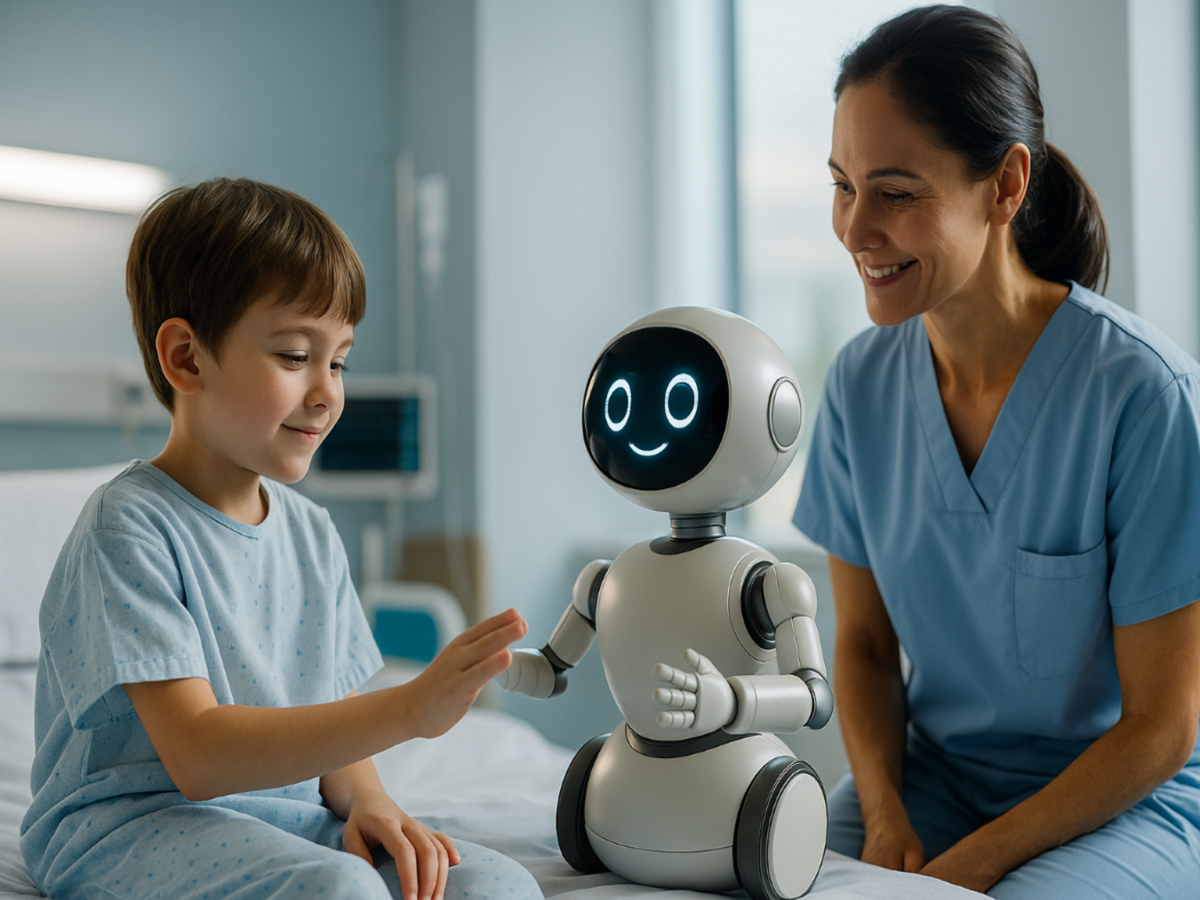
    Continue Reading

  • Megadeals hit new record as Wall Street’s animal spirits roar back

    Megadeals hit new record as Wall Street’s animal spirits roar back

    Unlock the White House Watch newsletter for free

    Transactions of $10bn or more have hit an all-time record in 2025 after Donald Trump’s deregulatory push unleashed Wall Street’s animal spirits and a blitz of global dealmaking.

    Naver’s $10.3bn all-stock acquisition of South Korea’s biggest crypto exchange Upbit on Wednesday took this year’s megadeal total to 63, topping the 2015 record, according to LSEG data on transactions since 1988.

    The frenzy comes despite a sluggish start to the year after the US president’s “liberation day” tariffs sparked weeks of market volatility and deep uncertainty about interest rates and the global economic outlook.

    “Companies are taking advantage of this window to pursue the larger transactions that they’ve long wanted to do and have been expected by the market,” said Ivan Farman, global co-head of mergers and acquisitions at Bank of America.

    “When you see big deals being struck in your industry, you don’t want to be left out when the chess pieces move.”

    Deals roared back in the second half of 2025 as CEOs pounced on once-in-a-generation transactions, including Union Pacific’s $85bn bid for Norfolk Southern, the $55bn Saudi-backed take-private of Electronic Arts, Anglo American’s $50bn merger with Teck and Kimberly-Clark $49bn takeover of Tylenol maker Kenvue.

    Edward Lee, a corporate partner at Kirkland & Ellis, said CEOs and boards now had the “confidence and visibility” to chase “big strategic moves that they postponed for two years because of interest-rate uncertainty, inflation and the election”.

    The greater visibility would allow deals that were previously hitting regulatory roadblocks to finally get done, Lee added.

    The second half of the year deal blitz comes after Trump pulled back from a full-blown trade war with China and choked back some of his most aggressive tariffs, all while doubling down on M&A-friendly measures, including relaxing antitrust rules.

    “There’s a feeling right now in the current regulatory environment that there’s a chance to do larger-scale transactions that you may not have the opportunity to do again,” said Krishna Veeraraghavan, co-head of Paul Weiss’s M&A group.

    The animal spirits have spread across sectors. Bank M&A surged as deals were approved at the fastest pace in more than three decades, while Big Pharma roared back, acquiring biotech assets to restock their drug pipelines. A boom in artificial intelligence spurred a wave of tech and data centre transactions.

    “We’re seeing increased activity not just in tech, driven by a tsunami of money going into AI infrastructure, but also in healthcare, industrials, financial and other sectors,” said Drago Rajkovic, global co-head of M&A at Citigroup.

    “Why are there so many large deals? There has been a lot of pent-up demand, a favourable regulatory environment and healthy balance sheets,” he added.

    But M&A has been stronger among larger companies than smaller ones, a sign that deal activity remains uneven.

    “Small deals are often harder to get done as they’re less interesting to buyers because they don’t move the needle. Fundamentally, smaller deals have lower returns, so there’s a trend towards our clients focusing on large transactions,” said Andrew Woeber, global head of M&A at Barclays.

    Continue Reading

  • ‘A bit of a relief’: a City trading floor reacts to Reeves’s budget | Budget 2025

    ‘A bit of a relief’: a City trading floor reacts to Reeves’s budget | Budget 2025

    As financial traders milled around 26 floors up in a tower in the Canary Wharf district of London, there was little sign of nerves ahead of Rachel Reeves’s second budget – until the surprise accidental early release of the government’s official economic analysis started to move markets.

    Headline numbers from the Office for Budget Responsibility (OBR) flashed through on banks of computer screens, followed shortly by the detailed analysis itself.

    “Boom! There’s your 200-pager,” said Will Marsters, a sales trader at Saxo UK, a trading platform that hosted the Guardian for the announcement. The leak triggered a race across trading desks in the City of London to understand the implications of the leaked forecasts – and laughter at the hapless forecaster.

    Traders at Saxo UK gathered for the budget announcement. Photograph: Sean Smith/The Guardian

    It was a chaotic start to the budget, but more important for financial investors and the Treasury was the reaction on currency and bond markets. The Labour government was desperate to avoid a repeat of the Liz Truss “mini-budget” debacle, when borrowing costs surged, eventually bringing about the downfall of the Conservative government.

    The reaction on Wednesday was choppy, but not dramatic by the standards of the Truss government. The yield on the benchmark 10-year gilt – a measure of the cost of government borrowing – dropped quickly from 4.5% to about 4.42%. A few minutes later it was back up above 4.52%.

    By the late afternoon yields had fallen back once more, to 4.4%. The declining borrowing cost over the day will likely be a relief for Reeves – and a sign that markets do not think lending money to the UK has become more risky.

    “The tempered growth didn’t seem too optimistic, which eroded some of the risk premium,” said Marsters.

    Graph showing dip in cost of borrowing over the day

    Neil Wilson, an investor strategist at Saxo UK, said: “There’s no great stinging surprise that has upset markets. That has allowed it to be a bit of a relief.”

    However, he wondered about the credibility of the forecasts: governments often promise to tighten budgets in later years in order to make the sums add up. With elections expected around the same time, he said the prospect of welfare cuts or tax rises in four years’ time was remote.

    skip past newsletter promotion

    “You’re saying we’re going to buy fiscal restraint by the end of the parliament,” Wilson said. “‘Don’t worry about welfare – we’ll sort it out’.”

    ‘Everyone was fearing the worst,’ said one trader at Saxo UK. Photograph: Sean Smith/The Guardian

    The value of the pound also jumped in initially volatile trading after the OBR leak. It then fell as low as $1.3124, before recovering by late afternoon to $1.3229 – an increase of 0.5% for the day.

    Mike Owen, another sales trader, said: “Everyone was fearing the worst, so the price action is, ‘Phew’. It’s such a minefield to try to get through it.”

    Continue Reading

  • Lawsuit over Burger King’s Whopper ads set back by US judge

    Lawsuit over Burger King’s Whopper ads set back by US judge

    • Judge refuses to certify class action
    • Plaintiffs said misleading ads inflate burger sizes
    • Lawyers for plaintiffs unavailable for comment

    Nov 26 (Reuters) – A federal judge dealt a setback to customers suing Burger King over advertising for its Whopper sandwiches, saying their claims were too disparate to justify certifying a nationwide class action.

    The lawsuit by 19 customers in 13 U.S. states accused Burger King of misleadingly and materially inflating the size of nearly all menu items online and on in-store ordering boards.

    Sign up here.

    These included Whoppers whose burgers allegedly appeared to “overflow” the buns and be 35% larger than they are, with more than double the meat.

    But in a decision on Tuesday, U.S. District Judge Roy Altman in Miami said the state consumer protection laws underlying the lawsuit had many differences. He also said individualized claims would predominate because the plaintiffs bought burgers in an “almost-infinite variety” of shapes and sizes.

    “It may be that every single one of those burgers was smaller than every single menu-board item Burger King has ever produced. But that’s not the point,” Altman said. “Each putative class member will have seen a particular photo and received a specific burger.”

    The judge also said Burger King’s prices have “undoubtedly waxed and waned” since April 1, 2018, the start of the proposed class period, and all class members would need to show when and where they bought burgers, and what they paid.

    Lawyers for the plaintiffs did not immediately respond to requests for comment.

    Altman had rejected Burger King’s bid to dismiss the case in May, but Tuesday’s decision significantly reduces the potential damages.

    Burger King said it was satisfied with the decision. It repeated its May statement that the plaintiffs’ claims are false, and that “the flame-grilled beef patties portrayed in our advertising are the same patties used in the millions of burgers we serve to guests across the U.S.”

    A federal judge in Brooklyn, New York dismissed a similar lawsuit against McDonald’s (MCD.N), opens new tab and Wendy’s (WEN.O), opens new tab in September 2023.
    Burger King is a unit of Restaurant Brands International (QSR.TO), opens new tab. The Toronto-based company’s brands also include Tim Hortons, Popeyes and Firehouse Subs.

    Reporting by Jonathan Stempel in New York; Editing by Alistair Bell

    Our Standards: The Thomson Reuters Trust Principles., opens new tab

    Continue Reading