Category: 3. Business

  • $9B Mobilized to Regenerate Agrifood Landscapes and Support 12M Farmers Worldwide

    $9B Mobilized to Regenerate Agrifood Landscapes and Support 12M Farmers Worldwide

    Belém, Brazil, November 15, 2025 – The COP Action Agenda on Regenerative Landscapes (AARL) today announced a surge in investments to advance production, conservation, and restoration, advancing integrated solutions to deliver resilient agrifood systems. More than 40 organizations reported $9B+ in committed investment, covering more than 210 million hectares of land, reaching 12 million farmers across 90+ commodities and 110+ countries by 2030, highlighting significant progress since the initiative was launched at COP28.

    AARL – launched by the COP28 Presidency, the World Business Council for Sustainable Development (WBCSD), and Boston Consulting Group (BCG), with support from the UN Climate Change High-Level Champions – brings together farmers, agribusinesses, financiers, and leading non-state actors to aggregate, accelerate, and amplify collective action and investments to overcome barriers to scaling regenerative landscape approaches.

    Driving Scale and Impact

    Since the initiative’s launch at COP28, participation has significantly grown, expanding from 25 to 40+ organizations, including commodity traders, consumer goods companies, retailers, agtech providers, financial institutions, and other non-state actor partners.

    While the total land under regenerative transition reflects a stricter definition and revised expectations (resulting in a decrease since 2024), the maturity and quality of programs have advanced. The share of initiatives at-scale (10,000 hectares) has grown from 38% to 52%, and the proportion of programs with three or more partners has expanded from 16% to 40%. Investment has accelerated far beyond land growth, increasing more than fourfold from $2.2B in 2023 to $9B in 2025. Drawing from the AARL data, the Guidebook for Landscape Investments collates 12 case studies showcasing replicable success factors for landscape regeneration, highlighting the impact that agrifood companies can achieve when working collaboratively, putting in place holistic financial and technical support mechanisms for producers.

    However, data collection and reporting remain areas for improvement. Currently, 67% of responding participants are measuring carbon impacts in at least some programs, but only 38% are reporting on carbon outcomes. Reporting on soil health, biodiversity, water, and farmer livelihoods lags further behind, underscoring the challenges in identifying robust yet cost-effective monitoring, reporting and verification systems and the need for greater transparency.

    We see firsthand how business leadership, when coupled with inclusive multi-stakeholder collaboration, is indispensable to unlocking the full potential of regenerative landscapes.

    – Dan Ioschpe – Climate High-Level Champion – COP30, Brazil

    This work shows show how businesses can (and must) work shoulder-to-shoulder with local partners, governments, investors, and farmers to create regenerative landscapes that deliver measurable climate, nature, and social benefits. This is not a solo journey; it is collective action in its fullest sense.

    – Nigar Arpadarai – Climate High-Level Champion – COP29, Azerbaijan

    The 9B+ dollars committed to regenerating agri-food landscapes by businesses in the AARL demonstrate the scale of the transition underway in agriculture. The next phase of this initiative will showcase the results these $9B+ can deliver on the ground, and how this investment can de-risk the transition for farmers.

    – Diane Holdorf, Executive Vice President, World Business Council for Sustainable Development (WBCSD)

    The power of AARL is not only in the $9B its members are committing to regenerative landscapes, but also its unique model of place-based collaboration that can deliver impact at scale. We’re seeing evidence of this in the Landscape Accelerator Brazil.

    – Shalini Unnikrishnan, Managing Director & Senior Partner, Boston Consulting Group (BCG)

    Place-Based Acceleration in Brazil

    At COP29, AARL marked a pivotal step in moving from ambition to action with the launch of its first landscape accelerator: the Landscape Accelerator Brazil (LAB).

    Launched in partnership with Brazil’s Ministry of Agriculture, the LAB focuses on the Cerrado biome and Pará state (Amazon). Research from the LAB shows that restoring pastures and advancing regenerative practices across 50M+ hectares represents a $93B investment opportunity, with an average 19% internal rate of return for 610,000 farmers. This commercially bankable opportunity requires de-risking through blended finance approaches.

    A year in, the LAB has made significant progress to unleash this opportunity:

    • Blended finance: Quantifying the business case and financing stack needed to scale regenerative landscapes in Brazil
    • Harmonized measurement, reporting, and verification (MRV): Developing context-specific and streamlined metrics and MRV implementation guidance
    • Aligned policy: Identifying four key policy priorities to unlock private sector investment

    In 2026, the LAB aims to evolve into a co-investment platform focused on specific landscapes, with the ambition of mobilizing $5 billion by 2030 – as outlined in its Action Plan.

    Looking Ahead

    In 2024, AARL was identified as a mechanism supporting the delivery of the UNCCD COP16 Riyadh Action Agenda. Additionally, AARL will partner with the Resilient Agriculture Investment for net-Zero land degradation (RAIZ) accelerator, which the COP30 Presidency will announce on 19th November.

    Going forward, the AARL will replicate the accelerator blueprint in new geographies – starting with India in 2026. AARLwelcomes collaborators across agricultural landscapes in this global effort, including governments, businesses, financiers, producers, civil society, research organizations and other non-state actors.


    Continue Reading

  • Non-Invasive Tests Show Promise for Tracking Treatment Response in Semaglutide MASH Trial

    Non-Invasive Tests Show Promise for Tracking Treatment Response in Semaglutide MASH Trial

    Blood-based biomarkers and imaging measures may eventually serve as practical tools for monitoring disease activity in patients with metabolic dysfunction-associated steatohepatitis (MASH), according to a new analysis.1

    The retrospective phase 2b study, which explored the use of various non-invasive tests (NITs) to assess response to semaglutide, adds to growing evidence that the drug not only improves metabolic parameters but may also produce early and measurable liver benefits detectable through blood-based and imaging biomarkers.

    If these NITs prove useful in further research, write the researchers, they could reduce reliance on repeated liver biopsies, which remain the current standard despite their limitations.

    Although biopsy-confirmed histology is required for clinical trials, repeated biopsies are burdensome for patients and challenging for trial execution. As drug development accelerates, there is increasing pressure to validate NITs, such as liver stiffness measurement, fibrosis scores, or circulating biomarkers, as surrogate indicators of treatment response.

    This new study, published in Alimentary Pharmacology & Therapeutics, assessed 268 patients with biopsy-confirmed MASH and fibrosis stages F1–F3 who completed 72 weeks of treatment and had both baseline and end-of-treatment biopsy and NIT measurements. Patients had been randomized to receive one of 3 semaglutide doses or a placebo. For this exploratory analysis, all semaglutide doses were pooled to increase statistical power.

    The investigators examined 17 unique NITs, including liver enzymes (ALT, AST), CK18 fragments, FibroScan-based metrics (controlled attenuation parameter and liver stiffness measure [LSM]), composite fibrosis scores (FIB-4, ELF, ADAPT), and proprietary biomarker panels such as NIS-4, MASEF, and several SomaSignal tests.

    Across the pooled semaglutide group, nearly all NITs showed meaningful reductions from baseline to week 72, with improvements emerging as early as week 28. Measures tied to inflammation, steatosis, or fibrosis demonstrated consistent downward trends. In contrast, the placebo group showed little change, reinforcing that the improvements were treatment related. These findings aligned with biopsy-based assessments from the original study, which showed higher rates of MASH improvement and lower rates of fibrosis progression among semaglutide recipients.

    To quantify whether NITs could serve as treatment-response markers, investigators defined “responders” as those achieving a ≥20% improvement in a given NIT (or ≥0.5-unit reduction for ELF based on prior clinical significance criteria). By this definition, semaglutide recipients had significantly more responders across nearly all NITs compared with placebo. For example, large proportions of semaglutide-treated patients demonstrated improved liver stiffness, fibrosis scores, steatosis markers, and inflammatory signatures. These NIT improvements frequently corresponded with histological improvement, supporting their potential utility as surrogate end points.

    The study also explored whether baseline NIT levels predicted spontaneous fibrosis improvement or progression in placebo recipients. In this prognostic assessment, lower baseline fibrosis-related NIT scores, such as FIB-4, ELF, PRO-C3, and the SomaSignal fibrosis score, were associated with greater likelihood of improvement. Conversely, higher baseline FIB-4 values were linked to fibrosis progression. These findings suggest that some NITs may capture disease trajectory independent of treatment, though larger validation studies are needed.

    Another evaluation focused on whether patients moved across clinically meaningful risk categories after treatment. In subgroups with elevated baseline risk, such as those with liver stiffness ≥8 kPa or ELF ≥9.8, a substantially higher proportion of semaglutide-treated individuals shifted into lower-risk categories compared with placebo. More than half of patients receiving semaglutide with elevated liver stiffness dropped below the 8-kPa threshold by week 72, compared with only 21% of placebo recipients. Similar patterns were observed for higher thresholds (12 kPa) and for ELF-based risk assessments.

    “LSM is of considerable interest given that it is already in use clinically to detect fibrosis in hepatic disease as part of risk stratification,” explained the researchers. Moreover, LSM is recommended in MASLD guidelines because of its convenience and low cost.”

    Collectively, these results support the concept that NITs may serve as meaningful indicators of treatment response and fibrosis improvement in MASH. However, the authors caution that this analysis was exploratory and not powered for regulatory validation. With no correction for multiple comparisons and the absence of long-term clinical outcomes, additional research, including the ongoing ESSENCE phase 3 trial of semaglutide treatment in patients with MASH,2 is needed before NITs can be adopted as formal surrogate end points.

    References

    1. Nitze LM, Ratziu V, Sanyal AJ, et al. Exploration of multiple non-invasive tests for assessing response to treatment in a semaglutide phase 2b trial in patients with MASH. Aliment Pharmacol Ther. Published online September 23, 2025. doi:10.1111/apt.70376

    2. Sanyal AJ, Newsome PN, Kliers I, et al. Phase 3 trial of semaglutide in metabolic dysfunction–associated steatohepatitis. N Engl J Med. 2025;392(21):2089-2099. doi:10.1056/NEJMoa2413258

    Continue Reading

  • Flow Cytometry Tracks CAR T-Cell Therapy Persistence in Aggressive LBCL

    Flow Cytometry Tracks CAR T-Cell Therapy Persistence in Aggressive LBCL

    A new single-center analysis offers one of the most detailed real-world evaluations to date of how flow cytometry can be used to monitor chimeric antigen receptor (CAR) T cell expansion, persistence, and toxicity risk in patients with aggressive large B-cell lymphoma (LBCL). The study was recently published in Hematological Oncology.1

    The findings, based on 45 patients treated with commercial CAR T products, provide real-world evidence for integrating flow cytometry into routine CAR T follow-up. Although its prognostic value for survival requires further validation, its utility for toxicity risk assessment and longitudinal immune tracking positions it as a valuable component of CAR T patient management.

    Though less sensitive than molecular assays, flow cytometry offers practical advantages for real-time monitoring, explained the researchers, noting the tool’s ability to flag early, high-risk expansion profiles that could help clinicians anticipate well known side effects of CAR T-cell treatment, allocate monitoring resources, and guide preemptive management strategies.

    Despite transforming outcomes for many patients with relapsed or refractory LBCL, CAR T-cell treatment yields responses and toxicities that vary considerably from one patient to another. Early expansion of CAR T cells is essential to achieve an antitumor effect, yet this same immune activation can trigger serious inflammatory complications commonly associated with CAR T-cell treatment, such as cytokine release syndrome (CRS) and immune effector cell–associated neurotoxicity syndrome (ICANS).

    Most data linking expansion kinetics to clinical outcomes come from a controlled setting via clinical trials, leaving limited insight into real-world variability. The current analysis aimed to fill that gap by using flow cytometry, one of the most widely available and accessible laboratory tools, to characterize CAR T behavior from the time of infusion through 12 months of follow-up.

    Among the 45 evaluable patients, the majority had advanced disease and a high prognostic risk profile. Most (89%) received axicabtagene ciloleucel (axi-cel) (Yescarta; Kite Pharma), and the remainder were treated with tisagenlecleucel (tisa-cel) (Kymriah; Novartis). The study found that both products produced rapid expansion in peripheral blood, but with distinct kinetic profiles. Axi-cel reached peak expansion earlier—typically by day 7—with substantially higher median peak levels than tisa-cel. Tisa-cel expanded more modestly and peaked later, around day 10.

    These early expansion dynamics were meaningful clinically. Patients with higher CAR T cell expansion were more likely to develop immune-related toxicity. CRS occurred in nearly 87% of the cohort, and patients with grade 2 CRS displayed substantially higher expansion levels than those without CRS. ICANS followed a similar pattern; patients who developed neurotoxicity had markedly higher peak percentages of CAR T cells within the lymphocyte population than those who did not. These associations reinforce the concept that early, robust expansion drives both therapeutic activity and inflammatory toxicity.

    The analysis also examined whether expansion corresponded with treatment response or survival outcomes. Responders tended to have numerically higher expansion peaks, as well as greater overall exposure captured by area-under-the-curve calculations. Although these differences did not reach statistical significance, likely due to sample size, progression-free survival at 6 months was higher among patients whose CAR T expansion exceeded 39% of circulating lymphocytes. This suggests that, at least for axi-cel, rapid expansion in the first week may be more prognostic of benefit than the absolute peak magnitude.

    “Although we observed only a trend between CAR T cell expansion and clinical response or survival, our findings suggest that FC monitoring can provide clinically useful insights into CAR T cell–treated patients,” wrote the researchers.

    The study is not the first to characterize the relationship between CAR T-cell expansion and response to treatment. For example, a 2023 report detailed how CAR T-cell expansion is linked to both efficacy and side effects related to treatment.2

    Beyond the initial expansion window, the study characterized CAR T persistence over the first year.1 While overall levels declined steadily, a substantial proportion of patients still had detectable CAR T cells at month 6, and a small subset maintained detectable levels at month 12. B-cell aplasia, a pharmacodynamic marker of ongoing CAR T activity, was present in most patients at the 6-month mark. These findings confirm long-term persistence but highlight broad heterogeneity in immune recovery patterns.

    Cytopenias were another notable observation. Nearly two-thirds of the patients experienced prolonged cytopenia beyond the first month, most commonly pancytopenia. These patients displayed higher median expansion early after infusion, hinting that an intense inflammatory milieu may disrupt hematopoiesis. Although not statistically significant, the pattern aligns with other reports linking expansion intensity to delayed marrow recovery.

    References

    1. Zduniak A, Martinet J, Lévêque E, et al. Routine monitoring of CAR-T-cells expansion and persistence in patients with aggressive large B-cell lymphoma by flow cytometry: a single-center experience. Hematol Oncol. Published online October 7, 2025. doi:10.1002/hon.70139

    2. Baur K, Buser A, Jeker LT, et al. CD4+ CAR T-cell expansion is associated with response and therapy related toxicities in patients with B-cell lymphomas. Bone Marrow Transplant.

    Continue Reading

  • Colombia to Buy Back More Bonds in Push to Lower Debt Costs

    Colombia to Buy Back More Bonds in Push to Lower Debt Costs

    Colombia said it would buy back some of its outstanding global bonds, its second such operation this year as the government moves to diversify public debt and reduce financing costs.

    The government seeks to repurchase global notes with maturities ranging from 2026 to 2054, including euro-denominated bonds due in 2026 and global peso notes due in 2027, according to a statement.

    Continue Reading

  • Reassessing Honda After 20.5% Share Price Surge and Electric Vehicle Expansion in 2025

    Reassessing Honda After 20.5% Share Price Surge and Electric Vehicle Expansion in 2025

    • Curious whether Honda Motor is a bargain, overpriced, or hiding true long-term value? You are not alone. Many investors are watching this stock closely for clues about its real worth.

    • Honda’s share price has been on a wild ride lately, climbing 20.5% over the last year and 91.4% in five years, but dipping slightly by 1.8% in the past week.

    • Big moves have caught attention amid recent headlines about Honda’s aggressive push into electric vehicles and strategic global partnerships. News highlighting new model launches and ambitious sustainability goals has spurred speculation that Honda is positioning itself for future growth.

    • Honda currently earns a 4 out of 6 on our quick valuation score, suggesting it could be undervalued on several key metrics. Up ahead, we will break down the details of those methods and introduce an even better way to judge if the stock is truly a good buy.

    Find out why Honda Motor’s 20.5% return over the last year is lagging behind its peers.

    The Discounted Cash Flow (DCF) model estimates the true value of a stock by projecting its future cash flows and discounting them back to today’s value. This approach gives investors a sense of what a company is fundamentally worth, beyond the daily fluctuations of the stock market.

    For Honda Motor, the current Free Cash Flow (FCF) stands at -¥154 Billion, indicating the company experienced negative cash flow over the latest twelve months. Analysts provide cash flow projections for up to five years, with longer-term figures extrapolated. Honda is expected to return to positive territory, with projected FCF reaching ¥889 Billion in 2030. The DCF model used in this analysis, specifically the 2 Stage Free Cash Flow to Equity approach, captures these anticipated upswings and long-term trends.

    Based on these projections, the DCF model estimates Honda’s intrinsic value at ¥1,845 per share. This represents a 15.6% discount compared to the current market price, suggesting the stock is undervalued on a cash flow basis.

    Result: UNDERVALUED

    Our Discounted Cash Flow (DCF) analysis suggests Honda Motor is undervalued by 15.6%. Track this in your watchlist or portfolio, or discover 879 more undervalued stocks based on cash flows.

    7267 Discounted Cash Flow as at Nov 2025

    Head to the Valuation section of our Company Report for more details on how we arrive at this Fair Value for Honda Motor.

    The Price-to-Earnings (PE) ratio is a popular method for valuing profitable companies such as Honda Motor. It provides a quick way to compare how much investors are paying for each yen of earnings, making it especially useful for established firms with consistent profits.

    Continue Reading

  • Evaluating Current Valuation After Recent Share Price Volatility

    Evaluating Current Valuation After Recent Share Price Volatility

    UiPath (PATH) stock has recently caught investors’ attention as its share price responded to shifting market sentiment. While the company has delivered steady revenue growth, its performance over the past month has seen some volatility. This has warranted a closer look.

    See our latest analysis for UiPath.

    UiPath’s share price has surged 28% in the past 90 days, showing real momentum despite a recent 16% pullback over the last month. While some investors reacted to shifting market sentiment in the short term, the stock’s one-year total shareholder return of 13% highlights longer-term resilience.

    If UiPath’s swings have you interested in where else opportunity might be building, now might be the perfect time to discover See the full list for free.

    With recent price swings and UiPath’s fundamentals in focus, the key question is whether the stock is trading below its intrinsic value or if the market has already factored in all future growth, which could leave little room for upside.

    UiPath’s most followed narrative prices the company at $13.71 per share, suggesting it is trading slightly above its calculated fair value compared to the $14.03 last close. Expectations on product partnerships and next-generation AI features play a pivotal role in this perspective.

    New product launches such as Agent Builder and Agentic Orchestration, along with strategic partnerships like with Microsoft and Deloitte, are positioned to expand market opportunities, potentially increasing earnings through higher-value deals. UiPath’s commitment to cloud offerings, with over $975 million in cloud ARR, positions the company to capitalize on AI-driven products and services, which could contribute to revenue growth and improved gross margins.

    Read the complete narrative.

    Curious about the specific metrics that power this slight premium? Find out which ambitious profit margins and bold revenue targets are behind this valuation. You will want to see what financial leaps the narrative expects UiPath to make and which turning points matter most for shareholders.

    Result: Fair Value of $13.71 (OVERVALUED)

    Have a read of the narrative in full and understand what’s behind the forecasts.

    However, caution around global economic uncertainty and slower than expected adoption of new agentic automation products could quickly challenge these optimistic assumptions.

    Find out about the key risks to this UiPath narrative.

    While the most-followed narrative sees UiPath as slightly overvalued based on projected growth and peer comparisons, our SWS DCF model points in a different direction. According to this long-term cash flow method, UiPath is actually trading below its estimated fair value, which could present a hidden opportunity for patient investors. Which perspective tells the real story?

    Look into how the SWS DCF model arrives at its fair value.

    PATH Discounted Cash Flow as at Nov 2025

    If you see the story differently or want to investigate the numbers for yourself, it only takes a few minutes to craft your own perspective, your way. Do it your way

    A great starting point for your UiPath research is our analysis highlighting 3 key rewards and 1 important warning sign that could impact your investment decision.

    Don’t let new opportunities pass you by. The Simply Wall Street Screener is your gateway to fresh investment angles that can shape your portfolio for the better.

    This article by Simply Wall St is general in nature. We provide commentary based on historical data and analyst forecasts only using an unbiased methodology and our articles are not intended to be financial advice. It does not constitute a recommendation to buy or sell any stock, and does not take account of your objectives, or your financial situation. We aim to bring you long-term focused analysis driven by fundamental data. Note that our analysis may not factor in the latest price-sensitive company announcements or qualitative material. Simply Wall St has no position in any stocks mentioned.

    Companies discussed in this article include PATH.

    Have feedback on this article? Concerned about the content? Get in touch with us directly. Alternatively, email editorial-team@simplywallst.com

    Continue Reading

  • Valuation Revisited After Q3 Revenue Surge and Raised Growth Outlook

    Valuation Revisited After Q3 Revenue Surge and Raised Growth Outlook

    Ondas Holdings, following its third-quarter earnings announcement, is seeing renewed attention from investors due to a major revenue surge led by its autonomous systems business. The company’s revenue growth beat expectations.

    See our latest analysis for Ondas Holdings.

    The powerful rally following Ondas Holdings’ standout Q3 revenue has caught investor attention, with the share price surging 23.6% over the past week and 9.4% in just one day after earnings. Despite a 24.5% dip over the last month, the stock is still up 86% for the past quarter and boasts a staggering 1-year total shareholder return of over 900%. The combination of new acquisitions, raised revenue forecasts, and a record backlog are fueling bullish sentiment and building momentum well beyond short-term swings.

    If all this growth talk has you curious about where the next breakthrough might come from, now is the perfect time to broaden your search and discover fast growing stocks with high insider ownership

    But is Ondas Holdings still undervalued after such a dramatic run-up, or have investors already priced in all of its future growth? Is there a real buying opportunity here, or has the market moved ahead of the fundamentals?

    The narrative sets Ondas Holdings’ fair value at $9.50, which stands well above the last close of $7.18. This gap spotlights a potential valuation disconnect between narrative projections and the current market price.

    “Bullish analysts highlight long-term growth opportunities in Ondas’ Autonomous Systems business, pointing to recent successes and new initiatives in the aerospace and defense sectors.”

    Read the complete narrative.

    Want to know what makes this number so compelling? The fair value hinges on bold future revenue forecasts and a profit trajectory typically reserved for market leaders. Dig deeper to discover the exact assumptions driving this ambitious price target, where outsized growth aspirations collide with hard financial projections.

    Result: Fair Value of $9.50 (UNDERVALUED)

    Have a read of the narrative in full and understand what’s behind the forecasts.

    However, significant risks remain, including volatile margins and reliance on defense contracts. These factors could quickly shift investor sentiment if challenges re-emerge.

    Find out about the key risks to this Ondas Holdings narrative.

    Looking at Ondas Holdings through the lens of its price-to-book ratio paints a very different picture. The company’s ratio stands at 27.6x, far above the US Communications industry average of 1.9x and its peer average of 1.8x. Such a steep premium suggests that investors are expecting substantial future growth, but it also highlights considerable valuation risk if those high hopes are not met. Does this lofty multiple reflect real opportunity or heighten downside risk?

    See what the numbers say about this price — find out in our valuation breakdown.

    NasdaqCM:ONDS PB Ratio as at Nov 2025

    If you see things differently or want to dig into the numbers yourself, you can craft your own Ondas Holdings narrative in just a few minutes. Shape the story as you see fit. Do it your way

    A great starting point for your Ondas Holdings research is our analysis highlighting 2 key rewards and 2 important warning signs that could impact your investment decision.

    Don’t let potential winners slip through your fingers. Access tailored stock screens that spotlight tomorrow’s leaders before the rest of the market takes notice.

    This article by Simply Wall St is general in nature. We provide commentary based on historical data and analyst forecasts only using an unbiased methodology and our articles are not intended to be financial advice. It does not constitute a recommendation to buy or sell any stock, and does not take account of your objectives, or your financial situation. We aim to bring you long-term focused analysis driven by fundamental data. Note that our analysis may not factor in the latest price-sensitive company announcements or qualitative material. Simply Wall St has no position in any stocks mentioned.

    Companies discussed in this article include ONDS.

    Have feedback on this article? Concerned about the content? Get in touch with us directly. Alternatively, email editorial-team@simplywallst.com

    Continue Reading

  • Egypt taps West Burullus offshore field to boost domestic gas supply-Xinhua

    CAIRO, Nov. 15 (Xinhua) — Egypt has begun initial natural gas production from the West Burullus field, an offshore development in the western Nile Delta Basin in the Mediterranean Sea, the Egyptian Ministry of Petroleum and Mineral Resources said on Saturday.

    Production started after a well at the West Burullus field, with a tested output of about 45 million cubic feet per day, was connected to the national gas grid, the ministry said in a statement.

    The project is being carried out by the ministry in partnership with Cheiron Energy.

    Two additional wells are expected to come online early next year, which could raise output from the field to around 75 million cubic feet per day, the statement said.

    Egypt has been working with partners to boost domestic gas supplies and reduce imports by accelerating field development and advancing exploration programs, the ministry added.

    Continue Reading

  • TECNO Day on Daraz brings Special Offers, Unbeatable Prices

    TECNO Day on Daraz brings Special Offers, Unbeatable Prices

    LAHORE – TECNO, one of Pakistan’s most popular and fast-growing smartphone brands, has announced an exclusive “TECNO Day” on Daraz, giving users across the country a chance to purchase their favorite TECNO smartphones at the best prices of the season. Customers can enjoy special discounts, exclusive TECNO gifts, and fast doorstep delivery by shopping directly from the official TECNO Flagship Store on Daraz.

    A Step Toward Making Innovative Technology Accessible for Everyone

    TECNO Day reinforces the brand’s commitment to making innovative, high-quality, and stylish technology accessible to everyone in Pakistan, especially young users who want advanced features at budget-friendly prices. TECNO continues to build trust among students, first-jobbers, and digital natives by offering smartphones that combine premium design with reliable performance — without compromising affordability.

    The Most Loved Smartphone of Young Pakistan: TECNO Spark 40 Pro+

    Young smartphone users in Pakistan have been adoring the TECNO Spark 40 Pro+, a device widely praised for its sleek modern design, stunning display quality, and powerful all-round performance.

    Tecno Day On Daraz Brings Special Offers Unbeatable Prices

    The device features an Ultra-slim 6.49mm body with a lightweight, premium feel that instantly appeals to style-conscious users. Its curved-edge AMOLED Display provides a cinematic visual experience, complemented by 1.5K resolution, a smooth 144Hz Refresh Rate, and 4500nits peak brightness that remains clear even under bright sunlight.

    Tecno Day On Daraz Brings Special Offers Unbeatable Prices Tecno Day On Daraz Brings Special Offers Unbeatable Prices

    Spark 40 Pro+ runs on the world’s first MediaTek Helio G200 processor, delivering powerful speed and seamless multitasking for gaming, video streaming, and content creation.

    With 30W Magnetic Wireless Charging and 5W Reverse Wireless Charging, users can conveniently charge their devices without cables and even share power when needed. For those who prefer wired charging, the 45W Super Charging technology makes powering the long-lasting 5200mAh battery faster than ever. Durability has also been a standout feature, with Corning Gorilla Glass 7i and 2-meter drop resistance ensuring reliable protection for everyday use.

    Tecno Day On Daraz Brings Special Offers Unbeatable Prices Tecno Day On Daraz Brings Special Offers Unbeatable Prices

    Big Savings on the Complete TECNO Spark 40 Series

    During TECNO Day, shoppers can also explore exciting offers across the complete Spark 40 Series, including Spark 40 Pro, Spark 40, Spark 40C, and Spark Go 2. This lineup continues TECNO’s tradition of delivering high-value smartphones that offer strong performance, stylish design, and essential features that young users look for — all at extremely competitive prices.

    Camon 40 Series Also Available at Special Prices

    Photography lovers can take advantage of TECNO Day as well. The brand’s popular Camon 40 Series, known for its advanced AI-powered camera technology, sleek design, and creative imaging tools, is also available at special discounted prices. The Camon lineup has become a favorite among content creators and mobile photographers across Pakistan who want studio-quality results directly from their smartphones.

    TECNO’s Dedication to Innovation and Affordability in Pakistan

    TECNO Day highlights the brand’s ongoing mission to bring modern, high-performance technology within reach for users across Pakistan. With stylish designs, advanced camera systems, long battery life, and user-friendly interfaces, TECNO continues to deliver smartphones that are perfectly aligned with the needs of the country’s young and fast-paced generation.

    Shop Now and Enjoy Exclusive TECNO Day Offers

    TECNO Day on Daraz will be live on November 16, 2025, for a limited time. Users can upgrade their smartphones at unbeatable prices, enjoy exclusive TECNO gifts, and have their devices delivered right to their doorstep — all with just a few clicks.

    Visit the official TECNO Flagship Store on Daraz to shop now: https://www.daraz.pk/shop/tecno/

    Continue Reading

  • Blue Islands: Airline suspends operations, cancelling all flights | World News

    Blue Islands: Airline suspends operations, cancelling all flights | World News

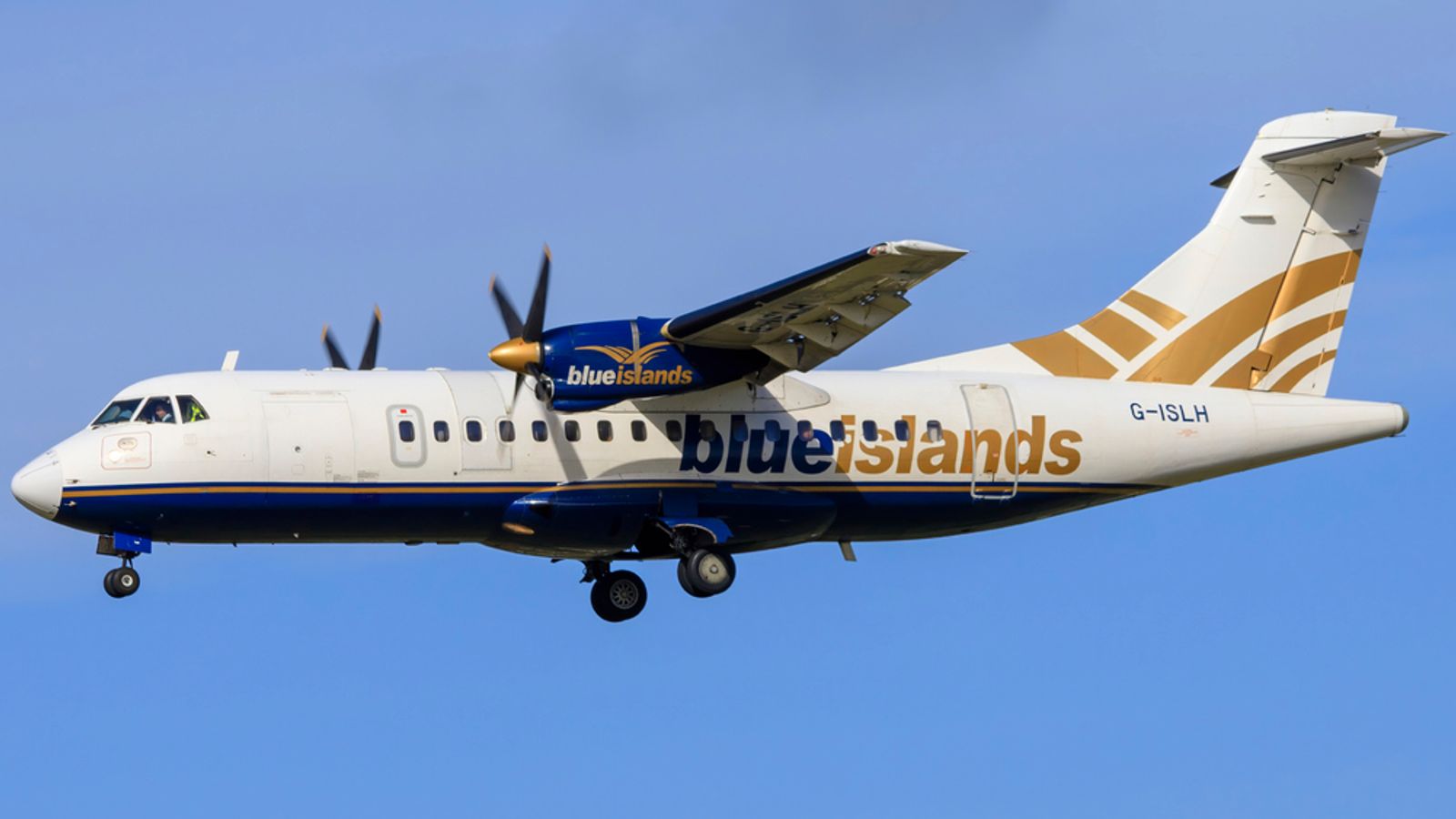
    Airline Blue Islands has suspended trading, cancelling all flights.

    Just a day ahead of Friday’s announcement, the company had shared an advert, recruiting for roles including pilots, engineers and head of cabin crew.

    Confirming the closure on its website, it wrote: ” We regret to inform you that Blue Islands has suspended trading effective on 14 November 2025. All future flights operated by Blue Islands have been cancelled.”

    The company warned those with tickets to fly not to travel to the airport unless they had made alternative travel arrangements.

    It told customers: “We deeply regret the inconvenience that this will bring to your travel plans”.

    The Channel Islands-based regional airline had bases in Jersey and Guernsey, and flew to Southampton, Bristol, East Midlands, Exeter, Dublin, Newcastle and Norwich, and also to Paris and Bruges.

    It had employed about 100 people.

    Blue Islands advised disappointed travellers who had booked directly with the airline to contact their bank or credit card provider, or their travel agent or holiday company if booked through a third party.

    Rescue fares and medical help

    Several airlines stepped in to help stranded customers.

    Blue Islands’ codeshare partner Aurigny scheduled 10 additional services between Guernsey and Southampton and eight additional services between Guernsey and Jersey between Saturday and Wednesday.

    While Glasgow-based regional airline Loganair introduced special rescue fares for affected passengers on selected routes from Sunday.

    With the airline offering a vital service for patients needing hospital treatment in the UK, Health and Care Jersey (HCJ) said it would be contacting patients with upcoming UK clinical appointments, or those who had already travelled to the UK for treatment.

    Airline closure should be a ‘wake-up call’

    During the Covid pandemic, Blue Islands borrowed £8.5m from the government of Jersey to help secure and maintain vital lifeline services.

    A Jersey audit office report showed £7m was still owed last summer.

    Formed initially in 1999 as Le Cocq’s Air Link to supply perishable goods to the Channel Island of Alderney from Bournemouth using Britten Norman Islanders, the company took its first passengers in 2002.

    Trading under the name Rockhopper from 2003, it rebranded in 2006 as Blue Islands. Ten years later the company became a Flybe franchise partner, restoring its name again in 2020 when Flybe closed.

    Commenting on Blue Islands’ demise, Guernsey Hospitality Association president and director Alan Sillett wrote on social media: “Tonight’s news should be a real wake-up call. Guernsey’s air links model is likely to go from an 85% monopoly to a 100% monopoly.

    “This shows our lack of resilience. We need major airlines to enter the market. Regional airlines are very fragile unless they have a bailout option.”

    A spokesperson for Blue Islands said: “After 26 years of serving the Channel Islands, we deeply regret that Blue Islands has this evening suspended its operations.

    “After very constructive dialogue with the government of Jersey in recent months, including what we understood to have been ongoing assessments of the future options, we were informed this afternoon that they are unable to provide further support.

    “This has meant that we now need to suspend flying immediately whilst we consider the options available and how we can help our customers, staff and stakeholders.”

    Earlier this week, Sky News presenter Jonathan Samuels wrote about the dramatic fall in domestic UK flights, with the figure more than halving over the past two decades.

    Continue Reading