Category: 3. Business

  • Investing in United Overseas Bank (SGX:U11) five years ago would have delivered you a 104% gain

    Investing in United Overseas Bank (SGX:U11) five years ago would have delivered you a 104% gain

    Generally speaking the aim of active stock picking is to find companies that provide returns that are superior to the market average. And in our experience, buying the right stocks can give your wealth a significant boost. For example, long term United Overseas Bank Limited (SGX:U11) shareholders have enjoyed a 58% share price rise over the last half decade, well in excess of the market return of around 43% (not including dividends). However, more recent returns haven’t been as impressive as that, with the stock returning just 1.1% in the last year, including dividends.

    So let’s assess the underlying fundamentals over the last 5 years and see if they’ve moved in lock-step with shareholder returns.

    AI is about to change healthcare. These 20 stocks are working on everything from early diagnostics to drug discovery. The best part – they are all under $10bn in marketcap – there is still time to get in early.

    To paraphrase Benjamin Graham: Over the short term the market is a voting machine, but over the long term it’s a weighing machine. One imperfect but simple way to consider how the market perception of a company has shifted is to compare the change in the earnings per share (EPS) with the share price movement.

    During the last half decade, United Overseas Bank became profitable. That’s generally thought to be a genuine positive, so investors may expect to see an increasing share price.

    The company’s earnings per share (over time) is depicted in the image below (click to see the exact numbers).

    SGX:U11 Earnings Per Share Growth November 9th 2025

    We like that insiders have been buying shares in the last twelve months. Even so, future earnings will be far more important to whether current shareholders make money. Before buying or selling a stock, we always recommend a close examination of historic growth trends, available here..

    It is important to consider the total shareholder return, as well as the share price return, for any given stock. The TSR incorporates the value of any spin-offs or discounted capital raisings, along with any dividends, based on the assumption that the dividends are reinvested. It’s fair to say that the TSR gives a more complete picture for stocks that pay a dividend. We note that for United Overseas Bank the TSR over the last 5 years was 104%, which is better than the share price return mentioned above. And there’s no prize for guessing that the dividend payments largely explain the divergence!

    United Overseas Bank provided a TSR of 1.1% over the last twelve months. But that was short of the market average. On the bright side, the longer term returns (running at about 15% a year, over half a decade) look better. It’s quite possible the business continues to execute with prowess, even as the share price gains are slowing. I find it very interesting to look at share price over the long term as a proxy for business performance. But to truly gain insight, we need to consider other information, too. To that end, you should be aware of the 1 warning sign we’ve spotted with United Overseas Bank .

    There are plenty of other companies that have insiders buying up shares. You probably do not want to miss this free list of undervalued small cap companies that insiders are buying.

    Please note, the market returns quoted in this article reflect the market weighted average returns of stocks that currently trade on Singaporean exchanges.

    Have feedback on this article? Concerned about the content? Get in touch with us directly. Alternatively, email editorial-team (at) simplywallst.com.

    This article by Simply Wall St is general in nature. We provide commentary based on historical data and analyst forecasts only using an unbiased methodology and our articles are not intended to be financial advice. It does not constitute a recommendation to buy or sell any stock, and does not take account of your objectives, or your financial situation. We aim to bring you long-term focused analysis driven by fundamental data. Note that our analysis may not factor in the latest price-sensitive company announcements or qualitative material. Simply Wall St has no position in any stocks mentioned.

    Continue Reading

  • The Returns On Capital At Swift Haulage Berhad (KLSE:SWIFT) Don’t Inspire Confidence

    The Returns On Capital At Swift Haulage Berhad (KLSE:SWIFT) Don’t Inspire Confidence

    If you’re not sure where to start when looking for the next multi-bagger, there are a few key trends you should keep an eye out for. Typically, we’ll want to notice a trend of growing return on capital employed (ROCE) and alongside that, an expanding base of capital employed. If you see this, it typically means it’s a company with a great business model and plenty of profitable reinvestment opportunities. However, after briefly looking over the numbers, we don’t think Swift Haulage Berhad (KLSE:SWIFT) has the makings of a multi-bagger going forward, but let’s have a look at why that may be.

    This technology could replace computers: discover the 20 stocks are working to make quantum computing a reality.

    For those that aren’t sure what ROCE is, it measures the amount of pre-tax profits a company can generate from the capital employed in its business. Analysts use this formula to calculate it for Swift Haulage Berhad:

    Return on Capital Employed = Earnings Before Interest and Tax (EBIT) ÷ (Total Assets – Current Liabilities)

    0.037 = RM52m ÷ (RM1.7b – RM318m) (Based on the trailing twelve months to June 2025).

    Thus, Swift Haulage Berhad has an ROCE of 3.7%. On its own that’s a low return on capital but it’s in line with the industry’s average returns of 3.7%.

    See our latest analysis for Swift Haulage Berhad

    KLSE:SWIFT Return on Capital Employed November 9th 2025

    Above you can see how the current ROCE for Swift Haulage Berhad compares to its prior returns on capital, but there’s only so much you can tell from the past. If you’re interested, you can view the analysts predictions in our free analyst report for Swift Haulage Berhad .

    When we looked at the ROCE trend at Swift Haulage Berhad, we didn’t gain much confidence. Over the last five years, returns on capital have decreased to 3.7% from 8.2% five years ago. On the other hand, the company has been employing more capital without a corresponding improvement in sales in the last year, which could suggest these investments are longer term plays. It may take some time before the company starts to see any change in earnings from these investments.

    To conclude, we’ve found that Swift Haulage Berhad is reinvesting in the business, but returns have been falling. And investors appear hesitant that the trends will pick up because the stock has fallen 15% in the last three years. In any case, the stock doesn’t have these traits of a multi-bagger discussed above, so if that’s what you’re looking for, we think you’d have more luck elsewhere.

    If you want to know some of the risks facing Swift Haulage Berhad we’ve found 4 warning signs (1 is significant!) that you should be aware of before investing here.

    While Swift Haulage Berhad isn’t earning the highest return, check out this free list of companies that are earning high returns on equity with solid balance sheets.

    Have feedback on this article? Concerned about the content? Get in touch with us directly. Alternatively, email editorial-team (at) simplywallst.com.

    This article by Simply Wall St is general in nature. We provide commentary based on historical data and analyst forecasts only using an unbiased methodology and our articles are not intended to be financial advice. It does not constitute a recommendation to buy or sell any stock, and does not take account of your objectives, or your financial situation. We aim to bring you long-term focused analysis driven by fundamental data. Note that our analysis may not factor in the latest price-sensitive company announcements or qualitative material. Simply Wall St has no position in any stocks mentioned.

    Continue Reading

  • Amazon and OpenAI agree $38bn partnership to boost AI development

    Amazon and OpenAI agree $38bn partnership to boost AI development

    Amazon Web Services (AWS) and OpenAI have signed a seven-year, US$38bn cloud computing agreement that allows OpenAI to run core generative AI workloads on AWS infrastructure immediately.

    The deal gives OpenAI access to “hundreds of thousands” of Nvidia GPUs now, with capacity slated to be fully deployed by the end of 2026 and room to expand into 2027 and beyond, according to the companies.

    Under the multi-year partnership, AWS will provision compute at large scale for training and serving OpenAI models such as ChatGPT.

    Amazon says clusters will use Nvidia GB200 and GB300 chips networked via Amazon EC2 UltraServers to reduce latency across interconnected systems, supporting both inference and next-generation model training.

    The agreement is designed to scale to “tens of millions of CPUs” and very large numbers of GPUs as demand grows.

    The size of the contract signals ongoing demand for AI infrastructure as model providers seek more reliable, secure capacity. Industry reports describe the arrangement as beginning immediately, with staged roll-outs through 2026 and optional expansion thereafter.

    The move follows OpenAI’s shift to a more diversified cloud strategy after earlier exclusive arrangements. Coverage indicates Microsoft no longer holds exclusive hosting rights, while OpenAI continues to work with several providers.

    Analysts frame the AWS deal as part of a wider pattern of long-term spend commitments across multiple clouds amid rising compute needs for large language models and agentic systems.

    For AWS, the agreement lands as the company activates very large AI clusters, including Project Rainier—reported to comprise roughly 500,000 Trainium2 chips—aimed at high-throughput training at lower cost per token.

    This background helps explain AWS’s emphasis on price, performance, scale and security in courting frontier model developers.

    The partnership builds on recent steps that brought OpenAI’s open-weight models to AWS services.

    In August 2025, AWS announced availability of two OpenAI open-weight models through Amazon Bedrock and SageMaker, giving enterprise developers another option for deploying generative AI while retaining control over data and infrastructure.

    Media reports at the time described it as the first instance of OpenAI models being offered natively on AWS.

    Amazon states that, within Bedrock, customers across sectors—including media, fitness and healthcare—are already experimenting with agentic workflows, coding assistance and scientific analysis using OpenAI technology.

    The new compute deal is positioned to support that activity at larger scale and higher reliability as usage grows globally.

    For international retailers and consumer brands, the AWS–OpenAI tie-up is likely to influence cloud strategy, vendor selection and AI roadmaps.

    Consolidating training and inference on large, shared clusters could lower unit costs for generative AI services over time, while the use of EC2 UltraServers with Nvidia GB200/GB300 GPUs targets lower latency for production applications such as search, customer service, personalisation and supply-chain forecasting.

    Observers also note that multi-cloud arrangements may become more common as leading model providers secure capacity across several hyperscalers to mitigate risk and match workload profiles to different hardware.

    “Amazon and OpenAI agree $38bn partnership to boost AI development” was originally created and published by Retail Insight Network, a GlobalData owned brand.


    The information on this site has been included in good faith for general informational purposes only. It is not intended to amount to advice on which you should rely, and we give no representation, warranty or guarantee, whether express or implied as to its accuracy or completeness. You must obtain professional or specialist advice before taking, or refraining from, any action on the basis of the content on our site.

    Continue Reading

  • How Investors May Respond To Keysight Technologies (KEYS) Quantum and Pre-6G Tech Collaboration With MediaTek

    How Investors May Respond To Keysight Technologies (KEYS) Quantum and Pre-6G Tech Collaboration With MediaTek

    • In early November 2025, Keysight Technologies introduced new high-density automated test equipment, advanced quantum simulation tools, and MediaTek announced a partnership with Keysight to showcase breakthroughs in pre-6G integrated sensing and communication technology.

    • The combination of these product launches and alliances signals Keysight’s commitment to driving innovation in fast-evolving sectors such as quantum computing and next-generation wireless communications.

    • We’ll look at how Keysight’s expanded quantum and wireless offerings could shape the company’s investment narrative going forward.

    We’ve found 16 US stocks that are forecast to pay a dividend yield of over 6% next year. See the full list for free.

    To be a shareholder in Keysight Technologies, you need to believe in the company’s ability to lead in high-growth markets such as AI-driven infrastructure, quantum computing, and next-generation wireless technology. The latest product launches and the MediaTek partnership reinforce Keysight’s innovation leadership, but do not appear to have a material near-term impact on the most pressing challenge, increased costs from new tariffs, which could pressure margins if mitigation efforts lag or fall short.

    Of the recent announcements, the November rollout of high-density automated test equipment is especially relevant, as it enhances Keysight’s core offerings for industries where rigorous power and performance validation are increasingly critical. While such advances support growth catalysts around AI and advanced wireless, whether they fully offset cost pressures depends on how quickly and effectively Keysight can scale adoption and maintain profitability.

    Yet, in contrast, investors should be aware that even the most advanced products may not fully counter the effect of rising operating costs if tariff mitigation strategies take longer than planned…

    Read the full narrative on Keysight Technologies (it’s free!)

    Keysight Technologies’ outlook anticipates $6.3 billion in revenue and $1.2 billion in earnings by 2028. This scenario relies on a 6.5% annual revenue growth rate and a $656 million increase in earnings from $544.0 million today.

    Uncover how Keysight Technologies’ forecasts yield a $187.60 fair value, a 4% upside to its current price.

    KEYS Community Fair Values as at Nov 2025

    Simply Wall St Community users provided five separate fair value estimates for Keysight, ranging from US$141.40 to US$190.01 per share. While many are focused on innovation’s upside, new tariff costs remain a key short-term concern that could affect near-term profitability and returns, underscoring why investor opinions can be so varied and worth exploring further.

    Explore 5 other fair value estimates on Keysight Technologies – why the stock might be worth as much as 5% more than the current price!

    Disagree with existing narratives? Create your own in under 3 minutes – extraordinary investment returns rarely come from following the herd.

    Early movers are already taking notice. See the stocks they’re targeting before they’ve flown the coop:

    This article by Simply Wall St is general in nature. We provide commentary based on historical data and analyst forecasts only using an unbiased methodology and our articles are not intended to be financial advice. It does not constitute a recommendation to buy or sell any stock, and does not take account of your objectives, or your financial situation. We aim to bring you long-term focused analysis driven by fundamental data. Note that our analysis may not factor in the latest price-sensitive company announcements or qualitative material. Simply Wall St has no position in any stocks mentioned.

    Companies discussed in this article include KEYS.

    Have feedback on this article? Concerned about the content? Get in touch with us directly. Alternatively, email editorial-team@simplywallst.com

    Continue Reading

  • A Look at STMicroelectronics (ENXTPA:STMPA) Valuation After Recent Share Price Declines

    A Look at STMicroelectronics (ENXTPA:STMPA) Valuation After Recent Share Price Declines

    STMicroelectronics (ENXTPA:STMPA) stock has seen some turbulence lately, moving lower over the past month. Investors are closely watching to determine if recent declines are signaling a new valuation opportunity or if this is just short-term volatility.

    See our latest analysis for STMicroelectronics.

    After a tough stretch marked by an 18.4% one-month share price decline and a year-to-date return that is still firmly negative, STMicroelectronics finds itself at a crossroads. Momentum has faded compared to last year’s high, and with a 1-year total shareholder return of -17.1% and deeper losses over three and five years, investors are re-evaluating the company’s long-term growth prospects and current valuation amid shifting market dynamics.

    If you’re watching the semiconductor space and looking for more investment opportunities, now’s a good time to check out the See the full list for free..

    With shares trading well below analyst targets and recent declines weighing on sentiment, the question now is whether STMicroelectronics is offering genuine value for long-term investors, or if the market is simply reflecting cautious expectations for future growth.

    The prevailing narrative places STMicroelectronics’ fair value nearly 20% above its latest close, highlighting a gap that has many investors questioning whether the market is undervaluing growth and margin recovery potential. To get a sense of what could trigger a turnaround, consider what is driving these value estimates.

    The normalization of distribution channel inventories, with genuine end-market demand driving industrial segment growth rather than just inventory replenishment, points to a healthy demand environment that should reduce unused capacity charges and structurally improve gross margins in coming quarters.

    Read the complete narrative.

    Think there is more to the story? The narrative’s full valuation hinges on bold profit margin rebounds and revenue growth estimates. Which forecasts tip the scales and make this number credible? Uncover the key projections that could spark a re-rating.

    Result: Fair Value of $24.65 (UNDERVALUED)

    Have a read of the narrative in full and understand what’s behind the forecasts.

    However, persistent margin pressures and ongoing competition in key markets could still challenge the bullish case for a strong turnaround at STMicroelectronics.

    Find out about the key risks to this STMicroelectronics narrative.

    If you have a different perspective, or want to dive into the numbers yourself, you can craft your own narrative in just a few minutes. Do it your way.

    A great starting point for your STMicroelectronics research is our analysis highlighting 3 key rewards and 2 important warning signs that could impact your investment decision.

    Make sure you’re not missing out on stocks with potential. See how top investors navigate different markets and put fresh ideas at your fingertips today.

    This article by Simply Wall St is general in nature. We provide commentary based on historical data and analyst forecasts only using an unbiased methodology and our articles are not intended to be financial advice. It does not constitute a recommendation to buy or sell any stock, and does not take account of your objectives, or your financial situation. We aim to bring you long-term focused analysis driven by fundamental data. Note that our analysis may not factor in the latest price-sensitive company announcements or qualitative material. Simply Wall St has no position in any stocks mentioned.

    Companies discussed in this article include STMPA.PA.

    Have feedback on this article? Concerned about the content? Get in touch with us directly. Alternatively, email editorial-team@simplywallst.com

    Continue Reading

  • Assessing Valuation After Strong Sales Outlook But Lowered Profit Guidance

    Assessing Valuation After Strong Sales Outlook But Lowered Profit Guidance

    Crane NXT (NYSE:CXT) raised its full-year sales growth guidance to 9% to 11% following a solid third-quarter performance. However, management also lowered adjusted EPS projections because of macroeconomic headwinds impacting its payment business.

    See our latest analysis for Crane NXT.

    The stock’s volatile moves in recent weeks tell the story. After a sharp slide following its Q3 update, Crane NXT’s 1-year total shareholder return now sits at 11.5%, bolstered in part by a resurgence in its security technology business even as near-term profit guidance was trimmed. While the latest results reinforced confidence in long-term growth prospects, investors remain focused on the company’s ability to navigate headwinds in its payment division.

    If you want to see how other ambitious companies are building momentum, now’s a smart time to discover fast growing stocks with high insider ownership

    With the stock now trading at a sizable discount to both analyst targets and its estimated intrinsic value, the question for investors is clear: is this a genuine buying opportunity, or is the market correctly pricing in the risks to future growth?

    The most widely followed narrative puts Crane NXT’s fair value at $77.33 per share, while its last close was $62.45. This positions the stock at a notable discount, raising the stakes for those weighing its future upside.

    Strategic focus on disciplined M&A, expansion into adjacent segments (e.g., ID verification, digital authentication), and increased recurring service/software revenues diversifies Crane NXT’s portfolio. This positions the company for long-term margin expansion and reduced volatility in earnings.

    Read the complete narrative.

    Want to know what’s driving this optimism? The narrative hinges on a transformation in Crane NXT’s growth model, where higher margins and future profitability are not just hopes but bold projections. What if the real secret is how quickly their earnings could jump? You’ll want to see which financial leap the narrative foresees.

    Result: Fair Value of $77.33 (UNDERVALUED)

    Have a read of the narrative in full and understand what’s behind the forecasts.

    However, the company’s reliance on physical authentication and the integration of acquisitions could challenge margin gains if digital trends accelerate or if execution stumbles.

    Find out about the key risks to this Crane NXT narrative.

    If you see the story differently or want to dig into the numbers yourself, you can put together your own view of Crane NXT in just a few minutes. Do it your way

    A great starting point for your Crane NXT research is our analysis highlighting 4 key rewards and 1 important warning sign that could impact your investment decision.

    Your next great investment could be just a click away. Don’t let fresh market opportunities pass you by. Give yourself the edge and fuel your research with the Simply Wall Street Screener.

    This article by Simply Wall St is general in nature. We provide commentary based on historical data and analyst forecasts only using an unbiased methodology and our articles are not intended to be financial advice. It does not constitute a recommendation to buy or sell any stock, and does not take account of your objectives, or your financial situation. We aim to bring you long-term focused analysis driven by fundamental data. Note that our analysis may not factor in the latest price-sensitive company announcements or qualitative material. Simply Wall St has no position in any stocks mentioned.

    Companies discussed in this article include CXT.

    Have feedback on this article? Concerned about the content? Get in touch with us directly. Alternatively, email editorial-team@simplywallst.com

    Continue Reading

  • 1 Surprising Way Taiwan Semiconductor Manufacturing (TSMC) Makes Money

    1 Surprising Way Taiwan Semiconductor Manufacturing (TSMC) Makes Money

    While artificial intelligence (AI) makes all the headlines, the chip foundry makes a surprising amount of money from a legacy business.

    Developments in artificial intelligence (AI) over the past few years have caused a paradigm shift in the technological landscape. For example, nine of the top 10 companies measured by market cap have clear ties to this once-in-a-generation technology.

    One recent addition to the top 10 list is Taiwan Semiconductor Manufacturing (TSM 0.93%), also known as TSMC. The company boasts the world’s most advanced chip foundry and, as such, produces roughly 90% of the world’s most advanced semiconductors, including those for high-end computing and AI.

    This has fueled a resurgence in interest in the once-stodgy chipmaker, as new shareholders have flocked to the stock. In fact, the unprecedented demand for high-end processors and TSMC’s market-leading technology have helped the company add more than $1 trillion in market cap since the dawn of AI in early 2023.

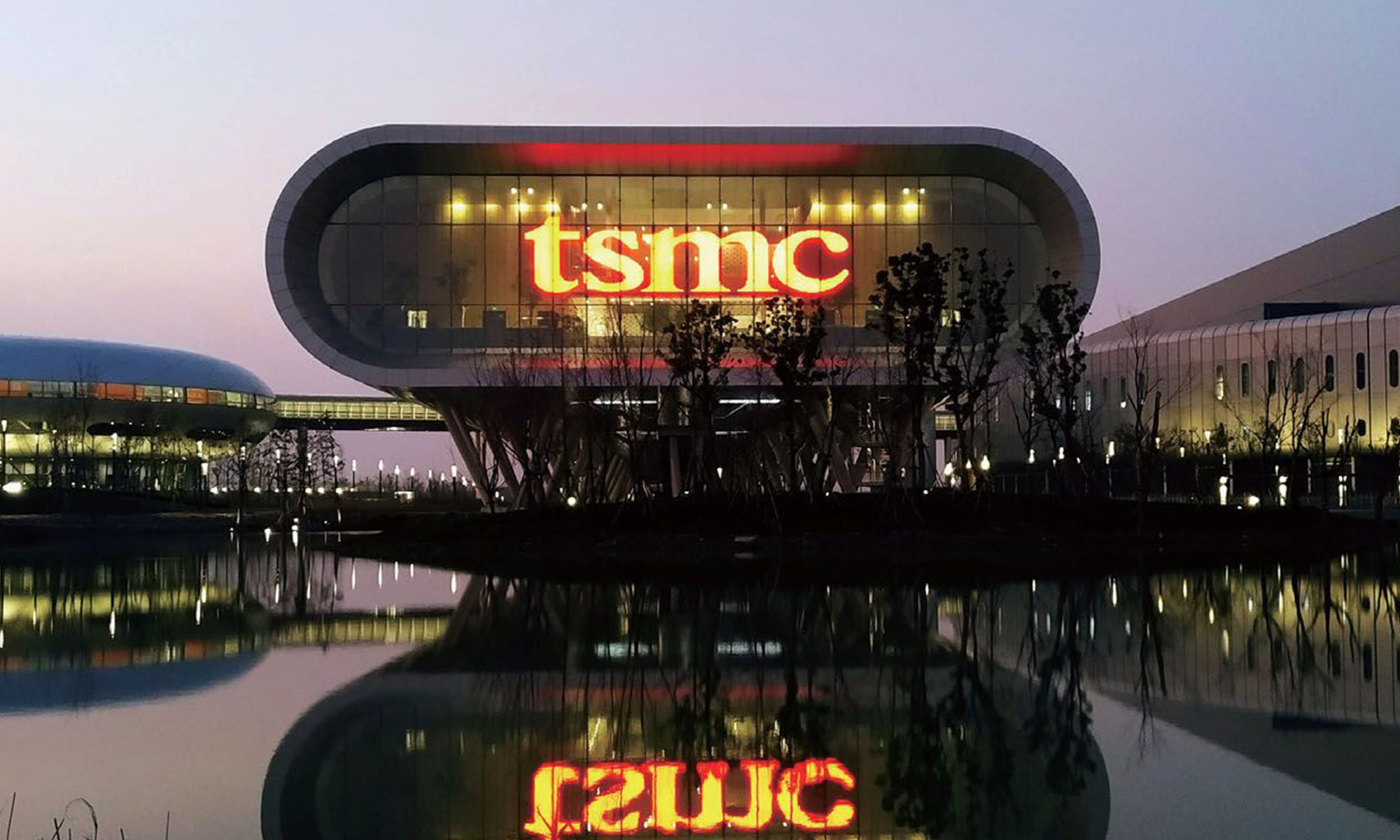
    Image source: Taiwan Semiconductor Manufacturing.

    New research from The Motley Fool provides granular detail into how TSMC makes money. Not surprisingly, the lion’s share of the company’s revenue comes from the sale of chips used for high-performance computing (HPC). This includes high-end processors used in data centers and cloud computing to facilitate the training and running of AI models. The segment accounted for 57% of TSMC’s third-quarter sales.

    Yet HPC only became the company’s dominant segment in early 2022. Investors might be surprised to learn that, until then, TSMC’s biggest moneymaker was the smartphone segment. In recent years, sales of smartphones have lagged, as a perfect storm of economic conditions encouraged users to hang on to their existing phones a bit longer. Surging inflation began in 2021 and rose to record levels, slowing consumer spending and punishing the smartphone market, then TSMC’s biggest business.

    Taiwan Semiconductor Manufacturing Stock Quote

    Taiwan Semiconductor Manufacturing

    Today’s Change

    (-0.93%) $-2.68

    Current Price

    $286.56

    The smartphone market has begun to recover, and smartphones overall represented 30% of TSMC’s third-quarter sales. This is thanks in part to the success of Apple‘s iPhone 17. Just last week, the company reported a quarterly revenue record that grew 8% year over year to $102.5 billion. CEO Tim Cook predicted that the December quarter would be the biggest in its history. Apple has historically been one of TSMC’s biggest customers, accounting for 24% of its revenue in 2024. This suggests that TSMC’s legacy smartphone segment has begun to heat up.

    Taking a step back helps provide much-needed context. In the third quarter, TSMC generated revenue of $33.1 billion, up 41% year over year and 10% sequentially, while earnings per American depositary receipt (ADR) soared 39% to $2.92.

    Despite its multiple growth drivers, TSMC is attractively priced, selling for 30 times trailing-12-month earnings, a discount compared to a multiple of 31 for the S&P 500.

    Danny Vena has positions in Apple. The Motley Fool has positions in and recommends Apple and Taiwan Semiconductor Manufacturing. The Motley Fool has a disclosure policy.

    Continue Reading

  • 1 Surprising Way Taiwan Semiconductor Manufacturing (TSMC) Makes Money

    1 Surprising Way Taiwan Semiconductor Manufacturing (TSMC) Makes Money

    • Surging demand for AI and the ongoing data center build-out have fueled robust growth for Taiwan Semiconductor Manufacturing (TSMC).

    • While high-end processors represent the majority of its sales, a legacy business has begun to reaccelerate.

    • Despite multiple growth drivers and a strong track record of growth, TSMC sells for a discount to the broader market.

    • 10 stocks we like better than Taiwan Semiconductor Manufacturing ›

    Developments in artificial intelligence (AI) over the past few years have caused a paradigm shift in the technological landscape. For example, nine of the top 10 companies measured by market cap have clear ties to this once-in-a-generation technology.

    One recent addition to the top 10 list is Taiwan Semiconductor Manufacturing (NYSE: TSM), also known as TSMC. The company boasts the world’s most advanced chip foundry and, as such, produces roughly 90% of the world’s most advanced semiconductors, including those for high-end computing and AI.

    This has fueled a resurgence in interest in the once-stodgy chipmaker, as new shareholders have flocked to the stock. In fact, the unprecedented demand for high-end processors and TSMC’s market-leading technology have helped the company add more than $1 trillion in market cap since the dawn of AI in early 2023.

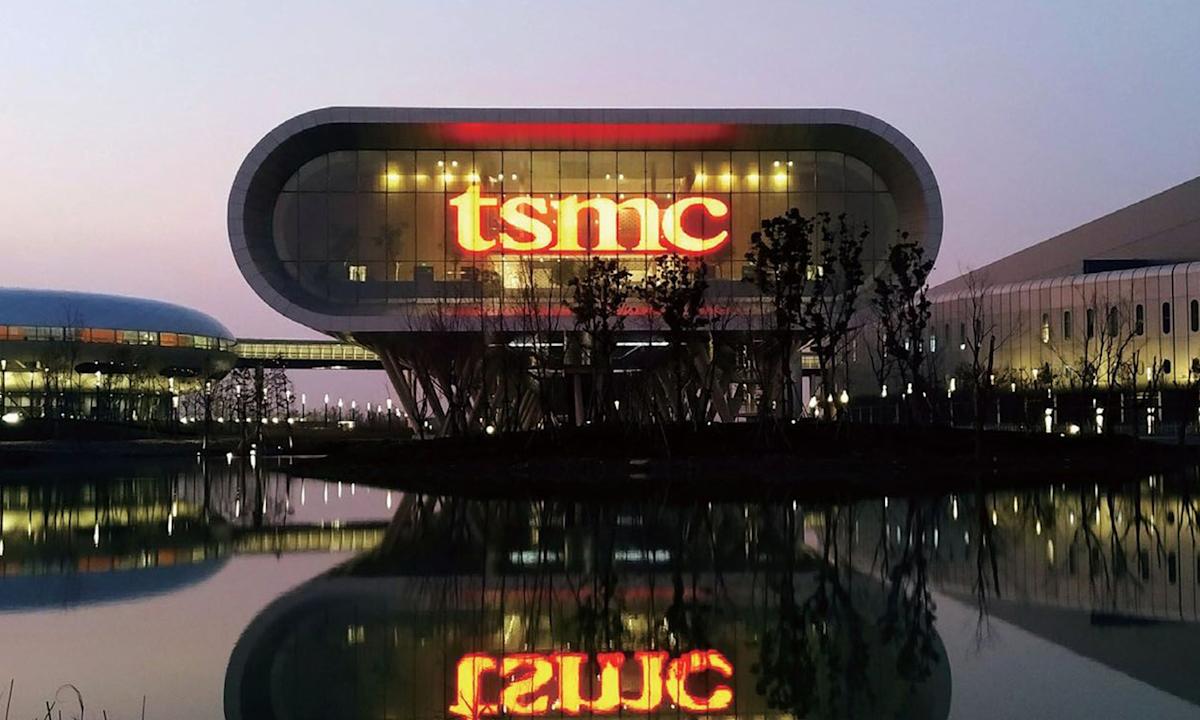
    Image source: Taiwan Semiconductor Manufacturing.

    New research from The Motley Fool provides granular detail into how TSMC makes money. Not surprisingly, the lion’s share of the company’s revenue comes from the sale of chips used for high-performance computing (HPC). This includes high-end processors used in data centers and cloud computing to facilitate the training and running of AI models. The segment accounted for 57% of TSMC’s third-quarter sales.

    Yet HPC only became the company’s dominant segment in early 2022. Investors might be surprised to learn that, until then, TSMC’s biggest moneymaker was the smartphone segment. In recent years, sales of smartphones have lagged, as a perfect storm of economic conditions encouraged users to hang on to their existing phones a bit longer. Surging inflation began in 2021 and rose to record levels, slowing consumer spending and punishing the smartphone market, then TSMC’s biggest business.

    The smartphone market has begun to recover, and smartphones overall represented 30% of TSMC’s third-quarter sales. This is thanks in part to the success of Apple‘s iPhone 17. Just last week, the company reported a quarterly revenue record that grew 8% year over year to $102.5 billion. CEO Tim Cook predicted that the December quarter would be the biggest in its history. Apple has historically been one of TSMC’s biggest customers, accounting for 24% of its revenue in 2024. This suggests that TSMC’s legacy smartphone segment has begun to heat up.

    Continue Reading

  • Strike Energy Limited (ASX:STX) stock most popular amongst individual investors who own 53%, while public companies hold 20%

    Strike Energy Limited (ASX:STX) stock most popular amongst individual investors who own 53%, while public companies hold 20%

    • The considerable ownership by individual investors in Strike Energy indicates that they collectively have a greater say in management and business strategy

    • A total of 25 investors have a majority stake in the company with 46% ownership

    • 16% of Strike Energy is held by Institutions

    AI is about to change healthcare. These 20 stocks are working on everything from early diagnostics to drug discovery. The best part – they are all under $10bn in marketcap – there is still time to get in early.

    To get a sense of who is truly in control of Strike Energy Limited (ASX:STX), it is important to understand the ownership structure of the business. With 53% stake, individual investors possess the maximum shares in the company. Put another way, the group faces the maximum upside potential (or downside risk).

    And public companies on the other hand have a 20% ownership in the company.

    Let’s take a closer look to see what the different types of shareholders can tell us about Strike Energy.

    Check out our latest analysis for Strike Energy

    ASX:STX Ownership Breakdown November 8th 2025

    Institutional investors commonly compare their own returns to the returns of a commonly followed index. So they generally do consider buying larger companies that are included in the relevant benchmark index.

    We can see that Strike Energy does have institutional investors; and they hold a good portion of the company’s stock. This implies the analysts working for those institutions have looked at the stock and they like it. But just like anyone else, they could be wrong. If multiple institutions change their view on a stock at the same time, you could see the share price drop fast. It’s therefore worth looking at Strike Energy’s earnings history below. Of course, the future is what really matters.

    earnings-and-revenue-growth
    ASX:STX Earnings and Revenue Growth November 8th 2025

    Hedge funds don’t have many shares in Strike Energy. Carnarvon Energy Limited is currently the largest shareholder, with 20% of shares outstanding. Meanwhile, the second and third largest shareholders, hold 3.8% and 3.8%, of the shares outstanding, respectively.

    Our studies suggest that the top 25 shareholders collectively control less than half of the company’s shares, meaning that the company’s shares are widely disseminated and there is no dominant shareholder.

    While studying institutional ownership for a company can add value to your research, it is also a good practice to research analyst recommendations to get a deeper understand of a stock’s expected performance. Quite a few analysts cover the stock, so you could look into forecast growth quite easily.

    Continue Reading

  • Vertex Presents Updated Phase 1/2 Data From RUBY-3 Study That Continue to Demonstrate Best-in-Class Potential for Povetacicept in Adults with IgA Nephropathy and Primary Membranous Nephropathy at American Society of Nephrology Kidney Week

    Vertex Presents Updated Phase 1/2 Data From RUBY-3 Study That Continue to Demonstrate Best-in-Class Potential for Povetacicept in Adults with IgA Nephropathy and Primary Membranous Nephropathy at American Society of Nephrology Kidney Week

    48-week data show a 64% decrease from baseline in proteinuria in IgA nephropathy, 82% decrease from baseline in proteinuria in primary membranous nephropathy, and stabilization of estimated glomerular filtration rate across both diseases –

    Vertex on track to initiate rolling submission of Biologics License Application for potential accelerated approval to the U.S. Food and Drug Administration this year; full enrollment completed for Phase 3 RAINIER trial in IgA nephropathy –

    Povetacicept in primary membranous nephropathy granted Fast Track Designation by the U.S. Food and Drug Administration and Phase 2/3 pivotal trial initiated –

    BOSTON–(BUSINESS WIRE)–Nov. 8, 2025–
    Vertex Pharmaceuticals Incorporated (Nasdaq: VRTX) today announced updated data for povetacicept (pove) in IgA nephropathy (IgAN) and primary membranous nephropathy (pMN) from the ongoing RUBY-3 trial at the American Society of Nephrology (ASN) Kidney Week 2025 in Houston, Texas. Pove is an investigational recombinant fusion protein therapeutic and dual inhibitor of the BAFF (B cell activating factor) and APRIL (a proliferation inducing ligand) cytokines. Pove is the only BAFF+APRIL inhibitor in pivotal trials for multiple kidney diseases.

    Results were presented today as a late-breaking oral presentation (SA-OR091) and included interim data from the open-label Phase 1/2 RUBY-3 trial, where adults with IgAN and pMN received pove subcutaneously every 4 weeks. The analysis included 21 participants with IgAN and 10 participants with pMN treated with pove at the 80mg dose, of which 17 participants and 5 participants, respectively, completed the Week 48 study visit.

    Results in IgAN

    In IgAN, key efficacy findings for the pove 80mg cohort at 48 weeks showed a 64% decrease from baseline in mean 24-hour urine protein to creatinine ratio (UPCR), estimated glomerular filtration rate (eGFR) stabilization with change from baseline in eGFR (mean±SE) of 3.3±3.1 mL/min/1.73m2, 90% (9/10) of participants achieving hematuria resolution (defined as a decrease to negative or small levels of urine blood in participants with baseline levels of urine blood of moderate or large), and 53% of participants achieving clinical remission (defined as UPCR <0.5 g/g, negative hematuria, and <25% reduction in eGFR vs. baseline).

    Results in pMN

    In pMN, key efficacy findings for the pove 80mg cohort at 48 weeks showed an 82% decrease from baseline in mean 24-hour UPCR, eGFR stabilization with change from baseline in eGFR (mean±SE) of -0.3±3.4 mL/min/1.73m2, and 40% of participants achieving complete clinical remission (defined as UPCR <0.5 g/g).

    Pove was generally safe and well tolerated with adverse events (AEs) that were mostly mild or moderate in severity. There were no serious adverse events related to povetacicept. The safety data is consistent with previous interim analyses, and the safety profile is similar between the IgAN and pMN cohorts.

    “These impressive data demonstrate the viability of BAFF+APRIL inhibition to transform the treatment of serious kidney diseases such as IgAN and pMN, important areas of high unmet need,” said RUBY-3 Principal Investigator James Tumlin, M.D., Professor, Department of Medicine, Emory University School of Medicine, and Director of Clinical Research at Georgia Nephrology. “In IgAN, it is especially encouraging to see that at 48 weeks of follow up, a full two-thirds of the participants treated with pove achieved a complete response as defined by UPCR <0.5 g/g, which is in line with the most recent KDIGO guidelines.”

    “The exceptionally fast pace of enrollment for the Phase 3 RAINIER trial demonstrates the unmet demand to find effective interventions in IgAN,” said RAINIER Steering Committee Member Richard Lafayette, M.D., Professor of Medicine (Nephrology) at the Stanford University Medical Center. “People living with IgAN and pMN indeed need additional disease-modifying treatments that address the specific drivers of nephron loss and will provide lasting disease control. Pove’s data from RUBY-3 in two serious kidney diseases support the utility of a dual BAFF+APRIL approach, and we are increasingly excited awaiting the RAINIER Phase 3 results.”

    Next Steps for Pove Development

    Vertex recently announced the U.S. Food and Drug Administration (FDA) granted Breakthrough Therapy Designation for pove in IgAN, and the Company expects to submit the first module of the Biologics License Application (BLA) rolling submission this year for potential accelerated approval. Vertex has notified the FDA of its intent to use a priority review voucher to expedite the review of the pove BLA in IgAN from ten months to six months. The Phase 3 RAINIER study is now fully enrolled.

    Vertex also received Fast Track Designation from the FDA for pove in pMN, and recruitment for the pivotal Phase 2/3 OLYMPUS trial is currently underway. pMN is the second indication in which pove has demonstrated best-in-class potential.

    Investor Event

    Vertex will host an investor event at 7:00 p.m. CST (8:00 p.m. EST) in Houston to discuss the updated data for pove in IgAN and pMN and other highlights across its kidney disease portfolio. A live webcast of the presentation and Q&A portions can be accessed through the Investor Relations section of Vertex‘s website at https://investors.vrtx.com/. An archived webcast will be available on the company’s website.

    Visit news.vrtx.com/asn-kidney-week for more information about Vertex’s presence at ASN Kidney Week 2025.

    About Povetacicept (Pove)

    Pove is a dual inhibitor of the BAFF and APRIL cytokines, which promote B cell activation, differentiation and/or survival, and provides B cell control by inhibiting the ability of BAFF and APRIL to drive the pathogenesis of multiple autoimmune diseases. Due to its engineered TACI domain, pove has demonstrated greater binding affinity, potency and/or tissue penetration compared to other APRIL, BAFF, and dual BAFF+APRIL inhibitors in preclinical studies. This preclinical data, combined with clinical data observed to date and convenient dosing and administration, give pove best-in-class potential across a number of serious autoimmune diseases driven by uncontrolled B cells. Pove is an investigational agent and has not been approved by health authorities globally.

    About IgA Nephropathy (IgAN)

    IgAN is a serious, progressive, life-threatening kidney disease driven by uncontrolled autoreactive B cell activity and is the most common cause of primary glomerulonephritis, affecting approximately 300,000 people in the United States and Europe. It is estimated that there are approximately 33,000 diagnosed patients in Japan and approximately 750,000 diagnosed patients in China. IgAN results from the deposition of circulating immune complexes consisting of immunoglobulins and galactose-deficient immunoglobulin A (Gd-IgA1) in the renal glomerular mesangium, triggering kidney injury and fibrosis. Up to 72% of adult IgAN patients progress to end-stage renal disease within 20 years of diagnosis. There are no approved therapies that specifically target the underlying cause of IgAN.

    About Primary Membranous Nephropathy (pMN)

    pMN is a rare and serious autoimmune glomerular disease, which is driven by uncontrolled autoreactive B cell activity, resulting in autoantibody production against glomerular antigens including protein phospholipase A2 receptor (PLA2R). pMN affects approximately 150,000 people in the United States and Europe. Over-production of these autoantibodies against glomerular antigens results in kidney damage, fibrosis, and renal failure. There are no therapies specifically approved for the treatment of pMN.

    About Fast Track Designation

    Fast Track Designation is a program administered by the FDA to expedite the development and review of new drugs and biologics that treat serious or life-threatening conditions and have the potential to fill unmet medical needs. This designation is intended to facilitate development and expedite review of qualifying drugs.

    About Breakthrough Therapy Designation

    The FDA’s BTD is intended to expedite development and review of medicines that aim to address a serious condition with preliminary clinical evidence indicating that the drug may demonstrate substantial improvement over existing treatments on one or more clinically significant endpoints. BTD was granted for pove in IgAN based on data from the Phase 2 RUBY-3 clinical trial.

    About RUBY-3

    RUBY-3 is an ongoing, multiple-ascending dose, multi-cohort, open label, Phase 1/2 basket study of povetacicept in autoimmune glomerulonephritis, including IgAN, pMN, lupus nephritis and ANCA-associated vasculitis with glomerulonephritis, where povetacicept is being administered subcutaneously for up to 104 weeks.

    About RAINIER

    RAINIER is a global Phase 3 randomized, placebo-controlled pivotal trial of pove 80 mg administered subcutaneously every four weeks vs. placebo on top of standard of care in approximately 480 people with IgAN. The study is designed to have a pre-planned interim analysis evaluating the percent change from baseline in urine protein to creatinine ratio (UPCR) for the pove arm vs. placebo after a pre-specified number of patients reach 36 weeks of treatment. If positive, the interim analysis may serve as the basis for Vertex to seek accelerated approval in the U.S. Final analysis will occur at two years of treatment, with a primary endpoint of total estimated glomerular filtration rate (eGFR) slope through Week 104. The RAINIER study design was presented as a poster (FR-PO0813) during ASN Kidney Week.

    About OLYMPUS

    OLYMPUS is a global Phase 2/3 adaptive, randomized, active-controlled pivotal trial of pove in approximately 176 patients with pMN. In the Phase 2 portion, participants will be randomized to receive one of two different doses of pove and after the last participant completes 12 weeks of treatment, the Phase 3 dose will be selected. In the Phase 3 portion, participants will be randomized to receive either the selected dose of pove or a calcineurin inhibitor. Final analysis will occur at two years of treatment, with a primary endpoint of proportion of participants with complete clinical remission at Week 104.

    About Vertex

    Vertex is a global biotechnology company that invests in scientific innovation to create transformative medicines for people with serious diseases and conditions. The company has approved therapies for cystic fibrosis, sickle cell disease, transfusion-dependent beta thalassemia and acute pain, and it continues to advance clinical and research programs in these areas. Vertex also has a robust clinical pipeline of investigational therapies across a range of modalities in other serious diseases where it has deep insight into causal human biology, including neuropathic pain, APOL1-mediated kidney disease, IgA nephropathy, primary membranous nephropathy, autosomal dominant polycystic kidney disease, type 1 diabetes and myotonic dystrophy type 1.

    Vertex was founded in 1989 and has its global headquarters in Boston, with international headquarters in London. Additionally, the company has research and development sites and commercial offices in North America, Europe, Australia, Latin America and the Middle East. Vertex is consistently recognized as one of the industry’s top places to work, including 16 consecutive years on Science magazine’s Top Employers list and one of Fortune’s 100 Best Companies to Work For. For company updates and to learn more about Vertex‘s history of innovation, visit www.vrtx.com or follow us on LinkedIn, Facebook, Instagram, YouTube and X.

    Special Note Regarding Forward-Looking Statements

    This press release contains forward-looking statements as defined in the Private Securities Litigation Reform Act of 1995, as amended, including, without limitation, statements by James Tumlin M.D., and Richard Lafayette, M.D., and statements about the expectations for the Company’s BLA submission for pove in IgAN for potential accelerated approval in the U.S., including expectations for the timing of the submission of the first module and the completion of the full BLA submission, expectations for pove’s best-in-class potential in IgAN and pMN and pipeline-in-a-product potential across a range of diseases, clinical status of and expectations for the OLYMPUS Phase 2/3 trial in pMN, plans for an investor event to discuss updated data for pove in IgAN and pMN and other highlights across the Company’s kidney disease portfolio, expectations for the RAINIER study design and data expectations, including timing of data availability, and expectations that the Company will seek accelerated approval in the U.S., if the RAINIER interim analysis is positive. While Vertex believes the forward-looking statements contained in this press release are accurate, these forward-looking statements represent the company’s beliefs only as of the date of this press release and there are a number of risks and uncertainties that could cause actual events or results to differ materially from those expressed or implied by such forward-looking statements. Those risks and uncertainties include, among other things, that data from a limited number of patients may not be indicative of final clinical trial results, that clinical trial data might not be available on the expected timeline, that data from the company’s research and development programs may not support registration or further development of its compounds due to safety, efficacy, and other risks, that the company may be unable to make the anticipated regulatory submissions on the expected timeline, or at all, and other risks listed under the heading “Risk Factors” in Vertex‘s most recent annual report and subsequent quarterly reports filed with the Securities and Exchange Commission at www.sec.gov and available through the company’s website at www.vrtx.com. You should not place undue reliance on these statements or the scientific data presented. Vertex disclaims any obligation to update the information contained in this press release as new information becomes available.

    (VRTX-GEN)

    Vertex Pharmaceuticals Incorporated

    Investors:

    InvestorInfo@vrtx.com or

    +1 617-341-6108

    Media:

    mediainfo@vrtx.com

    Source: Vertex Pharmaceuticals Incorporated


    Continue Reading