Oct 21 (Reuters) – Germany’s Northern Data (NB2.DE), opens new tab said on Tuesday that it had withdrawn its annual forecast, as the AI cloud company was evaluating potential strategic transactions and graphics processing unit’s market pricing dynamics.
Northern Data said in a statement that the forecast withdrawal is partially offset by improved utilization of its GPU capacity driven by customer traction after the second-quarter technology upgrade.
Sign up here.
The company said that its Taiga cloud business initiated an upgrade of its infrastructure in March to enable access to its GPU estate, which led to improving the company’s ability to serve existing customers and added a new and diversified customer base.
Currently, more than 15,000 GPUs of Northern Data’s 22,000 H100 and H200 GPU estate have been allocated to customers, Northern Data added.
Video platform Rumble (RUM.O), opens new tab, which hosts U.S. President Donald Trump’s Truth Social, in August made an offer to acquire Northern Data, giving Rumble control of the German company’s Taiga business and its large-scale data center arm, Ardent. Reuters calculated the potential total deal value at approximately $1.17 billion.
Reporting by Rishabh Jaiswal in Bengaluru; Editing by Anil D’Silva and Alan Barona
Our Standards: The Thomson Reuters Trust Principles., opens new tab
Walmart will pause hiring candidates who require H-1B visas, the BBC understands, in response to the Trump administration’s new $100,000 (£74,000) fee that has roiled US employers.
US President Donald Trump last month signed an executive order imposing the fee for H-1B applicants, citing “abuse” of the programme for skilled foreign workers that undercuts the American workforce.
Walmart tops the list of retail chains that use the programme, with more than 2,000 H-1B visas approved in the first half of 2025.
The retail giant is “committed to hiring and investing in the best talent to serve our customers, while remaining thoughtful about our H-1B hiring approach,” a Walmart spokesperson said.
Walmart’s decision to pause H-1B hirings was first reported by Bloomberg News.
The retailer is the largest private employer in the US. It employs roughly 1.6 million people across the country. But while Walmart is the largest beneficiary of the H-1B visas in the retail sector, the programme is often associated with the giants of the US tech sector.
Amazon tops the list of beneficiaries, with more than 10,000 H-1B visas approved in the first half of 2025. Microsoft, Meta, Apple and Google each secured more than 4,000 visas through the programme through June, according to US government data.
Startups, as well as smaller firms beyond tech, also employ workers through H-1B visas.
Trump’s order only applies to new visa requests in the programme and vows to restrict entry unless a payment is made.
Critics have long argued that H-1Bs undercut the American workforce, while supporters – including billionaire Elon Musk – argue it allows the US to attract top talent from around the world.
India dominates the H-1B programme, making up more than 70% of the recipients in recent years. China was the second-largest source, comprising about 12% of recipients.
“The company needs to decide… is the person valuable enough to have a $100,000-a-year payment to the government, or they should head home, and they should go hire an American,” US Commerce Secretary Howard Lutnick said last month, when Trump signed the order imposing the $100,000 fee.
But business groups has voiced opposition to Trump’s order.
The US Chamber of Commerce last week filed a lawsuit against the Trump administration. The fee will make it “cost-prohibitive” for US employers to use the H-1B programme, said Neil Bradley, the pro-business group’s chief policy officer.
The group argued in its complaint that if implemented, the fee would harm American businesses, forcing them to either increase their labor costs or hire fewer highly skilled employees.
The White House responded to the suit by calling the fee lawful and a “necessary, initial, incremental step towards necessary reforms” to the programme.
Justin Moore: Shai-Hulud is a fast-moving supply chain attack that quickly affected hundreds of organizations. The attack targeted everyday development activities and trusted software processes to reach its targets, demonstrating just how quickly risk can move inside business operations.
MM: What makes this attack stand out?
JM: Unlike typical malware, Shai-Hulud spreads autonomously. Once the attackers gained access to a developer’s account, they used automation to insert malicious code across that developer’s other software packages and push the compromised versions live—spreading the threat across the software supply chain almost instantly. By combining automation with artificial intelligence, the attackers were able to generate, adapt, and deploy malicious code at scale, far faster than human operators could. This approach marks a shift in the threat landscape: AI-driven supply chain attacks are becoming more efficient, more scalable, and significantly harder to detect, accelerating every stage from initial compromise to evasion.
MM: What should CISOs take away from this research?
JM: Securing the developer environment should be top priority. The initial compromise of this attack likely starts with phishing a developer’s highly privileged account, which illustrates the importance of zero trust. Rotate all developer and cloud credentials immediately. Conduct a thorough audit of third-party software dependencies. Review developer accounts for unusual changes or unexpected public repositories. Multi-factor authentication is essential, but so is strong phishing awareness and educating teams on credential safety. Finally, treat vendor policies, incident response plans, and frequent supply chain risk reviews as ongoing leadership responsibilities, not just technical tasks.
Douglas FraserScotland business and economy editor
BBC
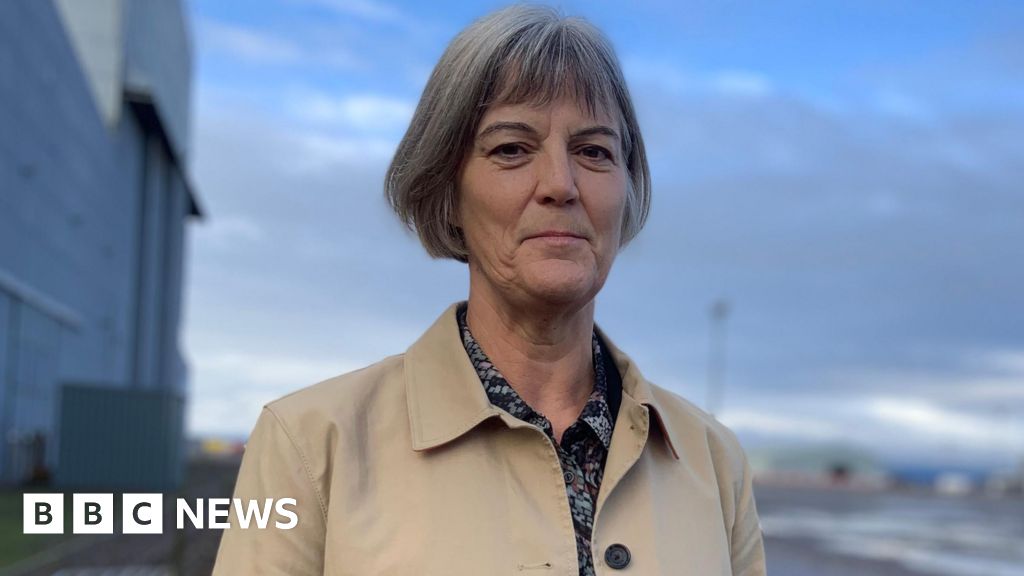
Julia Longbottom has been the UK’s ambassador to Japan since 2021
“Japan and the UK share the same interests,” says Julia Longbottom, Britain’s top woman in Tokyo.
“Two island nations, at different ends of the globe – it really matters for us that goods can flow freely and that we have access to markets around the world.”
Being a diplomatic diplomat, and a very successful one, the ambassador does not need to spell out the growing importance of those interests, where the world’s two biggest economies are clashing on that market access.
US President Donald Trump’s chaotic tariff regime has astonished Japan, where rules matter.
The key trading relationship for him is with China, and neither minds if second tier trading nations, such as Japan or the UK, get squeezed.
That makes more sense of Britain’s membership of the CPTPP “trans-Pacific” trading partnership.
It owes much to Japan’s founding role, and the Tokyo government was keen to see the UK admitted.
Getty Images
Sanae Takaichi has been elected Japan’s prime minister by its parliament, making her the first woman to hold the office
While the Japanese Parliament has just elected its first female prime minister, Ms Longbottom is this week on a mission to boost trade and investment.
But, on this occasion, she is visiting companies in Scotland rather than touring firms in Japan.
A new initiative by the Foreign, Commonwealth & Development Office (FCDO) has brought ambassadors back to the UK and put them to work on home turf.
The High Commissioner to Singapore was recently in Scotland, talking up prospects for investment in Grangemouth.
This is to highlight the service that can be provided for exporters.
It is also, concedes the Tokyo ambassador, an opportunity to learn more about the country she represents.
Nearly 40 years in the diplomatic service has seen her work most of that time overseas.
Her CV includes more junior roles in the Japanese capital but she has held the top job since 2021.
Ms Longbottom said: “The key part of our job is to represent our country – in my case, in Japan. But there are knowledge gaps to plug.
“The most important I can help to plug is helping people realise just how good we are in the UK – at industry, at advanced technologies, at renewable energies and the lead we’ve taken globally, and looking at the United Kingdom from the outside, at how respected we are.”
Heriot-Watt University
The National Robotarium in Edinburgh is the largest advanced research facility for robotics and artificial intelligence (AI) in the UK
It’s a rosy view of Britain, as you would expect from someone paid to promote its interests.
In economic terms, the ambassador is not looking at the malaise around the lack of growth, the problem of public services or the public finances, but about trade and investment opportunities.
Her ‘domestic roadshow’ is the 12th such UK short tour to be conducted by ambassadors and high commissioners.
It is taking in Aberdeen’s energy transition; Tayside’s gaming skills at 4J developer in Dundee; Arbikie gin and whisky distillery in Angus; the Edinburgh University super-computer project; and the capital’s robotarium at Heriot-Watt University.
Yasyuki Shibata is the European boss of Sumitomo Electric
The tour began on Monday in Easter Ross, where three Japanese investors are spending big on infrastructure for the anticipated boom in offshore wind power.
Sumitomo is building a £350m factory at Nigg, which should be making sub-sea cables by next September.
The first 15 Scots recruits to handle operations at the plant have just gone to Japan for six months of training.
“So far, so good” is a favourite phrase for the European boss of Sumitomo Electric, Yasyuki Shibata.
The vast factory has taken shape, the next stage is to move in machinery and then test it.
Next year, he plans an event for Scottish companies to persuade them to join his firm’s supply chain.
As the first such factory in Britain, any such local options need to be developed.
Businessman Yukinobu Nakano is also chair of the Japanese Chamber of Commerce in London
Across the road, in the Port of Nigg, Highland-based Global Energy Group sold its 75% ownership share to its Japanese minority partner in July.
Mitsui & Co now has the controlling share, while another of the parent company’s subsidiaries, shipping division MOL, has 49%.
Yukinobu Nakano, president and chief executive of Mitsui & Co Europe, says they waited 13 years while wind power was showing promise but not sparking activity. That’s changing, he says.
He talks of “several hundreds of millions of pounds” of investment in Nigg.
The figure sounds vague, because the outcome depends on different scenarios playing out.
The brakes have been on offshore wind developments, due to considerable uncertainty about the sequence of consents and getting finance in place, while securing minimum price guarantees from the UK government’s seventh round of auctions.
For now, Nigg looks all but empty. The offshore wind power boom is taking a frustratingly long time to arrive.
That should change next month, when a three-year contract begins for assembling wind turbine components, mostly imported, which will then be floated out to Dogger Bank, in the southern North Sea.
According to Mr Nakano, the more significant investments, beyond assembly of other manufacturers’ components, will come if Mitsui can persuade its other divisions, which include steel and chemicals, to locate in Easter Ross and develop the manufacturing and service supply chain.
Port of Nigg
The Port of Nigg has been granted green freeport status
After being shown developments at Nigg by the new owners, Ms Longbottom puts the Japanese presence in Easter Ross in context,
She explained: “Corporate Japan is always looking for growth and what Scotland can offer is a real opportunity to grow in renewable energy.
“They see this as a place they can expand, with the scale of the further pipeline there is to come.
“They’re bringing the supply chain for the industry to the Port of Nigg.
“The more they have success, the more they can breed success by bringing others into the supply chain here at the port. And that’s jobs and money coming into the local economy.”
This is a new generation of Japanese investors.
The last wave came with the Silicon Glen years, in assembling electronic consumer goods in the later years of last century.
That generated many jobs when and where they were needed, at a time of old industries closing down and when women were entering the workforce.
It also brought new skills in management and manufacturing which benefited the economy more widely, as workers moved on.
Getty Images
Scotch whisky makes up a third of UK exports to Japan each year
The other part of the relationship is in traded goods.
“Starting with whisky, we’ve got trusted and high quality brands,” says the ambassador.
“That’s something the Japanese market really appreciates. Scotch whisky makes up a third of UK exports to Japan each year.”
She talks of the potential to sell more textiles to Japan, where the standard school uniform for girls is tartan.
Seafood is a staple of the Japanese diet, and the country is now second biggest market for Scottish mackerel, the species which is by far the biggest tonnage and value of the country’s fishing industry.
Brexit was clearly a big challenge to explain to Japanese companies and its government.
Japan had invested in the UK as a doorway to the EU market, and all that was threatened.
With new EU trading rules, both the ambassador and Mr Nakano, chair of the Japanese Chamber of Commerce in London, think the relationship has calmed.
He talks of Japanese banks wanting to relocate to EU cities after Brexit, but pulling back when they realised the talent pool and banking centre they would be leaving.
“The UK and Japan are partners that really respect each other in basic science, translational science, quantum computing and AI,” says Ms Longbottom.
“These are advanced and strategic technologies both countries care about for the future and where these partners trust each other.”
Trust. There, again, is a contrast with some other major trading partners the ambassador is not mentioning.
She returns to Tokyo next month, after a holiday in India.
Ms Longbottom will be there to watch the England women’s cricket team, now into the semi-final of the ICC women’s world cup.
Vitiligo is a chronic autoimmune skin disorder characterized by patchy loss of pigmentation, affecting approximately 0.5% to 2% of the global population []. Beyond its physical manifestations, the condition often leads to significant psychosocial distress, including depression, anxiety, metabolic syndrome, and stigmatization, impairing patients’ quality of life [-].
British guidelines from 2022 advocate a stepwise approach to vitiligo management. For limited disease, potent anti-inflammatory creams (topical corticosteroids or calcineurin inhibitors) are recommended, escalating to light therapy using a specific wavelength of UV light (narrowband UV-B phototherapy) or systemic corticosteroids in progressive or extensive cases []. More recent European guidelines corroborate this and acknowledge the emergence of novel therapies, such as topical Janus kinase inhibitors (JAK) like ruxolitinib, as promising options for patients with nonsegmental vitiligo [,].
The phase 3 TRuE-V1 (Topical Ruxolitinib Evaluation in Vitiligo Study) and TRuE-V2 trials demonstrated its efficacy in nonsegmental vitiligo []. At week 24, 29.8% and 30.9% of patients achieved ≥75% improvement in the Facial Vitiligo Area Scoring Index, a clinical tool for measuring repigmentation on the face. The treatment was well-tolerated, with the most common adverse events being acne and pruritus at the application site.
Based on these positive efficacy and safety data, ruxolitinib cream (Opzelura) was approved by the US Food and Drug Administration (FDA) in July 2022 for the treatment of nonsegmental vitiligo in individuals aged ≥12 years []. The European Commission followed in April 2023, authorizing its use for the same indication with facial involvement []. Subsequent approvals were granted by the UK Medicines and Healthcare Products Regulatory Agency in July 2023 and by Health Canada in October 2024. Collectively, these regulatory decisions reflect the growing recognition of topical JAK inhibitors as a valuable therapeutic option in the management of nonsegmental vitiligo.
However, regulatory approval alone does not guarantee patient access to new therapies. National health technology assessments and reimbursement decisions often create disparities, as exemplified by the initial National Institute for Health and Care Excellence recommendations against ruxolitinib cream in the United Kingdom and similar concerns in Canada regarding its long-term cost-effectiveness and quality-of-life impact compared to existing treatments.
This disconnect between regulatory approval and reimbursement can restrict access, leading patients to seek information and support on online platforms, particularly social media, which offer insights into lived experiences often missed in clinical settings.
This patient-driven shift to online platforms has given rise to the scientific field of infodemiology, defined as the study of the distribution and determinants of information on the internet to inform public health []. A core application is infoveillance, the process of using this data for real-time public health surveillance. Reddit, in particular, has emerged as a valuable ecological data source for infodemiology studies due to its topic-specific communities (subreddits) that foster candid discussions. For instance, Reddit data were used to understand the emotional journey of patients and caregivers navigating brain cancer diagnoses []. Furthermore, this approach has proven effective in analyzing the broader information landscape, such as successfully characterizing the prevalence of misinformation and stigma in discussions about obesity []. Among the various social media platforms, Reddit has emerged as a particularly valuable data source for such research.
Reddit, ranked as the 7th most visited website in the United States, offers pseudonymous, topic-specific forums such as r/Vitiligo, capturing authentic patient perspectives on treatment efficacy, emotional impacts, and barriers to health care access. Advances in natural language processing and machine learning now enable systematic analyses of Reddit’s user-generated content, transforming authentic patient conversations into valuable real-world data. The primary aim of this study was to systematically analyze patient-generated discussions on the r/Vitiligo subreddit to characterize the real-world experiences with topical ruxolitinib. To achieve this, we used a retrospective, cross-sectional analysis using computational linguistics and semisupervised machine learning. Specifically, we sought to (1) categorize discussions into key thematic clusters, focusing on perceived efficacy, side effects, and issues of cost and access; (2) analyze the sentiment within each theme to understand patient attitudes; (3) track discussion volume over time in relation to key regulatory approvals, ultimately uncovering overarching patient experiences and treatment attitudes; and (4) qualitatively explore representative patient narratives to add context and depth to the quantitative findings.
Methods
Study Design
To understand the real-world patient journey with topical ruxolitinib, this study analyzed thousands of authentic, unsolicited conversations from the r/Vitiligo online community. Our methodology follows a retrospective, cross-sectional mixed-methods framework, integrating large-scale computational analysis with qualitative human interpretation to provide a robust and nuanced picture. The process began by collecting a comprehensive dataset of relevant posts and comments. We then used a 2-pronged computational linguistics pipeline. First, a semisupervised machine learning model, guided by clinically relevant examples, automatically classified each discussion into one of three core themes: therapy success, side effects, or insurance and cost. Second, the Valence Aware Dictionary and Sentiment Reasoner (VADER) algorithm, a tool tailored for social media text developed by Hutto and Gilbert [], assessed the emotional sentiment of each post. To ensure the reliability of our automated approach, the classification model’s performance was rigorously validated against a manually annotated sample. Finally, to contextualize the quantitative data, we conducted an exploratory qualitative review, examining representative patient narratives to uncover the specific experiences behind the trends.
Data Source and Filtering
All posts and comments from the subreddit between January 2022 and December 2024 were collected. The dataset was then specifically filtered to retain entries explicitly mentioning ruxolitinib or its commercial name Opzelura. The deleted or empty posts and comments were removed. Standard text preprocessing techniques were applied, including converting text to lowercase, deleting special characters, and lemmatization using the WordNet algorithm (Princeton University).
Temporal and Seasonal Analysis
Monthly posting and commenting frequencies were aggregated, and a 12-month moving average was calculated to smooth short-term variations and reveal long-term trends. Seasonal activity patterns were examined by calculating average monthly activity across each month over the entire study period.
Semisupervised Topic Classification
We adopted a semisupervised machine learning approach using sentence-transformer embeddings (all-MiniLM-L6-v2 by sentence-transformers) to categorize posts into predefined thematic clusters. Three clinically relevant clusters were established: therapy success, side effects, and insurance and cost, each represented by 7 domain-specific prototype phrases.
Document embeddings, representing each post or comment as a vector, were computed and then compared with the averaged embeddings of the predefined prototype phrases using cosine similarity.
A keyword-based override mechanism supplemented the semantic classification, allowing reassignment of documents if specific lexical indicators strongly suggested alternative classifications.
Sentiment Analysis
Sentiment of postings was analyzed using VADER. VADER assesses the sentiment of textual data, assigning a continuous score ranging from strongly negative (−1.0) to strongly positive.
Validation Procedure
To evaluate the reliability and accuracy of our classification model, we conducted a structured validation involving a human rater. A random proportional sample of 500 entries across all categories was independently evaluated presenting the post or comment, and classification according to the 4 clusters had to be chosen. The performance was quantified using standard classification metrics like accuracy and the F1-score (a combined measure of the model’s precision and recall), while interrater agreement was measured by Cohen κ coefficient (a statistic that shows how closely the model’s classifications matched a human’s, accounting for the possibility of agreement by chance). Based on established benchmarks, κ values are interpreted as follows: 0.01‐0.20 as slight, 0.21‐0.40 as fair, 0.41‐0.60 as moderate, 0.61‐0.80 as substantial, and 0.81‐1.00 as almost perfect agreement.
Software and Tools
Data analysis was performed using Python (version 3.12.7; Python Software Foundation) and the following libraries: pandas (version 2.2) for data handling, sentence-transformers (version 2.7) for embeddings, vaderSentiment (version 3.3) for sentiment analysis, ruptures (version 1.1.10) for change-point detection, and Matplotlib (version 3.8) for visualization.
Exploratory Qualitative Review of Content
For illustrative purposes, we screened representative posts within each major cluster to extract noteworthy patient experiences and recurring concerns, aiming to highlight insights potentially relevant for improving patient care.
Ethical Considerations
This study was conducted using exclusively publicly available and anonymized data from the r/Vitiligo subreddit. No personally identifiable information that could lead to the identification of individuals was collected or analyzed. The research adhered to established ethical standards for studies involving publicly accessible online data, ensuring that user privacy and data confidentiality were preserved throughout all stages of data collection and analysis. In accordance with guidelines, a formal ethics committee review and individual informed consent were not required.
Results
Data Cohort and Filtering
A total of 52,871 user-generated entries (5666 posts and 47,205 comments) were collected from the r/Vitiligo subreddit between January 2022 and December 2024. Application of keyword filtering for ruxolitinib or Opzelura yielded 3034 relevant entries (675 posts and 2359 comments). After removing 81 posts and 3 comments due to empty content, the final dataset comprised 2950 unique entries (594 posts and 2356 comments) for analysis ().
Figure 1. Study flow diagram. Sequential filtering of 52,871 reddit entries to the final analytic cohort of 2950 ruxolitinib-related posts or comments.
Temporal and Seasonal Patterns
Analysis of monthly posting and commenting frequencies revealed an upward trend in discussion volume over the study period (). The 12-month moving average for comments, in particular, showed a notable increase, especially following regulatory approvals in the United States (July 2022), European Union (April 2023), United Kingdom (July 2023), and Health Canada (October 2024). Automatic change-point analysis identified significant shifts in discussion volume corresponding to these approval milestones.
Figure 2. Monthly discussion volume (2022‐2024). Lines show posts and comments per month; vertical dashed lines mark US Food and Drug Administration (FDA; July 2022), European Medicines Agency (EMA; April 2023), and UK Medicines and Healthcare Products Regulatory Agency (MHRA; July 2023), and Health Canada (October 2024) approvals of ruxolitinib cream. MA: moving average.
Examination of seasonal activity patterns indicated peak discussion levels during the summer months, with July exhibiting the highest average number of both posts and comments (). Comment activity consistently exceeded post activity across most months. Specifically, comment activity was greater than post activity in 9 out of 12 months, with a median monthly difference of +57 (IQR 19‐88) messages. This difference was statistically significant in 2-tailed tests (Wilcoxon signed-rank test: W=15, P=.01; paired 2-tailed t test: t11=3.17, P=.01; Cohen dz=0.67).
Figure 3. Seasonal activity pattern. Mean number of posts and comments aggregated by calendar month; highest engagement occurs in July.
Sentiment Analysis
Sentiment analysis using VADER revealed distinct emotional tones across the thematic clusters ( and ). Discussions within the therapy success cluster exhibited a notably positive average sentiment score of 0.473 (95% CI 0.46 to 0.48), indicating a consistently optimistic and supportive tone in these discussions. The insurance and cost cluster also showed a positive sentiment of 0.349 (95% CI 0.31 to 0.39), though less pronounced. In contrast, the side effects cluster demonstrated a negative average sentiment score of −0.110 (95% CI −0.14 to 0.07), reflecting a clear tone of frustration, concern, and dissatisfaction. The off-topic cluster had a mildly positive sentiment of 0.236 (95% CI 0.20 to 0.27).
Table 1. Distribution and mean Valence Aware Dictionary and Sentiment Reasoner (VADER) sentiment of thematic clusters from the r/Vitiligo subreddit.
Cluster name
Items, n (%; 95% CI)
Average VADER sentiment score, mean (95% CI)
Therapy success
1765 (59.83; 58.1 to 61.6)
0.473 (0.46 to 0.48)
Side effects
558 (18.91; 17.5 to 20.3)
−0.110 (−0.14 to 0.07)
Insurance and cost
491 (16.64; 15.3 to 18.0)
0.349 (0.31 to 0.39)
Off-topic
136 (4.61; 3.9 to 5.4)
0.236 (0.20 to 0.27)
Over the study period (2022‐2024), sentiment within the therapy success cluster remained consistently positive, showing a slight downward trend. Sentiment in the side effects cluster was consistently negative and declined slightly over time. In contrast, sentiment related to insurance and cost was generally positive and improved modestly throughout the observed period ().
Figure 4. Valence Aware Dictionary and Sentiment Reasoner (VADER) sentiment across thematic clusters.
Validation of Classification Model
The performance of the semisupervised topic classification model was evaluated through manual annotation of a proportional random sample of 500 entries. The model demonstrated 88.4% (95% CI 86 to 91) accuracy and a weighted F1-score of 0.893 (95% CI 0.865 to 0.918). Interrater reliability, as measured by Cohen κ coefficient, was calculated at 0.801 (95% CI 0.760 to 0.840). Taken together, these strong metrics confirm that our automated analysis was highly reliable and sorted patient discussions with a level of accuracy that closely mirrors human judgment.
Qualitative Results
Therapy and Success
Many users described significant improvements, especially for facial vitiligo:
Face cleard 90% in some 4 months.
One user stated:
I have been using ruxolitinib with UV-B and I have seen drastic improvements after only 2 months now. My first spot underneath my right eye has almost completely closed up.
Another user shared a long-term perspective:
Then last year (20+ y after the first diagnosis) it started spreading again. So I went to the dermatologist and learned about all the new treatments and started Opzelura about 3 months ago and it seems to be working pretty well. Even the original spots that are over 20 years old are starting to fade!
The potential for hair repigmentation was also noted:
In just a little over 2 months on opzelura I’ve had hair repigment from white/clear to black and my spot drastically close in.
I have repigmented eyebrow hair eyelash hair and beard hair with Opzelura.
Efficacy on long-standing vitiligo was also highlighted:
I’ve cured areas with 30+ years of vitiligo.
The face was consistently reported as the area most responsive to Opzelura:
Opzelura is probably the best cream you can get for your face.
Face repigments the fastest because you have the most hair follicles there.
Eyelids were also mentioned as an area of successful treatment:
My eyelids are almost fully repigmented
I was able to repigment my eyelids very quickly using Opzelura and UV laser therapy.
Combination therapy, particularly with UV-B light, was frequently mentioned as beneficial:
Yes UV-B is basically the golden standard when it comes to repigmenting and stabilizing vitiligo. When using UV-B in combination with JAK inhibitors or elidel/tacrolimus you will get the best results.
Similarly, success was found with the Excimer laser:
Yes I was able to repigment all areas that had a hair follicle pretty quickly with Opzelura+excimer.
Some users found Opzelura superior to previous treatments:
From my experience elidel didn’t do anything except for stop the spread of spots.
In 80 g so far of opzelura plus some sunlight, I’ve already seen repigmentation faster than the tacrolimus NB-UB-B (narrowband UV-B) combo.
An interesting observation was the repigmentation of white hair in treated areas:
Also have seen a large amount of black hair throughout my eyebrow and beard.
Opzelura turned a lot of my beard hair jet black.
However, this was not universal:
My dermatologist actually has told me even prior to starting opzelura that my skin tone has completely repigmented BUT my beard still has big white patches. So the hair color hasn’t returned yet.
Another user stated:
Been using Opzelura for 6 months, applying on areas with white hair. Seen no results.
Failures and Limitations
However, not all experiences were positive. Some users reported limited success or failures:
I’ve been using opzelura for a year and it hasn’t really helped much alone.
Another user mentioned:
Been on Opzelura for 6 months, applying on areas with white hair. Seen no results.
The cream’s effectiveness appeared to vary by body region, with hands and feet being notably difficult to treat. One user commented:
Opzelura seems to be working pretty well for most areas except hands and feet.
This was echoed by another:
Opzelura is known to not work well for hand and feet. They state that on their website.
Haven’t used it on my hands. Heard that success on hands was very limited, so don’t want to waste it on hands as they are almost completely depigmented, and pigmentation might just make them stand out.
Someone else noted:
I have been using opzelura on my hands and feet for about half a year and those spots have not changed much. If anything, opzelura has stabilized the spots on my hands and feet.
Some users did not see results even after extended use:
Been using opzelura for 9 months, oral steroids for 6 months and UV-B for 2 months, and I have had zero progress and continuous progression.
Keep it your luck to have it all the same color. opzelura hasn’t worked at all for me it’s been 8 months.”
The cessation of treatment could lead to relapse:
Once you stop opzelura it relapses, which is why they are pursuing the t-cell therapy that will address the relapse issue.
The results are mixed. The top pic is what I started with, the middle one is when I applied it every day and night for a good 7+ months. It seems to do well but it hits a plateau where it just won’t fill in more on those areas…The bottom pic is now. After not using it for another 5 months or so. It looks like they mostly came back to before pic.
Side Effects
Commonly Reported Side Effects
The most frequently mentioned side effect was acne at the application site:
The only side effect I have experienced is acne but it’s just like a white head here and there and subsided within 2 days. You’ll likely only get that side effect if you’re treating the face.
Some experienced skin irritation:
I’ve found that I sometimes get itchy in the areas where I’ve applied Opzelura.” and “A couple days ago, I started experiencing burning, hive like bumps, and swelling on my neck.
Fatigue
Fatigue was specifically mentioned by some users:
Anyone using Opzelura notice any side effects? Asking because I am using it (twice a d) and notice some fatigue or malaise.
Another user shared:
I stopped using because I was running out of prescription but I also I’m experiencing fatigue during the day a lot more when I have it on.
I actually had horrible side effects from Opzelura even with a small dose, so I had to stop. I was super fatigued every day.
Another one reported:
Just a warning. I used opzelura for a year and 6 months. At some point started craving ice… now today I have severe anemia and it’s difficult to do anything at all due to extreme fatigue.
Alcohol Interaction
One user mentioned:
Apparently, some people experience an alcohol-induced flush wherever tacro has been applied—so keep that in mind if you drink and experience the flush. It almost always happened to me after having a beer or some wine. The skin would get [very] red that it was pretty embarrassing.
Another user on Opzelura mentioned their alcohol consumption without noting an interaction:
My vitiligo on my face is 90% gone after 9 months of opzelura. I drink a couple beers everyday after work, a little more than a couple on weekends.
Other Side Effects and Concerns
Some users experienced other side effects like a metallic taste:
Anyone have a metallic or funny taste in your mouth since using the cream?
or increased illness:
I’ve been using opzelura for a couple of months I have vitiligo under my armpits. I’ve noticed that I get sick more often now than I have in the past.
One user reported panic attacks:
I used opzelura for 3 weeks and started very soon to experience [panic] attacks.
Concerns about the black box warning associated with JAK inhibitors (the class of drugs to which ruxolitinib belongs) were also present, though users often differentiated between the risks of oral versus topical application:
A lot of dermatologists mentioned the black box warning being for oral ruxolitinib as it results in high concentrations of the drug in the blood, which causes the side effects. For the topics version, it was tested in 2 clinical trials for a year each time and the only reported side effect in like 15% of the patients was acne in the location.
The side effects are for oral JAK, not topical opzelura.
However, one user shared a more severe experience:
My doctor gave me Opzelura and it almost killed me. It didn’t take too long less than two weeks. It was the topical version. Yes, the topical version.
Insurance and Cost
Cost and Insurance Coverage
Opzelura is noted to be expensive. One user mentioned:
Opzelura is very expensive cream and insurances may be resistive in covering it.
The out-of-pocket cost can be substantial:
I was told $2000 a tube, dermatologist connected me to the hospitals pharmacy and there was some $0 plan and they deliver it. I think it was this copay program they mentioned
In the US, Opzelura costs over $2000.
Many users reported difficulties obtaining insurance approval:
My insurance originally denied it, so I called them and asked whats up… they told me the dermatologist didn’t submit all of the paperwork.
Another user shared:
Upon hearing of the FDA approval—I got an appointment last week with my dermatologist; she immediately wrote me the Rx for Opzelura and sent it to my location pharmacy. I got a call back a day later that they would not fill it, and I need a pre-authorization. Got a call back 2 days later that the pre-authorization was denied by my insurance company.
Some insurers deemed the treatment “cosmetic”:
My insurance company makes me fail on a few treatments until Opzelura is approved…fepBlue BCBS does not recognize Opzelura in any capacity or in any pricing tier for the treatment of Vitiligo. They say it is “cosmetic.”
Patient Assistance Programs and Co-Pay Cards
To mitigate costs, users mentioned patient assistance programs and co-pay cards:
If you don’t qualify for assistance, then you can explore other options that are not the same thing but work well.
The IncyteCARES program was frequently cited:
If you are in the US, text “save” to 91,830 and they will send u an Opzelura Co-Pay card with $0 copay
My dermatologist referred me to Incyte for this medication as he wants me to try it. I’ve been dealing with Incyte directly for the last few days and its been nothing but going in circles so far.
One user detailed their success:
My insurance company denied covering Opzelura so my dermatologist had my Rx sent to NimbleRX where I bought it for $35 and it was delivered to my front door the following day.
Another user reported:
I got Opzelura for free!!! I live in the US and have […] insurance and was able to get it for free with Optum Specialty Pharmacy?
Alternative Sourcing (Compounding or Overseas)
Some users explored compounding pharmacies or purchasing generic versions from other countries due to cost or lack of availability:
There are compounding pharmacies in the US that produce the cream from Ruxolitinib pills. Chemistry RX has been offering 1 g per $10, their product works well.
However, the legality and quality of such sources were questioned:
It’s not legal for any pharmacy to compound a patented drug unless it’s significantly different that the commercially available drug.
Ruxolitinib (the drug itself) indeed not. These are manufactured in India, without any approval/review of some FDA. You’re not totally 100% sure what’s in it, it problably will be some sort of copy cat.
Experiences with ordering from overseas varied:
I’ve used india mart to order the generic ruxolitinib cream sent to uk. I can’t say I’ve had much success with using the cream though.
One user stated:
I have been using ruxolitinib and tofacitinib creams ordered from India to the USA. I have placed multiple orders with this vendor and have not had any issues. The creams have worked as well.
Selling or Trading Medication
There were instances of users offering to sell or trade Opzelura.
I have opzelura for sale at fair prices. Also have referrals from costumers.
If anyone is interested in buying opzelura dm me I am done with treatment and have atleast 5 treatments left.
Anyone needing some Opzelura I have 2 unopened tubes I’m willing to part with as I’m in a Metformin clinical trial now and cannot continue with this treatment.
Others posted about having extra tubes:
I have extra Opzelura, message me.
I have a brand new tube of opzelura that I never got to use because my vitiligo went away. If anyone is interested in buying I’m willing to let go for much much cheaper then retail.
Off-Topic
Some users expressed how vitiligo affected their self-esteem and intimacy. One user shared:
Mine started when I was in fourth grade and I am now 22. Super hard for me since it was the shaping years of my life… has led to OCD, anxiety, depression and a condition called vaginismus. It has been the root of intimacy issues.
Another user described a negative comment from their husband:
Unfortunately my worst commentator is my husband, seems by skin bothers him more than anyone, opzelura is working on my arms and hands, and now I really don’t care what he thinks about the rest of me.
There were also accounts of supportive partners. One user recounted an experience with their now-husband:
He looked up and said, “How cute, you have a spot under your chin.
Another offered encouragement:
Hang in there brother. Most women will accept it… your family, true friends and that special someone will love you just as you are.
One user mentioned their ex-boyfriend’s perspective:
My ex boyfriend said he dated me because of my vitiligo he said “I dated you because you looked unique, you looked different! I loved your spots because no one else I know has them” as we were breaking up…”
Health Care Provider Interactions
In addition, frustrations with health care providers surfaced, exemplified by comments such as:
My Lux dermatologist refuses to prescribe opzelura due to side effects. Same with the GP.
Any dermatologist that diagnoses you with vitiligo and refuses to prescribe for a condition which opzelura is FDA approved to treat would be considered a moron unless you have a contraindication of some sort.
no worries. yeah your derm is just an [poor physician] if they were dismissive about your concerns.
These exchanges illustrate the broader emotional, social, and practical contexts in which patients navigate their treatment journeys.
Discussion
Overview
By analyzing a substantial dataset of patient-generated discussions on the r/Vitiligo subreddit, this study offers a unique real-world perspective on the experiences with topical ruxolitinib. Our thematic analysis revealed that patient conversations were primarily dominated by discussions of therapy success (59.83%, 95% CI 58.1 to 61.6), followed by significant concerns regarding side effects (18.91%, 95% CI 17.5 to 20.3) and insurance and cost (16.64%, 95% CI 15.3 to 18.0). This thematic distribution was mirrored in our sentiment analysis, which uncovered a strongly positive attitude toward the treatment’s efficacy (mean score 0.473, 95% CI 0.46 to 0.48), contrasted by a negative perception of its side effects (−0.110, 95% CI −0.14 to 0.07). These patient perceptions evolved over time, as discussion volume surged in response to key regulatory approvals, while our qualitative review of individual narratives provided crucial context to these trends by illuminating the human experiences behind the data. Collectively, these findings provide a comprehensive, data-driven overview of the patient journey, highlighting a complex interplay of therapeutic optimism and practical challenges.
Principal Findings
The most prominent theme in our analysis was therapy success, which garnered the highest volume of discussion and a consistently positive sentiment. This aligns with the established efficacy of ruxolitinib cream, particularly for facial vitiligo, as demonstrated in the pivotal TRuE-V1 and TRuE-V2 trials, where approximately 30% of patients achieved improvement in the Facial Vitiligo Area Scoring Index by week 24 []. Our qualitative data corroborated these findings, with numerous users reporting significant repigmentation, especially on the face, and often when ruxolitinib was used in conjunction with phototherapy, particularly UVB light. This synergy between topical JAK inhibitors and phototherapy is an area of active investigation, with real-world patient accounts suggesting a perceived enhanced benefit, which warrants further exploration in controlled settings. The observation of hair repigmentation within treated areas by some users is also noteworthy, reflecting a potential for follicular melanocyte activation that adds to the understanding of the drug’s mechanism and patient-valued outcomes.
The side effects cluster was characterized by a distinctly negative sentiment. Our qualitative analysis confirmed that the most frequently reported adverse event was application-site acne, which is consistent with the safety profile observed in clinical trials. Beyond trial data, real-world evidence from formal channels like the FDA Adverse Event Reporting System has identified signals for specific systemic events, including anemia and headache []. Our analysis of Reddit discussions, however, uncovered a different spectrum of patient-reported systemic effects, capturing more nuanced concerns such as fatigue, a metallic taste, and panic attacks. This highlights the unique value of infodemiology; while formal reporting systems effectively capture defined clinical outcomes, social media analysis is a powerful tool for discovering a broader range of idiosyncratic, quality-of-life-impacting side effects that patients experience and discuss in their own words. While the black box warning for oral JAK inhibitors casts a shadow, users often distinguished the perceived risks of topical versus systemic administration. Nevertheless, the reporting of significant adverse events, albeit anecdotally and by a small number of users (eg, one user claiming the topical version “almost killed me” and another linking it to severe anemia), underscores the value of pharmacovigilance through social media listening to identify potential safety signals that may not be apparent from trial data alone. The slight increase in negative sentiment within this cluster over time could reflect a growing cohort of users experiencing longer-term exposure or a broader patient population beginning treatment. For dermatologists, this highlights the importance of proactively counseling patients on potential side effects like application-site acne and systemic fatigue, thereby managing expectations and improving treatment adherence.
The insurance and cost cluster revealed the significant practical hurdles patients face in accessing ruxolitinib. Despite its regulatory approvals, numerous discussions centered on high out-of-pocket costs, difficulties obtaining insurance before authorization, and insurers deeming the treatment cosmetic. This directly mirrors the complex reimbursement landscape where bodies like the National Institute for Health and Care Excellence in the United Kingdom and the Canadian Drug Expert Committee have expressed concerns regarding cost-effectiveness and the translation of clinical repigmentation into patient-reported quality of life improvements, leading to restricted access through public health care systems. The relatively positive sentiment in this cluster, and its slight improvement over time, may seem counterintuitive but can be explained by users actively sharing strategies to overcome these barriers, such as using manufacturer co-pay programs (eg, IncyteCARES), navigating specialty pharmacies, or even resorting to purchasing compounded or generic versions from overseas, albeit with concerns about legality and quality. This finding underscores Reddit’s role as a platform for peer-to-peer support, echoing the conclusions of Rajanala et al [], who found that patients with chronic conditions like inflammatory bowel disease use the platform for “emotional support” and “crowdsourcing information” to navigate gaps in traditional care.
The temporal analysis of discussion volume showed a clear correlation with major regulatory milestones, with notable increases in posts and comments following FDA, European Medicines Agency, and UK Medicines and Healthcare Products Regulatory Agency approvals. This suggests that regulatory news directly fuels patient interest and information-seeking behavior within these online communities. The observed seasonality, with peak activity during summer months, may be attributable to increased visibility of vitiligo lesions due to sun exposure and greater social interaction or simply more leisure time for online engagement. The consistently higher volume of comments compared to posts underscores the interactive nature of these forums, where initial posts often trigger extensive discussions.
The qualitative insights derived from patient narratives provide a rich, nuanced understanding that often goes beyond structured clinical trial data. For example, the commonly reported perception that hands and feet are particularly resistant to ruxolitinib, even acknowledged on the manufacturer’s website according to one user, reflects real-world treatment limitations.
Furthermore, reports of relapse upon treatment cessation highlight the ongoing need for maintenance strategies or therapies that can induce more durable remission, a concern that patient discussions bring to the forefront. The off-topic discussions, which touched upon the psychosocial impact of vitiligo on intimacy and self-esteem, and interactions with healthcare providers, reaffirm the profound burden of this condition and the importance of patient-centered care that addresses both the physical and emotional aspects of vitiligo.
Limitations
This study has several limitations inherent to the methodology. First, Reddit users do not represent the entire patient population with vitiligo; they are likely to be younger, more technologically adept, and potentially more proactive in seeking information, introducing a selection bias. Also, users could predominantly be English-speaking and often come from higher-income countries. The anonymity of the platform, while fostering open discussion, means that reported experiences cannot be clinically verified, and diagnoses or treatment details are self-reported. Second, while computational linguistics and sentiment analysis tools like VADER are powerful, they are not infallible and can misinterpret sarcasm, nuanced language, or complex contexts, despite our validation procedure showing substantial agreement (Cohen κ 0.801, 95% CI 0.760 to 0.840). The semisupervised machine learning approach, while effective with an accuracy of 88.4% (95% CI 86 to 91) and a weighted F1-score of 0.893 (95% CI 0.865 to 0.918), is dependent on the predefined thematic clusters, potentially overlooking emergent themes not captured by these categories. Third, this is a retrospective observational study, so no causal inferences can be drawn. Finally, while r/Vitiligo is an international forum, the timing of discussions may be skewed by approvals and launches in specific geographies, notably the United States.
Conclusions
This analysis of patient discussions on the r/Vitiligo subreddit offers valuable, real-world insights into the multifaceted experiences with topical ruxolitinib. While patient narratives corroborate trial data regarding efficacy, particularly for facial vitiligo, they also highlight significant challenges related to side effects (including those less emphasized in trials) and prominent barriers concerning cost and insurance access. Despite the inherent limitations of social media data, harnessing these unsolicited patient perspectives is crucial. It complements traditional research by identifying patient priorities, capturing real-world effectiveness and tolerability concerns, and underscoring the critical impact of accessibility. Understanding these patient-generated insights can inform clinical practice, guide support organizations, influence policy, and ultimately help bridge the gap between clinical trial evidence and the complexities of routine patient care for vitiligo.
The authors thank the contributors of Reddit’s r/Vitiligo community for openly sharing their experiences, which made this analysis possible. Reddit, Inc. had no role in the study design, data analysis, manuscript preparation, or decision to publish. The authors also acknowledge the use of several computational tools essential for this research. Data processing and analysis were conducted using Python (version 3.12.7; Python Software Foundation), leveraging the pandas library (version 2.2) for data handling. For the core natural language processing tasks, sentence-transformer embeddings (specifically, the all-MiniLM-L6-v2 model accessed via the sentence-transformers library, version 2.7) were used for semisupervised topic classification, and the Valence Aware Dictionary and Sentiment Reasoner tool (implemented through the vaderSentiment library, version 3.3) was used for sentiment analysis. Text preprocessing made use of the WordNet algorithm (Princeton University). The large language model, Google Gemini, was used to proofread this manuscript for grammar.
All data analyzed in this study are publicly available on Reddit r/Vitiligo.
None declared.
Edited by Amaryllis Mavragani, Stefano Brini; submitted 29.May.2025; peer-reviewed by S Yasamin Parvar, Yi Yuan; final revised version received 28.Sep.2025; accepted 28.Sep.2025; published 21.Oct.2025.
This is an open-access article distributed under the terms of the Creative Commons Attribution License (https://creativecommons.org/licenses/by/4.0/), which permits unrestricted use, distribution, and reproduction in any medium, provided the original work, first published in the Journal of Medical Internet Research (ISSN 1438-8871), is properly cited. The complete bibliographic information, a link to the original publication on https://www.jmir.org/, as well as this copyright and license information must be included.
Netflix missed the earnings target set by stock market analysts during the video streamer’s latest quarter, a letdown that the company blamed on a tax dispute in Brazil.
The results announced on Tuesday broke Netflix’s six-quarter streak of posting a profit that eclipsed analysts’ projections, despite growth in its ads business. The company did post a profit, though less than expected.
The Los Gatos, California, company cited an unexpected $619m expense tied to the Brazilian tax dispute for the third-quarter earnings shortfall while hailing its lineup of distinctive TV series and films for keeping its audience engaged and delivering a mix of subscriber fees and increased ad sales that helped it deliver revenue that matched analyst forecasts.
The company may have another opportunity to add even more compelling programming with Warner Bros. Discovery announcing it may sell all or part of its holdings on Tuesday, which include HBO, DC Studios and CNN. Analysts are already speculating that Netflix may join the bidders looking to grab a piece of the storied production house.
Investors, though, were not placated by the explanation as Netflix’s shares still fell by about 5% in extended trading after the numbers came out.
Netflix earned $2.5bn, or $5.87 per share, in its July-September quarter, an 8% increase from the same time last year. Revenue climbed 17% from last year to $11.5bn. Analysts surveyed by FactSet Research had predicted the company to earn $6.96 per share on revenue of $11.5bn.
Delivering solid financial growth has become more important than ever for Netflix as management has steered investors from fixating on how many subscribers its service gains from one quarter to the next. As part of that process, Netflix stopped disclosing its subscribers at the end of last year.
The shift has paid off so far, with Netflix’s stock price rising about 40% so far this year, although the downturn in extended trading signaled some of those gains may evaporate.
Although Netflix no longer reveals the specific number, this year’s revenue growth signals that its worldwide subscriber count has increased from the roughly 302 million it had at the end of last year – by far the most among video streamers, even as rivals with deeper pockets such as Amazon and Apple expand their programming selections.
skip past newsletter promotion
after newsletter promotion
Netflix has maintained its lead by adding more live sports and video games to supplement its wide array of scripted programming – a diversification effort that will expand into video podcasts from Spotify next year.
Roula Khalaf, Editor of the FT, selects her favourite stories in this weekly newsletter.
Airbus, Thales and Leonardo are nearing agreement on the merger of their space businesses, aiming to create a European champion capable of competing in a market destabilised by Elon Musk’s SpaceX.
Leonardo’s board met on Tuesday afternoon, becoming the last of the three companies to approve the proposed structure, according to people close to the discussions. An announcement is imminent, but could still slip as some technical points are still being finalised.
Under the plan, Franco-German Airbus will own 35 per cent, with the other two holding 32.5 per cent each, according to two people with knowledge of the agreement. As part of the deal, Airbus is expected to receive a payment from its new venture partners to compensate for limiting its stake to 35 per cent, despite contributing roughly half the combined turnover.
The new group will span nearly 30 sites across Europe employing more than 25,000 people, with combined revenues of about €6.5bn a year.
The companies are expected to confirm that no jobs will initially be lost or sites closed, as reported by the Financial Times in June. But they will highlight the potential for improved efficiency and cost savings from bringing together businesses that manufacture satellites as well as space exploration systems and components, and that offer satellite services. Insiders said, over time, some rationalisation in sites and jobs would be inevitable.
Airbus said it was “having constructive discussions with its partners”, but declined to comment further.
Thales said no agreement had been reached at this stage. “We are continuing our work,” the company said. “Any further comment would be premature.”
Leonardo declined to comment.
The agreement follows more than a year of negotiations, often stalled by disagreement over governance, work sharing and shareholdings. The combined venture still has to be approved in Brussels, but it is understood that the European Commission is open to the creation of a more competitive space champion.
The timing of the deal, first reported by Reuters, comes as Europe struggles to respond to a revolution in satellite demand caused by the rapid expansion of SpaceX’s Starlink communications network in low Earth orbit.
Thales and Airbus have long competed ferociously in the market for large telecommunications satellites delivering broadcasting and connectivity services from geostationary orbit, some 36,000km above Earth.
However, demand for broadcast services has been in decline for several years because of the rise of broadband streaming.
As Musk rolled out high-speed broadband from low Earth orbit — up to 2,000km above the planet — Geo operators’ connectivity businesses also came under pressure.
Starlink, with some 7mn customers, is now moving aggressively into the aviation, maritime and government segments that Geo operators had hoped to serve. As a result, demand for Thales and Airbus Geo satellites has collapsed.
Airbus, Thales and Leonardo are hoping the combination of their businesses will create a more efficient and agile space company, better able to address the shift in the market. They are modelling their combination on MBDA, the European missile venture created in 2001 when France, Italy and the UK agreed to consolidate the industry. Britain’s BAE Systems and Airbus each owns 37.5 per cent of MBDA while Leonardo holds 20 per cent.
MBDA’s successful cross-border manufacturing and one-company ethos has been held up as a model for the space industry, especially as this domain is increasingly strategic for both national and European defence. The commission has emphasised its desire for sovereign capabilities in the space sector — everything from launch operations to space-based secure communications. A strong supply chain is considered a prerequisite to achieving that goal.
However, in recent years all three companies have struggled with their space businesses. Airbus has taken more than €2bn in charges from underperforming space contracts since 2023 and last year announced 2,000 job cuts. Thales Alenia Space (TAS), a joint venture 67 per cent owned by Thales and 33 per cent by Leonardo, has announced almost 1,300 job losses in the past two years.
These troubles have been the catalyst for a merger that has been discussed on and off for several years, most recently in 2019.
Ariana Salvatore: Welcome to Thoughts on the Market. I’m Ariana Salvatore, Morgan Stanley’s U.S. Public Policy Strategist.
Today I’ll talk about a development keeping markets and investors on alert: a re-escalation of U.S. China trade tensions.
It’s Friday, October 17th at 10am in New York.
Since April, the U.S. and China have been in what we’ve been calling a very delicate detente. Remember, President Trump paused the additional reciprocal tariffs after Liberation Day.
Since then, we’ve been consistently skeptical that the pause was durable enough to actually allow the U.S. and China to come up with a full-fledged trade agreement. But now we’re equally as skeptical that the current escalation will lead to a material disruption in the bilateral relationship.
So, what happened last week? China announced stricter export controls on rare earths, which are really critical for manufacturing everything from electric vehicles to defense equipment and advanced electronics. So, in response, the Trump administration on Friday announced a proposed 100 percent tariff, said to go into effect November 1st across all Chinese exports to the U.S. That date matters because that’s around the same time that Presidents Trump and Xi were scheduled to meet at the upcoming APEC Summit in South Korea.
When we think about this most recent escalation, it’s pretty significant because China accounts for about 70 percent of global rare earth mining, and 90 percent of processing and refining. A lot of countries around the world – the U.S. Japan, Korea, and Germany – all rely heavily on these imports from China. And so potential new export controls mean that every economy may have to start negotiating bilaterally with China to secure supplies, which raises the risk of supply chain disruption across Asia, Europe, and the U.S.
Looking ahead, we’re thinking about four potential scenarios for how the current U.S.-China trade tensions could play out. The most likely outcome, which is our base case, is a return to the recent status quo following a period of rhetorical escalation and likely a reset of expectations heading into this APEC meeting. That’s because we think both the U.S. and China would prefer to maintain the existing equilibrium to an abrupt supply chain decoupling.
That equilibrium is effectively chips for rare earths. So, the U.S. receives China’s rare earths, and then in return the U.S. exports some of its chips to China. But that equilibrium doesn’t necessarily mean that the temporary implementation of trade barriers like higher tariffs or more export controls are off the table.
The broader trajectory we think will continue to point toward competitive confrontation, which is a bipartisan strategy that encompasses both these traditional trade tactics as well as unilateral domestic investment – either vis-a-vis direct federal spending, or the government taking more stakes in companies involved in these critical industries. So, think things like the IRA, the CHIPS Act, and other bipartisan pieces of legislation.
So, in the near and medium term, expect to see these trade barriers persisting and a bipartisan push toward U.S. industrial policy, as the U.S. attempts to undergo selective de-risking from China. Our base case scenario anticipates further short-term tensions, but ultimately a limited agreement that avoids deep structural changes.
We’ve also thought through some alternate scenarios. So, in one downside case, you could see temporary escalation past November 1st. Both sides could fully implement their proposed policies, but after doing so, come back to the status quo once the economic costs become apparent.
A more severe downside scenario involves durable escalation. So, in this case, we would see both countries maintain trade barriers for an extended period. That outcome would see both the U.S. and China decide to change calculus on that equilibrium, so that no longer holds. And in that case, we could see a push toward decoupling and a significant strain on supply chains.
Finally, our last scenario reflects a quick de-escalation in which heightened rhetoric actually acts as a catalyst for renewed negotiations and a potential framework agreement that could result in some tariffs, but most likely at lower levels than initially proposed.
So, what does this all mean? In the base case, our economists expect China’s GDP growth to slow to below 4.5 percent in the second half of 2025, with exports supported by robust non-U.S. shipments. Our equity strategists in this outcome see the volatility actually providing a dip buying opportunity, given that they see a rolling recovery that began earlier this year.
However, a more durable escalation could possibly prolong China’s deflation and necessitate further policy adjustments. Similarly, that outcome could negate the early cycle rolling recovery thesis here in the U.S.
Thanks for listening. If you enjoy the show, please leave us a review wherever you listen and share Thoughts on the Market with a friend or colleague today.
Obesity is a chronic, relapsing disease resulting from the complex interaction of environmental factors, lifestyle choices, and genetically determined metabolic alterations []. It is associated with a range of comorbidities that negatively affect life expectancy, including hypertension, dyslipidemia, type 2 diabetes, obstructive sleep apnea, and elevated risks of cardiovascular disease, cancer, and infections []. Furthermore, obesity has profound consequences for patients’ quality of life, leading to social and psychological impairments as well as functional limitations []. It is considered a global pandemic, currently affecting approximately 1 billion people worldwide, including both adults and children [].
The treatment of people living with obesity continues to present significant challenges for health care professionals. For adults, guidelines recommend managing obesity as a chronic disease through multidisciplinary teams. These guidelines advocate multicomponent lifestyle interventions—comprising diet, physical activity, and behavior change strategies—for at least 6 to 12 months [-]. Dietary recommendations emphasize personalized, calorie-reduced plans combined with nutrition education to support sustainable weight loss and overall health. Physical activity should be tailored to individual abilities and health status, with at least 150 minutes of moderate aerobic exercise plus twice-weekly strength training recommended []. Behavioral strategies encourage mindfulness-based interventions to address emotional eating and stress, thereby enhancing coping skills, self-regulation, and psychological well-being [,]. Mindful eating practices increase awareness of eating behaviors and support long-term weight maintenance []. Together, these strategies provide a holistic, personalized approach to obesity management, emphasizing ongoing support. Notably, even when combined with pharmacotherapy—such as novel gut hormone receptor agonists—or bariatric surgery, lifestyle interventions remain essential for achieving effective and sustained outcomes []. However, despite these efforts, a persistent challenge in obesity management—both short and long term—is patient adherence to lifestyle changes. Achieving desired outcomes often requires multiple in-person sessions, which can be time-consuming, costly, and demanding for both patients and health care services [].
In this context, alternative health care delivery models may be crucial for more effective obesity management, and digital therapeutics (DTx) could play a pivotal role in improving and scaling interventions. DTx refers to “evidence-based therapeutic interventions delivered through high-quality software programs to prevent, manage, or treat medical disorders or diseases,” and must be certified by regulatory bodies as medical devices [].
A key aspect of DTx is the inclusion of patient engagement modules, comparable to excipients in a drug, designed to enhance patients’ interaction with the software.
While DTx show promise for obesity treatment, only a few randomized controlled trials (RCTs) have evaluated their efficacy, often focusing on isolated behavioral strategies such as self-monitoring or time-restricted eating [-]. Most rely on smartphones, with some incorporating web platforms or wearables, but only a few employ comprehensive, multidimensional outcome measures []. This variability limits comparability and highlights the need for more robust evaluations.
A recent meta-analysis of smartphone app–based interventions for weight loss reported a modest average reduction of 2.03 kg after 3 months of app use. However, the significant heterogeneity across studies suggests that while these apps can be effective, their success is influenced by various factors, such as the integration of a multidimensional approach [].
The aim of the Digital Therapy to Promote Weight Loss in Patients With Obesity by Increasing Their Adherence to Treatment (DEMETRA) study is to evaluate the performance (6-month weight loss) and safety of a novel DTx (Digital Therapeutics for Obesity [DTxO], intervention arm) encompassing a comprehensive set of interventions, including a personalized dietary plan, a tailored exercise program, a mindfulness component specifically targeting behaviors related to dietary intake and mindful eating, and reminders for medication adherence. Here, we present the findings at 6 months of follow-up.
Methods
Study Design
The DEMETRA study is a prospective, multicenter, pragmatic, randomized, double-arm, single-blind, placebo-controlled trial. The methods have been detailed in a previously published protocol paper [], and no changes were made to the protocol during the study. The trial was prospectively registered on ClinicalTrials.gov (identifier NCT05394779) on August 23, 2022.
The primary objective of the study was to evaluate weight loss in patients using DTxO compared with control patients after 6 months of use. Secondary objectives included the 6-month assessment of changes in clinical and metabolic parameters (waist circumference, blood pressure, fasting glucose, insulin resistance, and lipid profile), study adherence, and the evaluation of factors associated with 6-month weight loss.
Eligible patients were adults aged 18-65 years with a BMI between 30 and 45 kg/m2, and proficient in using mobile apps, as the digital therapy was app based. As all instructions and guidance were provided in Italian, participants were required to be fluent in the language.
Patients were excluded from the study if they had cardiovascular events, severe heart failure, ischemic attack, or stroke within 6 months of screening; chronic kidney failure; type 1 diabetes; previous malignancy within the past 5 years; visual impairments (eg, complete or nearly complete vision loss, glaucoma); secondary obesity related to endocrinopathies, genetic syndromes, or hypothalamic lesions; advanced obesity disease (stage 4 on the Edmonton Obesity Staging System) []; uncontrolled psychiatric disorders; active eating disorders or a history of bulimia or anorexia nervosa; active substance abuse; history of bariatric surgery within the past 2 years or plans for surgery (eg, sleeve gastrectomy, gastric banding, gastric bypass); changes in pharmacological treatments affecting appetite or metabolism within 3-6 months of screening; participation in other weight-loss programs or trials; referred pain in lower limb joints (hip, knee, ankle) with a Numeric Rating Scale score ≥5 []; Binge Eating Scale score >27 []; uncompensated psychiatric disorders, defined as a score ≥2 in the depression, anxiety, or psychoticism domains []; or weight loss 10% or over in the 6 months before randomization.
The enrollment process involved adults with obesity who independently sought weight-loss treatment at participating centers. During their initial interaction with clinical staff, they were informed about the research opportunity. Those who expressed interest were invited to a baseline visit, where eligibility was assessed according to predefined inclusion and exclusion criteria. Written informed consent was obtained before any study-related procedures.
The recruitment phase lasted 4 months, followed by a 6-month initial follow-up period. To ensure consistency in assessment and care, all baseline and follow-up visits were conducted by the same clinical team at each participating center.
Setting
The trial was conducted at 2 obesity care centers in Italy: IRCCS Istituto Auxologico Italiano (Center 1) in Northern Italy and Policlinico di Bari, Giovanni XXIII Hospital (Center 2) in Southern Italy. Center 1 is a Scientific Institute for Hospitalization and Care (IRCCS), operating in collaboration with the National Health System. Its Obesity Unit is a tertiary care facility and a designated Collaborating Centre for Obesity Management by the European Association for the Study of Obesity. A multidisciplinary team of physicians, nurses, dietitians, physical activity trainers, and clinical psychologists is dedicated to both clinical care and research. Patient care is tailored to the severity of obesity and related complications and includes outpatient consultations, outpatient rehabilitation programs, and inpatient functional metabolic rehabilitation. The center treats more than 10,000 patients with obesity annually, 40% of whom are classified as severely obese (BMI >40 kg/m2).
Center 2 is an Internal Medicine Unit within the University Hospital Consortium—Bari Aldo Moro. The unit is part of a large academic medical facility with extensive experience in managing metabolic disorders, including obesity, metabolic syndrome, type 2 diabetes, metabolic dysfunction–associated fatty liver disease, and dyslipidemia. The outpatient clinic is coordinated by a multidisciplinary team, including internal medicine specialists, geriatricians, dietitians, clinical psychologists, sonographers, and both junior and senior researchers. Patients are referred by primary care physicians, specialists from other departments, or may self-refer for metabolic evaluation and treatment. Each year, the center sees approximately 5000 patients with metabolic disorders, most seeking support for weight management or obesity-related conditions.
Timeline
Study procedures included a baseline visit and a face-to-face follow-up visit 6 months after enrollment. During the baseline visit, participants’ medical and family history were collected, along with information on current and past pharmacological treatments, menopausal status, lifestyle habits such as smoking and structured physical activity, and sociodemographic data. Each participant underwent a physical examination, and blood pressure was measured in accordance with international guidelines from the European Society of Hypertension and the European Society of Cardiology []. A fasting blood sample was collected between 8:30 and 9:00 AM to measure blood glucose, insulin, triglycerides, total cholesterol, low-density lipoprotein cholesterol, high-density lipoprotein cholesterol, alanine transaminase, aspartate transaminase, gamma-glutamyl transferase, thyroid-stimulating hormone, and free thyroxine. The insulin resistance index and glomerular filtration rate were calculated using validated formulas [,].
Anthropometric measurements were assessed by a registered dietitian in accordance with international guidelines []. Weight was measured using an electronic scale with 100 g accuracy (Seca 700; Seca Corporation), and height was measured using a vertical stadiometer with 0.1 cm accuracy. Waist circumference was measured to the nearest 0.5 cm using a nonelastic tape placed at the midpoint between the last rib and the iliac crest.
Finally, patients completed the International Physical Activity Questionnaire (IPAQ) to assess physical activity levels [], and adherence to the Mediterranean dietary pattern was evaluated using a validated 14-item questionnaire [].
During the follow-up visit, the same parameters collected at baseline were reassessed. Additionally, concomitant medications were recorded, and a safety assessment was performed.
Randomization
Patients were randomly assigned to the DTxO app or the placebo app (control group) on a 1:1 basis using a predefined, centralized randomization list. To maintain overall balance between groups, block randomization was performed with random block sizes of 8 patients, using the “proc plan” procedure in SAS (version 9.4; SAS Institute).
Blinding of physicians, dietitians, and psychologists was not possible due to the nature of the intervention.
Evidence-Based Lifestyle Theory for Intervention Strategies
The intervention in this study was designed based on evidence-based strategies recommended by international clinical practice guidelines for the management of overweight and obesity [-]. These guidelines advocate a comprehensive, multicomponent lifestyle approach that integrates caloric restriction, aerobic exercise, and behavior change techniques. Central to the behavioral component is the incorporation of mindfulness—a practice defined as the cultivated ability to maintain present-moment awareness with an open, nonjudgmental attitude []. Extensive research shows that mindfulness enhances individuals’ awareness of habitual thoughts, emotions, and behaviors, promoting more adaptive and conscious responses to internal and external cues. Clinically, this heightened awareness supports improved emotional regulation, greater self-compassion, and stronger self-control, which are key mechanisms for addressing dysfunctional eating behaviors and fostering long-term adherence to lifestyle changes [].
We hypothesize that DTxO, by integrating evidence-based components into a single, user-friendly digital platform, can provide continuous, personalized guidance and reinforcement, potentially facilitating weight loss in individuals living with obesity.
The entire therapeutic algorithm was developed in accordance with clinical guidelines promoting a multidisciplinary approach, involving health care professionals such as physicians specializing in nutrition (clinical nutritionists or endocrinologists), dietitians, kinesiologists, and psychologists [-].
DTxO was developed by Advice Pharma Group S.r.l. and is classified as a Class IIa medical device software under the European Medical Device Regulation (EU MDR 2017/745, Rule 11 of Annex VIII). The placebo app was developed by the investigative team to simulate the interface and user experience of DTxO, without delivering personalized or adaptive digital therapeutic content.
Components Received by Both Study Groups
Nutritional Prescription
Both groups followed the same energy-restricted diet and regularly self-monitored dietary adherence, physical activity, and weight trends. Specifically, the dietary intervention, based on the Italian Guidelines for Dietary Obesity Management [], provided a personalized Mediterranean-style low-calorie diet. Daily caloric intake was calculated using a standardized method, applying an 800-kcal deficit relative to estimated total energy expenditure, which was determined using the Mifflin-St Jeor formula [] for resting energy expenditure. This estimate was further adjusted according to physical activity levels, assessed using the short version of the IPAQ [].
The diet was designed to provide 45%-50% of total calories from carbohydrates and 30%-35% from fats, sourced from typical Mediterranean foods such as nuts, extra virgin olive oil, fish, and whole grains.
Self-Monitoring Procedures
Self-monitoring of adherence to the dietary plan, physical activity, and weight trends required participants to enter data into the platform weekly for diet and physical activity, and biweekly for weight. Table S1 in summarizes the components provided to both study groups.
Intervention Arm (DTxO)
Patients in the intervention arm had access to the following interactive and multimedia sections ().
Figure 1. Multidimensional approach: DTxO app offers a personalized diet and exercise plan, cognitive behavioral support, reminders, drug intake tracking, and online communication with health care professionals. DTxO: Digital Therapeutics for Obesity.
Main DTxO Sections and Features
Dietary Section
Patients could personalize their assigned dietary program by selecting the number of meals and food preferences from a list of options for each food category. They could either create their own personalized menu or follow the general diet structure while adhering to prescribed portions and food frequencies. The DTxO app also allowed users to organize meals through a shopping list and provided access to supporting recipes. Additionally, patients received educational modules on food, hydration strategies, and uncommon foods (eg, quinoa or legume derivatives) to encourage variety in their diet.
Physical Activity Section
The physical activity intervention was tailored to each individual’s fitness level, based on the baseline IPAQ []. Patients received a personalized exercise program, including recommendations on type, duration, frequency, and intensity of activity. After each session, patients rated their perceived fatigue and any pain using a numerical rating scale []: 0=no effort/pain (too soft), 3=moderate effort/pain (tolerable), and 10=maximum effort/pain (too hard). Based on this feedback, the DTxO app automatically adjusted the type, duration, frequency, and intensity of subsequent exercises. Physical activity was self-reported, and exercise sequences were accompanied by short explanatory videos and educational content tailored to each activity.
Psycho-Behavioral Section
The psycho-behavioral section included educational videos, audio-guided exercises, self-assessments, and dynamic exercises across 5 key areas to support control and containment efforts. These areas were (1) commitment and motivation, (2) openness and availability, (3) awareness and mindfulness, (4) emotional eating, and (5) self-efficacy. This component was specifically designed to target behaviors related to dietary intake and mindful eating, focusing exclusively on these aspects. For each of these 5 areas, patients could complete 2 exercises at any time during the day or week, allowing flexibility and personalization. The exercises were delivered via text or audio, with audio recordings guided by a psychologist. This approach was designed to enhance awareness of both the psychological and physiological aspects of eating by integrating mindful eating, which has been shown to increase awareness of hunger and satiety cues, reduce cravings and emotional eating, and foster greater self-compassion [,].
Reminders Section
DTxO provided alerts and reminders related to dietary and exercise programs, medication intake, as well as motivational trophies, nutritional education tips, and recipe suggestions.
Placebo Arm (Placebo App)
The placebo app included static content that mimicked the structure of the DTxO interface but did not provide tailored feedback, dynamic adjustments, or interactive features. It was used exclusively to maintain blinding and control for the app usage experience.
Like the intervention group, patients in the placebo group began using the placebo version of DTxO after completing the self-administered IPAQ [] and psychological questionnaires during their baseline visit. Upon enrollment, patients received a standardized, paper-based dietary plan and a paper-based exercise program. The dietary plan followed general healthy eating principles for weight management and included fixed meal patterns and portion guidance. It was not tailored to individual preferences or dietary needs.
The physical activity section recommended a fixed weekly target of 150 minutes of moderate-intensity aerobic exercise, such as brisk walking, in accordance with current obesity management guidelines [,]. This program was nonadaptive, did not change over time, and was not monitored or adjusted based on patient feedback.
Additionally, patients were provided with general suggestions on managing eating behavior during the baseline visit. Unlike the intervention group, no multimedia content or psycho-behavioral exercises were delivered through the placebo app.
Table S2 in provides a summary comparison of the components received by the intervention and placebo groups.
Digital Dosage
The proposed dose for DTxO was as follows:
Food section: 10 minutes/week, estimated time for composing the weekly menu and reviewing the proposed content.
Weight diary section: 2 minutes every 2 weeks, estimated time for recording weight, including measurement on the scale.
Physical activity section: 35 minutes/day, estimated time needed to complete the prescribed exercises.
Psycho-behavioral section: 5 minutes/day, estimated time for performing at least one mindfulness exercise from those offered.
When converted to daily usage, the digital device doses were as follows:
Food section: 1.43 minutes/day
Weight diary section: 0.14 minutes/day
Physical activity section: 35 minutes/day
Psycho-behavioral section: 5 minutes/day.
The total estimated daily adherence for 100% use of DTxO was 42 minutes/day.
For the placebo app, the proposed dosing times were as follows:
Weight diary section: 2 minutes every 2 weeks for weight recording, including measurement on the scale.
Physical activity section: 35 minutes/day as a general suggestion for increasing activity.
The total estimated daily adherence for 100% use of the placebo app was 35 minutes/day.
Statistical Analysis
Sample size was calculated using the “proc power” procedure in SAS software version 9.4 (SAS Institute). A total of 246 patients were randomized 1:1, aiming for 172 completers (86 per treatment group), assuming a 30% dropout rate []. This sample size was expected to provide 80% statistical power to detect a 1.5-kg difference in weight loss between groups at 6 months. In previous studies, the efficacy of several pharmacotherapies for obesity was measured as a mean difference of 2 kg or more compared with placebo; in this study, a mean difference of 1.5 kg or more versus placebo was considered clinically meaningful.
The characteristics of enrolled participants were described using median and IQR for continuous variables, or frequency and percentage for categorical variables, both overall and within each study arm.
Comparisons between arms were performed using the Wilcoxon rank sum test for continuous variables, and the chi-square or Fisher exact test for categorical variables, as appropriate.
Absolute and percent changes in weight, BMI, and waist circumference were calculated overall and within each study arm, and tested using the Wilcoxon signed rank test.
Pearson correlation coefficients were calculated to assess the presence of a linear relationship between the 6-month absolute or percent change from baseline in weight and overall adherence.
Overall adherence was calculated as the arithmetic mean of the following parameters:
The percentage of dietary information completion (once per week was considered 100%).
The percentage of physical exercise completion (once per day was considered 100%).
The percentage of weight recording (once every 2 weeks was considered 100%).
The percentage of mindfulness exercise completion (5 times/week was considered 100%)—this item was only available for the intervention group.
In the analyses, overall adherence was stratified into 2 categories based on its observed effect on weight change: values at or above the 75th percentile were classified as medium-elevated adherence, while values below the 75th percentile were classified as low-scarce adherence. The 75th percentile was calculated from the nontransformed overall adherence values of all enrolled participants.
Univariable and multivariable generalized linear models (GLMs) were fitted to identify factors associated with the 6-month absolute (primary end point) or percent change (secondary end point) in body weight. Slopes with corresponding SEs or 95% CIs were estimated. The multivariable models included the study arm, overall adherence, and covariates with a P value of 0.10 or less in univariable regression models, while avoiding multicollinearity among the included covariates.
The 6-month absolute and percent change in weight from baseline was also evaluated using univariable mixed linear models for repeated measures, controlling for clinic sites and with study group as a fixed effect, to account for missing data.
Two-sided P values <.05 were considered statistically significant.
All statistical analyses were performed using SAS software (version 9.4; SAS Institute).
Ethical Considerations
Ethics Approval
Ethical approval for the study was granted by the Ethics Committees of both centers (IRCCS Istituto Auxologico Italiano: approval number 2022_04-12_03; Policlinico di Bari, Giovanni XXIII Hospital: approval number 7392).
Informed Consent
The informed consent document comprehensively described the study’s objectives, procedures, and participants’ rights and responsibilities to ensure informed and voluntary participation. Participants were encouraged to ask questions and consult health care providers or trusted individuals before enrollment. Importantly, the informed consent explicitly permitted the use of baseline and previously collected data even if participants subsequently withdrew their consent. Participants who declined or withdrew from the study were assured that their care would continue at the highest standard. Written informed consent was obtained from all participants before any study procedures.
Privacy and Confidentiality
All participant data were recorded in an electronic case report form, with author SB ensuring accuracy through electronic signatures and maintaining source documentation. Data were pseudonymized through coding, with only the principal investigator and authorized research assistants able to link the code to the participant’s identity when necessary. The investigator permitted monitoring, audits, and regulatory inspections, providing access to source data as required.
Compensation
No compensation was provided to participants in this study.
Results
Overview
Of the 280 patients screened for eligibility (; also see ), 246 were randomized to either the DTxO group or the placebo app group (n=123 each). At the 6-month follow-up, 207 participants completed the assessment (105 in the DTxO group and 102 in the Placebo App group), while 39 discontinued: 19 withdrew consent, 1 initiated therapy with a GLP-1 analogue (liraglutide), and 19 were lost to follow-up. presents the CONSORT (Consolidated Standards of Reporting Trials)-EHEALTH checklist.
Figure 2. Screening, randomization, and follow-up: The study groups included (1) a placebo app group that received a standardized paper-based diet and exercise plan and used the app solely to complete forms related to diet adherence, exercise, and weight trends, and (2) an intervention group that received the DTxO app with a personalized diet and exercise plan, cognitive behavioral support, reminders, drug intake tracking, and online communication with health care professionals. DTxO: Digital Therapeutics for Obesity.
Baseline Characteristics
Baseline characteristics of the 246 enrolled participants are summarized in .
No statistically significant differences between the DTxO and placebo app groups were observed for any baseline characteristics (see ). Most participants were highly educated, consistent with the metropolitan settings of recruitment. Overall (N=246), 1 (0.4%) had completed primary school, 174 (70.7%) had completed high school, 62 (25.2%) held a university degree, and 9 (3.7%) had obtained a master’s degree or PhD, with no differences between study arms. Regarding marital status, 151 (61.4%) participants were married, 78 (31.7%) were single, 16 (6.5%) were separated or divorced, and 1 (0.4%) were widowed, with no significant differences between groups (P=.31).
Table 1. Baseline characteristics among 246 enrolled patients according to study arm.
Characteristics
Overall (N=246)
DTxO (n=123)
Placebo app (n=123)
P valuea
Age (years), median (Q1-Q3)
49.0 (38.0-56.0)
49.0 (40.0-56.0)
51.0 (37.0-56.0)
.69
Gender, n (%)
.40
Male
69 (28.0)
38 (30.9)
31 (25.2)
Female
177 (72.0)
85 (69.1)
92 (74.8)
Ethnicity, n (%)
.61
Black or African American
1 (0.4)
0 (0)
1 (0.8)
Hispanic or Latino
2 (0.8)
1 (0.8)
1 (0.8)
White
243 (98.8)
122 (99.2)
121 (98.4)
Nutritional status and clinical parameters, median (Q1-Q3)
Weight (kg)
98.4 (89.0-107.0)
99.4 (88.5-106.9)
97.5 (89.5-107.0)
.95
Height (m)
1.7 (1.6-1.7)
1.7 (1.6-1.7)
1.6 (1.6-1.7)
.61
BMI (kg/m2)
35.3 (32.9-38.6)
35.3 (32.8-38.3)
35.3 (33.0-38.8)
.62
Waist circumference (cm)
111.0 (105.5-118.6)
112.4 (105.5-118.0)
110.0 (105.5-119.2)
.57
Degree of obesity, n (%)
.57
Grade 1 (BMI<35 kg/m2)
116 (47.2)
60 (48.8)
56 (45.5)
Grade 2 (BMI>35<40 kg/m2)
92 (37.4)
47 (38.2)
45 (36.6)
Grade 3 (BMI≥40 kg/m2)
38 (15.4)
16 (13.0)
22 (17.9)
Systolic blood pressure (mmHg), median (Q1-Q3)
125.0 (120.0-130.0)
125.0 (120.0-130.0)
120.0 (120.0-130.0)
.85
Diastolic blood pressure (mmHg), median (Q1-Q3)
80.0 (80.0-90.0)
80.0 (80.0-90.0)
80.0 (80.0-85.0)
.53
Biochemical parameters, median (Q1-Q3)
Fasting glucose (mg/dL)
92.0 (85.0-99.0)
94.0 (86.0-100.0)
91.0 (84.0-98.0)
.07
Insulin (mU/I)
11.6 (8.7-16.8)
11.7 (8.2-17.0)
11.5 (8.9-16.2)
.99
Glycated hemoglobin (%)
5.4 (5.2-5.6)
5.4 (5.2-5.7)
5.35 (5.1-5.6)
.45
HOMA-IRb index
2.6 (1.8-4.0)
2.6 (1.7-4.1)
2.5 (1.9-3.8)
.95
Total cholesterol (mg/dL)
185.0 (160.0-212.0)
181.0 (160.0-209.0)
186.5 (160.5-216.0)
.34
High-density lipoprotein cholesterol (mg/dL)
51.0 (43.0-62.0)
50.0 (41.0-59.0)
53.5 (43.5-62.0)
.18
Low-density lipoprotein cholesterol (mg/dL)
116.0 (96.0-139.0)
116.0 (97.0-134.0)
116.0 (96.0-141.0)
.52
Triglycerides (mg/dL)
102.0 (74.0-130.0)
103.0 (73.0-126.0)
101.5 (74.5-131.5)
.80
Estimated glomerular filtration rate (mL/minute)
93.4 (82.8-102.6)
93.5 (84.2-101.9)
93.0 (81.8-104.2)
.83
Aspartate aminotransferase (U/I)
20.0 (17.0-25.0)
20.0 (16.0-24.0)
21.0 (18.0-26.0)
.03
Alanine transaminase (U/I)
22.0 (17.0-33.0)
22.0 (16.0-32.0)
23.0 (17.0-36.0)
.42
Alkaline phosphatase (U/I)
74.0 (62.0-88.0)
70.0 (62.0-85.0)
77.0 (61.5-92.0)
.10
Gamma-glutamyl transferase (U/I)
20.0 (14.0-32.0)
20.0 (14.0-29.0)
19.0 (14.0-32.5)
.78
Free thyroxine (pmol/L)
15.2 (14.1-16.9)
15.2 (13.7-17.0)
15.1 (14.2-16.9)
.36
Thyroid-stimulating hormone (mU/I)
1.8 (1.2-2.5)
1.8 (1.3-2.5)
1.8 (1.2-2.5)
.76
Lifestyle habits
Smoke, n (%)
.95
Yes
42 (17.1)
21 (17.1)
21 (17.1)
No
156 (63.4)
79 (64.2)
77 (62.6)
Ex-smoker
48 (19.5)
23 (18.7)
25 (20.3)
Adherence to Mediterranean dietary patternc, median (Q1-Q3)
7.0 (6.0-8.0)
7.0 (6.0-8.0)
7.0 (6.0-8.0)
.84
International Physical Activity Questionnaire (MET-minutesd per week), median (Q1-Q3)
558.0 (350.0-990.0)
630.0 (375.0-1110.0)
525.0 (350.0-900.0)
.08
Dietary intervention composition, median (Q1-Q3)
Energy (kcal/day)
1398.0 (1277.0-1688.0)
1413.0 (1277.0-1700.0)
1295.0 (1229.0-1688.0)
.22
Protein (g/kg)
0.7 (0.7-0.8)
0.7 (0.7-0.8)
0.7 (0.7-0.8)
.38
Carbohydrates (percentage of energy intake)
46.6 (45.7-47.1)
46.6 (45.7-47.1)
46.9 (45.7-47.1)
.42
Fiber (g/day)
31.0 (29.0-35.0)
31.0 (29.0-34.0)
31.0 (29.0-35.0)
.93
Lipids (percentage of energy intake)
33.7 (32.8-34.5)
33.7 (32.8-34.5)
34 (32.9-34.4)
.90
aBy chi-square or Fisher exact test (categorical variables) or Wilcoxon rank sum test (continuous variables).
bHOMA-IR index: Homeostatic Model Assessment of Insulin Resistance.
cMediterranean dietary pattern, assessed using a validated 14-item questionnaire []. The MeDiet score ranges from 0 to 14. Scores above 9 indicate high adherence, scores below 5 indicate low adherence, and scores between 5 and 9 reflect moderate adherence
dMET-minutes: metabolic equivalent of task minutes (calculated as MET value × minutes of activity).
Overall, 95 (38.6%) patients had hypertension (DTxO: 53/123, 43.1%; placebo app: 42/123, 34.1%; P=.19), 26 (10.6%) had type 2 diabetes (DTxO: 14/123, 11.4%; placebo app: 12/123, 9.8%; P=.84), and 78 (31.7%) had metabolic syndrome (DTxO: 42/123, 34.1%; placebo app: 36/123, 29.3%; P=.49), with no significant differences between groups. Furthermore, of the 246 patients, 44 (17.9%) had hepatic steatosis, 11 (4.5%) had obstructive sleep apnea syndrome, and 10 (4.1%) had polycystic ovary syndrome, with no significant differences between groups (hepatic steatosis: P=.99; obstructive sleep apnea syndrome: P=.99; polycystic ovary syndrome: P=.33). Regarding medication use, 91 (37%) patients used antihypertensive drugs (DTxO: 52/123, 42.3%; placebo app: 39/123, 31.7%; P=.11), 38 (15.4%) used glucose-lowering drugs (DTxO: 24/123, 19.5%; placebo app: 14/123, 11.4%; P=.11), and 18 (7.3%) used lipid-lowering drugs (DTxO: n=10, 8.1%; placebo app: n=8, 6.5%; P=.81).
The dietary intervention was comparable between groups in terms of both calorie content and macronutrient composition and distribution.
Table S3 in shows that baseline characteristics were also similar between groups among patients who completed the 6-month follow-up.
Study Adherence
Table S4 in shows the percentages of overall adherence as well as adherence by dimension, in the overall sample and by study arm.
Overall adherence (all participants: median 24.7%, IQR 11.0%-37.7%) was significantly higher in the DTxO group (median 31.5%, IQR 16.9%-44.5%) compared with that in the placebo app group (median 17.0%, IQR 5.0%-31.9%; P<.001). The dimensions with the highest adherence were dietary (DTxO group: median 37.0%, IQR 18.5%-70.4%; placebo app: median 13.0%, IQR 3.7%-44.4%; P<.001) and weight recording (DTxO group: median 57.1%, IQR 35.7%-85.7%; placebo app: median 35.7%, IQR 14.3%-64.3%; P<.001) in both arms. The mean digital dosage in the DTxO group was 13.3 minutes/day.
Clinical Outcomes
The absolute and percent changes in weight, BMI, and waist circumference over the 6-month follow-up among the 207 enrolled patients, by study arm, are reported in .
Both arms achieved a statistically significant absolute and percentage reduction in body weight at the 6-month follow-up, with no significant differences between the DTxO and placebo app groups (P=.42 and P=.34, respectively). Univariable analysis with GLMs confirmed these findings (estimated mean 6-month absolute change: –3.1, 95% CI –4.3 to –2.3 vs –4.0, 95% CI –5.0 to –3.0 in the DTxO and placebo app groups, respectively, P=.34; estimated mean 6-month percent change: –3.3%, 95% CI –4.3% to –2.3% vs –4.3%, 95% CI –5.4% to –3.3% in the DTxO and placebo app groups, respectively; P=.17).
A similar trend was observed for the absolute and percent reduction in waist circumference at the 6-month follow-up, although significance was only marginal in the placebo app group (6-month absolute change: P=.06; 6-month percentage change: P=.08). No significant differences in absolute or percent waist circumference reduction between the DTxO and placebo app groups were detected (P=.32 and P=.31, respectively).
Similarly, no significant differences were observed in the mean changes of biochemical parameters at 6 months between the 2 groups (Table S5 in ).
Table 2. Weight, BMI, and waist circumference values during the first 6 months of follow-up among 207 enrolled patients with available follow-up according to study arm.
Variable
Overall (N=207)
DTxO (n=105)
Placebo app (n=102)
P valuea
Weight (kg), median (Q1-Q3)
Baseline
97.0 (89.0 to 107.1)
99.4 (87.9 to 106.7)
97.3 (89.9 to 107.1)
.72
6 months
94.6 (84.0 to 103.1)
96.1 (86.2 to 103.1)
92.6 (82.0 to 103.8)
.20
6-month absolute change
–3.4 (–6.0 to –0.7)
–3.2 (–6.0 to –0.9); P<.001b
–4.0 (–6.9 to –0.5); P<.001b
.42
6-month percentage change
–3.5 (–6.4 to –0.7)
–3.0 (–5.7 to –0.8); P<.001b
–4.0 (–8.5 to –0.5); P<.001b
.34
BMI (kg/m2), median (Q1-Q3)
Baseline
35.0 (32.9 to 38.5)
34.7 (32.6 to 38.2)
35.3 (33.3 to 38.6)
.27
6 months
33.8 (30.9 to 36.7)
33.9 (31.1 to 36.2)
33.7 (30.8 to 36.6)
.83
6-month absolute change
–1.2 (–2.2 to –0.3)
–1.1 (–2.0 to –0.3); P<.001b
–1.5 (–2.9 to –0.2); P<.001b
.33
6-month percentage change
–3.4 (–6.4 to –0.7)
–3.0 (–5.7 to –0.8); P<.001b
–4.0 (–8.5 to –0.5); P<.001b
.34
Waist circumference (cm), median (Q1-Q3)
Baseline
110.0 (105.0 to 118.0)
112.0 (105.5 to 117.6)
109.5 (105.0 to 118.0)
.51
6 months
106.9 (100.0 to 114.0)
106.6 (99.1 to 113.2)
108.0 (100.1 to 114.0)
.69
6-month absolute change
–5.3 (–13.6 to 4.6)
–6.9 (–14.0 to 4.0); P=.002b
–5.0 (–12.8 to 5.3); P=.06b
.32
6-month percentage change
–5.0 (–11.6 to 4.2)
–6.4 (–12.4 to 3.8); P=.004b
–4.6 (–11.3 to 4.7); P=.08b
.31
aBy Wilcoxon rank sum test (continuous variables).
bBy Wilcoxon signed rank test (continuous variables; test applied only within each study arm).
To investigate factors influencing 6-month absolute and percent weight loss, univariable GLMs were calculated, with the findings reported in Tables S6 and S7 in . A strong impact of adherence was found on both absolute (β=–.06, SE 0.02, P=.01) and percent changes in body weight (β=–.05, SE 0.01, P=.01). A marginal effect of the clinical center was also observed for both absolute and percent weight loss. illustrates the univariable relationship between adherence and weight loss according to study arms, with the corresponding regression lines and correlation coefficients; higher treatment adherence was associated with greater clinical performance (ie, greater weight loss).
As these analyses identified adherence as a crucial parameter for treatment success, multivariable analyses considered overall adherence stratified at the third quartile threshold to distinguish truly adherent patients from those with no or modest adherence. The 75th percentile of total app daily usage time corresponded to approximately 40% (equivalent to 16.6 minutes/day): patients with less than 40% daily usage were classified as having low adherence, whereas those with at least 40% of the expected usage time were classified as having medium to high adherence.
Baseline characteristics of patients with overall adherence of 40% or over according to the study arm are described in Table S8 in . No statistically significant differences were found between the DTxO-adherent group (n=35) and the placebo app–adherent group (n=10) for any of the considered characteristics.
Among adherent participants, the 6-month mean change in the DTxO group (estimated by a univariable GLM) was –5.4 kg (95% CI –6.8 to –4.0) compared with –1.5 kg (95% CI –4.1 to 1.1) in the placebo app group (P=.01). Similarly, the estimated 6-month mean percent change was –5.4% (95% CI –6.8% to –4.0%) in the DTxO group and –1.7% (95% CI –4.3% to 1.0%) in the placebo app group (P=.02).
The multivariable GLM (Table S9 in ), adjusted for clinical site, showed a strong and significant difference in absolute body weight loss at 6 months. The estimated mean absolute change in weight was –7.0 kg (95% CI –9.5 to –4.6) in the DTxO-adherent group and –3.5 kg (95% CI –7.0 to 0.01) in the placebo app–adherent group (P=.02). The estimated 6-month mean percent change in weight was –6.3% (95% CI –8.9% to –3.8%) in the DTxO-adherent group and –2.8% (95% CI –6.5% to 0.9%) in the placebo app–adherent group (P=.03).
Absolute and percent 6-month changes in weight were also analyzed using mixed linear models for repeated measures (in addition to GLMs), with results summarized in Table S10 in . The 6-month weight losses (both absolute and percent) estimated with mixed linear models for repeated measures were consistent with the findings obtained from GLM analyses, both in the overall sample and among adherent patients.
Finally, adherent patients randomized to DTxO showed significant 6-month reductions in BMI and waist circumference (both absolute, P=.01, and percent, P=.01, changes) compared with the placebo group; however, the analyses did not demonstrate greater reductions in the intervention group relative to the control group (Table S11 in ).
Figure 3. The univariable relationship between adherence and weight loss across study arms, with the corresponding regression lines and correlation coefficients. A high level of treatment adherence was associated with greater clinical performance (ie, greater weight loss). DTxO: Digital Therapeutics for Obesity.
Safety and Adverse Events
Overall, 22 of 207 (10.6%) patients reported at least one adverse event (AE): 8 out of 105 (7.6%) in the DTxO group and 14 out of 102 (13.7%) in the placebo app group (P=.45).
A total of 14 AEs were reported in the DTxO arm and 18 in the placebo app arm (Table S12 in ). None of the reported AEs was considered related to the device or the study intervention.
The most frequently reported AE severity was grade 1-2 in both treatment groups. Overall, the most commonly reported AEs were musculoskeletal problems (11/32, 34%), followed by endocrine problems (6/32, 19%), renal and urinary problems (4/32, 13%), respiratory system disorders (4/32, 13%), thromboembolism (3/32, 9%), and other problems (4/32, 13%). In the DTxO group, the most reported AEs were endocrine problems (4/14, 29%), followed by musculoskeletal problems (3/14, 21%), respiratory system disorders (3/14, 21%), and thromboembolism (2/14, 14%). In the placebo app group, the most reported AEs were musculoskeletal problems (8/18, 44%), followed by renal and urinary problems (3/18, 17%), other problems (3/18, 17%), and endocrine problems (2/18, 11%).
Serious AEs were reported in 3 out of 105 (2.9%) patients in the DTxO group (1 renal stone, 1 obstructive renal failure, and 1 renal colic) and 3 out of 102 (2.9%) patients in the placebo app group (1 deep vein thromboses associated with a physical defect, 1 pulmonary embolism [after thrombosis], and 1 COVID-19 infection), for a total of 6 serious AEs.
Discussion
Principal Findings
To the best of our knowledge, this is one of the first RCTs to report weight loss in individuals with obesity as a direct result of a multicomponent DTx combining dietary, physical activity, and mindfulness components.
After 6 months, the DTxO group did not show greater weight loss compared with the placebo app group; however, a clear dose-response effect was observed (). Patients who engaged with the DTxO for at least 16.7 minutes/day (digital dosage) experienced an average weight loss of 7.0 kg (6.3% reduction), compared with 3.5 kg (2.8% reduction) in the control group. This identified daily digital dosage in the DTxO group led to clinically improved weight loss compared with the placebo app, highlighting the meaningful value of the multicomponent digital algorithm, as digital dosage in the intervention group correlated with meaningful clinical outcomes. Ensuring patient adherence to DTx is intuitively crucial for their effectiveness. The Food and Drug Administration has recently completed a pilot program that outlines guidelines for software certification and highlights the importance of standardized measurements for user adherence, including download counts, installation rates, and activity levels []. Our results suggest that while the mindfulness section was included in the digital intervention, it may not have had an impact as significant as the core components of diet, physical activity, and weight monitoring. This indicates that the primary factors driving successful outcomes in the proposed DTxO were diet, physical activity, and weight monitoring, rather than mindfulness. Moreover, while engagement factors in traditional in-person weight loss programs have been extensively studied and considered key to their effectiveness, in this study, the reported outcome can be directly attributed to exposure to DTxO as a standalone intervention. No in-person interaction with the clinical team or personalized coaching (daily, weekly, or monthly) was incorporated alongside the digital intervention.
Weight loss achieved at the 6-month follow-up at the analyzed daily digital dosage of the proposed DTxO as a standalone intervention is clinically significant. Indeed, a 5% reduction in body weight, regardless of BMI category, has been linked to improvements in health metrics such as systolic and diastolic blood pressure, fasting glucose, hemoglobin A1c, and high-density lipoprotein cholesterol, and is widely accepted as a clinically significant target for obesity management in recent guidelines []. It is also known that even a 3% weight loss can lead to improvements in cardiovascular, metabolic, renal, hepatic, inflammatory, ovulatory, and psychosocial measures that are likely to result in meaningful health benefits [].
In addition to the weight loss findings, we did not observe significant changes in BMI, waist circumference, or laboratory parameters between groups.
Our findings suggest that people with obesity can achieve greater weight loss compared with a standard paper-based approach with a standalone digital intervention, and that the DTxO described here, when used at a minimum daily digital dosage of 16.6 minutes, is clinically effective. Future studies are needed to explore which factors must be addressed to further enhance patient engagement and broaden the results reported here.
Comparison With Prior Work
While several RCTs have explored digital support within lifestyle interventions, evidence on the standalone effectiveness of interactive mobile apps—particularly in the absence of in-person clinical interaction—remains inconclusive. A recent review by Kim and Choi [] of RCTs on digital-based obesity interventions reported mixed results. One study used evidence-based psychological strategies (cognitive behavioral therapy) through a 24-week digital platform in 70 women, with a personalized daily coaching program led by a psychologist. Participants in the digital cognitive behavioral therapy group showed significant weight loss at 8 weeks, but this effect was not sustained at 24 weeks []. Similarly, Spring et al [] found in a 3-group RCT of a smartphone-supported weight loss program with 96 adults with obesity that weight loss did not differ significantly between groups, and a higher percentage of individuals who recorded their progress on paper achieved at least 5% weight loss []. This contradicts the assumption that technology-supported weight loss interventions always outperform standard treatments []. As discussed by Lugones-Sanchez et al [], the lack of effectiveness may depend on the type or duration of the intervention. However, we believe that effectiveness in these outcomes, as in weight outcomes, mainly depends on the level of app use, which may encourage users to adopt new, healthier behaviors over time. As the rate of users who sufficiently adhered to the study app was very low, this may explain the lack of effectiveness in showing improved results in key outcomes at 6 months in our study.
Finally, 2 recent RCTs in Europe have evaluated digital interventions for obesity. The Zanadio trial, conducted in Germany, tested a 12-month multimodal app-based intervention incorporating validated components from behavioral science, exercise therapy, and nutrition []. Participants in the intervention arm achieved a mean weight loss of approximately 4.5 kg, with a dropout rate of about 15% (18/123, 14.6%). However, the control group continued with usual care without access to a digital tool, limiting the ability to isolate the specific effect of the digital intervention and reducing internal comparability. The Vitadio trial, conducted in the Czech Republic, evaluated a CE-marked Class I medical device that provided a 3-month intensive digital program followed by a 3-month maintenance phase, supported by in-app chat access to a dietitian and gamified educational content []. The intervention group achieved a mean weight loss of 5.2 kg along with improvements in metabolic markers. These outcomes were comparable to those in the control group, which received 5 structured in-person counseling sessions and ongoing professional support. However, the presence of intensive human interaction in both arms makes it difficult to isolate the specific contribution of the digital modality.
By contrast, our study addresses a key gap in the literature by employing a rigorously designed, placebo-controlled trial to evaluate the standalone effect of a multicomponent DTx. While differences in follow-up durations prevent direct comparisons of weight loss magnitudes, the use of a digital placebo and the absence of in-person contact minimize confounding from human interaction or device-enhanced motivation. A recent study systematically reviewed the effectiveness of smartphone apps for weight loss at 3 and 6 months, showing that smartphone app–based interventions led to significant weight loss: –1.99 kg at 3 months and –2.80 kg at 6 months. The study also revealed that when a human-based behavioral intervention was added, participants experienced substantially greater weight loss. Additionally, the number or type of app features did not correlate with weight loss outcomes [].
In our study, we observed high enrollment, with only 1 participant declining to participate, and a low dropout rate (18/123, 14.6%, in the DTxO group and 21/123, 17.1%, in the placebo group), both notably lower than typical dropout rates in standard care interventions. This may reflect a good level of acceptability of digital health tools among people with obesity. A previous survey conducted at IRCCS Auxologico Italiano, which included participants with demographic characteristics similar to those in the DEMETRA study, also reported high patient engagement with digital interventions []. While the study did not demonstrate significant differences in weight loss between groups in the overall sample, these findings—particularly the low dropout rates over a 6-month period—suggest that DTxO may hold potential as supportive tools in obesity management, warranting further investigation in longer-term studies. Compliance with lifestyle interventions is known to be a major challenge in treating people living with obesity, even in the context of RCTs []. Digital interventions have been associated with lower dropout rates compared with in-person programs [,,]. In our study, dropout rates were similar between the DTxO and placebo groups, possibly due to the presence of self-monitoring features (eg, dietary adherence, physical activity, and weight tracking) within the placebo app, which may have supported sustained participant engagement. While this remains speculative, previous evidence suggests that self-monitoring plays a critical role in promoting adherence and reducing dropout in weight management interventions [,].
Physical activity is a cornerstone of obesity management [,], and increasing physical activity provides numerous health benefits. Exercise prescriptions should be individualized based on a patient’s physical capacity, exercise history, motivation, and overall health. The recommended dosage is at least 150 minutes/week of moderate-intensity activity, adjusted for physical limitations. In our study, participants in the DTxO group were encouraged to engage in physical activity for an average of 35 minutes/day, with exercise intensity tailored to their baseline fitness levels. The placebo app, by contrast, suggested only general increases in physical activity without specific recommendations. Participants in the DTxO group demonstrated better adherence to the physical activity program, although both groups achieved the recommended activity levels.
Given the insufficient resources available to national health care systems and the increasing demand for obesity treatment due to the obesity “pandemic,” alternative, scalable care delivery models are needed []. A growing body of evidence supports the use of digital care interventions to bridge these gaps [].
This shift will have significant cultural, clinical, and organizational implications for health care providers. DTxO can enhance patient engagement, promote timely access to care, and provide valuable data on patient progress and outcomes. However, the concept of “digital dosage” and the identification of a “list of digital excipients” are essential for ensuring its effectiveness.
It can be hypothesized that the same digital active ingredient—the core algorithm underlying the DTx—may exert varying therapeutic effects depending on the “excipients” included in the intervention. These excipients may include (1) the user interface, (2) the set of modules delivering the therapy, (3) reminders to support adherence, and (4) modules facilitating patient-doctor and patient-patient interactions.
Strengths and Limitations
Strengths
A key strength of this study lies in its robust methodology—a prospective, multicenter, randomized, double-arm, placebo-controlled, single-blind trial comparing a digital therapeutic customized for obesity treatment with a placebo app following a standard care approach. One of the most critical and challenging aspects of designing RCTs for DTx is the creation of an appropriate control group. Specifically, selecting the primary active ingredient of a DTx and designing a corresponding sham control group (an identical DTx platform without the primary active ingredient) presents significant methodological challenges. In this study, the placebo app was designed to mirror the DTxO in terms of user interface and self-monitoring systems but excluded active algorithms or excipients, consistent with previous studies investigating the role of digital support in obesity interventions [].
Another methodological strength is the study’s adequate statistical power, which enabled the detection of meaningful differences between the 2 arms in 6-month weight loss outcomes.
At randomization, the 2 groups were comparable in sociodemographic, clinical, and obesity-related variables, ensuring the reliability and lack of bias in the results. Moreover, the dropout rate was low and, importantly, well balanced between the 2 study arms.
The innovative design of the DTx intervention is another key strength of this study. The DTxO integrated customized menu options, nutrition education sessions, recipe videos, physical activity exercises tailored to habitual activity levels, and mindfulness modules—an approach not previously developed in combination for obesity management. These components were designed by a multidisciplinary team of endocrinologists, dietitians, psychologists, physiotherapists, and kinesiologists, all with extensive expertise in obesity treatment. This collaborative design is consistent with international guidelines and recommendations for obesity management [,].
Limitations
This study has several limitations. First, blinding of the researchers was not possible due to the nature of the intervention. Second, the generalizability of the findings may be limited by the recruitment strategy, which targeted individuals with social media accounts and proficiency in the Italian language, as the content was not available in other languages. Additionally, the sample was predominantly middle-aged, with a majority of female participants, all recruited from 2 second-level obesity outpatient clinics located in large cities in northern and southern Italy. We also acknowledge that most participants were White (243/246, 98.7%), which may limit the generalizability of the findings to other ethnic groups. Furthermore, when evaluated only among adherent patients, the primary end point included a very small number of participants in both study groups (35/105, 33.3%, in the DTxO group and 10/102, 9.8%, in the placebo app group). Although the characteristics of adherent versus nonadherent patients did not differ (data not shown), this analysis cannot rule out the possibility of statistical bias that might influence the interpretation of the results.
Finally, participants were required to have a score of 2 or less on the “Depression,” “Anxiety,” and “Psychoticis” subscales of the Symptom Checklist-90-R, a Numeric Rating Scale score of 5 or less for reported pain in the lower limb joints [], and an Edmonton Obesity Stage of less than 4 []. Consequently, it remains unclear whether these findings can be generalized to the broader population of people with obesity, particularly those with significant psychiatric disorders, severe cardiometabolic comorbidities, or physical impairments [-].
Conclusions
This trial demonstrated greater 6-month weight loss in people with obesity who adhered to using the new DTxO for at least 16 minutes/day, compared with patients randomized to the placebo app.
DTxO, integrating dietary, physical activity, and mindfulness components into a multicomponent digital health intervention, offers a promising new approach for weight loss management as a standalone treatment. It could also be combined with other emerging strategies for obesity management, such as new incretin-mimetic drugs and bariatric surgery. Given the importance of adherence as a key factor for therapeutic success in DTx, it will be crucial to focus on strategies that enhance user engagement to maximize the effectiveness of DTxO.
Further research is needed to identify the most suitable candidates for each treatment modality—digital, in-person, or hybrid—taking into account clinical characteristics, demographics, and patient preferences.
Finally, the widespread adoption of DTxO will require health care professionals, including obesity specialists and dietitians, to acquire new competencies, necessitating updates to training curricula. In addition, long-term follow-up studies and cost-effectiveness analyses are essential to fully evaluate the benefits and sustainability of this intervention.
This research was funded by Theras Lifetech Srl Unipersonale. The funder had no role in any aspect of the development, conduct, analysis, or reporting of the study. The authors thank Amici Obesi (ANPO), the Italian National Association of Obese Patients, for their contribution to the focus groups. The authors also gratefully acknowledge Laura Galli (Advice Pharma Group S.r.l., Milan, Italy) and Carlotta Galeone (Statinfo S.r.l., Italy) for their support with study design and statistical analyses, and Francesca Santafede (Advice Pharma Group S.r.l., Milan, Italy) for project management. Finally, we recognize and thank all patients for their participation in this study. DEMETRA Study Group members are as follows: Antonina Orlando, Marta Pellizzari, Marina Croci, Silvia Martinelli, IRCCS Istituto Auxologico Italiano, Obesity Unit and Laboratory of Nutrition and Obesity Research; Alessio Genovese, Laura Inì Postgraduate School of Clinical Nutrition University of Milan, Milan, Italy; and Federica Sileo, Department of Food, Environmental and Nutritional Sciences (DeFENS), University of Milan, Milan, Italy.
The study will be registered on ClinicalTrials.gov upon publication and will remain available for at least five years. Aggregated data from the study will be available upon substantiated request to the corresponding author. Code for all statistical analyses may be made available upon substantiated request to the corresponding author.
SB, GC, PC, and G Piazzolla were responsible for the study concept and design. AB, LG, G Piazzolla, Giada Pietrabissa, and DEMETRA STUDY GROUP acquired the data; SB, GC, PC, and G Piazzolla interpreted the data. SB was responsible for drafting the work. SPM, RSDA, SC, LC, and AB provided administrative, technical, and material support.
None declared.
Edited by N Cahill; submitted 02.Feb.2025; peer-reviewed by R Newton, H Jin; comments to author 25.Feb.2025; revised version received 15.Apr.2025; accepted 14.Aug.2025; published 21.Oct.2025.
This is an open-access article distributed under the terms of the Creative Commons Attribution License (https://creativecommons.org/licenses/by/4.0/), which permits unrestricted use, distribution, and reproduction in any medium, provided the original work, first published in the Journal of Medical Internet Research (ISSN 1438-8871), is properly cited. The complete bibliographic information, a link to the original publication on https://www.jmir.org/, as well as this copyright and license information must be included.