Category: 3. Business

  • FDA approves expanded pediatric indications for YUFLYMA® (adalimumab-aaty) and unbranded adalimumab-aaty in the United States

    FDA approves expanded pediatric indications for YUFLYMA® (adalimumab-aaty) and unbranded adalimumab-aaty in the United States

    • YUFLYMA® (adalimumab-aaty), and its unbranded version, are now approved for two additional pediatric indications – adolescent hidradenitis suppurativa (HS) and pediatric uveitis (UV), in the U.S. [1] , [2]
    • Pediatric UV is a rare eye inflammation in children, representing 5–10% of all uveitis cases in the U.S., while HS affects approximately 1–4% of the U.S. population [3] , [4]
    • Celltrion strengthens and expands its biosimilars immunology portfolio in the U.S., advancing affordable treatment options for patients living with chronic immune-mediated diseases

    INCHEON, South Korea, Oct. 17, 2025 /PRNewswire/ — Celltrion, Inc. today announced that the U.S. Food and Drug Administration (FDA) has approved expanded indications for YUFLYMA® (adalimumab-aaty) and its unbranded version, to include the treatment of hidradenitis suppurativa (HS) in adolescent patients aged 12 years and older, and uveitis (UV) in pediatric patients aged 2 years and older.[1],[2]

    The FDA previously approved YUFLYMA as a biosimilar to Humira® for a variety of indications, including rheumatoid arthritis (RA), psoriatic arthritis (PsA), juvenile idiopathic arthritis (JIA), ankylosing spondylitis (AS), Crohn’s disease (CD), ulcerative colitis (UC), and plaque psoriasis (Ps). HS and UV were previously approved in adult patients, and the latest approval expands these two indications to include pediatric and adolescent populations.[1]

    HS, which affects approximately 1%-4% of people in the U.S., is a chronic, inflammatory, recurrent skin condition characterized by painful nodules, abscesses, comedones, fistulas, sinus tracts, and scarring in intertriginous areas. Adolescent HS shares similar clinical features and often disrupts school and daily life. Pediatric UV, a potentially sight-threatening eye condition that accounts for 5-10% of all uveitis cases, is frequently asymptomatic in children and can become chronic or may have significant morbidities in pediatric patients, such as cataract, glaucoma, and amblyopia.[5],[6]

    “Adolescent HS and pediatric UV are chronic inflammatory conditions that can have serious sequelae and place a significant burden on patients, their families, and caregivers. It impacts patients physically and also emotionally and socially,” said Dr. Juby Jacob-Nara, Senior Vice President and Chief Medical Officer at Celltrion USA. “With this label expansion, YUFLYMA is now able to provide treatment options for more patient populations, further supporting broader access for both patients and physicians.”

    YUFLYLMA was first introduced in the U.S. market in July 2023 and is currently available as 20mg, 40mg, and 80mg solution for injection in prefilled syringes and as 40mg and 80mg solution for injection in autoinjectors. Celltrion offers adalimumab-aaty in both branded and unbranded versions, with two pricing options to meet differing patient needs and improve patient affordability.

    “The expansion of pediatric indications for YUFLYMA highlights our commitment to addressing unmet needs in both adult and pediatric immune-mediated diseases,” said Thomas Nusbickel, Chief Commercial Officer at Celltrion USA. “The approval of pediatric indications for YUFLYMA and unbranded adalimumab-aaty strengthens our growing immunology portfolio and supports broader patient access to high-quality, affordable treatments.”

    ###

    Notes to Editors:

    About YUFLYMA ®  (CT-P17, biosimilar adalimumab-aaty) [1] 

    YUFLYMA® is a high-concentration, low-volume and citrate-free adalimumab biosimilar to receive European Commission approval. YUFLYMA is FDA approved for the treatment of patients with rheumatoid arthritis, juvenile idiopathic arthritis, psoriatic arthritis, ankylosing spondylitis, Crohn’s disease, ulcerative colitis, plaque psoriasis, hidradenitis suppurativa and uveitis. YUFLYMA has been designated by the FDA as an interchangeable biosimilar in a prefilled syringe and autoinjector. YUFLYMA is a recombinant fully human anti–tumor necrosis factor α (anti-TNFα) monoclonal antibody. YUFLYMA is available in prefilled syringe as 20mg/0.2mL, 40mg/0.4mL and 80mg/0.8mL and autoinjector as 40mg/0.4mL and 80mg/0.8mL. Additionally, YUFLYMA features one of the longest shelf lives in its class, maintaining stability at room temperature (77 °F, 25 °C) for up to 31 days.

    IMPORTANT SAFETY INFORMATION [1] 
    This important safety information also applies to YUFLYMA
    ®  (adalimumab-aaty).

    SERIOUS INFECTIONS

    Patients treated with adalimumab-aaty are at increased risk for developing serious infections that may lead to hospitalization or death. Most patients who developed these infections were taking concomitant immunosuppressants such as methotrexate or corticosteroids.

    Discontinue adalimumab-aaty if a patient develops a serious infection or sepsis.

    Reported infections include:

    • Active tuberculosis (TB), including reactivation of latent TB. Patients with TB have frequently presented with disseminated or extrapulmonary disease. Test patients for latent TB before adalimumab-aaty use and during therapy. Initiate treatment for latent TB prior to adalimumab-aaty use.
    • Invasive fungal infections, including histoplasmosis, coccidioidomycosis, candidiasis, aspergillosis, blastomycosis, and pneumocystosis. Patients with histoplasmosis or other invasive fungal infections may present with disseminated, rather than localized, disease. Antigen and antibody testing for histoplasmosis may be negative in some patients with active infection. Consider empiric antifungal therapy in patients at risk for invasive fungal infections who develop severe systemic illness.
    • Bacterial, viral, and other infections due to opportunistic pathogens, including Legionella and Listeria.

    Carefully consider the risks and benefits of treatment with adalimumab-aaty prior to initiating therapy in patients with chronic or recurrent infection.

    Monitor patients closely for the development of signs and symptoms of infection during and after treatment with adalimumab-aaty, including the possible development of TB in patients who tested negative for latent TB infection prior to initiating therapy.

    • Treatment with adalimumab-aaty should not be initiated in patients with an active infection, including localized infections.
    • Patients over 65 years of age, patients with co-morbid conditions and/or patients taking concomitant immunosuppressants (such as corticosteroids or methotrexate), may be at greater risk of infection. Discontinue adalimumab-aaty if a patient develops a serious infection or sepsis. For a patient who develops a new infection during treatment with adalimumab-aaty, closely monitor them, perform a prompt and complete diagnostic workup appropriate for an immunocompromised patient, and initiate appropriate antimicrobial therapy.
    • Drug interactions with biologic products: In clinical studies in patients with RA, an increased risk of serious infections has been observed with the combination of TNF blockers with anakinra or abatacept, with no added benefit; therefore, use of adalimumab-aaty with abatacept or anakinra is not recommended in patients with RA. A higher rate of serious infections has also been observed in patients with RA treated with rituximab who received subsequent treatment with a TNF blocker. There is insufficient information regarding the concomitant use of adalimumab-aaty and other biologic products for the treatment of RA, PsA, AS, CD, UC, PS, and HS. Concomitant administration of adalimumab-aaty with other biologic disease-modifying antirheumatic drugs (DMARDs) (e.g., anakinra and abatacept) or other TNF blockers is not recommended based upon the possible increased risk for infections and other potential pharmacological interactions. A higher rate of serious infections has been observed in RA patients treated with rituximab who received subsequent treatment with a TNF blocker.

    MALIGNANCY

    Lymphoma and other malignancies, some fatal, have been reported in children and adolescent patients treated with TNF blockers, including adalimumab products. Postmarketing cases of hepatosplenic T-cell lymphoma (HSTCL), a rare type of T-cell lymphoma, have been reported in patients treated with TNF blockers, including adalimumab products. These cases have had a very aggressive disease course and have been fatal. The majority of reported TNF blocker cases have occurred in patients with Crohn’s disease or ulcerative colitis and the majority were in adolescent and young adult males. Almost all of these patients had received treatment with azathioprine or 6-mercaptopurine concomitantly with a TNF blocker at or prior to diagnosis. It is uncertain whether the occurrence of HSTCL is related to the use of a TNF blocker or a TNF blocker in combination with these other immunosuppressants.

    • Consider the risks and benefits of TNF blocker treatment including adalimumab-aaty prior to initiating therapy in patients with a known malignancy other than a successfully treated non-melanoma skin cancer (NMSC), or when considering continuing a TNF blocker in patients who develop a malignancy.
    • In controlled portions of clinical trials of some adalimumab products, more cases of malignancies have been observed compared to control-treated adult patients.
    • NMSC was reported during clinical trials for patients treated with adalimumab products. During the controlled portions of 39 global adalimumab clinical trials in adult patients with RA, PsA, AS, CD, UC, PS, HS and UV, the rate (95% confidence interval) of NMSC was 0.8 (0.52, 1.09) per 100 patient-years among adalimumab-treated patients and 0.2 (0.10, 0.59) per 100 patient-years among control-treated patients. Examine all patients, particularly those with a medical history of prior prolonged immunosuppressant therapy or psoriasis patients with a history of psoralen + ultraviolet light A (PUVA) treatment, for the presence of NMSC prior to and during treatment with adalimumab-aaty.
    • In clinical trials of some adalimumab products, there was an approximately threefold higher rate of lymphoma than expected in the general U.S. population. Patients with RA and other chronic inflammatory diseases, particularly those with highly active disease and/or chronic exposure to immunosuppressant therapies, may be at a higher risk (up to severalfold) than the general population for the development of lymphoma, even in the absence of TNF blockers.
    • Postmarketing cases of acute and chronic leukemia were reported with the use of a TNF blocker in RA and other indications. Approximately half of the postmarketing cases of malignancies in children, adolescents, and young adults receiving adalimumab were lymphomas; other cases represented a variety of different malignancies and included rare malignancies usually associated with immunosuppression and malignancies that are not usually observed in children and adolescents.

    HYPERSENSITIVITY

    • Anaphylaxis and angioneurotic edema have been reported following administration of adalimumab products. If an anaphylactic or other serious allergic reaction occurs, immediately discontinue administration of adalimumab-aaty and institute appropriate therapy.

    HEPATITIS B VIRUS REACTIVATION

    • Use of TNF blockers, including adalimumab-aaty, may increase the risk of reactivation of hepatitis B virus (HBV) in patients who are chronic carriers. In some instances, HBV reactivation occurring in conjunction with TNF blocker therapy has been fatal.
    • Evaluate patients at risk for HBV infection for prior evidence of HBV infection before initiating TNF blocker therapy.
    • Exercise caution in prescribing TNF blockers for patients identified as carriers of HBV and closely monitor such patients for clinical and laboratory signs of active HBV infection throughout therapy and for several months following termination of therapy.
    • In patients who develop HBV reactivation, stop adalimumab-aaty and initiate effective antiviral therapy with appropriate supportive treatment. The safety of resuming TNF blocker therapy after HBV reactivation is controlled is not known. Therefore, exercise caution when considering resumption of adalimumab-aaty therapy in this situation and monitor patients closely.

    NEUROLOGIC REACTIONS

    • Use of TNF blocking agents, including adalimumab products, has been associated with rare cases of new onset or exacerbation of clinical symptoms and/or radiographic evidence of central nervous system demyelinating disease, including multiple sclerosis (MS) and optic neuritis, and peripheral demyelinating disease, including Guillain-Barré syndrome.
    • Exercise caution in considering the use of adalimumab-aaty in patients with preexisting or recent-onset central or peripheral nervous system demyelinating disorders; discontinuation of adalimumab-aaty should be considered if any of these disorders develop.
    • There is a known association between intermediate uveitis and central demyelinating disorders.

    HEMATOLOGIC REACTIONS

    • Rare reports of pancytopenia including aplastic anemia have been reported with TNF blocking agents.
    • Adverse reactions of the hematologic system, including medically significant cytopenia, have been infrequently reported with adalimumab products.
    • Consider discontinuation of adalimumab-aaty therapy in patients with confirmed significant hematologic abnormalities.

    HEART FAILURE

    • Cases of worsening congestive heart failure (CHF) and new-onset CHF have been reported with TNF blockers. Cases of worsening CHF have also been observed with adalimumab products.
    • Exercise caution when using adalimumab-aaty in patients who have heart failure and monitor them carefully.

    AUTOIMMUNITY

    • Treatment with adalimumab products may result in the formation of autoantibodies and, rarely, in the development of a lupus-like syndrome. If a patient develops symptoms suggestive of a lupus-like syndrome following treatment with adalimumab-aaty, discontinue treatment.

    IMMUNIZATIONS

    • Patients on adalimumab-aaty may receive concurrent vaccinations, except for live vaccines.
    • It is recommended that pediatric patients, if possible, be brought up to date with all immunizations in agreement with current immunization guidelines prior to initiating adalimumab-aaty therapy.
    • No data are available on the secondary transmission of infection by live vaccines in patients receiving adalimumab products.
    • The safety of administering live or live-attenuated vaccines in infants exposed to adalimumab in utero is unknown. Risks and benefits should be considered prior to vaccinating (live or live-attenuated) exposed infants.

    ADVERSE REACTIONS

    • The most common adverse reactions in adalimumab clinical trials (>10%) were infections (e.g., upper respiratory, sinusitis), injection site reactions, headache, and rash.

    INDICATIONS

    Adalimumab-aaty is a tumor necrosis factor (TNF) blocker indicated for:

    • Rheumatoid Arthritis (RA): reducing signs and symptoms, inducing major clinical response, inhibiting the progression of structural damage, and improving physical function in adult patients with moderately to severely active RA
    • Juvenile Idiopathic Arthritis (JIA): reducing signs and symptoms of moderately to severely active polyarticular JIA in patients 2 years of age and older
    • Psoriatic Arthritis (PsA): reducing signs and symptoms, inhibiting the progression of structural damage, and improving physical function in adult patients with active PsA
    • Ankylosing Spondylitis (AS): reducing signs and symptoms in adult patients with active AS
    • Crohn’s Disease (CD): treatment of moderately to severely active Crohn’s disease in adults and pediatric patients 6 years of age and older
    • Ulcerative Colitis (UC): treatment of moderately to severely active ulcerative colitis in adults Limitations of Use: Effectiveness has not been established in patients who have lost response to or were intolerant to TNF blockers
    • Plaque Psoriasis (Ps): treatment of adult patients with moderate to severe chronic plaque psoriasis who are candidates for systemic therapy or phototherapy, and when other systemic therapies are medically less appropriate
    • Hidradenitis Suppurativa (HS): treatment of moderate to severe hidradenitis suppurativa in patients 12 years of age and older
    • Uveitis (UV): treatment of non-infectious intermediate, posterior, and panuveitis in adult and pediatric patients 2 years of age and older

    For Yuflyma (adalimumab-aaty): Please click for Full U.S. Prescribing Information.

    For adalimumab-aaty: Please see Full U.S. Prescribing Information.

    Globally, prescribing information varies; refer to the individual country product label for complete information.

    About Celltrion, Inc. 

    Celltrion is a leading biopharmaceutical company that specializes in researching, developing, manufacturing, marketing and sales of innovative therapeutics that improve people’s lives worldwide. Celltrion is a pioneer in the biosimilar space, having launched the world’s first monoclonal antibody biosimilar. Our global pharmaceutical portfolio addresses a range of therapeutic areas including immunology, oncology, hematology, ophthalmology and endocrinology. Beyond biosimilar products, we are committed to advancing our pipeline with novel drugs to push the boundaries of scientific innovation and deliver quality medicines. For more information, please visit our website www.celltrion.com/en-us and stay updated with our latest news and events on our social media – LinkedIn, Instagram, X, and Facebook.

    About Celltrion USA 

    Celltrion USA is Celltrion’s U.S. subsidiary established in 2018. Headquartered in New Jersey, Celltrion USA is committed to expanding access to innovative biologics to improve care for U.S. patients. Celltrion’s FDA-approved biosimilar products in immunology, oncology, hematology,  endocrinology and ophthalmology include: INFLECTRA® (infliximab-dyyb), TRUXIMA® (rituximab-abbs), HERZUMA® (trastuzumab-pkrb), VEGZELMA® (bevacizumab-adcd), YUFLYMA®(adalimumab-aaty), AVTOZMA® (tocilizumab-anho), STEQEYMA® (ustekinumab-stba) STOBOCLO® (denosumab-bmwo), OSENVELT® (denosumab-bmwo), OMLYCLO® (omalizumab-igec), and EYDENZELT® (aflibercept-boav), as well as the novel biologic ZYMFENTRA® (infliximab-dyyb). Celltrion USA will continue to leverage Celltrion’s unique heritage in biotechnology, supply chain excellence and best-in-class sales capabilities to improve access to high-quality biopharmaceuticals for U.S. patients. For more information, please visit www.celltrionusa.com and stay updated with our latest news and events on our social media – LinkedIn.

    FORWARD-LOOKING STATEMENT

    Certain information set forth in this press release contains statements related to our future business and financial performance and future events or developments involving Celltrion Inc. and its subsidiaries that may constitute forward-looking statements, under pertinent securities laws. This press release contains forward looking statements. These statements may be also identified by words such as “prepares”, “hopes to”, “upcoming”, “plans to”, “aims to”, “to be launched”, “is preparing”, “once gained”, “could”, “with the aim of”, “may”, “once identified”, “will”, “working towards”, “is due”, “become available”, “has potential to”, “anticipates”, the negative of these words or such other variations thereon or comparable terminology.

    In addition, our representatives may make oral forward-looking statements. Such statements are based on the current expectations and certain assumptions of Celltrion Inc. and its subsidiaries’ management, of which many are beyond its control.

    Forward-looking statements are provided to allow potential investors the opportunity to understand management’s beliefs and opinions in respect of the future so that they may use such beliefs and opinions as one factor in evaluating an investment. These statements are not guarantees of future performance and undue reliance should not be placed on them.

    Such forward-looking statements necessarily involve known and unknown risks and uncertainties associated with the company’s business, including the risk factors disclosed in its Annual Report and/or Quarterly Reports, which may cause actual performance and financial results in future periods to differ materially from any projections of future performance or results expressed or implied by such statements.

    Celltrion Inc. and its subsidiaries undertake no obligation to update forward-looking statements if circumstances or management’s estimates or opinions should change except as required by applicable securities laws.

    Trademarks

    Humira is a registered trademark of AbbVie.

    YUFLYMA® is a registered trademark of Celltrion, Inc., used under license.

    References

    [1] Yuflyma U.S. prescribing information (2025)

    [2] Adalimumab-aaty U.S. prescribing information (2025)

    [3] Tuğal-Tutkun İ. An Overview of Pediatric Uveitis. Turk Arch Pediatr. 2023 Jul;58(4):363-370. doi:10.5152/TurkArchPediatr.2023.23086. PMID: 37357450; PMCID: PMC10441137.

    [4] U.S. Food & Drug Administration. Hidradenitis Suppurativa. Available at: https://www.fda.gov/consumers/health-education-resources/hidradenitis-suppurativa

    [5] Nives Pustisek et al., Hidradenitis suppurativa in children and adolescents, Clinics in Dermatology, Volume 43, Issue 4, 2025, Pages 455-461, ISSN 0738-081X, https://doi.org/10.1016/j.clindermatol.2025.05.005. Available at:

    https://www.sciencedirect.com/science/article/pii/S0738081X25001476 

    [6] Arash Maleki et al., Pediatric uveitis: A comprehensive review, Survey of Ophthalmology, Volume 67, Issue 2, 2022, Pages 510-529, ISSN 0039-6257, https://doi.org/10.1016/j.survophthal.2021.06.006. Available at: https://www.sciencedirect.com/science/article/pii/S0039625721001430


    For further information please contact:
    Katie Gallagher
    [email protected]
    +1 617-657-1324

    SOURCE Celltrion USA


    Continue Reading

  • ‘You’re willing to lose money, but not the person’

    ‘You’re willing to lose money, but not the person’

    BBC A man sitting at a microphone in the BBC London studio. He is wearing a suit and glasses, with a screen displaying the London skyline behind him.BBC

    Varun lost his entire life savings after he was a victim of romance fraud on a dating app

    A couple of years ago, London banker Varun Yadav downloaded several dating apps, hoping to meet his life partner.

    On Indian matrimonial site Jeevansathi, meaning “life partner” in Hindi, he started talking to a woman who said her name was Rekha Shah.

    After months of talking on WhatsApp and video calls, she asked him if he would invest in crypto trading with her – a decision which caused him to lose his life savings and left him feeling suicidal.

    “You see all the signs, but you are so emotionally attached. You are willing to lose the money, but you are not willing to lose the connection,” he told BBC Radio London.

    Varun was a victim of romance fraud, a growing crime that saw an estimated £106m lost by victims in the UK past financial year, according to Action Fraud.

    Victims in London account for just under £14m of that total, with 1,276 reports of romance fraud in the capital.

    The average victim lost £11,222, but Varun lost far more, totalling around £40,000.

    This comes as the Financial Conduct Authority (FCA) said banks are missing opportunities to help “break the spell” of romance scams.

    They said some banks had gone to significant lengths to protect customers against romance fraud, but advised further measures, such as better detection and monitoring systems, identifying vulnerability early on, and compassionate aftercare.

    The FCA also said firms need to train staff to spot red flags and critically probe customer explanations.

    PA Media A woman typing on a laptop keyboard, holding her credit card in her right hand.PA Media

    Romance fraud involves fraudsters exploiting victims for money by gaining their trust and affection through the guise of a romantic relationship

    Varun was initially cautious when asked to invest in cryptocurrency using a platform called Deuncoin, but was initially able to gain and withdraw money.

    He was not aware of anything wrong until he made a big loss and the woman asked him to put in all his savings to recover the losses.

    He then found he was unable to withdraw the funds, and realised “it was all one big scam”.

    ‘Fear and shame’

    He said he thought his life was over after becoming a victim of romance fraud.

    “I thought, I’ve lost everything. I’ve lost the person I thought was going to be my life partner, I’ve lost all my life savings.”

    When he initially lost the money he knew it was a red flag, but said he “ignored the signs because of the fear and the shame”.

    Now 41, Varun hopes sharing his story will help ensure others do not have to face what he went through alone.

    “When I shared my story with my friends, a lot of them said they’d been part of a similar scam, but were too ashamed to say it.

    “This is a trauma that will stay with me for life, but I’ve learnt coping mechanisms and rebuilt my life. There is hope.”

    Getty Images A text message being sent on a phone, reading 'I love [heart emoji] you. can you send me some money [heart emoji]'.Getty Images

    Romance fraud involves fraudsters using a romantic relationship to exploit their victims for money by gaining their trust and affection

    What is romance fraud?

    Romance fraud involves fraudsters creating fake online personas to gain someone’s trust and affection through the guise of a romantic relationship, and ultimately exploiting them for money.

    They manipulate, persuade and exploit victims, often encouraging them to isolate themselves socially and requiring urgency and secrecy from the victim.

    Action Fraud’s key tips for protecting yourself against romance fraud include:

    • Never send money, vouchers or cryptocurrency to someone you’ve met online
    • Treat people as you would if meeting in person, by asking questions and taking your time.
    • Be cautious about how much information you share, and keep your social media accounts private and secure.
    • Talk to friends and family.
    • If you think you have been a victim of romance fraud, contact your bank immediately and report to Action Fraud.
    • A list of organisations in the UK offering support and information with some of the issues in this story is available at BBC Action Line.
    A woman with mid-length blonde hair sat at a microphone in the BBC London studio. She is wearing a black jacket and glasses, with a screen displaying the London skyline behind her.

    DSupt Kerry Wood, head of economic crime for the Met Police, said “awareness is the most powerful defence against fraud”

    Earlier this month, the Metropolitan Police launched a campaign to help prevent people like Varun from getting scammed.

    This includes videos giving real-life accounts from victims, showing what romance fraud looks like, how to prevent it, and where to get further support if needed.

    They have also undertaken intelligence sharing to trace suspects overseas, and collaborated with banks, dating apps and social media sites to identify fraud.

    Det Supt Kerry Wood, head of economic crime for the Met Police, said: “Romance fraud is one of the most devastating types of fraud we deal with.

    “It doesn’t just lead to people losing thousands of pounds – it’s also an abuse of trust which has a devastating impact on people’s confidence and sense of self-worth.

    “Awareness is the most powerful defence against fraud. By talking openly, we can protect ourselves, our loved ones, and our communities from this deeply personal and damaging crime and bring those responsible to justice.”

    Meanwhile, Varun was not able to recover the money he lost, but said “I’ve made my peace with it” and has rebuilt his life since.

    He is encouraging anyone going through romance fraud to “reach out to family, friends and colleagues”, adding, “whatever is happening, do not isolate yourself”.

    Additional reporting from PA Media

    Continue Reading

  • B&M told to remove ‘garish’ signs in Bedford town centre

    B&M told to remove ‘garish’ signs in Bedford town centre

    John GuinnLocal Democracy Reporting Service and

    Louise Parry

    Google The outside of B&M in Bedford, with two women chatting outside the store. Above the store front is a big bright B&M sign in blue and orange and a vinyl wrap saying "big brands big savings" in a large window.Google

    B&M has been told to remove signage from its store in Bedford town centre

    Retailer B&M has been told to take down “garish, obtrusive” signs that were put up without permission in a town conservation area.

    It appealed against an enforcement notice by Bedford Borough Council after complaints about its town centre store, but a planning inspector upheld the decision.

    The retailer must now remove the existing signage, which was put up in November 2023 at the shop on Midland Road.

    B&M said: “We are working closely with the council to agree a new replacement scheme.”

    Google The outside of B&M in Bedford, with a man walking past the store. Above the store front is a big bright B&M sign in blue and orange, and there are products stacked in the window.Google

    B&M has been told by government planners it must take its existing signage down

    Enforcement notices are issued when development or signage breaches planning control.

    The council previously asked the retailer to remove its vinyl signs and box tray fascia signs, but B&M appealed.

    Councillors were told at a planning committee on Monday that the government’s planning inspector had dismissed the bid.

    A report said the inspector found the vinyls had “a bleak and visually uninteresting appearance” and the fascias were “garish, prominent and obtrusive”.

    It said the signs did not preserve or enhance the character and appearance of the Bedford Conservation Area, according to the Local Democracy Reporting Service.

    Google The outside of the former M&S, showing its scaled back logo above the door. It is market day, and outside the front of the store is a big fruit and veg stall.Google

    The store was previously occupied by Marks & Spencer, which used a scaled back version of its typical sign

    While the inspector recognised there were benefits associated with the retail use of the building, he concluded they did not outweigh the great weight to be afforded to the conservation of heritage assets.

    Councillors praised the enforcement team’s work, highlighting the role it played in tackling unauthorised development and improving the borough’s appearance.

    “We’d be lost without them,” said Lib Dem councillor, Leigh Coombs.

    A spokesperson for B&M said: “B&M is proud to be one of Bedford’s major employers, with over 1,450 colleagues working in the area.

    “Our Midland Road store remains open for customers.

    “While we disagree with the comments made by the planning inspector, we are working closely with the council to agree a new replacement scheme.”

    You may also be interested in

    Continue Reading

  • Chimeric Therapeutics partners with Viral Vector Manufacturing Facility to boost GMP viral vector production

    Chimeric Therapeutics partners with Viral Vector Manufacturing Facility to boost GMP viral vector production

    Posted: 17 October 2025

    Chimeric Therapeutics (ASX:CHM) has signed a Letter of Intent (LOI) with Viral Vector Manufacturing Facility Pty Ltd (VVMF) to establish a strategic partnership focused on the development and Good Manufacturing Practice (GMP) production of Lentiviral vectors in Australia.

    Under the agreement, VVMF will support process development, technology transfer and GMP-grade manufacturing of Lentiviral vectors for Chimeric’s clinical-stage chimeric antigen receptor T-cell (CAR-T) therapy programme. Viral vectors are essential in producing CAR-T therapies, which are revolutionising cancer treatment worldwide.

    “We’re pleased to partner with VVMF as we continue to advance our CAR-T cell therapy programmes,” said Chimeric Therapeutics CEO Dr Rebecca McQualter. “Having access to local, GMP-grade viral vector manufacturing not only strengthens our supply chain but also supports the broader goal of building world-class advanced therapy capabilities here in Australia.”

    VVMF CEO Stephen Thompson said the collaboration would strengthen sovereign manufacturing and create high-value jobs in Western Sydney. “This collaboration allows us to demonstrate our capability to develop and manufacture GMP-grade viral vectors for the global cell and gene therapy marketplace,” he said.

    The agreement was described as a milestone for Australia’s growing advanced manufacturing sector and the development of Advanced Therapy Medicinal Products (ATMPs) — innovative medicines derived from genes, cells, or engineered tissues. These therapies are opening new possibilities for treating cancer, neurodegenerative, and cardiovascular diseases.

    Supported by strong R&D incentives, a pragmatic regulatory environment and a mature clinical trial ecosystem, Australia is well positioned to become a global hub for advanced therapy development and manufacturing.

    Find out more here.

    Continue Reading

  • Cornish pharmacies warn funding pressures are ‘unsustainable’

    Cornish pharmacies warn funding pressures are ‘unsustainable’

    Seb NobleCornwall political reporter

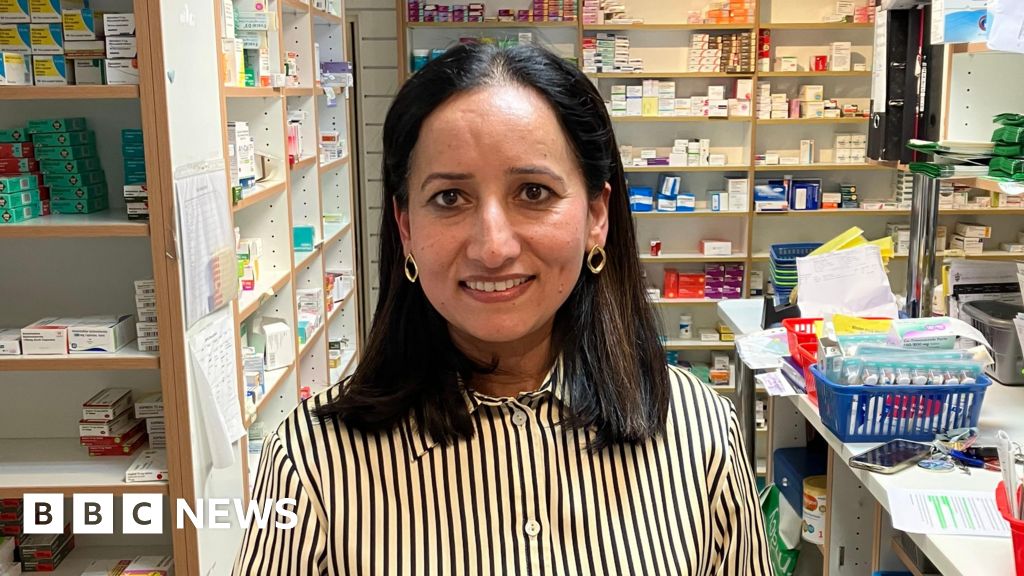
    BBC An Asian woman with dark shoulder length hair wearing a black and white striped top standing in a chemist with shelves of medicines behind herBBC

    Amandip Kaur said her pharmacy in St Dennis made a loss on half of the medicines it dispenses

    A pharmacist has warned more chemists in the South West could be forced to shut because of funding pressures, without urgent action from the government.

    The National Pharmacy Association said about 27 had closed in Cornwall and Devon between October 2022 and June this year.

    Those in the industry said the cost of up to half of the medicines they have to provide was no longer covered by the amount of NHS funding they received.

    The Government said it had invested £3.1bn into pharmacies this year and they were central to its 10 year plan for the future of local healthcare.

    Amandip Kaur, from Bann’s Pharmacies Limited who run the pharmacy in St Dennis, said the current situation was “unsustainable.”

    She said: “There is no profit margin for the pharmacist and the dispensing fees we get is nothing. It really does not cover the cost of running the pharmacy.”

    She said “40 to 50 percent” of the medicines they were purchasing were not covered by the amount the NHS was paying them.

    “It really needs to be looked into by the government sooner rather than later,” she added.

    The outside of the St Dennis Pharmacy. Stone steps lead up to a glass front door of a white coloured building with a big front window with a sign with the pharmacy name on top of it.

    Owners said it was difficult to cover the running costs of independent pharmacies like in St Dennis

    Nick Kaye, a pharmacist in Newquay who represents the National Pharmacy Association said: “Up to 63 percent of our members may be at risk of closing over the next 12 months.

    “People will do loads of things to keep them going – borrow money from family members, re-mortgage, cash in pensions. Which is a really difficult situation to be in and it can be perilous.”

    He called on the government to stabilise the current situation with the cost of dispensing prescriptions.

    “The government’s own independent economic review recognized a £2.6bn shortfall in community pharmacy funding so what we really need is a roadmap to make sure that bridge is gapped over the coming years,” he added.

    ‘Largest uplift’

    A Department of Health and Social Care spokesperson said: “Community pharmacists are at the heart of local healthcare.

    “As set out in the 10 Year Health Plan we want them to play a bigger role as we shift care out of hospitals and into the community.

    “This year we increased funding to community pharmacies to almost £3.1 billion – representing the largest uplift in funding of any part of the NHS for 2025/2026 – providing patients with more services closer to home and freeing up GP appointments.”

    Continue Reading

  • Big Tech is paying millions to train teachers on AI, in a push to bring chatbots into classrooms

    Big Tech is paying millions to train teachers on AI, in a push to bring chatbots into classrooms

    SAN ANTONIO — SAN ANTONIO (AP) — On a scorching hot Saturday in San Antonio, dozens of teachers traded a day off for a glimpse of the future. The topic of the day’s workshop: enhancing instruction with artificial intelligence.

    After marveling as AI graded classwork instantly and turned lesson plans into podcasts or online storybooks, one high school English teacher raised a concern that was on the minds of many: “Are we going to be replaced with AI?”

    That remains to be seen. But for the nation’s 4 million teachers to stay relevant and help students use the technology wisely, teachers unions have forged an unlikely partnership with the world’s largest technology companies. The two groups don’t always see eye to eye but say they share a common goal: training the future workforce of America.

    Microsoft, OpenAI and Anthropic are providing millions of dollars for AI training to the American Federation of Teachers, the country’s second-largest teachers union. In exchange, the tech companies have an opportunity to make inroads into schools and win over students in the race for AI dominance.

    AFT President Randi Weingarten said skepticism guided her negotiations, but the tech industry has something schools lack: deep pockets.

    “There is no one else who is helping us with this. That’s why we felt we needed to work with the largest corporations in the world,” Weingarten said. “We went to them — they didn’t come to us.”

    Weingarten first met with Microsoft CEO Brad Smith in 2023 to discuss a partnership. She later reached out to OpenAI to pursue an “agnostic” approach that means any company’s AI tools could be used in a training session.

    Under the arrangement announced in July, Microsoft is contributing $12.5 million to AFT over five years. OpenAI is providing $8 million in funding and $2 million in technical resources, and Anthropic has offered $500,000.

    With the money, AFT is planning to build an AI training hub in New York City that will offer virtual and in-person workshops for teachers. The goal is to open at least two more hubs and train 400,000 teachers over the next five years.

    The National Education Association, the country’s largest teachers union, announced its own partnership with Microsoft last month. The company has provided a $325,000 grant to help the NEA develop AI trainings in the form of “microcredentials” — online trainings open to the union’s 3 million members, said Daaiyah Bilal, NEA’s senior director of education policy. The goal is to train at least 10,000 members this school year.

    “We tailored our partnership very surgically,” Bilal said. “We are very mindful of what a technology company stands to gain by spreading information about the products they develop.”

    Both unions set similar terms: Educators, not the private funders, would design and lead trainings that include AI tools from multiple companies. The unions own the intellectual property for the trainings, which cover safety and privacy concerns alongside AI skills.

    The Trump administration has encouraged the private investment, recently creating an AI Education Task Force as part of an effort to achieve “global dominance in artificial intelligence.” The federal government urged tech companies and other organizations to foot the bill. So far, more than 100 companies have signed up.

    Tech companies see opportunities in education beyond training teachers. Microsoft unveiled a $4 billion initiative for AI training, research and the gifting of its AI tools to teachers and students. It includes the AFT grant and a program that will give all school districts and community colleges in Washington, Microsoft’s home state, free access to Microsoft CoPilot tools. Google says it will commit $1 billion for AI education and job training programs, including free access to its Gemini for Education platform for U.S. high schools.

    Several recent studies have found that AI use in schools is rapidly increasing but training and guidance are lagging.

    The industry offers resources that can help scale AI literacy efforts quickly. But educators should ensure any partnership focuses on what’s best for teachers and students, said Robin Lake, director of the Center on Reinventing Public Education.

    “These are private initiatives, and they are run by companies that have a stake,” Lake said.

    Microsoft CEO Brad Smith agrees that teachers should have a “healthy dose of skepticism” about the role of tech companies.

    “While it’s easy to see the benefits right now, we should always be mindful of the potential for unintended consequences,” Smith said in an interview, pointing to concerns such as AI’s possible impact on critical thinking. “We have to be careful. It’s early days.”

    At the San Antonio AFT training, about 50 educators turned up for the three-hour workshop for teachers in the Northside Independent School District. It is the city’s largest, employing about 7,000 teachers.

    The day started with a pep talk.

    “We all know, when we talk about AI, teachers say, ‘Nah, I’m not doing that,’” trainer Kathleen Torregrossa told the room. “But we are preparing kids for the future. That is our primary job. And AI, like it or not, is part of our world.”

    Attendees generated lesson plans using ChatGPT, Google’s Gemini, Microsoft CoPilot and two AI tools designed for schools, Khanmingo and Colorín Colorado.

    Gabriela Aguirre, a 1st grade dual language teacher, repeatedly used the word “amazing” to describe what she saw.

    “It can save you so much time,” she said, and add visual flair to lessons. She walked away with a plan to use AI tools to make illustrated flashcards in English and Spanish to teach vocabulary.

    “With all the video games, the cellphones you have to compete against, the kids are always saying, ‘I’m bored.’ Everything is boring,” Aguirre said. “If you can find ways to engage them with new technology, you’ve just got to do that.”

    Middle school teacher Celeste Simone said there is no turning back to how she taught before.

    As a teacher for English language learners, Simone can now ask AI tools to generate pictures alongside vocabulary words and create illustrated storybooks that use students’ names as characters. She can take a difficult reading passage and ask a chatbot to translate it into Spanish, Pashto or other languages. And she can ask AI to rewrite difficult passages at any grade level to match her students’ reading levels. All in a matter of seconds.

    “I can give my students access to things that never existed before,” Simone said. “As a teacher, once you’ve used it and see how helpful it is, I don’t think I could go back to the way I did things before.”

    ____

    The Associated Press’ education coverage receives financial support from multiple private foundations. AP is solely responsible for all content. Find AP’s standards for working with philanthropies, a list of supporters and funded coverage areas at AP.org.

    Continue Reading

  • Gold rallies beyond $4,300/oz, set for best week in five years

    Gold rallies beyond $4,300/oz, set for best week in five years

    Gold notched a new high above $4,300 an ounce on Friday and was poised for its best week in five years, as signs of weakness in U.S. regional banks, global trade frictions and expectations of more rate cuts sent investors flocking to the safe-haven metal.

    Bloomberg | Bloomberg | Getty Images

    Gold notched a new high above $4,300 an ounce on Friday and was poised for its best week in five years, as signs of weakness in U.S. regional banks, global trade frictions and expectations of more rate cuts sent investors flocking to the safe-haven metal.

    Spot gold was up 0.3% at $4,336.18 per ounce, as of 0233 GMT, after reaching a fresh high of $4,378.69 earlier in the session. U.S. gold futures for December delivery jumped 1% to $4,348.70.

    Bullion has risen about 8% so far this week in what would be its best week since March 2020, notching a record high in each session.

    Spot silver fell 0.7% to $53.86 per ounce, but stayed on track for a weekly gain. Earlier in the session, prices reached a record high of $54.35, tracking the rally in gold and a short squeeze in the spot market.

    “(For gold) $4,500 could arrive as a target perhaps sooner than expected, but much may depend upon how long concerns about U.S.-China trade and the government shutdown linger over the market for,” said KCM Trade Chief Market Analyst Tim Waterer.

    China levelled fresh accusations against the U.S. of causing panic over its rare earth controls, while rejecting calls to reverse export curbs.

    Meanwhile, Federal Reserve Governor Christopher Waller voiced support for another rate cut due to labour market concerns.

    Investors are expecting a 25-basis-point reduction at the Fed’s Oct. 29-30 meeting and another reduction in December. 

    Elsewhere, Wall Street closed lower on Thursday, with signs of weakness in regional banks spooking investors already on edge over U.S.-China trade tensions. 

    “The flare-up in U.S. regional bank credit concerns has given traders one more reason to buy gold,” Waterer said.

    Non-yielding bullion, which tends to do well in a low interest rate environment, has gained more than 65% year-to-date, driven by geopolitical tensions, aggressive rate-cut bets, central bank buying, de-dollarisation and robust exchange-trade fund inflows,

    On the geopolitical front, U.S. President Donald Trump and Russian President Vladimir Putin agreed on Thursday to another summit on the war in Ukraine.

    Western nations continued to pressure Russia over its oil sales, with Britain imposing sanctions on major Russian oil firms.

    Platinum fell 0.7% to $1,701.0 and palladium lost 0.4% to $1,607.93. Both metals were headed for weekly gains.

    Continue Reading

  • Venture Global seeks to quell client suspicions over LNG contracts

    Venture Global seeks to quell client suspicions over LNG contracts

    Unlock the Editor’s Digest for free

    Venture Global is seeking to quell accusations from major energy clients that it plans to sell liquefied natural gas cargoes on spot markets rather than honouring supply contracts from its new export terminal in Louisiana.

    The US LNG supplier wrote to clients on Thursday affirming its commitment to deliver on contractual obligations, after selling more than 100 cargoes from its Plaquemines facility before having declared it operational. Such a declaration triggers legal obligations to begin delivering on contracts.

    The customers are fearing a repeat of Venture Global’s conduct when it launched its first facility, Calcasieu Pass, from which it sold more than 400 cargoes on spot markets before fulfilling deliveries to customers. The move has led to growing legal and financial pressure on the group after an international arbitration panel ruled last week that the company breached its obligations.

    In a filing to US regulators last month, Venture Global requested a delay of its in-service date for Plaquemines by several months to the end of 2027, raising concerns among customers that the company could delay supplying cargoes to them as it did at its Calcasieu Pass facility.

    In that case, the company declared force majeure on its contractual commitments in March 2023 on the grounds that the Calcasieu Pass facility’s power supply equipment needed repair, even though it was able to supply cargoes to the spot market amid a price surge following Russia’s invasion of Ukraine.

    Spot markets are again priced far higher than long-term supply contracts would fetch.

    Saul Kavonic, head of energy research at MST Marquee, said: “Venture Global stands to make over double the revenue by selling cargoes on the spot market compared to selling under their long-term contracts.”

    The clients are so-called foundational customers, whose long-term contracts enable Venture Global to raise the money to build its LNG terminals.

    Last week the International Chamber of Commerce found Venture Global breached its obligations to BP by failing to deliver cargoes from Calcasieu Pass. It now faces damages claims worth more than $1bn from the UK oil major, as well as four additional arbitration cases filed by customers that could lead to similar judgments.

    Rating agency Fitch on Thursday revised its outlook on the company to “negative”, from “stable”, saying “any significant damages are likely to further pressure the company’s financial position in a period of elevated leverage”.

    Venture Global’s request for an extension of its in-service date for Plaquemines, which the Federal Energy Regulatory Commission approved on Thursday, prompted two customers, Chevron and Orlen, a Poland-based energy company, to ask the regulators to intervene in the case.

    Orlen, which is one of Plaquemines largest customers with a contract to buy 4mn tonnes of LNG a year, said it had “concerns regarding the intentions of Plaquemines parent company” in its submission to US energy regulators.

    Shell, also a foundation customer, told the Financial Times it was “closely monitoring activities at the Plaquemines facility to ensure adherence to our contracted commercial operation date”.

    When contacted for comment about its letter to customers, Venture Global said its recent filing to US regulators requesting a delay of its in-service date for Plaquemines to the end of 2027 would not change the date it would begin shipping cargos to long-term customers.

    “Our request for an extension is a case of aligning our permits with our actual construction schedule,” it said. “To be clear, this request will have no impact on our expected commercial operations date, which remains unchanged from what has been communicated and agreed upon with our customers.”

    Continue Reading

  • Silicon Valley takes stock of the AI bubble – Financial Times

    Silicon Valley takes stock of the AI bubble – Financial Times

    1. Silicon Valley takes stock of the AI bubble  Financial Times
    2. Stocks may be in an AI bubble. Is it time to horde cash?  USA Today
    3. ‘Absolutely’ a market bubble: Wall Street sounds the alarm on AI-driven boom as investors go all in  Yahoo Finance
    4. IMF’S GEORGIEVA SAYS AI INVESTMENT BOOM EXPECTED TO CONTRIBUTE BETWEEN 0.1% AND 0.8% TO GLOBAL GROWTH  NewsX
    5. Chance of AI market correction is ‘pretty high,’ says ex-Meta exec Nick Clegg as he pushes back on superintelligence  CNBC

    Continue Reading

  • Swiss court ruling has left a big unknown over Credit Suisse AT1 saga

    Swiss court ruling has left a big unknown over Credit Suisse AT1 saga

    Unlock the Editor’s Digest for free

    The writer is a managing partner and head of research at Axiom Alternative Investments

    The AT1 bond market does not have many friends. When Swiss authorities controversially wiped out $17bn of the Additional Tier 1 bonds issued by Credit Suisse, many claimed that the market was dead. As the argument went: “Surely no one would be foolish enough to read the terms and conditions and still buy bonds that can be worth zero overnight?”

    Lots of people were, it turned out: since lows hit in the wake of the failure of Credit Suisse, a Bloomberg index of the price of the bonds is up 50 per cent. And 2024 still saw a near 60 per cent increase in issuance to €46bn, according to Barclays. This year issuance has reached €34bn.

    AT1s were introduced as a form of supplementary bank capital, designed to be wiped out in a crisis to cover losses. They are crucial to reduce banks cost of equity and increase their capacity to lend. The issue with the Credit Suisse AT1s is whether the bonds were wiped out fairly. The Swiss Federal Court ruled on Tuesday that the treatment of the bonds was unlawful — a decision my investment firm supports as we own some bonds affected and are taking separate legal action. Now we are hearing a similar argument to the one made at the time of the Credit Suisse failure, only in reverse: if you cannot wipe out AT1 capital when an entity is a “gone concern”, the asset class is dead.

    But the circumstances of the Credit Suisse saga are idiosyncratic. To simplify, Swiss regulator Finma argued that it had basically three grounds to wipe out the bonds: two contractual grounds based on the terms of the bonds, and one general legal right, as an authority overseeing the bank’s resolution. The court dismissed the contractual grounds with a reasoning that is strictly limited to the specifics of this case. The terms and conditions allowed the wipeout in two situations: i) a notification by Finma of the non-viability of the bank and request by it for the wipeout of both AT1 and Tier 2 bonds or ii) necessary state aid improving the capital of the bank. On the first point, the court noted that Finma issued no such notification and, incomprehensibly, did not wipe out Tier 2 bonds. It could have done so. On the second point, the court says that Credit Suisse only received liquidity, and liquidity does not improve capital.

    The last nail in the coffin? Finma argued that, as AT1 eligible bonds, the terms were maybe unclear but should have allowed the wipeout. The court answered that Finma should not have authorised the bonds if they did not meet AT1 requirements.

    The discussion on the “general legal right” is also very intriguing. There were many ways for the Swiss authorities to zero the bonds. Swiss banking law gives huge discretion to Finma as a resolution authority and the court points that it explicitly refused to declare a resolution event and wipe out the bonds, presumably to protect the shareholders who received $3.2bn from UBS in the takeover of Credit Suisse and would have been left with nothing in a resolution. Under the Swiss constitution, an infringement on property rights requires a law and emergency ordinances can only be used as a substitute if no law is readily available.

    None of this has direct implications for the rest of Europe. European authorities have already proved that swift and strict application of resolution laws can be done with little litigation risk. Sberbank Europe was wound down in 2022 and even the fall of Banco Popular in 2017 did not leave many pathways for AT1 bondholders to pursue redress in court.

    Where does this leave UBS? Our firm has an interest in the outcome as we own UBS bonds but hold short positions on the stock. It’s the big unknown, and the Swiss court was very careful to point out that it was not answering that question — yet. This is why it calls its own decision “partial”. But the full text of the ruling hints at three possibilities.

    Ruling that the ordinance wiping out the bonds is null could simply mean that the bonds are reinstated and reintroduced in UBS’s balance sheet. Whether UBS could receive indemnification from the Swiss government, in the middle of the current tense discussion on massive new capital requirements for the bank is another story. But the court could also rule that the AT1s remain void and that its decision only opens the right to seek indemnification from Finma or from the now combined Credit Suisse-UBS.

    Who pays what in that scenario remains highly speculative — not to mention that this complex decision is not final and Finma will appealed against it. The Credit Suisse AT1 saga is far from over.

    Continue Reading