Category: 3. Business

  • Hollywood-AI battle heats up, as OpenAI and studios clash over copyrights and consent

    Hollywood-AI battle heats up, as OpenAI and studios clash over copyrights and consent

    A year after tech firm OpenAI roiled Hollywood with the release of its Sora AI video tool, Chief Executive Sam Altman was back — with a potentially groundbreaking update.

    Unlike the generic images Sora could initially create, the new program allows users to upload videos of real people and put them into AI-generated environments, complete with sound effects and dialogue.

    In one video, a synthetic Michael Jackson takes a selfie video with an image of “Breaking Bad” star Bryan Cranston. In another, a likeness of SpongeBob SquarePants speaks out from behind the White House’s Oval Office desk.

    “Excited to launch Sora 2!” Altman wrote on social media platform X on Sept. 30. “Video models have come a long way; this is a tremendous research achievement.”

    But the enthusiasm wasn’t shared in Hollywood, where the new AI tools have created a swift backlash. At the core of the dispute is who controls the copyrighted images and likenesses of actors and licensed characters — and how much they should be compensated for their use in AI models.

    The Motion Picture Assn. trade group didn’t mince words.

    “OpenAI needs to take immediate and decisive action to address this issue,” Chairman Charles Rivkin said in a statement Monday. “Well-established copyright law safeguards the rights of creators and applies here.”

    By the end of the week, multiple agencies and unions, including SAG-AFTRA, chimed in with similar statements, marking a rare moment of consensus in Hollywood and putting OpenAI on the defensive.

    “We’re engaging directly with studios and rightsholders, listening to feedback, and learning from how people are using Sora 2,” Varun Shetty, OpenAI’s vice president of media partnerships, said in a statement. “Many are creating original videos and excited about interacting with their favorite characters, which we see as an opportunity for rightsholders to connect with fans and share in that creativity.”

    For now, the skirmish between well-capitalized OpenAI and the major Hollywood studios and agencies appears to be only just the beginning of a bruising legal fight that could shape the future of AI use in the entertainment business.

    “The question is less about if the studios will try to assert themselves, but when and how,” said Anthony Glukhov, senior associate at law firm Ramo, of the clash between Silicon Valley and Hollywood over AI. “They can posture all they want; but at the end of the day, there’s going to be two titans battling it out.”

    Before it became the focus of ire in the creative community, OpenAI quietly tried to make inroads into the film and TV business.

    The company’s executives went on a charm offensive last year. They reached out to key players in the entertainment industry — including Walt Disney Co. — about potential areas for collaboration and trying to assuage concerns about its technology.

    This year, the San Francisco-based AI startup took a more assertive approach.

    Before unveiling Sora 2 to the general public, OpenAI executives had conversations with some studios and talent agencies, putting them on notice that they need to explicitly declare which pieces of intellectual property — including licensed characters — were being opted-out of having their likeness depicted on the AI platform, according to two sources familiar with the matter who were not authorized to comment. Actors would be included in Sora 2 unless they opted out, the people said.

    OpenAI disputes the claim and says that it was always the company’s intent to give actors and other public figures control over how their likeness is used.

    The response was immediate.

    Beverly Hills talent agency WME, which represents stars such as Michael B. Jordan and Oprah Winfrey, told OpenAI its actions were unacceptable, and that all of its clients would be opting out.

    Creative Artists Agency and United Talent Agency also argued that their clients had the right to control and be compensated for their likenesses.

    Studios, including Warner Bros., echoed the point.

    “Decades of enforceable copyright law establishes that content owners do not need to ‘opt out’ to prevent infringing uses of their protected IP,” Warner Bros. Discovery said in a statement. “As technology progresses and platforms advance, the traditional principles of copyright protection do not change.”

    Unions, including SAG-AFTRA — whose members were already alarmed over the recent appearance of a fake, AI-generated composite named Tilly Norwood — also expressed alarm.

    “OpenAI’s decision to honor copyright only through an ‘opt-out’ model threatens the economic foundation of our entire industry and underscores the stakes in the litigation currently working through the courts,” newly elected President Sean Astin and National Executive Director Duncan Crabtree-Ireland said in a statement.

    The dispute underscores a clash of two very different cultures. On one side is the brash, Silicon Valley “move fast and break things” ethos, where asking for forgiveness is seen as preferable to asking for permission. On the other is Hollywood’s eternal wariness over the effect of new technology, and its desire to retain control over increasingly valuable intellectual property rights.

    “The difficulty, as we’ve seen, is balancing the capabilities with the prior rights owned by other people,” said Rob Rosenberg, a partner with law firm Moses and Singer LLP and a former Showtime Networks general counsel. “That’s what was driving the entire entertainment industry bonkers.”

    Amid the outcry, Sam Altman posted on his blog days after the Sora 2 launch that the company would be giving more granular controls to rights holders and is working on a way to compensate them for video generation.

    OpenAI said it has guardrails to block the generation of well-known characters and a team of reviewers who are taking down material that doesn’t follow its updated policy. Rights holders can also request removal of content.

    The strong pushback from the creative community could be a strategy to force OpenAI into entering licensing agreements for the content they need, legal experts said.

    Existing law is clear — a copyright holder has full control over their copyrighted material, said Ray Seilie, entertainment litigator at law firm Kinsella Holley Iser Kump Steinsapir.

    “It’s not your job to go around and tell other people to stop using it,” he said. “If they use it, they use it at their own risk.”

    Disney, Universal and Warner Bros. Discovery have previously sued AI firms MiniMax and Midjourney, accusing them of copyright infringement.

    One challenge is figuring out a way that fairly compensates talent and rights holders. Several people who work within the entertainment industry ecosystem said they don’t believe a flat fee works.

    “Bring monetization that is not a one size fits all,” said Dan Neely, chief executive of Chicago-based Vermillio, which works with Hollywood talent and studios and protects how their likenesses and characters are used in AI. “That’s what will move the needle for talent and studios.”

    Visiting journalist Nilesh Christopher contributed to this report.

    Continue Reading

  • Gold prices in Pakistan Today

    Gold prices in Pakistan Today

    Gold prices increase in both international and local markets.

    In the international bullion market, the price of gold rises by $21 per ounce, reaching $4,016.

    In the local market, the price of gold per tola increases by Rs 2,100 to reach Rs 422,700.

    Similarly, the price per 10 grams rises by Rs 1,800, closing at Rs 362,397.

    The upward trend reflects ongoing fluctuations in global demand and market conditions.

    Read: Gold prices hit record high, cross Rs425,000 mark

    Earlier, Spot gold fell nearly 2% to $3,959.48 per ounce by 01:53 p.m. ET (17:53 GMT). U.S. gold futures for December delivery fell 2.4% to settle at $3,972.6.


    Continue Reading

  • it takes more than chips to win the AI race

    it takes more than chips to win the AI race

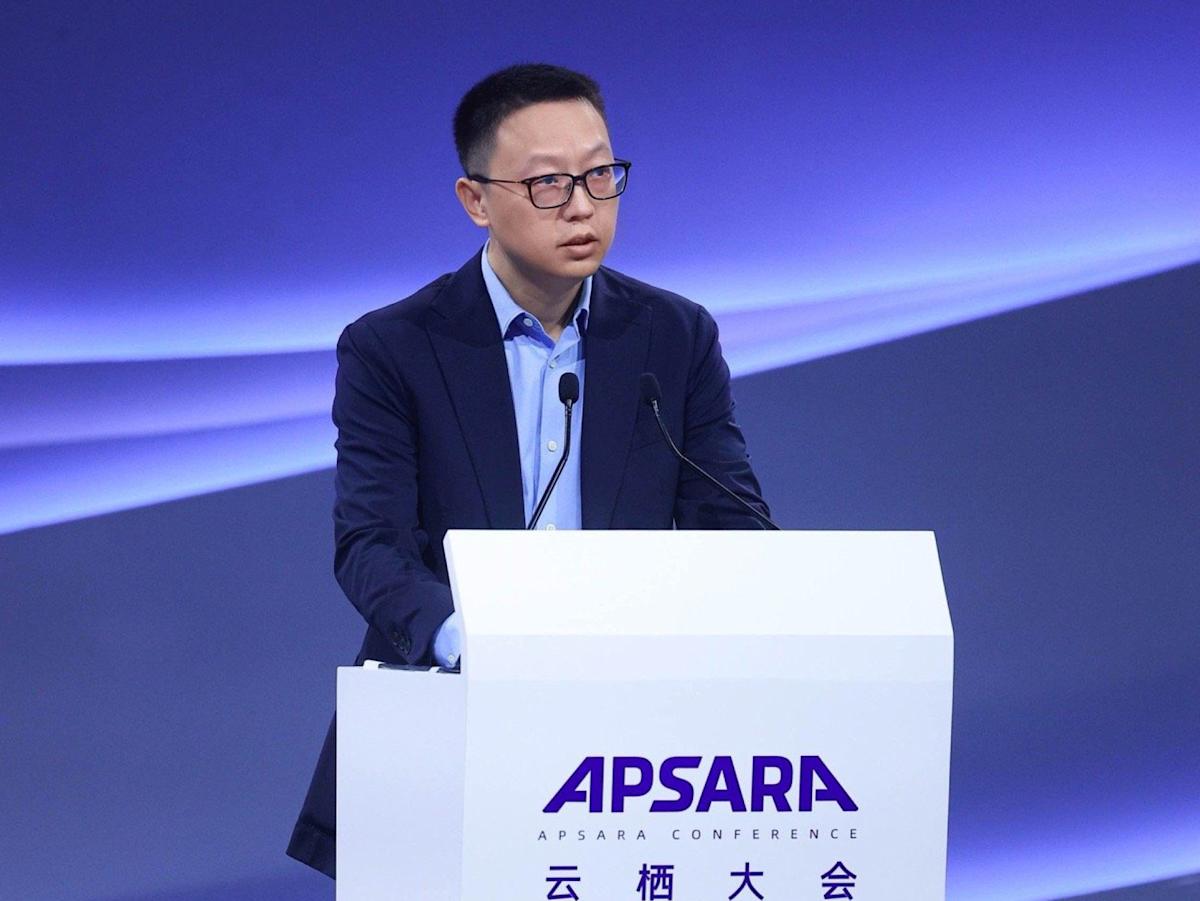
    Wu, however, immediately outlined a clear road map for Alibaba’s AI development, with a goal towards so-called artificial superintelligence (ASI) – when the firm’s Qwen open-source models and cloud services would serve as the software and computing infrastructure of the future.

    In essence, Alibaba aimed to become the “world’s leading full-stack AI service provider”, he said. Alibaba owns the Post.

    Do you have questions about the biggest topics and trends from around the world? Get the answers with SCMP Knowledge, our new platform of curated content with explainers, FAQs, analyses and infographics brought to you by our award-winning team.

    The blueprint laid out in Wu’s 23-minute speech signified not just a strategic upgrade for Alibaba, but also highlighted the competition between Chinese and US tech giants for the future of artificial intelligence – a field that has drawn some of the largest investments in history, with profound economic, social and geopolitical implications.

    As he spoke, Alibaba’s shares surged to a four-year high in Hong Kong, leading several banks to raise their price targets for the stock.

    Alibaba CEO Eddie Wu Yongming. Photo: Weibo

    A day later, US chipmaker Nvidia’s co-founder and CEO Jensen Huang referenced Wu’s remarks during a podcast with tech investors Brad Gerstner and Bill Gurley, in which he underscored the importance of spending big on AI.

    The AI arena has now shifted from just large language models to include upstream hardware and downstream applications, according to Kyle Chan, a postdoctoral researcher at Princeton University.

    China was engaged in a “different AI race” from the US, and it was no longer enough to have the strongest foundational model: one must also possess the best chips, algorithms and applications across the entire AI stack to stand out in a crowded field, Chan said.

    “Only in a pure ‘race to AGI’ world would the US be miles ahead, but that is probably not the world we live in,” he said, referring to artificial general intelligence – a hypothetical AI system capable of matching human performance in economically valuable tasks.

    Some estimates suggested that US and Chinese tech giants would collectively spend more than US$400 billion on AI infrastructure this year – roughly equivalent to the gross domestic product of Romania, the world’s 39th-largest economy according to the International Monetary Fund.

    That prompted some analysts to argue that the AI competition between China and the US was now being waged by “hyperscalers” – the world’s largest tech companies with major capabilities across the entire AI stack.

    Both Washington and Beijing have voiced support for their respective AI industries. The Trump administration’s AI Action Plan, released in July, aimed to promote the export of “American AI” technology globally, led by Nvidia and OpenAI – the world’s most valuable company and start-up, respectively.

    Open AI CEO Sam Altman. Photo: Getty Images/TNS

    As part of their partnership, Nvidia is helping OpenAI establish its own “self-hosted” data centres, which the start-up previously relied on Microsoft to provide. The move could also allow OpenAI to catch up with Tesla founder Elon Musk’s xAI, which is building its own Colossus data centres in Memphis, Tennessee.

    Alongside its recent deals with Advanced Micro Devices (AMD) and Samsung Electronics, as well as the US$500 billion in pledged funding for the Stargate Project – OpenAI’s joint venture with SoftBank Group and Oracle – the start-up’s computing deals amounted to at least US$1 trillion this year.

    More partnerships could be announced “in the coming months”, OpenAI CEO Sam Altman said on a podcast on Thursday.

    “To make the bet at this scale, we kind of need the whole industry, or a big chunk of the industry, to support it,” he said. “And this is from the level of electrons to model distribution and all the stuff in between, which is a lot.”

    China, too, has its share of hyperscalers, but their size lags behind their US counterparts. The big three American players – Amazon Web Services, Microsoft Azure and Google – command about 63 per cent of the US$900 billion global cloud computing market, according to Synergy Research Group.

    In China, Alibaba’s AI and cloud computing arm Alibaba Cloud holds a clear lead with 36 per cent of the market, according to research firm Omdia.

    At last month’s conference, Wu announced additional AI infrastructure spending beyond the initial US$53 billion commitment unveiled earlier this year. The company hinted that these extra funds would support the company’s largest overseas data centre expansion to date, including its first hubs in Brazil, France and the Netherlands. Wu said demand overseas “far exceeded” domestic growth.

    Nvidia CEO Jensen Huang. Photo: AFP

    Despite their advances, Chinese companies remained significantly behind their US peers in terms of investment. Alibaba’s three-year spending pledge is less than what any one of the US big three hyperscalers spends in a single year.

    OpenAI is currently valued at US$500 billion, while US AI model developer Anthropic saw its valuation nearly triple to US$183 billion following a funding round in September. In contrast, China’s leading start-ups, such as Moonshot AI and Z.ai, are valued at US$3.3 billion and US$5.6 billion, respectively.

    That did not necessarily mean China was falling behind in AI, Princeton’s Chan said. In the US, Silicon Valley executives – including Altman – stressed the urgency of beating China to achieve AGI.

    The US preoccupation with achieving AGI before China had led to an excessive focus on scaling computing resources and restricting Chinese access to advanced semiconductors, at the expense of developing the full US stack, Chan said.

    “Chinese policymakers are not ‘AGI-pilled’,” he said. “I think they see AI as something like the internet that can turbocharge, if not transform, existing industries, where the focus is on diffusing the technology broadly and increasing adoption,” said Chan, adding that he did not believe AGI was imminent.

    Alibaba chairman Joe Tsai, meanwhile, has stressed the importance of adoption. At an event hosted by the US podcast All-In last month, he said the winner in AI should not be defined by “who comes up with the strongest AI model”, but on “who can adopt it faster”.

    “I’m not saying China technologically is winning the model war,” he said. “But in terms of the actual application and also people benefiting from AI, it has made a lot of developments.”

    The Chinese government is betting on the integration of AI with the country’s formidable industrial and manufacturing sectors to win the tech race, a strategy known as “AI plus”.

    A Unitree robot takes part in an obstacle race at the World Humanoid Robot Games in Beijing. Photo: Reuters

    China now leads the world in industrial robot installations, with a record 2.027 million active robots, according to the International Federation of Robotics.

    The country’s humanoid robot market has also seen rapid growth, with prominent start-ups like Shanghai-based AgiBot and Hangzhou-based Unitree Robotics landing orders from state-owned firms.

    In March, for the first time, Beijing designated “embodied intelligence” – AI integrated into physical machines – as a key future industry. Authorities later outlined plans to promote robotics adoption across various sectors, including manufacturing, aerospace and logistics.

    Government support has filtered down to the entrepreneurial level, with nearly half of AI fundraising this year directed towards embodied intelligence start-ups, according to consultancy IT Juzi.

    “China is running away with the hard-power part of AI – robotics,” Martin Casado and Anne Neuberger, a general partner and senior adviser, respectively, at Silicon Valley venture capital firm Andreessen Horowitz, said in a recent post.

    “We start seeing intelligence embedded in the physical world – culminating in generalist robots that perform a wide variety of tasks across applications, from manufacturing to services to defence,” they wrote. “The country betting on that future is China, not the US.”

    Signs indicate that the US increasingly recognises the importance of AI applications in hard technology. OpenAI is reportedly ramping up hires for its robotics team and has partnered with autonomous driving start-up Applied Intuition.

    However, none of the world’s “big four” industrial robotics firms – ABB Robotics, Fanuc, Kuka and Yaskawa Electric – are based in the US.

    Huawei’s computing cluster on display at the World Artificial Intelligence Conference in Shanghai. Photo: NurPhoto via Getty Images

    The spending disparity between Silicon Valley and Chinese firms may not be critical, as Chinese hyperscalers do not always compete directly with their US counterparts, according to Poe Zhao, a Beijing-based tech analyst and founder of the Hello China Tech newsletter.

    “At least in the AI field, the market has become completely parallelised, with each playing its own game,” he said. “I think many people in the English-speaking world do not understand just how big the Chinese cloud market really is, with many demands from different segments, from large state-owned enterprises to small and medium-sized enterprises.”

    “It is impossible for any company to be like Amazon – to be a one-stop shop that meets everyone’s needs, which gives Alibaba, Huawei, Baidu and ByteDance different opportunities.”

    It also remained unclear just how far ahead US foundational models were compared to their Chinese rivals, according to Tilly Zhang, a Beijing-based tech analyst at Gavekal Dragonomics.

    Chinese models consistently top popular global AI leader boards, particularly in image and video generation, often delivering comparable performance at a fraction of the training costs of US competing products.

    The US government acknowledged the potential of China’s open-source ecosystem in driving global adoption.

    Meanwhile, partners at Andreessen Horowitz pointed out that US start-ups and universities were heavily reliant on Chinese models.

    The AI Action Plan emphasised the need for the US to develop leading open-source models, as the country’s previous open-source leader, Facebook owner Meta Platforms, has signalled it is no longer interested in open-sourcing its Llama models.

    OpenAI swiftly responded to the government’s call in August with its first open model in six years, but the gap with China’s well-established ecosystem – similar to that in robotics – may already be too wide to bridge, according to open-source AI expert Nathan Lambert.

    “Qwen alone is roughly matching the entire American open model ecosystem today”, Lambert said at a recent industry conference.

    He highlighted the depth of China’s open-source ecosystem, which spans from Big Tech giants such as Huawei Technologies and ByteDance to unexpected developers like food delivery giant Meituan and Alibaba’s fintech affiliate Ant Group, which open-sourced a 1 trillion-parameter model on Thursday.

    Just as OpenAI has allied itself with Nvidia and AMD, a self-sufficient AI ecosystem is emerging in China through a collaboration between Huawei and DeepSeek.

    In the latest example, when DeepSeek introduced a new programming language called TileLang as part of its new foundational model, Hygon Information Technology and Cambricon Technologies quickly announced “day zero” chip support for the new model, while Huawei said it was developing core operators for TileLang.

    “This synchronicity suggests a strategic alignment,” Hello China Tech’s Zhao said. “It is the second phase of a deliberate campaign to build a self-sufficient AI stack, free from Nvidia’s influence.”

    The jury is still out on whether Chinese AI players can achieve ASI with local hardware, although Huawei touted that its clustering solution could address computing power needs.

    Meanwhile, American lawmakers have called for broader chip export controls, believing access to US technologies remains crucial for China’s AI ambitions.

    At the Apsara conference, hundreds of developers and customers listened intently to the presentations, many using a Qwen-powered translation and transcription tool. Alibaba appeared undeterred, as it stressed its commitment to cultivating a vibrant AI ecosystem.

    There would only be “five or six hyperscalers globally” in the future, Wu said, implying that Alibaba would be one of them.

    This article originally appeared in the South China Morning Post (SCMP), the most authoritative voice reporting on China and Asia for more than a century. For more SCMP stories, please explore the SCMP app or visit the SCMP’s Facebook and Twitter pages. Copyright © 2025 South China Morning Post Publishers Ltd. All rights reserved.

    Copyright (c) 2025. South China Morning Post Publishers Ltd. All rights reserved.


    Continue Reading

  • Armillotta M, Bergamaschi L, Paolisso P, Belmonte M, Angeli F, Sansonetti A, et al. Prognostic relevance of Type 4a myocardial infarction and periprocedural myocardial injury in patients with non-ST-segment-elevation myocardial infarction. Circulation. 2025;151(11):760–72.

    Article 
    CAS 
    PubMed 
    PubMed Central 

    Google Scholar 

  • Lopaschuk GD, Stanley WC. Glucose metabolism in the ischemic heart. Circulation. 1997;95(2):313–5.

    Article 
    CAS 
    PubMed 

    Google Scholar 

  • Norhammar A, Tenerz A, Nilsson G, Hamsten A, Efendíc S, Rydén L, et al. Glucose metabolism in patients with acute myocardial infarction and no previous diagnosis of diabetes mellitus: a prospective study. Lancet. 2002;359(9324):2140–4.

    Article 
    CAS 
    PubMed 

    Google Scholar 

  • Paolisso P, Foa A, Bergamaschi L, Angeli F, Fabrizio M, Donati F, et al. Impact of admission hyperglycemia on short and long-term prognosis in acute myocardial infarction: MINOCA versus MIOCA. Cardiovasc Diabetol. 2021;20(1):192.

    Article 
    CAS 
    PubMed 
    PubMed Central 

    Google Scholar 

  • Paolisso P, Foà A, Bergamaschi L, Donati F, Fabrizio M, Chiti C, et al. Hyperglycemia, inflammatory response and infarct size in obstructive acute myocardial infarction and MINOCA. Cardiovasc Diabetol. 2021;20(1):33.

    Article 
    CAS 
    PubMed 
    PubMed Central 

    Google Scholar 

  • Marfella R, Sasso FC, Siniscalchi M, Paolisso P, Rizzo MR, Ferraro F, et al. Peri-procedural tight glycemic control during early percutaneous coronary intervention is associated with a lower rate of in-stent restenosis in patients with acute ST-elevation myocardial infarction. J Clin Endocrinol Metab. 2012;97(8):2862–71.

    Article 
    CAS 
    PubMed 

    Google Scholar 

  • Zhang JW, Zhou YJ, Cao SJ, Yang Q, Yang SW, Nie B. Impact of stress hyperglycemia on in-hospital stent thrombosis and prognosis in nondiabetic patients with ST-segment elevation myocardial infarction undergoing a primary percutaneous coronary intervention. Coron Artery Dis. 2013;24(5):352–6.

    Article 
    PubMed 

    Google Scholar 

  • Khalfallah M, Abdelmageed R, Elgendy E, Hafez YM. Incidence, predictors and outcomes of stress hyperglycemia in patients with ST elevation myocardial infarction undergoing primary percutaneous coronary intervention. Diab Vasc Dis Res. 2020;17(1):1479164119883983.

    Article 
    PubMed 

    Google Scholar 

  • Stalikas N, Papazoglou AS, Karagiannidis E, Panteris E, Moysidis D, Daios S, et al. Association of stress induced hyperglycemia with angiographic findings and clinical outcomes in patients with ST-elevation myocardial infarction. Cardiovasc Diabetol. 2022;21(1):140.

    Article 
    CAS 
    PubMed 
    PubMed Central 

    Google Scholar 

  • Algül E, Özbeyaz NB, Şahan HF, Aydınyılmaz F, Sunman H, Tulmaç M. Stress hyperglycemia ratio is associated with high thrombus burden in patients with acute coronary syndrome. Angiology. 2023;75(7):645–50.

    Article 
    PubMed 

    Google Scholar 

  • Roberts GW, Quinn SJ, Valentine N, Alhawassi T, O’Dea H, Stranks SN, et al. Relative hyperglycemia, a marker of critical illness: introducing the stress hyperglycemia ratio. J Clin Endocrinol Metab. 2015;100(12):4490–7.

    Article 
    CAS 
    PubMed 

    Google Scholar 

  • Sia CH, Chan MH, Zheng H, Ko J, Ho AF, Chong J, et al. Optimal glucose, HbA1c, glucose-HbA1c ratio and stress-hyperglycaemia ratio cut-off values for predicting 1-year mortality in diabetic and non-diabetic acute myocardial infarction patients. Cardiovasc Diabetol. 2021;20(1):211.

    Article 
    CAS 
    PubMed 
    PubMed Central 

    Google Scholar 

  • Xu W, Yang YM, Zhu J, Wu S, Wang J, Zhang H, et al. Predictive value of the stress hyperglycemia ratio in patients with acute ST-segment elevation myocardial infarction: insights from a multi-center observational study. Cardiovasc Diabetol. 2022;21(1):48.

    Article 
    CAS 
    PubMed 
    PubMed Central 

    Google Scholar 

  • Liao W, Chen Y, Gao Q, Gan R, Li M, Liu Z, et al. Impact of stress hyperglycemia ratio, derived from glycated albumin or hemoglobin A1c, on mortality among ST-segment elevation myocardial infarction patients. Cardiovasc Diabetol. 2023;22(1):334.

    Article 
    CAS 
    PubMed 
    PubMed Central 

    Google Scholar 

  • Nusca A, Patti G, Marino F, Mangiacapra F, D’Ambrosio A, Di Sciascio G. Prognostic role of preprocedural glucose levels on short- and long-term outcome in patients undergoing percutaneous coronary revascularization. Catheter Cardiovasc Interv. 2012;80(3):377–84.

    PubMed 

    Google Scholar 

  • Xia J, Xu J, Hu S, Hao H, Yin C, Xu D. Impact of glycemic variability on the occurrence of periprocedural myocardial infarction and major adverse cardiovascular events (MACE) after coronary intervention in patients with stable angina pectoris at 6months follow-up. Clin Chim Acta. 2017;471:196–200.

    Article 
    CAS 
    PubMed 

    Google Scholar 

  • Tandjung K, van Houwelingen KG, Jansen H, Basalus MW, Sen H, Lowik MM, et al. Comparison of frequency of periprocedural myocardial infarction in patients with and without diabetes mellitus to those with previously unknown but elevated glycated hemoglobin levels (from the TWENTE Trial). Am J Cardiol. 2012;110(11):1561–7.

    Article 
    PubMed 

    Google Scholar 

  • Thygesen K, Alpert JS, Jaffe AS, Chaitman BR, Bax JJ, Morrow DA, et al. Fourth universal definition of myocardial infarction (2018). Eur Heart J. 2019;40(3):237–69.

    Article 
    PubMed 

    Google Scholar 

  • Byrne RA, Rossello X, Coughlan JJ, Barbato E, Berry C, Chieffo A, et al. 2023 ESC Guidelines for the management of acute coronary syndromes. Eur Heart J. 2023;44(38):3720–826.

    Article 
    CAS 
    PubMed 

    Google Scholar 

  • American Diabetes Association Professional Practice C. 2. Classification and Diagnosis of Diabetes: Standards of Medical Care in Diabetes-2022. Diabetes Care. 2022;45(Suppl 1):S17-S38.

  • Fujino M, Ishihara M, Honda S, Kawakami S, Yamane T, Nagai T, et al. Impact of acute and chronic hyperglycemia on in-hospital outcomes of patients with acute myocardial infarction. Am J Cardiol. 2014;114(12):1789–93.

    Article 
    PubMed 

    Google Scholar 

  • Marenzi G, Cosentino N, Milazzo V, De Metrio M, Cecere M, Mosca S, et al. Prognostic value of the acute-to-chronic glycemic ratio at admission in acute myocardial infarction: a prospective study. Diabetes Care. 2018;41(4):847–53.

    Article 
    CAS 
    PubMed 

    Google Scholar 

  • Marenzi G, Cosentino N, Milazzo V, De Metrio M, Rubino M, Campodonico J, et al. Acute kidney injury in diabetic patients with acute myocardial infarction: role of acute and chronic glycemia. J Am Heart Assoc. 2018;7(8):e008122.

    Article 
    PubMed 
    PubMed Central 

    Google Scholar 

  • Lin Z, Liang X, Zhang Y, Dai Y, Zeng L, Chen W, et al. Positive association between stress hyperglycemia ratio and pulmonary infection in patients with ST-segment elevation myocardial infarction undergoing percutaneous coronary intervention. Cardiovasc Diabetol. 2023;22(1):76.

    Article 
    PubMed 
    PubMed Central 

    Google Scholar 

  • Malmberg K, Ryden L, Efendic S, Herlitz J, Nicol P, Waldenstrom A, et al. Randomized trial of insulin-glucose infusion followed by subcutaneous insulin treatment in diabetic patients with acute myocardial infarction (DIGAMI study): effects on mortality at 1 year. J Am Coll Cardiol. 1995;26(1):57–65.

    Article 
    CAS 
    PubMed 

    Google Scholar 

  • Malmberg K, Ryden L, Wedel H, Birkeland K, Bootsma A, Dickstein K, et al. Intense metabolic control by means of insulin in patients with diabetes mellitus and acute myocardial infarction (DIGAMI 2): effects on mortality and morbidity. Eur Heart J. 2005;26(7):650–61.

    Article 
    CAS 
    PubMed 

    Google Scholar 

  • Deedwania P, Kosiborod M, Barrett E, Ceriello A, Isley W, Mazzone T, et al. Hyperglycemia and acute coronary syndrome: a scientific statement from the American Heart Association Diabetes Committee of the Council on Nutrition, Physical Activity, and Metabolism. Circulation. 2008;117(12):1610–9.

    Article 
    PubMed 

    Google Scholar 

  • Li L, Zhao M, Zhang Z, Zhou L, Zhang Z, Xiong Y, et al. Prognostic significance of the stress hyperglycemia ratio in critically ill patients. Cardiovasc Diabetol. 2023;22(1):275.

    Article 
    CAS 
    PubMed 
    PubMed Central 

    Google Scholar 

  • Mone P, Lombardi A, Salemme L, Cioppa A, Popusoi G, Varzideh F, et al. Stress hyperglycemia drives the risk of hospitalization for chest pain in patients with ischemia and nonobstructive coronary arteries (INOCA). Diabetes Care. 2023;46(2):450–4.

    Article 
    CAS 
    PubMed 

    Google Scholar 

  • Angeli F, Reboldi G, Poltronieri C, Lazzari L, Sordi M, Garofoli M, et al. Hyperglycemia in acute coronary syndromes: from mechanisms to prognostic implications. Ther Adv Cardiovasc Dis. 2015;9(6):412–24.

    Article 
    CAS 
    PubMed 

    Google Scholar 

  • Gustavsson C, Agardh CD, Zetterqvist AV, Nilsson J, Agardh E, Gomez MF. Vascular cellular adhesion molecule-1 (VCAM-1) expression in mice retinal vessels is affected by both hyperglycemia and hyperlipidemia. PLoS ONE. 2010;5(9): e12699.

    Article 
    PubMed 
    PubMed Central 

    Google Scholar 

  • Piconi L, Quagliaro L, Da Ros R, Assaloni R, Giugliano D, Esposito K, et al. Intermittent high glucose enhances ICAM-1, VCAM-1, E-selectin and interleukin-6 expression in human umbilical endothelial cells in culture: the role of poly(ADP-ribose) polymerase. J Thromb Haemost. 2004;2(8):1453–9.

    Article 
    CAS 
    PubMed 

    Google Scholar 

  • Undas A, Wiek I, Stepien E, Zmudka K, Tracz W. Hyperglycemia is associated with enhanced thrombin formation, platelet activation, and fibrin clot resistance to lysis in patients with acute coronary syndrome. Diabetes Care. 2008;31(8):1590–5.

    Article 
    CAS 
    PubMed 
    PubMed Central 

    Google Scholar 

  • Abassi Z, Armaly Z, Heyman SN. Glycocalyx degradation in ischemia-reperfusion injury. Am J Pathol. 2020;190(4):752–67.

    Article 
    CAS 
    PubMed 

    Google Scholar 

  • Maksimenko AV, Turashev AD. No-reflow phenomenon and endothelial glycocalyx of microcirculation. Biochem Res Int. 2012;2012: 859231.

    Article 
    PubMed 

    Google Scholar 

  • Oswald GA, Smith CC, Betteridge DJ, Yudkin JS. Determinants and importance of stress hyperglycaemia in non-diabetic patients with myocardial infarction. Br Med J (Clin Res Ed). 1986;293(6552):917–22.

    Article 
    CAS 
    PubMed 

    Google Scholar 

  • Li M, Chi X, Wang Y, Setrerrahmane S, Xie W, Xu H. Trends in insulin resistance: insights into mechanisms and therapeutic strategy. Signal Transduct Target Ther. 2022;7(1):216.

    Article 
    CAS 
    PubMed 
    PubMed Central 

    Google Scholar 

  • Yang J, Zheng Y, Li C, Gao J, Meng X, Zhang K, et al. The Impact of the stress hyperglycemia ratio on short-term and long-term poor prognosis in patients with acute coronary syndrome: insight from a large cohort study in Asia. Diabetes Care. 2022;45(4):947–56.

    Article 
    CAS 
    PubMed 

    Google Scholar 

  • Zeng G, Song Y, Zhang Z, Xu J, Liu Z, Tang X, et al. Stress hyperglycemia ratio and long-term prognosis in patients with acute coronary syndrome: A multicenter, nationwide study. J Diabetes. 2023;15(7):557–68.

    Article 
    CAS 
    PubMed 
    PubMed Central 

    Google Scholar 

  • Schmitz T, Freuer D, Harmel E, Heier M, Peters A, Linseisen J, et al. Prognostic value of stress hyperglycemia ratio on short- and long-term mortality after acute myocardial infarction. Acta Diabetol. 2022;59(8):1019–29.

    Article 
    CAS 
    PubMed 
    PubMed Central 

    Google Scholar 

Continue Reading

  • 10 ongoing Clinical Trials on Immunotherapy in Breast Cancer

    10 ongoing Clinical Trials on Immunotherapy in Breast Cancer

    Immunotherapy is rapidly transforming the treatment landscape of breast cancer—extending far beyond metastatic settings into neoadjuvant, adjuvant, and maintenance approaches. From adoptive cellular therapy with tumor-infiltrating lymphocytes (TILs) to immune checkpoint blockade combined with chemotherapy, radiotherapy, or targeted agents, research efforts are reshaping how triple-negative and HER2-negative disease are treated across all stages.

    Across global centers—from Shanghai and Paris to New York and Amsterdam—innovative phase I–III trials are testing PD-1/PD-L1 inhibitors such as pembrolizumab, atezolizumab, tislelizumab, and adebrelimab, alongside novel agents like tiragolumab and TIGIT or CTLA-4 combinations. These studies aim not only to improve response and survival rates but also to uncover predictive biomarkers through advanced genomic and immune profiling.

    Study on TIL for the Treatment of Advanced Breast Cancer

    This early-phase, single-arm clinical trial sponsored by Shanghai Juncell Therapeutics is evaluating autologous tumor-infiltrating lymphocyte (TIL) therapy (GC101 TIL) in patients with advanced or metastatic breast cancer who have exhausted standard therapies.

    Eligible patients (ages 18–75) undergo tumor biopsy or resection to isolate and expand TILs ex vivo. Following non-myeloablative lymphodepletion with hydroxychloroquine (600 mg, single dose) and cyclophosphamide, participants receive an intravenous infusion of 1×10⁹–5×10¹⁰ TILs over 30–120 minutes.

    The primary objectives are to assess safety (adverse event incidence) and objective response rate (ORR) per RECIST v1.1. Secondary endpoints include disease control rate (DCR), duration of response (DOR), progression-free survival (PFS), overall survival (OS), and quality-of-life improvement measured by EORTC QLQ-C30.

    Approximately 50 patients are being enrolled at Shanghai Tenth People’s Hospital, with primary completion expected in December 2024 and study completion in December 2025. This trial explores the feasibility and early clinical activity of adoptive TIL immunotherapy in heavily pretreated breast cancer.

    Observational Study on the Sensitivity of Neoadjuvant Immunotherapy in Early Triple-Negative Breast Cancer

    This prospective observational study, sponsored by Shandong University, aims to identify molecular signatures predictive of response, resistance, and immune-related toxicity in patients with early-stage triple-negative breast cancer (TNBC) receiving neoadjuvant PD-1 inhibitor–based chemoimmunotherapy.

    A total of 200 patients aged 18–60 with newly diagnosed, non-metastatic TNBC will receive tislelizumab (200 mg IV, every 21 days) combined with albumin-bound paclitaxel (260 mg/m²) and carboplatin (AUC 4) for six cycles prior to surgery. Using deep sequencing of T-cell receptor (TCR) repertoires in peripheral blood collected before, during, and after therapy, investigators will analyze the dynamic immune landscape to distinguish immunotherapy-sensitive from resistant phenotypes and to predict severe immune-related adverse events (irAEs).

    The primary endpoint is pathological complete response (pCR). Secondary endpoints include clinical response rate (cCR), frequency and severity of irAEs, and patterns of drug resistance. This study integrates AI-based TCR repertoire analysis to establish predictive biomarkers for individualized immunotherapy selection and toxicity risk stratification in TNBC.

    Preoperative Immunotherapy Combined With Stereotactic Radiation Therapy Boost in HER2-Negative Breast Cancer (BREAST-BOOSTER)

    This Phase II randomized, double-blind study, sponsored by the Maria Sklodowska-Curie National Research Institute of Oncology (Poland), evaluates the safety and efficacy of pembrolizumab plus stereotactic radiation boostin patients with HER2-negative breast cancer showing poor metabolic response after initial chemotherapy.

    After anthracycline-based induction, eligible patients (stage IIA–IV, including oligometastatic disease) are randomized 2:1 to receive pembrolizumab 200 mg IV every 3 weeks (×4) or placebo, combined with CyberKnife preoperative stereotactic radiotherapy delivered concurrently with paclitaxel ± carboplatin.

    The primary endpoint is pathologic complete tumor regression confirmed in surgical specimens (per Simon’s two-stage design). Secondary endpoints include invasive disease-free survival, partial regression metrics, quality of life (QLQ-C30), and treatment-related toxicity (CTCAE v5.0).

    A Study of BRIA-OTS Cellular Immunotherapy in Metastatic Recurrent Breast Cancer

    This open-label Phase 1/2a trial, sponsored by BriaCell Therapeutics Corporation, evaluates the safety and preliminary efficacy of the BC1 allogeneic cellular immunotherapy—a HER2-positive, GM-CSF–secreting breast cancer cell line—alone and in combination with the Bria-OTS regimen and checkpoint inhibitor tislelizumab in patients with metastatic or recurrent breast cancer.

    In Phase 1 (monotherapy), escalating doses of BC1 are administered intradermally every 2 weeks for four doses to determine safety and dose-limiting toxicity. Once the maximum tolerated dose (MTD) is established, the combination phase begins, adding low-dose cyclophosphamide (300 mg/m², 2–3 days before BC1), peginterferon alpha-2a (same day as inoculation), and tislelizumab every 3 weeks. Phase 2 expands treatment to 12 patients to assess clinical activity.

    Primary endpoints include safety (AEs, SAEs, lab, ECG, and vital sign abnormalities). Secondary endpoints assess objective response rate (ORR), clinical benefit rate (CBR), duration of response (DoR), progression-free survival (PFS/PFS2), immune correlates, and HLA-based response stratification. The study also explores antigen expression (PD-L1, PD-L2, PRAME) on circulating tumor cells to identify predictors of response.

    NOvel Immunotherapy Strategies for Advanced Triple Negative Breast Cancer (TONIC-3)

    This Phase II, single-center, multi-cohort study, led by Dr. Marleen Kok at the Netherlands Cancer Institute, investigates tiragolumab-based combinations to improve immunotherapy outcomes in patients with advanced or metastatic triple-negative breast cancer (TNBC). The trial explores synergistic immune activation using anti-TIGIT (tiragolumab) with PD-L1 blockade (atezolizumab) and/or CTLA-4 blockade (ipilimumab) in patients with PD-L1–negative disease (CPS < 10) or those previously treated with PD-(L)1 inhibitors.

    Participants are randomized to three experimental arms:

    • Tiragolumab + Atezolizumab (600 mg + 1200 mg IV every 3 weeks)
    • Tiragolumab + Ipilimumab (600 mg + 1 mg/kg IV every 3 weeks × 4 cycles)
    • Triple-checkpoint blockade (Tiragolumab + Atezolizumab + Ipilimumab)

    The primary endpoint is 12-week progression-free survival (PFS-12), with safety (CTCAE v5.0) as a co-primary measure. Secondary endpoints include objective response rate (ORR), clinical benefit rate (CBR), PFS, and overall survival (OS), assessed per iRECIST/RECIST 1.1. Correlative translational analyses will characterize tumor–immune interactions to identify biomarkers of response and resistance to combined checkpoint blockade.

    Stereotactic Radiotherapy Combined With Adebrelimab and TCb (Nab-paclitaxel + Carboplatin) in Neoadjuvant Treatment of TNBC

    This Phase II multicenter, randomized open-label trial, sponsored by Shengjing Hospital (China), investigates whether stereotactic radiotherapy (SRT) enhances the efficacy of adebrelimab (anti–PD-L1) combined with nab-paclitaxel plus carboplatin (TCb) as neoadjuvant therapy in patients with stage II–III triple-negative breast cancer (TNBC).

    A total of 136 treatment-naïve female patients are randomized to two arms: the experimental arm receives adebrelimab plus SRT (initiated on the second cycle of adebrelimab, every other day for 3 fractions) followed by adebrelimab + TCb for six 3-week cycles; the control arm receives adebrelimab + TCb alone.

    The primary endpoint is total pathologic complete response (tpCR) at surgery. The study aims to evaluate whether short-course stereotactic radiation can act as an immunologic primer, augmenting the antitumor response to adebrelimab-based chemoimmunotherapy.

    Impact of Neoadjuvant Immunotherapy in Early Stage Breast Cancer Before Standard Therapy (BIS-Program)

    This Phase II, open-label, adaptive randomized study, sponsored by Gustave Roussy (France), investigates the immunologic and biologic impact of short-term preoperative immunotherapy with atezolizumab, alone or in combination with biologic agents, in early-stage triple-negative (TNBC) and HER2-positive breast cancer prior to standard therapy or surgery.

    The study enrolls up to 185 patients divided into two cohorts:

    • Cohort 1 (TNBC) – randomized to either atezolizumab monotherapy or atezolizumab + bevacizumab (both given once, 15 ± 2 days before surgery or neoadjuvant therapy).
    • Cohort 2 (HER2+) – randomized to trastuzumab + pertuzumab versus atezolizumab + trastuzumab + pertuzumab, also as single infusions before surgery or standard systemic treatment.

    The primary endpoint is a ≥2-fold increase in activated GzmB⁺ CD8⁺ T cells from baseline to post-treatment (14 days), assessed via immunohistochemistry (IHC) on tumor biopsies. Secondary endpoints include clinical response, pathologic complete response (pCR), and biomarker evolution (PD-L1, Ki67, MHC-I, gene expression). Translational correlative analyses will explore immune activation profiles and tumor–immune dynamics following short-term checkpoint blockade.

    Avelumab With Binimetinib, Sacituzumab Govitecan, or Liposomal Doxorubicin in Advanced TNBC (InCITe, TBCRC 047)

    The InCITe (Innovative Combination Immunotherapy for Metastatic TNBC) trial is a Phase II, multicenter, open-label, multi-arm study led by Dr. Laura Huppert (UCSF) under the Translational Breast Cancer Research Consortium (TBCRC 047). It evaluates avelumab-based combination immunotherapy in patients with stage IV or unresectable, recurrent triple-negative breast cancer (TNBC).

    Patients are randomized to three active arms:

    • Arm A: Avelumab + Liposomal Doxorubicin + Binimetinib following a 15-day binimetinib lead-in.
    • Arm B: Avelumab + Sacituzumab Govitecan following a 15-day induction.
    • Arm C: Avelumab + Liposomal Doxorubicin following a 15-day lead-in.

    The trial investigates whether immune-stimulatory “lead-in” therapy with cytotoxic or targeted agents can enhance checkpoint blockade efficacy.
    The primary endpoint is best overall response rate (BORR) per RECIST 1.1, while secondary endpoints include ORR (iRECIST), clinical benefit rate (CBR), PFS, OS, and patient-reported outcomes (PROMIS, PRO-CTCAE, TSQM).

    Extensive translational correlative analyses aim to define predictive biomarkers of response, including PD-L1, TILs, MHC-I/II, TCR clonality, ctDNA dynamics, and microbiome composition.

    Capecitabine Plus Pembrolizumab in TNBC After Chemo-immunotherapy and Surgery (CAPPA)

    The CAPPA trial (NCT05973864) is a Phase II, multicenter, open-label study sponsored by UNICANCER (France)evaluating whether adding capecitabine to adjuvant pembrolizumab improves outcomes in patients with localized triple-negative breast cancer (TNBC) who have residual disease after neoadjuvant chemo-immunotherapy with pembrolizumab.

    In the experimental arm, patients receive pembrolizumab 200 mg IV every 3 weeks for 9 cycles, plus capecitabine 1250 mg/m² twice daily (14 days on/7 days off) for 8 cycles, with optional dose adjustment during radiotherapy. Results will be compared to an external real-world cohort of TNBC patients who received adjuvant pembrolizumab alone after surgery.

    The primary endpoint is 2-year invasive disease-free survival (iDFS); secondary endpoints include overall survival (OS), distant disease-free survival (DDFS), and toxicity (CTCAE v5).

    Radiation Therapy With Pembrolizumab and Olaparib or Other Radiosensitizers in Metastatic TNBC and HR+/HER2− Breast Cancer

    This Phase II, open-label platform trial led by Dr. Atif Khan at Memorial Sloan Kettering Cancer Centerinvestigates whether combining pembrolizumab and ablative radiotherapy, with or without olaparib, can enhance antitumor immune responses in metastatic triple-negative (mTNBC) or hormone receptor–positive/HER2-negative (mER+) breast cancer.

    The trial includes three arms:

    • Arm A (mTNBC): pembrolizumab + RT + olaparib
    • Arm B (mTNBC, paused): pembrolizumab + RT
    • Arm C (mER+ MBC): pembrolizumab + SBRT + olaparib

    Radiation is delivered as 8–9 Gy × 3 fractions (or 30 Gy/6 Gy × 5 for larger lesions). Pembrolizumab (200 mg IV q3w × 3 doses) and olaparib (150 mg × 2 bid, continuous for 2 cycles) are administered concurrently.

    The primary endpoint is overall response rate (ORR) in unirradiated lesions at 8 weeks (RECIST v1.1). The study explores whether RT + PARP inhibition can potentiate systemic immune activation, even in PD-L1–negative or ICI-pretreated TNBC.

    10 ongoing Clinical Trials on Immunotherapy in Breast Cancer

    You Can Also Read About 10 ongoing Clinical Trials on Immunotherapy in Gastric Cancer


    Continue Reading

  • Entrepreneur in Residence / Senior Business Lead (d/f/m) – B2B SaaS Solutions

    We are looking for an Entrepreneur in Residence / Senior Business Lead (d/f/m) – B2B SaaS Solutions with a strong entrepreneurial mindset to lead the launch and scaling of an advanced dealer software tool at mobile.de.

    At mobile.de, we are building more than software – we’re creating the operating system of the modern dealership. 

    Join mobile.de as the driving force behind our next strategic B2B SaaS venture. In this founder-style role, you’ll take full ownership of a high-impact dealer software product – from go-to-market to scaling – and shape the future of digital sales infrastructure for Germany’s car dealers.

    You will report to the Director New Transactions Businesses.

    This is a hybrid position based in Berlin, Charlottenburg, offering flexibility to work both remotely and in-office.

    Your Mission & Responsibilities

    As the Entrepreneur in Residence for a key dealer software product from our portfolio, you will have a direct contribution to one of mobile.de‘s key strategic pillars. You will help mobile.de further strengthen its position in the market and help dealerships further digitise and automate their point-of-sales processes, and ultimately improving their business efficiency.

    Venture Building & Business Ownership

    • Define and own the end-to-end business strategy and execution for the tool — from initial roll-out to nationwide scale-up.

    • Develop a compelling go-to-market strategy tailored to dealer segments and regional needs.

    • Identify growth levers across sales, product adoption, and market expansion.

    Cross-functional Team Leadership

    • Build and lead a high-impact team across product, operations, marketing, tech, and sales to ensure a smooth and efficient market entry.

    • Act as the central business owner — aligning goals across departments, translating strategy into action and monitoring key KPIs.

    • Ensure dealer feedback and market learnings are rapidly integrated into product development.

    Strategic Influence & Customer Impact

    • Represent the product internally and externally — driving alignment with senior leadership and external partners.

    • Use insights and data to continuously evolve the product strategy, and dealer experience and engagement.

    • Help our customers digitize their operations and improve profitability at scale.

    What You Bring to Our Team

    • A deep understanding of the German automotive market and the needs of car dealerships.

    • 6-8+ years in B2B SaaS leadership, venture building, or business management (preferably in automotive or related industries)

    • Proven success in launching and scaling tech products in the DACH market.

    • Strong understanding of car dealership workflows, tools, and digitization challenges.

    • Data- and customer-driven thinking with the ability to balance short-term delivery and long-term vision.

    • Skilled in leading cross-functional teams with a strong operational and strategic mindset in dynamic, high-growth environments.

    • Hands-on mentality with a strong bias toward ownership, impact, and entrepreneurial drive

    • Entrepreneurial spirit and ownership mindset — you think and act like a founder.

    • Fluent in German and English, both written and spoken.

    Additional information

    Working at mobile.de comes with its perks! Enjoy the following benefits:

    • Recharge with 28 days of paid time off.
    • Stay mobile with a €50 monthly transportation/mobility allowance.
    • Keep growing with a development budget and access to coaching.
    • Family first – enjoy up to 12 (non-birth parent) or 20 (birth parent) weeks of fully paid parental leave.
    • Learn anytime, anywhere with our online and offline library.
    • Get rewarded with an attractive base salary and participation in our annual incentive plans.
    • Work from anywhere – up to 20 days per year from wherever you feel most productive.
    • Prioritize your well-being with a 24/7 Employee Assistance Programme for you and your immediate family.

    Company description

    Founded in 1996, mobile.de disrupted the status quo of buying and selling cars as the first online vehicle marketplace.

    Today, we are Germany’s largest vehicle marketplace with around 1.4 million listed cars, commercial vehicles, motorcycles and e-bikes. Both private customers and more than 40,000 registered vehicle dealers use the platform and benefit from 108 million customer visits per month. As a “one-stop shop”, mobile.de’s offering includes financing and leasing solutions in addition to buying and selling – and we will not stop innovating. If you are driven by an eagerness to learn and a passion for collaboration then we should get to know each other.

    mobile.de is an equal opportunity employer and we value diversity. We do not discriminate on the basis of race, religion, colour, national origin, gender, sexual orientation, age, marital status or disability status.

    If you feel like you don’t meet all of the requirements for this role but are interested, please consider applying anyway. We strongly encourage people from historically excluded groups to apply.

    What we offer

    Meaningful Work: We are a diverse, international, highly skilled and passionate team committed to a world where people share more and waste less. Every day you will have the opportunity to make a huge difference for our users, customers as well as shape the future.

    Embracing AI: We’re at the forefront of integrating cutting-edge AI technologies into our operations. Being part of mobile.de you will work with and learn about AI tools, contributing to projects that leverage AI to enhance efficiency, improve customer experiences, and drive our mission forward. With an AI-first mindset, we foster a culture of continuous learning and experimentation, empowering our team to explore and apply AI in meaningful ways for the company and themselves.

    Growth and Development: We are a global organisation who truly believes in growing our people. To support this we offer lots of development and training opportunities and provide a budget for our team members.

    Connection and Inclusion: Our culture is the glue that holds us together. We believe in making meaningful connections and creating an inclusive atmosphere with lots of opportunities to connect both in your day to day work and through social team activities (online and offline).


    Continue Reading

  • Head of Growth Marketing – Adevinta

    About the Role

    Are you passionate about digital brands? If yes, you should read on:

    Coches.net, Motos.net  and Milanuncios marketing team is seeking the position of Head of Growth Marketing.

    You will play a key role in building the best Motor marketplace in Spain. Our mission is to make buying and selling vehicles a great experience for everyone. The automotive market is going through extremely interesting changes, which means exciting times for our marketplace and exciting times for you!

    As Head of Growth Marketing, you’ll drive our entire acquisition engine: from full-funnel paid strategy to cross-channel synergies, while deeply understanding how users move through a marketplace and make decisions.

    Reporting directly to the CMO and sitting on the Marketing Leadership Team, you’ll lead a team that runs best-in-class acquisition campaigns across Paid Social, SEM, Programmatic, YouTube, and App marketing, with one eye on creative optimization and the other on hard business impact.

    This is not just about managing channels, it’s about understanding e-commerce and marketplace buyer journeys, connecting paid, owned, and earned media, and turning automation and AI into competitive advantages. You’re someone who can zoom in on performance metrics, zoom out to see growth levers across the funnel, and is always experimenting, learning, and staying ahead of what’s next.


    Key Responsibilities

    1. Full-Funnel Growth & Media Strategy

    • Lead all acquisition channels: Paid Social (Meta, TikTok, Snap), SEM, Programmatic, YouTube, and App Campaigns.
       

    • Build and execute full-funnel strategies, from prospecting to retargeting, and understand how to balance short-term conversion with long-term growth.
       

    2. Performance, Measurement & Incrementality

    • Own budget planning, forecasting, and ROI accountability for paid media.
       

    • Implement advanced measurement approaches including incrementality testing, geo-holdouts, and MTA.
       

    3. Creative & Conversion Optimization

    • Drive creative testing roadmaps that align message, format, and funnel stage.
       

    • Work with content teams to ship high-velocity, high-performing creative with learnings embedded in every iteration.
       

    • Test and refine landing pages, app store assets, and conversion journeys in partnership with Product & CRM.
       

    4. Automation & AI-Driven Execution

    • Push the boundaries of platform automation (Meta Advantage+, Google PMAX, app campaign AI) and constantly test new features and tools.
       

    • Identify emerging technologies (e.g., creative AI testing, predictive bidding, auto-scaling budgets) to stay ahead of the curve.
       

    • Create scalable processes that balance growth ambition with operational excellence.
       

    5. Cross-Channel Synergies & Funnel Integration

    • Connect SEM and SEO strategies to dominate high-intent search and organic visibility.
       

    • Ensure full alignment between paid efforts and owned channels (on-site, CRM, app) and earned assets (social, influencers, PR).
       

    6. Marketplace & Business Growth Mindset

    • Apply an e-commerce and marketplace lens to performance, understanding how to grow both supply and demand, and optimize acquisition quality by segment

    What We’re Looking For

    Must-Haves

    • 7+ years of experience in growth and performance marketing, specializing in paid digital acquisition, including at least 2 years in a comparable leadership role managing a team.
       

    • Mastery of Paid Social, SEM, Programmatic, App Marketing, and full-funnel strategy.(Paid social expertise is a must have)
       

    • Strong grasp of e-commerce or marketplace buyer journeys and platform mechanics.
       

    • Deep experience with creative testing, funnel optimization, and automation tools.
       

    • Strong analytical skills and proven success with incrementality, LTV/CAC modeling, and forecasting.
       

    • Obsession with staying current on AI, growth tools, trends, and innovations in marketing tech.
       

    • Excellent cross-functional collaboration and communication skills.
       

    • Fluent English, both written and spoken.
       

    Nice-to-Have

    • Experience in two-sided marketplaces or fast-scaling consumer platforms.
       

    • Familiarity with ASO, app attribution tools (e.g., AppsFlyer), and SEO strategy.
       

    • Experience in connecting performance media with brand, content, and community initiatives.

    What We Offer

    • A high-impact role shaping the growth engine of a digital marketplace.
       

    • Full ownership of paid growth strategy and a seat at the marketing leadership table, reporting to the CMO.
       

    • An ambitious, collaborative team working at the intersection of performance, product, and data.
       

    • Competitive compensation package including salary and performance bonus.

    • Flexible working model and generous benefits designed to support your wellbeing and growth.
       

    This is your role if you:

    • Love numbers as much as storytelling
       

    • Thrive in high-growth, high-autonomy environments
       

    • Wake up thinking about creative tests, AI tools, and what’s next in paid media
       

    Additional information

    Life at Adevinta comes with its perks! Our Adevintans enjoy the following benefits:

    • An attractive Base Salary.
    • Participation in our Short Term Incentive plan (annual bonus).
    • Work From Anywhere: Enjoy up to 20 days a year of working from anywhere! Maybe not from the moon – well why not! just make sure you have internet connection!
    • A 24/7 Employee Assistance Program for you and your family, because we care.
    • Win together, lose together is one of our key behaviours. At Adevinta you will find a collaborative environment with an opportunity to explore your potential and grow.

    On top of these, we also provide a range of locally relevant benefits. Wanna know more? Apply and ask our recruiters!

    Company description

    We’re Adevinta, a global leader in digital marketplaces. Our household name brands, including Marktplaats in the Netherlands, mobile.de in Germany and leboncoin in France, reach hundreds of millions of people every month.

    We’re all about matchmaking, and our sites help people find whatever they’re looking for in their local communities – whether it’s a car, an apartment, a sofa or a new job. Every connection made or item found makes a difference by creating a world where people share more and waste less.

    Our brands are supported by global Tech Hubs in Barcelona, Amsterdam, Paris and Berlin. Their goal is to develop common global products and innovation platforms which all of our brands can use. This means using cutting edge technology to create highly scalable, customisable and secure products and components that free up development time and leverage our access to global data.

    Adevinta is an equal opportunity employer and we value diversity. We do not discriminate on the basis of race, religion, colour, national origin, gender, sexual orientation, age, marital status or disability status.

    If you feel like you don’t meet all of the requirements for this role but are interested, please consider applying anyway. Research suggests that women and individuals from underrepresented groups may self-select out of opportunities if they don’t meet 100% of the job requirements. We strongly encourage people from historically excluded groups to apply and look forward to speaking with you.

    Continue Reading

  • Senior Salesforce Engineer (d/f/m) – Adevinta (Kleinanzeigen)

    We are looking for a Senior Salesforce Engineer (d/f/m) to help shape the future of CRM and Billing platform of Kleinanzeigen used by millions of people every month. You will be part of a skilled and agile engineering team focused on improving processes used by customer-centric Sales and Service departments that are exploring growth opportunities in the market.

    What You’ll Do

    • Develop & enhance inhouse Salesforce CRM and Billing platforms for Kleinanzeigen, ensuring high-quality user experiences.

    • Write clean, maintainable, and scalable code using Apex and modern Salesforce unmanaged-package structure.

    • Architect and implement new features, test major features, ensuring bugs are identified early and requirements are delivered.

    • Collaborate with cross-functional teams (backend, product, UX) to define and deliver innovative solutions.

    • Ensure code quality through unit tests, integration tests, and continuous deployment practices.

    • Stay up to date with the latest Salesforce features, frameworks, and best practices, keep your knowledge fresh by earning Salesforce certificates.

    Who You Are

    • Demonstrable experience and certification in Salesforce development.

    • Lightning components and LWC development

    • Experience with Git, SFDX and Salesforce packaging

    • Experience in working on integrations (REST/SOAP web services)

    • Experience in an Agile environment, collaborating closely with designers, product managers, and backend engineers and using continuous integration tools such as GitHub Actions

    • A strong product mindset—you care about user experience and performance.

    • Fluent in English (our working language).

    Bonus Points

    • Experience with CPQ and financial systems for invoicing, reporting is a plus

    • Be a technical sparring partner for the organisation to help the business build efficient and effective requirements.

    • You are Hardworking, Curious and Positive!

    • You enjoy mentoring and knowledge-sharing.

    Additional information

    Life at Adevinta comes with its perks! Our Adevintans enjoy the following benefits:

    • An attractive Base Salary.
    • Participation in our Short Term Incentive plan (annual bonus).
    • Work From Anywhere: Enjoy up to 20 days a year of working from anywhere! Maybe not from the moon – well why not! just make sure you have internet connection!
    • A 24/7 Employee Assistance Program for you and your family, because we care.
    • Win together, lose together is one of our key behaviours. At Adevinta you will find a collaborative environment with an opportunity to explore your potential and grow.

    On top of these, we also provide a range of locally relevant benefits. Wanna know more? Apply and ask our recruiters!

    Company description

    Kleinanzeigen is the leading online classifieds market in Germany. An average of more than 50 million ads are available in numerous categories – from children’s supplies to electronics to real estate. With more than 36 million users per month, Kleinanzeigen has the widest reach of all online selling platforms in the country. Most of the items traded on Kleinanzeigen are second-hand. In this way, users make an active contribution to sustainability. The Kleinanzeigen market allows companies the opportunity to easily offer their services online. Kleinanzeigen was launched in September 2009 as eBay Kleinanzeigen. Since June 2021, the company has been part of Adevinta, a leading global provider of online classified ads. In May 2023, the name was changed to Kleinanzeigen.

    Kleinanzeigen is part of Adevinta: a global online classifieds specialist and sustainability leader with 25+ products in 10 countries.

    Adevinta is an equal opportunity employer and we value diversity. We do not discriminate on the basis of race, religion, colour, national origin, gender, sexual orientation, age, marital status or disability status.

    If you feel like you don’t meet all of the requirements for this role but are interested, please consider applying anyway. Research suggests that women and individuals from underrepresented groups may self-select out of opportunities if they don’t meet 100% of the job requirements. We strongly encourage people from historically excluded groups to apply and look forward to speaking with you.

    Continue Reading

  • Dollar Dips as Trump’s China Tariff Threat Rattles Markets

    Dollar Dips as Trump’s China Tariff Threat Rattles Markets

    The dollar declined on Friday after President Donald Trump threatened to raise tariffs on China, raising worries about the trade war’s impact on the U. S. economy. Trump also mentioned he might cancel a meeting with Chinese President Xi Jinping and criticized China for expanding rare earths export controls. This led to an increase in the euro and yen against the dollar, while currencies tied to commodities, like the Australian dollar, dropped. Juan Perez from Monex USA noted that this situation creates uncertainty for the U. S. economy and raises concerns about potential Chinese retaliation.

    The dollar index fell 0.4% to 98.99 but is still expected to gain 1.66% for the week, its biggest increase since September 2024. Meanwhile, traders are waiting for details on when the U. S. federal government will reopen and release key economic data. The U. S. Bureau of Labor Statistics will publish September’s consumer inflation report on October 24, which is crucial for Social Security adjustments in 2026. Several Federal Reserve officials voiced concerns about inflation risks in their last meeting.

    Eric Theoret from Scotiabank stated that central banks, including the Fed, are carefully considering inflation when making policy decisions. Traders currently see a 97% probability of a 25 basis point rate cut by the Fed in October, with a 92% chance of another cut in December.

    The Japanese yen has weakened this week due to concerns that the Bank of Japan may not raise interest rates after fiscal dove Sanae Takaichi’s surprising election as party leader. Japanese Finance Minister Katsunobu Kato expressed worries over excessive volatility in the foreign exchange market. The yen improved by 0.86% against the dollar, standing at 151.73 yen per dollar, yet the dollar is poised for a weekly gain of 2.9%, its largest since September 2024.

    The euro rose 0.38% to $1.1607 but is still expected to have its biggest weekly decline since July, influenced by political unrest in France. President Emmanuel Macron is seeking consensus among political leaders to name a new prime minister, which is crucial amid concerns about a growing deficit. Meanwhile, the Canadian dollar strengthened against the dollar after news of unexpected job gains in September, rising 0.15% to C$1.40 per dollar. In the cryptocurrency market, bitcoin dropped 2.98% to $117,568.

    With information from Reuters

    Continue Reading

  • Association between cholesterol, high-density lipoprotein, and glucose index and risks of cardiovascular and all-cause mortality in patients with calcific aortic valve stenosis: the ARISTOTLE cohort study | Cardiovascular Diabetology

    Association between cholesterol, high-density lipoprotein, and glucose index and risks of cardiovascular and all-cause mortality in patients with calcific aortic valve stenosis: the ARISTOTLE cohort study | Cardiovascular Diabetology

  • Kanwar A, Thaden JJ, Nkomo VT. Management of patients with aortic valve stenosis. Mayo Clin Proc. 2018;93(4):488–508.

    Article 
    PubMed 

    Google Scholar 

  • Coffey S, Roberts-Thomson R, Brown A, Carapetis J, Chen M, Enriquez-Sarano M, Zühlke L, Prendergast BD. Global epidemiology of valvular heart disease. Nat Rev Cardiol. 2021;18(12):853–64.

    Article 
    PubMed 

    Google Scholar 

  • Chen QF, Shi S, Wang YF, Shi J, Liu C, Xu T, Ni C, Zhou X, Lin W, Peng Y, et al. Global, regional, and national burden of valvular heart disease, 1990 to 2021. J Am Heart Assoc. 2024;13(24): e037991.

    Article 
    PubMed 
    PubMed Central 

    Google Scholar 

  • Yadgir S, Johnson CO, Aboyans V, Adebayo OM, Adedoyin RA, Afarideh M, Alahdab F, Alashi A, Alipour V, Arabloo J, et al. Global, regional, and national burden of calcific aortic valve and degenerative mitral valve diseases, 1990–2017. Circulation. 2020;141(21):1670–80.

    Article 
    PubMed 

    Google Scholar 

  • Benfari G, Essayagh B, Michelena HI, Ye Z, Inojosa JM, Ribichini FL, Crestanello J, Messika-Zeitoun D, Prendergast B, Wong BF, et al. Severe aortic stenosis: secular trends of incidence and outcomes. Eur Heart J. 2024;45(21):1877–86.

    Article 
    PubMed 

    Google Scholar 

  • Li SX, Patel NK, Flannery LD, Selberg A, Kandanelly RR, Morrison FJ, Kim J, Tanguturi VK, Crousillat DR, Shaqdan AW, et al. Trends in utilization of aortic valve replacement for severe aortic stenosis. J Am Coll Cardiol. 2022;79(9):864–77.

    Article 
    PubMed 

    Google Scholar 

  • Coisne A, Lancellotti P, Habib G, Garbi M, Dahl JS, Barbanti M, Vannan MA, Vassiliou VS, Dudek D, Chioncel O, et al. ACC/AHA and ESC/EACTS guidelines for the management of valvular heart diseases: JACC guideline comparison. J Am Coll Cardiol. 2023;82(8):721–34.

    Article 
    PubMed 

    Google Scholar 

  • Wang A, Östgren CJ, Norhammar A, Kylhammar D, Jernberg T, Lind L, Söderberg S, Blomberg A, Engström G, Bergström G, et al. Aortic valve calcification across stages of dysglycemia in middle-aged individuals from the general population. Cardiovasc Diabetol. 2025;24(1):105.

    Article 
    PubMed 
    PubMed Central 

    Google Scholar 

  • Kopytek M, Ząbczyk M, Mazur P, Undas A, Natorska J. Accumulation of advanced glycation end products (AGEs) is associated with the severity of aortic stenosis in patients with concomitant type 2 diabetes. Cardiovasc Diabetol. 2020;19(1):92.

    Article 
    PubMed 
    PubMed Central 
    CAS 

    Google Scholar 

  • Lind V, Lundman P, Friberg L, Talbäck M, Hammar N, Walldius G, Ding M, Norhammar A. Dysglycaemia and incident aortic stenosis: a cohort study. Heart. 2025;111(14):671–7.

    Article 
    PubMed 
    CAS 

    Google Scholar 

  • Guo Z, Xiong Z, He L, Zhang S, Xu X, Chen G, Xie M, Zhang W, Hui Z, Li J, et al. Association between triglyceride-glucose-body mass index and risk of aortic stenosis progression in patients with non-severe aortic stenosis: a retrospective cohort study. Cardiovasc Diabetol. 2025;24(1):46.

    Article 
    PubMed 
    PubMed Central 
    CAS 

    Google Scholar 

  • Huang R, Xu X, Xu C, Zhang S, Xiong Z, Liu M, Huang Y, Wen H, Guo Y, Liao X, et al. Association between the insulin resistance and all-cause mortality in patients with moderate and severe aortic stenosis: a retrospective cohort study. Cardiovasc Diabetol. 2023;22(1):238.

    Article 
    PubMed 
    PubMed Central 
    CAS 

    Google Scholar 

  • Hou XZ, Lv YF, Li YS, Wu Q, Lv QY, Yang YT, Li LL, Ye XJ, Yang CY, Wang MS, et al. Association between different insulin resistance surrogates and all-cause mortality in patients with coronary heart disease and hypertension: NHANES longitudinal cohort study. Cardiovasc Diabetol. 2024;23(1):86.

    Article 
    PubMed 
    PubMed Central 
    CAS 

    Google Scholar 

  • Cai W, Xu J, Wu X, Chen Z, Zeng L, Song X, Zeng Y, Yu F. Association between triglyceride-glucose index and all-cause mortality in critically ill patients with ischemic stroke: analysis of the MIMIC-IV database. Cardiovasc Diabetol. 2023;22(1):138.

    Article 
    PubMed 
    PubMed Central 
    CAS 

    Google Scholar 

  • Liu X, Tan Z, Huang Y, Zhao H, Liu M, Yu P, Ma J, Zhao Y, Zhu W, Wang J. Relationship between the triglyceride-glucose index and risk of cardiovascular diseases and mortality in the general population: a systematic review and meta-analysis. Cardiovasc Diabetol. 2022;21(1):124.

    Article 
    PubMed 
    PubMed Central 
    CAS 

    Google Scholar 

  • Shi W, Xing L, Jing L, Tian Y, Yan H, Sun Q, Dai D, Shi L, Liu S. Value of triglyceride-glucose index for the estimation of ischemic stroke risk: insights from a general population. Nutr Metab Cardiovasc Dis. 2020;30(2):245–53.

    Article 
    PubMed 
    CAS 

    Google Scholar 

  • Guo W, Zhu W, Wu J, Li X, Lu J, Qin P, Zhu C, Xu N, Zhang Q. Triglyceride glucose index is associated with arterial stiffness and 10-year cardiovascular disease risk in a Chinese population. Front Cardiovasc Med. 2021;8: 585776.

    Article 
    PubMed 
    PubMed Central 
    CAS 

    Google Scholar 

  • Su WY, Chen SC, Huang YT, Huang JC, Wu PY, Hsu WH, Lee MY. Comparison of the effects of fasting glucose, hemoglobin A(1c), and triglyceride-glucose index on cardiovascular events in type 2 diabetes mellitus. Nutrients. 2019. https://doi.org/10.3390/nu11112838.

    Article 
    PubMed 
    PubMed Central 

    Google Scholar 

  • Mansoori A, Nosrati M, Dorchin M, Mohammadyari F, Derakhshan-Nezhad E, Ferns G, Esmaily H, Ghayour-Mobarhan M. A novel index for diagnosis of type 2 diabetes mellitus: cholesterol, high density lipoprotein, and glucose (CHG) index. J Diabetes Investig. 2025;16(2):309–14.

    Article 
    PubMed 
    CAS 

    Google Scholar 

  • Mo D, Zhang P, Zhang M, Dai H, Guan J. Cholesterol, high-density lipoprotein, and glucose index versus triglyceride-glucose index in predicting cardiovascular disease risk: a cohort study. Cardiovasc Diabetol. 2025;24(1):116.

    Article 
    PubMed 
    PubMed Central 
    CAS 

    Google Scholar 

  • Vahanian A, Beyersdorf F, Praz F, Milojevic M, Baldus S, Bauersachs J, Capodanno D, Conradi L, De Bonis M, De Paulis R, et al. 2021 ESC/EACTS guidelines for the management of valvular heart disease. Eur Heart J. 2022;43(7):561–632.

    Article 
    PubMed 

    Google Scholar 

  • Li F, Wang Y, Shi B, Sun S, Wang S, Pang S, Wu X. Association between the cumulative average triglyceride glucose-body mass index and cardiovascular disease incidence among the middle-aged and older population: a prospective nationwide cohort study in China. Cardiovasc Diabetol. 2024;23(1):16.

    Article 
    PubMed 
    PubMed Central 
    CAS 

    Google Scholar 

  • Shao Y, Hu H, Li Q, Cao C, Liu D, Han Y. Link between triglyceride-glucose-body mass index and future stroke risk in middle-aged and elderly Chinese: a nationwide prospective cohort study. Cardiovasc Diabetol. 2024;23(1):81.

    Article 
    PubMed 
    PubMed Central 
    CAS 

    Google Scholar 

  • Li H, Zuo Y, Qian F, Chen S, Tian X, Wang P, Li X, Guo X, Wu S, Wang A. Triglyceride-glucose index variability and incident cardiovascular disease: a prospective cohort study. Cardiovasc Diabetol. 2022;21(1):105.

    Article 
    PubMed 
    PubMed Central 

    Google Scholar 

  • Ren Q, Huang Y, Liu Q, Chu T, Li G, Wu Z. Association between triglyceride glucose-waist height ratio index and cardiovascular disease in middle-aged and older Chinese individuals: a nationwide cohort study. Cardiovasc Diabetol. 2024;23(1):247.

    Article 
    PubMed 
    PubMed Central 
    CAS 

    Google Scholar 

  • Dang K, Wang X, Hu J, Zhang Y, Cheng L, Qi X, Liu L, Ming Z, Tao X, Li Y. The association between triglyceride-glucose index and its combination with obesity indicators and cardiovascular disease: NHANES 2003–2018. Cardiovasc Diabetol. 2024;23(1):8.

    Article 
    PubMed 
    PubMed Central 
    CAS 

    Google Scholar 

  • Wei X, Min Y, Song G, Ye X, Liu L. Association between triglyceride-glucose related indices with the all-cause and cause-specific mortality among the population with metabolic syndrome. Cardiovasc Diabetol. 2024;23(1):134.

    Article 
    PubMed 
    PubMed Central 
    CAS 

    Google Scholar 

  • Che B, Zhong C, Zhang R, Pu L, Zhao T, Zhang Y, Han L. Triglyceride-glucose index and triglyceride to high-density lipoprotein cholesterol ratio as potential cardiovascular disease risk factors: an analysis of UK biobank data. Cardiovasc Diabetol. 2023;22(1):34.

    Article 
    PubMed 
    PubMed Central 
    CAS 

    Google Scholar 

  • Bortnick AE, Buzkova P, Otvos JD, Jensen MK, Tsai MY, Budoff MJ, Mackey RH, El Khoudary SR, Favari E, Kim RS, et al. High-density lipoprotein and long-term incidence and progression of aortic valve calcification: the multi-ethnic study of atherosclerosis. Arterioscler Thromb Vasc Biol. 2022;42(10):1272–82.

    Article 
    PubMed 
    CAS 

    Google Scholar 

  • Zieliński K, Kalińczuk Ł, Chmielak Z, Mintz GS, Dąbrowski M, Pręgowski J, Świerczewski M, Kowalik I, Demkow M, Hryniewiecki T, et al. Additive value of high-density lipoprotein cholesterol and C-reactive protein level assessment for prediction of 2-year mortality after transcatheter aortic valve implantation. Am J Cardiol. 2020;126:66–72.

    Article 
    PubMed 

    Google Scholar 

  • Hill MA, Yang Y, Zhang L, Sun Z, Jia G, Parrish AR, Sowers JR. Insulin resistance, cardiovascular stiffening and cardiovascular disease. Metabolism. 2021;119: 154766.

    Article 
    PubMed 
    CAS 

    Google Scholar 

  • Laakso M, Kuusisto J. Insulin resistance and hyperglycaemia in cardiovascular disease development. Nat Rev Endocrinol. 2014;10(5):293–302.

    Article 
    PubMed 
    CAS 

    Google Scholar 

  • Alizargar J, Bai CH, Hsieh NC, Wu SV. Use of the triglyceride-glucose index (TyG) in cardiovascular disease patients. Cardiovasc Diabetol. 2020;19(1):8.

    Article 
    PubMed 
    PubMed Central 
    CAS 

    Google Scholar 

  • Ke Z, Huang R, Xu X, Liu W, Wang S, Zhang X, Guo Y, Zhuang X, Zhen L. Long-term high level of insulin resistance is associated with an increased prevalence of coronary artery calcification: the CARDIA study. J Am Heart Assoc. 2023;12(11): e028985.

    Article 
    PubMed 
    PubMed Central 
    CAS 

    Google Scholar 

  • Yaribeygi H, Farrokhi FR, Butler AE, Sahebkar A. Insulin resistance: review of the underlying molecular mechanisms. J Cell Physiol. 2019;234(6):8152–61.

    Article 
    PubMed 
    CAS 

    Google Scholar 

  • Takei Y, Tomiyama H, Tanaka N, Yamashina A, Chikamori T. Association between insulin resistance, oxidative stress, sympathetic activity and coronary microvascular function in patients with early stage impaired glucose metabolism. Circ J. 2022;86(5):866–73.

    Article 
    PubMed 
    CAS 

    Google Scholar 

  • Zhao J, Fan H, Wang T, Yu B, Mao S, Wang X, Zhang W, Wang L, Zhang Y, Ren Z, et al. TyG index is positively associated with risk of CHD and coronary atherosclerosis severity among NAFLD patients. Cardiovasc Diabetol. 2022;21(1):123.

    Article 
    PubMed 
    PubMed Central 

    Google Scholar 

  • Continue Reading