

Release date: 08/01/26
According to the latest ABS building approvals data, approvals for all dwellings in the month of November increased by 15.4% compared to November 2024.
When comparing the year ending November 2024 to the year ending November 2025, there is a 23.7% increase from 12,176 approvals to 15,059 approvals.
There has also been an 1% uptick month-to-month, with 1,281 homes approved in November 2025 compared to 1,268 approved in October 2025.
The ABS data reflects the significant investments and policy measures taken by the Malinauskas Labor Government to increase housing supply in South Australia.
These include:
More homes are being built for South Australians than ever before and that is as a direct result of our Government’s investment in housing.
The latest ABS data proves you don’t need to take our word for it – it proves that what we are doing to increase housing supply is working.
On top of the data, there is range of industry groups, like the Housing Industry Association and the Business Council of Australia backing our Government as national leaders in housing policy.
We won’t let this momentum wane – we will continue to do everything we can to continue to increase housing supply.
Published Date: 08 Jan 2026
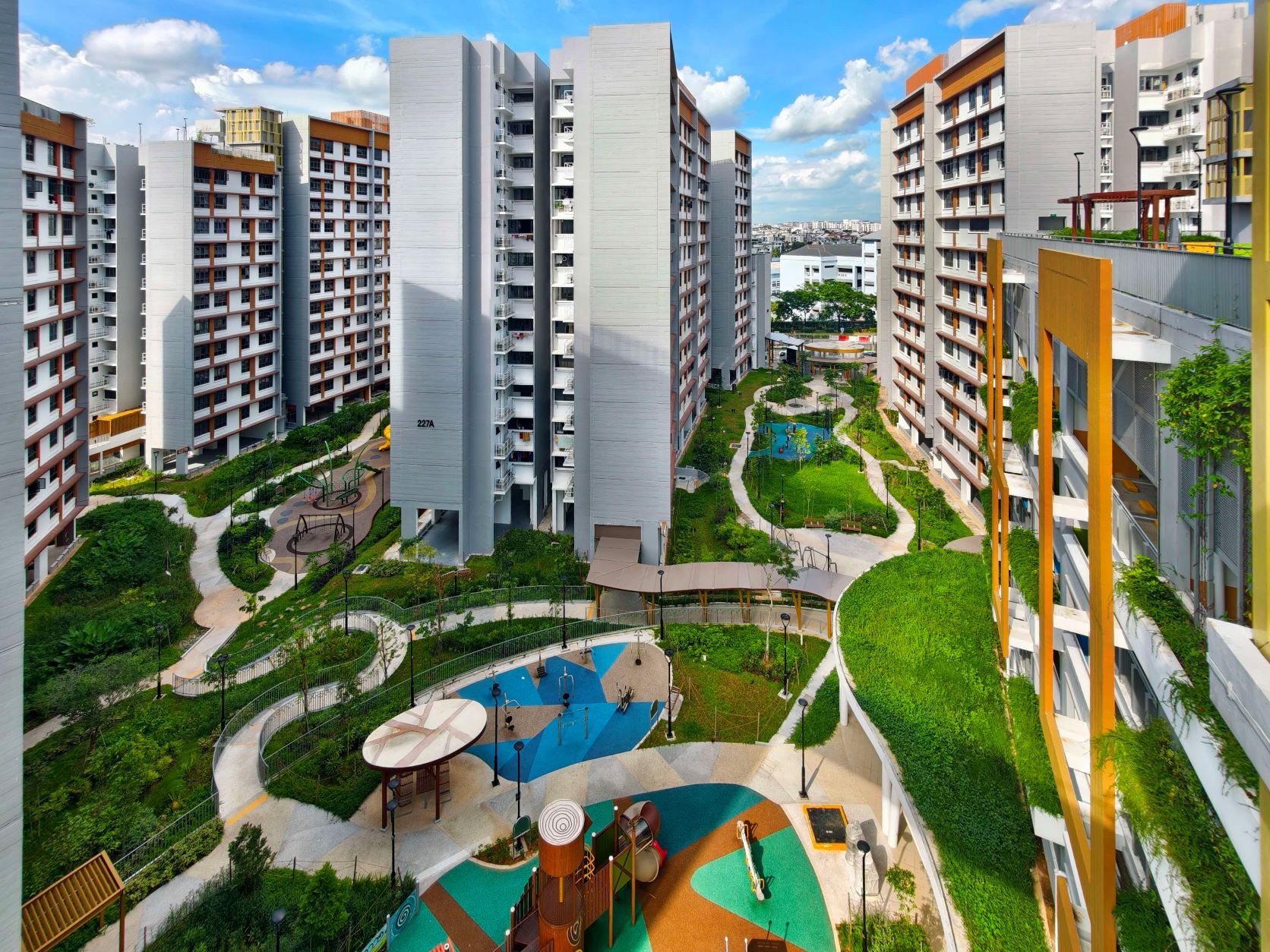
In 2025, HDB completed about 19,600 flats, including the final set of public housing projects in Bidadari
HDB will launch about 19,600 Build-To-Order (BTO) flats in 2026 across three sales exercises in February, June and October. Of these, more than 4,000 flats (about one-fifth of the 2026 flat supply) will be Shorter Waiting Time (SWT) flats with wait times of less than three years.
2 There will be a good mix of Standard, Plus and Prime BTO flats in various locations such as Ang Mo Kio, Bukit Merah, Sembawang, Toa Payoh, Tampines, Woodlands and Yishun. With the upcoming launches, HDB remains on track to meet our target of offering about 55,000 flats from 2025 to 2027 to meet sustained housing demand.
About 19,600 Homes Completed in 2025
3 In 2025, HDB completed about 19,600 flats across 28 housing projects, with a median wait time of about four years. Among the projects completed, three – Parc Clover @ Tengah, Hougang Olive and Yishun Boardwalk – were SWT projects completed with wait times of less than three years. In addition, several projects such as MacPherson Weave and Costa Grove were completed about three months ahead of their original Probable Completion Dates (PCDs).
Final HDB Housing Projects at Bidadari Completed
4 Among the homes completed in 2025 were the final set of four projects in Bidadari – ParkEdge @ Bidadari, ParkView @ Bidadari, Bartley Beacon and Bartley GreenRise. This marks the completion of all public housing projects in Bidadari estate, a decade since the first Bidadari BTO projects were launched in end-2015.

ParkEdge @ Bidadari (left) and ParkView @ Bidadari (right) [Credit: HDB]


Bartley Beacon (left) and Bartley GreenRise (right) [Credit: HDB]
Building Endearing Homes for Singaporeans
5 At present, there are 127 HDB housing projects under construction, an increase from 110 a year ago. HDB will continue to work closely with agencies to complete key amenities, community facilities, and precinct landscaping in tandem with the new housing developments as much as possible, so that residents can enjoy them soon after they move in.

Dear Families of Highly Capable (HC) Qualified Students,
Seattle Public Schools (SPS) is committed to expanding equitable access to Highly Capable (HC) services across every region of our district. To support this work, we want to share important updates about the HC identification timeline and this year’s enrollment process.
HC Identification Timeline and Extended Enrollment Window
HC identification results for the 2026–27 school year will be released in early February. Because this timing occurs after the start of districtwide Open Enrollment, SPS is providing an extended enrollment window for all HC families—both current and newly identified—from Feb. 7 through Feb. 28. Late applications will also be accepted through March 31 to ensure families have ample time when making enrollment decisions.
We realize this year’s enrollment process is earlier than in previous years and does not fully align with the HC identification and planning cycle. We are working closely with the Enrollment Department to ensure HC families receive clear information and expanded flexibility.
Update to the School Board on Community Engagement Findings
In January, the HC Department will present an update to the School Board summarizing findings from the fall HC community engagement meetings. While we had hoped to share finalized details before the start of open enrollment, we need additional time to ensure we have processed through all the data received and any intended expansion efforts are thoughtfully designed and supported.
Thank you for your patience, partnership, and continued advocacy. We remain committed to increasing equitable HC opportunities in every region of Seattle and will continue to share updates as more information becomes available.
Sincerely,
Dr. Paula Montgomery
Director, Department of Highly Capable Services
Seattle Public Schools
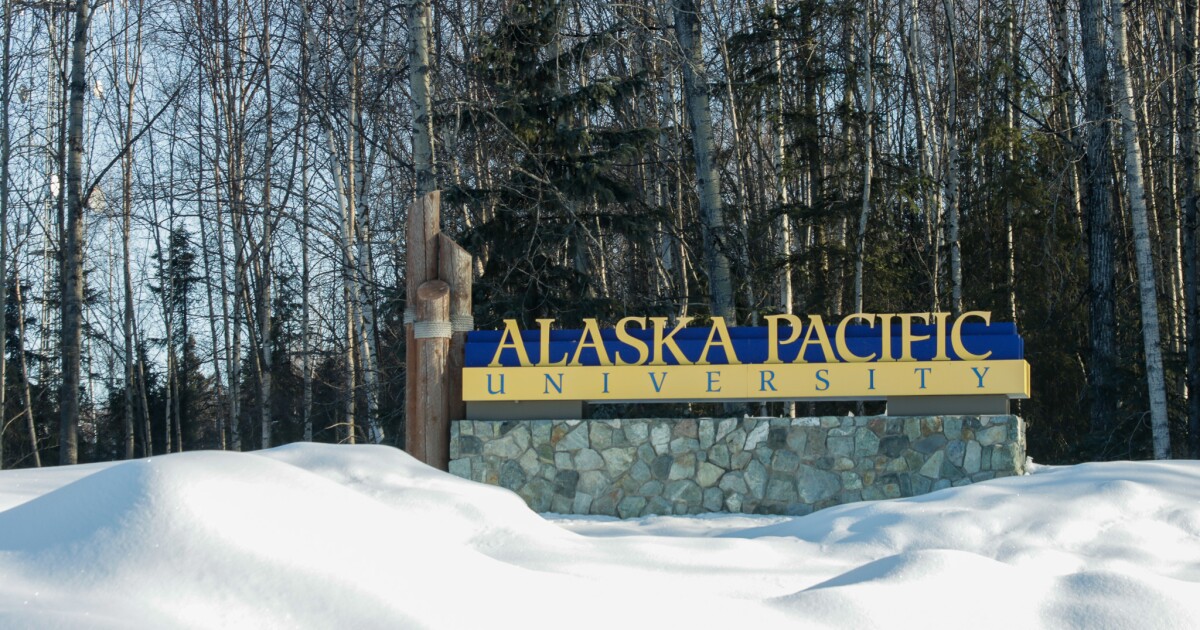
Billionaire philanthropist MacKenzie Scott’s foundation has donated $18 million to Alaska Pacific University.
APU President Janelle Vanasse said it’s a transformational contribution to the university.
“APU is heading in a really exciting direction, and to have somebody like MacKenzie Scott and her team recognize that — we’re just so grateful for that, and just think it’s really validating and we’re excited about what’s next for us,” she said.
MacKenzie Scott became one of the wealthiest women in the world through her divorce from Amazon founder Jeff Bezos. She’s known for making massive gifts with no strings attached. Vanasse said APU never applied to Scott’s foundation, Yield Giving, for a grant because that’s not how it works.
“You don’t apply. She has a team that kind of does their own quiet research, is what they call it,” she said. “And they find organizations that they want to support, and they choose us.”
The $18 million is equivalent to about 70% of APU’s annual budget. Vanasse said it will nearly double a foundation that benefits the university. The immediate plan is to leave it there to help build the university’s financial sustainability. She said it will help APU keep tuition costs as low as possible.