Category: 3. Business

  • 2026 Toyota C-HR gets updated Mid+ grade and wider GR SPORT choice

    2026 Toyota C-HR gets updated Mid+ grade and wider GR SPORT choice

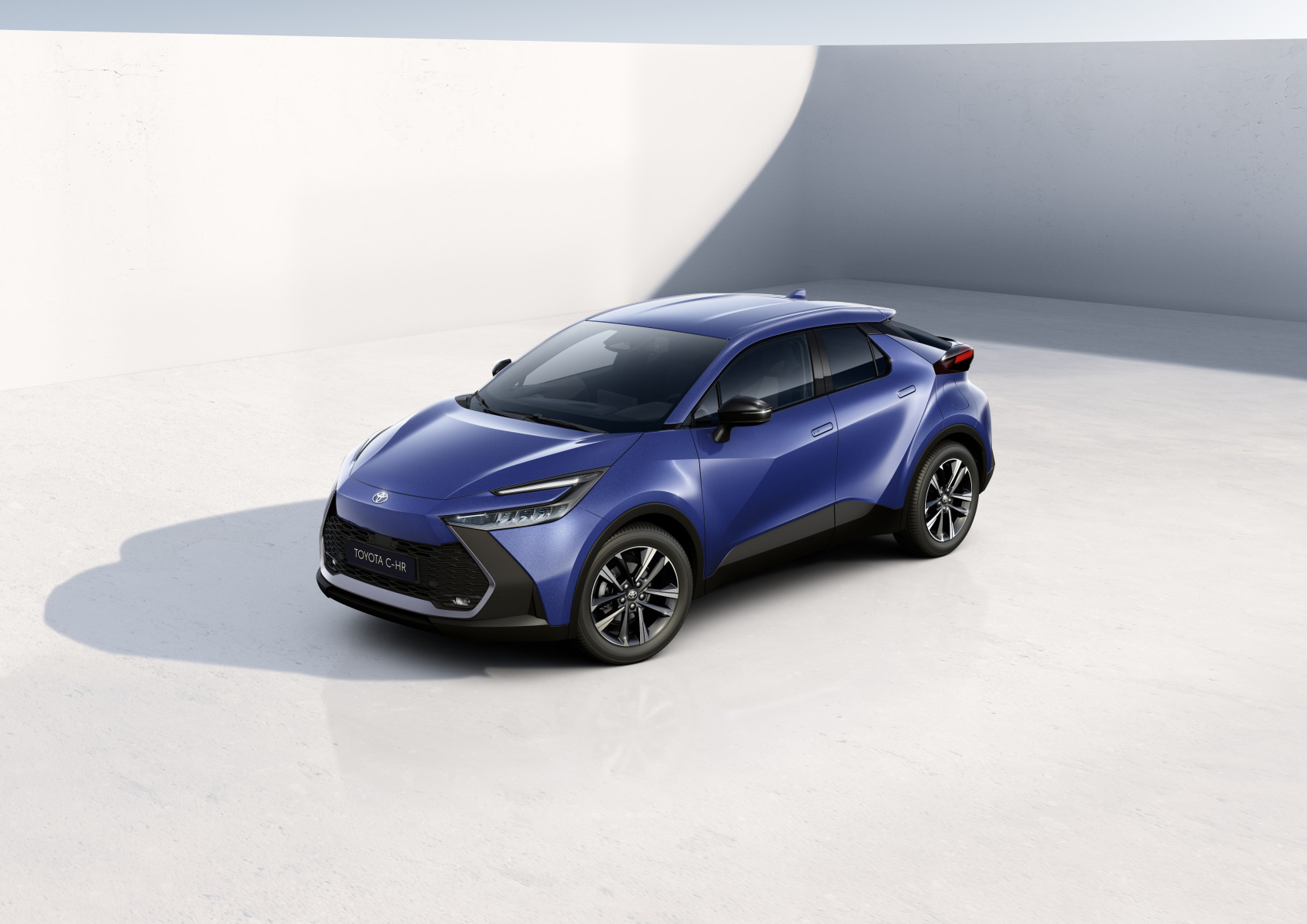
    The iconic Toyota C-HR range features enhanced refinement and expanded choice, thanks to updates to the Mid+ grade and wider availability of the GR SPORT version across all powertrains.

    As a landmark model in the C-SUV segment with its stand-out design, fun-to-drive character and high-tech features, the Toyota C-HR has proved popular with customers. Since its 2017 debut, the Toyota C-HR has sold over one million units across Europe.

    The Toyota C-HR was developed specifically for the expectations of European customers via local design, engineering and production. True to the vision of a ‘concept car for the road’, it features an iconic coupe silhouette and sophisticated design execution. It also benefits from an engaging driving experience, as well as ultra-efficient plug-in hybrid and hybrid powertrain options.

    Expressing a dual DNA, the 2.0-litre Plug-in Hybrid delivers the smooth driving of a true electric vehicle with a range sufficient for most customers’ daily driving needs, up to 66 km (WLTP combined) and increasing to around 100 km in urban driving conditions (WLTP EAER City). On longer journeys, Toyota’s class-leading hybrid technology ensures continuous efficiency, providing customers with reassurance and flexibility whatever the destination.

    Predictive Efficient Drive helps the Toyota C-HR Plug-in Hybrid optimise battery usage and range, using an innovative geo-fencing function which automatically switches between hybrid and electric modes. This ensures sufficient EV range to navigate upcoming low emission or BEV-mandatory zones.

    The Mid+ grade has now been updated to add further sophistication. New 18-inch matt black machined alloy wheels are exclusive to this grade and feature a striking black centre ornament. The elegant new Samara fabric, which is introduced to the front and rear seats, increases the portion of recycled materials used compared to the previous Mid+ grade by extending across the seat’s full central element. Samara has a grey appearance with subtle background hints of mixed colours and is complemented by dark grey and black fabric on the seat sides. Grey stitching on the front seats adds a stylish touch to the cabin, complemented by a sleek gunmetal gear shift knob decoration.

    The GR SPORT grade, which is inspired by Toyota’s World Championship-winning motorsports teams, is now accessible to a wider range of customers thanks to addition of the 1.8-litre hybrid powertrain, with 140 DIN hp. In common with the existing 2.0-litre plug-in hybrid (223 DIN hp) and hybrid (180 DIN hp) options, it includes a head-up display as standard, as well as optional panorama roof, bi-tone+ colouring – which consists of a contrasting black colour across the roof and rear body panels – and premium JBL sound system. In 1.8-litre specification, 19-inch alloy wheels are included as standard, while the 2.0-litre plug-in hybrid and hybrid variants feature 20-inch wheels.

    All grades now offer the newly introduced Ash Grey and Lunar Sky Blue colours, which bring a fresh, modern look. Meanwhile, a Driver Monitor Camera – which detects signs of distraction or fatigue and is linked to the vehicle’s Emergency Driving Stop System – is included as standard.

         The updated Toyota C-HR range is available to order across Europe now.

    ';

    Continue Reading

  • Breaking dependency: Europe’s strategy for permanent magnets and critical materials

    Breaking dependency: Europe’s strategy for permanent magnets and critical materials

    Supply chain disruptions are putting European car parts production and the green transition at risk. Recent export restrictions have exposed Europe’s dependence on external suppliers for permanent magnets and rare earth elements. These magnets are used throughout a vehicle: to start the engine, run the power steering, operate air conditioning and cooling systems, control braking, and support many other automated functions. CLEPA, the European association of automotive suppliers, has published a new position paper outlining urgent measures to secure industrial capacity, maintain competitiveness, and prevent future production stoppages.

    “The supply chain challenges we face continue. With stockpiling virtually impossible, there is a continued risk of production stops in EU plants,” said CLEPA Secretary General Benjamin Krieger. “This is not just a temporary logistics issue – Europe’s full dependence on external suppliers poses a long-term structural risk that threatens EU competitiveness and undermines our ability to deliver on the green and digital transition.”

    CLEPA’s position paper calls on the EU to adopt a cohesive and forward-looking strategy that addresses both direct and indirect dependencies across the critical raw materials value chain. Key recommendations include:

    • Creating a competitive environment for raw materials projects
    • Implementing short-term measures to prevent supply disruptions
    • Developing a long-term European strategy for permanent magnets
    • Fostering trade partnerships and strategic alliances
    • Advancing coherent circularity strategies
    • De-risking indirect dependencies

    CLEPA emphasises the need for alignment with the EU’s broader industrial and environmental policies, including the Critical Raw Materials Act (CRMA) and the End-of-Life Vehicles Regulation (ELVR), to ensure Europe’s automotive industry remains resilient, competitive, and sustainable.

    Continue Reading

  • Baker McKenzie Wong & Leow Advises on USD 1 billion Sustainability-Linked Syndicated Term Loan Facility for Aster | Newsroom

    Baker McKenzie Wong & Leow Advises on USD 1 billion Sustainability-Linked Syndicated Term Loan Facility for Aster | Newsroom

    Baker McKenzie Wong & Leow, the Singapore member firm of Baker McKenzie, has advised DBS Bank Ltd. (DBS) and OCBC Bank as mandated lead arrangers, underwriters and bookrunners for a USD 1 billion sustainability-linked syndicated loan (SLL) facility for Aster Chemicals & Energy Pte. Ltd. (Aster).

    The facility, which closed on 15 September 2025, reflected robust demand from leading banks across Singapore, Indonesia, Thailand, the UAE, Japan, and Sri Lanka. DBS and OCBC also acted as Sustainability Coordinators, ensuring alignment of the facility with Aster Group’s Environmental, Social, and Governance (ESG) objectives. The SLL is directly linked to measurable reductions in Greenhouse Gas (GHG) emissions intensity.

    Proceeds from the facility will support Aster’s general corporate purposes, including rejuvenation projects for its assets on Pulau Bukom and Jurong Island.

    The Baker McKenzie Wong & Leow team was led by Banking & Finance Principal Emmanuel Hadjidakis, supported by Local Principal Dawn Ho and Associate Qingxun Lin.

    This transaction adds to Baker McKenzie’s growing portfolio of high-profile syndicated loan deals in the region, including the USD 4.2 billion loan for Gulf Energy Development Public Company Limited and Intouch Holdings Public Company Limited and a syndicate of eight foreign lenders as well as the USD 4.5 billion SLL facility for Syngenta Group (HK) Holdings Co. Ltd.

    Baker McKenzie was recognized as the “Syndicated Corporate Loan Law Firm of the Year” at this year’s Asia Pacific Loan Market Association’s (APLMA’s) Asia Pacific Syndicated Loan Market Awards.

    Baker McKenzie Wong & Leow advised DBS Bank Ltd. and OCBC Bank as mandated lead arrangers, underwriters and bookrunners for a USD 1 billion sustainability-linked syndicated loan facility for Aster Chemicals & Energy Pte. Ltd. 

    Continue Reading

  • Resolution Therapeutics announces upcoming presentations at the American Association for the Study of Liver Disease (AASLD) The Liver Meeting® 2025

    – Dr Paul Brennan to present on the association of early biomarker modulation with long term clinical outcomes from the MATCH Ph II study of non-engineered macrophages in cirrhosis
    – Dr Lara Campana to present on anti-inflammatory and anti-fibrotic effects of regenerative macrophage therapy in models of liver fibrosis

    EDINBURGH, Scotland and LONDON, Oct. 9, 2025 /PRNewswire/ — Resolution Therapeutics Limited (“Resolution” or “Company”), a clinical-stage biopharmaceutical company pioneering Regenerative Macrophage Therapy in inflammatory and fibrotic diseases, today announces two abstracts have been selected for presentation at the American Association for the Study of Liver Disease (AASLD) The Liver Meeting® 2025. The conference will take place in Washington D.C., between 7-11 November 2025.

    Dr Paul Brennan MD, PhD, Clinical Lecturer in Hepatology, University of Dundee, UK, will present data from the University of Edinburgh’s MATCH 2 clinical trial demonstrating that regenerative macrophage therapy (RMT) is associated with early changes in biomarkers associated with liver function (INR; dMELD), which in turn correlate with much longer survival in patients with advanced cirrhosis. Details below:

    Title: Early modulation of INR and MELD after regenerative macrophage therapy is associated with favourable clinical outcomes at three-year follow-up

    Publication Number: 2435 

    Author: Dr. Paul Brennan, PhD

    Date/Time: 8 November 2025, 8:00am – 5:00pm EST

    Track: Portal Hypertension and Other Complications of Cirrhosis (“2280-2479”)

    Dr. Lara Campana, Ph.D., co-founder and Senior Vice President of Research and Translational Science at Resolution will present a poster detailing the preclinical data supporting the anti-inflammatory and anti-fibrotic effects of regenerative macrophage therapies in models of liver fibrosis. Details below:

    Title: Assessment of regenerative macrophage therapy pharmacology supports anti-inflammatory and anti-fibrotic effects in preclinical models of liver fibrosis

    Publication Number: 3391

    Author: Dr Lara Campana, PhD

    Date/Time: 9 November 2025, 5:00pm – 6:30pm EST

    Track: Liver Fibrogenesis and Non-Parenchymal Cell Biology (“3335-3420”)

    Members of the Resolution senior leadership team will be attending the conference. Please reach out to set up a meeting to learn more about the Company.

    NOTES TO EDITORS

    About Resolution Therapeutics

    Resolution Therapeutics is a clinical-stage biopharmaceutical company focused on pioneering regenerative macrophage therapy in inflammatory and fibrotic diseases. The Company leverages its proprietary platform to develop macrophages with pro-regenerative properties for superior patient outcomes. Resolution’s initial focus is on developing RTX001, its lead product with first-in-class potential supported by preclinical data demonstrating anti-fibrotic and anti-inflammatory advantages relative to non-engineered macrophages, to treat patients with end-stage liver disease. The Company is also advancing efforts to expand the potential of its platform into inflammatory and fibrotic indications beyond liver disease, including graft-vs-host disease (GVHD) and lung fibrosis. Resolution, a spinout from Professor Stuart Forbes’s lab at the University of Edinburgh, is based in Edinburgh and London. Learn more by visiting https://resolution-tx.com/ and engage with us on LinkedIn.

    About AASLD

    AASLD is the leading organization of scientists and health care professionals committed to preventing and curing liver disease. It fosters research that leads to improved treatment options for millions of liver disease patients. It advances the science and practice of hepatology through educational conferences, training programs, professional publications, and partnerships with government agencies and sister societies.

    SOURCE Resolution Therapeutics

    Continue Reading

  • Threats to jobs and growth in Europe’s chemical sector

    Threats to jobs and growth in Europe’s chemical sector

    Our report for INEOS explains why the European chemical industry is undergoing a severe and sustained contraction. Structural pressures, principally high energy costs, carbon costs, regulatory and permitting burdens, are eroding competitiveness relative to the United States, China, and the Middle East.

    Between 2019 and 2025Q2, the European chemical sector’s output declined significantly. It has contracted by 30% in the UK, 18% in Germany, 12% in France, and 7% in Belgium. Structural pressures—chiefly high energy and carbon costs alongside regulatory and permitting burdens—are undermining the sector’s viability.

    Falling output levels and lower profitability is causing European chemical firms to cut their investment relative to their global competitors. Between 2019 and 2024, the average annual growth in European chemical firms’ investment spending was half the rate of their US counterparts (1.5% versus 3.0%). This trend is projected to continue over the next decade. This will further adversely impact the sector’s competitiveness.

    Emissions data suggest that, if European chemicals production is replaced by imports from China and the US, total carbon emissions will rise. Chinese and US chemical industries emit around threefold and twofold more carbon for the same volume of output, respectively, than those in Europe. The greater distances needed to transport the imports will also add to the greenhouse gas emissions.

    European policymakers face a critical decision: act decisively now to safeguard this vital strategic industry or risk its irreversible decline.

    Continue Reading

  • Access to electricity stagnates, leaving globally 730 million in the dark – Analysis

    Access to electricity stagnates, leaving globally 730 million in the dark – Analysis

    Developing Asia reached a 98% access rate in 2024. India and Indonesia now have universal access, leaving most of the remaining gap in Pakistan, Afghanistan, Mongolia, Myanmar, and the Democratic People’s Republic of Korea, which together account for 83% of the region’s population still without electricity. Progress has stalled since 2021, with four of the five countries showing slower progress than before the pandemic.

    Latin America is close to universal access, with 98% of the population connected in 2024. But the last few percentage points are proving difficult. Remote areas such as the Andean Highlands and the Amazon remain underserved, and at the current pace, it could take 15 years to close the gap. Honduras and Haiti face the largest challenges. In Haiti, about half the population still lacks electricity, and progress in 2024 was 56% below the 2015–2019 average.

    Sub-Saharan Africa accounts for eight out of ten people globally without electricity. The number of people lacking access grew between 2020 and 2022 but has since begun to fall, though progress is concentrated in a handful of countries such as Côte d’Ivoire, Kenya, and Mozambique. In 2024, regional progress remained below pre-pandemic levels, with 27 countries still lagging their 2015–2019 averages. Early 2025 estimates suggest a modest acceleration, supported by record solar PV imports from China and new electrification policies in key countries.

    Continue Reading

  • Pubs could stay open longer under licensing reforms

    Pubs could stay open longer under licensing reforms

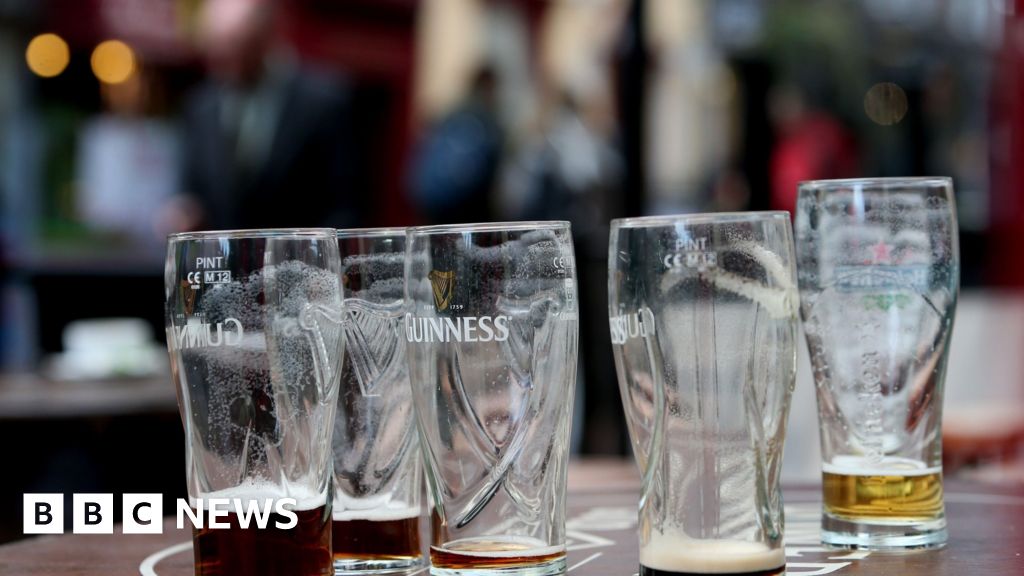
    Pubs and bars in England and Wales could see extended opening hours as the government launches a fast-track a review on “outdated” licensing rules.

    The plans could make it easier for venues to serve food outside and host more live music, in a bid to “remove unnecessary barriers”.

    Pub landlords and local communities will be able to have their say in a four-week call for evidence. Prime Minister Sir Keir Starmer said the review was about “cutting red tape” and “boosting footfall” to support the UK’s economic growth.

    But critics have warned relaxing rules around alcohol would lead to more antisocial behaviour.

    Sir Keir said “pubs and bars are the beating heart of our communities”, and added that the government was “backing them to thrive”.

    “When our locals do well, our economy does too,” he said.

    The call for evidence will focus on nine key recommendations from the Government’s Licensing Taskforce, with particular emphasis on streamlining on-trade alcohol licensing for hospitality venues.

    It said it plans to cut the cost of licensing, extend business rates relief and cut alcohol duty on draught pints.

    Nick Mackenzie, co-chair of the Licensing Taskforce and chief executive at pub giant Greene King, said updating the licensing system was a “vital step” towards reducing the challenges of running a hospitality business.

    “Pubs are faced with continued rising costs, placing them under enormous pressures which is why the Government must continue to back the sector, including critical reforms on business rates which would unlock opportunities for pubs to invest and help drive economic growth,” he said.

    Dr Richard Piper, the chief executive of the charity Alcohol Change UK told the Guardian the proposed reforms would be a “charter for chaos” without support from local authorities and health experts.

    He said permitting vendors to sell alcohol later into the evening would “inevitably mean more victims of crime, including domestic violence, more antisocial behaviour and disturbance, more police time spent dealing with drink-fuelled incidents and both ambulance and A&E staff having to deal with even more people who have come to harm as a result of alcohol”.

    Pubs in England and Wales do not have universal fixed opening hours under current licensing rules. Instead, local authorities grant licenses with specific operating hours which pubs must follow.

    The number of pubs in the UK has steadily decreased every year since 2000, according to the British Beer and Pub Association. The association estimates that 378 pubs would close in 2025 across England, Wales and Scotland, amounting to more than 5,600 direct job losses.

    Continue Reading

  • Valeo launches production of a remanufactured inverter for the Renault network

    Valeo launches production of a remanufactured inverter for the Renault network

    Valeo Group | 9 Oct, 2025
    | 5 min

    This milestone marks the completion of a project led by The Future is NEUTRAL and its subsidiary THE REMAKERS, to develop a competitive circular offering with low environmental impact.

    This new offering reduces the price by 30% compared to the equivalent new product and consumption of natural resources by at least 45%.


    Continue Reading

  • Valeo and LIDEO form a strategic partnership to support technological transformation in the automotive sector

    Valeo and LIDEO form a strategic partnership to support technological transformation in the automotive sector

    Valeo Group | 9 Oct, 2025
    | 4 min

    A strategic partnership and a unique training program to prepare the 140 automotive expertise firms in the LIDEO network for tomorrow’s innovations.


    Paris, France – October 8, 2025 – Valeo, a leader in mobility technologies and automotive aftermarket services, and LIDEO, a network of independent automotive experts, have signed a strategic partnership. For the first time, an independent expert network has formed a structured partnership with a global equipment manufacturer. The partnership will launch a training program for LIDEO experts via Valeo Tech Academy, sharing cutting-edge technological knowledge. With this agreement, the partners aim to anticipate sector changes and build expertise in new-generation vehicle technologies, such as electric and hybrid vehicles, and driver assistance systems (ADAS).

    Marlene Carrias-Iked, Vice President of Strategic Marketing and Digital Services at Valeo, said: “By partnering with LIDEO, we are reinforcing our commitment to sharing our technical expertise as closely as possible to the field. Valeo Tech Academy aims to make the latest technologies accessible to all players in the automotive aftermarket sector. This initiative lays the foundations for a lasting collaboration between a network of experts and a leading industrial player.”

    Bruno CARANTA, President of the LIDEO network, adds: “Thanks to this partnership with Valeo, LIDEO is continuing its pioneering role and supporting network employees with a unique and pragmatic educational approach that enables them to better understand and diagnose faults, in line with the latest technological innovations.”

    The rollout began in 2025: the first sessions, held in Amiens, Nantes, Nancy, and Paris, France, were an immediate success, with 90% satisfaction among participants. In response to this enthusiasm, new sessions are already planned in Toulon, Salon-de-Provence, and other cities.

    This partnership marks a key step in the professionalization and modernization of the industry. The training modules, which focus on major innovations—electric vehicles, ADAS systems, smart sensors—aim to enable experts in the LIDEO network to better understand and diagnose faults in a constantly evolving technological environment.

    Together, Valeo and LIDEO are affirming their shared ambition: to support the transformation of the automotive sector by focusing on expertise, innovation, and proximity to the field.

    Continue Reading

  • Valeo wins the EQUIP AUTO Paris 2025 International Automotive Innovation Award for its remanufactured dual wet clutch

    Valeo wins the EQUIP AUTO Paris 2025 International Automotive Innovation Award for its remanufactured dual wet clutch

    Valeo Group | 9 Oct, 2025
    | 6 min

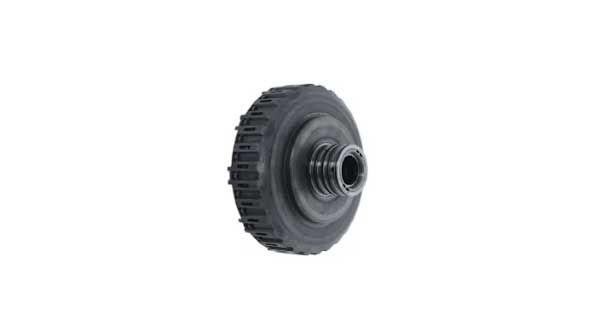
    A breakthrough in sustainable transmissions: Valeo remanufactures the complex DQ250 dual wet clutch, which is fitted to more than 5 million vehicles in Europe.


    October 8, 2025 — Paris, France — Valeo has won the EQUIP AUTO Paris 2025 International Automotive Innovation Grand Prix in the “Parts, equipment and components for aftermarket” category for its remanufactured dual wet clutch (DWC) DQ250. This recognition underscores Valeo’s leading position in the field of transmissions, and its commitment to the circular economy for the aftermarket, providing reliable, affordable and OE-quality solutions that extend product lifetimes. The DQ250 will be available across Europe at the end of November 2025.

    Amaury Desombre, Valeo Group Reman-Repair Director & Valeo Service OES Marketing Director, said: “We are very honored to receive this award, which recognizes our deep commitment to remanufacturing. Today, we already remanufacture one million products every year, and our ambition is to double this to two million by 2030—expanding our portfolio beyond traditional parts to include electronics and high-voltage components. Above all, our priority is to make OE-quality products affordable and accessible, proving that circular economy and business performance can go hand in hand by keeping repair a viable option for every vehicle, whatever its age or complexity.”

    A rigorous industrial process

    The dual wet clutch (DWC) DQ250 is Valeo’s latest innovation in transmission parts remanufacturing. As a multi-speed automatic transmission that uses two separate wet clutches, the conception of this DWC is precise and complex. To give this product a second life, Valeo has leveraged its extensive expertise in remanufacturing to implement a rigorous industrial process. After dismantling and cleaning the used parts, each component is carefully analyzed and checked according to strict specifications. Components that do not meet the criteria are repaired or replaced with new ones. The clutch is then assembled and individually tested at the end of the line, to ensure performance equivalent to that of a new part.

    Remanufacturing: Good to better preserve the resources

    Remanufacturing is key for Valeo in the aftermarket, and integrated into the “I Care 4 the Planet” program initiated by the Group to progressively reduce the environmental impact of the automotive sector.

    Replacing a dual wet clutch is often costly—more than €600 excluding labor—on vehicles that are sometimes aged and whose owners face budget constraints. Discarding a part because of a single defective component is neither sustainable nor responsible. By reusing materials, remanufacturing helps limit resource extraction and reduce industrial waste. Today, Valeo’s remanufactured products contain on average up to 80% reused materials.

    Continue Reading