Silver and gold futures are falling sharply after the Chicago Mercantile Exchange, one of the world’s largest trading floors for commodities, required traders to put up more cash to invest in precious metals
NEW YORK — Silver and gold futures fell sharply Monday after the Chicago Mercantile Exchange, one of the world’s largest trading floors for commodities, asked traders to put up more cash to make bets on precious metals with prices surging this year.
This year, gold futures are up 65% and silver has more than doubled.
The CME raised margin requirements for gold, silver and other metals in a notice posted to the exchange’s website Friday. These notices require traders to put up more cash on their bets in order to insure against the possibility that the trader will default when they take delivery of the contract.
Exchanges sometimes boost margin requirements when a commodity or other security goes on a significant run. In its notice, the CME said it was raising margin requirements “per the normal review of market volatility.”
Silver futures tumbled 8% early Monday while gold slid 5%
Silver prices have skyrocketed this year, topping records dating back to the early 1980s when traders tried and failed to corner the silver market. Supplies have dwindled, with production at major mines slowing. At the same time there’s been an increased industrial need for silver for solar panels as well as data centers.
Silver futures were roughly $30 an ounce at the beginning of 2025, and briefly touched $80 an ounce before the CME’s announcement.
Gold futures have risen due in part to geopolitical uncertainty and fears that a bubble is forming in some stock markets. Silver is sometimes referred to among investors as the “poor man’s gold” because it trades in similar patterns as gold for a fraction of the price. But unlike gold, silver has more industrial applications so it tends to more volatile and more exposed to economic cycles.
Disclaimer: Early release articles are not considered as final versions. Any changes will be reflected in the online version in the month the article is officially released.
Author affiliation: Centers for Disease Control and Prevention, Atlanta, Georgia, USA (E.V. Kurbatova, W.C. Whitworth, K.E. Bryant, M.G. Dixon, N.A. Scott, R. Boyd, N.E. Brown, K.N. Chapman Hedges, W. Carr, L.P Peddareddy); Vanderbilt University Medical Center, Nashville, Tennessee, USA (K.E. Dooley); Uganda–Case Western Reserve University Research Collaboration, Kampala, Uganda (G. Muzanyi); University of Cape Town Lung Institute, Cape Town, South Africa (R. Dawson); University of the Witwatersrand Perinatal HIV Research Unit, Johannesburg, South Africa (Z. Waja, N. Martinson); Weill Cornell Medical College, New York, New York, USA (J.S.V. Mathad); University of California Center for Tuberculosis, San Francisco, California, USA (P. Nahid, P.P.J. Phillips); University of Nebraska Medical Center, Omaha, Nebraska, USA (S. Swindells); Johns Hopkins University School of Medicine, Baltimore, Maryland, USA (R.E. Chaisson); Medical University of South Carolina, Charleston, South Carolina, USA (S.E. Dorman)
Globally, among pregnant women in 2011, an estimated 216,000 had concurrent active tuberculosis (TB) (1). Untreated TB during pregnancy can cause pregnancy complications, nonobstetric maternal death, and infant death (2–8). Even if treated, TB during pregnancy poses challenges. For treatment of drug-susceptible pulmonary TB, standard treatment regimens containing isoniazid, rifampin, pyrazinamide, and ethambutol are highly efficacious in nonpregnant women, but well-controlled studies in pregnant women are lacking. More generally, data regarding safety, tolerability, and pharmacokinetics of TB drugs during pregnancy have not been collected or reported systematically, leading to inconsistencies in national and international treatment guidelines (9). For example, international guidelines recommend the use of pyrazinamide during pregnancy in first-line regimens for drug-susceptible TB (10), but US guidelines suggest evaluating the risks and benefits of prescribing pyrazinamide on a case-by-case basis (11). The scarcity of high-quality evidence combined with the worldwide occurrence of >200,000 annual cases of active TB disease among pregnant women highlights the need for additional research in this area to expand treatment options for mothers and protect the health of their infants (9). A February 2024 consensus statement strongly supports the participation of pregnant women in TB research (12), a statement that has been endorsed by community groups (13).
Tuberculosis Trials Consortium Study 31/AIDS Clinical Trials Group A5349 (S31/A5349) was a multicenter randomized controlled phase 3 noninferiority open-label trial that examined two 4-month treatment-shortening rifapentine-containing regimens compared with the standard 6-month control regimen for treatment of drug-susceptible pulmonary TB in nonpregnant participants >12 years of age (14). One investigational regimen contained rifapentine, moxifloxacin, and isoniazid administered for 4 months plus pyrazinamide administered during the first 2 months (rifapentine/moxifloxacin regimen). The other investigational regimen contained rifapentine plus isoniazid administered for 4 months plus pyrazinamide and ethambutol administered during the first 2 months (rifapentine regimen). The trial demonstrated that the 4-month rifapentine/moxifloxacin regimen had efficacy that was noninferior to that of the control and was safe and well-tolerated. The rifapentine regimen did not meet the noninferiority criteria for efficacy (14). The World Health Organization and the US Centers for Disease Control and Prevention (CDC) now recommend the 4-month rifapentine/moxifloxacin regimen for treatment of drug-susceptible TB in nonpregnant patients >12 years of age (15,16). The regimen is not recommended in pregnant women because they were not included in enrollment for the S31/A5349 study.
Although pregnant women were not eligible for enrollment in S31/A5349, some participants became pregnant during their participation in the study, some during study treatment, and some in the follow-up period. We conducted a secondary data analysis to describe pregnancy outcomes and safety among S31/A5349 study participants who became pregnant during the trial.
Study Design
Full details of the S31/A5349 study design, eligibility criteria, enrollment and randomization, safety monitoring, and study outcomes have been published previously (14,17). Pregnant or breastfeeding women were not eligible for enrollment because of uncertainties about the safety of rifapentine, moxifloxacin, and pyrazinamide in those groups (14,17). We required negative urine or serum pregnancy test results for all women of childbearing potential who were not surgically sterilized or who did not meet the study definition of postmenopausal at or within 7 days before screening. Participants of childbearing potential who were not surgically sterilized had to agree to practice an adequate method of contraception (barrier method or nonhormonal intrauterine device) or abstain from sexual activity that can lead to pregnancy during study treatment, regardless of the study regimen (17). Pregnancy tests during study follow-up were not required by the study protocol. We asked participants of childbearing potential during study visits about their last menstrual period, and a pregnancy test could be conducted at the discretion of clinician investigators.
Analysis of Population, Procedures, and Definitions
We included in this secondary analysis all women who were randomized in S31/A5349, took >1 dose of assigned treatment, and became pregnant during participation in the trial. We defined a participant of childbearing potential as a woman 15–49 years of age (18).
For participants who reported pregnancy or were determined to be pregnant while receiving study therapy, including participants in the control arm, we permanently stopped their study treatment (regardless of assigned regimen) and treated their TB according to their respective national TB program or local guidelines (local standard of care). Pregnant participants continued to receive scheduled study follow-up except for study-specific chest radiographs (14,17). Those participants were followed by the site until the pregnancy outcome was known. We did not collect nonstudy TB treatment outcomes in this study.
We advised sites to make efforts to estimate a true conception date to the best of their ability and provided sites with guidance on using and prioritizing information available for the estimation of the conception date to determine if conception took place during study treatment and the fetus had been exposed to study drugs (19) (Appendix). We considered the participant to be exposed to a study drug during pregnancy if the estimated date of conception (EDC) was on or before the last study dose date. Each pregnancy report was reviewed in real-time by the safety officer (possessing an MD degree) at the Clinical Research Branch, Division of Tuberculosis Elimination, at CDC’s National Center for HIV, Viral Hepatitis, STD, and Tuberculosis Prevention.
Sites reported pregnancies on an adverse event (AE) case report form. The form included an EDC as the adverse event onset date. We captured pregnancy outcomes on an AE follow-up case report form and included live birth, fetal death (pregnancy loss at >20 weeks of gestation), spontaneous abortion (pregnancy loss at <20 weeks of gestation), or elective abortion. We defined adverse pregnancy outcomes as fetal loss (fetal death or spontaneous abortion) or infants with a congenital anomaly.
The primary efficacy outcome in the parent trial was TB disease-free survival 12 months after randomization. For each participant, we assigned a primary efficacy outcome status of favorable, unfavorable, or not assessable, as described previously; we further classified unfavorable outcomes as TB-related or not TB-related (14,17). We considered participants with unfavorable and not assessable outcomes to have a not favorable outcome.
The primary safety outcome in the parent trial was the proportion of participants with grade >3 AEs during treatment (with onset up to 14 days after the last dose of study medication). Severity of AEs was graded by the site investigators according to the National Cancer Institute common terminology criteria for adverse events version 4.03 (20), which requires classification of pregnancy as an AE with a grade of >3; therefore, every participant who became pregnant had >1 AE that was grade >3. We excluded the pregnancy AEs from the analysis of safety outcomes. Tolerability was a secondary safety outcome, which we defined as premature discontinuation of the assigned regimen for any reason other than microbiologic ineligibility.
The trial was approved by CDC’s Institutional Review Board and by local ethics committees, and all participants provided written informed consent. The study data were monitored by the Data Safety Monitoring Board.
Data Analysis
We calculated length of exposure to the study drugs as the number of days between EDC and the date of the last study dose. We report frequency of pregnancy outcomes (live birth, fetal loss [death or spontaneous abortion], or elective abortion) among pregnant participants exposed to the study drugs (exposed pregnancies) in the 2 investigational arms compared with the control arm and among participants who became pregnant after study treatment was completed (unexposed pregnancies). We calculated unadjusted risk difference for fetal loss and congenital anomaly comparing investigational regimens to control with exact 95% CIs based on the 2-sided score test. We used SAS 9.4 for those calculations (21). We describe study TB treatment outcomes and AEs experienced by pregnant participants.
We enrolled a total of 740 female participants in S31/A5349 during January 25, 2016–October 30, 2018 (we completed study follow-up in July 2020); 97 (13.1%) of those 740 participants became pregnant during study treatment or follow-up. Five (5%) of those 97 participants became pregnant twice during trial participation, resulting in a total of 102 pregnancies. Of 102 pregnancies, 30 (29.4%) were exposed to the study drugs (either investigational or control arms). Median age of those 30 participants was 24 years (range 18–35 years); 1 participant was living with HIV (Table 1).
Among 30 pregnancies considered exposed, the median number of days of study drug exposure was 39 days (range 11–103 days) in the control regimen, 36 days (range 13–119 days) in the rifapentine/moxifloxacin regimen, and 39 days (range 16–114 days) in the rifapentine regimen. Outcomes of 30 exposed pregnancies were 21 (70%) live births, 5 (16.7%) fetal loss (fetal death or spontaneous abortion), and 4 (13.3%) elected abortions. Fetal loss was reported for 3/13 (23.1%) pregnancies in the control regimen, 1/9 (11.1%) pregnancies in the rifapentine/moxifloxacin regimen, and 1/8 (12.5%) pregnancies in the rifapentine regimen (unadjusted risk difference [RD] −12.0% [95% CI −43.8% to 27.7%] for rifapentine/moxifloxacin vs. control arm; unadjusted RD −10.6% [95% CI −42.7% to 29.8%] for rifapentine vs. control arm) (Table 2). Four of 5 fetal losses occurred in pregnancies of <20 weeks’ gestational age. Among 21 live births in exposed pregnancies (7 in each arm), 1 infant (overall 4.8% of live births) with a congenital anomaly was reported in the rifapentine arm (1/7 live births) (unadjusted RD 14.3% [95% CI −26.0% to 53.3%] for rifapentine vs. control). That infant had congenital musculoskeletal disorder, including clubfeet and myopathy (Table 3).
Of 72 pregnancies considered unexposed, fetal loss was reported in 1/24 (4.2%) pregnancies in the control regimen, 1/26 (3.8%) pregnancies in the rifapentine/moxifloxacin regimen, and 4/22 (18.2%) pregnancies in the rifapentine regimen. One infant with a congenital anomaly was reported in the rifapentine/moxifloxacin regimen (1/20 live births [5.0%]). That infant had congenital umbilical hernia and right inguinal hernia (Table 3).
Among 29 participants with exposed pregnancies in the microbiologically eligible analysis population, study treatment outcome was assigned as unfavorable for 7/13 (53.8%) participants in the control regimen, 4/9 (44.4%) participants in the rifapentine/moxifloxacin regimen, and 3/7 (42.9%) participants in the rifapentine regimen (Table 4). All 14 unfavorable outcomes in this population were in the not assessable category (all were withdrawn from study treatment because of pregnancy).
Of 30 participants with exposed pregnancies included in the safety analysis population, 5/30 (16.7%) experienced grade >3 AEs (excluding pregnancy itself, which was always reported as an AE) during study treatment: 2/13 (15.4%) in the control regimen, 3/9 (33.3%) in the rifapentine/moxifloxacin regimen, and 0/8 (0%) in the rifapentine regimen (Table 5; Appendix Table). No deaths occurred among participants in the study who became pregnant.
This analysis examined pregnancy outcomes among women who became pregnant during participation in the S31/A5349 trial of treatment of drug-susceptible pulmonary TB. We observed no excess fetal losses among pregnant participants in the rifapentine/moxifloxacin arm compared with the control arm, although the numbers were small. We noted no infants with congenital anomalies among those considered exposed to study drugs during pregnancy in the rifapentine/moxifloxacin arm. The overall percentages of fetal loss (16.7%) and congenital anomalies (4.8% of live births) in pregnancies exposed to the study drugs we observed in this trial were similar to those estimated for the United States (19.7% for fetal loss and 3% of live births for congenital anomalies) (22,23).
Because multiple antibiotics are used concomitantly during TB treatment, isolating the effects of individual drugs on pregnancy outcomes is challenging. With regard to rifapentine use in pregnant animals, previous developmental toxicity studies in rats and rabbits suggested that rifapentine produced fetal harm and was teratogenic (24). This description is similar to that of rifampin, which was teratogenic in high doses in animal models (25); however, on the basis of extensive use and years of clinical experience, the use of rifampin to treat TB during pregnancy has benefits greater than safety concerns with respect to curing TB. Studies of rifapentine during human pregnancy and lactation have been limited. In 6 patients randomized to rifapentine for initial treatment of TB in humans and who become pregnant during this trial, no episodes of teratogenicity occurred; 2 patients had normal deliveries, 2 had first-trimester spontaneous abortions (1 patient had alcohol use disorder, and the other patient was living with HIV), 1 had an elective abortion, and 1 was lost to follow-up (24). In analysis evaluating safety and pregnancy outcomes among pregnant women who were inadvertently exposed to study medications in 2 Tuberculosis Trials Consortium Study latent tuberculosis treatment trials (PREVENT TB and iAdhere), evaluating 3 months of weekly rifapentine (900 mg) with isoniazid and 9 months of daily isoniazid, fetal loss or congenital anomalies were at similar rates to the general population (26). Among 50 women enrolled in the IMPAACT 2001 trial, designed to assess 3 months of weekly rifapentine with isoniazid for TB prevention in pregnant women during the second or third trimester, with or without HIV, no drug-related serious AEs, treatment discontinuations, or TB cases were reported, although 1 case of fetal death was related to maternal physical trauma (27). The DOLPHIN-Moms trial, assessing 1 month of daily isoniazid and rifapentine versus 3 months of once-weekly rifapentine and isoniazid in pregnancy, is currently enrolling (28).
Concerning fluoroquinolone use in pregnancy, animal studies showed delayed skeletal development in fetal rats and rabbits when exposed to moxifloxacin and toxic cartilage effects in immature dogs when exposed to temafloxacin (9,29). However, in human studies, a metaanalysis that included 5 studies on use of quinolones during the first trimester of pregnancy did not find an increased risk for major malformations, stillbirths, preterm births, or low birthweight (30). A small case series of pregnant women with drug-resistant TB treated with second-line drugs, including fluoroquinolones, suggested that favorable pregnancy outcomes are achievable (31–34). A systematic review and metaanalysis of outcomes of pregnancies exposed to quinolone and fluoroquinolones, involving 8 cohort and 2 case–control studies, showed no statistically significant increases in rates of major malformations for quinolone and fluoroquinolone exposures (35).
Our study expands the scientific literature with additional data on rifapentine, moxifloxacin, pyrazinamide, and isoniazid early in pregnancy. We found that relatively brief exposures to rifapentine and moxifloxacin early in pregnancy were not associated with adverse fetal or maternal outcomes. However, the effect of longer exposures to rifapentine and moxifloxacin and effect of exposures later in pregnancy on maternal and fetal outcomes remains unknown, given that the trial specified immediate study treatment discontinuation and transition to local standard of care when a pregnancy was recognized. Our findings can help support and accelerate the participation of pregnant women in TB drug trials. In addition, publication of the detailed methodology used in this study to estimate the date of conception and total period of drug exposure during pregnancy might inform other clinical trials and thus help develop much needed harmonized reporting of safety outcomes among pregnant trial participants.
One limitation of our study is that the number of participants who became pregnant during study treatment was small, probably because of rigorous education of study participants of childbearing potential about contraception and preventing pregnancy during study treatment. The small number of pregnant participants limited the ability to detect rare events that can only be detected in larger trials and through pharmacovigilance efforts in the future. In addition, in participants who became pregnant, durations of exposures to study drugs were short, given that the protocol required immediate study treatment discontinuation in pregnancy. Adverse pregnancy events that require a higher cumulative exposure to study drugs to occur might not have been observed, so results should be interpreted in light of the short exposures. However, an average of 30 days of drug exposure during first trimester is a relatively long period of drug exposure and should not be dismissed. Furthermore, because fetal organogenesis primarily occurs in the first trimester, it is reassuring that only 1 infant with a congenital anomaly was observed among pregnancies exposed to rifapentine. In addition, because the study protocol required permanent discontinuation of the study treatment if a participant became pregnant (and transition to local standard of care), most participants who became pregnant during study treatment had their primary study TB treatment efficacy outcome classified as not assessable. Although final pregnancy outcomes were collected in the database for all participants, final TB treatment outcomes (after permanent stop of study treatment and switching to the local standard of care regimen) were not. Moreover, the study did not assess congenital anomalies among fetal deaths or spontaneous abortions. Finally, because study arms contained multiple study drugs, we cannot determine the effect of any single drug on adverse pregnancy outcomes. However, anti-TB drugs are commonly used in pregnancy, given the urgency of providing swift, full treatment for TB as soon as it is diagnosed.
In conclusion, among exposed pregnancies in this large phase 3 drug-susceptible pulmonary TB treatment trial, we did not observe a higher risk for fetal loss or infants with congenital anomalies among those participants who became pregnant while receiving a rifapentine/moxifloxacin regimen compared with the standard 6-month regimen. Those data can be used by clinicians and patients as they engage in shared decision-making and weigh the risks and benefits of using a shorter-duration 4-month rifapentine/moxifloxacin regimen versus a 6-month standard-of-care regimen in pregnancy, especially in the circumstance where an on-treatment pregnancy occurs. Future trials of rifapentine/moxifloxacin-containing regimens should consider allowing reconsent for participants who become pregnant during study treatment so that they can continue these study drugs with careful follow-up if there is potential benefit and there are no contraindications (36). The data from our study contribute to the growing body of information about the safety of rifapentine-containing regimens in pregnancy, which should support fuller participation of pregnant women in future TB clinical trials that include these antibiotics.
Top
Members of the AIDS Clinical Trials Group A5349: TASK, South Africa; University of Cape Town Lung Institute, South Africa; Les Centre GHESKIO INLR, Haiti; Parirenyatwa Clinical Research Site, Zimbabwe; South African Tuberculosis Vaccine Initiative, South Africa; Wits Helen Joseph Clinical Research Site Department of Medicine, South Africa; Les Centre GHESKIO IMIS, Haiti; Soweto ACTG Clinical Research Site, South Africa; Byramjee Jeejeebhoy Medical College, India; University of North Carolina Project Tidziwe Centre, Malawi; Kisumu Clinical Research Site, Kenya; Instituto Nacional de Pesquisa Clinica Evandro Chagas, Brazil; Blantyre Clinical Research Site/Johns Hopkins Research Project, Malawi; Family Clinical Research Unit (FAMCRU), South Africa; Durban International Clinical Research Site, South Africa; Moi University Clinical Research Site, Kenya; San Miguel Clinical Research Site, Peru; Asociacion Civil Impacta Salud y Educacion, Peru; Joint Clinical Research Center, Kampala Clinical Research Site, Uganda; Kenya Medical Research Institute/Walter Reed Project Clinical Research Center, Kenya; The Thai Red Cross AIDS Research Centre, Thailand; Chiang Mai University HIV Treatment Clinical Research Site, Thailand; Hospital Conceicao Porto Alegre, Brazil; and University of California San Francisco Clinical Research Site, USA.
Members of the Tuberculosis Trials Consortium Study 31: Uganda-Case Western Reserve University Research Collaboration, Uganda; Vietnam National Tuberculosis Program/University of California San Francisco Research Collaboration, Vietnam; Wits Health Consortium Perinatal HIV Research Unit (PHRU), South Africa; Tuberculosis and Chest Service of Hong Kong, China; San Antonio Veterans Administration Medical Center, USA; Universidad Peruana Cayetano Heredia, Peru; University of North Texas Health Science Center, USA; Columbia University, USA; Austin Tuberculosis Clinic, USA; and Baylor College of Medicine and Affiliated Hospitals/VA, USA.
We are grateful to the study participants who contributed their time to this trial and site and local tuberculosis program staff who assisted in the clinical management of study participants.
We are saddened to share that our colleague and coauthor William C. Whitworth passed away prior to the publication of this article. His insight and dedication greatly shaped this work.
Funding support for this trial was provided by the Centers for Disease Control and Prevention, National Center for HIV, Viral Hepatitis, STD, and Tuberculosis Prevention, Division of Tuberculosis Elimination (contract nos. 200-2009-32582, 200-2009-32593, 200-2009-32594, 200-2009-32589, 200-2009-32597, 200-2009-32598, 75D30119C06702, 75D30119C06701, 75D30119C06703, 75D30119C06222, 75D30119C06225, and 75D30119C06010) and by the National Institute of Allergy and Infectious Diseases of the National Institutes of Health (award nos. UM1 AI068634, UM1 AI068636, and UM1 AI106701). Sanofi donated rifapentine and all other study drugs, supported shipping of study drugs to all sites, and provided funding support for pharmacokinetic testing and preparation of the final clinical study in this collaborative study.
Author contributions: study conception and design (E.V.K., W.C.W., P.J.P.P., N.A.S., S.S., R.E.C., S.E.D., and P.N.); data collection (E.V.K., W.C.W., K.E.B., N.A.S., N.E.B., K.H., L.P.P., G.M., R.D., Z.W., W.C., S.S., R.E.C., S.E.D., and P.N.); data analysis (W.C.W., P.J.P.P., N.A.S., and K.E.B.); data interpretation (E.V.K., W.C.W., L.P.P., P.J.P.P., N.A.S., K.E.B., P.J.P.P., W.C., K.E.D., S.S., R.E.C., S.E.D., and P.N.); drafting of the initial manuscript (E.V.K., W.C.W., M.D., K.E.D., and P.J.P.P.); critical review of the final draft of the manuscript (E.V.K., W.C.W., K.E.B., N.A.S., M.D., J.S.V.M., P.J.P.P., R.B., N.E.B., K.H., W.C., L.P.P., G.M., R.D., Z.W., K.E.D., S.S., R.E.C., S.E.D., and P.N.); and access and verification of underlying data (W.C.W., P.J.P.P., N.A.S., and K.E.B.).
The authorship team members have declared any potential conflicts of interest with respect to the research, authorship, or publication of this article. Sanofi commercial interests did not influence the study design; the collection, analysis, or interpretation of data; the preparation of this manuscript; or the decision to submit this manuscript for publication. A Sanofi technical expert served on the protocol team.
It wasn’t until a couple of years ago that Keri Rodrigues began to worry about how her kids might be using chatbots. She learned her youngest son was interacting with the chatbot in his Bible app — he was asking it some deep moral questions, about sin for instance.
That’s the kind of conversation that she had hoped her son would have with her and not a computer. “Not everything in life is black and white,” she says. “There are grays. And it’s my job as his mom to help him navigate that and walk through it, right?”
Rodrigues has also been hearing from parents across the country who are concerned about AI chatbots’ influence on their children. She is the president of the National Parents Union, which advocates for children and families. Many parents, she says, are watching chatbots claim to be their kids’ best friends, encouraging children to tell them everything.
Psychologists and online safety advocates say parents are right to be worried. Extended chatbot interactions may affect kids’ social development and mental health, they say. And the technology is changing so fast that few safeguards are in place.
The impacts can be serious. According to their parents’ testimonies at a recent Senate hearing, two teens died by suicide after prolonged interactions with chatbots that encouraged their suicide plans.
If you or someone you know may be considering suicide or be in crisis, call or text988 to reach the 988 Suicide & Crisis Lifeline.
But generative AI chatbots are a growing part of life for American teens. A survey by the Pew Research Center found that 64% of adolescents are using chatbots, with 3 in 10 saying they use them daily.
“It’s a very new technology,” says Dr. Jason Nagata, a pediatrician and researcher of adolescent digital media use at the University of California San Francisco. “It’s ever-changing and there’s not really best practices for youth yet. So, I think there are more opportunities now for risks because we’re still kind of guinea pigs in the whole process.”
And teenagers are particularly vulnerable to the risks of chatbots, he adds, because adolescence is a time of rapid brain development, which is shaped by experiences. “It is a period when teens are more vulnerable to lots of different exposures, whether it’s peers or computers.”
But parents can minimize those risks, say pediatricians and psychologists. Here are some ways to help teens navigate the technology safely.
1. Be aware of the risks
A new report from the online safety company, Aura, shows that 42% of adolescents using AI chatbots use them for companionship. Aura gathered data from the daily device use of 3,000 teens as well as surveys of families.
That includes some disturbing conversations involving violence and sex, says psychologist Scott Kollins, chief medical officer at Aura, who leads the company’s research on teen interactions with generative AI.
“It is role play that is [an] interaction about harming somebody else, physically hurting them, torturing them,” he says.
He says it’s normal for kids to be curious about sex, but learning about sexual interactions from a chatbot instead of a trusted adult is problematic.
And chatbots are designed to agree with users, says pediatrician Nagata. So if your child starts a query about sex or violence, “the default of the AI is to engage with it and to reinforce it.”
He says spending a lot of time with chatbots — having extended conversations — also prevents teenagers from learning important social skills, like empathy, reading body language and negotiating differences.
“When you’re only or exclusively interacting with computers who are agreeing with you, then you don’t get to develop those skills,” he says.
And there are mental health risks. According to a recent study by researchers at the nonprofit research organization RAND, Harvard and Brown universities, 1 in 8 adolescents and young adults use chatbots for mental health advice.
But there have been numerous reports of individuals experiencing delusions, or what’s being referred to as AI psychosis, after prolonged interactions with chatbots. This, as well as the concern over risks of suicide, has led psychologists to warn that AI chatbots pose serious risks to the mental health and safety of teens as well as vulnerable adults.
“We see that when people interact with [chatbots] over long periods of time, that things start to degrade, that the chatbots do things that they’re not intended to do,” says psychologist Ursula Whiteside, CEO of a mental health nonprofit called Now Matters Now. For example, she says, chatbots “give advice about lethal means, things that it’s not supposed to do but does happen over time with repeated queries.”
2. Stay engaged with kids’ online lives
Keep an open dialogue going with your child, says Nagata.
“Parents don’t need to be AI experts,” he says. “They just need to be curious about their children’s lives and ask them about what kind of technology they’re using and why.”
And have those conversations early and often, says psychologist Kollins of Aura.
“We need to have frequent and candid but nonjudgmental conversations with our kids about what this content looks like,” says Kollins, who’s also a father to two teenagers. “And we’re going to have to continue to do that.”
He often asks his teens about what platforms they are on. When he hears about new chatbots through his own research at Aura, he also asks his kids if they have heard of those or used them.
“Don’t blame the child for expressing or taking advantage of something that’s out there to satisfy their natural curiosity and exploration,” he says.
And make sure to keep the conversations open-ended, says Nagata: “I do think that that allows for your teenager or child to open up about problems that they’ve encountered.”
3. Develop digital literacy
It’s also important to talk to kids about the benefits and pitfalls of generative AI. And if parents don’t understand all the risks and benefits, parents and kids can research that together, suggests psychologist Jacqueline Nesi at Brown University, who was involved in the American Psychological Association’s recent health advisory on AI and adolescent health.
“A certain amount of digital literacy and literacy does need to happen at home,” she says.
It’s important for parents and teens to understand that while chatbots can help with research, they also make errors, says Nagata. And it is important for users to be skeptical and fact-check.
“Part of this education process for children is to help them to understand that this is not the final say,” explains Nagata. “You yourself can process this information and try to assess, what’s real or not. And if you’re not sure, then try to verify with other people or other sources.”
4. Parental controls only work if kids set up their own accounts
If a child is using AI chatbots, it may be better for them to set up their own account on the platforms, says Nesi, instead of using chatbots anonymously.
“Many of the more popular platforms now have parental controls in place,” she says. “But in order for those parental controls to be in effect, a child does need to have their own account.”
But be aware, there are dozens of different AI chatbots that kids could be using. “We identified 88 different AI platforms that kids were interacting with,” says Kollins.
This underscores the importance of having an open dialogue with your child to stay aware of what they’re using.
5. Set time limits
Nagata also advises setting boundaries around when kids use digital technology, especially at nighttime.
“One potential aspect of generative AI that can also lead to mental health and physical health impacts are [when] kids are chatting all night long and it’s really disrupting their sleep,” says Nagata. “Because they’re very personalized conversations, they’re very engaging. Kids are more likely to continue to engage and have more and more use.”
And if a child is veering toward overuse and misuse of generative AI, Nagata recommends that parents set time limits or limit certain kinds of content on chatbots.
6. Seek help for more vulnerable teens
Kids who are already struggling with their mental health or social skills are more likely to be vulnerable to the risks of chatbots, says Nesi.
“So if they’re already lonely, if they’re already isolated, then I think there’s a bigger risk that maybe a chatbot could then exacerbate those issues,” she says.
And it’s also important to keep an eye on potential warning signs of poor mental health, she notes.
Those warning signs involve sudden and persistent changes in mood, isolation or changes in how engaged they are at school.
“Parents should be as much as possible trying to pay attention to the whole picture of the child,” says Nesi. “How are they doing in school? How are they doing with friends? How are they doing at home if they are starting to withdraw?”
If a teen is withdrawing from friends and family and restricting their social interactions to just the chatbot, that too is a warning sign, she says. “Are they going to the chatbot instead of a friend or instead of a therapist or instead of responsible adults about serious issues?
Also look for signs of dependence or addiction to a chatbot, she adds. “Are they having difficulty controlling how much they are using a chatbot? Like, is it starting to feel like it’s controlling them? They kind of can’t stop,” she says.
And if they see those signs, parents should reach out to a professional for help, says Nesi.
“Speaking to a child’s pediatrician is always a good first step,” she says. “But in most cases, getting a mental health professional involved is probably going to make sense.”
7. The government has a role to play
But, she acknowledges that the job of keeping children and teens safe from this technology shouldn’t just fall upon parents.
“There’s a responsibility, you know, from lawmakers, from the companies themselves to make these products safe for teens.”
Lawmakers in Congress recently introduced bipartisan legislation to ban tech companies from offering companion apps for minors and to hold companies accountable for making available to minors companion apps that produce or solicit sexual content.
If you or someone you know may be considering suicide or be in crisis, call or text988 to reach the 988 Suicide & Crisis Lifeline.
The U.S. Food and Drug Administration today released a congressionally mandated report under the Modernization of Cosmetics Regulation Act of 2022 (MoCRA) evaluating the use of perfluoroalkyl and polyfluoroalkyl substances (PFAS) in cosmetic products. While the report reviews available scientific evidence on potential safety concerns, the FDA’s evaluation did not reach definitive safety determinations and underscores significant uncertainty due to gaps in existing data on PFAS exposure through cosmetics.
“In accordance with our congressional mandate, the FDA today released its assessment of PFAS in cosmetic products,” said FDA Commissioner Marty Makary, M.D., M.P.H. “Our scientists found that toxicological data for most PFAS are incomplete or unavailable, leaving significant uncertainty about consumer safety. This lack of reliable data demands further research. Consistent with the MAHA Strategy Report, the FDA will continue working with the CDC and EPA to update and strengthen recommendations on PFAS across the retail and food supply chain.”
Based on mandatory cosmetic product listing data submitted to the FDA, 51 PFAS are used in 1,744 cosmetic formulations. To assess safety, the FDA evaluated the 25 most frequently used PFAS, which represent approximately 96% of PFAS intentionally added to cosmetic products. The agency found that “toxicological data for a majority of these PFAS are incomplete or unavailable,” limiting its ability to fully assess risk. The FDA’s ability to effectively collect toxicology data was limited by the fact that most of the data is not publicly available. While five PFAS appeared to present low safety concerns under their intended conditions of use, the safety of most PFAS could not be definitively established, and one PFAS was identified as having a potential safety concern with significant remaining uncertainty.
The report focuses on PFAS intentionally added to cosmetic products as ingredients, rather than PFAS that may be present as contaminants. PFAS are synthetic chemicals used for properties such as water resistance, durability, and texture modification, but their persistence and potential toxicity have raised health and environmental concerns and prompted increasing regulatory scrutiny at the state, federal, and global levels.
There are currently no federal regulations that specifically prohibit PFAS intentionally added to cosmetic products. However, consistent with FDA enforcement policies, the agency will take appropriate action if safety concerns emerge related to such cosmetic products.
The FDA will continue to monitor emerging scientific data and devote additional resources to address data gaps, supporting the Department of Health and Human Services’ Make America Healthy Again efforts to reduce PFAS across the food and consumer product supply chain through expanded testing, monitoring, and surveillance.
For more information on PFAS in cosmetic products, visit the FDA’s website: https://www.fda.gov/cosmetics/cosmetic-ingredients/and-polyfluoroalkyl-substances-pfas-cosmetics.
###
Boilerplate
The FDA, an agency within the U.S. Department of Health and Human Services, protects the public health by assuring the safety, effectiveness, and security of human and veterinary drugs, vaccines and other biological products for human use, and medical devices. The agency also is responsible for the safety and security of our nation’s food supply, cosmetics, dietary supplements, radiation-emitting electronic products, and for regulating tobacco products.
They call it “stopping the bleeding”: the vital window to prevent an entire database from being ransacked by criminals or a production line grinding to a halt.
When a call comes into the cybersecurity firm S-RM, headquartered on Whitechapel High Street in east London, a hacked business or institution may have just minutes to protect themselves.
S-RM, which helped a high-profile retail client recover from a Scattered Spider cyber-attack has become a quiet, often word-of-mouth, success.
Many of the company’s senior workers are multilingual and have a minimal online footprint, which reveals scant but impressive CVs suggestive of corporate or government intelligence-based careers.
S-RM now claims the UK’s largest cyber-incident response team. Its first-responder service is comprised of about 150 experts worldwide. It has clients who keep it on retainer, victims referred by insurers, and “walk-ins”: people who suddenly realise their business is under attack and call the first few results on their search engines.
In the case of the Scattered Spider victim, which the Guardian understands was not Marks & Spencer or the Co-op – two retailers that were attacked in 2025 – a 30-minute Teams call with a retailer became “a 24-hour call with a rotating cast of experts”, says Ted Cowell, the director of S-RM’s cyber business arm.
“On average we’re getting back to clients within six minutes. Which is critical because often the first hours of a cyber incident can be the biggest chance window to determine the outcome of a case and its impact,” he says. “What can start as a network intrusion can then metastasise into a full-blown malware or ransomware scenario.”
Empty shelves at an M&S store. M&S was not the retail client that S-RM helped recover from a Scattered Spider cyber-attack. Photograph: Holly Williams/PA
Cowell, a Cambridge-educated Russian speaker, says that getting a handle on the attack during a “reconnaissance” period can result in a radically different outcome, compared with a slow response. Criminals often need time after their first penetration of a businesses’ systems to work out what is of most value. This short spell of time can therefore allow experts to prevent the most operationally painful of attacks. “Exfiltration” – the theft of critical data – and encryption, whereby businesses can be locked out of their own systems, can be the most damaging.
“Sometimes we can stop it from going boom,” Cowell says. Teams focus on “stopping the bleeding” by limiting or cutting the attacker’s access to systems. This is what S-RM’s team was able to do with the Scattered Spider victim: stopping the detonation of malware across systems.
Business is good as the cybercrime industry grows, but that comes with ethical challenges. S-RM and its industry peers have faced criticism for helping to facilitate the payment of ransoms to criminals who hijack businesses for money.
“Extortion support” is an important part of S-RM’s work. This means its specialists are in the room when ransoms are negotiated, sometimes doing the negotiation itself on behalf of a client. Cowell appears keen to avoid criticisms of feeding organised crime by helping businesses to pay ransoms, or by acting for insurers that sell policies covering ransom payments.
“We’re instructed by the policyholder, by the insured,” he says.
“Our ambition is to guide ‘no payment’ decisions wherever and whenever possible,” he continues, adding that businesses are increasingly taking that approach and not paying ransoms.
“Our role is to facilitate strategic thinking,” he says. “Give clients some structure to order their thoughts. They’ve probably not been in a situation like this before.
“The businesses’ decision as to what they do is their own. We just offer the template of a crisis, how things play out based on our experience.
“Why should we pay these criminals?” is a challenge Cowell says his team puts to top staff at affected businesses. “One of the things that we often educate boards on is that ransomware is an organised criminal enterprise.”
These nefarious groups have, he explains, “brands to uphold”. Established ransomware groups, typically speaking, will honour a settlement. S-RM also has an increasingly detailed picture of how these groups have behaved in previous negotiations.
The more established the group, the more likely they are to honour whatever settlement is agreed either by deleting stolen data or providing keys to decrypt critical files. S-RM offers a rundown of who’s who in terms of reliability, negotiating patterns, behaviours, even extending to sanctions concerns.
The latter rarely applies, however. Trying to impose sanctions on state-linked groups is a game of “whack-a-mole”, Cowell says. If so-called “threat actors” do appear on sanctions lists they tend to disband and reform in a new guise. The risk of putting money, albeit indirectly, into state-enemy hands is therefore another consideration for firms facing a cyber-attack.
Production resumes at Jaguar Land Rover. Investigations into the cyber-attack on the carmaker identified Russia as a potential suspect. Photograph: JLR
Still, businesses do sometimes decide to pay up. It can be rational for their company’s circumstances, and ultimately “it’s always their decision”, Cowell says.
As the corporate moral code of paying ransoms matures, and decisions not to fund organised crime become more common, restoration and recovery services have become a bigger part of the cybersecurity response market. Increasingly it is a priority to just get systems back up and running as soon as possible with the forensic analysis of how someone got into a system becoming secondary.
In recent years, the UK government’s cyber-intelligence role has also shifted significantly. The National Cyber Security Centre “over the last four or five years has hugely transformed”, Cowell says. The NCSC has caught up with its Nordic equivalents and now proactively reaches out to victims, telling them they may be targeted based on intelligence.
“It was more of an information taker,” asking the likes of S-RM for information, which they would willingly provide with client consent, Cowell says.
“[Now] they are playing a more robust role, getting on the front foot and getting people together to facilitate information sharing. We saw the impact of that with the Scattered Spider attacks.,” he adds.
PfEMP1 is central to the virulence of P. falciparum parasites (Miller et al., 2002) and the main target of antibody-mediated immunity in symptomatic malaria patients (Chan et al., 2012), but studying these important proteins is challenging. Using SLI, we here generated cell lines predominantly expressing a PfEMP1 of choice and show that this facilitates the study of diverse aspects of PfEMP1 biology, including mutually exclusive expression, trafficking, interactome, and receptor binding. A small epitope tag permits reliable tracking of the SLI-targeted PfEMP1, avoiding issues detecting specific variants or the ATS. In addition, we show that larger tags such as a mDHFR domain or BirA* can be added and used to study transport or obtain the proxiome of functional PfEMP1 from living parasites. This also highlights positions in the PfEMP1 sequence where larger tags are tolerated, including in the external region, although the latter reduced the binding efficiency to some extent. Importantly, SLI ensures expression of the modified locus, which would be difficult with other approaches. We further introduce a second SLI system (SLI2) which permits a convenient further genomic modification while maintaining expression of the desired PfEMP1. This will also be of general usefulness to obtain double genome edited parasites.
The generated lines were capable of switching when G418 was lifted, indicating the system can be used to study switching and mutually exclusive expression of var genes. However, it should be noted that it is not known whether all mechanisms controlling mutually exclusive expression and switching remain intact in parasites with SLI-activated var genes.
Previous work indicated co-activation of genes in a head-to-tail position to the SLI-activated variant gene (Omelianczyk et al., 2020). We here only found evidence of co-activation with the activated var with genes in a head-to-head orientation, suggesting this occurred due to a shared promoter, rather than a general relaxation of silenced chromatin around the active var gene. Similar head-to-head activation had been detected when parasites expressing specific var genes were enriched by panning (Claessens et al., 2012). However, it is unclear if this can be generalized, and it is possible that different var loci respond differently. We also confirmed reduced mutually exclusive expression in a previously published 3D7 cell line (Joergensen et al., 2010) that we here termed 3D7MEED and may be useful to study var silencing mechanisms.
PfEMP1-receptor binding and neutralizing antibody mechanisms are increasingly being understood on a structural level and are relevant to understand malaria pathology and effectivity of the immune response in patients (Rajan Raghavan et al., 2023; Reyes et al., 2024). The straightforward capacity to generate cytoadherent parasite lines uniformly expressing a single PfEMP1 of interest opens up approaches to study receptor-binding as well as antibody-binding and inhibition using native as well as modified PfEMP1. The latter could be done by inserting point mutations, removing, exchanging, or altering domains, for example, by modifications directly in the original SLI plasmid or using CRISPR in the SLI-activated line.
An unexpected finding of this work was that IT4var19-expressing parasites bound ICAM-1 in addition to EPCR as this is considered a PfEMP1 that only binds EPCR (Avril et al., 2012; Nunes-Silva et al., 2015; Adams et al., 2021), although some studies indicated that it may bind additional receptors (Gillrie et al., 2015; Ortolan et al., 2022). Interestingly, selection for EPCR-binding was required to achieve avid EPCR binding of the IT4var19 expressor line. While this binding selection did not change the var expression profile and IT4var19 remained the dominantly expressed PfEMP1, we cannot exclude that this resulted in other changes that could have led to ICAM1 binding. Selection for EPCR-binding was accompanied by higher expression of ptp3 genes previously shown to affect PfEMP1 presentation and cytoadhesion (Maier et al., 2008), suggesting this as a reason why these parasites did not initially bind. As our findings indicate, this was not due to a genome deletion, this raises the possibility of an additional layer controlling surface display through expression of PTP3 as an accessory factor by binding selection. Thus, the combination of uniform var expression and phenotype selection may enable detection of hitherto unrecognized PfEMP1 receptor phenotypes and phenomena controlling PfEMP1 surface display.
In the course of this work, the binding phenotype of the IT4var19 expressor line remained stable over many weeks without further panning. However, given that initial panning had been needed for this particular line, it might be advisable for future studies to monitor the binding phenotype if the line is used for experiments requiring extended periods of cultivation.
Previous work has indicated that mutants of the different proteins involved in PfEMP1 trafficking block its transport at different points on the way to the RBC surface, including at or before passing into the RBC (Cooke et al., 2006; Maier et al., 2007; Rug et al., 2014; Maier et al., 2008). Considering the results here and work on SBP1-disrupted parasites (Blancke Soares et al., 2025), none of these proteins seems to influence PfEMP1 before it reaches the Maurer’s clefts. This aligns with the location of these proteins, which suggests that they function in the host cell. This would mean that the effect of PTEX inactivation on PfEMP1 transport (Beck et al., 2014; Elsworth et al., 2014) is likely direct, as the exported PfEMP1-trafficking proteins (if prevented from reaching the host cell due to the PTEX block) would not influence PfEMP1 before it reached the host cell. Together with the result from the stage-specific block of PTEX in this work, the currently most plausible scenario is that PfEMP1 is transported by PTEX, after which other exported proteins are needed for transport to the surface and correct surface display. Why the mDHFR-fused PfEMP1 was not prevented in transport when WR was added is unclear, but may be due to the long region between the transmembrane domain and mDHFR (Mesén-Ramírez et al., 2016) or due to the lack of GFP which might contribute to the effectivity of folding stabilized mDHFR to prevent translocation.
While our data indicates PfEMP1 uses PTEX to reach the host cell, this could be expected to have resulted in the identification of PTEX components in the PfEMP1 proxiomes, which was not the case. However, as BirA* must be unfolded to pass through PTEX, it likely is unable to biotinylate translocon components unless PfEMP1 is stalled during translocation. For this reason, a lack of PTEX components in the PfEMP1 proxiomes does not necessarily exclude passage through PTEX.
The PfEMP1 proxiome presented here comprised many of the known proteins required for PfEMP1-mediated cytoadhesion. There was a considerable overlap with the Maurer’s clefts proxiome, where many of these proteins are localized. It, however, also included proteins experimentally confirmed to be located at other sites in the host cell, including the host cell membrane. Hence, despite the small number of PfEMP1 molecules displayed at the host cell surface (Sanchez et al., 2019), the proxiomes included hits from that site. A protein notably absent from our PfEMP1 proxiomes was the major knob component KAHRP (Culvenor et al., 1987; Pologe et al., 1987; Rug et al., 2006). While this was surprising in light of the original in vitro binding studies (Oh et al., 2000; Waller et al., 1999; Waller et al., 2000), a newer study was unable to detect an interaction of KAHRP with the ATS but found interaction with PHIST domains (Mayer et al., 2012). These findings match our proxiome data which, particularly with the position 1 construct, detected many PHIST proteins and suggests that PHISTs may be in more direct contact with the ATS than KAHRP. This also agrees with recent BioIDs with KAHRP as a bait that did not efficiently detect PfEMP1 whereas PTP4 as bait did (Davies et al., 2023).
We here report two new proteins needed for PfEMP1-mediated cytoadhesion. As we still detected some surface exposure of PfEMP1, the cytoadhesion defect was either due to reduced transport to the surface or due to incorrect surface display of PfEMP1. One of the identified proteins, TryThrA, was in a recent study with 3D7 found to be dispensable for cytoadhesion (Takano et al., 2019). It is possible that this discrepancy is due to the different P. falciparum strains used. In P. berghei IPIS3, which belongs to the same group of tryptophan-threonine-rich domain proteins, was recently found to be important for sequestration in rodent malaria (Gabelich et al., 2022). Although mouse-infecting malaria parasites do not possess PfEMP1, they do harbor orthologous machinery needed for sequestration, suggesting that virulence factor transport is evolutionary conserved even if the virulence factor is different (De Niz et al., 2016). This raises the possibility that tryptophan-threonine-rich domain proteins belong to the conserved core of this machinery, similar to SBP1 and MAHRP1 (De Niz et al., 2016). PTEF, selected because of its location at the host cell membrane (Birnbaum et al., 2017) and previously linked to VAR2CSA translation (Chan et al., 2017), did not influence cytoadhesion of IT4VAR01.
The SLI system does have limitations for the study of var and PfEMP1 biology. For example, if the targeted exon 2 region is too similar to that of other var genes, the SLI plasmid might insert into an unwanted var gene. This can be solved by providing a codon-changed exon 2 region in the SLI plasmid and shifting the targeting sequence upstream where there is high sequence variation. The feasibility of such an approach was shown here by generating the cell lines to insert BirA* into position 2 and 3 of IT4VAR01. Another limitation is that the discovery of PfEMP1-binding to unknown receptors may be difficult if, as seen with the IT4var19-HAendo parasites, panning for receptor binding is required to select for that binding. However, as most PfEMP1 will bind CD36 or EPCR, pre-selection on these receptors may enable studies of putative receptor interactions. Alternatively, assuming PTP3 expression is causal and the only factor why the IT4var19-HAendo parasites had to be panned, episomal expression of PTP3 could ameliorate this and possibly be used to generally enhance surface display and binding.
Pakistan Stock Exchange eclipsed another record on Monday as it surged nearly 1,500 points to a new all-time high close to 173,900, powered by investor enthusiasm over reports of fresh UAE investment in a Pakistan company.
In the morning, the market opened with a sharp spike, reaching the intra-day high at 174,412 in the very first hour of trading. However, it could not hold that level and soon dropped to the day’s low at 173,200 well before midday. Thereafter, the benchmark KSE-100 index started recovering and gradually rose to 173,896 at close, higher by 1,496 points, or 0.87%.
Topline Securities, in its market review, remarked that bulls staged a commanding advance on Monday, propelling the market to a new high as investor confidence was reinforced by reports of a UAE entity’s prospective acquisition of a strategic stake in the Fauji Group.
“The anticipated investment has raised expectations that approximately $1 billion in liabilities could be settled, while hopes have also been strengthened that the remaining $2 billion loan may be rolled over, significantly easing near-term financial pressures,” it said.
Riding the wave of optimism, the benchmark index climbed to the intra-day peak of 2,010 points before settling at 173,896, marking a robust gain of 1,496 points. On the upside, Fauji Fertiliser Company, UBL, PTCL, Engro Fertilisers and Systems Ltd emerged as key contributors, collectively adding 957 points to the index.
Market activity remained healthy, with total traded volumes clocking in at 858 million shares, while total traded value stood at Rs43 billion. WorldCall Telecom led the volumes chart as the company saw trading in 53 million shares.
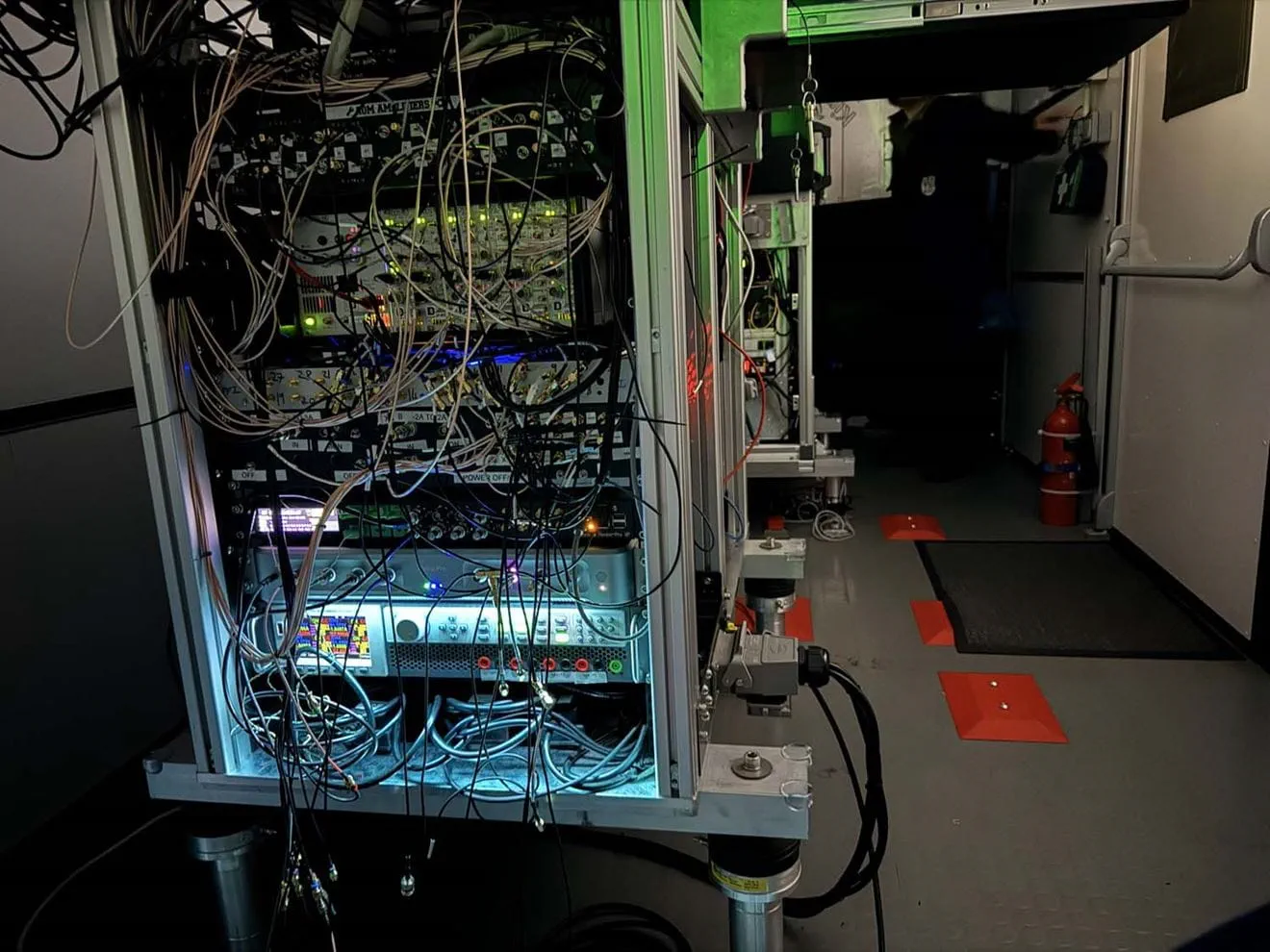
The Royal Navy, working with Imperial College London, has completed Arctic trials of quantum-enhanced inertial navigation sensors designed to provide accurate, satellite-free positioning in environments where GPS is unavailable or unreliable.
The sensors use cold-atom quantum effects to measure acceleration and rotation with high long-term stability, enabling navigation without external signals and making them resistant to jamming, spoofing, or signal loss.
The Arctic deployment builds on earlier demonstrations since 2018, including trials aboard Royal Navy vessels and the London Underground, as part of efforts to ruggedize the technology for maritime, transport, and other real-world applications.
PRESS RELEASE — The Royal Navy has continued to trial quantum technology aimed at satellite-free navigation – this time in the Arctic with Imperial College London.
The test, carried out in collaboration with Imperial, is the latest step in a year-long effort to turn quantum-enhanced inertial sensors from a physics experiment into a real-world technology.
For thousands of years, people have turned to the skies to understand where they are on planet Earth. Early sailors navigated vast oceans by reading the constellations, using the night sky to understand their position and chart their course. Today, most of us rely on global navigation satellite systems like GPS (Global Positioning System), to position ourselves in unfamiliar places. Satellites act like the stars that early sailors relied on – each follows a known path, allowing us to predict their exact positions at any moment.
However, GPS isn’t perfect: it doesn’t work underground or underwater, its signal can be blocked by tall buildings or bad weather, and jammed, spoofed, or interfered with remotely. It is estimated that a single day of GPS denial would cost over £1 billion to the UK economy.
The quantum sensors being developed at Imperial College London use quantum phenomena (the wave-like behaviour of cold atoms) to accurately measure accelerations and rotations. If we know our initial position, measurements of acceleration and rotation can be used to work out our location during a journey, without ever having to send or receive a signal remotely. They are highly accurate, remain stable over long periods of time, and are resilient to spoofing attempts.
Designing and building the sensors in a lab in South Kensington is one thing, making them rugged and robust enough to operate onboard a ship is another.
Dr Joseph Cotter, lead scientist for the project, working across the Department of Physics and Department of Materials, said: “In the lab our quantum sensors perform extremely well, which is why we’re so excited about their potential for inertial navigation.
“The Arctic field trial lets us test how these devices perform in unpredictable environments, and helps us work out what we still need to do to make them shock resistant, and able to withstand life at sea.”
Quantum-enhanced inertial sensors could revolutionise industries such as aerospace, agriculture, maritime and transport.
The first Imperial quantum sensors for navigation were demonstrated in 2018, and first deployed aboard the Royal Navy research ship the XV Patrick Blackett in 2023. The Imperial quantum sensor has also been deployed on the London Underground, and may one day enable more reliable signalling systems in rail.
Commander Matt Steele Royal Navy, SO1 Future Technology for the Royal Navy’s Disruptive Capabilities and Technologies Office (DCTO), said: “As Head of Futures in the DCTO, I am delighted that Dr Joseph Cotter’s team at Imperial College London was able to test its revised Quantum Inertial Navigation Sensing (INS) technology, onboard MV Anvil Point.