Category: 3. Business

  • Didn’t Hit Your 2025 Savings Goals? Start Fresh With These Tools

    Didn’t Hit Your 2025 Savings Goals? Start Fresh With These Tools

    The new year is upon us and if you’re looking to make progress with your money in 2026, why wait until January 1 to start strategizing?

    Bankrate’s Annual Emergency Savings report found that 8 in 10 Americans did not increase their emergency savings in 2025. In fact, 19% of respondents actually have less emergency savings now than they did at the start of the year.

    If you’ve dipped into your savings this year — or just missed the mark on a big savings goal — here are some tips and tools to help you build up a stash of cash in 2026.

    Get rid of expenses you don’t need anymore

    Saving more money generally starts with auditing where how much you’re earning versus how much you’re spending and cutting out expenses for things that you don’t need or don’t use anymore. Many times, the culprit is unused or forgotten subscriptions and memberships.

    Expense tracking platforms like Monarch Money and Empower help you categorize your expenses and automatically track transactions so you know exactly where your money is going. Monarch offers a 7-day free trial but the Empower app is completely free unless you decide to use the investing services.

    Monarch

    • Cost

      $8.33/month (billed $99.99 annually); $14.99/month (billed monthly) – get 50% off your first year with code CNBC50

    • Free trial

      7-day free trial is available before subscribing

    • Standout features

      Net worth tracker, investment portfolio tracking, goal creation and progress tracking, budgeting and expense tracking

    • Categorizes your expenses

      Yes, but users can modify

    • Links to accounts

      Yes, bank and credit cards, as well as IRAs, 401(k)s, mortgages and loans

    • Availability

      Offered in both the App Store (for iOS) and on Google Play (for Android); web version also offered

    • Security features

      Utilizes industry-leading security practices, according to Monarch’s website

    Pros

    • Easy-to-navigate money-tracking dashboard, including a net-worth tracker
    • Easily syncs to your bank, credit cards and other financial accounts
    • Users can add collaborators for free
    • Seven-day free trial

    Cons

    • Subscription is pricier than competitors
    • Recommendations in the “advice” tab are generic

    Empower

    • Cost

      App is free, but users have option to add investment management services for 0.89% of their money (for accounts under $1 million)

    • Standout features

      A budgeting app and investment tool that tracks both your spending and your wealth

    • Categorizes your expenses

      Yes, but users can modify

    • Links to accounts

      Yes, bank and credit cards, as well as IRAs, 401(k)s, mortgages and loans

    • Availability

      Offered in both the App Store (for iOS) and on Google Play (for Android)

    • Security features

      Data encryption, fraud protection and strong user authentication

    Pros

    • Free to use
    • Includes money-tracking dashboard, plus a net-worth tracker
    • Syncs to your bank and credit cards as well as other financial accounts
    • The Currency blog offers financial planning tips
    • Security features include data encryption, fraud protection and strong user authentication

    Cons

    • Budgeting features aren’t as comprehensive as other apps
    • Investment management services come with cost

    Once everything is laid out in front of you, you can decide where you can cut and save, then redirect that money into a savings account.

    The cuts you make may not always mean hundreds of dollars in savings but every bit goes a long way.

    Use a micro-savings or micro-investing platform

    Oportun Set & Save

    • Minimum balance

    • Monthly fee

      30-day free trial; $5/month

    • Maximum transactions

    • Excessive transactions fee

    • Overdraft fees

    • Offer checking account?

    • Offer ATM card?

    Add a new stream of income

    Make deposits in a high-yield savings account

    Marcus by Goldman Sachs High Yield Online Savings

    Goldman Sachs Bank USA is a Member FDIC.

    • Annual Percentage Yield (APY)

    • Minimum balance

    • Monthly fee

    • Maximum transactions

      At this time, there is no limit to the number of withdrawals or transfers you can make from your online savings account

    • Excessive transactions fee

    • Overdraft fee

    • Offer checking account?

    • Offer ATM card?

    Pros

    • Strong APY
    • No minimum balance or deposit
    • No monthly fees
    • No limit on withdrawals or transfers
    • Easy-to-use mobile banking app
    • Offers no-fee personal loans

    Cons

    • Higher APYs offered elsewhere
    • No option to add a checking account
    • No ATM access

    American Express® High Yield Savings Account

    On the American Express site

    • Annual Percentage Yield (APY)

      3.40% APY as of 11/26/2025

    • Minimum balance

    • Monthly fee

    • Maximum transactions

    • Excessive transactions fee

    • Overdraft fee

    • Offer checking account?

    • Offer ATM card?

    • American Express National Bank is a Member FDIC.

    Pros

    • Strong APY
    • Min deposit / Min balance = $0
    • $0 monthly fees
    • 24/7 customer support
    • Helpful “Tips & Tools” section on website

    Cons

    • Higher APYs offered elsewhere
    • No option to add a checking account
    • No ATM access
    • You can’t deposit a check via the mobile app

    The Annual Percentage Yield (APY) as advertised is accurate as of 11/26/2025. Interest rate and APY are subject to change at any time without notice before and after a High Yield Savings Account is opened. Interest Rate and APY of a Certificate of Deposit account is fixed once the account is funded

    There is no minimum balance required to open your Account, to avoid being charged a fee, or to obtain the Annual Percentage Yield (APY) disclosed to you

    For purposes of transferring funds to or from an external bank, business days are Monday through Friday, excluding federal holidays. Transfers can be initiated 24/7 via the website or phone, but any transfers initiated after 7:00 PM Eastern Time or on non-business days will begin processing on the next business day. Funds deposited into your account may be subject to holds. See the Funds Availability section of your Consumer Deposit Account Agreement and Savings Schedules for more information.

    Subscribe to the CNBC Select Newsletter!

    Money matters —  so make the most of it. Get expert tips, strategies, news and everything else you need to maximize your money, right to your inbox. Sign up here.

    Why trust CNBC Select?

    Editorial Note: Opinions, analyses, reviews or recommendations expressed in this article are those of the Select editorial staff’s alone, and have not been reviewed, approved or otherwise endorsed by any third party.


    Continue Reading

  • ICYMI: Highlights From ASH 2025

    ICYMI: Highlights From ASH 2025

    The 67th American Society of Hematology (ASH) annual meeting showcased a shift in hematology, prioritizing precision and quality of life, and signaling a move toward more accessible, “off-the-shelf” cancer care.

    Key highlights included the debut of in vivo chimeric antigen receptor (CAR) T-cell therapy and data supporting a chemotherapy-free frontline regimen for acute myeloid leukemia (AML).

    Find the 5 most-read articles from ASH below, and check out all of our coverage from the conference.

    5. In CLL, Fixed-Duration Venetoclax Combos Are Equal to Continuous Ibrutinib in Head-to-Head Comparison

    The phase 3 CLL17 trial provided the first head-to-head evidence that fixed-duration venetoclax combinations are clinically noninferior to continuous ibrutinib for patients with chronic lymphocytic leukemia (CLL). After 3 years, progression-free survival rates were nearly identical across all arms, but the venetoclax-based regimens achieved significantly higher complete response rates compared with indefinite monotherapy.

    “The aim here is to combine and produce deep remissions and thereby allow patients to get off therapy while still remaining in remission,” said Othman Al-Sawaf, MD, PhD, of University Hospital of Cologne.

    These results highlight a major shift toward time-limited treatment, allowing patients to enjoy multiyear “treatment-free intervals” that reduce long-term toxicities, such as cardiac events, while potentially lowering overall health care costs.

    Read more.

    4. EPCORE FL-1: Adding Epcoritamab to R2 Delivers “New Benchmark” in Second-Line Follicular Lymphoma

    The phase 3 EPCORE FL-1 trial has established a “new benchmark” for treating relapsed follicular lymphoma by adding the bispecific antibody epcoritamab to the standard regimen of rituximab (Rituxan) plus lenalidomide (Revlimid), also known as R2. This chemotherapy-free triplet delivered a 79% progression-free survival advantage over R2 alone, with an overall response rate of 95% and durable outcomes across both high- and low-risk patient subgroups. Designed as a fixed-duration, 12-cycle therapy, the regimen is optimized for outpatient administration, allowing patients to receive highly potent, “off-the-shelf” care in their own communities shortly after their first relapse.

    Lorenzo Falchi, MD, a lymphoma specialist at Memorial Sloan Kettering Cancer Center, who presented the results, said the triplet “sets a new benchmark as a standard of care.”

    Read more.

    3. 52-Week VERIFY Data Show Rusfertide Brings Sustained Responses in PV

    The 52-week VERIFY trial results for rusfertide demonstrate a significant shift in polycythemia vera (PV) management by mimicking the natural hormone hepcidin to regulate red blood cell production. Patients in the study achieved sustained hematocrit control and a dramatic reduction in phlebotomy requirements, with more than 77% of crossover participants successfully avoiding the painful procedure during the assessment window.

    Long-term data from the THRIVE extension reinforce these findings, highlighting a 13-fold reduction in phlebotomy rates over 4 years alongside significant improvements in patient-reported fatigue.

    “The 32-week VERIFY primary results were already promising, and this deeper understanding of the durability of response with rusfertide is critical to inform clinical decision-making for polycythemia vera,” said Andrew T. Kuykendall, MD, an associate member in the Department of Hematology at Moffitt Cancer Center.

    Read more.

    2. Azacitidine/Venetoclax Combo Data Challenge Chemo in Fit Patients With AML

    The PARADIGM trial presented at the plenary session suggests that the combination of azacitidine and venetoclax could replace intensive chemotherapy as the frontline treatment for fit patients with AML. Patients on the combo compared with patients on the traditional “7+3” chemotherapy regimen achieved significantly higher overall response rates (88% vs 62%) and improved event-free survival.

    The combo also enabled a higher percentage of patients to proceed to lifesaving transplants and drastically reduced hospital stays and intensive care unit admissions, offering patients a better quality of life and a much lower risk of early mortality than conventional induction.

    Read more.

    1. In Vivo CAR T Takes Center Stage, With Results Shared for 4 MRD-Negative Patients

    Researchers debuted transformative phase 1 data on KLN-1010, a pioneering in vivo CAR T-cell therapy that generates cancer-fighting cells directly inside the patient’s body. In the initial study, all 4 patients with relapsed or refractory multiple myeloma achieved minimal residual disease–negative status within just 1 month, with the longest response reaching 4 months. This “off-the-shelf” approach eliminates the need for weeks of external manufacturing and toxic lymphodepleting chemotherapy, offering a significantly improved safety profile and the potential to improve access to one-and-done cancer treatments. However, the results are still early, and only data on 3 of the 4 patients were presented at ASH during the late-breaking session.

    “It’s very early. They’re only reporting on 3 patients, so we still have a lot more to learn,” Michael Rosenzweig, MD, MS, chief of the Division of Multiple Myeloma, City of Hope, said in an interview. “But it’s definitely an exciting abstract that’s beginning, at least, to offer proof of principle that it’s possible to do this with some efficacy.”

    Read more.

    Continue Reading

  • Remembering Lou Gerstner

    Remembering Lou Gerstner

    The following is the text of an email sent today to all IBM employees by Chairman and CEO Arvind Krishna:

    IBMers, 

    I am saddened to share that Lou Gerstner, IBM’s Chairman and CEO from 1993 to 2002, passed away yesterday.

    Lou arrived at IBM at a moment when the company’s future was genuinely uncertain. The industry was changing rapidly, our business was under pressure, and there was serious debate about whether IBM should even remain whole. His leadership during that period reshaped the company. Not by looking backward, but by focusing relentlessly on what our clients would need next. 

    One of Lou’s earliest signals as CEO has become part of IBM lore. Early on, he stopped a long internal presentation and said, simply, “Let’s just talk.” The message was clear: less inward focus, more real discussion, and much closer attention to customers. That mindset would define his tenure. 

    Lou believed one of IBM’s central problems was that we had become optimized around our own processes, debates, and structures rather than around client outcomes. As he later put it, the company had lost sight of a basic truth of business: understanding the customer and delivering what the customer actually values. 

    That insight drove real change. Meetings became more direct. Decisions were grounded more in facts and client impact than in hierarchy or tradition. Innovation mattered if it could translate into something clients would come to rely on. Execution in the quarter and the year mattered, but always in service of longer-term relevance. 

    Lou made what may have been the most consequential decision in IBM’s modern history: to keep IBM together. At the time, the company was organized into many separate businesses, each pursuing its own path. Lou understood that clients didn’t want fragmented technology—they wanted integrated solutions. That conviction shaped IBM’s evolution and reestablished our relevance for many of the world’s largest enterprises. 

    Lou also understood that strategy alone would not be enough. He believed lasting change required a shift in culture—in how people behave when no one is watching. What mattered was what IBMers valued, how honestly they confronted reality, and how willing they were to challenge themselves and each other. Rather than discard IBM’s long-standing values, he pushed the company to renew them to meet the demands of a very different era. 

    I have my own memory of Lou from the mid-1990s, at a small town hall with a few hundred people. What stood out was his intensity and focus. He had an ability to hold the short term and the long term in his head at the same time. He pushed hard on delivery, but he was equally focused on innovation: doing work that clients would remember, not just consume. 

    Lou stayed engaged with IBM long after his tenure ended. From my first days as CEO, he was generous with advice—but always careful in how he gave it. He would offer perspective, then say, “I’ve been gone a long time—I’m here if you need me.” He listened closely to what others were saying about IBM and reflected it back candidly.  

    That neutral, experienced voice mattered to me, and I was fortunate to learn from Lou on a regular basis. 

    Lou was direct. He expected preparation. He challenged assumptions. But he was deeply committed to building a company that could adapt—culturally as much as strategically—without losing its core values. 

    Lou’s impact extended well beyond IBM. Before joining the company, he had already built an extraordinary career—becoming one of the youngest partners at McKinsey & Company, later serving as president of American Express and CEO of RJR Nabisco. After IBM, he went on to chair The Carlyle Group and devoted significant time and resources to philanthropy, particularly in education and biomedical research. A native of Long Island, NY, Lou earned his undergraduate degree from Dartmouth and an MBA from Harvard, and he remained deeply devoted to his family throughout his life. Lou was preceded in death by his son Louis Gerstner III. 

    We will hold a celebration in the new year to reflect on Lou’s legacy and what his leadership enabled at IBM. 

    My thoughts are with Lou’s wife Robin, his daughter Elizabeth, his grandchildren and extended family, as well as his many friends, colleagues, and people around the world who were shaped by his leadership and his work.

    Media contact:

    IBM Press Room

    ​ibmpress@us.ibm.com 

    Continue Reading

  • Holiday season puts focus on growing reality of family estrangement

    Holiday season puts focus on growing reality of family estrangement

    ‘It’s important for these people to feel like they have somewhere to go and that they are supported, because that could be any of us,’ says a CMHA psychotherapist

    With the holiday season in swing, the Canadian Mental Health Association (CMHA) North Bay and District is drawing attention to a growing but often hidden reality: family estrangement.

    While the holidays are widely portrayed as a time of togetherness, for many people, they can instead amplify feelings of loss, loneliness, and disconnection.

    CMHA officials say those emotions are becoming more common as more Canadians distance themselves from family relationships that feel unsafe or unhealthy.

    CMHA North Bay and District is shining a light on why estrangement is on the rise, how it affects mental health, and how to support people struggling during the holidays.

    Estrangement refers to the intentional distancing or separation from family members or other significant relationships.

    While Canadian data is limited, a Cornell University study in the United States found that 27 per cent of adults reported being estranged from at least one family member, according to CMHA officials. Mental health professionals in Canada say they are seeing similar trends.

    The issue, they say, often becomes more visible during the holiday season, when social expectations around family are heightened.

    “The holiday season can be especially challenging for people experiencing estrangement,” said Mary Davis, CEO of CMHA North Bay and District.

    “Many people find the holiday season to be a stark reminder of what’s missing, including loved ones and meaningful relationships.”

    CMHA North Bay and District Health Promotion Coordinator Malinda Hirvilammi says estrangement is being talked about more openly, even if it remains misunderstood.

    “In terms of the rise in family estrangement, we can’t really quantify the data because there’s not really a lot of statistics right now in Canada,” Hirvilammi told BayToday. “We do know it exists.”

    She says the organization is seeing increased conversation around estrangement, often referred to as “no contact,” particularly through social media and broader mental health discussions.

    “Wording can have a lot of impact on how people feel safe in terms of talking about things,” she said, adding that estrangement does not always mean completely cutting someone out of one’s life.

    “There are varying degrees that people are creating boundaries around protecting their mental health,” she said. “It doesn’t necessarily need to be full no contact.”

    Hirvilammi says the holidays can intensify pressure and stigma for people who are estranged.

    “It’s a heavily perceived time of family engagement, fond memories—it might not be fond for everybody,” Hirvilammi said.

    “The idea that we need to have a perfect holiday, that our family needs to look a specific way, those pressures can be increasingly heavy on someone who’s going through an estranged relationship.”

    CMHA psychotherapist Emily Colby says estrangement often develops over time rather than through a single event.

    “It can be things like breakdown of the family, people not respecting boundaries,” Colby explained. “What happens over time is people feel like they’re not respected or like they’re not valued in their family system.”

    She added that the emotional toll often peaks during the holidays.

    “You walk by stores, and they say, ‘Hey, get this gift for your loved ones,’” Colby said. “It creates this grief and this guilt, even the comparison among families that their family doesn’t look like the other families that they regularly see.”

    Colby says estrangement can be especially common among people in recovery.

    “People will turn to things like substance use to help them get through challenges with their family,” she said.

    When people enter recovery, she says, unresolved family issues often resurface.

    “So, a lot of times people do have an increase in stepping away or putting boundaries in place,” Colby said.

    Both Hirvilammi and Colby stressed the importance of connection, even when family relationships are strained or absent.

    “Having a sense of connection, a sense of family, is really important for your overall mental health,” Hirvilammi said. “What that looks like may not necessarily be a blood relative.”

    CMHA North Bay and District offers peer support programs that focus on connection and shared lived experience.

    “Connecting with people who have that understanding, lived experience, and additional emotional safety is really important,” Hirvilammi said.

    They hope the conversation will reduce stigma and remind people they are not alone.

    “It’s becoming very prevalent,” Colby said.

    “It’s important for these people to feel like they have somewhere to go and that they are supported, because that could be any of us.”

    For more information, visit the CMHA North Bay and District website.

    Continue Reading

  • AI is coming for young people’s office jobs. That’s good news for the construction industry | Gene Marks

    AI is coming for young people’s office jobs. That’s good news for the construction industry | Gene Marks

    While standing on the sideline watching a high school soccer game, my friend, who owned a small and successful construction company, complained that his son – a senior – was starting at a respected local university that fall, which would cost roughly $200,000 over the next four years.

    “I could take the same money and set him up in a contracting business,” he said. “It would be a much better investment.”

    That was in 2010. The kid did go to that college and graduated four years later with a degree in history. Where do you think he is now? Working in the construction business.

    Ask anyone in the construction business and they’ll complain about the lack of skilled workers in their trade. The numbers support these concerns. The Associated General Contractors of America reported this past year that 92% of firms have had a hard time filling positions and 45% delayed at least one project due to labor shortages. A worker shortage model from the Associated Builders and Contractors estimates that the industry must attract 499,000 workers in 2026 to meet demand. The National Association of Homebuilders estimates the number to be as high as 723,000 annually.

    Why the shortage? Among the reasons is that younger workers have gravitated away from working with their hands over the past few decades in lieu of office jobs. Older workers are getting older – the National Center for Construction Education and Research estimates that about 41% of the current construction workforce will retire by 2031. And the current administration’s immigration policy has not only dried up the flow of potential overseas workers but have driven many construction workers – even those with proper documentation – underground.

    The building of datacenters has surged over the past few years and construction workers on those projects are in such high in demand they’re seeing pay jumps of 25% to 30% compared to their previous jobs – and in some cases, much more. Good for them, but that’s not going to last forever.

    What will happen very soon is – as interest rates continue to fall and new tax incentives begin to take hold – a new demand from both homebuyers and businesses looking to build and buy properties will – after more than five years – return and return strong. This is a cyclical industry. Things have been in the trough. But when the recovery happens, the peak will be high. Which means there will be an enormous need for new constructions workers.

    For many in the industry facing such labor shortages, that scenario is daunting. I think the opposite.

    Thanks to AI, there will be an obliteration of entry-level jobs and the meaningless white-collar work. Where will they go? There will be other opportunities – startups and new jobs we’ve never heard of (20% of today’s jobs didn’t even exist in 2000). But many will gravitate towards the trades – a place where AI can’t replace them.

    We’re already seeing this trend develop. Trade school enrollment is up significantly since the pandemic and is expected to increase as much as 7% annually through 2030, a rate significantly higher than other forms of higher education. The ranks of students studying construction trades alone rose 23% over the past year, according to another report. Young people are not stupid. They’re following the money.

    Continue Reading

  • Fouad, O. A. et al. Modified carbon paste ion selective electrode for determining cr (iii) ions in aqueous solutions and some real samples using tetragonal zirconia nanoparticles. RSC Adv. 13 (16), 11201–11214 (2023).

    Google Scholar 

  • Fouad, O. A. et al. Green synthesized nano zero-valent aluminum with solid-state potentiometric sensor for dedicating Tin ion in water and some canned food samples. Microchem. J. 211, 113088 (2025).

    Google Scholar 

  • Magdy, A. et al. Kinetics and adsorption isotherms studies for the effective removal of Evans blue dye from an aqueous solution utilizing forsterite nanoparticles. Sci. Rep. 14 (1), 24392 (2024).

    Google Scholar 

  • Mostafa, M. R. et al. Electrochemical investigation of oxytrol in fizzy drinks and juices via graphene and polymer printed PVC by ANOVA and design expert. Sci. Rep. 15 (1), 28095 (2025).

    Google Scholar 

  • Lin, J. et al. Environmental impacts and remediation of dye-containing wastewater. Nat. Reviews Earth Environ. 4 (11), 785–803 (2023).

    Google Scholar 

  • Abdellaoui, K. et al. A comparative study of the Amaranth Azo dye adsorption/desorption from aqueous solutions by layered double hydroxides. Appl. Clay Sci. 143, 142–150 (2017).

    Google Scholar 

  • Shabaan, O. A., Jahin, H. S. & Mohamed, G. G. Removal of anionic and cationic dyes from wastewater by adsorption using multiwall carbon nanotubes. Arab. J. Chem. 13 (3), 4797–4810 (2020).

    Google Scholar 

  • Zhang, Z. et al. Functionalized attapulgite for the adsorption of methylene blue: Synthesis, characterization, and adsorption mechanism. ACS Omega. 6 (30), 19586–19595 (2021).

    Google Scholar 

  • Okut, N. et al. Agricultural wastewater treatment and reuse technologies: A comprehensive review. J. Water Process. Eng. 69, 106699 (2025).

    Google Scholar 

  • Islam, M. M. et al. A comprehensive review of the current progress of chromium removal methods from aqueous solution. Toxics 11 (3), 252 (2023).

    Google Scholar 

  • Jan, S. et al. Pollutants in aquatic system: a frontier perspective of emerging threat and strategies to solve the crisis for safe drinking water. Environ. Sci. Pollut. Res. 30 (53), 113242–113279 (2023).

    Google Scholar 

  • Akbudak, İ. K., Başibüyük, Z. & Ekincioğlu, G. Mineralogical-Petrographical Investigation and Usability as the Gemstone of the North Anatolian Kammererite, Tokat, Turkey, in Mineralogy-Significance and Applications. IntechOpen. p. 65. (2020).

  • Hatipoğlu, M., Oğuzer, M. B. & Buzlu, H. B. Gemmological and mineralogical investigations and genesis of the kammererite from the Keşiş (Erzincan) and Kop (Erzurum) mountains. J. Afr. Earth Sc. 84, 20–35 (2013).

    Google Scholar 

  • Kostov-Kytin, V., Petrov, P. & Encheva, S. Rietveld refinement of chromian clinochlore from the chromitites of Golyamo Kamenyane serpentinite (Eastern Rhodopes). Rev. Bulgarian Geol. Soc. 83 (part 1), 27–38 (2022).

    Google Scholar 

  • Dall, J. et al. Geochemistry of Chromium-Silicate Minerals. in EGU General Assembly Conference Abstracts. (2021).

  • Chakraborty, K. Mineralogical note on the chrome-Chlorite (Kämmererite) and chrome-garnet (Uvarovite) from the chromite deposits of Kalrangi, Orissa, India. Mineralogical Magazine J. Mineralogical Soc. 36 (283), 962–965 (1968).

    Google Scholar 

  • Chadwick, K. A. Chromium-rich clinochlore (kämmererite) from Turkey. Gems Gemology, 44(2). (2008).

  • Farges, F. Chromium speciation in oxide-type compounds: application to minerals, gems, aqueous solutions and silicate glasses. Phys. Chem. Miner. 36, 463–481 (2009).

    Google Scholar 

  • Brown, B. & Bailey, S. Chlorite polytypism: II. Crystal structure of a one-layer Cr-chlorite. American Mineralogist. J. Earth Planet. Mater. 48(1–2), 42–61 (1963).

    Google Scholar 

  • Anselmi, S. et al. Impact of global change on environmental hazards of different clays: A case study on aliivibrio fischeri. J. Hazard. Mater. 457, 131806 (2023).

    Google Scholar 

  • Ulian, G., Moro, D. & Valdrè, G. Infrared and Raman spectroscopic features of clinochlore Mg6Si4O10 (OH) 8: A density functional theory contribution. Appl. Clay Sci. 197, 105779 (2020).

    Google Scholar 

  • Viseras, C. et al. Clays in cosmetics and personal-care products. Clays Clay Miner. 69 (5), 561–575 (2021).

    Google Scholar 

  • Bailey, S. W. Hydrous phyllosilicates:(exclusive of micas) Vol. 19 (Walter de Gruyter GmbH & Co KG, 2018).

  • Lapham, D. M. Structural and chemical variation in chromium chlorite. Am. Mineralogist: J. Earth Planet. Mater. 43 (9–10), 921–956 (1958).

    Google Scholar 

  • Vasileiou, E. et al. Expounding the origin of chromium in groundwater of the Sarigkiol basin, Western Macedonia, greece: A cohesive statistical approach and hydrochemical study. Environ. Monit. Assess. 191, 1–34 (2019).

    Google Scholar 

  • Elahi, A. et al. Successive use of microorganisms to remove chromium from wastewater. Appl. Microbiol. Biotechnol. 104, 3729–3743 (2020).

    Google Scholar 

  • Minas, F., Chandravanshi, B. S. & Leta, S. Chemical precipitation method for chromium removal and its recovery from tannery wastewater in Ethiopia. Chem. Int. 3 (4), 291–305 (2017).

    Google Scholar 

  • Ramírez-Estrada, A. et al. Cr (III) removal from synthetic and real tanning effluents using an electro-precipitation method. J. Environ. Chem. Eng. 6 (1), 1219–1225 (2018).

    Google Scholar 

  • Mella, B., Glanert, A. C. C. & Gutterres, M. Removal of Chromium from Tanning Wastewater by Chemical Precipitation and Electrocoagulation (in XXXII Congress of the IULTCS, 2013).

  • Peng, H. & Guo, J. Removal of chromium from wastewater by membrane filtration, chemical precipitation, ion exchange, adsorption electrocoagulation, electrochemical reduction, electrodialysis, electrodeionization, photocatalysis and nanotechnology: a review. Environ. Chem. Lett. 18 (6), 2055–2068 (2020).

    Google Scholar 

  • Leonard, J. et al. Efficient removal of hexavalent chromium ions from simulated wastewater by functionalized anion exchange resin: process optimization, isotherm and kinetic studies. Environ. Chem. Ecotoxicol. 5, 98–107 (2023).

    Google Scholar 

  • Ghosh, A., Dastidar, M. G. & Sreekrishnan, T. Bioremediation of chromium complex dyes and treatment of sludge generated during the process. Int. Biodeterior. Biodegrad. 119, 448–460 (2017).

    Google Scholar 

  • Kerur, S. et al. Removal of hexavalent Chromium-Industry treated water and wastewater: A review. Mater. Today: Proc. 42, 1112–1121 (2021).

    Google Scholar 

  • Pakade, V. E., Tavengwa, N. T. & Madikizela, L. M. Recent advances in hexavalent chromium removal from aqueous solutions by adsorptive methods. RSC Adv. 9 (45), 26142–26164 (2019).

    Google Scholar 

  • Shukrullah, S. et al. Effective removal of chromium from wastewater with Zn doped Ni ferrite nanoparticles produced using co-precipitation method. Mater. Today: Proc. 47, pS9–S12 (2021).

    Google Scholar 

  • Aljerf, L. High-efficiency extraction of bromocresol purple dye and heavy metals as chromium from industrial effluent by adsorption onto a modified surface of zeolite: kinetics and equilibrium study. J. Environ. Manage. 225, 120–132 (2018).

    Google Scholar 

  • Wang, B., Sun, Y. C. & Sun, R. C. Fractionational and structural characterization of lignin and its modification as biosorbents for efficient removal of chromium from wastewater: a review. J. Leather Sci. Eng. 1 (1), 1–25 (2019).

    Google Scholar 

  • Al-Degs, Y. S., Abu-El-Halawa, R. & Abu-Alrub, S. S. Analyzing adsorption data of erythrosine dye using principal component analysis. Chem. Eng. J. 191, 185–194 (2012).

    Google Scholar 

  • Apostol, L. C. et al. Removal of erythrosine B dye from water effluents using crop waste pumpkin seed hulls as adsorbent. Desalination Water Treat. 57 (47), 22585–22608 (2016).

    Google Scholar 

  • Kandisa, R. V. et al. Dye removal by adsorption: a review. (2016).

  • Mohammadi, M. K., Kakesh, N. & Ramtinfard, S. Adsorptive Removal of Carmoisine and Erythrosine from Aqueous Media by Fe-Co-V Nanostructure Supported on Zeolite. Iran. J. Chem. Chem. Eng. (IJCCE) Res. Article Vol https://doi.org/10.30492/ijcce.2024.2021930.6426 (2024).

    Google Scholar 

  • Okoye, C. et al. Multi-Input single output (MISO) modelling with adaptive neuro fuzzy inference system (ANFIS) and response surface methodology (RSM) for adsorptive removal of erythrosine B dye from wastewater using activated carbon derived from Agrowaste. UNIZIK J. Eng. Appl. Sci. 4 (1), 1784–1801 (2025).

    Google Scholar 

  • Mousavi, S. M. et al. Erythrosine adsorption from aqueous solution via decorated graphene oxide with magnetic iron oxide nano particles: kinetic and equilibrium studies. Acta Chim. Slov. 65(4), 882–894 (2018).

    Google Scholar 

  • Nascimento, R. et al. From mining waste to environmetal remediation: a nanoadsorbent from Amazon bauxite tailings for the removal of erythrosine B dye. Appl. Clay Sci. 222, 106482 (2022).

    Google Scholar 

  • Fouad, O. A. et al. Kinetics and process optimization studies for the effective removal of Cresyl fast Violet dye using reusable nanosized mullite. Sci. Rep. 14 (1), 32164 (2024).

    Google Scholar 

  • Taran, M. et al. High-pressure electronic absorption spectroscopy of natural and synthetic Cr3+-bearing clinopyroxenes. Phys. Chem. Miner. 38 (5), 345–356 (2011).

    Google Scholar 

  • O’Bannon, I. I. I., Williams, Q. & E. and Delocalization in Cr3 + luminescence of clinochlore: A pressure-induced transition from single-ion emission to pair emission. J. Phys. Chem. Solids. 109, 89–99 (2017).

    Google Scholar 

  • Gopal, N., Narasimhulu, K. & Rao, J. L. Optical absorption, EPR, infrared and Raman spectral studies of clinochlore mineral. J. Phys. Chem. Solids. 65 (11), 1887–1893 (2004).

    Google Scholar 

  • Rathod, S. et al. Exploring synthesis and applications of green nanoparticles and the role of nanotechnology in wastewater treatment. Biotechnol. Rep. 41, e00830 (2024).

    Google Scholar 

  • Sukovienė, A. et al. Magnetic Cobalt and other types of ferrite nanoparticles: synthesis aspects and novel strategies for application in wastewater treatment (Review). Appl. Sciences: Special Issue Appl. Nanopart. Environ. Sci. 15 (2), 1–34 (2025).

    Google Scholar 

  • Jamkhande, P. G. et al. Metal nanoparticles synthesis: an overview on methods of preparation, advantages and disadvantages, and applications. J. Drug Deliv. Sci. Technol. 53, 101174 (2019).

    Google Scholar 

  • Khandel, P. et al. Biogenesis of metal nanoparticles and their Pharmacological applications: present status and application prospects. J. Nanostructure Chem. 8, 217–254 (2018).

    Google Scholar 

  • Fouad, O. A., Mohamed Wahsh, M. M. S., Mohamed G. G., El Desssouky M. M. I. & Mostafa M. R. Fabrication and characterization of mullite nano-ceramic materials for use in carbon paste ion selective electrode to estimate carcinogenic Cd(II) ion in real and human samples. Microchemical J. 190, 108623 (2023).

  • Nasser, N., Wahsh, M. M. S. & Rizk, M. S. Estimation of trace element of strontium ion using ion selective electrode based on a ceramic cordierite nanoparticle in some vegetarian foods. Microchemical J. 199, 109978 (2024).

  • Yan, Z. et al. Antioxidant mechanism of tea polyphenols and its impact on health benefits. Anim. Nutr. 6 (2), 115–123 (2020).

    Google Scholar 

  • Xiao, C. et al. Green synthesis of iron nanoparticle by tea extract (polyphenols) and its selective removal of cationic dyes. J. Environ. Manage. 275, 111262 (2020).

    Google Scholar 

  • Hu, Y. et al. Green synthesis of iron (II, III)-polyphenol nanoparticles and their adsorption of malachite green. J. Wuhan Univ. Technology-Mater Sci. Ed. 39 (4), 1025–1030 (2024).

    Google Scholar 

  • Chander, S. & Gupta, A. Fabrication of mango-leaf Biowaste mediated green magnetite (Fe3O4@ MBE NPs) and modified EDTA/Fe3O4@ MBE NCs for enhanced heavy metals sequestration: Characterisation, simulation modelling, mechanism, cost-effectiveness and electroplating wastewater performance. Sep. Purif. Technol. 358, 130246 (2025).

    Google Scholar 

  • Zhao, Y. et al. Efficient-Selective Removal of Cationic Dyes via Recyclable Iron Nanoparticles/Luffa: Performance, Phytotoxicity Assessment and Mechanism Insight. Arab. J. Sci. Eng. https://doi.org/10.1007/s13369-024-09919-1 (2025).

    Google Scholar 

  • Veisi, H. et al. Bio-inspired synthesis of palladium nanoparticles fabricated magnetic Fe3O4 nanocomposite over fritillaria imperialis flower extract as an efficient recyclable catalyst for the reduction of nitroarenes. Sci. Rep. 11 (1), 4515 (2021).

    Google Scholar 

  • Saglam, S., Turk, F. N. & Arslanoglu, H. Use and applications of metal-organic frameworks (MOF) in dye adsorption. J. Environ. Chem. Eng. 11(5), 110568 (2023).

    Google Scholar 

  • Kapelewski, M. T. et al. M2 (m-dobdc)(M = Mg, Mn, Fe, Co, Ni) metal–organic frameworks exhibiting increased charge density and enhanced H2 binding at the open metal sites. J. Am. Chem. Soc. 136 (34), 12119–12129 (2014).

    Google Scholar 

  • Marshall, C. R., Staudhammer, S. A. & Brozek, C. K. Size control over metal–organic framework porous nanocrystals. Chem. Sci. 10 (41), 9396–9408 (2019).

    Google Scholar 

  • Hobday, C. L. et al. Perspectives on the influence of crystal size and morphology on the properties of porous framework materials. Front. Chem. 9, 772059 (2021).

    Google Scholar 

  • Noorzadeh, V. & Peyman, H. Design and synthesis of magnetic MOF for the removal of erythrosine B dye using design of experiment. Adv. Nanochemistry. 3 (2), 80–87 (2021).

    Google Scholar 

  • Karade, V. et al. Greener synthesis of magnetite nanoparticles using green tea extract and their magnetic properties. Mater. Res. Express. 4 (9), 096102 (2017).

    Google Scholar 

  • Sarma, L. et al. Synthesis and characterization of tea polyphenol–coated magnetite nanoparticles for hyperthermia application. J. Supercond. Novel Magn. 33 (6), 1637–1644 (2020).

    Google Scholar 

  • Yassin, J. M., Taddesse, A. M. & Sánchez-Sánchez, M. Room temperature synthesis of high-quality Ce (IV)-based MOFs in water. Microporous Mesoporous Mater. 324, 111303 (2021).

    Google Scholar 

  • Yang, J. et al. Zn-doped Ni-MOF material with a high supercapacitive performance. J. Mater. Chem. A. 2 (44), 19005–19010 (2014).

    Google Scholar 

  • Sondermann, L. et al. Nickel-based metal-organic frameworks as electrocatalysts for the oxygen evolution reaction (OER). Molecules 27 (4), 1241 (2022).

    Google Scholar 

  • Carton, A. et al. Ab initio crystal structure of nickel (II) hydroxy-terephthalate by synchrotron powder diffraction and magnetic study. Solid State Sci. 9 (6), 465–471 (2007).

    Google Scholar 

  • Gupta, N. K. et al. Terephthalate and trimesate metal–organic frameworks of Mn, Co, and ni: exploring photostability by spectroscopy. RSC Adv. 11 (15), 8951–8962 (2021).

    Google Scholar 

  • Kaduk, J. A. Terephthalate salts of dipositive cations. Struct. Sci. 58 (5), 815–822 (2002).

    Google Scholar 

  • Fouad, O. A. et al. Ultrasonic aided synthesis of a novel mesoporous cobalt-based metal-organic framework and its application in cr (III) ion determination in centrum multivitamin and real water samples. Microchem. J. 175, 107228 (2022).

    Google Scholar 

  • Mostafa, M. R., Mohamed, G. G. & Fouad, O. A. Electrochemical and statistical study of nickel ion assessment in daily children intake samples relying on magnesium aluminate spinel nanoparticles. Sci. Rep. 14 (1), 16424 (2024).

    Google Scholar 

  • Ali, A. E., Fouad, O. A. & Mohamed, G. G. Theoretical and experimental approaches to the preparation, characterization and application of a newly synthesized mesoporous Zn-MOF as a selective ionophore for Ni (II) ion in carbon paste electrode matrix. J. Mol. Struct. 1285, 135475 (2023).

    Google Scholar 

  • Mahmoud, N. F. et al. Potentiometric determination of the al (III) ion in polluted water and pharmaceutical samples by a novel mesoporous copper metal–organic framework-modified carbon paste electrode. Ind. Eng. Chem. Res. 60 (6), 2374–2387 (2021).

    Google Scholar 

  • Aljohani, M. M. et al. Highly efficient adsorption and removal bio-staining dye from industrial wastewater onto mesoporous Ag-MOFs. Process Saf. Environ. Prot. 172, 395–407 (2023).

    Google Scholar 

  • Hu, Q. et al. Highly efficient removal of dyes from wastewater over a wide range of pH value by a self-adaption adsorbent. J. Mol. Liq. 331, 115719 (2021).

    Google Scholar 

  • Homagai, P. L. et al. Adsorption and removal of crystal violet dye from aqueous solution by modified rice husk. Heliyon 8(4), e09261 (2022).

    Google Scholar 

  • Imessaoudene, A. et al. Adsorption performance of zeolite for the removal of congo red dye: factorial design experiments, kinetic, and equilibrium studies. Separations 10 (1), 57 (2023).

    Google Scholar 

  • Aragaw, T. A. & Alene, A. N. A comparative study of acidic, basic, and reactive dyes adsorption from aqueous solution onto Kaolin adsorbent: effect of operating parameters, isotherms, kinetics, and thermodynamics. Emerg. Contaminants. 8, 59–74 (2022).

    Google Scholar 

  • Zaidi, Z. et al. Adsorptive removal of methylene blue using fruit waste activated carbon and its binary metal oxide nanocomposite. Chem. Eng. J. Adv. 16, 100571 (2023).

    Google Scholar 

  • Bin-Dahman, O. A. & Saleh, T. A. Synthesis of polyamide grafted on biosupport as polymeric adsorbents for the removal of dye and metal ions. Biomass Convers. Biorefinery. 14 (2), 2439–2452 (2024).

    Google Scholar 

  • Alsharief, H. H. et al. Adsorption of Azorubine E122 dye via Na-mordenite with Tryptophan composite: batch adsorption, Box–Behnken design optimisation and antibacterial activity. Environ. Technol. 45 (17), 3496–3515 (2024).

    Google Scholar 

  • Aulia, S., Wijayanti, A. & Hadisoebroto, R. The effect of mixing speed and contact time on dye removal using Cassava Peel adsorbents. in IOP Conference Series: Earth and Environmental Science. IOP Publishing. (2021).

  • Kyzas, G. Z. et al. Effect of agitation on batch adsorption process facilitated by using nanobubbles. Colloids Surf., A. 607, 125440 (2020).

    Google Scholar 

  • Behera, A. K., Shadangi, K. P. & Sarangi, P. K. Efficient removal of Rhodamine B dye using Biochar as an adsorbent: study the performance, kinetics, thermodynamics, adsorption isotherms and its reusability. Chemosphere 354, 141702 (2024).

    Google Scholar 

  • Brahmi, A. et al. Porous Metakaolin geopolymer as a reactive binder for hydroxyapatite adsorbent granules in dye removal. Hybrid. Adv. 5, 100134 (2024).

    Google Scholar 

  • Sharma, P. et al. Sustainable solution for wastewater management: fabrication of cost-effective β-cyclodextrin incorporated Chitosan Polyvinyl alcohol composite hydrogel film for the efficient adsorption of anionic congo red and tartrazine dyes. Sep. Purif. Technol. 355, 129750 (2025).

    Google Scholar 

  • Padmavathy, K., Madhu, G. & Haseena, P. A study on effects of pH, adsorbent dosage, time, initial concentration and adsorption isotherm study for the removal of hexavalent chromium (Cr (VI)) from wastewater by magnetite nanoparticles. Procedia Technol. 24, 585–594 (2016).

    Google Scholar 

  • Hu, Q. et al. A critical review of adsorption isotherm models for aqueous contaminants: curve characteristics, site energy distribution and common controversies. J. Environ. Manage. 329, 117104 (2023).

    Google Scholar 

  • Wang, J. & Guo, X. Adsorption isotherm models: Classification, physical meaning, application and solving method. Chemosphere 258, 127279 (2020).

    Google Scholar 

  • Saadi, R. et al. Monolayer and multilayer adsorption isotherm models for sorption from aqueous media. Korean J. Chem. Eng. 32, 787–799 (2015).

    Google Scholar 

  • Tran, H. N. et al. Thermodynamic parameters of liquid–phase adsorption process calculated from different equilibrium constants related to adsorption isotherms: A comparison study. J. Environ. Chem. Eng. 9 (6), 106674 (2021).

    Google Scholar 

  • Majd, M. M. et al. Adsorption isotherm models: A comprehensive and systematic review (2010 – 2020). Sci. Total Environ. 812, 151334 (2022).

    Google Scholar 

  • Chu, K. H. et al. Comparative evaluation of the Dubinin–Radushkevich isotherm and its variants. Ind. Eng. Chem. Res. 63 (34), 15002–15011 (2024).

    Google Scholar 

  • Mahanty, B., Behera, S. K. & Sahoo, N. K. Misinterpretation of Dubinin–Radushkevich isotherm and its implications on adsorption parameter estimates. Sep. Sci. Technol. 58 (7), 1275–1282 (2023).

    Google Scholar 

  • Wang, J. & Guo, X. Adsorption kinetic models: physical meanings, applications, and solving methods. J. Hazard. Mater. 390, 122156 (2020).

    Google Scholar 

  • Revellame, E. D. et al. Adsorption kinetic modeling using pseudo-first order and pseudo-second order rate laws: A review. Clean. Eng. Technol. 1, 100032 (2020).

    Google Scholar 

  • Ezzati, R., Ezzati, S. & Azizi, M. Exact solution of the Langmuir rate equation: new insights into pseudo-first-order and pseudo-second-order kinetics models for adsorption. Vacuum 220, 112790 (2024).

    Google Scholar 

  • Wang, J. & Guo, X. Rethinking of the intraparticle diffusion adsorption kinetics model: Interpretation, solving methods and applications. Chemosphere 309, 136732 (2022).

    Google Scholar 

  • Rathi, B. S. & Kumar, P. S. Application of adsorption process for effective removal of emerging contaminants from water and wastewater. Environ. Pollut. 280, 116995 (2021).

    Google Scholar 

  • Dharmarathna, S. P. & Priyantha, N. Investigation of boundary layer effect of intra-particle diffusion on methylene blue adsorption on activated carbon. Energy Nexus. 14, 100294 (2024).

    Google Scholar 

  • Maysa, R., Mostafa, G. G. & Mohamed Hesham Soliman, Ahmed sayed Saad. Solid- state sensor for direct and real-time assay of p-phenylenediamine in cosmetics and herbal products. Electrochim. Acta. 475, 143697 (2024).

    Google Scholar 

  • Refaie, M., Kassab, Sami, A., Al-Hussain, Z. A. & Muhammad Bis-thiosemicarbazone derivative, multiwall carbon nanotubes, and graphene electroactive materials for potentiometric selective assessment ANOVA: single factor of lead ion in various bovine tissues. Microchem J. 210, 112876 (2025).

    Google Scholar 

  • Sami, A. & Al-Hussain, Z. A. Muhammad. 1,4-Xylenyl-Spaced Bis-Thiazole for Electrochemical Modulating Cobalt Ions Potentiometric Sensor relies on ANOVA in Fresh and Canned Samples: Optimization and Sensitivity. Electroanalysis https://doi.org/10.1002/elan.12031 (2025).

    Google Scholar 

  • Ahmed Magdy, M. E. A. et al. Integrated kinetic, thermodynamic, and statistical investigation of aniline blue dye removal using magnesium silicate nanoparticles. Sci. Rep. 15, 32691 (2025).

    Google Scholar 

  • El-Nasser, A. G. A. et al. Application of recycled battery graphite decorated with Poly Hippuric acid/multiwalled carbon nanotubes as an ecofriendly sensor for serotonin. Sci. Rep. 14 (1), 29304 (2024).

    Google Scholar 

  • Kowtharapu, L. P. et al. Green metric tools for analytical methods assessment critical review, case studies and crucify. TRAC Trends Anal. Chem. 166, 117196 (2023).

    Google Scholar 

  • Mansour, F. R., Płotka-Wasylka, J. & Locatelli, M. Modified GAPI (MoGAPI) tool and software for the assessment of method greenness: case studies and applications. Analytica 5 (3), 451–457 (2024).

    Google Scholar 

Continue Reading

  • Nvidia insists it isn’t Enron, but its AI deals are testing investor faith | Nvidia

    Nvidia insists it isn’t Enron, but its AI deals are testing investor faith | Nvidia

    Nvidia is, in crucial ways, nothing like Enron – the Houston energy giant that imploded through multibillion-dollar accounting fraud in 2001. Nor is it similar to companies such as Lucent or Worldcom that folded during the dotcom bubble.

    But the fact that it needs to reiterate this to its investors is less than ideal.

    Now worth more than $4tn (£3tn), Nvidia makes the specialised technology that powers the world’s AI surge: silicon chips and software packages that train and host systems such as ChatGPT. Its products fill datacentres from Norway to New Jersey.

    This year has been an exceptional one for the company: it has struck at least $125bn in deals, ranging from a $5bn investment into Intel – to facilitate its access to the PC market – to $100bn invested in OpenAI, the startup behind ChatGPT.

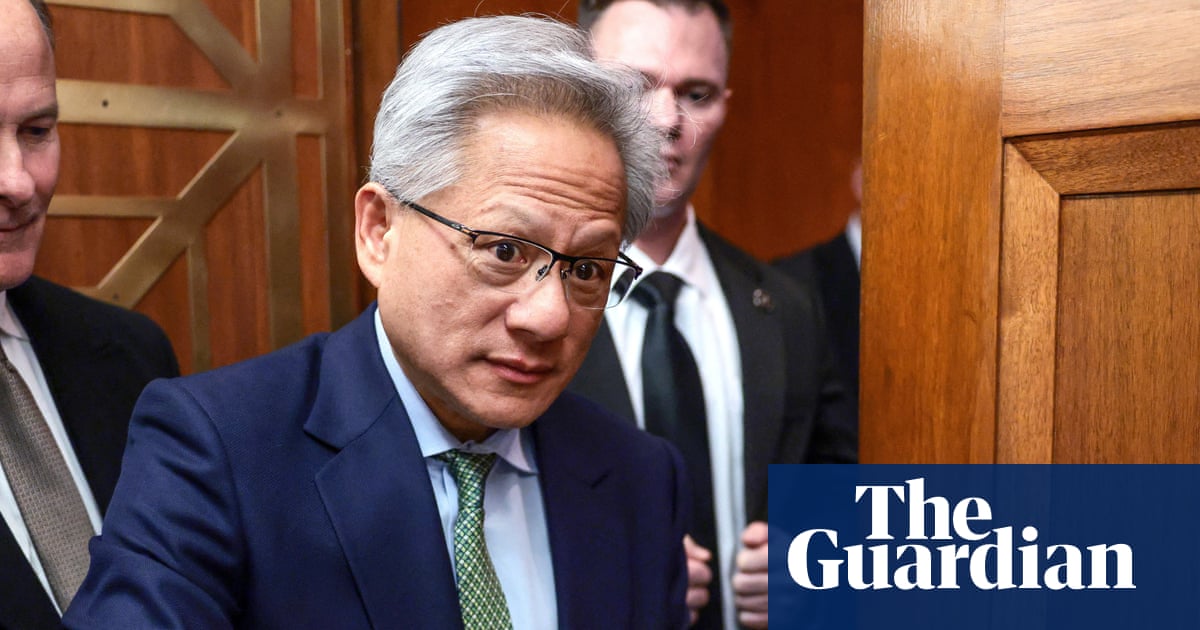
    But even as those deals have fuelled surging stock prices and paved the way for chief executive Jensen Huang’s energetic world tour, doubts have emerged about how Nvidia does business, especially as it has become increasingly central to the health of the global economy.

    The start of these concerns has been the circular nature of many of its deals. These arrangements resemble vendor financing: Nvidia lending money to customers so they can buy its products.

    The largest of these is its deal with OpenAI, which involves Nvidia investing $10bn into the company each year for the next 10 years – most of which will go to buying Nvidia’s chips. Another is its arrangement with CoreWeave, a company that provides on-demand computing capacity to big AI firms, essentially leasing out Nvidia’s chips.

    The circularity of these deals has drawn comparisons with Lucent Technologies, a telecoms company that also aggressively lent money to its customers, only to overextend itself and unravel in the early 2000s. Nvidia has aggressively rebutted suggestions of any similarity, saying in a leaked recent memo that it “does not rely on vendor financing arrangements to grow revenue”.

    The tech investor James Anderson has expressed concern about Nvidia’s deal with OpenAI. Photograph: Murdo MacLeod/The Guardian

    James Anderson, a renowned tech investor, describes himself as a “huge admirer” of Nvidia, but said this year that the OpenAI deal presented “more reason to be concerned there than before”.

    He added: “I have to say the words ‘vendor financing’ do not carry nice reflections to somebody of my age. It’s not quite like what many of the telecom suppliers were up to in 1999-2000, but it has certain rhymes to it. I don’t think it makes me feel entirely comfortable from that point of view.”

    Other high-profile recent deals include the tech firm Oracle spending $300bn on datacentres for OpenAI in the US – with the ChatGPT developer then paying back roughly the same amount to use those datacentres. In October, OpenAI and the chipmaker AMD signed a multibillion-dollar chip deal that also gave OpenAI the option to buy a stake in the Nvidia rival.

    There is also a deal with CoreWeave where, along with a commitment to buying $22bn of data centre capacity from the cloud provider, OpenAI is receiving $350m in CoreWeave stock. Asked this month about circularity in the AI industry, the chief executive of CoreWeave, Michael Intrator, said: “Companies are trying to address a violent change in supply and demand. You do that by working together.”

    All these moves form part of OpenAI’s $1.4tn bet on computing capacity to build and operate models that, it argues, will transform economies – and make back that expenditure. OpenAI argues that, while the Nvidia and AMD deals have an investment component, it only kicks in once the chips have been bought and deployed, while the investments themselves create aligned incentives to build out AI infrastructure at huge scale.

    Graphic showing the companies Nvidia has deals with and the types of deals they are

    Nvidia has also used structures called special-purpose vehicles (SPVs) in financing deals. The best-known example is the SPV linked to Elon Musk’s xAI: an entity into which Nvidia invested $2bn, money that will be used to buy Nvidia’s chips.

    This drew comparisons with Enron, which used SPVs to keep debts and toxic assets off its balance sheets, convincing investors and creditors that it was stable while concealing ballooning liabilities.

    Nvidia has also strongly denied that it is like Enron: in the same leaked memo where it discussed Lucent, it said its reporting was “complete and transparent” and “unlike Enron” it “does not use special-purpose entities to hide debt and inflate revenue”.

    The journalist Ed Zitron, a noted sceptic of the AI boom, agrees that Nvidia is not like either company. Unlike Lucent, it does not appear to be taking on a great deal of debt to finance its circular deals, he says, and most of the customers it is supporting are not as obviously risky as Lucent’s dotcom bubble partners. And it isn’t like Enron, Zitron argues, because it’s being fairly transparent about its own complex, off-balance sheet deals.

    So what could warrant a comparison? Nvidia “is not hiding debt, but it is leaning heavily on vendor-financed demand, which creates exposure if AI growth slows,” says Charlie Dai, an analyst at the research firm Forrester. “The concern is about sustainability, not legality.”

    Essentially, whether Nvidia is able to stick the landing depends on whether AI really takes off, generating billions for its corporate users and putting companies such as OpenAI, Anthropic and CoreWeave – Nvidia’s customers – firmly in the black, and able to keep buying its systems. That possibility alone is debatable. If this does not happen, says Dai, Nvidia “could face write-downs on equity stakes and unpaid receivables”: meaning, it could lose a lot of money and its stock price could then tank.

    Approached for comment, an Nvidia spokesperson referred the Guardian to remarks its chief financial officer, Colette Kress, made to investors in early December. Kress said they were not seeing an AI bubble, instead gesturing at trillions of dollars of business that lie ahead for Nvidia in the next decade.

    In particular, Kress argued that Nvidia’s recent – massive – deals are just the start for the company, and the real money will be made in the coming years, largely through replacing almost all the chips in existing datacentres with its products.

    There is another complexity, which is that Nvidia’s health – and therefore the health of the entire global economy – also depends on whether AI takes off in time for Nvidia and its customers to service the debt from their huge datacentre buildouts and significant capital expenditures.

    Huang signs autographs at a summit in Gyeongju. Nvidia’s deal with the South Korean government is estimated to be worth billions of dollars. Photograph: Lee Jin-man/AP

    Add to this a final category of concern: recent, big-ticket deals with countries such as South Korea and Saudi Arabia, worth multiple billions of dollars, whose terms are opaque. In October, Nvidia said that it would supply 260,000 of its Blackwell chips to South Korea’s government and South Korean companies. The value of this deal was not disclosed, but is estimated to be in the billions.

    Likewise with Saudi Arabia. Its government-owned AI startup, Humain, has committed to deploying up to 600,000 Nvidia chips: when that deployment will involve actual purchases, and at what price, is again undisclosed. Nvidia has a number of other strategic partnerships like this – with Italy, with the French AI champion Mistral and with Deutsche Telekom, for example – all involving thousands of chips and unknown sums.

    Governments are likely to pay. There’s nothing circular about a sovereign partnership with Germany. But the deals mean more – quite large – uncertainties nested within a straining web of commitments that require massive capital outlay, and rely on ambitious assumptions about the economy undergoing a revolution in the next years.

    “They concentrate risk in a few big customers,” says Dai. “If execution delays occur, Nvidia’s revenue recognition and cashflow could be affected.”

    Continue Reading

  • Some cannabis works about as well as ibuprofen against chronic pain, OHSU-led review finds

    Some cannabis works about as well as ibuprofen against chronic pain, OHSU-led review finds

    A systematic review of studies evaluating cannabis as a pain treatment concluded that some cannabis products do likely work to reduce chronic pain a little bit.

    The overall reduction in pain was small — lowering pain by about 1 point on a scale from 1 to 10. Yet most conventional painkillers, including ibuprofen and opioids, perform similarly in randomized controlled trials.

    But the review is likely to disappoint proponents of medical cannabis on one finding: It found that the pain reduction effect only occurred with products containing a significant amount of tetrahydrocannabinol, or THC.

    THC, one of the two main compounds in cannabis, is responsible for the psychoactive effects of the plant. The other main component is cannabidiol, or CBD.

    FILE – Marijuana plants are seen at a growing facility in Washington County, N.Y., May 12, 2023. (AP Photo/Hans Pennink, File)

    Hans Pennink / AP

    Oregon was the first state in the nation to decriminalize cannabis, and one of the first to legalize it for medical use and then for recreational use.

    The review, which was led by OHSU researchers and published in the Annals of Internal Medicine, analyzed the results of 25 randomized controlled trials of cannabis as a pain treatment in Europe, the United States and Canada. It was funded by the U.S. Department of Health and Human Services, as a follow-up to an earlier synthesis of the evidence on cannabis and pain.

    In recent years, pain patients and some researchers have pinned their hopes on CBD as a potential treatment that could reduce pain without inducing an unwanted “high” or other psychoactive effects. It’s also been appealing because there’s no concern that cannabidiol is addictive.

    CBD products like gummies, tinctures and salves have proliferated, and some have been marketed for pain relief.

    Roger Chou, a professor and pain management specialist at OHSU and the leading author of the review, said products containing CBD only had a trivial effect on pain in randomized controlled trials.

    “The idea or hope has been that the CBD component might be the one that provides the therapeutic effects,” Chou said. “Unfortunately, what we found was that the CBD products essentially had no impact on pain.”

    The review found that products with equal amounts of THC and CBD, or higher THC, while somewhat effective at reducing pain, were more likely to have side effects like nausea, sedation, and dizziness.

    Chou said drugs for chronic pain have a history of falling short.

    Controlled studies, he said, have found that most work about as well as non-pharmaceutical interventions like exercise, massage, and spinal manipulation.

    “We keep kind of finding that these treatments don’t work as good as we thought they would. But that’s part of what’s driven this search for other things that may work better,” he said.

    Chou said the review’s results shouldn’t necessarily dissuade anyone currently using CBD who is experiencing some benefit from it for their pain, noting that the studies measure an average response and individual experiences might be different.

    “I don’t think our study says anything that would say you have to stop your CBD,” he said.

    Additionally, the review only considered pain reduction and didn’t evaluate the evidence behind some of CBD’s other uses, like for some types of epilepsy and anxiety.drugsChou, an internal medicine doctor, said pain specialists are eager to identify safer alternatives to opioids. Patients, too, are very interested in cannabis for medical and recreational use, and have legal access to it in many states, making it important for doctors to carefully evaluate the costs and benefits.

    But, Chou said, it’s a challenging research question. Most of the products that have gone through randomized trials are medical-grade or lab-made, unlike most of the plant-based products for sale in states like Oregon that have legalized cannabis.

    Earlier this month, President Donald Trump ordered cannabis be moved to a lower schedule of drugs, paving the way for easier access and research into the plant.

    One product that the study concluded has some evidence of working, an oral spray combination THC-CBD product called nabiximols, is approved for medical use in the United Kingdom and Canada but not the United States.

    And while the review focused on cannabis’s two main components, THC and CBD, the plant contains a number of other compounds, Chou said.

    At present, the American College of Physicians recommends against cannabis as a chronic pain treatment for young adults and adolescents, patients with a history of substance use disorder, patients with serious mental illness, frail patients and those at risk of falling. Other adults should discuss the potential costs and benefits with their doctor.

    Continue Reading

  • Advancing Treatment Options for Pediatric Myasthenia Gravis: A Q&A With Jonathan Strober, MD

    Advancing Treatment Options for Pediatric Myasthenia Gravis: A Q&A With Jonathan Strober, MD

    In November during the 2025 American Association of Neuromuscular & Electrodiagnostic Medicine meeting, Jonathan Strober, MD, a pediatric neurologist from the University of California, San Francisco, and Benioff Children’s Hospital, presented new data from the ongoing phase 2/3 VIBRANCE-MG trial (NCT05265273). This trial is evaluating pediatric response to nipocalimab for generalized myasthenia gravis (MG) in patients 2 years to younger than 18 years (international arm) and in patients 8 years to younger than 18 years (US arm). At present, nipocalimab is approved for use in patients 12 years or older who are anti–acetylcholine receptor positive or anti–muscle-specific kinase antibody positive.

    In this interview, Strober emphasizes the positive safety and efficacy results seen in pediatric patients that are comparable with those seen in adult patients. He also speaks of the difficulties in diagnosing MG in a pediatric population, as well as the need to improve testing, standardize care, and overcome regulatory and insurance barriers to grant necessary treatment access to younger patients.

    This transcript was lightly edited for clarity and conciseness.

    AJMC: How was the VIBRANCE-MG trial designed to evaluate nipocalimab?

    Strober: The VIBRANCE-MG trial is the child and adolescent arm of the study that was done in the adult population on a drug called nipocalimab. Nipocalimab is an antibody that basically prevents the antibodies that you have, the immunoglobulins, from being able to be recycled. It basically drops the amount of immunoglobulins you have in your body. It doesn’t drop [the level] completely—so you still have the ability to fight infections, which is how we use the antibodies—but the antibodies are what cause a lot of the problems in myasthenia by attaching themselves to the receptors on the muscle, blocking them from being stimulated or causing them to be broken down. By dropping the antibodies you have in your blood, you can help prevent a lot of the problems that these antibodies cause and therefore improve the symptoms.

    AJMC: According to the data you presented at AANEM, what is the overall message regarding nipocalimab’s safety and efficacy?

    Strober: The trial that we presented data on looked at kids who were 12 years to just under 18 years. There is an ongoing trial for younger kids, 8 to 12 years in this country and 2 to 12 years internationally, so that we get a better sense of: does this work the same way as it does in adults and is it as beneficial as it was in adults? We’re happy to say that, yes, it kind of dropped the antibodies pretty much the same as it did for the adults, and the safety was actually really good. There was a very low risk of problems. Maybe a little bit of infection in the nose and pharynx being the most common, and COVID-19 was actually the other highest amount of adverse effects. But it’s hard. I don’t really consider that an adverse effect since people get COVID all the time. But we do know that because your antibodies are lower, you definitely are at higher risk of infection. Still, it doesn’t really seem to be that significant of a risk, which is great. Patients did really well with it.

    Most of the patients continued on through 72 weeks of taking this medication, so past the initial phase of the safety study. A lot of them were able to move from an every-other-week treatment to a once-a-month treatment. Only 1 patient had the flu during it and stopped for a little bit but then was able to go back on. Another patient had some worsening of symptoms, kind of outside the window, which happens in myasthenia—it is an up-and-down type of thing—but the patient was able to get treated for that bit of worsening and stayed on medication. Only 1 person stopped because they felt it wasn’t doing anything for them.

    AJMC: What are the next steps in your investigation of nipocalimab?

    Strober: We still have the trial ongoing, so we’re still following patients out longer. Only 3 patients had made it to the 72 weeks at the time of the cutoff when we looked at the data, so it takes a little while to kind of process the data and then be able to present it, since it all has to be scrutinized and checked out to make sure it’s all good for us to present. It is ongoing in the world; it’s international, and like I said earlier, we’re trying to get younger and younger kids into the trial.

    It’s just really hard for us to get patients into trials like these because [we have less chance of finding the antibodies in] the kids that we want to have in order to enroll them in the study, and a lot of them are not as severe as the adults. They only get problems with the eyes, or they just have mild weakness, and then some of them are really severe and then we can’t have them in a clinical trial—so it’s kind of a middle ground that we’re looking for in patients who have positive antibodies. We are still trying to recruit patients into the study. The first cohort was the 12-to-18 years range, and now the second cohort is a 2-to-12-year-old range.

    In the US, it’s only limited to 8 to 12 years, but internationally, it’s down to 2. That is the ongoing nipocalimab trial. It’s kind of an extension of this, it’s just the second cohort. We wanted to make sure it was safe in a slightly older population and ones that we have a better ability to test. Once you get down to the younger kids, it’s harder to do some of the functional testing that we do for these patients and really know if it’s helping, but we are enrolling patients in that cohort.

    AJMC: With myasthenia gravis being so rare in pediatric patients, what factors are thought to trigger the disease in younger patients?

    Strober: One is that a lot of kids, for some reason, don’t make the antibodies like we see in adults. It’s, again, something we know is working on the antibody level, so we want to make sure the patients who are in the trials have the antibodies that we can watch and make sure they’re dropping to make sure it’s effective for that. We do know that in some patients who have myasthenia, who we believe have myasthenia but are antibody negative, what we call seronegative, if we repeat their testing over time, eventually they do develop the antibodies. For whatever reason, the antibody levels get delayed in appearing in the blood.

    We’re also developing better tests to be able to pick up small amounts of antibodies better. We’re using better state-of-the-art testing to be able to confirm. We have other ways of confirming myasthenia in patients who are seronegative by doing electrical testing and testing with different medications to see if it’s something that we believe they truly have, even if they don’t have the antibodies. But again, for these studies, we need to make sure we’re really doing this study in a patient population that’s as similar as possible, and so having those antibodies helps us make sure that we’re trying to treat the same condition.

    AJMC: How do insurance and regulatory decisions influence whether patients can actually receive the most appropriate treatment?

    Strober: I don’t know exactly what they go through in Europe vs what we go through in this country. I can tell you that if it’s not approved by the FDA, it’s really hard to get insurance companies to cover it. Often they say it’s experimental if it’s not approved by the FDA, but even once it’s approved by the FDA, because the newer drugs tend to be a little bit more expensive than older drugs, and the older drugs [are] more generic [and] cheaper, a lot of insurance companies try to push us to use the older stuff, even though those still haven’t been approved for this specific condition. It’s just that they’re older and we’ve been using them for longer. It’s really important for these regulatory agencies to approve them or provide positive feedback so that these drugs can be used and [we] know they’re being used safely, but also that they can get paid for our patients.

    AJMC: What are some key unmet needs in the myasthenia gravis treatment landscape?

    Strober: I think one is, in pediatrics, again, trying to come up with better tests would be really nice. I think what we’re trying to do in our pediatric myasthenia gravis consortium, which has 6 centers currently, is to develop better tools to follow these patients but also develop a standard of care. There really is no standard of care for these patients. We’re just so used to using drugs that have only been approved for adults that people just try the different ones on kids and hope that they’re safe and hope we have the right dosing, and so kind of getting a better sense of what are people doing out there and what do we actually see in real life, in real time, what is actually working for the patients, so we can put together and say, “Hey, you know what, this is what we recommend as people who take care of these patients and take care of a good number of these patients, this is really the treatment options that you should go [with] and what route you should go in, what’s the safest for the patients, what’s the most effective for the patients.” That’s really what I want to see; I really want us to get a better understanding of pediatric myasthenia gravis and how we can follow these patients and best take care of them safely.

    I think also what I’ve learned is that the reason that there are so many studies is because now it’s become a requirement that in order to get approval for adult drugs, the companies have to have a pediatric arm. That’s been a wonderful thing.

    Just to be given the opportunity to talk about pediatric myasthenia gravis, that people are actually caring about kids with this condition, has been a huge step forward for those of us in the community who take care of it. I’ve had so many patients who have been told by providers, “Oh, myasthenia doesn’t happen in kids. They can’t have myasthenia.” We’re kind of used to that in pediatrics for these rarer diseases, so the fact that word’s getting out that, yes, kids can get myasthenia gravis and that we can treat them and we can treat them effectively and safely, it’s just wonderful to have that opportunity, so I appreciate that, and thank you.

    Continue Reading

  • Sudbury Delta Charities continues happy holiday tradition

    Sudbury Delta Charities continues happy holiday tradition

    For the 29th consecutive year, Delta Bingo and Gaming Sudbury are spreading holiday cheer by helping local organizations provide Christmas turkeys and holiday meals to families across Greater Sudbury

    Delta Bingo and Gaming Sudbury is once again stepping up to continue a happy holiday tradition by giving to families in need in Sudbury.

    For the 29th consecutive year, Delta Bingo and Gaming Sudbury and its Charitable Gaming partners – Sudbury Charities Foundation and ACT/UCT Sudbury – are spreading holiday cheer by helping local organizations provide Christmas turkeys and holiday meals to families across Greater Sudbury, said a company news release.

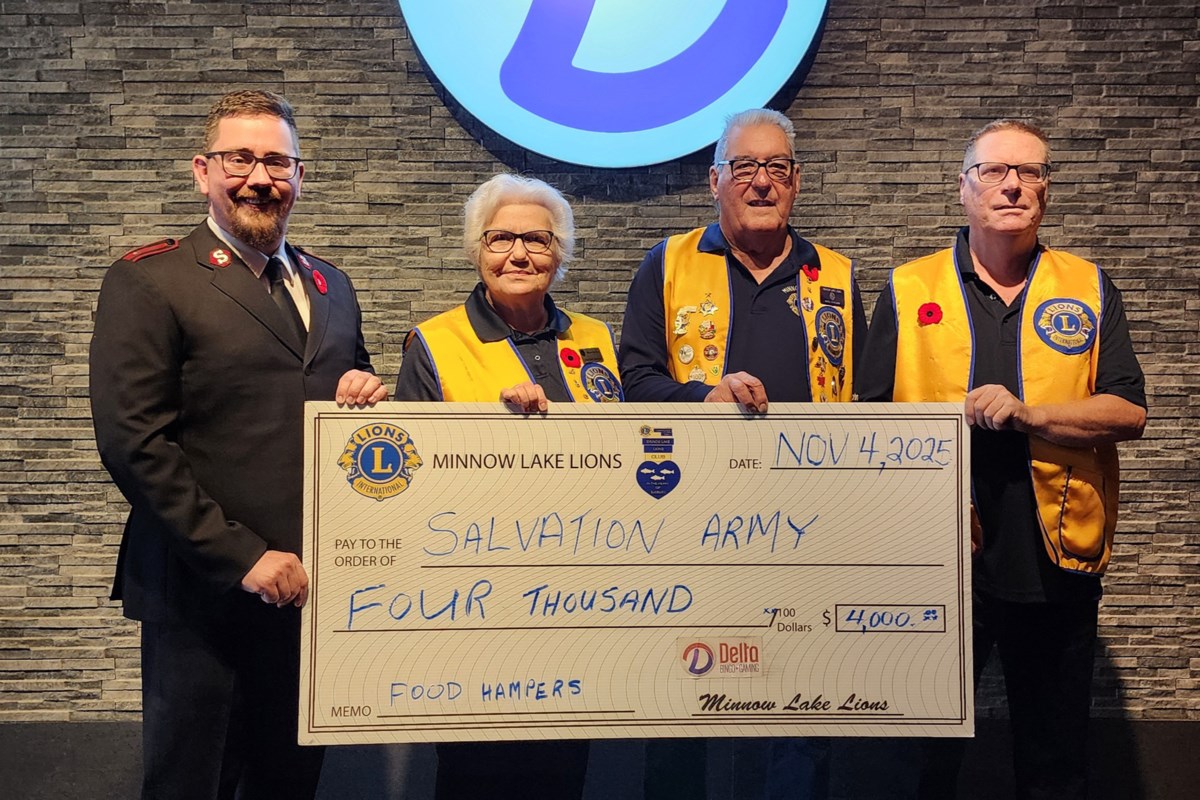
    Since 1996, this well known community initiative, founded by Ray Loiselle, has helped thousands of families share a warm holiday meal together, said the release. To date, the program has contributed an estimated $425,000 to The Salvation Army to continue to support local families in need.

    The success is thanks to many local partnerships, said the release. The continued partnership of organizations such as Club Richelieu de Sudbury, Ten Rainbows Children’s Foundation, and the Minnow Lake Lions Club ensures the initiative reaches approximately 1,200 families each Christmas.

    Christina Nupponen, Charity Association Coordinator, said the effort is more than giving free food.

    “This event has always been about more than providing a turkey; it’s about bringing hope and

    comfort to our community,” said Nupponen.

    “Each year, I’m inspired by the generosity of our local charities and the difference this partnership makes in the lives of so many families. The continued support and compassion shown by our community truly captures the spirit of the holiday season,” she added.

    This year, the tradition grew even stronger, said the release. In addition to supporting the Christmas turkey campaign, ACT-UCT donated a total of $50,000 to local community groups such as Inner City Home, Better Beginnings Better Futures, Go-Give Project, Our Children Our Future, Camp Quality, House of Kin, and Maison McCulloch Hospice, allowing even more local families and individuals to experience the spirit of the season. said Delta.

    Funds raised through Delta Bingo and Gaming Sudbury’s Charitable Gaming partners continue to empower our charitable groups to make a difference in the lives of thousands in our community.

    Partnered donations like these make long-standing programs possible, reflecting the lasting impact of Charitable Gaming in building stronger, more connected communities, said the release.

    Delta Bingo and Gaming Sudbury is an innovator in the charitable gaming industry, offering both paper and electronic bingo as well as Vegas-style gaming machines. Delta Bingo Sudbury has been proudly serving the community since 1984, helping to raise over $55 million for local charities, said the release.

    Continue Reading