Category: 3. Business

  • Advocate of the Global South, global provider of green tech: China has come to dominate the climate discourse

    Advocate of the Global South, global provider of green tech: China has come to dominate the climate discourse

    The COP30 climate conference ended on November 21st without much success. The hoped-for roadmap for phasing out climate-damaging energy sources such as coal, oil, and gas failed due to fierce resistance from some countries. But the conference made clear: China is dominating the climate discourse now, says Johanna Krebs. 

    “China keeps its promises and delivers on its commitments.” This is how China’s leading negotiator on international climate issues, Vice Premier Ding Xuexiang, described his country’s approach at the COP30 conference in November. And China’s contribution to the conference was indeed more visible than that of European countries, let alone of the United States. 

    China sent the second largest delegation to COP after host country Brazil, signaling that it considers these meetings important. In the runup to the conference, Ding had stated China’s priorities: further drive the green and low-carbon transformation, uphold the principle of “common but differentiated responsibilities” and remove trade barriers that are an obstacle to the development of green products. China also openly pushed to put “unilateral trade measures” – like the EU’s Carbon Border Adjustment Mechanism (CBAM) and EV tariffs – on the agenda of COP. It didn’t succeed, but the move showed that climate and trade interests are increasingly intertwined, pitting China against the EU. 

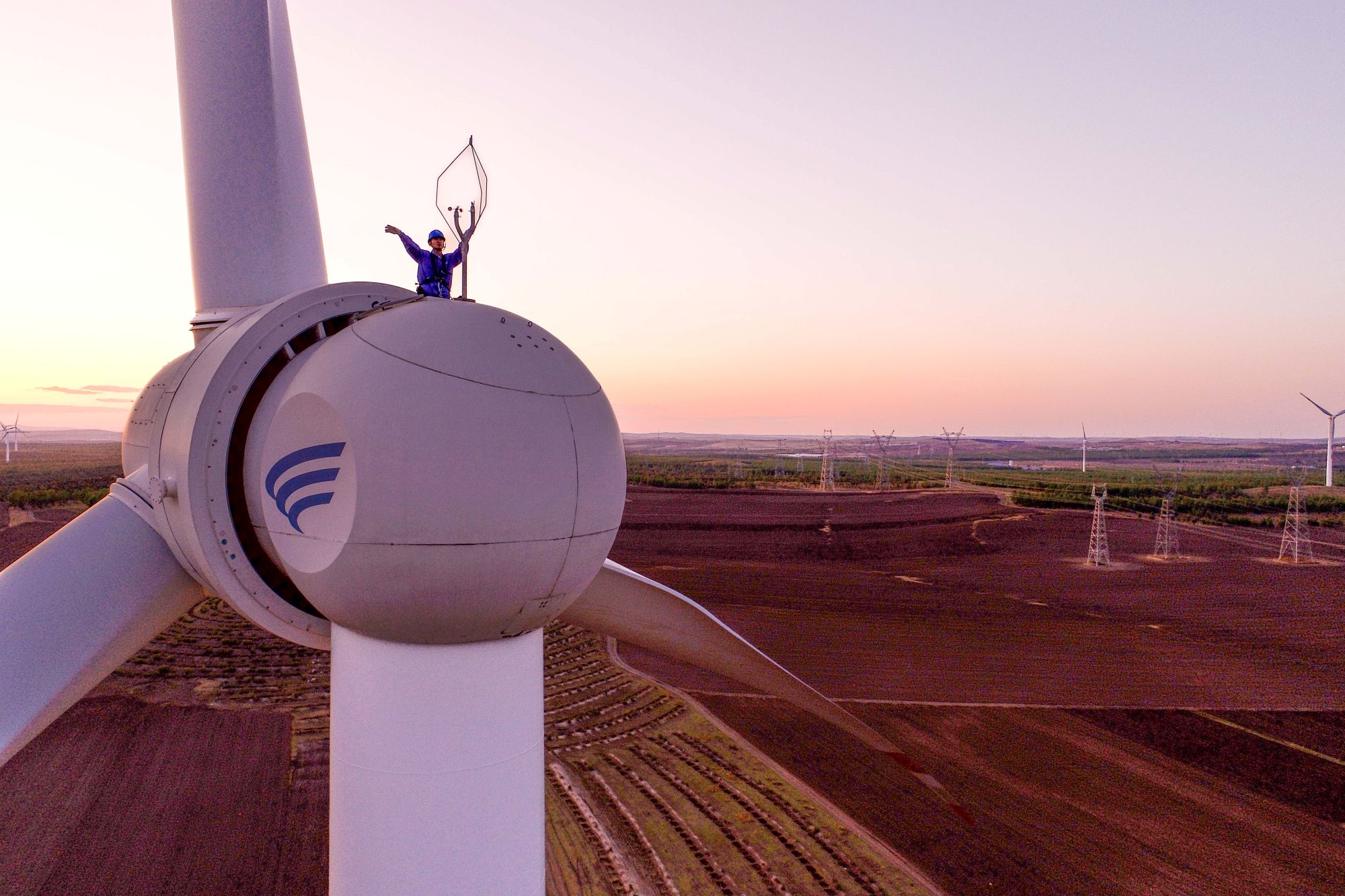
    At the conference, it became clear that China dominates the climate discourse now. Its envoys engaged in the discussions around green development in the Global South, with an event on the topic in the China pavilion reportedly being “packed”. China offers real solutions for climate mitigation like, for instance, the export of cheap green tech, wind turbines and solar panels. By doing so, it shifts the international climate discourse to an international green tech discourse – an area where China and the EU are competing. 

    China’s image as a climate actor benefits from the US’s withdrawal and Europe’s dividedness 

    Germany and the EU used to be pioneers in climate action, but this image has suffered greatly, also because the EU published weakened NDC (nationally determined contributions) due to disagreement among its member states. Germany has a legacy as a climate leader, however, at this year’s COP it did not stand out as such, also because the Merz government has ranked the topic lower on its priority list. 

    China, on the other hand, stresses that it will stay the course: In autumn, Xi Jinping stated that “green and low-carbon transition is the trend of the time. While some country is acting against it, the international community should stay focused on the right direction.” The United States’ (second) withdrawal from the Paris agreement and other formats enables China to present itself as an alternative model for tackling the climate crisis. 

    Beijing also assertively criticizes the EU, with climate envoy Liu Zhenmin calling the Union’s pollution-cutting targets insufficient and a Chinese diplomat allegedly calling the EU’s backtracking on its climate targets right before COP30 “shameful”. Vice Premier Ding stressed that China still expects developed countries to “implement their obligations to take lead in reducing emissions” and “fulfill their investment commitments”. By positioning itself as a defender of Global South interests and criticizing developed countries for abandoning the developing world, China’s government currently also occupies much of the international climate negotiation space and avoids having to justify its own, widely seen as less ambitious climate commitments, untransparent climate finance, or the installation of new coal fired plants. 

    Bridging the gap between industrial upgrading and climate policy in the next Five-Year Plan

    How is China making progress on its domestic climate goals? The proposal for the 15th Five-Year Plan (FYP), that will be passed next spring, shows that Beijing views decarbonization and industrial development as two sides of the same coin. It offers a glance into how China imagines its industrial future: being a climate role model which fuses industry and climate policy to the benefit of all. In the coming five years, China plans to double down on domestic industrial modernization and technological progress. As the document states, “green development is a defining feature of Chinese modernization” and part of “high quality development”. 

    For the first time, an FYP proposal mentions the “safe, reliable, and orderly replacement of fossil fuels”, describing top level momentum to accelerate the structural transition to non-fossil fuel energy. Moreover, it stresses the need to control both the total amount and intensity of emissions, a levelling up compared to the 14th FYP which strongly focused on emission intensity. The proposal also identifies the installation of energy storage technologies, and construction of smart-grids and microgrids as crucial. 

    However, at the same time, it advocates for the “clean and efficient use of fossil fuels” and the upgrading of coal-fired power plants. Fossil fuelled energy production will continue to play a considerable role in China in the upcoming years.  

    China’s climate risks: China is highly vulnerable to climate change and due to its large territory will experience various climate related risk profiles. Historically, China is prone to experiencing heat waves, storms, floods and droughts, all of which will be more extreme as climate change progresses. Moreover, China is already witnessing alarming glacier retreats. Lastly, given that a large part of the population lives in China’s coastal provinces, China will also be greatly impacted by sea level rise, with sea levels projected to rise 40-60 centimeters until the end of the current century, potentially receding China’s coastline more than 10 meters in some parts of China. 

    China’s own climate targets remain “highly insufficient”

    China’s officially announced policies and climate targets, including the 2035 NDC remain “highly insufficient” and, according to estimates, will lead to a global warming above 4°C. Its five-year carbon intensity target, as defined in the 14th FYP, would have required a total emissions reduction of four percent in 2025 – China is set to underdeliver here. More stringent policies will be required to reach the energy intensity targets for 2030. 

    Observers fear that carbon-reduction policies might be counter-played by the renewed uptake in permissions for coal-plans, which reached a high in 2023. Although the number of plants permitted has noticeably decreased since then, the fact that some are still in construction and have yet to come online means that China is still adding coal capacity to its power grid. 

    However, as data from the last five years shows, adding coal capacity to the grid does not predict a proportional increase in coal-power output;  despite building new coal power plants, China does not seem to increase its reliance on coal, leading to a falling utilization rate of coal plants. More relevant to the future trajectory of Chinese carbon emissions are China’s industries, especially the chemical industry which have seen a rising demand for plastic production. The trajectory strongly depends on how fast China can decouple its industries from CO2 emissions. 

    Continue Reading

  • Pakistan’s car sales rise 43 pct in first 5 months of fiscal year-Xinhua

    ISLAMABAD, Dec. 12 (Xinhua) — Pakistan’s passenger car sales recorded strong growth during the first five months of the current fiscal year, supported by improved economic sentiment, new model launches and better financing conditions, industry data showed on Thursday.

    According to the Pakistan Automotive Manufacturers Association, car sales rose 43 percent year on year to 55,239 units from July to November in fiscal year 2025-26, compared with 38,597 units in the same period last year.

    In November alone, car sales reached 12,408 units, up more than 50 percent compared with the same month last year, though they declined 8 percent on a monthly basis.

    Sales of jeeps and pickups increased by 62 percent to 19,803 units in the first five months, while truck sales rose 101 percent to 2,753 units and bus sales grew 72 percent to 407 units. Motorcycles and rickshaws also posted growth of 32 percent, reaching 762,778 units.

    However, tractor sales continued to decline due to lower demand from farmers, who industry experts say are facing reduced agricultural output linked to climate-related challenges.

    Continue Reading

  • Gold prices soar in Pakistan, up Rs10,700 per tola

    Gold prices soar in Pakistan, up Rs10,700 per tola

    December 12, 2025 (MLN): Gold price in Pakistan increased on Friday, with 24-karat gold being sold at Rs454,262 per tola, up Rs10,700.

    Similarly, 24-karat gold per 10-gram was sold at Rs389,456 after a gain of Rs9,174, according to rates shared by the All-Pakistan Gems and Jewelers Sarafa Association (APGJSA).

    The price of 22-karat gold was also quoted higher at Rs357,014 per 10-gram.


    Similarly, silver prices rose in the domestic market, with 24-karat silver being sold at Rs6,684 per tola (+Rs232) and Rs5,730 per 10-gram (+Rs199).

    PKR (24-karat per tola) Dec 12, 2025 Dec 11, 2025 DoD 1 Month FYTD CYTD
    Gold 454,262 443,562 10,700 11,200 104,062 181,662
    Silver 6,684 6,452 232 1,022 2,902 3,334

    Globally, spot gold traded near $4,329 an ounce, up $53.4 or 1.25% from the previous session, supported by a weaker dollar.


    Copyright Mettis Link News

    Continue Reading

  • Tissue-Free ctDNA in Early TNBC

    Tissue-Free ctDNA in Early TNBC

    The c-TRAK TN Trial , presented at the 2025 San Antonio Breast Cancer Symposium (SABCS), reported results from a tissue-free circulating tumor DNA (ctDNA) analysis, providing new evidence that methylation-based, tumor-agnostic assays detect minimal residual disease earlier and in more patients with high-risk early triple-negative breast cancer than tumor-informed approaches.

    Background and Rationale

    Detection of ctDNA after completion of curative-intent therapy is a powerful prognostic marker for recurrence in early breast cancer. To date, most supporting evidence has come from tumor-informed assays, which require sequencing of the primary tumor to design personalized mutation panels. While analytically sensitive, these approaches are limited by the need for archival tissue, sequencing turnaround time, and logistical complexity.

    Tissue-free ctDNA assays, which do not rely on prior tumor sequencing, offer a potential alternative if sufficient accuracy and prognostic performance can be demonstrated. The current analysis aimed to evaluate the prognostic significance of tissue-free ctDNA detection in early TNBC and to directly compare its performance with tumor-informed digital droplet PCR (ddPCR).

    c-TRAK TN Trial’s Study Design

    The analysis utilized plasma samples from c-TRAK TN, the first prospective ctDNA surveillance study in early-stage TNBC. In c-TRAK TN, patients at moderate to high risk of relapse underwent serial ctDNA testing every three months following completion of standard therapy, using ddPCR to track tumor-specific mutations.

    Archived plasma samples from this cohort were retrospectively analyzed using a tissue-free, methylation-based ctDNA assay, enabling a direct comparison between approaches within the same well-characterized population.

    Tissue-Free ctDNA Assay Methodology

    The tissue-free assay exploits differentially methylated regions (DMRs) between cancer and non-cancer DNA. Cell-free DNA was extracted from 2–4 mL of plasma, partitioned by methylation status, and enriched using a targeted capture panel covering approximately 20,000 DMRs, including 3,000 breast-specific regions. Tumor methylation fraction was reported in ctDNA-positive samples and correlated with tumor purity.

    Importantly, this approach eliminates the need for tumor sequencing while maintaining biological specificity for breast cancer–derived ctDNA.

    Patient Cohort and Follow-Up

    A total of 1,026 plasma samples from 159 patients were analyzed using the tissue-free assay, with a median of 10 samples per patient. Quality control pass rates were high (98.6%). Median follow-up from the first surveillance blood draw was 33.9 months.

    The cohort was representative of high-risk early TNBC, with the majority of tumors being high grade and most patients having received neoadjuvant and/or adjuvant chemotherapy.

    ctDNA Detection and Risk of Recurrence

    Detection of ctDNA at any time point during serial surveillance was strongly associated with recurrence risk. Patients with detectable ctDNA had a median recurrence-free survival (RFS) of 14.9 months, whereas median RFS was not reached in patients without ctDNA detection.

    The association was robust, with a time-dependent hazard ratio of 28.7 (p < 0.001), underscoring the powerful prognostic value of ctDNA detection in this high-risk population.

    Tissue-Free Assay Versus Tumor-Informed ddPCR

    When directly compared with ddPCR, the tissue-free assay demonstrated 95.4% concordance at the sample level. Among 42 patients with ctDNA detected by both methods at any time point, two-thirds were detected simultaneously by both assays. Notably, 33.3% were detected earlier by the tissue-free assay, while no patients were detected earlier by ddPCR.

    At 12 months, the estimated ctDNA detection rate was 29.0% with the tissue-free assay compared with 23.7% with ddPCR, indicating that the tissue-free approach identified ctDNA in more patients.

    Clinical Lead Time to Relapse

    The tissue-free assay also showed a trend toward a longer clinical lead time between ctDNA detection and overt relapse. Median time from first ctDNA detection to recurrence was 7.8 months with the tissue-free assay versus 5.8 months with ddPCR. Although this difference did not reach conventional statistical significance (HR 0.63, p = 0.07), the numerical advantage suggests earlier molecular detection may be achievable without tumor sequencing.

    c-TRAK TN Trial

    Conclusions and Implications

    This SABCS 2025 presentation demonstrates that tissue-free ctDNA detection can anticipate relapse with high accuracy in patients with high-risk early TNBC. Compared with tumor-informed ddPCR, the tissue-free assay detected ctDNA more frequently and at earlier time points, while maintaining strong prognostic discrimination.

    Ongoing comparisons with whole-exome sequencing–based tumor-informed assays will further clarify relative performance. While these findings establish strong analytical and prognostic validity, prospective interventional studies will be required to determine whether tissue-free ctDNA surveillance can guide treatment decisions and improve clinical outcomes.


    For more information click here. 

    Continue Reading

  • Charting new ground in cruise ship LNG dry-docks

    Charting new ground in cruise ship LNG dry-docks

    This collaborative planning effort included shipboard visits, risk assessments, technical workshops and repeated sessions with Carnival’s technical teams in Miami, Southampton, Marseille and at the Carnival training centre. The aim was to build a shared and granular understanding of system conditions, survey requirements, and the operational profile of each vessel. 

    Vincenzo Prinzi, Technical Operation Director, CCL, reflects: The preparation for this project was extensive, and it allowed us to engage in meaningful discussions and work together with determination. Our strong communication played a key role in reaching a consensus on everything we planned.

    John Waters, LNG Inspection Project Manager, CUK, says: “The recent inspection of the LNG fuel system on Iona marked a first for Carnival UK and the collaboration with LR was important in its success. The communication and constructive approach helped navigate this new ground with confidence. Working closely together allowed us to address challenges quickly, maintain high safety standards and strengthen our capabilities in this emerging area.”

    The inherent complexity of LNG fuel systems shaped every decision. Both Iona and Mardi Gras feature three fuel tanks and dual fuel trains designed for full redundancy, supported by sophisticated control logic and an extensive cryogenic piping network.  

    “Managing the inspection, testing and recommissioning of these systems within the confines of a passenger ship’s operational profile required not only expert knowledge but tight integration between the shipboard team, the technical office and the attending class surveyors,” says van Ee.  

    “We had to define a very detailed Inspection and Test Plan for these vessels, down to the smallest valve which required overhaul well in advance of the actual surveys.”

    Continue Reading

  • IKEA store transforms for one night only: Inside SMAKFEST in Stockholm

    IKEA store transforms for one night only: Inside SMAKFEST in Stockholm

    In Swedish, SMAKFEST means “taste feast,” and for the first time in its 80-year history, the IKEA store was transformed into an artistic installation built around food, culture, and imagination. More than 30 sensory moments unfolded across the space, blending Swedishness with global influences, which is a true reflection of modern Swedish society.  

    Inside the event, guests were welcomed by pantomimes and a full gospel choir singing from the long escalator that led to the top floor. A giant FRAKTA bar, built solely for the night and shaped like the iconic IKEA blue bag, served the first drink of the evening. Across the store, installations and roomset exhibits created a series of surprising moments: a human kaleidoscope, eating in the dark, and spoon-fed tastings delivered through a tiny peep hole. Live music performances were woven directly into the installations and appeared throughout the entire space, elevating the energy and the experience. The music stars of the night were headlined by Cherrie, the Stockholm-based R&B artist with a fast-growing global audience, alongside Diaspora, the creative collective known for connecting local and international talent through music, as well as Mike Näselius, Hatami Siamak, Chez Ali, Diana Emerita, and DJ Majk. 

    The highlight of the night was an entire floor dedicated to the IKEA meatball’s 40-year birthday. The milestone was celebrated with a meatball birthday cake, gravy fountains, and a rich and diverse showcase of meatballs from around the world, from Eastern Europe to Latin America to Oceania to South Asia. True to the IKEA food experience, plant balls, veggie balls, fish balls, and chicken balls were also part of the menu. 

    Part feast and part art installation, SMAKFEST was an exploration of a new kind of IKEA experience that reflects the deep curiosity that lives in the brand’s DNA. And this is only a glimpse of what’s to come. 


    About Ingka Group 

    With IKEA retail operations in 32 markets, Ingka Group is the largest IKEA retailer and represents 87% of IKEA retail sales. It is a strategic partner to develop and innovate the IKEA business and help define common IKEA strategies. Ingka Group owns and operates IKEA sales channels under franchise agreements with Inter IKEA Systems B.V. It has three business areas: IKEA Retail, Ingka Investments and Ingka Centres. Read more on Ingka.com.

    Continue Reading

  • Cultura Bank selects Tieto Banktech in 5-year tech partnership

    Cultura Bank selects Tieto Banktech in 5-year tech partnership

    Tieto Banktech has entered into a 5-year agreement with Cultura Bank to deliver modern full-service technology solutions, ensuring cost-effective banking operations and predictable technology costs. 

    Cultura Bank, a Norwegian ethical savings bank with approximately NOK 1.4 billion in assets and more than 4,500 customers, is joining Lokalbanksamarbeidet (the Local Bank Collaboration), a consortium of 16 independent Norwegian savings banks. This provides access to competitive and modern solutions in line with the strategic partnership entered with Tieto Banktech in May 2025. 

    “Through the Local Bank Collaboration and our long-term technology agreement with Tieto Banktech, we are laying a solid foundation for sound banking operations going forward. Modern technological solutions enable us to be a positive driving force for growth and development for our customers. This strategic move represents a major step towards becoming Norway’s leading bank in sustainable finance,” says Karoline Bakka Hjertø, acting CEO of Cultura Bank. 

    Overall, the partnership with Tieto Banktech strengthens the competitiveness of the entire 16-bank collaboration. 

    “Together with the other banks in the Local Bank Collaboration, Cultura Bank will operate on a unified technology platform that streamlines operations. In close collaboration with Tieto Banktech, we are developing digital processes and user-friendly tools that will free up employees for proactive advisory and sales activities. Combined with a modern digital customer interface, this delivers a superior customer experience,” says Bent R. Eidem, CEO of Lokalbanksamarbeidet. 

    Modern technology platform 

    Tieto Banktech will deliver an end-to-end core banking platform based on industry-standard technology that is scalable and adapted to Norwegian conditions and regulatory requirements. The agreement includes mobile and online banking solutions, card and payment solutions, and effective tools for combating financial crime. 

    “We’re honored that Cultura Bank has chosen Tieto Banktech as its strategic partner through the Local Bank model. We will now migrate Cultura Bank, together with the entire collaboration, to our modernized core banking system in a well-tested and controlled manner. We are intensifying our work on innovation and renewal of customer-centric solutions with increasing integration of responsible AI that streamlines internal work processes and enhances customer engagement and relevance for Cultura Bank and the entire Local Bank Collaboration,” says Mario Blazevic, Managing Director Tieto Banktech. 

    For more information, please contact:
    Geir Remman, Head of Communication and Marketing, Tieto Banktech, geir.remman@tietoevry.com
    Tietoevry Newsdesk: +358 40 5704072 

    Tieto is a leading software and digital engineering services company with global market reach and capabilities. We provide customers across different industries with mission-critical solutions through our specialized software businesses Tieto Caretech, Tieto Banktech and Tieto Indtech as well as Tieto Tech Consulting business. Our around 15 000 talented vertical software, design, cloud and AI experts are dedicated to empowering our customers to succeed and innovate with latest technology.  

    Tieto’s annual revenue is approximately EUR 2 billion. The company’s shares are listed on the NASDAQ exchange in Helsinki and Stockholm, as well as on Oslo Børs. www.tieto.com 

    Continue Reading

  • Renault Group strengthens the customer experience by placing electric charging at the heart of its organisation

    Renault Group strengthens the customer experience by placing electric charging at the heart of its organisation

    Paris Renault Group takes a new step in its electrification strategy by integrating electric charging solutions directly into its commercial operations, under the responsibility of Fabrice Cambolive, Chief Growth Officer of Renault Group. This decision aims to streamline the customer experience for electric vehicle drivers and improve its management within the Group by bringing together its various components.

    Previously developed by Mobilize Beyond Automotive, energy services enable drivers of electric vehicles to charge on site (at home, at the office) or on the road. These solutions enhance customer experience for electric vehicle drivers and make vehicle use more affordable by reducing charging costs, for example through the commercial offer of bi-directional charging (V2G).

    Electric charging services have already delivered tangible results:

    • Thanks to Charge Pass, Renault Group drivers can access more than one million charging points across Europe at preferential rates. The service currently has nearly 90,000 users in Europe.
    • The Mobilize Fast Charge network of ultra-fast charging stations includes more than 60 installations in France, with the ambition to reach nearly 100 stations by the end of 2026, and over 100 in Italy (via the Free to X network).
    • The first commercial bi-directional charging (V2G) offer for private customers was launched in France in 2024, positioning Renault Group as a pioneer of this technology. The first car-sharing fleet operated with V2G technology was launched in the Netherlands in 2025.

    The Mobilize brand has been created in 2021 to allow Renault Group, through the Mobilize Beyond Automotive entity, to diversify itself by addressing opportunities beyond automotive manufacturing. It fulfilled its role as an incubator and innovation driver by strengthening the Group’s expertise in new areas, identifying and developing high-potential opportunities, and discontinuing less relevant paths.

    Some activities developed by Mobilize Beyond Automotive are discontinued, either because they have limited profitability prospects or because they do not directly serve the Group’s strategic priorities. The electric quadricycle Duo and Zity’s car-sharing service in Milan are stopped. Zity’s operations in Madrid will be phased out from next year.

    Mobilize Beyond Automotive is no longer a standalone entity. The commercial use of the Mobilize brand continues for Mobilize Financial Services and will be assessed, for other offers, over the coming months.

    Continue Reading

  • Global standard-setting bodies publish assessment of margin requirements for non-centrally cleared derivatives

    Global standard-setting bodies publish assessment of margin requirements for non-centrally cleared derivatives

    • The Basel Committee on Banking Supervision (BCBS) and the International Organization of Securities Commissions (IOSCO) today published a report that reviews the implementation of margin requirements for non-centrally cleared derivatives.
    • The report concludes that the framework has been effectively implemented and finds no evidence of material issues. No changes to the framework are proposed.
    • The BCBS-IOSCO Working Group on Margining Requirements (WGMR) recommends ongoing monitoring through supervisory information exchange and the sharing of experiences among member authorities.

    The BCBS and IOSCO today published a report that reviews the implementation of margin requirements for non-centrally cleared derivatives. The assessment marks a milestone in the ongoing monitoring of the standard introduced in response to the 2011 G20 call to enhance the resilience of financial markets.

    The standard, first published in September 2013, establishes a framework for margin requirements for non-centrally cleared derivatives. The final phase of implementation occurred in September 2022, and implementation has now reached a steady state. The WGMR assessed the framework’s implementation, drawing on a 2024 quantitative impact study, a survey of WGMR members and recent international margin-related work.

    The assessment found no material issues with the framework. The amount of margin exchanged for non-centrally cleared derivatives has increased materially since 2012, contributing to greater financial system resilience. The framework has been effective in supporting the intended functioning of capital and centrally cleared margin frameworks, including during recent episodes of market stress.

    The BCBS and IOSCO do not propose changes to the framework, but recommend continued monitoring in the form of supervisory information exchange and the sharing of experiences among their members to address evolving market practices.

    The full report is available on the BCBS and IOSCO websites.


    Note to editors:

    The Basel Committee is the primary global standard setter for the prudential regulation of banks and provides a forum for cooperation on banking supervisory matters. Its mandate is to strengthen the regulation, supervision and practices of banks worldwide with the purpose of enhancing financial stability. The Committee reports to the Group of Central Bank Governors and Heads of Supervision and seeks its endorsement for major decisions. The Committee has no formal supranational authority, and its decisions have no legal force. Rather, the Committee relies on its members’ commitments to achieve its mandate. The Group of Central Bank Governors and Heads of Supervision is chaired by Tiff Macklem, Governor of the Bank of Canada. The Basel Committee is chaired by Erik Thedéen, Governor of the Sveriges Riksbank.

    More information about the Basel Committee is available here.

    Continue Reading

  • Employment rate stable in Q3 2025 – News articles

    Employment rate stable in Q3 2025 – News articles

    In the third quarter of 2025, the employment rate of people aged 20-64 in the EU stood at 76.2%, stable compared with the second quarter of 2025. 

    Labour market slack – all persons who have an unmet need for employment, including unemployed people – stood at 11.0% of the extended labour force aged 20-64 in the third quarter of 2025, also stable compared with the second quarter of 2025. 

    This information comes from data on the labour market in the third quarter of 2025, published today by Eurostat. This article presents only a handful of findings from the more detailed Statistics Explained article.

    Source datasets: lfsi_emp_q and lfsi_sla_q

    Between the second and the third quarter of 2025, Malta (+1.2 percentage points (pp)), Estonia (+0.8 pp), as well as Croatia, Portugal and Romania (+0.6 pp each) registered the highest increases in the employment rate among the 15 EU countries where employment rose. The employment rate remained stable in Denmark and the Netherlands, and decreased in 10 EU countries, with the biggest decreases recorded in Belgium (-0.7 pp), Luxembourg and Ireland (-0.5 pp each).

    Change in employment rate, Q3 2025 compared with Q2 2025. Bar chart - Click below to see full dataset.

    Source dataset: lfsi_emp_q

    Continue Reading