Category: 3. Business

  • Akeso’s IL-4Rα/ST2 Bispecific Antibody Cleared for Seven Phase II Studies in China Spanning Respiratory and Autoimmune Indications

    HONG KONG, Feb. 11, 2026 /PRNewswire/ — Akeso, Inc. (9926.HK) is pleased to announce that the National Medical Products Administration has approved the initiation of Phase II clinical trials for AK139,  a first-in-class IL-4Rα/ST2-targeting bispecific antibody, across seven indications. These indications include chronic obstructive pulmonary disease (COPD), severe bronchial asthma, chronic spontaneous urticaria, allergic rhinitis, chronic rhinosinusitis with nasal polyps, moderate-to-severe atopic dermatitis, and prurigo nodularis. With these new Phase II studies, AK139 has the potential to bring its novel mechanism of action to create breakthrough therapies for multiple respiratory and autoimmune indications

    AK139 is a clinical stage bispecific antibody for autoimmune indications that was discovered using Akeso’s proprietary AI-enabled drug discovery platform. It marks a pivotal expansion of the company’s leading expertise in bispecific/multispecific antibody for oncology into other major therapeutic areas.  Chronic inflammatory diseases driven by the IL-4Rα/ST2 pathway, including key respiratory and autoimmune disorders, are characterized by complex pathogenesis and a substantial patient burden worldwide. Significant unmet clinical needs persist in many of these indications due to insufficient responses or limited symptom control from current single-target therapies.

    As the world’s first IL-4Rα/ST2 bispecific antibody to enter the clinic, AK139 simultaneously targets and blocks both the IL-4/IL-13 pathway (by binding to the IL-4Rα subunit shared by both IL-4 and IL-13 receptor complexes) and the IL-33/ST2-mediated inflammation pathway. Early studies show that AK139 possesses strong bispecific binding affinity, as well as favorable in vitro and in vivo pharmacological activity. In key metrics, including inhibition of inflammatory cytokine release and reduction of tissue inflammatory cell infiltration, AK139 demonstrates significantly greater synergistic efficacy compared to single-target antibodies against either IL-4 or ST2. AK139 also has a good safety profile from earlier studies.

    To date, no antibody drug targeting both the IL-4Rαand the IL-33/ST2 pathways has been approved or is in clinical studies. By simultaneously inhibiting these core inflammatory pathways, AK139 has the potential to advance the treatment of related respiratory, autoimmune, and dermatological diseases into a “dual-target era,” offering patients a superior and broad spectrum therapeutic solution. The expansion and advancement of AK139’s global clinical development program will further strengthen Akeso’s momentum in autoimmune diseases. This progress builds upon the foundation established by approved or late-stage novel autoimmune therapies in Akeso’s portfolio, such as ebdarokimab (IL-12/IL-23), gumokimab (IL-17A), and manfidokimab (IL-4R).

    Forward-Looking Statement of Akeso, Inc.
    This announcement by Akeso, Inc. (9926.HK, “Akeso”) contains “forward-looking statements”. These statements reflect the current beliefs and expectations of Akeso’s management and are subject to significant risks and uncertainties. These statements are not intended to form the basis of any investment decision or any decision to purchase securities of Akeso. There can be no assurance that the drug candidate(s) indicated in this announcement or Akeso’s other pipeline candidates will obtain the required regulatory approvals or achieve commercial success. If underlying assumptions prove inaccurate or risks or uncertainties materialize, actual results may differ materially from those set forth in the forward-looking statements.

    Risks and uncertainties include but are not limited to, general industry conditions and competition; general economic factors, including interest rate and currency exchange rate fluctuations; the impact of pharmaceutical industry regulation and health care legislation in P.R.China, the United States and internationally; global trends toward health care cost containment; technological advances, new products and patents attained by competitors; challenges inherent in new product development, including obtaining regulatory approval; Akeso’s ability to accurately predict future market conditions; manufacturing difficulties or delays; financial instability of international economies and sovereign risk; dependence on the effectiveness of the Akeso’s patents and other protections for innovative products; and the exposure to litigation, including patent litigation, and/or regulatory actions.

    Akeso does not undertake any obligation to publicly revise these forward-looking statements to reflect events or circumstances after the date hereof, except as required by law.

    About Akeso
    Akeso (HKEX: 9926.HK) is a leading biopharmaceutical company committed to the research, development, manufacturing and commercialization of the world’s first or best-in-class innovative biological medicines. Founded in 2012, the company has established a robust R&D innovation ecosystem centered on its proprietary Tetrabody bispecific antibody platform, ADC (Antibody-Drug Conjugate) technologies, siRNA/mRNA modalities, and cell therapies. Supported by a global-standard GMP manufacturing infrastructure and a highly efficient, integrated commercialization model, the company has evolved into a globally competitive biopharmaceutical focused on innovative solutions. With fully integrated multi-functional platform, Akeso is internally working on a robust pipeline of over 50 innovative assets in the fields of cancer, autoimmune disease, inflammation, metabolic disease and other major diseases. Among them, 26 candidates have entered clinical trials (including 15 bispecific/multispecific antibodies and bispecific ADCs. Additionally, 7 new drugs are commercially available. Through efficient and breakthrough R&D innovation, Akeso always integrates superior global resources, develops the first-in-class and best-in-class new drugs, provides affordable therapeutic antibodies for patients worldwide, and continuously creates more commercial and social values to become a global leading biopharmaceutical enterprise.

    For more information, please visit https://www.akesobio.com/en/about-us/corporate-profile/ and follow us on Linkedin.

    SOURCE Akeso, Inc.

    Continue Reading

  • Experian announces integration with Snowflake’s AI Data Cloud

    Experian announces integration with Snowflake’s AI Data Cloud

    Aperture Data Studio, running on Snowflake, will help customers build a trusted data foundation where their data lives

    London, 11th February, 2026 – Global data and technology company Experian today announces the launch of its Aperture Data Studio integration with Snowflake, the AI Data Cloud company.

    The integration enables organisations to leverage Aperture Data Studio’s powerful data quality capabilities to profile, transform, and validate data directly within the Snowflake platform.

    By connecting with Snowflake’s AI Data Cloud, Experian has joined Snowflake in mobilising the world’s data to help organisations confidently manage trusted data with a focus on speed, security and simplicity. The combined solution, now available globally, addresses data quality issues without moving data, enabling joint Snowflake and Aperture Data Studio customers to:

    ●      Keep data secure: Data stays within Snowflake’s secure perimeter, reducing risk and enabling compliance.

    ●      Accelerate data management: Create workflows in Aperture Data Studio’s intuitive interface and execute them near-instantly in Snowflake.

    ●      Unify data quality and governance efforts: Empower users to efficiently catalogue, manage and control data while offering accuracy, compliance and confidence at scale.

    Andrew Abraham, Global Managing Director, Data Quality, Experian, said: “Data is the foundation of every transformation, yet many businesses struggle to turn it into real business value.

    “With the rapid emergence of AI technologies, quality, accurate data is fundamental to its success. Our collaboration with Snowflake brings together Experian’s expertise in data quality and governance with the scale, performance and flexibility of Snowflake’s platform.

    “This will allow businesses to not only innovate faster, stay compliant, and reduce risk, but also make trusted data a reality. Today marks the start of our joint efforts to bring Experian’s powerful data quality capabilities to where Snowflake customer data lives.”

    Rinesh Patel, Global Head of Financial Services, Snowflake, said: “With the launch of Experian’s integration with the Snowflake AI Data Cloud, we look forward to driving deeper value for our joint customers.

    “This integration enables customers to build a trusted, compliant data foundation that reduces risk, accelerates AI adoption and supports smarter decision‑making.”

                                                                                                                                   ENDS

    Experian Aperture Data Studio combines data quality and governance for data, models and AI agents into one intuitive, scalable platform. The platform ensures your data is always fit for purpose, compliant and ready to power your big ambitions. By partnering with Snowflake, Aperture Data Studio workflows are now available to clients who manage their data on the Snowflake platform.

    Snowflake AI Data Cloud Product Partners help customers maximise Snowflake’s flexibility, performance, and ease of use to deliver more meaningful insights. AI Data Cloud Services Partners provide industry experience, technical expertise, and strategic best practices to help customers mitigate risk and drive business value with Snowflake throughout their entire data and AI journey. To learn more about becoming an AI Data Cloud partner, click here

    Media contact:

    Robert Goodman, PR Manager, Corporate & Business, UK&I, Experian

    Tel: +44 7989 398 498 / Email: Robert.Goodman@Experian.com

    About Experian

    Experian is a global data and technology company, powering opportunities for people and businesses around the world. We help to redefine lending practices, uncover and prevent fraud, simplify healthcare, deliver digital marketing solutions, and gain deeper insights into the automotive market, all using our unique combination of data, analytics and software. We also assist millions of people to realise their financial goals and help them to save time and money.

    We operate across a range of markets, from financial services to healthcare, automotive, agrifinance, insurance, and many more industry segments.

    We invest in talented people and new advanced technologies to unlock the power of data and to innovate. A FTSE 100 Index company listed on the London Stock Exchange (EXPN), we have a team of 25,200 people across 33 countries. Our corporate headquarters are in Dublin, Ireland. Learn more at experianplc.com.


    Continue Reading

  • Medidata Delivers a Decade of AI Leadership to 500+ Clinical Studies and Growing

    Medidata Delivers a Decade of AI Leadership to 500+ Clinical Studies and Growing

    Powered by Medidata’s AI technologies, complex clinical data is transformed, delivering significantly faster study build and shorter trial timelines

    New York – Feb. 11, 2026 – Medidata, a Dassault Systèmes brand and leading provider of clinical trial solutions to the life sciences industry, continues to accelerate clinical trial success for biopharmaceutical and medtech customers through enhanced AI-powered capabilities. Its AI technology has been scaled across the Medidata Platform, benefiting over 500 clinical studies in the last decade, including more than 120 AI-supported studies starting in 2025.

    Building on its established AI foundation, Medidata continues to seamlessly weave intelligence into more solutions across its unified platform. The latest advancements include significant enhancements to Medidata Designer with the introduction of Medidata AI Study Build. The new capability accelerates study builds by leveraging the study protocol and generative AI to configure Medidata Rave EDC and Medidata eCOA systems, drastically reducing the time required to move from protocol to start-up. This delivers faster study build times, dramatically speeding time-to-market for sponsors and critical decision-making for CROs.

    “Leveraging our large clinical data set from more than 38,000 trials, Medidata’s AI is redefining clinical trials, with its impact now evolving from pervasive embedding to quantifiable outcomes,” said Lisa Moneymaker, chief strategy officer, Medidata. “By prioritizing clinically-fluent, regulatory-grade AI to drive results across the trial lifecycle, we are helping our customers turn complexity into clarity and data into decisive action. Our foundational AI engine delivers platform capabilities that allow development teams to focus on resources for advancing patient care.”

    To deliver truly intelligent automation, Medidata is accelerating the expansion of Dot, its core AI orchestrator that coordinates and connects the actions of domain specific AI Companions across the platform. The visual presence of Dot enables customers to instantly recognize and access the power of AI built into every step of the clinical trial process. This clear visibility accelerates the use of AI to advance new therapies to patients faster.

    “As the life sciences industry increasingly moves toward embedded, enterprise AI solutions, Medidata’s AI Study Build has the potential to transform complex database build processes and accelerate market access, while Dot ensures transparency and builds trust in the use of AI,” said Dr. Nimita Limaye, Research VP, Life Sciences R&D Strategy & Technology, at IDC.

    To learn more about Medidata’s AI capabilities, click here.  

    Continue Reading

  • Early Results Demonstrate Safety and Efficacy of Mutant Calreticulin–Specific Monoclonal Antibody in Myelofibrosis

    Early Results Demonstrate Safety and Efficacy of Mutant Calreticulin–Specific Monoclonal Antibody in Myelofibrosis

    In patients with CALR exon 9–mutated myelofibrosis who were resistant or intolerant to prior Janus kinase (JAK) inhibitor therapy or ineligible for such treatment, the first-in-class mutant calreticulin–specific monoclonal antibody INCA033989 as monotherapy or in combination with ruxolitinib appeared to be well tolerated and resulted in spleen and anemia responses and symptom improvements, based on preliminary data from dose escalation of two global phase I studies (INCA033989-101 and INCA033989-102).1

    “Current treatments for myelofibrosis are not mutant-targeted and have limited efficacy in reducing the mutant CALR variant allele frequency,” commented presenting author John O. Mascarenhas, MD, Professor of Medicine, Icahn School of Medicine at Mount Sinai, New York, at the 2025 American Society of Hematology (ASH) Annual Meeting & Exposition. “INCA033989 has a unique mechanism of action…, selectively targeting and binding the mutant CALR protein in complex with the thrombopoietin receptor, thereby internalizing the complex for lysosomal degradation and abrogating oncogenic JAK–STAT signaling…, leading to selective death of CALR-mutant cells and sparing wild-type cells.”

    Study Details

    Data were from two ongoing phase I, first-in-human, multicenter, open-label studies (INCA033989-101 [outside the U.S.] and -102 [U.S. only]) evaluating INCA033989 in patients with certain classic myeloproliferative neoplasms harboring CALR exon 9 mutations. The presentation focused on those with myelofibrosis; results from the essential thrombocythemia cohort were presented separately during the meeting.2

    Eligible patients were aged at least 18 years with primary or post–essential thrombocythemia myelofibrosis, a CALR exon 9 mutation, and splenomegaly of at least 450 mL by imaging or 5 cm by palpation. The monotherapy cohort was either intolerant or resistant to JAK inhibitor therapy after at least 12 weeks, or ineligible for such treatment, while those in the combination therapy cohort had received ruxolitinib for at least 12 weeks with a suboptimal response.

    INCA033989 was administered intravenously every 2 weeks, with dose escalation from 24 to 2,500 mg, either as monotherapy or in combination with ruxolitinib. Dose expansion was evaluated in patients receiving monotherapy and combination therapy, as well as in JAK inhibitor–naive patients within these cohorts. The myelofibrosis analysis included 52 and 20 patients in the monotherapy and combination therapy cohorts, respectively.

    Dose-limiting toxicities and treatment-emergent adverse events were identified as the primary endpoints. The key secondary endpoints were spleen volume reduction of 25% (SVR25) or 35% (SVR35) or more at weeks 12 and 24; anemia response; symptom improvement (per the MPN Symptom Assessment Form Total Symptom Score [MPN-SAF TSS]); and changes in mutant CALR allele burden.

    Monotherapy: Safety

    Monotherapy with INCA033989 was “super well tolerated,” as described by Dr. Mascarenhas. Any-grade treatment-emergent adverse events were seen in 96.2% of patients, with treatment-related treatment-emergent adverse events reported in 57.7%. A total of 30.8% of patients experienced a treatment-emergent adverse event of grade 3 or higher. Serious treatment-emergent adverse events occurred in 9.6% of the cohort and included abdominal pain with tendonitis, monoclonal B-cell lymphocytosis (progressed to Mantle cell lymphoma) with small intestinal obstruction, arthritis, basal cell carcinoma, and pyrexia.

    Dose reductions (3.8%) and interruptions (5.8%) were “infrequent,” according to Dr. Mascarenhas, and 23.1% of patients had dose delays because of treatment-emergent adverse events. No dose-limiting toxicities were observed, so no maximally tolerated dose was identified. A total of 86.5% of patients remained on treatment, which, in a first-in-human phase I study, is “a testament to its tolerability and safety,” he said.

    Increases in aspartate aminotransferase (AST) were reported in 11 patients; nearly half (n = 5 [45%]) had grade 1 elevation at baseline. This treatment-emergent adverse event resolved in nine patients, with the remaining cases being grade 1. One patient required a dose reduction because of grade 3 AST elevation, which resolved, and a subsequent increase was tolerated, “so this was not a major obstacle for treatment with this antibody,” Dr. Mascarenhas explained.

    No association between treatment-emergent adverse events and dose was observed.

    Monotherapy: Efficacy

    Monotherapy with INCA033989 resulted in an SVR25 at week 24 in 41.7% of patients (overall n = 36), while 33.3% achieved SVR35 at the same time point. A total of 47.9% and 31.3% of patients achieved SVR25 and SVR35, respectively, as best SVR. Dr. Mascarenhas added, “In [JAK inhibitor–naive] patients [n = 7]…, the spleen responses were better” compared with those who had previously received such therapy (n = 29) at 24 weeks (SVR25: 71.4% vs 34.5%; SVR35: 57.1% vs 27.6%).

    A total of 93.3% of evaluable patients (overall n = 45) experienced symptom improvement, and 60.0% achieved a TSS reduction of at least 50% (TSS50). The TSS50 rate was 39.4% at 24 weeks (overall n = 33); the rates were 60.0% and 35.7% in JAK inhibitor–naive (n = 5) and previously treated (n = 28) patients, respectively.

    Improvements in hemoglobin levels were observed in both patients with (defined as hemoglobin < 10 g/dL for men, < 11 g/dL for women) and without anemia “but really impressively in [the former population],” Dr. Mascarenhas stated. Among evaluable patients with anemia (n = 25), 56.0% achieved an anemia response, including major responses in 40.0% and minor responses in 16.0%.

    Combination Therapy: Safety 

    “Similar in many ways to what we saw with monotherapy,” said Dr. Mascarenhas, INCA033989 was well tolerated in combination with ruxolitinib. Treatment-emergent adverse events occurred in all patients, with 65.0% experiencing treatment-related treatment-emergent adverse events and 55.0% having treatment-emergent adverse events classified as grade 3 or higher. He noted that serious treatment-emergent adverse events were reported in 25.0% of patients and included acute myocardial infarction, anemia, basal cell carcinoma, diffuse large B-cell lymphoma (DLBCL), and stomatitis. Regarding the DLBCL case, he noted, “We see increased risk of second primary malignancies, including lymphomas, in this patient population, so I don’t read much into that.”

    Dose reductions and interruptions because of treatment-emergent adverse events occurred in 5.0% of patients each, and 40.0% experienced a dose delay. As with monotherapy, no dose-limiting toxicities were observed, so a maximum tolerated dose was not reached. A total of 85.0% of patients were still receiving treatment, again highlighting its tolerability, Dr. Mascarenhas said.

    Four patients experienced elevations in AST and/or alanine aminotransferase (ALT), but all events were grade 1 or 2. Two events remain ongoing.

    Combination Therapy: Efficacy

    Among evaluable patients at week 24 (n = 12), the SVR25 rate was 50.0% and the SVR35 rate was 25.0%. A best SVR of SVR25 and SVR35 occurred in 11 and 8 patients, respectively.

    Symptom improvements were observed in 81.3% of patients (overall n = 16), and 33.3% of those with available percentage change in MPN-SAF TSS from baseline (overall n = 9) achieved TSS50 at week 24.

    In evaluable patients (n = 14), 86% had stable anemia during the study. One achieved a major anemia response.

    Other Findings

    “One of the things that makes this antibody really interesting and very exciting is that it is very selective,” said Dr. Mascarenhas. Exploratory analyses appeared to support the potential of INCA033989 to modify the disease and suggest that “we’re really getting to [its] core.”

    Immunohistochemistry demonstrated a reduction in mutated CALR–positive megakaryocytes from screening to the first day of the seventh cycle of treatment. This decrease was found to be accompanied by a corresponding increase in their wild-type counterparts.

    Dr. Mascarenhas noted a “very significant” decline in total megakaryocytes in aggregated data from 23 patients, “being driven by a reduction in mutant CALR–positive megakaryocytes.” He added that there was an increase in wild-type CALR megakaryocytes, which “speaks to the normalization of hematopoiesis in the bone marrow.”

    Bone marrow fibrosis was found to decrease in 40.0% of patients (overall n = 30). “Very interestingly,” CD71 staining indicated improved erythropoiesis in a population with anemia (n = 14), Dr. Mascarenhas noted, adding that this correlated with anemia responses.

    Additionally, among patients who received INCA033989 monotherapy and had at least one postbaseline variant allele frequency measurement (n = 47), 89.4% experienced a reduction, with 10.6% achieving a best reduction of at least 25%.

    Clinical Implications

    The investigators concluded, “As monotherapy in patients with myelofibrosis intolerant, resistant, or ineligible for JAK inhibitor treatment, and in combination with ruxolitinib, [INCA033989] was well tolerated, with no dose-limiting toxicities and few treatment discontinuations. Promising spleen and anemia responses and symptom improvements occurred in both cohorts despite advanced disease and limited follow-up. Variant allele frequency reductions and single-cell analyses further support the potential disease modifying impact of [INCA033989].”

    “These data are clear and robust,” Dr. Mascarenhas stated, “enabling a pivotal registration study in the near future.” The development of a subcutaneous formulation is ongoing, which may “make this easier for the patients,” he added. 

    DISCLOSURE: Dr. Mascarenhas has received research funding from Incyte, PharmaEssentia, Geron, Ajax, Novartis, Italfarmaco SpA, Sobi, AbbVie, BMS, Kartos, Disc, and Karyopharm; and has served as a consultant (including giving expert testimony) for Incyte, Novartis, BMS, Geron, Kartos, Karyopharm, AbbVie, Sobi, MorphoSys (now Novartis), Roche, Merck, Keros, Disc, PharmaEssentia, Italfarmaco SpA, Sumitomo, GSK, Galecto, Pfizer, and Blueprint Medicines.

    REFERENCES

    1. Mascarenhas J, Al-Ali HK, Gupta V, et al: Safety and efficacy of the mutant calreticulin-specific monoclonal antibody INCA033989 as monotherapy or in combination with ruxolitinib in patients with myelofibrosis: Preliminary results from dose escalation of two global phase 1 studies. 2025 ASH Annual Meeting & Exposition. Abstract 484. Presented December 7, 2025.

    2. Gupta V, Mascarenhas J, Ali H, et al: Safety and efficacy of INCA033989, a novel first in class mutant calreticulin-specific monoclonal antibody, in patients with essential thrombocythemia. 2025 ASH Annual Meeting & Exposition. Abstract 1024. Presented December 8, 2025.


    EXPERT POINT OF VIEW

    Prithviraj Bose, MD, Professor in the Department of Leukemia at The University of Texas MD Anderson Cancer Center, commented on the preliminary data on myelofibrosis from the phase I INCA033989-101 and INCA033989-102 studies of the mutant calreticulin–specific monoclonal antibody INCA033989 in an interview with The ASCO Post.

    “I can say, without hesitation, the results were very, very positive, and [INCA033989] was extremely well tolerated. I was very impressed with what I saw in myelofibrosis, and we saw even better results in essential thrombocythemia, which you’d expect because it’s a less genomically complex disease,” Dr. Bose said.

    Dr. Bose spoke about the need to identify agents that can effectively target mutant CALR: “This is the driver mutation in 25% to 30% of patients with primary myelofibrosis and essential thrombocythemia. Currently, our treatment landscape consists of JAK inhibitors, which are not specific to this driver mutation and do not eradicate the underlying malignant clone. They make patients feel better and even live longer, shrink spleens, and some improve anemia, but they don’t really modify the underlying disease to a major degree. That’s where a drug that selectively targets the driver mutation, such as this one, clearly has appeal.”

    In the study, treatment with INCA033989 also resulted in a reduction in mutant CALR variant allele frequency, and this might be a signal of early disease modification, though this remains to be seen, Dr. Bose added. He said that the addition of a disease-modifying agent to the treatment armamentarium would be a true treatment advance. 

    DISCLOSURE: Dr. Bose has received research support from Incyte, BMS, CTI (now Sobi), Geron, Janssen, Ionis, Disc, Sumitomo, Karyopharm, Kartos, Telios, MorphoSys (now Novartis), Ajax, Merck, Blueprint Medicines, and Cogent; and has received honoraria/consulting fees from Incyte, BMS, Sobi, GSK, AbbVie, PharmaEssentia, Geron, Ionis, Disc, Sumitomo, Karyopharm, Novartis, Merck, Takeda, Morphic, Jubilant, RayThera, Blueprint Medicines, and Cogent.


    Continue Reading

  • Stocks Rise, Dollar Weakens Before US Jobs Data: Markets Wrap

    Stocks Rise, Dollar Weakens Before US Jobs Data: Markets Wrap

    (Bloomberg) — Asian equities climbed to a record and the dollar declined ahead of Wednesday’s US jobs report after weak retail sales reinforced bets that the Federal Reserve will cut interest rates later this year.

    The MSCI Asia Pacific Index rose 0.9% to an all-time high, widening its year-to-date outperformance versus European and US equities. A gauge for emerging markets also climbed to a record as the momentum seemed set to carry over to Wall Street with futures contracts for the S&P 500 and the Nasdaq 100 indexes advancing.

    Treasury futures extended their gains after 10-year bond yields dropped to the lowest in about a month in the US session. There’s no cash trading in Treasuries during the Asian day as Japan is closed for a holiday. Gold, which typically benefits when rates are lowered, rose 0.6% as money markets see slightly higher odds of three Fed cuts this year — with two already fully priced in. The dollar weakened against all its Group-of-10 peers.

    Unexpectedly weak December retail sales on Tuesday pointed to softer consumer momentum as the year ended, reinforcing expectations the Fed may ease rates later this year. Attention now turns to the jobs report and inflation data later this week for more signals on the policy outlook, even as equities waver on concerns over heavy artificial-intelligence spending by technology firms.

    The jobs report “will be key,” said Bret Kenwell at eToro. “A weak print could push sentiment further toward risk-off if growth worries start to build, but a solid print may ease some of those concerns.”

    Economists predict a 65,000 rise in January payrolls. Such an outcome would be the best in four months. The unemployment rate is seen holding at 4.4%. There will be an annual revision to the jobs count — which is expected to reveal a markdown in the year through March 2025.

    On Tuesday, the S&P 500 slipped 0.3% amid weakness in several tech shares, though the gauge remained near the record reached last month. In other corners of the market, silver rose over 2%, while Bitcoin continued to trade below $69,000. The Bloomberg Dollar Spot Index fell 0.2%, a fourth consecutive day of declines.

    Meanwhile, it’s shaping up to be another blockbuster year for Asian markets, which are outpacing peers in the US and Europe.

    Most equity benchmarks in the region have risen in 2026, currencies have shown resilience against external pressures, and demand for credit has pushed spreads to near record lows.

    While it’s still early days, and Asia hasn’t been immune to the global volatility, the region has several forces working in its favor.

    AI is one such theme, as global investors contend with billions of dollars in spending and the disruptions it’s creating.

    On Wall Street, rising fears about AI keep pummeling the shares of companies at risk of being caught on the wrong side of it all, from small software companies to big wealth-management firms.

    The latest selloff erupted on Tuesday when a tax-strategy tool rolled out by a little-known startup, Altruist Corp., sent the shares of Charles Schwab Corp., Raymond James Financial Inc. and LPL Financial Holdings Inc. down by 7% or more.

    Last week’s steep drop in software stocks on concern about competition from AI was likely overdone, according to Goldman Sachs Group Inc.’s chief executive officer.

    “I think the narrative over the last week has been a little bit too broad,” said David Solomon. “There’ll be winners and losers — plenty of companies will pivot and do just fine.”

    Corporate News:

    Alphabet Inc. raised almost $32 billion in debt in less than 24 hours, showing the enormous funding needs of tech giants competing to build out their artificial intelligence capabilities. Activist investor Ancora Holdings Group has built a position in Warner Bros. Discovery Inc., according to people familiar with the matter. Ford Motor Co. expects profit to jump in 2026 after being saddled with a surprise tariff bill at the end of last year. Commonwealth Bank of Australia shares climbed the most in five years after its first-half profit topped expectations, buoyed by growth in its flagship mortgage business and a push in lending more to companies. Some of the main moves in markets:

    Stocks

    S&P 500 futures rose 0.3% as of 12:50 p.m. Tokyo time Australia’s S&P/ASX 200 rose 1.5% Hong Kong’s Hang Seng rose 0.4% The Shanghai Composite rose 0.2% Euro Stoxx 50 futures were little changed Currencies

    The Bloomberg Dollar Spot Index fell 0.2% The euro rose 0.1% to $1.1911 The Japanese yen rose 0.5% to 153.57 per dollar The offshore yuan was little changed at 6.9104 per dollar The Australian dollar rose 0.7% to $0.7125 Cryptocurrencies

    Bitcoin fell 0.4% to $68,357.95 Ether rose 0.3% to $2,014.57 Bonds

    Australia’s 10-year yield declined seven basis points to 4.76% Commodities

    West Texas Intermediate crude rose 0.8% to $64.49 a barrel Spot gold rose 0.6% to $5,058.11 an ounce This story was produced with the assistance of Bloomberg Automation.

    –With assistance from Andrew Janes and Gabrielle Ng.

    ©2026 Bloomberg L.P.

    Continue Reading

  • Asian Stocks Advance to Record, Dollar Weakens: Markets Wrap

    Asian Stocks Advance to Record, Dollar Weakens: Markets Wrap

    (Bloomberg) — Asian stocks gained in the run-up to the US jobs data after weak retail sales reinforced bets that the Federal Reserve will cut interest rates later this year.

    The MSCI Asia Pacific Index rose 0.8% to an all-time high, widening its year-to-date outperformance versus European and US equities. MSCI’s gauge for emerging markets also climbed to a record.

    Treasury futures held their gains Wednesday after 10-year bond yields dropped to the lowest in about a month in the US session. There will be no cash trading in Treasuries during the Asian day as Japan is closed for a holiday. Gold, which typically benefits when rates are lowered, rose 0.5% as money markets see slightly higher odds of three Fed cuts this year — with two already fully priced in. The dollar weakened against all its Group-of-10 peers.

    Unexpectedly weak December retail sales pointed to softer consumer momentum as the year ended, reinforcing expectations the Fed may ease rates later this year. Attention now turns to the jobs report and Friday’s inflation data for further signals on the policy outlook, even as equities waver on concerns over heavy artificial-intelligence spending by technology firms.

    The jobs report “will be key,” said Bret Kenwell at eToro. “A weak print could push sentiment further toward risk-off if growth worries start to build, but a solid print may ease some of those concerns.”

    Economists predict a 65,000 rise in January payrolls. Such an outcome would be the best in four months. The unemployment rate is seen holding at 4.4%. There will be an annual revision to the jobs count — which is expected to reveal a markdown in the year through March 2025.

    On Tuesday, the S&P 500 slipped 0.3% amid weakness in several tech shares, though the gauge remained near the record reached last month. In other corners of the market, silver rose 2%, while Bitcoin continued to trade below $69,000. The Bloomberg Dollar Spot Index fell 0.2%, a fourth consecutive day of decline.

    Meanwhile, it’s shaping up to be another blockbuster year for Asian markets, which are outpacing peers in the US and Europe. That’s drawing global investors as extreme swings rattle assets from tech stocks to metals.

    Most equity benchmarks in the region have risen in 2026, currencies have shown resilience against external pressures, and demand for credit has pushed spreads to near record lows.

    While it’s still early days, and Asia hasn’t been immune to the global volatility, the region has several forces working in its favor.

    AI is one such theme, as global investors contend with billions of dollars in spending and the disruptions it’s creating.

    What Bloomberg strategists say…

    Big Tech is tapping credit markets aggressively to fund AI buildouts. That issuance doesn’t just add leverage, it opens their bond curve to the opaque world of credit derivatives. When CDS start to move, macro funds are quick to press the cross-asset trade, and equity holders can get caught in the downdraft.

    Mark Cranfield, Markets Live strategist. For more, read here.

    On Wall Street, rising fears about AI keep pummeling the shares of companies at risk of being caught on the wrong side of it all, from small software companies to big wealth-management firms.

    The latest selloff erupted on Tuesday when a tax-strategy tool rolled out by a little-known startup, Altruist Corp., sent the shares of Charles Schwab Corp., Raymond James Financial Inc. and LPL Financial Holdings Inc. down by 7% or more.

    Last week’s steep drop in software stocks on concern about competition from AI was likely overdone, according to Goldman Sachs Group Inc.’s chief executive officer.

    “I think the narrative over the last week has been a little bit too broad,” said David Solomon. “There’ll be winners and losers — plenty of companies will pivot and do just fine.”

    Corporate News:

    Alphabet Inc. raised almost $32 billion in debt in less than 24 hours, showing the enormous funding needs of tech giants competing to build out their artificial intelligence capabilities. Activist investor Ancora Holdings Group has built a position in Warner Bros. Discovery Inc., according to people familiar with the matter. Ford Motor Co. expects profit to jump in 2026 after being saddled with a surprise tariff bill at the end of last year. Adani Enterprises Ltd. said the US has sought information from the company after a media report alleged it imported Iranian oil products into India, raising potential sanctions concerns. Commonwealth Bank of Australia shares climbed the most in five years after its first-half profit topped expectations, buoyed by growth in its flagship mortgage business and a push in lending more to companies. Some of the main moves in markets:

    Stocks

    S&P 500 futures rose 0.3% as of 11:57 a.m. Tokyo time Australia’s S&P/ASX 200 rose 1.5% Hong Kong’s Hang Seng rose 0.4% The Shanghai Composite rose 0.3% Euro Stoxx 50 futures were little changed Currencies

    The Bloomberg Dollar Spot Index fell 0.2% The euro rose 0.1% to $1.1907 The Japanese yen rose 0.5% to 153.65 per dollar The offshore yuan was little changed at 6.9118 per dollar Cryptocurrencies

    Bitcoin was little changed at $68,627.77 Ether rose 0.5% to $2,017.34 Bonds

    Australia’s 10-year yield declined six basis points to 4.77% Commodities

    West Texas Intermediate crude rose 0.9% to $64.53 a barrel Spot gold rose 0.6% to $5,053.31 an ounce This story was produced with the assistance of Bloomberg Automation.

    –With assistance from Andrew Janes and Gabrielle Ng.

    ©2026 Bloomberg L.P.

    Continue Reading

  • CORRECTING and REPLACING Q2 FY26 Results: LuxExperience Group reports Net Sales growth of +5.7% ex-FX and return to Adjusted EBITDA profitability, fully confirming the transformation plan targets – Mytheresa

    1. CORRECTING and REPLACING Q2 FY26 Results: LuxExperience Group reports Net Sales growth of +5.7% ex-FX and return to Adjusted EBITDA profitability, fully confirming the transformation plan targets  Mytheresa
    2. LuxExperience Sees 1.1% Sales Uptick, Profitability Restored with Mytheresa’s Push  Modaes
    3. Myt Netherlands Adr Earnings Call Shows Turnaround Momentum  TipRanks
    4. Online luxury group LuxExperience posts €118m cash flow, sharpens overhaul  Stock Titan
    5. LuxExperience B.V. – Sponsored ADR (LUXE) Reports Q2 Loss, Beats Revenue Estimates  Nasdaq

    Continue Reading

  • Contacts with the China-Eurasia Economic Cooperation Fund

    Contacts with the China-Eurasia Economic Cooperation Fund

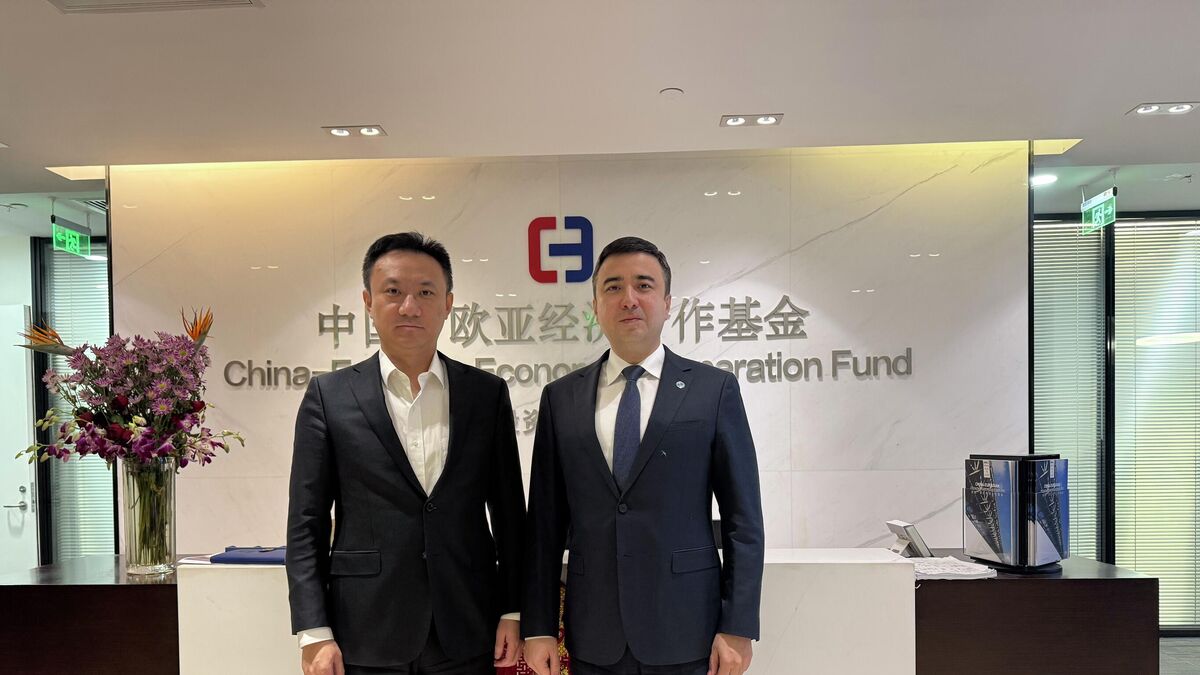
    On 10 February 2026, representatives of the Secretariat of the Shanghai Cooperation Organization visited the headquarters of the China-Eurasia Economic Cooperation Fund (CEECF) in Beijing.

    During the talks with CEECF CEO Chen Zhou, SCO Secretariat Counsellor Iskander Baitasov outlined cooperation within the Organization in the trade and economy, investment and financial spheres, highlighting priority tasks related to the implementation of the decisions of the SCO Tianjin Summit (1 September 2025) and other important agreements reached by the leaders of the member states.

    Special attention was paid to discuss the prospects of CEECF’s participation in the Organization’s project activities, as well as the practical cooperation with partners within the framework of the SCO Member States Investors Association and other platforms.

    Chen Zhou informed about the Fund’s priorities and strategy. Established by the initiative of the Government of the People’s Republic of China, the Fund serves as a platform for direct investment focused on the SCO region. The CEECF expressed interest in practical cooperation aimed at establishing ties with partners and co-investors from the “SCO community” countries, aligning prospective projects with the involvement of financial capital, including those implemented in a multilateral format, as well as holding joint public events.

    Contacts with the China-Eurasia Economic Cooperation Fund

    China-Eurasia Economic Cooperation Fund (CEECF) is a state direct investment platform, with the Export-Import Bank of China as its majority shareholder. The launch of the CEECF was announced by President of the People’s Republic of China Xi Jinping in September 2014 at the meeting of the Council of Heads of State of the SCO in Dushanbe. The Fund’s priority investment areas include energy resources and downstream industries, agricultural development, logistics, infrastructure, information technology, manufacturing and other sectors. Currently the target investment capacity of the CEECF is USD 5 billion.

    Continue Reading

  • All in a day’s work for Louise Fraser

    All in a day’s work for Louise Fraser


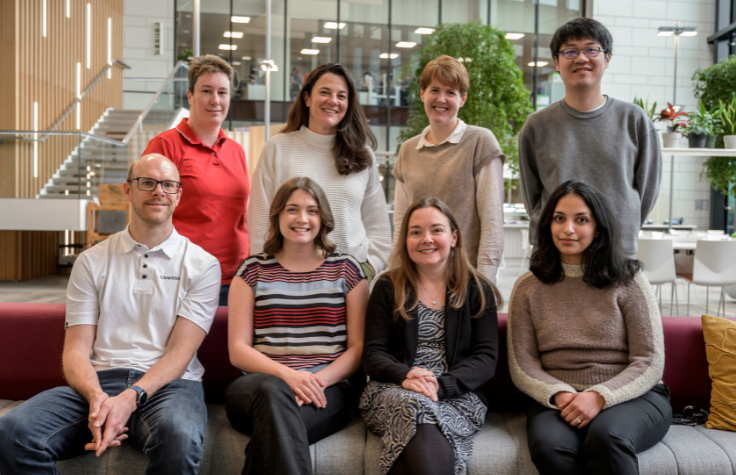
    Louise Fraser’s functional assay R&D team. Top row: Natalie Morrell; Ines Vitoriano; Louise Fraser; Yang Cao. Bottom row: Sebastien Ricoult; Jess Moore; Jacqui Weir; Manisha Mullen | Photo: Michael Rowland

    February 11, 2026

    At 16, Fraser didn’t know what she wanted to do with her life. But she found an opportunity to work in a lab at a local university near her home in Bristol, England. There, she assisted with simple tasks like plating E. coli onto agar plates and preparing buffers. “I was really inspired to work in that environment because it’s cool, right?” she says. “I just really enjoyed technology, and science, and discovering new things.”

    That early exposure led her down the path to obtain a PhD in biochemistry. Academic research, however, felt a bit lonely. She preferred teamwork, and decided biotechnology might be a better fit. “It was actually quite hard to find somebody who would take you on as someone fresh out of your studies,” Fraser says. Fortunately, a scientist at Solexa—a DNA sequencing company that would later be acquired by Illumina in 2007—took a chance and hired her as an entry-level PhD scientist in the library prep group.

    After studying in the high-end laboratories of Imperial College London, moving into Solexa’s simple office space—housed in a loading bay for delivery trucks—was a shock. In the years following Illumina’s acquisition, Fraser saw incredible transformation: a surge in colleagues, new leadership, and expanded resources to push sequencing innovation further than ever before.

    Louise Fraser, Illumina Associate Director in Assay R&D | Photo: Michael Rowland

    She didn’t know that her first full-time job would turn into two decades at Illumina—where she is now an associate director in assay R&D and a force behind launching Illumina’s cutting-edge library prep solutions. Fraser is particularly excited about the upcoming commercial release of constellation, the Illumina mapped read sequencing technology that eliminates the entire up-front library preparation workflow for whole human genome sequencing.

    Constellation performs “tagmentation” on the flow cell surface—a process of binding, and fragmentation—which dramatically reduces hands-on prep time, lowers the potential to introduce errors, and allows reconstruction of longer genomic sequences through use of a brand new bioinformatic pipeline. It simplifies whole-genome sequencing, delivering Illumina’s most complete genome—and Fraser has been one of the scientific leaders bringing this innovation to life.

    “In order to get DNA into a state where it can go onto the sequencer, you currently have to do a library prep step, and that can be complicated. It requires expertise,” she explains. With constellation, the sequencer does all the hard work, and users can simply place DNA directly on the instrument—no library prep required.

    Because library prep occurs directly on the flow cell surface, DNA fragments physically close to one another on the original strand tend to remain close together on the flow cell. By applying advanced bioinformatics approaches, scientists can extract this “proximity” information to disentangle complex “dark” regions of the genome.

    The UK constellation team at the Illumina office in Cambridge. | Photo: Michael Rowland

    Recognizing women and girls in science

    The constellation team at Illumina includes over 100 scientists globally, each leveraging their unique expertise to develop the cutting-edge solution.

    February 11 is International Day of Women and Girls in Science, an annual event declared by the United Nations General Assembly in 2015. The 2026 theme centers around closing the gender gap in STEM. According to a 2024 report from UNESCO, retention of women in STEM is strongly influenced by institutional and workplace conditions.

    At this point in her career, Fraser doesn’t see gender as a defining part of her identity as a scientist or leader. “I work with a lot of amazing women scientists and men scientists,” she says. “And maybe, I’m lucky, right?” For Fraser, the norm is a mixed-gender team that treats each other with respect. But she sees how biases may deter younger girls from pursuing science.

    Battling bias for the younger generations

    A few years ago, Fraser and Vicki Thompson, a staff scientist on her team, were invited to present at a local primary school’s “Genomics 101 in the Classroom” event. Dressed in their lab coats, Fraser and Thomspon observed the one hundred young students as they filed into the assembly. “In the front row, one child said to another with absolute astonishment: ‘Oh my gosh, it’s two women,’” she recalls. “And we were shocked that they were expecting men.”

    For that student, Fraser and Thomson challenged some previously held assumptions about who can be a scientist. Representation still clearly matters. Giving women scientists opportunities to present their work can be eye-opening for young girls who may have never imagined themselves in a STEM career.

    “Science is for everybody.” Fraser says. “It doesn’t matter who you are, where you’re from—you just have to have a passion to go after it.”

    From her first agar plates to the launch of constellation, Fraser’s commitment to simplifying sequencing not only fuels this launch—it helps open doors for the next generation of scientists.


    Learn how mapped read technology works with Louise and discover the power of constellation.

    Continue Reading

  • Ascletis Selects Oral Amylin Receptor Peptide Agonist, ASC36, for Clinical Development

    –   Utilizing Ascletis’ Peptide Oral Transport ENhancement Technology (POTENT), ASC36 oral tablets achieved absolute oral bioavailability of 6% to 8% at steady state, in non-human primate (NHP) studies.

    –   In NHPs, ASC36 oral tablets reduced mean body weight up to 13.2% from baseline after oncedaily dosing for 7 days. ASC36 tablets also reduced food intake significantly.

    –   In a head-to-head diet-induced obese (DIO) rat model, ASC36 demonstrated approximately 32% and 91% greater relative body weight reduction compared to eloralintide and petrelintide, respectively.

    –   ASC36 oral tablets are expected to utilize a lower dose due to potentially better oral bioavailability and efficacy. This superior weight loss per milligram of ASC36 peptide may also provide scalability advantages in manufacturing.

    –   Submission of an Investigational New Drug Application (IND) to the U.S. Food and Drug Administration (FDA) for ASC36 oral tablets is expected in the second quarter of 2026.

    HONG KONG, Feb. 10, 2026 /PRNewswire/ — Ascletis Pharma Inc. (HKEX: 1672, “Ascletis”) announces that it has selected ASC36 oral tablets, its first oral amylin receptor peptide agonist, for clinical development. Ascletis expects to submit an Investigational New Drug Application (IND) to the U.S. Food and Drug Administration (FDA) for ASC36 oral tablets for the treatment of obesity in the second quarter of 2026.

    ASC36 oral tablets were developed with Ascletis’ proprietary Peptide Oral Transport ENhancement Technology (POTENT). In non-human primates (NHPs), 10 mg ASC36 oral tablet per animal dosed once daily for 7 days achieved absolute oral bioavailability[1] of 8% and elimination half-life of 116 hours at steady state; 25 mg ASC36 oral tablet per animal dosed once daily for 7 days  achieved absolute oral bioavailability of 6% and elimination half-life of 167 hours at steady state. The long elimination half-life (116 hours to 167 hours) of ASC36 oral tablets supports once-daily and less frequent oral dosing.

    ASC36 oral tablets demonstrated significant weight loss in both NHP and diet-induced obese (DIO) rat models. In NHPs, ASC36 oral tablets reduced mean body weight up to 13.2% from baseline after once-daily dosing for 7 days. ASC36 tablets also reduced food intake significantly.

    In a head-to-head DIO rat model, after 7 days of treatment, ASC36 demonstrated approximately 32% and 91% greater relative body weight reduction compared to eloralintide and petrelintide, respectively. 

    ASC36 oral tablets are expected to utilize a lower dose, relative to a recently FDA approved oral GLP-1R peptide agonist, due to potentially better oral bioavailability and efficacy. This superior weight loss per milligram of ASC36 peptide may also provide scalability advantages in manufacturing.

    ASC36, an amylin receptor peptide agonist, was discovered and developed in-house utilizing Ascletis’ Artificial Intelligence-assisted Structure-Based Drug Discovery (AISBDD). ASC36 oral tablet formulation was developed and optimized by Ascletis’ POTENT technology for delivery of oral peptides.

    “ASC36 oral tablets is an important amylin agonist among three key amylin drug candidates, i.e. an oral small molecule amylin, an oral peptide amylin and a once-monthly subcutaneous injectable peptide amylin,” said Jinzi Jason Wu, Ph.D., Founder, Chairman and CEO of Ascletis. “Leveraging our three proprietary technology platforms, including AISBDD, Ultra-Long-Acting Platform (ULAP) and POTENT, Ascletis has successfully established a highly competitive, differentiated and diverse pipeline portfolio which can potentially effectively address the various treatment needs of patients with obesity and other metabolic diseases.”

    [1] Absolute oral bioavailability: the percentage of an orally administered drug that reaches the systemic circulation (bloodstream), compared to an intravenous (IV) dose of the same drug

    About Ascletis Pharma Inc.

    Ascletis Pharma Inc. is a fully integrated biotechnology company focused on the development and commercialization of potential best-in-class and first-in-class therapeutics to treat metabolic diseases. Utilizing its proprietary Artificial Intelligence-assisted Structure-Based Drug Discovery (AISBDD) and Ultra-Long-Acting Platform (ULAP) technologies as well as Peptide Oral Transport ENhancement Technology (POTENT), Ascletis has developed multiple drug candidates in-house, including both small molecules and peptides, such as its lead program, ASC30, a small molecule GLP-1R agonist designed to be administered once daily orally and once monthly to once quarterly subcutaneously as a treatment therapy and a maintenance therapy for chronic weight management; ASC36, an amylin receptor peptide agonist, ASC35, a once-monthly subcutaneously administered GLP-1R/GIPR dual peptide agonist and ASC37, a GLP-1R/GIPR/GCGR triple peptide agonist for chronic weight management. Ascletis is listed on the Hong Kong Stock Exchange (1672.HK).

    For more information, please visit www.ascletis.com.

    Contact:

    Peter Vozzo
    ICR Healthcare
    443-231-0505 (U.S.)
    [email protected] 

    Ascletis Pharma Inc. PR and IR teams
    +86-181-0650-9129 (China)
    [email protected]
    [email protected] 

    SOURCE Ascletis Pharma Inc.

    Continue Reading