Category: 3. Business

  • Teck Announces 2025 Production and Sales Update and Reaffirms Outlook

    Teck Announces 2025 Production and Sales Update and Reaffirms Outlook

    Vancouver, B.C. – Teck Resources Limited (TSX: TECK.A and TECK.B, NYSE: TECK) (“Teck”) today provided select unaudited fourth quarter 2025 production and sales volumes and positive settlement pricing adjustments, annual production volumes for 2025, and reaffirmed previously disclosed production and unit cost guidance for 2026 to 2028 for Teck-operated sites.

    Our fourth quarter 2025 financial results are scheduled for release on February 18, 2026.

    2025 Production Results
    The table below shows a summary of Teck’s share of unaudited production and sales of principal products for the fourth quarter of 2025, and 2025 annual production as compared to our previously disclosed annual guidance. 

    Our 2025 annual copper production of 453,500 tonnes, in line with our previously disclosed guidance, was supported by strong operational performance across all assets in Q4. Performance at Quebrada Blanca (QB) in Q4 was strong with copper production of 55,400 tonnes as we continued the development of the tailings management facility and remained focused on operational stability and progress towards steady state. Copper sales in Q4 2025 were lower than production, primarily due to a short-term build-up in inventory at QB resulting from weather and sea conditions in December, which delayed shipments into early 2026. 

    Our 2025 annual zinc in concentrate production of 565,000 tonnes was at the higher end of our previously disclosed guidance range. Zinc in concentrate sales were 157,200 tonnes in the fourth quarter, with all Red Dog shipments completed early in the quarter, in line with the normal seasonality of sales. 

    Our 2025 annual refined zinc production of 229,900 tonnes was at the high end of our previously disclosed guidance, as we continue to focus on improving profitability and cash generation through prioritizing processing of residues over maximizing refined zinc production.

    (Units in 000 tonnes) Q4 2025 2025 2025 Guidance 
    Production Sales Production Production
    Copper
    Quebrada Blanca 55.4 41.6 190.0 170 – 190
    Highland Valley Copper 37.1 33.6 127.1 120 – 130
    Antamina (22.5%) 26.4 27.9 85.9 80 – 90
    Carmen de Andacollo 15.2 15.5 50.5 45 – 55
      134.1 118.6 453.5 415 – 465
    Zinc
    Red Dog 87.3 136.6 462.7 430 – 470
    Antamina (22.5%) 21.3 20.6 102.3 95 – 105
      108.6 157.2 565.0 525 – 575
    Refined zinc
    Trail Operations 68.1 59.4 229.9 190 – 230


    Pricing Adjustments
    As a result of an increase in base metals prices, we expect to report positive settlement pricing adjustments of $295 million in the fourth quarter.

    Guidance
    There have been no changes to our previously disclosed annual production guidance for 2026–2028, issued on October 7, 2025, for all Teck-operated sites. Our previously disclosed 2026 annual zinc in concentrate production guidance for Antamina of 55,000– 65,000 tonnes has decreased to 35,000–45,000 tonnes, reflecting an updated mine plan, finalized in the fourth quarter of 2025. There has been no change in our previously disclosed 2026 annual copper production guidance for Antamina of 95,000–105,000 tonnes.

    There has been no change to our previously disclosed annual 2026 net cash unit cost1 guidance for our copper or zinc segments, issued on October 7, 2025.

    1 This is a non-GAAP financial measure. See “Use of Non-GAAP Financial Measures and Ratios” for further information.

    Use of Non-GAAP Financial Measures and Ratios
    Our financial results are prepared in accordance with International Financial Reporting Standards as issued by the International Accounting Standards Board. This document includes reference to certain non-GAAP financial measures and non-GAAP ratios, which are not measures recognized under IFRS, do not have a standardized meaning prescribed by IFRS and may not be comparable to similar financial measures or ratios disclosed by other issuers. These financial measures and ratios have been derived from our financial statements and applied on a consistent basis, as appropriate. We disclose these financial measures and ratios because we believe they assist readers in understanding the results of our operations and financial position and provide further information about our financial results to investors. These measures should not be considered in isolation or used in substitute for other measures of performance prepared in accordance with IFRS. For more information on our use of non-GAAP financial measures and ratios, see the section titled “Use of Non-GAAP Financial Measures and Ratios” in our most recent Management Discussion Analysis, which is available on SEDAR+ (www.sedarplus.ca). Additional information on certain non-GAAP ratios is below.

    Total cash unit costs – Total cash unit costs for our copper and zinc operations includes adjusted cash costs of sales, as described below, plus the smelter and refining charges added back in determining adjusted revenue. This document allows a comparison of total cash unit costs, including smelter charges, to the underlying price of copper or zinc in order to assess the margin for the mine on a per unit basis.

    Net cash unit costs – Net cash unit costs of principal product, after deducting co-product and by-product margins, are also a common industry measure. By deducting the co- and by-product margin per unit of the principal product, the margin for the mine on a per unit basis may be presented in a single metric for comparison to other operations. 

    Adjusted cash cost of sales – Adjusted cash cost of sales for our copper and zinc operations is defined as the cost of the product delivered to the port of shipment, excluding depreciation and amortization charges, any one-time collective agreement charges or inventory write-down provisions and by-product cost of sales. It is common practice in the industry to exclude depreciation and amortization as these costs are non-cash and discounted cash flow valuation models used in the industry substitute expectations of future capital spending for these amounts. 

    Adjusted site cash cost of sales – Adjusted site cash cost of sales for our steelmaking coal operations is defined as the cost of the product as it leaves the mine excluding depreciation and amortization charges, out-bound transportation costs and any one-time collective agreement charges and inventory write-down provisions.

    Cautionary Statement on Forward-Looking Statements 
    This news release contains certain forward-looking information and forward-looking statements as defined in applicable securities laws (collectively referred to as forward-looking statements). These statements relate to future events or our future performance. All statements other than statements of historical fact are forward-looking statements. The use of any of the words “anticipate”, “can”, “could”, “plan”, “continue”, “estimate”, “expect”, “may”, “will”, “would”, “project”, “predict”, “likely”, “potential”, “should”, “believe” and similar expressions is intended to identify forward-looking statements. These statements involve known and unknown risks, uncertainties and other factors that may cause actual results or events to differ materially from those anticipated in such forward-looking statements. These statements speak only as of the date of this news release.

    These forward-looking statements include, but are not limited to, statements concerning: all guidance appearing in this document, including, but not limited to, the production, sales, costs, unit costs, capital expenditures, transportation costs, cost reduction and other guidance under the heading ”Guidance” and elsewhere in this news release. 

    These statements are based on a number of assumptions, including, but not limited to, assumptions regarding general business and economic conditions, interest rates and commodity and power prices; acts of foreign or domestic governments and the outcome of legal proceedings; our ability to operate our operations in accordance with our expectations; our ability to advance QB tailings management facilities development initiatives as expected and the timing, occurrence and length of any potential maintenance downtime; expectations with respect to the repair and restart of the ship loader at QB and with respect to continued availability of alternative port arrangements; the possibility that our business may not perform as expected or in a manner consistent with historical performance; the supply and demand for, deliveries of, and the level and volatility of prices of copper and zinc and our other metals and minerals, as well as steel, crude oil, natural gas and other petroleum products; our costs of production and our production and productivity levels; our ability to procure equipment and development and operating supplies in sufficient quantities and on a timely basis; the availability of qualified employees and contractors for our operations; engineering and construction timetables and capital costs for our initiatives; the accuracy of our mineral reserve and resource estimates (including with respect to size, grade and recoverability) and the geological, operational and price assumptions on which these are based; the outcome of the planning, forecasting and reconciliation processes underway; and that operating, development, and capital plans will not be disrupted by issues such as mechanical failure, unavailability of parts and supplies, labour disturbances, interruption in transportation or utilities, or adverse weather conditions. The foregoing list of assumptions is not exhaustive. Events or circumstances could cause actual results to vary materially. 

    Factors that may cause actual results to vary materially including, but not limited to, risks related to the operation of QB and our other operations in accordance with our expectations; risks related to our ability to advance QB tailings management facility development initiatives as expected and the timing, occurrence and length of any potential maintenance downtime; changes in commodity and power prices; changes in market demand for our products; changes in interest and currency exchange rates; unanticipated operational difficulties (including failure of plant, equipment or processes to operate in accordance with specifications or expectations, cost escalation, unavailability of labour, materials and equipment); unplanned or extended operational shutdowns; risks related to the repair and restart of the ship loader at QB and with respect to continued availability of alternative port arrangements; risks related to business performance as expected or in a manner consistent with historical performance; the accuracy of geological and metallurgical assumptions (including with respect to the size, grade and recoverability of mineral reserves and resources); the actual grades of materials; adverse weather conditions; acts of foreign and domestic governments and the outcome of legal proceedings; risks related to general business, economic and market conditions; and unanticipated events related to health, safety and environmental matters. 

    We assume no obligation to update forward-looking statements except as required under securities laws. Further information concerning risks, assumptions and uncertainties associated with these forward-looking statements and our business can be found in our Annual Information Form for the year ended December 31, 2024, filed under our profile on SEDAR+ (www.sedarplus.ca) and on EDGAR (www.sec.gov) under cover of Form 40-F, as well as subsequent filings that can also be found under our profile.

    About Teck
    Teck is a leading Canadian resource company focused on responsibly providing metals essential to economic development and the energy transition. Teck has a portfolio of world-class copper and zinc operations across North and South America and an industry-leading copper growth pipeline. We are focused on creating value by advancing responsible growth and ensuring resilience built on a foundation of stakeholder trust. Headquartered in Vancouver, Canada, Teck’s shares are listed on the Toronto Stock Exchange under the symbols TECK.A and TECK.B and the New York Stock Exchange under the symbol TECK. Learn more about Teck at www.teck.com or follow @TeckResources.

    Investor Contact:
    Emma Chapman
    Vice President, Investor Relations 
    +44.207.509.6576
    emma.chapman@teck.com
     
    Media Contact:
    Dale Steeves
    Director, External Communications
    236.987.7405 
    dale.steeves@teck.com

    26-01-TR

    Continue Reading

  • Essential Baseline Lab Tests for Preventive Health Assessment

    Essential Baseline Lab Tests for Preventive Health Assessment

    Introduction
    Establishing individualized reference values
    Core laboratory panels
    Useful add-on panels based on risk
    Emerging and optional advanced biomarkers
    References
    Further reading


    Why smarter baseline lab testing, grounded in biological variation and clinical evidence, matters more than broad annual screening panels.

    Image Credit: Peekadook / Shutterstock.com

    Introduction

    Routine annual examinations often fail to improve patient outcomes and may even lead to overdiagnosis. Consequently, regulatory bodies such as the United States Preventive Services Task Force (USPSTF) now prioritize targeted, risk-based screening rather than indiscriminate testing.1

    This article discusses recent evidence from both peer-reviewed research and public health agency recommendations to distinguish between medically necessary screening and actionable health monitoring.

    Establishing individualized reference values

    A critical limitation of conventional laboratory reporting is the reliance on population-based reference intervals that are typically based on data from the central 95% of a healthy population. However, growing evidence indicates that the range of values for a specific analyte within-subject biological variation (CVI) is narrower.2

    For example, a systematic review and meta-analysis of biological variation previously established that the CVI for serum creatinine is approximately 5%. Based on this tight homeostatic control, the reference change value (RCV) for estimated glomerular filtration rate (eGFR) is conservatively estimated at approximately ±12.5%.2

    Consequently, a rise in creatinine from 0.8 mg/dL to 1.0 mg/dL represents a statistically significant decline in renal function, even if both values remain within the normal population range of 0.6–1.2 mg/dL.2

    Family history, chronic conditions, and new lifestyle interventions

    Baseline testing is strongly recommended for individuals with genetic predispositions to chronic diseases, particularly cardiovascular diseases (CVDs) and diabetes, where early deviations from individual baselines may inform preventive care strategies.1

    Public health agencies further support baseline testing and follow-up in individuals with chronic conditions or those experiencing major lifestyle transitions, such as weight loss or intensive physical training, which can meaningfully alter metabolic parameters.1,5

    Core laboratory panels

    Core laboratory panels refer to standardized groupings of diagnostic tests that constitute the foundation of metabolic baseline health.

    Complete blood count (CBC)

    The CBC metric is used to quantify an individual’s oxygen-carrying capacity, immune status, and hemostatic potential. The CBC includes indices such as mean corpuscular volume (MCV) and red cell distribution width (RDW), which provide mechanistic insights into an individual’s hematopoietic health.1

    CBC also measures the white blood cell (WBC) differential that encompasses immune cells like neutrophils, lymphocytes, monocytes, eosinophils, and basophils. Persistent deviations in specific subtypes may indicate allergic disease, chronic infection, or inflammatory conditions.4

    Recent evidence-based clinical guidelines emphasize that ferritin levels should be assessed in conjunction with hemoglobin, as iron deficiency can present with nonspecific symptoms like fatigue before anemia develops.4

    Full blood count – what it tells your doctor about your health

    Comprehensive metabolic panel (CMP)

    The CMP consists of a series of tests that assess renal filtration, hepatic integrity, electrolyte levels, and glucose concentrations. Kidney function assessment is based on blood urea nitrogen (BUN), creatinine, and estimated glomerular filtration rate (eGFR). Since creatinine has a low CVI of about 5%, establishing a baseline is crucial for detecting early deviations.2

    Alanine aminotransferase (ALT) and aspartate aminotransferase (AST) are markers of hepatocellular injury. Persistent elevations may warrant further evaluation for underlying metabolic or hepatic conditions.1

    Lipid profile

    CVD remains the leading cause of death globally, thus emphasizing the importance of routine lipid assessments for mitigating both the direct burden of CVD and its numerous comorbidities. Lipid profile tests include atherosclerotic CVD (ASCVD) predictors like low-density lipoprotein cholesterol (LDL-C), high-density lipoprotein cholesterol (HDL-C), triglycerides, and non-HDL cholesterol.

    Non-HDL cholesterol, calculated by subtracting HDL from total cholesterol, is increasingly recognized as a significant predictor of CVD risk because it encompasses all atherogenic lipoproteins. Evidence demonstrates that nonfasting lipid measurements provide clinically acceptable accuracy for LDL-C estimation, particularly when modern calculation methods are used.6

    HbA1c and fasting glucose

    Hemoglobin A1c (HbA1c) is widely used for diabetes screening in clinical practice. HbA1c levels exceeding 6.5% indicate diabetes, whereas values between 5.7% and 6.4% reflect prediabetes.1

    Thyroid function tests

    Thyroid-stimulating hormone (TSH) is the primary laboratory marker for thyroid dysfunction. While population-wide screening in asymptomatic adults remains controversial, targeted testing is commonly applied in individuals with symptoms or clinical risk factors.1

    Image Credit: Studio Nut / Shutterstock.com


    Useful add-on panels based on risk

    Vitamin D

    The 2024 Endocrine Society Clinical Practice Guidelines recommend against routine 25-hydroxyvitamin D testing in healthy populations aged 75 or younger, given the lack of clear benefit for disease prevention. However, for higher-risk groups such as pregnant individuals, adults aged 75 years and older, and those with high-risk prediabetes, empiric supplementation without routine testing may reduce adverse outcomes.7

    Inflammation Markers: hs-CRP

    The 2025 Scientific Statement from the American College of Cardiology (ACC) identifies high-sensitivity C-reactive protein (hs-CRP) as a validated marker of residual inflammatory risk, particularly in individuals with well-controlled LDL-C.3

    In the JUPITER trial, rosuvastatin therapy among individuals with normal LDL-C but elevated hs-CRP resulted in a significant reduction in the primary combined endpoint compared with placebo, demonstrating the utility of hs-CRP in refining cardiovascular risk stratification.3

    Iron studies

    Ferritin is the most sensitive conventional test for iron stores, with values below 30 µg/L diagnostic of iron deficiency in adults. Contemporary guidance emphasizes that iron deficiency – particularly in females – often precedes anemia and warrants early detection and treatment.4

    Emerging and optional advanced biomarkers

    ApoB and lipoprotein(a)

    Apolipoprotein B (ApoB) provides a direct measurement of atherogenic particle number. Research indicates that a lower LDL-C/ApoB ratio is an independent predictor of cardiovascular and all-cause mortality, reflecting discordance between cholesterol mass and particle burden.8

    Lipoprotein(a) is a genetically determined risk factor implicated in ASCVD. Specifically, each 50 nmol/L increment in lipoprotein(a) has been associated with an approximately 11% increased risk of ASCVD.9

    References

    1. Araujo, G. C., Ribeiro, C. B., Costa, M. C. M., et al. (2025). Evidence-Based Periodic Health Examinations for Adults: A Practical Guide. Cureus. DOI:10.7759/cureus.79963, https://www.cureus.com/articles/344597-evidence-based-periodic-health-examinations-for-adults-a-practical-guide#!/
    2. Thöni, S., Keller, F., Denicolò, S., et al. (2022). Biological variation and reference change value of the estimated glomerular filtration rate in humans: A systematic review and meta-analysis. Frontiers in Medicine 9. DOI:10.3389/fmed.2022.1009358, https://www.frontiersin.org/journals/medicine/articles/10.3389/fmed.2022.1009358/full
    3. Mensah, G. A., Arnold, N., Prabhu, S. D., et al. (2025). Inflammation and Cardiovascular Disease: 2025 ACC Scientific Statement. JACC. DOI:10.1016/j.jacc.2025.08.047, https://www.sciencedirect.com/science/article/pii/S0735109725075552
    4. Sholzberg, M., Hillis, C., Crowther, M., & Selby, R. (2025). Diagnosis and management of iron deficiency in females. Canadian Medical Association Journal 197(24); E680-E687. DOI:10.1503/cmaj.240570, https://www.cmaj.ca/content/197/24/E680
    5. American Diabetes Association Professional Practice Committee for Diabetes (2025). Introduction and Methodology: Standards of Care in Diabetes – 2026. Diabetes Care 49(1) S1–S5. DOI:10.2337/dc26-sint, https://diabetesjournals.org/care/article/49/Supplement_1/S1/163916/Introduction-and-Methodology-Standards-of-Care-in
    6. Sathiyakumar, V., Park, J., Golozar, A., et al. (2018). Fasting Versus Nonfasting and Low-Density Lipoprotein Cholesterol Accuracy. Circulation 137(1); 10-19. DOI:10.1161/circulationaha.117.030677, https://www.ahajournals.org/doi/10.1161/circulationaha.117.030677
    7. Demay, M. B., Pittas, A. G., Bikle, D. D., et al. (2024). Vitamin D for the Prevention of Disease: An Endocrine Society Clinical Practice Guideline. The Journal of Clinical Endocrinology & Metabolism 109(8); 1907-1947. DOI:10.1210/clinem/dgae290, https://academic.oup.com/jcem/article/109/8/1907/7685305
    8. Xiao, L., Zhang, K., Wang, F., et al. (2023). The LDL-C/ApoB ratio predicts cardiovascular and all-cause mortality in the general population. Lipids in Health and Disease 22(1). DOI:10.1186/s12944-023-01869-1, https://lipidworld.biomedcentral.com/articles/10.1186/s12944-023-01869-1
    9. Al-Dalakta, A., Cho, L. S., & Sarraju, A. (2025). Lipoprotein(a) in clinical practice: What clinicians need to know. Cleveland Clinic Journal of Medicine 92(11); 679-685. DOI:10.3949/ccjm.92a.25020, https://www.ccjm.org/content/92/11/679
    10. Drago, L. (2025). Navigating microbiome variability: implications for research, diagnostics, and direct-to-consumer testing. Frontiers in Microbiology 16. DOI:10.3389/fmicb.2025.1580531, https://www.frontiersin.org/articles/10.3389/fmicb.2025.1580531/full

    Further Reading

    Last Updated: Jan 20, 2026

    Continue Reading

  • Netflix updates Warner Bros bid to all-cash offer

    Netflix updates Warner Bros bid to all-cash offer

    Netflix has updated its offer for Warner Bros Discovery’s streaming and film business and will pay completely in cash – as it looks to fend off rival Paramount Skydance in pursuit of the Hollywood studio.

    The move amends the streaming giant’s original offer, which would have funded the transaction using a mix of cash and shares.

    In a joint announcement, Netflix and Warner Bros said the change would provide more “certainty” to shareholders and enable them to vote the deal through more quickly.

    The update comes as Paramount Skydance presses on with its rival bid to buy Warner Bros, despite being repeatedly rebuffed.

    Netflix’s plan would give the streaming giant ownership of Warner Bros’ rich library, which includes franchises such as Harry Potter and Game of Thrones, as well as streaming service HBO Max.

    It has offered to pay $27.75 per share for the streaming and film businesses, or roughly $72bn (£54bn), a price that remains unchanged.

    The transaction, including debt, values the enterprise at roughly $82bn (£61bn).

    Warner Bros shareholders will also receive shares in the other parts of Warner Bros, including news channel CNN, which are set to be spun off as a separate, publicly traded company.

    Paramount, which is backed by tech billionaire Larry Ellison and his family, has argued that those networks are worth far less than Warner Bros is hoping, meaning its $30-per-share, or $108bn (£80bn) overall, offer for the company is superior.

    It has kept up its campaign to buy the firm, recently suing Warner Bros to compel the company to release the financial details of the Netflix offer.

    The leadership at Warner Bros has stuck by Netflix for now, questioning how Paramount is putting together the money to finance its deal.

    “Our amended agreement with Netflix is a testament to the board’s unrelenting focus on representing and advancing our stockholders’ interests,” said Samuel Di Piazza, Jr, chair of the Warner Bros Discovery board of directors.

    He said switching to an all-cash offer meant the board could “deliver the incredible value of our combination with Netflix at even greater levels of certainty”, while allowing Warner Bros shareholders to benefit from the spinoff of its other brands.

    Critics have rounded on both merger proposals, saying they would consolidate too much power in the hands of one company.

    Since the deal was announced last month, Netflix shares have also fallen more than 10%, an indication of investor disquiet about the plan.

    They dropped again in after-hours trading on Tuesday, despite the firm posting a strong performance for the last three months of 2025.

    Netflix said revenue in the quarter jumped 18% from a year earlier to more than $12bn (£9bn), including more than $1.5bn (£1.1bn) from advertising. Profits surged nearly 30% to $2.4bn (£1.8bn).

    The firm said it now has more than 325 million paying subscribers globally, up more than 7% from a year ago.

    In a letter to shareholders, the company defended the deal, saying Netflix and Warner Bros had “highly complementary” businesses. They said the purchase would enrich their selection of films and television and allow them to offer more personalised streaming operations.

    The firm also emphasised its plans to invest in production in the US.

    “Together we’ll be able to offer more opportunities to creators and strengthen the entire entertainment industry,” the company said.

    Continue Reading

  • Salesforce (CRM) Valuation Check After Recent Share Price Weakness And Mixed Multi Year Returns

    Salesforce (CRM) Valuation Check After Recent Share Price Weakness And Mixed Multi Year Returns

    Make better investment decisions with Simply Wall St’s easy, visual tools that give you a competitive edge.

    Salesforce (CRM) is back in focus as investors weigh its current share price near $227 against recent performance, including negative total returns over the past year and mixed multi year results.

    See our latest analysis for Salesforce.

    Over the past month, Salesforce’s share price return of 12.62% decline and year-to-date share price return of 10.45% decline point to fading momentum, while a 3-year total shareholder return of 48.44% contrasts with a 30.06% decline over 1 year.

    If Salesforce’s recent pullback has you reassessing your tech exposure, it could be a good moment to see what else is out there with high growth tech and AI stocks.

    With Salesforce trading near $227, some investors see a roughly 41% intrinsic discount and a 45% gap to analyst targets. This raises a key question: is this an opening, or is the market already pricing in future growth?

    According to yiannisz, the narrative assigns Salesforce a fair value of US$268.76 per share, compared with the recent close near US$227, which is where the equity market is pricing it today.

    Salesforce (NYSE: CRM) delivered another strong quarter, proving it can grow revenue while expanding profitability, something investors have demanded for years. For Q2 fiscal 2026 (ended July 31, 2025), revenue climbed 10% year-over-year to $10.2 billion, with subscription and support revenue up 11% to $9.7 billion.

    Read the complete narrative.

    Curious how a double digit revenue run rate, rising margins and a richer profit multiple all fit together into that fair value number? The narrative leans on sustained cash generation, disciplined profitability and a future earnings profile that it treats more like a premium software platform than a utility. Want to see which growth and margin assumptions actually carry most of the weight in that US$268.76 figure?

    Result: Fair Value of $268.76 (UNDERVALUED)

    Have a read of the narrative in full and understand what’s behind the forecasts.

    However, there are still clear risks, including slower enterprise software spending and AI projects that cost more to run than customers are willing to pay for.

    Find out about the key risks to this Salesforce narrative.

    If you see Salesforce differently, or prefer to weigh the numbers yourself, you can build a fresh, data driven story in minutes with Do it your way.

    A good starting point is our analysis highlighting 4 key rewards investors are optimistic about regarding Salesforce.

    If Salesforce is on your watchlist, do not stop there. Broaden your options now so you are not relying on a single story to drive your returns.

    This article by Simply Wall St is general in nature. We provide commentary based on historical data and analyst forecasts only using an unbiased methodology and our articles are not intended to be financial advice. It does not constitute a recommendation to buy or sell any stock, and does not take account of your objectives, or your financial situation. We aim to bring you long-term focused analysis driven by fundamental data. Note that our analysis may not factor in the latest price-sensitive company announcements or qualitative material. Simply Wall St has no position in any stocks mentioned.

    Companies discussed in this article include CRM.

    Have feedback on this article? Concerned about the content? Get in touch with us directly. Alternatively, email editorial-team@simplywallst.com

    Continue Reading

  • Phase 2a Trial Shows GRI-0621 Improves Biomarkers and Lung Repair in IPF

    Phase 2a Trial Shows GRI-0621 Improves Biomarkers and Lung Repair in IPF

    A phase 2a clinical trial evaluating the oral therapy GR-0621 for treating idiopathic pulmonary fibrosis (IPF) demonstrated positive flow cytometry data, marking a significant step forward in addressing the unmet needs of the disease.1

    GRI-0621 is an experimental oral therapy manufactured by GRI Bio, a clinical-stage biopharmaceutical company focused on innovations to treat inflammatory, fibrotic, and autoimmune diseases. Its therapies are designed to target the activity of natural killer T cells (NKT). GRI-0621 is an RARβy agonist that inhibits the activity of the type I invariant NKT (iNKT), which plays a critical role in propagating the injury, inflammatory response, and fibrosis observed in inflammatory and fibrotic indications. Earlier data from the clinical trial (NCT06331624) evaluating GRI-0621 showed that it met its primary and secondary end points, demonstrating that GRI-0621 was safe and efficacious over the 12-week treatment period.2 The additional data released this month showed that the agent was associated with iNKT inhibition and may also help reduce inflammation and fibrotic activity in the lungs.1

    “There remains a tremendous unmet need for safe, tolerable, and truly effective treatments for patients suffering from IPF,” Marc Hertz, PhD, CEO of GRI Bio, said in a press release.

    The randomized, double-blind, multicenter study enrolled 35 participants with IPF and randomized them 2:1 to receive GRI-0621 or a placebo. There were no safety or tolerability concerns observed at 12 weeks or during treatment. The most common adverse events reported were dry skin, dry lips, and muscle and joint pain. The GRI-0621 arm outperformed the placebo control arm with no increase in cough (0% in the GRI-0621–treated arm vs 25% in the placebo arm).2 Furthermore, there were significantly fewer reports of gastrointestinal disorders in the GRI-0621 arm compared with the placebo arm (diarrhea reported in 13% vs 33%, respectively).

    The secondary end points showed improvements in the serum biomarkers of collagen turnover. Researchers said these findings suggest this treatment may reverse fibrosis and repair damaged lung tissue. Patients in the GRI-0621 arm saw a 3% decrease in Pro-C6—a biomarker of collagen synthesis—and a 12% increase in C6M—a biomarker of collagen degradation—compared with the placebo arm.

    Furthermore, the study observed an increase in biomarkers suggesting GRI-0621 was helping to rebuild the alveolar basement membrane in patients with IPF—a common adverse event associated with the disease. Patients randomized to the GRI-0621 arm experienced a mean increase of PRO-C4—a biomarker of type IV collagen synthesis—of 9% whereas patients in the placebo arm experienced a decrease of 2%.

    Patients in the GRI-0621 arm also experienced a decrease in C4Ma3—a biomarker of type IV collagen degradation—whereas those in the placebo arm experienced an increase (10% vs 24%, respectively). Thus, GRI-0621–treated patients’ collagen remodeling status shifted from fibrolytic to neutral, meaning there was no continued destruction of the basement membrane.

    Overall, 39% of GRI-0621–treated participants experienced an increase in forced vital capacity (FVC) at 12 weeks, whereas 80% of participants in the placebo-treated arm experienced a decline in FVC at 12 weeks.

    “The positive Phase 2a results represent an important milestone for our IPF program and a compelling early signal of GRI-0621’s disease-modifying potential,” Hertz said in the December press release. “IPF remains one of the most devastating respiratory diseases, with limited treatment options and a significant need for therapies that can do more than slow decline and address the underlying biology of the disease.”

    References:

    1. Gri Bio announces additional positive data from phase 2A study in idiopathic pulmonary fibrosis, strengthening clinical proof-of-concept for GRI-0621. News release. GRIbio. January 8, 2026. Accessed January 20, 2026. https://gribio.com/gri-bio-announces-additional-positive-data-from-phase-2a-study-in-idiopathic-pulmonary-fibrosis-strengthening-clinical-proof-of-concept-for-gri-0621/

    2. Gri Bio announces positive topline data from its phase 2A study in idiopathic pulmonary fibrosis (“IPF”). News release. GRIbio. December 10, 2025. Accessed January 20, 2026. https://gribio.com/gri-bio-announces-positive-topline-data-from-its-phase-2a-study-in-idiopathic-pulmonary-fibrosis-ipf/

    Continue Reading

  • Google sees CO2 batteries as large-scale way to store renewable energy

    Google sees CO2 batteries as large-scale way to store renewable energy

    This audio is auto-generated. Please let us know if you have feedback.

    Google is commissioning construction of what are being called CO2 batteries to provide green, reliable backup power for its major data centers in the United States, Europe and in parts of Asia, the company announced

    “We’ve been scanning the globe seeking different solutions,” Ainhoa Anda, Google’s senior lead for energy strategy in Paris, said in an IEEE Spectrum report on the project. 

    CO2 batteries are intended to play a role similar to that of lithium-ion battery units to store excess renewable energy to help ensure data centers have clean, reliable power when needed. But they would have greater capacity and scalability than lithium-ion batteries, and can be easily standardized to be used anywhere. 

    “The challenge the tech giant has encountered is not only finding a long-duration storage option, but also one that works with the unique specs of every region,” the IEEE Spectrum report says. 

    “Standardization is … one of the aspects that we really like,” Anda told IEEE Spectrum. 

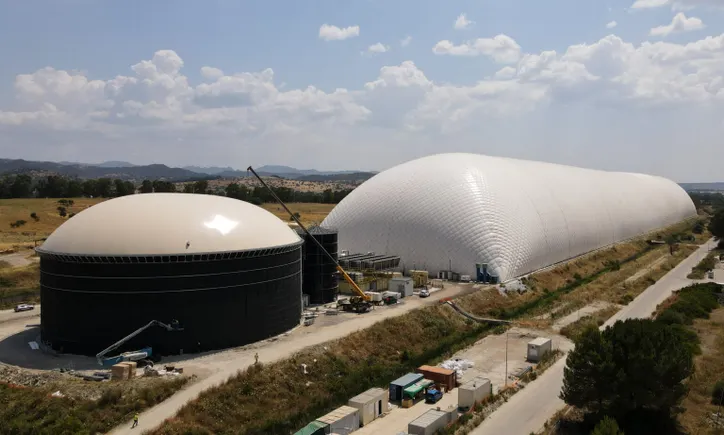
    Google is working with a Milan-based company called Energy Dome, which has built a model facility in Ottana, Sardinia, Italy, that is storing 2,000 tons of carbon dioxide generated from a gas supplier. As part of the partnership, Google has made an equity investment in Energy Dome. 

    The facility stores the CO2 daily in an expandable dome. When energy is needed, it compresses and expands the CO2 to turn a turbine that generates 200 megawatt-hours of electricity, or 20 MW over 10 hours. Google is hoping to build similar units near its data centers to supply renewable power around the clock even when the sun isn’t shining or the wind isn’t blowing, according to IEEE Spectrum’s report.

    Lithium-ion batteries mostly play this role for data centers now, but they typically can only cost effectively supply back-up power for 4-8 hours at a time — not long enough to power through a whole night, multiple cloudy and windless days or the hottest week of the year, when energy demand hits its peak. 

    “CO2 Batteries check a lot of boxes that other approaches don’t,” the report says. “Their expected lifetime stretches nearly three times as long as lithium-ion batteries. And adding size and storage capacity to them significantly decreases cost per kilowatt-hour. Energy Dome expects its [CO2 battery] to be 30% cheaper than lithium-ion.”

    CO2 batteries also have advantages over other types of large-scale power storage units, like pumped-hydro, because they can be built relatively quickly and with comparatively small footprints, needing only about 5 acres of flat land.

    The Sardinia facility took less than two years to construct and the expandable dome took less than half a day to inflate, according to the article. A pumped-hydro facility, which creates energy by pumping water between reservoirs at different elevations, can take a decade to build. It also needs a lot of land with a very specific type of topography. 

    Google can expect to face some pushback from neighbors. The expandable dome reaches a height comparable to that of a sports stadium, which could spur opposition. And if the dome is damaged, it could release CO2 into the air. But Energy Dome says the amount of gas that’s released won’t be much more than what’s released by airlines that make multiple flights across the Atlantic Ocean and is negligible compared to what’s released by coal plants, Energy Dome founder and CEO Claudio Spadacini told Spectrum IEEE.

    Google isn’t the only company interested in the technology. In Wisconsin, the public utility Alliant Energy has been given the go-ahead from authorities to begin construction of a CO2 battery this year to supply power to 18,000 homes.

    Continue Reading

  • Syngene International extends long-term research collaboration with Bristol Myers Squibb until 2035

    Syngene International extends long-term research collaboration with Bristol Myers Squibb until 2035

    BENGALURU, India, Jan. 20, 2026 /PRNewswire/ — Syngene International, a global contract research, development, and manufacturing organization (CRDMO), today announced the extension of its long-standing strategic collaboration with Bristol Myers Squibb through 2035. The expanded agreement broadens the scope of integrated services across the drug development lifecycle spanning discovery (chemistry, biology, drug metabolism and pharmacokinetics), translational sciences, pharmaceutical development and manufacturing, clinical trials, data and information technology services to enable seamless progression from research to commercialization. The expansion of this collaboration marks the next phase of growth, reinforcing Syngene’s position as a strategic partner delivering integrated, end-to-end scientific and manufacturing solutions.

    Peter Bains, Managing Director and CEO, Syngene International Ltd., said, “Our collaboration with Bristol Myers Squibb, which now spans more than 25 years, is anchored in scientific excellence, operational reliability, and a shared commitment to advancing innovative therapies. The agreement to extend this partnership through 2035 enables us to plan together for the future in terms of building new capabilities and infrastructure with a decade long horizon. Taking a long-term perspective is a key feature of our partnership which adds strategic value to both companies. We look forward to supporting BMS with their next wave of discovery, development, and manufacturing programs that have the potential to improve patient outcomes worldwide.”

    Payal Sheth, Senior Vice President, Therapeutic Discovery Sciences, Bristol Myers Squibb, said, “At Bristol Myers Squibb, everything we do begins with patients. We greatly value our long-standing partnership with Syngene, which has been instrumental in advancing our scientific ambitions. This expanded collaboration reflects our commitment to advancing innovative science by effective integration of our research, development, and manufacturing capabilities to accelerate the delivery of transformative medicines and bring hope to patients around the world who are waiting for new treatment options.”

    The collaboration between Syngene and Bristol Myers Squibb began in 1998, culminating in the establishment of the Biocon Bristol Myers Squibb Research and Development Center (BBRC), Syngene’s first dedicated R&D Center, which was fully commissioned in 2009. Over the years, the BBRC has evolved into a major strategic R&D site for Bristol Myers Squibb, supporting integrated capabilities across target identification, lead discovery, lead optimization, pharmaceutical development, molecular and cell biology, protein sciences, assay biology and clinical biomarkers. The center, which today houses around 700 Syngene scientists working as an extension of Bristol Myers Squibb’s global research organization, contributes to discovery, preclinical development, and patent filings across therapeutic areas including cardiovascular, fibrosis, immunology, and oncology.

    Since its inception, BBRC has played a pivotal role in accelerating the progression of novel compounds from early discovery to first-in-human studies, thereby helping reduce development timelines and overall costs for Bristol Myers Squibb.

    About Syngene

    Syngene International Ltd. (BSE: 539268, NSE: SYNGENE, ISIN: INE 398R01022) is an integrated research, development, and manufacturing services company serving the global pharmaceutical, biotechnology, nutrition, animal health, consumer goods, and specialty chemical sectors. Syngene’s team of over 8,200 employees including 5,600 scientists, brings both deep expertise and the capacity to deliver scientific excellence, robust data security, and world class manufacturing, at speed, to improve time-to-market and lower the cost of innovation.

    With over 2.5 mn sq. ft of specialized discovery, development, and manufacturing facilities across India and the U.S., Syngene works with 400 global customers across industry segments, including biotech companies pursuing leading-edge science and multinationals such as BMS, GSK, Zoetis, and Merck KGaA. For more details, visit www.syngeneintl.com. For the Company’s latest Environmental, Social, and Governance (ESG) report, visit Syngene ESG Report.

    Media Contacts:

    Vijay Jeevanandham
    Syngene International Limited
    M: +91 8310914552
    E: [email protected]

    Alex Heeley / Abdul Khalifeh
    De Facto Communications
    T: +44 (0) 203 735 8165 / +44 (0) 7834784764
    E: [email protected]
    E: [email protected]

    Logo – https://mma.prnewswire.com/media/2637918/5725919/Syngene_Logo.jpg

    SOURCE Syngene International

    Continue Reading

  • FDA Grants Priority Review to Gedatolisib for HR+, HER2-Negative Advanced Breast Cancer – OncLive

    1. FDA Grants Priority Review to Gedatolisib for HR+, HER2-Negative Advanced Breast Cancer  OncLive
    2. Celcuity wins FDA review for breast cancer drug (CELC:NASDAQ)  Seeking Alpha
    3. Celcuity Announces FDA Acceptance of New Drug Application for Gedatolisib in HR+/HER2-/PIK3CA Wild-Type Advanced Breast Cancer  The Manila Times
    4. FDA accepts Celcuity’s NDA for gedatolisib with priority review  Investing.com
    5. Wells Fargo Initiates Coverage On Celcuity Inc. (CELC)  Yahoo Finance

    Continue Reading

  • EU Energy and Raw Materials Platform – Hydrogen Mechanism: Phase launched for EU buyers to consult supply offers and express interest

    EU Energy and Raw Materials Platform – Hydrogen Mechanism: Phase launched for EU buyers to consult supply offers and express interest

    Following the successful collection of supply offers under the Hydrogen Mechanism, the Commission is inviting European off-takers to express interest in these supply offers.

    The new phase for off-takers, has started on 19 January 2026 and will last until 20 March 2026. 

    As part of the EU Energy and Raw Materials Platform, the Hydrogen Mechanism connects potential off-takers in Europe with suppliers of renewable and low-carbon hydrogen or derivatives, including ammonia, methanol, eMethane and electro-sustainable aviation fuel (eSAF).

    European and international companies showed significant interest in the matching opportunity. From 12 November 2025 to 2 January 2026, they placed supply offers from more than 260 projects. The Commission will present more details about the ongoing phase at an online webinar on 27 January.

    Hydrogen plays an important role in decarbonising industrial processes and industries for which reducing carbon emissions is both urgent and hard to achieve. At the same time, it can strengthen the competitiveness of Europe’s industry and leverage the EU market towards more security of supply, diversification and decarbonisation.

    Commissioner for Energy and Housing, Dan Jørgensen said:

    “The EU’s Hydrogen Mechanism is a new, innovative tool to help develop the market. With strong interest shown from suppliers across Europe and beyond, the initiative is off to a very promising start. I invite European buyers to now seize this opportunity and connect with potential suppliers. The Hydrogen Mechanism is one of the instruments which will help us to make our energy system cleaner, more secure and more affordable.”

    Background

    The Regulation on the internal markets for renewable gas, natural gas and hydrogen (EU/2024/1789) mandates the Commission to set up and operate a mechanism under the European Hydrogen Bank to develop the hydrogen market for a limited period until the end of 2029. 

    On 2 July 2025, the Commission launched the new EU Energy and Raw Materials Platform to empower European companies to procure energy-related products in a coordinated and effective way. 

    It offers solutions to collect demand and supply offers from companies and provide aggregation and match-making services, connecting suppliers with buyers. It can result in joint purchasing for a wide range of energy-related products as well as strategic raw materials. 

    The Hydrogen Mechanism is the first mechanism launched under the EU Energy and Raw Materials Platform. 

    Related links

    Continue Reading

  • National Restaurant Association Welcomes Keri Stockland as Chief Financial Officer

    National Restaurant Association Welcomes Keri Stockland as Chief Financial Officer

    Seasoned executive will drive financial strategy for Association’s next era

    WASHINGTON, Jan. 20, 2026 /PRNewswire/ — The National Restaurant Association is pleased to announce Keri Stockland as its new Chief Financial Officer (CFO). In this role, she will lead the financial strategy and budget for both the National Restaurant Association and the National Restaurant Association Educational Foundation.

    “Keri Stockland brings exceptional financial and strategic leadership to the National Restaurant Association at a pivotal moment for our industry and our Association,” said Michelle Korsmo, President & CEO of the National Restaurant Association and CEO of the National Restaurant Association Educational Foundation. “Keri’s disciplined approach to modernization and financial agility further strengthens our leadership team and positions the Association and Foundation to execute with clarity and confidence. With Keri helping to guide our financial strategy, we are advancing our priorities for the next era of modernization, indispensability, and growth – ensuring we deliver greater value to our members and strengthen the industry’s long‑term momentum.”

    An accomplished corporate and non-profit executive, Stockland brings more than 25 years of experience to the Association. With a track record of driving growth and transformation and modernizing finance functions, her leadership has built IPO readiness, M&A finance integration, and process optimization across roles at KPMG Advisory, Independence Air, Computer Sciences Corporation, Grant Thornton, and – most recently – as CFO of DKT International. Stockland holds a B.S. in Accounting from the University of Maryland, College Park and an active CPA license.

    “I am humbled by the confidence that Michelle and the Association’s leadership and Board have placed in me,” said Stockland. “It is a privilege to serve this community and the Association’s members, and I look forward to supporting restaurant industry professionals nationwide with the financial stewardship and strategic partnership that empowers their future success.”

    About the National Restaurant Association

    Founded in 1919, the National Restaurant Association is the leading business association for the restaurant industry, which comprises more than 1 million restaurant and foodservice outlets and a workforce of 15.7 million employees. Together with 52 State Associations, we are a network of professional organizations dedicated to serving every restaurant through advocacy, education, and food safety. We sponsor the industry’s largest trade show (National Restaurant Association Show); leading food safety training and certification program (ServSafe); unique career-building high school program (the NRAEF’s ProStart). For more information, visit Restaurant.org and find @WeRRestaurants on Twitter, Facebook and YouTube.

    SOURCE National Restaurant Association


    Continue Reading