Category: 3. Business

  • Dominant spinal muscular atrophy linked mutations in the cargo binding domain of BICD2 result in altered interactomes and dynein hyperactivity

    Dominant spinal muscular atrophy linked mutations in the cargo binding domain of BICD2 result in altered interactomes and dynein hyperactivity

    Mutations in the dynein cargo adaptor BICD2 have been linked to SMALED2 (Koboldt et al., 2020). Mutations in the heavy chain of the dynein motor have also been implicated in a version of this disorder (Chan et al., 2018; Das et al., 2018), suggesting that defects in dynein-mediated transport contribute to its etiology. However, the molecular and cellular mechanisms underlying SMALED2 pathogenesis remain poorly understood. Previous studies have characterized mutations within the first coiled-coil domain of BICD2, a region responsible for interactions with dynein and dynactin. These analyses elegantly demonstrated that mutants such as BICD2_N188T result in dynein hyperactivity (Huynh and Vale, 2017). In addition to these mutants, however, recent studies have identified several SMALED2-associated alleles within the C-terminal cargo-binding domain of BICD2 (Ravenscroft et al., 2016; Synofzik et al., 2014). Given BICD2’s role as a dynein cargo adaptor, these findings raise two important questions: (1) Is dynein hyperactivity a common feature of SMALED2-associated BICD2 mutations? and (2) Do these mutations alter the interactome of BICD2 relative to the wild-type protein? The goal of this study was to address these questions and elucidate potential molecular consequences of SMALED2-associated BICD2 mutations.

    BICD2 is one of the best characterized dynein cargo adaptors. However, most studies involving BICD2 have focused on the mechanism by which this adaptor activates dynein for processive motility. Relatively little is known regarding the cargo that is linked to dynein by BICD2. In Drosophila, BicD links the RNA-binding protein Egalitarian (Egl) with dynein for transport of specific mRNAs in the oocyte and embryo (Dienstbier et al., 2009; Goldman et al., 2021; Goldman et al., 2019; Mach and Lehmann, 1997; McClintock et al., 2018). Loss of either BicD or Egl compromises transport of these mRNAs and consequently results in defective oogenesis or embryogenesis. The first definitive cargo identified for mammalian BICD2 was the small GTP-binding protein, RAB6A (Matanis et al., 2002). Despite the ability of BICD2 to directly bind RAB6A, most vesicles containing RAB6A move towards the plus end of microtubules, suggesting that their transport is primarily driven by the Kinesin-1 motor, KIF5B (Grigoriev et al., 2007). Other cargos that have been shown to directly bind BICD2 are RANBP2, a nucleoporin, and Nesprin-2 (SYNE2), a LINC complex component involved in linking dynein and kinesin to the nuclear envelope (Gonçalves et al., 2020; Splinter et al., 2010).

    In order to determine whether SMALED2 alleles of BICD2 are associated with interactome changes, it was therefore critical for us to determine the interactome of wild-type BICD2. This was done using the promiscuous biotin ligase miniTurboID (mTrbo). In comparison to an RFP-mTrbo control, BICD2-mTrbo resulted in the biotinylation and purification of numerous known interacting partners including RANBP2, as well as several components of the dynein motor. One interesting group of potentially novel interacting proteins was components of the HOPS complex, a six-subunit complex of proteins involved in endocytic trafficking (Spang, 2016). Four of the six HOPS components were identified in the wild-type BICD2 interactome, with VPS41 being the fifth most enriched protein. However, unlike RANBP2, RAB6A, and NESPRIN-2, all of which are able to bind the isolated BICD2 cargo binding domain (Gonçalves et al., 2020; Matanis et al., 2002; Splinter et al., 2010), the HOPS complex components were only able to bind full-length BICD2. The BICD2 cargo binding domain was therefore necessary but not sufficient for interaction with HOPS components. In addition, contrary to our initial hypothesis that VPS41 was the direct binding partner between BICD2 and the HOPS complex, BICD2 retained its interaction with VPS16 and VPS18 in cells depleted of VPS41. This suggests that BICD2 likely recognizes a domain or motif present in several HOPS proteins. We attempted to use Alphafold2 multimer to predict the relevant domain within HOPS proteins that interact with BICD2. Although Alphafold2 was able to generate a high confidence prediction of the interaction site between BICD2 and RAB6A, consistent with published results (Zhao et al., 2024), it failed to produce a high confidence prediction for the BICD2-HOPS complex interaction (data not shown). Thus, although we were able to validate the in vivo association between BICD2 and VPS41, VPS16, and VPS18, we are not able to conclude whether BICD2 is capable of directly interacting with these proteins. To the best of our knowledge, this is the first example of BICD2 interacting proteins that display this binding characteristic. The ScaC protein from the intracellular pathogen Orientia tsutsugamushi was recently also shown to interact with BICD2, and although the binding site of ScaC was different from that used by RANBP2 or RAB6A, it was still able to interact with the isolated cargo binding domain of BICD2 (Manigrasso et al., 2025).

    Another unusual aspect of the BICD2-HOPS complex interaction is that it does not appear to be linked to dynein-mediated trafficking. Depletion of dynein heavy chain resulted in the peripheral distribution of GFP-VPS41 and LAMP1 vesicles, indicative of a reduction in minus end transport, and a net gain in plus end directed transport. By contrast, depletion of BICD2 resulted in the perinuclear accumulation of lysosomal vesicles that were mostly immotile. Interestingly, however, overexpression of BICD2 caused the outward spreading of LAMP1 vesicles, a process that depends on KIF5B (Guardia et al., 2016). Previous studies have shown that BICD2 is also able to interact with KIF5B via a central coiled coil domain (Grigoriev et al., 2007; Hoogenraad and Akhmanova, 2016). A recent report suggests that Drosophila BicD is capable of interacting with and activating the motility of Kinesin-1, the fly homolog of KIF5B (Ali et al., 2025). Consistent with the notion that BICD2 might link late endosomal vesicles with KIF5B, depletion of KIF5B in BICD2 overexpressing cells restored the normal localization of LAMP1 vesicles. Additional studies will be required to determine whether BICD2 is capable of directly interacting with these vesicles and whether these vesicles are directly linked to KIF5B by BICD2.

    The motility of LAMP1 vesicles has some similarity to the transport of RAB6A exocytic vesicles. RAB6A vesicles are transported from the area of the Golgi towards the cell periphery in a KIF5B-dependent manner, and loss of either kinesin-1 or dynein results in a sharp reduction in the number of motile particles (Grigoriev et al., 2007). In addition, mutations in BICD2 that compromise binding to RAB6A also result in vesicles that are largely immotile (Zhao et al., 2024). Thus, in the case of LAMP1 and RAB6A vesicles, instead of resulting in an increased rate of minus end transport, loss of BICD2 results in compromised vesicle motility, indicating that coordination between opposite polarity motors is critical for their motility.

    As noted earlier, mutations in the CC1 region of BICD2 hyperactivate dynein (Huynh and Vale, 2017). Our findings indicate that this property is also shared by BICD2_R694C and BICD2_R747C, mutations present within the C-terminal cargo binding domain. In the absence of cargo, BICD2 is thought to exist in an inhibited conformation due to intramolecular interactions between the N and C termini of the protein (Figure 1B; Liu et al., 2013; Terawaki et al., 2015; Wharton and Struhl, 1989). Cargo binding to the C-terminus of BICD2 counteracts the intramolecular interaction, enabling N-terminal residues within BICD2 to bind the dynein/dynactin complex (Goldman et al., 2019; Huynh and Vale, 2017; Liu et al., 2013; McClintock et al., 2018; Sladewski et al., 2018). How might mutations in BICD2 result in dynein hyperactivation? One possibility is that these mutations disrupt the autoinhibited state of BICD2, effectively causing BICD2 to be present in a more open and uninhibited conformation that promotes dynein/dynactin binding. Molecular dynamics simulations suggest that the R747C substitution causes a registry shift in the coiled coil, likely destabilizing this domain and thus disrupting the intramolecular interaction between the N and C termini of BICD2 (Cui et al., 2020). Another possibility is that the hyperactivation of dynein results in reduced binding between BICD2 and KIF5B. Our results are consistent with this scenario and suggest that the net effect of dynein hyperactivity results in three molecular changes; reduced intramolecular BICD2 interaction, increased interaction between BICD2 and dynein, and reduced interaction between BICD2 and KIF5B.

    In addition to hyperactivating dynein, all three mutations, including BICD2_N188T, alter the BICD2 interactome. This finding was unexpected for BICD2_N188T because this mutation is not within the cargo binding domain. One possible explanation for this phenotype is that BICD2_N188T is present in a more open conformation, and this change affects its binding properties. Another possibility that is not mutually exclusive is that the different binding profile results from the altered localization of BICD2_N188T within the cell. In comparison to wild-type BICD2, we generally observed greater centrosomal enrichment of BICD2_N188T. In comparing the three mutants, the general trend was that more proteins displayed a reduced interaction with the SMALED2 mutants in comparison to wild-type BICD2. Among the three mutants analyzed, BICD2_R747C displayed the most drastically altered interactome. This mutant displayed reduced association with RANBP2, importin beta, and HOPS complex components. Interestingly, this mutant also displayed numerous gain-of-function interactions. For instance, although minimal binding was observed between wild-type BICD2 and GRAMD1A, this protein abundantly interacted with BICD2_R747C. GRAMD1A is involved in non-vesicular transport of accessible cholesterol from the plasma membrane to the ER and is often concentrated at sites of plasma membrane-ER contact (Besprozvannaya et al., 2018; Sandhu et al., 2018). However, in cells expressing BICD2_R747C, this localization pattern was disrupted and GRAMD1A co-localized with BICD2_R747C adjacent to the centrosome.

    The GRAMD1 family consists of three isoforms: GRAMD1A, GRAMD1B, and GRAMD1C. Interestingly, our interactome analysis only identified GRAMD1A as a gain-of-function interaction partner with BICD2_R747C. It is unclear whether GRAMD1B and GRAMD1C also interact with BICD2_R747C. However, given that GRAMD1 proteins can form hetero oligomers (Naito et al., 2019), the BICD2_R747C-induced mislocalization of GRAMD1A could potentially affect the distribution of other GRAMD1 isoforms as well. The GRAMD1 proteins function to sense excess accessible cholesterol in the plasma membrane and to mediate the transport of this cholesterol to the ER. This reduces the rate of new cholesterol synthesis by the ER, enabling the cell to maintain cholesterol homeostasis (Sandhu et al., 2018). It will be interesting to determine whether endogenous GRAMD1A is mislocalized in motor neurons of SMALED2 patients with the BICD2_R747C mutation, and if this results in an expanded accessible pool of cholesterol at the plasma membrane.

    A recent study by Yi and colleagues examined the effect of the BICD2_R694C mutation on cargo binding (Yi et al., 2023). Using in vitro experiments, they found that this mutation enhanced RANBP2 binding while having no effect on NESPRIN-2 binding (Yi et al., 2023). Our results using full-length BICD2 are consistent with this finding. We also observed slightly higher binding of BICD2_R694C to RANBP2. However, due to experimental variability, the increase was not statistically significant. The authors also examined cargo binding using a BICD2 double mutant (F743I/R747C). Consistent with our results, this mutant displayed greatly reduced binding to RANBP2, but bound NESPRIN-2 at a much higher level than the wild-type protein (Yi et al., 2023). NESPRIN-2 was not identified as an interacting partner in our study for the wild-type protein or the BICD2_R747C mutant, possibly due to its low expression level in HEK293 cells. Nevertheless, these findings, along with our interactome analysis, indicate that mutations in the cargo binding domain of BICD2 can result in loss- and gain-of-function interactions.

    In conclusion, our study is the first to comprehensively examine the interactome of wild-type BICD2 and to identify changes that occur in SMALED2 linked mutant alleles of BICD2. We find that not only are mutations within the cargo binding domain associated with interactome changes, but these mutations are also capable of hyperactivating dynein. Some limitations of this study are worth noting. In the current study, we chose to determine the BICD2 interactome in HEK FLP-In cells (embryonic kidney cells). These cells were chosen because they enabled us to precisely integrate wild-type and mutant alleles of BICD2 at a specific locus. It also enabled us to expand cultures of these cells to levels that were sufficient for proteomic analysis. However, the main cell type affected in patients with SMALED2 is motor neurons. Primary motor neurons are harder to culture to scale and to genetically manipulate to express the desired wild-type or mutant BICD2 transgenes. Thus, although motor neurons were not used in our study, the next significant challenge will be to perform these types of experiments using motor neurons. In addition, although our study identified interactome changes between wild-type and mutant alleles of BICD2, we cannot conclude whether these changes are causative for the symptoms associated with SMALED2. Patients diagnosed with this disorder display a range of symptoms, from relatively mild to more severe (Frasquet et al., 2020; Koboldt et al., 2020). Even patients with the same genetic mutation can display a range of phenotypes (Storbeck et al., 2017). Furthermore, disease symptoms can result from one or two interactome changes that are critical for the health of motor neurons. Alternatively, symptoms might also be caused by many small changes in the interactome that cumulatively affect the health of motor neurons. Lastly, because SMALED2 is an autosomal dominant disorder, patients express wild-type and mutant versions of BICD2 in the same cell. Thus, to accurately model this disorder, studies will need to be conducted in motor neurons that are genetically edited to express disease-associated mutations in a heterozygous state.


    Continue Reading

  • Hearing of the Committee on Economic and Monetary Affairs of the European Parliament

    Hearing of the Committee on Economic and Monetary Affairs of the European Parliament

    Speech by Christine Lagarde, President of the ECB, at the Hearing of the Committee on Economic and Monetary Affairs of the European Parliament

    Brussels, 3 December 2025

    It is a pleasure to address this Committee for the fourth time this year.

    Recent years have witnessed profound technological, geopolitical, and structural changes which continue to redefine our economic landscape. These shifts underscore not just the importance of improving Europe’s resilience and competitiveness, but also the imperative to build lasting internal economic strength.[1]

    In our previous hearings, we examined this shifting global environment and its implications for the European economy. Today, I will focus my remarks on the instruments in our toolkit, in line with the topic you have selected for this hearing.

    Before turning to these tools, let me first outline our assessment of the euro area economy and our current monetary policy stance.

    Outlook for the euro area and the ECB’s monetary policy

    The economy grew by 0.2% in the third quarter of the year, supported by robust domestic demand. The services sector continued to expand, boosted by tourism and a pick-up in digital services, as many firms stepped up efforts to modernise their IT infrastructures and integrate artificial intelligence into their operations. By contrast, manufacturing and exports were held back by higher tariffs, still-heightened uncertainty and a stronger euro.

    Looking ahead, growth in economic activity should benefit from increased household spending and a resilient and more inclusive labour market – with the highest labour force participation rate since the start of the euro. Substantial infrastructure and defence spending are also expected to support economic activity. The global environment is likely to remain a headwind, as the impact of higher tariffs on euro area exports and manufacturing investment continues to unfold.

    Risks to the outlook have become more balanced thanks to the EU-US trade deal reached over the summer, the ceasefire in the Middle East and progress in the US-China trade negotiations. At the same time, the outlook remains uncertain – owing to a still volatile global trade environment, a potential deterioration in financial market sentiment and geopolitical tensions.

    Inflation remains close to our 2% medium-term target. According to Eurostat’s flash estimate, inflation edged up slightly to 2.2% in November, mainly due to higher services and energy inflation. Core inflation – excluding energy and food – was constant at 2.4%. Indicators of underlying inflation remain consistent with our 2% medium-term target.

    The reduction in inflation towards our medium-term target has been supported by a gradual moderation in wage growth from its peak of 5.7% in the second quarter of 2023 to 3.9% in the same quarter of this year. Forward-looking indicators, such as the ECB’s wage tracker and surveys on wage expectations, point to slower wage growth over the remainder of the year and the first half of 2026.

    We expect inflation to stay around our 2% target in the coming months. Risks to the outlook continue to be two-sided, while uncertainty remains higher than usual owing to volatile global trade policies. The next Eurosystem staff projections, to be published on 18 December, will shed further light on the outlook for growth and inflation.

    As our assessment of the inflation outlook was broadly unchanged, we decided at our October monetary policy meeting to keep the key ECB interest rates unchanged. We continue to follow a data-dependent and meeting-by-meeting approach to determining the appropriate monetary policy stance. In particular, our interest rate decisions will be based on our assessment of the inflation outlook and the risks surrounding it, as well as the dynamics of underlying inflation and the strength of monetary policy transmission. We are not pre-committing to a particular rate path.

    The instruments in the ECB’s toolkit

    Let me now turn to the ECB’s instruments.

    As reconfirmed in our recent strategy assessment, we are committed to setting monetary policy such that inflation stabilises at our 2% target in the medium term.[2] Our primary monetary policy instrument is the set of three key ECB interest rates. However, we may also employ other instruments, as appropriate, to preserve the smooth functioning of monetary policy transmission and provide additional accommodation when interest rates approach their lower bound.

    Effective transmission of our monetary policy stance across the euro area is critical for delivering on our price stability mandate. We must therefore remain attentive to situations in which cross-country differences in the impact of our policy on key economic variables become excessive or signal that the transmission mechanism is impaired. To address such concerns, we have developed tools to safeguard the smooth transmission of our monetary policy.

    I will now briefly outline three key instruments in our monetary policy toolkit: Outright Monetary Transactions (OMTs), the technical features of which were announced in August and September 2012;[3] the Transmission Protection Instrument (TPI) announced in July 2022;[4] and the pandemic emergency purchase programme (PEPP) announced in March 2020.[5]

    Outright Monetary Transactions are designed to safeguard the transmission of monetary policy in all euro area countries. OMTs enable us to address severe distortions in government bond markets which originate from, in particular, unfounded fears among investors of the reversibility of the euro. A necessary condition for OMTs is strict and effective conditionality attached to an appropriate European Stability Mechanism programme.[6]

    The Transmission Protection Instrument can be activated to counter unwarranted, disorderly dynamics in the market for securities issued in countries experiencing a deterioration in financing conditions not warranted by country-specific fundamentals. The Governing Council will consider a cumulative list of criteria to assess whether the countries in which the Eurosystem may conduct purchases under TPI are pursuing sound and sustainable fiscal and macroeconomic policies. The criteria include, among others, compliance with the EU’s fiscal framework and an absence of severe macroeconomic imbalances.

    The pandemic emergency purchase programme was launched and used in response to the COVID-19 shock, which affected all euro area countries, but to different degrees. The programme was designed with a dual role: on the one hand, it supported market functioning as well as the transmission of monetary policy; on the other hand, it enabled a substantial easing of the monetary policy stance to counter the serious downside risks to price stability posed by the pandemic.

    In the face of the extraordinary economic and financial shock, the programme’s flexibility – which allowed the pace and composition of purchases to be adjusted – proved critical in stabilising markets, addressing impediments to transmission, supporting the economic recovery and safeguarding price stability.[7] As circumstances evolved, the size and pace of the PEPP were recalibrated, and reinvestments of maturing bonds were fully discontinued as of December 2024, contributing to the normalisation of our balance sheet.[8]

    Together, these tools demonstrate that the ECB’s toolkit is adaptable to unprecedented challenges while remaining clearly within the scope of our monetary policy competence. Consistent with our commitment to transparency and accountability, we have engaged extensively with this Committee to explain our assessments and answer questions on these tools. This ongoing dialogue underscores our dedication to ensuring that our actions are thoroughly scrutinised and clearly understood by the public.

    Conclusion

    To conclude – as also highlighted in our monetary policy strategy statement, the Governing Council will continue to respond flexibly to new challenges as they arise and will consider, as needed, new policy instruments in the pursuit of its price stability objective.

    It is essential that other policies take the lead in strengthening Europe’s prospects and reducing vulnerability to future shocks. This means creating the right conditions for Europe’s sources of economic strength to reach their full potential – most notably by making the Single Market truly single.

    In this context, I warmly welcome the European Commission’s forthcoming package on capital market integration and supervision. These proposals are key for overcoming fragmentation, enhancing the efficiency of capital markets, and fostering innovation.

    There are clear solutions at hand – now is the time to implement them.

    Continue Reading

  • Neurodiversity in the Workplace – Strength in Difference

    Neurodiversity in the Workplace – Strength in Difference

    In this episode of Workforce WorldView, Janette Lucas from our London Labour & Employment team speaks with Kate Dean, a neurodiversity and disability consultant, about the growing prevalence of diagnoses of neurodiversity – and the opportunities and challenges this presents for employers. They explore the common misconceptions surrounding diagnoses, and provide practical steps that employers can take to move beyond compliance to create inclusive workplace environments. The conversation highlights why proactive strategies and understanding neurodiversity are essential for talent retention and organisational success.

    A few key points from the discussion:

    Why is neurodiversity a business priority?

    We are told that up to 20% of the UK population is neurodivergent, and reportedly it is now the third most common reason for occupational health referrals. Employers need to recognise this trend as a core workforce issue, not a niche concern.

    How should employers handle self-identification?

    Long waiting lists mean many employees self-identify rather than obtaining a formal diagnosis. The approach to take will vary on a case-by-case basis, but given the increase in self-diagnosis there is certainly an argument for HR focusing on providing supportive conversations and assisting with strategies proactively for employees who have self-diagnosed, rather than waiting for proof of diagnosis.

    What is the link between neurodiversity and employee wellbeing?

    Neurodiversity and mental health challenges often co-occur; and even physical conditions can be involved. And of course, when employees have caring responsibilities for neurodivergent family members, this may impact their work lives too. Integrating neurodivergent voices into wellbeing strategies can help reduce absenteeism and improve engagement.

    How can inclusion strategies reduce risk and conflict?

    Kate recommends moving away from an “us and them” mindset – recognising neurodivergence as one of the many ways that all people think and behave differently from each other – and embedding neurodiversity into inclusion policies, as this may assist with preventing misunderstandings and workplace disputes.

    Why does embracing neurodivergent talent drive performance?

    Employees with different perspectives bring a great richness of problem-solving, creativity and focus to our organisations, and people who think differently are very much part of that richness. Employers that adapt job design and recruitment strategies can unlock innovation and gain a competitive edge.

    Listen and Learn More

    Hear the full discussion and practical insights by listening to this fascinating podcast – and look out for Part 2 of the Workforce WorldView discussion on neurodiversity, where we dig into the role that line managers can play in creating an inclusive, welcoming environment.

    To further explore how we can help your organisation build an inclusive workplace and manage neurodiversity effectively, please get in touch with our Labour & Employment team today.

    Continue Reading

  • Design boss behind new Jaguar leaves JLR months after change of CEO | Jaguar Land Rover

    Design boss behind new Jaguar leaves JLR months after change of CEO | Jaguar Land Rover

    The Jaguar Land Rover design boss behind the Range Rover and the polarising Jaguar relaunch has abruptly departed the business just four months after its new chief executive took charge.

    Gerry McGovern left the role of chief creative officer on Monday after 20 years at the business in which he oversaw the design of some of the company’s most successful cars as well as the launch of a new-look, pink electric Jaguar that drew the ire of Donald Trump.

    Britain’s largest carmaker appointed PB Balaji as chief executive in August. Balaji, an Indian national, was previously the chief financial officer of Tata Motors, the Indian owner of JLR.

    Balaji was due to take over the reins of a business that was performing well, generating nearly three years of consecutive quarterly profits. However, any chance of a smooth transition was dashed by a crippling cyber-attack in August that stopped all production at JLR’s factories.

    JLR declined to comment on the departure and McGovern was still listed on the company’s website on Wednesday. Autocar India, which first reported on McGovern’s departure, said he had been removed with immediate effect.

    David Bailey, a professor of business economics at the University of Birmingham, said the abrupt removal “has sent shock waves through the automotive world”. He said it would herald “much more than a routine management reshuffle” but rather “the symbolic end of an era” and was perhaps a sign that Tata was looking to exert more control.

    McGovern at an event in LA in 2017. Photograph: Neilson Barnard/Getty Images for JLR

    McGovern returned to Land Rover in 2004 after an earlier stint and rose to be in charge of designing its key products, including its flagship Range Rover, its bestselling Range Rover Evoque and several other models.

    His stewardship included hiring Victoria Beckham as a creative design executive in 2010. In 2017, tensions emerged after Beckham said at the launch of a special VB Evoque: “I’ve designed a car that I want to drive, a car I think [her husband] David wants to drive.” McGovern later said: “She didn’t design the car … I’ve forgotten more than that woman will ever know about [car] designing – to be a car designer takes years.”

    McGovern was elevated to the role of JLR’s chief creative officer in 2021 by the then chief executive, Thierry Bolloré, giving him oversight of the struggling Jaguar brand as well. McGovern retained the role under Bolloré’s successor, Adrian Mardell.

    Bolloré had scrapped an advanced plan for an electric Jaguar that followed on from previous models, and McGovern was tasked with completely overhauling the brand in an effort to end years of weak sales.

    The product he came up with was a major departure from previous, fairly traditional Jaguars. The Type 00 targeted wealthy, younger, international buyers rather than going head to head with BMW as another executive saloon car. It featured a large, angular design with no rear window, and the initial concept design was shown in pink and electric blue.

    The company faced a ferocious and at times hate-filled backlash from some quarters after a teaser campaign featured several androgynous models. Elon Musk and Trump criticised what Trump called a “stupid, and seriously WOKE advertisement”. McGovern, seen as assertive and sometimes combative by people with whom he has worked, said the car displayed “fearless creativity”.

    McGovern’s departure raises questions about how much of the concept car will survive into production, although prototype models were at a fairly advanced stage before the hack disrupted production plans. A person who has driven the car said it would wow drivers.

    The new electric Range Rover overseen by McGovern will also be a crucial car in JLR’s transition away from petrol and diesel. The design is nearly identical to the petrol version, but sales are expected to be delayed because of the cyber-attack. JLR had initially planned to make the first deliveries by the end of this year.

    Continue Reading

  • WPP set to be relegated from FTSE 100 after nearly 30 years | WPP

    WPP set to be relegated from FTSE 100 after nearly 30 years | WPP

    WPP is set to be relegated from the FTSE 100 after nearly 30 years, as the advertising giant struggles to stem an exodus of clients and match the artificial intelligence and data capabilities of rivals.

    WPP, once the world’s largest advertising group, has seen its market valuation plummet from around £24bn in 2017 to just £3.1bn.

    The company has also seen its share price plunge two-thirds this year and is expected to be relegated from the blue chip index when the next quarterly reshuffle is officially announced after stock markets close on Wednesday afternoon.

    WPP has issued two profit warnings this year and Cindy Rose, who took over as chief executive after Mark Read was ousted in June, has launched a strategic review, admitting that the company has “not gone far enough or fast enough in adapting to the evolving needs of our clients”.

    Founded in 1985 by Sir Martin Sorrell, who built a global advertising powerhouse out of a small, Kent-based maker of wire baskets, WPP has been in the FTSE 100 since 1998.

    “I was in the room with Sorrell when the business entered the FTSE 100 … the jubilation,” said Alex DeGroote, a media analyst. “This is a moment, the end of an era really. It is sad; advertising … is an industry where Britain had a global leader. To fall out is pretty ignominious and there is no obvious route back.”

    WPP is investing heavily in AI tools but has been slow to adapt to a changing market and is being heavily outgunned, principally by France’s Publicis Groupe, which took its crown as the biggest ad group in the world by revenue last year.

    Given the parlous state WPP is in, analysts believe that Rose may only have a year to turn the business around, or break up the company, which has become a potential takeover target.

    British Land, the most valuable company in the FTSE 250, looks set to be promoted to the FTSE 100 to take the spot vacated by WPP.

    skip past newsletter promotion

    In September’s reshuffle, housebuilder Taylor Wimpey – led by Jennie Daly – was relegated from the FTSE 100. Daly’s departure, and the relegation of Rose’s WPP, will leave just seven female chief executives in the blue chip index. GSK boss Emma Walmsley and Severn Trent chief Liv Garfield, both longstanding FTSE CEOs, have recently announced their departures.

    Continue Reading

  • BBVA Italy Expands Its Investment and Lending Offering to Reach One Million Customers by 2026

    BBVA Italy Expands Its Investment and Lending Offering to Reach One Million Customers by 2026

    Over the past four years, BBVA Italy has gradually broadened its range of products, with no fees and an attractive three percent return on its accounts, to build a universal banking offering that now includes lending, mortgages and investment products. By doing so, the bank aims to continue attracting new customers. “We want to keep growing our customer base, but we also want to support the customers we already serve in more aspects of their financial lives. We want to be their primary bank,” said Walter Rizzi, Head of Digital Banking for BBVA in Italy.

    To achieve this, BBVA Italy will continue strengthening its mortgage and credit card offerings, while also expanding its investment products, which so far have been limited to certain funds. Early next year, the bank will launch a wider range of ETFs and reinforce its local team with new specialized advisors. Looking ahead to 2026, the bank’s strategy focuses on developing an advisory model that will be accessible to all customers, combining personal support with technology, with artificial intelligence playing a key role in upcoming versions of the app.

    Innovation and user experience remain pillars of BBVA’s digital value proposition. “Our approach combines the best of both worlds: the trust and broad range of products of a traditional bank, with the digital experience, agility and competitive pricing of a neobank,” explained Murat Kalkan, Head of Digital Banks at BBVA.

    The Head of Digital Banks announced that BBVA is preparing an app integrated with ChatGPT, which will allow users to ask about BBVA’s offering in Italy and Germany directly in the OpenAI assistant, such as account conditions, cards, or savings products. According to Kalkan, this new conversational app concept showcased in Milan will become one of the first financial apps available in the OpenAI Store when it launches in Europe. “BBVA’s digital banks in Italy and Germany are setting new standards for innovation. Bringing BBVA into ChatGPT marks the beginning of a new chapter, one in which AI becomes a daily part of banking, helping customers manage their financial lives in a more natural and intelligent way,” he added.

    BBVA brings its technological, innovation and financial capabilities to its digital banks, which, since the launch of BBVA Italy in 2021 and BBVA Germany in June 2025, have become the spearhead of the Group’s organic growth strategy in new markets.

    Continue Reading

  • Bank Norwegian enhances their leading position in secure digital invoicing with Tieto services

    Bank Norwegian enhances their leading position in secure digital invoicing with Tieto services

    Tieto Indtech has entered into a strategic three-year agreement with Bank Norwegian to deliver its Multichannel services for enhanced and tailored invoicing and payment integration.  

    The partnership strengthens Bank Norwegian’s position as a leading provider of secure digital services. Under this agreement Tieto is providing invoicing and payment integration services in Norway, Sweden, Denmark and Finland, as well as in Germany and Spain. This enables seamless customer communication and integration across diverse regulatory and customer landscapes.  

    The strategic cooperation with Bank Norwegian reinforces Tieto’s position as a trusted digital partner in the financial sector in the Nordics and beyond.

    “This agreement represents an important step forward in our partnership with Bank Norwegian. As a trusted partner, we are proud to enforce their digital strategy with scalable, modern solutions that adapt to local market needs. Our Multichannel service ensures secure and efficient handling of customer communications and invoicing tailored to each region,” says Johan Enger Nygaard, Managing Director, Tieto Indtech.   

    Tieto Indtech’s Multichannel solution facilitates the distribution of documents and invoices through both digital and physical channels, while adapted to local payment methods and infrastructure. Integration with national payment solutions and digital mailboxes helps Bank Norwegian enhance flexibility and tailoring in customer invoicing, streamline operations and reduce costs.  

    “Tieto has been a trusted partner for many years. This new agreement enables us to deliver tailored secure and high-quality customer communication across all our markets in a cost-efficient way”, says Andreas S. Pedersen, Branch Head of Tech, Projects and Product Development, Bank Norwegian.

    For further information, please contact:

    Tieto Communications, tel. +358 40 570 4072, news@tietoevry.com

    Tieto is a leading software and digital engineering services company with global market reach and capabilities. We provide customers across different industries with mission-critical solutions through our specialized software businesses Tieto Caretech, Tieto Banktech and Tieto Indtech as well as Tieto Tech Consulting business. Our around 15 000 talented vertical software, design, cloud and AI experts are dedicated to empowering our customers to succeed and innovate with latest technology. 

    Tieto’s annual revenue is approximately EUR 2 billion. The company’s shares are listed on the NASDAQ exchange in Helsinki and Stockholm, as well as on Oslo Børs. www.tieto.com

    Continue Reading

  • Third-party litigation funding – an ongoing divergence in approach between the EU and UK

    Third-party litigation funding – an ongoing divergence in approach between the EU and UK

    European position

    The European Commission has now confirmed that it does not intend to introduce EU-wide regulation of third-party litigation funding (TPLF). This arises following the European Commissioner for Justice, Michael McGrath, stating at the final meeting of the EU’s High-Level Forum on Justice for Growth that there was “no need” for legislative intervention at this stage. Instead, there will be a focus on ‘ensuring and monitoring’ the transposition of the Representative Actions Directive 2020/1828 by Member States.

    This comes following the release of the Mapping Third Party Litigation Funding in the European Union report by the Commission in March 2025 (the Report), which set out the differences between all 27 Member States in their approach to TPLF, both in terms of legal framework and actual market practice. The Report included the results from a consultation with key stakeholders over the past few years including but not limited to: litigation funders, lawyers/law firms, businesses, consumer organisations and public authorities.

    In practice, this decision preserves the existing differences in how funding is treated across the Member States. Some Member States maintain regulatory or judicial reticence towards TPLF. Ireland for instance is a jurisdiction which prohibits TPLF (under the rules of maintenance and champerty) with one exception – yet to be implemented – in the context of international commercial arbitration. Other jurisdictions however, like the Netherlands, permit TPLF, and this has made it fertile ground for mass tort claims.

    The absence of a harmonised regime means forum shopping will continue to feature prominently in cross-border product liability and consumer claims across Europe, especially due to the often cited need for claimant funding in large group actions.

    Position in the UK

    The approach taken by the EU Commission is in contrast to the position in the UK, where the Civil Justice Council’s (CJC) Working Group made numerous recommendations in its Final Report on litigation funding which was published on 2 June 2025. The CJC recommended:

    1. shifting to a “light-touch” statutory framework with a minimum base-line set of regulatory requirements for commercial parties;
    2. enhanced regulation for consumer parties; and
    3. for the Supreme Court decision in R (on the application of PACCAR Inc & Ors) (Appellants) v Competition Appeal Tribunal & Ors (Respondents) [2023] to be respectively and prospectively reversed to ensure litigation funding agreements (LFAs) are not treated as damages based agreements (DBAs), which classification would make many existing LFAs unenforceable unless they comply with strict DBA regulations.

    The approach in the UK – i.e. towards possible regulation of TPLF – shows the emphasis placed by the CJC on the need for fair access to justice and the need for structured safeguards in place for all parties.

    The recommendations set out in the CJC’s report are currently being considered by the Government.

    Comment

    The EU Commission’s decision to not harmonise the position between Member States means that each Member State will have to decide how to proceed and as we have seen in the UK, the debate about TPLF is likely to continue regardless of guidance given.

    Those reluctant for the sector to be regulated in the EU will doubtless be buoyed by this development. Others however may see it as a potential missed opportunity, as a harmonised EU-wide regulatory framework could have assisted in reducing inevitable forum shopping and may have ensured a more consistent legal framework across EU Member States, thus strengthening legal certainty and fairness. This should also be considered by insurers and corporates in the wider context of recent legislative changes in the EU, including the revised Product Liability Directive and the Representative Actions Directive.

    Going forward, it will be important to ensure the coordination of defence strategies where parallel claims arise in both the UK and the EU, given the differing funding dynamics.

    Related item: A new approach to regulation of litigation funding in the UK

    Continue Reading

  • Airbus cuts plane delivery target amid A320 fuselage problem | Airbus

    Airbus cuts plane delivery target amid A320 fuselage problem | Airbus

    Airbus has cut its plane delivery target for this year after it identified a problem with the fuselage panels on its bestselling A320 family of aircraft that has forced it to inspect hundreds of jets.

    The world’s largest plane manufacturer said it would now deliver “around 790” commercial aircraft this year, a drop of 30 from its previous target of 820 planes.

    Airlines around the world cancelled and delayed flights over the weekend after the French firm ordered immediate fixes to software updates on 6,000 of its A320s, more than half of its global fleet.

    While most of the glitches were fixed by Monday, the company then identified separate quality problems on metal panels at the front of some planes.

    Reuters reported that a presentation to airlines showed that the total number of planes needing inspections was 628, including 168 already in service, 245 in assembly lines and 215 in an earlier stage of production known as major component assembly.

    The affected parts are the wrong thickness, following work carried out by the Seville-based supplier, Sofitec Aero, the presentation showed.

    The affected panels are metal skins which are located behind the cockpit, on each side of the two forward doors. There are not thought to be any safety concerns about the panels.

    Despite the lower delivery number, Airbus said it was sticking to its previous financial forecast, as it targets a full-year adjusted operating profit of about €7bn (£6.1bn).

    When Airbus issued its weekend recall to more than 350 operators, about 3,000 jets in the A320 family were in the air. The setback came just weeks after the A320 became the most-delivered plane model in history, when it overtook Boeing’s 737.

    Airbus has struggled with ongoing disruptions to its supply chain in recent months, including delays in deliveries of engines from the US manufacturer Pratt & Whitney, while it has also had to take some planes out of service while they are maintained.

    Airbus shares rose by more than 2% on Wednesday morning, but have not yet recouped all of the losses seen in the past week since the software glitch was first reported.

    Airbus is due to report its November delivery figures on Friday.

    Continue Reading

  • BD Launches New Cell Analyzer Configurations to Bring Cutting-Edge Capabilities to Labs of All Sizes

    BD Launches New Cell Analyzer Configurations to Bring Cutting-Edge Capabilities to Labs of All Sizes

    BD Launches New Cell Analyzer Configurations to Bring Cutting-Edge Capabilities to Labs of All Sizes

    Three- and Four-Laser BD FACSDiscover™ A8 Cell Analyzers Expand Accessibility of Spectral, Real-Time Imaging Cell Analysis

    FRANKLIN LAKES, N.J., Dec. 3, 2025 /PRNewswire/ — BD (Becton, Dickinson and Company) (NYSE: BDX), a leading global medical technology company, today announced the global commercial release of new configurations of cell analyzers featuring breakthrough spectral and real-time cell imaging technologies, enabling more labs in academia, pharma and biotech – across scales, needs and budgets – to advance discoveries in immunology, cancer immunotherapy and cell biology.

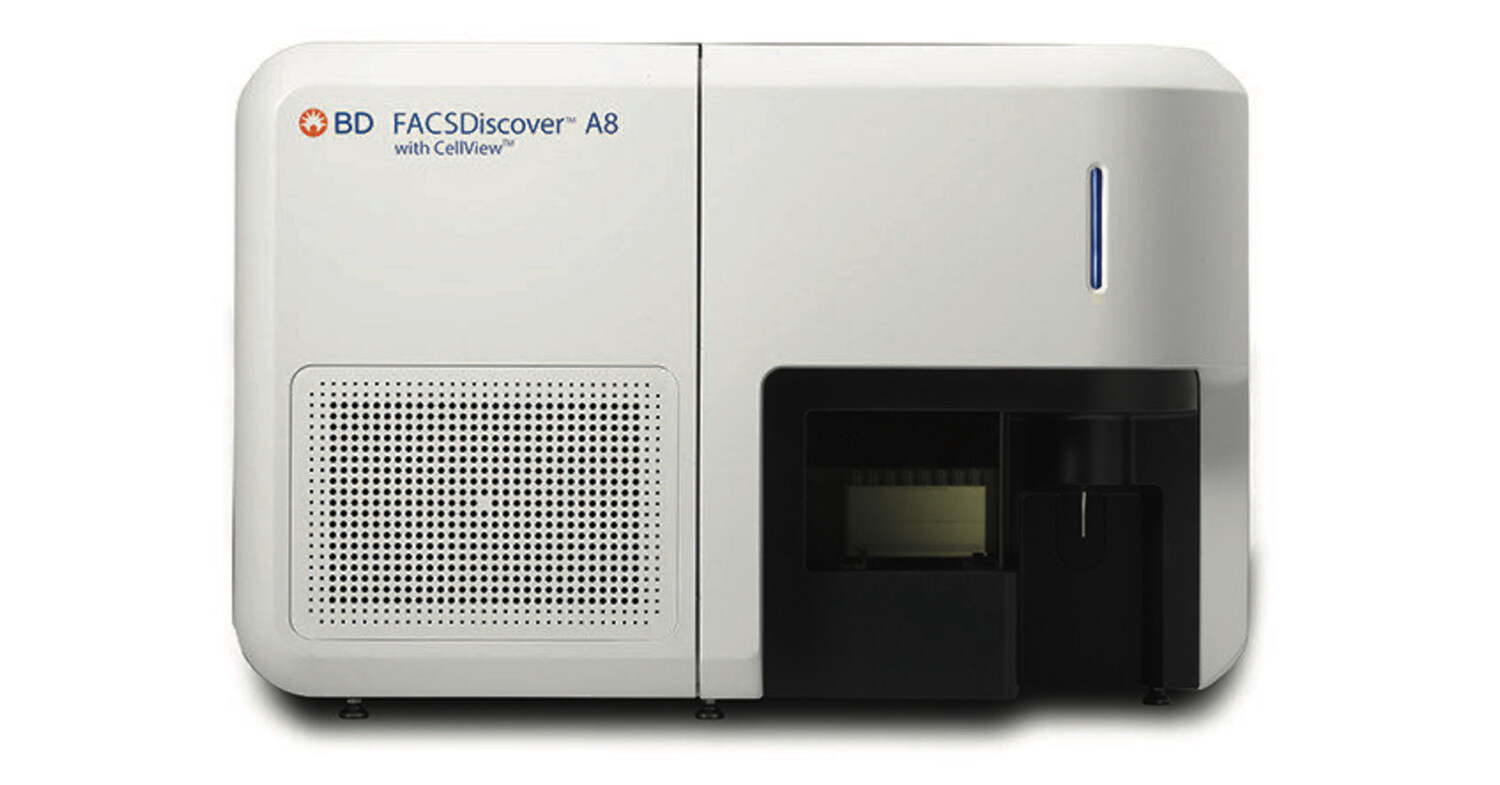
    The new BD FACSDiscover™ A8 Cell Analyzers feature BD SpectralFX™ Technology, which allows scientists to analyze up to 50 or more characteristics of a single cell with optimal resolution and sensitivity, and BD CellView™ Image Technology, which enables high-speed imaging, revealing spatial and morphological insights – like the location of a protein within a single cell – that can be visually analyzed in real time. The three- and four-laser additions to the BD FACSDiscover™ A8 Cell Analyzer portfolio complement the five-laser instrument launched earlier this year, providing more scientists worldwide the opportunity to incorporate industry-leading capabilities in their labs. Both versions have the option to start with a free trial of CellView™ Image Technology and upgrade later via software – giving labs further flexibility.

    “The BD FACSDiscover™ A8 Cell Analyzer has become our new standard, changing how our flow cytometry core operates,” said Gert Van Isterdael, head of VIB Flow Core Ghent. “Once you experience the integration of spectral and imaging data, you don’t want to go back. It opens a new dimension for our work, helping us see more, understand faster, and enable discoveries that simply weren’t possible before. The BD FACSDiscover™ A8 Cell Analyzer is a game changer, and having more configurations will only make this leading technology more accessible to a wider range of labs.”

    All configurations of the BD FACSDiscover™ A8 Cell Analyzer feature high-throughput, walkaway automation that enables best-in-class cost-per-insight economics through real-time imaging. The intuitive software makes it easy to manage large datasets, and is designed for out-of-the-box standardization. The analyzers also pair seamlessly with the ecosystem of BD FACSDiscover™ Cell Sorters and BD Reagents. This includes the recently launched BD Horizon RealViolet™ 828 and RealBlue™ 824 fluorochromes, pioneering entries into the near-infrared spectrum that, when used with a cell analyzer, can unlock new discoveries through spectral flow cytometry.

    “In today’s complex research landscape, access to leading-edge technologies through flexibility and modularity is crucial, from basic to translational science,” said Steve Conly, worldwide president of BD Biosciences. “Alongside the entire BD ecosystem of sorters, reagents, and informatics, the BD FACSDiscover™ A8 Cell Analyzer continues to be rapidly adopted by leading biopharmaceutical companies, and now with more entry points, organizations of all sizes can access the same technology.”

    BD FACSDiscover™ A8 Cell Analyzers are now available to order through local sales representatives. For researchers facing capital expenditure constraints, flexible financing options are now available. More information is available at bdbiosciences.com.

    About BD
    BD is one of the largest global medical technology companies in the world and is advancing the world of health by improving medical discovery, diagnostics and the delivery of care. The company supports the heroes on the frontlines of health care by developing innovative technology, services and solutions that help advance both clinical therapy for patients and clinical process for health care providers. BD and its more than 70,000 employees have a passion and commitment to help enhance the safety and efficiency of clinicians’ care delivery process, enable laboratory scientists to accurately detect disease and advance researchers’ capabilities to develop the next generation of diagnostics and therapeutics. BD has a presence in virtually every country and partners with organizations around the world to address some of the most challenging global health issues. By working in close collaboration with customers, BD can help enhance outcomes, lower costs, increase efficiencies, improve safety and expand access to health care. For more information on BD, please visit bd.com or connect with us on LinkedIn at www.linkedin.com/company/bd1/, X (formerly Twitter) @BDandCo or Instagram @becton_dickinson. 

    Contacts:


    Media:                                                                                                                 

    Investors:

    Fallon McLoughlin                                                                                            

    Adam Reiffe

    Director, Public Relations                                                                              

    VP, Investor Relations

    201.258.0361                                                                                                      

    201.847.6927        

    fallon.mcloughlin@bd.com                                                                          

    adam.reiffe@bd.com     


    BD (Becton, Dickinson and Company) Logo (PRNewsfoto/BD (Becton, Dickinson and Company))

    SOURCE BD (Becton, Dickinson and Company)


    Continue Reading