Category: 3. Business

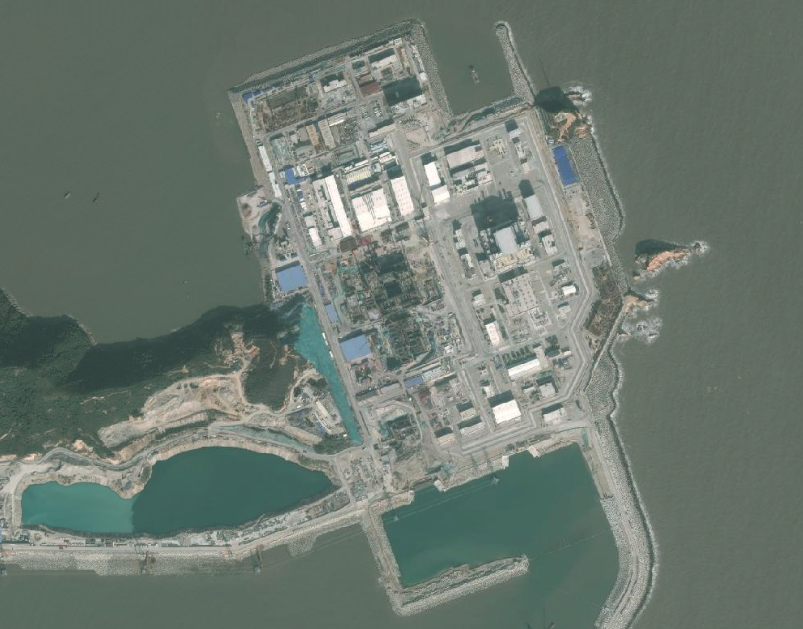
  • Report: A Guide to Satellite Imagery Analysis for the Nuclear Age – Assessing China’s CFR-600 Reactor Facility

    Report: A Guide to Satellite Imagery Analysis for the Nuclear Age – Assessing China’s CFR-600 Reactor Facility

    Report: A Guide to Satellite Imagery Analysis for the Nuclear Age – Assessing China’s CFR-600 Reactor Facility

    Satellite imagery has long served as a tool for observing on-the-ground activity worldwide, and offers especially valuable insights into the operation, development, and physical features related to nuclear technology. This report serves as a “start-up guide” for emerging analysts interested in assessing satellite imagery in the context of the nuclear field, outlining the steps necessary […]

    Continue Reading

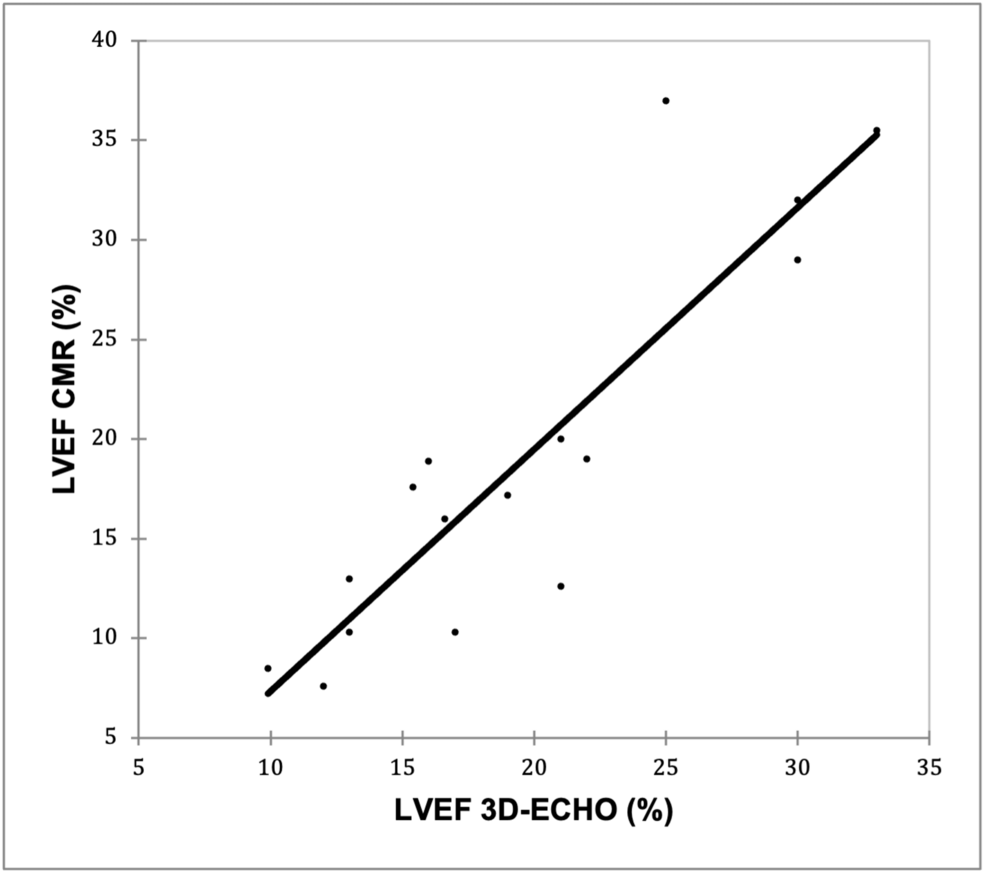
  • Correlation of 3D Echocardiography With Cardiac MRI in Patients With Acute Left Ventricular Dysfunction in the Age Group of One Month to 18 Years

    Correlation of 3D Echocardiography With Cardiac MRI in Patients With Acute Left Ventricular Dysfunction in the Age Group of One Month to 18 Years

    Continue Reading

  • Tyler Calkin explores generative AI and creativity

    Tyler Calkin explores generative AI and creativity

    Find more answers here!

    There tend to be strong reactions to AI-generated art, often forming pro- and anti-AI camps based on how AI is understood and who the AI directly impacts. But the reality of how AI intersects with creativity is much more complicated than a binary understanding allows.

    Broader and faster (creative) intelligence

    AI is helpful for rapid visualization in the creative process, effectively acting as a time-saving tool by increasing the number of variations or iterations an artist might make anyway while producing work. Generative AI can also broaden an artist’s effective skillset. Contemporary artistic practices are increasingly interdisciplinary and artists often need to learn various skillsets to complete projects.

    AI-generated art that is created purely from text prompts makes for a clear example of AI use in creative endeavors. Some artists laud the depth of the iterative process in prompt engineering, while others deride the reliance on text to creative visual output, deeming it low-effort and low-skill. Historically speaking, however, effort (i.e., perceived effort) and technical skill are poor metrics for creativity, as many art movements and famous works of art that are now considered canon in the fine art world lack these qualities; see the readymade art pioneered by Marcel Duchamp (a urinal recontextualized as an art object), and conceptual art like Sol Lewitt’s Wall Drawings (which were simply instructions for drafts people to implement). Both art forms champion creative ideas over the artist’s technical execution and make for a useful reminder about what exactly is new and what is not-so-new in how AI is changing the landscape of creativity.

    “Intelligence” is everywhere

    Generative AI is finding its way into all creative processes that use digital tools. Adobe has not only integrated generative AI within its programs, but it is also encouraging artists to use these tools and sometimes making it difficult not to use them. For example, Photoshop’s relatively new Contextual Task Bar will give just one suggested action for the user, usually beginning with “Generative…”

    However, I see generative AI having a broader and more subtle contribution and challenge to traditional notions of creativity in otherwise “non-AI” processes. “Intelligent” assistive tools have been around for a lot longer than “Generative AI” – face detection in camera software, smart selection tools in Photoshop. Even if they don’t rely on a large language model, there is a long-evolving history of technological tools aiding creative activity and production. I make sure my students are aware of this so they can see the contours of this technology and make their own determinations about when to outsource a technique to an automated system.

    Opting out

    There are also plenty of reasons for artists to resist or reject the use of AI for moral and ethical reasons, from the environmental impact of AI data centers and use of AI in military operations and its possible role in committing war crimes, to the proliferation of political propaganda, disinformation and deepfakes more broadly. Some artists don’t want to be associated or implicated with the technology.

    Many artists and designers are also rightfully concerned about AI replacing their jobs – this is a return of the “low effort” critique; it’s faster and cheaper for an employer to use AI than to hire an artist or designer. Often this low effort AI approach is visible in the result, so projects or jobs that demand more sophisticated results still need artists, even if the artists may be implementing AI tools in a broader creative workflow.

    One of the sharpest critiques of AI-generated art by artists themselves is the use of their own work in the data sets that train AI. If an artist’s work has been fed into an AI model for anyone to use, their work has, in a sense, been stolen. Artists have taken multiple approaches to these concerns, including creating a search tool to allow artists to see if their work has been included in data sets used by Stable Diffusion. Adobe is trying to work around this concern by drawing from proprietary and public domain in its generative AI models. This will likely be an increasingly popular approach for AI tools made for artists.

    A new slop kitsch

    While AI generated art is able and sometimes virally infamous for, being able to change the style of any artwork, generative AI is doing something else with our visual culture. Rather than simply replacing all human creativity, it’s also defining a new aesthetic. Artists can now work in a style determined by the behemoth computing power and aesthetic limitations of generative AI tools. Different users tend to get remarkably consistent stylistic results when using the same AI models, flattening out potential aesthetic variation. This is why AI art can be so immediately recognized.

    In such a quickly evolving field, the latest and most powerful generative AI models have been able to generate images and video that are convincing enough to “pass” as real, yet across the broad generative AI ecosystem, there is also a growing body of improbable and unconvincing AI content that is saturating our visual environment. I see this AI slop becoming a new camp or kitsch. When AI-generated content is unsettling it contributes to a real aesthetic that artists can replicate and respond to. Strangely non-human movement or facial expressions can act as pop cultural references that viewers recognize and normalize, and this makes them viable artistic subject matter.

    Moving forward, artists may find themselves asking if they should embrace the imperfections of the handmade or the imperfections of AI.

    About the professor

    Tyler Calkin, MFA, is an associate professor of art and head of digital media at the University of Nevada, Reno, in the College of Liberal Arts, who specializes in visualizing social experience through interactive XR and connecting AI and machine learning workflows to motion capture, 3D modeling and digital simulation.

    Continue Reading

  • Coal Must Go – Earth Day

    1. Coal Must Go  Earth Day
    2. Decades-long deals chain Asia to coal-fired power| Gulf Times  Gulf Times
    3. Issue 173: Coal confronts imperfect pathways; COP30 leaves world wanting more  The Business Times
    4. COP30: About one-third of world’s coal fleet shows ‘significant’ opportunity for early shutdown, says report  The Business Times

    Continue Reading

  • Addition of Pirfenidone to Glucocorticoids in Grade 2 or 3 Radiation-Induced Lung Injury

    Addition of Pirfenidone to Glucocorticoids in Grade 2 or 3 Radiation-Induced Lung Injury

    By Matthew Stenger
    Posted: 12/1/2025 10:54:00 AM

    Last Updated: 12/1/2025 11:31:48 AM

    In a Chinese phase II trial reported in The Lancet Oncology, Hou et al found that the addition of the antifibrotic pirfenidone to glucocorticoid treatment significantly improved the carbon dioxide diffusing capacity (DLCO%) in patients with grade 2 or 3 radiation-induced lung injury.

    Study Details

    In the multicenter open-label trial, 134 patients were randomly assigned between November 2021 and December 2023 to receive pirfenidone plus glucocorticoids (n = 67) or glucocorticoids alone (n = 67). Pirfenidone treatment consisted of three times daily dosing of 200 mg in week 1, 300 mg in week 2, and 400 mg in weeks 3 to 24. Glucocorticoid treatment consisted of the prednisone equivalent of 40 mg per day in two doses for 2 weeks, followed by tapering to 10 mg every 2 weeks over 6 to 8 weeks. The primary endpoint of the study was the change in DLCO% at week 24.

    Key Findings

    Median follow-up was 9.2 months. At week 24, changes in DLCO% were an improvement of 8.0% in the pirfenidone group vs a reduction of 2.4% in the control group (least-squares mean difference = 10.4%, 95% confidence interval [CI] = 4.3%–16.5%, P = .0010). Numeric improvement in DLCO% at week 24 was observed in 78% vs 54% of patients.

    The most common adverse event of any grade among all patients was pneumonia (9% in the pirfenidone group vs 25% in the control group). The most common grade 3 or worse adverse events included pneumonia (6% vs 12%) and rash (3% vs 0%). Serious adverse events occurred in 18% vs 16% of patients. No treatment-related deaths were reported.

    The investigators concluded: “Pirfenidone in combination with glucocorticoids provides a potential therapeutic strategy for grade 2 or grade 3 radiation-induced lung injury, addressing the unmet clinical need for effective antifibrotic therapy in patients receiving thoracic radiotherapy. Further investigation is needed to validate these findings in patients with worse radiation-induced lung injury than was studied here.”

    Ming Chen, MD, of State Key Laboratory of Oncology in South China, Sun Yat-sen University Cancer Center, Guangzhou, China, is the corresponding author for The Lancet Oncology article.

    Disclosure: The study was funded by the Noncommunicable Chronic Diseases–National Science and Technology Major Project, National Key R&D Program of China, and others. For full disclosures of all study authors, visit thelancet.com.

    Continue Reading

  • Zipcar, world’s biggest car-sharing company, to close UK operation | Automotive industry

    Zipcar, world’s biggest car-sharing company, to close UK operation | Automotive industry

    The world’s biggest car-sharing company, Zipcar, has said it will close its UK operation, removing access to its shared fleet across London at the end of this year.

    The company, owned by the US car rental group Avis Budget, said it will suspend new bookings after 31 December, pending the outcome of a consultation on possible redundancies. The UK operating company had 71 staff last year, according to its latest accounts.

    The closure will be a blow to advocates of car sharing as a more sustainable form of personal transport, as well as to some car clubs that relied on Zipcar to share private vehicles.

    James Taylor, Zipcar UK’s general manager, wrote in an email to customers that “we are proposing to cease the UK operations of Zipcar and have today started formal consultation with our UK employees”. Taylor directed customers to the website of CoMoUK, a national charity for shared transport, to find other car sharing options.

    The closure will follow a tricky period for car sharing companies. The Guardian reported in March that Avis Budget had quietly downgraded the valuation of its Zipcar subsidiary in March, amid declining revenues in come key markets.

    The proposed closure would come after Zipcar (UK) reported an £11.7m loss for 2024.

    The company said it would honour existing bookings, including over the Christmas period. It also said it would contact users with bookings running into the new year, while paying subscribers will receive refunds for the period after 31 December.

    The concept of car sharing gained popularity during the coronavirus pandemic as Zipcar, Enterprise Car Club and Share Now offered app-based car rental by the hour, while the likes of Hiyacar, Turo and Getaround opened up the ability to rent neighbours’ cars.

    However, companies running their own fleets have struggled to make a profit, with relatively high maintenance costs for fleets scattered around cities.

    skip past newsletter promotion

    Zipcar in the UK had pioneered the “flex” model of running a fleet of cars with no set parking space, allowing users in London to park in residents’ bays almost anywhere in the centre of the city.

    Car sharing is generally seen as more sustainable because it avoids the extra carbon emissions needed to produce vehicles for every individual household.

    Continue Reading

  • Hyundai Motor Group to Showcase Hydrogen Leadership at Hydrogen Council Global CEO Summit in Seoul

    • Hyundai Motor Group co-hosts the global Hydrogen Council Global CEO Summit, set for December 2 to 4 in Seoul, Korea
    • The CEO Summit will unite approximately 200 CEOs and executives from nearly 100 hydrogen companies worldwide
    • The event marks the first large-scale business summit to use 100% hydrogen-powered transportation, featuring 50 Hyundai NEXO fuel cell SUVs and six UNIVERSE fuel cell buses
    • Hyundai Motor Group aims to highlight Korea’s advanced hydrogen infrastructure through hands-on demonstrations

    SEOUL, December 1, 2025 – Hyundai Motor Group (the Group) is set to co-host the Hydrogen Council Global CEO Summit in Seoul from December 2 to 4, bringing together global leaders to discuss the future of hydrogen as a key pillar of the global energy transition.

    The CEO Summit is the first global business event to exclusively utilize hydrogen-powered vehicles for all transportation, highlighting the Group’s dedication to pioneering sustainable mobility and supporting the global shift toward a hydrogen-driven economy.

    The Hydrogen Council, launched at the 2017 World Economic Forum in Davos, is a global CEO-led initiative that unites companies worldwide with a shared vision and long-term ambition to advance the clean energy transition through hydrogen. As Co-Chair, Hyundai Motor Group works closely with member companies to accelerate the development and expansion of the global hydrogen ecosystem.

    “As Co-Chair of the Hydrogen Council, we are honored to host the Global CEO Summit 2025 and proud to welcome global leaders to South Korea where we are delighted to showcase the strength and progress of Korea’s hydrogen industry,” said Jaehoon Chang, Vice Chair of Hyundai Motor Group. “This Summit not only highlights the industry’s dedication to hydrogen technology but also reinforces our collective commitment to turn vision into action. As demand becomes our next big test, public-private collaboration will be essential to realize hydrogen’s full potential in the next phase of scale-up.”

    Pioneering a Hydrogen-Driven Event

    The CEO Summit will be attended by more than 200 CEOs and senior executives from nearly 100 hydrogen companies and government officials from Korea, France, Germany and Australia.

    As Co-Chair of the Hydrogen Council, the Group will provide full logistical support with its fleet of 50 Hyundai NEXO fuel cell electric vehicles and six UNIVERSE fuel cell buses, setting a new precedent for sustainability in event operations.

    Delegates will also have the chance to explore Korea’s hydrogen mobility ecosystem firsthand, including a Ride & Drive experience featuring the NEXO SUVs and visits to key hydrogen infrastructure sites, including the National Assembly hydrogen refueling station.

    Advancing the Hydrogen Ecosystem

    The CEO Summit agenda will focus on actionable roadmaps for scaling hydrogen projects and solutions to meet global energy transition goals. Key highlights include:

    • Collaborative Discussion: The CEO Summit will center on driving the next phase of hydrogen development by addressing key priorities such as demand growth, regulatory frameworks, infrastructure expansion and standardization.
    • Hydrogen-Powered Technology: A video captured by Doosan Mobility Innovation’s hydrogen drone will be screened, underscoring Korea’s technological leadership in hydrogen innovation.
    • Korea Market Session: The Group will host a dedicated ‘Korean Market Session’ in collaboration with leading Korean companies to spotlight their advanced hydrogen market practices.

    As a pioneer in hydrogen mobility, Hyundai Motor Group reinforces its commitment to driving the global energy transition through hydrogen-powered solutions. Through its dedicated hydrogen brand and business platform, HTWO, the Group leverages end-to-end expertise—from production and storage to application—to accelerate innovation. HTWO is evolving as an open platform for collaboration, investment and partnerships, underscoring the Group’s role in building a sustainable hydrogen economy.


    – End –


    About Hyundai Motor Group
    Hyundai Motor Group is a global enterprise that has created a value chain based on mobility, steel, and construction, as well as logistics, finance, IT, and service. With about 250,000 employees worldwide, the Group’s mobility brands include Hyundai, Kia, and Genesis. Armed with creative thinking, cooperative communication, and the will to take on any challenges, we strive to create a better future for all.

    More information about Hyundai Motor Group can be found at: http://www.hyundaimotorgroup.com or Newsroom: Media Hub by Hyundai, Kia Global Media Center (kianewscenter.com), Genesis Newsroom


    Contact:

    Kyeongjin Kim
    Global PR Strategy & Planning / Hyundai Motor Group
    kyeongjin.kim@hyundai.com

    Continue Reading

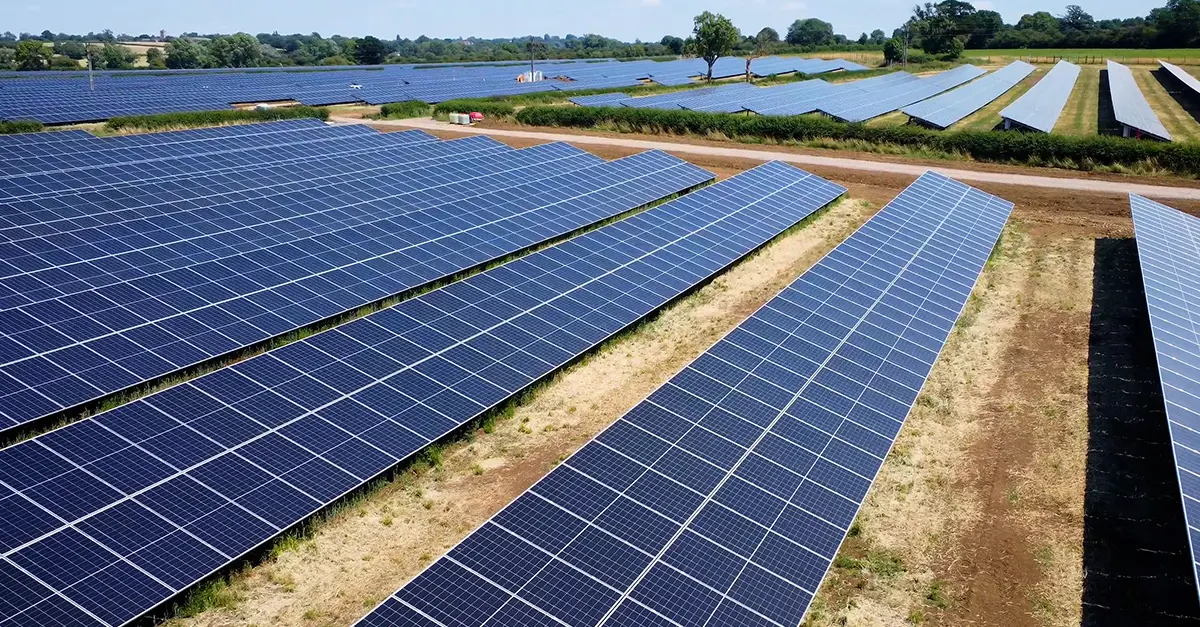
  • Low Carbon secures landmark investment from CVC DIF to drive the next stage of growth

    Low Carbon secures landmark investment from CVC DIF to drive the next stage of growth

    Last year the UK government set out its Clean Power 2030 plan which will involve doubling onshore wind capacity and trebling solar PV, which will require £40 billion of investment each year. Similarly, the European Union recently set a new target of 42.5% renewable energy. This new partnership between CVC DIF, its investors and Low Carbon will allow the company to remain at the forefront of this transition to a clean, secure and affordable electricity sector in the UK and across Europe. 

    With a 16 GW pipeline and 1 GW of highly contracted operational and in construction asset base, the new capital from CVC DIF will help to grow Low Carbon’s presence across core markets including the UK, Germany, and Poland, where it aims to bring a 3 GW portfolio of operational utility-scale solar, onshore wind, battery storage and co-located assets into operations in the coming years. 

    It also demonstrates confidence in the expertise of Low Carbon’s team across the value chain of 170 people to develop, construct and operate world-class renewable infrastructure by leveraging its in-house AI technology platform to optimise its assets and returns, essential to long-term value creation.

    CVC DIF brings significant renewable energy experience to this new partnership, with a dedicated sector specialist team and having invested in a diverse portfolio of assets and platforms across wind, solar, hydropower, BESS and biogas. It has a proven 20-year track record of value creation within this sector and can also leverage the strength and depth of the broader CVC network, providing on-the-ground local market expertise and insights.

    MassMutual, a significant shareholder in Low Carbon after forming a strategic partnership in 2021, will continue to support the growth of the business with additional investment and will work closely with CVC DIF to accelerate the build out of Low Carbon’s renewables pipeline.

    Founder and Chief Executive of Low Carbon, Roy Bedlow, commented “I would like to thank CVC DIF and their investors for the confidence they have placed in Low Carbon and our ability to develop, build and operate high-quality renewable assets in the UK and Europe. In addition, MassMutual’s continued investment in Low Carbon underlines our shared ambition of delivering long-term value across the full investment cycle of renewables that will help accelerate our goal to deploy renewable energy at scale to help tackle climate change.”

    Caine Bouwmeester, Partner and Head of Renewable Energy at CVC DIF, added: “We are excited to partner with Low Carbon, a best-in-class renewable energy company which we have known well for more than a decade. This investment reflects our shared conviction in the critical role renewables will play in the energy transition. Low Carbon’s talented team, strong culture, and disciplined development strategy position it to lead the next phase of growth in the sector. Together with Roy, his team, MassMutual, and our highly supportive co-investors, we look forward to building on this momentum and generating attractive risk adjusted returns for our investors.”

    Drew Dickey, Head of Alternative Investments at MassMutual, added: “Significant strides have been made since our original investment in Low Carbon to distinguish it as a top performing renewable energy company. We welcome the combination of capital and experience that CVC DIF brings to Low Carbon, which will provide important leadership to the buildout of our ambitious pipeline of renewable energy projects.”

    The CVC DIF investment will be made through DIF Infrastructure VIII (“DIF VIII”) and is expected to close during the fourth quarter of 2025, subject to customary closing conditions. 

    Evercore acted as advisers for Low Carbon on the transaction.

    Continue Reading

  • Swiss prosecutors file charges against Credit Suisse and UBS over ‘tuna bonds’ scandal | Credit Suisse

    Swiss prosecutors file charges against Credit Suisse and UBS over ‘tuna bonds’ scandal | Credit Suisse

    Switzerland’s federal prosecutor has filed charges against the failed bank Credit Suisse and its new owner, UBS, over the long-running “tuna bonds” loan scandal that crashed Mozambique’s economy nearly a decade ago.

    The Swiss attorney general said on Monday that it had brought money-laundering charges against an unnamed employee of Credit Suisse, but was also taking action against the lender and its rival-turned-owner UBS.

    The attorney general’s office accused the banks of “organisational deficiencies” that ultimately failed to prevent wrongdoing and meant the suspicious transactions were not reported until 2019, after the US Department of Justice announced it was launching its own criminal proceedings.

    The prosecutor added: “In 2016, in particular, considerable defects existed in the companies’ risk management, compliance and internal directives systems in connection with combating money laundering.”

    UBS took over Credit Suisse as part of an emergency rescue deal brokered by Swiss authorities in 2023. UBS said: “We firmly reject the office of the attorney general’s conclusions and will vigorously defend our position.”

    The tuna bonds scandal arose from $2bn (£1.5bn) worth of loans that Credit Suisse arranged for the Republic of Mozambique between 2013 and 2016. The loans were said to be going to government-sponsored investment schemes including maritime security projects and a state tuna fishery, located in the south-east African country’s capital, Maputo.

    However, a portion of the funds went unaccounted for, with one of Mozambique’s contractors later found to have secretly arranged “significant kickbacks” worth at least $137m, including $50m for bankers at Credit Suisse, meant to secure more favourable deals on the loans, according to the Financial Conduct Authority.

    The scam snowballed and eventually caused the International Monetary Fund to suspend its assistance to Mozambique, leading to a crash in the country’s economy.

    Credit Suisse had already settled the case with US and UK regulators in 2021, having paid $275m to American watchdogs and £147m to Britain’s Financial Conduct Authority.

    UBS also subsequently agreed to settle the case with Mozambique in October 2023, shortly before a trial was due to kick off in London courts. Mozambique had been pursuing $1.5bn in damages over economic losses after the IMF and international donors pulled their financial support.

    The Swiss attorney general’s office accused Credit Suisse and its owner of “not taking all the required and reasonable organisational measures in the relevant period in 2016 to prevent the money laundering that was allegedly committed”.

    Credit Suisse was sold to UBS in an emergency deal in March 2023, when customers started to pull money from the lender amid a mini-banking crisis that primarily affected US lenders but later spread to Zurich.

    Credit Suisse had for years been mired in scandals, but panic over its future grew after its largest shareholder, Saudi National Bank, ruled out any extra funding for the Swiss lender despite the growing turmoil.

    The crisis of confidence eventually forced Swiss authorities to offer emergency loans to Credit Suisse, before eventually orchestrating a shotgun takeover by Switzerland’s largest bank, UBS, which bought the lender for a cut price of 3bn Swiss francs. It left UBS handling a raft of legacy scandals from its former rival.

    Continue Reading

  • ctDNA and MRD Advance Toward Clinical Integration in Lymphoma

    ctDNA and MRD Advance Toward Clinical Integration in Lymphoma

    Minimal residual disease (MRD) assessment and circulating tumor DNA (ctDNA) monitoring are emerging as important tools that may refine clinical management in lymphoma. In an interview with OncLive®, Sarah Rutherford, MD, discussed how ctDNA is beginning to demonstrate meaningful clinical value, particularly in diffuse large B-cell lymphoma (DLBCL), where post-treatment PET scans frequently pose interpretive challenges. Rutherford noted that ctDNA may help clinicians distinguish between true residual disease and inflammatory findings, improving confidence in both surveillance and follow-up decision-making.1,2

    She highlighted that much of the foundational progress in MRD and ctDNA technology has come from the solid tumor field, where these assays are already widely used. That experience, she explained, has helped establish reimbursement pathways and clinical familiarity that may ease the transition into hematologic practice. Recent studies evaluating ctDNA at baseline and end-of-treatment in DLBCL have shown its prognostic relevance, supporting its potential role in risk stratification and monitoring.

    Rutherford also pointed to the personalized, tumor-informed Signatera assay (Natera), one of the few ctDNA platforms currently available for clinical use. By leveraging patient-specific tumor sequencing and noninvasive blood sampling, the assay enables individualized ctDNA tracking that may inform surveillance and, eventually, guide therapeutic intervention. As next-generation sequencing and ctDNA-based MRD testing continue to advance in parallel, Rutherford emphasized that these modalities are likely to become increasingly integrated into risk assessment, treatment tailoring, and long-term disease monitoring for patients with lymphoma.

    Rutherford is an associate professor of clinical medicine in the Division of Hematology/Oncology at Weill Cornell Medicine in New York, New York.

    OncLive: What is currently understood about MRD and ctDNA and their potential role in the management of lymphoma?

    Rutherford: As a community, we are so excited that ctDNA is starting to be used more in these diseases, especially DLBCL. There are difficult situations within the management of patients in which we’re not sure exactly how to interpret PET scans, for example, and I believe ctDNA is going to be a great tool to help us guide patients along their journey from diagnosis to treatment and follow-up.

    Based on the data in solid tumors, what lessons from ctDNA and MRD research have informed approaches in lymphoma?

    It is interesting that there are more advancements, in some ways, in this area of monitoring in solid tumors compared to hematologic malignancies. What I have been most concerned about, from a practical standpoint, is making sure the patients aren’t getting bills related to this type of testing. The fact that it’s already being done in solid tumors [paves] a way that, I hope, will lead to reimbursement, so that we can be checking this and feel confident that the patients won’t get a bill for it.

    What are some of the current approaches for measuring ctDNA and MRD within patients with lymphoma?

    ctDNA in lymphoma is being [assessed] in clinical trials and not as much in clinical practice, although I believe we’re on the brink of that changing. There have been some compelling studies published and reported over the last couple years. One is the DIRECT study [NCT04226937] that was done in the UK, showing both at baseline and after treatment that the ctDNA amount is prognostic for progression-free survival. [Additionally], data that came from the HOVON group that were reported at ASCO this past year that I found to be the most useful showed what the ctDNA results are at the end of treatment, for example, in DLBCL.

    Sometimes we have a PET scan that’s hard to interpret; we’re not sure exactly what to make of it. ctDNA testing will help us feel more confident monitoring someone—even if they have a positive PET scan at the end of treatment—but we know their ctDNA was negative. On the flip side, if someone has positive ctDNA, then I believe we’re going to be much more cautious about the monitoring and their follow-up from there.

    At this point most of us are not using ctDNA to make decisions quite yet, but we’re close to being able to do that. I know there’s a clinical trial being done in patients who have ctDNA positivity at the end of treatment for DLBCL that is putting them potentially onto a novel therapy, such as CAR T-cell therapy.

    Where I see it most useful in the current state is in monitoring patients. Over the years, studies looking at surveillance PET scans have shown that if someone’s in a complete response after treatment for DLBCL, it’s never been shown to improve overall survival to do lots of PET scans. There are negative aspects [such as] radiation exposure, cost, and anxiety. How I would first use ctDNA testing in DLBCL would be in those surveillance situations. When they come in for their 3-month follow-up visit, we’ll feel reassured if we get a result back showing their ctDNA is undetectable. However, if we find ctDNA is detectable, then we can do a PET scan, assess, potentially do a biopsy, and figure out if they need another line of therapy.

    Focusing on Signatera assay specifically, how is the assay designed, and what potential advantages does it offer compared with other MRD testing methods?

    The Signatera [assay] is one of the only available assays for ctDNA to be used in the clinical setting. Many of the assays are research-based and aren’t available for us to use. I work at an academic institution, and we have familiarity as a group because this company—the company that makes the Signatera assay—is very well established in solid tumor malignancies. My understanding is that they create a personalized and tumor-informed assay for each person based on their tumor tissue that then can be tracked using a noninvasive strategy of collecting peripheral blood for ctDNA analysis.

    They’re ramping up in terms of collecting data in DLBCL. There have been some studies already showing that it can be predictive of outcomes and may enable surveillance, and also potentially intervention. For example, if someone has positive findings at the end of treatment, perhaps eventually we’ll have a clear-cut way of managing those patients so that we can optimize their outcomes.

    What remaining hurdles need to be overcome before they can be integrated into routine practice?

    It will be helpful to have it done at baseline so that it’s clear—because the tumor tissue is needed to develop this personalized assay, I believe we should be sending the test at baseline so that we can have that information available. One of the biggest hurdles is just ensuring insurance company acceptance and payment for this.

    I also believe that it is a little challenging to know what to do with the information right now. At end of treatment, if patients have positive ctDNA and I don’t have a clinical trial available that would potentially treat a patient in that situation, it’s hard to treat them based on that information. So, more clinical trial information about what to do in that situation is a hurdle. And again, making sure it’s covered by insurance is a key part. But if I could ensure that, I would be comfortable using it at baseline and then in the follow-up monitoring setting to really augment our clinical data and hopefully avoid unnecessary imaging studies.

    In the context of both established and emerging biomarkers, how do you envision ctDNA and MRD integrating into risk assessment and treatment decision-making?

    One of the key other tests we’re starting to do more in DLBCL is next-generation sequencing [NGS] panels. In some of the other diseases, particularly hematologic malignancies, we have already been doing NGS for years, but it hasn’t been that effective yet in terms of giving us different strategies for how to treat [patients with] DLBCL.

    But there are a couple groups who have created genetic clusters and algorithms. One is the DLBCL classifier developed by the Harvard group, where you can input mutation information and it helps figure out the genetic subtype a patient has. At this point, we don’t treat patients differently based on that information, but there is a clinical trial through the National Clinical Trials Network being planned where patients will be randomized to different treatments based on their genetic cluster.

    I see this field moving forward with both next-generation sequencing and ctDNA/MRD approaches hand-in-hand, so that we can tailor treatment strategies—not just the type of therapy but also the length of treatment and monitoring in remission. Both will make a big difference in our patients’ lives in the coming years.

    For those who are still becoming familiar with MRD and ctDNA in lymphoma, what is your key take-home message about their potential impact on the treatment paradigm?

    We’ve heard the term MRD for years, and there were different assays used previously, such as chromosome-based assays. These newer technologies for ctDNA analysis are likely more accurate and will be more accessible. It’s important for us to look at the clinical trials being done, learn from those, and decide together as a field how we’re going to use this in practice so that we can tailor treatment correctly for patients.

    References

    1. Zhang S, Wang X, Yang Z, et al. Minimal residual disease detection in lymphoma: methods, procedures and clinical significance. Front Immunol. 2024;15:1430070. doi:10.3389/fimmu.2024.1430070
    2. Rossi D. Assessing remission in diffuse large B-cell lymphoma: will minimal residual disease add value to positron emission tomography? J Clin Oncol. 2025;43(34):3631-3635. doi:10.1200/jco-25-01932
    Continue Reading