Category: 3. Business

  • how AI might reboot Britain’s economy

    how AI might reboot Britain’s economy

    By William Schomberg and David Milliken

    LONDON (Reuters) -When accountants at mid-tier firm Moore Kingston Smith began using artificial intelligence to speed up their work, profit margins jumped.

    Colleagues in another team running checks against corporate fraud created a report for customers in two hours, something that previously took two weeks.

    The rollout of AI is raising hopes that Britain’s economy can escape the productivity problem that has dogged it for two decades, even as slow growth pushes finance minister Rachel Reeves towards tax hikes in Wednesday’s budget.

    Economists say the dominance of ​services businesses in Britain’s private sector compared to other countries could mean higher rewards if it rapidly adopts AI in powerhouse sectors such as accountancy and finance.

    Ratings agency Moody’s said on Friday the UK could gain more than other countries from the advances in the technology.

    Becky Shields, MKS’ head of ‌digital transformation, said AI was freeing staff from repetitive work and giving them more time to work with clients.

    “The large language models that underpin all of this technology are evolving all the time. They’re getting better and better with every iteration,” she said.

    UK PLC IS AI-READY

    Services make up 80% of Britain’s economy, the same as the United States – and account for a bigger ‌share once services generally provided by the state are stripped out.

    MKS, with about 1,500 UK staff, is applying its platform based on Google’s Gemini 2.5 model to a growing range of work. Shields said it was still a learning process, but its positive impact was clear.

    A team that used AI four times more intensively than another group reported a profit margin 8 percentage points higher, she said.

    Rather than ask for proof of orders, invoices, bank statements and other documents for a sample of transactions, the team using AI let clients upload entire datasets which MKS was able to analyse automatically.

    Initial extra work is now paying off as the process can be applied more widely. The reduced paperwork helps clients who say they chose the firm for its AI adoption, Shields said.

    “You can do a lot with a little with how the technology currently sits,” she added, describing the cost of AI as “pennies in the pound” compared with other technology.

    For Britain’s economy – and struggling Prime Minister Keir Starmer – improving productivity ⁠is a major challenge.

    An expected downgrade by budget forecasters of the economy’s underlying growth potential, reflecting past disappointments,‌ is set to blow a hole in the public finances, meaning Reeves is likely to increase taxes on Wednesday to reassure nervous bond investors that she can cut borrowing.

    PRODUCTIVITY DRAGS

    As elsewhere, improvements in Britain’s productivity slowed after the 2007-08 global financial crisis, leading to almost 20 years of weak growth and frustration among voters.

    Feeble productivity gains account for half of Britain’s slowdown in pay growth since 2008, according to the National Institute of Economic and Social Research, a think tank.

    Starmer’s government ‍is trying to streamline the planning system, modernise infrastructure and improve skills to raise productivity and get the economy firing again. It also hopes that AI can inject more efficiency into public services.

    “Productivity isn’t everything, but in the long run it is almost everything,” Nobel Prize-winning economist Paul Krugman said in 1990. Bart van Ark, head of the University of Manchester’s Productivity Institute, said that for Britain’s government “almost everything in the short run is productivity”.

    Britain has the highest inflation rate among the Group of Seven rich nations and too many people dropping out of the jobs market. Its business investment rate was the G7’s second-lowest in 2024, although comparable to that for the United States, which ​manages far better productivity.

    But AI could be a card up Britain’s sleeve.

    One of Reeves’ deputy ministers, Torsten Bell, who is helping to write her budget, argued in his 2024 book that Britain “can and should ride the services wave”.

    Bolstered by its expertise in financial and business services, law, ‌education and architecture, Britain had a services trade surplus of $248 billion in 2024, second only to the United States, World Trade Organization figures show.

    British services exports accounted for just over 7% of the world’s total, again the second-highest after the U.S.

    Less clear is the AI upside for British factories. They are struggling in the face of high energy, labour and raw materials costs, low public infrastructure investment and shifts in trading rules.

    Flooring materials maker Amtico, in England’s Midlands region, uses AI to plan production. But its next big investment decision is about expanding the use of robotics to offset some of Britain’s high costs for manufacturers.

    “I am looking to take my most labour-intensive processes and invest my way out of it,” Jonathan Duck, Amtico’s chief executive, said.

    Many firms are still smarting from a labour tax hike in Reeves’ first budget last year. Employers say Reeves would risk her growth agenda if she increases tax on them again.

    GROWTH UP, BUT JOBS DOWN?

    Analysts say it is too early to be sure about AI’s longer-term impact on economic growth as estimates range widely given the uncertainties about its real-world applications, but most agree it will not be immediate.

    Bank of England Governor Andrew Bailey, who sees ⁠AI as a potential game-changer, said last month it took around 40 years between Thomas Edison first wiring up a light bulb and the impact of electricity showing up in the productivity ​statistics.

    “We are still at the experimentation stage with AI, so investment and persistence is crucial,” Bailey said.

    The University of Manchester’s Van Ark sees AI adding 0.1 to 0.2 percentage ​points to annual growth in the coming years. That would help an economy growing by about 1.5% a year but will not spare the current government from tough budget choices.

    Paul Dales, chief UK economist at Capital Economics, said AI was likely to speed up growth in the mid-2030s, with Britain seeing more adoption than Europe’s other big economies due to its more hands-off approach to regulation and labour laws.

    Andrew Wishart, an economist at bank Berenberg, said improved productivity in higher-value corporate sectors offered signs that a ‍broader change was already underway.

    “If we don’t have a sharp rise in taxes, ⁠I think we should see it in business earnings,” he said.

    Risks from the rise of AI include the possibility that its gains flow mostly to bigger firms with more funds to invest, potentially leading to a less competitive economy and aggravating Britain’s geographic imbalances.

    Some firms in highly regulated sectors, such as accountancy, worry that rule-makers will not keep pace with the technology.

    “The challenge for businesses is not getting a sense right now of what is and isn’t allowed,” Esther Mallowah, head of tech policy at the Institute of Chartered Accountants in England and Wales, said.

    Another big risk from ⁠a more automated future, its impact on the labour market, is becoming a little clearer.

    A survey by the Chartered Institute of Personnel and Development this month showed 17% of private sector employers expected to reduce headcount over the next 12 months as a result of AI. Only 6% planned an increase.

    At MKS, the number of graduates hired this year was cut. But Shields said the ‌reduction was intended as a “short shock” to speed up the way staff adapt to AI.

    Hiring would probably return to normal after a year to ensure the human touch is not lost.

    “Our clients trust us to do more with their business whether it’s wanting more assistance or ‌new services,” Shields said. “There is no expectation that will be a long-term trend.”

    (Writing by William Schomberg; Editing by Catherine Evans)

    Continue Reading

  • JD.com’s Supply-Chain Tech Unit Gauges Interest for Long-Awaited Hong Kong IPO

    JD.com’s Supply-Chain Tech Unit Gauges Interest for Long-Awaited Hong Kong IPO

    By Jason Chau

    JD.com's supply-chain technology unit has started gauging investor interest for its long-awaited Hong Kong initial public offering, amid a fundraising boom in the city's financial markets.

    In an exchange filing posted on Sunday, Jingdong Industrials said it intends to use the net proceeds raised to further enhance its industrial supply-chain capabilities, expand internationally and pursue potential strategic investments or acquisitions.

    If completed, the listing would conclude a two-year IPO process.

    BofA Securities, Goldman Sachs and UBS are among the banks advising on the potential listing.

    JD.com first disclosed plans to list Jingdong Industrials in March 2023 alongside a listing for property unit Jingdong Property. Jingdong Industrials' listing application was approved by China's securities regulator in September this year.

    Chinese e-commerce giant JD.com has previously spun off businesses through listings over the years, including online healthcare unit JD Health International and supply-chain solutions provider JD Logistics.

    JD.com's Hong Kong-listed shares have slid nearly 18% this year, despite the benchmark Hang Seng Index rising close to 28% as investors returned to Hong Kong equities on renewed confidence in China's technology-sector growth.

    Write to Jason Chau at jason.chau@wsj.com

    (END) Dow Jones Newswires

    November 24, 2025 01:07 ET (06:07 GMT)

    Copyright (c) 2025 Dow Jones & Company, Inc.

    Continue Reading

  • Phase 1b multicenter study of SG001, a humanized anti-PD-1 antibody, i

    Phase 1b multicenter study of SG001, a humanized anti-PD-1 antibody, i

    Introduction

    Blocking programmed cell death protein 1 (PD-1), and its ligand, programmed death ligand-1 (PD-L1), represents a validated therapeutic strategy to increase tumor-specific T-cell activation and antitumor activity across various cancers.1–6 Immune checkpoint inhibitors (ICIs) targeting PD-1/PD-L1 have been developed and employed as monotherapies or in combination with chemotherapy for treatment of multiple tumor types.7–9 However, clinical benefits from currently approved PD-1/PD-L1 monotherapies are limited to a subset of patients.10–12 For instance, accumulating clinical studies have demonstrated that the efficacy of PD-1/PD-L1 inhibitors is significantly diminished in patients with low or negative PD-L1 expression, as compared to their counterparts with high PD-L1 expression.13 Even in certain tumors, such as esophageal squamous cell carcinoma, the clinical benefits conferred by PD-1/PD-L1 inhibitors in the PD-L1 low/negative subgroup remain comparable to those achieved with conventional chemotherapy.14 Therefore, PD-1/PD-L1 inhibitors still leave significant room for improvement in the therapeutic management of solid tumors.

    SG001 is a recombinant, humanized immunoglobulin G4 monoclonal antibody (mAb) with high affinity and specificity for binding to PD-1. Preclinical characterization has demonstrated that SG001 effectively activates T cells, promotes interleukin-2 and interferon-γ release in vitro, and induces significant antitumor activity in mouse models (unpublished). Additionally, full receptor occupancy (RO) was achieved in cynomolgus monkeys (unpublished), further supporting its potential efficacy in clinical settings. Moreover, favorable clinical trial results supported the approval of SG001 (Enlonstobart) by the National Medical Products Administration in June 2024 for the treatment of recurrent/metastatic (r/m) cervical cancer with PD-L1-positive expression following failure of at least first-line platinum-based chemotherapy.15,16

    An open-label, multi-center dose-escalation and cohort-expansion, phase I study of SG001 in subjects with advanced tumors was conducted (NCT03852823). During the dose-escalation stage, the 3 mg/kg dose group demonstrated a comparable efficacy and safety profile to the 10 mg/kg dose group, with a sustained RO rate of over 80% for up to 3 weeks. Therefore, the fixed dose of 240 mg, corresponding to 3mg/kg based on bodyweight, was selected as the expansion dose due to its significant advantages over body weight-based dosing, including convenience, cost-effectiveness, and lower risk of dosing errors.17 Here, we present the efficacy and safety data of SG001 in patients with advanced solid tumors from three of five cohorts in dose-expansion stage. The results for Cohort B have been published previously,15 while Cohort D was prematurely terminated due to adjustments in development strategy.

    Materials and Methods

    Study Design and Patients

    This open-label, multi-center, Phase 1b, dose-expansion study was conducted from September 28, 2020, to May 31, 2022, across 22 sites in China. The safety and efficacy of SG001 at recommended dose of 240mg every two weeks (Q2W) were evaluated in A, C, and E cohorts: Cohort A included patients with locally advanced, recurrent or metastatic (r/m) solid tumors confirmed histologically or cytologically as PD-L1 positive, and/or deficient mismatch repair/microsatellite instability-high (dMMR/MSI-H), and/or Epstein–Barr virus (EBV) positive; Cohort C included patients with histologically confirmed malignant mesothelioma; and Cohort E, patients with histologically or cytologically confirmed non-small cell lung cancer (NSCLC) without epidermal growth factor receptor (EGFR) or anaplastic lymphoma kinase (ALK) mutations (Supplementary Figure 1).

    Eligible patients were required to be aged ≥18 years, have an Eastern Cooperative Oncology Group (ECOG) performance status of 0 or 1, a life expectancy of ≥3 months, adequate organ function and laboratory parameters, and at least one measurable lesion according to the modified Response Evaluation Criteria in Solid Tumors (m-RECIST) for malignant mesothelioma or RECIST version 1.1 for other solid tumors. Key exclusion criteria included a history of hypersensitivity reactions to mAbs, prior treatment with any targeted T-cell co-regulated protein (immune checkpoint protein) antibodies/medicines (including PD-1, PD-L1, and cytotoxic T lymphocyte-associated protein 4), primary immunodeficiency, and severe cardiovascular diseases. Detailed inclusion and exclusion criteria were presented in the Supplementary Methods.

    The study was approved by independent ethics committees or institutional review boards at each site (See “List of ethics committees” in Supplementary Material), and adhered to the Declaration of Helsinki and Good Clinical Practice guidelines. All patients provided written informed consent.

    Intervention

    SG001 was administered as a 240 mg intravenous infusion over 60 minutes Q2W. Patients received treatment for up to 2 years or until disease progression, intolerable toxicity, or withdrawal. No dose modification was permitted for SG001, but treatment interruption up to two months was allowed to enable toxicity recovery. Treatment was to be permanent discontinued once the interruption exceeded two months or occurred two or more times.

    Outcomes

    The primary endpoints were the investigator-assessed overall response rate (ORR) per m-RECIST/RECIST v1.1 and the safety of SG001. Secondary endpoints included duration of response (DOR), disease control rate (DCR), time to response (TTR), progress-free survival (PFS), overall survival (OS), pharmacokinetics (PK) profile, T-cell RO rate, and immunogenicity.

    Procedure

    Tumor evaluation was performed at baseline, every 6 weeks during the treatment period and every 12 weeks following treatment completion or discontinuation until disease progression, initiation of other antitumor therapies, or death, whichever occurred first, using radiographic imaging (computed tomography or magnetic resonance imaging) according to m-RECIST for pleural mesothelioma or RECIST v1.1 for other solid tumors.

    Safety/tolerability was assessed from signing informed consent form (ICF) to 90 days after the last SG001 dose or the initiation of other antitumor therapies, whichever came first. Adverse events (AEs) were coded according to Regulatory Activity Medical Dictionary (MedDRA) version 25.0 and graded using the National Cancer Institute Common Terminology Criteria for Adverse Events version 5.0 (CTCAE 5.0).

    A minimum of 6 patients in every cohort underwent PK sampling. Blood samples for PK analysis were collected at specific time points: pre-dose (within 30min before infusion) and post-dose (0, 2h, 8h, 24h, 48h, 96h, 168h) for doses 1 and 6; pre-dose (within 30min before infusion) and post-dose (0) for doses 2, 3, 4, 5, 7, 10, and 13.

    To assess target engagement, RO assessment was also profiled. The occupancy rates of CD3+, CD4+, and CD8+ receptors in peripheral blood were determined by flow cytometry. The pre-defined blood sample collection timepoints were detailed in the Supplementary Material.

    Blood samples for immunogenicity analysis were collected pre-dose for doses 1, 2, 4, 7, 10, and 13, and 168h after dose 1, as well as at the end of every 6 cycles through electrochemiluminescence. A positive anti-drug antibody (ADA) response was defined as an ADA-negative sample converting to ADA-positive after baseline, or a 4-fold increase in ADA titer from baseline in baseline-positive samples. Neutralizing antibody (NAb) assessments were performed in patients with a positive ADA response.

    Statistical Methods

    Cohorts A, C, and E were each limited to a maximum enrollment of 30 patients, which was not determined by hypothesis test.

    Continuous data were summarized as mean ± standard deviation or median (range), while categorical data were presented as n (%). Efficacy analyses of ORR, DCR, PFS, and OS were based on the full analysis set (FAS), which included all enrolled patients who received at least one dose of SG001. The ORR and DCR were estimated along with 95% confidence intervals (CIs) using the Clopper–Pearson method. The Kaplan–Meier method was used to calculated median TTR, PFS, DOR, and OS, and their 95% CIs were derived using the Brookmeyer–Crowley method. Safety analysis was based on the safety analysis set (SS), which consisted of all enrolled patients who received at least one dose of SG001 treatment and underwent at least one safety assessment following the first dose. The PK profile was established from the PK concentration analysis set (PKCS), which included patients who received at least one dose of SG001 and provided at least one post-dose plasma concentration, and PK parameter analysis set (PKPS), comprising patients who received at least one dose of SG001 and provided at least one evaluable PK parameter. T-cell RO rate and immunogenicity analyses were based on the RO analysis set (patients who received at least one dose of SG001 and had a post-dose T-cell RO measurement) and immunogenicity analysis set (patients who received at least one dose of SG001 and provided at least one post-baseline immunogenicity data), respectively.

    PK parameters were derived using Phoenix WinNonlin version 8.3.4., and all statistical analyses were performed using SAS version 9.4.

    Results

    Patient Characteristics

    A total of 87 patients from Cohort A (n=33), C (n=24), and E (n=30) were included in our study (Figure 1). The median (range) age was 58.0 (23–83) years, with 67.8% were male. Patients in Cohort A presented with a range of tumor types, the most common being NSCLC (51.5%) (Supplementary Table 1). Fifty-seven patients (65.5%) had an ECOG performance status of 1, 69 patients (79.3%) had stage IV disease, and 73 patients (83.9%) suffered from metastatic cancer. Forty-seven (54.0%) had undergone surgery, and twenty-one (24.1%) patients had received radiotherapy. All patients had received prior chemotherapy and/or targeted therapy. Of the 58 individuals tested for PD-L1, 82.8% (48/58) demonstrated positive expression (Table 1).

    Table 1 Baseline Demographic and Clinical Characteristics

    Figure 1 Patients disposition.

    As of May 31st, 2022, the median treatment duration of SG001 was 4.10 (range 0.5–20.0) months. At the date cut-off, 73 patients (83.9%) had discontinued SG001 treatment, including 26 in Cohort A, 19 in Cohort C, and 28 in Cohort E. Reasons for discontinuation included disease progression (47/87), intolerable AEs (7/87), death (3/87), and other factors (16/87) (Figure 1). The median follow-up duration was 12.5 months (95% CI 10.6–15.3), 8.4 months (95% CI 3.0–15.3), and 17.7 months (95% CI 11.7–18.5) in Cohorts A, C, and E, respectively.

    Efficacy

    A total of 33 patients from Cohort A were included in FAS. The investigator-assessed confirmed ORR in Cohort A was 39.4% (95% CI, 22.9–57.9), entirely driven by patients who achieved partial response (PR;13/33). The DCR was 66.7% (95% CI 48.2–82.0), composing patients who achieved either PR or stable disease (SD; 9/33). The median TTR and median DOR were 2.8 months (95% CI 1.3–4.0) and 12.4 months (95% CI 3.3~ not available [NA]), respectively. Twenty patients exhibited a reduction in target lesion size from baseline, with a median change of −20.40% (95% CI −36.61~-5.08) among 33 patients (Figure 2A). The median PFS was 9.6 months (95% CI 4.0–15.0), with a 12-month PFS rate of 39.8% (95% CI 20.6–58.4), as assessed by the investigator. The median OS had not yet been reached, with a 20-month OS rate of 74.5% (95% CI 55.4–86.4). Among 16 patients with PD-L1-positive NSCLC, the investigator-assessed confirmed ORR was 43.8% (95% CI 19.8–70.1), with DCR of 75% (95% CI 47.6–92.7), including 7 patients who achieved PR and 5 who achieved SD. The median TTR was 2.8 months (95% CI 1.2–4.0), and the 12-month DOR was 64.3% (95% CI 15.1–90.2). The median PFS and OS for these 16 patients were 9.6 months (95% CI 4.0~NA) and NA, respectively (Table 2 and Figure 2B).

    Table 2 Confirmed Tumor Response and Survival Data in Full-Analysis Set

    Figure 2 Change in target lesion size and duration of treatment in patients with solid tumors receiving SG001. (A) Waterfall plots represent best percentage change from baseline in target lesion size for individual patients receiving SG001 240 mg Q2W. (B) Swim lane plots represent duration of treatment and best objective responses for individual patients receiving SG001 240 mg Q2W.

    Twenty-four patients in Cohort C were included in FAS. The confirmed ORR and DCR based on investigator assessment were 12.5% (95% CI 2.7 ~ 32.4) and 45.8% (95% CI 25.6 ~ 67.2), respectively, with 3 patients achieving PR and 8 patients achieved SD. The median DOR was 5.3 months (95% CI 3.3~NA) and the TTR was 4.1 months (95% CI 1.2~NA). Overall, 8/24 patients had a PFS event, and the median PFS was 4.1 (95% CI 1.3–9.4) months; the median OS was 13.6 months (95% CI CI:3.7~NA), with an 18-month OS rate of 46.3% (95% CI 18.3–70.5) (Table 2 and Figure 2B).

    In Cohort E, among the 30 patients in FAS, 5 had a confirmed PR and 14 patients had a confirmed SD. The ORR and DCR based on investigator review were 16.7% (95% CI 5.6–34.7) and 63.3% (95% CI, 43.9–80.1), respectively. The median DOR was 13.6 months (95% CI 9.7~NA) and the median TTR was 2.6 months (95% CI 1.2~NA). The overall median PFS was 4.0 months (95% CI 1.4–5.5). The median OS was 13.9 months (95% CI, 8.5~NA), with a Kaplan–Meier estimation, indicating a 59.2% survival rate at 12 months after treatment initiation. The pooled analysis of patients with NSCLC from Cohorts A and E (n=46) revealed an ORR of 26.1% (95% CI 14.3–41.1), a DCR of 67.4% (95% CI 52.0–80.5), a median PFS of 5.0 months (95% CI 3.0–7.4), and a median OS of 17.1 months (95% CI 12.4~NA) (Table 2 and Figure 2B).

    Safety

    A total of 87 subjects were included in the SS. In this study, 95.4% (83/87) of patients experienced at least one treatment-emergent adverse event (TEAE) of any grade, with grade ≥3 TEAEs reported in 41.4% (36/87) of patients. The most commonly reported TEAEs included anemia (24, 27.6%), increased alanine aminotransferase (ALT) (15, 17.2%), decreased weight (14, 16.1%), hypokalemia (14, 16.1%), proteinuria (14, 16.1%), and increased aspartate transaminase (AST) (12, 13.7%). Grade≥ 3 TEAEs that occurred in two or more patients included malignant tumor progression (8, 9.2%), hypokalemia (6, 6.9%), anemia (3, 3.4%), and increased ALT (2, 3.3%). (Supplementary Table 2) In total, 29 patients (33.3%) experienced treatment-emergent serious adverse events (SAEs), with the most common being malignant tumor progression (8, 9.2%), immune-mediated pulmonary disease (4, 4.6%), death (3, 3.4%), and hypokalemia (3, 3.4%) (Supplementary Table 3).

    Treatment-related adverse events (TRAEs) occurred in 78.1% (68/87) patients. The most frequently observed TRAEs were increased ALT (12, 13.8%), proteinuria (11, 12.6%), rash (11, 12.6%), increased AST (9, 10.3%), pyrexia (8, 9.2%), and increased amylase (7, 8.0%). TRAEs of grade 3 or higher were reported in 12 out of 87 patients (13.8%), with anemia (in 2 patients [2.2%]), immune-mediated pulmonary disease (in 2 patients [2.2%]), and abnormal hepatic function (in 2 patients [2.2%]) occurring in more than one patient (Table 3).

    Table 3 Summary of Adverse Events

    Seven (8.0%) patients discontinued treatment because of TRAEs, including immune-mediated pulmonary disease (2/87), abnormal laboratory findings (2/87), abnormal hepatic function (1/87), drug-induced liver injury (1/87), pain (1/87), proteinuria (1/87), and anemia (1/87). Additionally, one patient discontinued treatment due to a TEAE (headache) that was assessed as not related to the SG001. TEAEs leading to dose interruptions occurred in 21.8% (19/87) of patients, most commonly (≥2%) due to pulmonary inflammation (2/87), infectious pneumonia (2/87), and arthritis (2/87). TEAEs leading to death occurred in 14 patients (14/87, 16.1%), none of which were assessed as related to SG001 by the investigators (Supplementary Tables 4–6).

    Immune-related AEs (irAEs) were reported in 26 (29.9%) patients receiving SG001 at a dosage of 240 mg Q2W during the on-treatment period. The most common irAEs included hypothyroidism (6, 6.9%), abnormal thyroid function test results (defined as abnormal laboratory values, yet not clinically diagnosed as hypothyroidism or hyperthyroidism) (5, 5.7%), hyperthyroidism (4, 4.6%), and immune-mediated pulmonary disease (4, 4.6%). Most events were grade 1 or 2 in severity, with no irAEs leading to death were observed. Eight patients (9.2%) experienced at least one irAEs of ≥ grade 3. Furthermore, the only irAE of grade ≥3 that occurred in two or more patients was immune-mediated pulmonary disease (2, 2.3%) (Supplementary Table 7).

    Pharmacokinetics

    The PK profiles of SG001 following both first and multiple doses were characterized from 32 patients. The Cmax of 71.90±21.71 ug/L (mean±SD) was achieved at1.46 (range 1–25.07) hours after the first infusion, with a mean first-dose t1/2 of 5.89 (range 2.54–11.21) days. Apparent trough serum concentration at steady state was observed at or before dose 6. The mean (SD) accumulation ratio of 1.27 (0.30) and steady-state trough concentration (Ctrough) value of 16.35 (8.88) ug/L were observed in our study (Figure 3 and Supplementary Table 8).

    Figure 3 Concentration of SG001 following the first and sixth dosing with a dose of 240mg.

    T-Cell Receptor Occupancy Rate

    Preliminary data from 87 patients in ROS demonstrated a rapid increase in PD-1 RO rate following a single infusion of SG001. The average RO rate exceeded 90% by the end of infusion and maintained for approximately 2 weeks. Furthermore, with 13 infusions of SG001 at 240mg Q2W, the RO rate was sustained above 85% (Supplementary Figure 2).

    Immunogenicity

    Clinical immunogenicity was assessed in 85 patients. Two patients were SG001 ADA positive at baseline, but neither exhibited an increase in titers after baseline. Nine patients had treatment-emergent ADA, all of which were transient. The median time to positive response was 8.0 days after the first SG001 infusion. Among the 9 patients (9/85, 10.6%) with an ADA-positive response, Nabs were detected in 2 patients.

    Discussion

    Our results reveal that SG001 monotherapy, administered at a dose of 240mg Q2W, had an encouraging preliminary anti-tumor activity with an acceptable safety profile in patients with advanced solid tumors.

    The SG001 monotherapy elicited durable, confirmed responses in patients with various advanced PD-1-positive solid tumors, including those with limited treatment options in the second-line settings and beyond (investigator-confirmed was ORR 39.4% with a median PFS of 9.6 months), indicating a potential trend toward better efficacy than other PD-1 blockade monotherapies for ≥ 2-line treatments.18–21 Two patients in Cohort A with MSI-H solid tumors, which are known to respond more favorably to PD-1 inhibitors as previously reported,22,23 may partially contribute to the higher ORR and longer PFS found in our study. Although the sample size is too small to draw firm conclusions specific to a tumor type, SG001 activity appears to be pronounced in NSCLC. Some ICIs targeting PD-1/PD-L1 pathways, which are the cornerstone of first-line treatments for advanced NSCLC patients without targetable mutations, have been approved by the Food and Drug Administration (FDA).24,25 However, PD-L1-negative patients derive limited benefit from the approved PD-1 inhibitors. The KETNOTE-010 study investigating pembrolizumab, an FDA-approved PD-1-blocking humanized monoclonal IgG4 antibody for first-line therapy in advanced or metastatic NSCLC, demonstrated notable efficacy in previously treated NSCLC patients with PD-L1 expression on at least 1% of tumor cells (ORR 18%; median TTR 9 weeks; DOR not reached; OS 10.4 months; PFS 3.9 months) with a dose schedule of 2 mg/kg Q3W.26 Furthermore, in KEYNOTE-001 study, pembrolizumab exhibited an ORR of 18%, a median PFS of 3.0 months, and a median OS of 9.3 months in previously treated PD-L1-unselected NSCLC patients.11 Here, we reported findings suggesting the potential for relatively more favorable and durable efficacy of 240mg Q2W SG001 in both PD-1-positive (ORR 43.8%; PFS 9.6 months) and PD-1-unseclected NSCLC populations (ORR 26.1%; PFS 5.0 months). Patients with high PD-L1 expression (>50%) or non-squamous showed greater benefit from PD-1 inhibitors.26 Therefore, the differences in the proportion of patients with high PD-L1 expression and squamous histology – data missing in our study – between populations in KETNOTE-010 and our trial may have an influence on the comparative outcomes. Nonetheless, our results align with previous findings indicating that PD-1 blockades are more effective in patients with PD-L1 expression,11,26 and underscore the rational for further investigations of SG001 in combination with other immunotherapies and chemotherapy.

    Beyond NSCLC, there remains a critical need to develop new treatment options for patients with other solid tumors. Malignant mesothelioma is known to be associated with highly aggressive disease with a poor prognosis. For several decades, the treatment of malignant mesothelioma did not significantly change, with the combination of cisplatin and pemetrexed serving as the reference therapeutic scheme for the majority of unresectable malignant mesothelioma patients.27,28 However, the antitumor efficacy of this regimen remains unsatisfactory.29–31 More recently, the combination of novel antineoplastic agents, nivolumab and ipilimumab, has been approved as the first-line therapy for malignant mesothelioma.32 Furthermore, nivolumab plus ipilimumab and nivolumab monotherapy are also recommended as second-line and beyond therapeutic options for individuals who have not received first-line immunotherapy. The CONFIRM study demonstrated nivolumab monotherapy representing a benefit to patients with malignant mesothelioma who had progressed on first-line therapy, with an ORR of 11%, a median PFS of 3 months, and a median OS of 10.2 months.33 Compared with nivolumab, our study showed a numerically slightly higher antitumor activity for SG001 monotherapy in similar patient population. Specifically, the ORR, median PFS, and median OS were 12.5%, 4.1 months, and 13.6 months, respectively. Previous study has indicated that epithelioid mesothelioma is more sensitive to PD-1 inhibitor treatment than non-epithelioid disease.33 Additionally, PD-L1 expression of ≥25% has been demonstrated to be associated with a better ORR.34 Further subgroup analysis, unfortunately, could not be performed in our study because of insufficient histology information.

    Treatment with SG001 demonstrated an acceptable safety profile that was entirely representative of what has previously been reported for the PD-1 inhibitor class.35–37 Although, TRAEs were reported in 78.1% patients in our study, which was comparable to the reported rate of 70%~76% in other similar studies and the percentage of patients suffered from grade ≥3 TRAEs was lower than that of other PD-1 blockades (13.8% vs 18%~26.6%).11,19,33,38–40 This indicates that SG001-related TEAEs were predominantly of mild to moderate in severity and manageable with standard care. The incidence and severity of irAEs in our study were consistent with expectations for a PD-1 targeting checkpoint inhibitor, with no new safety signals identified.36,41 Among the 87 pre-treated patients in this study, irAEs occurred in 29.9% of patients, with grade 3 or 4 irAEs occurring in 9.2% of patients, which is similar to rates reported for pembrolizumab (29.2%; 9.7%),38 nivolumab (41.1%; 4.7%),42 and a meta-analysis of 46 PD-1/PD-L1 inhibitor studies (26.8%; 6.1%).37 Aside from the commonly recognized irAEs associated with other anti-PD-1 antibodies, no new safety signals were identified.10,11,26,33,39,40,43–46 All cases of immune-related pneumonitis were recovered/resolved following SG001 discontinuation or interruption, and/or treatment with medications. The incidences of TRAEs leading to SG001 discontinuation (7/87) and treatment-emergent ADA (9/85) were both low.

    Our findings underscore the promising developmental potential of SG001 in the treatment of solid tumors, notably in NSCLC and malignant mesothelioma. Nevertheless, this was a single-arm trial with a relatively small sample size, which represents a limitation of our study. The results obtained in this study require further validation in well-conducted randomized controlled trials with larger sample sizes and longer follow-up period.

    Conclusions

    Overall, SG001 monotherapy at a dose schedule of 240mg Q2W demonstrated encouraging signs of anti-tumors activity and a tolerable safety profile in patients with advanced solid tumors, particularly in NSCLC and malignant mesothelioma. Ongoing studies combining SG001 with Simmitinib or Duvelisib (NCT06132217 and NCT05508659) aim to establish its position in the treatment landscape for a broader population with solid tumors.

    Data Sharing Statement

    The data that support the findings of this study are not available.

    Ethics Approval and Informed Consent

    The study was approved by independent ethics committees or institutional review boards at each site, and adhered to the Declaration of Helsinki and Good Clinical Practice guidelines. All patients provided written informed consent. ClinicalTrials.gov identifier: NCT03852823.

    Acknowledgments

    We extend our gratitude to all the patients and their families for their participation in this study. We acknowledge the staff at the participating sites and laboratories for their dedication in delivering high-quality study results. We also thank Lei Wang and Zehui Jiang from CSPC Zhongqi Pharmaceutical Technology (Shijiazhuang) Co., Ltd. for their writing assistance.

    Author Contributions

    All authors made a significant contribution to the work reported, whether that is in the conception, study design, execution, acquisition of data, analysis and interpretation, or in all these areas; took part in drafting, revising or critically reviewing the article; gave final approval of the version to be published; have agreed on the journal to which the article has been submitted; and agree to be accountable for all aspects of the work.

    Funding

    This study was supported by the CSPC Zhongqi Pharmaceutical Technology (Shijiazhuang) Co., Ltd.

    Disclosure

    Silong Xiang and Xiao Zhang are employees of CSPC Zhongqi Pharmaceutical Technology (Shijiazhuang) Co., Ltd. The others have no conflicts of interest to declare for this work.

    References

    1. Darvin P, Sasidharan Nair V, Elkord E. PD-L1 expression in human breast cancer stem cells is epigenetically regulated through posttranslational histone modifications. J Oncol. 2019;2019:1–9. doi:10.1155/2019/3958908

    2. Ajona D, Ortiz-Espinosa S, Moreno H, et al. A combined PD-1/C5a blockade synergistically protects against lung cancer growth and metastasis. Cancer Discov. 2017;7(7):694–703. doi:10.1158/2159-8290.CD-16-1184

    3. Wang HB, Yao H, Li CS, et al. Rise of PD-L1 expression during metastasis of colorectal cancer: implications for immunotherapy. J Dig Dis. 2017;18(10):574–581. doi:10.1111/1751-2980.12538

    4. Mu L, Yu W, Su H, et al. Relationship between the expressions of PD-L1 and tumour-associated fibroblasts in gastric cancer. Artif Cells Nanomed Biotechnol. 2019;47(1):1036–1042. doi:10.1080/21691401.2019.1573741

    5. Zhu J, Li Y, Luo Y, et al. A feedback loop formed by ATG7/autophagy, FOXO3a/miR-145 and PD-L1 regulates stem-like properties and invasion in human bladder cancer. Cancers. 2019;11(3):349. doi:10.3390/cancers11030349

    6. Loos M, Giese NA, Kleeff J, et al. Clinical significance and regulation of the costimulatory molecule B7-H1 in pancreatic cancer. Cancer Lett. 2008;268(1):98–109. doi:10.1016/j.canlet.2008.03.056

    7. Administration FaD. Drugs@FDA: FDA-approved drugs 2015 Available from: https://www.accessdata.fda.gov/scripts/cder/daf/index.cfm?event=overview.process&ApplNo=125527. Accessed November 12, 2025.

    8. Administration FaD. Drugs@FDA: FDA-approved drugs 2024 Available from: https://www.accessdata.fda.gov/scripts/cder/daf/index.cfm?event=BasicSearch.process. Accessed November 12, 2025.

    9. Administration FaD. Drugs@FDA: FDA-approved drugs 2017 Available from: https://www.accessdata.fda.gov/scripts/cder/daf/index.cfm?event=overview.process&ApplNo=761078. Accessed November 12, 2025.

    10. Brahmer J, Reckamp KL, Baas P, et al. Nivolumab versus docetaxel in advanced squamous-cell non-small-cell lung cancer. N Engl J Med. 2015;373(2):123–135. doi:10.1056/NEJMoa1504627

    11. Garon EB, Rizvi NA, Hui R, et al. Pembrolizumab for the treatment of non-small-cell lung cancer. N Engl J Med. 2015;372(21):2018–2028. doi:10.1056/NEJMoa1501824

    12. Kang YK, Boku N, Satoh T, et al. Nivolumab in patients with advanced gastric or gastro-oesophageal junction cancer refractory to, or intolerant of, at least two previous chemotherapy regimens (ONO-4538-12, ATTRACTION-2): a randomised, double-blind, placebo-controlled, phase 3 trial. Lancet. 2017;390(10111):2461–2471. doi:10.1016/S0140-6736(17)31827-5

    13. Shen X, Zhao B. Efficacy of PD-1 or PD-L1 inhibitors and PD-L1 expression status in cancer: meta-analysis. BMJ. 2018;362(k3529). doi:10.1136/bmj.k3529

    14. Yap DWT, Leone AG, Wong NZH, et al. Effectiveness of immune checkpoint inhibitors in patients with advanced esophageal squamous cell carcinoma: a meta-analysis including low PD-L1 subgroups. JAMA Oncol. 2023;9(2):215–224. doi:10.1001/jamaoncol.2022.5816

    15. Zuo J, Duan W, Zhao M, et al. Efficacy, safety and biomarkers of SG001 for patients with previously treated recurrent or metastatic cervical cancer: an open-label, multicenter, phase Ib trial. Cancer Commun. 2024;44(9):1042–1046. doi:10.1002/cac2.12578

    16. Li G, Li X, Yin R, et al. Phase II study of enlonstobart (SG001), a novel PD-1 inhibitor in patients with PD-L1 positive recurrent/metastatic cervical cancer. Gynecol Oncol. 2024;191:165–171. doi:10.1016/j.ygyno.2024.10.001

    17. Wang DD, Zhang S, Zhao H, Men AY, Parivar K. Fixed dosing versus body size-based dosing of monoclonal antibodies in adult clinical trials. J Clin Pharmacol. 2009;49(9):1012–1024. doi:10.1177/0091270009337512

    18. Lakhani N, Cosman R, Banerji U, et al. A first-in-human phase I study of the PD-1 inhibitor, retifanlimab (INCMGA00012), in patients with advanced solid tumors (POD1UM-101). ESMO Open. 2024;9(4):102254. doi:10.1016/j.esmoop.2024.102254

    19. Patnaik A, Kang SP, Rasco D, et al. Phase I study of pembrolizumab (MK-3475; Anti-PD-1 monoclonal antibody) in patients with advanced solid tumors. Clin Cancer Res. 2015;21(19):4286–4293. doi:10.1158/1078-0432.CCR-14-2607

    20. Yan H, Song L, Li Y, et al. Clinical evidence for efficacy of pembrolizumab in MSI-H and TMB-H advanced solid tumor: results from three cancer centers in China. Cancer Immunol Immunother. 2024;73(4):74. doi:10.1007/s00262-024-03660-2

    21. Day D, Park JJ, Coward J, et al. A first-in-human phase 1 study of nofazinlimab, an anti-PD-1 antibody, in advanced solid tumors and in combination with regorafenib in metastatic colorectal cancer. Br J Cancer. 2023;129(10):1608–1618. doi:10.1038/s41416-023-02431-7

    22. Qin S, Li J, Zhong H, et al. Serplulimab, a novel anti-PD-1 antibody, in patients with microsatellite instability-high solid tumours: an open-label, single-arm, multicentre, phase II trial. Br J Cancer. 2022;127(12):2241–2248. doi:10.1038/s41416-022-02001-3

    23. Qin S, Li J, Zhong H, et al. Efficacy and safety of HLX10, a novel anti-PD-1 antibody, in patients with previously treated unresectable or metastatic microsatellite instability-high or mismatch repair-deficient solid tumors: a single-arm, multicenter, phase 2 study. J Clin Oncol. 2021;39(15_suppl):2566. doi:10.1200/JCO.2021.39.15_suppl.2566

    24. Hendriks LE, Kerr KM, Menis J, et al. Non-oncogene-addicted metastatic non-small-cell lung cancer: ESMO clinical practice guideline for diagnosis, treatment and follow-up. Ann Oncol. 2023;34(4):358–376. doi:10.1016/j.annonc.2022.12.013

    25. Network NCC. NCCN clinical practice guidelines in oncology (NCCN Guidelines), non-small cell lung cancer, version 2 2024 Available from: https://www.nccn.org/professionals/physician_gls/pdf/nscl.pdf. Accessed November 12, 2025.

    26. Herbst RS, Baas P, Kim DW, et al. Pembrolizumab versus docetaxel for previously treated, PD-L1-positive, advanced non-small-cell lung cancer (KEYNOTE-010): a randomised controlled trial. Lancet. 2016;387(10027):1540–1550. doi:10.1016/S0140-6736(15)01281-7

    27. Network NCC. NCCN clinical practice guidelines in oncology (NCCN guidelines®) mesothelioma: peritoneal version 3.2024 2024 Available from: https://bookcafe.yuntsg.com/ueditor/jsp/upload/file/20241017/1729130802212089594.pdf. Accessed November 12, 2025.

    28. Stevenson J, Ettinger DS, Wood DE, et al. NCCN guidelines® Insights: mesothelioma: pleural, version 1.2024. J Natl Compr Canc Netw. 2024;22(2):72–81. doi:10.6004/jnccn.2024.0014

    29. Nagata Y, Sawada R, Takashima A, et al. Efficacy and safety of pemetrexed plus cisplatin as first-line chemotherapy in advanced malignant peritoneal mesothelioma. Jpn J Clin Oncol. 2019;49(11):1004–1008. doi:10.1093/jjco/hyz104

    30. Kitadai R, Shimoi T, Sudo K, et al. Efficacy of second-line treatment and prognostic factors in patients with advanced malignant peritoneal mesothelioma: a retrospective study. BMC Cancer. 2021;21(1):294. doi:10.1186/s12885-021-08025-x

    31. Cedres S, Assaf JD, Iranzo P, et al. Efficacy of chemotherapy for malignant pleural mesothelioma according to histology in a real-world cohort. Sci Rep. 2021;11(1):21357. doi:10.1038/s41598-021-00831-4

    32. Administration FaD. FDA approves nivolumab and ipilimumab for unresectable malignant pleural mesothelioma 2020 [Available from: https://www.fda.gov/drugs/resources-information-approved-drugs/fda-approves-nivolumab-and-ipilimumab-unresectable-malignant-pleural-mesothelioma. Accessed November 12, 2025.

    33. Fennell DA, Ewings S, Ottensmeier C, et al. Nivolumab versus placebo in patients with relapsed malignant mesothelioma (CONFIRM): a multicentre, double-blind, randomised, phase 3 trial. Lancet Oncol. 2021;22(11):1530–1540. doi:10.1016/S1470-2045(21)00471-X

    34. Huang J, Teng X. Expression of PD-L1 for predicting response to immune checkpoint inhibitors in metastatic urothelial carcinoma: a systematic review and meta-analysis. Curr Oncol. 2020;27(6):e656–e63. doi:10.3747/co.27.6437

    35. Sun L, Zhang L, Yu J, et al. Clinical efficacy and safety of anti-PD-1/PD-L1 inhibitors for the treatment of advanced or metastatic cancer: a systematic review and meta-analysis. Sci Rep. 2020;10(1):2083. doi:10.1038/s41598-020-58674-4

    36. Wang Y, Zhou S, Yang F, et al. Treatment-related adverse events of PD-1 and PD-L1 inhibitors in clinical trials: a systematic review and meta-analysis. JAMA Oncol. 2019;5(7):1008–1019. doi:10.1001/jamaoncol.2019.0393

    37. Wang PF, Chen Y, Song SY, et al. Immune-related adverse events associated with Anti-PD-1/PD-L1 treatment for malignancies: a meta-analysis. Front Pharmacol. 2017;8:730. doi:10.3389/fphar.2017.00730

    38. Reck M, Rodríguez-Abreu D, Robinson AG, et al. Pembrolizumab versus chemotherapy for PD-L1-positive non-small-cell lung cancer. N Engl J Med. 2016;375(19):1823–1833. doi:10.1056/NEJMoa1606774

    39. Alley EW, Lopez J, Santoro A, et al. Clinical safety and activity of pembrolizumab in patients with malignant pleural mesothelioma (KEYNOTE-028): preliminary results from a non-randomised, open-label, phase 1b trial. Lancet Oncol. 2017;18(5):623–630. doi:10.1016/S1470-2045(17)30169-9

    40. Fennell DA. Programmed death 1 blockade with nivolumab in patients with recurrent malignant pleural mesothelioma. J Thorac Oncol. 2018;13(10):1436–1437. doi:10.1016/j.jtho.2018.07.007

    41. Fessas P, Possamai LA, Clark J, et al. Immunotoxicity from checkpoint inhibitor therapy: clinical features and underlying mechanisms. Immunology. 2020;159(2):167–177. doi:10.1111/imm.13141

    42. Gettinger SN, Horn L, Gandhi L, et al. Overall survival and long-term safety of nivolumab (anti-programmed death 1 antibody, BMS-936558, ONO-4538) in patients with previously treated advanced non-small-cell lung cancer. J Clin Oncol. 2015;33(18):2004–2012. doi:10.1200/JCO.2014.58.3708

    43. Borghaei H, Paz-Ares L, Horn L, et al. Nivolumab versus docetaxel in advanced nonsquamous non-small-cell lung cancer. N Engl J Med. 2015;373(17):1627–1639. doi:10.1056/NEJMoa1507643

    44. Chow LQM, Haddad R, Gupta S, et al. Antitumor activity of pembrolizumab in biomarker-unselected patients with recurrent and/or metastatic head and neck squamous cell carcinoma: results from the phase Ib KEYNOTE-012 expansion cohort. J Clin Oncol. 2016;34(32):3838–3845. doi:10.1200/JCO.2016.68.1478

    45. Muro K, Chung HC, Shankaran V, et al. Pembrolizumab for patients with PD-L1-positive advanced gastric cancer (KEYNOTE-012): a multicentre, open-label, phase 1b trial. Lancet Oncol. 2016;17(6):717–726. doi:10.1016/S1470-2045(16)00175-3

    46. Seiwert TY, Burtness B, Mehra R, et al. Safety and clinical activity of pembrolizumab for treatment of recurrent or metastatic squamous cell carcinoma of the head and neck (KEYNOTE-012): an open-label, multicentre, phase 1b trial. Lancet Oncol. 2016;17(7):956–965. doi:10.1016/S1470-2045(16)30066-3


    Continue Reading

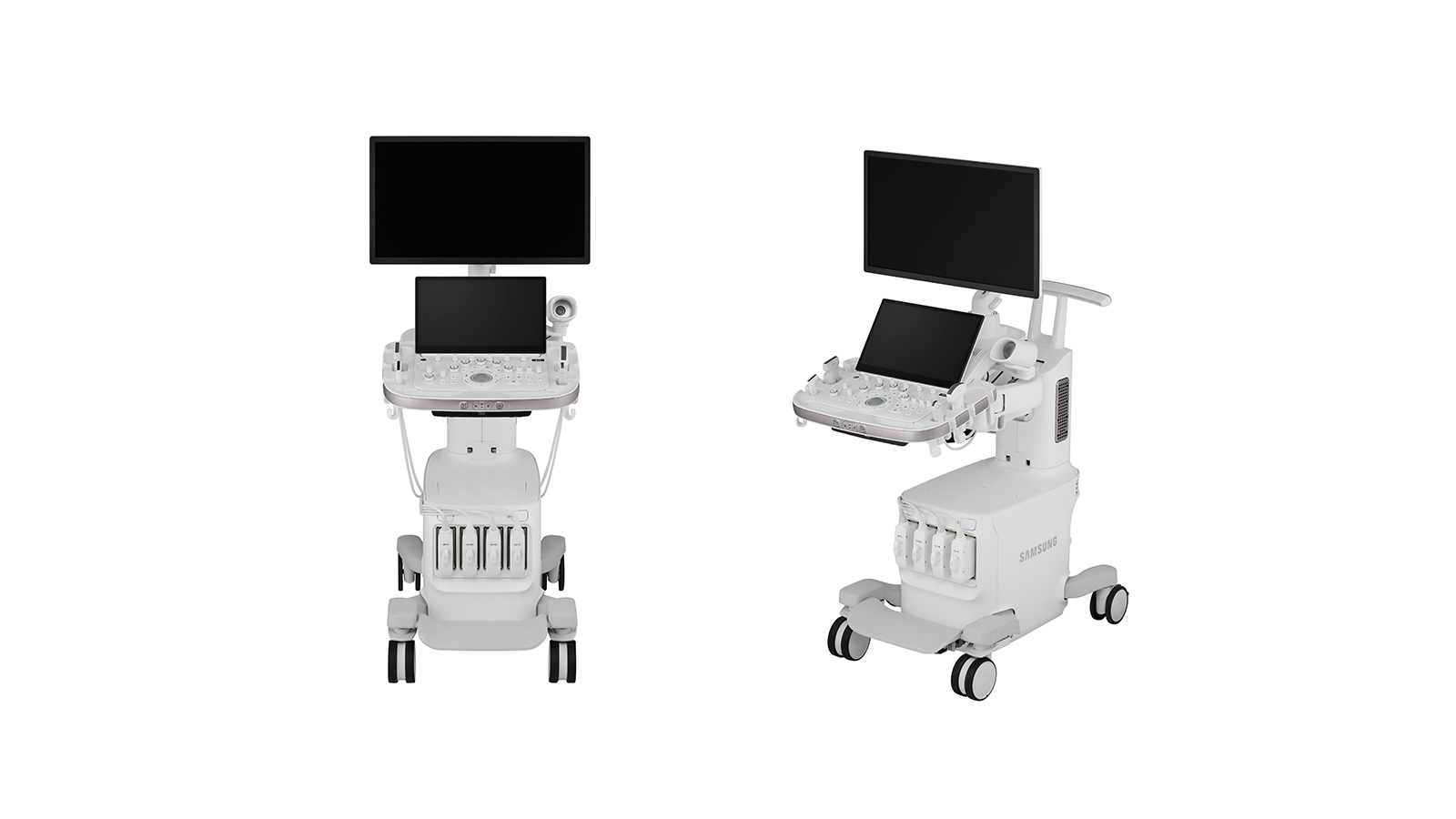
  • Samsung Launches R20 Ultrasound System Redefining General Imaging with Next-Gen AI – Samsung Newsroom India

    Samsung Launches R20 Ultrasound System Redefining General Imaging with Next-Gen AI – Samsung Newsroom India

    Powered by Samsung’s Crystal Architecture™, the R20 delivers superior image clarity, contrast, and diagnostic accuracy across a wide range of clinical applications

    Equipped with AI-driven automation tools and an ergonomic design, the R20 enhances workflow efficiency and elevates the clinician experience

    Samsung, India’s largest consumer electronics brand, today announced the launch of its super-premium, next-generation R20 ultrasound system for general imaging. The R20 represents a major leap forward in general imaging, combining advanced artificial intelligence tools, superior image clarity, and an ergonomic design focused on clinician comfort and efficiency.


    Built on Samsung’s state-of-the-art Crystal Architecture™, the R20 delivers exceptional image uniformity, resolution, and penetration across a wide range of general imaging applications. Its next-generation imaging engine, powerful GPU, and ultra-high-definition OLED monitor provide clinicians with remarkable visualization and diagnostic confidence in every scan.


    The R20 is equipped with a comprehensive suite of AI-powered clinical and workflow enhancement tools that streamline complex procedures and automate repetitive tasks. Key technologies include:


    • Live LiverAssist – Detects a suspicious focal lesion during live ultrasound scan
    • Live BreastAssist – Real-time detection of Breast lesions with BIRADS Classification and reporting.
    • Auto measurement tools– AI-based automatic detection, measurement of internal structures with guided reporting for high consistency and maximum throughput
    • Deep USFF– AI Based Deep Ultrasound Fat Fraction quantification with proven high correlation to the gold standard, i.e., MRI PDFF

    With its superior imaging architecture, the R20 delivers remarkable performance across a wide spectrum of clinical applications — including abdomen, thyroid, musculoskeletal, vascular, breast, obstetrics, gynaecology, and urology imaging. Enhanced Doppler sensitivity and colour flow visualization allow clinicians to detect subtle vascular structures and pathologies with greater precision and confidence. This versatility ensures that healthcare professionals can achieve consistent, high-quality diagnostic results across diverse patient profiles.


    “The R20 embodies Samsung’s commitment to advancing healthcare through intelligent innovation. With AI at its core and a focus on both image excellence and clinician comfort, the R20 is a paradigm shift in ultrasound technology helping doctors ensure detection of lesions during live scanning,” said Atantra Das Gupta, Head of HME Business, Samsung India.


    Beyond its imaging capabilities, the R20 emphasizes user comfort and operational excellence. Designed with ergonomics in mind, it features lightweight transducer cables, an intuitive touch interface, and customizable system configurations to meet varied clinical needs. The system’s refined design minimizes strain and fatigue, enabling clinicians to focus on what matters most — their patients.


    With the launch of the R20, Samsung reaffirms its commitment to shaping the future of healthcare technology. Combining AI-driven intelligence, superior imaging performance, the R20 is set to transform the landscape of general imaging, and a design that puts the clinicians and the patient at the centre of care.


    For more information about Samsung R20, please visit: https://samsunghealthcare.com/en

    Continue Reading

  • STAGWELL (STGW) REVEALS NEW SINGAPORE HUB TO POWER AI-DRIVEN GROWTH AND INNOVATION ACROSS APAC

    STAGWELL (STGW) REVEALS NEW SINGAPORE HUB TO POWER AI-DRIVEN GROWTH AND INNOVATION ACROSS APAC

    New hub, located at Solaris @ one north, brings together Stagwell’s agencies across creativity, media, and advanced AI solutions to accelerate client success

    SINGAPORE, Nov. 24, 2025 /PRNewswire/ — Stagwell (NASDAQ: STGW), the challenger network built to transform marketing, today announces its new APAC headquarters situated in Singapore’s Solaris, a Green Mark Platinum-certified campus in the city’s one north innovation precinct.

    Opening in Q1 2026, the new hub offers a modern, sustainable environment that underscores Stagwell’s vision for responsible growth, and its ambition within Singapore’s innovation economy. The campus will feature flexible layouts, tech-enabled collaboration zones, and community spaces designed to foster creativity and hybrid work. It unites Stagwell’s Singapore agencies – including ADK, Allison, Assembly, Forsman & Bodenfors, HarrisX, Ink Global, and Locaria – alongside other leading brands in the network, creating a single space for collaboration, growth, and AI-powered innovation.

    By bringing together creative, communications, digital transformation, brand experience, media and advanced AI capabilities under one roof, Stagwell will:

    • Accelerate solution-building with integrated teams working side by side.
    • Enable real-time collaboration across disciplines for faster decision-making.
    • Enhance operational agility to deliver faster, smarter and more predictive marketing strategies for evolving client needs.

    “Singapore is the engine of our growth in Asia. The new Stagwell Singapore campus brings creativity, media, communications, data, and AI together so we can move faster for clients,” said Randy Duax, Managing Director, Stagwell Asia-Pacific. “This is the new model. More connected, more inventive, and built for the momentum of local markets. Asia is where the future of this industry is being built, and Stagwell is building it.”

    “Our new home at Solaris @ one north reflects Stagwell’s commitment to building for the future,” added Connie Chan, Chief Growth Officer, Stagwell APAC. “It’s a space designed for collaboration, creativity, and sustainability – so we can show up stronger for clients in Singapore and across APAC.”

    Bart Price, CEO of Vita Partners, Owner and Manager of Solaris @ one north – said, “We are excited to welcome Stagwell to Solaris @ one north and have their Asia Pacific headquarters in our building. Stagwell’s presence in the building strengthens our vision of creating vibrant ecosystems for innovative and forward-thinking occupiers across the Asia Pacific region.”

    This announcement comes after an exciting year of momentum for Stagwell in APAC following the acquisition of ADK GLOBAL earlier this year, the expansion of the Future of News initiative to Singapore in October and the launch of Stagwell Media Platform, a centralised team of global media, technology, and data investment experts. 

    Most recently, Stagwell announced a new partnership with Palantir centered around building a groundbreaking, industry-first AI and data platform that offers clients a fast path to a central source of marketing and advertising targeting information that unlocks new ROI for corporate marketers.

    About Stagwell

    Stagwell is the challenger holding company built to transform marketing. We deliver scaled creative performance for the world’s most ambitious brands, connecting culture-moving creativity with leading-edge technology to harmonize the art and science of marketing. Led by entrepreneurs, our specialists in 45+ countries are unified under a single purpose: to drive effectiveness and improve business results for our clients. Join us at www.stagwellglobal.com.

    For media questions:
    Stagwell
    [email protected]

    SOURCE Stagwell Inc.

    Continue Reading

  • Investors Will Want Costain Group’s (LON:COST) Growth In ROCE To Persist

    Investors Will Want Costain Group’s (LON:COST) Growth In ROCE To Persist

    Finding a business that has the potential to grow substantially is not easy, but it is possible if we look at a few key financial metrics. Typically, we’ll want to notice a trend of growing return on capital employed (ROCE) and alongside that, an expanding base of capital employed. Put simply, these types of businesses are compounding machines, meaning they are continually reinvesting their earnings at ever-higher rates of return. Speaking of which, we noticed some great changes in Costain Group’s (LON:COST) returns on capital, so let’s have a look.

    AI is about to change healthcare. These 20 stocks are working on everything from early diagnostics to drug discovery. The best part – they are all under $10bn in marketcap – there is still time to get in early.

    For those that aren’t sure what ROCE is, it measures the amount of pre-tax profits a company can generate from the capital employed in its business. To calculate this metric for Costain Group, this is the formula:

    Return on Capital Employed = Earnings Before Interest and Tax (EBIT) ÷ (Total Assets – Current Liabilities)

    0.18 = UK£46m ÷ (UK£535m – UK£275m) (Based on the trailing twelve months to June 2025).

    So, Costain Group has an ROCE of 18%. In absolute terms, that’s a pretty normal return, and it’s somewhat close to the Construction industry average of 15%.

    Check out our latest analysis for Costain Group

    LSE:COST Return on Capital Employed November 24th 2025

    Above you can see how the current ROCE for Costain Group compares to its prior returns on capital, but there’s only so much you can tell from the past. If you’d like to see what analysts are forecasting going forward, you should check out our free analyst report for Costain Group .

    Costain Group has broken into the black (profitability) and we’re sure it’s a sight for sore eyes. The company now earns 18% on its capital, because five years ago it was incurring losses. While returns have increased, the amount of capital employed by Costain Group has remained flat over the period. That being said, while an increase in efficiency is no doubt appealing, it’d be helpful to know if the company does have any investment plans going forward. After all, a company can only become a long term multi-bagger if it continually reinvests in itself at high rates of return.

    On a side note, Costain Group’s current liabilities are still rather high at 51% of total assets. This can bring about some risks because the company is basically operating with a rather large reliance on its suppliers or other sorts of short-term creditors. While it’s not necessarily a bad thing, it can be beneficial if this ratio is lower.

    To bring it all together, Costain Group has done well to increase the returns it’s generating from its capital employed. And with the stock having performed exceptionally well over the last five years, these patterns are being accounted for by investors. Therefore, we think it would be worth your time to check if these trends are going to continue.

    On a separate note, we’ve found 1 warning sign for Costain Group you’ll probably want to know about.

    If you want to search for solid companies with great earnings, check out this free list of companies with good balance sheets and impressive returns on equity.

    Have feedback on this article? Concerned about the content? Get in touch with us directly. Alternatively, email editorial-team (at) simplywallst.com.

    This article by Simply Wall St is general in nature. We provide commentary based on historical data and analyst forecasts only using an unbiased methodology and our articles are not intended to be financial advice. It does not constitute a recommendation to buy or sell any stock, and does not take account of your objectives, or your financial situation. We aim to bring you long-term focused analysis driven by fundamental data. Note that our analysis may not factor in the latest price-sensitive company announcements or qualitative material. Simply Wall St has no position in any stocks mentioned.

    Continue Reading

  • Singapore CPI climbs to a near 1-year high in October, exceeding estimates

    Singapore CPI climbs to a near 1-year high in October, exceeding estimates

    Restaurants and bars in the Boat Quay district in Singapore, on Wednesday, May 17, 2023.

    Bloomberg | Bloomberg | Getty Images

    Singapore’s inflation rate climbed for a second straight month, year on year, with price growth in October hitting a near 1-year high and topping analysts’ expectations.

    After hitting a four-year low in August, consumer prices rose 1.2% — highest since August 2024 — compared with the average 0.9% estimated by economists polled by Reuters and the 0.7% rise in September.

    Core inflation in the city-state — which strips out prices of accommodation and private transport — also rose to 1.2%, up from 0.4% and compared with the 0.7% expected in the Reuters poll.

    On a month-on-month basis, the consumer price index was flat, with core inflation coming at 0.5% compared to the prior month.

    Inflation data comes as Singapore on Friday sharply upgraded its economic growth forecast to 4% from 1.5%-2.5%, as it posted robust third-quarter GDP numbers.

    The economy grew 4.2% in the third quarter from a year earlier, beating estimates and extending the second quarter’s 4.7% expansion. Singapore’s Ministry of Trade and Industry said that global economic conditions had turned out more resilient than expected, but warned that growth would likely cool in 2026 as U.S. tariffs weigh on global demand.

    Singapore’s exports to the U.S. are subject to a 10% baseline tariff, despite the country having a trade deficit with the U.S. and also a free trade agreement going back to 2004.

    The country’s economy is hugely dependent on trade, with World Bank data showing that Singapore has a trade-to-GDP ratio of over 320% in 2024.

    In the third quarter, Singapore recorded a 3.3% fall in non-oil domestic exports, or NODX, year on year, dragged by weaker pharmaceutical and petrochemical exports.

    In October though, NODX surged 22.2% compared to a year earlier, driven by exports of non-monetary gold and electronic products.

    The Monetary Authority of Singapore has forecast inflation around 0.5% to 1% for 2025.

    The MAS held monetary policy unchanged in its October meeting, saying that Singapore’s economic growth had been stronger than expected.

    —CNBC’s Anniek Bao contributed to this report.

    This is breaking news, please check back for updates.

    Continue Reading

  • FDA Grants Fast Track Designation to DPTX3186 for Gastric Cancer

    FDA Grants Fast Track Designation to DPTX3186 for Gastric Cancer

    Gastric cancer remains one of the most lethal solid tumors worldwide, driven in part by aberrant activation of the Wnt/β-catenin signaling pathway. This pathway promotes tumor proliferation, invasion, and therapy resistance. Despite advancements in chemotherapy, targeted therapy, and immunotherapy, treatment options for metastatic gastric cancer remain limited, underscoring an urgent need for novel agents that can effectively target core oncogenic drivers.

    DPTX3186 is a first-in-class oral condensate modulator designed to selectively disrupt oncogenic β-catenin activity. By redirecting β-catenin into an inactive, drug-induced condensate, the therapy aims to inhibit malignant signaling while preserving normal cellular function. This approach represents a new therapeutic modality targeting biomolecular condensates—subcellular structures that regulate protein function and transcriptional programs.

    Fast Track Designation

    In November 2025, the FDA granted Fast Track designation to DPTX3186 for the treatment of gastric cancer. Fast Track status is reserved for therapies addressing serious conditions with unmet medical needs, enabling more frequent FDA interactions, rolling review of data, and a more efficient regulatory path toward potential approval.

    This designation follows the earlier orphan drug designation (October 29, 2025), reflecting the agency’s recognition of gastric cancer as a high-mortality disease and the novelty of DPTX3186’s mechanistic approach.

    Mechanism of Action

    DPTX3186 modulates the Wnt/β-catenin pathway, a central driver of tumorigenesis in gastric cancer:

    • It redistributes β-catenin into inactive condensates, preventing its nuclear accumulation.
    • It suppresses β-catenin–dependent transcriptional programs associated with growth and survival.
    • It selectively targets malignant β-catenin signaling without broadly disrupting physiological Wnt function, thereby reducing off-target toxicity.

    This condensate-modulation strategy represents a new therapeutic class with potential applicability across multiple Wnt-driven tumors.

    Clinical Development

    The first investigational new drug (IND) application for DPTX3186 was opened in October 2025. A phase 1a/2a clinical trial is now being initiated across major U.S. cancer centers. Key goals of the study include:

    Phase 1a:

    • Assess safety, tolerability, and pharmacokinetics
    • Establish the recommended phase 2 dose

    Phase 2a:

    • Evaluate antitumor activity in metastatic gastric cancer
    • Explore pharmacodynamic biomarkers of β-catenin suppression

    Patient enrollment is expected to begin before the end of 2025. Future expansion cohorts will study combination regimens and additional Wnt-driven tumor types.

    Preclinical Evidence

    Preclinical findings presented at the 2025 AACR Annual Meeting provide strong rationale for clinical development:

    In vitro findings

    • DPTX3186 disrupts β-catenin nuclear condensate formation.
    • It downregulates β-catenin–regulated gene expression, leading to apoptosis.
    • Demonstrated broad cytotoxicity across diverse gastric cancer cell lines, including those with high Wnt-pathway activation.

    In vivo efficacy

    • Showed marked tumor regression in both patient-derived xenografts (PDX) and cell line–derived xenografts.
    • Reduced levels of Wnt-related plasma proteins, reflecting systemic pathway inhibition.

    These results illustrate potent Wnt/β-catenin suppression, durable antitumor activity, and translatable pharmacodynamic markers.

    You Can Watch More on OncoDaily Youtube TV


    Continue Reading

  • Google’s ad tech empire faces its moment of truth

    Google’s ad tech empire faces its moment of truth

    Closing arguments in the U.S. Justice Department’s versus Google’s ad tech case were heard on Friday (Nov. 21), marking the end of a two-year legal saga, and the start of an even more consequential one for the open web economy.

    Judge Leonie Brinkema has already ruled that Google illegally monopolized publisher ad servers and ad exchanges. What she decides next will determine whether the company keeps its core infrastructure for monetizing the open web, i.e., its ad server DoubleClick For Publishers and ad exchange AdX, or is forced to give them up.

    Optimists see a bright new dawn on the horizon, although pessimists some will point to recent similar cases, and proclaim, “What’s the point?” especially in an era of AI – ironically, the latter point is kind of a pillar of the Google defense argument.

    DOJ’s ask: structural separation, not tweaks

    In the remedies phase, the DOJ argued that only a structural remedy can fix what the court already found was an illegal tying scheme between DFP and AdX. During the remedies phase of the trial, the government’s preferred option is a divestiture of AdX — and potentially DFP as well — along with requirements to open source Google’s auction logic and hard bans on self-preferencing.

    The DOJ argued that 46% of indirect open web display spend flows through Google Ads and another 21% via its demand-side platform DV360; in 60% of AdX auctions examined, Google’s tools were the only bidders, underscoring how effectively Google sealed off demand for itself.

    Google’s ask: narrow, reversible changes 

    Google is pushing for a much narrower intervention. The company has repeatedly emphasized that Brinkema did not find its buy-side tools to be monopolies and that there was no unlawful acquisition — arguments the company used to claim the DOJ is overreaching.

    Google’s preferred remedy package consists of contractual and interoperability commitments: deeper technical integrations between DFP and rival ad servers, more flexibility for publishers to route impressions to competing exchanges, and vows not to repeat the conduct found unlawful.

    In court, Google pulling out a single strand of its ad stack (like AdX) would do more harm than good by destabilizing the global advertising markets — a thought not lost on some publishers. But documents surfaced during the trial undercut that narrative. Internally, Google had already explored divesting parts of the business through Project “Sunday” and Project “Monday.”

    Trial highlights

    During the courtroom proceedings, publishers and rival exchanges mostly aligned with the DOJ. Executives from Advance Local, News Corp, Index Exchange, and PubMatic testified that a breakup could actually be less disruptive than a laundry list of behavioral conditions that would need years of monitoring. They pointed to recurring quirks in the Google system and its overall opacity as symptoms of an unfixable incentive structure — not just bad engineering.

    However, some on the stand warned that a rushed breakup could create real operational stresses. Brinkema has repeatedly probed this issue, asking witnesses about transition timelines, engineering burdens, and costs.

    What now?

    Closing arguments wrapped on Friday, and if the liability ruling is any guide, some expected that decision to drop by the close of 2024, only to wait until April for an answer — a remedies decision is not coming quickly. Most observers told Digiday that mid-2026 is a more realistic window for a final remedies order — followed immediately by years of appeals.

    The European dimension

    Concurrently, there are equally significant European developments of a similar nature. Recently, the European Commission imposed a €2.95 billion ($3.4 billion) antitrust fine for Google’s self-preferencing in ad tech — a historic penalty that explicitly calls out conflicts of interest across its stack.

    The EU’s executive branch has warned that if Google’s proposed commitments fall short, it is prepared to pursue structural separation. Meanwhile, Google’s response to this ruling rings similar to the arguments it’s making in Judge Brinkema’s Virginia courtroom, i.e., it disagrees with the findings, intends to appeal, and claims its proposed changes address the Commission’s concerns without a disruptive break-up.

    One slight point of differentiation worth noting is that officials in Brussels have already articulated, in far sharper terms than the DOJ, that structural separation is its likely endgame.

    The bottom line

    The U.S. and European tracks appear to be unfolding similarly, with government officials in both jurisdictions targeting the same conflicts of interest, arguing that Google’s vertical integration is unresolvable through behavioral remedies. The decision currently facing Judge Brinkema makes her, for the next few months at least, arguably the most influential person in ad tech.

    Continue Reading

  • Strategic Approaches to HR and Payroll Management in Vietnam

    Strategic Approaches to HR and Payroll Management in Vietnam

    Vietnam’s labor market is undergoing a profound transformation amid rapid economic growth and shifting workforce dynamics. With a new focus on flexible work environments and meaningful roles, organizations must adapt HR and payroll strategies to meet evolving workforce demands.


    FIND BUSINESS SUPPORT

    Vietnam’s dynamic economic growth and attractive investment policies for prioritized sectors have been notable perks for businesses and investors seeking opportunities in the country.

    However, with only 28.8 percent of workers having formal training, significant labor quality gaps escalate competition for high-skilled personnel, especially in green and digital sectors. This shift, along with the projected changes in Vietnam’s workforce, has influenced how businesses recruit and retain talent in the country.

    Simultaneously, according to a survey by Talentnet, Generation Z (Gen Z), which is projected to make up 34 percent of Vietnam’s workforce by 2030, will reshape the work environment with new perspectives and lifestyles. In addition to motivations stemming from market demands and governmental orientations, their preferences will infuse a breath of fresh air into the country’s office life.

    See also: Vietnam Wages in 2025: Overview, Trends and Implications for Investors

    What do Vietnam’s talents seek?

    Hybrid work structures on the rise

    The habit of remote work, which became customary during COVID lockdowns, has evolved into a preference for hybrid work models among many employees. Research co-published by The Sentry and Decision Lab in September 2024 revealed that 62 percent of survey respondents preferred a mix of office and remote work, compared to 15 percent who preferred working only in the office and 9 percent who preferred a fully remote role.

    The trend indicates a growing desire among employees for flexible working arrangements and better work-life balance. Companies have widely acknowledged this shift. Sectors such as IT, education, and finance are implementing hybrid models to attract and retain top talent.

    Open to new opportunities

    FIND BUSINESS SUPPORT

    A study conducted earlier this year by researchers at Adecco Vietnam found that 65 percent of professionals surveyed reported salary increases of less than 10 percent in 2024. In contrast, 15 percent received raises greater than 20 percent this year. Expectations for 2025 are even more optimistic, with 37 percent predicting raises over 20 percent.

    The disparity between expectations and challenging realities has prompted many to explore new opportunities, with 72 percent of respondents open to a career change in 2025, rising from 69 percent in 2024 and 37 percent in 2023. This trend emphasizes a dynamic talent market, presenting both challenges and opportunities for employers.

    While most employees decide to remain with their current companies for various factors, including earnings, career development opportunities, company culture, and work-life balance, salary stands out as the primary motivator when seeking new opportunities.

    AI adoption by mid-level managers

    As reported by Adecco, AI adoption in Vietnam is primarily centered on basic automation tasks like simple coding, customer service, data analysis, and content creation. Its application spans various management levels.

    Mid-level managers are increasingly utilizing AI for analysis and planning, whereas senior leaders are employing it as a sophisticated tool for forecasting, aiding decision-making, and optimizing operations. Adecco’s survey reveals that 65 percent of participants recognize AI’s efficiency, 54 percent acknowledge its contribution to strategic thinking, and 35 percent emphasize the necessity for upskilling to enhance its impact.

    Purposeful work prevails for Gen Z

    FIND BUSINESS SUPPORT

    Gen Z is transforming job roles and structures with their focus on meaningful work. According to Decision Lab’s survey, this generation places a high value on purpose, with 37 percent indicating it as their key factor for job satisfaction. Notably, 26 percent of Gen Z workers feel uneasy about monotonous tasks, while 32 percent fear they may not reach their full potential.

    In response, innovative companies are adopting purpose-driven job designs that align individual tasks with broader organizational goals. For instance, objectives and key results (OKR) frameworks effectively link company missions to the contributions of individual team members. Ongoing “purpose alignment” conversations enhance traditional performance evaluations, ensuring a fit between employees’ personal values and corporate objectives.

    This alignment fosters a more engaged and motivated Gen Z workforce, addressing their concerns about job satisfaction and personal development.

    Top Recruitment and Retainment Strategies for the Vietnam Market

    Strategy area

    Key approaches

    Employer considerations

    Harmonized compensation, recognition, and work culture strategies

    – Align compensation and benefits with industry standards
    – Recognize employee achievements (monetary & non-monetary)
    – Promote inclusive, positive culture
    – Encourage work-life balance, teamwork & collaboration
    – Implement employee appreciation programs to boost morale

    – Maintain engagement with employees to understand their needs
    – Reinforce company values through daily operations

    Leverage AI recruitment

    – Use AI for job posting, sourcing & screening
    – Enhance operational efficiency
    – Balance automation with human judgment

    – Train staff on ethical AI use & bias mitigation
    – Combine AI tools with human insight for cultural & interpersonal evaluation
    – Treat AI as a long-term investment

    Implementing flexible working models

    – Offer personalized hybrid models beyond fixed office days
    – Consider “window working” (flexible hours with overlap periods)
    – Clearly define and communicate work-model policies

    – Avoid one-size-fits-all return mandates
    – Tailor flexibility to employee needs and local conditions

    Investing in upskilling and cross-training

    – Offer lateral moves and cross-functional opportunities
    – Promote a “career lattice” instead of a linear ladder
    – Highlight growth opportunities in recruitment messaging

    – Link development programs to personal goals
    – Encourage internal mobility & reskilling
    – Support succession planning through skill diversification

    Technology application in HR and payroll management

    Benefits of HR and payroll technologies

    FIND BUSINESS SUPPORT

    For multinational firms, adapting HR and payroll management to various markets poses a daunting challenge that typically demands labor-intensive operations and manual data entry, leading to significant risks of inaccuracies and human errors.

    The emergence of new technologies has provided a much-needed solution to these concerns, enabling businesses to effectively implement recruitment and retention strategies and optimize their talent management.

    Some of the most considerable merits of technology application in HR and payroll management include:

    • Speeding up hiring processes: AI is transforming recruitment by optimizing operations, reducing costs, and speeding up hiring. Platforms like LinkedIn’s AI hiring assistant incorporate features to streamline the recruitment lifecycle, automating tasks like job postings, candidate sourcing, and preliminary screenings, thereby enhancing efficiency.
    • Enhancing accuracy: Leveraging technology enhances accuracy by linking employee and timekeeping data directly to payroll software. This automation minimizes manual input, allowing employees to quickly and accurately generate salary slips based on pre-defined formulas.
    • Reducing costs: Businesses nowadays can choose ready-made solutions or outsource through Software-as-a-Service (SaaS) instead of developing software in-house for their HR and payroll management. SaaS models are typically more cost-effective than traditional software licensing, as they save organizations the expense of developing, maintaining, and updating systems.
    • Ensuring data security: Salary information, being sensitive and confidential, faces a higher risk of data breaches when locally stored. To enhance security, payroll systems should be on cloud-based HR management platforms, allowing access only through authorized accounts and ensuring that sensitive information remains protected for verified personnel.
    • Securing payroll outsourcing: Technology enables centralized, cloud-based payroll systems that synchronize all salary data, enhancing security and reducing data fragmentation.

    See also: Leveraging ERP for Operational Excellence in the Digital Age

    Implementation of automated payroll systems

    FIND BUSINESS SUPPORT

    When it comes to payroll processing, most HR departments encounter the time-consuming and burdensome nature of various management tasks, such as calculating employee wages, withholding the correct amount of taxes, generating payslips, and filing tax returns. This situation has led to the growing popularity of automated software that manages payroll for businesses, serving as an effective tool to minimize human error, enhance operational efficiency, and standardize compliance.

    While there is no single approach to effectively implementing payroll automation, companies should consider the following steps:

    Step 1: Assess current payroll processes

    • Map out your existing payroll workflow.
    • Identify repetitive, time-consuming, or error-prone tasks (e.g, manual overtime calculations, Excel data entry).
    • Define clear automation goals (e.g., improving accuracy, saving time, ensuring compliance).

    Step 2: Centralize employee data

    • Gather and verify all employee data (salaries, benefits, tax status, banking details).
    • Store information in a single, secure location to ensure consistency and accessibility.

    Step 3: Configure payroll automation systems

    • Customize settings for pay frequency, classifications, and regional tax rules.
    • Set up workflows for bonuses, deductions, and overtime.
    • Enable self-service portals for employees to access payslips and update personal details.

    Step 4: Integrate with other systems

    • Connect payroll software with HR, accounting, and time-tracking tools.
    • Eliminate data silos and ensure seamless information flow across departments.

    Step 5: Test the system before full rollout

    • Run simulations with a small group to validate calculations (wages, taxes, bonuses, reimbursements).
    • Identify and resolve errors before full implementation.

    Step 6: Implement in phases and scale gradually

    • Start with a pilot group (one team or location).
    • Monitor performance, gather feedback, and make adjustments.
    • Expand automation company-wide once the system is optimized.

    The above approach offers a framework for self-modifications to develop the most suitable practices for each company.

    Top Payroll Software in Vietnam

    Software (Provider)

    Key features

    Pros

    Cons

    AMIS Tiền Lương (MISA AMIS)

    Automatic salary calculation; KPI-based payroll; insurance & tax integration; payroll reports; employee confirmation portal

    Easy to use; accurate; customizable; strong support; secure

    Complex setup for unique pay structures; annual subscription

    CorePayroll (CoreHRM)

    Weekly/monthly salary; tax compliance; employee self-service; leave & allowance tracking

    Good security; fast processing from Excel; supports allowances; basic reporting

    No timekeeping integration; limited feature depth

    FastWork Payroll (FastWork)

    KPI + timekeeping integration; detailed access control; 3P salary structure; customizable templates

    High security; strong ecosystem; user-level control; versatile exports

    High cost; lacks advanced HR analytics

    DigiiC&B (OOS Software)

    Full automation; multi-shift/location; KPI-linked; graphical payroll reports

    Integrates with time-attendance devices; flexible salary setups

    Cannot handle complex data sets

    Tanca (Tanca.io)

    Tiered salary levels; Excel-like formulas; mobile payslip; AI timekeeping

    Low cost; flexible; bilingual; strong timekeeping integration

    Occasional bugs; no automatic leave-time aggregation

    FTSHRM (FTS Vietnam)

    Shift-based salary; overtime rounding; HR record storage; detailed reports; asset & training management

    Full HR coverage; customizable; suitable for large firms

    High infrastructure cost; not good for SMEs

    Paradise HRM (Paradise)

    Free payroll tool; tracks tax, bonuses, leave

    Free; supports various pay types; insurance integration

    Less user-friendly; internet dependent

    Ecount ERP (Ecount Inc.)

    Cloud-based; payroll + timekeeping integration; bulk payslip email

    Intuitive UI; centralized data; email automation

    Limited customization; some manual work

    1Office (1Office)

    KPI sync; online salary approval; insurance & tax calculation; multidimensional reports

    Comprehensive reporting; scalable; automated payslip dispatch

    Requires onboarding time; best for large firms

    Base Payroll (Base.vn)

    Formula builder; HRM integration; pay cycle setup; version history; custom reports

    Fully automated; integrates with Base suite; tailored config

    No free trial; setup required

    Conclusion

    The strategic approach to HR and payroll in Vietnam is evolving, with shifting priorities. As a diverse and dynamic workforce, especially driven by younger generations, companies must adapt to these changes to succeed in the evolving economy.

    Although payroll automation simplifies management, businesses must consider factors when choosing the right solution. MNCs need software that handles global payroll complexities, stays updated with tax laws, and integrates smoothly with existing HR, finance, and in-house systems.

    As businesses grow, their payroll solutions should provide scalability and support multiple currencies, jurisdictions, and employee types. It is essential to recognize that payroll operates under stringent deadlines, necessitating the assurance of timely responses when processed by the automated platforms.

    See also: Vietnam Work Permit Regulations: New Rules from August 2025 

    About Us

    Vietnam Briefing is one of five regional publications under the Asia Briefing brand. It is supported by Dezan Shira & Associates, a pan-Asia, multi-disciplinary professional services firm that assists foreign investors throughout Asia, including through offices in Hanoi, Ho Chi Minh City, and Da Nang in Vietnam. Dezan Shira & Associates also maintains offices or has alliance partners assisting foreign investors in China, Hong Kong SAR, Indonesia, Singapore, Malaysia, Mongolia, Dubai (UAE), Japan, South Korea, Nepal, The Philippines, Sri Lanka, Thailand, Italy, Germany, Bangladesh, Australia, United States, and United Kingdom and Ireland.

    For a complimentary subscription to Vietnam Briefing’s content products, please click here. For support with establishing a business in Vietnam or for assistance in analyzing and entering markets, please contact the firm at vietnam@dezshira.com or visit us at www.dezshira.com


    Continue Reading