Category: 3. Business

  • Braehead Shopping Centre sold in possible £220m deal

    Braehead Shopping Centre sold in possible £220m deal

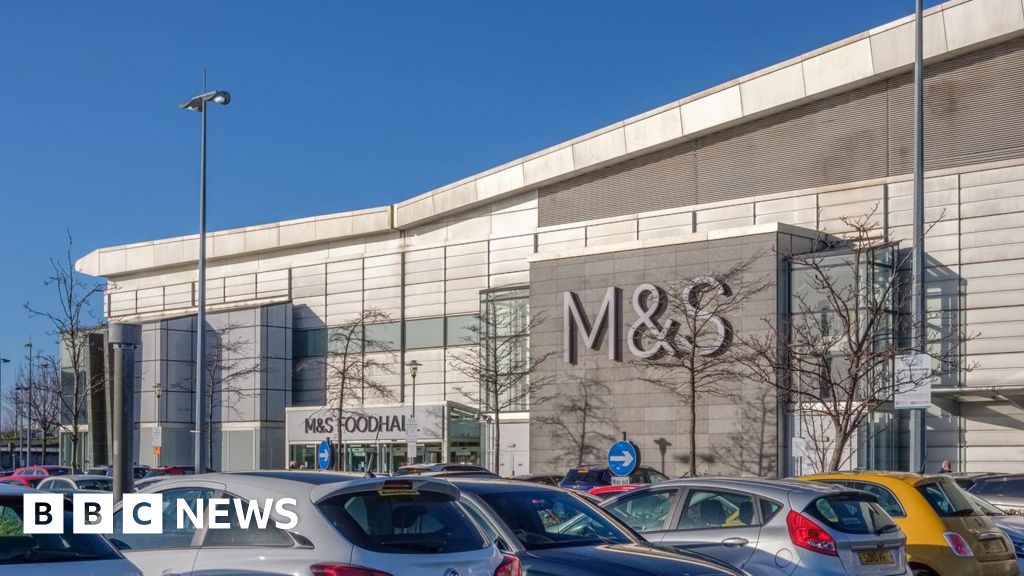
    Getty Images A shopping centre with a sign for M&S with a number of parked cars in the foregroundGetty Images

    The owner of Sports Direct has completed a deal to buy the Braehead Shopping Centre.

    Frasers Group, which also owns the Frasers department stores, has bought the facility in Renfrew from SGS UK in a deal reported to be worth £220m.

    Braehead, which opened in 1999, is home to more than 100 retailers including Ikea, Primark and Marks & Spencer and is among Scotland’s busiest shopping complexes.

    In a statement, Frasers Group described the acquisition as a “significant addition” to its “strong and growing portfolio”.

    SGS UK bought Braehead in 2020 following the collapse of its previous owner, Intu.

    The firm’s CEO, Claire Barbour said it had been able to “stabilise” the centre before its sale.

    She added: “The sale of Braehead was always part of our strategic plan and through active management, we have delivered substantial value enhancement, attracting new brands and increasing its relevance and appeal to customers.

    “We have created a strong platform from which Frasers Group can continue to drive growth, leveraging its retail expertise to further unlock Braehead’s potential as one of the leading retail destinations in Scotland.”

    Frasers Group also owns the Overgate Centre in Dundee and in September, bought the Waterfront Retail Park in Greenock.

    Frasers was previously owned by the former Rangers shareholder Mike Ashley.

    It has been run by his son-in-law, Michael Murray, for the last three years and now owns high street brands including USC, Game and Evans Cycles.

    Mr Murray said: “This acquisition is an important step in delivering our property ambitions and cements the group’s position as a leading operator and champion of physical retail destinations while unlocking greater opportunities to serve communities with the best brands, environments and experiences possible.”

    Continue Reading

  • The Luxury Electric SUV Designed Without Compromise, Now Starting at $79,900¹

    The Luxury Electric SUV Designed Without Compromise, Now Starting at $79,900¹

    Debuting at the 2025 Los Angeles International Auto Show, November 21–30

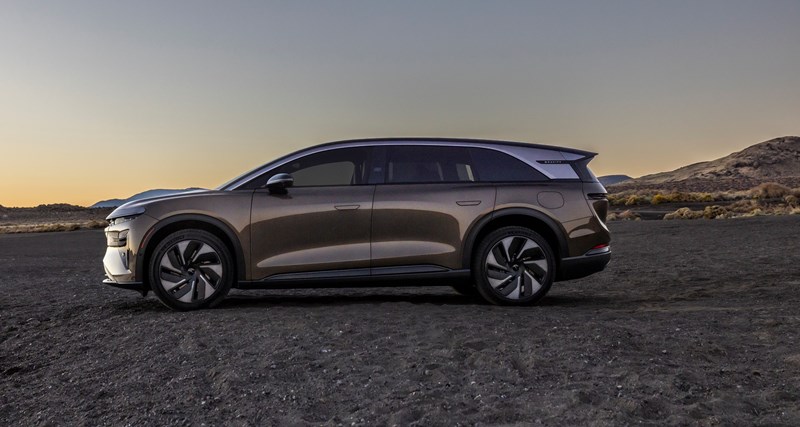
    NEWARK, CA. – November 20, 2025 – Lucid Group, Inc. (NASDAǪ: LCID), maker of the world’s most advanced electric vehicles, today announced the launch of the Lucid Gravity Touring, the newest addition to its groundbreaking Lucid Gravity SUV lineup. Starting at $79,900,1 Lucid Gravity Touring now offers Lucid’s signature blend of space, performance, and efficiency to a broader audience.

    Customer orders are now open, with select configurations available for immediate delivery at lucidmotors.com/available-vehicles.

    “The Lucid Gravity Touring unlocks a new audience for the Lucid brand in the broad and critical SUV segment,” said Marc Winterhoff, Interim CEO at Lucid. “There’s not another SUV in its segment that can deliver the combination of range, interior space, and driving performance found in the Lucid Gravity Touring.”

    Expanding the Gravity Model Lineup
    Lucid Gravity redefines the SUV category with a clean-sheet design enabled by Lucid’s proprietary EV technology. Lucid Gravity Touring offers the practicality of a full-size SUV within the footprint of a mid-size, seating up to seven adults and delivering game-changing versatility.

    Built on the same platform as the Lucid Gravity Grand Touring, Lucid Gravity Touring features Lucid’s high-efficiency battery and powertrain architecture, advanced vehicle dynamics, and native NACS compatibility for ultra-fast charging. With an 89kWh battery pack, Lucid Gravity Touring achieves an EPA-estimated range of up to 337 miles.2

    Charging is seamless with access to more than 25,000 Tesla Superchargers, thousands of Electrify America DC fast-charging connectors, and a multitude of additional DC fast- charging stations across North America. Lucid Gravity Touring can charge at speeds up to 300 kW at 1000V DC fast chargers to add 200 miles in 15 minutes. When connected to a Tesla Supercharger, Lucid Gravity Touring can charge at up to 220 kW thanks to Lucid’s proprietary rear motor drive unit boost charging capability, which boosts the 500V station voltage to match the high voltage of the Lucid battery pack.

    Performance Meets Lifestyle Capability
    The dual-motor, all-wheel-drive Lucid Gravity Touring delivers up to 560 horsepower and accelerates from 0 to 60 mph in just 4.0 seconds. Standard air suspension and an optional Dynamic Handling Package delivers refined ride quality and agile handling.

    Interior configurations include five- and seven-seat layouts with up to 120 cubic feet of adaptable cargo space in the five-seat configuration. Customers can choose from six exterior colors and wheel designs ranging from 20 to 23 inches. The standard Stealth Appearance features dark polished finishes, while the optional Platinum Appearance adds bright silver accents.

    The Lucid Experience
    The Lucid Gravity Touring inherits the bold design and human-centric technology of the Grand Touring, including:

    •    Clearview Cockpit: A 34-inch curved 6K OLED display, for driver visibility.
    •    Lucid UX 3.0 + Over-the-Air Updates: A software-defined experience that evolves over time.
    •    DreamDrive 2 Pro (Optional): Lucid’s most advanced driver-assistance system with 32 onboard sensors.

    The Lucid Gravity Touring can be configured at lucidmotors.com/configure/gravity.

    Los Angeles International Auto Show
    Lucid Gravity Touring will make its public debut at the 2025 Los Angeles International Auto Show, November 21–30. Attendees can experience the Lucid Gravity Touring, Lucid Gravity Grand Touring, and Lucid Air Sapphire at Lucid’s South Hall activation. Demo drives will be available on a first-come, first-served basis.

    Learn more at https://lucidmotors.com/events.
     

    1 For U.S. customers only. Excludes tax, title, license, options, destination and documentation fees.
    2 When equipped with 20″F/21″R wheels and configured as a 2-row, 5-seat vehicle. Range and battery power vary with temperature, driving habits, charging and battery condition and actual results will vary.

    About Lucid Group
    Lucid (NASDAǪ: LCID) is a Silicon Valley-based technology company focused on creating the most advanced EVs in the world. The award-winning Lucid Air and Lucid Gravity SUV deliver best-in-class performance, sophisticated design, expansive interior space and unrivaled energy efficiency. Lucid assembles both vehicles in its state-of-the-art, vertically integrated factories in Arizona and Saudi Arabia. Through its industry-leading technology and innovations, Lucid is advancing the state-of-the-art of EV technology for the benefit of all.

    Investor Relations Contact
    investor@lucidmotors.com

    Media Contact
    media@lucidmotors.com

    Trademarks
    This communication contains trademarks, service marks, trade names and copyrights of Lucid Group, Inc. and its subsidiaries and other companies, which are the property of their respective owners.

    Forward-Looking Statements
    This communication includes “forward-looking statements” within the meaning of the “safe harbor” provisions of the United States Private Securities Litigation Reform Act of 1995. Forward-looking statements may be identified by the use of words such as “estimate,” “plan,” “project,” “forecast,” “intend,” “will,” “shall,” “expect,” “anticipate,” “believe,” “seek,” “target,” “continue,” “could,” “may,” “might,” “possible,” “potential,” “predict” or other similar expressions that predict or indicate future events or trends or that are not statements of historical matters. These forward-looking statements include, but are not limited to, statements regarding plans and expectations with respect to Lucid Gravity Touring, including its order timing and starting price, features, capabilities, equipment, options, configurations, range, charging performance and compatibility, access to the Tesla Supercharger network and Electrify America stations, plans and expectations with respect to the timing of Lucid Gravity Touring’s public debut and experiences at the 2025 Los Angeles International Auto Show, as well as the promise of Lucid’s technology. These statements are based on various assumptions, whether or not identified in this communication, and on the current expectations of Lucid’s management. These forward-looking statements are not intended to serve as, and must not be relied on by any investor as, a guarantee, an assurance, or a definitive statement of fact or probability. Actual events and circumstances are difficult or impossible to predict and may differ from these forward-looking statements. Many actual events and circumstances are beyond the control of Lucid. These forward-looking statements are subject to a number of risks and uncertainties, including those factors discussed under the cautionary language and the Risk Factors in our Annual Report on Form 10-K for the year ended December 31, 2024, subsequent Ǫuarterly Reports on Form 10-Ǫ, Current Reports on Form 8-K, and other documents Lucid has filed or will file with the Securities and Exchange Commission. If any of these risks materialize or Lucid’s assumptions prove incorrect, actual results could differ materially from the results implied by these forward-looking statements. There may be additional risks that Lucid currently does not know or that Lucid currently believes are immaterial that could also cause actual results to differ from those contained in the forward-looking statements. In addition, forward-looking statements reflect Lucid’s expectations, plans or forecasts of future events and views as of the date of this communication. Lucid anticipates that subsequent events and developments will cause Lucid’s assessments to change. However, while Lucid may elect to update these forward- looking statements at some point in the future, Lucid specifically disclaims any obligation to do so. These forward-looking statements should not be relied upon as representing Lucid’s assessments as of any date subsequent to the date of this communication.
    Accordingly, undue reliance should not be placed upon the forward-looking statements.
    Continue Reading

  • ‘Robot’ buses could bring more environmental benefits than public transport with drivers

    ‘Robot’ buses could bring more environmental benefits than public transport with drivers

    Autonomous self-driving cars and taxis are already on the roads of San Francisco and Beijing. There are also autonomous tram-style services around Oxfordshire and Dubai.

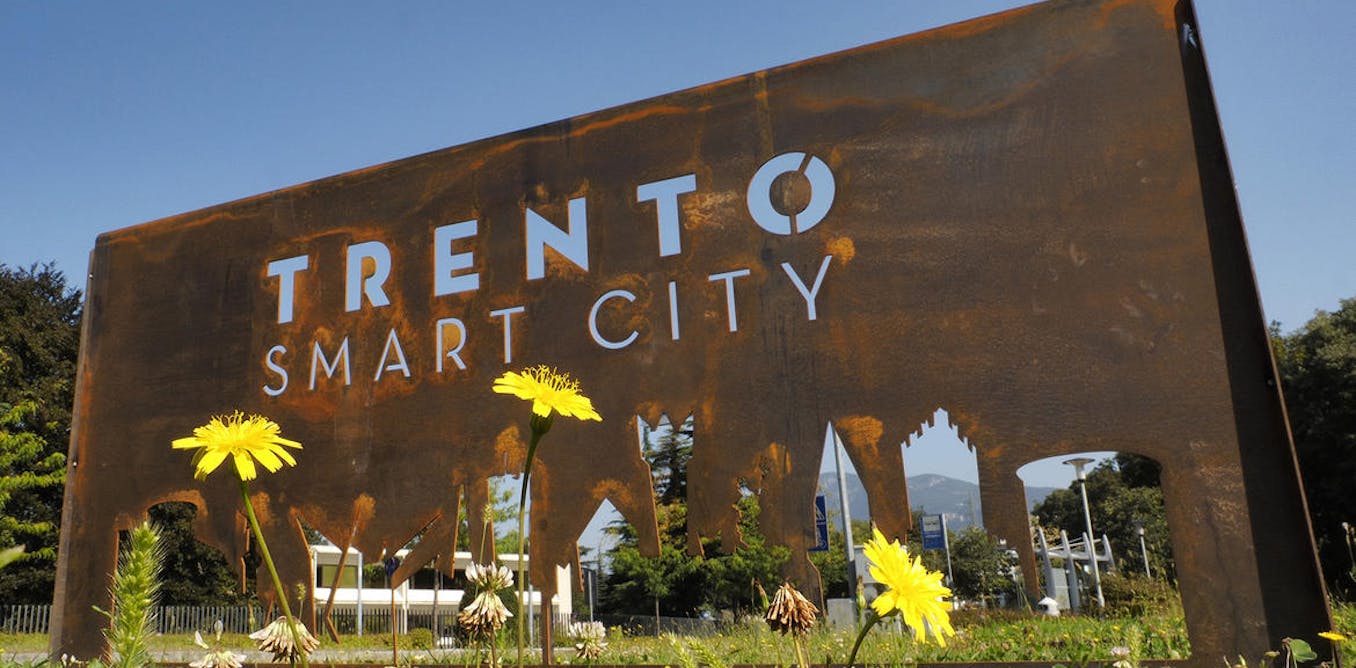
    Now researchers in the Italian city of Trento are planning to pilot a scheme of autonomous 17-seater shuttle buses which can divert to the homes of travellers. The first stage of the “robot buses” pilot is expected to cover the historic city centre, where approximately ten vehicles powered by clean hydro-electric energy will operate for up to 18 hours per day.

    The pilot is expected to be initially funded by government grants to demonstrate the reliability of this type of vehicle, improving user acceptance so the service could then use private funding to grow to move beyond the city. The starting date is not yet confirmed.

    The plan is that members of the public would use an app to call for an autonomous, AI-driven bus to pick them up. A similar transport system already exists using human drivers (for example, there is an app-based Bus on Demand operating in Coventry, UK). Some on-demand bus services, such as Mi-link in Oxfordshire, even use autonomous vehicles, but not to the level of digital integration being explored in Trento.

    The Trento pilot plans to use smart roads around the city, part of a national project, where the roads communicate with the autonomous vehicles so that they can have the data it needs to make split-second decisions. This provides driverless vehicles with information about unforeseen events and allows complex coordination and collaborative manoeuvres where driverless vehicles communicate with the roads and with each other.


    Read more:
    Self-driving buses that go wherever you want? How the UK is trying to revolutionise public transport


    The autonomous shuttle expected to be used in Trento is a compact battery-electric vehicle carrying up to 17 passengers manufactured by Toyota.
    Toyota

    The idea behind the project is that one-to-one replacement of cars or taxis with autonomous vehicles would add a bit of convenience but would not do much for congestion or emissions. It could even be counterproductive if the increased convenience encourages people to travel more.

    A more positive scenario is possible when AI enables new transport models such as the driverless shuttle. The Trento team estimate that replacing 100,000 private petrol cars with 5,882 shared electric shuttles could potentially yield around a 92% annual CO2 reduction – an impressive figure, but one that can only be achieved if riding a shuttle becomes more attractive and convenient than driving a car.


    Read more:
    Driverless cars: what we’ve learned from experiments in San Francisco and Phoenix


    Conventional bus services simply are not a sufficiently attractive alternative to car use outside the dense centres of major cities. as they are often infrequent and don’t come close to people’s homes in many cases.

    If a new type of public transport could offer a better alternative, then more environmental benefits could emerge. Think of a system where you don’t need to conform to bus timetables and operating times – or even bus routes. The bus comes to you when you call it and takes you where you want to go. Driverless taxis can offer that, but at a higher cost not only financially, but also in terms of congestion and energy consumption.

    The planned Trento design is where you have small shared autonomous vehicles offering travel at bus level fares – or lower. The use of driverless vehicles offers potentially radical improvements to the cost and quality of the service that could result in people preferring this type of shuttle to driving their cars.

    Small driverless shuttles could operate more frequently and flexibly and even operate a 24/7 service. As the plan is to combine bookings to pool the journeys of passengers going in the same direction, the cost of the ride (which was already low on account of not paying for the driver) becomes even lower for a shared ride.


    Read more:
    AI can boost economic growth, but it needs to be managed incredibly carefully


    Vehicle automation is perceived as having potential risks and benefits. On the one hand, there is a clear risk that jobs in the transport industry will disappear. On the other, autonomous transport will help ensure that people without cars or those unable to drive can maintain access to work.

    This kind of public transport system that offers a convenient alternative to personal car use would substantially reduce environmental impact, reduce congestion for all and make for more socially inclusive towns and cities. As the service provides a level of convenience close to that of a taxi, but a cost similar or lower than that of a bus, the possibility of moving society away from car dependence could become more realistic.

    Environmentally, it has been estimated that adoption of driverless vehicles in major cities could result in a reduction of up to 34% of the total carbon emissions from transportation by 2050.

    Aurrigo international first introduced a small driverless pod in 2014 and a driverless shuttle was trialled in 2023,
    In MIlton Keynes, UK, a small driverless pod was introduced in 2014 and a driverless shuttle was trialled in 2023, although these have been limited experiments.
    Author provided (no reuse)

    What’s happening elsewhere?

    Globally other systems are being explored and are likely to emerge in the next few years. Milton Keynes in the UK already operates a small vehicle service booked by app.

    The service creates “virtual bus stops” that pick up and drop passengers in locations that are close to their homes and are also convenient to other passengers sharing the same vehicle.

    Unlike the Trento service, the service in Milton Keynes is operated by human drivers. Potentially, this limits the flexibility of the service as humans cannot, and should not, operate 18 hours a day without breaks and the number of drivers available limits the size of the fleet.

    There are plans to expand this with small autonomous buses on fixed routes, but trials so far have always had a human driver on board for safety purposes.

    Projects, such as the one in Trento, plus other emerging autonomous vehicle service systems, start to move cities towards a reinvention of public transport using high-tech advances. This means public transport could appeal to more people if it becomes more convenient and cheaper. It, therefore, has the potential to persuade more people to leave their cars at home, with big benefits for the planet.

    Imagine weekly climate newsletter

    Don’t have time to read about climate change as much as you’d like?

    Get a weekly roundup in your inbox instead. Every Wednesday, The Conversation’s environment editor writes Imagine, a short email that goes a little deeper into just one climate issue. Join the 47,000+ readers who’ve subscribed so far.

    Continue Reading

  • 'Stale' September jobs data is mixed news for a divided Fed – Reuters

    1. ‘Stale’ September jobs data is mixed news for a divided Fed  Reuters
    2. Fed minutes show divide over October rate cut and cast doubt about December  CNBC
    3. Minutes of the Federal Open Market Committee  Forex Factory
    4. Wells Fargo: The Federal Reserve should cut interest rates by 25 basis points in December due to easing inflation and a weakening labor market.  Bitget
    5. Traders see Fed on track to skip December rate cut By Reuters  Investing.com

    Continue Reading

  • Tesla hits the brakes as lawyers seek to share Autopilot information with each other – Reuters

    1. Tesla hits the brakes as lawyers seek to share Autopilot information with each other  Reuters
    2. Tesla hit with another lawsuit after fatal Cybertruck crash: ‘Catastrophic design defects’  Yahoo
    3. Tesla fatal crash lawsuit takes a wild turn  TheStreet
    4. Tesla Fatal Crash Trial Delayed Over Discovery Disputes  Law360

    Continue Reading

  • Vinted blocks ‘sickening’ sexually explict ads

    Vinted blocks ‘sickening’ sexually explict ads

    Online marketplace Vinted says it has removed sexually explicit adverts, after a mum reported seeing a video depicting what she believed to be a pornographic scene while browsing for clothes.

    Kirsty Hopley, 44, from Carlisle, said she was searching the app for a dressing gown when the ad popped up.

    She was sitting next to her teenage daughter at the time.

    Ms Hopley reported the content to Vinted and later contacted Ofcom.

    She told BBC News the video, which started playing automatically, showed a “sickening” graphic and violent sexual encounter.

    The law and criminology teacher said she had installed content filters on her home internet and was shocked to see such material on the e-commerce platform.

    “I probably won’t buy anything from there again, which is disappointing as I love Vinted,” she said. “But I don’t want to see content like that.”

    The platform, which has no age restrictions, has recently faced scrutiny in France after reports that some sellers were using the site to direct users to adult content.

    The advert Ms Hopley saw was promoting DramaWave, a mobile app that produces short-form scripted stories for social platforms.

    Many of their series appear to follow romance storylines over multiple episodes of just a few minutes each.

    Vinted said the adverts have now been blocked.

    A spokesperson said the platform has a “zero-tolerance policy for unsolicited sexual communications and the promotion of sexual content”.

    “This includes prohibiting sexually explicit advertisements on our platform,” they said.

    “Where listings or ads are found to violate these rules, we will take action, including blocking or removing them.”

    The BBC has approached DramaWave for comment.

    The Advertising Standards Authority (ASA) told BBC News their rules were clear “that ads must not cause harm or offence”.

    “Harmful or degrading portrayals of women in ads are completely unacceptable, and we take a zero-tolerance approach to this kind of content,” they said in a statement.

    They added: “We encourage anyone with concerns about an ad they’ve seen to get in touch.”

    Ms Hopley told BBC News she expected the UK’s Online Safety Act (OSA), which includes laws to protect children from explicit content online, to have prevented such material appearing on her phone.

    However the only paid-for advertising that is in scope of the OSA is fraudulent content.

    Continue Reading

  • Serious Fraud Office arrests two men over suspected £20m crypto fraud | Business

    Serious Fraud Office arrests two men over suspected £20m crypto fraud | Business

    The Serious Fraud Office (SFO) has arrested two men as it launched an investigation into a suspected £20m cryptocurrency fraud.

    The law enforcement agency raided two sites in West Yorkshire and London as it appealed for information about $28m (£21.4m) invested into a cryptocurrency scheme called Basis Markets.

    Two men, one in his 30s and another in his 40s, were arrested on suspicion of multiple fraud and money-laundering offences, the agency said.

    Basis Markets, which the SFO described as a “suspected fraudulent scheme” and is not a company, is said to have raised millions of pounds via two public fundraisers in November and December 2021, stating it would use the cash to create a “crypto hedge fund”.

    Six months after the fundraisings in June 2022, investors are alleged to have been informed that proposed new US regulations were preventing the project from proceeding as planned. The SFO’s investigation is thought to be focusing on this announcement as well as what became of the investors’ money.

    Nick Ephgrave, director of the SFO, said: “With our expanding crypto currency capability and growing expertise in this area, we are determined to pursue anyone who would seek to use cryptocurrency to defraud investors.

    “Today’s action is an important step in our investigation, and we’re urging anyone with information to come forward and support our inquiries.”

    The agency said the investigation is the first major cryptocurrency case announced by the SFO and it comes after the law enforcement body secured additional funds to invest in its crypto capabilities earlier this year.

    In June, the SFO said it had been granted more than £8m of extra funding over the next three years that would strengthen its “ability to recover criminal assets, including crypto assets, wherever they may be.”

    The Guardian has attempted to contact Basis Markets.

    Continue Reading

  • Driver jailed over aspiring doctor’s Leeds crash death

    Driver jailed over aspiring doctor’s Leeds crash death

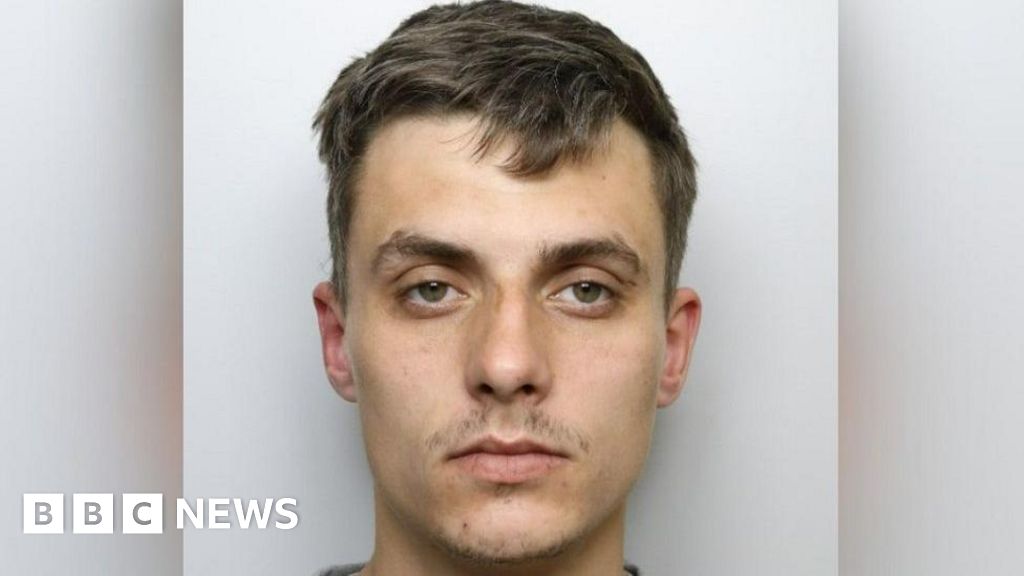
    West Yorkshire Police Custody shot of Regan Kemp. He has short brown hair, has a serious expression and is stood in front of a grey background. West Yorkshire Police

    Regan Kemp was sentenced following a trial at Leeds Crown Court

    A man has been jailed for causing death by dangerous driving after he fatally struck an aspiring doctor who was crossing a road in Leeds.

    A trial at Leeds Crown Court heard that Ashton Kitchen-White, 19, died at the scene on the Ring Road at Beeston Park on 16 May after he was hit by a Ford Focus ST driven by Regan Kemp.

    Kemp, 26, did not give evidence during the trial, but his lawyer told the jury his client was not the driver of the Focus, instead saying it was his friend Liam Miller, 24, behind the wheel – a claim denied by Mr Miller when he gave evidence earlier this week.

    Following the trial, Kemp, of Penzance, Cornwall, was found guilty on Thursday and jailed for 15 years and six months.

    Kemp was also disqualified from driving for 17 years and two months.

    The trial had heard that Kemp had travelled to Leeds from Scotland with Mr Miller and Macauley Martin, 26, who were both from West Lothian.

    All three were arrested following the crash, but Mr Miller and Mr Martin were not charged after they maintained they had instead been travelling separately in a Mini Cooper.

    West Yorkshire Police Ashton Kitchen-White smiling at the camera with a stubble beard and brown West Yorkshire Police

    Ashton Kitchen-White died after he was struck by a red Ford Focus ST on Ring Road, Beeston Park

    The court was shown CCTV footage that pinpointed the men’s movements leading up to the incident, including Kemp filling up the Focus at a petrol station as the driver.

    Prosecutor Paul Mitchell told the jury that Kemp’s “fingerprints were also on the bonnet of the Focus and his DNA was on a bottle in the car”.

    A video taken from the back seat of the Focus at the moment Mr Kitchen-White was struck on the crossing was also shown to the court.

    The jury was told that the Focus, which was left with a shattered windscreen, was abandoned after the incident.

    CCTV footage also showed a man running down a street in a panicked state and shouting, before getting into the Mini Cooper with the two other men, which was then driven back to Scotland.

    The jury heard that Kemp had handed himself in to police four days later after he had travelled back to his home in Penzance, however he did not answer questions during his police interview.

    During the trial, Mr Kemp’s lawyer, Syam Soni, said the defence had called no witnesses.

    Mr Kitchen-White’s family said in a tribute released at the time of his death that he was “one in a million”.

    They added that he had been due to start a medical degree at the University of Leeds.

    Continue Reading

  • AI and jobs: If robots replace workers, what happens to Social Security?

    AI and jobs: If robots replace workers, what happens to Social Security?

    By Paul Brandus

    Robots don’t pay into Social Security. Maybe we should tax them instead.

    Robots are deeply embedded in corporate America.

    The basic construct of Social Security is this: Workers and their employers pay taxes. When a worker retires years later, those funds are paid back each month in the form of a Social Security check.

    But what will happen to this 90-year-old model as robots and artificial intelligence reduce the demand for taxpaying human workers?

    Rise of the robots

    This is no hypothetical question. Robots are deeply embedded in corporate America, ranging from retail giants like Amazon (AMZN) (which just said it has more than a million robots on the job) and Walmart (WMT), to automakers, aerospace firms, pharmaceuticals, on and on. Even fast-food restaurants – often the first job for millions of Americans – are using robots to flip burgers. The list of industries and companies will only get longer.

    And robots – which don’t call in sick, take bathroom breaks, take vacations or need healthcare – are a huge boon to employers. So is the tax code, which currently treats machines as capital equipment and not an employee. So companies get higher productivity and don’t have to pay Social Security taxes to Uncle Sam.

    So as taxpaying workers are gradually replaced by robots or artificial intelligence, the strain on Social Security grows. Keep in mind that it is already being squeezed on both ends by longer lifespans and a U.S. birthrate which has sunk to a record low.

    We’ve mentioned umpteen times that unless something is done, Social Security’s wobbly Trust Fund – paid by workers and their employers – could run out as soon as 2032. That would mean sharp cuts – perhaps as much as 24% of benefits.

    We’ve also mentioned possible remedies: Raising the minimum age when someone could take Social Security (currently 62), raising the retirement age (67 for most people), or raising taxes on workers and employers, or lifting the cap on earnings that are subject to taxes in the first place. All involve politicians doing something they hate to do, and that is asking voters to make a sacrifice. That’s why no one has been able to do anything about Social Security in more than four decades. That’s where a “robot tax” could come in.

    The robot tax

    In a cruel irony, taxpayers have helped create this problem, by subsidizing, for years, billions in research and development for corporate America. As this R&D results in technology that displaces workers, should the robots and AI we helped develop be taxed, with revenue flowing back to those displaced workers?

    Ancillary to this is growing talk of some form of universal basic income (UBI), which can be compared with Social Security in the sense that it would involve Americans getting money from the government each month.

    Who would pay for this? Joe Taxpayer? What about corporations which have benefited the most from these technologies? Surely corporate America would fight any form of taxation or redistribution of wealth, right? Yet even in the high-flying tech industry, many prominent executives say something needs to be done about jobs that are being erased by technology. Among them: Elon Musk of Tesla (TSLA), SpaceX and X; Meta (META) CEO Mark Zuckerberg; Microsoft (MSFT) co-founder and philanthropist Bill Gates; and venture capitalist Marc Andreessen. Others have actually put their money where their mouth is. Sam Altman, the chief executive of OpenAI (creator of ChatGPT) gave 1,000 people $1,000 a month for three years to study the feasibility of UBI.

    How might this be financed? Andrew Yang, previously an unknown businessman, made a splash during his presidential run in 2020 when he floated a $1,000-a-month “freedom dividend,” to be given to every adult and financed partly through a national value-added tax (VAT). But if Congress won’t raise taxes to prop up Social Security, what makes anyone think it would pass a VAT tax?

    And not everyone is a fan of such wealth redistribution.

    Universal basic income is “one of the worst possible responses” to automation, tech billionaire Mark Cuban has said. Instead, Cuban has suggested more traditional approaches, like greater investment in AmeriCorps, a federally subsidized program that places workers in full- or part-time positions providing social support services to communities. He also says investment in basic education and skills training should be increased.

    Whatever the approach, no one doubts that waves of new technology will continue to eliminate jobs. But hasn’t this always been the case? The famed Pony Express, which rushed the news of Abraham Lincoln’s election to California in November 1860, went out of business less than a year later, after the telegraph made coast-to-coast communications infinitely faster. At the turn of the 20th century, 40% of Americans worked on farms. Today? About 1.2%. The automobile wiped out horse-and-buggy manufacturers. Advances in numerous sectors brought about similar disruption. These greater economic efficiencies spurred migration to new jobs in new industries, and a gradual rise in our standard of living.

    And yet economic disruption will never be without pain, particularly for older workers who have less time to learn new skills and recover from a job setback. This makes our existing social safety net more important than ever.

    Social Security – which for tens of millions of Americans is the only income they have – must be preserved. But as its tax base continues to be eroded by waves of robots and increasingly sophisticated artificial intelligence, something must be done. The sooner the better.

    Read more MarketWatch Retirement:

    ‘My retirement is completely in bitcoin’: Why don’t more people do what I do?Roth conversions will bring my income up to $400K. I’m 68. How much should I move over?

    Social Security’s ‘DOGE’ whistleblower is running for public office as the ‘longest of long shots’

    -Paul Brandus

    This content was created by MarketWatch, which is operated by Dow Jones & Co. MarketWatch is published independently from Dow Jones Newswires and The Wall Street Journal.

    (END) Dow Jones Newswires

    11-20-25 1303ET

    Copyright (c) 2025 Dow Jones & Company, Inc.

    Continue Reading

  • Hyundai Announces Multi-Year Partnership with Mammoth Mountain to Elevate Outdoor Adventures

    Hyundai Announces Multi-Year Partnership with Mammoth Mountain to Elevate Outdoor Adventures

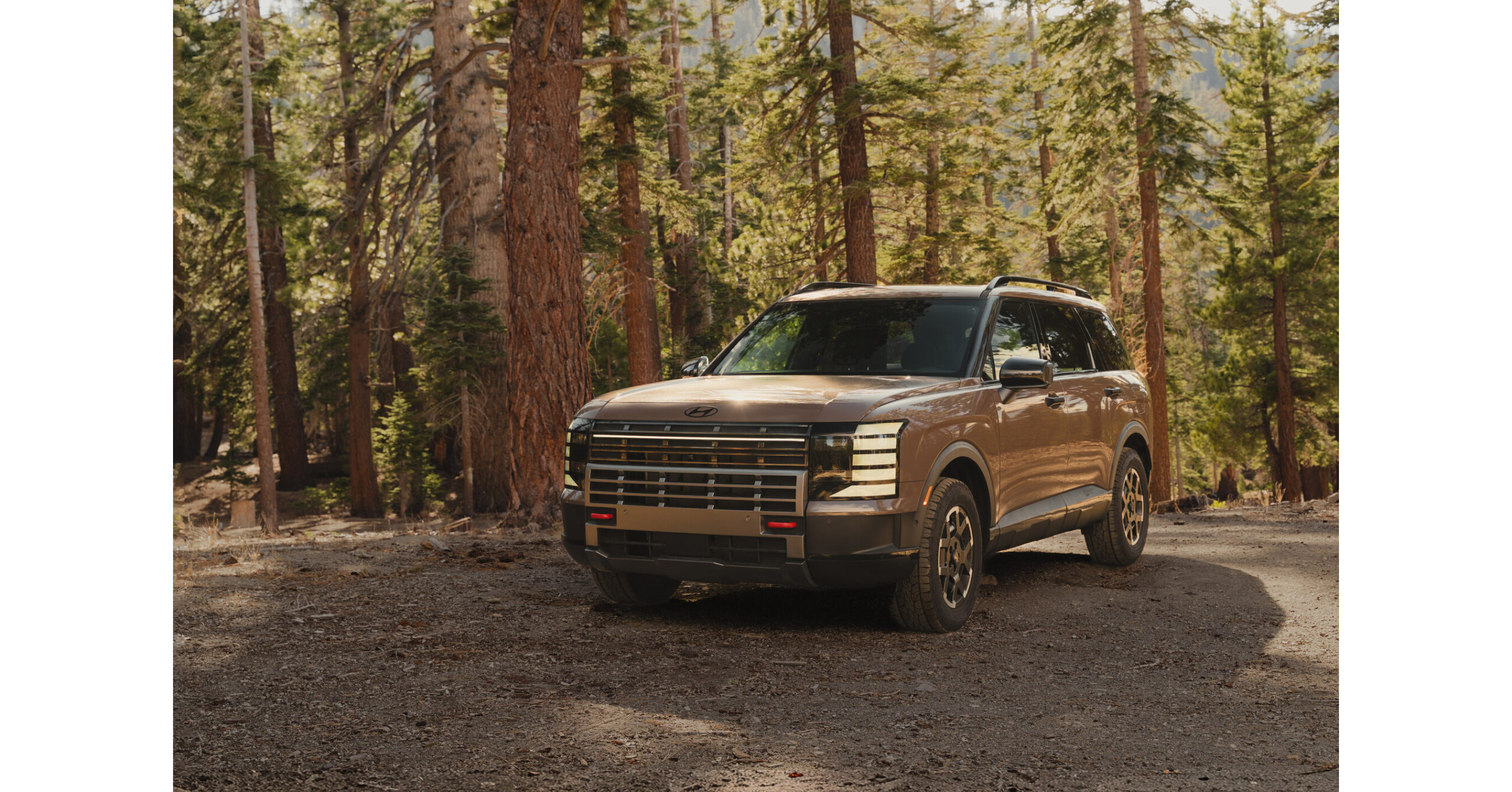
    “We go the distance to champion California’s backyard because it’s our backyard too,” said Sean Gilpin, chief marketing officer, Hyundai Motor America. “We saw this partnership with Mammoth Mountain as a great opportunity to showcase the capability of our SUV and XRT vehicle lineup and show adventure seekers how Hyundai can take them and their families on any journey from the mountains and beyond.”

    Whether conquering rugged terrain or providing comfort and safety for family trips, Hyundai XRT vehicles, including the Palisade XRT Pro, Tucson XRT, and Santa Fe XRT SUVs, are engineered to be adventure-ready for both thrill-seekers and families. They are built for off-road adventure and offer versatility. With Mammoth Mountain serving as a premier California destination for world-class snowboarders, skiers and families alike, Hyundai’s vehicles are perfectly suited to take guests on any journey, from exhilarating slopes to unforgettable family getaways.

    “Mammoth is thrilled to announce a multi-year partnership with Hyundai,” said Eric Clark, CEO and President, Mammoth Mountain. “Grounded in shared values of fun, adventure, and family inclusion, this collaboration was a natural fit from the start. We’re excited to join forces in celebrating our shared backyard and can’t wait to see what we create together.”

    About the Partnership
    The 360-degree, multi-year partnership with Mammoth Mountain will include a variety of digital and on-site branding, merchandise and advertising opportunities, as well as custom social content to be shared on Hyundai and Mammoth channels.

    The custom content will include a social and creative campaign featuring Woolly, Mammoth Mountain’s beloved mascot. Exclusive video and photos will showcase Woolly alongside Hyundai XRT vehicles, providing fans with a unique and engaging perspective on Mammoth Mountain and the Hyundai adventure experience.

    Hyundai will also have two permanent vehicle displays at the resort, as well as winter and summer activation opportunities at key times. Hyundai will sponsor Mammoth Mountain’s signature kickoff event, “Night of Lights,” and support community initiatives throughout the season, which may include programs like LA’s “After School All-Stars.”

    Night of Lights Event
    The partnership will launch at Mammoth’s Night of Lights event on Saturday, December 13, from 5:00 p.m. to 9:30 p.m. PT. Night of Lights is a magical evening at Mammoth Mountain featuring an annual holiday celebration with fireworks, live music, family-friendly activities and festive cheer.

    As a sponsor of Night of Lights, Hyundai will have a vehicle display in The Village. Hyundai is also partnering with local Mammoth coffee vendor, Black Velvet Coffee, to offer guests warm beverages on site, including a bespoke Hyundai espresso drink. The mobile “Après Ski Café” will be towed behind a Palisade XRT Pro, and guests can also receive custom s’mores kits and co-branded wool socks and hand-warming phone chargers.

    To amplify the celebration, select influencers, including family and lifestyle creators, snowboarders, skiers, and photographers, will embark on a thrilling road trip to Mammoth in Hyundai SUVs such as the all-new Palisade XRT Pro. Over the weekend, they’ll create and share content featuring Hyundai vehicles in stunning alpine settings, showcase off-road winter driving, and highlight activities such as skiing, snowboarding, and VIP access to Night of Lights. Their stories will bring Hyundai’s adventure-ready spirit to life across social platforms, igniting excitement in the audience.

    Supporting California’s Coast
    As part of Hyundai’s broader commitment to supporting California’s spirit of adventure and outdoor communities, Hyundai will also be a proud supporter of the lifeguards in San Diego, with more details to be announced in early 2026.

    Hyundai Motor America
    Hyundai Motor America offers U.S. consumers a technology-rich lineup of cars, SUVs, and electrified vehicles, while supporting Hyundai Motor Company’s Progress for Humanity vision. Hyundai has significant operations in the U.S., including its North American headquarters in California, the Hyundai Motor Manufacturing Alabama assembly plant, the all-new Hyundai Motor Group Metaplant America, and several cutting-edge R&D facilities. These operations, combined with those of Hyundai’s 850 independent dealers, contribute $20.1 billion annually and 190,000 jobs to the U.S. economy, according to a published economic impact report. For more information, visit www.hyundainews.com.

    Hyundai Motor America on Twitter | YouTube | Facebook | Instagram | LinkedIn | TikTok

    SOURCE Hyundai Motor America


    Continue Reading