Category: 3. Business

  • Exploring Valuation After Q3 Profit Beat and Questions on Revenue Diversification

    Exploring Valuation After Q3 Profit Beat and Questions on Revenue Diversification

    Banco de Sabadell (BME:SAB) caught the market’s attention following its Q3 2025 results, reporting improved profitability and solid asset quality. The bank also updated its guidance and shareholder remuneration plans.

    See our latest analysis for Banco de Sabadell.

    After strong quarterly results and the bank’s upbeat guidance, Banco de Sabadell’s recent share price has cooled a little, dipping 2% over the past day and 7.6% in the past three months. That said, its year-to-date share price return of 71% and a remarkable 82% total shareholder return over the past year tell the story of a company still enjoying impressive long-term momentum, even as short-term sentiment reflects some caution around future growth levers.

    If Sabadell’s streak has you on the lookout for fresh opportunities, now could be the perfect moment to discover fast growing stocks with high insider ownership.

    With Sabadell’s robust returns and upgraded capital plans now in focus, the key question is whether the recent pullback leaves its shares undervalued or if the market has already accounted for its future growth prospects.

    Banco de Sabadell’s widely followed narrative suggests the current share price sits below what the consensus sees as fair value, with a fair value estimate of €3.34 compared to the last close of €3.18. This modest gap puts the spotlight on the factors supporting further upside, outlined in the narrative below.

    “Strong and accelerating loan growth, especially in Spanish mortgages, consumer lending (up 20%+ year-on-year), SME/corporate, public sector, and international portfolios, suggests robust underlying demand for banking services and positions the company for future revenue expansion and higher net interest income. Sustained increase in customer funds, particularly through off-balance sheet investment and savings products (up 6.7% year-on-year), demonstrates growing customer engagement and enables greater cross-selling of fee-based products. This supports long-term growth in recurring fee income and revenue diversification.”

    Read the complete narrative.

    Want to know how Sabadell’s long-term revenue mix and ambitious cost controls underpin this valuation? The blueprint combines rising loan demand and shifting profit margins with a profit multiple rarely seen in banks. Curious about what future projections analysts are banking on? Read the full narrative to uncover the numbers driving this fair value.

    Result: Fair Value of €3.34 (UNDERVALUED)

    Have a read of the narrative in full and understand what’s behind the forecasts.

    However, continued reliance on Spain’s economy and sustained margin pressures could challenge Sabadell’s outlook, particularly if local conditions change unexpectedly.

    Find out about the key risks to this Banco de Sabadell narrative.

    If you see things differently, or want to dig into the numbers yourself, you can build your own view in just a few minutes. Do it your way.

    A great starting point for your Banco de Sabadell research is our analysis highlighting 3 key rewards and 5 important warning signs that could impact your investment decision.

    Why stop at one opportunity? Give yourself a real edge by leveraging powerful stock screens that uncover companies with potential most investors miss, often before they make headlines.

    This article by Simply Wall St is general in nature. We provide commentary based on historical data and analyst forecasts only using an unbiased methodology and our articles are not intended to be financial advice. It does not constitute a recommendation to buy or sell any stock, and does not take account of your objectives, or your financial situation. We aim to bring you long-term focused analysis driven by fundamental data. Note that our analysis may not factor in the latest price-sensitive company announcements or qualitative material. Simply Wall St has no position in any stocks mentioned.

    Companies discussed in this article include SAB.MC.

    Have feedback on this article? Concerned about the content? Get in touch with us directly. Alternatively, email editorial-team@simplywallst.com

    Continue Reading

  • E-waste not want not: how to recycle old phones and computers | Recycling

    E-waste not want not: how to recycle old phones and computers | Recycling

    It takes time, money and fossil fuels to make the electronics that underpin modern life. From the mining of rare earths and metals to processing, manufacture and shipping, the engineering and logistical innovations that make it possible to buy a new phone every year produce incredible amounts of waste.

    According to the latest Global E-Waste Monitor, the world is generating 62m tonnes of e-waste annually and is on track to reach 82m tonnes by 2030. Australia alone produces 580,000 tonnes yearly. Between planned obsolescence, advancing technology and genuine malfunctions, this figure is expected to rise.

    An estimated 23m mobile phones sit idle in drawers around Australia, including about 13m that are unusable. The average Australian generates about 22kg of e-waste each year, almost three times the global average, according to a recent Productivity Commission inquiry.

    “It’s the fastest growing waste stream but it’s also the most valuable,” says Anne Stonier, from the Australia New Zealand Recycling Platform (ANZRP). “There’s a lot of hard plastic as well, with electronics. By recycling it, you’re making sure it is being properly managed. You’re helping create a more circular economy.”

    Where is best to dispose of old phones? How do you keep sensitive data safe? Here’s what to consider when recycling your old devices.

    Look around for local recycling programs

    Recycling e-waste is a little more complicated than simply throwing it into the yellow bin. The first step is to research options available near you. Local councils, for instance, have designated e-waste drop off points and recycling programs but the locations can vary. Disposing of e-waste in landfill is banned in Victoria, South Australia and Western Australia.

    Likewise, several large retailers host recycling programs. Officeworks, for example, collects batteries, computer accessories, printer cartridges and mobile phones at its stores and runs drop-off days for most other electronic items. Bunnings stores maintain collection bins for batteries and larger electronic items such as TVs, screens, computers and printers. MobileMuster, a program run by the Australian telecommunications industry, collects mobile phones, speakers, smartwatches and tracking tags, modems, routers, landline phones and old TV streaming devices.

    Many device manufacturers have set up stewardship programs to allow customers to trade in old phones and laptops in return for a discount or credit on their next purchase. If you’re thinking about an upgrade, it is worth checking what may be available to you.

    There are also charities that accept donations of digital devices, such as DV Safe Phone and the Reconnect Project, which repairs used devices before providing them to people in need.

    Disposing of devices that store personal information

    Whether it’s a smartwatch tracking your regular jogging route, a tablet once used for business, or a personal phone full of photos, devices can hold intimate and sensitive information about our daily lives and activities.

    Before disposing of electronic items, backup or transfer any files you want to keep to another device or storage device, such as an external hard drive, cloud service, USB or NAS system, and remove any physical markings or stickers that may associate the device with you.

    What happens next depends on the device. For most smart devices, tablets and phones, it is enough to perform a factory reset. For computers, laptops, hard drives, USB sticks and other storage devices, reformatting the drive and performing a factory reset will also suffice. Fax machines, printers and scanners should also undergo a factory reset, as they can still hold copies of recently printed documents.

    Finally, you should also take steps to unpair the old device with any remaining computers or devices.

    If your device is so old that it won’t turn on and is not accessible when connected to a computer with a cable, there’s not much you can do. Make sure to remove any external or detachable memory storage, such as memory cards in old phones, before recycling.

    What if my device holds very sensitive material?

    Physical destruction, such as drilling through a hard drive, is unlikely to work and defeats the purpose of recycling in the first place. It can also be dangerous, especially if you are attempting to destroy a device with a battery that cannot be removed and cause a rupture that leads to fire or a health hazard.

    If your device contains very sensitive information that you want to be sure is destroyed, consider reformatting the device, using data sanitisation software and encrypting the hard drive. Secure data destruction services are also available. The nature of these services vary, however, as does price. Some companies may offer a free data destruction service on donated hard drives so they can cannibalise them for parts to perform repairs for their clients. Other services are geared more towards large corporates.

    Stonier says some specialist recyclers also offer data destruction services. “If there’s any concern about it getting into someone else’s hands, it’s better to just wipe it,” she says. “You just don’t know otherwise. It’s better to be safe than sorry.”

    What happens if I don’t do any of this?

    Some threats are more significant than others. A hard drive that contains nothing but family photos is lower risk than one that holds detailed financial information. For most people, it is unlikely they will ever be specifically targeted unless they have a reason or are already vulnerable in some way.

    Much criminal activity tends to be opportunistic, meaning that, for most people, even taking a few basic steps can help stop a headache or a fright later.

    Continue Reading

  • Ambertech (ASX:AMO) Shareholders Will Want The ROCE Trajectory To Continue

    Ambertech (ASX:AMO) Shareholders Will Want The ROCE Trajectory To Continue

    What are the early trends we should look for to identify a stock that could multiply in value over the long term? Amongst other things, we’ll want to see two things; firstly, a growing return on capital employed (ROCE) and secondly, an expansion in the company’s amount of capital employed. Ultimately, this demonstrates that it’s a business that is reinvesting profits at increasing rates of return. Speaking of which, we noticed some great changes in Ambertech’s (ASX:AMO) returns on capital, so let’s have a look.

    This technology could replace computers: discover the 20 stocks are working to make quantum computing a reality.

    For those who don’t know, ROCE is a measure of a company’s yearly pre-tax profit (its return), relative to the capital employed in the business. Analysts use this formula to calculate it for Ambertech:

    Return on Capital Employed = Earnings Before Interest and Tax (EBIT) ÷ (Total Assets – Current Liabilities)

    0.094 = AU$2.5m ÷ (AU$53m – AU$27m) (Based on the trailing twelve months to June 2025).

    Therefore, Ambertech has an ROCE of 9.4%. Even though it’s in line with the industry average of 9.4%, it’s still a low return by itself.

    View our latest analysis for Ambertech

    ASX:AMO Return on Capital Employed November 15th 2025

    While the past is not representative of the future, it can be helpful to know how a company has performed historically, which is why we have this chart above. If you want to delve into the historical earnings , check out these free graphs detailing revenue and cash flow performance of Ambertech.

    We’re glad to see that ROCE is heading in the right direction, even if it is still low at the moment. The numbers show that in the last five years, the returns generated on capital employed have grown considerably to 9.4%. Basically the business is earning more per dollar of capital invested and in addition to that, 25% more capital is being employed now too. This can indicate that there’s plenty of opportunities to invest capital internally and at ever higher rates, a combination that’s common among multi-baggers.

    On a separate but related note, it’s important to know that Ambertech has a current liabilities to total assets ratio of 50%, which we’d consider pretty high. This can bring about some risks because the company is basically operating with a rather large reliance on its suppliers or other sorts of short-term creditors. While it’s not necessarily a bad thing, it can be beneficial if this ratio is lower.

    A company that is growing its returns on capital and can consistently reinvest in itself is a highly sought after trait, and that’s what Ambertech has. Considering the stock has delivered 18% to its stockholders over the last five years, it may be fair to think that investors aren’t fully aware of the promising trends yet. Given that, we’d look further into this stock in case it has more traits that could make it multiply in the long term.

    On a final note, we found 4 warning signs for Ambertech (1 makes us a bit uncomfortable) you should be aware of.

    While Ambertech isn’t earning the highest return, check out this free list of companies that are earning high returns on equity with solid balance sheets.

    Have feedback on this article? Concerned about the content? Get in touch with us directly. Alternatively, email editorial-team (at) simplywallst.com.

    This article by Simply Wall St is general in nature. We provide commentary based on historical data and analyst forecasts only using an unbiased methodology and our articles are not intended to be financial advice. It does not constitute a recommendation to buy or sell any stock, and does not take account of your objectives, or your financial situation. We aim to bring you long-term focused analysis driven by fundamental data. Note that our analysis may not factor in the latest price-sensitive company announcements or qualitative material. Simply Wall St has no position in any stocks mentioned.

    Continue Reading

  • The Malmö District Turning Industrial Ruins Into Climate Assets—And Why Oatly Moved In

    The Malmö District Turning Industrial Ruins Into Climate Assets—And Why Oatly Moved In

    The seat benches outside Oatly’s swankily sustainable HQ in Malmö, Sweden, are upcycled from girders. Not the metaphoric steel beams jokingly marketed as the main ingredient of Scottish drink brand Irn Bru, but actual girders. The girders were sourced from a databank of materials rescued, stored, and listed online by Varvsstaden AB, the urban regeneration developer in charge of reshaping the city’s Varvsstaden district, a historic former shipyard that closed in stages throughout the 1980s and 1990s.

    Stockholm-listed real estate company Balder and construction company PEAB own the development company, a previous incarnation of which bought the 190,000-square-meter former shipyard in 2005, later levelling what couldn’t be saved while retaining nine historic brick structures, including the Gjuteriet building, now home to Oatly.

    The alt-dairy heavyweight’s “new” HQ was fashioned from reclaimed materials and erected in the shell of a former foundry dating to 1910. Restored by architecture firm Kjellander Sjöberg, the building’s partially ruined exterior walls were reimagined with reclaimed bricks sourced from nearby demolished buildings, and stored in a still-standing warehouse that houses Varvsstaden AB’s “Materialbanken,” a collection of reclaimed materials, with every corrugated panel, light fitting, and heritage brick searchable in an online database. Architects working on the regeneration project can use the digital Materialbanken to locate resources for upcycling.

    Oatly’s HQ—veined with reclaimed woodern beams and dressed with genuinely distressed artefacts—is open to the public, housing a coffee shop serving the double-fat barista blend Oatly, the hero product that, after a major rebrand, helped the Swedish oat milk brand expand globally. Oatly’s distinctive environmentally-centered marketing and packaging copy—“wow, no cow” and “Milk, but made for humans”—is provocative, especially to “big dairy.”

    Oatly’s sustainability plan qualified it as the world’s first food brand to become an official climate solutions company, reported Vegconomist.com—bolstering its eco messaging by headquartering in an upcycled building made perfect sense.

    Oatly is part-owned by The Blackstone Group, Verlinvest, via Nativus Company Limited a part of China Resources (a conglomerate owned by the Chinese state), Industrifonden, Östersjöstiftelsen, and employees. Shareholders also include celebrities such as Oprah Winfrey and Jay-Z, as well as Starbucks founder Howard Schultz.

    Probably

    Cheekily adapting the marketing slogan of a particular beer brand made in Copenhagen, 32 miles away across the Oresund Bridge, Varvsstaden AB comms manager Elin Fasth said on a site tour: “Varvsstaden is probably the most exciting neighborhood in the world.”

    Pointing to the Gjuteriet building, she said Oatly was a perfect fit for Varvsstaden, which is aiming to be a dockside regeneration project that’s as sustainable as possible and distinctive and memorable.

    Other businesses nearby and part of the adjacent quay, dry dock, and inner basin include the new corporate HQ for Swedish car racks to luggage brand Thule. Soon to relocate to the area is an offshoot of Lund University, which is appropriate given that the original recipe for Oatly sprang from research carried out by academics from the institution.

    For more than a hundred years, and when it was still churning out ships and submarines, Varvsstaden was not accessible to the public but thanks to three new pedestrian and cyclist bridges, it is now connected to other parts of Sweden’s third-largest city. The mixed redevelopment project, when completed, will consist of 2,500 new homes, several schools and kindergartens, green spaces, and many more businesses, said Fasth.

    Several shipyard superstructures have been left in place, towering over toddler swings suspended from reclaimed girders.

    “Not all of the steel products stored in the Materialbanken are strong enough to be used in buildings today, so they are upcycled into benches and other things,” said Fasth, pointing to the seat benches outside Oatly’s HQ.

    Varvsstaden AB is based in one of the oldest buildings on the site, which was first developed in 1871, the year after Frans Henrik Kockum, the founder of Kockums Shipyard, bought the area. Fasth said the building’s foundations were sinking into the sea, so the historic structure was jacked up by a metre, and thereby saved.

    Wandering into a nearby warehouse, I spotted girders that may be upcycled into benches sometime soon. There was also a spiral staircase that would look great in a future corporate HQ for a brand that, Oatly-style, may also choose to lean into the circular economy.

    Varvsstaden AB—which measures the amount of CO2 emissions saved through the extensive use of the shipyard’s historic materials, data shared transparently on the company’s website—estimates that 80% of the rescued building materials and industrial artefacts in the Materialbanken will be reused on the project, due to be completed in 2041.

    Continue Reading

  • Beyond the Genome: Exploring New Frontiers in NSCLC Management

    Beyond the Genome: Exploring New Frontiers in NSCLC Management

    The landscape of biomarker testing in non–small cell lung cancer (NSCLC) is undergoing a significant transformation, moving beyond foundational genomic drivers to embrace a new wave of protein-based and computationally derived markers. This expansion is driven by the approval of novel therapies, particularly antibody-drug conjugates (ADCs), and an evolving understanding of therapeutic resistance and vulnerability, as explained by Soo-Ryum (Stewart) Yang, MD, during his presentation at the 20th Annual New York Lung Cancers Symposium® on Saturday, November 15, 2025.1

    In his presentation, Yang, an assistant attending pathologist and co-director of Clinical Biomarker Development in the Department of Pathology and Laboratory Medicine at Memorial Sloan Kettering Cancer Center in New York, New York, underscored 4 key trends: the rise of protein-based immunohistochemistry (IHC) biomarkers for ADCs, the actionability of tumor suppressor genes, the therapeutic application of synthetic lethality, and the advent of computational pathology. The persistent challenge remains tissue scarcity, highlighting a critical need to develop and implement multiplex IHC and integrate broad panel next-generation sequencing (NGS, IHC, and artificial intelligence (AI) to deliver the next generation of personalized therapies to larger segments of the NSCLC patient population.

    What factors have propelled the rise of protein biomarkers in NSCLC?

    Beyond a cancer cell’s genetic blueprint, the expression levels of certain proteins on its surface is emerging as a collection of critical, actionable biomarkers. Instead of looking for a mutated gene, pathologists are now measuring the intensity of protein expression, which can open entirely new treatment options for patients.

    Although PD-L1 IHC testing has been established to guide checkpoint inhibitor therapy, IHC testing is now being used to guide ADC usage. Yang highlighted 2 “must-test” protein biomarkers in NSCLC: HER2 and c-MET overexpression. He emphasized that these protein-level biomarkers are distinct from their genetic counterparts. This distinction is crucial, with HER2 overexpression seen in up to 20% of patients and the highest level (IHC 3+) seen in up to 3% of patients; however, there is no correlation between HER2 mutation status and overexpression, Yang noted. Most NSCLC cases with high-level gene amplification will show IHC 3+ staining, but the reverse is not true: not all 3+ cases are driven by amplification, he explained.

    The approval of fam-trastuzumab deruxtecan-nxki (T-DXd; Enhertu) for HER2-positive (IHC 3+) solid tumors, including patients with NSCLC who have received prior treatment was supported by the phase 2 DESTINY-Lung01 study (NCT03505710), which utilized the HER2 scoring guidelines used in gastric cancer.2 These gastric cancer guidelines should now be applied to NSCLC testing, said Yang.

    c-MET overexpression is common in NSCLC, with an actionable c-MET–high status, defined as over 50% of tumor cells with 3+ staining, is found in up to 17% of EGFR wild-type cases, Yang reported. Like HER2 overexpression, c-MET overexpression can coexist with other driver mutations but is a distinct biomarker from MET exon 14 skipping mutations and MET amplification.

    In May 2025, the FDA granted accelerated approval to telisotuzumab vedotin-tllv (teliso-V; Emrelis) in this patient population, supported by data from the phase 2 LUMINOSITY trial (NCT03539536).3

    Yang noted that the integration of HER2 and c-MET IHC screening presents a significant challenge to current diagnostic workflows and proposed 2 primary strategies:

    1. Upfront Reflex Testing: Automatically order HER2 and c-MET IHC testing on the initial diagnostic sample as part of a comprehensive reflex biomarker panel alongside NGS and other IHC tests.
    2. Testing at Progression: Order the tests on a per-request basis upon disease progression, either on a new biopsy or an archived sample. This aligns with their current approval in the second-line setting.

    There is no single solution applicable to all practice settings, according to Yang. He recommended a flexible approach with standardized options, allowing institutions to develop optimized workflows based on multidisciplinary input and their specific resources.

    What emerging biomarkers are on the horizon in NSCLC?

    Several promising biomarkers are under investigation and have the potential to become part of the standard of care, further refining personalized treatment for patients with NSCLC, Yang emphasized.

    KRAS Mutations

    KRAS mutations occur in up to 40% of lung adenocarcinomas, with mutations in codons G12, G13, and Q61, Yang stated. The KRAS G12C mutation is the most common, followed by the KRAS G12V and KRAS G12D mutations. Yang explained that KRAS G12D mutations are associated with never or light smoking history, a lower tumor mutational burden, and lower PD-L1 expression and correlate with poorer response to chemoimmunotherapy, making them a challenge of note in the field.

    KRAS G12C-specific targeted therapies, including sotorasib (Lumakras) and adagrasib (Krazati), are established, approved therapies, and the development of targeted therapies beyond KRAS G12C–directed agents, such as multi-RAS and RAS(ON) inhibitors, are in clinical trials. Yang noted zoldonrasib (RMC-9805), a KRAS G12D inhibitor, which yielded an overall response rate of 61% (n = 11) and a disease control rate of 89% (n = 16) in a phase 1 study (NCT06040541).4 The multi-RAS inhibitor daraxonrasib (RMC-6236) has also shown promise in KRAS G12V–mutant NSCLC, as well as in pancreatic cancer.

    As KRAS mutations are easily detected by existing NGS and PCR technologies, they don’t present the same workflow challenges as IHC testing for HER2 and c-MET, Yang explained.

    STK11 and KEAP1 Mutations

    STK11 and KEAP1 mutations are tumor suppressor genes mutated in up to 20% of lung cancers, often co-mutated with KRAS, Yang continued.Mutations in STK11/KEAP1 promote an immunosuppressive tumor microenvironment, leading to primary resistance to immunotherapy. They are considered biomarkers of poor response to single-agent PD-1/PD-L1 inhibitors.

    Analysis of the phase 3 POSEIDON trial (NCT03164616), which investigated first-line durvalumab (Imfinzi) with or without tremelimumab (Imjudo) plus chemotherapy in metastatic NSCLC, suggests a path to overcome this resistance, according to Yang.5 The addition of a CTLA-4 inhibitor to a PD-L1 inhibitor and chemotherapy improved progression-free survival (PFS) and overall survival (OS) in these patients. This positions STK11/KEAP1 mutations as potential biomarkers for escalating checkpoint therapy and could become a biomarker for identifying patients who need a more aggressive, multi-pronged immunotherapy approach. These mutations require broad-panel NGS to detect the full range of inactivating mutations across these tumor suppressor genes; PCR is not a feasible approach.

    MTAP Deletions and Synthetic Lethality

    As Yang explained, MTAP plays a key role in the purine salvage pathway. Its deletion in cancer cells impairs the activity of the enzyme PRMT5, creating a metabolic vulnerability. This “first hit” can be exploited by a “second hit”—the therapeutic inhibition of PRMT5 or MAT2a—to induce selective cancer cell death, an approach known as synthetic lethality.

    MTAP deletions occur in up to 18% of lung cancers and are associated with poor outcomes, particularly with immunotherapy, Yang said. They are an emerging therapeutic target, with promising clinical trial data for PRMT5 inhibitors in MTAP-deleted lung cancers.

    Detection methods include NGS, which detects homozygous deletion of the MTAP gene and requires no additional tissue if MTAP is included on the panel, but is highly sensitive to tumor purity and requires deletion on over 20% tumor cells for reliable results, according to Yang. IHC can also be used and detects loss of the MTAP protein expression in the cytoplasm. This is more sensitive, especially for low-purity samples, but requires an additional tissue slide. Yang proposed a diagnostic workflow involving using NGS for initial screening, followed by confirmatory IHC in cases where the MTAP status is retained or borderline, especially in low-purity samples.

    “Despite this progress, I think tissue will still be the issue,” Yang said. “We have the same small biopsy, and we’re required to [test for] an expanding list of biomarkers that may require additional separate tissues.”

    TROP2 and Computational Pathology

    TROP2 is a cell surface protein widely expressed in NSCLC, making it an attractive target for ADC development. Datopotamab deruxtecan-dlnk (Dato-DXd; Datroway), an anti-TROP2 ADC, is being explored as a second-line agent. The phase 3 TROPION-Lung01 study (NCT04656652) showed a PFS benefit with Dato-DXd over docetaxel but no statistically significant OS benefit.6 The trial did not enrich for a biomarker, as previous studies found no correlation between TROP2 expression and response.

    Yang explained that, to improve predictive power, investigators developed an AI-driven method using computational pathology. Here, an IHC slide is scanned, and an AI algorithm measures the optical density of TROP2 staining in the membrane and cytoplasmic components of tumor cells. This generates a TROP2 quantitative continuous score (QCS) or normalized membrane ratio (NMR), and this continuous score is converted into a binary positive/negative result.

    When applied retrospectively to the TROPION-Lung01 study, TROP2 QCS/NMR positivity was predictive of higher response rates and longer PFS with Dato-DXd. Although compelling, Yang noted that this proof of concept requires prospective validation in independent cohorts. Additionally, Yang raised concerns that the biomarker is currently tied to a specific, proprietary digital pathology ecosystem, raising questions about broader accessibility and implementation on other platforms.

    What does the future look like for personalized medicine in NSCLC management?

    The toolbox for fighting lung cancer is expanding dramatically, moving beyond an exclusive focus on genomics and into a more holistic approach that incorporates protein analysis, AI-driven insights, and novel therapeutic strategies like synthetic lethality. These advancements are making personalized medicine a reality for broader segments of the lung cancer population.

    “We’re at a point where we should be starting to explore the feasibility of multiplex IHC similar to what we did with molecular markers and NGS,” Yang concluded. “In the next few years, broad-panel NGS and IHC, along with AI, are going to be the cornerstones of comprehensive biomarker testing in lung cancer.”

    References

    1. Yang S. Where are we heading? Expanding horizons in NSCLC biomarker testing. Presented at: 20th Annual New York Lung Cancers Symposium; November 15, 2025; New York, NY.
    2. FDA grants accelerated approval to fam-trastuzumab deruxtecan-nxki for unresectable or metastatic HER2-positive solid tumors. News release. US FDA. April 5, 2024. Accessed November 15, 2025. https://www.fda.gov/drugs/resources-information-approved-drugs/fda-grants-accelerated-approval-fam-trastuzumab-deruxtecan-nxki-unresectable-or-metastatic-her2
    3. FDA grants accelerated approval to telisotuzumab vedotin-tllv for NSCLC with high c-Met protein overexpression. FDA. April 5, 2024. Accessed November 15, 2025. https://www.fda.gov/drugs/resources-information-approved-drugs/fda-grants-accelerated-approval-telisotuzumab-vedotin-tllv-nsclc-high-c-met-protein-overexpression
    4. Arbour KC, Tawee T, Yaeger R, et al. Abstract CT019: preliminary safety and antitumor activity of zoldonrasib (RMC-9805), an oral, RAS(ON) G12D-selective, tri-complex inhibitor in patients with KRAS G12D non-small cell lung cancer (NSCLC) from a phase 1 study in advanced solid tumors. Cancer Res. 2025;85(suppl 2):CT019. doi:10.1158/1538-7445.AM2025-CT019
    5. Johnson ML, Cho BC, Luft A, et al. Durvalumab with or without tremelimumab in combination with chemotherapy as first-line therapy for metastatic non-small-cell lung cancer: the phase III POSEIDON study. J Clin Oncol. 2023;41(6):1213-1227. doi:10.1200/JCO.22.00975
    6. Ahn MJ, Tanaka K, Paz-Ares L, et al. Datopotamab deruxtecan versus docetaxel for previously treated advanced or metastatic non-small cell lung cancer: the randomized, open-label phase III TROPION-Lung01 study. J Clin Oncol. 2025;43(3):260-272. doi:10.1200/JCO-24-01544

    Continue Reading

  • Additional Biomarkers Are Needed to Inform ADC Selection in NSCLC

    Additional Biomarkers Are Needed to Inform ADC Selection in NSCLC

    Antibody-drug conjugates (ADCs) are reshaping the treatment landscape in lung cancer; however, additional study is needed to better define biomarkers to help personalize ADC treatment for patients, according to Benjamin P. Levy, MD.1

    “ADCs represent a novel therapy strategy for patients,” Levy said in a presentation during the 20th Annual New York Lung Cancers Symposium®. “We need [to do] a lot of work preclinically and clinically to understand how these drugs work. Refining and defining biomarkers are going to be critical tropes; this is just the beginning of the story. We need more sophisticated ways to do this. The future is bright, and I look forward to seeing how these drugs unfold in our clinic with future studies.”

    Levy is a thoracic medical oncologist and the clinical director of Medical Oncology at Johns Hopkins Sidney Kimmel Cancer Center at Sibley Memorial Hospital, as well as an associate professor of oncology at Johns Hopkins in Washington, DC.

    What are the latest data with HER2-directed ADCs?

    Levy began his presentation by discussing HER2-targeted ADCs in the lung cancer space, most notably fam-trastuzumab deruxtecan-nxki (T-DXd; Enhertu). T-DXd was granted accelerated approval by the FDA in August 2022 for the treatment of adult patients with HER2-mutated unresectable or metastatic non–small cell lung cancer (NSCLC) who received a prior systemic therapy. The regulatory decision distinguished T-DXd as the first agent to gain FDA approval in patients with HER2-mutated NSCLC.2

    The approval was supported by data from the phase DESTINY-Lung02 trial (NCT04644237), which Levy noted evaluated the agent for the treatment of patients with pretreated HER2-mutated NSCLC at 2 doses: 5.4 mg/kg (n = 102) or 6.4 mg/kg (n = 50) once every 3 weeks. Findings from the final analysis of the DESTINY-Lung02 trial, which were published in the Journal of Thoracic Oncology, showed that patients who received T-DXd at the 5.4-mg/kg and 6.4-mg/kg dose levels experienced confirmed overall response rates (ORRs) of 50.0% (95% CI, 39.9%-60.1%) and 56.0% (95% CI, 41.3%-70.0%), respectively.3

    “At the 6.4-mg/kg dose we didn’t see much higher response rates [compared with the 5.4 mg/kg dose], and we saw a bit more interstitial lung disease [ILD],” Levy noted. “We’re going to find out, hopefully soon, from [the phase 3] DESTINY-Lung04 trial [NCT05048797] whether we can push this drug into the first-line setting.”

    Levy added that T-DXd also received FDA approval for the treatment of patients with unresectable or metastatic HER2-positive (immunohistochemistry [IHC] 3+) solid tumors who have received prior systemic treatment and have no satisfactory alternative treatment options in 2024.4 “In [the phase 2 DESTINY-PanTumor02 study (NCT04482309)], there weren’t a lot of patients [with] lung cancer, nevertheless, this did get a pan-tumor approval for patients with HER2 overexpression in multiple different tumor types.”

    However, data from the phase 1b DESTINY-Lung03 trial (NCT04686305) presented during the 2024 IASLC World Conference on Lung Cancer showed that the confirmed ORR was 56.3% (95% CI, 29.9%-80.3%) in patients with metastatic NSCLC with a HER2 IHC of 3+ (n = 16).5 The median progression-free survival (PFS) and overall survival (OS) were 6.9 months (95% CI, 5.3-17.9) and 16.4 months (95% CI, 6.8-not estimable), respectively.

    Another promising HER2-targeted ADC in NSCLC is trastuzumab rezetecan (also known as SHR-A1811), which was evaluated for the treatment of patients with advanced HER2-mutated NSCLC in the phase 2 HORIZON-Lung trial (NCT04818333).6 Findings from HORIZON-Lung, which were published in Lancet Oncology, showed that patients who received the agent (n = 94) achieved a confirmed ORR of 73% (95% CI, 63.3%-82.0%) and a median PFS of 11.5 months (95% CI, 9.9-not reached); OS data are still immature.

    “This novel ADC is approved in China, but whether this will come to the United States is unclear,” Levy noted. “I want to create some awareness that there are other HER2-directed ADCs that have meaningful activity and safety.”

    Antibody-Drug Conjugates: Where We’re At and Where We’re Going

    • ADCs are rapidly expanding in lung cancer, with notable activity across HER2-, TROP2-, and MET-targeted agents.
    • HER2-targeted ADCs—especially T-DXd and trastuzumab rezetecan—show strong response rates, though ILD risk and dose refinement remain key issues, and additional trials will clarify their optimal placement in the treatment paradigm.
    • Biomarker development is critical, with emerging AI-driven tools, such as TROP2 QCS-NMR scoring, showing promise in predicting ADC response and helping personalize therapy.

    Which TROP2 ADCs are changing the treatment landscape in lung cancer?

    As of November 2025, Datopotamab deruxtecan-dlnk (dato-DXd; Datroway) is the only FDA-approved TROP2-targeted ADC for lung cancer.7 The agent earned accelerated approval from the FDA in June 2025 in adult patients with locally advanced or metastatic EGFR-mutated NSCLC who received prior EGFR-targeted and platinum-based chemotherapy.

    Findings from a pooled analysis of the phase TROPION-Lung05 (NCT04484142) and TROPION-Lung01 (NCT04656652) studies showed that patients with EGFR-mutated NSCLC who received the agent (n = 117) experienced a confirmed ORR of 43% (95% CI, 34%-52% and a median DOR of 7.0 months (95% CI, 4.2-9.8).8 The median PFS and OS were 5.8 months (95% CI, 5.4-8.2) and 15.6 months (95% CI, 13.1-19.0), respectively.

    “We need to be mindful of safety with Dato-DXd,” Levy said. “We have the traditional cytotoxic chemotherapy adverse effects [AEs] such as alopecia and the gastrointestinal toxicities as well as cytopenias, but we need to remember the AEs of special interest, [including] stomatitis, ocular surface events and ILD.”

    What MET-targeted ADCs are available?

    Telisotuzumab vedotin-tllv (Emrelis) is a MET-directed ADC that was granted accelerated approval by the FDA in May 2025 for the treatment of patients with locally advanced or metastatic, nonsquamous NSCLC with high c-MET protein overexpression (≥ 50% of tumor cells with strong [IHC 3+] staining who received a prior systemic therapy.9 The approval was supported by data from the phase 2 LUMINOSITY study (NCT03539536).

    Primary findings from LUMINOSITY showed that patients with c-MET–overexpressing disease (n = 168) experienced an ORR of 28.6% (95% CI, 21.7%-36.2%).10 The median DOR was 7.2 months (95% CI, 5.5-11.0). The median PFS and OS were 5.6 months (95% CI, 4.6-6.8) and 14.2 months (95% CI, 9.9-16.4), respectively, among patients previously treated with platinum-based chemotherapy.11

    “We need to remember that telisotuzumab vedotin has a different payload [compared with the other ADCs],” Levy noted. “Peripheral sensory neuropathy and edema were seen in this study, as well as pneumonitis, although rare, as well as keratitis and ocular events.”

    What potential biomarkers could inform ADC selection?

    Levy concluded his presentation by discussing findings with potential biomarkers that could help oncologists individualize ADC treatment for patients. “We’re trying to understand how these drugs work, what the biomarkers are, and where they should be leveraged,” he explained. He added that the normalized membrane ratio of (NMR) of TROP2 per quantitative continuous scoring could represent a potential biomarker of interest to inform treatment with Dato-DXd.

    Findings from an analysis of TROPION-Lung01 showed that patients with TROP2-positive disease per QCS-NMR who received dato-DXd (n = 107) achieved an ORR of 32.7% and a median PFS of 6.9 months.12 Comparatively, patients with a negative TROP2 QCS-NMR who received the agent (n = 65) experienced an ORR of 16.9% and a median PFS of 2.9 months.

    “This is an artificial intelligence–assisted way to look at a computational pathology approach,” Levy explained. “Whole slides are stained, you create a digital image of the slide, and then you have a training model that will accurately read where TROP2 expression is occurring in every single cell. In this model, they’re more interested in the expression of TROP2 inside the cell vs how it’s expressed on the cell surface. It seemed like this was predictive of response to Dato-DXd.”

    References

    1. Levy BP. Antibody drug conjugates: where we’re at and which way we are going. Presented at: 20th Annual New York Lung Cancers Symposium®; November 15, 2025; New York, NY.
    2. FDA grants accelerated approval to fam-trastuzumab deruxtecan-nxki for HER2-mutant non-small cell lung cancer. FDA. Updated August 16, 2022. Accessed November 15, 2025. https://www.fda.gov/drugs/resources-information-approved-drugs/fda-grants-accelerated-approval-fam-trastuzumab-deruxtecan-nxki-her2-mutant-non-small-cell-lung
    3. Jänne PA, Goto Y, Kubo T, et al. final analysis results and patient-reported outcomes from DESTINY-Lung02-a dose-blinded, randomized, phase 2 study of trastuzumab deruxtecan in patients with HER2-mutant metastatic NSCLC. J Thorac Oncol. Published online July 30, 2025. doi:10.1016/j.jtho.2025.07.129
    4. FDA grants accelerated approval to fam-trastuzumab deruxtecan-nxki for unresectable or metastatic HER2-positive solid tumors. FDA. April 5, 2024. Accessed November 15, 2025.https://www.fda.gov/drugs/resources-information-approved-drugs/fda-grants-accelerated-approval-fam-trastuzumab-deruxtecan-nxki-unresectable-or-metastatic-her2
    5. Planchard D, Kim HR, Suksombooncharoen T, et al. Trastuzumab deruxtecan monotherapy in pretreated HER2-overexpressing nonsquamous non-small cell lung cancer: DESTINY-Lung03 part 1. Presented at: IASLC 2024 World Conference on Lung Cancer; September 7-10, 2024; San Diego, CA. Abstract OA16.05.
    6. Li Z, Wang Y, Sun Y, et al. Trastuzumab rezetecan, a HER2-directed antibody-drug conjugate, in patients with advanced HER2-mutant non-small-cell lung cancer (HORIZON-Lung): phase 2 results from a multicentre, single-arm study. Lancet Oncol. 2025;26(4):437-446. doi:10.1016/S1470-2045(25)00012-9
    7. FDA grants accelerated approval to datopotamab deruxtecan-dlnk for EGFR-mutated non-small cell lung cancer. FDA. June 23, 2025.Accessed November 15, 2025. https://www.fda.gov/drugs/resources-information-approved-drugs/fda-grants-accelerated-approval-datopotamab-deruxtecan-dlnk-egfr-mutated-non-small-cell-lung-cancer
    8. Ahn MJ, Lisberg A, Goto Y, et al. A pooled analysis of datopotamab deruxtecan in patients with EGFR-mutated NSCLC. J Thorac Oncol. 2025;20(11):1669-1682. doi:10.1016/j.jtho.2025.06.002
    9. FDA grants accelerated approval to telisotuzumab vedotin-tllv for NSCLC with high c-Met protein overexpression. FDA. May 14, 2025. Accessed November 15, 2025. https://www.fda.gov/drugs/resources-information-approved-drugs/fda-grants-accelerated-approval-telisotuzumab-vedotin-tllv-nsclc-high-c-met-protein-overexpression
    10. Camidge DR, Bar J, Horinouchi H, et al. Telisotuzumab vedotin monotherapy in patients with previously treated c-met protein–overexpressing advanced nonsquamous EGFR-wildtype non–small cell lung cancer in the phase II LUMINOSITY trial. J Clin Oncol. 2024;42(supp; 25):3000-3011. doi:10.1200/JCO.24.00720
    11. Girad N, Camidge DR, Bar J, et al. 18P: Telisotuzumab vedotin monotherapy in patients with previously treated c-Met protein–overexpressing nonsquamous EGFR wildtype advanced NSCLC: updated analysis of the LUMINOSITY trial. J Thorac Oncol. 2025;20(suppl 1):S21-S23. doi:10.1016/S1556-0864(25)00213-8
    12. Garassion MC, Sands J, Paz-Ares L, et al. Normalized membrane ratio of TROP2 by quantitative continuous scoring is predictive of clinical outcomes in TROPION-Lung 01. J Thorac Oncol. 2024;19(10):S2-S3. doi:10.1016/j.jtho.2024.09.015

    Continue Reading

  • Trump buys $82 million in bonds since late August

    Trump buys $82 million in bonds since late August

    U.S. President Donald Trump speaks about the U.S. government shutdown, during the swearing-in ceremony for Sergio Gor as U.S. Ambassador to India, at the White House in Washington, D.C., U.S., Nov. 10, 2025.

    Kevin Lamarque | Reuters

    U.S. President Donald Trump bought at least $82 million in corporate and municipal bonds from late August to early October including new investments in sectors benefiting from his policies, financial disclosures made public on Saturday showed.

    According to the forms released by the U.S. Office of Government Ethics, Trump carried out more than 175 financial purchases from Aug. 28 through Oct. 2. The disclosures, made under a 1978 transparency law called the Ethics in Government Act, do not list exact amounts for each purchase, only providing a broad range.

    The maximum total value of the bond purchases exceeded $337 million, according to the filings.

    Most of the assets listed in Saturday’s disclosures consist of bonds issued by municipalities, states, counties, school districts and other entities with ties to public agencies.

    Trump’s new bond investments span several industries, including sectors that have already benefited, or are benefiting, from his administration’s policy changes such as financial deregulation.

    Corporate bonds acquired by Trump include offerings from chipmakers such as Broadcom and Qualcomm; tech companies such as Meta Platforms; retailers such as Home Depot and CVS Health; and Wall Street banks such as Goldman Sachs and Morgan Stanley. Purchases of the debt of investment banks in late August included bonds of JPMorgan.

    On Friday, Trump asked the U.S. Justice Department to investigate JP Morgan over its ties to the late financier and convicted sex offender Jeffrey Epstein. The bank has said it regrets its past ties with Epstein and did not help him commit “heinous acts.”

    Trump also acquired Intel bonds after the U.S. government, under Trump’s direction, acquired a stake in the company.

    The White House did not immediately respond to a request for comment on Saturday. The administration has said before that Trump has continued to file mandatory disclosures about his investments but that neither he nor his family has a role in running the portfolio, which is managed by a third-party financial institution.

    Trump, who became wealthy in the real estate sector before entering politics, has previously said that he placed his companies into a trust overseen by his children.

    A disclosure filed in August indicated that Trump had purchased more than $100 million in bonds since returning to the presidency on Jan. 20. Trump also submitted his annual disclosure form in June, which indicated that income from his various ventures still ultimately goes to him, raising concerns of potential conflicts of interest.

    In that annual disclosure, which appeared to cover the 2024 calendar year, Trump reported more than $600 million in income from cryptocurrencies, golf properties, licensing and other ventures. It also showed Trump’s push into crypto had added substantially to his wealth.

    Overall, the president’s June disclosure reported assets worth at least $1.6 billion, according to a Reuters calculation at the time.

    Continue Reading

  • A Fresh Look at Prada (SEHK:1913) Valuation as Investor Sentiment Shifts

    A Fresh Look at Prada (SEHK:1913) Valuation as Investor Sentiment Shifts

    Prada (SEHK:1913) shares have seen some movement lately. This has caught the attention of investors interested in how the luxury retailer’s performance stacks up over the past month. Recent price changes raise questions about current valuation.

    See our latest analysis for Prada.

    Zooming out, Prada’s 1-day share price drop of 2.57% comes after some bumpy trading. The bigger story is the year-to-date slump of over 25%. Despite this rough patch, the three- and five-year total shareholder returns of 24% and 43% still show the brand’s longer-term growth story. Momentum has cooled lately as investors reassess both risk and value.

    If Prada’s swings have you curious, this could be the perfect moment to broaden your search and discover fast growing stocks with high insider ownership

    With shares trading at a notable discount to analyst price targets, but recent growth trending down, investors might wonder if Prada is currently undervalued or if the market has already priced in all its future potential.

    Compared to Prada’s recent closing price, the most widely followed narrative suggests significant upside potential if key drivers play out as expected. Market participants are watching to see if the brand can leverage growth catalysts to justify this gap.

    Prada’s ongoing investment in new product collections, broadening price points and enhancing personalization (for example, make-to-measure and bespoke in flagship stores), positions the group to capture growth from both affluent core clients and younger, aspirational demographics globally, supporting long-term revenue and gross margin expansion.

    Read the complete narrative.

    Want to know the forces shaping this bullish outlook? Dynamic expansion plans and bold profitability bets fuel the case for a higher valuation. Scratch beneath the surface and you’ll discover key financial assumptions powering that fair value. Ready to see what sets this narrative apart?

    Result: Fair Value of $63.22 (UNDERVALUED)

    Have a read of the narrative in full and understand what’s behind the forecasts.

    However, lingering risks such as volatile tourism patterns and rising costs could quickly disrupt growth assumptions and challenge the bullish narrative around Prada.

    Find out about the key risks to this Prada narrative.

    While fair value estimates suggest Prada is undervalued, the lens changes when looking at the price-to-earnings ratio. Prada trades at 15.8 times earnings, more expensive than both the Hong Kong Luxury industry average of 10.1 and the suggested fair ratio of 11.9. This premium points to higher valuation risk. Does the market expect more than fundamentals can deliver?

    See what the numbers say about this price — find out in our valuation breakdown.

    SEHK:1913 PE Ratio as at Nov 2025

    If you think your perspective differs or enjoy digging into the numbers yourself, you can craft your own take in just a few minutes, and Do it your way

    A great starting point for your Prada research is our analysis highlighting 3 key rewards and 1 important warning sign that could impact your investment decision.

    When you’re ready to boost your portfolio, don’t settle for the usual picks. There are unique stocks waiting to be found with the Simply Wall Street Screener. You could be missing out on the next breakout winner if you only stick with the obvious choices.

    • Tap into companies reshaping healthcare by checking out these 31 healthcare AI stocks and see how artificial intelligence is transforming patient outcomes and the business of medicine.

    • Unlock fresh opportunities in the digital asset world by exploring these 82 cryptocurrency and blockchain stocks, where innovators are building secure payment networks and powering the future of finance.

    • Maximize your portfolio’s potential for steady income. See which firms are offering strong yields with these 16 dividend stocks with yields > 3% to strengthen your investment approach.

    This article by Simply Wall St is general in nature. We provide commentary based on historical data and analyst forecasts only using an unbiased methodology and our articles are not intended to be financial advice. It does not constitute a recommendation to buy or sell any stock, and does not take account of your objectives, or your financial situation. We aim to bring you long-term focused analysis driven by fundamental data. Note that our analysis may not factor in the latest price-sensitive company announcements or qualitative material. Simply Wall St has no position in any stocks mentioned.

    Companies discussed in this article include 1913.HK.

    Have feedback on this article? Concerned about the content? Get in touch with us directly. Alternatively, email editorial-team@simplywallst.com

    Continue Reading

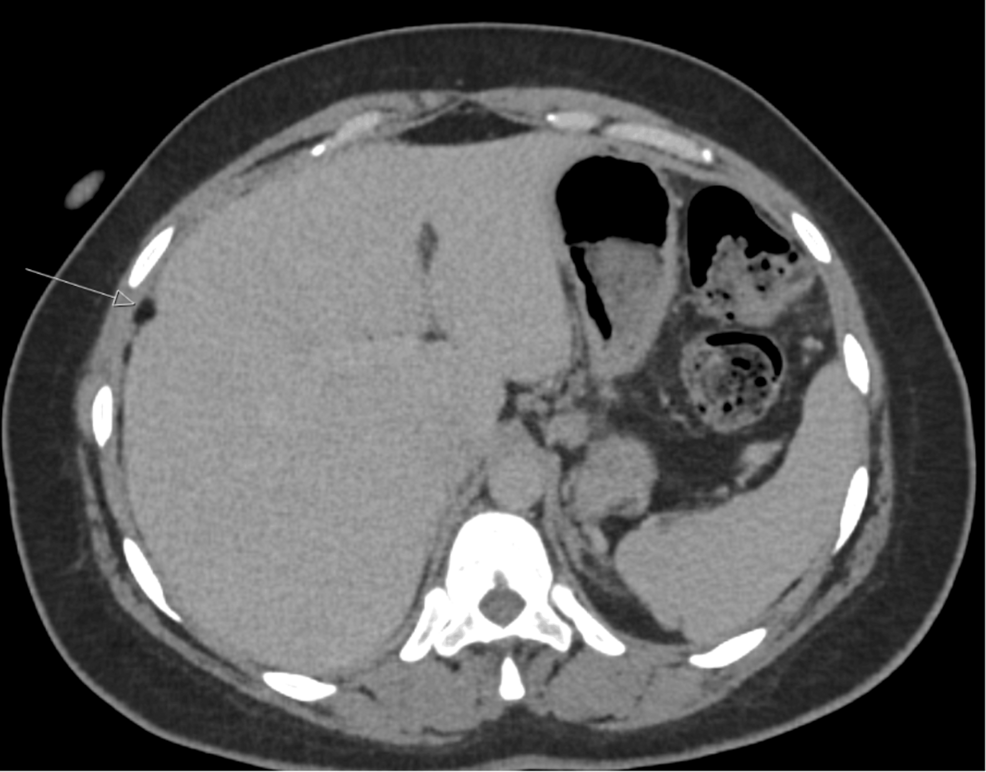
  • Multimodality Imaging of a Ruptured Ovarian Dermoid Cyst Presenting As Disseminated Granulomatous Inflammation: A Radiology Case Report

    Multimodality Imaging of a Ruptured Ovarian Dermoid Cyst Presenting As Disseminated Granulomatous Inflammation: A Radiology Case Report

    Continue Reading

  • Robert Kiyosaki Says He Doesn’t ‘Believe In Giving Poor People Money.’ Instead, He Urges Them To Buy Silver

    Robert Kiyosaki Says He Doesn’t ‘Believe In Giving Poor People Money.’ Instead, He Urges Them To Buy Silver

    “Rich Dad Poor Dad,” author Robert Kiyosaki has once again sparked conversation online with unrestrained financial advice aimed at those struggling with poverty. In a recent post on X, he said, “While I feel for poor people … I do not believe in giving poor people money.”

    Kiyosaki used the post to promote silver as an affordable investment, especially compared to assets like Bitcoin. “Most people in the world … even poor people can afford $50 in silver,” he wrote. He predicted silver could climb from $50 to $70, and possibly even $200 an ounce, within a year.

    Don’t Miss:

    “When silver is $200 an ounce … losers will begin buying,” he warned. “Please do not be [a] loser. Buy when prices are low… Sell when losers are buying.”

    The personal finance author said his approach follows his “rich dad’s” investment philosophy: “Your profit is made when you buy … not when you sell.”

    He contrasted silver with Bitcoin, which he said is now too expensive for most. According to Kiyosaki, he bought his first Bitcoin at $6,000 and now holds at least 100 of them, which he says are worth millions. “If I could not afford a $100k Bitcoin, I would be excited about my precious X prediction of silver going from $50 to $70,” he added.

    Kiyosaki backed up his stance with the old saying: “Give a person a fish… you feed them for a day. Teach a person to fish… you feed them for life.”

    Trending: Bill Gates Invests Billions in Green Tech — This Tree-Free Material Could Be the Next Big Breakthrough

    The author shared his philosophy in other posts from earlier this year, warning that poor people often break what he calls the “two most important laws of money.”

    He cited Gresham’s Law: “When bad money enters a system … good money goes into hiding,” using this to justify why he doesn’t save U.S. dollars. Instead, he saves “real money” like gold, silver, and Bitcoin.

    He also pointed to Metcalfe’s Law, which values the power of networks. According to Kiyosaki, rich people invest in strong networks like Bitcoin or McDonald’s (NYSE:MCD), while poor people often operate alone, like a single-truck delivery service.

    See Also: Wall Street’s $12B Real Estate Manager Is Opening Its Doors to Individual Investors — Without the Crowdfunding Middlemen

    Even while delivering hard truths, Kiyosaki has shown sympathy in other posts. After Challenger, Gray & Christmas recently reported that 153,000 Americans are set to be laid off, he urged compassion. “If you know someone who is fired, especially over this holiday season, please be extra kind and generous,” he wrote.

    Continue Reading