A trader works during the Evommune Inc. initial public offering (IPO) at the New York Stock Exchange (NYSE) in New York, US, on Thursday, Nov. 6, 2025.
Michael Nagle| Bloomberg | Getty Images
Stocks moved lower Friday, pressured by more losses in technology stocks, and were on pace for a losing week as new economic data added to investors’ economic fears.
The S&P 500 lost 0.9%, while the Nasdaq Composite shed 1.5%. The Dow Jones Industrial Average dropped 240 points, or 0.5%.
Concerns among investors around the strength of the U.S. economy have come into view this week. A survey from the University of Michigan revealed Friday that consumer sentiment has neared its lowest level ever. The data comes just a day after firm Challenger, Gray & Christmas reported that layoff announcements in October reached their highest level for the month in 22 years.
Because of the record-breaking U.S. government shutdown, investors have been getting little on the economic data front. The Bureau of Labor Statistics would have released the nonfarm payrolls report Friday. For the second month in a row, however, it is unable to do so because of the stoppage. Economists surveyed by Dow Jones had been expecting the report to show a decline of 60,000 jobs and an increase in the unemployment rate to 4.5%.
The Senate is expected to vote Friday on advancing a House-passed stopgap funding measure. The longest-ever federal funding lapse has posed a threat to economic activity, including causing flight disruptions due to shortages of air traffic controllers, who have been working without pay since October.
Transportation Secretary Sean Duffy said Wednesday that he will be cutting flights by 10% at 40 major airports starting Friday, a move that could affect 3,500 to 4,000 flights daily. As of Friday morning, more than 700 U.S. flights had already been canceled.
“No one likes the dark, and we’ve been in the dark for a while as far as government data is concerned, but I think we might further have some behavior being impacted,” Leah Bennett, chief investment strategist at Concurrent Asset Management, told CNBC. “I think that speaks volumes to why valuations should, at least in the short term, continue to erode.”
The three benchmark indexes are each in the red this week, as fears about elevated tech sector valuations and a highly concentrated market. The S&P 500 is down more than 2% week to date, while the 30-stock Dow Jones Industrial Average and Nasdaq have lost almost 2% and more than 4% during the period, respectively.
Nvidia shares were down 2% Friday, putting their weekly losses at 9%. Fellow leading artificial intelligence player Oracle also fell 3% and was on track for a 10% decline on the week. Palantir Technologies, down 13% on the week, and Broadcom, off by 7% this week, were lower as well.
Key AI leaders lost steam on Thursday, with Nvidia, Advanced Micro Devices, Tesla and Microsoft posting significant declines that weighed on the broader market. Major U.S. stock averages closed lower across the board, with the tech-heavy Nasdaq Composite notably dropping 1.9% and the 30-stock Dow closing lower by almost 400 points.
“You have had a bit of a rotation, which has been helpful in the value stocks, which kind of leads me to believe that the sell-off isn’t overly concerning with the [‘Magnificent Seven’],” Bennett said, adding that “AI spending is still here.”
“This AI rally that we’ve had I think does resume,” she continued. “It’s hard to call the top, but I don’t think we’re at the end of it.”
Cardiovascular disease (CVD) is the leading cause of death in the rural United States and accounted for 1 in every 5 deaths in 2022 []. There are many ways to define rural in the United States, but rural areas are generally sparsely populated and located far from urban centers []. More than 2 decades of data show that rural Americans experience higher cardiovascular mortality rates than their urban counterparts [,]. A recent study found that the rural-urban disparity is worsening, with rural cardiovascular mortality rates 150% higher than urban rates in 2022 []. Furthermore, premature death rates from CVD were higher in rural areas than in urban areas from 2010 to 2022, highlighting serious rural-urban inequities [].
Overall, rural populations have higher rates of cardiovascular risk factors, such as physical inactivity, tobacco use, diabetes, hypertension, and obesity [-]. Receiving proper care to manage cardiovascular risk factors and disease is critical to ensuring the health of rural populations, but rural-dwelling people face considerable social and structural barriers in accessing cardiovascular care []. More than 85% of rural counties do not have a cardiologist [], resulting in rural patients relying on visiting cardiologists, local primary care providers, traveling long distances, and telehealth services to receive cardiovascular care []. One study found that more rural Medicare beneficiaries rely on generalist physicians and advanced practice providers compared with their urban counterparts, further underscoring the important role rural primary care providers have in the delivery of cardiovascular care []. In 2020, the American Heart Association released a call to action highlighting rural-urban disparities in cardiovascular health and cited exploring telehealth and other digital health technologies as potential solutions for improving rural cardiovascular health [].
Digital Health Technologies in the Rural Setting
The use of digital health technologies, including mobile health (mHealth), health information technology, wearable devices, telehealth (or telemedicine), remote patient monitoring (or telemonitoring), and personalized medicine [], may increase access to cardiovascular care for patients who live in rural areas. Advantages of using digital health to provide care include increased access to health information, improved communication with health care providers, personalized care, remote patient monitoring capabilities, and patient self-management []. Rural-dwelling people have less access to broadband internet than people living in urban areas [], and while telehealth has become far more widespread due to the COVID-19 pandemic, uptake has been lower in rural than in urban areas [-]. A national study found that people in rural areas are less likely than their urban counterparts to use digital health technologies to communicate with their health care providers but are equally likely to own and use digital health technologies to manage their health [].
Understanding the perspectives of rural health care providers is critical to understanding why rural digital health technology use lags behind urban use. Little is known about rural health care providers’ perspectives regarding the use of digital health technologies in the delivery of specialty care, including cardiovascular care [,].
Diffusion of Innovations Theory as a Guiding Framework
The Diffusion of Innovations (DOI) theory provides a useful framework for characterizing health care providers’ perspectives on digital health and whether those perspectives may support or hinder future adoption. Rogers [] defined diffusion as “the process by which an innovation is communicated through certain channels over time among the members of a social system.” Potential adopters move through the diffusion-innovation process, the stages of which include (1) knowledge, or initial exposure to the innovation; (2) persuasion, or developing a positive or negative attitude toward the innovation; (3) decision, or engaging in activities that lead to choosing whether to adopt or reject the innovation; (4) implementation, or putting an innovation to use; and (5) confirmation, or seeking reinforcement about an innovation decision that has already been made. At each stage, the decision to adopt an innovation can be reversed later (a stage called discontinuance), or the decision to reject an innovation can be reversed. Five factors that influence whether an innovation will be adopted include relative advantage, compatibility, complexity, trialability, and observability. Relative advantage, compatibility, trialability, and observability are thought to be positively related to the rate of adoption, whereas complexity is negatively related to the rate of adoption. While other frameworks, such as the Technology Acceptance Model and the Unified Theory of Acceptance and Use of Technology, also offer a useful guide for understanding individual perspectives on digital health, we chose to use DOI for its emphasis on the role of the social system. A key component of DOI theory is the role of the opinion leader—an individual who influences others’ opinions about an innovation []. Opinion leaders’ reactions are critical to potential adopters, and social systems do not change without opinion leaders adopting innovations []. For the purpose of this study, we examined rural and rural-serving health care providers as opinion leaders in adopting the use of digital health technologies in the delivery of rural cardiovascular care.
Objective
This study aimed to interpret health care providers’ perspectives on the use of digital health technologies to deliver rural cardiovascular care, using DOI theory as a guiding framework. We also identified potential facilitators and barriers to providers’ adoption of digital health to better inform future digital health interventions in rural cardiovascular care.
Methods
Study Design
This study was part of a formative research project [] assessing barriers and facilitators to delivering rural cardiovascular care in the Mountain West and Pacific Northwest as part of the Global to Rural Innovation Network (GROW-Rural) project. A multidisciplinary team of public health researchers, social scientists, and clinicians developed semistructured interview guides. This study follows the COREQ (Consolidated Criteria for Reporting Qualitative Research) guidelines, where applicable [].
Participants and Recruitment
Participants were recruited through a partnership with the WWAMI Region Practice and Research Network (WPRN). The WPRN is a primary care, practice-based research network of clinics and clinical organizations in the 5-state WWAMI (Washington, Wyoming, Alaska, Montana, and Idaho) region. We invited all WPRN clinics located in rural or rural-serving counties to participate in this study. Rurality was determined using the 2023 Rural-Urban Continuum Codes (RUCCs). RUCCs 1-3 are classified as metropolitan (urban) counties, and RUCCs 4 and higher are classified as nonmetropolitan (rural) counties []. Clinics in metropolitan counties with an RUCC of 3 were considered rural-serving for the purposes of this study. We worked with WPRN practice champions, defined as providers who volunteer to facilitate research within participating WPRN member practices. WPRN practice champions identified and recruited colleagues to participate, and after completing this study, we asked participants to identify other colleagues they believed would be a good fit for the study. We sampled a range of health care providers who deliver cardiovascular services []. Our study population consisted of primary care providers, including physicians, nurse practitioners, and physician assistants, as well as referring cardiologists. Referring cardiologists were employed by the same health system as the rural clinics and traveled to provide itinerant care at those clinics. Some practice champions (SE, MAG, RG, CGJ, and KM) were also invited to serve as authors of the manuscript but were not involved in the data analysis process and did not have access to raw data.
Data Collection
From December 2023 through October 2024, we administered surveys to collect demographic characteristics using REDCap (Research Electronic Data Capture; Vanderbilt University), a secure, web-based application hosted at the Institute for Translational Health Sciences at the University of Washington [,], and conducted semistructured interviews using Zoom, Microsoft Teams, and telephone. Interviews were pilot tested to refine the interview guide. The qualitative analysis team met after conducting 3 pilot interviews, and minimal adjustments were made; therefore, we chose to include data from pilot interviews in our analysis. We audio recorded and transcribed interviews with participant consent. Interviews lasted an average of 42 minutes and were conducted by 2 research scientists working for an urban public research university (SB and SM), both of whom had formal training and experience in qualitative methods and in working with rural populations. Interviewers completed a debrief report following each interview and noted first impressions and key information from the interview. The research team held meetings throughout the data collection process to discuss the data. We ceased data collection after determining that no new themes were discussed in interviews, thereby reaching saturation []. Topics of interview questions relevant to this analysis included how participants make use of technology in their practice with patients with CVD and thoughts on using a Bluetooth-enabled blood pressure cuff for remote patient monitoring. Survey questions on participant characteristics collected demographic data and asked about openness to using technology to manage CVD to help characterize our participants.
Data Analysis
Transcripts were analyzed using a directed content analysis approach []. We first deductively coded segments of text using the 5 factors that influence adoption from Rogers’ [] DOI theory, then inductively identified emergent themes within each factor. The first author coded all transcripts and discussed findings with other members of the research team. Qualitative coding and data management were performed using ATLAS.ti 24 (Scientific Software Development GmbH) and Microsoft Excel. We used descriptive statistics to analyze quantitative items in Microsoft Excel. The term digital health is used throughout this study to broadly refer to remote patient monitoring, the use of smartphones in health care, and telehealth.
Ethical Considerations
The University of Washington Institutional Review Board determined this study (STUDY00018300) to be exempt from full review because it involved minimal risk to participants, with data collected through surveys and interviews. Each participant consented to participate in the study, with the understanding that they could withdraw at any time without consequences. All study data were deidentified and stored on a secure server. Participants were compensated with a US $50 Visa gift card for completing the survey and interview.
Results
Participant Characteristics
Seventeen health care providers from 6 different clinics were included in this analysis. Primary care providers accounted for three-fourths of our sample, with 10 primary care physicians (10/17, 58.9%) and 3 advanced practice providers (3/17, 17.6%). The remaining one-fourth were cardiologists (4/17, 23.5%). Our study sample consisted of more women than men (11/17, 64.7% women vs 6/17, 35.3% men), and participants’ average age was 47 years. All participants self-identified as White, and one participant self-identified their ethnicity as Hispanic/Latino (1/17, 5.9%). Most providers practiced in Idaho (12/17, 70.6%), followed by 3 in Alaska (3/17, 17.6%) and 2 in Washington (2/17, 11.8%). Participants’ clinics varied in rurality, with more than two-thirds (11/17, 64.7%) practicing at a clinic in a nonmetro county with an urban population of fewer than 20,000. Participants’ demographic characteristics are displayed in .
Table 1. Demographic characteristics of rural and rural-serving health care providers who manage cardiovascular disease (N=17).
Characteristic
Value
Provider type, n (%)
Cardiologist
4 (23.5)
Primary care physician
10 (58.9)
Advanced practice providera
3 (17.6)
Gender, n (%)
Man
6 (35.3)
Woman
11 (64.7)
White race, n (%)
17 (100)
Hispanic/Latino ethnicity, n (%)
1 (5.9)
Age (years), mean (SD)
46.8 (11.4)
State, n (%)
Alaska
3 (17.6)
Idaho
12 (70.6)
Washington
2 (11.8)
Rural-Urban Continuum Code (RUCC), n (%)
3–Metro: Counties in metro areas <250,000 population
4 (23.5)
4–Nonmetro: Urban population ≥20,000, adjacent to a metro area
2 (11.8)
7–Nonmetro: Urban population 5000-20,000, not adjacent to a metro area
3 (17.6)
8–Nonmetro: Urban population <5000, adjacent to a metro area
8 (47.1)
aAdvanced practice providers include nurse practitioners and physician assistants.
Most participants agreed that they were open to using new technology to manage their patients with CVD (15/17, 88.2%). Participants were largely neutral about the openness of their patients and clinics to use new technology, with two-thirds slightly agreeing or slightly disagreeing (11/17, 64.7%) regarding their patients’ openness and half slightly agreeing or slightly disagreeing (9/17, 52.9%) regarding their clinics’ openness to implementing new technology. No participants strongly agreed that their patients would be open to using new technology ().
Figure 1. Rural and rural-serving health care providers’ perceptions of openness to using new technology in the management of cardiovascular disease (N=17).
Five Factors Influencing Adoption
All participants had experience using digital health technologies in their practice, but their use was limited and inconsistent. Most participants discussed using some form of telehealth, while fewer discussed using remote patient monitoring technology or smartphones with their patients. In interviews, participants drew on past experiences with digital health and offered thoughts about adopting digital health in the future. displays our operationalized definitions of the 5 factors for the purpose of this study. Participants described cycles of adoption and discontinuance of digital health technologies. Subthemes related to the factors that influence innovation adoption, both positively and negatively, are shown in and are described in further detail in subsequent sections.
Table 2. Operationalized definitions of the 5 factors influencing adoption (from Diffusion of Innovations theory).
Factor
Operationalized definition
Relative advantage
The degree to which digital health technologies are better (or worse) than nondigital modalities in the delivery of rural care
Compatibility
The degree to which digital health technologies are consistent (or inconsistent) with the values, past experiences, and needs of rural care providers
Complexity
The degree to which digital health technologies are perceived as difficult to understand and use
Trialability
The degree to which digital health technologies may be experimented with on a limited basis
Observability
The degree to which the results of digital health technologies are visible to others
Table 3. Subthemes related to the 5 factors that influence adoption (from Diffusion of Innovations theory), derived from semistructured interviews with rural and rural-serving health care providers who manage cardiovascular disease.
Factor
Subthemes
Relative advantage
Decreased need for patient travel
Ability to leverage nonphysician health care workers
Availability of objective data from remote patient monitoring
Digital health equipment is not up to standard, leads to unsatisfactory care
Compatibility
Increased patient compliance and follow-up
Direct involvement from cardiologists or emergency providers in patient care
Concerns about patient age, ability, and access
Inability to perform physical examinations
Complexity
Connectivity issues
Concerns about fit and distribution of remote monitoring equipment
Questions about billing and data management
Trialability
Remote blood pressure monitoring programs
Use of other remote patient monitoring technology
Telehealth during the COVID-19 pandemic
Observability
Observation of telehealth in cardiology and other disciplines
Use of telehealth as a patient
Theme 1: Relative Advantage
For this analysis, we defined relative advantage as the degree to which digital health technologies are better than nondigital modalities in the delivery of rural cardiovascular care. The identified subthemes address issues that seemed to be essential or most likely to represent direct advantages or disadvantages of using digital health technology. We found 3 subthemes related to the relative advantage of digital health in caring for patients with CVD, including the decreased need for travel, increased use of nonphysician health care workers, and availability of objective data for patient management. We also identified one relative disadvantage to using digital health: digital health is not up to standard and can lead to substandard care.
Subtheme 1a: Decreased Need for Patient Travel
Participants felt digital health was useful for decreasing the need for patients to travel long distances for care that can be managed remotely and specifically cited the desire for a telehealth heart failure clinic. Travel and weather were concerns for participants, who felt digital health may help alleviate transportation challenges for both patients traveling to see providers and providers traveling to see patients. One participant described the difficulties of traveling to and from remote locations in Alaska during the winter:
I’d love to be able to do more of this [digital health] for people on [a remote] island because we can’t get there all year long because the weather is too bad. That’s another barrier. You can only go certain months because it gets just too treacherous to travel by air over there. And they don’t want to travel by boat either because the water is also rough. So part of the year they just are out of care.
Subtheme 1b: Ability to Leverage Nonphysician Health Care Workers
Participants appreciated that digital health provided opportunities to involve nonphysician health care workers in the delivery of telehealth and remote patient monitoring, as this can help ease physicians’ busy schedules and reach more patients. Some clinics already had programs in place, such as one clinic that used community health workers for a remote blood pressure monitoring program to “address the disparities” and reach people “outside the bricks and mortar of our buildings.”
Subtheme 1c: Availability of Objective Data From Remote Patient Monitoring
Participants also appreciated that remote patient monitoring provided objective data from outside the clinic setting and specifically noted that remote blood pressure monitoring can help clinicians accurately titrate medications, as blood pressure readings are often different at home compared with clinic readings. Participants who had not used remote patient monitoring recognized its benefits and spoke favorably about using it in the future.
[Remote blood pressure monitoring] would be really helpful […] I think it, obviously, would give us a much better picture of the patient’s condition if we had a reliable source of what their blood pressure is running outside of that one moment in time, just because blood pressure fluctuates so much depending on what people are doing, and stress levels, and whether or not they’re taking their medicines.
Subtheme 1d: Digital Health Equipment Is Not Up to Standard, Leads to Unsatisfactory Care
Speaking specifically about experiences with telehealth, participants felt that a disadvantage of using digital health was that it can lead to unsatisfactory patient care due to issues with technology not working correctly. Participants also noted the digital health equipment was not always up to their standards and, in some cases, had regressed in quality compared with several years ago. One cardiologist shared that telehealth visits were often a hassle to conduct:
Trying to coordinate telehealth sometimes is more work than it’s worth. It’s a big uphill battle. Despite lining everything up, it doesn’t have the same flow as your office, so a 15 or 20-minute visit oftentimes takes 45 or 50 minutes, so it’s very challenging. It disrupts your patients here. It sometimes doesn’t feel like it’s worth the hassle. I mean, as much as you empathize for the patients and you want to provide a convenience for them, I think that our practice just is not as streamlined as we wish it was.
Theme 2: Compatibility
We defined compatibility as the degree to which digital health technologies are consistent with the values, past experiences, and needs of rural health care providers. The identified subthemes address issues that seemed valuable to participants but were distinct from the essential advantages likely to result from their use. We identified 2 subthemes highlighting the compatibility of using digital health in the delivery of rural cardiovascular care: increased patient compliance and follow-up, and the ability to involve specialist physicians and emergency providers in patients’ care.
Additionally, we identified 2 subthemes related to the incompatibility of using digital health to deliver rural cardiovascular care: provider concerns about patient age and ability to use digital health technologies, and the inability to perform physical examinations.
Subtheme 2a: Increased Patient Compliance and Follow-Up
Participants with experience using telehealth felt that digital health technology increased patient compliance and reduced the likelihood of losing a patient to follow-up. They regularly used telehealth as a tool for following up with patients and keeping them on track with their care plan. One participant shared their perspective on the benefits of telehealth:
In chronic disease management and follow-up, telehealth visits can be very beneficial for both me checking on my patients where they’re at, catching a heart failure exacerbation before it’s hospital admission time, when a patient can’t come or would normally cancel an appointment, and we lose the follow-up.
Subtheme 2b: Direct Involvement From Cardiologists or Emergency Providers in Patient Care
Participants appreciated that digital health technologies provide opportunities for involvement, such as through telehealth visits, by providers who are more experienced in emergency or complex cardiovascular cases, including heart failure transplant–boarded cardiologists, electrophysiologists, and emergency providers.
So if I am sitting in [rural] Idaho in the little ED [emergency department] and I have an acute cardiac patient, we have the ability to wheel in an iPad and have a telehealth visit, either with the ED provider or the cardiologist on call to talk to the patient, really look at the patient, how sick they are and provide recs right then and there. And so that acute care is amazing.
Subtheme 2c: Concerns About Patient Age, Ability, and Access
Participants’ concerns about their patients’ older age and general ability to use technology highlight how digital health can be incompatible with the delivery of rural cardiovascular care. Some participants also shared that not all of their patients have the ability to access or use digital health tools:
The most recent generations of CGMs [continuous glucose monitors] require smartphone integration, whereas older ones have their own little magic wand you hold up to them. And there are some of our patients who need the older system, they’re just like, ‘I cannot use this cell phone integration thing.’ Is that the majority of patients? No. But sometimes they just don’t have that cell phone or they don’t have access to a plan.
Subtheme 2d: Inability to Perform Physical Examinations
The inability to perform a physical examination using digital health was incompatible with participants’ needs in providing patient care. One participant shared that she “hates” telehealth because she likes “laying my hands on a patient and basically evaluating them, listening to their heart, talking to them, checking their blood pressure, that kind of stuff.” She later noted that she likes using telehealth for ongoing patient management, such as ensuring correct dosing for blood pressure medications.
Theme 3: Complexity
We defined complexity as the degree to which digital health technologies are perceived as difficult to understand and use. Subthemes related to the complexity of digital health technologies highlighted the difficulties and concerns participants have experienced or felt were likely to result from using digital health in their practice. They were largely concerned with difficulties at the patient and clinic levels. We identified 3 subthemes related to the complexity of digital health: connectivity issues, concerns about the fit and distribution of remote monitoring equipment, and questions about billing and data management.
Subtheme 3a: Connectivity Issues
Participants shared past experiences with connectivity issues related to unreliable internet and telephone access, both in the clinic and for their patients at home. They described instances in which issues with internet and technology led to substandard visits and sometimes interrupted the flow of their schedules with in-clinic patients. One cardiologist felt that fewer than half of their telehealth visits ran smoothly:
I mean, it’s probably less than 50% goes smoothly as far as a patient logs on, you have a visit, and it accomplishes the goal. Probably at least half the time when we weren’t bringing them into the office, the internet wouldn’t work. The video was such poor quality. It would disconnect and then you were calling on the phone and the next. It just took a lot more time. Ultimately at the end of the day, you didn’t accomplish what you were really hoping for. As a provider, I felt like that was a substandard visit.
Subtheme 3b: Concerns About Fit and Distribution of Remote Monitoring Equipment
Participants were concerned about the distribution of remote patient monitoring equipment and ensuring that the equipment they provided to patients fits correctly, is used correctly, and is returned by patients. One primary care physician shared that her clinic had to stop offering remote treatment of bilirubin because patients were not returning the equipment. She felt that remote patient monitoring would work best if patients were able to keep the equipment:
We do give out blood pressure cuffs, but we basically have had a difficult time I think over time having people return equipment. […] But if it was something that was given to the patient, I think that would be great.
Subtheme 3c: Questions About Billing and Data Management
The complexity of managing remote patient monitoring data and difficulties with billing for digital health were clinic-level concerns for participants. They were worried about the volume of remote patient monitoring data, taking responsibility for it, and entering it into the electronic health record (EHR). Participants mentioned that billing for digital health is more restrictive than for in-person visits. They also noted that restrictions on billing and providing telehealth across state lines were less restrictive during the COVID-19 pandemic but have since returned to stricter regulations. One primary care physician noted that the modern practice of medicine requires one to consider billing for remote patient monitoring:
I think probably the biggest barrier is how does that information get into the EHR. And then, when are you monitoring that? Who’s monitoring it? If somebody’s blood pressure is 240, when does that get seen and what is the advice, having time set aside to do that, is there a way to bill for it that? Which I hate to think about that, but that’s kind of the modern practice of medicine and employed practice.
Theme 4: Trialability
We defined trialability as the degree to which digital health technologies may be experimented with on a limited basis. Subthemes related to trialability highlighted participants’ past or current experiences using digital health tools. We identified 3 subthemes related to the trialability of digital health: use of remote blood pressure monitoring programs, use of other remote patient monitoring technology (ie, continuous glucose monitors [CGMs], Zio patches, and Holter monitors), and use of telehealth during the COVID-19 pandemic.
As noted above in the relative advantage section, participants who had used remote patient monitoring in the past generally reported positive experiences. One participant described their experience using remote blood pressure monitoring to manage medication:
I’ve had a couple of patients who have pretty normal looking blood pressures when they’re in office, but then I see that they’re markedly hypertensive most of the time when they’re at home. And so I’ve actually increased meds for people more often than I’ve decreased, I think.
Subtheme 4b: Use of Other Remote Patient Monitoring Technology
Participants had used several other types of remote monitoring technology in their practice, including Zio patches, CGMs, and Holter monitors. The success of using these technologies was mixed. As noted above in subtheme 2c, some participants felt their patients had difficulties using smartphone-integrated remote patient monitoring technology. Other participants, however, had success using different remote patient monitoring technologies with their patients. One primary care physician described the benefits of being able to monitor data from patients’ CGMs and felt those benefits would translate to using remote blood pressure monitoring:
[…] Continuous glucose monitors for patients change everything with diabetes. I mean, it’s so much easier when I can just log on and see exactly what is going on. I think ambulatory blood pressure monitoring would be amazing.
Subtheme 4c: Telehealth During the COVID-19 Pandemic
Participants who used telehealth during the COVID-19 pandemic had mixed feelings about its success. Many participants noted that telehealth use was higher during the pandemic and has since declined. One advanced practice provider noted, “they aren’t doing a lot of telehealth anymore for cardiac patients, so there is that delay” in delivering cardiovascular care. Some participants were very satisfied with their experiences using telehealth and wished they could conduct telehealth visits as frequently as they did during the pandemic. Others noted frequent technical difficulties (highlighted above in the incompatibility and complexity sections). One cardiologist shared that he and some of his colleagues abandoned telehealth during the pandemic due to difficulties:
During COVID, I found that trying to do telemedicine with patients in their home was not worth it. I abandoned it, most of us did.
Theme 5: Observability
We defined observability as the degree to which the results of digital health technologies are visible to others. Subthemes related to observability highlighted opportunities for participants to see successful digital health programs. We identified 2 subthemes related to observability: observation of telehealth in cardiology and other disciplines, and use of telehealth as a patient.
Subtheme 5a: Observation of Telehealth in Cardiology and Other Disciplines
Participants who had seen heart failure telehealth clinics through cardiology groups spoke highly of such programs, and some expressed a desire to have these programs in their community to reach more patients. Participants had also seen telehealth used to deliver behavioral health care. One participant shared that primary care providers in his clinic observed the benefits of having psychiatry support for complex cases and would like more telehealth access to specialty care:
[…] I think all of our patients and our providers are starving for access to specialty care. So we actually implemented adult and pediatric psychiatry in 2009 […] which has had a huge impact on the population. At least the high needs population, like the severely mentally ill patients that were being managed by primary care like myself. So the primary care team really appreciates things on those harder problems.
Subtheme 5b: Use of Telehealth as a Patient
In addition to observing successful telehealth in cardiology and other disciplines, participants also observed successful telehealth programs as patients. One participant, who was not happy with his experience using telehealth in his own practice, mentioned using telehealth successfully as a patient and noted that the technology he used as a patient worked very well, but he does not feel that he has provided that level of care to his rural patients.
Although that being said, as a patient, I’ve done telehealth through [urban healthcare facility], and my experiences were great. I don’t know if it’s because I was in a place and understood how to use technology, but they were able to share screens, and I thought it was very effective. […] I don’t feel like I’ve provided the same service to our rural areas.
Discussion
Overview
This study used DOI theory as a guiding framework to interpret the perspectives of rural and rural-serving primary care providers and cardiologists toward using digital health in the delivery of cardiovascular care. Through this framework, we found that (1) participants identified several barriers and facilitators to using digital health in rural cardiovascular care, and (2) there may be a disconnect between the potential of digital health and how it works in practice, as evidenced by cycles of adoption and discontinuance of digital health technologies. Most participants indicated they were personally open to using digital health in their practice and identified many advantages to using digital health. They sometimes felt it was compatible with their needs and values, had opportunities to trial digital health technologies, and observed successful digital health in other practices. These results are consistent with findings from the broader DOI literature, which shows that compatibility, trialability, and observability of innovations are positively related to the rate of adoption []. Participants felt that their patients and clinics would be less open to adopting digital health. They also identified ways in which digital health had disadvantages and was complex and incompatible with their needs and values and those of their patients, all of which are thought to be negatively related to the rate of adoption per DOI literature [].
Our findings suggest that digital health has the potential to increase access to cardiovascular care for rural patients and assist health care providers in delivering higher-quality care to their patients through this increased access. Findings indicating providers’ openness to digital health were consistent with the many advantages and compatibilities discussed in interviews, including the decreased need for travel, the ability to leverage nonphysician health care workers, the availability of objective data from remote patient monitoring, increased patient compliance and follow-up, and increased access to specialized health care providers.
Notably, our findings highlighted a disconnect between participant openness and consistent adoption of new digital health technology. Participants often found themselves in the confirmation stage of the diffusion-innovation process—seeking reinforcement for adoption decisions already made—and described instances of discontinuance, in which they referred to digital health programs in the past tense or spoke directly about abandoning them. Oftentimes, participants who had abandoned the use of digital health in the past adopted it again at a later date.
While we examined health care providers as opinion leaders in this study, we also note that participants’ perspectives on digital health were informed by their experiences with their patients and the clinics where they work. Participants indicated that they were less convinced of their patients’ and clinics’ openness to using new technology in the management of CVD than they were of their own. This is consistent with interview findings in which participants described disadvantages, complexities, and incompatibilities at the patient and clinic levels. Notable patient- and clinic-level incompatibilities and complexities included concerns about patients’ ability to effectively use digital health technologies, the quality of the available equipment, and digital health sometimes leading to substandard care.
This disconnect between the acknowledged advantages of providing digital cardiovascular care and how it works in rural practice is consistent with past studies. A scoping review examining the impact of digital health on bridging the rural health care gap found that, although digital health tools have the potential to increase access and improve outcomes for rural communities, there are critical barriers that must be addressed []. One study found that rural health systems leaders noted that telehealth has not been used to its potential in the delivery of specialty care, including cardiovascular care []. A study of rural primary care providers in the Midwest found that telehealth may not align with the needs of rural communities and should be optimized to address limitations of rural practice. In this study, only one-third of providers agreed that telehealth connects patients to better specialty care, whereas 90% agreed that it has the potential to make that connection []. Other studies showed that rural health care providers are interested in using mHealth technology with their patients but have limited time to learn about emerging technologies and voiced concerns about their patients’ ability to use mHealth technology [,].
While, in theory, digital health can increase access to cardiovascular care for rural patients, the potential to exacerbate existing health inequities must be acknowledged []. This study highlights the need to design rural digital health interventions with the needs of rural patients in mind. Patient-level considerations should include how digital health interventions can be designed to accommodate varying levels of digital health literacy, limited internet and smartphone access, and the need for patient education. Furthermore, future rural digital health interventions should consider the needs of rural health care providers and the limitations of their clinics. Such interventions should take care not to increase the workload of rural health care providers or compromise their ability to provide quality patient care. In addressing digital health equity, one should also consider the potential role of implicit bias in providers’ perceptions of patient barriers to using digital health. In designing a framework for digital health equity, Richardson et al [] proposed the concept of implicit tech bias, which they describe as “the impact that unconscious perceptions of an individual’s digital literacy, technology access, and attitudes toward use have on clinician willingness to enroll and engage individuals with digital health care tools.” Health care providers and researchers should be careful to not predetermine whether a rural patient would be a good candidate for a digital health intervention.
Strengths and Limitations
A strength of this study is its qualitative design, which allowed for an in-depth analysis of health care providers’ perspectives on the barriers and facilitators to using digital health in their practice. A second strength is that the inclusion of primary care physicians, advanced practice providers, and cardiologists allowed us to obtain the perspectives of health care providers who deliver various levels of cardiovascular care. This study is not without limitations. The DOI theory lends itself to a pro-innovation bias, and for the purpose of this study, it suggests that all rural health care providers should consider adopting digital health technologies to deliver cardiovascular care to their patients. Through this analysis, it became clear that digital health is not always the best method for delivering cardiovascular care, and health care providers should consider the needs of each individual patient. This study examines only the opinions of health care providers and does not account for the perspectives of rural patients. We also recognize that while there are many digital health technologies available, our analysis focused only on remote patient monitoring, the use of smartphones in health care, and telehealth. Although the qualitative methods used in this study allowed for an in-depth analysis of participants’ points of view, the data are not widely generalizable and do not represent the vast spectrum of rural communities. Furthermore, our sample was not racially or ethnically diverse, partially due to the demographics of the counties where our participants practiced, which have majority non-Hispanic White populations.
Conclusion
Worsening rural cardiovascular health outcomes and a decreasing supply of rural cardiologists highlight the need for creative solutions to provide rural cardiovascular care, including digital health technologies. Rural health care providers recognize the many advantages of using digital health in caring for their patients with CVD but find that digital health is often complex and incompatible with their needs and the needs of their patients. There may be a disconnect between the potential of digital health and how it works in practice, as evidenced by the cycles of adoption and discontinuance described by rural health care providers. Future rural digital health interventions in cardiovascular care should take into consideration specific complexities and incompatibilities in the rural context.
The authors thank the Washington, Wyoming, Alaska, Montana, and Idaho Region Practice and Research Network for their support. The authors did not use generative AI in any portion of the manuscript writing. This publication was supported by the American Heart Association Health Equity Research Network (grant AWD-020213): Global to Rural Innovation Network (GROW-Rural), and the National Center for Advancing Translational Sciences of the National Institutes of Health (award UL1 TR002319). The content is solely the responsibility of the authors and does not necessarily represent the official views of the National Institutes of Health or American Heart Association.
The datasets generated or analyzed during this study are not publicly available due to participant confidentiality but are available from the corresponding author on reasonable request.
SB, SM, KBS, AGS, BS, AJ, MZS, AC, RTB, and CTL contributed to the conceptualization and methodology of this study. SB and SM contributed to data curation and investigation. SB, SM, KBS, AGS, BS, EW, and AJ contributed to formal analysis and validation. SB, SM, MZS, SE, MAG, RG, CGJ, and KM contributed to project administration. CTL, RTB, and AC contributed to funding acquisition. CTL, RTB, and KBS contributed to supervision. SB contributed to visualization. SB (lead) and SM (supporting) contributed to writing—original draft preparation. All authors contributed to writing—review and editing and approved the submitted manuscript.
None declared.
Edited by A Stone, A Mavragani; submitted 09.May.2025; peer-reviewed by KL Mauco, J Grosser; comments to author 14.Aug.2025; revised version received 03.Sep.2025; accepted 14.Oct.2025; published 07.Nov.2025.
This is an open-access article distributed under the terms of the Creative Commons Attribution License (https://creativecommons.org/licenses/by/4.0/), which permits unrestricted use, distribution, and reproduction in any medium, provided the original work, first published in the Journal of Medical Internet Research (ISSN 1438-8871), is properly cited. The complete bibliographic information, a link to the original publication on https://www.jmir.org/, as well as this copyright and license information must be included.
MILWAUKEE–(BUSINESS WIRE)–
Fiserv, Inc. (NYSE: FI), a leading global provider of payments and financial services technology, today announced its participation in the following investor conferences.
Mike Lyons, CEO, and Paul Todd, CFO, will participate in the following conferences:
KBW Fintech Payments Conference
12:25 p.m. ET on November 12
UBS Global Technology and AI Conference
1:35 p.m. ET on December 1
Live webcasts and archived replays will be available on the investor relations section of the Fiserv website at investors.fiserv.com.
About Fiserv
Fiserv, Inc. (NYSE: FI), a Fortune 500 company, moves more than money. As a global leader in payments and financial technology, the company helps clients achieve best-in-class results through a commitment to innovation and excellence in areas including account processing and digital banking solutions; card issuer processing and network services; payments; e-commerce; merchant acquiring and processing; and Clover®, the world’s smartest point-of-sale system and business management platform. Fiserv is a member of the S&P 500® Index, one of TIME Magazine’s Most Influential Companies™ and one of Fortune® World’s Most Admired Companies™. Visit fiserv.com and follow on social media for more information and the latest company news.
FI-G
View source version on businesswire.com: https://www.businesswire.com/news/home/20251107014374/en/
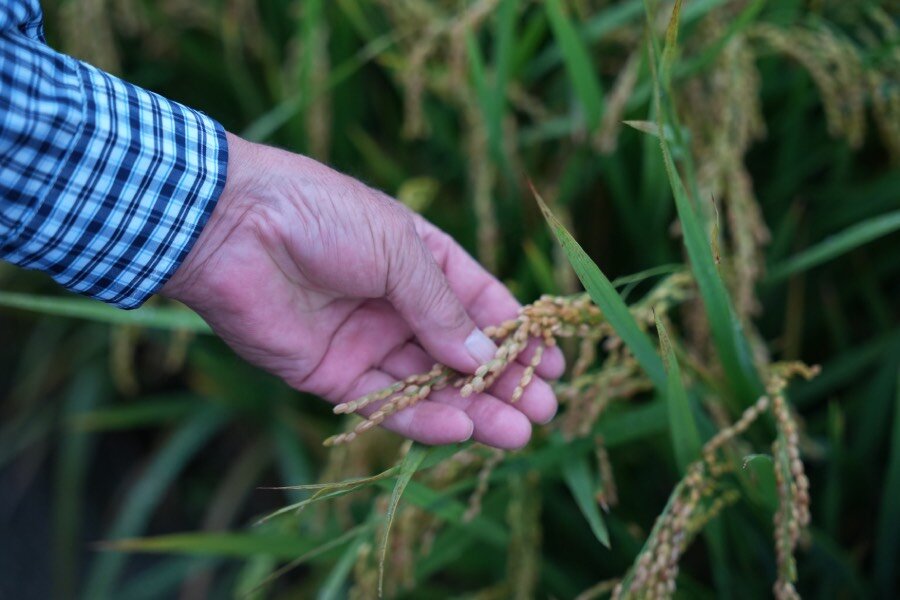
Suwoong Han, 85, remembers what hunger was like after the Korean War, in the early 1950s. Photo: Yanghae Won
Throughout his 85 years, rice has dominated Suwoong Han’s life.
During bitter March days, when the soil is still hard, the elderly Korean farmer soaks rice seeds so they germinate. Then comes planting and pest control – and the chance to see his paddy morph into a sea of yellow and green. And, finally, harvest time, in October, when Han delivers his crop to a rice processing centre, and can finally bank the profits from his hard work.
“That is when I feel happiest,” says Han, who is also the son of rice farmers from the Republic of Korea’s northwestern Gyeonggi Province.
A forklift loads Republic of Korea rice onto a vessel in the Republic of Korea’s Gunsan Port. The country provides an average of 150,000 tons of the grain for WFP operations in 17 countries. Photo: WFP/Yanghae Won
Han takes pride in his harvest for other reasons. On any given year, it may count among the tens of thousands of metric tonnes of rice his country donates to support World Food Programme (WFP) programmes for hungry people.
“Hunger is one of the most difficult hardships to endure,” Han says, recalling difficult days after the 1950-53 Korean War. As a young man, WFP food aid to his country was a lifeline.
“I remember walking long distances to receive food assistance, including wheat flour, sorghum flour, milk, or powdered milk,” he says. “So, I truly understand what it means to be hungry.”
Rohingya refugee Leila collects WFP food vouchers at Cox’s Bazar’s refugee camps, in Bangladesh. Photo: WFP/Rawful Alam
Nearly 4,000 kilometres away, Rohingya refugee Leila understands it too. The mother of five escaped Myanmar’s Rakhine State in 2017, after her husband was shot and killed in an uptick of violence. After a 15-day walk, she found safety in the sprawling refugee camps of Cox’s Bazar, just across the border in Bangladesh.
“Last year, we received Korean rice. It was very tasty,” Leila remembers. “It was good with lentils and cabbage.”
From aid recipient to top donor
Korean rice arrives at Chittagong Port in Bangladesh, destined for Cox’s Bazar – a testament of Korea’s transformation from food aid recipient to major donor. Photo: WFP/Rawful Alam
Just over a generation ago, the Republic of Korea was one of the world’s poorest countries, and a leading recipient of WFP assistance. Between 1964 and1984, WFP rolled out nearly two dozen projects in the country – from nutrition assistance and water sanitation to flood control and road construction – helping to turn that trajectory around.
Today, the booming East Asian nation counts among WFP’s top donors, earmarking hundreds of millions of dollars for our food assistance every year – including rice grown by famers like Han. This year, Seoul provided a record 150,000 tons of the grain for WFP operations in 17 countries — triple the tonnage it provided in 2018, when it first started donating rice.
“Having transformed from an aid recipient to a donor country, the Republic of Korea is deeply committed to giving back and taking a leading role in global humanitarian efforts,” says Shinjae Kim, Director of Global Agricultural Development Team at the Republic of Korea’s Ministry of Agriculture, Food and Rural Affairs.
Before the Korean rice is exported, different grains are sorted and stored separately. Experts conduct milling tests to improve rice quality for overseas food aid. Photo: WFP/Yanghae Won
This year, Bangladesh has become the first recipient of the Government’s nutrient-packed fortified rice – which aims to go “beyond food assistance, to encompass nutrition support and help narrow the global nutrition gap,” Kim adds.
The rice heads to places like Bangladesh, where the Government of Korea’s contributions help to support more than one million Rohingya refugees like Leila.
“Korean rice is a lifeline for some of the world’s hungriest people,“ says Angie Lee, Director of the WFP Seoul Global Office, noting the rice is expected to reach more than 8 million vulnerable people in 2025. “We are grateful for this vital and predictable contribution, which delivers not just food, but hope.”
Quality and safety
WFP’s Jaspal Oberoi oversees cargo at Korea’s Gunsan Port. What’s key, he says, is cargo safety – and knowing Korean rice reaches people in need. Photo: WFP/Yanghae Won
Farmers like Han cultivate rice under government contracts. Their harvests end up in large warehouses located in the nation’s major production areas. The grains are husked and stored in cold units to ensure they have a long shelf life, and meet strict food quality standards.
Rice heading to Cox’s Bazar is then trucked to Gunsan Port, in the western part of the country, where it is shipped to Bangladesh on WFP-chartered vessels. Seoul’s donation covers the WFP costs of both transporting and processing the rice – which undergoes multiple quality checks by the Government’s quality control agency and WFP.
“The biggest challenge is ensuring everyone remains focused on cargo safety,” says WFP Shipping Officer Jaspal Oberoi. What’s key, he adds, “is knowing the rice we handle, despite all the complexities, ultimately reaches people in need.”
An aerial view of the Rohingya refugee camp in Cox’s Bazar, one of the largest in the world. Photo: WFP/Mehedi Rahman
After roughly two weeks at sea, the rice arrives in Bangladesh’s main Chittagong Port, where it undergoes additional quality checks. It is then trucked to warehouses in Cox’s Bazar for distribution to some of the million-plus Rohingya refugees there – who depend almost entirely on humanitarian aid to survive.
“The Rohingya face multiple, overlapping challenges,” says WFP Bangladesh Programme Officer Mohammad Rokibul Alam, ticking off overcrowded living conditions in Cox’s Bazar, health risks and limited earning and educational opportunities.
Precious grains
Leila inspects grains of rice she is buying with WFP vouchers. WFP support is a lifeline to her family. Photo: WFP
In a place where food is precious, Alam has a message for those who helped to grow it. “Every grain of rice reflects your hard work and kindness,” he says of Korean farmers like Han, “and it is received with deep appreciation by the families in the camps.”
Those families include Leila’s, who lives in in Cox’s Bazar in a small shelter made of bamboo sticks. Meals are based on the staple rice and other items – including fresh vegetables -she buys with a US$12 monthly WFP voucher. In an uncertain global funding environment, that lifeline might be affected after March 2026.
“The food doesn’t last,” Leila says. “My children are growing, especially my eldest son, who needs more food than the rest of us.”
Declining resources collide with escalating needs at the camps. Since early 2024, more than 130,000 Rohingya refugees have arrived in Cox’s Bazar, amid ongoing fighting in Rakhine State. As the crisis continues, prospects for them returning anytime soon are bleak.
Farmer Han, who founded and chaired the Korean National Farmers’ Association, is glad his harvests help feed hungry people. Photo: WFP/Yanghae Won
“The Rohingya community has been stateless for decades,” says WFP’s Alam. “Despite the rising needs in the camps, international support has been sharply declining. This makes contributions such as the Korean rice that much more critical.”
As she sifts grains of rice through her hands, Leila is grateful for this far-away donation. “I thank the Korean people for the rice,” she says. “I pray for them, and wish them well.”
From his home in Gyeonggi, farmer Han is glad to be making a difference. “Knowing the rice we produce helps people across the sea overcomes their difficulties truly warms my heart,” he says.
Copenhagen, Denmark, 7 November 2025, – Satair, an Airbus company, has entered into an agreement to acquire Unical Aviation Inc. (“Unical”), a global aircraft parts and components supplier of Used Serviceable Material (USM) and its subsidiary ecube, a global expert in aircraft storage, disassembly, and transition services. This strategic acquisition represents a significant milestone in Satair’s strategy in the USM space, and reinforces its commitment to providing comprehensive and integrated aftermarket solutions.
The acquisition includes Unical’s and ecube’s seven operational sites and offices across North America, Spain, and the United Kingdom, with combined 2024 revenue of $298 million and headcount of 413, adding a strategic expansion to Satair’s global footprint.
The transaction is subject to the customary regulatory approvals and is expected to be finalised in early 2026.
Both the expertise and infrastructure of Unical and ecube across will play a key role in enhancing Satair’s capabilities as a reliable provider of USM solutions, complementing its current offering supported by its subsidiary, VAS Aero Services – acquired by Satair in 2022 – and leveraging VAS’s capabilities across engine, multi-fleet USM and end-of-life support.
Richard Stoddart, CEO of Satair and Head of Airbus Material Services, said: “We are absolutely delighted to welcome Unical and ecube to Satair.” He added: “At its core, this acquisition is about enhancing aircraft lifecycle management capabilities in the aerospace aftermarket. Prolonging the lifespan of material resources is essential – not only is it the most effective way to maximise the value of assets, it is also integral to establishing responsible material practices that benefit both our customers and our industry’s long-term future.”
Sharon Green, CEO of Unical, commented: “We are delighted to join forces with Satair. This partnership marks a pivotal moment for Unical, and I have full faith that together we will unlock significant value for our customers, employees, and stakeholders. As a global leader in USM and a premier provider of aircraft storage, disassembly, and transition services, Unical and ecube are a powerful and natural match for Satair’s ambitions in services growth, material availability, and sustainability. We’re proud of what we’ve built—and even more excited for what’s ahead.”
The 2023 IMO GHG Strategy foresees global shipping to be net-zero by or around 2050. Numerous actions are being implemented at the global, regional and national level aimed at achieving that goal.
In 2021 IMO adopted the short-term GHG reduction measure, putting in place mandatory energy efficiency requirements requiring ships to progressively reduce their carbon intensity (EEXI and CII), thereby reducing fuel consumption per tonne/mile transported. Latest fuel consumption data reported to the IMO demonstrate an improvement of carbon intensity between 31 and 38% (depending on the metric used), compared to 2008, thus nearing the 40% target for 2030 as set out in the IMO GHG Strategy.
Further energy efficiency improvements can reduce fuel consumption and boost innovation in all ship segments. Rapid technological development in propeller design, air lubrication systems, wind propulsion, hull coating, and just-in-time operations lowered CAPEX and OPEX costs, and faster payback periods.
Ports continue to pursue partnerships along green maritime corridors, and currently over 60 of these corridors are at different stages of development, nourishing crucial first-mover experience in the use of alternative fuels, safe bunkering, shore-power, and forging demand for zero and near-zero emission fuels and technologies through cooperation in industrial clusters in ports areas.
IMO’s support to countries to develop National Action Plans further reinforces cooperation between the shipping, ports and energy sectors, as well as the financial sector to enhance access to finance for shipbuilding and retrofits.
Shipping plays an important role in the global energy transition, enabling the transport of low-emission fuels from their production locations to high-energy demand centers, also allowing ships to use those fuels for propulsion.
IMO is in the process of developing a next set of regulatory measures that will further chart the course of shipping’s energy transition towards net-zero, facilitating global trade, creating new opportunities for alternative fuel producing countries, supporting related maritime infrastructure development, and safeguarding reliable and affordable shipping for the many States depending on shipping as their lifeline to the world’s markets.
This event will focus on current action; and recommendations on how IMO and other stakeholders can further prompt the energy transition of shipping through
appropriate regulatory measures and broader enabling frameworks; including first-mover action and support mechanisms, notably for developing countries, in particular SIDS and LDCs, to ensure that no one is left behind.
Governments and other public entities, international organizations, industry and civil society representatives are invited to join this dialogue, and share their valuable insights on the necessary next steps in shipping’s energy transition.
Agenda
16:45 – 16:55
Opening
Mr. Arsenio Dominguez, Secretary-General, International Maritime Organization (IMO)
16:55 – 17:05
Key note
H.R.H. Prince Jaime de Bourbon de Parme, Climate Envoy, Netherlands
17:05 – 18:00
Ongoing action in the energy transition of shipping and actions needed to accelerate upscaling and innovation
Moderator:
Ms. Katharine Palmer, Maritime Lead, Climate Champions Team
Panel:
Mr. Rodrigo Bermelho, Global Director of Shipping and Distribution, Vale S.A.
Alain Beauvillard, Director of Strategy, Policy and Innovation, Green Climate Fund
Ms. Linden Coppell, Vice President Sustainability & ESG, MSC Cruises
Dr. Andrew Forrest, non-executive chairman, Fortescue
Mr. Hans Olav Ibrekk, Special Envoy, Climate and Security, Ministry of Foreign Affairs, Norway
Ms. Tina Stege, Climate Envoy, Marshall Islands
18:00 – 18:10
Q&A
18:10 – 18:15
Closing remarks
Mr. Igor Paunovic, Senior Economist, Chief of the Climate and Development Strategy Unit, UNCTAD
The HARMONi-A study is the first Phase III trial of an immunotherapy for EGFR-TKI-resistant, EGFR-mutated non-squamous NSCLC to show statistically significant and clinically meaningful improvements in both progression-free survival (PFS) and overall survival (OS)
With a median follow-up of 32.5 months, the ivonescimab combination regimen showed a median OS of 16.8 months, versus 14.1 months for chemotherapy (OS HR=0.74, P=0.019)
The OS benefit of the ivonescimab combination regimen was consistent across all subgroups, showing significant improvement regardless of the presence of brain metastases or EGFR mutations (19Del and L858R)
During the 32.5-month follow-up period, the ivonescimab combination regimen demonstrated excellent safety
These are the final and only formal OS analysis results from the HARMONi-A study
Ivonescimab was approved for market launch in China in May 2024 and was added to the National Reimbursement Drug List (NRDL) in November 2024
HONG KONG, Nov. 7, 2025 /PRNewswire/ — Akeso, Inc. (HKEX: 9926.HK) is excited to announce that the final Overall Survival (OS) analysis results from the HARMONi-A study, a Phase III study evaluating ivonescimab combined with chemotherapy for the treatment of EGFR-mutated non-squamous non-small cell lung cancer (nsq-NSCLC) following EGFR-TKI progression, were selected as a “Late-Breaking Abstract” (LBA) for the 40th Annual Meeting of the Society for Immunotherapy of Cancer (SITC), held in National Harbor, Maryland, USA. Professor Xiuning Le from MD Anderson Cancer Center presented these findings to a global audience during an oral presentation session.
HARMONi-A is the first global Phase III clinical trial of an immunotherapy in the EGFR-TKI resistant, EGFR-mutated nsq-NSCLC setting to demonstrate clinically meaningful and statistically significant benefits in both Progression-Free Survival (PFS) and Overall Survival (OS). This final OS analysis, the first from a Phase III trial of ivonescimab, confirms the breakthrough value of ivonescimab-based therapy in improving both PFS and OS. Historically, cancer immunotherapies have largely failed to demonstrate significant breakthroughs in this specific indication. Prior Phase III trials involving other regimens—such as PD-1 inhibitors combined with chemotherapy or immunotherapies combined with anti-angiogenic therapy, failed to show significant OS benefits. The significant positive outcomes in both PFS and OS in the HARMONi-A study underscore the substantial clinical benefit improvement of ivonescimab over PD-1 inhibitors.
Previously, the HARMONi-A study had already met its primary endpoint, demonstrating a statistically significant improvement in PFS at the interim analysis (PFS HR 0.46, P < 0.001). Previously, during the regulatory review for the approval of ivonescimab in first-line PD-L1-positive NSCLC in China, a descriptive analysis of OS from the HARMONi-A study was conducted in May 2024 at the request of the regulatory authorities. The final OS analysis results presented at SITC 2025 represent the final and only pre-specified formal OS analysis for the HARMONi-A study, performed as a sequential test according to the pre-specified statistical analysis plan (SAP).
The final OS analysis, with a median follow-up period of 32.5 months, showed that the ivonescimab plus chemotherapy regimen provided a clinically meaningful and statistically significant improvement in OS compared to chemotherapy alone:
The median OS was 16.8 months in the ivonescimab treatment group compared to 14.1 months in the control group (OS HR=0.74, P=0.019), achieving statistical significance. The OS benefit increased with extended follow-up.
The ivonescimab combination regimen consistently demonstrated OS benefit over the control group across all subgroups:
In patients with brain metastases, OS HR=0.61;
In patients without brain metastases, OS HR=0.77;
In patients with EGFR 19Del mutations, OS HR=0.83;
In patients with EGFR L858R mutations, OS HR=0.60.
With a median follow-up of 32.5 months, the long-term safety profile of the ivonescimab combination therapy remained favorable, with no new safety signals identified. The incidence of common treatment-related adverse events (TRAEs) showed no significant difference between the two groups.
Based on the positive clinical data from the HARMONi-A study, ivonescimab received approval from the China National Medical Products Administration in May 2024 for this indication. In November 2024, Akeso announced that ivonescimab was successfully added to China’s National Reimbursement Drug List, effective January 1, 2025, ensuring widespread patient access to this life-saving treatment.
Additionally, Summit Therapeutics, Akeso’s global partner for ivonescimab, announced in October 2025 that it plans to submit a Biologics License Application (BLA) to the U.S. Food and Drug Administration (FDA) in the fourth quarter of 2025, seeking approval for ivonescimab in combination with chemotherapy for the treatment of EGFR-mutant, third-generation EGFR-TKI-resistant, non-squamous NSCLC.
Forward-Looking Statement of Akeso, Inc. This announcement by Akeso, Inc. (9926.HK, “Akeso”) contains “forward-looking statements”. These statements reflect the current beliefs and expectations of Akeso’s management and are subject to significant risks and uncertainties. These statements are not intended to form the basis of any investment decision or any decision to purchase securities of Akeso. There can be no assurance that the drug candidate(s) indicated in this announcement or Akeso’s other pipeline candidates will obtain the required regulatory approvals or achieve commercial success. If underlying assumptions prove inaccurate or risks or uncertainties materialize, actual results may differ materially from those set forth in the forward-looking statements.
Risks and uncertainties include but are not limited to, general industry conditions and competition; general economic factors, including interest rate and currency exchange rate fluctuations; the impact of pharmaceutical industry regulation and health care legislation in P.R.China, the United States and internationally; global trends toward health care cost containment; technological advances, new products and patents attained by competitors; challenges inherent in new product development, including obtaining regulatory approval; Akeso’s ability to accurately predict future market conditions; manufacturing difficulties or delays; financial instability of international economies and sovereign risk; dependence on the effectiveness of the Akeso’s patents and other protections for innovative products; and the exposure to litigation, including patent litigation, and/or regulatory actions.
Akeso does not undertake any obligation to publicly revise these forward-looking statements to reflect events or circumstances after the date hereof, except as required by law.
About Akeso Akeso (HKEX: 9926.HK) is a leading biopharmaceutical company committed to the research, development, manufacturing and commercialization of the world’s first or best-in-class innovative biological medicines. Founded in 2012, the company has created a unique integrated R&D innovation system with the comprehensive end-to-end drug development platform (ACE Platform) and bi-specific antibody drug development technology (Tetrabody) as the core, a GMP-compliant manufacturing system and a commercialization system with an advanced operation mode, and has gradually developed into a globally competitive biopharmaceutical company focused on innovative solutions. With fully integrated multi-functional platform, Akeso is internally working on a robust pipeline of over 50 innovative assets in the fields of cancer, autoimmune disease, inflammation, metabolic disease and other major diseases. Among them, 24 candidates have entered clinical trials (including 15 bispecific/multispecific antibodies and bispecific ADCs. Additionally, 7 new drugs are commercially available. Through efficient and breakthrough R&D innovation, Akeso always integrates superior global resources, develops the first-in-class and best-in-class new drugs, provides affordable therapeutic antibodies for patients worldwide, and continuously creates more commercial and social values to become a global leading biopharmaceutical enterprise.
For more information, please visit https://www.akesobio.com/en/about-us/corporate-profile/ and follow us on Linkedin.