Category: 3. Business

  • White Mountains Announces Final Results of Its Tender Offer

    HAMILTON, Bermuda, Dec. 24, 2025 /PRNewswire/ — White Mountains Insurance Group, Ltd. (NYSE: WTM) announced today the final results of its “modified Dutch auction” tender offer. The tender offer expired at 12:00 midnight, New York City time, at the end of the day on December 19, 2025.

    Based on the final count by the depositary for the tender offer, 64,064 shares were properly tendered and not properly withdrawn at or below the final purchase price of $2,050.00 per share.

    The Company is purchasing all validly tendered shares for approximately $131.3 million.  The shares purchased in the tender offer represent approximately 2.5% of White Mountains’s shares outstanding as of November 19, 2025.

    Payment for the shares purchased under the tender offer will be made promptly.

    The Company expects to have approximately 2,479,677 common shares outstanding as of the time immediately following payment for the accepted shares.

    Shareholders who have questions or would like additional information about the tender offer may contact the information agent for the tender offer, D.F. King & Co., at (800) 821-2712 (toll free) or by email at [email protected]. The dealer managers for the tender offer were BofA Securities, Inc. and Barclays Capital Inc.

    White Mountains is traded on the New York Stock Exchange under the symbol “WTM” and the Bermuda Stock Exchange under the symbol “WTM-BH”.

    FORWARD-LOOKING STATEMENTS

    This press release may contain “forward-looking statements”. All statements, other than statements of historical facts, included or referenced in this press release which address activities, events or developments which White Mountains expects or anticipates will or may occur in the future are forward-looking statements. The words “could”, “will”, “believe”, “intend”, “expect”, “anticipate”, “project”, “estimate”, “predict” and similar expressions are also intended to identify forward-looking statements. 

    These statements are based on certain assumptions and analyses made by White Mountains in light of its experience and perception of historical trends, current conditions and expected future developments, as well as other factors believed to be appropriate in the circumstances. However, whether actual results and developments will conform to its expectations and predictions is subject to risks and uncertainties that could cause actual results to differ materially from expectations, including:

    • the risks that are described from time to time in White Mountains’s filings with the Securities and Exchange Commission, including but not limited to White Mountains’s Annual Report on Form 10-K for the fiscal year ended December 31, 2024;
    • claims arising from catastrophic events, such as hurricanes, windstorms, earthquakes, floods, wildfires, tornadoes, tsunamis, severe weather, public health crises, terrorist attacks, war and war-like actions, explosions, infrastructure failures, or cyber-attacks;
    • recorded loss reserves subsequently proving to have been inadequate;
    • the market value of White Mountains’s investment in MediaAlpha;
    • business opportunities (or lack thereof) that may be presented to it and pursued;
    • actions taken by rating agencies, such as financial strength or credit ratings downgrades or placing ratings on negative watch;
    • the continued availability of capital and financing;
    • the continued availability of fronting and reinsurance capacity;
    • deterioration of general economic, market or business conditions, including due to outbreaks of contagious disease and corresponding mitigation efforts;
    • competitive forces, including the conduct of other insurers;
    • changes in domestic or foreign laws or regulations, or their interpretation, applicable to White Mountains, its competitors or its customers; and
    • other factors, most of which are beyond White Mountains’s control.

    Consequently, all of the forward-looking statements made in this press release are qualified by these cautionary statements, and there can be no assurance that the actual results or developments anticipated by White Mountains will be realized or, even if substantially realized, that they will have the expected consequences to, or effects on, White Mountains or its business or operations. Except for our obligations under Rule 13e-4(c)(3) and Rule 13e-4(e)(3) of the Exchange Act to disclose any material changes in the information previously disclosed to shareholders or as otherwise required by law, the Company assumes no obligation to publicly update any such forward-looking statements, whether as a result of new information, future events or otherwise.

    CONTACT: Rob Seelig
    (603) 640-2212

    SOURCE White Mountains Insurance Group, Ltd.

    Continue Reading

  • Edgewise Therapeutics Announces Completion of the EDG-7500 CIRRUS-HCM Phase 2 Parts B and C and Favorable Interim Safety Results from the Ongoing Part D Study in Hypertrophic Cardiomyopathy

    Edgewise Therapeutics Announces Completion of the EDG-7500 CIRRUS-HCM Phase 2 Parts B and C and Favorable Interim Safety Results from the Ongoing Part D Study in Hypertrophic Cardiomyopathy

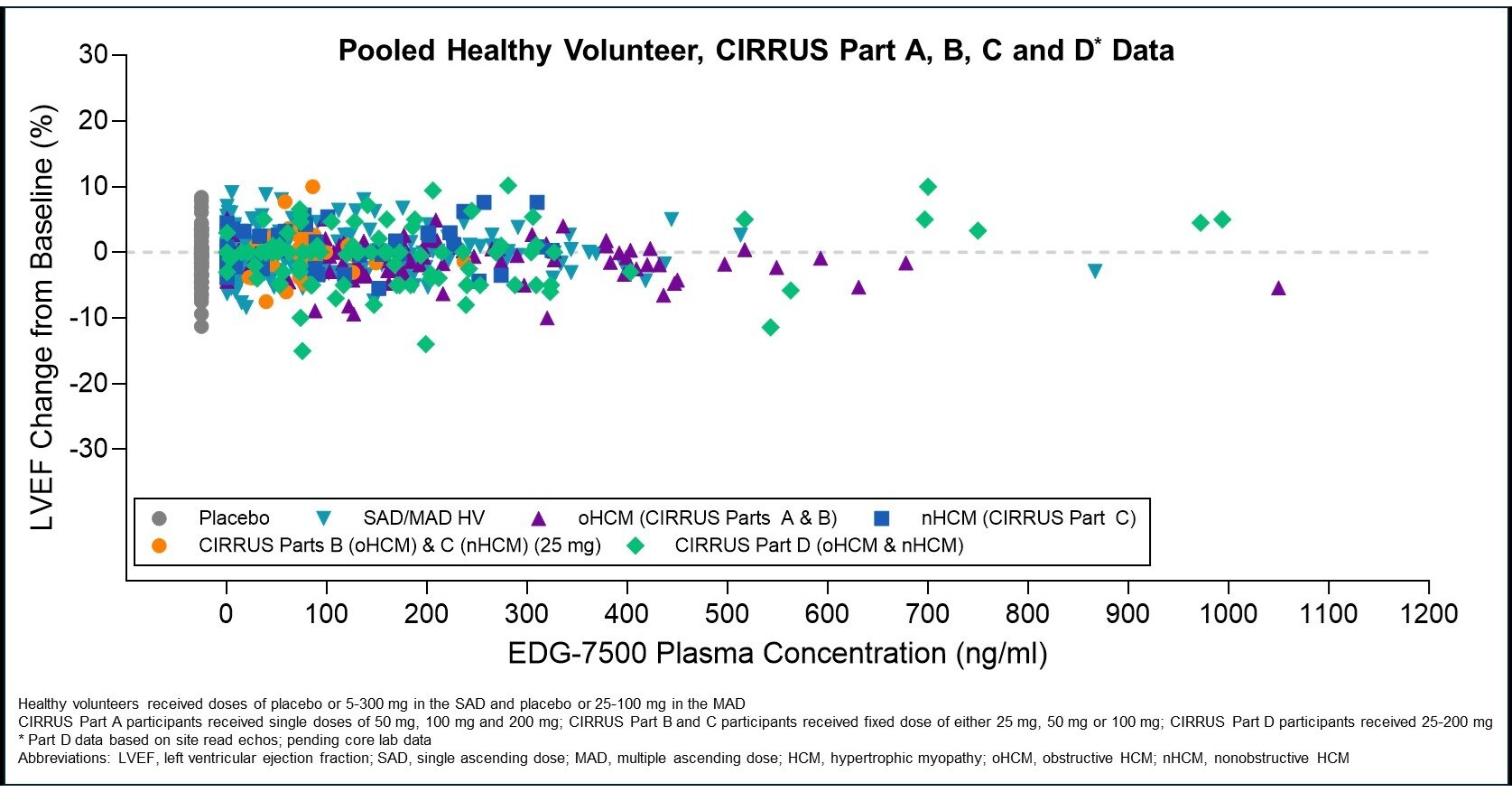
     In the CIRRUS-HCM trial, including interim safety results from Part D, EDG-7500 was generally well tolerated; no clinically meaningful reductions in LVEF or LVEF <50%

     – On track to deliver full 12-week Part D readout in 2Q 2026 and Phase 3 start in 4Q 2026

    BOULDER, Colo., Dec. 24, 2025 /PRNewswire/ — Edgewise Therapeutics, Inc., (Nasdaq: EWTX), today announced positive updates from the ongoing CIRRUS-HCM, Phase 2 clinical trial of EDG-7500, a novel oral, selective, cardiac sarcomere modulator, specifically designed to slow early contraction velocity and address impaired cardiac relaxation associated with hypertrophic cardiomyopathy (HCM) without impacting systolic function, two central clinical goals in the current management of HCM.

    CIRRUS-HCM is a multi-part, open label trial of EDG-7500 in participants with obstructive and nonobstructive HCM. Earlier this year, the Company reported positive top-line results from the Part B (oHCM, n=17) and Part C (nHCM, n=12) 50 mg and 100 mg fixed dose cohorts, in which EDG-7500 administration led to improvements in key HCM disease markers, including N-terminal pro-B-type natriuretic peptide (NT-proBNP), Kansas City Cardiomyopathy Questionnaire (KCCQ), New York Heart Association (NYHA) class and left ventricular outflow tract gradient (LVOT-G) (in oHCM participants). In both Parts B and C, EDG-7500 administration led to KCCQ score improvements that appeared favorable relative to those reported in other cardiovascular trials, including those with cardiac myosin inhibitors (CMIs). EDG-7500 administration was also associated with measurable improvements in key diastolic parameters, including robust reductions in NT-proBNP, reduced left ventricular filling pressures, and improved relaxation metrics.

    In addition to the 50 mg and 100 mg fixed doses previously reported, the Company evaluated a lower 25 mg fixed dose in 4 oHCM and 10 nHCM participants in CIRRUS-HCM Parts B and C, respectively. In these cohorts, evidence of clinical activity was observed across key HCM disease markers, including NT-proBNP, KCCQ, NYHA and LVOT-G (in oHCM participants), while maintaining a favorable safety profile, with no clinically meaningful changes in left ventricular ejection fraction (LVEF) or reductions in LVEF to below <50% and no events of atrial fibrillation (AF). The CIRRUS-HCM Part B and C cohorts have completed dosing, with a total of 43 participants enrolled across all dose groups.

    CIRRUS-HCM Part D is designed to explore exposure-response correlations, assess biomarker-guided dose optimization to inform the design of Phase 3 trials, and support regulatory discussions. EDG-7500 is being evaluated over a 12-week active treatment period; participants will be provided the opportunity to continue into a long-term extension study. Dosing is guided by objective measures—LVOT-G in oHCM and NT-proBNP in nHCM—with participants dosed from 25 mg to 150 mg and eligible for further optimization up to 200 mg in the extension phase. With intra-patient dose optimization results from Part D, the Company aims to build on the robust clinical improvements observed in Parts B and C to further support EDG-7500’s best-in-disease potential.

    Screening at sites involved in Part D is complete, with more than 40 participants enrolled. As of the December 23, 2025 data cutoff, approximately 70% of participants had reached a dose of 100 mg or higher. Overall, patient demographics in Part D are generally consistent with those reported in Phase 3 studies of CMIs.

    In this interim safety update, for the 20 participants who completed 12 weeks of dosing in Part D as of the data cutoff date (8 with oHCM and 12 with nHCM), EDG-7500 generally had a favorable safety profile and was well tolerated. Consistent with previous observations, no clinically significant changes in LVEF or reductions in LVEF to below 50% were observed, with EDG-7500 continuing to demonstrate a differentiated LVEF profile relative to CMIs. The safety profile observed with EDG-7500 to date, across both healthy volunteers and the CIRRUS-HCM trial, supports the potential use of EDG-7500 in diverse HCM patient populations. Unlike CMIs, which have a mechanism of action that has been associated with a risk of systolic dysfunction and an increased risk of heart failure, EDG-7500 administration continues to present no meaningful effect on LVEF. Preservation of systolic function has the potential to avoid the patient safety monitoring burden that could limit CMI adoption outside of HCM centers of excellence, which could expand prescriber reach and patient access, if approved.

    Furthermore, in Part D, continuous active cardiac monitoring was conducted for four weeks during screening and for two weeks following each dose escalation. More than 300 ambulatory cardiac monitoring devices have been deployed to participants, capturing over 2,600 patient-days of active cardiac monitoring, during which no clinically detectable AF or atrial flutter has been observed. A single adverse event of new onset AF was reported; this event occurred in an oHCM participant who was not on active cardiac monitoring at the time and who had a history of arrhythmias, including supraventricular tachycardia. The investigator deemed the event as not related to study drug.

    “I’m excited about the advances we’ve made in Part D of the CIRRUS-HCM trial, where we’ve exceeded our year-end enrollment goal, highlighting continued enthusiasm for the program from patients and physicians” said Kevin Koch, Ph.D., President and Chief Executive Officer. “I’m especially pleased with EDG-7500’s safety profile to date, and the lack of clinically relevant drops in ejection fraction, or any ejection fraction drops below 50%. A major focus of 2026 will be refining our development strategy to deliver the best-in-disease therapeutic profile that EDG-7500 may offer to obstructive and nonobstructive HCM patients.”

    The Company remains on track to deliver comprehensive efficacy and safety data from Part D of the CIRRUS-HCM trial in the second quarter of 2026 and is advancing Phase 3 trial design in preparation for trial initiation by the end of 2026.

    About Hypertrophic Cardiomyopathy

    HCM is the most common form of genetic heart disease, affecting approximately one in 500 people, and is associated with reduced quality of life and an elevated risk of heart failure, abnormal heart rhythms, and sudden cardiac death. Individuals with HCM can become extremely limited in their functional capacity and ability to perform the activities of daily living. Commonly experienced symptoms include breathlessness, irregular heartbeats, chest pain, tiredness, dizziness, or even fainting. These symptoms are caused by excessive contraction and thickening (hypertrophy) of the left ventricular wall of the heart. Over time, the thickened muscle becomes stiff, making it difficult for the heart to relax and fill with blood (diastolic dysfunction). There are two major forms of HCM obstructive and nonobstructive. Despite advancements in treatment options for some patients with HCM, there remains a significant unmet need for additional therapeutic approaches for patients. 

    About Edgewise Therapeutics 

    Edgewise Therapeutics is a leading muscle disease biopharmaceutical company developing novel therapeutics for muscular dystrophies and serious cardiac conditions. The Company’s deep expertise in muscle physiology is driving a new generation of novel therapeutics. EDG-7500 is a novel cardiac sarcomere modulator for the treatment of hypertrophic cardiomyopathy , currently in Phase 2 clinical development. Sevasemten is an orally administered first-in-class fast skeletal myosin inhibitor in late-stage clinical trials in Becker and Duchenne muscular dystrophies. EDG-15400 is a novel cardiac sarcomere modulator for the treatment of heart failure, currently in Phase 1 clinical development. The entire team at Edgewise is dedicated to our mission: changing the lives of patients and families affected by serious muscle diseases. To learn more, go to: www.edgewisetx.com or follow us on LinkedIn and X.

    Cautionary Note Regarding Forward-Looking Statements

    This press release contains forward-looking statements as that term is defined in Section 27A of the Securities Act of 1933 and Section 21E of the Securities Exchange Act of 1934. Statements in this press release that are not purely historical are forward-looking statements. Such forward-looking statements include, among other things, statements regarding the benefits and potential of, and expectations regarding, EDG-7500; statements regarding the market opportunity for EDG-7500; statements regarding Edgewise’s expectations relating to its clinical trials, including timing of reporting comprehensive efficacy and safety data from Part D of the CIRRUS-HCM trial and timing of the initiation of the Phase 3 trials of EDG-7500 ); clinical outcomes from trials of EDG-7500, which may materially change as more patient data become available; statements regarding the best-in-disease therapeutic profile of EDG-7500; and statements by Edgewise’s President and Chief Executive Officer. Words such as “believes,” “anticipates,” “plans,” “expects,” “intends,” “will,” “goal,” “potential” and similar expressions are intended to identify forward-looking statements. The forward-looking statements contained herein are based upon Edgewise’s current expectations and involve assumptions that may never materialize or may prove to be incorrect. Actual results could differ materially from those projected in any forward-looking statements due to numerous risks and uncertainties, including but not limited to: the potential for the results of the ongoing or any future clinical trial of EDG-7500 to differ from the results of Parts B and C and the interim results of Part D of the ongoing CIRRUS-HCM trial; the risk of delays in completing the ongoing Part D of the CIRRUS-HCM trial or initiating the planned Phase 3 trials of EDG-7500; risks associated with unexpected events during the remainder of Part D of the ongoing CIRRUS-HCM trial, including serious adverse events, toxicities or other undesirable side effects; the risk of difficulties in enrolling or maintaining patients in the clinical trials of EDG-7500; risks associated with Edgewise’s limited operating history, its products being early in development and not having products approved for commercial sale; risks associated with Edgewise not having generated any revenue to date; Edgewise’s ability to achieve objectives relating to the discovery, development and commercialization of its product candidates, if approved; Edgewise’s need for substantial additional capital to finance its operations; Edgewise’s substantial dependence on the success of sevasemten and EDG-7500; Edgewise’s ability to develop and commercialize sevasemten, EDG-7500 and EDG-15400 risks related to Edgewise’s clinical trials of its product candidates not demonstrating safety and efficacy; risks related to Edgewise’s product candidates causing serious adverse events, toxicities or other undesirable side effects; the outcome of preclinical testing and early clinical trials not being predictive of the success of later clinical trials and the risks related to the results of Edgewise’s clinical trials not satisfying the requirements of regulatory authorities; delays or difficulties in the enrollment and/or maintenance of patients in clinical trials; risks related to failure to capitalize on other indications or product candidates; risks related to competition; risks relating to interim, topline and preliminary data from Edgewise’s clinical trials changing as more patient data becomes available; risks related to failure to develop a proprietary drug discovery platform; risks related to exposure to additional risk if we develop sevasemten and potential other programs in connection with other therapies; risks related to production of drugs by Edgewise’s third-party manufacturers; risks related to changes in methods of product candidate manufacturing or formulation; risks related to not achieving adequate market acceptance; risks related to the patient population for our product candidates having a small patient population; risks related to the regulatory approval processes of domestic and foreign authorities being lengthy, time consuming and inherently unpredictable; risks relating to disruptions at the FDA, the SEC and other government agencies; risks relating to Edgewise’s ability to attract and retain highly skilled executive officers and employees; Edgewise’s ability to obtain and maintain intellectual property protection for its product candidates; Edgewise’s reliance on third parties; risks related to future acquisitions or strategic partnerships; risks related to general economic and market conditions; and other risks. Information regarding the foregoing and additional risks may be found in the section entitled “Risk Factors” in documents that Edgewise files from time to time with the U.S. Securities and Exchange Commission. These forward-looking statements are made as of the date of this press release, and Edgewise assumes no obligation to update the forward-looking statements, or to update the reasons why actual results could differ from those projected in the forward-looking statements, except as required by law.

    This press release contains hyperlinks to information that is not deemed to be incorporated by reference into this press release.

    SOURCE Edgewise Therapeutics


    Continue Reading

  • Class A scavenger receptor MARCO negatively regulates Ace expression and aldosterone production

    Class A scavenger receptor MARCO negatively regulates Ace expression and aldosterone production

    It is known that statins, cholesterol-lowering drugs have been shown to reduce aldosterone levels in humans (Baudrand et al., 2015; Hornik et al., 2020). Moreover, in vitro studies have demonstrated that cholesterol supplementation boosts the production of aldosterone from cultured cells (Simpson et al., 1989; Cherradi et al., 2001; Kopprasch et al., 2009). Given that the adrenal-derived mouse corticosteroids, most notably corticosterone and aldosterone, derive from cholesterol as the common precursor (Figure 1A), we hypothesised that cholesterol binding scavenger receptors could modulate adrenal corticosteroid output by regulating the availability of cholesterol that could feed into the steroid hormone biosynthetic pathway. To test this hypothesis, we measured the concentrations of aldosterone and corticosterone in the plasma of Marco−/− and wild-type (WT) mice. We found that male Marco−/− mice had significantly elevated levels of plasma aldosterone relative to WT mice (Figure 1B). In contrast, plasma corticosterone levels were not significantly altered in male mice lacking Marco (Figure 1C). Marco-deficient female mice did not have altered levels of aldosterone relative to WT, but plasma corticosterone was increased relative to WT counterparts (Figure 1D, E). We observed that the adrenal glands from Marco-deficient male mice were significantly lighter than WT controls in male but not female mice (Figure 1F, G). To establish whether cholesterol could explain the elevated plasma aldosterone we observe in Marco-deficient male mice, we measured the levels of total serum cholesterol and intra-adrenal cholesterol in males. We found that Marco−/− mice had reduced serum cholesterol relative to WT controls (Figure 1H), while the normalised levels of intra-adrenal cholesterol were similar between both mouse strains (Figure 1I). Taken collectively, these findings suggest that, while Marco-deficient male mice have elevated plasma aldosterone concentrations, this is not dependent on systemic or intra-adrenal cholesterol availability. For the purposes of this paper, we focused on the phenotype evident in male mice, namely the increase in plasma aldosterone concentrations.

    Marco-deficient mice have elevated aldosterone and reduced serum cholesterol.

    (A) Schematic depicting the murine adrenal corticosteroid biosynthetic pathway. Plasma aldosterone and corticosterone concentrations from wild-type (WT) and Marco-deficient male (B, C) and female (D, E) mice as measured by ELISA. (F, G) Weights of both adrenal glands from WT or Marco-deficient male and female mice. Plasma total cholesterol levels (H) and relative intra-adrenal cholesterol levels, normalised to adrenal weight (I), in WT and Marco-deficient male mice. Data in B–H were analysed by two-tailed unpaired Student’s t-test and are shown as average ± SEM. *p < 0.05, **p < 0.01, ****p < 0.0001, ns = not significant.

    We next hypothesised that adrenal gland-derived Marco could play a role in modulating aldosterone output. Analysis of publicly available single-cell sequencing data from murine adrenal glands shows that adrenals do contain a substantial population of macrophages expressing Ptprc (CD45), Adgre1 (F4/80), and Cd68 (CD68). However, we did not detect Marco expression in this cluster of cells, nor any other cluster identified in our analyses (Figure 2A). This finding was corroborated by immunostaining of male murine adrenal glands, which showed CD68+ macrophages in the adrenal zona fasciculata and zona glomerulosa that did not stain positively for MARCO (Figure 2B). Given that the lung is another site in the RAAS axis, we postulated that Marco-expressing cells in the lung could be involved in mediating the aldosterone phenotype we observed in Figure 1B. Indeed, single-cell RNA-seq analysis of the murine lung shows that Ptprc (CD45), Adgre1 (F4/80), and Cd68 (CD68) expressing cells (alveolar macrophages) also express Marco (Figure 2C), a finding corroborated by immunostaining in the lung (Figure 2C). To further validate our single-cell sequencing and immunofluorescence data, we carried out qPCR for Marco in the lungs and adrenal glands from male WT and Marco−/− mice, which further demonstrated that the lung is the primary site of Marco expression in the RAAS (Figure 2E).


    Marco is expressed in the lung and not adrenal glands.

    (A) Single-cell RNA-seq data plots from PMID 33571131 representing mRNA expression of Ptprc (CD45), Adgre1 (F4/80), Cd68, and Marco, in male murine adrenal glands. (B) Representative image showing a central cryosection of the male murine adrenal gland from a C57bl/6 mouse stained against CD68 (green) Marco (magenta), and DAPI (cyan). (C) Single-cell RNA-seq data plots from PMID 30283141 representing mRNA expression of Ptprc (CD45), Adgre1 (F4/80), Cd68, and Marco, in the male murine lung. (D) Representative image showing a cryosection of the male murine lung from a hCD68-GFP reporter mouse stained against GFP (green) Marco (magenta), and DAPI (cyan). (E) qPCR data showing the relative gene expression data for Marco in the indicated tissues. M = medulla, ZF = zona fasciculata, ZG = zona glomerulosa. Data in E were analysed by two-tailed unpaired Student’s t-test and are shown as average ± SEM. ****p < 0.0001, ns = not significant.

    Aldosterone is a potent blood pressure-regulating hormone, the dysregulation of which can cause severe hypertension and increased cardiovascular risk. It therefore follows that its production is tightly regulated. Aldosterone biosynthesis is fundamentally regulated intra-adrenally by cytochrome P450 family members in the corticosteroid biosynthetic pathway (Figure 1A). We therefore tested whether altered expression of enzymes in this pathway could explain the hyperaldosteronism observed in Marco-deficient mice. Marco−/− male and female mice showed similar expression of aldosterone biosynthetic enzymes (Star, Cyp11a1, Hsd3b1, Cyp11b1, and Cyp11b2) as WT mice (Figure 3A, B). While Cyp11b2 (aldosterone synthase) is only expressed in the adrenal zona glomerulosa, other biosynthetic enzymes essential for aldosterone production are expressed in the zona fasciculata.


    Marco-mediated elevation of aldosterone is not explained by upregulation of adrenal biosynthetic enzymes, the zona fasciculata, or renin.

    qPCR data reporting the expression of adrenal corticosteroid biosynthetic enzymes between wild-type (WT) and Marco-deficient male mice in male (A) and female (B) mice. (C) A schematic illustrating that pituitary-derived adrenocorticotropic hormone (ACTH) stimulates the upregulation of Cyp11b1 from the zona fasciculata (ZF) and the dexamethasone-mediated suppression of this effect. (D) A bar graph showing the plasma aldosterone concentrations of Marco-deficient mice treated with vehicle or dexamethasone-supplemented drinking water for 14 days. (E) A bar graph showing the plasma renin activity of WT and Marco-deficient mice at steady state. All data were analysed by two-tailed unpaired Student’s t-test and are shown as average ± SEM. ns p > 0.05. ns = not significant.

    CYP11B1 catalyses the conversion of 11-deoxycorticosterone to corticosterone. Corticosterone can be catalysed to aldosterone by CYP11B2. In this sense, the route via CYP11B1 is a bona fide route for the generation of aldosterone, as evidenced by the fact that Cyp11b1 deletion in mice results in a significant reduction in aldosterone production (Mullins et al., 2009). This route is one that is suppressible via the suppressive action of dexamethasone on ACTH and Cyp11b1 expression. Moreover, ACTH is a known stimulator of aldosterone (Seely et al., 1989; Daidoh et al., 1995). Dexamethasone-mediated suppression of the zona fasciculata (Figure 3C; Finco et al., 2018) was used to test whether the elevated aldosterone phenotype was zona fasciculata-dependent. Marco-deficient mice fed dexamethasone-supplemented drinking water had plasma aldosterone concentrations comparable to vehicle-treated mice (Figure 3D), indicating zona fasciculata activity does not contribute to elevated aldosterone levels in Marco−/− mice. Taken collectively, these findings indicate that elevated aldosterone observed in Marco-deficient mice arises extra-adrenally and can therefore be considered a form of secondary hyperaldosteronism. Kidney-derived renin is the initiating hormone in the enzymatic cascade that generates Angiotensin II, a potent stimulator of adrenal aldosterone production. We therefore compared plasma renin activity between male WT and Marco−/− mice, finding no significant differences between the two strains (Figure 3E).

    Next, we investigated whether lung-derived angiotensin-converting enzyme (Ace) could explain the elevated aldosterone levels observed in Marco−/− mice. ACE in the lung catalyses the conversion of Angiotensin I to the aldosterone-stimulating peptide Angiotensin II. We carried out a qPCR test for Ace in the lungs of WT and Marco−/− mice in both sexes, finding that Marco-deficient male animals had elevated levels of lung Ace relative to WT controls in male mice only (Figure 4A). Immunofluorescent staining of WT and Marco−/− lungs revealed a substantially higher level of ACE protein in Marco-deficient male mice, while myeloid presence, as measured by CD68 staining, remained unchanged (Figure 4B). While low levels of ACE expression could be detected in CD68+ cells (data not shown), the vast majority of ACE was outside of monocytes and macrophages. We used image analysis software to quantify these changes, finding that ACE median fluorescence intensity (MFI) was significantly increased in male Marco-deficient lungs, while CD68+ myeloid cells were present in WT and knock-out animals at similar levels (Figure 4C, D). Myeloid cell numbers and lung ACE expression were similar in WT and Marco-deficient female lungs (Figure 4E, F). We also measured the levels of plasma potassium and sodium levels in male and female WT and Marco-deficient animals, but observed no differences between the genotypes (Figure 4G–J). Since aldosterone is a known regulator of blood pressure via regulation of blood fluid balance, we also measured blood pressure using the tail-cuff method. We observed that Marco-deficient male mice had marginally reduced diastolic blood pressures, but systolic and mean blood pressure were no different between the two strains (Figure 4K–M).


    Marco-deficient mice have enhanced expression of Ace in the lung.

    (A) qPCR data reporting the expression of angiotensin-converting enzyme (Ace) in the lungs of wild-type (WT) and Marco-deficient male and female mice. (B) Representative images showing a cryosection of WT and Marco-deficient male murine lungs stained against ACE (green) CD68 (magenta), MARCO (yellow) and DAPI (blue). Quantitation of DAPI-normalised ACE median fluorescence intensity (MFI) (C) and CD68+ myeloid cell presence in the lungs of WT and Marco-deficient male and female mice (C–F). Plasma sodium and potassium levels in male and female mice (G–J). Systolic, diastolic, and mean blood pressure measurements in male mice of the indicated genotypes (K–M). Data in (A), (C–M), were analysed by two-tailed unpaired Student’s t-test and are shown as average ± SEM. *p < 0.05, ***p < 0.001, ns = not significant.

    We then turned back to analysis of single-cell RNA-seq data to identify the cells in the lung that could be mediating this effect. In the lung, unsupervised cluster analysis revealed a total of 12 cell clusters with distinct gene expression signatures (Figure 5A). We determined the identity of each cell cluster based on the expression of established cell type-specific marker genes, aided by the marker genes identified and outlined in Figure 5B. We next used dot plots to visualise expression of Marco and Ace across the different cell clusters. We observed notable Marco expression only in alveolar macrophages amongst the different cell clusters (Figure 5C). Ace was shown to be primarily expressed by lung endothelial clusters 1 and 2 (Figure 5C), in agreement with what is known about lung Ace expression. To test whether alveolar macrophages are capable of suppressing endothelial cell Ace expression, we co-cultured the MPI alveolar macrophage cell line (Fejer et al., 2013), with or without deletion of Marco, with HUVECs endothelial cells for 24 hr, and measured Ace expression via qPCR. We observed an increase in Ace expression in the Marco-deficient MPI co-cocultures but not WT, though this did not reach statistical significance. Taken collectively, these data suggest a model whereby Marco-expressing alveolar macrophages may, in responses to an as-of-yet unidentified factor, inhibit Ace expression at the gene and protein level, and thereby negatively regulate the cleavage of Angiotensin I to form Angiotensin II, and thereby aldosterone production (Figure 5E).


    A proposed model for macrophage-mediated regulation of lung Ace expression.

    (A) Single-cell RNA-seq UMAP plot depicting the cell types present in the male murine lung. (B) Marker heatmap showing the top three gene markers for each cell cluster in (A). (C) A dot plot showing the gene expression levels of Marco and Ace in the different cell clusters of the male murine lung. (D) qPCR data showing the relative expression levels of Ace in co-coltures contraining HUVEC cells with Marco sufficient or deficient MPI macrophages. (E) A schematic, generated using BioRender, showing the working model by which Marco+ alveolar macrophages regulate aldosterone output from the adrenal gland. Data in (D) were analysed by two-tailed unpaired Student’s t-test and are shown as average ± SEM.

    In conclusion, we hereby demonstrate that Marco is a negative regulator of aldosterone production, associated with a suppression of angiotensin-converting enzyme expression in the lungs of male mice. We propose a model in which extra-adrenal Marco expressing alveolar macrophages, through tissue crosstalk with lung endothelial cells, actively inhibit Ace expression and thereby inhibit the production of aldosterone from the adrenal glands.

    Continue Reading

  • White & Case advises Zenita Group on €375 million senior secured bond issuance

    White & Case advises Zenita Group on €375 million senior secured bond issuance

    Global law firm White & Case LLP has advised Maticmind S.p.A. (Zenita Group), a European company active in the Italian ICT sector, on the issuance of a €375 million senior secured bond due 2032 at a floating rate equal to three-month EURIBOR plus 5.25% per annum, reset quarterly.

    The proceeds from the offering will be used by the company for general corporate purposes and to support its growth and operational needs. The notes, offered and sold pursuant to Rule 144A and Regulation S under the US Securities Act, have been admitted to listing on the Euro MTF market organised and managed by the Luxembourg Stock Exchange.

    Italy-headquartered Zenita Group is a leading system integrator and ICT service provider, offering advanced technological solutions including networking, cybersecurity, cloud services, data centers, enterprise applications and IoT. It serves both public and private clients and provides integrated, innovative solutions to support digital transformation initiatives.

    The White & Case team which advised on the transaction’s capital markets aspects was led by partners Michael Immordino (London & Milan), James Greene (London) and Evgeny Scirtò Ostrovskiy (Milan & London) and included associates Pietro Bancalari (London & Milan) and Diala Kakish (London) and lawyers Noemi Stimamiglio and Aurora Zamagni (both Milan). The team which advised on the transaction’s debt finance aspects included partner Martin Forbes (London) and associates Ben Morrison and Vic Sohal (both London). Counsel Tommaso Tosi (Milan) advised on FDI matters and partner Neil Clausen (Houston) and associate Avery Lewis (Houston) advised on US tax matters.

    Press contact
    For more information please speak to your local media contact.

    Continue Reading

  • Attorney General James Reminds Airline Travelers of Their Rights After Federal Administration Rolls Back Consumer Protection Rules

    Attorney General James Reminds Airline Travelers of Their Rights After Federal Administration Rolls Back Consumer Protection Rules

    NEW YORK – New York Attorney General Letitia James today issued a consumer alert urging New Yorkers planning to fly during the holiday season to know their rights when faced with cancellations, severe delays, or other issues with airlines. Attorney General James urges all New Yorkers to file complaints online to potentially receive compensation if their travel plans are disrupted. 

    “As New Yorkers head to the airport for the busiest travel days of the year, my office is going the extra mile to make sure they are treated fairly,” said Attorney General James. “I urge all New York travelers to know their rights and file complaints with my office if they experience significant delays, flight cancellations, or are denied boarding after purchasing a ticket.”

    The U.S. Department of Transportation (DOT) has recently announced rollbacks of policies put in place during the prior administration that would ensure travelers receive compensation for certain delayed or canceled flights. However, travelers are still entitled to compensation in some cases of disrupted travel. Attorney General James urges all New Yorkers with air travel plans to know their rights and take the following steps to protect themselves during holiday travel:

    • If a flight is significantly delayed, cancelled, or if a traveler is denied boarding despite purchasing a ticket, they may be entitled to compensation. Travelers can submit complaints online and should have the following documents and materials available to provide with their complaint:
      • Booking details, such as their ticket, itinerary, and invoice;
      • Flight details, such as dates, flight numbers, and city pairs; and
      • Any supporting documentation, such as a copy of the complaint filed with the airline or ticket agent, if available.
         
    • Travelers are eligible to receive a full refund on their ticket within 24 hours of purchasing it, if the ticket is purchased more than seven days before the flight. However, most discount fares are non-refundable.
       
    • Travelers are entitled to a refund if an airline cancels a flight, regardless of the reason, and the consumer chooses not to travel or accept travel credits, vouchers, or other forms of compensation offered by the airline.
       
    • Airlines are required to adhere to the promises that they make in their customer service plan, including commitments to care for travelers in the event of controllable delays or cancellations. Travelers should consult the DOT’s airline cancellation and delay dashboard to see what amenities and compensation airlines have committed to provide passengers in the event of a controllable delay or cancellation.
       
    • If a flight is scheduled to depart within seven days, airlines are required to provide status updates within 30 minutes of the airline becoming aware of a change. The flight status information must, at a minimum, be provided on the airline’s website and telephone reservation system. The airline must also update all flight status displays and other sources of flight information at U.S. airports that are under the airline’s control within 30 minutes of the airline becoming aware of the problem.
       
    • If an airline has overbooked a flight and not enough passengers have volunteered to give up their seats to fly on a different flight, they may select passengers to bump off the flight. Passengers who are bumped may be entitled to compensation and must receive a written statement describing their rights and explaining how the airline decides who gets bumped.
       
    • Travelers are entitled to refunds of their checked bag fees if their baggage:
      • Has been declared lost by the airline;
      • Is not delivered within 12 hours after the flight has arrived if it is on a domestic flight;
      • Is not delivered within 15 hours after the flight has arrived if the flight is international and shorter than 12 hours; or
      • Is not delivered within 30 hours after the flight has arrived if the flight is international and longer than 12 hours. 

    New Yorkers who wish to file a complaint concerning air travel can do so online or by calling the Office of the Attorney General (OAG) at 1-800-771-7755.

    Attorney General James has consistently taken action to protect New York travelers from being taken advantage of. In May 2023, Attorney General James supported new DOT rules requiring airlines to compensate passengers for cancellations or significant delays. These came after Attorney General James called on DOT in August 2022 to take specific actions to crack down on airlines and prevent future delays and cancellations. In March 2022, Attorney General James secured $2.6 million from an online travel agency, Fareportal Inc., for misleading consumers with false information about airline tickets and hotel rooms. In September 2021, Attorney General James urged DOT to take action to end airline “slot-squatting,” which is when airlines occupy flight slots at airports but under-utilize them, holding on to slots simply to prevent them from being used by their competitors, which inconveniences travelers.

    Continue Reading

  • Broede, P. et al. The Universal Thermal Climate Index UTCI compared to ergonomics standards for assessing the thermal environment. Ind. Health 51, 16–24 (2013).

    Google Scholar 

  • Heidari, A., Davtalab, J. & Sargazi, M. A. Effect of awning on thermal comfort adjustment in open urban space using PET and UTCI indexes: A case study of Sistan region in Iran. Sustain. Cities Soc. 101, 105175 (2024).

    Google Scholar 

  • Jendritzky, G., De Dear, R. & Havenith, G. UTCI—why another thermal index?. Int. J. Biometeorol. 56, 421–428 (2012).

    Google Scholar 

  • Pantavou, K., Lykoudis, S., Nikolopoulou, M. & Tsiros, I. X. Thermal sensation and climate: a comparison of UTCI and PET thresholds in different climates. Int. J. Biometeorol. 62, 1695–1708 (2018).

    Google Scholar 

  • Jing, W., Qin, Z., Mu, T., Ge, Z. & Dong, Y. Evaluating thermal comfort indices for outdoor spaces on a university campus. Sci. Rep. 14, 21253 (2024).

    Google Scholar 

  • Heidari, A., Davtalab, J., Sargazi, M. A. & Piri, J. Machine Learning-Enhanced Assessment of Natural versus Artificial Shade Cooling Performance in Hot-Arid Climates: SVR Modeling with Hybrid GA-PSO Optimization. Build. Environ. 113789 (2025).

  • Piri, J. & Kisi, O. Hybrid non-linear probabilistic model using Monte Carlo simulation and hybrid support vector regression for evaporation predictions. Hydrol. Sci. J. 69, 2249–2277 (2024).

    Google Scholar 

  • Piri, J., Pirzadeh, B., Keshtegar, B. & Givehchi, M. Reliability analysis of pumping station for sewage network using hybrid neural networks-genetic algorithm and method of moment. Process Saf. Environ. Prot. 145, 39–51 (2021).

    Google Scholar 

  • Lynda, D., Logeswari, G., Tamilarasi, K. & Rakesh, S. Hybrid Bayesian deep learning model for predicting urban heat island intensity in African cities. Sci. Rep. 15, 31280 (2025).

    Google Scholar 

  • Deng, W., Wang, J., Yue, C., Guo, Y. & Zhang, Q. Model-based control strategy with linear parameter-varying state-space model for rack-based cooling data centers. Energy and Build. 319, 114528 (2024).

    Google Scholar 

  • Gong, P., Huang, X., Huang, C. & Wang, S. in The International Conference on Computational Design and Robotic Fabrication. 273–283 (Springer).

  • Wang, C. & Leung, M.-Y. Effects of subjective perceptions of indoor visual environment on visual-related physical health of older people in residential care homes. Build. Environ. 237, 110301 (2023).

    Google Scholar 

  • Google. (Google, Mountain View, CA, 2024).

  • Mir, F., Khosravi, M. & Shoja, F. Assessment of optimal climatic comfort indices and future projections of heat stress in Zahedan: A strategic approach to climate change adaptation. Geography and Territorial Spatial Arrangement 15, 1–32 (2025).

    Google Scholar 

  • Höppe, P. The physiological equivalent temperature–a universal index for the biometeorological assessment of the thermal environment. Int. J. Biometeorol. 43, 71–75 (1999).

    Google Scholar 

  • Matzarakis, A. & Amelung, B. in Seasonal forecasts, climatic change and human health: health and climate 161–172 (Springer, 2008).

  • De Dear, R. J., Arens, E., Hui, Z. & Oguro, M. Convective and radiative heat transfer coefficients for individual human body segments. Int. J. Biometeorol. 40, 141–156 (1997).

    Google Scholar 

  • Zhang, S. A Practical Simulation Framework for Thermal Sensation Analysis of Fenestration Designs. (University of Toronto (Canada), 2020).

  • Psikuta, A. et al. Validation of the Fiala multi-node thermophysiological model for UTCI application. Int. J. Biometeorol. 56, 443–460 (2012).

    Google Scholar 

  • Bröde, P. et al. Deriving the operational procedure for the universal thermal climate index (UTCI). Int. J. Biometeorol. 56, 481–494 (2012).

    Google Scholar 

  • Li, J., Niu, J., Mak, C. M., Huang, T. & Xie, Y. Exploration of applicability of UTCI and thermally comfortable sun and wind conditions outdoors in a subtropical city of Hong Kong. Sustain. Cities Soc. 52, 101793 (2020).

    Google Scholar 

  • Teng, T.-P. & Chen, W.-J. Using Pearson correlation coefficient as a performance indicator in the compensation algorithm of asynchronous temperature-humidity sensor pair. Case Stud. Thermal Eng. 53, 103924 (2024).

    Google Scholar 

  • Knights, V. & Prchkovska, M. From equations to predictions: Understanding the mathematics and machine learning of multiple linear regression. J. Math. Comput. Appl 3, 1–8 (2024).

    Google Scholar 

  • Michaelides, P. G. in 21 Equations that Shaped the World Economy: Understanding the Theory Behind the Equations 29–44 (Springer, 2025).

  • Saunders, L. J., Russell, R. A. & Crabb, D. P. The coefficient of determination: what determines a useful R2 statistic?. Invest. Ophthalmol. Vis. Sci. 53, 6830–6832 (2012).

    Google Scholar 

  • Piri, J., Kahkha, M. R. R. & Kisi, O. Hybrid machine learning approach integrating GMDH and SVR for heavy metal concentration prediction in dust samples. Environmental Science and Pollution Research, 1–20 (2024).

  • Piri, J. & Kisi, O. Hybrid non-linear probabilistic model using Monte Carlo simulation and hybrid support vector regression for evaporation predictions. Hydrological Sciences Journal, 1–29 (2024).

  • Ran, Y., Wang, Z., Li, Y. & Xiao, F. in Building Simulation. 1179–1204 (Springer).

  • Sulaiman, H. & Olsina, F. Comfort reliability evaluation of building designs by stochastic hygrothermal simulation. Renew. Sustain. Energy Rev. 40, 171–184 (2014).

    Google Scholar 

  • Binarti, F., Koerniawan, M. D., Triyadi, S., Utami, S. S. & Matzarakis, A. A review of outdoor thermal comfort indices and neutral ranges for hot-humid regions. Urb. Climate 31, 100531 (2020).

    Google Scholar 

  • Blazejczyk, K., Epstein, Y., Jendritzky, G., Staiger, H. & Tinz, B. Comparison of UTCI to selected thermal indices. Int. J. Biometeorol. 56, 515–535 (2012).

    Google Scholar 

  • Matzarakis, A., Muthers, S. & Koch, E. Human biometeorological evaluation of heat-related mortality in Vienna. Theoret. Appl. Climatol. 105, 1–10 (2011).

    Google Scholar 

  • Mahmoud, A. H. A. Analysis of the microclimatic and human comfort conditions in an urban park in hot and arid regions. Build. Environ. 46, 2641–2656 (2011).

    Google Scholar 

  • Yan, H., Yang, L., Zheng, W., He, W. & Li, D. Analysis of behaviour patterns and thermal responses to a hot–arid climate in rural China. J. Therm. Biol 59, 92–102 (2016).

    Google Scholar 

  • Heidari, A. & Davtalab, J. Effect of Kharkhona on thermal comfort in the indoor space: A case study of Sistan region in Iran. Energy and Buildings 318, 114431 (2024).

    Google Scholar 

  • De Quadros, B., Pigliautile, I., Pisello, A., Krüger, E. & Mizgier, M. Reliability of urban microclimate simulations: spatio-temporal validation through intra-urban canyon transects for outdoor thermal comfort analysis. Int. J. Biometeorol. 68, 2715–2729 (2024).

    Google Scholar 

  • Bensoussan, A. in Optimal control and dynamic games: Applications in finance, management science and economics 311–317 (Springer, 2005).

  • Tang, J. W. et al. Comparison of the incidence of influenza in relation to climate factors during 2000–2007 in five countries. J. Med. Virol. 82, 1958–1965 (2010).

    Google Scholar 

  • Wijaya, H., Bandara, S., Rajeev, P., Gad, E. & Shan, J. Failure assessment of deteriorated steel light poles. Results in Eng. 23, 102621 (2024).

    Google Scholar 

  • Zhu, L. et al. Uncertainty and sensitivity analysis of cooling and heating loads for building energy planning. J. Build. Eng. 45, 103440 (2022).

    Google Scholar 

  • Manache, G. & Melching, C. S. Identification of reliable regression-and correlation-based sensitivity measures for importance ranking of water-quality model parameters. Environ. Model. Softw. 23, 549–562 (2008).

    Google Scholar 

  • Jingesi, M. et al. Association between thermal stress and cardiovascular mortality in the subtropics. Int. J. Biometeorol. 67, 2093–2106 (2023).

    Google Scholar 

  • Ghosn, M. et al. Reliability-based performance indicators for structural members. J. Struct. Eng. 142, F4016002 (2016).

    Google Scholar 

Continue Reading

  • Major M27 closure starts today as drivers warned to plan ahead over Christmas and New Year – Hampshire County Council

    1. Major M27 closure starts today as drivers warned to plan ahead over Christmas and New Year  Hampshire County Council
    2. M27 Motorway Closure for New Junction Construction: Diversions, Delays, and What Tourists Need to Know  Travel And Tour World
    3. ‘Huge milestone around the corner’ for long-running M27 works  Hampshire Chronicle
    4. M27 underpass works: What you need to know  BBC
    5. Ten-day M27 closure begins tonight with drivers urged to plan ahead | ITV News  ITVX

    Continue Reading

  • WHO prequalifies the first two rapid antigen detection tests for COVID-19

    WHO prequalifies the first two rapid antigen detection tests for COVID-19

    On 17 December 2025, the World Health Organization (WHO) announced the prequalification of two rapid antigen diagnostic tests (Ag-RDT) for SARS-CoV-2, the virus that causes COVID-19. The two tests are the SD Biosensor STANDARD Q COVID-19 Ag Test and the ACON Biotech Flowflex SARS-CoV-2 Antigen Rapid Test (Self-Testing). This marks the first time that rapid antigen tests for SARS-CoV-2 have achieved WHO prequalification.

    This achievement builds on earlier regulatory milestones for these products previously listed under WHO’s Emergency Use Listing (EUL). In September 2020, the SD Biosensor STANDARD Q COVID-19 Ag Test became the first rapid antigen test ever listed under WHO’s EUL, enabling its rapid deployment across more than 100 countries during the COVID-19 pandemic. WHO EUL is a risk-benefit assessment, designed to accelerate access to life-saving health products during public health emergencies, based on limited available data where the benefits outweigh the risks.

    The new WHO prequalification now provides long-term quality assurance, confirming that the products meet WHO standards for quality, safety and performance. It also makes these Ag-RDTs eligible for procurement by United Nations agencies, global health partners and countries, expanding access to rapid, reliable diagnostic tests in low- and middle-income countries (LMICs). The test can be prioritized in pooled procurement initiatives aimed at reducing prices and improving supply stability in LMICs, ultimately helping countries overcome barriers to accessing high-quality diagnostic tests due to cost, supply and regulatory constraints.

    Two and a half years after WHO announced the end of the emergency phase of COVID-19, the virus continues to circulate worldwide, though current evidence indicates relatively stable trends of SARS-CoV-2 activity. The need for affordable, accurate diagnostic tools remains strong, especially in the world’s lower income countries where access to laboratory testing is limited.

    Rapid antigen-detection tests provide results in 15–30 minutes, are affordable, and can be used outside centralized laboratories – in clinics, community sites and mobile settings – making them critical for timely detection of infectious cases and targeted public-health action. They are a vital complement to molecular (polymerase-chain reaction or PCR) tests, particularly in resource-limited settings with limited laboratory capacity.

    Rapid antigen testing remains essential for:

    • detecting and controlling local outbreaks
    • protecting vulnerable populations and health-care workers
    • maintaining preparedness for future respiratory pandemics.

    WHO’s broader diagnostics strategy highlights the ongoing need for decentralized, quality-assured testing as part of universal health coverage and global health-security efforts.


    Notes to editors

    About WHO prequalification and EUL: For many years, the WHO Prequalification programme has been crucial in speeding up access to health products in LMICs by assessing their quality, safety, and effectiveness. It enables multilateral organizations to purchase quality-assured medicines, vaccines, diagnostic tools, and vector control products, while also providing guidance to developing regulatory authorities that may not yet have the resources to perform their own evaluations. Through its Emergency Use Listing (EUL), WHO prequalification conducts risk-based assessments of products during public health emergencies of international concern to meet urgent public health needs.


    Continue Reading

  • Phospholipid scramblase 1 (PLSCR1) regulates interferon-lambda receptor 1 (IFN-λR1) and IFN-λ signaling in influenza A virus (IAV) infection

    Phospholipid scramblase 1 (PLSCR1) regulates interferon-lambda receptor 1 (IFN-λR1) and IFN-λ signaling in influenza A virus (IAV) infection

    We are the first group to demonstrate the roles of Plscr1 in a mouse-adapted human IAV-infected mouse model, to implicate its IFN-λ signaling-related mechanisms, and to elucidate the cell types that are responsible for Plscr1-mediated anti-influenza activities. We established Plscr1-/- mice and found them more susceptible to IAV (WSN) compared to WT mice, as evidenced by greater weight loss in both sublethal and lethal infection and poorer survival in a lethal infection. Further examination of infected lungs provided the first in vivo evidence demonstrating that Plscr1 suppressed human IAV replication. This observation aligns with a previous report indicating that PLSCR1 interacts with the IAV NP, thereby impairing its nuclear import in vitro (Luo et al., 2018). Notably, while differences in viral copy numbers were only observed at the early stages of infection, coinciding with a significant increase in Plscr1 transcription, these changes had profound implications for host fitness. Therefore, as one of the earliest induced ISGs, Plscr1 constitutes the frontline defense against influenza infection.

    While the only previously published Plscr1-/- mouse flu model focused on an H1N1 SIV infection (Liu et al., 2022), our data showed both similarities and discrepancies. First, while both studies observed that Plscr1 promoted survival during IAV infection, SIV-infected Plscr1-/- mice exhibited weight loss similar to WT mice. Furthermore, while both models attributed the lower survival rate in Plscr1-/- mice to increased viral replication, SIV-infected Plscr1-/- lungs exhibited higher viral titers across all examined time points, from 1 to 7 dpi. Intriguingly, contrary to our observations, Plscr1 expression was markedly decreased in SIV infection. Given previous in vitro studies demonstrating PLSCR1 induction by IAV (WSN) (Luo et al., 2018) and type 1 IFNs (Zhou et al., 2000; Dong et al., 2004; Lizak and Yarovinsky, 2012), we propose that the contradictory trend observed by Liu et al. may be attributed to distinct properties of SIV, such as viral replication rate, both the cellular tropism and the tissue tropism (proximal or distal lung), or antigen variation which may affect direct interaction with PLSCR1, innate sensing of the infection, or recognition by the adaptive immune response.

    The delicate balance between immunity and immunopathology plays a pivotal role in determining host fitness during viral infections. To interrogate immunopathology in the lungs, we accessed the BAL, histology, and interferon expressions. BAL from Plscr1-/- mice were highly enriched with inflammatory neutrophils and lymphocytes, which were likely attracted by robust IFNs and other chemokines. Consistently, Plscr1-/- mice exhibited more severe lung damage and a greater extent of affected areas. These findings indicate that Plscr1 not only enhances immunity but also mitigates immunopathology. Importantly, regardless of excessive production of antiviral IFNs in Plscr1-/- mice, they failed to effectively control the initial viral infection. This suggests that the absence of Plscr1 impairs the IFN signaling pathway, highlighting the crucial role of Plscr1 in facilitating effective antiviral responses.

    Although type 1 and 3 IFNs may share similar downstream pathways, they rely on distinct receptors for signaling. Consistent with previous findings (Sheppard et al., 2003), Ifn-λr1 was detected in respiratory epithelium, including ciliated epithelial cells, club cells, and AT2 cells during infection. Loss of Plscr1 impaired Ifnlr1 transcription in IAV infection, with this transcriptional difference translating into protein expression. IFN-λ is crucial for early viral control within the initial days of infection without igniting unnecessary inflammation and compromising host fitness (Galani et al., 2017). With limited Ifn-λr1 expression, Plscr1-/- mice were unable to mount a robust type 3 IFN response to control early viral infection. Instead, they relied largely on type 1 interferons, which succeeded in eliminating IAV at later time points, but led to exaggerated immunopathology. Furthermore, our observations of enhanced neutrophilia, lung injury, and lethality in Plscr1-/- mice align with findings reported in Ifnlr1-/- mice in IAV infection (Galani et al., 2017). However, a discrepancy in Ifnlr1 expression over the course of infection was observed between the RNA sequencing and the qRT-PCR data. While RNA-seq showed further upregulation of Ifnlr1 at 7 dpi (Figure 3A), qRT-PCR indicated a rapid downregulation at the same time point (Figure 3B). The reason for this time-dependent discrepancy remains unclear and warrants further investigation. In addition, this study did not definitively establish causality between reduced Ifn-λ signaling and the observed in vivo phenotype. The increased morbidity and mortality in Plscr1-/- mice could also be attributed to elevated Tnf-α levels and associated lung damage. Given that proinflammatory cytokines and/or enhanced lung damage are known contributors to influenza morbidity and mortality, future work will be needed to disentangle the impacts of TNF-α, IL-1β, and other inflammatory cytokines from those of the IFN pathway to fully clarify the role of Plscr1 in antiviral defense.

    PLSCR1 expression was increased in response to IFN-λ in human airway epithelial cells, consistent with previous studies (Xu et al., 2023). While PLSCR1 typically localizes on the cell membrane and in the cytoplasm, it translocates into nucleus to bind the IFNLR1 promoter upon IAV infection, thereby regulating IFNLR1 transcription. The nuclear localization and functions of PLSCR1 have been extensively documented in previous studies (Huang et al., 2020; Chen et al., 2013; Wyles et al., 2007; Huang et al., 2015). Relevantly, IFN-α promotes the nuclear translocation of PLSCR1 in breast cancer cells (Wiedmer et al., 2003). Therefore, it is highly plausible that the nuclear trafficking of PLSCR1 in airway epithelial cells is similarly stimulated by IFN-α produced during IAV infection, but further evidence is demanded. Additionally, the precise binding site for PLSCR1 within the IFNLR1 promoter and the binding motif on PLSCR1 remain unknown. Previous bioinformatics predictions revealed that the –430~–421 segment of IFNLR1 promoter likely contains binding sites for a number of transcription factors (TFs) with important regulatory functions (Ding et al., 2014). Further mutagenesis studies, such as truncations or single-nucleotide mutations within these sequences, could be done to identify the specific motif for PLSCR1 binding. Finally, it is not clear whether PLSCR1 directly activates IFNLR1 expression by acting as a TF, or as a co-factor enhancing other TF’s transcriptional activity. Co-immunoprecipitations could be pursued in future to explore the binding potential between PLSCR1 and other known TFs for IFNLR1, such as NF-Y (Ding et al., 2014).

    In addition to activities in the nucleus, PLSCR1 has been shown to interact with multiple proteins on the plasma or endosomal membrane (Talukder et al., 2012; Guo et al., 2020; Sun et al., 2002; Li et al., 2006; Amir-Moazami et al., 2008). Here, we reported a novel interaction between PLSCR1 and IFN-λR1 on airway epithelial cell membrane in vivo and in vitro, confirmed with both coimmunoprecipitation and immunofluorescence. Since their interaction was significantly enhanced after IAV infection, we speculate that membrane-bound PLSCR1 is a positive regulator of IFN-λR1 signaling. One plausible mechanism is that PLSCR1 facilitates the intracellular trafficking of IFN-λR1, akin to its role in assisting the trafficking of other membrane receptors (Talukder et al., 2012; Sun et al., 2002; Kametaka et al., 2003).

    The subcellular location of PLSCR1 is vital not only for interactions with host components, but also for direct viral control. We found that nuclear PLSCR1 is both necessary and sufficient for viral control in airway epithelial cells, whereas membrane PLSCR1 provides only partial protection against IAV infection. These findings are not surprising, as the previously reported anti-flu mechanism of PLSCR1 also relies on its nuclear localization signal to restrict the import of IAV NP (Luo et al., 2018). Furthermore, besides IFNLR1, PLSCR1 enhances the expression of a select subset of ISGs in IAV infection as well, a mechanism potentially mediated by nuclear PLSCR1 on ISG gene transcription (Dong et al., 2004). On the other hand, membrane PLSCR1 may modulate the JAK/STAT signaling pathway, thereby augmenting the optimal anti-viral activity of these ISGs (Dong et al., 2004). We found that membrane PLSCR1 interacts with IFN-λR1 protein in IAV infection, suggesting that it could facilitate viral elimination to some extent.

    PLSCR1 is most well-known for its scramblase activity that favors PS exposure, apoptosis, and phagocytosis (Guo et al., 2020; Zhao et al., 1998). Using an enzymatically inactive mutant of PLSCR1, we uncoupled its lipid scramblase activity from anti-influenza activity. There are several potential explanations for this finding. First, our epithelial cell culture lacked phagocytes, therefore, the impact of apoptosis followed by phagocytosis induced by PLSCR1 is minimal. Future studies using mice that harbor Plscr1(F281A) mutation would be needed to verify the role of lipid scramblase activity and epithelial cell apoptosis in the presence of phagocytes. Second, PLSCR1 exhibits only weak enzymatic activities compared to other members of lipid scramblase family, possibly due to its vastly different central β-barrel structure (Xu et al., 2023; Tang et al., 2022). PS externalization may be compensated by other more potent scramblases. Importantly, the lipid scramblase activity of PLSCR1 has been shown to be dispensable for its anti-SARS-CoV-2 function in a similar manner (Xu et al., 2023), suggesting a general lack of significance for its enzymatic activity in viral infections.

    Although PLSCR1 has several previously described anti-influenza functions, including interfering with viral nuclear import (Luo et al., 2018), regulating TLR9 signaling (Talukder et al., 2012), and potentiating the expression of other ISGs (Dong et al., 2004), our studies have clarified the relative contribution of the type 3 IFN pathway to Plscr1-mediated anti-influenza immunity using Plscr1-/-;Ifnlr1-/- mice. We observed that Ifnlr1-/- mice were more susceptible to IAV infection than Plscr1-/-, suggesting that the complete loss of Ifn-λr1 results in worse protection than impaired Ifn-λr1 upregulation alone. Moreover, the previously identified anti-IAV functions of Plscr1 do not appear sufficient to compensate for the loss of Ifn-λr1 signaling in Ifnlr1-/- mice. The absence of further disease exacerbation or increased viral titers in Plscr1-/-;Ifnlr1-/- mice compared to Ifnlr1-/- mice indicates that the anti-influenza activity of Plscr1 is largely dependent on Ifn-λr1.

    While scRNA-seq analysis revealed that endothelial cells express Plscr1 most abundantly in the lung, they are not the major target of IAV infection, and IAV does not efficiently replicate in them (Han et al., 2021). Instead, airway epithelial cells are the frontline defense against respiratory pathogens, with ciliated epithelial cells being the only cell type that express α2,3-linked SA, the primary influenza virus receptor in the mouse airway (Ibricevic et al., 2006). Coincidently, our scRNA-seq results showed that ciliated epithelial cells not only had the highest aggregated expression of Plscr1, but also had the most significant increase in Plscr1 expression in early IAV infection at 3 dpi. Experiments with Plscr1floxStop;Foxj1-Cre+mice further supported ciliated epithelial cell-dependent protection against IAV, with improved immunity and viral clearance, and dampened immunopathology as early as 3 dpi. These findings suggest that as a result of enhanced Ifn-λr1 due to Plscr1 overexpression, type 3 interferons were able to exert their advantages being the earliest produced interferon, mounting both antiviral and anti-inflammatory responses in ciliated epithelial cells. To further establish the causal relationship between Plscr1 and Ifn-λ signaling in airway ciliated epithelial cells, future experiments should focus on specifically overexpressing Plscr1 in ciliated epithelial cells on an Ifnlr1-/- background by breeding Plscr1floxStop;Foxj1-Cre+;Ifnlr1-/- mice. In addition, ciliated epithelial cells isolated from Ifnlr1-/- murine airways could be transduced with a Plscr1 overexpression construct. We hypothesize that overexpression of Plscr1 in ciliated epithelial cells would not be able to rescue susceptibility in Ifnlr1-/- mice or cells, as the Plscr1-/-;Ifnlr1-/- mouse model suggests that Plscr1’s Ifn-λr1-independent anti-influenza mechanisms are likely minor compared to its role in upregulating Ifn-λr1.

    Taken together, our findings highlight the essential role of PLSCR1 in the regulation of IFN-λR1 transcription in nucleus and expression on plasma membrane, both in vitro and in vivo. These mechanisms are crucial for inhibiting viral spread, reducing inflammation, and enhancing overall host fitness during IAV infection. Furthermore, we found that the enzymatic activity of PLSCR1 is dispensable for its anti-influenza function. Finally, ciliated airway epithelial cells are the primary cell type in the lung for mounting PLSCR1-mediated anti-influenza responses. The potential of PLSCR1 agonists that target ciliated airway epithelial cells as therapeutic treatments for influenza holds promise for future medical interventions. Moreover, our results have the potential to impact the classical yet evolving field of IFN signaling. Not only do these findings elucidate and expand our understanding of newly discovered IFN-λ signaling, but they also shed light on the specific cell types and conditions under which IFN-λ signaling is modulated. Given the significance of IFN-λ signaling in various infectious diseases, these insights may pave the way for innovative therapeutic approaches targeting corresponding regulatory molecules in the treatment of other microbial infections in addition to influenza.

    Continue Reading

  • China unveils new version of Catalogue of Encouraged Industries for Foreign Investment

    China unveils new version of Catalogue of Encouraged Industries for Foreign Investment

    BEIJING, Dec. 24 — China’s National Development and Reform Commission (NDRC) and the Ministry of Commerce have unveiled the 2025 version of the Catalogue of Encouraged Industries for Foreign Investment, outlining key measures to attract and use foreign capital with greater efforts, the commission said on Wednesday.

    The catalogue, which will be effective from February 1, 2026, represents an important policy for promoting foreign investment in China. Additionally, it is also a key policy document for guiding foreign investment in specific industries and regions, the NDRC noted.

    The introduction of the new catalogue aims to implement the Chinese government’s decisions and plans on stabilizing foreign investment, and guide more foreign investment toward advanced manufacturing, modern services, high-tech, energy conservation and environmental protection, as well as the central and western regions and the northeastern region, it said.

    Compared to the 2022 version, the new document features a net increase of 205 items and includes 303 modifications. In the advanced manufacturing sector, for instance, the new catalogue adds and expands relevant items such as terminal products, components, and raw materials to enhance the development level of the sector’s industrial chain and supply chain.

    In the next step, the NDRC and the Ministry of Commerce will work with relevant departments to enhance guidance and coordination to ensure the effective implementation of relevant measures in the catalogue.

    Continue Reading