Category: 3. Business

  • Inflation Expectations Steady; Consumers Expect Worsening Financial Situations and Rising Medical Costs

    NEW YORK—The Federal Reserve Bank of New York’s Center for Microeconomic Data today released the November 2025 Survey of Consumer Expectations, which shows that households’ inflation expectations remained unchanged at the short-, medium-, and longer-term horizons.  Expectations about the growth in medical care costs increased to its highest level since January 2014. Labor market expectations improved slightly, but respondents’ perceptions and expectations about their current and future financial situation became more negative. The survey was fielded from November 1 through November 30, 2025.

    The main findings from the November 2025 Survey are:

    Inflation

    • Median inflation expectations in November remained unchanged at the one-year-ahead horizon (3.2%) and remained steady at the three-year and five-year-ahead horizons (3.0%). The survey’s measure of disagreement across respondents (the difference between the 75th and 25th percentile of inflation expectations) decreased at all horizons
    • Median inflation uncertainty—or the uncertainty expressed regarding future inflation outcomes—remained unchanged at the one-year and three-year horizons and decreased at the five-year horizon.
    • Median home price growth expectations remained unchanged at 3.0% for the sixth consecutive month.
    • Median year-ahead commodity price change expectations increased by 0.2 percentage point for food (to 5.9%), 0.6 percentage point for gas (to 4.1%), 0.7 percentage point for the cost of medical care (to 10.1%), 0.2 percentage point for the cost of a college education (to 8.4%) and by 1.1 percentage points for rent (to 8.3%). The reading for the expected change in the cost of medical care is the highest since January 2014, shortly after the series began.

    Labor Market

    • Median one-year-ahead earnings growth expectations remained unchanged at 2.6% in November.
    • Mean unemployment expectations—or the mean probability that the U.S. unemployment rate will be higher one year from now—decreased by 0.4 percentage point to 42.1%.
    • The mean perceived probability of losing one’s job in the next 12 months decreased by 0.2 percentage point to 13.8%, the lowest reading since December 2024. The mean probability of leaving one’s job voluntarily, or the expected quit rate, in the next 12 months decreased by 1.1 percentage points to 17.7%, the lowest reading since February 2025.
    • The mean perceived probability of finding a job in the next three months if one’s current job was lost increased by 0.5 percentage point to 47.3%, while remaining below the trailing 12-month average of 49.8%.

    Household Finance

    • The median expected growth in household income increased to 2.9% in November from 2.8% in October, equaling its trailing 12-month average.
    • Median nominal household spending growth expectations increased by 0.2 percentage point to 5.0%.
    • Perceptions of credit access compared to a year ago deteriorated, with the net share of respondents expecting it will be easier versus harder to obtain credit a year from now decreasing, while expectations for future credit availability were largely unchanged.
    • The average perceived probability of missing a minimum debt payment over the next three months increased by 0.6 percentage point to 13.7%, modestly above the trailing 12-month average of 13.3%.
    • The median expectation regarding a year-ahead change in taxes at current income level increased by 0.9 percentage point to 4.1%, the highest reading since June 2024. The increase was broad-based across age, education, and income groups.
    • Median year-ahead expected growth in government debt increased by 2.0 percentage points to 9.2%, the highest reading since July 2024.
    • The mean perceived probability that the average interest rate on saving accounts will be higher in 12 months decreased by 0.8 percentage point to 24.1%.
    • Perceptionsabout households’ current financial situations compared to a year ago deteriorated notably with a larger share of respondents reporting that their households were worse off compared to a year ago, and a smaller share reporting they were better off. Expectations about year-ahead financial situations also deteriorated slightly with a smaller share of respondents reporting that their households are expecting to be better off a year from now.
    • The mean perceived probability that U.S. stock prices will be higher 12 months from now decreased by 1.0 percentage point to 37.9%.

     
    About the Survey of Consumer Expectations (SCE)

    The SCE contains information about how consumers expect overall inflation and prices for food, gas, housing, and education to behave. It also provides insight into Americans’ views about job prospects and earnings growth and their expectations about future spending and access to credit. The SCE also provides measures of uncertainty regarding consumers’ outlooks. Expectations are also available by age, geography, income, education, and numeracy. 

    The SCE is a nationally representative, internet-based survey of a rotating panel of approximately 1,200 household heads. Respondents participate in the panel for up to 12 months, with a roughly equal number rotating in and out of the panel each month. Unlike comparable surveys based on repeated cross-sections with a different set of respondents in each wave, this panel allows us to observe the changes in expectations and behavior of the same individuals over time. For further information on the SCE, please refer to an overview of the survey methodology here, the FAQs, the interactive chart guide, and the survey questionnaire.

    Continue Reading

  • Dual BCMA/CD19 CAR T-cell Therapy AZD0120 Shows Promise for Multiple Myeloma

    Dual BCMA/CD19 CAR T-cell Therapy AZD0120 Shows Promise for Multiple Myeloma

    Treatment with the dual BCMA and CD19-targeted CAR T-cell therapy AZD0120 showed early responses and a tolerable safety profile with a quick manufacturing turnaround time for patients with relapsed/refractory multiple myeloma, according to preliminary findings from the phase 1b/2 DURGA-1 study (NCT05850234) presented at the 2025 ASH Annual Meeting.1,2

    At the time of the data cutoff date for the presentation, which was October 1, 2025, the median follow-up was 3.9 months.1 The overall response rate with AZD0120 across 2 dose levels (n = 23) was 96%, with a median time to response of 28 days. The complete response (CR) and stringent CR (sCR) rate with AZD0120 was 78.3% and the partial response (PR) rate was 17.4%. In patients with previous exposure to a BCMA-targeted CAR T cell (n = 5), the ORR was 100% with AZD0120, with a CR/sCR rate of 80%. The MRD negativity rate (<10-5) was 94% for those evaluable for minimal residual disease (MRD) assessment at 1 month (n = 17).

    “A single infusion of AZD0120 resulted in early and deep responses. Response deepens over time and was seen in BCMA-naive and -exposed patients,” lead investigator Shambavi Richard, MD, from the Icahn School of Medicine at Mount Sinai, in New York, New York, said during a presentation of the results. “The safety profile is well-suited for outpatient administration, with 35% of patients receiving infusion outpatient.” Richard is an associate professor of medicine (Hematology and Medical Oncology) with the Center of Excellence for Multiple Myeloma, and director of CAR T-cell Research and Stem Cell Transplant for Multiple Myeloma.

    Delving Into DURGA-1: AZD0120 in Multiple Myeloma

    • AZD0120 elicited rapid, deep responses in relapsed/refractory multiple myeloma, achieving an ORR of 96% and a CR/sCR rate of 78%, with strong activity even in BCMA-exposed patients.
    • The toxicity profile supported outpatient use, with mostly low-grade CRS, minimal neurotoxicity, and no dose-limiting toxicities or treatment-related deaths.
    • Ultra-fast manufacturing via the FasTCAR platform enabled vein-to-release in a median of 14 days and consistent in vivo expansion, supporting reliable and scalable clinical deployment.

    AZD0120 Manufacturing Process

    AZD0120 is a next-generation CAR T cell created using the FasTCAR rapid manufacturing platform. In this process, the cells are manufactured in less than 3 days, Richard noted. “This rapid manufacturing is facilitated by the elimination of ex vivo expansion,” she said. “The cells go through activation and transduction, and all expansion occurs in vivo, resulting in younger and fitter T cells.”

    The median time for manufacturing was 14 days from apheresis to release (range, 10-30) and 28 days from apheresis to infusion (range, 19-44). After infusion, the median time to peak cell expansion was 13 days. CAR T persistence was seen at day 56 for 100% of patients.

    At the beginning of the study, the manufacturing was completed externally but transitioned to an in-house approach in March 2025, with a 100% manufacturing success rate following the shift. “The next-generation platform is established for AZD0120, with a reliable turnaround time,” said Richard.

    Patient Characteristics and DURGA-1 Study Design

    In the study, after enrollment, patients underwent apheresis followed by lymphodepletion with fludarabine and cyclophosphamide at 5, 4, and 3 days prior to infusion of the CAR T-cell product. Bridging or debulking therapy were permitted as needed. AZD0120 was infused at 2 dose levels for 26 patients. Dose-level 1 (DL1) was 1 x 10⁵ cells/kg and was received by 12 patients and DL2 was 3 x 10⁵ cells/kg and was received by 14 patients.

    The median age of patients was 63 years (range, 44-78), and the median time from diagnosis was 6.7 years (range, 1.8-13.8). Extramedullary plasmacytomas were present in 1 patient (4%). The most common International Staging System disease stage was III (62%), and 35% of patients had 1 or more high-risk cytogenetic abnormalities. The most common high-risk feature was amp1q21 (23%), followed by t4;14 (8%), t14:16 (8%), and del17p (4%).

    The median prior lines of therapy were 4 (range, 3-7), and 85% of patients had received a prior autologous stem cell transplant. Seven patients (27%) received bridging therapy. Prior BCMA therapy was permitted in the study, with 5 patients having received a prior BCMA-targeted CAR T-cell therapy and 1 patient having received a BCMA T-cell engager. For those receiving a prior CAR T-cell therapy, the median time since treatment was 2.6 years (range, 1.9-4.8), and for the T-cell engager, it was 0.6 years. Eighty-eight percent of patients were refractory to their last treatment, and 69% were triple-class refractory.

    AZD0120 Safety Profile in DURGA-1

    There were no deaths, grade 4 or higher infections, or dose-limiting toxicities observed with AZD0120. Across both dose levels, the most observed grade 3/4 adverse effects (AEs) were neutrophil count decrease (81%), lymphocyte count decrease (50%), white blood cell count decrease (42%), anemia (23%), platelet count decrease (19%), infection (8%), febrile neutropenia (8%), and hypotension (8%).

    Across both doses, 62% of patients experienced cytokine release syndrome (CRS). At DL1, CRS occurred in 75% (n = 9) of patients compared with 50% for DL2 (n = 7). For DL1, all events were grade 1 in severity. For DL2, CRS was grade 1 for 6 of the patients and grade 2 for 1. The median onset to CRS was 9 days, and the median duration was 1.5 days. Tocilizumab (Actemra) was administered to 46% of patients, and dexamethasone was administered to 12%. One patient received anakinra.

    There were no cases of immune effector cell–associated neurotoxicity syndrome (ICANS) in the DL1 group compared with 1 case of grade 1 ICANS in the DL2 cohort. Richard added that there were no delayed neurotoxicities, Parkinsonism, cranial nerve palsies, or Guillain-Barré syndrome.

    “CRS onset was predictable at a median of 9 days, consistent with peak in vivo expansion at 13 days,” Richard said.

    Next Steps for AZD0120

    AZD0120 is being explored in multiple clinical trials, including a phase 1b/2 study for amyloid light chain amyloidosis (NCT07081646)3 and another phase 1 open-label study for multiple myeloma (NCT07073547).4 The CAR T-cell therapy is also the subject of studies for multiple sclerosis (NCT07224373) and lupus (NCT06897930).

    References

    1. Richard S, Gaballa M, Gregory T, et al. Safety and efficacy of AZD0120, a BCMA/CD19 dual-targeting CAR T-cell therapy, in relapsed/refractory multiple myeloma: Preliminary results from the DURGA-1 phase 1b/2 study. Blood. 2025;146(suppl 1):269. doi:10.1182/blood-2025-269
    2. A study of GC012F (AZD0120), a CAR T therapy targeting CD19 and BCMA in subjects with relapsed/refractory multiple myeloma. ClinicalTrials.gov. Updated August 6, 2025. Accessed December 8, 2025. https://www.clinicaltrials.gov/study/NCT05850234
    3. A phase 1b/2 study of CAR T cell therapy targeting CD19 and BCMA in participants with relapsed or refractory AL amyloidosis. (ALACRITY). ClinicalTrials.gov. Updated September 19, 2025. Accessed December 8, 2025. https://www.clinicaltrials.gov/study/NCT07081646
    4. A phase I, open-label, multicenter study to evaluate the safety, tolerability, cellular kinetics, immunogenicity, pharmacodynamics, and preliminary efficacy of AZD0120 in participants with multiple myeloma. ClinicalTrials.gov. Updated December 3, 2025. Accessed December 8, 2025. https://www.clinicaltrials.gov/study/NCT07073547

    Continue Reading

  • Taiho Oncology Presents Data on All-Oral Regimens Azacitidine and Cedazuridine, and Decitabine and Cedazuridine at the 2025 American Society of Hematology Annual Meeting and Exposition

    Taiho Oncology Presents Data on All-Oral Regimens Azacitidine and Cedazuridine, and Decitabine and Cedazuridine at the 2025 American Society of Hematology Annual Meeting and Exposition

    • Two oral presentations will highlight Phase 2 results from the ASTX030-01 trial of oral azacitidine and cedazuridine in patients with myelodysplastic syndromes, chronic myelomonocytic leukemia or acute myeloid leukemia and Phase 2 results from ASTX727-03 trial of low-dose oral decitabine and cedazuridine in patients with lower-risk myelodysplastic syndromes
    • New data from 15 company-sponsored and company-funded externally led studies demonstrate increasing understanding of novel oral regimens in hematology

    PRINCETON, N.J., Dec. 8, 2025 /PRNewswire/ — Taiho Oncology, Inc., a company developing and commercializing novel treatments for hematologic malignancies and solid tumors, today announced new data from the company-sponsored ASTX030-01 and ASTX727-03 studies evaluating all-oral regimens of azacitidine and cedazuridine or decitabine and cedazuridine in patients with myelodysplastic syndromes (MDS), chronic myelomonocytic leukemia (CMML) or acute myeloid leukemia (AML). Data from the studies will be shared in two oral presentations at the 67th American Society of Hematology (ASH) Annual Meeting and Exposition, to be held on December 6-9, 2025, in Orlando, Florida. Collectively, new data from 15 company-sponsored and company-funded externally led studies will be presented, demonstrating an increasing commitment to understanding novel oral regimens in hematology.

    An oral presentation will highlight results from the Phase 2 ASTX030-01 trial, a multicenter, randomized, open-label, crossover trial comparing the all-oral combination of azacitidine and cedazuridine to subcutaneous azacitidine among patients with MDS, CMML or AML.

    A second oral presentation will share findings from the Phase 2 ASTX727-03 trial of low-dose oral decitabine and cedazuridine versus an attenuated course of standard-dose decitabine in patients with lower-risk MDS.

    Azacitidine and decitabine belong to a class of antineoplastic agents known as DNA methyltransferase inhibitors (DMTIs). Each is paired with cedazuridine, a cytidine deaminase inhibitor, to help the agent stay active in the body without degrading.

    “We are pleased to present positive data suggesting that oral azacitidine and cedazuridine in patients with MDS, CMML and AML, and decitabine and cedazuridine in patients with lower-risk MDS may be comparable in safety and effectiveness to frequently used parenteral therapies for those populations,” said Harold Keer, MD, PhD, Chief Medical Officer of Taiho Oncology. “While standard hypomethylating agents are administered via infusion in the clinic, these novel treatments are designed to be taken orally at home, potentially improving flexibility and lowering the treatment burden for patients.”

    Authors will report results from the ASTX030-01 study of oral azacitidine and cedazuridine versus subcutaneous azacitidine in patients with MDS, CMML or AML: 1

    Investigator Summary of Results

    As of the May 2025 data cutoff, 30 patients received treatment, including 22 individuals with MDS, five with CMML, two with AML and one with MDS/myeloproliferative neoplasms (MPN); all were eligible for single-agent azacitidine. The patients were randomly assigned in a 1:1 ratio to receive ongoing cycles of therapy. One group received ASTX030 except during cycle 2, when subcutaneous azacitidine was administered, while the other group received subcutaneous azacitidine in cycle 1 followed by ASTX030 in all subsequent cycles.

    As of the data cutoff, ASTX030 Phase 2 results demonstrated the following:

    • The primary endpoint was the geometric mean ratio (GMR) of azacitidine total cycle AUC 0–24 exposures after oral ASTX030 over subcutaneous azacitidine, and the result for that endpoint was 0.913 (90% confidence interval [CI]: 0.78, 1.07).
    • In patients with MDS (n=22), the complete response (CR) rate was 22.7% and overall response rate was 50%.
    • Among patients who were dependent on red blood cell (RBC) transfusions at baseline (n=13), 30.8% achieved independence from RBC transfusions for 56 days or more.

    When stratifying by body surface area (BSA), patients with intermediate BSA had a GMR of 0.980 (90% CI: 0.85, 1.13), whereas the subset of patients with a high BSA had a GMR of 0.700 (90% CI: 0.55, 0.89) and further simulations suggested that BSA-adjusted dosing will help ensure the PK exposure of the oral combination approximates that of subcutaneous azacitidine.

    Summary of Preliminary Safety and Tolerability

    • Adverse events (AEs) were reported in 100% of trial participants, with 83.3% of those AEs classified as grade 3 or higher.
    • The most common treatment-emergent adverse events (TEAEs), the majority of which were grade 1 or 2, were nausea (70%), constipation (66.7%) and fatigue (60%).
    • The most common TEAEs of grade 3 or higher were thrombocytopenia (43.3%), neutropenia (33.3%) and anemia (30%).
    • AEs leading to treatment withdrawal or dose reduction occurred in two (6.7%) and four (13.3%) patients, respectively, and there were 12 (40%) AEs that led to treatment interruption or delay.

    Authors will report results from the ASTX727-03 study of low-dose oral decitabine and cedazuridine versus standard-dose decitabine and cedazuridine in patients with lower-risk MDS2

    Investigator Summary of Results

    As of the October 2024 data cutoff, 81 patients with low-risk or intermediate-1 MDS and either one or more cytopenias or dependence on red blood cell transfusions were treated in the Phase 2 ASTX727-03 study, comparing a low-dose (LD), all-oral regimen of decitabine and cedazuridine with an attenuated course of standard dose (SD) decitabine and cedazuridine (DEC-C). Patients received 10 mg of oral decitabine and 100 mg cedazuridine for five days or 35 mg decitabine and 100 mg cedazuridine for three days. Patients were treated a median of 8.8 months, with patients in the LD arm receiving a median of 10 cycles and those in the SD arm receiving a median of 9 cycles.

    As of the data cutoff, ASTX727-03 Phase 2 results demonstrated the following:

    • Median overall survival (OS) was 23.9 months in the LD arm versus 26.0 months in the SD arm.
    • Median leukemia-free survival (LFS) was 23.8 months in the LD arm versus 25.7 months in the SD arm.
    • Hematologic improvement per International Working Group 2006 criteria was achieved in 27.5% LD patients and 26.8% SD patients.
    • Among patients dependent on RBC transfusions, 52.4% of LD patients and 37.5% SD patients achieved RBC transfusion independence.
    • Pharmacokinetic exposure AUC in the LD arm was approximately half that in the SD arm.

    Summary of Preliminary Safety and Tolerability

    • Delayed cycles occurred in 72.5% of patients in the LD arm versus 82.9% of those in the SD arm. Dose reductions occurred in 40% of patients in the LD cohort versus 46.3% of patients in the SD group.
    • Both treatment regimens caused a decrease in blood counts. Neutropenia was more pronounced in early cycles and was more severe in the SD arm. Blood counts across all lineages remained stable or improved through 12 or more cycles with the LD arm, suggesting a more favorable safety and tolerability profile.
    • AEs of grade 3 or higher occurred in 85% of patients in the LD arm and 90.2% of patients in the SD arm. Treatment discontinuation due to AEs occurred in 2.5% of patients in the LD arm versus 17.1% of patients in the SD arm.
    • The most commonly reported treatment-emergent AEs were anemia (42.5% LD versus 39% SD), fatigue (32.5% LD versus 43.9% SD) and thrombocytopenia (37.5% LD versus 39% SD).
    • 3 deaths occurred in the trial: 2 in the LD arm, both unrelated to study treatment, and 1 in the SD arm due to pseudomonal bacteremia in cycle 1, which was treatment-related.

    About Taiho Oncology, Inc.

    The mission of Taiho Oncology, Inc. is to improve the lives of patients with cancer, their families and their caregivers. The company specializes in the development and commercialization of orally administered anti-cancer agents for various tumor types. Taiho Oncology has a robust pipeline of small-molecule clinical candidates targeting solid-tumor and hematological malignancies, with additional candidates in pre-clinical development. Taiho Oncology is a subsidiary of Taiho Pharmaceutical Co., Ltd. which is part of Otsuka Holdings Co., Ltd. Taiho Oncology is headquartered in Princeton, New Jersey and oversees its parent company’s European and Canadian operations, which are located in Baar, Switzerland and Oakville, Ontario, Canada.

    For more information, visit https://www.taihooncology.com/, and follow us on LinkedIn and X.

    Taiho Oncology and the Taiho Oncology logo are registered trademarks of Taiho Pharmaceutical Co., Ltd.

    Taiho Oncology Contact:

    Leigh Labrie

    (609) 664-9878

    [email protected]

    References

    1. Guillermo Garcia-Manero et al. A phase 2 dose confirmation trial of oral ASTX030, a combination of oral azacitidine with cedazuridine among patients with myelodysplastic syndromes, chronic myelomonocytic leukemia, and acute myeloid leukemia
    2. Guillermo Garcia-Manero et al. Low-dose oral decitabine and cedazuridine among patients with low-risk myelodysplastic syndromes

    SOURCE Taiho Oncology


    Continue Reading

  • Bank of England cutting jobs as part of overhaul after critical Bernanke review | Bank of England

    Bank of England cutting jobs as part of overhaul after critical Bernanke review | Bank of England

    The Bank of England has said it is cutting jobs amid sweeping changes at Threadneedle Street after a highly critical review into its failure to forecast surging inflation.

    Under budget pressures as it responded to the report from the former US Federal Reserve chair Ben Bernanke, the Bank has opened a voluntary scheme last week as part of an efficiency drive to find savings.

    The process, which will run until mid-January, with staff expected to leave in March, was first reported by Bloomberg. The Bank said it was “a mutually agreed, time-limited scheme for staff to choose to apply to leave.

    “We are now implementing a significant, multiyear transformation of our operations and this will condition our decisions. We are committed to ensuring the Bank is efficient, resilient and fit for the future.”

    Threadneedle Street is undergoing an overhaul after Bernanke’s investigation called for the Bank to revamp its forecasting process to avoid a repeat of its flat-footed response to Britain’s deepest inflation shock in four decades.

    The Bank, which is led by the governor, Andrew Bailey, said this year it was facing “difficult trade-offs” to meet its efficiency targets at the same time as pursuing its transformation programme, which includes updating its forecasting models and the communication of its interest rate decisions.

    It is understood no target has been set for the number of staff who are expected to leave the Bank. The scheme will offer the same terms as current redundancy payouts – which is 10% of salary multiplied by years of service, capped at £150,000 or two years’ service, whichever is the lower amount.

    The Bank’s most recent annual report showed headcount rose by more than 300 to 5,731 in the year to the end of February 2025. While most staff are based in London, it is in the process of increasing staff numbers in Leeds to 500 by 2027 as part of an expansion programme announced last year.

    skip past newsletter promotion

    The Bank is widely expected to cut interest rates at its forthcoming monetary policy meeting on Thursday next week. Financial markets are anticipating a sixth reduction in borrowing costs to 3.75%, down from 4% and a recent peak of 5.25% in the middle of last year.

    Continue Reading

  • Access Denied


    Access Denied

    You don’t have permission to access “http://www.mountsinai.org/about/newsroom/2025/mount-sinai-study-finds-childhood-leukemia-aggressiveness-depends-on-timing-of-genetic-mutation” on this server.

    Reference #18.d1b31402.1765207891.6d442002

    https://errors.edgesuite.net/18.d1b31402.1765207891.6d442002

    Continue Reading

  • More than 200 environmental groups demand halt to new US datacenters | US news

    More than 200 environmental groups demand halt to new US datacenters | US news

    A coalition of more than 230 environmental groups has demanded a national moratorium on new datacenters in the US, the latest salvo in a growing backlash to a booming artificial intelligence industry that has been blamed for escalating electricity bills and worsening the climate crisis.

    The green groups, including Greenpeace, Friends of the Earth, Food & Water Watch and dozens of local organizations, have urged members of Congress to halt the proliferation of energy-hungry datacenters, accusing them of causing planet-heating emissions, sucking up vast amounts of water and exacerbating electricity bill increases that have hit Americans this year.

    “The rapid, largely unregulated rise of datacenters to fuel the AI and crypto frenzy is disrupting communities across the country and threatening Americans’ economic, environmental, climate and water security,” the letter states, adding that approval of new data centers should be paused until new regulations are put in place.

    The push comes amid a growing revolt against moves by companies such as Meta, Google and Open AI to plow hundreds of billions of dollars into new datacenters, primarily to meet the huge computing demands of AI. At least 16 datacenter projects, worth a combined $64bn, have been blocked or delayed due to local opposition to rising electricity costs. The facilities’ need for huge amounts of water to cool down equipment has also proved controversial, particularly in drier areas where supplies are scarce.

    These seemingly parochial concerns have now multiplied to become a potent political force, helping propel Democrats to a series of emphatic recent electoral successes in governor elections in Virginia and New Jersey as well as a stunning upset win in a special public service commission poll in Georgia, with candidates campaigning on lowering power bill costs and curbing datacenters.

    This threatens to be a major headache for Donald Trump, who has aggressively pushed the growth of AI but also called himself the “affordability president” and vowed to cut energy costs in half in his first year.

    However, household electricity prices have increased by 13% so far under Trump and the president recently lashed out in the wake of the election losses, calling affordability a “fake narrative” and a “con job” created by Democrats. “They just say the word,” Trump said last week. “It doesn’t mean anything to anybody. They just say it – affordability.”

    Yet about 80 million Americans are currently struggling to pay their bills for electricity and gas, with many voters regardless of political party blaming datacenters for this, according to Charles Hua, founder and executive director of PowerLines, a non-partisan organization that aims to reduce power bills.

    “We saw rising utility bills become a core concern in the New Jersey, Georgia and Virginia elections, which shows us there is a new politics in America – we are entering a new era that is all about electricity prices,” Hua said.

    “Nobody in America wants to pay more for electricity and we saw in Georgia a meaningful chunk of conservative voters vote against the Republican incumbents, which was staggering.”

    Hua said the causes of the electricity cost rises were nuanced, with ageing transmission lines and damage caused by extreme weather also adding to utilities’ costs on top of the surging demand for power.

    But it is the growth of datacenters to service AI – with electricity consumption set to nearly triple over the next decade, equivalent to powering 190m new homes – that is the focus of ire for voters as well as an unlikely sweep of politicians ranging from Bernie Sanders on the left to Marjorie Taylor Greene on the far right.

    More broadly, almost half of Americans say the cost of living in the US, including power, food and other essentials, is the worst they can ever remember it being.

    This focus on affordability has provided a new line of attack for an environmental movement that has struggled to counter Trump’s onslaught upon rules that reduce air and water pollution. The president has called the climate crisis a “hoax” and clean energy a “scam” and has slashed support for and even blocked new wind and solar projects, even though renewables are often the cheapest and fastest options for new power generation.

    At the current rate of growth, datacenters could add up to 44m tons of carbon dioxide to the atmosphere by 2030, equivalent to putting an extra 10m cars on to the road and exacerbating a climate crisis that is already spurring extreme weather disasters and ripping apart the fabric of the American insurance market.

    But it is the impact upon power bills, rather than the climate crisis, that is causing anguish for most voters, acknowledged Emily Wurth, managing director of organizing at Food & Water Watch, the group behind the letter to lawmakers.

    “I’ve been amazed by the groundswell of grassroots, bipartisan opposition to this, in all types of communities across the US,” she said. “Everyone is affected by this, the opposition has been across the political spectrum. A lot of people don’t see the benefits coming from AI and feel they will be paying for it with their energy bills and water.

    “It’s an important talking point,” Wurth said of the affordability concerns. “We’ve seen outrageous utility price rises across the country and we are going to lean into this. Prices are going up across the board and this is something Americans really do care about.”


    Continue Reading

  • technological disruption and the future of financial services

    technological disruption and the future of financial services

    Guest lecture by Piero Cipollone, Member of the Executive Board of the ECB, at the Frankfurt School of Finance & Management

    Frankfurt am Main, 8 December 2025

    Money is at the heart of what central banks do.[1] Ever since central banks have existed, their fundamental role has been to issue money and protect its value. This role has been the same for centuries, and I don’t expect it to change. But what is changing is the environment in which central banks must deliver on this mandate. There are obviously many sides to this, but today I will focus on technology.

    Digital payments are the new normal. And new technologies have emerged that are disrupting financial services, leading us to rethink their future. We are facing no less than a paradigm shift. Financial institutions have become technological entities. At the same time, tech firms have entered the realms of payments and finance. In fact, financial institutions and tech firms have all become fintechs. What was once a niche has become the norm. Harnessing technology to provide better financial services is now the name of the game.

    Central banks are no exception. If they are to retain their role in issuing money that is fit for purpose, they have to embrace technology and shape the transformation of money. Adapting to new technologies is not an option, it is an existential must. If central banks don’t issue digital money, they will lose their central role in money issuance and fail to provide an anchor of stability to the entire financial system. Central banks are increasingly becoming tech organisations; they must evolve with technology, or risk falling behind.

    Today, I will argue that in the European context, the central bank needs to not just follow but take a leading role in this transformation. If it doesn’t, Europe risks failing to leverage its collective strength. This is because financial integration is key to achieving the network effects and economies of scale required to enable our economy and financial sector to reap the benefits of these new technologies while mitigating their risks. This is particularly vital for the European Central Bank, which operates in a monetary union, where the singleness of money across the union is necessary for the smooth functioning of payments and the effective transmission of monetary policy. Looking ahead, we also need to ensure the singleness of digital money. Doing so will provide a Europe-wide ecosystem in which the private sector can compete by offering, and scaling up, innovative new services.

    We can build on strong foundations. Over the past 25 years, the euro has become the currency of 20 member countries, with Bulgaria set to become the 21st euro area member next month. The euro has established itself firmly as the world’s second most important currency. The Eurosystem – that is, the ECB and the national central banks of euro area countries – implements a single monetary policy that safeguards the value of the euro and sustains the trust Europeans place in their money.

    We have built robust market infrastructures that underpin the euro. T2 (for large-value payments), T2S (for securities) and TIPS (for instant payments) make it possible to settle in central bank money, a risk-free asset. Together with ECMS (for collateral management), these public payment rails allow money, securities and collateral to move freely, safely and efficiently across the euro area. Seen from where we were 25 years ago, the degree of integration achieved in just over two decades is remarkable.

    However, we still face three key challenges.

    First, fragmentation persists for retail payments. While the Single Euro Payments Area (SEPA) has provided a pan-European solution for credit transfers and direct debits, we have not achieved the same result at the point of interaction.[2] Despite infrastructures like TIPS enabling instant payments across the euro area and the encouragement of the Eurosystem, we still lack a European solution that can be used to pay digitally throughout the euro area for all use cases. This has resulted in an excessive dependency on non-European providers for critical retail payment services like cards and digital wallets. This raises fundamental questions about our strategic autonomy, as this dependency could potentially be used against us as an instrument of economic coercion.

    Second, the very nature of money and payments is changing in ways that could undermine the balance that has underpinned monetary stability in Europe. The emergence of new technologies, such as tokenisation and distributed ledger technology (DLT)[3], has the potential to enhance efficiency in capital markets. But in the absence of tokenised central bank money, the new ecosystem would not have a common risk-free settlement asset at its core. The lack of the latter could undo the progress achieved in wholesale payments between financial institutions by reintroducing fragmentation and credit risk, while creating new dependencies. Moreover, the expansion of alternative settlement assets denominated in foreign currencies would go against the objectives of the savings and investments union and undermine monetary sovereignty. This would also challenge the balance between public and private money that has served us well so far, with public money providing an anchor of stability into which all private assets can be converted.

    Third, cross-border payments have been a lingering challenge. Because they remain slow and expensive, the race is on to make them more efficient. While this is a possible use case for stablecoins, the latter create a number of risks for domestic currencies and financial systems. They could also threaten the international role of the euro if no strong European alternative emerges to challenge the currently dominant dollar-denominated stablecoins.

    In this context, inaction is not the best choice for Europe. Doing nothing could lead to central bank money becoming increasingly marginalised, which could end up challenging the resilience of our payments system and undermining the stability of our financial system, our monetary sovereignty, our strategic autonomy and our economic security. Over time, this could also weaken the competitive position of European financial institutions and infrastructures, which, given their importance for the financing of the economy, could in turn weigh on European productivity. And it could diminish the role of the euro on the global stage.

    Our mandate does not allow us to take these risks lightly. When the foundations of money and payments are shifting along with technology, the central bank cannot stand still. We must modernise our payments offering so that it evolves alongside technological progress and supports the development of an integrated European market for digital payments and digital assets. Our goal is not to replace private innovation but to provide a solid public foundation that will enable the private sector to innovate at scale while avoiding excessive dependencies.

    This requires a reinvigorated public-private partnership across three payment dimensions: retail, wholesale and cross-border. In my remarks today, I will outline our overall approach and then explain our strategy for retail payments (with the issuance of a digital equivalent of cash, the digital euro), wholesale payments (by making it possible to settle DLT-based transactions in central bank money) and cross-border payments (with the interlinking of fast payment systems).

    A public-private partnership anchored in central bank money

    The complementarity of public and private money

    The Eurosystem’s starting point is its core responsibility as an issuer of money and guardian of the smooth functioning of payment systems. In practice, this means offering means of payment for retail and wholesale transactions, while ensuring that payment systems remain safe and resilient.

    This has several implications.

    First, central bank money is a key pillar of our financial system, and we have a duty to keep it fit for purpose as technologies and preferences evolve.[4] It cannot be merely a niche solution for specific use cases or a dispensable add-on; it must respond to the evolving needs of people, businesses and market participants.

    Second, we want to see a strong European payments ecosystem, where the private sector can provide robust, efficient and innovative solutions that can be scaled up.

    These two objectives are not contradictory. In fact, they have strong synergies.

    Central bank money solutions are based on pan-European infrastructures and standards that the private sector can leverage. This not only reduces the risk of fragmentation and ensures interoperability, but also avoids the need for the private sector to duplicate investments, and reduces costs for the system as a whole. This is particularly important in a sector characterised by network effects, where technological dominance and proprietary standards can otherwise restrict the ability of others to compete, innovate and scale up, as is currently the case in digital retail payments.

    Another complementarity stems from the characteristic of central bank money as a settlement asset free of credit and liquidity risk, issued by an institution that can deliver finality and stability, even under stress. Some fear that this may create the perception that private money is unsafe. I think the opposite is true. It is the very existence of central bank money as a safe asset and the convertibility of private money at par at all times that gives people confidence when using private money. That is what makes a euro a euro across instruments, institutions and technologies. On the rare occasions when this relationship was broken – in the Free Banking Era in the United States[5], for example – financial instability ensued. Experimenting without central bank money for retail or wholesale payments would be unwise.

    In fact, in the wholesale space, this is a key reason why the private sector has explicitly told us that the absence of central bank money as a settlement asset is a major impediment to the growth of the digital assets ecosystem. Today, wholesale settlement in the euro area is already digital and in central bank money. But innovation is moving into new environments: tokenised securities, DLT-based trading and settlement, and smart contract automation. If we want these innovations to be scaled up safely in Europe, central bank money has clear advantages in terms of safety, scalability and liquidity management compared with private settlement assets constrained by reserves backing and market risk.[6]

    In other words, central bank money guarantees the availability of a European settlement solution covering the euro area as a whole, ensuring the singleness of money and strengthening resilience. At the same time, it provides common rails that create a level playing field and a safe basis for the private sector to compete and innovate on functionality, user experience, value-added services and business models.

    A collaborative approach

    To leverage public-private synergies, our approach is explicitly collaborative. We actively engage with all stakeholders, for instance in the context of the Euro Retail Payments Board and our advisory groups on market infrastructures.[7] We also conduct tests in conjunction with the market rather than building solutions in isolation. Let me give you two examples.

    First, in the retail space, we set up a digital euro innovation platform to explore innovations and applications that the digital euro could enable. The first round involved almost 70 participants – including merchants, fintech companies, start-ups, academia, banks and other payment service providers.[8] Market participants identified conditional payments, i.e. payments that are triggered automatically when predefined conditions are met, as a key driver of innovation. Using the digital euro’s standards and its reservation of funds functionality – which would allow money to be set aside while a payment is in progress – payment service providers could offer conditional payments throughout the euro area that go far beyond what is available today. In online shopping transactions, for example, funds could be released to the seller only after the buyer confirms delivery. Reimbursements could be automated and, in the case of delayed services, refunds could be streamlined. Payment service providers would also be able to automate business-to-business payment flows in a standardised way, helping to speed up payments, reduce paperwork and cut costs.

    Second, in wholesale markets, the Eurosystem conducted extensive exploratory work in 2024 on settling DLT-based transactions in central bank money. Some 64 participants were involved in real and mock transactions covering a wide range of securities and payments use cases.[9] With a total of €1.6 billion settled over a six-month period, this was the largest and most comprehensive exploratory work on wholesale DLT settlement in the world to date.

    Technology neutrality

    In adapting our offering of central bank money and supporting the digital transformation of financial services, we are technology neutral. We are not picking winners.

    In retail, offering cash in both physical and digital form is in itself an example – and even a condition – of technology neutrality. It avoids limiting the choice of paying in central bank money to the payment format. This supports consumers’ freedom of choice. Discriminating against central bank money in digital payments would, on the contrary, reduce this freedom.

    Another example of technology neutrality is that we are designing the digital euro to remain open to new technologies. Take privacy, for instance. The digital euro is designed to make privacy a priority, not least by offering an offline functionality that will offer cash-like privacy. And for online payments, the Eurosystem will only see encrypted codes for the payer and the payee. We will not see any personal information. Moreover, we are committed to keep using the most advanced privacy-enhancing technologies suitable for a system that must reliably and instantaneously process a considerable number of transactions every day.

    In wholesale markets, we may see a future where DLT is used in some segments, traditional databases in others, with hybrid architectures in many cases. Our objective is not to oblige market participants to use a particular technological stack, but to ensure that whichever technology they adopt, the system remains safe, integrated and resilient by being connected to central bank money. This is why we will offer central bank money settlement for both DLT-based and traditional transactions. We are also neutral towards private business models and actors, provided they operate within a robust regulatory perimeter. Market participants should be able to innovate, but they must respect prudential and conduct requirements and meet expectations for anti-money laundering and countering the financing of terrorism.

    The digital euro: establishing a European solution and a single market for everyday retail payments

    Having presented the key pillars of our approach, namely complementarity between public and private money, public-private collaboration and technology neutrality, let me now discuss in more detail what this approach entails for retail, wholesale and cross-border payments.

    In retail payments, the digital euro will ensure all Europeans can use a European solution to pay throughout the euro area, in shops, in ecommerce and from person to person. At the same time, the digital euro will establish a single market for everyday retail payments by making it much easier for providers to scale up private European solutions.

    A digital equivalent of cash

    For decades, cash has provided a universal means of payment that everyone could use for most payments, thanks to its legal tender status. But as commerce becomes increasingly digital – with online payments, for instance, now accounting for one-third of day-to-day transactions – the use of cash is declining.

    In the absence of an equivalent public option in the digital sphere, the gap has been filled by a few mostly non-European solutions. International card schemes account for two-thirds of card transactions in the euro area. Out of 20 euro area countries, 13 do not even have a domestic card payment solution.

    This situation cannot be solved through the interoperability of existing domestic solutions. While such interoperability can help address some challenges, it does not create domestic solutions where they do not exist, nor does it allow existing domestic solutions to expand to use cases they do not currently cover. Interoperability requires each participant to develop functionalities in parallel. This increases costs and complexity, hindering scalability.

    The digital euro would be fundamentally new in the European context. It would provide a European digital means of payment in central bank money that would have legal tender status and would thus be accepted throughout the euro area wherever one can pay digitally. For consumers, it would extend the benefits of cash to the digital sphere. And for merchants, it would reduce costs compared with the dominant international payment solutions, both directly and indirectly by increasing merchants’ negotiating power.

    Preserving the role of banks in financing the economy

    The digital euro has been designed to preserve the role of banks in the financing of the economy. In the euro area, banks assume a key role in this regard and thus in the transmission of monetary policy. We have no intention of disrupting this role. In fact, the digital euro will protect it.

    Banks will be at the centre of the digital euro distribution; they will keep the customer relationship and manage the digital euro accounts. This will allow them to retain data that are crucial for assessing the creditworthiness of their clients and thus for their role in financing the economy. And we will prepare with banks so that they are ready to distribute the digital euro. In 2027 we plan to launch a pilot offering banks an opportunity to gain first-hand experience in a simulated digital euro ecosystem. This pilot will not only provide the Eurosystem with valuable insights, but will also allow banks to provide feedback.[10]

    Moreover, the digital euro will allow banks to be compensated (they will continue receiving fees), while no longer having to pay the fees charged by international card schemes (as the Eurosystem will cover scheme and settlement costs).

    And by offering a convenient payment solution, the digital euro will reduce the risk that the banks’ customers turn to alternatives. This will reduce the risk of deposit outflows to stablecoins, which could soon represent an alternative to banks as the source of funds for payments with cards and mobile solutions.

    Several safeguards have been included in the design of the digital euro to ensure it does not disintermediate banks. First, the digital euro will not be remunerated. Second, a link to their commercial bank account will allow consumers to pay amounts that exceed their digital euro holdings, thereby reducing their incentive to keep high digital euro holdings in the first place. And third, digital euro holding limits will avoid any destabilising deposit outflows.[11]

    A springboard for European private solutions to expand

    Moreover, the digital euro is a major opportunity for European payment service providers, including banks.

    First, co-badging with digital euro would allow existing European payment solutions to expand their reach, without losing transactions for which they are already accepted.[12] This applies to both physical cards and digital wallets.

    Second, the digital euro would provide a single standard across Europe with unparalleled coverage given the digital euro’s legal tender status. Using this standard would significantly reduce the cost of expanding the acceptance network of European payment solutions. We have been working on this standard with market participants as part of the Rulebook Development Group.[13] This standard could be made available shortly after the legislation is adopted and merchants would start to use it even before the digital euro’s launch, as they seek to be “digital euro-ready” when updating their payment terminals.

    Third, the digital euro would allow banks to offer new, innovative payment services at scale, for instance using the reservation of funds functionality as I explained earlier.

    Overall, this could make it much easier for current European private initiatives to achieve their objectives, whether they are based on cross-border integration like Wero or interoperability like EuroPA. I believe there is no dichotomy between the digital euro and European private initiatives, but instead complementarities and synergies.

    To reap these synergies, it is crucial that the digital euro and European private initiatives progress in parallel. By aligning on digital euro standards, while making maximum use of existing standards and building on established infrastructures as much as possible, costs will be minimised and the digital euro will create a single market for digital retail payments.

    Tokenised central bank money: powering an integrated European market for digital assets

    Let me now turn to wholesale payments.

    Besides seeking to offer central bank money to settle DLT-based digital asset transactions, we aim to fundamentally upgrade the infrastructure of our capital markets. If we want a future-proof savings and investments union, and if we want Europe to remain competitive, then we must collectively modernise the way financial assets are issued, traded, settled and serviced.

    Europe needs to develop a market for digital assets that is based on European infrastructure, euro-denominated settlement assets and EU-wide regulation. This will also protect our strategic autonomy, monetary sovereignty and financial stability.

    Safely unleashing the innovation potential of tokenisation

    A key promise of DLT and tokenisation is to bring the full lifecycle of a financial transaction – issuance, trading, settlement and custody – to a single digital environment. By design, this can reduce reconciliation processes, shorten settlement chains and lower operational risk. It can also enable atomic delivery-versus-payment and support trading and settlement on a 24/7 basis, 365 days a year, rather than being constrained by the opening hours of legacy systems.[14] Furthermore, smart contracts can automate corporate actions and cash flows that today require multiple intermediaries and manual checks.

    This explains the significant interest for this technology in the European market. A large share of EU banks are experimenting with DLT applications, while a significant portion have already begun deploying them.[15]

    But a key risk is fragmentation. If tokenised payments and finance rest on fragmented pools of private settlement assets, liquidity can splinter and assets cannot be traded across platforms. Market participants may need to hold multiple stablecoins just to pay different counterparties. And in stress situations, the promise of one-to-one convertibility may be tested precisely when it matters most.

    Central bank money, by contrast, is not constrained by the business model limits of private tokens. If made usable on DLT platforms, it can support the system in times of stress by elastically providing the ultimate liquidity. This matters not only for safety, but for the practical ability of a tokenised market to function smoothly at high volumes.

    Establishing an integrated European market for digital assets

    However, structural problems cannot be fixed by technology alone.

    Europe’s post-trade landscape remains fragmented. Simply look at the number of central securities depositories across the EU, which is far higher than in other major jurisdictions. In itself, this would not be a problem, provided infrastructures were seamlessly interoperable and operated under comparable rules. But Europe still has too many operational frictions, legal discrepancies and national practices that make cross-border activity costly and complex.

    A recent industry study finds that post-trade fees in Europe remain materially higher than in North America, and that fee schedules are often complex and hard to compare. Fragmentation ultimately shows up in the cost of capital and the attractiveness of European markets.[16]

    Tokenisation creates a rare opportunity to design a European market for digital assets that is integrated from the outset, in other words, a digital capital markets union. We must prevent the risk of creating platforms and standards that are incompatible and recreate the market segmentation we are trying to overcome.

    We need an enabling framework that reduces legal uncertainty for tokenised securities and supports EU-wide scalability. I therefore welcome the legislative proposals published last week by the European Commission.[17] They extend, enhance and expand the DLT Pilot Regime. And, in this respect, the idea of a dedicated EU legal framework for tokenised assets – sometimes described as a “28th regime” – captures the direction of travel.

    Supporting Europe’s strategic autonomy in digital finance

    Another reason to provide tokenised central bank money is to ensure a digital asset ecosystem can grow in Europe without depending on non-European settlement assets. This is key to avoiding the creation of a similar dependency in wholesale payments to what we have now in retail payments.

    If we do not provide a euro-anchored wholesale solution and a European infrastructure for the settlement of digital assets, Europe could find itself importing technology, standards, governance choices and ultimately strategic dependencies. Or worse: the digital assets market could simply fail to achieve scale in Europe and could end up growing elsewhere, which would weaken the international role of the euro and our strategic autonomy. In contrast, offering tokenised central bank money will help European innovation to scale up without outsourcing the monetary anchor.

    So how are we implementing this strategy in practice? In July, the ECB’s Governing Council approved a dual-track approach to settle DLT-based wholesale transactions in central bank money.[18]

    Pontes: bridging today and tomorrow

    The first track, also known as Project Pontes, will deliver a regular service for settling DLT transactions in central bank money as early as the third quarter of 2026.[19]

    Pontes is designed as a bridge between DLT platforms and our existing TARGET services. This bridge will enable tokenised asset transactions recorded on market DLT platforms to settle in central bank money. It will build on existing TARGET services, so it will maintain the Eurosystem’s standards for safety, resilience and efficiency, while being cost-efficient. It will combine the features of the three solutions we used in our exploratory work, which will enable delivery-versus-payment and support automation.

    We aim to gradually enhance Pontes with new functionalities following its launch, for instance by offering 24/7 operation and settlement, or by enabling the market to deploy automated smart contracts directly on the Eurosystem DLT.

    In a nutshell, Pontes is about ensuring that, whichever DLT market platforms develop, safe euro settlement in central bank money will be available.

    Appia: the future ecosystem

    The second track, Project Appia, will lay the groundwork for an integrated European digital asset ecosystem.[20] A launch paper to explain our vision will be published in early 2026. We want to explore how a future European digital financial market could operate if central bank money, commercial bank money and assets are able to interact efficiently in a tokenised environment.

    Appia will explore two approaches, with the potential to combine them if needed. First, a European shared ledger that brings together central bank money, commercial bank money and other assets on a single platform where market stakeholders provide services. Second, a European network of interoperable platforms that reduces current frictions in the market.

    This is also where the public-private partnership becomes tangible. Our role is to foster trust, develop European standards and ensure that the settlement anchor remains solid. The private sector’s role is to build the services, liquidity, business models and possibly platforms that make tokenised markets valuable.

    If we get this right, Europe can achieve something that is both technologically advanced and economically decisive: a tokenised market that operates at continental scale, with European rules and the euro at its core.

    Cross-border payments: openness with autonomy

    Finally, we must look beyond our own borders.

    Too often, cross-border payments still feel like they belong to a different era. They can be slow, expensive and opaque. According to the G20 monitoring framework, the cost of sending a USD 200 remittance averages around 6.5% of the transaction value globally, while the cost of business-to-business cross-border payments averages 1.6% of the transaction value and close to one-third of cross-border retail payments took more than one business day to be settled in 2024.[21]

    Structural factors are a significant cause of these issues. Much of the world still relies on correspondent banking chains. This model is inherently complex, as it multiplies intermediaries, compliance checks and points of failure, and it can require multiple currency conversions.

    Against this backdrop, our objective is to build up European capability by combining openness and improving our payment connections with partners.

    Stablecoin limits

    One possible trajectory is a world in which cross-border payments increasingly depend on one or a handful of global, US-dollar-backed stablecoins distributed through dominant platforms. There are three fundamental concerns with such an outcome.

    The first is concentration and operational fragility. If global payments depend on a small number of issuers and technology stacks, operational incidents, governance failures or runs become systemic issues rather than firm-level problems. Stablecoins may promise frictionless transfer but they can also create vulnerabilities in payments.

    The second concern is external rule-setting via infrastructure. If the main settlement asset and rails are anchored outside Europe, then Europe’s payment outcomes are shaped elsewhere. In a world where payment networks can be weaponised, this is a risk to our economic security.

    And third, there are currency substitution risks if the stablecoin ecosystem remains overwhelmingly dollar-based. If these instruments achieve scale via global platforms, they can amplify digital dollarisation dynamics – especially in regions with weaker currencies, but also by shifting the unit of account and settlement conventions in digital markets. We should avoid Europe’s cross-border payments being structurally dependent on private settlement assets denominated in another currency.

    Enhancing cross-border payments

    Against this backdrop, the Eurosystem has explored alternative ways to enhance cross-border payments.

    TIPS already acts as a hub for instant payments within the euro area.[22] And it is open to currencies of European countries outside the euro area, with Sweden and Denmark already using TIPS as a platform to run fast payments in their own currencies, and Norway soon to join. Since October, TIPS also provides the option to make cross-currency payments between the euro area, Sweden and Denmark.

    In the near future, TIPS could evolve into a global hub for instant cross-border payments by interlinking with other fast payment systems. The Eurosystem is making progress with its work to connect TIPS with India’s Unified Payments Interface – which has one of the largest instant payment transaction volumes in the world – and with Nexus Global Payments, which will connect the fast payments systems of Malaysia, the Philippines, Singapore, Thailand and India.[23] We also announced in September that we will start exploring the interlinking of TIPS with Switzerland’s fast payments systems, and we are in discussions with other possible partners. The Eurosystem, through Banca d’Italia, is also supporting the central banks of Albania, Bosnia and Herzegovina, Kosovo, Montenegro and North Macedonia in their efforts to develop an instant, multi-currency payments system modelled on TIPS. This “TIPS clone” is due to become operational in July 2026, after which it will be technically possible to link it up with TIPS.

    This strategy will facilitate cross-border payments, making them cheaper, faster and more transparent.

    Interlinking can reduce the number of intermediaries, shorten transaction chains and lower costs, as it allows payment service providers to transact without routing payments through a long chain of correspondents.

    However, the settlement leg of cross-border payments, by which money moves from the payer’s to the payee’s account, is also crucial. This is why we are also exploring how tokenised settlement assets could complement interlinking. We can build on the foundation of the BIS Innovation Hub’s Project Rialto, which aims to improve instant cross-border payments using central bank money settlement. Other solutions based on tokenised forms of private money can also be explored.

    Looking to the future, the digital euro could also act as a connector. It is first and foremost intended for domestic use. But it is also being designed with international use in mind, based on an approach that respects the sovereignty of other countries and mitigates potential risks.[24]

    When visiting the euro area temporarily, non-euro area residents would have access to the digital euro through a European payment service provider. Merchants outside the euro area may also be allowed to accept digital euro payments from euro area residents. Moreover, users outside the euro area could be granted permanent access to the digital euro, subject to an agreement between the EU and non-EU countries, and complemented by an arrangement between the ECB and the respective central banks. Appropriate safeguards would be put in place to avoid stoking currency substitution in those countries.

    Finally, like TIPS, the digital euro’s design includes multi-currency enabling features that would allow non-euro area countries to use the digital euro infrastructure to offer their own digital currencies and facilitate transactions across these currencies.

    Conclusion

    Let me conclude.

    In a rapidly digitalising economy where new technologies are emerging, we need to ensure central bank money remains fit for purpose. This is key for innovation, integration and independence in digital payments and digital finance.

    This is of particular importance in the European context. As Mario Draghi has underlined, Europe’s problem is that innovation is often blocked by fragmented markets at the scale-up stage, pushing successful firms to seek scale elsewhere. Digital payments are a case in point and we need to avoid digital finance following the same path.

    This is highly relevant for Europe’s competitiveness. Digital payments and finance stand at the interface between technology and the financial system, which together explain most of the productivity gap between Europe and the United States.[25]

    In this context, our strategy is neither state-centric nor hands-off, rather it is built around three principles.

    First, central bank money must remain available and usable, also in digital form, to provide stability and trust.

    Second, our approach is based on public-private partnership. The Eurosystem provides settlement in central bank money and common standards, while private intermediaries compete and innovate on top of this, delivering services that are innovative and scalable.

    Third, we do not decide which technology or business models should prevail. This is up to market participants. The public sector’s role is to ensure that our payment systems and our financial system remain robust in the face of technological disruption and that markets for money and assets remain fully integrated.

    In retail payments, the digital euro is about ensuring that people in Europe can continue to use public money by complementing cash with its digital equivalent. This keeps pace with the shift of commerce towards digital payments. Its infrastructure, acceptance network and standards will also make it easier for European private solutions to scale up.

    In wholesale payments, Pontes in the short term and Appia in the longer term will make it possible to settle digital asset transactions in central bank money. This will provide a safe basis for tokenisation to scale in Europe.

    In cross-border payments, we can increase speed and reduce costs by interlinking fast payment systems and exploring innovative settlement arrangements.

    The choice, ultimately, is about whether Europe wants to sit on the sidelines watching the next wave of innovative payment solutions, or be a co-architect of an innovative, integrated and resilient digital financial system that has the euro at its core.

    By acting now, as part of a public-private partnership, we can play a leading role in the transformation of money and we can embrace innovation. This will support Europe’s competitiveness, resilience and sovereignty, while delivering tangible benefits for European people and businesses.

    Thank you for your attention.

    Continue Reading

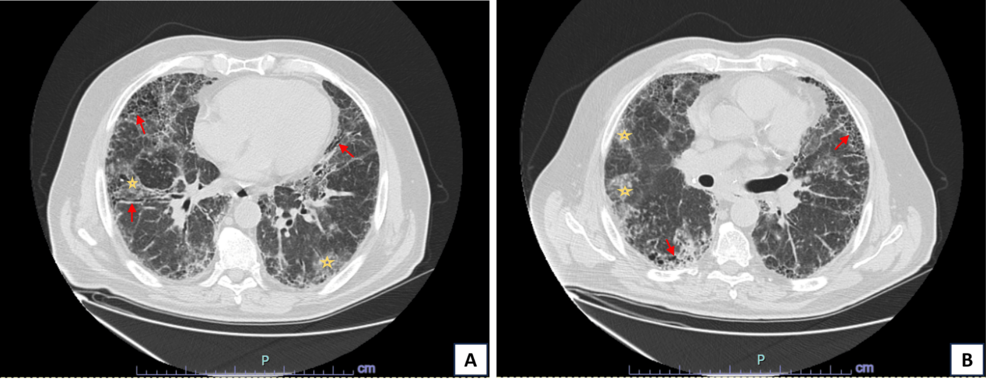
  • A Case Report on a Challenge From Diagnosis to Treatment: Interstitial Lung Disease As the First Manifestation of Systemic Sclerosis Sine Scleroderma

    A Case Report on a Challenge From Diagnosis to Treatment: Interstitial Lung Disease As the First Manifestation of Systemic Sclerosis Sine Scleroderma

    Continue Reading

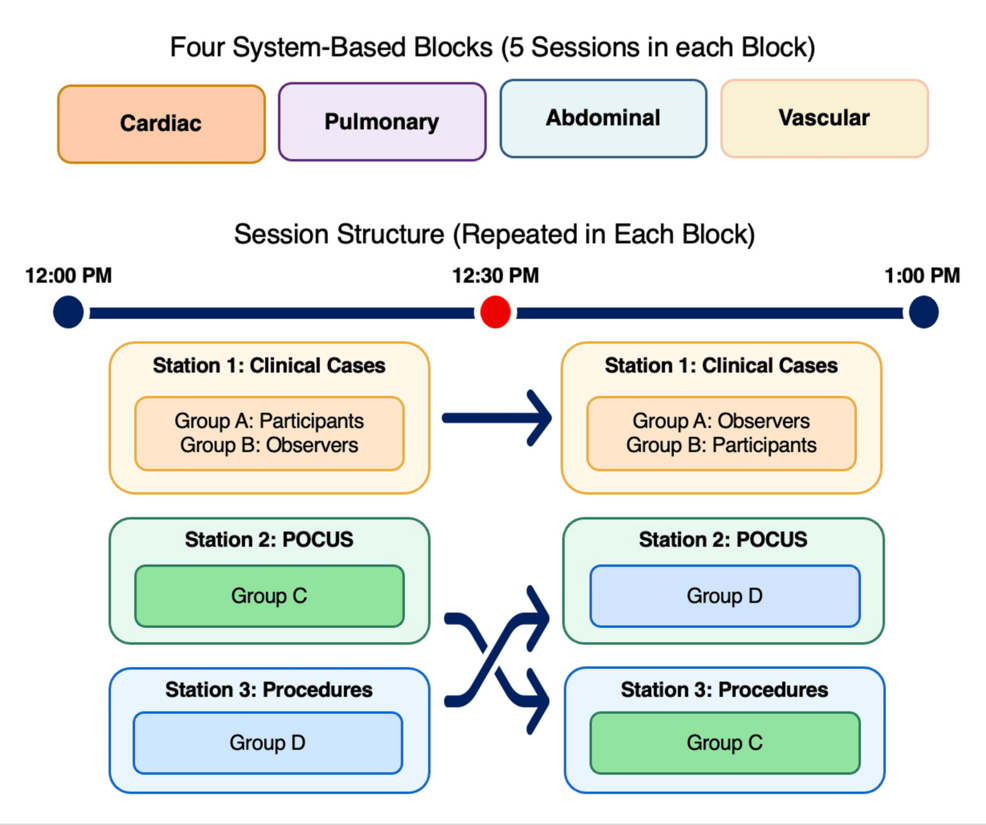
  • A Longitudinal and Multimodal Simulation-Based Curriculum Improved Internal Medicine Residents’ Confidence in Procedures, Point-of-Care Ultrasound, and Clinical Decision-Making

    A Longitudinal and Multimodal Simulation-Based Curriculum Improved Internal Medicine Residents’ Confidence in Procedures, Point-of-Care Ultrasound, and Clinical Decision-Making

    Continue Reading

  • Mars Receives Final Regulatory Approval and Moves to Close the Acquisition of Kellanova

    Mars Receives Final Regulatory Approval and Moves to Close the Acquisition of Kellanova

    Mars Receives Final Regulatory Approval and Moves to Close the Acquisition of Kellanova

    McLean, Virginia, and Chicago, Illinois (December 8, 2025) – Mars, Incorporated, a family-owned, global leader in pet care, snacking and food and Kellanova (NYSE: K), a leader in global snacking, international cereal and noodles and North America frozen foods, today announced that Mars has received unconditional approval from the European Commission for its pending acquisition of Kellanova. As a result, all required regulatory approvals and clearances for the pending transaction have been obtained.

    Mars and Kellanova anticipate closing the pending transaction on December 11, 2025, subject to the satisfaction or waiver of customary closing conditions. Upon close, Kellanova’s portfolio of snacking brands, which includes Pringles®, Cheez-It®, Pop-Tarts®, Rice Krispies Treats®, RXBAR® and Kellogg’s international cereal brands, will join the existing Mars Snacking portfolio, which includes beloved brands like SNICKERS®, M&M’S®, TWIX®, SKITTLES®, EXTRA® and KIND®.  

    Following the close of the pending transaction, Mars expects the combined Snacking business to generate around $36 billion in annual revenues, with a portfolio that includes 9 billion-dollar brands. Mars Snacking will continue to be headquartered in Chicago, IL and will operate in more than 145 markets, serving millions of consumers. Powered by a team of more than 50,000 Associates, it will operate 80 global production facilities and more than 170 retail outlets like Hotel Chocolat and M&M’S World.  

    “We are excited to have received final regulatory approval for the pending acquisition of Kellanova,” said Poul Weihrauch, CEO and Office of the President of Mars, Incorporated. “Our focus now turns to welcoming Kellanova employees to Mars and creating an even more innovative global snacking business that delivers greater choice and quality to more consumers around the world.”  

    “Today marks an extraordinary milestone and the culmination of years of work for many of our Associates,” said Andrew Clarke, Global President of Mars Snacking. “We can’t wait to welcome Kellanova talent to Mars and create a shared, global snacking leader with a beloved range of brands. We’ve said all along that Mars Snacking and Kellanova will be better together, building on the strength of our respective legacies and capabilities to unlock new possibilities and drive growth.”

    Steve Cahillane, Chairman, President and CEO of Kellanova, said, “This combination will bring together two purpose-driven and principles-led companies. Serving as Kellanova’s Chairman, President and CEO has been a true honor, and I’m looking forward to seeing Kellanova people and brands thrive as part of Mars Snacking.”

    The parties announced on August 14, 2024, that they had entered into a definitive agreement under which Mars agreed to acquire Kellanova. The pending transaction received Kellanova shareowner approval on November 1, 2024. The pending merger received the final of all 28 required regulatory approvals and clearances on December 8, 2025. Following the completion of the pending transaction, which remains subject to customary closing conditions, Kellanova’s common stock will be delisted and will cease trading on the New York Stock Exchange.


    About Mars, Incorporated

    Mars, Incorporated is driven by the belief that the world we want tomorrow starts with how we do business today. As an approximately $55bn, family-owned business with 150,000 Associates, our diverse portfolio of leading pet care products and veterinary services serve pets all around the world and our quality snacking and food products delights millions of people every day. We produce some of the world’s best-loved brands including ROYAL CANIN®, PEDIGREE®, WHISKAS®, CESAR®, DOVE®, EXTRA®, M&M’S®, SNICKERS® and BEN’S ORIGINAL™. Our international networks of pet hospitals, including BANFIELD™, BLUEPEARL™, VCA™ and ANICURA™ deliver high quality veterinary care and ANTECH ™ offers breakthrough capabilities in pet diagnostics.

    For more information about Mars, please visit www.mars.com. Join us on Facebook, Instagram, LinkedIn and YouTube.

    About Kellanova

    Kellanova (NYSE: K) is a leader in global snacking, international cereal and noodles, and North America frozen foods with a legacy stretching back more than 100 years. Powered by differentiated brands including Pringles®, Cheez-It®, Pop-Tarts®, Kellogg’s Rice Krispies Treats®, RXBAR®, Eggo®, MorningStar Farms®, Special K®, Coco Pops®, and more, Kellanova’s vision is to become the world’s best-performing snacks-led company, unleashing the full potential of our differentiated brands and our passionate people.  

    For more detailed information about Kellanova, please visit https://www.Kellanova.com.  

    Forward-Looking Statements

    This communication includes statements that constitute “forward-looking statements”  within the meaning of the Private Securities Litigation Reform Act of 1995, Section 27A of the Securities Act of 1933 and Section 21E of the Securities Exchange Act of 1934, each as amended, including statements regarding the proposed acquisition (the “Merger”) of Kellanova (the “Company”) by Mars, Incorporated (“Mars”), the expected timetable for completing the Merger, the expected benefits and other effects of the Merger,  the integration of the companies, the combined business going forward and any other statements regarding the Company’s future expectations, beliefs, plans, objectives, financial conditions, assumptions or future events or performance that are not historical facts. This information may involve risks and uncertainties that could cause actual results to differ materially from such forward-looking statements. These risks and uncertainties include, but are not limited to: the timing to consummate the Merger and the risk that the Merger may not be completed at all or the occurrence of any event, change, or other circumstances that could give rise to the termination of the merger agreement, including circumstances requiring a party to pay the other party a termination fee pursuant to the merger agreement; the risk that the conditions to closing of the Merger may not be satisfied or waived; litigation relating to, or other unexpected costs resulting from, the Merger; legislative, regulatory, and economic developments; risks that the Merger disrupts the Company’s current plans and operations; the risk that certain restrictions during the pendency of the Merger may impact the Company’s ability to pursue certain business opportunities or strategic transactions;  the diversion of management’s time on transaction-related issues; continued availability of capital and financing and rating agency actions; the risk that any announcements relating to the Merger could have adverse effects on the market price of the Company’s common stock, credit ratings or operating results; the risk that the proposed transaction and its announcement could have an adverse effect on the ability to retain and hire key personnel, to retain customers and to maintain relationships with business partners, suppliers and customers; the impact of macroeconomic conditions; other business disruptions; and consumers’ and other stakeholders’ perceptions of the Company’s brands. The Company can give no assurance that the conditions to the Merger will be satisfied, or that it will close within the anticipated time period.  

    All statements, other than statements of historical fact, should be considered forward-looking statements made in good faith by the Company, as applicable, and are intended to qualify for the safe harbor from liability established by the Private Securities Litigation Reform Act of 1995. When used in this communication, or any other documents, words such as “anticipate,” “believe,” “estimate,” “expect,” “forecast,” “goal,” “intend,” “objective,” “plan,” “project,” “seek,” “strategy,” “target,” “will” and similar expressions are intended to identify forward-looking statements. These forward-looking statements are based on the beliefs and assumptions of management at the time that these statements were prepared and are inherently uncertain. Such forward-looking statements are subject to risks and uncertainties that could cause the Company’s actual results to differ materially from those expressed or implied in the forward-looking statements. These risks and uncertainties, as well as other risks and uncertainties that could cause the actual results to differ materially from those expressed in the forward-looking statements, are described in greater detail under the heading “Item 1A. Risk Factors” in the Company’s Annual Report on Form 10-K for the year ended December 28, 2024 filed with the United States Securities and Exchange Commission (the “SEC”) and in any other SEC filings made by the Company. The Company cautions that these risks and factors are not exclusive. Management cautions against putting undue reliance on forward-looking statements or projecting any future results based on such statements or present or prior earnings levels. Forward-looking statements speak only as of the date of this communication or as of any earlier date when made or deemed to have been made, and, except as required by applicable law, no person is undertaking any obligation to update or supplement any forward-looking statements to reflect actual results, new information, future events, changes in its expectations or other circumstances that exist after the date as of which the forward-looking statements were made.

    Contacts  
    Mars
    Media:
    Denise Young
    Mars, Incorporated
    denise.young@effem.com
    Mars

    Christi O’Brien
    Mars, Incorporated
    christi.obrien@effem.com

    Kellanova  
    Media:
    Kellanova Media Hotline 
    Media.Hotline@kellanova.com 

    Investors 
    John Renwick, CFA 
    269-961-9050 

    Brunswick Group  
    Jayne Rosefield / Monica Gupta  
    jrosefield@brunswickgroup.com / mgupta@brunswickgroup.com 


    Continue Reading