Category: 3. Business

  • Visa squeeze dents UK business schools’ appeal

    Visa squeeze dents UK business schools’ appeal

    Unlock the Editor’s Digest for free

    UK higher education, long one of the country’s leading service exports, is experiencing its sharpest slowdown in years as visa curbs and proposed levies squeeze overseas demand and university finances.

    Business schools — which provide UK universities with about a third of international students and the largest share of income from all tuition fees — are particularly exposed, with two in three students coming from overseas.

    That dependence is proving costly: the Chartered Association of Business Schools (CABS) says international postgraduate enrolments fell this year at nearly two-fifths of UK schools, although this was an improvement on three-quarters the previous year. Many in the sector believe MBAs have borne the brunt of the ban on most overseas students bringing dependants.

    Meanwhile European schools saw a marked rise in applications across programmes, according to the Graduate Management Admission Council.

    FT European Business Schools Ranking

    © Getty Images

    This is an early article from the 2025 European Business Schools ranking and report, publishing on December 1

    The restrictions have had a personal impact on candidates like Ricardo Urso, a Brazilian MBA student at Alliance Manchester Business School in north-west England, whose wife and daughters were barred from joining him in the UK this year.

    “This is the first time in 13 years of marriage I’ve moved to another country without my wife. It’s been hard being away from my family,” says Urso, an entrepreneur who co-founded a financial advisory firm in Brazil.

    Despite the separation, Urso says the UK remained the best option for his MBA, citing its strong academic reputation and value for money in Manchester. “It’s one of the UK’s largest regional economies, and living costs are significantly lower than in London,” he says.

    Urso’s choice reflects the UK’s enduring pull. The 2025 Business of Branding survey by education consultancy CarringtonCrisp shows the UK tops the list of destinations considered by potential business students.

    Richard Urso chose to study in the UK at Manchester Business School, citing value for money and academic reputation © Emma Phillipson, for the FT

    But schools warn that the advantage is narrowing as tighter visa and post-study minimum salary rules risk curbing competitiveness. There is concern about plans to shorten the Graduate Route visa — the time most graduates can stay in the UK after study — from two years to 18 months from 2027, and for a levy on international student fees.

    “Uncertainty around the post-study work visa has made some students more hesitant about choosing the UK,” says André Spicer, executive dean of Bayes Business School in London.

    Figures from the Graduate Management Admission Council show applications to UK postgraduate business programmes slipped 4 per cent this year. The decline is reflected across higher education: the UK issued 403,497 study visas to overseas students in the year to March 2025, 10 per cent down on the year before. 

    Madeleine Sumption, director of the Migration Observatory at Oxford university, points out that overall international student numbers remain high by historical standards. Sumption says that global macroeconomics, not just UK policy, explains part of the post-Covid downturn. “Nigeria had a currency crisis, followed by a big decrease in the numbers coming to the UK,” she notes, for example.

    Business schools are central to the UK higher education sector’s finances. Stewart Robinson, chair of CABS, says there have been “significant financial cuts” with “more and more institutions going into redundancies”.

    The strains come after UK business schools weathered Brexit better than many feared, offsetting a sharp fall in EU enrolments with rising demand from outside Europe. That resilience is now being tested.


    Even so, pockets of the sector remain strong. Ken McPhail, head of Alliance MBS, says the UK market is fragmenting, with growth in digital skills programmes but weaker demand elsewhere.

    McPhail also points to signs of international demand shifting to undergraduate courses at his school. “Economic development has led to a significant increase in families able to fund education abroad at an earlier age,” he says.

    UK universities face additional financial strain. A proposed 6 per cent levy on overseas tuition fees in England — intended to fund domestic skills programmes — would strip about £621mn a year from their budgets, according to the Higher Education Policy Institute think-tank. Jamie Arrowsmith, director at Universities UK International (UUKI), which represents the sector globally, warns the levy would force institutions to cover the loss with money that would otherwise support research and teaching. “It’s in effect taxing international student fees,” he says.

    Many universities forecast deficits, hit by the new levy and fewer international students than expected. Sergei Guriev, dean of London Business School, says passing on the additional cost is not an option, citing students’ sensitivity to price and exchange rates. A weaker dollar has made tuition at UK institutions relatively more expensive for those paying in US currency, adding to the pressure.

    Guriev says London remains a major asset for business schools, offering access to global employers and talent. “London is a bigger business capital than Fontainebleau,” he says, referring to Insead in France. But he adds that the UK’s sluggish economy and its effect on job opportunities is beginning to blunt the capital’s edge.

    The slowdown matters: UUKI says that international students from the 2021-22 cohort contributed a net £37.4bn to the UK economy. Facing leaner years ahead, business schools are diversifying recruitment towards south-east Asia and parts of Africa, according to CABS.

    Sector leaders are now calling for policy stability to restore confidence among international students and protect the UK’s global standing. Arrowsmith says: “We need consistency and a clear message that international students are welcome.” 

    Ireland: land of saints and scholars

    As the UK tightens visa rules, Ireland is drawing international students who might once have looked to British universities. 

    At Trinity Business School in Dublin, applications for the 2024-25 intake on MSc programmes soared, with demand from traditional and emerging markets. “We’ve seen a 60 per cent increase in applications from the US, a 500 per cent rise from Cyprus and almost 200 per cent from Azerbaijan,” says Ciara Rice, the school’s recruitment manager.

    She attributes part of the surge to EU students turning away from the UK after Brexit. Ireland remains in the EU, so eligible EU students pay far lower tuition fees.

    “Ireland has always been a welcoming, open country for international students. But it’s found its place on the map now because of tightening restrictions elsewhere,” Rice says, pointing to recent policy changes in the UK and US. 

    Rice adds that Ireland’s strong economy — underpinned by tax windfalls from foreign multinationals in Dublin — make it appealing to students seeking stability. “Ireland is sparkling quite brightly at the moment,” she says. “But things can change.”

    Continue Reading

  • Are Thermo Fisher Shares a Fair Deal After Key Pharma Partnerships and 14% Price Surge?

    Are Thermo Fisher Shares a Fair Deal After Key Pharma Partnerships and 14% Price Surge?

    • Ever wondered if Thermo Fisher Scientific’s stock is truly worth its current price? Let’s dive into what those numbers may be telling us.

    • The share price has climbed an impressive 14.4% over the past year, with a 12.2% gain so far in 2024. This signals growing investor confidence and possible changes in how the market perceives the company’s risks and rewards.

    • Recently, Thermo Fisher has been in the spotlight after expanding partnerships with major pharmaceutical players and making acquisitions aimed at boosting its life sciences capabilities. These moves have not only captured the industry’s attention but may also have played a role in the recent share price uplift.

    • According to Simply Wall St’s value checks, Thermo Fisher Scientific scores a 3 out of 6 on the undervalued scale. This gives us a jumping-off point for examining how the market values this stock. Stay tuned, as we will unpack commonly used valuation approaches and reveal what might be an even smarter way to think about valuation later in the article.

    Thermo Fisher Scientific delivered 14.4% returns over the last year. See how this stacks up to the rest of the Life Sciences industry.

    The Discounted Cash Flow (DCF) model estimates a company’s true value by projecting its future cash flows and then discounting those amounts back to today’s dollars. This approach aims to capture the intrinsic worth of Thermo Fisher Scientific based solely on its ability to generate cash in the years ahead.

    Currently, Thermo Fisher Scientific reports a Free Cash Flow (FCF) of $6.1 Billion. Analyst forecasts show FCF rising steadily each year, reaching a projected $11.3 Billion by 2029. While these analyst estimates extend for about five years, forecasts beyond that are extrapolated to provide a longer-term picture of cash generation potential.

    According to the DCF analysis, Thermo Fisher Scientific’s intrinsic value stands at $605.35 per share. Based on recent share prices, the stock is trading at about a 3.2% discount to this estimated fair value. This suggests the market price and the underlying value are quite closely aligned.

    Result: ABOUT RIGHT

    Thermo Fisher Scientific is fairly valued according to our Discounted Cash Flow (DCF), but this can change at a moment’s notice. Track the value in your watchlist or portfolio and be alerted on when to act.

    TMO Discounted Cash Flow as at Nov 2025

    Head to the Valuation section of our Company Report for more details on how we arrive at this Fair Value for Thermo Fisher Scientific.

    For profitable companies like Thermo Fisher Scientific, the Price-to-Earnings (PE) ratio is one of the most widely used methods to gauge valuation. This metric compares a company’s share price to its per-share earnings, making it particularly useful for investors trying to determine if a stock is expensive or attractively priced relative to profits.

    The appropriate, or “fair,” PE ratio for a company reflects expectations of both future growth and risk. Companies with higher growth prospects or lower risk usually command higher multiples, while those facing uncertainty or slower growth often see lower ratios.

    Thermo Fisher Scientific has a current PE ratio of 33.5x. This compares with an industry average of 35.7x and a peer average of 36.9x, suggesting its valuation is slightly lower than its sector peers. However, industry averages do not tell the full story as they may not factor in Thermo Fisher’s unique growth, profitability, and risk profile.

    Simply Wall St provides a “Fair Ratio” calculation, which considers factors like the company’s earnings growth, profit margins, industry sector, size, and risks. With a Fair Ratio for Thermo Fisher of 29.9x, we see that the stock’s current multiple is only marginally higher than what we’d expect for a business like this. Unlike comparisons to peers or industry averages, the Fair Ratio gives a more tailored assessment by blending all the relevant fundamentals.

    Given the small difference between the Fair Ratio (29.9x) and Thermo Fisher’s current PE (33.5x), the stock appears to be priced about right by this measure, neither substantially overvalued nor undervalued.

    Result: ABOUT RIGHT

    NYSE:TMO PE Ratio as at Nov 2025
    NYSE:TMO PE Ratio as at Nov 2025

    PE ratios tell one story, but what if the real opportunity lies elsewhere? Discover 1440 companies where insiders are betting big on explosive growth.

    Earlier we mentioned that there is an even better way to understand valuation, so let’s introduce you to Narratives. A Narrative is a simple, approachable tool that lets investors tell the story behind their numbers by combining their perspective on a company’s future (like assumptions about fair value, future revenue, earnings, and margins) with a clear financial forecast and estimated fair value.

    By connecting Thermo Fisher Scientific’s business story to concrete projections, then comparing that fair value to the current price, Narratives help you make buy or sell decisions with more confidence and transparency. These are available to all users on Simply Wall St’s Community page, making powerful valuation tools accessible to millions of everyday investors.

    One major advantage is that Narratives update automatically as new information comes in, whether it is earnings reports or industry news, ensuring your investment case stays relevant. For example, based on recent perspectives, one investor’s bullish Narrative might see Thermo Fisher’s fair value at $767 per share, factoring in strong R&D growth and margin expansion. A more cautious Narrative might set fair value at $490, emphasizing sector headwinds and regulatory risks. Narratives empower you to clearly see which story you believe, adjust with real-time facts, and make wiser decisions as new data emerges.

    For Thermo Fisher Scientific, however, we’ll make it really easy for you with previews of two leading Thermo Fisher Scientific Narratives:

    • 🐂 Thermo Fisher Scientific Bull Case

      Fair value: $613.58

      Currently trading at 4.5% below this fair value

      Revenue growth assumption: 5.2%

      • Analysts see consistent expansion in pharma manufacturing, innovation in analytical tools, and deeper customer relationships as engines of long-term recurring revenue and competitive advantage.

      • Cost discipline, AI-driven productivity, and ongoing acquisitions are forecast to boost margins and support sustainable returns even if core demand is muted.

      • Risks include uncertainty in academic/government funding, margin pressure from global headwinds, and some leadership transition risk. The consensus price target sits well above current prices.

    • 🐻 Thermo Fisher Scientific Bear Case

      Fair value: $540.27

      Currently trading at 8.5% above this fair value

      Revenue growth assumption: 7%

      • Demand resilience and recurring revenues from services and consumables underpin stability, but pandemic-related tailwinds are fading and M&A integration poses new challenges.

      • Long-term catalysts include growth in personalized medicine and emerging markets. Regulatory hurdles, macro slowdowns, or acquisition overreach could weigh on future results.

      • Valuation is seen as fair but no longer deeply discounted, so further upside relies on TMO outperforming already strong expectations while avoiding sector or execution risks.

    Do you think there’s more to the story for Thermo Fisher Scientific? Head over to our Community to see what others are saying!

    NYSE:TMO Community Fair Values as at Nov 2025
    NYSE:TMO Community Fair Values as at Nov 2025

    This article by Simply Wall St is general in nature. We provide commentary based on historical data and analyst forecasts only using an unbiased methodology and our articles are not intended to be financial advice. It does not constitute a recommendation to buy or sell any stock, and does not take account of your objectives, or your financial situation. We aim to bring you long-term focused analysis driven by fundamental data. Note that our analysis may not factor in the latest price-sensitive company announcements or qualitative material. Simply Wall St has no position in any stocks mentioned.

    Companies discussed in this article include TMO.

    Have feedback on this article? Concerned about the content? Get in touch with us directly. Alternatively, email editorial-team@simplywallst.com

    Continue Reading

  • AUD/USD stabilises as dovish Fed speak pushes December cut odds to 80%

    AUD/USD stabilises as dovish Fed speak pushes December cut odds to 80%

    US dollar strength drives AUD/USD lower amid global risk aversion

    AUD/USD finished lower last week at 0.6455, down 1.22%. The decline came against a backdrop of broad-based US dollar, with the US Dollar Index (DXY) hitting its highest level since late May.

    The big dollar’s rally was fuelled by a combination of risk-aversion flows, disappointing economic data out of Europe and the United Kingdom, and a sharp sell-off in the Japanese yen ahead of the sizeable fiscal stimulus package formally approved on Friday. Reinforcing the move, several regional Federal Reserve (Fed) presidents sounded hawkish, expressing concerns about additional rate cuts due to lingering inflation risks.

    Dovish tone emerges ahead of December meeting

    However, that hawkish tilt began to reverse on Friday when New York Fed President John Williams indicated he still saw scope to lower rates further ‘in the near term’. The dovish message gained further traction overnight when Fed Governor Christopher Waller noted that the recent softening in the labour market made a December rate cut quite plausible.

    The probability of a 25 basis point (bp) cut at the 10 December Federal Open Market Committee (FOMC) meeting has surged from around 30% in the middle of last week to approximately 80% now. This rapid repricing of Fed expectations has provided immediate support to AUD/USD and other risk-sensitive assets, allowing the pair to stabilise into the Friday close and extend a modest recovery into the early part of this week.

    Key drivers ahead

    Whether a stronger bounce can follow will depend on several key drivers:

    1. It is crucial that risk sentiment remains stable.
    2. Month-end rebalancing flows are expected to support the Australian dollar due to the Australian stock market’s underperformance this month.
    3. The market will be influenced by upcoming US data releases tonight, including the producer price index (PPI), retail sales and consumer confidence, followed by an inflation update in Australia tomorrow previewed below.
    4. Tomorrow’s Reserve Bank of New Zealand (RBNZ) interest rate meeting. While a 25 bp rate cut is widely expected, a larger 50 bp cut cannot be ruled out, which would weigh heavily on NZD/USD and, to a lesser extent, AUD/USD.

    October inflation

    Date: Wednesday, 26 November at 11.30am AEDT

    Australia is transitioning from a quarterly to a full monthly consumer price index (CPI) as its primary measure of headline inflation – a change that will start this Wednesday. This alignment with other Group of Twenty (G20) countries will facilitate easier comparisons of inflation trends with other advanced economies.

    There is ongoing debate about whether the new monthly data should be compared with the previous quarterly figures or the last monthly CPI indicator, and it will take time before the Reserve Bank of Australia (RBA) can fully rely on the monthly CPI for a complete and accurate assessment of inflation pressures compared to the more consistent quarterly data.

    Although neither option provides a perfect comparison, we have opted to go with the recently released third quarter (Q3) numbers for clarity. In Q3 2025, headline CPI rose 1.3% quarter-on-quarter (QoQ), bringing the annual rate to 3.2% year-on-year (YoY), up from 2.1% previously. The trimmed mean increased 1.0% QoQ, lifting its annual rate to 3.0% YoY from 2.7%, marking the first increase since December 2022.

    Following this, expectations are for a monthly increase of 3.6% over the year and for a reading of 2.9% for the trimmed mean. The Australian interest rate market starts the day pricing in 2 bp of easing for the RBA’s December meeting, with roughly 13 bp of cuts anticipated by May 2026.

     All groups CPI and trimmed mean chart

    Continue Reading

  • Enhancing Railway Asset Management for a Resilient Future

    Enhancing Railway Asset Management for a Resilient Future

    Embracing the future: next-gen railway asset lifecycle management for a growing market

    The global rail market is expansive, and revenues are projected to grow by 19% by the year 2029. This growth brings with it an urgent demand for next-gen railway asset management systems. Now is the time for the sector to embrace the technologies that make smart railway asset management possible.

    As the rail sector continues to evolve, asset owners and operators (AOOs) face a complex landscape shaped by legacy infrastructure, sustainability pressure, and rapid digitalization. Today’s challenges demand a strategic rethink of railway asset lifecycle management.

    Currently, asset value is primarily concentrated in just a handful of countries, underlining the need for targeted investment and innovation. To address this, the industry is increasingly turning to smart asset strategies and adopting business models that prioritize modern technologies and collaborative ecosystems. These approaches are essential for building resilient, efficient, and sustainable rail networks.

    Capgemini is exploring how advanced analytics, digital twins for capital projects, and other intelligent solutions are redefining asset lifecycle management for railways – empowering the sector to meet rising expectations for safety and performance.

    What leaders need to know about smart railway asset lifecycle management

    Explore the shifting landscape of rail asset lifecycle management and why now is the time for AOOs to embrace smart asset technology.

    Laying the tracks for smarter railways report cover image

    Enhance your rail asset management system

    Railway asset management is being completely transformed to ensure a safer, more resilient future for the global rail sector. By addressing legacy challenges and climate risks with smart technologies and collaborative approaches with next-gen solutions like complex infrastructures digital twins, asset owners and operators can achieve safer, more efficient, and resilient operations – laying the foundation for long-term value and reliable mobility.

    Continue Reading

  • New white paper lays groundwork for adaptation finance guide supporting ASEAN Taxonomy – United Nations Environment – Finance Initiative

    New white paper lays groundwork for adaptation finance guide supporting ASEAN Taxonomy – United Nations Environment – Finance Initiative

    Climate adaptation has emerged as one of the defining priorities of our time. Nowhere is this challenge more acute than in the ASEAN region, where climate-related risks—rising sea levels, floods, droughts, and extreme heat—threaten the foundations of economic stability, livelihoods, and ecosystems. Addressing these risks requires mobilizing enormous levels of finance—both public and private—and ensuring that investments are aligned with resilience outcomes.

    A new white paper, the first output from a collaboration among the ASEAN Capital Markets Forum (ACMF), Sustainable Finance Institute Asia (SFIA), and United Nations Environment Programme Finance Initiative (UNEP FI),* lays the groundwork for a forthcoming guide that aims to channel more finance towards building adaptation and resilience capacity in support of Environmental Objective (EO) 2 of the ASEAN Taxonomy for Sustainable Finance (ASEAN Taxonomy). The work is financially and technically supported by the European Union Sustainable Finance Advisory Hub (EUSFAH), which promotes interoperable and credible sustainable finance frameworks globally.

    The ASEAN Taxonomy is a valuable tool for governments and the private sector to identify economic activities in the region that support climate-positive outcomes and other sustainability goals—and in turn, to finance aligned activities. Taxonomies have proven instrumental in directing capital towards mitigation, but additional information to provide clear, sector-specific guidance for assessing what qualifies as an “adaptation-aligned” investment can enhance the orientation of capital towards adaptation. The additional guidance can be useful for financial institutions to identify, assess, and report on credible adaptation opportunities—promoting the flow of private finance into projects that build resilience.

    To address this, ACMF, chaired by SC Malaysia, in collaboration with UNEP FI, will develop a mitigation co-benefit and Adaptation for Resilience (mARs) Guide to serve as a companion to the ASEAN Taxonomy, providing the methodological foundation for identifying the key principles and sectoral priorities that can enhance the functionality and usability of the taxonomy to channel  adaptation finance.

    The new white paper marks the first phase of the collaboration among the EUSFAH, UNEP FI, ACMF, and SFIA to translate high-level objectives into practical guidance that financial institutions, regulators, and issuers can apply when identifying, assessing, and tracking adaptation-aligned investments, and aims to catalyze adaptation finance in the region.

    “The ACMF is committed to advancing sustainable finance in the region. The mARs Guide will complement the ASEAN Taxonomy by providing practical tools for adaptation finance, ensuring that our markets remain resilient and future-ready. This white paper outlines the key elements and considerations that will guide the development of the mARs Guide, and highlights the need to address the adaptation funding gap, through mechanisms such as blended finance, which is key to funding non-bankable but necessary projects.”

    – Dato’ Mohammad Faiz Azmi, Chairman of the Securities Commission Malaysia, the current Chair of the ACMF

    Strengthening adaptation finance in ASEAN

    The white paper highlights that adaptation finance remains significantly underfunded compared to mitigation, with current flows falling far short of the scale required to protect communities and markets. As detailed in UNEP’s latest Adaptation Gap Report, developing countries require between USD 310 billion and USD 365 billion annually by 2035 to meet climate adaptation needs, yet only approximately USD 26 billion was available from international public finance in 2023. Mobilizing both public and private capital toward resilience outcomes is therefore an urgent priority.

    Taxonomies play a critical role in mobilizing finance by providing a common language and classification system that helps investors, regulators, and issuers identify credible activities, including adaptation-aligned activities, and channel capital toward them with confidence. UNEP FI’s earlier analysis of ASEAN Member States’ sustainable finance taxonomies shows increasing alignment between domestic taxonomies and the regional ASEAN Taxonomy in areas such as climate change mitigation, adaptation, biodiversity, and circular economy priorities. The mARs Guide builds on this progress by offering the practical detail and sector-level guidance needed for financial institutions to integrate adaptation criteria into investment decisions, product design, and disclosure frameworks.

    By mapping national adaptation priorities across ASEAN Member States, the white paper identifies areas of convergence that can serve as a regional baseline for adaptation-aligned finance. It also proposes for discussion a set of key principles for the mARs Guide, which complement the existing Five Core Principles of the ASEAN Taxonomy and its Guiding Principles for EO2. The proposed principles for the mARs Guide underscore that the guide would be:

    • Science-based and evidence-led
    • Context-relevant and locally prioritized
    • Inclusive across AMS
    • Maladaptation risk management (uncertainty-aware)
    • Interoperable and comparable
    • Usable for finance and the real economy

    Together, these findings and principles establish the methodological foundation for the mARs Guide to become a key regional reference. They also highlight how it can complement the ASEAN Taxonomy and support the application of existing assessment requirements by providing more detailed information on adaptation-relevant technologies and activities, as well as additional guidance in conducting maladaptation and climate risk and vulnerability assessments.

    “This white paper is a critical step in building the foundations for adaptation finance in ASEAN. By aligning financial flows with resilience outcomes, the mARs Guide will help ensure that capital markets play their part in safeguarding communities and ecosystems against climate risks.”

    – Eric Usher, Head of UNEP FI

    A long-term, collaborative effort

    Financial institutions and market participants from across ASEAN have contributed valuable feedback throughout the process, helping to ensure that as the mARs Guide is developed, it will reflect both climate science and practical considerations. This multi-stakeholder exchange underscores the importance of dialogue between the public and private sectors in advancing a coherent, proportionate, and credible policy enabling environment for adaptation finance.

    “Our mitigation efforts need to be supported by adaptation action as climate change impacts intensify. Guided by the key principles set out in the white paper, the mARs Guide will be developed to help providers and users of finance identify the technologies and approaches that capital should support to achieve the paradigm shift needed for resilience.”

    – Eugene Wong, CEO of SFIA

    UNEP FI is supporting the ACMF’s work in partnership with SFIA and a broad community of technical experts and financial institutions, in close consultation with the ASEAN Taxonomy Board. The European Union’s Sustainable Finance Advisory Hub (EUSFAH) has provided technical and financial support to this project.

    The next phases of work—carrying through 2026 and 2027 with SEC Philippines and Monetary Authority of Singapore here as succeeding Chair of ACMF, respectively—will build on these principles to develop operational guidance and practical tools that under the mARs Guide. Stakeholders are encouraged to engage with the process and contribute to the development of the Guide. By working together, ASEAN can build a financial system that mobilizes more investments towards the decarbonization of the region, while enhancing its resilience and adaptive capacity.


    * About the partners involved in the collaboration

    ASEAN Capital Markets Forum (ACMF): The ACMF is a high-level grouping of capital market regulators from all 11 ASEAN jurisdictions, namely Brunei Darussalam, Cambodia, Indonesia, Lao PDR, Malaysia, Myanmar, Philippines, Singapore, Thailand, Timor-Leste and Vietnam. The ACMF’s primary goal is to develop a deep, liquid and integrated regional capital market.

    ASEAN Taxonomy Board (ATB): The ATB was set up in 2021 under the auspices of the ASEAN Finance Ministers and Central Bank Governors’ Meeting (AFMGM) and is jointly driven by the ACMF, ASEAN Insurance Regulators Meeting (AIRM), the Senior Level Committee on Financial Integration (SLC) and the Working Committee on Capital Market Development (WC-CMD). Its establishment is a response to the call at the 6th AFMGM to work towards “furthering a cohesive sustainable finance agenda cutting across banking, capital markets and insurance areas at the ASEAN Finance Ministers’ Meeting and AFMGM respectively, with greater coordination amongst the relevant ASEAN working committees.”

    Securities Commission Malaysia (SC): The SC was established on 1 March 1993 under the Securities Commission Act 1993 (SCA). It is a self-funded statutory body entrusted with the responsibility to regulate and develop the Malaysian capital market. Its mission is to promote and maintain fair, efficient, secure and transparent securities and derivatives markets; and facilitate the orderly development of an innovative and competitive capital market.

    Sustainable Finance Institute Asia (SFIA): SFIA is an independent institute established to catalyse ideas on sustainable finance at the policy level, as well as propel action in support of those policy ideas in Asia, particularly in ASEAN. It aims to provide thought leadership and act as a one stop centre for sustainable finance in ASEAN through collaborations with governments, regulators, central banks, multilateral development banks, industry, academia and non-governmental organisations.

    The EU Sustainable Finance Advisory Hub: The EU Sustainable Finance Advisory Hub is a technical assistance facility funded by the EU and BMZ. It supports low and middle income countries in developing credible and interoperable sustainable finance taxonomies tailored to their environmental, social, and economic contexts.

    UNEP Finance Initiative (UNEP FI): UNEP FI brings together a large network of banks, insurers, and investors that collectively catalyzes action across the financial system to deliver more sustainable global economies. Financial institutions work with UNEP FI on a voluntary basis, and UNEP FI helps them to apply the industry frameworks and develop practical guidance and tools to position their businesses for the transition to a sustainable and inclusive economy.

    Continue Reading

  • Alphabet’s stock rises as possible Meta chip deal highlights new twist in the AI trade

    Alphabet’s stock rises as possible Meta chip deal highlights new twist in the AI trade

    By Emily Bary

    Meta reportedly is considering using Alphabet’s custom chips for its data centers. Nvidia and AMD shares fall on the prospect of more formidable semiconductor competition.

    Google designs in-house chips in partnership with Broadcom.

    Meta Platforms investors may not know how to feel about the Facebook parent company’s stepped-up artificial-intelligence investments lately, but Alphabet investors seem to be liking the sound of them.

    Shares of Alphabet (GOOG) (GOOGL) rose 2.7% in after-hours trading Monday, toward fresh highs, after The Information reported that Meta (META) was considering outfitting its data centers with perhaps billions of dollars’ worth of custom chips from Google.

    The prospect of this development positions Alphabet as a more foreboding rival to Nvidia (NVDA) and Advanced Micro Devices (AMD) in the red-hot market for AI infrastructure.

    Representatives from Meta and Google didn’t immediately respond to a MarketWatch request for comment.

    For Google, the report is the latest signal of broad-based AI momentum. The company said it trained its new Gemini 3 model on tensor processing units, its custom chips, and there seems to be growing outside interest in Google’s semiconductor work.

    See more: Google may be Nvidia’s biggest rival in chips – and now it’s upping its game

    Alphabet shares have surged 68% so far in 2025, with most of that coming in the past few months, reflecting optimism about Google’s TPU business as well as its Gemini AI model. The latest version has won praise in the technology world, reinforcing a view that Google is positioned to be an AI winner, perhaps at the expense of OpenAI.

    Shares of Alphabet’s suppliers continued to rise in conjunction with Google’s momentum. Broadcom shares (AVGO) advanced 1.7% in Monday’s extended trading, as the company partners with Alphabet on the TPUs. Celestica (CLS) and Lumentum Holdings (LITE), two optical suppliers whose stocks saw outsize increases in Monday’s regular session, added to their gains in the aftermarket.

    Don’t miss: Broadcom and these AI stocks are surging as plays on Alphabet’s rapid rise

    Meta shares ended fractionally higher in Monday’s extended session. The company’s talk of heightened AI spending spooked Wall Street in the wake of the company’s last earnings report in late October, with investors still unsure about whether the company will be able to monetize all its AI investments. Meta said that AI has helped it improve advertising products and recommendation engines, but the company has struggled to match rivals in terms of momentum for its AI chatbot.

    Meanwhile, an emerging narrative in the AI trade is that what’s good for Google and its universe of suppliers isn’t necessarily good for AI players generally. Google’s TPUs are a type of application-specific integrated circuit, and the debate over ASICs versus graphics processing units, like those made by Nvidia and AMD, is nothing new. But Google’s apparent internal and external momentum for its TPUs suggests budding competition for Nvidia, by far the most dominant seller of AI hardware to a broad list of customers, and AMD, which already has a relationship with Meta and has been trying to win more GPU business.

    See more: Google is crushing it. Why that’s worrying investors in Nvidia and other AI stocks.

    Shares of Nvidia and AMD each lost more than 1% in Monday’s after-hours trading.

    -Emily Bary

    This content was created by MarketWatch, which is operated by Dow Jones & Co. MarketWatch is published independently from Dow Jones Newswires and The Wall Street Journal.

    (END) Dow Jones Newswires

    11-24-25 2223ET

    Copyright (c) 2025 Dow Jones & Company, Inc.

    Continue Reading

  • Fried LP, Tangen CM, Walston J, Newman AB, Hirsch C, Gottdiener J, et al. Frailty in older adults: evidence for a phenotype. J Gerontol Biol Sci Med Sci. 2001;56(3):M146–56.

    Google Scholar 

  • Ensrud KE, Ewing SK, Taylor BC, Fink HA, Cawthon PM, Stone KL, et al. Comparison of 2 frailty indexes for prediction of falls, disability, fractures, and death in older women. Arch Intern Med. 2008;168(4):382–9.

    Google Scholar 

  • Satake S, Senda K, Hong YJ, Miura H, Endo H, Sakurai T, et al. Validity of the kihon checklist for assessing frailty status. Geriatr Gerontol Int. 2016;16(6):709–15.

    Google Scholar 

  • Clegg A, Hassan-Smith Z. Frailty and the endocrine system. Lancet Diabetes Endocrinol. 2018;6(9):743–52.

    Google Scholar 

  • Bianco AC, Kim BW. Deiodinases: implications of the local control of thyroid hormone action. J Clin Invest. 2006;116(10):2571.

    Google Scholar 

  • Pappa T, Ferrara AM, Refetoff S. Inherited defects of thyroxine-binding protein. Best Pract Res Clin Endocrinol Metab. 2015;29(5):735–47.

    Google Scholar 

  • Nappi A, Moriello C, Morgante M, Fusco F, Crocetto F, Miro C. Effects of thyroid hormones in skeletal muscle protein turnover. J Basic Clin Physiol Pharmacol. 2024;35(4–5):253–64.

    Google Scholar 

  • Virgini VS, Rodondi N, Cawthon PM, Harrison SL, Hoffman AR, Orwoll ES, et al. Subclinical thyroid dysfunction and frailty among older men. J Clin Endocrinol Metab. 2015;100(12):4524–32.

    Google Scholar 

  • Bhalla NS, Vinales KL, Li M, Bhattarai R, Fawcett J, Harman SM. Low TSH is associated with frailty in an older veteran population independent of other thyroid function tests. Gerontol Geriatr Med. 2021;7:2333721420986028.

    Google Scholar 

  • Bertoli A, Valentini A, Cianfarani MA, Gasbarra E, Tarantino U, Federici M. Low FT3: a possible marker of frailty in the elderly. Clin Interv Aging. 2017;12:335–41.

    Google Scholar 

  • Okoye C, Arosio B, Carino S, Putrino L, Franchi R, Rogani S, et al. The free triiodothyronine/free thyroxine ratio is associated with frailty in older adults: a longitudinal multisetting study. Thyroid. 2023;33(2):169–76.

    Google Scholar 

  • Arosio B, Monti D, Mari D, Passarino G, Ostan R, Ferri E, et al. Thyroid hormones and frailty in persons experiencing extreme longevity. Exp Gerontol. 2020;138:111000.

    Google Scholar 

  • Pasqualetti G, Calsolaro V, Bernardini S, Linsalata G, Bigazzi R, Caraccio N, et al. Degree of peripheral thyroxin deiodination, frailty, and long-term survival in hospitalized older patients. J Clin Endocrinol Metab. 2018;103(5):1867–76.

    Google Scholar 

  • Yu ZW, Pu SD, Sun XT, Wang XC, Gao XY, Shan ZY. Impaired sensitivity to thyroid hormones is associated with mild cognitive impairment in euthyroid patients with type 2 diabetes. Clin Interv Aging. 2023;18:1263–74.

    Google Scholar 

  • Tamura Y, Ishikawa J, Fujiwara Y, Tanaka M, Kanazawa N, Chiba Y, et al. Prevalence of frailty, cognitive impairment, and sarcopenia in outpatients with cardiometabolic disease in a frailty clinic. BMC Geriatr. 2018;18(1):264.

    Google Scholar 

  • Oba K, Ishikawa J, Tamura Y, Fujita Y, Ito M, Iizuka A, et al. Serum growth differentiation factor 15 levels predict the incidence of frailty among patients with cardiometabolic diseases. Gerontology. 2024;70(5):517–25.

    Google Scholar 

  • Tamura Y, Shimoji K, Ishikawa J, Murao Y, Yorikawa F, Kodera R, et al. Association between white matter alterations on diffusion tensor imaging and incidence of frailty in older adults with cardiometabolic diseases. Front Aging Neurosci. 2022;14:912972.

    Google Scholar 

  • Furuto-Kato S, Araki A, Chiba Y, Nakamura M, Shintani M, Kuwahara T, et al. Relationship between the thyroid function and cognitive impairment in the elderly in Japan. Intern Med. 2022;61(20):3029–36.

    Google Scholar 

  • Laclaustra M, Moreno-Franco B, Lou-Bonafonte JM, Mateo-Gallego R, Casasnovas JA, Guallar-Castillon P, et al. Impaired sensitivity to thyroid hormones is associated with diabetes and metabolic syndrome. Diabetes Care. 2019;42(2):303–10.

    Google Scholar 

  • Craig CL, Marshall AL, Sjöström M, Bauman AE, Booth ML, Ainsworth BE, et al. International physical activity questionnaire: 12-country reliability and validity. Med Sci Sports Exerc. 2003;35(8):1381–95.

    Google Scholar 

  • Dentice M, Marsili A, Ambrosio R, Guardiola O, Sibilio A, Paik JH. The FoxO3/type 2 deiodinase pathway is required for normal mouse myogenesis and muscle regeneration. J Clin Invest. 2010;120(11):4021–30.

    Google Scholar 

  • Chopra IJ, Chopra U, Smith SR, Reza M, Solomon DH. Reciprocal changes in serum concentrations of 3,3’,5-triiodothyronine (T3) in systemic illnesses. J Clin Endocrinol Metab. 1975;41(06):1043–9.

    Google Scholar 

  • Ostan R, Monti D, Mari D, Arosio B, Gentilini D, Ferri E, et al. Heterogeneity of thyroid function and impact of peripheral thyroxine deiodination in centenarians and semi-supercentenarians: association with functional status and mortality. J Gerontol A Biol Sci Med Sci. 2019;74(6):802–10.

    Google Scholar 

  • Alonso SP, Valdés S, Maldonado-Araque C, Lago A, Ocon P, Calle A, et al. Thyroid hormone resistance index and mortality in euthyroid subjects: Di@bet.es study. Eur J Endocrinol. 2021;186(1):95–103.

    Google Scholar 

  • Barzilay JI, Blaum C, Moore T, Xue QL, Hirsch CH, Walston JD, et al. Insulin resistance and inflammation as precursors of frailty: the cardiovascular health study. Arch Intern Med. 2007;167(7):635–41.

    Google Scholar 

  • Carvalhaes-Neto N, Huayllas MK, Ramos LR, Cendoroglo MS, Kater CE, Cortisol. DHEAS and aging: resistance to cortisol suppression in frail institutionalized elderly. J Endocrinol Invest. 2003;26(1):17–22.

    Google Scholar 

  • Lv F, Cai X, Li Y, Zhang X, Zhou X, Han X, et al. Sensitivity to thyroid hormone and risk of components of metabolic syndrome in a Chinese euthyroid population. J Diabetes. 2023;15(10):900–10.

    Google Scholar 

  • Liu C, Hua L, Liu K, Xin Z. Impaired sensitivity to thyroid hormone correlates to osteoporosis and fractures in euthyroid individuals. J Endocrinol Invest. 2023;46(10):2017–29.

    Google Scholar 

  • Chen S, Sun X, Zhou G, Jin J, Li Z. Association between sensitivity to thyroid hormone indices and the risk of osteoarthritis: an NHANES study. Eur J Med Res. 2022;27(1):114.

    Google Scholar 

  • Wronski ML, Tam FI, Seidel M, Mirtschink P, Poitz DM, Bahnsen K, et al. Associations between pituitary-thyroid hormones and depressive symptoms in individuals with anorexia nervosa before and after weight-recovery. Psychoneuroendocrinology. 2022;137:105630.

    Google Scholar 

  • De Vito P, Incerpi S, Pedersen JZ, Luly P, Davis FB, Davis PJ. Thyroid hormones as modulators of immune activities at the cellular level. Thyroid. 2011;21(8):879–90.

    Google Scholar 

  • Wachowska K, Gałecki P. Inflammation and cognition in depression: a narrative review. J Clin Med. 2021;10(24):5859.

    Google Scholar 

  • Ma YC, Ju YM, Cao MY, Yang D, Zhang KX, Liang H, et al. Exploring the relationship between malnutrition and the systemic immune-inflammation index in older inpatients: a study based on comprehensive geriatric assessment. BMC Geriatr. 2024;24(1):19.

    Google Scholar 

  • Jiang L, Zhou L, Liu J, Wang Y, Wang G. Sex differences in the association between thyroid hormone sensitivity and cardiovascular-kidney-metabolic syndrome. J Clin Endocrinol Metab. 2025;4:dgaf059.

    Google Scholar 

  • Wang Q, Tao A, Zhang Y, Li X, Lin Q, Liu F, et al. Psychometric properties of the simplified Chinese version of Kihon checklist in the Chinese older people. Int J Older People Nurs. 2023;18(2):e12524.

    Google Scholar 

  • Assantachai P, Muangpaisan W, Intalapaporn S, Jongsawadipatana A, Arai H. Kihon checklist: Thai version. Geriatr Gerontol Int. 2021;21(8):749–52.

    Google Scholar 

Continue Reading

  • Baker McKenzie Advises Current Shareholders (Including Funds Advised by ARCHIMED as Controlling Shareholder) on the Sale of Citieffe Group to PolyMed | Newsroom

    Baker McKenzie Advises Current Shareholders (Including Funds Advised by ARCHIMED as Controlling Shareholder) on the Sale of Citieffe Group to PolyMed | Newsroom

    Baker McKenzie advised the current shareholders on the sale of all their equity interests in Medistream SA, a Swiss corporation holding all equity interests in Citieffe SRL, an Italian medical devices manufacturer, and its subsidiaries in the United States and Mexico (“Citieffe Group”), to Poly Medicure B.V., Amsterdam, Netherlands, a wholly owned subsidiary of Poly Medicure Limited, an Indian public company (“PolyMed”). Funds advised by ARCHIMED, a global private equity firm focused on the healthcare sector, were the majority shareholders in Citieffe Group.

    The Citieffe Group is an Italy-based manufacturer specializing in the orthopedic trauma and extremities segment, with a direct presence in Italy, the United States and Mexico, as well as distribution across 25 countries. The transaction was completed on 6 November 2025.

    This strategic acquisition provides PolyMed with a gateway into the global orthopedics market, particularly in the trauma and extremities segment — the fastest growing and most resilient category within orthopedics. As part of PolyMed, the Citieffe Group is expected to benefit from enhanced R&D and manufacturing capabilities, including potential cost efficiencies through operations in India.

    Baker McKenzie advised the shareholders of Citieffe Group, including ARCHIMED, on all legal and tax aspects of the transaction.

    M&A Partners Alexander Fischer and Olha Deminaniuk led the team, which included Alexander Blaeser (partner, M&A), Susanne Liebel-Kotz (partner, tax), Vinzenz Sutter (associate, M&A), Kiara Sharifi (associate, M&A), Kasper Projer (associate, Dispute Resolution/International Commercial & Trade) and Anna Zellweger (associate, International Commercial & Trade).

    Continue Reading

  • Focused ultrasound combined with chemotherapy improves survival in glioblastoma patients

    Focused ultrasound combined with chemotherapy improves survival in glioblastoma patients

    Patients with the deadliest form of brain cancer, glioblastoma, who received MRI-guided focused ultrasound with standard-of-care chemotherapy had a nearly 40 percent increase in overall survival in a landmark trial of 34 patients led by University of Maryland School of Medicine (UMSOM) researchers. This is the first time researchers have demonstrated a potential survival benefit from using focused ultrasound to open the blood-brain barrier to improve delivery of chemotherapy to the tumor site in brain cancer patients after surgery.

    Our results are very encouraging. Using focused ultrasound to open the blood-brain barrier and deliver chemotherapy could significantly increase patient survival, which other ongoing studies are seeking to confirm and expand.”

    Graeme Woodworth, MD, study principal investigator, Professor and Chair of Neurosurgery at UMSOM and Neurosurgeon-In-Chief at the University of Maryland Medical Center (UMMC)

    The findings of this groundbreaking safety, feasibility, and comparative trial involved glioblastoma patients who were given focused ultrasound to open their blood-brain barrier before getting chemotherapy; they were matched to a rigorously selected control group of 185 glioblastoma patients with similar characteristics who received the standard dose of the chemotherapy drug, temozolomide, without receiving focused ultrasound. Trial participants were initially treated with surgery to remove their brain tumor, followed by six weeks of chemotherapy and radiation, and up to six monthly focused-ultrasound treatments plus temozolomide.

    Results were published in the journal Lancet Oncology and show that trial participants had nearly 14 months of median progression-free survival, compared to eight months in the control group. In terms of overall survival, trial participants, on average, lived for more than 30 months compared to 19 months in the control group.

    The study builds on more than a decade of intensive research to test the safety and feasibility of opening the blood-brain barrier using focused ultrasound first in animal studies and then in patients. It was led by Dr. Woodworth and was conducted at UMMC and four other clinical sites affiliated with the University of Toronto, Harvard University, University of Virginia, and West Virginia University. “We also demonstrated that this could be a useful technique that enables us to better monitor patients to determine if their brain cancer has progressed,” said Dr. Woodworth, who also serves as Director of the Brain Tumor Program at the University of Maryland Marlene and Stewart Greenebaum Comprehensive Cancer Center (UMGCCC).

    He and his team demonstrated that opening the blood-brain barrier facilitated the use of a
    “liquid biopsy,” which is a blood test that detects cancer biomarkers, which can include DNA fragments, proteins and other components from the liquid environment surrounding the tumor site.

    Such biomarkers have been used in other cancers to determine whether the tumor has remained stable or has the potential to progress or even metastasize. Up until now, however, these tests have not been utilized in brain cancer patients since most components can never pass into the bloodstream from the brain due to the blood-brain barrier.
    “These liquid biomarkers were found to be closely concordant with the patient outcomes over time, progression-free survival and overall survival,” said Dr. Woodworth.

    While temozolomide is the standard treatment for glioblastoma, the drug typically gets blocked by the blood-brain barrier with studies showing that less than 20 percent reaches the brain in patients. This study did not determine the exact amount of temozolomide to reach the brain in each patient, but earlier studies have shown that opening the blood-brain barrier before delivering chemotherapy can dramatically increase the amount that gets to the original tumor site.

    Glioblastoma is the most common and deadliest type of malignant brain tumor. The five-year survival rate is only 5.5 percent, and patients live an average of 14 to 16 months after diagnosis when treated with surgery, radiation, and chemotherapy when appropriate. The malignancy nearly always recurs even after it is removed due to residual infiltrating cancer cells that remain after treatment.

    The blood-brain barrier is a specialized network of vascular and brain cells that acts as the brain’s security system to protect against invasion by dangerous toxins and microbes. It can be opened temporarily using a specialized focused ultrasound device. This process starts with injecting microscopic inert gas-filled bubbles into the patient’s bloodstream. Guided by an MRI, precise brain regions are targeted while the injected microbubbles are circulating.

    “Upon excitation under low-intensity ultrasound waves, the microbubbles oscillate within the energy field, causing temporary mechanical perturbations in the walls of the brain blood vessels,” said Pavlos Anastasiadis, PhD, an Assistant Professor of Neurosurgery at UMSOM who is an expert in ultrasound biophysics.

    Prior studies led by Dr. Woodworth and this trial’s co-investigators showed that opening the blood-brain barrier temporarily can be safely and feasibly performed in brain tumor patients. He and his team conducted this procedure in the first brain cancer patient in the U.S. in 2018 at UMMC after the US Food and Drug Administration (FDA) approved the inaugural clinical trial.

    “Dr. Woodworth’s findings are deeply exciting and a significant step forward for the field,” said Taofeek K. Owonikoko, MD, PhD, UMGCCC Executive Director. “Patients with glioblastoma have had few effective treatment options, and UMGCCC is proud to be at the forefront of efforts to bring hope to these patients and their families.”

    Future trials could use focused ultrasound alongside other chemotherapy agents to test the effectiveness of drugs never used in brain cancer due to their ineffectiveness at crossing the blood-brain barrier.

    “This groundbreaking trial has provided a potential new prognostic and therapeutic paradigm for the 15,000 Americans who are diagnosed every year with this deadly form of brain cancer,” said UMSOM Dean Mark T. Gladwin, MD, who is the John Z. and Akiko K. Bowers Distinguished Professor and Vice President for Medical Affairs at University of Maryland, Baltimore. “The release of biomarkers into the bloodstream offers a possible new method for simple and routine monitoring of brain regions without the need for invasive biopsies. Having the ability to open the blood-brain barrier could also usher in the testing of new therapeutics to see whether they offer further life-extending benefits.”

    “For the thousands of people who receive this devastating diagnosis each year, the significance of this advancement cannot be overstated,” said Bert W. O’Malley, MD, President and CEO of UMMC. “The success of this trial brings new momentum and further accelerates investigation of targeted therapies for glioblastoma and other brain cancers. Hope has been redefined for these families.”

    Dr. Woodworth is also the co-leader of a larger diagnostics-focused pivotal focused ultrasound trial in glioblastoma patients called LIBERATE (NCT05383872) in partnership with ReFOCUSED (The Research Consortium for Transcranial Focused UltraSound-Enhanced Drug Delivery & Diagnostics.) ReFOCUSED is a growing group of researchers from over 20 sites across North America whose goal is to use the new opportunities offered by MRI-guided focused ultrasound to improve the clinical outcomes of brain diseases. The LIBERATE trial is currently closed to enrollment.

    This trial was funded by the device manufacturer Insightec Inc. (Miami, FL), an MRI-guided focused ultrasound device company, and the National Institutes of Health (NIH) (R21NS113016).

    Source:

    University of Maryland School of Medicine

    Journal references:

    Woodworth, G. F., et al. (2025) Microbubble-enhanced transcranial focused ultrasound with temozolomide for patients with high-grade glioma (BT008NA): a multicentre, open-label, phase 1/2 trial. The Lancet Oncology. DOI: 10.1016/S1470-2045(25)00492-9. https://www.thelancet.com/journals/lanonc/article/PIIS1470-2045(25)00492-9/fulltext

    Continue Reading

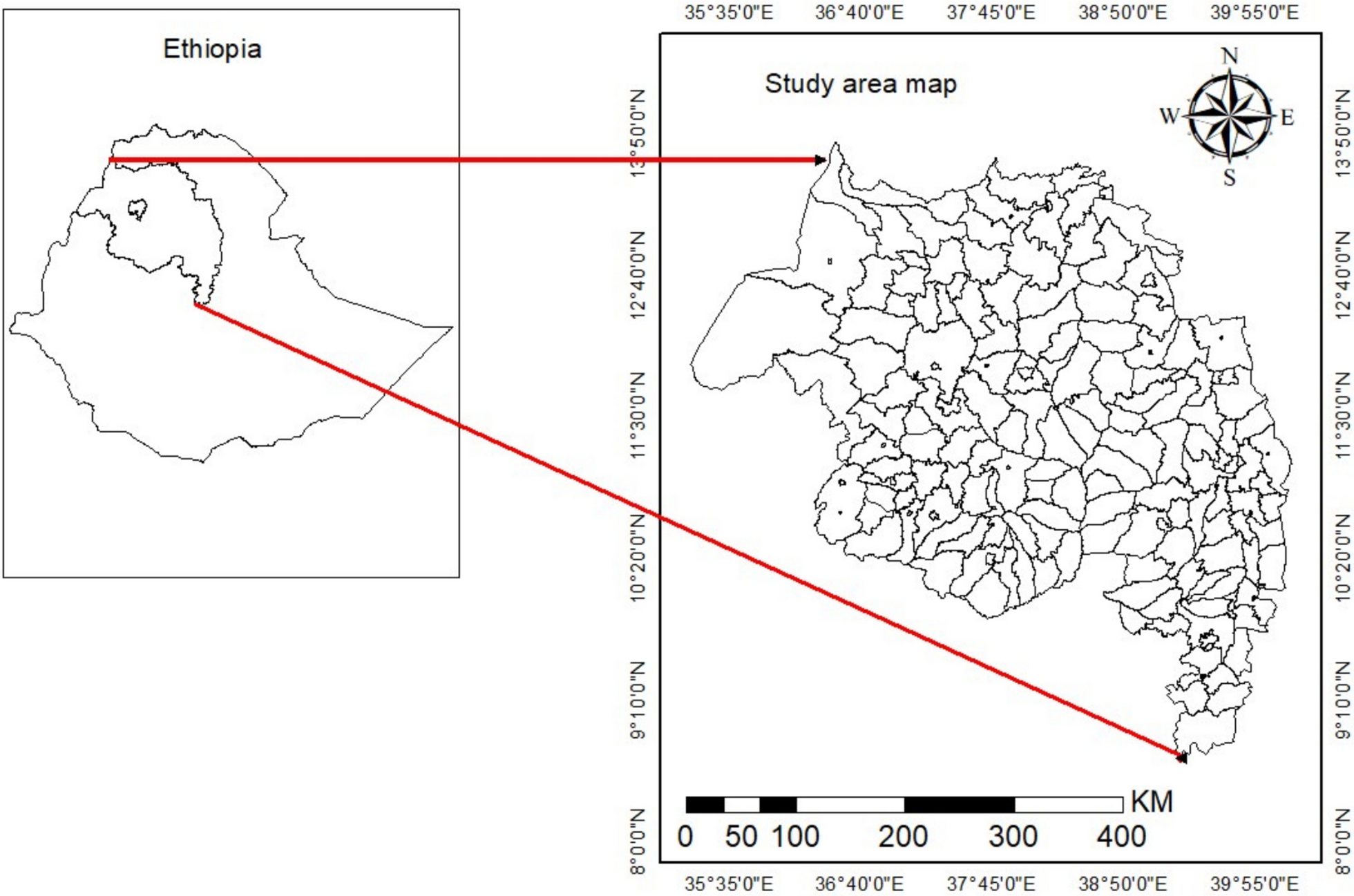
  • Resurgence of malaria in the Amhara Region, Ethiopia (2014–2024): trends, spatial expansion, and control challenges | Malaria Journal

    Resurgence of malaria in the Amhara Region, Ethiopia (2014–2024): trends, spatial expansion, and control challenges | Malaria Journal

  • WHO. World malaria report 2024: addressing inequity in the global malaria response. Geneva: World Health Organization; 2024.

    Google Scholar 

  • U.S. President’s Malaria Initiative (PMI). Ethiopia: malaria operational plan FY 2024. Washington DC: United States Agency for International Development (USAID); 2024.

    Google Scholar 

  • WHO. Disease outbreak news: malaria in Ethiopia 2024 update. Geneva: World Health Organization; 2024.

    Google Scholar 

  • Federal Ministry of Health of Ethiopia. Malaria elimination strategic plan 2021–2025. Addis Ababa: Federal Ministry of Health of Ethiopia; 2020.

    Google Scholar 

  • Taffese HS, Hemming-Schroeder E, Koepfli C, Tesfaye G, Lee MC, Kazura J, et al. Malaria epidemiology and interventions in Ethiopia from 2001 to 2016. Infect Dis Poverty. 2018;7:103.

    PubMed 
    PubMed Central 

    Google Scholar 

  • Alemu K, Worku A, Berhane Y, Kumie A. Spatiotemporal clusters of malaria cases at village level, northwest Ethiopia. Malar J. 2014;13:223.

    PubMed 
    PubMed Central 

    Google Scholar 

  • Ministry of Health. National malaria elimination programme. Addia Ababa: Ministry of Health; 2021.

    Google Scholar 

  • Zhou G, Taffese HS, Zhong D, Wang X, Lee MC, Degefa T, et al. Resurgence of clinical malaria in Ethiopia and its link to Anopheles stephensi invasion. Pathogens. 2024;13:748.

    PubMed 
    PubMed Central 

    Google Scholar 

  • Emiru T, Getachew D, Murphy M, Sedda L, Ejigu LA, Bulto MG, et al. Evidence for a role of Anopheles stephensi in the spread of drug- and diagnosis-resistant malaria in Africa. Nat Med. 2023;29:3203–11.

    PubMed 
    PubMed Central 

    Google Scholar 

  • Balkew M, Mumba P, Dengela D, Yohannes G, Getachew D, Yared S, et al. Geographical distribution of Anopheles stephensi in eastern Ethiopia. Parasit Vectors. 2020;13:35.

    PubMed 
    PubMed Central 

    Google Scholar 

  • Merga H, Degefa T, Birhanu Z, Abiy E, Lee MC, Yan G, et al. Urban malaria and its determinants in eastern Ethiopia: the role of Anopheles stephensi and urbanization. Malar J. 2024;23:303.

    PubMed 
    PubMed Central 

    Google Scholar 

  • Sedda L, QiQ TAJ. A geostatistical analysis of the association between armed conflicts and Plasmodium falciparum malaria in Africa. Malar J. 2015;14:500.

    PubMed 
    PubMed Central 

    Google Scholar 

  • Teka H, Golassa L, Medhin G, Balkew M, Sisay C, Gadisa E, et al. Trend analysis of malaria in urban settings in Ethiopia from 2014 to 2019. Malar J. 2023;22:235.

    PubMed 
    PubMed Central 

    Google Scholar 

  • Tadesse FG, Ashine T, Teka H, Esayas E, Messenger LA, Chali W, et al. Anopheles stephensi mosquitoes as vectors of Plasmodium vivax and falciparum, Horn of Africa, 2019. Emerg Infect Dis. 2021;27:603–7.

    PubMed 
    PubMed Central 

    Google Scholar 

  • Brhane BG, Fola AA, Nigussie H, Leonetti A, Kassa M, Hailgiorgis H, et al. Rising prevalence of Plasmodium falciparum artemisinin partial resistance mutations in Ethiopia. Commun Med. 2025;5:297.

    PubMed 
    PubMed Central 

    Google Scholar 

  • World Health Organization. World malaria report. Geneva: World Health Organization; 2022.

    Google Scholar 

  • Hay SI, Cox J, Rogers DJ, Randolph SE, Stern DI, Shanks GD, et al. Regional warming and malaria resurgence. Nature. 2002;420:627–8.

    Google Scholar 

  • Zhou G, Minakawa N, Githeko AK, Yan G. Climate variability and malaria epidemics in the highlands of East Africa. Trends Parasitol. 2005;21:54–6.

    PubMed 

    Google Scholar 

  • Cohen JM, Smith DL, Cotter C, Ward A, Yamey G, Sabot OJ, et al. Malaria resurgence: a systematic review and assessment of its causes. Malar J. 2012;11:122.

    PubMed 
    PubMed Central 

    Google Scholar 

  • Raouf S, Mpimbaza A, Kigozi R, Sserwanga A, Rubahika D, Katamba H, et al. Resurgence of malaria following discontinuation of indoor residual spraying of insecticide in an area of Uganda with previously high-transmission intensity. Clin Infect Dis. 2017;65:453–60.

    PubMed 
    PubMed Central 

    Google Scholar 

  • Sherrard-Smith E, Hogan AB, Hamlet A, Watson OJ, Whittaker C, Winskill P, et al. The potential public health consequences of COVID-19 on malaria in Africa. Nat Med. 2020;26:1411–6.

    PubMed 
    PubMed Central 

    Google Scholar 

  • Rogerson SJ, Beeson JG, Laman M, Poespoprodjo JR, William T, Simpson JA, et al. Identifying and combating the impacts of COVID-19 on malaria. BMC Med. 2020;18:239.

    PubMed 
    PubMed Central 

    Google Scholar 

  • Minwuyelet A, Eshetu T, Milikit D, Aschale Y. Prevalence and risk factors of asymptomatic Plasmodium infection in Gondar Zuria District, Northwest Ethiopia. Infect Drug Resist. 2020;13:3969–75.

    PubMed 
    PubMed Central 

    Google Scholar 

  • Solomon A, Kahase D, Alemayehu M. Trend of malaria prevalence in Wolkite health center: an implication towards the elimination of malaria in Ethiopia by 2030. Malar J. 2020;19:112.

    PubMed 
    PubMed Central 

    Google Scholar 

  • Minwuyelet A, Abiye M, Zeleke AJ, Getie S. Plasmodium gametocyte carriage in humans and sporozoite rate in anopheline mosquitoes in Gondar Zuria District, Northwest Ethiopia. PLoS ONE. 2024;19:e0306289.

    PubMed 
    PubMed Central 

    Google Scholar 

  • Yalew AW. Achievements, gaps, and emerging challenges in controlling malaria in Ethiopia. Front Trop Dis. 2022;2:771030.

    Google Scholar 

  • Dembélé L, Franetich J-F, Lorthiois A, Gego A, Zeeman A-M, Kocken CH, et al. Persistence and activation of malaria hypnozoites in long-term primary hepatocyte cultures. Nat Med. 2014;20:307–12.

    PubMed 

    Google Scholar 

  • Minwuyelet A, Yewhalaw D, Atenafu G. Retrospective analysis of malaria prevalence over ten years (2015–2024) at Bichena Primary Hospital, Amhara region, Ethiopia. PLoS ONE. 2025;20:e0322570.

    PubMed 
    PubMed Central 

    Google Scholar 

  • Moltot T, Bekele G, Gebreegziabher ZA, Lemma T, Sisay M, Silesh M, et al. A five-year malaria surveillance data analysis of North Shewa zone, Amhara region, Ethiopia: July 2018 to June 2023. Malar J. 2024;23:187.

    PubMed 
    PubMed Central 

    Google Scholar 

  • Abere A, Ayalew S, Wondale B, Tigabu F, Gizachew N, Tesfaye T, et al. Dynamic shift of malaria cases in northwest Ethiopia: a 10-year retrospective cohort data analysis from 2012 to 2021. Front Malar. 2025;3:1460491.

    Google Scholar 

  • Nigussie TZ, Zewotir TT, Muluneh EK. Seasonal and spatial variations of malaria transmissions in northwest Ethiopia: evaluating climate and environmental effects using generalized additive model. Heliyon. 2023;9:e15252.

    PubMed 
    PubMed Central 

    Google Scholar 

  • World Health Organization. Malaria surveillance, monitoring & evaluation: a reference manual. Geneva: World Health Organization; 2018.

    Google Scholar 

  • Central Statistical Agency (CSA) of Ethiopia. Population projection of Ethiopia for all regions at Wereda level from 2014–2017. Addis Ababa: CSA; 2013.

    Google Scholar 

  • NASA Shuttle Radar Topography Mission Global 1 arc second number. NASA Land Processes Distributed Active Archive Center. 2013.

  • Central Statistical Agency of Ethiopia. Population and housing census 2023/2024: Amhara Region. Addis Ababa: CSA; 2024.

    Google Scholar 

  • Rothman KJ, Greenland S, Lash TL. Modern epidemiology. Philadelphia: Wolters Kluwer Health/Lippincott Williams & Wilkins; 2008.

    Google Scholar 

  • Kim HJ, Fay MP, Feuer EJ, Midthune DN. Permutation tests for joinpoint regression with applications to cancer rates. Stat Med. 2000;19:335–51.

    PubMed 

    Google Scholar 

  • Duyar İ. A Bayesian approach in model selection. Ankara Univ J Fac Educ Sci (JFES). 1995;28(1):95–106.

    Google Scholar 

  • WHO. World malaria report 2017. Geneva: World Health Organization; 2017.

    Google Scholar 

  • USAID President’s Malaria Initiative. Ethiopia malaria operational plan FY 2023. Washington, DC: USAID; 2023.

    Google Scholar 

  • EPHI. Ethiopia national malaria indicator survey 2015. Addis Ababa: Ethiopian Public Health Institute; 2016.

    Google Scholar 

  • Bhatt S, Weiss DJ, Cameron E, Bisanzio D, Mappin B, Dalrymple U, et al. The effect of malaria control on Plasmodium falciparum in Africa between 2000 and 2015. Nature. 2015;526:207–11.

    PubMed 
    PubMed Central 

    Google Scholar 

  • World Health Organization. World malaria report. Geneva: World Health Organization; 2023.

    Google Scholar 

  • WHO. World malaria report. Geneva: World Health Organization; 2021.

    Google Scholar 

  • Price RN, Commons RJ, Battle KE, Thriemer K, Mendis K. Plasmodium vivax in the era of the shrinking P. falciparum map. Trends Parasitol. 2020;36:560–70.

    PubMed 
    PubMed Central 

    Google Scholar 

  • Howes RE, Battle KE, Mendis KN, Smith DL, Cibulskis RE, Baird JK, et al. Global epidemiology of Plasmodium vivax. Am J Trop Med Hyg. 2016;95(6 Suppl):15–34.

    PubMed 
    PubMed Central 

    Google Scholar 

  • White NJ. Determinants of relapse periodicity in Plasmodium vivax malaria. Malar J. 2011;10:297.

    PubMed 
    PubMed Central 

    Google Scholar 

  • Yenew C, Mulatu S, Alamneh A. The trend of malaria cases, positivity rate, and determinant factors in the Amhara Regional State, Ethiopia: a mixed method. Case Rep Infect Dis. 2021;2021:2131720.

    PubMed 
    PubMed Central 

    Google Scholar 

  • Ahmed A, Khogali R, Elnour M-AB, Nakao R, Salim B. Emergence of the invasive malaria vector Anopheles stephensi in Khartoum State, Central Sudan. Parasit Vectors. 2021;14:511.

    PubMed 
    PubMed Central 

    Google Scholar 

  • Haileselassie W, Parker DM, Taye B, David RE, Zemene E, Lee MC, et al. Burden of malaria, impact of interventions, and climate variability in western Ethiopia: an area with large irrigation-based farming. BMC Public Health. 2022;22:196.

    PubMed 
    PubMed Central 

    Google Scholar 

  • Gething PW, Smith DL, Patil AP, Tatem AJ, Snow RW, Hay SI. Climate change and the global malaria recession. Nature. 2010;465:342–5.

    PubMed 
    PubMed Central 

    Google Scholar 

  • Jalilian A, Ayana GM, Ashine T, Hailemeskel E, Ebstie YA, Molla E, et al. Waning success: a 2013–2022 spatial and temporal trend analysis of malaria in Ethiopia. Infect Dis Poverty. 2024;13:93.

    PubMed 
    PubMed Central 

    Google Scholar 

  • Bousema T, Griffin JT, Sauerwein RW, Smith DL, Churcher TS, Takken W, et al. Hitting hotspots: spatial targeting of malaria for control and elimination. PLoS Med. 2012;9:e1001165.

    PubMed 
    PubMed Central 

    Google Scholar 

  • World Health Organization. Consolidated guidelines for malaria. Geneva: World Health Organization; 2021.

    Google Scholar 

  • Shretta R, Avancena AL, Hatefi A. The economics of malaria control and elimination: a systematic review. Malar J. 2016;15:593.

    PubMed 
    PubMed Central 

    Google Scholar 

  • Okell LC, Ghani AC, Lyons E, Drakeley CJ. Submicroscopic infection in Plasmodium falciparum-endemic populations: a systematic review and meta-analysis. J Infect Dis. 2009;200:1509–17.

    PubMed 

    Google Scholar 

  • Cox J, Craig M, Le Sueur D, Sharp B. Mapping malaria risk in the highlands of Africa. Durban: MARA/HIMAL Technical Report; 1999.

    Google Scholar 

  • Lindsay SW, Martens WJ. Malaria in the African highlands: past, present and future. Bull World Health Organ. 1998;76:33–45.

    PubMed 
    PubMed Central 

    Google Scholar 

  • Continue Reading