Category: 3. Business

  • BM-MSC-derived migrasomes reverse stroke-induced thymic atrophy and immunosuppression via Pin1 delivery to thymic epithelial cells | Journal of Neuroinflammation

    BM-MSC-derived migrasomes reverse stroke-induced thymic atrophy and immunosuppression via Pin1 delivery to thymic epithelial cells | Journal of Neuroinflammation

    Animals

    A total of 150 wild-type C57BL/6J mice, comprising 130 males and 20 females, were used in this study. This cohort included 120 young adult mice (2 months old; body weight: 20–30 g), 20 aged male mice (18 months old; body weight: 30–40 g), and 10 neonatal pups (6 days old). Young adult and aged mice were supplied by GemPharmatech Co., Ltd (Nanjing, China; License No. SCXK(Yue)2020-0054). Neonatal mice were obtained from the Guangdong Medical Laboratory Animal Center (Guangzhou, China). All the mice were housed in a specific pathogen-free facility under a 12-hour light/dark cycle with controlled temperature (24 ± 2 °C) and humidity (30–70%). The animals had ad libitum access to food/water and were group-housed (5 per cage). The mice were euthanized on day 14 via isoflurane overdose (RWD; Shenzhen, China; Cat# R510-22). Animal protocols were approved by the Institutional Animal Care and Ethics Committee of Guangdong Academy of Sciences (Approval No. K2024-01–130-480; February 20, 2024) and conducted in compliance with the NIH Guide for the Care and Use of Laboratory Animals (8th ed., 2011) and ARRIVE guidelines (Percie du Sert et al., 2020).

    Isolation of human bone marrow mesenchymal stem cells (BM-MSC)

    Heparinized bone marrow aspirates were obtained from healthy donors (recruited via the Third Affiliated Hospital of Sun Yat-sen University) after providing informed consent. BM-MSC were isolated via Ficoll-Paque (1.077 g/mL; GE Healthcare, Cat# 17−1440-02) density gradient centrifugation. The cells were cultured in MSC basal medium (Gibco, Cat# A11577-01) supplemented with BM-MSC growth supplement (Gibco; Cat# A13829-01). For migrasome inhibition, BM-MSC at 70% confluence were treated with blebbistatin (BLEB, 50 µM, 24 h; MCE, Cat# HY-13441). The study was approved by the Ethics Committee of the Third Affiliated Hospital of Sun Yat-sen University (Approval No. 2022-2; September 2, 2022) following ISSCR guidelines (2021).

    Primary culture of thymic epithelial cells (TEC)

    The primary culture of thymic epithelial cells was performed as previously described with modifications [51]. Primary cells were characterized by immunofluorescence staining for the epithelial markers CK5 and CK8 (Fig. S13A).

    Materials

    Six 2–5-day-old neonatal mice were used. The complete media used were as follows: DMEM/F12 supplemented with human HDL (100 µg/mL), transferrin (50 µg/mL), insulin (5 µg/mL), hydrocortisone (2.7 × 10⁻⁷ mol/L), EGF (20 ng/mL), sodium selenite (25 ng/mL), and T3 (1 × 10⁻¹⁰ mol/L). Primary digestion: 1.5 mg/mL collagenase IV (Sigma, Cat# C5138) + 500 U DNase I (Sigma, Cat# D5025) in 10 mL of PBS. Passage digestion: 0.25% trypsin + 15 KU DNase I in 10 mL of Ca²⁺/Mg²⁺-free PBS.

    Primary culture protocol

    The neonates were disinfected with 75% ethanol for 30 s and placed in a biosafety cabinet. Thymic glands were excised via midline thoracic incisions and transferred to DMEM/F12. The samples were minced into 1 mm³ fragments and washed twice with complete medium (300 × g, 5 min). The mixture was digested with primary digestion solution at 37 °C for 90 min with gentle agitation every 10 min. The mixture was subsequently centrifuged (300 × g, 5 min) and washed twice with medium. Thirty to forty fragments were plated in a 25 cm² flask with 5 mL of complete medium. Nonadherent debris was removed after 3 days. The epithelial cell islands emerged within 2‒3 days and reached 80% confluency within 2‒3 weeks.

    Subculture protocol

    At confluency, the cells were digested with 2 mL of passage mixture (37 °C, 15–20 min). The digestion was stopped with 200 µL of 1% soybean trypsin inhibitor (Sigma, Cat# T6522). The cells were subsequently centrifuged (300 × g, 5 min) and passaged at a 1:3 ratio in fresh medium.

    Murine models of acute cerebral ischemic stroke

    Focal cerebral ischemia was established via the transient middle cerebral artery occlusion (tMCAO) paradigm, which was modified from established protocols [52]. The animals were anesthetized with isoflurane (5% in 1 L/min gas flow for induction, 1.5% for maintenance in 30% O₂/70% N₂O) with the core temperature regulated at 37.0 ± 0.5 °C via a feedback-controlled heating pad. Preemptive analgesia consisted of meloxicam (2.0 mg/kg, s.c.) administered 1 h before incision, combined with local lidocaine infiltration (1.5 mg/kg) at the surgical margins. Postoperatively, meloxicam (0.5 mg/kg, s.c.) was injected daily from 24 to 72 h to manage inflammatory pain. Through microsurgical exposure of the carotid bifurcation, a silicone-coated monofilament (Doccol Corp, 6 − 0) was retrograde introduced into the external carotid stump and advanced 9–11 mm through the internal carotid artery to achieve MCA trunk occlusion. Laser Doppler perfusion imaging (PeriFlux 5000, Perimed AB) confirmed the efficacy of vascular occlusion through real-time cortical blood flow monitoring at bregma − 2 mm coordinates. Regional cerebral blood flow (CBF) was continuously recorded during the preischemia, ischemia, and 15-min postreperfusion phases (see Supplementary Fig. 1C for group-specific data). Animals demonstrating < 70% perfusion reduction from baseline (calculated as ischemic core CBF/preocclusion CBF ×100%) or exhibiting intraoperative mortality were eliminated per predefined exclusion criteria. After 60 min of ischemia, controlled reperfusion was achieved through withdrawal of the filament under antithrombotic surveillance. Sham controls underwent identical cervical dissection without vascular occlusion.

    BM-MSC transplantation and migrasome administration in mice

    For transplantation, 2 × 106 BM-MSC (passages 5–8) in 0.2 mL of PBS were infused via the retro-orbital venous sinus 2 h post-tMCAO. For migrasome delivery, BM-MSC-derived migrasomes (10 mg/kg in 0.2 mL PBS) were administered through the same route at the same time point (2 h post-induction). This standardized protocol eliminates temporal variables as confounders in therapeutic efficacy comparisons.

    Assessment of neurological function

    Modified Garcia scores (0–3 scale across five domains: body proprioception, vibrissae touch, limb symmetry, lateral turning, and forelimb walking) were evaluated daily for 3 days after tMCAO.

    Infarct volume analysis

    Six serial coronal sections obtained at regular intervals (2 mm spacing) through the middle cerebral artery territory were subjected to immunohistochemical labeling using a monoclonal neuronal nuclei marker (NeuN; clone EP3978, dilution 1:1000; Abcam ab177487). Digital image analysis was performed on systematically sampled tissue sections by an independent researcher blinded to the experimental conditions via ImageJ 1.53e software (National Institutes of Health). Structural damage quantification accounts for tissue edema via the following calculation: Final infarct volume (mm³) = (Vcontra – Vipsi_noninfarct) × section thickness × sampling interval, where Vcontra represents the contralesional hemispheric volume and Vipsi_noninfarct indicates preserved neuronal tissue volume in the injured hemisphere.

    Behavioral tests

    Sensorimotor functions were assessed via rotarod and foot-fault tests performed 1–3 days before tMCAO and 3–5 days after tMCAO. Cognitive functions were evaluated with the Morris water maze (WTIM) (days 9–13 post-tMCAO) and novel object recognition test (ORTM) (day 11 post-tMCAO). A schematic timeline is provided in Supplementary Fig. 11A.

    Novel object recognition

    The test was conducted in an open-field arena containing two geometrically identical polypropylene objects. After a 60-min familiarization phase with identical objects, one object was replaced with a novel stimulus (matched in size but differing in surface texture) for a 10-min test phase. Exploration time (nose-point proximity ≤ 2 cm) was quantified via automated video tracking (EthoVision 15.0, Noldus). Cognitive performance was assessed by the normalized recognition index (RI = Tnovel/[Tnovel + Tfamiliar] ×100%) and discrimination index (DI = [Tnovel – Tfamiliar]/[Tnovel + Tfamiliar]).

    Morris water maze test

    Hippocampus-dependent spatial learning was evaluated on postoperative days 9–13 via a modified protocol. The apparatus consisted of a circular pool (150 cm diameter) filled with titanium dioxide-opacified water and a hidden acrylic platform (11 × 11 cm) submerged 20 mm below the surface. Hidden platform training (days 9–12): Four daily trials (60 s/trial) were conducted with randomized entry points. The mice were allowed 30 s on the platform after each trial, with spatial cues maintained in the testing room. Probe trial (day 13): The platform was removed, and the time spent in the target quadrant during a 60-sec session was recorded to assess spatial memory retention.

    Rotarod

    Preoperative acclimatization included 3 consecutive days of speed-ramping training (0–300 rpm over 360 s), with day 3 performance used as the baseline. Post tMCAO assessments (day 3) employed identical parameters (6-min acceleration phase followed by constant speed). Trials terminated when an animal disengaged from the rod or underwent ≥ 2 cycles of passive rotation. Motor persistence latency (fall/spin duration) was calculated as the average of three trials.

    Foot fault

    Rodents underwent preoperative gridwalk acclimatization for 3 consecutive days on a 40 × 20 cm elevated grid (4 cm² apertures), with baseline forelimb coordination quantified from day 3 performance metrics. Post-tMCAO assessments on day 3 involved 60-second trials recorded under controlled lighting. Total ambulatory steps and forelimb misplacements (limb descent below the grid plane) were manually quantified by two independent observers blinded to the treatment groups, with the error frequency expressed relative to motion intensity (faults per 100 steps).

    Isolation of BM-MSC-derived migrasomes

    BM-MSC cultures at 50% confluence provided conditioned media for vesicle isolation. Sequential differential centrifugation (1,000 g ×10 min →4,000 g ×20 min) was used to clarify the supernatants prior to ultracentrifugation (100,000 g ×70 min, Optima XE-100, Beckman Coulter) for EV enrichment. Migrasome harvesting required fibronectin-coated substrates (0.1 µg/cm², Corning® BioCoat™) with trypsinization (0.125% TrypLE™) at 50% confluence. The processed supernatants were subjected to staged clarification (1,000 × g/4,000 × g), followed by pelleting at 20,000 × g for 30 min. Contaminant elimination protocols involve iterative washing cycles (PBS + matching centrifugal forces).

    Bulk RNA sequencing and data analysis

    Thymic RNA was isolated via TRIzol-based protocols with RNA integrity validation (RIN ≥ 8.0, Bioanalyzer 2100). Sequencing libraries were prepared via the NEBNext Ultra II Directional RNA Library Kit (E7760S) following ribosomal RNA depletion (NEBNext rRNA Removal Kit). Pooled libraries were subjected to 150 bp paired-end sequencing on NovaSeq 6000 SP flow cells (Illumina, 40 M reads/sample). Differentially expressed genes were identified via DESeq2 (v1.40.2) with significance thresholds (FDR-adjusted p < 0.05, |log2FC|≥1). Functional annotation was performed through clusterProfiler (v4.4.4) via the current GO (2023–10 release) and Reactome (v84) databases.

    Quality control of the bulk RNA-seq data was performed through principal component analysis (PCA), relative log expression (RLE) diagnostics, and expression distribution assessment (Fig. S14). PCA was conducted on the basis of the FPKM-normalized gene expression values across all the samples. The raw count matrices were processed via edgeR. Library size normalization was performed via calcNormFactors with TMM weighting, followed by calculation of variance-stabilized log₂ (CPM + 1) values. The RLE diagnostics were visualized via the EDASeq package. Expression distributions were evaluated through: density plots and boxplots of log₂-transformed raw counts (log₂ (count + 1)) to mitigate variance inflation from highly expressed genes. Analogous visualizations of log₂ (FPKM + 1) values to account for gene length and sequencing depth effects. This comprehensive suite of quality assessment analyses (PCA, RLE, expression distribution diagnostics based on the basis of counts and FPKM) demonstrates that our bulk RNA-seq data from thymic tissue are of high quality and free from major technical artifacts.

    ScRNA-seq and data analysis

    Thymic cell suspensions were prepared from a total of 12 mice (n = 4 biologically independent mice per group for Veh, BM-MSC, and Migrasome treatments). Cell suspensions were centrifuged at 800 × g for 5 min. Pelleted cells underwent CD45 based enrichment via anti-mouse CD45 MicroBeads and magnetic-activated cell sorting (MACS). To ensure sufficient cell numbers for capturing rare TEC subsets and to minimize inter-individual variation, CD45 enriched cells from the 4 mice within the same treatment group were pooled at equal quantities, resulting in one final sample pool per group for sequencing. The cells were sorted at a CD45⁻:CD45⁺ ratio of 5:1 to further enrich TEC.

    Single-cell libraries were prepared with sorted cells (viability > 85%) loaded onto chromium microfluidic chips (10X Genomics) employing 3’ chemistry. All samples from the three groups were processed simultaneously in a single batch for tissue processing, cell sorting, library construction, and sequencing to prevent technical batch effects. Barcoding was performed via the Chromium Controller (10X Genomics). Reverse transcription and library construction were performed via the Chromium Single Cell 3’ v2 Reagent Kit (10X Genomics) per the manufacturer’s protocol. Libraries were sequenced on Illumina platforms (paired-end).

    The raw sequencing data were subjected to quality control via fastp with adapter trimming and quality filtering (Q20 threshold). Processed reads were demultiplexed and aligned to the mm10 reference genome using Cell Ranger with default parameters. Digital gene expression matrices were generated through unique molecular identifier (UMI) counting.

    Downstream analysis was performed in Seurat (v5.0) with sequential filtering: genes detected in < 3 cells were excluded, cells with < 1000 expressed genes were excluded and potential doublets identified by scDblFinder were removed. The cell clusters were annotated based on canonical markers. Differentially expressed genes (adjusted p < 0.05, |log₂FC|>1) underwent functional enrichment via clusterProfiler with gene length bias correction. Significantly enriched GO terms and KEGG pathways (FDR < 0.05) were reported. Pseudotime trajectories were reconstructed using monocle3 with default graph learning parameters.

    Liquid chromatography-tandem mass spectrometry (LC‒MS/MS) analysis

    The migrasome protein composition was characterized via liquid chromatography tandem mass spectrometry (LC‒MS/MS). Proteins were resolved via SDS‒PAGE (12% separating gel) and stained with Coomassie Brilliant Blue R-250. Gel slices containing target proteins were subjected to in-gel tryptic digestion (16 h, 37 °C) prior to analysis. Mass spectrometry was performed via a Q Exactive system (Thermo Fisher Scientific) with nanoelectrospray ionization (NanoFlex source). Raw spectral data processing, including protein identification and quantitative analysis, was executed through the PEAKS Studio platform (v8.5) under strict filtering criteria (FDR < 1%).

    Histological analyses

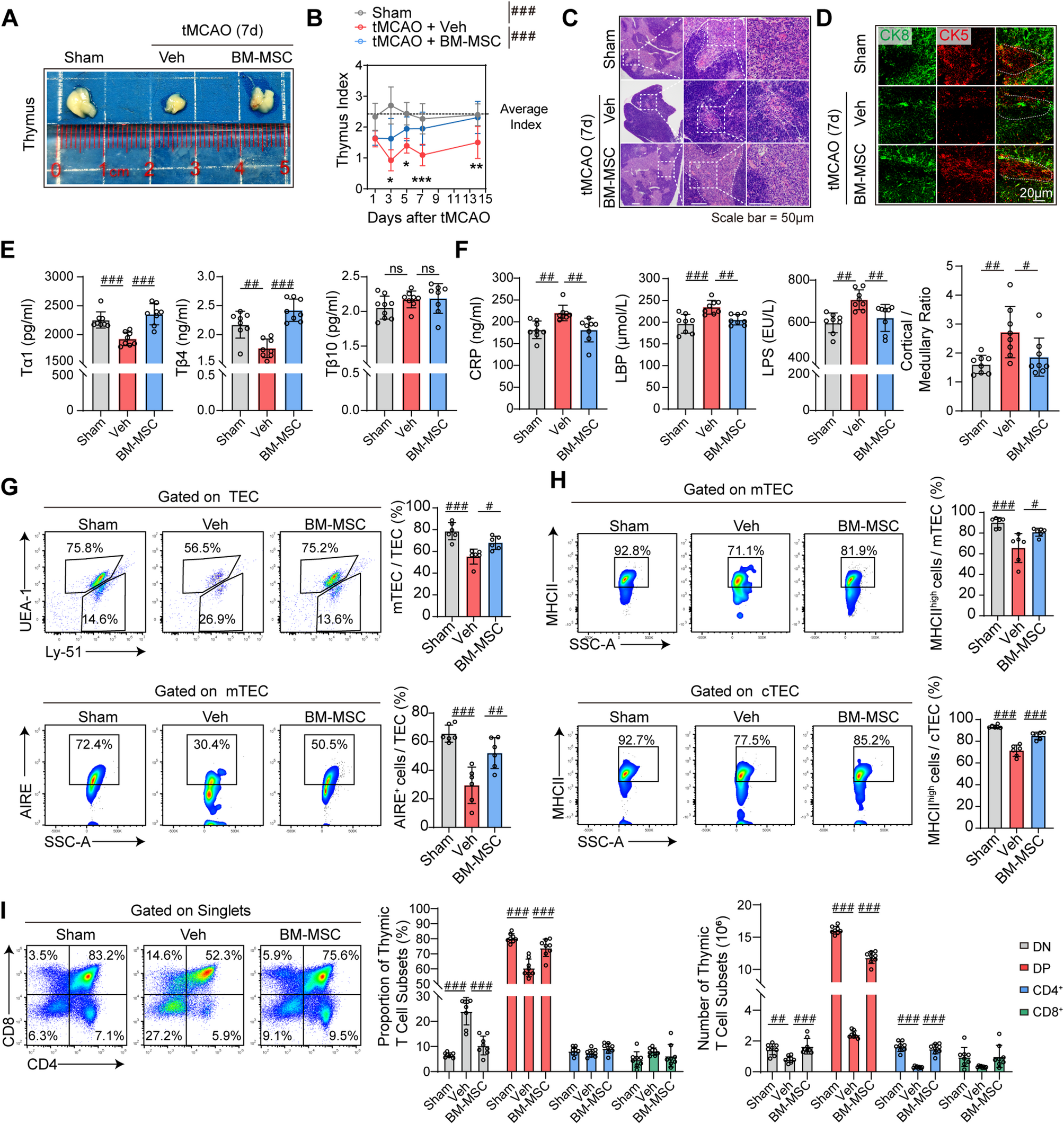
    Thymus samples were fixed in 4% paraformaldehyde (PBS, pH 7.4) for 48 h, followed by paraffin embedding. Next, 8-µm-thick sections were subjected to xylene-mediated deparaffinization and rehydration in graded ethanol. The tissue architecture was visualized through Mayer’s hematoxylin (6 min)/eosin Y (90 s) staining, with optical microscopy (Nikon Eclipse Ci-L) imaging at 40–400× magnification for cortical–medullary demarcation analysis.

    Flow cytometric analysis

    Flow cytometry was performed using a BD Biosciences FACS analyzer. The data were analyzed with FlowJo software (v10.8), and the gating strategies are detailed in Supplementary Fig. 3.

    Sample preparation

    Peripheral blood was collected in heparinized tubes, lysed with ACK buffer (Gibco, Cat# A1049201), and washed with PBS. Brain tissue: Ipsilateral hemispheres were digested with 0.25% trypsin-EDTA (37 °C, 25 min) and filtered through 70-µm strainers. Thymic epithelial cells were mechanically dissociated, digested with collagenase (37 °C, 30 min), and filtered through 70-µm strainers. Thymus/spleen immune cells: Mechanically homogenized and filtered through 70-µm strainers.

    Staining protocol

    Single-cell suspensions were fixed/permeabilized via the Intracellular Fixation & Permeabilization Buffer Set (Invitrogen, Cat# 00−5123-43, 00–5223-56). The following antibodies were used: PerCP-anti-mouse CD45 (1:400; Biolegend 103132, clone 30-F11), FITC-anti-mouse CD3 (1:400; Biolegend 100204, clone 17A2), PE-anti-mouse CD19 (1:400; Biolegend 152408, clone 1D3), PE/Cy7-anti-CD11b (1:400; Biolegend 101216, clone M1/70), BV421-anti-F4/80 (1:400; Biolegend 123132, clone 8M8), APC/Cy7-anti-Ly6G (1:400; Biolegend 108424, clone RB8-8C5), FITC-anti-Ki67 (1:200; BD 556026, clone B56), APC-anti-EPCAM (1:400; Biolegend 118213, clone G8.8), PE/Cy7-anti-Ly51 (1:400; Biolegend 108313, clone M5/114.15.2), anti-AIRE (1:400; Abcam ab243169, clone 5H12), and APC-anti-MHCⅡ(1:400; Biolegend 107607), FITC-anti-CD90 (1:400; Biolegend 328108, clone 5E10), APC-anti-CD34 (1:400; Biolegend 343509, clone 581), PE-anti-CD73 (1:400; Biolegend 344003, clone AD2), PE-anti-CD105 (1:400; Biolegend 120414, clone MJ7/18), APC-anti-mouse IL-2 (Biolegend, 503809), PE/Cyanine7-anti-mouse IFN-γ (Biolegend, 505825), APC/Cy7-streptavidin (Biolegend 405208), Ulex europaeus agglutinin-1 (UEA-1; Vector Labs B-1065).

    Immunofluorescence staining

    For in vivo experiments, the mice were euthanized at 7 or 14 days post-tMCAO and transcardially perfused with 10 mL of PBS followed by 10 mL of 4% paraformaldehyde (PFA, pH 7.4). The brains were sectioned coronally (25 μm thick), while the thymus tissues were embedded in optimal cutting temperature (OCT) compound and cryosectioned at 5 μm. In vitro experiments, TECs or BM-MSC were seeded on poly-L-lysine (Sigma, Cat# P2636)-coated coverslips. The cells were fixed with 4% PFA for 20 min at room temperature. Sections or fixed cells were permeabilized/blocked with PBS containing 0.03% Triton X-100 and 3% BSA for 1 h at room temperature. The sections were incubated with the following antibodies overnight at 4 °C: rabbit anti-NeuN (1:300; Abcam ab177487), mouse anti-MBP (1:300; Merck Millipore MABT1499), rabbit anti-EPCAM (1:1000; Servicebio GB11274), rabbit anti-CK5 (1:1000; Servicebio GB111246), mouse anti-CK8 (1:1000; Servicebio GB12233), mouse anti-Ki67 (1:500; Abcam ab279653), rabbit anti-P21 (1:500; Affinity Biosciences AF6290), and rabbit anti-Pin1 (1:500; Abcam ab192036). The washed samples were incubated for 1 h at room temperature (light-protected): Cy3-conjugated anti-rabbit (1:1000; Jackson 115–165–003), Alexa Fluor 488-conjugated anti-mouse (1:1000; Jackson 112–545–003), and Alexa Fluor 647-conjugated anti-rabbit (1:1000; Jackson 111–605–003) antibodies. The cell membranes were labeled with wheat germ agglutinin (WGA, 1 µg/mL; Invitrogen W7024).

    Lentiviral infection of BM-MSC

    TSPAN4 overexpression

    To overexpress Tspan4 in BM-MSC, human TSPAN4 cDNA was cloned and inserted into the lentiviral transfer vector TK-PCDH-copGFP-T2A-Puro via NheI/BamHI restriction sites, whose sequence was as follows: gctagcATGGCTAGGGCATGCAGGCTGTCAAGTACCTGATGTTCGCCTTCAACCTGCTCTTCTGGCTGGGCGGATGTGGTGTGCTGGGCGTGGGCATCTGGCTGGCTGCCACCCAGGGCTCTTTCGCCACACTCAGCTCTAGCTTTCCAAGCCTTTCTGCCGCTAACCTGCTGATCATCACTGGTGCTTTCGTGATGGCAATCGGCTTCGTCGGCTGTCTGGGCGCTATCAAAGAGAACAAGTGCCTCTTGCTGACATTCTTTCTCTTGCTGCTGCTGGTGTTTCTGCTGGAGGCTACAATCGCCATCTTGTTCTTCGCCTATACCGACAAGATTGACAGGTACGCACAGCAGGACCTGAAGAAAGGCCTGCATCTGTATGGCACACAGGGTAACGTGGGCTTGACCAACGCCTGGTCTATCATTCAGACAGACTTCAGATGCTGCGGCGTGAGCAACTACACAGACTGGTTTGAGGTCTACAACGCTACCAGAGTGCCTGACAGCTGCTGCTGCTTGGAGTTTAGCGAATCTTGTGGACTGCATGCA.

    TSPAN4 knockdown

    A Tspan4-targeting shRNA was designed. From the three candidate sequences, the most efficient shRNA target sequence: GATCGTGGATAGCTACGACGTGATTCCTCGAGGAATCACGTCGTAGCTATCCATTTTTT was cloned and inserted into the lentiviral transfer vector pLVX-shRNA2-ZsGreen1-Puro via BamHI/EcoRI.

    Pin1 overexpression

    To overexpress Pin1 in BM-MSC, human Pin1 cDNA was cloned and inserted into the lentiviral transfer vector pLV-PGK-ZsGreen(GSP2A)PURO-CMV via XhoI-EcoRI restriction sites, whose sequence was as follows: CTCGAGGCCACCATGGCGGACGAGGAGAAGCTGCCGCCCGGCTGGGAGAAGCGCATGAGCCGCAGCTCAGGCCGAGTGTACTACTTCAACCACATCACTAACGCCAGCCAGTGGGAGCGGCCCAGCGGCAACAGCAGCAGTGGTGGCAAAAACGGGCAGGGGGAGCCTGCCAGGGTCCGCTGCTCGCACCTGCTGGTGAAGCACAGCCAGTCACGGCGGCCCTCGTCCTGGCGGCAGGAGAAGATCACCCGGACCAAGGAGGAGGCCCTGGAGCTGATCAACGGCTACATCCAGAAGATCAAGTCGGGAGAGGAGGACTTTGAGTCTCTGGCCTCACAGTTCAGCGACTGCAGCTCAGCCAAGGCCAGGGGAGACCTGGGTGCCTTCAGCAGAGGTCAGATGCAGAAGCCATTTGAAGACGCCTCGTTTGCGCTGCGGACGGGGGAGATGAGCGGGCCCGTGTTCACGGATTCCGGCATCCACATCATCCTCCGCACTGAGTGAGAATTC.

    Pin1 knockdown

    A Pin1-targeting shRNA was designed. From the four candidate sequences, the most efficient shRNA target sequence: GATCGGCCATTTGAAGACGCCTCGTTCTCGAGAACGAGGCGTCTTCAAATGGCTTTTTT was cloned and inserted into the lentiviral transfer vector pLVX-shRNA2-Puro via BamHI/EcoRI.

    Lentivirus production and transduction

    The recombinant plasmid was amplified from DH5α E. coli and purified via the NucleoBond Xtra Midi EF Kit (Macherey-Nagel, Cat# 740420). The transfer vector, packaging plasmid pSPAX2 (Addgene #12260), and envelope plasmid pMD2. G (Addgene #12259) were mixed at a 3:2:1 mass ratio in OPTI-MEM (Gibco, Cat# 31985070). PEI MAX transfection reagent (Polysciences, Cat# 23966) was added at a DNA: PEI ratio of 1:1. After 12 h, the medium was replaced with complete DMEM. The viral supernatant was harvested at 48 h post transfection and clarified by centrifugation (800 × g, 10 min). BM-MSC (passage 5) were transduced with viral supernatant (MOI = 20) in the presence of polybrene via centrifugation (1000 × g, 32 °C, 2 h), followed by 48 h of culture in fresh medium. The transduction efficiency was validated via RT‒PCR (primers in Table S1) and Western blotting with anti-rabbit-TSPAN4 (Signalway Antibody, ab109264, 1:1000) and anti-rabbit-Pin1(Abcam, ab192036, 1:1000) antibodies.

    Western blot

    Protein was extracted with RIPA buffer (Beyotime, Cat# P0013) and centrifuged (12,000 × g, 15 min, 4 °C). The protein concentration was determined via a BCA assay (Beyotime, Cat# P0012), with 40 µg of total protein loaded per lane. The samples were denatured (95 °C, 5 min) and separated on 12% SDS‒PAGE gels (80 V for 30 min, then 120 V for 60 min). Proteins were transferred to PVDF membranes (Merck Millipore, Cat# ISEQ00010) via wet transfer (100 V, 90 min, 4 °C). The membranes were blocked with 5% BSA/TBST for 1 h at RT. The following primary antibodies were used overnight at 4 °C: mouse anti-Ki67 (1:1,000; Abcam ab279653), rabbit anti-NAMPT (1:1,000; Affinity Biosciences DF6059), rabbit anti-P21 (1:1,000; Affinity Biosciences AF6290), rabbit anti-γH2A. X (1:1,000; Affinity Biosciences AF3187), rabbit anti-TSPAN4 (1:1,000; Signalway Antibody ab109264), rabbit anti-Pin1 (Abcam, ab192036, 1:1000), mouse anti-β actin (Servicebio, GB15001, 1:2000) and mouse anti-GAPDH (1:10,000; Proteintech 60004-1-Ig) antibodies. HRP-conjugated anti-mouse/rabbit IgG (1:5,000; Proteintech SA00001-1/SA00001-2) was added for 1 h at RT. The signals were developed with SuperSignal™ West Pico substrate (Thermo Fisher, 34580) and quantified via Image Lab 6.1 (Bio-Rad).

    Real-time polymerase chain reaction (RT‒PCR) and TREC analysis

    Total RNA was isolated via the EScience RNA Extraction Kit (Cat# RN001) according to the manufacturer’s instructions. The RNA purity was verified via a Nanodrop (A260/A280 = 1.8–2.2). One microgram of RNA was reverse transcribed in a 20 µL volume via the EScience Fast Reverse Transcription Kit (Cat# RT001), which contained 1 µL of cDNA, SYBR Green qPCR mix (Dongsheng Biotech, Cat# P2092a), and gene-specific primers (sequences in Supplementary Table S1) in a final volume of 20 µL. Amplification was performed on a QuantStudio 5 Real-Time PCR System (Applied Biosystems) under the following conditions: 95 °C for 30 s (initial denaturation); 40 cycles of 95 °C for 5 s (denaturation) and 60 °C for 34 s (annealing/extension); and melt curve analysis at 95 °C for 15 s, 60 °C for 60 s, and 95 °C for 15 s. The ΔΔCt method was employed with GAPDH as the endogenous reference, with the data normalized to the means of the control groups. For TREC quantification, genomic DNA was isolated from peripheral blood. TREC signal joints were quantified by qPCR using primers specific for the δRec-ψJα recombination event in C57BL/6J mice, with amplification of the T-cell receptor alpha constant region (TRAC) used the endogenous normalization standard (sequences in Supplementary Table S1). The ΔΔCt method was employed with TRAC as the endogenous reference, with the data normalized to the means of the control groups.

    Negative staining transmission electron microscopy (TEM)

    Thymus samples were fixed in 4% paraformaldehyde (PBS, pH 7.4) for 48 h, followed by paraffin embedding. Next, 8-µm-thick sections were subjected to xylene-mediated deparaffinization and rehydration in graded ethanol. The tissue architecture was visualized through Mayer’s hematoxylin (6 min)/eosin Y (90 s) staining, with optical microscopy (Nikon Eclipse Ci-L) imaging at 40–400× magnification for cortical–medullary demarcation analysis.

    Enzyme-linked immunosorbent assay (ELISA)

    Plasma was isolated from peripheral blood by centrifugation (15,000 × g, 15 min, 4 °C) and stored at −80 °C until analysis. Plasma levels of LBP, LPS, CRP, thymosin α1 (Tα1), thymosin β4 (Tβ4), and thymosin β10 (Tβ10) were measured via the following ELISA kits according to the manufacturers’ protocols: a mouse LBP ELISA Kit (MEIMIAN, Cat# MM-44515M1), a mouse LPS ELISA Kit (MEIMIAN, Cat# MM-0634M1), a mouse CRP ELISA Kit (MEIMIAN, Cat# MM-0074M1), a mouse Tα1 ELISA Kit (MEIMIAN, Cat# MM-44450M1), a mouse Tβ4 ELISA Kit (MEIMIAN, Cat# MM-64220H1), and a mouse Tβ10 ELISA Kit (MEIMIAN, Cat# MM-64224H1).

    Statistical analysis

    All the results are presented as the standard deviations (SDs). Prior to inferential testing, all datasets underwent dual diagnostic verification: normality assessment with the Shapiro-Wilk test (significance threshold α = 0.05) and homoscedasticity evaluation with Levene’s test (threshold P > 0.10 for variance homogeneity). Parametric tests (independent Student’s t-tests or one-way ANOVA) were applied strictly when both assumptions were satisfied. For data violating parametric assumptions (non-normality or heteroscedasticity), Wilcoxon rank-sum tests were systematically implemented for median comparisons between independent samples based on rank-transformed data. All post hoc pairwise comparisons following ANOVA were subjected to Benjamini-Hochberg false discovery rate (FDR) correction. To ensure unambiguous interpretation of FDR-adjusted q-values distinct from conventional p-values, a dedicated annotation system was adopted: #q < 0.05, ##q < 0.01, ###q < 0.001 (replacing asterisk-based notation). All the statistical tests were two-sided, with α = 0.05 defining significance. Analyses were performed via SPSS Statistics 25.0 package (Nonparametric Tests module v3.1).

    Continue Reading

  • Capital Smart Motors Unveils Another EV in Pakistan

    Capital Smart Motors Unveils Another EV in Pakistan

    Capital Smart Motors has unveiled its new subcompact electric hatchback, the JMEV EV3, at the Pakistan Auto Show in Karachi. The company is the same importer that introduced the JMEV Elight, which remains one of the most affordable electric sedans in Pakistan.

    The EV3 is aimed at buyers looking for an entry level electric car suitable for daily city travel. CSM has not yet announced the price or booking schedule for the EV3. For now, the company has displayed the model at PAPS and shared its international specifications.

    Officials also said an upper variant will be introduced in January. The EV3 measures 3720 by 1640 by 1535 millimetres with a wheelbase of 2390 millimetres.

    Via: PakWheels

    It offers a WLTP driving range of 271 kilometres and produces 67 horsepower with 125 newton metres of torque. The hatchback is equipped with a 30 kilowatt hour lithium iron phosphate battery and supports both alternating current and direct current charging.

    Key features include a 10.1 inch touchscreen, LED headlights and taillights, fifteen inch alloy wheels, digital climate control and mobile app connectivity. The EV3 provides safety features such as two airbags, vehicle stability assistance, hill assist, ISOFIX and a tyre pressure monitoring system.

    Rear parking sensors and a full panoramic parking view are also included.

    Via: PakWheels


    Continue Reading

  • A Major Leak Spills a Chinese Hacking Contractor’s Tools and Targets

    A Major Leak Spills a Chinese Hacking Contractor’s Tools and Targets

    The United States issued a seizure warrant to Starlink this week related to satellite internet infrastructure used in a scam compound in Myanmar. The action is part of a larger US law enforcement interagency initiative announced this week called the District of Columbia Scam Center Strike Force.

    Meanwhile, Google moved this week to sue 25 people that it alleges are behind a “staggering” and “relentless” scam text operation that uses a notorious phishing-as-a-service platform called Lighthouse.

    WIRED reported this week that the US Department of Homeland Security collected data on Chicago residents accused of gang ties to test if police files could feed an FBI watchlist—and then, crucially, kept the records for months in violation of domestic espionage rules.

    And there’s more. Each week, we round up the security and privacy news we didn’t cover in depth ourselves. Click the headlines to read the full stories. And stay safe out there.

    China’s massive intelligence apparatus has never quite had its Edward Snowden moment. So any peak inside its surveillance and hacking capabilities represents a rare find. One such glimpse has now arrived in the form of about 12,000 documents leaked from the Chinese hacking contractor firm KnownSec, first revealed on the Chinese-language blog Mxrn.net and then picked up by Western news outlets this week. The leak includes hacking tools such as remote-access Trojans, as well as data extraction and analysis programs. More interesting, perhaps, is a target list of more than 80 organizations from which the hackers claim to have stolen information. The listed stolen data, according to Mrxn, includes 95 GB of Indian immigration data, three TB of call records from South Korean telecom operator LG U Plus, and a mention of 459 GB of road-planning data obtained from Taiwan, for instance. If there were any doubts as to whom KnownSec was carrying out this hacking for, the leak also reportedly includes details of its contracts with the Chinese government.

    The cybersecurity community has been warning for years that state-sponsored hackers would soon start using AI tools to supercharge their intrusion campaigns. Now the first known AI-run hacking campaign has surfaced, according to Anthropic, which says it discovered a group of China-backed hackers using its Claude tool set extensively in every step of the hacking spree. According to Anthropic, the hackers used Claude to write malware and extract and analyze stolen data with “minimal human interaction.” Although the hackers bypassed Claude’s guardrails by couching the malicious use of its tools in terms of defensive and whitehat hacking, Anthropic says it nonetheless detected and stopped them. By that time, however, the spy campaign had successfully breached four organizations.

    Even so, fully AI-based hacking still isn’t necessarily ready for prime time, points out Ars Technica. The hackers had a relatively low intrusion rate, given that they targeted 30 organizations, according to Anthropic. The AI startup also notes that the tools hallucinated some stolen data that didn’t exist. For now, state-sponsored spies still have some job security.

    The North Koreans raising money for the regime of Kim Jong Un by getting jobs as remote IT workers with false identities aren’t working alone. Four Americans pleaded guilty this week to letting North Koreans pay to use their identities, as well as receiving and setting up corporate laptops for the North Korean workers to remotely control. Another man, Ukrainian national Oleksandr Didenko, pleaded guilty to stealing the identities of 40 Americans to sell to North Koreans for use in setting up IT worker profiles.

    A report from 404 Media shows that a Customs and Border Protection app that uses face recognition to identify immigrants is being hosted by Google. The app can be used by local law enforcement to determine whether a person is of potential interest to Immigration and Customs Enforcement. While platforming the CBP app, Google has meanwhile recently taken down some apps in the Google Play Store used for community discussion about ICE activity and ICE agent sightings. Google justified these app takedowns as necessary under its terms of service, because the company says that ICE agents are a “vulnerable group.”

    Continue Reading

  • Fruit rates announced

    Fruit rates announced

    – Advertisement –

    BAHAWALPUR, Nov 15 (APP): The Market Committee Department of the Government of Punjab has released updated fruit prices for Bahawalpur and its surrounding areas.

    According to an official press release, the price of Pomegranate (Qandahari) has been set at Rs 670 per kilogram, while Guava is priced at Rs 185 per kg. Japani Fruit will cost Rs 270 per kg, and Apple (Gaja) is priced at Rs 275 per kg. The price of Apple (Blackish Red) is set at Rs 335 per kg, while Apple Golden is priced at Rs 220 per kg, and Apple Irani at Rs 280 per kg. Citrus Kinno will be available for Rs 65 per kg, and Dates Irani will cost Rs 316 per kg. Grapes Sundarkhani are priced at Rs 850 per kg, while Grapes Gola will be sold for Rs 525 per kg. Grapefruit and Musami are both priced at Rs 65 and Rs 70 per kg, respectively. Orange Shikri is available at Rs 58 per kg, and Bananas are priced at Rs 125 per dozen.

    Continue Reading

  • Should Globant’s (GLOB) Earnings Miss and Buyback Amid AI Growth Require Investor Action?

    Should Globant’s (GLOB) Earnings Miss and Buyback Amid AI Growth Require Investor Action?

    • Globant reported third-quarter 2025 results with revenue of US$617.14 million, slightly above the previous year’s figure, but net income and earnings per share both declined substantially year-over-year, prompting concerns about operational efficiency.

    • The company announced a US$125 million share repurchase program and highlighted record growth in its AI-driven pipeline, including expanded partnerships and increasing client adoption of subscription-based AI solutions.

    • We’ll examine how Globant’s earnings miss, despite pipeline growth and a buyback, shapes its investment outlook going forward.

    These 13 companies survived and thrived after COVID and have the right ingredients to survive Trump’s tariffs. Discover why before your portfolio feels the trade war pinch.

    To be a Globant shareholder today, you need to believe that its AI-driven offerings and expanding partnerships will convert a record pipeline into sustained, profitable growth, despite evidence of near-term earnings pressure. The latest results saw revenue edge higher, but declining margins and a cautious Q4 outlook reinforce that the pace of digital transformation projects and client adoption of new AI models remain the most important catalysts, while unpredictability in deal conversions is the key risk. In the short term, the impact of this earnings miss reinforces concerns about demand softness rather than changing the underlying drivers, so the main risk remains material for now.

    Among the recent announcements, Globant’s US$125 million share repurchase program stands out in context. It signals confidence in its long-term opportunity, but also draws attention to current margin pressure and the need to reassure investors as the business works to scale its new AI and subscription-oriented initiatives. This move does not reduce the importance of converting backlog into actual revenue, especially given the subdued growth outlook.

    By contrast, investors should be aware of how persistent delays in deal conversions and an unpredictable pipeline could affect…

    Read the full narrative on Globant (it’s free!)

    Globant’s narrative projects $3.0 billion revenue and $242.1 million earnings by 2028. This requires 6.1% yearly revenue growth and a $131.8 million earnings increase from $110.3 million.

    Uncover how Globant’s forecasts yield a $95.62 fair value, a 57% upside to its current price.

    GLOB Community Fair Values as at Nov 2025

    Six Simply Wall St Community members provided fair value estimates for Globant, ranging from US$61.97 to US$120.50 per share. With revenue growth continuing to trail analyst expectations, the risks from delayed deal closures and slower client demand remain at the forefront for many investors.

    Explore 6 other fair value estimates on Globant – why the stock might be worth just $61.97!

    Disagree with existing narratives? Create your own in under 3 minutes – extraordinary investment returns rarely come from following the herd.

    Our top stock finds are flying under the radar-for now. Get in early:

    This article by Simply Wall St is general in nature. We provide commentary based on historical data and analyst forecasts only using an unbiased methodology and our articles are not intended to be financial advice. It does not constitute a recommendation to buy or sell any stock, and does not take account of your objectives, or your financial situation. We aim to bring you long-term focused analysis driven by fundamental data. Note that our analysis may not factor in the latest price-sensitive company announcements or qualitative material. Simply Wall St has no position in any stocks mentioned.

    Companies discussed in this article include GLOB.

    Have feedback on this article? Concerned about the content? Get in touch with us directly. Alternatively, email editorial-team@simplywallst.com

    Continue Reading

  • Huawei’s New AI Investment Could Redefine Robotics and Autonomous Driving

    Huawei’s New AI Investment Could Redefine Robotics and Autonomous Driving

    Huawei Habo has taken a major step in the field of physical artificial intelligence by investing in GigaAI, a fast-growing startup focused on world-model-based general intelligence. The move comes as part of Huawei’s efforts to expand its capabilities in embodied intelligence and next-generation autonomous technologies.

    Autonomous Driving, Robotics, and More

    GigaAI’s technology is already being tested in autonomous driving, robotics, and general embodied intelligence applications. It operates through a complete software-hardware ecosystem designed for physical intelligence. The GigaWorld platform supports driving intelligence and advanced embodied systems. The GigaBrain foundational model powers adaptive world-model-based decision-making, while the Maker General Embodied Ontology provides structured knowledge tools for developers and physical agents.

    Together, these components create an end-to-end solution for complex environments.

    Why Huawei is Investing

    Huawei’s investment aligns with its ongoing shift from VLA (Vision-Language-Action) models toward a WA (World-Action) strategy. WA relies on visual and physical signals to control intelligent agents instead of depending heavily on language models.

    This strategy, supported by Huawei Intelligent Automotive Solutions BU CEO Jin Yuzhi, forms an important part of Huawei’s long-term AI roadmap. By supporting GigaAI, Huawei aims to accelerate progress in world-model research, physical AI, and embodied intelligence across autonomous mobility and robotics.

    GigaAI recently closed its Series A1 funding round, securing more than one hundred million yuan ($14 million) in early November. Huawei Habo Investment and Huakong Fund jointly led the round. This follows GigaVision’s successful Pre-A and Pre-A+ rounds in August, during which it raised several hundred million yuan.

    Real World Applications

    For everyday users, these developments could lead to safer autonomous vehicles, more capable home robots, and AI assistants that can respond more effectively to real-world scenarios instead of relying only on digital inputs.

    Analysts believe the shift toward physical AI could spark a technological transition similar to the early smartphone era, bringing intelligent machines into daily life in more practical ways.

    About GigaAI

    Founded in 2023, GigaAI is China’s first startup dedicated to world-model research for physical AI. The company aims to develop general intelligence systems capable of understanding and interacting with real-world environments.

    Its mission centers on building intelligent systems that can predict, adapt, and function in physical settings, laying the groundwork for future advances in robotics, autonomous driving, and embodied AI.


    Continue Reading

  • Development of an interprofessional person-centred care concept for persons with care needs living in their own homes in Germany (interprof HOME): a mixed methods study | BMC Primary Care

    Development of an interprofessional person-centred care concept for persons with care needs living in their own homes in Germany (interprof HOME): a mixed methods study | BMC Primary Care

    Study design

    We adhered to the GUIDED guideline for reporting for intervention development studies when describing the development process in detail [10].

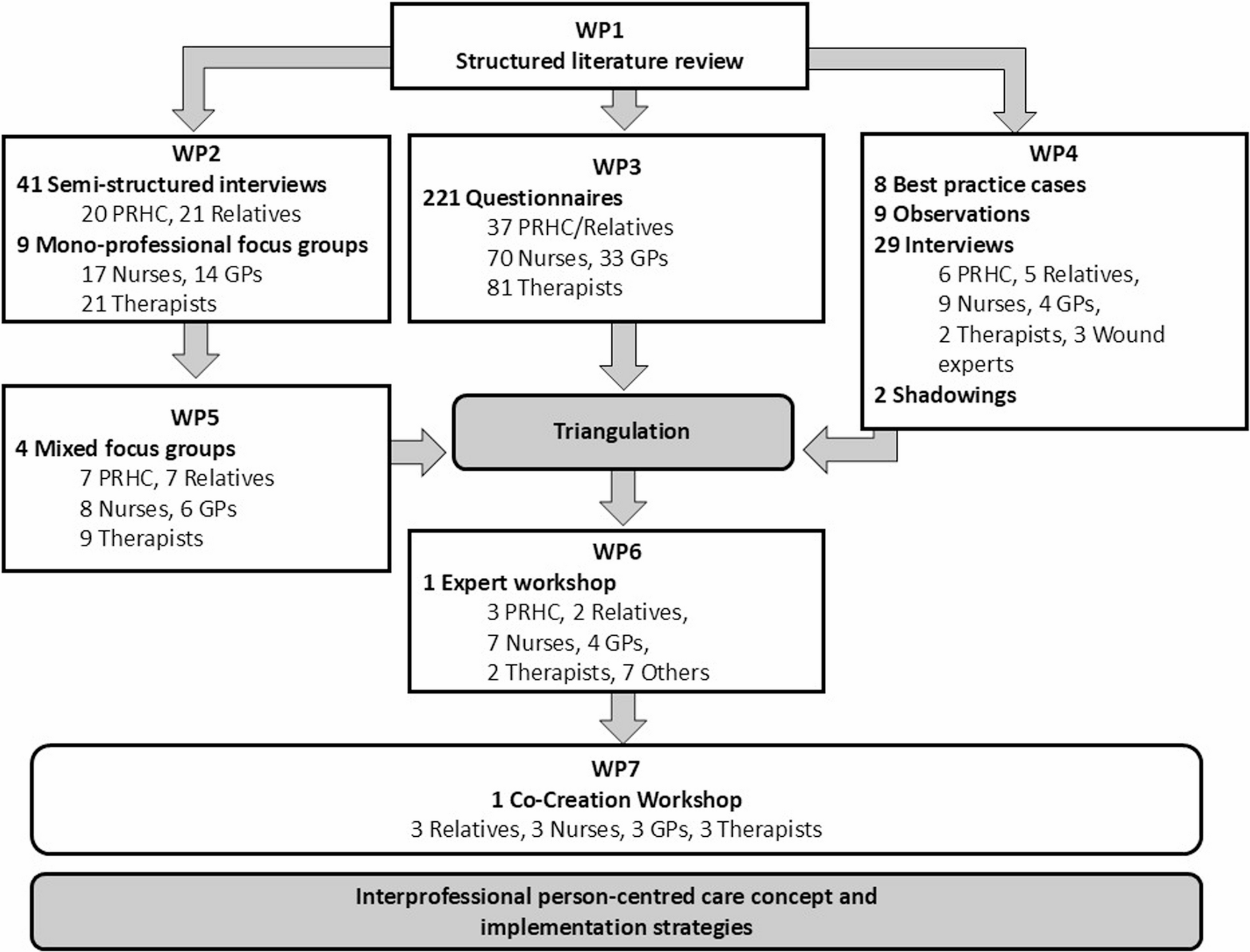
    The interprofessional person-centred care concept interprof HOME was developed according to the MRC framework for the development and evaluation of complex interventions [11] using a multistep mixed methods approach. This paper describes the development phase, where we consider the core elements of the MRC framework: considering context, developing and refining program theory, engaging interest holders, identifying key uncertainties, refining the intervention, and economic considerations [11]. The development process consisted of six work packages (WP1-6) that were carried out simultaneously or consecutively (Fig. 1), as described in detail in our study protocol [12]. In addition, we conducted a co-creation workshop (WP7). The study took place between May 2021 and September 2023, and the co-creation workshop occurred in October 2024.

    Fig. 1

    Study design for the interprof HOME development, WP = work package

    Study setting

    The study was conducted in the city and surroundings of Göttingen, Hamburg, Lübeck and Cologne. The researchers of the respective research teams had various areas of professional expertise and experience in general practice, nursing practice, nursing pedagogy and nursing research, public health, organizational and corporate development, medical law, physiotherapy, or occupational therapy. In addition, the study team was supported by a multiprofessional advisory board made up of patient representatives, members of self-help groups and professional carers.

    Participants and sampling

    Recruitment of participants for interviews (WP2), focus groups (WP2 and WP5), best-practice cases, observations, shadowings (all WP4) and co-creation workshop followed the same procedure: professionals were identified using local registers and invited to participate in the study by letter and later by telephone. The PRHC and relatives were recruited through outpatient nursing services, self-help groups, GPs and therapists. Additionally, professionals identified from local registers were invited to participate in the survey via email, followed by two reminders (WP3). The PRHC and relatives were recruited using notices in care support centres, information in newsletters or websites of caregiving relatives or self-help groups and presentations of the study in meetings of self-help groups. The experts for the workshop (WP6) were invited on the basis of their experiences, the recommendations of the advisory board or professional contact. The researchers contacted them via email or telephone. The eligibility criteria for participants are described in our study protocol [12]. For the co-creation workshop (WP7) patients, relatives, registered nurses, GPs and therapists were invited to discuss the components of the interprof HOME concept after WP6. They were purposefully recruited with regard to heterogeneous characteristics (gender, age, and residence).

    Data collection and analysis

    Step 1: identifying existing evidence and theory

    Initially, existing evidence was synthesized by carrying out two literature reviews.

    Literature review (WP1)

    First, a literature review of professional providers’, PRHC’, and relatives’ perspectives on collaboration and communication over the previous 10 years was conducted. The research questions were: (1) What is the perspective of general practitioners/professional caregivers from outpatient care services/therapists on cooperation/communication with other caregivers? (2) What is the perspective of PRHC/relatives on cooperation/communication with professional caregivers? We conducted systematic searches in the Cochrane Library, PubMed, EMBASE, CINAHL, and PsycINFO for studies published in English or German. The search was performed by different members of the research team, with five separate foci: general practitioners, nursing staff, therapists, relatives, and PRHC. For all searches, we applied a core set of MeSH terms (“Interpersonal Relations”, “General Practitioners”, “Home Care Services”, “Nurses”, “Occupational Therapists”, “Physical Therapists”, “Patients”, “Family”). Search term combinations were adapted according to the respective perspective.

    In a second literature review, intervention studies on strategies for promoting interprofessional collaboration in PRHC outpatient care were reviewed. Systematic searches using sensitive search strategies were carried out in the databases MEDLINE (via PubMed), Cochrane Library, CINAHL and PEDro, coupled with manual searches in citations lists of relevant articles. A primary search strategy was initially developed for the MEDLINE database combining major subject headings and freetext vocabulary on the concepts ‘outpatient care’ and ‘interprofessional collaboration’; this strategy was subsequently adapted to the other databases.

    Step 2: exploring the perspective of all involved groups

    To develop a customised and successful care concept, we used the participatory approach by considering the perspectives of all the groups involved and working with them to enable the inclusion of their different needs and perspectives.

    Qualitative interviews and mono-professional focus groups (WP2)

    The interprofessional healthcare situation of the PRHC was explored via semistructured interviews (facilitators: BT, RD, CH, AM, US, TH, and LS) with the PRHC and relatives. After obtaining informed consent, trained members of the research team conducted open guideline interviews in face-to-face, online or telephone interviews The results from WP 1 served as the basis for developing the interview guides for WP2. For guidelines for interviews with PRHC and relatives see Supplementary Material 1 in [19]. Monoprofessional focus groups, either with GPs, nurses from outpatient nursing services or therapists, were conducted in the four study centres using video conferences (facilitators: BT, RD, CH, AM, US, TH, AK). For interview guideline for monoprofessional focus groups with nurses, GPs and therapists see Supplementary Material 2 in [19]. The barriers to and facilitators of interprofessional person-centred care were discussed, and first, ideas for improvement were collected.

    The interviews and focus groups were audio recorded, transcribed and checked against the audio recording, and the identifiers of persons and locations were replaced with pseudonyms. The interviews and focus groups were analysed per person group using qualitative content analyses in teams of at least two researchers from different centres [20].

    Survey (WP3)

    In a multicentre survey, PRHC/relatives, GPs, nurses and therapists completed questionnaires on the following four topics: (1) previous cooperation in home care, (2) possibilities of cooperation, (3) starting points for cooperation, and (4) ideas for measures to promote interprofessional cooperation. In order to take into account the perspectives of all those involved in the care of PRHC, we created four different questionnaires. Data were collected anonymously via the “SoSci Survey” online platform [21] and analysed descriptively using the IBM SPSS Statistics for Windows software, version 28.0.

    Best-practice cases (WP4)

    Data on eight home-care constellations considered “best-practice cases”, that is, cases in which all involved actors agreed that collaboration was working particularly well, were collected through non-participatory observation of professionals’ home visits and semi-structured interviews with the PRHC, relatives or close contacts, nurses, GPs, therapists and wound experts (facilitator: MD). To select best-practice cases, we asked professionals (GPs, nurses, therapists) to identify a patient case they perceived as exemplary in terms of collaboration. They then asked the other actors involved (patients, relatives, other professionals) for their consent to participate. If all parties agreed and confirmed the high quality of collaboration, the case was included as a best-practice example. The guiding themes in interview were (1) general overview of the care and collaboration taking place in this specific case, (2) coordination and information exchange between actors involved, (3) home visits of professional actors, (4) space (role/use of living space for care and collaboration), (5) problems, (6) changes in conditions/hospitalization and (7) general idea of (interprofessional and professional/non-professional) collaboration. For the professional actors we also included: (8) differences of this case compared to other cases. The interviews were audio recorded, transcribed and pseudomized to enable a detailed analysis of the guiding themes. During the observations, notes were taken. During preparation and follow-up of observations, informal conversations were held with the different professional and non-professional actors. In addition, two nurses from outpatient nursing services were shadowed during the workday (18 hours in total) to gain insights into the organization of their daily routines, and notes were taken. A case-based analysis based on principles of grounded theory was conducted for the evaluation proceeding from individual case analyses to a systematic cross-case comparison [22, 23]. We focused on the practices and measures of the individual actors that fostered collaboration and then compared these across the eight cases.

    Mixed focus groups (WP5)

    Mixed focus groups (facilitators: BT, RD, CH, AM, US, and TH) with samples of representatives from all parties were involved to outline the components of the interprofessional person-centred care concept. The findings of WP1 to WP4 were used as a basis for developing the guideline for the mixed focus groups with the following topics: A: presentation and discussion of barriers and facilitators to collaboration: (1) availability of relatives and professionals, (2) care partnership between relatives and professionals, (3) lack of established processes: fixed contact person, shared (digital) documentation, and communication system and (4) being known and trust; B: presentation and discussion of wishes/ideas for improved collaboration: (1) reducing the burden on patients and relatives regarding care organization and coordination, (2) contact information and appointment coordination, (3) (digital) documentation and communication tools, (4) personal (direct) exchange, (5) interprofessional education and training, (6) fixed contact persons and/or care teams. C: discussion of future interprofessional collaboration in PRHC care: (1) feasibility, (2) implementation strategies, (3) involved actors. The first two topics focus on the content reported in the WPs. The third topic focuses on the needs and preferences of PRHC and relatives in order to ensure person-centred, high-quality healthcare at home. Focus groups were audio recorded, transcribed and checked against the audio record, and the identifiers of persons and locations were replaced with pseudonyms. Analyses were performed using content analyses with a focus of topics and subtopics in the analysis process [20].

    In a second step we used joint displays [24] with regard to the identified categories focusing on the areas of action in which interprofessional cooperation needs to be improved, we were able to compare the results of WP5 simultaneously and in relation to the results of the interviews and focus groups (WP2), of the survey (WP3) and best-practice cases (WP4) in a tabular presentation and write a summary of the content. The findings, containing a preliminary list of potential components of the care concept (areas of action), were sent to the experts of the workshop (WP6) in advance.

    Step 3: modelling the first version of the concept and implementation strategies

    Expert workshop (WP6)

    During an online expert workshop, the participants discussed, adapted and combined the components of the care concept that had been drafted. The experts were allocated to four break-out groups focusing on different topics which the preliminary areas of action were assigned to: (1) expansion of the scope of action for the nursing staff and therapists and continuing education to increase competencies in nursing and in medical and therapeutic activities for the professional groups involved in home care as well as for relatives; (2) coordination and planning of joint home visits; (3) communication by telephone, face-to-face communication, documentation and coordination of appointments; and (4) digital communication/documentation systems. Each group assembled a mix of professional and PRHC/relatives perspectives. Within these group sessions, the participants reflected on the relevance and feasibility of these areas and discussed, based on their experiences and presented results, specific measures that should be implemented. For each measure they discussed the aims, involved parties and their roles, occasions and indications for implementation, potential impact on trust-building between PRHC, relatives and professionals, specific wishes and needs of PRHC and implementation considerations. One facilitator and one person taking minutes were present in each digital (breakout) room. The results of the break-out groups were discussed in a subsequent plenary session, leading to a preliminary list of intervention components and associated measures. In a subsequent online survey during the meeting, the participants assessed the relevance and feasibility of these measures. After the results of this survey were discussed, the measures were prioritized by selection of those that were most frequently chosen by the participants in a second live online poll. In this poll, that closed the workshop discussion on the intervention components, each participant could choose up to three measures (one in the area of care coordination, two in the other areas). Thereafter relevant factors for implementation were discussed in four groups via SWOT (Strengths, Weaknesses, Opportunities, Threats) analysis. Additionally, relevant context factors across measures were identified. Finally, implementation strategies were derived and briefly discussed using the CFIR-ERIC strategy matching tool [25, 26]. The expert workshop was conducted over two half-days and was logged and documented.

    Step 4: first version of the interprofessional person-centred care concept

    The research team refined the components of the care concept through several meetings, considering the findings across all WPs with the main emphasis on the expert workshop. The components of the new interprofessional care concept and the implementation strategy were documented in an intervention protocol according to TIDieR [27] (Additional file 1).

    Step 5: modelling the final version of the concept and implementation strategies

    Co-creation workshop (WP7)

    As the first version of the interprof HOME concept was refined by the research team from the collection of topics from the expert workshop, its suitability for daily use in routine care needed to be proven. We conducted a co-creation workshop in order to explore the relevance, feasibility and robustness of the components. Therefore, a two-day co-creation workshop was held in person at the Department of General Practice in Göttingen, each lasting 4 hours [28, 29]. Here, implementation of the components was simulated against real-life care scenarios. In advance, the first version of the care concept interprof HOME was sent to the participants via email. On the first day, the participants were divided into two subgroups. Each subgroup consisted of individuals from different groups (relatives, registered nurses, GPs, and therapists) to ensure constructive multi-perspective exchange. During the sessions, both subgroups adapted half of the components according to different care scenarios in a simulation game. The findings were documented by mapping methods on both days. On the second day, the interim adapted interprof HOME concept was briefly presented to the (partially new) participants. Now, the two subgroups adapted half of the components again, according to the other care scenario, in a simulation game. In a common session, the subgroup results were analysed, and the new components were consented. These components were sent to the participants for additional comments. Afterwards, the concept was finalized by the research team.

    Continue Reading

  • Reeves Faces Industry Pushback Over Minimum ISA Allocation to UK

    Reeves Faces Industry Pushback Over Minimum ISA Allocation to UK

    Rachel Reeves is facing pushback from some major investment platforms on a proposal to revamp individual savings accounts, a setback for the UK Chancellor less than two weeks ahead of her budget.

    The Treasury asked retail investing firms in recent weeks to come up with a voluntary commitment for a minimum allocation to British stocks, according to people with knowledge of the talks. Providers catering to mom-and-pop investors include Hargreaves Lansdown Ltd., AJ Bell Plc, Aberdeen Group Plc’s Interactive Investor, Fidelity International, Vanguard Group Inc. and Quilter Plc.

    Continue Reading

  • These Small-Business Owners Are Putting AI to Good Use – The Wall Street Journal

    1. These Small-Business Owners Are Putting AI to Good Use  The Wall Street Journal
    2. Latest Small Business Tech and Innovation News Today | Trends, Predictions, & Analysis  Forbes
    3. Human + AI: The Future Team Equation for SMBs  CustomerThink
    4. AI Customer Analytics Powers SMB Growth  StartupHub.ai
    5. How Is AI Changing the Way Small-Business Employees Do Their Jobs?  BizTech Magazine

    Continue Reading

  • Exploring Valuation After Strong Shareholder Returns

    Exploring Valuation After Strong Shareholder Returns

    Mitsubishi Electric (TSE:6503) shares have seen some movement recently, sparking fresh interest in the company’s fundamentals and long-term outlook. Investors are considering the latest trends that could shape the next phase for this well-known Japanese industrial player.

    See our latest analysis for Mitsubishi Electric.

    The share price has surged over 57% year-to-date, reflecting a strong shift in sentiment that is also evident in the stellar 57% total shareholder return over the past year. While recent weeks saw a slight dip, long-term investors have enjoyed remarkable multi-year gains, suggesting that momentum is still in Mitsubishi Electric’s favour as the market responds to its latest moves and ongoing innovation.

    If you’re interested in expanding your search beyond industry giants, it could be the perfect time to discover fast growing stocks with high insider ownership.

    With the stock not far from analysts’ price targets, investors are left to debate whether Mitsubishi Electric is still trading at an attractive value or if optimistic future growth is already factored in.

    With the current share price sitting notably above its consensus fair value, Mitsubishi Electric’s most discussed narrative points to a premium market valuation. Investors are weighing whether recent performance and bold growth projections truly justify this level.

    Expansion in the Energy Systems and Public Utility segments is driven by ongoing investments in power distribution and the transition toward electrification and energy efficiency, supported by worldwide decarbonization initiatives. This should result in higher recurring revenues and improved net margins as Mitsubishi Electric benefits from secular shifts to sustainable infrastructure.

    Read the complete narrative.

    Curious about what financial assumptions drive this ambitious outlook? The real story hinges on projected gains in revenue and profitability, as well as future profit multiples that hint at a tech-level growth premium. Want to know exactly which performance levers are moving the fair value target? Uncover the surprising factors that may shape Mitsubishi Electric’s valuation narrative.

    Result: Fair Value of ¥3,668.38 (OVERVALUED)

    Have a read of the narrative in full and understand what’s behind the forecasts.

    However, intensifying competition and rapid shifts toward digital solutions could challenge Mitsubishi Electric’s profit margins and limit its ability to sustain recent growth.

    Find out about the key risks to this Mitsubishi Electric narrative.

    Looking at earnings multiples, Mitsubishi Electric trades at 21.9 times earnings, which is lower than the peer average of 23 times. However, it is noticeably higher than the Japanese Electrical industry at 13.8 times. The fair ratio stands even higher at 26.5 times, suggesting some room to grow if the market becomes more favorable, or risk if sentiment weakens. Do multiples clarify whether the stock is a bargain, or do they simply add to the debate?

    See what the numbers say about this price — find out in our valuation breakdown.

    TSE:6503 PE Ratio as at Nov 2025

    If you see things differently or enjoy digging into the numbers yourself, you can build your own take in just a few minutes. Do it your way.

    A good starting point is our analysis highlighting 2 key rewards investors are optimistic about regarding Mitsubishi Electric.

    Why stop at one company when you could strengthen your portfolio with fresh, compelling ideas? There are exceptional opportunities just waiting to be uncovered. Don’t let others get ahead of you.

    This article by Simply Wall St is general in nature. We provide commentary based on historical data and analyst forecasts only using an unbiased methodology and our articles are not intended to be financial advice. It does not constitute a recommendation to buy or sell any stock, and does not take account of your objectives, or your financial situation. We aim to bring you long-term focused analysis driven by fundamental data. Note that our analysis may not factor in the latest price-sensitive company announcements or qualitative material. Simply Wall St has no position in any stocks mentioned.

    Companies discussed in this article include 6503.T.

    Have feedback on this article? Concerned about the content? Get in touch with us directly. Alternatively, email editorial-team@simplywallst.com

    Continue Reading