Category: 3. Business

  • A crisis at chipmaker Nexperia sent automakers scrambling. Here’s what to know

    A crisis at chipmaker Nexperia sent automakers scrambling. Here’s what to know

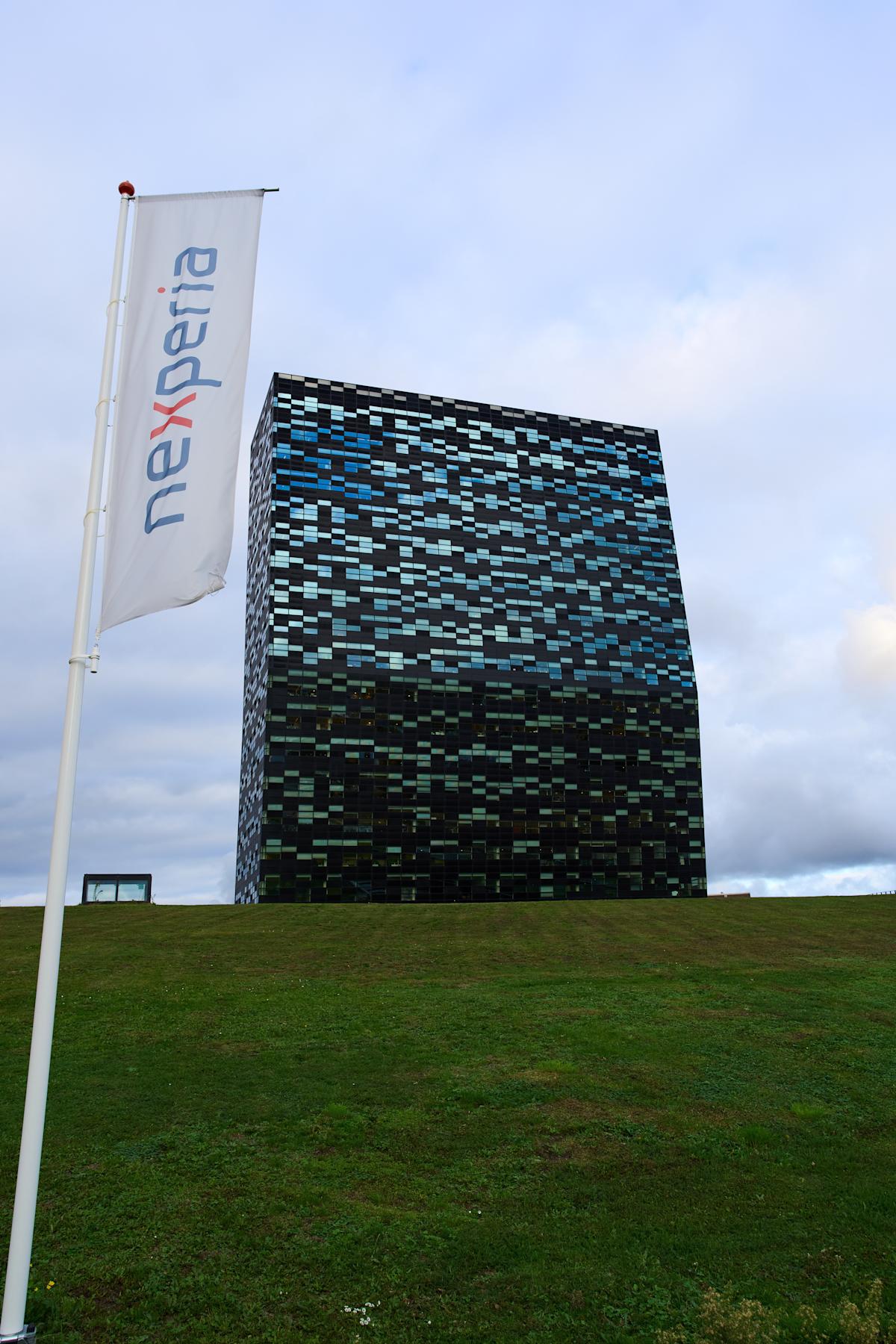
    A battle for control of a little-known chipmaker has threatened global auto production by choking off the semiconductor supply chain, though there are signs the crisis is inching toward a resolution.

    The power struggle over Nexperia, a Chinese-owned Dutch semiconductor maker, highlights how technology supply chain vulnerabilities are squeezing auto makers, most notably forcing Honda to halt production at a Mexican factory making its popular HR-V crossover for North American markets. It also exposes how Europe is caught in the middle of the wider geopolitical showdown between Washington and Beijing.

    Here’s a look at the dispute:

    A surprise move

    The turmoil erupted into public view in mid-October, when the Dutch government announced it had invoked a rarely used World War II-era law to take effective control of Nexperia weeks earlier.

    The Dutch ministry of economic affairs said it took action because of national security concerns. Officials said they intervened because of “serious governance shortcomings” at Nexperia, asserting control to prevent the loss of crucial tech know-how that could threaten Europe’s economic security.

    Nexperia’s Chinese owner Wingtech Technology, a partially state-owned company, is at the heart of the dispute. Amid the boardroom battle, a Dutch court granted the ministry’s request to oust Nexperia’s Chinese CEO Zhang Xuezheng. American officials told the Dutch government he would have to be replaced to avoid trade restrictions, according to a court filing.

    What is Nexperia?

    Nexperia makes simple semiconductors such as switches and logic chips. The auto industry — one of Nexperia’s biggest markets — uses its chips for numerous functions, such as adaptive LED headlight controllers, electric vehicle battery management systems and anti-lock brakes.

    Headquartered in the Dutch city of Nijmegen, Nexperia was spun off from Philips Semiconductors two decades ago. It was eventually purchased by China’s Wingtech Technology in 2018 for $3.6 billion.

    Nexperia has wafer fabrication plants in Britain and Germany. It operates an assembly and testing center in China’s southern manufacturing heartland of Guangdong — which accounts for around 70% of its end-product capacity — and similar centers in the Philippines and Malaysia.

    Geopolitics

    The dispute is part of the broader struggle between the U.S. and China over tech supremacy, which has left Europe caught in the middle.

    It stems from Washington’s decision late last year to place Wingtech on its “entity list,” which subjects companies to export controls because of national security risks. In late September, the U.S. expanded that list to Wingtech’s subsidiaries, including Nexperia, pressuring allies to follow suit.


    Continue Reading

  • Nvidia CEO wants TSMC to boost chip supplies amid strong AI demand – Seeking Alpha

    1. Nvidia CEO wants TSMC to boost chip supplies amid strong AI demand  Seeking Alpha
    2. Nvidia CEO Asks TSMC for More Wafers to Meet Strong AI Demand  Bloomberg.com
    3. The obstacles to Jensen Huang’s AI doctrine  Punchbowl News
    4. TSMC ramps 3 nm production in Taiwan to 160K wafers/month for Nvidia  CryptoRank
    5. Nvidia CEO deepens ties with TSMC with third visit in three months  Nikkei Asia

    Continue Reading

  • WBCSD Launches Emissions Reduction Accelerator (ERA) and value chain pilots at COP30 to drive business action

    WBCSD Launches Emissions Reduction Accelerator (ERA) and value chain pilots at COP30 to drive business action

    • ERA pilots will target high-impact interventions for green fertilizers and net zero built assets.
    • The business case: ERA’s value chain approach to decarbonization can lower costs, boost resilience, unlock new markets, and strengthen stakeholder trust.
    • A Sao Paolo roundtable convened senior executives to endorse ERA, commit to pilot engagement, and shape collective action.
    • WBCSD calls on members and forward-looking businesses to engage and help close the emissions gap by 2030.

    Sao Paolo, 8 November 2025: The World Business Council for Sustainable Development (WBCSD) has launched its Emissions Reduction Accelerator (ERA), an accelerator designed to mobilize collective business action and unlock value chain decarbonization at scale. ERA was formally introduced as part of the build up to COP30, with the announcement of two flagship value chain pilots focused on scaling emissions reduction in agriculture and the built environment.

    A strong business case for value chain decarbonization

    ERA is not just a climate imperative – it is a business opportunity. According to a report co-authored by WBCSD and EY, WBCSD members and their value chains account for as much as 15.05 Gt CO₂e (89% of which are Scope 3) – approximately a quarter of annual global greenhouse gas emissions. By focusing on value chain (Scope 3) emissions, companies can address their largest climate impact, while also unlocking tangible business benefits: lower operational costs, enhanced supply chain resilience, improved stakeholder trust, access to new markets, and a lower cost of capital.

    Decarbonizing value chains is increasingly demanded by regulators, investors, and customers, and companies that lead will be best positioned for growth and competitiveness.

    Two value chain pilots:

    Lowering emissions from fertilizer production and use, and net-zero commercial real estate assets

    ERA’s initial pilots will target two of the highest-impact value chains: agriculture and the built environment.

    The first pilot will focus on lowering emissions from fertilizers, a major source of GHGs in the agri-food value chain. By mapping and engaging all relevant actors – from input providers to farmers to food brands – the pilot will test and scale solutions such as green fertilizers and improved use efficiency, with the potential for global spillover.

    The second pilot will address the supply and demand for net zero asset buildings. With the built environment responsible for a significant share of global emissions, this pilot will bring together owners, occupiers, solution providers, and financiers to overcome barriers to retrofitting and decarbonizing real estate assets, including manufacturing facilities, logistics hubs, offices, and data centers.

    Sao Paolo high level ERA Roundtable:

    A launch moment for collective action

    In the lead-up to COP30, WBCSD convened a roundtable in Sao Paolo, bringing together senior business executives from member companies, partners, and invited guests. The session showcased ERA as WBCSD’s platform to accelerate value-chain decarbonization and unlock business value. Key insights from the WBCSD–EY analysis and value-chain mapping by McKinsey were presented, demonstrating clear implementation pathways for the pilots.

    Key outcomes:

    • Broad endorsement: Participants expressed strong support for ERA’s collaborative approach, recognizing the need for collective action to address scope 3 emissions and unlock business value.
    • Pilot engagement: Several companies and partners committed to engaging in the 2026 pilots, contributing expertise and resources to shape the design and implementation of interventions.
    • Enabling Conditions: The discussion highlighted the critical role of data, standards, finance, policy, and technology – including AI – in enabling and accelerating emissions reduction across complex value chains.
    • Next Steps: WBCSD invited all interested stakeholders to participate in the pilot design phase and contribute to shaping ERA.

    A call to action

    The next five years must be the years of decisive action to reduce greenhouse gas emissions and avoid the most catastrophic impacts of climate change. This is why accelerating emissions reduction has become a priority focus for WBCSD. We are entering a transformative era shaped by the rapid development of artificial intelligence. These two forces – decarbonization and digitalization – are converging. Acted on consciously and collectively, they can reshape competitiveness, innovation, and impact. Done well, decarbonizing business value chains lowers costs, enhances resilience, mitigates risks, and unlocks new opportunities for growth and investment for all. Climate leadership today must go beyond commitments – no company can reach net zero alone. Collective mobilization across value chains is essential.

    – Peter Bakker, President and CEO, WBCSD

    ERA is a platform built by business, for business. By engaging with ERA, companies can not only accelerate their own decarbonization journeys but also strengthen their competitiveness, resilience, and long-term value. I invite all WBCSD members and forward-looking businesses everywhere: join us, help design and deliver the ERA pilots, and be part of the business-led transformation that will define the next decade. Together, we can turn ambition into action and deliver real impact for climate and for business.

    – Dominic Waughray, Executive Vice President, WBCSD

    WBCSD calls on all companies, partners, and stakeholders to join the Emissions Reduction Accelerator and help deliver the business-led solutions needed to close the emissions gap by 2030.

    Continue Reading

  • Fear Is Coming Back to the Junk Bond Market: Credit Weekly

    Fear Is Coming Back to the Junk Bond Market: Credit Weekly

    Junk bond investors are getting more skittish about risk.

    An index of CCC rated bonds in the US has dropped nearly 0.8% over the month ended Thursday, underperforming the broader high-yield market as investors increasingly avoid the riskiest debt. Distressed US dollar loans jumped to $71.8 billionBloomberg Terminal at the end of October — the highest since President Donald Trump outlined his tariff policy in April.

    Continue Reading

  • How a ‘one and done’ gene-editing treatment could lower cholesterol – The Washington Post

    1. How a ‘one and done’ gene-editing treatment could lower cholesterol  The Washington Post
    2. CRISPR Therapeutics (Nasdaq: CRSP) announces 73% ANGPTL3 drop in Phase 1 CTX310 trial  Stock Titan
    3. CRISPR gene therapy slashes ‘bad’ cholesterol, triglycerides by half in small study  MarketScreener
    4. Scientists have edited a gene that may reduce high cholesterol permanently  CNN
    5. First-in-human trial of CRISPR gene-editing therapy safely lowered cholesterol, triglycerides  www.heart.org

    Continue Reading

  • NOF (TSE:4403) Is Up 6.7% After Announcing Share Buyback and Upgraded Earnings Forecasts – What’s Changed

    NOF (TSE:4403) Is Up 6.7% After Announcing Share Buyback and Upgraded Earnings Forecasts – What’s Changed

    • On November 6, 2025, NOF Corporation announced a share repurchase program to buy back up to 2,000,000 shares (0.87% of shares outstanding) for ¥5,000 million and revised its earnings and dividend forecasts upward for the fiscal year ending March 31, 2026.

    • This move signals management’s confidence in its business outlook, further supported by the company’s commitment to boosting shareholder returns under its Mid-Term Management Plan.

    • We’ll examine how NOF’s focus on capital returns through its share buyback shapes its investment case going forward.

    Trump’s oil boom is here – pipelines are primed to profit. Discover the 22 US stocks riding the wave.

    Anyone considering NOF stock today needs to weigh management’s renewed focus on shareholder returns against persistent sector headwinds and valuation challenges. The recent upsized share buyback, paired with higher earnings and dividend forecasts, may help bolster confidence in NOF’s capital allocation discipline, giving short-term momentum to the investment case. However, with the stock’s price-to-earnings ratio already above its peer average, and forward profit growth forecasts only modest, this new buyback program isn’t likely to fundamentally shift the main catalysts or risks right away. Investors are still watching for visible improvements in profitability and margin recovery, especially as recent results showed a drop in operating profit. While the buyback signals confidence, it doesn’t by itself change the need for sustained earnings growth and a manageable payout commitment by management. On the other hand, rapid changes in the global chemicals market can still impact NOF’s outlook.

    NOF’s shares are on the way up, but they could be overextended by 37%. Uncover the fair value now.

    TSE:4403 Earnings & Revenue Growth as at Nov 2025

    The Simply Wall St Community has just one fair value estimate for NOF, at ¥2,139.88, pointing to a consensus on potential overvaluation. With earnings growth remaining modest, see how this collective view lines up with the company’s latest buyback and upward guidance.

    Explore another fair value estimate on NOF – why the stock might be worth 27% less than the current price!

    Disagree with this assessment? Create your own narrative in under 3 minutes – extraordinary investment returns rarely come from following the herd.

    • A great starting point for your NOF research is our analysis highlighting 1 key reward that could impact your investment decision.

    • Our free NOF research report provides a comprehensive fundamental analysis summarized in a single visual – the Snowflake – making it easy to evaluate NOF’s overall financial health at a glance.

    Don’t miss your shot at the next 10-bagger. Our latest stock picks just dropped:

    This article by Simply Wall St is general in nature. We provide commentary based on historical data and analyst forecasts only using an unbiased methodology and our articles are not intended to be financial advice. It does not constitute a recommendation to buy or sell any stock, and does not take account of your objectives, or your financial situation. We aim to bring you long-term focused analysis driven by fundamental data. Note that our analysis may not factor in the latest price-sensitive company announcements or qualitative material. Simply Wall St has no position in any stocks mentioned.

    Companies discussed in this article include 4403.T.

    Have feedback on this article? Concerned about the content? Get in touch with us directly. Alternatively, email editorial-team@simplywallst.com

    Continue Reading

  • Pfizer clinches deal for obesity drug developer Metsea after a bidding war with Novo Nordisk – The Washington Post

    1. Pfizer clinches deal for obesity drug developer Metsea after a bidding war with Novo Nordisk  The Washington Post
    2. Novo Nordisk submits proposal to acquire Metsera, Inc.  GlobeNewswire
    3. Novo’s CEO Turns to Next Targets After Losing Metsera to Pfizer  Bloomberg.com
    4. Pharma takeover: Pfizer set to acquire Metsera in $10 bn deal; wins board backing after Novo Nordisk exit  The Times of India
    5. Metsera to accept Pfizer after call from US antitrust regulators  MLex

    Continue Reading

  • Regulator gives Ovo more time to meet capital adequacy rules

    Regulator gives Ovo more time to meet capital adequacy rules

    Stay informed with free updates

    Britain’s energy regulator has given one of the largest household suppliers more time to meet its capital buffer target in an effort to relieve pressure on the company. 

    Ofgem has told Ovo that as long as it is working towards the objective it will be given the breathing space, according to people familiar with the matter.

    The targets have been in force since March to try to avoid a repeat of the energy crisis that began in late 2021 when around 30 suppliers collapsed because they could not withstand surging gas prices. 

    The move will give Ovo more time to speak to potential investors about fundraising, but is likely to stoke anger among the company’s rivals which have already met their targets. 

    One person close to the situation said that Ovo was working on a new business plan that would satisfy Ofgem. The regulator is taking a constructive approach to Ovo’s negotiations, they said. 

    Ovo, founded by the entrepreneur Stephen Fitzpatrick, serves around four million UK households. 

    The rules require companies to hold a certain amount of cash or other assets per customer in a bid to cushion them from wholesale price volatility or other market surprises. 

    Companies must be above a capital buffer “floor” and meet or be working towards a “target” level. If they are not yet meeting the target level, they have to agree a plan with Ofgem for how to achieve it. 

    One person familiar with the situation said that Ovo could be a profitable business but the “pressure the regulator was putting on the firm was becoming a self-fulfilling problem”. They added that it made it harder to raise funds from investors as they considered it “dead capital” that had lower returns than a guaranteed profitable infrastructure investment. 

    Ofgem’s rules say the plan must be “time-bound with a defined end date”.

    Ovo admitted last month that it is one of three companies that is yet to meet the capital target, alongside Octopus, the UK’s largest household energy supplier and one other company that has not been named. 

    In September it warned in its annual accounts that there was a “material uncertainty” over its ability to continue as a going concern, due to uncertainty over the “timing and extent” of its capitalisation plan. 

    “Certain elements of the plan are outside of the control of the group,” the company said. It has been talking to investors about another fundraise but so far this has not materialised. 

    This week, the chief executive of the company’s household retail unit David Buttress resigned, along with his former finance chief James Davies, who held the same role at Monzo before joining Ovo in October 2024. 

    Ofgem is keen to avoid pushing Ovo into a corner through the capital adequacy rules when it is passing monthly financial stress tests, according to people familiar with the matter. 

    However, rivals are likely to view the regulator’s move as giving an unfair advantage to companies which have not saved the cash to meet their capital targets. 

    One industry figure said it was “outrageous behaviour” by Ofgem. 

    In a post on LinkedIn this week, Centrica’s chief executive Chris O’Shea said the capital requirements are “not being implemented consistently or transparently” and called on Ofgem to “act urgently to protect consumers and provide transparency”.

    Ofgem declined to comment.

    Continue Reading

  • The Bull Case For Amazon.com (AMZN) Could Change Following Landmark $38 Billion Cloud Deal With OpenAI

    The Bull Case For Amazon.com (AMZN) Could Change Following Landmark $38 Billion Cloud Deal With OpenAI

    • Amazon.com recently announced strong third-quarter 2025 results, highlighted by a surge in AWS revenue and the signing of a landmark multi-year, US$38 billion cloud services agreement with OpenAI to support advanced AI workloads.

    • This collaboration marks OpenAI’s first major cloud partnership outside of Microsoft, underscoring Amazon’s strengthening position in artificial intelligence infrastructure and cloud computing.

    • We’ll explore how the new OpenAI partnership and AWS growth momentum could reshape Amazon’s investment narrative around cloud and AI innovation.

    Uncover the next big thing with financially sound penny stocks that balance risk and reward.

    To own Amazon.com shares, you have to believe the company can translate its scale in e-commerce and technology into leadership in cloud and AI, offsetting regulatory and cost pressures. The landmark US$38 billion multi-year cloud partnership with OpenAI and recent surge in AWS revenue offer a clear short-term growth catalyst, but the demands of rapid innovation and rising capital intensity remain the primary risk to margins and overall earnings. The announcement helps the catalyst, but does not materially erase the risk.

    Among announcements, the expanded collaboration between AWS and Verizon to provide resilient, high-capacity infrastructure for AI workloads stands out. This builds on AWS’s momentum by supporting large-scale deployments for clients pursuing advanced AI applications, reinforcing the thesis that Amazon is making meaningful progress capturing the next wave of cloud and AI adoption.

    However, increased capital needs and supply constraints tied to supporting these ambitious partnerships are risks investors must not ignore…

    Read the full narrative on Amazon.com (it’s free!)

    Amazon.com’s outlook suggests revenues of $905.9 billion and earnings of $111.9 billion by 2028. This is based on an assumed annual revenue growth rate of 10.6% and represents an increase in earnings of $41.3 billion from the current $70.6 billion.

    Uncover how Amazon.com’s forecasts yield a $287.57 fair value, a 18% upside to its current price.

    AMZN Community Fair Values as at Nov 2025

    142 fair value estimates from the Simply Wall St Community place Amazon.com’s worth between US$173.76 and US$294.90 per share. With AWS’s growing capital demands and heightened competition, your outlook on future margin resilience may tip your own view on the company’s true value.

    Explore 142 other fair value estimates on Amazon.com – why the stock might be worth 29% less than the current price!

    Disagree with existing narratives? Create your own in under 3 minutes – extraordinary investment returns rarely come from following the herd.

    Don’t miss your shot at the next 10-bagger. Our latest stock picks just dropped:

    This article by Simply Wall St is general in nature. We provide commentary based on historical data and analyst forecasts only using an unbiased methodology and our articles are not intended to be financial advice. It does not constitute a recommendation to buy or sell any stock, and does not take account of your objectives, or your financial situation. We aim to bring you long-term focused analysis driven by fundamental data. Note that our analysis may not factor in the latest price-sensitive company announcements or qualitative material. Simply Wall St has no position in any stocks mentioned.

    Companies discussed in this article include AMZN.

    Have feedback on this article? Concerned about the content? Get in touch with us directly. Alternatively, email editorial-team@simplywallst.com

    Continue Reading

  • The Nasdaq’s worst week since April, 3 trades, and earnings

    The Nasdaq’s worst week since April, 3 trades, and earnings

    Continue Reading