- S Korea petrochemical Oct exports fall 22.0%; PMI contracts again ICIS
- S. Korea’s Exports Gain Steam Despite US Tariffs, Holiday Effect Bloomberg
- South Korean Won Firms as Trade Surplus Widens TradingView
- South Korea’s Export Growth Slowed in October The Wall Street Journal
- South Korea’s Import Decline Surpasses Expectations TipRanks
Category: 3. Business
-
S Korea petrochemical Oct exports fall 22.0%; PMI contracts again – ICIS
-

CrowdStrike 2025 European Threat Landscape Report Release
Europe ranks as second largest eCrime target globally amid intensifying “Big Four” nation-state activity
AUSTIN, Texas and Fal.Con Europe 2025, Barcelona – November 3, 2025 – CrowdStrike (NASDAQ: CRWD) today released the 2025 European Threat Landscape Report, revealing that European organizations accounted for nearly 22% of global ransomware and extortion victims — second only to North America. Ransomware operations are moving faster than ever, with CrowdStrike observing adversary groups like SCATTERED SPIDER increasing ransomware deployment speed by 48%, with the average attack now taking just 24 hours.
Adversaries operating in and targeting Europe benefited from underground marketplaces commoditizing services like Malware-as-a-Service, initial access brokerage, and phishing toolkits. In parallel, state-sponsored adversaries from Russia, China, North Korea, and Iran expanded regional targeting across industries, reflecting the growing convergence of eCrime and geopolitical threats.
European Threat Landscape Report Highlights:
Based on frontline intelligence from CrowdStrike Counter Adversary Operations, which tracks more than 265 named adversaries, the report reveals:- Ransomware Attacks Reach Historic Highs: Since January 1, 2024, more than 2,100 victims across Europe were named on extortion leak sites. The U.K., Germany, France, Italy, and Spain were the most targeted nations, with 92% of cases involving file encryption and data theft. Fueling Big Game Hunting operations, 260 initial access brokers advertised to over 1,400 European organizations.
- Russia and North Korea Escalate Threats: Russia-nexus actors continued to target Ukraine conducting credential phishing, intelligence collection, and destructive operations targeting government, military, energy, telecom, and utilities. DPRK-nexus actors expanded targeting of European defense, diplomatic, and financial institutions, combining espionage with cryptocurrency theft to advance strategic interests.
- Underground Ecosystems Evolve: English- and Russian-language forums — including BreachForums, a successor to RaidForums whose administrators were linked to actors in France and the U.K., remain central to Europe’s eCrime ecosystem, enabling the exchange of stolen data, malware, and criminal services. Platforms like Telegram, Tox, and Jabber facilitated collaboration, recruitment, and monetization among threat actors.
- Physical Crime Goes Digital: Violence-as-a-Service emerged as a growing threat across Europe, with threat actors using Telegram-based networks to coordinate physical attacks, kidnappings, and extortion tied to cryptocurrency theft. Groups connected to “The Com” ecosystem and hybrid adversaries like RENAISSANCE SPIDER are bridging cyber and physical operations, offering payments for sabotage, arson, and targeted violence.
- China Concentrates its Modus Operandi: Chinese state-sponsored adversaries targeted industries in 11 countries, exploiting cloud infrastructure and software supply chains to steal intellectual property. Persistent campaigns focused on healthcare and biotechnology, with VIXEN PANDA emerging as the most prolific threat to European government and defense entities.
- Iranian Operations Expand to Europe: IRGC-linked actors ramped up phishing, hack-and-leak, and DDoS campaigns against the U.K., Germany, and the Netherlands. HAYWIRE KITTEN claimed responsibility for a DDoS attack against a Dutch news outlet, while multiple Iran-nexus actors masqueraded as hacktivists to obscure state-sponsored espionage efforts.
“The cyber battlefield in Europe is more crowded and complex than ever,” said Adam Meyers, head of Counter Adversary Operations at CrowdStrike. “We’re seeing a dangerous convergence of criminal innovation and geopolitical ambition, with ransomware crews using enterprise-grade tools and state-backed actors exploiting global crises to disrupt, persist, and conduct espionage. In this high-stakes environment, intelligence-led defense powered by AI and guided by human expertise is the only combination designed to stop cyber threats.”
Download the full 2025 European Threat Landscape Report to gain valuable insights and mitigation strategies to stay ahead of cyber adversaries in Europe’s increasingly complex threat landscape.
About CrowdStrike
CrowdStrike (NASDAQ: CRWD), a global cybersecurity leader, has redefined modern security with the world’s most advanced cloud-native platform for protecting critical areas of enterprise risk – endpoints and cloud workloads, identity and data.Powered by the CrowdStrike Security Cloud and world-class AI, the CrowdStrike Falcon® platform leverages real-time indicators of attack, threat intelligence, evolving adversary tradecraft and enriched telemetry from across the enterprise to deliver hyper-accurate detections, automated protection and remediation, elite threat hunting and prioritized observability of vulnerabilities.
Purpose-built in the cloud with a single lightweight-agent architecture, the Falcon platform delivers rapid and scalable deployment, superior protection and performance, reduced complexity and immediate time-to-value.
CrowdStrike: We stop breaches.
Learn more: https://www.crowdstrike.com/
Follow us: Blog | X | LinkedIn | Instagram
Start a free trial today: https://www.crowdstrike.com/trial© 2025 CrowdStrike, Inc. All rights reserved. CrowdStrike and CrowdStrike Falcon are marks owned by CrowdStrike, Inc. and are registered in the United States and other countries. CrowdStrike owns other trademarks and service marks and may use the brands of third parties to identify their products and services.
Media Contacts
Jake Schuster
CrowdStrike Corporate Communications
press@crowdstrike.com
Continue Reading
-
Rondo Energy to deploy 100 MWh heat battery for HEINEKEN, powered by solar from EDP
Rondo Energy and EDP to install Heat-as-a-Service solution for HEINEKEN, powered by solar on-site and renewables through the grid, and supported by the European Investment Bank and Breakthrough Energy Catalyst.
LISBON, Portugal, Nov. 3, 2025 /PRNewswire/ — HEINEKEN, Rondo Energy, and EDP have contracted to deploy a 100 MWh Rondo Heat Battery (RHB) at Central de Cervejas e Bebidas Brewery and Malting Plant, part of HEINEKEN Company in Portugal. The installation will be the largest heat battery in the beverage industry worldwide, providing continuous, renewable steam to HEINEKEN’s local operation.
The Rondo Heat Battery charges with intermittent electricity, converts and stores that energy as high-temperature heat, and delivers safe, 24-hour, zero-carbon steam. It is designed to reduce or eliminate reliance on traditional fossil-fired boilers. At the Lisbon site, the heat battery will provide 7 MWs of steam for brewing processes, charged by renewable electricity supplied through the grid and by on-site solar. EDP will supply HEINEKEN with this steam under a Heat-as-a-Service model, with Rondo providing the battery and EDP supplying the solar installation and complementing electricity through the grid.
Slashing the brewery’s emissions comes without changing HEINEKEN’s operations: the Rondo-provided steam is identical to fossil-fired steam, but the carbon emissions are not.
“By combining our strengths with EDP and Rondo, we’re unlocking new ways to power our brewery operations more efficiently,” said Magne Setnes, Chief Supply Chain Officer at HEINEKEN. “This project not only helps us reduce our reliance on conventional energy, it shows how practical innovation and strong partnerships can deliver meaningful improvements across our supply chain.”
HEINEKEN’s Lisbon facility has already decided to use on-site solar for power, and electric heat pumps for its hot water needs. The heat battery opens a new path to deep decarbonization, by delivering what has been one of the hardest-to-decarbonize brewery needs: high-temperature steam.
This deployment supports HEINEKEN’s “Brew a Better World” strategy, which includes a net zero ambition across its value chain by 2040 starting by decarbonizing all its production sites by 2030.
The project taps into the attractive solar resource in Portugal to help Portugal deliver on its ambitious decarbonization plans, including a 55% cut in greenhouse gas emissions by 2030.
How The Rondo Battery Works
The Rondo Heat Battery charges with intermittent and low-cost electricity, stores electricity as heat in refractory brick, and delivers steam on-demand at any conditions up to over 100 bar, with no combustion and no emissions. It can deliver continuous 24-hour steam, heat and/or electricity, serving as a drop-in replacement for fossil fuel-fired boilers or cogeneration systems.
By pairing intermittent and low-cost electricity with the Rondo Heat Battery, industries can replace fossil fuels while maintaining round-the-clock operations. Globally, electrifying heat could reduce industrial emissions by gigatons and reshape the energy landscape.
European Investment Bank & Breakthrough Energy Catalyst Support
This project is backed by the European Investment Bank (EIB) and Breakthrough Energy Catalyst as part of an EU–Catalyst partnership investment of €75 million announced in 2024 to scale Rondo’s heat battery deployments across Europe.
“Boosting competitiveness and decarbonizing Europe’s industry through affordable renewable energy is a key priority for the EIB Group,” said EIB Vice President Karl Nehammer. “Through our new Climate Bank Roadmap, we are prioritizing innovative solutions such as Rondo’s heat battery. This project is exactly the kind of public-private partnership we aim to support more of in the future.”
“Rondo’s heat batteries offer a unique pathway toward energy security for European industry, allowing companies like Heineken to implement a solution that is affordable, reliable, and clean,” said Mario Fernandez, Head of Breakthrough Energy Catalyst. “Catalyst exists to accelerate the deployment of critical technologies, and we are thrilled to support a project, along with our European Partners, that can provide round-the-clock decarbonized heat for manufacturing in this moment of need.”
Iberia’s “Untapped” Industrial Advantage
Bloomberg New Energy Finance’s Jenny Chase has pointed out that solar power is changing the world, observing that “by 2030, in most countries on a sunny day for a few hours, wholesale electricity will be free.” The Rondo Heat Battery harvests this electricity with a cost of storage lower than any chemical battery, to supply energy low enough in cost to replace fossil fuel steam.
Charging during the cheapest 6 hours of electricity per day, the heat battery converts this low-cost, intermittent renewable electricity into low-cost, 24-hour heat and steam for industry. The system also offers highly flexible demand to the grid that not only soaks up electricity when solar is abundant, it also uses the network outside of peak demand, making better use of the existing electricity network.
“Iberia can be Europe’s low-cost and low-carbon industrial manufacturing base,” said Eric Trusiewicz, CEO of Rondo Energy. “We are thrilled to be installing our first Rondo Heat Battery in Iberia, and to support HEINEKEN to reach its goals. We look forward to helping industries across Iberia cut costs and carbon, and help Iberia capitalize on the opportunity.”
This project will serve as a model for other industries – from dairies and food processing to pulp and paper, chemicals, and pharmaceuticals. With many Iberian facilities having space for solar installations on-site or near-site, and growing access to inexpensive renewable electricity through the grid, the region can emerge as Europe’s gateway to cost-competitive, clean energy for industry.
Rondo and EDP’s Heat-as-a-Service Model to HEINEKEN
This project is delivered under a Heat-as-a-Service (HaaS) model. The heat battery is combined with EDP’s own investments in on-site solar, electrical system upgrade and grid electricity supply, all to deliver steam directly to HEINEKEN. This turnkey package solution – combining heat storage, on-site renewable supply, and grid electricity optimization – allows companies like HEINEKEN to adopt advanced technology without operational complexity. The involvement of two of the world’s leading companies – HEINEKEN in food and beverage and EDP in energy systems – is a testament to the breadth of benefits that heat batteries can bring to industrial facilities, renewable developers, and grid operators.
“At EDP, we believe the future of industry will be driven by partnerships and breakthrough ideas. Deploying the world’s largest heat battery in the beverage sector – integrated into a brewery solution and powered by solar panels and a complementary green PPA – is not just about technology; it is about proving what is possible when we dare to push the boundaries. Together with HEINEKEN and Rondo, we are raising the bar for sustainability, one pint at a time,” states Miguel Stilwell d’Andrade, CEO of EDP.
About HEINEKEN:
HEINEKEN is the world’s pioneering beer company. It is the leading developer and marketer of premium and non-alcoholic beer and cider brands. Led by the Heineken® brand, the Group has a portfolio of more than 340 international, regional, local and specialty beers and ciders. With HEINEKEN’s over 85,000 employees, we brew the joy of true togetherness to inspire a better world. Our dream is to shape the future of beer and beyond to win the hearts of consumers. We are committed to innovation, long-term brand investment, disciplined sales execution and focused cost management. Through “Brew a Better World”, sustainability is embedded in the business. HEINEKEN has a well-balanced geographic footprint with leadership positions in both developed and developing markets. We operate breweries, malteries, cider plants and other production facilities in more than 70 countries. Most recent information is available on our Company’s website and follow us on LinkedIn and Instagram.
About Rondo:
Rondo is purpose-built for industrial facilities: Rondo Heat Batteries are constructed from proven, durable materials and are designed for seamless integration with existing industrial equipment and processes. Whether deployed as a drop-in replacement for retiring fossil-fueled heating equipment or as a resilient complement to existing systems, Rondo requires no disruptive changes to customers’ operations.
Building on strong momentum, including multiple full industrial-scale heat batteries in deployment globally, Rondo is actively scaling deployment and manufacturing. Rondo currently operates the world’s largest heat battery for industry, a 100 MWh Rondo Heat Battery. Rondo Energy is headquartered in California, with a global team throughout North America, Europe and Australia. Heat batteries are also known in the industry as electric thermal energy storage (ETES), or thermal batteries.
About EDP
EDP is a global leader in the energy sector, with operations in Europe, North America, South America, and Asia-Pacific. The company operates across four major business platforms – Renewable Generation Assets, Networks, Client Solutions, and Global Energy Management – and employs around 12,000 people worldwide.
The group is one of the world’s largest energy producers, with a global and diversified portfolio of onshore and offshore wind, solar, and hydropower assets, totaling more than 29 GW of installed capacity. In Portugal, EDP is the market leader in the liberalized energy market, serving more than three million customers across the country.
Through EDP Commercial, the company positions itself as a partner in the energy transition for households and businesses, offering a portfolio that includes solar and storage solutions across more than 10 markets, electric mobility solutions, and other products that accelerate customers’ decarbonization. EDP prides itself on being one of the world’s greenest energy companies, generating over 90% of its electricity from renewable sources. It is recognized as one of the world’s most sustainable utilities by the Dow Jones Sustainability Index and is committed to achieving carbon neutrality by 2040, accelerating the global energy transition.
SOURCE Rondo Energy
Continue Reading
-

Renault Says Chinese Auto Group Geely Will Take 26.4% Stake in Brazilian Unit
By Dominic Chopping
Renault Group agreed to a deal that will see Chinese auto group Geely take a 26.4% stake in the French automaker's Brazilian business.
The deal gives Geely Holding Group and Geely Automobile Holdings access to Renault's resources in Brazil and will allow them to manufacture Geely Auto branded vehicles alongside Renault vehicles at its Ayrton Senna manufacturing plant in the country.
At the same time, Renault will utilize Geely's car platform designed for electric and hybrid powertrains to extend its lineup with zero and low-emission vehicles for the Brazilian market.
Renault said its Brazilian unit, Renault do Brasil, will distribute Geely Auto's portfolio of zero and low-emission vehicles in Brazil, opening up new growth opportunities in sales, financing and services.
The Geely EX5 electric SUV is already available on the Brazilian market through brand dealerships operated by the Renault network.
Previously, Renault Group and Geely have established multiple global cooperation projects including joint investment into Renault Korea and the creation of powertrain technology developer Horse Powertrain.
Financial terms weren't disclosed.
Write to Dominic Chopping at dominic.chopping@wsj.com
(END) Dow Jones Newswires
November 03, 2025 02:27 ET (07:27 GMT)
Copyright (c) 2025 Dow Jones & Company, Inc.
Continue Reading
-
SK Hynix Leads Rally in South Korean Tech Stocks After Nvidia Deals
By Kwanwoo Jun
South Korea's technology stocks rallied on Monday, extending their broad gains following Nvidia's artificial-intelligence deals in the Asian country last week.
Leading the advance was SK Hynix, the main supplier of high-bandwidth-memory products to Nvidia. Its shares jumped 11% to close at a record 620,000 won. Samsung Electronics climbed 3.3% and internet giant Naver rose 2.6%.
The strong gains by large-cap tech stocks helped drive the benchmark Kospi to an all-time high, with the index ending 2.8% higher.
The rally followed a string of deals Nvidia forged on Friday in South Korea, which will see a total of 260,000 of its new AI chips deployed in data centers, smart factories, autonomous vehicles and robotics across the country.
The partnerships with the Korean government and some of the country's largest companies--including Samsung, Hyundai Motor and SK Group, the parent of SK Hynix--are part of Seoul's push to build out its AI capacity. President Lee Jae-myung's administration has designated the sector as one of the economy's new growth engines--and set a goal to make the country one of the world's top three AI hubs.
The Nvidia deals served as added tailwinds for major semiconductor companies, especially SK Hynix, which had delivered record quarterly earnings just days earlier. The chip-making subsidiary of SK Group posted a stellar third quarter thanks to brisk shipments of higher-end HBM3E products and higher prices for other powerful DRAM and NAND chips, including high-capacity double data rate 5 products and enterprise solid-state drives used in data servers for AI training and mobile devices.
SK Group is also partnering with Amazon Web Services to build an AI data center in Korea's southeastern industrial city of Ulsan. The AI data center will be the largest in the country when it is completed by 2027, according to SK Group. Amazon's cloud-computing arm said last week that it plans to invest the equivalent of an additional $5 billion through 2031 to expand its AI infrastructure in South Korea, bringing its total investment commitment to roughly $9 billion.
Analyst Kim Kwang-jin of Hanwha Investment & Securities expects SK Hynix to maintain its leadership in the premium HBM market. With the company set to start shipping its most advanced HBM4 products to Nvidia from the end of the year, ahead of its competitors, those chips could account for more than half the entire HBM segment in the first half of 2026, he said in a note Monday.
Last week, Nomura analysts led by C.W. Chung said that SK Hynix's book value could nearly double to 296 trillion won by the end of 2027, thanks to a supercycle boom in the semiconductor industry. They raised their operating profit forecasts for the memory-chip maker by 38% to 99 trillion won for 2026 and by 46% to 128 trillion won for 2027.
Write to Kwanwoo Jun at kwanwoo.jun@wsj.com
(END) Dow Jones Newswires
November 03, 2025 02:17 ET (07:17 GMT)
Copyright (c) 2025 Dow Jones & Company, Inc.
Continue Reading
-
Roche’s Gazyva Meets Goals in Late-Stage Lupus Study
By Billy Gray
Roche said its Gazyva drug met the key goals in a late-stage trial, significantly reducing symptoms of systemic lupus erythematosus.
The Swiss pharmaceutical group on Monday said the treatment hit the primary goal of the study, with a higher percentage of patients meeting a key improvement metric after one year on the drug versus the standard therapy. The drug, which is marketed as Gazyva in the U.S. and Gazyvaro in the EU, also met all key secondary endpoints.
Roche said it would present the latest trial data at an upcoming medical meeting and share it with medical authorities--including the U.S. Food and Drug Administration and the European Medicines Agency--as soon as possible. If approved, the drug would be the first of its kind treating the disease that directly targets a type of white cells known as B cells, an underlying cause, it added.
Systemic lupus erythematosus affects more than three million people worldwide, most of them women, and around half of patients progress to the potentially fatal kidney complication lupus nephritis within five years of diagnosis, Roche said. Symptoms include frequent flares of activity that inflame and damage several organs, the company said.
Write to Billy Gray at william.gray@wsj.com
(END) Dow Jones Newswires
November 03, 2025 02:05 ET (07:05 GMT)
Copyright (c) 2025 Dow Jones & Company, Inc.
Continue Reading
-
Exclusive: Airwallex crosses $1 billion in annualized revenue as fintech unicorn takes on U.S. competitors like Ramp and Stripe
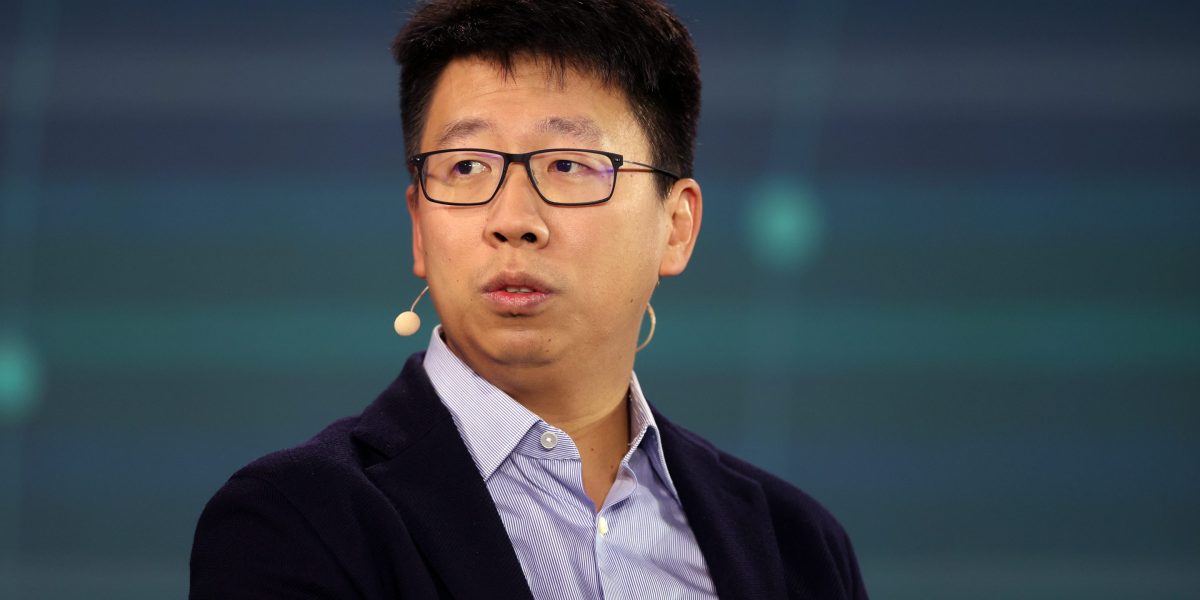
As the fintech sector comes roaring back, companies like Ramp and Stripe have dominated headlines with eye-popping funding rounds and rapid growth. But the Singapore-based Airwallex is not far behind, crossing $1 billion in annualized revenue as of October with a year-over-year growth rate of 90%, according to cofounder and CEO Jack Zhang.
In an interview with Fortune, Zhang said that his company, known for cross-border payments and foreign exchange, has diversified its product suite into a slew of other offerings, including business banking accounts and spend management, putting it directly in competition with not only Ramp and Stripe, but also Mercury, Brex, Revolut and a who’s who of fintech giants. “We’re competing with too many people,” Zhang joked.
Airwallex still lacks the name recognition of its rivals, at least in the U.S., but that could soon change as the company accelerates its push into North America and Europe. Founded in 2015, it took nine years for Airwallex to reach its first $500 million in annualized revenue, but only one more year for that to double to $1 billion. With gross profit margins above 60%, according to Zhang, Airwallex is quickly becoming a formidable player in the U.S. The company was last valued at $6 billion in a May funding round, compared to Ramp’s last valuation of $22.5 billion and Stripe’s $106 billion.
After achieving cash flow positivity at the end of 2023, Airwallex decided to re-invest in the business but is on target to reach profitability once again in the fourth quarter of 2025, a spokesperson told Fortune.
“A lot of the reason we’ve succeeded is we’re an outsider,” Zhang said. “We’re not part of the Silicon Valley ecosystem.”
From Melbourne to San Francisco
Many fintech companies focus on one key product, often using it as a wedge to expand further into a company’s financial suite. For Ramp, it was corporate credit cards; for Mercury, business bank accounts; and for Stripe, payment processing.
Founded in Melbourne, Airwallex later moved to the Asian finance hub of Singapore after launching in the country in early 2022. Zhang said that his company has had to be globally focused from day one, given Australia’s relatively small market. While its initial focus was cross-border payments, Zhang said the company’s revenue is now spread over an array of products, with business accounts similar to Mercury comprising 34% of its revenue, spend management 20%, and payments 30%. Airwallex also offers its global network of licenses and services to other fintech companies through API integrations, such as facilitating Brex, Rippling, and Deel’s international expansions. “Our real moat is the infrastructure, both on the regulatory side and on the financial services side, that we built over the last decade,” Zhang said.
As Airwallex pushes into North America, including opening a U.S. headquarters in San Francisco last year, Zhang admits that he won’t compete with a company like Ramp on U.S. focused customers. Airwallex’s focus, instead, is on companies that want a global presence and need to be able to issue employee cards, open bank accounts, and pay merchants across dozens of jurisdictions. Zhang said that North America and Europe now comprise close to 40% of the company’s revenue after sitting at zero just a few years ago.
“If you’re a U.S. company and you only have operations in Ohio, you better go with Ramp,” Zhang said. “But if you’re a U.S. company that wants to sell in Australia, wants to sell in Singapore, wants to sell in the U.K., wants to sell in Canada, wants to do that efficiently, and wants to have banking, payments, spend, and treasury management all in a single platform, that’s where Airwallex comes in.”
Like for most other companies, AI is top of mind for Airwallex, with Zhang working on a wallet product that he says will serve as foundational infrastructure for global agentic payments. He says that he wants the AI agents business to scale to a “few $100 million” before he considers going public.
The company has also hired stablecoin developers, another buzzy area of fintech, though he remains skeptical that blockchain can solve global money movement better than existing options. “The merchant adoption is still very low and there’s nothing happening on the B2B [business-to-business] side,” he said. “I’m 99% skeptical, 1% probability.”
Continue Reading
-
ConocoPhillips begins natural gas drilling campaign offshore eastern Australia – Reuters
- ConocoPhillips begins natural gas drilling campaign offshore eastern Australia Reuters
- 3D Energi Begins Drilling at Essington-1 in Otway Basin TipRanks
- Transocean rig just days shy of gas drilling search in Australian waters Offshore-Energy.biz
- 3D Energi Initiates Drilling for Essington-1 Gas Exploration TipRanks
Continue Reading
-
Battery energy storage in Europe: Opportunities, challenges, and insurance strategies
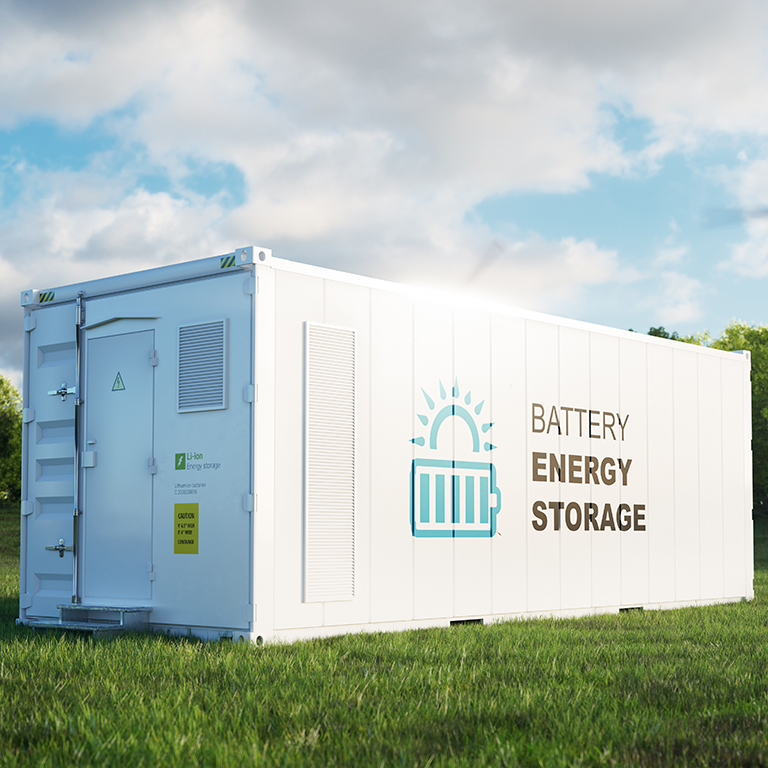
The BESS market in Europe is experiencing unprecedented growth, propelled by the continent’s renewable energy ambitions and the urgent need for energy security. According to the European Association of Energy Storage (EASE), Europe requires about 187 GW of energy storage by 2030, wherein battery storage accounts for 122 GW of capacity. As of 2025, the European BESS market is projected to reach US$32.71 billion by 2030, exhibiting a compound annual growth rate (CAGR) of 16.06% from 2025 to 2030.
BESS plays an important role in:
- Grid stability and flexibility: BESS can help balance supply and demand for renewable energy sources by storing surplus energy and releasing it when needed, making the grid more reliable.
- Supporting renewable integration: Storage mitigates the intermittency of wind and solar power by storing excess energy when production is high and releasing it when it is low.
- Decentralized energy management: By storing energy locally, microgrids reduce transmission losses and help optimize how power is used across loads.
- Cost management: Batteries optimize energy use during high-demand periods, which can lower operational costs.
European renewable projects are increasingly combining large-scale solar and wind farms with BESS to address grid congestion, manage the intermittency of renewables, and meet net zero targets. This momentum is supported by significant funding (projected to reach €30 billion by 2030 ), from the European Investment Bank and various national governments.
Regulatory developments
The evolving European regulatory landscape plays a pivotal role in shaping BESS deployment. EU policies and national initiatives are boosting BESS through regulations such as the European Green Deal which drives BESS development through funding for clean technologies and innovation, supportive policies like the EU Battery Regulation for sustainable production, collection, and recycling.
The updated Electricity Market Design emphasizes flexibility and market integration, encouraging the development of energy storage as a market asset. Additionally, the Renewable Energy Directive (RED II) and upcoming Renewable Energy Package promote streamlined permitting processes and grid access for storage projects.
Companies subject to the Corporate Sustainability Reporting Directive (CSRD) must disclose their impact on the environment to help consumers and investors make sustainable choices, including risks associated with energy storage and renewable projects.
Mitigating risks associated with BESS
Failing to adequately address BESS risks can lead to increased insurance premiums or even the inability to secure coverage, posing significant challenges for developers and operators. These risks may include:
- Fire and explosion: Lithium-ion batteries are the most dominant technology used in BESS. However, thermal runaway of a lithium battery cell results in uncontrollable risk in temperature and extreme fire hazards. Insurers require comprehensive safety protocols, fire suppression systems, and regular maintenance to mitigate these risks.
- Climate and environmental factors: Cold winters in Northern Europe can impair battery performance and longevity. Insurers often seek evidence of thermal management systems and weather-resistant designs.
- Environmental liability: The lifecycle of batteries involves manufacturing, transportation, and disposal, each with environmental risks. Insurers are increasingly emphasizing environmental liability coverage and sustainable disposal practices.
- Cybersecurity vulnerabilities: BESS are susceptible to cyberattacks that could disrupt operations or cause safety incidents. Cyber insurance policies can address these evolving threats.
- Performance and degradation risks: Batteries degrade over time, potentially leading to reduced performance and increased operational risks. Insurance policies may include coverage for performance degradation and associated costs.
- Business interruption: Reducing single points of failure can prevent business interruptions and revenue loss. Insurers generally prefer projects that route power to the grid separately from the BESS, protecting operations and revenue by isolating potential damage to individual components.
- Regulatory compliance: Europe’s safety and environmental standards, reinforced by the CSRD and other regulations, necessitate comprehensive documentation and compliance measures, which underwriters often scrutinize.
Strategies for effective risk management
To navigate these risks, project developers and operators should consider:
- Engage early with your broker: Collaborate with your broker throughout the development phase to assess the insurance and bankability prospects of the BESS project. Coverage should align with project specifics and regional risk factors.
- Comply with lender requirements: Project owners and lenders must manage and, where appropriate, transfer project risks. For bankability, insurance policies should adequately protect assets and revenue, be timely and cost-effective, and align with lender security documentation requirements.
- Implement robust safety protocols: Incorporate advanced thermal management, fire suppression, and security measures to minimize risk exposure.
- Embrace environmental and lifecycle planning: Sustainable practices should be used for battery disposal and recycling, supported by appropriate insurance coverage.
- Strengthen cybersecurity measures: Invest in cybersecurity infrastructure and protocols, and secure cyber insurance policies to mitigate digital threats.
- Carry out regular maintenance and monitoring: Use advanced energy management systems to monitor battery health and performance, reducing operational risks.
Unlocking BESS opportunities
Europe’s commitment to renewable energy, sustainability, and the integration of innovative projects presents significant opportunities for BESS deployment. However, the unique regional risks — climate, environmental, safety, cybersecurity, and regulatory — necessitate tailored insurance solutions and proactive risk management strategies.
With extensive industry knowledge, Marsh offers market insights to help clients in Europe and globally make informed decisions regarding project development and investment, while mitigating risks and enhancing overall project viability.
Continue Reading