Category: 3. Business

  • WFW advises Standard Chartered and BOI on Air India US$215m aircraft financing

    WFW advises Standard Chartered and BOI on Air India US$215m aircraft financing

    Watson Farley & Williams (“WFW”) advised Standard Chartered Bank (“Standard Chartered”) and Bank of India, IFSC Banking unit (“BOI”), GIFT City, on the US$215m refinancing of six Boeing B777-300ER aircraft for Air India Limited (“Air India”).

    Implementing an innovative structure, the first of its kind in India, this transaction marks the first time a financing for an Indian airline has been structured directly to a borrower in GIFT City, India’s emerging international financial hub, which has not been structured through Ireland.

    Lending directly to AI Fleet Services IFSC Limited (“AI Fleet”) – Air India’s GIFT City-based subsidiary – demonstrates significant increase in market confidence and regulatory maturity in India. BOI’s involvement as lender establishes Indian domestic appetite for financing its aircraft and is evidence of the growing role of Indian domestic financial institutions are sure to play in India’s ambitions in aviation. This innovative structure not only streamlines execution but also facilitates Indian domestic participation in a more cost-effective structure.

    Standard Chartered is a leading international banking group offering global financial services, whilst BOI is a major public sector bank in India providing a wide range of domestic and international banking solutions.

    The cross-border WFW Aviation team that advised Standard Chartered and BOI was led by Singapore Asset and Structured Finance Partner Richard Williams, with outstanding support from Associates May Eng and Rheya Panjwani and Paralegal Lydia Ong. New York law advice was provided by Counsel Maxi Adamski-De Visser and Associate Chloe Sucato.

    Richard commented: “The groundbreaking new structure used to complete this transaction sets a precedent for aviation finance for India. Lending directly to AI Fleet with the involvement of BOI represents a strong vote of confidence in Indian aviation and the recently developed regulatory framework in India. Advising on matters of this nature highlights WFW’s market leading footprint in Indian aviation finance.  Our thanks go to Standard Chartered, BOI, Air India and AI Fleet for their confidence in us and the other legal professional advisors, whose collaborative approach was essential in closing this transaction”.

    Continue Reading

  • Efficacy of PHILOS combined with n-HA/PA66 augmentation for treating three- or four-part proximal humeral fractures in elderly patients | Journal of Orthopaedic Surgery and Research

    Efficacy of PHILOS combined with n-HA/PA66 augmentation for treating three- or four-part proximal humeral fractures in elderly patients | Journal of Orthopaedic Surgery and Research

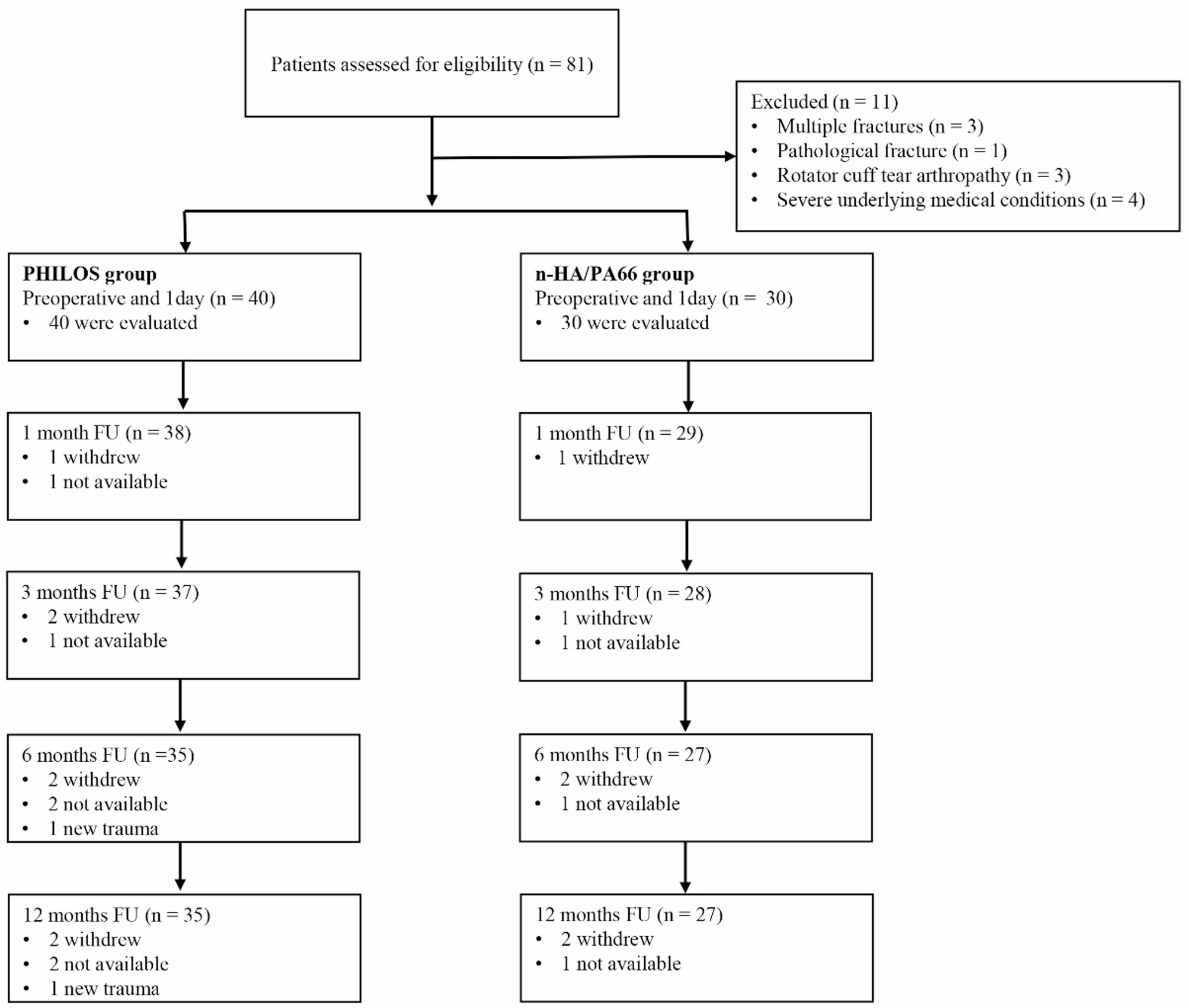
    This study retrospectively compared the clinical outcomes of 62 elderly patients with Neer three- or four-part proximal humeral fractures who underwent PHILOS plate fixation, with or without the adjunctive use of a bionic n-HA/PA66 composite for medial support.

    Elderly patients who present with Neer three- or four-part proximal humerus fractures frequently exhibit significant comminution and severe osteoporosis, which can substantially complicate fracture reduction and fixation during surgical intervention [23]. A key difficulty in the surgical management of these fractures lies in obtaining precise reduction and strong fixation, with accurate reduction of the humeral head being paramount. Furthermore, the importance of a stable calcar to prevent secondary varus displacement, particularly in distracted varus-type fractures, is well-established [9, 10, 24, 25]. This study presents an innovative application of n-HA/PA66 for medial calcar support. After a one-year follow-up, the n-HA/PA66 group exhibited significantly smaller changes in NSA (3.6° ± 1.6°) and HHH (2.4 mm ± 0.7 mm) compared to the PHILOS group, which showed changes of 9.5° ± 2.0° and 4.1 mm ± 0.6 mm, respectively, indicating superior clinical outcomes. This advantage likely stems from the critical role of optimal reduction and minimized postoperative displacement in achieving favorable shoulder function, as suboptimal HHH and NSA can cause pain and rotator cuff weakness, directly impairing joint function. Consequently, at the final follow-up, patients treated with n-HA/PA66 demonstrated statistically superior functional outcomes, as reflected by their DASH (25.5 ± 5.1 points) and ASES (78.9 ± 8.9 points) scores, compared to the PHILOS group, which had DASH (28.1 ± 4.7 points) and ASES (73.0 ± 10.3 points) scores. However, long-term observations revealed no significant differences in CMS or range of motion between the two groups. This discrepancy may be attributed to the inherent subjectivity of the DASH and ASES scores, which emphasize overall postoperative functional recovery and pain perception. In contrast, the CMS and range-of-motion assessments provide a more objective evaluation of local shoulder function.

    Double-plate osteosynthesis, typically employing a lateral locking plate in conjunction with a ventrally placed one-third tubular plate, has emerged as a technique to enhance primary stability and facilitate anatomical reconstruction in humeral head fractures characterized by calcar region destruction, aiming to prevent secondary dislocation [26]. The supplementary steel plate stabilizes the medial column of the humerus, thereby preventing displacement during the reduction process [27]. Theopold et al. [28] published a small case series describing their technique using a lateral locking plate combined with an inverted one-third tubular plate placed in the bicipital groove, with a mean follow-up of 24 months. The average CMS was 80 points, but the incidence of AVN was 14.3%. Mara Warnhoff et al. [29] conducted a retrospective review of 31 patients who underwent double-plate internal fixation, with an average follow-up of 30.9 months. At final follow-up, the mean CMS was 77 points, the ASES score was 76 points, and the NSA was 135° ± 13°. However, the study reported an AVN complication rate of 9.7%. Our results indicate that, at final follow-up, patients with n-HA/PA66 implants demonstrated a CMS of 73.8 ± 8.1 and an NSA of 132.7° ± 13.8°. Humeral head necrosis occurred in one patient (3.7%). Although our findings align with previous studies regarding functional and radiological outcomes, a key consideration is the surgical technique. The use of supplementary plates requires more extensive dissection and exposure, potentially increasing the risk of vascular and nerve bundle injury, as well as humeral head necrosis.

    While segmental fibular allograft augmentation, placed endosteally in conjunction with a lateral locking plate, is frequently suggested as a strategy for enhancing medial support in proximal humerus fractures [14], the evidence regarding its efficacy remains somewhat equivocal. Dasari et al. [30] synthesized data from ten observational studies encompassing 802 patients, reporting a 95% rate of improved radiographic outcomes, increased ASES clinical outcome scores, and reduced odds of major complications in patients treated with a PHILOS plate augmented with a fibular allograft compared with those treated with a locking compression plate alone. However, these findings are not universally supported. Lee et al. [31] demonstrated that locking plate fixation combined with a fibular strut allograft yields satisfactory short-term outcomes in terms of humeral head support and maintenance of reduction. However, in their study, the CMS scores of the two groups showed no statistically significant difference (83.5 ± 6.5 and 87.8 ± 5.6), both of which were higher than our results (73.8 ± 8.1 and 70.5 ± 6.8). One possible explanation is that satisfactory therapeutic outcomes in their study were achieved with locking plates alone, making the supportive role of the fibular strut allograft non-additive. Furthermore, a randomized controlled trial [32] concluded that fibular allograft augmentation provided no additional benefit in treating medial column comminuted proximal humeral fractures, either radiographically or functionally. Variations in these study results may be attributed to several factors, including patient age, fracture type, graft- and technique-related variables, and methodological differences in study design and evaluation.

    Moreover, some researchers have explored the use of bone cement to augment the stability of the PHILOS plate in proximal humeral fractures, reporting promising clinical outcomes and reduced complication rates [33], but the body of research on this technique remains limited. Furthermore, the potential for cement-related thermal necrosis warrants continued consideration.

    Research demonstrates that the mean operative time for two-part proximal humeral fractures typically ranges between 60 and 90 min [25, 34]. In contrast, several studies have reported that the average surgical duration for three- and four-part proximal humeral fractures extends from 110 to 130 min [35, 36]. A primary factor contributing to the prolonged operative time in more complex fractures is the increased difficulty in achieving effective temporary fixation. In the present study, a comparison of operative durations between two fixation techniques revealed that the n-HA/PA66 group experienced an average reduction of 25 min compared to the PHILOS group. Our experience suggests that incorporating n-HA/PA66 to support the humeral head, followed by K-wire insertion through the n-HA/PA66 construct (as shown in Fig. 4B), can enhance the overall stability of temporary fixation. The n-HA/PA66 effectively acts as a bridging scaffold, reducing the need for repeated K-wire insertions and maintaining fracture reduction. The PHILOS combined with the n-HA/PA66 augmentation provides surgeons with a more dependable and efficient solution for treating complex proximal humeral fractures. Extended operative time is associated with an increased risk of complications [28, 32, 35]. Although this study did not find a statistically significant difference in complication rates between the two groups, nor did the use of implants appear to increase the incidence of related complications, these findings may be influenced by the study’s limited sample size and relatively short follow-up duration.

    Although n-HA/PA66 is recognized as a bioactive material [15,16,17], current evidence does not demonstrate osseointegration with the host bone. Theoretically, the potential for micromotion persists under extreme conditions. Moreover, as with all implantable devices, managing deep infections remains highly challenging once established. Extended follow-up periods are necessary to substantiate the long-term reliability of this material. It is recommended that quantitative CT analyses be employed to evaluate changes in bone density at the scaffold-bone interface, thereby enabling an objective assessment of the integration process. Furthermore, collaboration with biomechanical research laboratories is essential to systematically investigate n-HA/PA66 scaffolds with diverse geometrical configurations, porosities, and mechanical properties to determine experimental parameters that ensure sufficient load-bearing capacity. Existing research offers valuable frameworks for identifying optimal treatment strategies [37, 38]. Conducting a multicenter, prospective, randomized controlled trial comparing PHILOS combined with n-HA/PA66 scaffolds to PHILOS with autologous iliac crest bone grafts and PHILOS with allograft bone grafts would provide higher-level evidence to inform clinical practice.

    Despite the need to acquire a comprehensive dataset encompassing both imaging and functional outcomes, this study is subject to several limitations. First, the retrospective design, which lacks randomization, inherently introduces the potential for selection bias and confounding variables. Second, while considerable effort was made to ensure appropriate patient selection, the statistical power of this single-center study remains relatively modest, potentially hindering the detection of subtle yet meaningful differences between the groups. Furthermore, a larger sample size is necessary to enable robust subgroup analyses. Third, the subjective nature of the DASH score may contribute to the discrepancies observed between it and the more objective CMS. Finally, the relatively short one-year follow-up period necessitates caution in drawing definitive conclusions regarding the long-term efficacy of the investigated treatment approach, suggesting the need for studies with extended follow-up durations.

    Continue Reading

  • Dow Jones Top Company Headlines at 3 AM ET: Novartis Agrees to Acquire Avidity Biosciences for $12 Billion | Corruption … – Morningstar

    Dow Jones Top Company Headlines at 3 AM ET: Novartis Agrees to Acquire Avidity Biosciences for $12 Billion | Corruption … – Morningstar

    1. Dow Jones Top Company Headlines at 3 AM ET: Novartis Agrees to Acquire Avidity Biosciences for $12 Billion | Corruption …  Morningstar
    2. RNA STOCK ALERT: HALPER SADEH LLC IS INVESTIGATING WHETHER  GlobeNewswire
    3. Novartis to Boost Neuroscience Portfolio With $12 Billion Deal for Avidity Biosciences  MarketScreener
    4. Novartis Bets Big On Avidity Biosciences For Neuromuscular Pipeline  Finimize
    5. Novartis Said to Near $70-Per-Share-Plus Deal for Avidity  Bloomberg.com

    Continue Reading

  • Platelet hyperactivation plays a critical role in exacerbating skin le

    Platelet hyperactivation plays a critical role in exacerbating skin le

    Introduction

    Psoriasis is recognized as a chronic, relapsing skin disorder that is mediated by immune and inflammatory processes.1 It is characterized by abnormal proliferation of keratinocytes, infiltration of immune cells, microvascular lesions, and activation of proinflammatory cytokine cascades.2 Additionally, the interaction between dendritic cells and T cells has been implicated in the onset and progression of psoriasis.3,4 The trends of current research have focused predominantly on immune cell dynamics, while investigations pertaining to microvascular involvement have been comparatively limited. Despite advancements in targeted biologic therapies, 30–50% of patients exhibit inadequate responses or develop resistance to these treatments.5 These findings underscore the need for further exploration of novel pathogenic mechanisms underlying this disease. These findings suggest the need to explore new pathogenesis mechanisms.

    Traditional Chinese Medicine (TCM) considers that blood stasis persists throughout the entire occurrence and development process of psoriasis.6 Modern research has demonstrated that pathological manifestations, including vascular endothelial injury and platelet dysfunction, are present in both psoriasis and BSS.7,8 Psoriasis with BSS has been recognized as a clinical syndrome,9,10 primarily manifesting as skin microcirculatory dysfunction and aggravated skin inflammation. It is characterized by dark red skin lesions, vascular stasis, and microcirculatory disturbances; these phenotypes are closely associated with angiogenesis and platelet activation.11 Compared with other psoriasis patients, psoriasis patients with BSS exhibit more severe skin lesions, including exacerbated chronic inflammation,12,13 elevated angiogenic factors, metabolic disorders,14 and abnormal immune cell infiltration.14 Animal models have further confirmed that psoriasis in BSS mice results in more severe skin lesions.12 However, the specific pathological mechanism of skin lesion deterioration in psoriasis patients with BSS has remained unclear.

    The function of platelets has transcended the traditional scope of hemostasis and coagulation; platelets have been redefined as effector cells with immunomodulatory activity that are deeply involved in inflammatory responses.15 Studies have suggested that activated platelets can exacerbate inflammatory responses in psoriasis;16 however, platelet dysfunction has been closely associated with the occurrence and development of psoriasis.17–21 Multiomics studies have consistently shown11,14,22 that PAF expression is significantly increased in the peripheral blood of psoriasis patients with BSS, suggesting that PAF may serve as a potential biomarker for psoriasis with BSS. Activated platelets release inflammatory mediators such as IL-1β and TGF-β, which amplify skin inflammation and imbalance between vascular injury and repair through immune cell cascades.23,24 However, whether platelets act as the core hub connecting blood stasis and psoriasis inflammation has not been elucidated.

    Clopidogrel is a P2ry12 receptor antagonist; it irreversibly blocks the binding of ADP to the P2RY12 receptor on the surface of platelets, inhibits the activation of the GPIIb/IIIa complex, and thereby effectively prevents the final pathway of platelet aggregation. It is widely used in cardiovascular diseases.25 No study has systematically evaluated the multidimensional efficacy of clopidogrel in psoriasis with BSS animal models.

    Thus, we speculate that platelet activation is the key factor exacerbating skin lesions in psoriasis with BSS and is the core hub connecting blood stasis and psoriasis inflammation; blocking platelet activation and aggregation can alleviate skin lesions in psoriasis with BSS, possibly related to regulating the P2ry12/GPIIb/IIIa axis.

    Materials and Methods

    Reagents and Instruments

    IMQ cream (Cat: H20030128) was obtained from Sichuan Mingxin Lidi Co., Ltd. (Chengdu, Sichuan Province, China). Paquinimod (Cat: S9963) was sourced from Selleck Chemicals LLC.(Houston, Texas, United States). Clopidogrel (Cat: HJ20171237) was procured from Sanofi (Hangzhou) Pharmaceuticals Co., Ltd. (Hangzhou, Zhejiang Province, China). Epinephrine hydrochloride (Cat: H42021700) was acquired from Yuan Da Pharmaceutical (China) Co., Ltd. (Wuhan, Hubei Province, China). BCA protein assay reagents (Cat: 23227) were supplied by Thermo Fisher Scientific (Waltham, MA, USA). The antibodies utilized for Western blotting and immunohistochemistry included anti-CD62P (Cat: 60322-1-Ig) from Proteintech Group, Inc. (Wuhan, Hubei Province, China), PAFR antibody (Cat: DF13866) from Affinity Biosciences. (Liyang, Jiangsu Province, China), and β-actin (Cat: S7723) from Cell Signaling Technology.(Danvers, MA, USA) RIPA buffer (Cat: 9806S), goat anti-rabbit IgG-HRP (Cat: 7074S), and rabbit (DA1E) mAb IgG XP® Isotype Control (Cat: 49077SF) were also obtained from Cell Signaling Technology.(Danvers, MA, USA). The phosphatase inhibitor mixture (Cat: CW2383S), additional phosphatase inhibitors (Cat: CW2200S), and enhanced chemiluminescence reagents (Cat: CW0049M) were obtained from Cowin Biotech. (Taizhou, Jiangsu, China). A protein-free rapid blocking solution (Cat: G2052-500ML) and Prestained Protein Marker Ⅹ(10–180 kDa) (Cat: G2091-250UL) was acquired from Servicebio (Wuhan, Hubei Province, China). TRIzol™ reagent (Cat: AG21102) and the SYBR Green Pro Taq HS premixed qPCR Kit II (Cat: AG11702) were purchased from Hunan Accurate Biotechnology Co., Ltd. (Changsha, Hunan Province, China), EZBioscience® 4 × EZscript Reverse Transcription Mix II (with gDNA remover) (Cat: EZB-RT2GQ) was obtained from EZBioscience Biotechnology Corporation Limited (Shanghai, China).

    Animals

    Male SD rats, aged 8 weeks and averaging 280 g in weight, were acquired from Guangdong Vital River Laboratory Animal Technology Co., Ltd. The animals were housed in the Experimental Animal Center of Guangdong Provincial Hospital of Chinese Medicine. The environmental conditions were regulated to maintain a temperature range of 22–24°C, with the relative humidity set between 45% and 55% and a light/dark cycle of 12 hours each. Throughout the duration of the experiment, the rats were provided unrestricted access to a standard laboratory diet and drinking water. This study received approval from the Ethics Committee of Guangdong Provincial Hospital of Chinese Medicine (Approval No: 2023136), and all procedures adhered to the 3R principles and ARRIVE guidelines of animal research ethics.

    Establishment of a Rat Model of Psoriasis with BSS

    Twenty-four male SD rats were randomly divided into 4 groups (n=6/group). The modeling procedure spanned a total duration of 21 days. The control group received no treatment. The IMQ group received no treatment during the first 14 days, followed by a daily topical administration of 5% imiquimod cream (150 mg/day) during the subsequent 7 days. The BSS group received no treatment during the first 7 days, after which they were subjected to daily immersion in ice–water baths (0–4°C, 15 minutes per day) for 14 days. On day 21, this group was administered two subcutaneous injections of adrenaline (0.8 mg/kg per injection) at 6-hour intervals. The BSS+IMQ group underwent daily morning ice–water baths (15 minutes per day) starting from day 1; from days 14 to 21, they additionally received daily topical applications of 5% imiquimod cream (150 mg/day) in the afternoon. On day 21, this group was also given adrenaline injections following the same protocol as the BSS group. Rat body weight and dorsal skin changes were monitored daily, and lesion severity was assessed using the PASI (scores ranging from 0 to 12, based on erythema, thickening, and scaling). The construction process of this experimental model lasted for 21 days. On the 22, the rats were anesthetized by intraperitoneal injection of pentobarbital sodium (30mg/kg), euthanized by cervical dislocation, and blood and skin samples were collected (Figure 1A).

    Figure 1 Increased severity of skin lesions in rats with psoriasis and BSS compared to rats with psoriasis. (A) Animal modeling intervention process. (B) Dorsal skin appearance. (C) PASI score. (D) Body weight changes over time. (E and F) Spleen index and Spleen weight. (G) Epidermal Area. (HM) Relative mRNA levels of CCL2, CCL20, CXCL10, CXCL1, S100A8 anS100A9 in lesions. (N and O). Neutrophil and lymphocyte proportions (CBC). *P < 0.05, **P < 0.01, ***P < 0.001, ****P < 0.0001 versus Control. #P < 0.05, ##P < 0.01, ###P < 0.001, ####P < 0.0001 versus IMQ.

    An additional 18 male SD rats were prerandomized into 3 groups (n=6/group). The control group received no treatment. The BSS+IMQ group underwent daily ice–water baths (days 1–21), topical application of imiquimod cream (150 mg/day) on days 14–21, The BSS+IMQ + clopidogrel group underwent the same modeling procedure as the BSS+IMQ group and was administered clopidogrel (10 mg/kg/day) by oral gavage daily from days 14 to 21. The construction process of this experimental model lasted for 21 days. On day 22, the rats were anesthetized by intraperitoneal injection of pentobarbital sodium (30mg/kg), and blood and skin samples were collected.

    Platelet Isolation

    Three milliliters of blood from the inferior vena cava were collected into a centrifuge tube containing 600 μL of 3.8% sodium citrate. The blood was mixed with Tyrode’s solution at a 1:1 ratio and centrifuged at 200 × *g* for 10 minutes to obtain the PRP supernatant. The collected supernatant was mixed with ACD (PRP/9, μL) and apyrase [(PRP + ACD)/2500, μL] and then centrifuged at 2000 × g for 10 min, after which the supernatant was discarded. The platelets were resuspended in Tyrode’s solution and incubated at 37°C for 30–60 minutes for flow cytometry.

    Flow Cytometry

    CD62P antibody was added to a round-bottom 96-well plate and protected from light. Subsequently, 50 µL of each platelet mixture was transferred into the designated well, mixed thoroughly via a pipette, incubated at 37°C for 10 minutes, and shielded from light. Following this incubation period, 200 µL of 2% PFA was added to each well to facilitate fixation, after which the samples were analyzed via a flow cytometer.

    Microcirculation Perfusion Measurement

    The PeriCam PSI system is a noninvasive, two-dimensional imaging apparatus that employs LASCA technology to evaluate blood perfusion in peripheral tissues. Blood perfusion in the ears, hind limbs, and tails of the rats—defined as regions of interest (ROIs)—was measured via the PeriCam PSI system to evaluate microcirculation. Anesthetized rats were placed on the detection platform, the laser was activated, and after signal stabilization, data were acquired for one minute via PIMSoft (v1.5).

    Hemorheology and Whole-Blood Analysis

    Blood (2.5 mL) was obtained from the abdominal aorta of each rat and subsequently transferred into a vacuum blood collection tube containing sodium heparin. A blood rheometer was used to assess parameters such as blood flow resistance, erythrocyte aggregation, and plasma viscosity across various shear rates (10s¹, 50s¹, 200s¹). Additionally, 100 μL of whole blood, which included EDTAK2 as an anticoagulant, was analyzed via a fully automated five-class animal blood cell analyzer for comprehensive blood analysis.

    Hematoxylin and Eosin (H&E) Staining

    Skin tissue, vascular tissue, and spleen tissue were preserved in a 4% paraformaldehyde solution for 48 hours. These samples were subsequently dehydrated via an automated dehydrator, embedded in paraffin, and sectioned into thin slices measuring 4 µm. Following a series of processes, including dewaxing, staining, and dehydration, the sections were air-dried and mounted. The structural characteristics of the skin, blood vessels, and spleen were examined via a digital pathology scanner.

    Immunohistochemistry (IHC)

    After paraffin embedding and sectioning of the rat skin, vascular, and spleen tissues, the sections were dewaxed with xylene and placed in citrate buffer for antigen retrieval via the microwave method. Next, 3% hydrogen peroxide was added for 10 min to block endogenous peroxidase activity. Five percent goat serum was added for blocking for 1 h, and then primary antibodies against PAFR, CD34, vWF, and VEGFA were added. The samples were placed in a humidified chamber overnight at 4°C. After rewarming, HRP-conjugated goat anti-rabbit secondary antibody was added, and the samples were incubated at room temperature for 1 h. The sections were developed with DAB. The samples were counterstained with hematoxylin, dehydrated through a graded series of 95% ethanol and absolute ethanol, mounted with neutral gum, and brown‒yellow positive signals were observed via a digital pathology scanner.

    RT‒qPCR

    Thirty milligrams of rat skin tissue was added to homogenization beads, 1 mL of TRIzol reagent was added, the mixture was homogenized, and total RNA was extracted. cDNA was synthesized according to the manufacturer’s instructions for the reverse transcription kit. The synthesized cDNA was amplified using an amplification reaction kit. After the reaction, the specificity of the PCR was determined on the basis of the melting curve. GAPDH was used as the internal reference, and the relative expression levels of the target genes were calculated using the 2ΔΔCt method and statistically analyzed. The primer sequences are shown in Table 1.

    Table 1 The Primer Sequences of Rat Employed in This Research

    Western Blotting (WB)

    Fifty milligrams of rat skin tissue was weighed, and total protein was extracted from the skin samples via RIPA buffer supplemented with 1% phosphatase and protease inhibitors. The protein concentration was determined via the BCA assay. Equal amounts of protein (40 µg) were separated via 8% SDS‒PAGE and transferred to 0.45 µm PVDF membranes. Following a 15-minute blocking period with rapid blocking solution, the membrane was incubated overnight at 4°C with antibodies against CD62P, PAFR, and β-actin. Detection was performed via the use of an enhanced chemiluminescence (ECL) reagent, and exposure was conducted with the e-Blot system. The gray values of the bands were analyzed via ImageJ software.

    Network Pharmacology Analysis

    Clopidogrel targets were obtained from PubChem, SwissTargetPrediction, and PharmMapper. Psoriasis and PAF-related targets were retrieved from GeneCards, OMIM, and DisGeNET using a relevance score ≥ 1. Intersections of clopidogrel–psoriasis and clopidogrel–PAF targets were identified and used to construct networks in Cytoscape. Topological analysis was performed using NetworkAnalyzer. PPI networks were built via STRING (confidence > 0.7) and analyzed with CytoNCA to identify key targets. GO and KEGG enrichment analyses were conducted using clusterProfiler in R. Molecular docking of key targets was performed with AutoDock Vina. Detailed procedures are provided in the Supplementary Materials.

    Data Analysis

    The results are presented as the mean values ± SEMs. The data were analyzed via one-way ANOVA with GraphPad Prism 10.1.2, and a P value of < 0.05 was considered statistically significant.

    Results

    Increased Severity of Skin Lesions in Rats with Psoriasis and BSS Compared with That in Rats with Psoriasis

    The experimental design is illustrated in Figure 1A. Compared with those in the control and BSS groups, the rats in the IMQ group and the IMQ+BSS group presented marked erythema, skin thickening, and desquamation, whereas those in the IMQ+BSS group presented more pronounced symptoms (Figure 1B). Compared with those in the control group, the subcutaneous blood vessels in the other experimental groups presented varying degrees of thickening, tortuosity, and increased branching, with the most significant changes observed in the IMQ+BSS group, followed by those in the BSS group (Supplementary Figure 1A). These observations confirmed the successful establishment of the psoriasis model with concomitant BSS. The PASI scores correlated with the observed alterations in the skin lesions (Figure 1C). During the modeling phase, the IMQ+BSS group presented a slower rate of weight gain than the control, BSS, and IMQ groups did (Figure 1D). In terms of splenic morphology, the rats in the IMQ group presented significant splenomegaly (Supplementary Figure 1B), resulting in an elevated spleen index, whereas those in the BSS group presented a significantly reduced spleen index, with the IMQ+BSS group showing the next lowest index (Figure 1E and F).

    HE staining revealed alterations in the dorsal skin of the rats (Figure 1G). Compared with the control group, the BSS group did not exhibit any significant changes. Conversely, both the IMQ group and the IMQ+BSS group presented distinct characteristics associated with psoriasis. Notably, the IMQ+BSS group presented more severe pathological features than did the IMQ group, including epidermal acanthosis and club-shaped hyperplasia (Supplementary Figure 1C).

    Alterations in Chemokines and Inflammatory Mediators in Psoriasis Rats and Psoriasis Rats with BSS

    The results from RT‒qPCR analysis indicated that, compared with those in the IMQ group, the mRNA expression levels of the chemokines CXCL10 and CCL2 in the skin tissues of the IMQ+BSS group were markedly elevated (Figure 1H–K). These findings suggest an enhanced inflammatory response and increased immune cell infiltration in the IMQ+BSS rat model.

    The RT‒qPCR results demonstrated that the mRNA levels of the inflammatory mediator S100A9 in the skin tissues of the IMQ+BSS group were significantly greater than those in the IMQ group, while S100A8 also showed an upward trend (Figure 1L and M). Furthermore, whole blood analysis indicated that the NEUT and LYM proportions were notably greater in the IMQ+BSS group than in the control group, with varying degrees of elevation observed (Figure 1N and O).

    Microcirculation and Hemorheology in Psoriasis Rats and Psoriasis Rats with BSS

    Microcirculatory perfusion analysis revealed a significant reduction in blood flow in the ears and legs of the IMQ+BSS group compared with those of the Control and IMQ groups. The BSS group presented the second lowest perfusion level (Figure 2C and Supplementary Figure 1D). The IMQ+BSS group presented notable increases in the shear rate (10 s¹), medium shear rate (50 s¹), high shear rate (200 s¹), and plasma viscosity index (Figure 2A), suggesting significant increases in blood viscosity and flow resistance. Furthermore, whole blood analysis revealed that hemoglobin (Hb), hematocrit (HCT), and Red Blood Cell (RBC) counts were notably greater in the BSS group than the other three groups (Figure 2B).

    Figure 2 Blood stasis manifestations in rats with psoriasis and BSS were more severe than in rats with psoriasis. (A) Whole blood flow resistance analysis. (B) Hb, RBC, and HCT (CBC). (C) ROI values for circulatory perfusion in ears, leg, and tail. (D) Blood vessel HE staining. (E) IHC detection of vWF expression in rat blood vessel. **P < 0.01, ****P < 0.0001 versus Control. #P < 0.05, ##P < 0.01, versus IMQ.

    Vascular Structural Changes in Psoriatic Rats and Psoriatic Rats with BSS

    Histological examination via HE staining revealed alterations in the abdominal aortas of the rats. Notably, the IMQ+BSS group presented a significant increase in vascular thickness compared with both the Control and IMQ groups (Figure 2D). The expression of vWF, which is known to increase in response to vascular activation or injury and plays a role in platelet adhesion, was assessed through immunohistochemistry. The results indicated that vWF protein expression was elevated in the IMQ+BSS group relative to the control and IMQ groups, with the BSS group showing the next highest levels (Figure 2E). In brief, the findings suggest that vascular endothelial damage is more pronounced in the IMQ+BSS group than in the IMQ group.

    Platelet Activation in Psoriasis Rats and Psoriasis Rats with BSS

    CD62P is an established marker of platelet activation. PAFR is the receptor for platelet activating factor. PTGS1 serves as the primary enzyme responsible for the synthesis of TXA2 in platelets, which is a critical factor in promoting platelet aggregation. The RT‒qPCR results indicated that the mRNA expression level of PTGS1, CD62P, PAFR was significantly elevated in the IMQ+BSS group compared with both the control and BSS groups (Figure 3A–D). Furthermore, IHC analysis was employed to evaluate the expression of PAFR in the skin tissue of the rats. Compared with that in the control group, PAFR-positive expression was significantly greater in the BSS group, and PAFR-positive expression was even greater in the IMQ+BSS group than in the IMQ group (Figure 3E and F). Additionally, CD62P and PAFR were detected by WB. The findings revealed that the protein levels of PAFR and CD62P were markedly greater in the IMQ+BSS group than in the control and BSS groups (Figure 3G–I and Supplementary Figures 35). Taken together, these findings indicate that the platelet activation ratio was significantly increased in the rat model of psoriasis with BSS.

    Figure 3 Platelet activation in rats with psoriasis and BSS was more pronounced than in rats with psoriasis. (AD) Relative mRNA levels of PAFR, Selp, PTGS1 and PTGS2 in lesions. (E and F) IHC detection of PAFR expression in rat skin. (GI) Western blot analysis of PAFR and CD62P protein levels in rat skin. *P < 0.05, **P < 0.01, ***P < 0.001, ****P < 0.0001 versus Control. #P < 0.05, ##P < 0.01 versus IMQ.

    Efficacy of Clopidogrel in Alleviating Skin Lesions in Pregnant Rats with BSS

    In this study, we administered the platelet aggregation inhibitor clopidogrel (10 mg/kg/d) to rats with IMQ+BSS via oral gavage to assess the impact of platelet activation and aggregation on the skin lesions observed in this model (Supplementary Figure 2A). Compared with the control group, the IMQ+BSS group presented pronounced psoriasis-like skin lesions; however, these lesions were significantly greater in the clopidogrel-treated group (Figure 4A). Furthermore, the subcutaneous blood vessels in the dorsal region of the IMQ+BSS group displayed marked thickening, tortuosity, and increased branching relative to those in the control group (Figure 4A). The PASI scores were in line with the alterations in the skin lesions (Figure 4B). Histological examination via HE staining revealed that the IMQ+BSS group presented more pronounced pathological features, including epidermal thickening, whereas the clopidogrel group presented a significant reduction in the epidermal area (Figure 4C and D).

    Figure 4 Clopidogrel alleviates skin lesions in rats with psoriasis and BSS. (A) Dorsal skin appearance and Subcutaneous blood vessel morphology in rats. (B) PASI score. (C and D) Skin HE staining. (EG) Relative mRNA levels of CCL20, S100A8 and S100A9 in lesions. (H and I) Neutrophil and lymphocyte proportions (CBC). *P < 0.05, **P < 0.01, ****P < 0.0001 versus Control. #P < 0.05, ##P < 0.01, ###P < 0.001, ####P < 0.0001 versus IMQ+BSS.

    Clopidogrel Can Improve the Effects of Chemokines and Inflammatory Mediators in Psoriatic Rats with BSS

    The RT‒qPCR results indicated that, compared with those in the control group, the mRNA expression levels of CCL20, S100A8, and S100A9 in the skin tissues of the rats in the IMQ+BSS group were markedly elevated (Figure 4E–G). Furthermore, the clopidogrel treatment group presented significant reductions in the expression of CCL20, S100A8, and S100A9 (Figure 4E–G). Additionally, whole-blood analysis revealed that, compared with the IMQ+BSS group, the clopidogrel group presented significant decreases in the proportions of NEUTs and LYMs (Figure 4H and I).

    Clopidogrel Enhances Microcirculation and Hemorheological Parameters in Psoriatic Rats with BSS

    The results of microcirculation perfusion assessments indicated that, in comparison with those in the Control group, there was a significant reduction in blood flow within the ears and hind limbs of the IMQ+BSS group. Conversely, the clopidogrel-treated group demonstrated varying degrees of improvement in terminal circulation (Figure 5B and Supplementary Figure 2B). Hemorheological analyses revealed that the IMQ+BSS group presented elevated shear rates (10 s¹), medium shear rates (50 s¹), high shear rates (200 s¹), and PVs than did the control group. The administration of clopidogrel resulted in a reduction in these parameters (Figure 5A), suggesting that clopidogrel effectively decreases blood viscosity and flow resistance in the IMQ+BSS model of rats.

    Figure 5 Clopidogrel alleviates Blood stasis manifestations in rats with psoriasis and BSS. (A) Whole blood flow resistance analysis. (B) ROI values for circulatory perfusion in ears, leg, and tail. (C) Spleen and blood vessel HE staining. (D) Thickness of vessel wall. (E and F) IHC detection of VEGFA expression in rat skin. (G and H) IHC detection of CD34 expression in rat skin. *P < 0.05, **P < 0.01, ***P < 0.001 versus Control. #P < 0.05 versus IMQ+BSS.

    Clopidogrel Ameliorates Intrasplenic Erythrocyte Accumulation and Vascular Wall Thickening in Rats with Psoriasis and BSS

    HE staining revealed increased vascular wall thickness in the IMQ+BSS group compared with the control group, whereas clopidogrel reduced this thickening (Figure 5D and Supplementary Figure 2C). Splenic examination revealed substantial erythrocyte stasis in the IMQ+BSS red pulp sinuses compared with the control, whereas clopidogrel significantly decreased stasis (Figure 5C).

    Clopidogrel Reduces VEGFA and CD34 Expression in Psoriatic Rats with BSS

    VEGFA is a proangiogenic marker of active angiogenesis. Immunohistochemistry revealed significantly increased VEGFA expression in the IMQ+BSS group compared with the control group, whereas clopidogrel treatment reduced VEGFA levels (Figure 5E and F). CD34, a vascular endothelial marker, identifies dermal microvessels. The new capillary density in the dermis was greater in the IMQ+BSS group than in the control group but decreased with the addition of clopidogrel (Figure 5G and H). These results indicated that clopidogrel inhibited microvascular neovascularization in IMQ+BSS-treated rat skin.

    Network Pharmacology Predicts the Mechanism of Clopidogrel in Treating Psoriatic Rats with BSS

    Construction of Clopidogrel-Psoriatic and Clopidogrel-PAF Interaction Networks

    Screening targets retrieved from the PubChem database via the search term “clopidogrel” with Probability ≥0 and Z score ≥0.5 yields 246 targets. Searching the GeneCards, Omim, and DisGeNET databases with “psoriasis” and “PAF” as keywords and filtering for a relevance score ≥1 yields 1436 psoriasis targets and 4900 PAF targets. After merging and removing duplicates, the intersection of clopidogrel and psoriasis yielded 83 common targets (Figure 6A), whereas the intersection of clopidogrel and PAF yielded 180 common targets (Figure 6B).

    Figure 6 Network pharmacology and molecular docking identify P2ry12 and GPIIb/IIIa as a potential target of clopidogrel for psoriasis with BSS. (A) Psoriasis-Clopidogrel target intersection. (B) PAF-Clopidogrel target intersection. (C) PPI network of Clopidogrel-Psoriasis shared targets. (D) PPI network of Clopidogrel-PAF shared targets. (E) Core targets screened from Clopidogrel-Psoriasis. (F) Core targets screened from Clopidogrel-PAF. (G) GO enrichment for Clopidogrel-Psoriasis targets. (H). GO enrichment for Clopidogrel-PAF targets. (I) KEGG enrichment for Clopidogrel-Psoriasis targets. (J) KEGG enrichment for Clopidogrel-PAF targets. (K and L) Clopidogrel-core target docking scores. (MP) Molecular docking schematics for P2ry12/PTGS1/GPIIIa/SRC with Clopidogrel.

    Protein‒protein Interaction (PPI)

    Importing the clopidogrel-psoriasis and clopidogrel-PAF intersection targets into the STRING database to construct the original PPI network at a maximum confidence of 0.7 generates a Cytoscape network file (Figure 6C and D). Importing the network TSV file into Cytoscape for visualization and performing topological analysis via the CytoNCA plugin with cyclic median screening based on six topological parameters (betweenness, closeness, degree, eigenvector, LAC, and network) identifies core targets for clopidogrel in treating psoriasis: SRC, CYP1B1, DPP4, PLAU, PTGS1, etc. (Figure 6E), and core targets for clopidogrel in regulating platelet activation: CYP2D6, MPO, MAP2K1, P2RY12, PTGS1, etc. (Figure 6F).

    GO and KEGG Analyses

    GO and KEGG enrichment analyses indicate that clopidogrel treatment for psoriasis and clopidogrel regulation of PAF involve multiple biological processes, including oxidative stress and tissue proliferation/metabolism. Among the top ten GO and KEGG enrichment results for clopidogrel and psoriasis (Figure 6G and I), “Arachidonic acid metabolism” was present. In platelets, arachidonic acid can be metabolized by cyclooxygenase 1 (COX-1) to generate thromboxane A₂ (TXA₂), promoting platelet activation and aggregation. Among the top twenty GO and KEGG enrichment results for clopidogrel and psoriasis, pathways including “platelet activation”, “blood coagulation”, “coagulation”, and “hemostasis” were involved (Figure 6H and J). These findings suggest that clopidogrel may treat psoriasis by regulating platelets.

    Molecular Docking

    Molecular docking studies are performed using protein structures (P2RY12, PTGS1, ITGB3, SRC) retrieved from the PDB database. The docking results (Figure 6K and L) show that among the clopidogrel-psoriasis target interactions, 13 have binding energies < -5 kcal/mol; among the clopidogrel-PAF interactions, 15 have binding energies < -5 kcal/mol. Specifically, the binding energy of clopidogrel with P2RY12 is -7.5 kcal/mol, and that with ITGB3 is -7.0 kcal/mol. This indicated a potential strong interaction and provided the structural basis for its selective binding to P2RY12 and antiplatelet aggregation effect (Figure 6M–P).

    Clopidogrel Reduces Platelet Activation and Aggregation in Rats with Psoriasis and BSS

    We used RT‒qPCR to verify the predicted targets from network pharmacology. Compared with those in the IMQ+BSS group, the mRNA expression levels of P2Y12 (P2RY12), itgb3 (GPIIIa), itga2b (GPIIb), GP1ba, Selp (P-selectin), PAFR, GP5 and GP9 were lower in the clopidogrel group (Figure 7A–H). P2RY12 is a membrane glycoprotein receptor on platelets that promotes platelet aggregation. GPIIIa combines with GPIIb to form the platelet membrane glycoprotein GPIIb/IIIa complex, which is the final common pathway for platelet aggregation. Flow cytometry further verified that the percentage of CD62P-activated platelets peaked in the IMQ+BSS group, and this proportion significantly decreased after clopidogrel intervention (Figure 7I and J). Immunohistochemical analysis of rat skin tissue revealed that platelet PAFR expression was significantly upregulated in the IMQ+BSS model group compared with the control group, whereas clopidogrel intervention markedly inhibited this increase in expression (Figure 7K and L).

    Figure 7 Clopidogrel reduces platelet activation and aggregation in rats with psoriasis and BSS. (AF) Relative mRNA levels of itgb3, itga2b, P2Y12, GPIba, GP5, GP9, in lesions. (G and H) Relative mRNA levels of Selp, and PAFR in lesions. (I and J) Flow cytometric detection of CD62P. (K and L) IHC detection of PAFR expression in rat skin. *P < 0.05, **P < 0.01, ****P < 0.0001 versus Control. #P < 0.05 versus IMQ+BSS.

    In summary, multimethodological evidence confirms that clopidogrel ameliorates psoriasis with BSS by inhibiting platelet activation and aggregation, which is likely associated with the P2RY12/GPIIb/IIIa axis.

    Discussion

    Clinical and animal experiments indicate12 that psoriasis patients with BSS exhibit more severe skin lesions than psoriasis patients do, but exploration of its pathological mechanisms is lacking. Platelet activation is closely linked to psoriasis inflammation, and PAF represents a potential biomarker for psoriasis with BSS. However, whether platelet activation serves as the key factor exacerbating skin lesions in psoriasis patients with BSS requires investigation.

    On the basis of these research gaps, this study established a model via an ice–water bath combined with epinephrine injection, revealing the critical role of platelet activation in aggravating psoriasis with BSS. This study systematically evaluated the potential mechanisms of clopidogrel in treating psoriasis with BSS through network pharmacology and proposed a novel strategy targeting platelet activation for psoriasis with BSS therapy. Psoriasis in BSS rats results in significantly aggravated skin lesions, hyperviscosity, microvascular pathology, and excessive platelet activation, confirming the hypercoagulable state and intensified inflammation observed clinically in psoriasis patients with BSS.11,12,14 Multiomics studies suggest PAF as a potential biomarker for psoriasis with BSS,22 while this experiment further proves that platelet activation acts as the core hub connecting blood stasis and inflammation exacerbation, aligning with recent findings identifying platelets as a key bridge linking inflammation and thrombosis.26 Clopidogrel irreversibly inhibits the P2ry12 receptor, significantly improving skin lesion severity, hemorheological abnormalities, and vascular damage in BSS rats. Mechanistically, on the basis of network pharmacology and experimental validation, we propose that clopidogrel suppresses the P2ry12/GPIIb/IIIa axis, blocks platelet release of PAF and P-selectin (CD62P), and inhibits platelet activation and aggregation, thereby reversing the feedback loop between blood stasis and inflammation.

    The modeling method in this study optimizes existing IMQ+BSS-based approaches by establishing a composite model that simultaneously simulates psoriatic inflammation and blood stasis conditions. Specifically, it involves 14 days of ice–water baths followed by 7 days of ice–water baths combined with topical IMQ application, lasting 21 days in total. This method builds upon existing BSS models to establish a psoriasis model, aiming to simulate the clinical characteristics of blood stasis constitution as the pathogenic basis of psoriasis, aligning with chronic blood stasis pathogenesis. The psoriasis with BSS rat model developed in this study exhibited more severe skin lesions than did the psoriasis model in the following aspects. First, based on PASI score and H&E staining, the IMQ+BSS group rats exhibited more pronounced psoriasiform symptoms and increased epidermal areas. Second, as measured by hemorheology and microcirculation perfusion measurement, they demonstrated blood hyperviscosity and microcirculatory dysfunction. Finally, vascular alterations included increased branching, thickened vessel walls, and significantly elevated von Willebrand vWF expression. In addition, the observed increase in neutrophil ratio, upregulation of inflammatory mediators S100A8/A9, and elevated chemokines such as CCL20 in the model were highly consistent with the expression patterns seen in psoriatic patient lesions.27–29 The IMQ+BSS rat model concurrently displayed inflammatory responses of psoriasis and a state of blood stasis, providing a stable animal model with inherent characteristics for subsequent research.

    Platelets are not only key cells involved in the hemostatic process, but also regulate immune responses.26,30 Research indicates that platelet activity levels directly correlate with psoriasis severity in patients. Activated platelets in psoriasis induce endothelial inflammation through COX-1.16 P-selectin released during platelet activation mediates platelet‒leukocyte adhesion, recruiting inflammatory cells to infiltrate the skin and establishing a vicious cycle between inflammation and platelet activation in psoriasis. Furthermore, severe psoriasis patients exhibit significantly increased susceptibility to vascular disease morbidity and mortality.17,31–33 Concurrently, platelets contribute to vascular injury and repair via diverse receptors, signaling pathways, and effector functions,34 forming a self-perpetuating loop between platelets and the vasculature. In this study, psoriasis with BSS rats not only presented aggravated skin lesions and a pro-thrombotic state but also presented significantly elevated PAFR expression and selp (P-Selectin, CD62P) mRNA levels in skin tissues. We propose that platelets act as the core hub connecting the blood stasis state and psoriatic inflammation: on the one hand, they release mediators such as P-selectin to induce inflammation and inflammatory cell adhesion; on the other hand, platelet activation and aggregation cause blood hyperviscosity and microcirculatory dysfunction, thereby exacerbating skin lesions in psoriasis patients with BSS. This aligns with clinical observations of hyperactive platelets and an elevated cardiovascular risk in psoriatic patients. Clopidogrel covalently binds to the P2ry12 receptor, blocking ADP binding to P2ry12, consequently reducing activation of the membrane glycoprotein GPIIb/IIIa.35 This inhibits platelet aggregation while simultaneously suppressing thrombus formation and pathological angiogenesis.36 It is commonly used for preventing and treating cerebrovascular and cardiovascular diseases such as stroke and myocardial infarction.37 However, no studies have investigated the role of clopidogrel in inflammatory skin diseases. This study systematically evaluated the efficacy of clopidogrel in a BSS animal model; we demonstrated that clopidogrel ameliorates psoriasiform skin lesions and the prothrombotic state, reducing the protein expression of the platelet activation markers CD62P and PAFR in skin tissues. We propose that clopidogrel improves skin lesions in psoriasis patients with BSS by reducing platelet activation and aggregation.

    To investigate the specific mechanism by which clopidogrel ameliorates psoriasis with BSS, we performed network pharmacological analysis. GO and KEGG analyses revealed that the targets through which clopidogrel exerts its effects are significantly enriched in pathways such as “platelet activation” and “blood coagulation”. Molecular docking confirmed that clopidogrel has good binding ability with the P2ry12 (P2Y12) receptor and the GPIIIa (itgb3) receptor. The RT‒qPCR results indicate that clopidogrel decreases the mRNA levels of P2Y12, itgb3, and itga2b, among which GPIIb and GPIIIa noncovalently associate to form the GPIIb/IIIa complex. The activation of GPIIb/IIIa is the final common pathway for platelet aggregation. Therefore, we speculate that clopidogrel inhibits platelet aggregation and ameliorates skin lesions in psoriasis with BSS, which is associated with modulating the P2ry12/GPIIb/IIIa axis.

    This study has limitations. The IMQ+BSS model is a valuable artificial construct that captures key pathologies of psoriasis with BSS but does not fully replicate the complex, chronic nature of the human disease, which arises from long-term genetic, immune, and environmental interactions. Moreover, the mechanism of platelet activation in this context remains unelucidated. Lastly, clopidogrel’s efficacy was shown in the IMQ+BSS model but not in the standard IMQ model, necessitating further proof.

    In summary, this study establishes an animal model of BSS in psoriasis and reveals that platelet activation plays a key role in aggravating psoriatic lesions in this syndrome; inhibiting platelet aggregation improves these lesions.

    Conclusion

    Platelet activation plays a crucial role in exacerbating skin lesions in a rat model of psoriasis with BSS; inhibiting platelet activation and aggregation significantly ameliorates psoriasis with BSS.

    Abbreviations

    BSS, blood stasis syndrome; GO, gene ontology; KEGG, Kyoto Encyclopedia of Genes and Genomes; IMQ, imiquimod; PAFR, platelet-activating factor receptor; qRT‒PCR, quantitative real-time polymerase; HE, hematoxylin-eosin; IHC, immunohistochemistry; WBV, whole blood viscosity; WB, Western blotting; PASI, psoriasis area and severity index; TCM, traditional Chinese medicine; P2Y12, purinergic receptor P2Y12; GPIIb-IIIa, glycoprotein IIb-IIIa; SD, Sprague Dawley; PRP, platelet-rich plasma; ACD, acid-citrate-dextrose; PAF, paraformaldehyde; LSCA, laser speckle contrast analysis; IHC, immunohistochemistry; NEUT, neutrophil; LYM, lymphocyte; RBC, red blood cell; vWF, von Willebrand factor; TXA2, thromboxane A2; PV, plasma viscosity; VEGFA, vascular endothelial growth factor A; ADP, adenosine diphosphate.

    Data Sharing Statement

    The datasets used and/or analysed during the current study are available from the corresponding author on reasonable request. The nucleotide sequence data generated in this study are available in the GenBank ((https://www.ncbi.nlm.nih.gov/genbank/) repository under database accession number [NM_053822.2], [NM_053587.2], [NM_013114.2], [NM_001429782.1], [NM_031530.1], [NM_139089.2], [NM_017043.4], [NM_017232.4], [NM_019233.2], [NM_001427035.1], [NM_022800.1],[NM_030845.2], [NM_022800.1], [NM_001109654.1], [NM_001031825.2], [NM_012795.3], [NM_153720.2]).

    Ethics Approval

    This study received approval from the Ethics Committee of Guangdong Provincial Hospital of Chinese Medicine (Approval No: 2023136).

    Acknowledgments

    We appreciate all the help for this work.

    Author Contributions

    Hongyu Yue: Conceptualization, Data curation, Formal analysis, Investigation, Methodology, Validation, Visualization, Writing – original draft.; Haoran Mo: Validation, Data curation, Writing – original draft; Haojie Su: Methodology, Conceptualization, Writing – original draft; Zizhong Zeng: Methodology, Investigation, Writing – original draft; Fanlu Liu: Formal analysis, Writing – original draft; Chenjing Lei: Data curation, Formal analysis, Writing – original draft; Yue Sun: Validation, Writing-original draft; Tingyu Wang: Validation, Writing-original draft; Xiaorui Pi: Investigation, Writing-original draft; Li Li: Methodology, Writing-original draft; Jingjing Wu: Conceptualization, Writing-original draft; Ling Han: Conceptualization, Funding acquisition, Methodology, Project administration, Resources, Supervision, Writing – review & editing. All authors took part in drafting, revising or critically reviewing the article; gave final approval of the version to be published; have agreed on the journal to which the article has been submitted; and agree to be accountable for all aspects of the work.

    Funding

    This work was supported by National Natural Science Foundation of China (82374313); Guangdong Province Science and Technology Planning Project (2020B1111100006, 2023B1212060063), State Key Laboratory of Dampness Syndrome of Chinese Medicine Special Fund (SZ2021ZZ29).

    Disclosure

    The authors report no conflicts of interest in this work.

    References

    1. Liu S, Song S, Zhang Y, et al. Delivery of penetration-enhancing antioxidant polyphenol nanoparticles with Codonopsis pilosula polysaccharide microneedles for synergistic treatment of psoriasis. Carbohydrate Polymers. 2025;363:123777. doi:10.1016/j.carbpol.2025.123777

    2. Sieminska I, Pieniawska M, Grzywa TM. The immunology of psoriasis-current concepts in pathogenesis. Clin Rev Allergy Immunol. 2024;66(2):164–191. doi:10.1007/s12016-024-08991-7

    3. Rendon A, Schäkel K. Psoriasis pathogenesis and treatment. Int J Mol Sci. 2019;20(6):1475. doi:10.3390/ijms20061475

    4. Ghoreschi K, Balato A, Enerbäck C, Sabat R. Therapeutics targeting the IL-23 and IL-17 pathway in psoriasis. Lancet. 2021;397(10275):754–766. doi:10.1016/s0140-6736(21)00184-7

    5. Strober BE, Blauvelt A, van de Kerkhof PC, et al. International psoriasis council psoriasis disease severity reclassification: update on validity, acceptance, and implementation. J Am Acad Dermatol. 2025;93(4):1154–1157. doi:10.1016/j.jaad.2025.05.1445

    6. Chen Y, Zhang Y. Interpretation of the pathological mechanism of blood stasis in traditional Chinese medicine in light of understanding of hypercoagulable states in modern medicine. Chin Med Nat Prod. 2025;5(01):30–34. doi:10.1055/s-0045-1806864

    7. He Y, Jiang H, Du K, et al. Exploring the mechanism of Taohong Siwu Decoction on the treatment of blood deficiency and blood stasis syndrome by gut microbiota combined with metabolomics. Chin Med. 2023;18(1):44. doi:10.1186/s13020-023-00734-8

    8. Xin QQ, Chen X, Yuan R, et al. Correlation of platelet and coagulation function with blood stasis syndrome in coronary heart disease: a systematic review and meta-analysis. Chin J Integr Med. 2021;27(11):858–866. doi:10.1007/s11655-021-2871-2

    9. Zou ZJ, Liu ZH, Gong MJ, Han B, Wang SM, Liang SW. Intervention effects of puerarin on blood stasis in rats revealed by a (1)H NMR-based metabonomic approach. Phytomedicine. 2015;22(3):333–343. doi:10.1016/j.phymed.2015.01.006

    10. Zhang X, Sheng N, Wang Z, et al. Exploring the mechanism of Carbonized Typhae Pollen in treating blood stasis syndrome through metabolic profiling: the synergistic effect of hemostasis without blood stasis. J Ethnopharmacol. 2025;351:120124. doi:10.1016/j.jep.2025.120124

    11. Li L, Yao DN, Lu Y, et al. Metabonomics study on serum characteristic metabolites of psoriasis vulgaris patients with blood-stasis syndrome. Front Pharmacol. 2020;11:558731. doi:10.3389/fphar.2020.558731

    12. Luo Y, Ru Y, Zhao H, et al. Establishment of mouse models of psoriasis with blood stasis syndrome complicated with glucose and lipid metabolism disorders. Evidence-Based Complem Altern Med. 2019;2019:6419509. doi:10.1155/2019/6419509

    13. Yan JT, Wang QG, Liu XQ, et al. The immune status of patients with psoriasis vulgaris of blood-stasis syndrome and blood-dryness syndrome: a qualitative evidence synthesis. Annals Palliative Med. 2020;9(4):1382–1395. doi:10.21037/apm-19-432

    14. Lu Y, Yan Y, Qi Y, et al. Analysis of microRNA expression in peripheral blood monocytes of three Traditional Chinese Medicine (TCM) syndrome types in psoriasis patients. Chin Med. 2020;15:39. doi:10.1186/s13020-020-00308-y

    15. Maugeri N, Manfredi AA. Platelets as drivers of immunothrombosis in rheumatic diseases. Nat Rev Rheumatol. 2025;21(8):478–493. doi:10.1038/s41584-025-01276-z

    16. Garshick MS, Tawil M, Barrett TJ, et al. Activated platelets induce endothelial cell inflammatory response in psoriasis via COX-1. Arteriosclerosis Thrombosis Vasc Biol. 2020;40(5):1340–1351. doi:10.1161/atvbaha.119.314008

    17. Fan Z, Wang L, Jiang H, Lin Y, Wang Z. Platelet dysfunction and its role in the pathogenesis of psoriasis. Dermatology. 2021;237(1):56–65. doi:10.1159/000505536

    18. Elmets CA, Leonardi CL, Davis DMR, et al. Joint AAD-NPF guidelines of care for the management and treatment of psoriasis with awareness and attention to comorbidities. J Am Acad Dermatol. 2019;80(4):1073–1113. doi:10.1016/j.jaad.2018.11.058

    19. Nickoloff BJ, Qin JZ, Nestle FO. Immunopathogenesis of psoriasis. Clin Rev Allergy Immunol. 2007;33(1–2):45–56. doi:10.1007/s12016-007-0039-2

    20. Boehncke WH, Schön MP. Psoriasis. Lancet. 2015;386(9997):983–994. doi:10.1016/s0140-6736(14)61909-7

    21. Miller IM, Ellervik C, Yazdanyar S, Jemec GB. Meta-analysis of psoriasis, cardiovascular disease, and associated risk factors. J Am Acad Dermatol. 2013;69(6):1014–1024. doi:10.1016/j.jaad.2013.06.053

    22. Liu Q, Wu DH, Han L, et al. Roles of microRNAs in psoriasis: immunological functions and potential biomarkers. Exp Dermatol. 2017;26(4):359–367. doi:10.1111/exd.13249

    23. Liu X, Gorzelanny C, Schneider SW. Platelets in skin autoimmune diseases. Front Immunol. 2019;10:1453. doi:10.3389/fimmu.2019.01453

    24. Linge P, Fortin PR, Lood C, Bengtsson AA, Boilard E. The non-haemostatic role of platelets in systemic lupus erythematosus. Nat Rev Rheumatol. 2018;14(4):195–213. doi:10.1038/nrrheum.2018.38

    25. Giacoppo D, Gragnano F, Watanabe H, et al. P2Y(12) inhibitor or aspirin after percutaneous coronary intervention: individual patient data meta-analysis of randomised clinical trials. BMJ. 2025;389:e082561. doi:10.1136/bmj-2024-082561

    26. Goto S, Oki M, Goto S. Platelet derived RNAs: a new regulatory marker for vascular inflammation? Cardiovasc Res. 2025;121:1308–1310. doi:10.1093/cvr/cvaf124

    27. Matsunaga Y, Hashimoto Y, Ishiko A. Stratum corneum levels of calprotectin proteins S100A8/A9 correlate with disease activity in psoriasis patients. J Dermatol. 2021;48(10):1518–1525. doi:10.1111/1346-8138.16032

    28. Wang WM, Wu C, Gao YM, Li F, Yu XL, Jin HZ. Neutrophil to lymphocyte ratio, platelet to lymphocyte ratio, and other hematological parameters in psoriasis patients. BMC Immunol. 2021;22(1):64. doi:10.1186/s12865-021-00454-4

    29. Bakic M, Klisic A, Karanikolic V. Comparative study of hematological parameters and biomarkers of immunity and inflammation in patients with psoriasis and atopic dermatitis. Medicina. 2023;59(9):1622. doi:10.3390/medicina59091622

    30. Hou J, Song Y, Xiao C, et al. Cloche/Npas4l is a pro-regenerative platelet factor during zebrafish heart regeneration. Dev Cell. 2025. doi:10.1016/j.devcel.2025.06.015

    31. Mehta NN, Azfar RS, Shin DB, Neimann AL, Troxel AB, Gelfand JM. Patients with severe psoriasis are at increased risk of cardiovascular mortality: cohort study using the general practice research database. Eur Heart J. 2010;31(8):1000–1006. doi:10.1093/eurheartj/ehp567

    32. Ogdie A, Kay McGill N, Shin DB, et al. Risk of venous thromboembolism in patients with psoriatic arthritis, psoriasis and rheumatoid arthritis: a general population-based cohort study. Eur Heart J. 2018;39(39):3608–3614. doi:10.1093/eurheartj/ehx145

    33. Chung WS, Lin CL. Increased risks of venous thromboembolism in patients with psoriasis. A nationwide cohort study. Thrombosis Haemostasis. 2017;117(8):1637–1643. doi:10.1160/th17-01-0039

    34. Kaiser R, Escaig R, Nicolai L. Hemostasis without clot formation: how platelets guard the vasculature in inflammation, infection, and malignancy. Blood. 2023;142(17):1413–1425. doi:10.1182/blood.2023020535

    35. Damman P, Woudstra P, Kuijt WJ, de Winter RJ, James SK. P2Y12 platelet inhibition in clinical practice. J Thrombosis Thrombolysis. 2012;33(2):143–153. doi:10.1007/s11239-011-0667-5

    36. Patel RC, Thomas CD, Rossi JS, et al. CYP2C19 phenotype, P2Y(12) inhibitor selection, and clinical outcomes in patients on maintenance clopidogrel therapy. J Am Heart Assoc. 2025;14(14):e041634. doi:10.1161/jaha.125.041634

    37. Hardi H, Barinda AJ, Mahata LE, Fitrianti Z. CYP2C19 variability and clinical outcomes of clopidogrel, proton pump inhibitors, and voriconazole in Southeast Asia: a systematic review and meta-analysis. Front Pharmacol. 2025;16:1572886. doi:10.3389/fphar.2025.1572886

    Continue Reading

  • Oil prices rise after US and China reach trade-deal framework

    Oil prices rise after US and China reach trade-deal framework

    By Sam Li and Lewis Jackson

    (Reuters) -Oil prices rose on Monday after U.S. and Chinese economic officials sketched out a trade-deal framework, easing fears that tariffs and export curbs between the world’s top two oil consumers could dent global economic growth.

    Brent crude futures rose 47 cents, or 0.71%, to $66.41 a barrel by 0629 GMT. U.S. West Texas Intermediate crude futures rose 44 cents, or 0.72%, to $61.94, after rising 8.9% and 7.7%, respectively, in the previous week on U.S. and EU sanctions on Russia.

    Haitong Securities said in a client note that market expectations have improved following new sanctions on Russia and the easing of U.S.-China tension, countering concern about crude oversupply that had driven prices down earlier in October.

    U.S. Treasury Secretary Scott Bessent on Sunday said U.S. and Chinese officials hashed out a “very substantial framework” for a trade deal which would allow President Donald Trump and President Xi Jinping to discuss trade cooperation this week.

    Bessent said the framework would avoid 100% U.S. tariffs on Chinese goods and achieve a deferral of China’s rare-earth export controls.

    Trump also said on Sunday he was optimistic about reaching an agreement with Beijing and expected to hold meetings in China and the United States.

    “I think we’re going to have a deal with China,” Trump said. “We’re going to meet them later in China and we’re going to meet them in the U.S., either Washington or Mar-a-Lago.”

    The trade-deal framework helps allay concern that Russia could offset new U.S. sanctions, targeting Rosneft and Lukoil, by offering deeper discounts and using shadow fleets to lure buyers, said IG market analyst Tony Sycamore.

    “However, if sanctions on Russian energy are less effective than expected, oversupply pressures could return to the market,” said Haitong Securities analyst Yang An.

    (Reporting by Sam Li and Colleen Howe; Editing by Sonali Paul and Christopher Cushing)

    Continue Reading

  • Mechanisms underlying lichen planus in association with biologic thera

    Mechanisms underlying lichen planus in association with biologic thera

    Introduction

    Lichen planus (LP) is a chronic, inflammatory, and immune-mediated disorder that may affect the skin, nails, hair, and mucous membranes, with an estimated worldwide prevalence of 0.22–5%.1 The traditional six “P’s” of LP, “Pruritic, Purple, Polygonal, Planar, Papules, and Plaques” describe the typical cutaneous presentation of LP as polygonal, flat-topped, violaceous papules and plaques, though there are many morphological variants.2–4 Although etiology is often idiopathic, LP may be triggered by exogenous factors, including viral infections, such as hepatitis C,5 vaccines,6–9 and pharmacological agents, such as anti-hypertensives, nonsteroidal anti-inflammatory agents, and antimalarials.10

    With expanding use of biologic therapies in oncology, rheumatology, dermatology, and gastroenterology, LP and drug-induced lichenoid reactions are increasingly recognized as adverse events. These drug eruptions can complicate the long-term management of patients with chronic inflammatory diseases and necessitate therapeutic reassessment, due to the complexity of these targeted, immune-modulating treatments. Since the mechanisms underlying biologic-associated LP remain incompletely defined, this review aims to summarize current evidence on biologic-induced LP, outline implicated drug classes, and propose mechanistic models for its development.

    Materials and Methods

    Searches for peer-reviewed journal articles were conducted on August 12, 2025 using the PubMed/MEDLINE database with the search terms “lichen planus”, “lichenoid”, “biologics”, “drug-induced”, and “mechanism.” Additional search terms included “biological therapy”, “TNF inhibitor”, “checkpoint inhibitor”, “IL-17 inhibitor”, “IL-23 inhibitor”, “adalimumab”, “etanercept”, “infliximab”, “ustekinumab”, “secukinumab”, “dupilumab”, “nivolumab”, and “pembrolizumab.” Filters included “Case Reports”, “Clinical Study”, “Clinical Trial”, “Meta-Analysis”, “Review”, and “Systematic Review.” Articles were included if they presented example(s) of patients with lichenoid eruption following biologic therapy or discussed the phenomenon. Exclusion criteria included studies that did not mention lichenoid reactions and biologic therapy, vaccine-induced LP, and studies with discussion of biologic therapy as treatment for LP without presentation of LP after initiation of the therapeutic. Reference lists from these articles were used to find additional articles. Studies without readily obtainable full text in English were excluded (Figure 1).

    Figure 1 Flowchart diagram for selection of studies.

    Pathogenesis of Lichen Planus

    The pathogenesis of LP is incompletely understood, but converging evidence supports that LP is driven by a cytotoxic immune response that induces apoptosis of basal keratinocytes at the dermoepidermal junction.3,4 On immunohistochemistry of both mouse model and human biopsy samples, there is a predominance of CD8+ T lymphocytes in the lichenoid infiltrate, though CD4+ T cells, in particular T-helper-1 (Th1) cells, also play an important role in driving basal keratinocyte apoptosis.4,11–13 Increased expression of intracellular adhesion molecule-1 (ICAM-1) by basal keratinocytes enhances this interaction, which is a unique feature of LP in comparison to other interface dermatoses, such as subacute cutaneous lupus erythematous and erythema multiforme.14,15 Several cytokines are upregulated in this process, including tumor necrosis factor-α (TNF-α), interferon-γ (IFN-γ), nuclear factor kappa B (NFκB), interleukin-1 (IL-1), IL-6, IL-8, and IL-10.16,17 Apoptosis-related molecules, such as Fas/Apo-1 and Bcl-2, are also implicated.18 Plasmacytoid dendritic cells (pDCs) contribute to pathogenesis by producing type I interferons, a pathway which may link viral infections and LP through recruitment of CD8+ lymphocytes.19 Overall, LP likely reflects a breakdown of self-tolerance, with keratinocytes acting as both targets and amplifiers of immune injury. This immune pathogenesis contributes to the histopathological lichenoid tissue reaction pattern characteristic of LP.

    Overview of Implicated Biologic Therapies

    Biologic-associated LP and lichenoid eruptions have been reported in association with multiple therapeutic classes, most prominently programmed cell death protein-1 (PD-1)/PD-ligand 1 (PD-L1) inhibitors, such as pembrolizumab and nivolumab,20,21 and TNF-α-inhibitors, such as infliximab, adalimumab, and etanercept.22,23 In an observational study of 82 melanoma patients, 17% of patients developed lichenoid drug eruption associated with anti-PD-1 antibody treatment.24 Biologics, such as those targeting IL-17 and IL-23 have also been associated with lichenoid reactions.25 Our literature review identified 157 cases of lichenoid drug eruptions following biologic therapy with 24 distinct medications (Table 1). Clinical presentations were heterogenous, encompassing classic cutaneous LP (Figure 2), 50 cases of oral LP, 22 cases of lichen planus pemphigoides (LPP), 7 cases of nail LP (Figure 3), and 6 cases of lichen planopilaris. The wide spectrum of presentation suggests that the potential disruption of multiple inflammatory pathways may precipitate biologic-induced lichenoid reactions, highlighting the need to examine the immunologic mechanisms.

    Figure 2 Multiple flat-topped violaceous papules, some coalescing into plaques, on the forearms and legs.

    Notes: Copyright ©2023. Reproduced from Zemlok SK, Buuh S, Brown R et al. Nivolumab-induced lichen planus responsive to dupilumab treatment in a patient with stage III C melanoma. JAAD Case Reports, Volume 38, 23–26.26

    Figure 3 (A and B) A 75-year-old male with nail lichen planus secondary to imatinib use. Fingernails atrophic with pterygium on 7/10 fingernails, sparing the right thumbnail and left fourth and fifth fingernails. On dermoscopy, severe nail plate thinning and atrophy is apparent.

    Notes: Copyright ©2025. Reproduced from Axler E, Loesch E,Vaidya T et al. Nail lichen planus associated with imatinib mesylate. JAAD Case Reports, Volume 58, 25–28.27

    Table 1 Characteristics of Reported Biologic-Associated Lichenoid Eruptions from the Literature, Summarized by Agent and Class

    Proposed Mechanisms of Biologic-Induced Lichen Planus

    Biologic-associated lichenoid eruptions have been reported across multiple biologic classes, suggesting that these reactions are attributable to nuanced immunological mechanisms. They appear to result from disruptions to immune homeostasis that ultimately favor cytotoxic T cell-mediated injury at the dermoepidermal junction.28 Several mechanistic models emerge from the literature, including cytokine imbalances, immune pathway redirection, unmasking of antigens and epitope spreading, dysregulation of keratinocyte apoptosis pathways, and potential genetic or host susceptibility factors.

    Cytokine Imbalances

    One of the most widely proposed mechanisms for biologic-induced LP involves cytokine imbalance following targeted inhibition of specific inflammatory pathways. In idiopathic LP, type I interferons, especially IFN-α, play important roles in modulating keratinocyte damage.19 Conversely, TNF-α normally exerts an inhibitory effect on pDCs, limiting IFN-α production. Thus, TNF-α blockade by biologics like adalimumab and etanercept may lead to upregulation of cytokines including IFN-α, activating pDCs and cytotoxic T cells and generating an inflammatory response.29–31 Inhibition of TNF-α has also been hypothesized to increase the expression of IL-17A and IL-23, stimulating the Th17 pathway.32

    Similar cytokine shifts have been hypothesized with IL-17 inhibitors, such as secukinumab.33 It has been proposed that IL-17 inhibition may activate pDCs and promote the production of inflammatory cytokines such as IL-23, IL-12, and TNF-α, contributing to LP development.32,33 Additionally, hydroxychloroquine is occasionally used to treat biologic-associated LP, because it interferes with toll-like receptor signaling and decreases proinflammatory cytokine production.34

    Although direct mechanistic studies remain limited, cytokine imbalance provides a strong potential mechanism for why certain biologics precipitate lichenoid reactions. Further research using serum cytokine profiling may delineate the precise immune shifts associated with each biologic class.

    T Lymphocyte Immune Pathway Shifts

    Another proposed mechanism for biologic-associated LP is the activation of a Th1-mediated immune response that stimulates autoreactive CD8+ T cell populations, resulting in basal keratinocyte apoptosis.25 For example, the PD-1 pathway typically inhibits T cell activation, allowing malignant cells to escape the immune response. Therefore, biologic agents that inhibit PD-1, such as pembrolizumab and nivolumab, can remove the block on previously suppressed T cells, inducing T cell activation.35,36 These inflammatory T lymphocytes may then proliferate and attack autoantigens in the skin, resulting in LP.36 Furthermore, it has been proposed that the production of type I IFNs is closely associated with the recruitment of cytotoxic lymphocytes and pDCs via CXCR3 ligands, indicating a Th1-mediated immune response.19,29,30 Furthermore, recent reports indicate that Th2 blockade by dupilumab may lead to a Th1/Th2 imbalance, shifting towards a Th1-dominated immune response that may result in dupilumab-induced LP.37–40

    Additionally, narrowband ultraviolet B (NBUVB) phototherapy has successfully been used to treat anti-PD-1-induced LP refractory to steroidal treatment.41,42 Since LP is associated with a Th1/Th17 response,43 NBUVB phototherapy may be used therapeutically to shift from a Th1/Th17 response to a Th2 milieu, promoting immunosuppression.41,42 In addition to hydroxychloroquine’s decreased proinflammatory cytokine production, it also downregulates major histocompatibility class (MHC) II-peptide complex formation, resulting in decreased CD4+ T cell activation and a suppressed immune response.34 Therefore, NBUVB phototherapy and hydroxychloroquine may be used to treat biologic-associated LP by shifting from proinflammatory immune responses to Th2-mediated immune pathways.

    Antigen Unmasking & Epitope Spreading

    It has also been hypothesized that biologic therapy may precipitate lichenoid eruptions by unmasking a previously suppressed inflammatory response to pre-existing autoantigens localized to specific sites in the body.36,44–46 In anti-PD-1 therapy in particular, biologic-associated LP is proposed to be mediated by an unmasked antigen and/or a neoantigen directly created by the anti-PD-1 antibody.46,47 The resulting lichenoid reactions have been found to contain susceptible mutated keratinocytes that specifically express PD-L1, resulting in infiltration of the dermoepidermal junction by autoreactive T lymphocytes and keratinocyte necrosis.48,49 This suggests that the lichenoid eruption is a target effect of the PD-1/PD-L1 pathway, rather than a nonspecific hypersensitivity reaction.48 Interestingly, biologic-associated LP may therefore serve as a biomarker for efficacy of treatment with immune checkpoint inhibitors, encouraging the resumption or continuation of treatment of patients with immunotherapy once the reaction is managed.47,50

    It is also reported that dermoepidermal junction damage in LP may expose previously immune-tolerated membrane antigens, eliciting an immune response through epitope spreading.51 This phenomenon has been associated with LPP in particular, with the blistering response occurring after the formation of lichenoid lesions.51,52 The occurrence of rare variants of biologic-associated LP, such as LPP and lichen planopilaris, suggests that distinct antigenic targets within basement membrane components or hair follicles can be unmasked by biologic agents. Finally, it has been proposed that the oral LP associated with imatinib use may be closely correlated with the altered expression of epidermal markers.53

    Keratinocyte Apoptosis Dysregulation

    Keratinocyte apoptosis is an essential component in the pathogenesis of idiopathic LP, mediated primarily through Fas/Fas ligand interactions and the perforin-granzyme B pathway.18,54 Biologic therapy may be implicated in heightening keratinocyte vulnerability to immune-mediated injury. For example, the activation of cytotoxic T cells associated with biologic therapy may then enable T lymphocytes to secrete granules containing granulysin, perforin, and granzyme B, leading to keratinocyte apoptosis.33 Additionally, keratinocyte apoptosis results in the release of pro-inflammatory cytokines, perpetuating the disease process.33

    Altered apoptotic signaling may particularly be implicated in association with receptor activator of nuclear factor κΒ ligand (RANKL)-inhibitor therapy. Under physiologic conditions, RANK-RANKL signaling supports peripheral immune tolerance by prolonging pDC survival, promoting regulatory T cell development, and eliminating autoreactive T cells through Fas-mediated apoptosis.55,56 Inhibition of this pathway with denosumab therapy disrupts immune tolerance, rendering keratinocytes vulnerable to autoreactive T cell-driven apoptosis, which may promote lichenoid eruptions.56

    Genetic & Host Susceptibility Factors

    While biologic therapy may provide an inciting stimulus for lichenoid reactions, not all patients exposed to immunotherapeutic agents develop LP, suggesting an important role for underlying host susceptibility. Idiopathic LP has been associated with certain HLA genotypes, such as HLA-DR1,1 but whether similar HLA associations predispose to biologic-associated LP is unclear. However, it has been theorized that in certain genotypes, the effect of TNF-α inhibition can accelerate IFN-α production, pathologically activating T cells and pDCs.30 Overall, biologic-associated LP likely represents an unmasking of preexisting immune vulnerability rather than a uniformly-induced pathogenic response. However, future studies involving HLA typing, immune gene sequencing, and longitudinal patient registries may aid in identifying at-risk individuals.

    Implications for Clinical Practice

    Recognition of biologic-associated LP has important implications for dermatologists, oncologists, rheumatologists, and other physicians prescribing these agents. Lichenoid eruptions can mimic idiopathic LP both clinically and histopathologically, necessitating a high index of suspicion in patients who develop new cutaneous, oral, or follicular lichenoid lesions while on biologic therapy.57 A careful drug history is essential, as latency from drug initiation to eruption may vary widely, ranging from days to years.21,57

    From a management standpoint, most cases of biologic-associated LP respond to withdrawal of the offending biologic and topical or systemic corticosteroids.57,58 Steroid-sparing agents, such as acitretin, cyclosporine, methotrexate, apremilast, hydroxychloroquine, phototherapy, and other biologic agents, such as dupilumab and rituximab are also often used to treat these cutaneous reactions.26,34,36,37,39,41,42,48,57–70 However, in patients with limited or well-controlled disease, continuation of the biologic with adjunctive treatment is often reasonable, especially if the biologic is effectively treating the underlying indication.57,58 Nevertheless, more severe presentations of biologic-associated LP, as well as LPP and lichen planopilaris may often necessitate cessation of biologic therapy.

    Importantly, management of lichenoid drug eruptions underscores the need for shared decision-making between physicians and patients. Counseling before initiation of biologic therapy should include discussion of potential cutaneous adverse events and strategies for early recognition. When considering withdrawal of biologic therapy, the balance of risks and benefits must be evaluated. Greater understanding of the mechanisms underlying biologic-associated LP may eventually enable risk stratification.

    Research Gaps & Future Directions

    Despite the growing number of case reports documenting biologic-associated LP, there remain several key gaps in our understanding of the pathogenesis and clinical implications. Primarily, the true incidence and risk factors remain undefined. Large, multicenter prospective studies are needed to establish incidence rates across different biologic classes and identify patient characteristics that may predispose to lichenoid eruptions, such as HLA genotype and autoimmune history. Additionally, functional studies using in vitro keratinocyte and pDC models, cytokine assays, and lesional transcriptomics may provide direct mechanistic evidence to clarify the immunologic mechanisms underlying biologic-associated LP.

    Physicians and patients may also benefit from more standardized treatment algorithms. Optimal approaches to continuing versus withdrawing biologic therapy, the role of adjunctive treatments, and outcomes after rechallenge with the offending biologic remain unclear. Prospective studies evaluating therapeutic decisions and long-term outcomes are needed to streamline management strategies. Finally, studies evaluating HLA typing, immune profiling, and/or genetic testing may guide risk stratification, enabling a more individualized approach to prescribing and surveilling patients initiating biologic therapy.

    Conclusion

    In sum, biologic therapies are increasingly recognized as potential triggers of LP and related lichenoid eruptions. Evidence to date suggests that biologic-associated LP arise through multiple related mechanisms, including cytokine imbalance, T cell dysregulation, antigen unmasking, keratinocyte apoptosis, and host susceptibility. It is important for physicians to counsel patients regarding potential risks of biologic therapy, and carefully weigh the benefits of continuing vs withdrawing treatment. Future studies aimed at clarifying mechanisms and defining incidence, risk factors, and predictive biomarkers may improve our understanding and help guide patient care.

    Abbreviations

    LP, lichen planus; Th, T-helper; ICAM-1, intracellular adhesion molecule-1; TNF-α, tumor necrosis factor-α; IFN-γ, interferon-γ; NFκB, nuclear factor kappa B; IL, interleukin; pDC, plasmacytoid dendritic cell; PD-1, programmed cell death protein-1; PD-L1, programmed cell death protein-ligand 1; LPP, lichen planus pemphigoides; NBUVB, narrowband ultraviolet B; MHC, major histocompatibility complex; RANKL, receptor activator of nuclear factor κΒ ligand.

    Data Sharing Statement

    Data sharing is not applicable to this article as no new data were created or analyzed in this study.

    Author Contributions

    Ms. Podolsky contributed to formal analysis, investigation, methodology, visualization, and writing – original draft. Dr. Lipner contributed to conceptualization, project administration, supervision, and writing – review and editing. All authors gave final approval of the version to be published; have agreed on the journal to which the article has been submitted; and agree to be accountable for all aspects of the work.

    Funding

    No funding was obtained for this study.

    Disclosure

    The authors report no conflicts of interest in this work. Dr. Lipner has served as a consultant for Moberg Pharmaceuticals and BelleTorus Corporation. AI was not used in article composition.

    References

    1. Gorouhi F, Davari P, Fazel N. Cutaneous and mucosal lichen planus: a comprehensive review of clinical subtypes, risk factors, diagnosis, and prognosis. ScientificWorldJournal. 2014;2014:742826. doi:10.1155/2014/742826

    2. Usatine RP, Tinitigan M. Diagnosis and treatment of lichen planus. Am Fam Physician. 2011;84(1):53–60.

    3. Gupta MK, Lipner SR. Review of Nail Lichen Planus: epidemiology, Pathogenesis, Diagnosis, and Treatment. Dermatol Clin. 2021;39(2):221–230. doi:10.1016/j.det.2020.12.002

    4. Lehman JS, Tollefson MM, Gibson LE. Lichen planus. Int J Dermatol. 2009;48(7):682–694. doi:10.1111/j.1365-4632.2009.04062.x

    5. Daoud MS, Gibson LE, Daoud S, el-Azhary RA. Chronic hepatitis C and skin diseases: a review. Mayo Clin Proc. 1995;70(6):559–564. doi:10.4065/70.6.559

    6. Agrawal A, Shenoi SD. Lichen planus secondary to hepatitis B vaccination. Indian J Dermatol Venereol Leprol. 2004;70(4):234–235.

    7. Hardy C, Glass J. Linear Lichen Planus in the Setting of Annual Vaccination. Mil Med. 2019;184(5–6):e467–e469. doi:10.1093/milmed/usy234

    8. Usman A, Kimyai-Asadi A, Stiller MJ, Alam M. Lichenoid eruption following hepatitis B vaccination: first North American case report. Pediatr Dermatol. 2001;18(2):123–126. doi:10.1046/j.1525-1470.2001.018002123.x

    9. D’Agostino M, Martora F, Megna M, Napolitano M, Potestio L. Lichen planus following COVID-19 vaccination: a narrative review. Clin Exp Dermatol. 2025;50(2):260–266. doi:10.1093/ced/llae356

    10. Thompson DF, Skaehill PA. Drug-induced lichen planus. Pharmacotherapy. 1994;14(5):561–571. doi:10.1002/j.1875-9114.1994.tb02852.x

    11. Shiohara T, Mizukawa Y. The immunological basis of lichenoid tissue reaction. Autoimmun Rev. 2005;4(4):236–241. doi:10.1016/j.autrev.2004.11.005

    12. Mizukawa Y, Yamazaki Y, Teraki Y, et al. Direct evidence for interferon-gamma production by effector-memory-type intraepidermal T cells residing at an effector site of immunopathology in fixed drug eruption. Am J Pathol. 2002;161(4):1337–1347. doi:10.1016/s0002-9440(10)64410-0

    13. Zhou S, Zhang Z, Feng X, Zhao C, Jiang L. Lichenoid mucocutaneous reactions associated with sintilimab therapy in a non-small cell lung adenocarcinoma patient: case report and review. Front Pharmacol. 2023;14:1276788. doi:10.3389/fphar.2023.1276788

    14. Norris DA. Cytokine modulation of adhesion molecules in the regulation of immunologic cytotoxicity of epidermal targets. J Invest Dermatol. 1990;95(6 Suppl):111s–120s. doi:10.1111/1523-1747.ep12874977

    15. Bennion SD, Middleton MH, David-Bajar KM, Brice S, Norris DA. In three types of interface dermatitis, different patterns of expression of intercellular adhesion molecule-1 (ICAM-1) indicate different triggers of disease. J Invest Dermatol. 1995;105(1 Suppl):71s–79s. doi:10.1111/1523-1747.ep12316107

    16. El-Howati A, Thornhill MH, Colley HE, Murdoch C. Immune mechanisms in oral lichen planus. Oral Dis. 2023;29(4):1400–1415. doi:10.1111/odi.14142

    17. Lu R, Zhang J, Sun W, Du G, Zhou G. Inflammation-related cytokines in oral lichen planus: an overview. J Oral Pathol Med. 2015;44(1):1–14. doi:10.1111/jop.12142

    18. Sklavounou-Andrikopoulou A, Chrysomali E, Iakovou M, Garinis GA, Karameris A. Elevated serum levels of the apoptosis related molecules TNF-alpha, Fas/Apo-1 and Bcl-2 in oral lichen planus. J Oral Pathol Med. 2004;33(7):386–390. doi:10.1111/j.1600-0714.2004.00221.x

    19. Wenzel J, Scheler M, Proelss J, Bieber T, Tüting T. Type I interferon-associated cytotoxic inflammation in lichen planus. J Cutan Pathol. 2006;33(10):672–678. doi:10.1111/j.1600-0560.2006.00527.x

    20. Alharbi A, Khobrani A, Noor A, et al. Risk of Lichen Sclerosus and Lichen Planus in Patients Receiving Immune Checkpoint Inhibitors. Int J Environ Res Public Health. 2022;20(1):580. doi:10.3390/ijerph20010580

    21. Le TK, Brown I, Goldberg R, et al. Cutaneous Toxicities Associated with Immune Checkpoint Inhibitors: an Observational, Pharmacovigilance Study. J Invest Dermatol. 2022;142(11):2896–2908.e4. doi:10.1016/j.jid.2022.04.020

    22. Succaria F, Bhawan J. Cutaneous side-effects of biologics in immune-mediated disorders: a histopathological perspective. J Dermatol. 2017;44(3):243–250. doi:10.1111/1346-8138.13762

    23. Behrangi E, Moodi F, Jafarzadeh A, Goodarzi A. Paradoxical and bimodal immune-mediated dermatological side effects of TNF-α inhibitors: a comprehensive review. Skin Res Technol. 2024;30(5):e13718. doi:10.1111/srt.13718

    24. Hwang SJ, Carlos G, Wakade D, et al. Cutaneous adverse events (AEs) of anti-programmed cell death (PD)-1 therapy in patients with metastatic melanoma: a single-institution cohort. J Am Acad Dermatol. 2016;74(3):455–61.e1. doi:10.1016/j.jaad.2015.10.029

    25. Kim PJ, Sachdeva M, Mufti A, Lytvyn Y, Maliyar K, Yeung J. Lichenoid Drug Eruptions Associated With the Use of Biologic Therapy: a Systematic Review. J Cutan Med Surg Sep-Oct. 2022;26(5):521–522. doi:10.1177/12034754221100188

    26. Zemlok SK, Buuh S, Brown R, Murphy M, Hegde UP, Mallett JR. Nivolumab-induced lichen planus responsive to dupilumab treatment in a patient with stage III C melanoma. JAAD Case Rep. 2023;38:23–26. doi:10.1016/j.jdcr.2023.05.036

    27. Axler E, Loesch E, Vaidya T, Neubauer Z, Lipner SR. Nail lichen planus associated with imatinib mesylate. JAAD Case Rep. 2025;58:25–28. doi:10.1016/j.jdcr.2024.12.039

    28. Watanabe T, Yamaguchi Y. Cutaneous manifestations associated with immune checkpoint inhibitors. Front Immunol. 2023;14:1071983. doi:10.3389/fimmu.2023.1071983

    29. Asarch A, Gottlieb AB, Lee J, et al. Lichen planus-like eruptions: an emerging side effect of tumor necrosis factor-alpha antagonists. J Am Acad Dermatol. 2009;61(1):104–111. doi:10.1016/j.jaad.2008.09.032

    30. Jayasekera PS, Walsh ML, Hurrell D, Parslew RA. Case Report of Lichen Planopilaris Occurring in a Pediatric Patient Receiving a Tumor Necrosis Factor α Inhibitor and a Review of the Literature. Pediatr Dermatol. 2016;33(2):e143–6. doi:10.1111/pde.12768

    31. Barrientos N, García-Sánchez S, Domínguez JD. Letter: lichenoid eruption induced by etanercept. Dermatol Online J. 2012;18(7):15. doi:10.5070/D32FW0W71N

    32. Liu V, Moiin A, Diaz C. Lichen planus associated with secukinumab treatment for plaque psoriasis. Dermatol Online J. 2023;29(2):60779. doi:10.5070/d329260779

    33. Heidari A, Fathabadi F, Ghanavati K, Rasouli A, Soleimani S, Heidari N. A systematic review of the role of interleukin inhibitors in lichen planus: therapeutic and paradoxical effects. Inflammopharmacology. 2025. doi:10.1007/s10787-025-01853-4

    34. Alnajjar NF, Tahan SR, Iriarte C. Immunotherapy-associated bullous and oral erosive lichenoid eruption successfully treated with hydroxychloroquine. JAAD Case Rep. 2025;56:63–66. doi:10.1016/j.jdcr.2024.11.010

    35. Martos-Cabrera L, Lladó I, Fernández-Rico P, Butrón-Bris B, Rodríguez-Jiménez P. Umbilical lichen planus induced by nivolumab. An Bras Dermatol. 2023;98(5):712–714. doi:10.1016/j.abd.2021.09.022

    36. Coscarart A, Martel J, Lee MP, Wang AR. Pembrolizumab-induced pseudoepitheliomatous eruption consistent with hypertrophic lichen planus. J Cutan Pathol. 2020;47(3):275–279. doi:10.1111/cup.13587

    37. Kern L, Kleinheinrich L, Feldmann R, Sator P, Stella A, Breier F. Dupilumab-Induced Lichen Planus: a Case with Oral and Cutaneous Eruptions. Case Rep Dermatol. 2022;14(3):356–361. doi:10.1159/000527918

    38. Kim TE, Shin MK. De novo case of lichenoid eruption following dupilumab treatment. JAAD Case Rep. 2021;13:71–72. doi:10.1016/j.jdcr.2021.04.035

    39. Gajraj FA, Zahir J, Adereti C, Gajraj MH. A Case Report and Literature Review of the Role of Dupilumab in the Management of Lichen Planus: cause or Treatment? Cureus. 2023;15(7):e41274. doi:10.7759/cureus.41274

    40. Srivatsa A, Yaldo M, Rehman W, et al. What is the Verdict? A Systematic Review of Dupilumab and Lichen Planus. Int J Dermatol. 2025. doi:10.1111/ijd.17909

    41. Donaldson M, Owen JL, Chae YK, Choi JN. Management of Persistent Pruritus and Lichenoid Reaction Secondary to Nivolumab With Narrowband Ultraviolet B Phototherapy. Front Oncol. 2018;8:405. doi:10.3389/fonc.2018.00405

    42. Esfahani K, Henderson Berg MH, Zargham H, et al. Narrowband ultraviolet B therapy for refractory immune-related lichenoid dermatitis on PD-1 therapy: a case report. J Immunother Cancer. 2021;9(3):e001831. doi:10.1136/jitc-2020-001831

    43. Solimani F, Pollmann R, Schmidt T, et al. Therapeutic Targeting of Th17/Tc17 Cells Leads to Clinical Improvement of Lichen Planus. Front Immunol. 2019;10:1808. doi:10.3389/fimmu.2019.01808

    44. Edwards C, Fearfield L. Nivolumab-induced lichenoid dermatitis occurring in a patient with metastatic melanoma successfully treated with alitretinoin. Clin Exp Dermatol. 2018;43(5):609–610. doi:10.1111/ced.13410

    45. Uthayakumar AK, Rudd E, Noy M, Weir J, Larkin J, Fearfield L. Severe progressive scarring pembrolizumab-induced lichen planopilaris in a patient with metastatic melanoma. Australas J Dermatol. 2021;62(3):403–406. doi:10.1111/ajd.13660

    46. Shi VJ, Rodic N, Gettinger S, et al. Clinical and Histologic Features of Lichenoid Mucocutaneous Eruptions Due to Anti-Programmed Cell Death 1 and Anti-Programmed Cell Death Ligand 1 Immunotherapy. JAMA Dermatol. 2016;152(10):1128–1136. doi:10.1001/jamadermatol.2016.2226

    47. Sehbai A, Hamid MA, Ibrahim Z. Pembrolizumab-Induced Lichen Planus in a Patient With Non-Small-Cell Lung Carcinoma (NSCLC) That Correlates to Therapeutic Response. Cureus. 2022;14(11):e31454. doi:10.7759/cureus.31454

    48. Bansal A, Singla A, Paul D, Kaur S. Pembrolizumab-Induced Lichen Planus: a Rare Immune-Related Adverse Side Effect. Indian Dermatol Online J. 2023;14(3):391–394. doi:10.4103/idoj.idoj_377_22

    49. Tembunde Y, Dika MN. Pembrolizumab-Induced Eruptive Keratoacanthomas and Lichen Planus in a Lung Cancer Patient. Cureus. 2023;15(8):e43402. doi:10.7759/cureus.43402

    50. Kwon CW, Murthy RK, Kudchadkar R, Stoff BK. Pembrolizumab-induced lichen planus pemphigoides in a patient with metastatic Merkel cell carcinoma. JAAD Case Rep. 2020;6(10):1045–1047. doi:10.1016/j.jdcr.2020.03.007

    51. Buján Bonino C, López-Pardo Rico M, Moreiras Arias N, Suárez Peñaranda JM, Casas Fernández L. Checkpoint inhibitor-induced lichen planus pemphigoides: a case report and literature review of an unusually reported entity. Int J Dermatol. 2023;62(4):e200–e204. doi:10.1111/ijd.16502

    52. Hübner F, Langan EA, Recke A. Lichen Planus Pemphigoides: from Lichenoid Inflammation to Autoantibody-Mediated Blistering. Front Immunol. 2019;10:1389. doi:10.3389/fimmu.2019.01389

    53. Ena P, Chiarolini F, Siddi GM, Cossu A. Oral lichenoid eruption secondary to imatinib (Glivec). J DermatolTreat. 2004;15(4):253–255. doi:10.1080/09546630410015556

    54. Kastelan M, Prpić Massari L, Gruber F, et al. The role of perforin-mediated apoptosis in lichen planus lesions. Arch Dermatol Res. 2004;296(5):226–230. doi:10.1007/s00403-004-0512-1

    55. Walsh MC, Choi Y. Regulation of T cell-associated tissues and T cell activation by RANKL-RANK-OPG. J Bone Miner Metab. 2021;39(1):54–63. doi:10.1007/s00774-020-01178-y

    56. Dourra M, Mussad S, Qiblawi S, Singer R. Denosumab-induced alopecia areata with lichenoid eruption. JAAD Case Rep. 2021;17:9–11. doi:10.1016/j.jdcr.2021.09.003

    57. Pach J, Leventhal JS. Cutaneous Immune-Related Adverse Events Secondary to Immune Checkpoint Inhibitors and Their Management. Crit Rev Immunol. 2022;42(4):1–20. doi:10.1615/CritRevImmunol.2023046895

    58. Bhardwaj M, Chiu MN, Pilkhwal Sah S. Adverse cutaneous toxicities by PD-1/PD-L1 immune checkpoint inhibitors: pathogenesis, treatment, and surveillance. Cutan Ocul Toxicol. 2022;41(1):73–90. doi:10.1080/15569527.2022.2034842

    59. Tirnanić T, Tiodorović D, Vidović N, et al. Pembrolizumab-induced lichen planus in patients with metastatic melanoma: a report of two cases and prognostic implications of cutaneous immune-related adverse events. Acta Dermatovenerol Alp Pannonica Adriat. 2023;32(3):119–122.

    60. Lim O, Maher E, Miller DD. PD-1 Inhibitor Induced Hypertrophic Lichen Planus: a Case Report. Drugs R D. 2024;24(2):353–357. doi:10.1007/s40268-024-00461-x

    61. Leme HJ, Ramos J, Magarreiro-Silva A, Gouveia A, Alves J. Nivolumab-Induced Lichenoid Eruption: a Case Report. Cureus. 2025;17(6):e86862. doi:10.7759/cureus.86862

    62. Fixsen E, Patel J, Selim MA, Kheterpal M. Resolution of Pembrolizumab-Associated Steroid-Refractory Lichenoid Dermatitis with Cyclosporine. Oncologist. 2019;24(3):e103–e105. doi:10.1634/theoncologist.2018-0531

    63. Kou L, Agarwal S, Miceli A, Kolb L, Krishnamurthy K, Schmieder S. Steroid-Refractory Lichenoid Eruption Associated with Pembrolizumab in a Patient with Non-Small Cell Lung Cancer. HCA Healthc J Med. 2021;2(6):397–400. doi:10.36518/2689-0216.1198

    64. Mueller KA, Cordisco MR, Scott GA, Plovanich ME. A case of severe nivolumab-induced lichen planus pemphigoides in a child with metastatic spitzoid melanoma. Pediatr Dermatol. 2023;40(1):154–156. doi:10.1111/pde.15097

    65. Varma A, Friedlander P, De Moll EH, Desman G, Levitt J. Resolution of pembrolizumab-associated lichenoid dermatitis with a single dose of methotrexate. Dermatol Online J. 2020;26(5). doi:10.5070/D3265048774

    66. Kost Y, Mattis D, Muskat A, Amin B, McLellan B. Immune Checkpoint Inhibitor-Induced Psoriasiform, Spongiotic, and Lichenoid Dermatitis: a Novel Clinicopathological Pattern. Cureus. 2022;14(8):e28010. doi:10.7759/cureus.28010

    67. Headd VA, Mathien A, Pei S, Kuraitis D. Nivolumab-induced lichenoid penile ulceration and re-emergent mucocutaneous eruption treated with hydroxychloroquine. Australas J Dermatol. 2024;65(4):e97–e99. doi:10.1111/ajd.14223

    68. Park JJ, Park E, Damsky WE, Vesely MD. Pembrolizumab-induced lichenoid dermatitis treated with dupilumab. JAAD Case Rep. 2023;37:13–15. doi:10.1016/j.jdcr.2023.05.004

    69. Brennan M, Baldissano M, King L, Gaspari AA. Successful Use of Rituximab and Intravenous Gamma Globulin to Treat Checkpoint Inhibitor- Induced Severe Lichen Planus Pemphigoides. Skinmed. 2020;18(4):246–249.

    70. Geisler AN, Phillips GS, Barrios DM, et al. Immune checkpoint inhibitor-related dermatologic adverse events. J Am Acad Dermatol. 2020;83(5):1255–1268. doi:10.1016/j.jaad.2020.03.132

    Continue Reading

  • Amazon to invest $1.6 billion in Dutch operations, FD reports

    Amazon to invest $1.6 billion in Dutch operations, FD reports

    AMSTERDAM, Oct 27 (Reuters) – Amazon (AMZN.O), opens new tab plans to invest 1.4 billion euros ($1.63 billion) in the Netherlands in the next three years, Dutch financial daily FD reported on Monday, citing the company’s head for Belgium and the Netherlands.

    The investment is partly aimed at the development of AI for entrepreneurs who sell their products on Amazon’s platform, Eva Faic told FD.

    Sign up here.

    Amazon has around 1,000 employees in the Netherlands, where its online sales trail those of market leader Bol.com, a subsidiary of retail firm Ahold Delhaize (AD.AS), opens new tab.
    Earlier this month, Faic announced a $1.16 billion investment in Amazon’s Belgian operations.

    ($1 = 0.8575 euros)

    Reporting by Bart Meijer; Editing by Sonia Cheema

    Our Standards: The Thomson Reuters Trust Principles., opens new tab

    Continue Reading

  • Factors influencing patient involvement in treatment decision-making f

    Factors influencing patient involvement in treatment decision-making f

    Introduction

    Diabetic retinopathy (DR), an ocular microvascular complication of diabetes, is a leading cause of visual impairment and blindness among working-age individuals.1 An estimated 103 million individuals are currently living with DR worldwide, and this number is projected to rise to 160 million by 2045, driven by an aging population and improved survival rates among individuals with diabetes.2 Between 1990 and 2015, DR-related blindness increased from 200,000 to 400,000 cases and visual impairment from 1.4 million to 2.6 million, reflecting a steady increase in global prevalence that poses a critical public health challenge.3 Treatment decisions for DR are often complex, as patients face a variety of options, including retinal laser photocoagulation, anti-vascular endothelial growth factor (anti-VEGF) drugs, corticosteroids, and pars plana vitrectomy.4 These treatment options differ in their efficacy, risks, economic burden, and impact on daily life.5 Improper decision-making may lead to severe consequences, including significant vision loss, irreversible blindness, and other serious secondary complications.5,6 Evaluating these complex, high-stakes trade-offs presents significant challenges to decision-making for patients with DR.

    The World Health Organization (WHO) advocates for patient involvement in clinical decision-making to uphold patients’ rights to participate in their treatment plans and maximize treatment benefits.7 Previous studies have demonstrated that patient participation in treatment decision-making can not only improve treatment adherence and reduce medical visits but also enhance the doctor-patient relationship and improve health outcomes.8,9 Therefore, involving DR patients and incorporating their preferences is essential. However, little is known about patient involvement in DR treatment decisions, especially in the context of the Chinese healthcare system. Compared to many Western countries, Chinese medical culture has traditionally been characterized by a physician-centered model, in which physicians are regarded as authorities and patients often adopt a passive role, with compliance considered optimal.10 Thus, a systematic exploration of the factors influencing patient involvement in DR decision-making in China is warranted to enhance clinical decision quality.

    Previous studies suggest that factors such as age, gender, economic status, educational level, health literacy, and social support may influence participation in decision-making.11,12 However, several factors remain controversial. Two studies found that older patients tended to play a passive role in treatment decision-making,13,14 whereas one study reported no significant age-related effects.15 One study found that female patients, compared to men, reported a greater preference for a collaborative role and a lesser preference for a passive role in decision-making,16 while another study demonstrated the opposite conclusion.17 A study indicated that high social support was associated with increased patient participation in surgical decision-making.18 In contrast, a qualitative study revealed that family support, a component of social support, sometimes hindered patient involvement and, in some cases, led to family members making decisions on the patient’s behalf.19 These contradictory findings underscore the necessity for a more systematic and theoretically grounded approach to understanding patient involvement.

    To fully capture the influencing factors, a comprehensive theoretical framework is essential. The Capability, Opportunity, Motivation – Behavior (COM-B) model offers such a framework.20 Widely recognized for its comprehensive and systematic approach, the COM-B model has been extensively applied to understand a range of patient health behaviors.21–23 The model posits that an individual’s behavior is a result of their capability, opportunity, and motivation, with capability and opportunity also affecting behavior both directly and indirectly through their impact on motivation.20

    Through literature review and group discussions, we identified a set of potential determinants which were then mapped onto the COM-B framework. Capability is defined as an individual’s psychological and physical ability to perform a behavior. Health literacy reflects the patient’s ability to access, comprehend, and utilize health information.24 This ability allows patients to understand their treatment options, evaluate risks and benefits, and communicate their preferences meaningfully. In this study, capability was conceptualized as health literacy. Opportunity encompasses physical and social factors that facilitate or prompt a behavior. After seeking medical attention, physicians often serve as the primary source of medical information for patients in China.25 Research has shown that physician support is a crucial facilitator for patient involvement in treatment decisions.26 Furthermore, social support from interpersonal networks, including family members and friends, can enhance patients’ psychological resilience and mitigate decision-making pressure.27 For this study, we conceptualized ophthalmologist facilitation of patient involvement and social support as opportunity. Motivation refers to the internal brain processes that energize and direct behavior, including both reflective and automatic mechanisms. Patients with higher decision self-efficacy are more likely to seek information, express their preferences, and play a more engaged role in the treatment process.28 Additionally, the need for decision-making involvement reflects patients’ intrinsic desire or preference for participation. In this study, we measured motivation through decision self-efficacy and the need for decision-making involvement. Figure 1 illustrates the conceptual framework that guided our study.

    Figure 1 The conceptual framework guiding the study.

    Given that constructs such as health literacy, social support, and need for decision-making involvement are complex and multifaceted, we conducted our analysis on their respective sub-dimensions. For example, we analyzed the functional, communicative, and critical sub-dimensions of health literacy. This approach enabled us to more comprehensively understand how different layers of capability, opportunity, and motivation collectively influenced patient decision-making behavior. The aims of this study were to investigate the current status of actual involvement roles in treatment decision-making among patients with DR and to analyze the influencing factors. The research results will provide a valuable reference for developing measures to promote patient involvement in decision-making.

    Method

    Study Design and Participants

    This cross-sectional study was conducted at the ophthalmology center of a large public hospital in Shanghai, China, from August 2024 to January 2025. The institution serves as a regional referral center for a broad geographic area encompassing Shanghai municipality and the surrounding provinces of Jiangsu, Zhejiang, and Anhui. The study participants were recruited using a convenience sampling method. Participants meeting the following criteria were included: (1) age 18 years and above; (2) diagnosed with DR stages III to VI; (3) voluntary participation in the study and signed informed consent. Patients with mental illness, intellectual disability, or verbal communication disorders, as well as severe cardiac, hepatic, or renal dysfunction, respiratory failure, or critical illness, were excluded from the study. According to the Kendall sample size estimation method, which is calculated based on the principle that the sample size should be at least 5 to 10 times the number of variables.29 Through a literature review, this study included a total of 24 predictive influencing variables, comprising 13 sociodemographic and disease characteristics and 11 variables from five scales. Considering a 10% attrition rate, the calculated total sample size of this study ranged from 134 to 267 cases. Ultimately, the study obtained 336 valid samples. This study was reported using the STROBE guidelines.

    Ethical Considerations

    This study was performed in line with the principles of the Declaration of Helsinki. Ethical approval was granted by the Ethics Review Committee of Shanghai General Hospital (Approval No. 2024–098). All participants provided written informed consent and retained the right to withdraw at any time. All data were collected and analyzed anonymously to guarantee confidentiality.

    Measurements

    Sociodemographic and Clinical Information

    The questionnaire was designed based on a literature review and consultation with ophthalmology experts. It includes the following information: gender, age, marital status, educational level, monthly per capita household income, method of healthcare payment, duration of disease diagnosis, DR stage, and comorbidities.

    Control Preference Scale (CPS)

    The CPS is used to assess actual roles in treatment decision-making among patients with DR. The scale was originally developed by Degner and later adapted and revised by Nolan.30 Chinese scholar Xu Xiaolin and colleagues translated and revised the scale, and the Cronbach’s α coefficient of the Chinese version is 0.899.31 The CPS is a unidimensional scale consisting of five options to characterize the types of patient involvement in treatment decision-making. Options 1 and 2 represent the active type, option 3 represents the collaborative type, and options 4 and 5 represent the passive type.

    All Aspects of Health Literacy Scale (AAHLS)

    The AAHLS is used to assess patients’ health literacy levels. The scale was developed by Chinn in 2013,24 and translated and revised by Wu in 2016.32 It consists of 11 items across three dimensions: functional health literacy, communicative health literacy, and critical health literacy. Each item is scored on a 3-point Likert scale (1 = rarely, 2 = sometimes, 3 = often). The total score ranges from 11 to 33, with higher values indicating greater health literacy. In this study, the Cronbach’s α coefficient of the scale was 0.834.

    Social Support Rating Scale (SSRS)

    The SSRS, developed by Xiao, is used to assess patients’ social support levels.33 It includes 10 items across three dimensions: objective support, subjective support, and utilization of social support. The total score ranges from 8 to 44, with higher scores indicating higher social support. In this study, the Cronbach’s α coefficient of the scale was 0.800.

    Facilitation of Patient Involvement Scale (FPIS)

    The FPIS is used to measure the extent to which patients perceive that their healthcare professionals involve them in their healthcare, developed by Martin.34 The Chinese version was translated and revised by Wu in 2015.32 It is a unidimensional scale with nine items. Each item is scored on a 6-point Likert scale ranging from 1 (never) to 6 (always). The scale yields a total score ranging from 9 to 54, with higher values reflecting greater healthcare providers’ facilitation of patient involvement in treatment decisions. In this study, the Cronbach’s α coefficient of the scale was 0.830.

    Decision Self-Efficacy Scale (DSES)

    The DSES is used to assess patients’ confidence in making treatment decisions for themselves and was developed by O’Conner.35 It is a unidimensional scale comprising eleven items, each rated on a 5-point Likert scale from 0 (not at all confident) to 4 (very confident). The total score is calculated by averaging the sum of 11 items and then multiplying by 25 to convert it to a 0–100 scale. Higher scores reflect greater patient self-efficacy in treatment decision-making. In this study, the Cronbach’s α coefficient of the scale was 0.864.

    Patient Expectation for Participation in Medical Decision‐Making Scale (PEPMDS)

    The PEPMDS, developed by Xu, is used to assess patients’ need for participation in treatment decisions.36 This scale consists of 12 items in three dimensions: need for information, need for deliberation, and need for decisional control. Items are rated on a 5-point Likert scale (1 = strongly disagree to 5 = strongly agree). The total score ranges from 12 to 60, with higher scores indicating greater patient need for involvement in treatment decisions. In this study, the Cronbach’s α coefficient of the scale was 0.846.

    Data Collection

    Before conducting the questionnaire survey, all research team members received standardized training to ensure the consistency and uniformity of terminology and procedures in the survey. During the distribution of the questionnaires, researchers provided participants who met the inclusion criteria with a detailed explanation of the study’s purpose, content, and procedures, and obtained their written informed consent. Participants’ medical information was collected via the hospital’s electronic medical record system. Questionnaires were distributed and collected on-site, with immediate checks to ensure the completeness and accuracy of data collection. For participants who were unable to complete the questionnaire independently due to visual impairment, the researchers administered the questionnaire via dictation based on their verbal responses.

    Statistical Analysis

    Data were entered independently by two investigators using EpiData 3.1 and exported to SPSS 26.0 for analysis after verification. Descriptive analyses were performed for all included variables. Frequencies and percentages were used for categorical variables, means and standard deviations (M±SD) were used for normally distributed continuous variables, and medians and interquartile ranges (IQR) were used for non-normally distributed continuous variables. The χ2 test was used to analyze the differences in the types of patient involvement in treatment decision-making between categorical variables. One-way ANOVA or the non-parametric Kruskal–Wallis H-test was used to analyze continuous variables. Variables with a P<0.05 in univariate analysis were subsequently included in the unordered multinomial logistic regression analysis to determine independent factors associated with the types of patient involvement in treatment decision-making. The Variance Inflation Factor (VIF) was used to analyze whether the variables in the model have multicollinearity. A two-sided test was used, and a P-value <0.05 was considered statistically significant.

    Results

    Participant Characteristics

    A total of 362 questionnaires were distributed in this study. Following the exclusion of 26 unqualified questionnaires, 336 valid questionnaires were collected, yielding an effective response rate of 92.8%. The mean age of the participants was 53.74±13.01 years. Among the participants, 52.1% were male, and 40.2% had attained a junior high school education or below. The largest proportion of patients was diagnosed with DR Stage IV, accounting for 47.3%. Patients who received retinal photocoagulation accounted for the largest treatment group, at 30.0%. Furthermore, 56.5% of patients presented with ocular comorbidities, and 62.5% had systemic comorbidities. The sociodemographic and clinical characteristics of the patients are shown in Table 1.

    Table 1 Comparison of Sociodemographic and Disease Characteristics Among Patients with Diabetic Retinopathy in Different Decision-Making Involvement Roles (N = 336)

    Descriptive Statistics of Patient Involvement in Treatment Decision-Making for Diabetic Retinopathy

    Regarding actual patient involvement in treatment decision-making roles, 21.1% of patients reported being active, 30.7% reported being collaborative, and the largest proportion, 48.2%, reported being passive.

    Univariate Analysis

    The mean scores for the 336 patients with DR were AAHLS (24.84±3.53), SSRS (43.59±5.51), FPIS (40.39±4.78), DSES (72.03±11.44), and PEPMDS (47.89±5.39). Univariate analysis revealed significant differences in actual involvement in decision-making roles among patients with DR across several factors, including: age, educational level, monthly per capita household income, health literacy, social support, ophthalmologist facilitation of patient involvement, decision self-efficacy, and need for decision-making involvement (P<0.05). See Table 1 and Table 2.

    Table 2 Comparison of COM-B Factors Among Patients with Diabetic Retinopathy in Different Decision-Making Involvement Roles (N = 336)

    Multinomial Logistic Regression Analysis

    An unordered multinomial logistic regression analysis was conducted to identify the independent factors influencing patient involvement in treatment decision-making for diabetic retinopathy. Prior to conducting the multinomial logistic regression, multicollinearity was assessed among all independent variables. The aggregate variables social support and need for decision-making involvement demonstrated perfect collinearity with their respective sub-dimensional variables, as indicated by a tolerance value of 0.000. The variable health literacy also exhibited significant collinearity, with a VIF of 11.381. Since the simultaneous inclusion of these aggregate variables and their subdimensions would have rendered the model unstable and statistically un-fittable, they were excluded in accordance with established statistical principles. Consequently, only the sub-dimensional variables were retained in the final model. This approach ensured the robustness of the model while enabling evaluation of the impact of specific components within each theoretical construct on decision-making behavior. After refitting, all remaining variables had VIF values below 4, indicating no substantial multicollinearity. The following variables were retained and subsequently entered into the multinomial logistic regression analysis: age, educational level, monthly per capita household income, functional health literacy, critical health literacy, objective support, subjective support, utilization of social support, need for information, need for deliberation, need for decisional control, ophthalmologist facilitation of patient involvement, and decision self-efficacy. The assigned values of the included independent variables are shown in Table 3.

    Table 3 Assignment of Independent Variables

    The likelihood ratio test indicated that the final model provided a significantly better fit than a null model (χ² = 272.002, df = 32, P < 0.001). This conclusion was bolstered by the pseudo R² values (Cox & Snell R² = 0.555; Nagelkerke R² = 0.634), which collectively suggest that the model captures a substantial proportion of the outcome’s variability and signals a good overall fit. The results identified age, monthly per capita household income, critical health literacy, ophthalmologist facilitation of patient involvement, objective support, and need for deliberation as significant independent predictors of patient decision-making roles. Compared to passive roles, patients adopting active roles tended to be younger, have higher income, report lower ophthalmologist facilitation, and express higher need for deliberation. Conversely, compared to passive roles, collaborative roles were associated with higher income, greater critical health literacy, stronger ophthalmologist facilitation, and elevated need for deliberation. Furthermore, when collaborative roles were compared to active roles, patients adopting the former were significantly older, reported higher objective support, and experienced greater ophthalmologist facilitation. The detailed results are shown in Table 4.

    Table 4 Multinomial Logistic Regression Analysis of Factors Influencing the Actual Involvement in Decision-Making Roles Among Patients with Diabetic Retinopathy (n=336)

    Discussion

    To our knowledge, this is the first study to examine actual treatment decision-making involvement among Chinese patients with DR and explore its influencing factors using the COM-B framework. Overall, the passive role was the most common pattern observed. Furthermore, our analysis identified several key factors significantly influencing patient involvement: age, monthly per capita household income, critical health literacy, ophthalmologist facilitation of patient involvement, objective support, and need for deliberation.

    Current Status of Patient Involvement in Treatment Decision-Making for Diabetic Retinopathy

    The results revealed that 48.2% of patients reported passive roles, 30.7% reported collaborative roles, and 21.1% reported active roles. The proportion of passive role was relatively higher in patients with DR than in those with inflammatory bowel disease (32.12%),37 gynecologic cancer (29.9%),38 or atrial fibrillation (40.3%).26 These differences may be attributed to distinct study populations and research settings. Specifically, DR has one of the lowest levels of public awareness compared with other ophthalmic diseases, which is likely due to the high professional barriers inherent in its diagnosis and treatment.39 This low awareness is evidenced by a Chinese study where only 1.2% of diabetic patients could correctly identify symptoms of DR.40 Furthermore, the combination of diverse treatment options, prognostic uncertainty, and the older demographics of the patient cohort may collectively impair patients’ understanding of the disease and therapeutic alternatives, thus predisposing them to passive decision-making.

    Capability and Patient Involvement

    Previous studies have pointed out that health literacy, encompassing various dimensions, is necessary for patient involvement in decision-making.41,42 Successful patient involvement is predicated on patients possessing practical communication skills, the ability to acquire, comprehend, and communicate relevant information about disease and treatment from healthcare professionals, and critical evaluation skills.41 However, few studies have explored the distinct impacts of these different health literacy dimensions on patients’ actual involvement in decision-making. Our findings indicate that patients with higher critical health literacy are more likely to adopt collaborative decision-making roles. This result is consistent with a study conducted in the Netherlands, which found that critical health literacy was more important for patient participation than its functional and communicative counterparts.43 In contrast, a French study reported a positive correlation for functional and communicative health literacy with patient involvement but no association for critical health literacy.44 This discrepancy may be attributable to the relatively homogeneous scores for functional and communicative health literacy in our cohort, which exhibited limited variability. Our research suggests that the ability to simply acquire information and communicate with healthcare professionals is insufficient for meaningful participation in medical decision-making. Therefore, future interventions should focus on enhancing the critical health literacy of patients with DR, empowering them to analyze, evaluate, and question health information to make informed decisions that align with their personal values and preferences.

    Opportunity and Patient Involvement

    Our study revealed that increased ophthalmologist facilitation is significantly associated with patients adopting a collaborative role over either a passive or an active one. This suggests that when ophthalmologists proactively provide information, encourage questions, and respect patient concerns, they effectively bridge the inherent information and power asymmetry. Such empowerment fosters a climate of equitable dialogue, promoting patient engagement to collaborate rather than simply shifting the decision-making burden onto them. This finding aligns with a qualitative meta-summary which highlighted that clear information delivery, active listening, and trust-building are critical facilitators for patient engagement.45 Furthermore, our results showed that greater ophthalmologist facilitation decreased the likelihood of an active role. A potential explanation is that highly facilitative ophthalmologists build a strong foundation of trust, engendering a sense of security and understanding in patients. Consequently, the perceived need for patients to assume a solely autonomous, active role diminishes. This perspective is supported by Kraetschmer’s research, which established that an active role is associated with low trust, a passive role with blind trust, and a collaborative role with high but not excessive trust.46 Conversely, when patients perceive a lack of support or transparency, their trust may diminish, compelling them to adopt an active, patient-dominated role as a compensatory strategy to regain a sense of control.47 Physician support, therefore, bridges the information and power gap, enabling true shared decision-making rather than pushing patients toward extremes.48 This is further corroborated by a cross-sectional study which showed that physicians’ facilitative communication predicted greater patient participation.49 Consequently, future interventions should focus on implementing training programs for ophthalmologists to enhance communication skills, integrate appropriate decision aids into practice, and foster patient empowerment and collaboration.

    Visual impairment caused by DR leads to significant consequences, including disrupted family functioning, increased social isolation and dependence, and economic constraints, and inadequate social support is common in patients with DR.50 Previous studies have established that social support promotes greater patient participation in decision-making by providing financial, emotional, and informational resources that reduce psychological stress and decision-making conflicts.51–53 However, few studies have specifically evaluated the distinct impacts of different dimensions of social support on patient involvement in decision-making. Our study found that higher objective support was significantly associated with the adoption of a collaborative role in treatment decision-making. Objective support, in this context, refers to the tangible, visible, and practical assistance that patients receive from their social network, such as family, relatives and friends. Our study suggests that objective support is a more robust predictor of a patient’s decision-making role than are subjective support and the utilization of social support. Objective support provides the concrete resources necessary for shared information exchange, preference clarification, and joint deliberation.54 This association is particularly salient in cultural contexts with strong family involvement and collectivist values, where health decisions are often regarded as a shared family responsibility.55 In such settings, adequate objective support helps mitigate unilateral physician dominance while also alleviating the burden of solitary patient decision-making, thereby promoting a collaborative approach. Therefore, healthcare professionals should systematically assess the objective support levels of patients with diabetic retinopathy. Interventions should simultaneously focus on encouraging patients to strengthen their ties with social networks, such as family, relatives, and friends, and guide family members to become engaged partners in the patient’s treatment journey, thereby bolstering the decision-making support available to them.

    Motivation and Patient Involvement

    Need for decision-making reflects an individual’s intrinsic motivation to control the process and outcome of medical decisions.28 Patients with a strong need for decision-making typically desire in-depth disease information, weighing pros and cons, participating in discussions, and having more personal control over treatment decisions. Charles et al categorized the treatment decision-making process into three components: information exchange, deliberation, and decision-making control.56 The three dimensions of the PEPMDS correspond to the treatment decision-making process.57 The univariate analysis results in our study indicate that all three dimensions are related to the patient’s decision-making role. In the multinomial logistic regression model, only the need for deliberation remained statistically significant. Our research suggests that the need for deliberation is a better predictor of patients taking a collaborative or active role in decision-making than the need for information and decision control. Logically, patients necessarily need access to sufficient medical information if they are to deliberate, and crucially, the process of deliberation often serves as a means for patients to strive for or achieve decision control. Therefore, when the need for deliberation is included in the model, it may have already captured most of the variation explained by the need for information and decision control. This finding suggests that patients, even if well-informed and possessing control, may still choose passive decision-making if they do not have the will to deliberate. Rather than just passively providing information or asking the patient about their willingness to take control of the decision, it is more important to identify whether patients are willing to think deeply, weigh the pros and cons, and discuss with healthcare professionals.

    Other Factors Associated with Patient Involvement

    Our research indicated that as patients age, those with diabetic retinopathy were more likely to adopt a passive or collaborative role in decision-making. This finding aligns with Salm’s study,58 while it conflicts with the null results reported by Xie.15 Several contextual factors might explain this discrepancy. In contrast to Xie’s research, which involved undergraduate students and community-dwelling older adults in the United States and focused on general health decision-making scenarios, our work specifically examined patients with sight-threatening diabetic retinopathy. These patients face complex, urgent decisions, such as choosing intravitreal injections or laser surgery that directly affect their vision. For older adults, who may experience age-related cognitive decline or feel overwhelmed by technical medical information, the perceived complexity and high stakes of these decisions likely diminish their capacity to adopt proactive decision-making.59 Furthermore, in the cultural context of our study, younger patients, compared with older patients influenced by traditional paternalistic norms in the doctor-patient relationship, tend to place greater emphasis on asserting personal autonomy and maintaining control over medical decisions.60 Therefore, the effect of age may not be a simple main effect but is likely moderated by the disease context, the nature of the treatment decisions, and the cultural environment. We found no statistically significant association between gender and decision-making roles, a finding that stands in contrast to studies which concluded that females were more participatory or males were more involved.16,17 This divergence suggests that the purported effects of gender may not be a stable, universal phenomenon but are likely contingent upon specific contextual moderators. Overall, there was no consistent evidence to support associations between decision-making roles and gender. Our findings presented that patients with a monthly per capita household income of ≤3000 yuan and 3001–5000 yuan were more inclined to take a passive role in actual decision-making for diabetic retinopathy compared to those with higher incomes. Similar to our results, Wang et al reported that patients with a monthly per capita household income of 5000–7999 yuan exhibited a greater tendency for collaborative decision-making than low-income patients.37 This socioeconomic disparity in decision-making involvement is particularly consequential, given that diabetic retinopathy requires lifelong management involving significant ongoing costs. Treatments such as anti-VEGF therapy, while effective, are relatively expensive. In China, access to these therapies is further constrained by medical insurance policies requiring strict clinical indications and imposing limits on the cumulative reimbursable doses. Consequently, patients with lower household incomes often face substantial financial toxicity, which forces them to weigh treatment costs against potential efficacy and experience heightened psychological distress. This economic pressure frequently leads them to adopt a passive stance, accepting the more economical options recommended by physicians.61 In contrast, patients with higher incomes are less burdened by cost considerations. Their relative financial security, coupled with potentially greater access to comprehensive health information and support services, reduces the perceived burden of decision-making and fosters greater participation in choosing their treatment options. These observed disparities underscore the critical need for reforms in the national medical insurance payment system. Such reforms should aim to alleviate the financial barriers that currently prevent equitable access to preferred treatments and hinder the full participation of socioeconomically disadvantaged patients in treatment decision-making.

    Strengths and Limitations

    The study has two primary strengths. First, its theory-driven approach, underpinned by the COM-B model, allowed for a systematic and integrated analysis of the determinants of patient involvement, offering clear targets for future interventions. Second, its comprehensive assessment of key variables within the specific, high-stakes context of diabetic retinopathy enhanced the clinical relevance and applicability of the findings. This study has several limitations. First, the generalizability of our findings is limited by the sample, which was not only relatively small in size but also drawn from a single tertiary hospital in Shanghai. This specific context may not be representative of broader populations, particularly those in community clinics or rural settings where patient demographics and healthcare resources differ considerably. Second, the cross-sectional design cannot establish causal relationships between variables. Longitudinal studies are necessary to untangle these complex temporal dynamics and verify the directionality of these associations. Third, the reliance on self-reported data may introduce social desirability and recall biases, potentially affecting measurement validity. Future studies could incorporate objective measures, such as audio recordings of clinical encounters, to improve accuracy. Finally, our analytical strategy of using sub-dimensions limited our ability to quantify the overall impact of the integrated COM-B constructs. Given these limitations, the findings should be interpreted as exploratory and require validation in larger, more diverse cohorts. Future large-scale studies will also be better equipped to employ advanced statistical modeling techniques to further elucidate these complex relationships.

    Conclusions

    This study, the first to apply the COM-B model to decision-making involvement among DR patients in China, revealed a predominance of passive involvement among patients. Our findings suggested several potential determinants consistent with the COM-B framework, including capability factors such as critical health literacy, opportunity factors including ophthalmologist facilitation of patient involvement and objective support, and motivation factors like the need for deliberation, in addition to demographic variables such as age and income. These findings underscore the necessity for multifaceted interventions, including tailored patient education programs, clinician communication training, and accessible decision aids, to promote shared decision-making. However, given the constraints of the cross-sectional design and limited sample size, these conclusions should be considered exploratory. Future research should focus on large-scale longitudinal studies to track changes in patient decision-making roles over time, as well as intervention trials assessing the effectiveness of COM-B-based strategies in promoting shared decision-making.

    Abbreviations

    DR, diabetic retinopathy; COM-B, capability, opportunity, motivation, and behavior; CPS, control preference scale; AAHLS, all aspects of health literacy scale; SSRS, social support rating scale; FPIS, facilitation of patient involvement scale; DSES, decision self-efficacy scale; PEPMDS, patient expectation for participation in medical decision-making scale.

    Data Sharing Statement

    The datasets used and analyzed during the current study are available from the corresponding author upon reasonable request.

    Ethics Approval and Consent to Participate

    This study was conducted in accordance with the Declaration of Helsinki and approved by the Ethics Committee of Shanghai General Hospital (Approval No. 2024-098). Written informed consent was obtained from all participants.

    Acknowledgments

    The authors wish to thank all the patients and staff who participated in this study.

    Author Contributions

    All authors made a significant contribution to the work reported, whether that is in the conception, study design, execution, acquisition of data, analysis and interpretation, or in all these areas; took part in drafting, revising or critically reviewing the article; gave final approval of the version to be published; have agreed on the journal to which the article has been submitted; and agree to be accountable for all aspects of the work.

    Funding

    The research did not get any dedicated financial funding from public, commercial, or not-for-profit funding organizations.

    Disclosure

    The authors report no conflicts of interest in this work.

    References

    1. Cheung N, Mitchell P, Wong TY. Diabetic retinopathy. Lancet. 2010;376(9735):124–136. doi:10.1016/s0140-6736(09)62124-3

    2. Teo ZL, Tham YC, Yu M, et al. Global prevalence of diabetic retinopathy and projection of burden through 2045: systematic review and meta-analysis. Ophthalmology. 2021;128(11):1580–1591. doi:10.1016/j.ophtha.2021.04.027

    3. Flaxman SR, Bourne RRA, Resnikoff S, et al. Global causes of blindness and distance vision impairment 1990-2020: a systematic review and meta-analysis. Lancet Glob Health. 2017;5(12):e1221–e1234. doi:10.1016/s2214-109x(17)30393-5

    4. Raj A, Singla A, Sidana S. Preventive and therapeutic strategies via health care delivery system to minimize sight-threatening diabetic retinopathy: a narrative review. Curr Diab Rep. 2025;25(1):36. doi:10.1007/s11892-025-01591-5

    5. Shughoury A, Bhatwadekar A, Jusufbegovic D, Hajrasouliha A, Ciulla TA. The evolving therapeutic landscape of diabetic retinopathy. Expert Opin Biol Ther. 2023;23(10):969–985. doi:10.1080/14712598.2023.2247987

    6. Salvetat ML, Pellegrini F, Spadea L, et al. The treatment of diabetic retinal edema with intravitreal steroids: how and when. J Clin Med. 2024;13(5). doi:10.3390/jcm13051327

    7. Stacey D, Légaré F, Lewis K, et al. Decision aids for people facing health treatment or screening decisions. Cochrane Database Syst Rev. 2017;4(4):Cd001431. doi:10.1002/14651858.CD001431.pub5

    8. Becker C, Gross S, Gamp M, et al. Patients’ preference for participation in medical decision-making: secondary analysis of the BEDSIDE-OUTSIDE trial. J Gen Intern Med. 2023;38(5):1180–1189. doi:10.1007/s11606-022-07775-z

    9. Ruhnke GW, Tak HJ, Meltzer DO. Association of preferences for participation in decision-making with care satisfaction among hospitalized patients. JAMA Network Open. 2020;3(10):e2018766. doi:10.1001/jamanetworkopen.2020.18766

    10. Li B. The power paradox of patient-centred care in Chinese community health: towards a conceptualisation. Soc Sci Med. 2025;371:117883. doi:10.1016/j.socscimed.2025.117883

    11. Tang C, Wang A, Yan J. Exploring motivations and resistances for implementing shared decision-making in clinical practice: a systematic review based on a structure-process-outcome model. Health Expect. 2022;25(4):1254–1268. doi:10.1111/hex.13541

    12. Truglio-Londrigan M, Slyer JT, Singleton JK, Worral P. A qualitative systematic review of internal and external influences on shared decision-making in all health care settings. JBI Libr Syst Rev. 2012;10(58):4633–4646. doi:10.11124/jbisrir-2012-432

    13. Singh JA, Sloan JA, Atherton PJ, et al. Preferred roles in treatment decision making among patients with cancer: a pooled analysis of studies using the Control Preferences Scale. Am J Manag Care. 2010;16(9):688–696.

    14. Fischer M, Visser A, Voerman B, Garssen B, van Andel G, Bensing J. Treatment decision making in prostate cancer: patients’ participation in complex decisions. Patient Educ Couns. 2006;63(3):308–313. doi:10.1016/j.pec.2006.07.009

    15. Xie B, Wang M, Feldman R, Zhou L. Exploring older and younger adults’ preferences for health information and participation in decision making using the Health Information Wants Questionnaire (HIWQ). Health Expect. 2014;17(6):795–808. doi:10.1111/j.1369-7625.2012.00804.x

    16. Lechner S, Herzog W, Boehlen F, et al. Control preferences in treatment decisions among older adults – results of a large population-based study. J Psychosom Res. 2016;86:28–33. doi:10.1016/j.jpsychores.2016.05.004

    17. Torrente-Jimenez RS, Feijoo-Cid M, Rivero-Santana AJ, et al. Gender differences in the decision-making process for undergoing total knee replacement. Patient Educ Couns. 2022;105(12):3459–3465. doi:10.1016/j.pec.2022.08.014

    18. Tang H, Dong S, Wang S, et al. Perceived participation in decision-making on primary surgery and associated factors among early breast cancer patients: a cross-sectional study. Cancer Nurs. 2023;46(2):111–119. doi:10.1097/ncc.0000000000001071

    19. Jiang Y, Guo J, Sun P, et al. Perceptions and experiences of older patients and healthcare professionals regarding shared decision-making in pulmonary rehabilitation: a qualitative study. Clin Rehabil. 2021;35(11):1627–1639. doi:10.1177/02692155211010279

    20. Michie S, van Stralen MM, West R. The behaviour change wheel: a new method for characterising and designing behaviour change interventions. Implement Sci. 2011;6:42. doi:10.1186/1748-5908-6-42

    21. Shi Y, Xie XY, Lao AD, Shao L, Wang ZA, Zhang JE. Prevalence of physical inactivity and its determinants among older adults living in nursing homes: a cross-sectional study based on COM-B model. J Clin Nurs. 2025;34(1):204–217. doi:10.1111/jocn.17325

    22. Zhang M, Guo L, Namassevayam G, et al. Factors associated with health behaviours among stroke survivors: a mixed-methods study using COM-B model. J Clin Nurs. 2024;33(6):2138–2152. doi:10.1111/jocn.17103

    23. Shpendi S, Norman P, Gibson-Miller J, Webster R. Cervical screening attendance in young women and people with a cervix: an application of the COM-B model. Br J Health Psychol. 2025;30(3):e70016. doi:10.1111/bjhp.70016

    24. Chinn D, McCarthy C. All Aspects of Health Literacy Scale (AAHLS): developing a tool to measure functional, communicative and critical health literacy in primary healthcare settings. Patient Educ Couns. 2013;90(2):247–253. doi:10.1016/j.pec.2012.10.019

    25. Lu L, Liu J, Yuan YC. Health information seeking behaviors and source preferences between Chinese and U.S. populations. J Health Commun. 2020;25(6):490–500. doi:10.1080/10810730.2020.1806414

    26. Dong F, Wu Y, Wang Q, Huang Y, Wu Q. Factors influencing patient engagement in decision-making for catheter ablation of atrial fibrillation: a cross-sectional survey. Eur J Cardiovasc Nurs. 2025;24(1):150–157. doi:10.1093/eurjcn/zvae141

    27. Wang Y, Qiu Y, Ren L, Jiang H, Chen M, Dong C. Social support, family resilience and psychological resilience among maintenance hemodialysis patients: a longitudinal study. BMC Psychiatry. 2024;24(1):76. doi:10.1186/s12888-024-05526-4

    28. Wu H, Fan Y, Cheng Y, Zhang JE. Predictors of shared decision-making in patients with recurrent and metastatic nasopharyngeal carcinoma: an observational structural equation modeling approach. Eur J Oncol Nurs. 2025;76:102869. doi:10.1016/j.ejon.2025.102869

    29. Rodríguez Del Águila M, González-Ramírez A. Sample size calculation. Allergol Immunopathol. 2014;42(5):485–492. doi:10.1016/j.aller.2013.03.008

    30. Nolan MT, Hughes M, Narendra DP, et al. When patients lack capacity: the roles that patients with terminal diagnoses would choose for their physicians and loved ones in making medical decisions. J Pain Symptom Manage. 2005;30(4):342–353. doi:10.1016/j.jpainsymman.2005.04.010

    31. Xu X. The patients satisfaction with participation in medical decision-making scale: development, reliability, and validity. 2010.

    32. Dong F, Wu Y, Wang Q, Huang Y, Wu Q. Factors influencing patient engagement in decision making for catheter ablation of atrial fibrillation: a cross-sectional survey. Eur J Cardiovasc Nurs. 2024;2024:zvae141.

    33. Xiao S. Theoretical basis and research application of social support rating scale. J Clini Psych. 1994;4(2):98.

    34. Martin LR, DiMatteo MR, Lepper HS. Facilitation of patient involvement in care: development and validation of a scale. Behav Med. 2001;27(3):111–120. doi:10.1080/08964280109595777

    35. Bunn H, O’Connor A. Validation of client decision-making instruments in the context of psychiatry. Can J Nurs Res. 1996;28(3):13–27.

    36. Xu X, Mao J, Wang J, Zhao H. Developing strategy and item selection of the patients’ expectation for participation in medical decision making scale. China Mod Med. 2012;19:162–164.

    37. Wang Y, Zhang S, Fang W, et al. Factors influencing decision-making preferences among patients with inflammatory bowel disease: a cross-sectional study in China. Patient Prefer Adherence. 2025;19:1047–1057. doi:10.2147/ppa.S517510

    38. Abe M, Hashimoto H, Soejima A, et al. Shared decision-making in patients with gynecological cancer and healthcare professionals: a cross-sectional observational study in Japan. J Gynecol Oncol. 2025;36(3):e47. doi:10.3802/jgo.2025.36.e47

    39. Scott AW, Bressler NM, Ffolkes S, Wittenborn JS, Jorkasky J. Public attitudes about eye and vision health. JAMA Ophthalmol. 2016;134(10):1111–1118. doi:10.1001/jamaophthalmol.2016.2627

    40. Su C, Wang Z, Dong X, Ma X. Experiences of seeking diabetic eye care among patients with diabetes in China: a community-based convergent mixed methods study. Public Health. 2024;234:24–32. doi:10.1016/j.puhe.2024.05.021

    41. Muscat DM, Shepherd HL, Nutbeam D, Trevena L, McCaffery KJ. Health literacy and shared decision-making: exploring the relationship to enable meaningful patient engagement in healthcare. J Gen Intern Med. 2021;36(2):521–524. doi:10.1007/s11606-020-05912-0

    42. Bravo P, Edwards A, Barr PJ, Scholl I, Elwyn G, McAllister M. Conceptualising patient empowerment: a mixed methods study. BMC Health Serv Res. 2015;15:252. doi:10.1186/s12913-015-0907-z

    43. Brabers AE, Rademakers JJ, Groenewegen PP, van Dijk L, de Jong JD. What role does health literacy play in patients’ involvement in medical decision-making? PLoS One. 2017;12(3):e0173316. doi:10.1371/journal.pone.0173316

    44. Ousseine YM, Durand MA, Bouhnik AD, Smith A, Mancini J. Multiple health literacy dimensions are associated with physicians’ efforts to achieve shared decision-making. Patient Educ Couns. 2019;102(11):1949–1956. doi:10.1016/j.pec.2019.05.015

    45. Mertens L, Kasmi T, Bekkering GE, et al. Shared challenges and opportunities: uncovering common ground in patient participation across different healthcare settings and patient groups. A qualitative meta-summary on patient-reported barriers and facilitators to participation in shared decision-making. Patient Educ Couns. 2025;130:108475. doi:10.1016/j.pec.2024.108475

    46. Kraetschmer N, Sharpe N, Urowitz S, Deber RB. How does trust affect patient preferences for participation in decision-making? Health Expect. 2004;7(4):317–326. doi:10.1111/j.1369-7625.2004.00296.x

    47. Tefera GM, Ngondwe P, Varol S. Trust matters: a qualitative study on healthcare access and utilization among African immigrants in the United States. J Community Health. 2025. doi:10.1007/s10900-025-01481-7

    48. Scherer KA, Büdenbender B, Blum AK, et al. Power asymmetry and embarrassment in shared decision-making: predicting participation preference and decisional conflict. BMC Med Inform Decis Mak. 2025;25(1):120. doi:10.1186/s12911-025-02938-4

    49. Street RL, Liu L, Farber NJ, et al. Keystrokes, mouse clicks, and gazing at the computer: how physician interaction with the EHR affects patient participation. J Gen Intern Med. 2018;33(4):423–428. doi:10.1007/s11606-017-4228-2

    50. Fenwick E, Rees G, Pesudovs K, et al. Social and emotional impact of diabetic retinopathy: a review. Clin Exp Ophthalmol. 2012;40(1):27–38. doi:10.1111/j.1442-9071.2011.02599.x

    51. Xiang JM, Gao LL. Decisional conflict, anxiety, and social support among Chinese pregnant women making further prenatal testing decisions. J Reprod Infant Psychol. 2025;43(1):34–46. doi:10.1080/02646838.2023.2232380

    52. Wu M, Wang W, He H, Bao L, Lv P. Mediating effects of health literacy, self-efficacy, and social support on the relationship between disease knowledge and patient participation behavior among chronic Ill patients: a cross-sectional study based on the capability-opportunity-motivation and behavior (COM-B) model. Patient Prefer Adherence. 2025;19:1337–1350. doi:10.2147/ppa.S513375

    53. Nguyen TQ, Le TD, Fan SY, Ke LS, Pham TVH, Kao CY. Exploring relational autonomy of vietnamese patients’ experiences in decision-making regarding hematopoietic stem cell transplantation: a qualitative interview study. Psychooncology. 2025;34(6):e70185. doi:10.1002/pon.70185

    54. Wang H, Xiu M, Yang F, et al. Perceptions of shared decision-making participation during cardiac rehabilitation in coronary heart disease patients after coronary artery bypass surgery grafting: a qualitative study. BMC Cardiovasc Disord. 2025;25(1):529. doi:10.1186/s12872-025-04996-y

    55. Lin ML, Huang CT, Chen CH. Reasons for family involvement in elective surgical decision-making in Taiwan: a qualitative study. J Clin Nurs. 2017;26(13–14):1969–1977. doi:10.1111/jocn.13600

    56. Charles C, Whelan T, Gafni A. What do we mean by partnership in making decisions about treatment? BMJ. 1999;319(7212):780–782. doi:10.1136/bmj.319.7212.780

    57. Yan S, Wang D, Huang Q, et al. Examining cancer patient preferences during three stages of decision making and family involvement: a multicenter survey study in China. BMC Med Inform Decis Mak. 2025;25(1):9. doi:10.1186/s12911-024-02846-z

    58. Salm H, Schuler MK, Hentschel L, et al. Preferences on treatment decision making in sarcoma patients: prevalence and associated factors – results from the PROSa study. Oncol Res Treat. 2025;48(4):174–185. doi:10.1159/000543456

    59. Drewniak D, Brandi G, Buehler PK, et al. Key factors in decision making for ECLS: a binational factorial survey. Med Decis Making. 2022;42(3):313–325. doi:10.1177/0272989×211040815

    60. Sio TT, Chang K, Jayakrishnan R, et al. Patient age is related to decision-making, treatment selection, and perceived quality of life in breast cancer survivors. World J Surg Oncol. 2014;12:230. doi:10.1186/1477-7819-12-230

    61. Ambigapathy R, Chia YC, Ng CJ. Patient involvement in decision-making: a cross-sectional study in a Malaysian primary care clinic. BMJ Open. 2016;6(1):e010063. doi:10.1136/bmjopen-2015-010063

    Continue Reading

  • Salidroside alleviates acute pancreatitis by suppressing RIPK1/RIPK3/M

    Salidroside alleviates acute pancreatitis by suppressing RIPK1/RIPK3/M

    Introduction

    Background

    Acute pancreatitis (AP) is characterized by the dysfunction of pancreatic cellular pathways and organelles due to various etiologies, with gallstones and alcohol abuse being the most prevalent.1 This condition ultimately results in the death of pancreatic acinar cells.2 In severe instances, AP may arise as a consequence of significant complications, including local and systemic inflammatory response syndrome (SIRS) and multiple organ failure (MOF).3 AP has acute onset, severe condition and many complications, and its incidence is increasing year by year.4 A study indicated that the annual global incidence of AP is 34 cases per 100,000 individuals,5 with an overall mortality rate of approximately 5%. In cases of severe acute pancreatitis (SAP), the mortality rate may approach 20%. Currently, there is no established clinical treatment for AP. The primary pathological response in AP is the premature activation of trypsinogen, resulting in damage and death of acinar cells. Recent research has identified necroptosis as a form of regulated cell death (RCD).6 It is crucial in the mechanism of acinar cell death and the premature activation of trypsinogen.7

    Necroptosis is mediated by receptor interacting protein kinase 1 (RIPK1) and receptor interacting protein kinase 3 (RIPK3). The activation of the RIPK3/mixed lineage kinase like (MLKL) pathway exhibits characteristics of both necrosis and apoptosis. Specifically, necroptosis is actively regulated by various genes and occurs in an orderly manner through the activation of specific death pathways.8–10 Salidroside (Sal) has a wide range of pharmacological activities, including Anti-inflammatory, anti-aging, antioxidant, and anti-tumor, etc.11–14 Additionally, it has been shown to decrease the activity of pancreatic enzymes during the initial stages of SAP.15,16

    Aim of the Study

    Based on the aforementioned evidence, we hypothesized that Sal might alleviate AP by modulating necroptosis. To test this hypothesis, the present study was designed to achieve the following specific aims: First, to investigate the therapeutic effects of Sal on pancreatic injury and systemic inflammation in a rat model of sodium taurocholate-induced AP; Second, to determine whether the protective effects of Sal are associated with the inhibition of the RIPK1/RIPK3/MLKL necroptosis pathway in both in vivo and in vitro (cerulein-stimulated AR42J cells) AP models; Finally, to explore the functional interaction between Sal and Nec-1 (a specific RIPK1 inhibitor) in order to elucidate the potential mechanism of action of Sal.

    Materials and Methods

    Experimental Animals and Cells

    The Medical Laboratory Animal Center of Lanzhou University supplied 18 male Wistar rats with weights ranging from 250 to 280 grams. The animals were maintained in an environment characterized by alternating 12-hour light and dark cycles, with unrestricted access to food and water provided. All the rat experiments were conducted in accordance with the “Regulations on the Administration of Experimental Animals” (Lanzhou University) and were approved by the Ethics Committee of Lanzhou University Second Hospital (Approval No.D2024-410). At the same time,all methods are reported in accordance with ARRIVE guidelines.

    Rat pancreatic exocrine cells-AR42J (Cellverse, iCell-r002) were cultured in AR42J specialized medium containing 20% Foetal Bovine Serum (FBS) (Procell, CM-0025) at 37°C, 5% CO2.

    AP Rat Model

    Firstly, the AP rat model was established by retrograde injection of sodium taurocholate solution. All rats were fasted and water-deprived overnight before the operation, and then anesthetized by intraperitoneal injection of 0.3% pentobarbital sodium (0.2 mL/10 g). Next, the rats were randomly divided into three groups (n=6): (1) Sham surgery group: only underwent laparotomy and closure sham surgery; (2) AP group: Induction of pancreatic injury by retrograde injection of 3.5% sodium taurocholate (1mL/kg, injection rate 0.1 mL/min) into the pancreaticobiliary duct. Observation after approximately 10 minutes showed congestion, edema, local bleeding, and necrosis in the pancreatic tissue, confirming the establishment of the model17,18 (3) Sal group: Based on our previous experimental results, Sal (60 mg/kg) (Medchemexpress, HY-N0109) was injected intraperitoneally 2 hours after AP modeling.15 And all animals were euthanized for sample collection at 24h post-modeling (Pentobarbital sodium, 200 mg/kg), followed by blood sample collection and serum separation through centrifugation. The pancreatic tissue was divided into three parts for pathological analysis, Western blot, and TEM detection. Finally, the animal carcasses were uniformly sent to the Gansu Province Hazardous Waste Disposal Center for processing. The final analysis included only those Wistar rats that successfully underwent the AP model induction surgery and survived the intended postoperative observation period. Rats that died during anesthesia or surgery (prior to model completion) were excluded from the analysis. Furthermore, any rat that did not exhibit a significant elevation in serum amylase levels at the predetermined time point post-modeling was also excluded, as it was deemed an induction failure. No animals were excluded from the final analysis based on these criteria.

    Histopathology and Molecular Analysis

    After fixation with 4% paraformaldehyde, pancreatic tissue was embedded in paraffin and sectioned (5 μm). Hematoxylin-eosin (H&E) staining was used to assess tissue pathological damage (edema, inflammatory infiltration, acinar necrosis), with a semi-quantitative scoring system on a 0–3 scale.19 The anti-p-MLKL antibody (Affinity, AF7420, diluted 1:200) was used in immunohistochemistry (IHC) to locate p-MLKL expression, followed by DAB staining and microscopic observation. Transmission electron microscopy samples were fixed with 2.5% glutaraldehyde and ultrathin sections were observed under an electron microscope to examine the ultrastructure of mitochondria.

    Biochemical and Inflammatory Factor Testing

    Serum and cell culture supernatant levels of AMY were quantified using a commercial kit (Yuanye, R22037) strictly according to the manufacturer’s instructions. Briefly, the assay involves the enzymatic hydrolysis of a defined substrate, and the resulting product is measured spectrophotometrically at a wavelength of 660 nm using a microplate reader. AMY activity is expressed in U/L. All samples were measured in duplicate. The concentrations of the inflammatory cytokines IL-6, IL-1β, and TNF-α were quantified using commercially available ELISA kits (Jonlnbio, catalog numbers JL20896, JL20884, and JL13202, respectively). The sensitivities of the assays were 1.11 pg/mL, 1.51 pg/mL, and 1.75 pg/mL for IL-6, IL-1β, and TNF-α, respectively. The detection ranges for all three cytokines were 3.12–200 pg/mL. Both intra- and inter-assay coefficients of variation were less than 10% for all assays, indicating high reproducibility and precision.

    Western Blot Analysis

    In Western blot analysis, tissues or cells are lysed with RIPA lysis buffer (containing protease/phosphatase inhibitors), and protein concentration is determined using the BCA method. 30 μg of protein was loaded into each well, separated by SDS-PAGE, and transferred to a PVDF membrane. After blocking with 5% BSA, the membrane was incubated with primary antibodies (RIPK1: Proteintech, 17519-1-AP, 1:1000; RIPK3: Bioss, bs-3551R, 1:1000; MLKL: Proteintech, 66675-1-Ig, 1:10000; p-MLKL: Affinity, AF7420, 1:1000; GAPDH: Selleck, F0003, 1:10000) and secondary antibodies. Protein expression levels were quantified by measuring the integrated density of the immunoreactive bands. Blots were imaged using a ECL chemiluminescence detection and analyzed with ImageJ software. The intensity of each target band was measured. To correct for potential variations in sample loading, the intensity of each target protein was normalized to that of the internal control (eg, GAPDH or MLKL) from the same sample. Data are presented in the bar graphs as the Mean ± SD of 4 independent experiments (due to tissue allocation constraints for protein extraction, Western blot analysis was performed on a subset of n=4 randomly selected samples per group).

    AR42J Cell Experiment

    First, the Cell Counting Kit-8 (CCK-8) assay was used to detect cell viability to determine the optimal drug concentrations of Sal and the RIPK1 inhibitor Necrostatin-1 (Nec-1): Cells were seeded in a 96-well plate (2×10⁴/well), allowed to adhere overnight, and then incubated with the corresponding drugs at gradient concentrations for 8 hours. CCK-8 reagent (10 μL/well) was added, and the incubation continued at 37°C for 4 hours. The optical density (OD) at 450 nm was measured using a microplate reader to calculate cell viability. Next, AR42J cells were pre-treated with Salidroside (50 μM) or Nec-1 (10 μM) for 4 hours prior to a 4-hour stimulation with cerulein (100 nM), resulting in a total intervention period of 8 hours.20 Mitochondrial membrane potential was detected using the JC-1 dye (Beyotime, C2003S) and observed under a confocal microscope by measuring the red/green fluorescence ratio (excitation wavelength 490/525 nm, emission wavelength 530/590 nm). A decrease in the ratio indicates mitochondrial membrane potential depolarization. In the immunofluorescence experiment, after fixation and permeabilization of the cells, the anti-p-MLKL antibody (1:200) was co-stained with DAPI, and the subcellular localization of p-MLKL was observed using a confocal microscope. Only AR42J cell cultures with >95% viability were used. Any culture wells showing signs of bacterial or fungal contamination at the start of the experiment were excluded from the analysis.

    Instrumentation and Equipment

    The following key instruments were used in this study: Tissue FAXS PLUS microscope (Tissue FAXS PLUS, AUT), Electron microscope (Hitachi HT7800, Japan), Microplate reader (BioTek Synergy H1, USA), Confocal microscope (Zeiss LSM880, GER); ECL chemiluminescence detection (Bio-Rad ChemiDoc, SG).

    Statistical Analysis

    Data are expressed as mean ± standard deviation (Mean ± SD). Comparisons among multiple groups were performed using one-way analysis of variance (one-way ANOVA) followed by Tukey’s multiple comparison test for post-hoc analysis. All analyses were conducted using GraphPad Prism software (Version 10). A P-value of less than 0.05 (p < 0.05) was considered statistically significant. In the figures, significance levels are denoted as follows: ns (not significant, p > 0.05), *p < 0.05, **p < 0.01, and **p < 0.001.

    Results

    Sal Alleviates Pancreatic Injury in Rats with AP

    The changes in serum AMY and inflammatory cytokine levels indicate that Sal exerts significant anti-inflammatory effects in AP. One-way ANOVA indicated a significant difference in serum AMY levels among the groups (Figure 1A, F (2, 15) = 27.13, p < 0.001). Post-hoc Tukey’s test revealed that compared to the Sham group, AMY levels were significantly elevated in the AP model group, whereas Sal treatment reduced AMY levels by 37.4% (p < 0.01). Similarly, serum levels of the pro-inflammatory cytokines TNF-α, IL-6, and IL-1β were markedly increased in the AP group (Figure 1B; one-way ANOVA, TNF-α: F (2, 15) = 97.37, p < 0.001; IL-6: F (2, 15) = 239.6, p < 0.001; IL-1β: F (2, 15) = 99.17, p < 0.001). Sal intervention significantly reduced these cytokines by 27.6%, 23.9%, and 45.3%, respectively (all p < 0.001). H&E showed extensive pancreatic edema, inflammatory cell infiltration, and fat necrosis in the AP model group (Figure 1C). In contrast, the Sal-treated group exhibited a marked reduction in pathological damage, with a 40% decrease in histopathological scores compared to the model group (Figure 1D, p < 0.001).

    Figure 1 Sal alleviates pancreatic injury in rats with AP. (A) Serum AMY level detection (n=6). (B) Serum TNF-α, IL-6, and IL-1β levels (ELISA detection, n=6). (C) Representative images of pancreatic tissue H&E staining (scale bar: 100 μm) (black arrows indicate the areas of acinar cell necrosis; white arrows indicate the areas of fat necrosis; red arrows indicate the areas of inflammatory cell infiltration). (D) Pancreatic pathology score (0–3 points). **p < 0.01, ***p < 0.001 compared with AP group.

    Sal Inhibits the Activation of the Necroptosis Pathway in Pancreatic Tissue

    Since Sal alleviated pancreatic damage and inflammation in AP, we further investigated whether its protective effects depend on the necroptosis pathway. Western blot analysis revealed a significant upregulation of RIPK1, RIPK3, and p-MLKL protein expression in the pancreatic tissue of the AP group (Figure 2A–C). One-way ANOVA indicated statistically significant differences among the groups for all three proteins (RIPK1: F (2, 9) = 21.70, p < 0.001; RIPK3: F (2, 9) = 29.85, p < 0.001; p-MLKL: F (2, 9) = 39.33, p < 0.001). Post hoc analysis showed that Sal treatment significantly reduced their expression levels by 21.2%, 26.1%, and 18.7%, respectively (all p < 0.05). Consistent with these results, IHC staining demonstrated strong p-MLKL immunopositivity (brown) in the perimembranous region of pancreatic cells in the AP group, which was markedly attenuated in the Sal-treated group (Figure 2D and E). TEM was employed to evaluate the ultrastructural consequences of necroptotic signaling, with a focus on mitochondrial integrity. Pancreatic acinar cells from AP model rats exhibited severe organellar damage, most notably in the form of swollen mitochondria with vacuolation and disrupted cristae (Figure 2F, middle panel), which is a characteristic manifestation of ongoing necroptosis. Treatment with Sal markedly preserved mitochondrial morphology, presenting with only mild swelling and intact cristae (Figure 2F, right panel).

    Figure 2 Sal inhibits the activation of the necroptosis pathway in pancreatic tissue. (A) Representative Western blot images showing protein levels of RIPK1, RIPK3, MLKL, and p-MLKL in pancreatic tissues from different experimental groups. (B) Quantitative analysis of RIPK1 and RIPK3 protein expression normalized to GAPDH (n=4). (C) Quantitative analysis of p-MLKL protein expression normalized to total MLKL (n=4). (D) Representative immunohistochemical staining of p-MLKL in pancreatic tissues (scale bar: 50 μm). Brown granules indicate positive signals. The AP group shows extensive p-MLKL expression localized around pancreatic acinar cell membranes. (E) Quantitative analysis of p-MLKL immunohistochemical staining expressed as mean optical density (OD) values (n=4). (F) Transmission electron microscopy observation of mitochondrial ultrastructure (scale bar: 1 μm). The mitochondria in the AP group showed swelling and cristae rupture, while the mitochondria in the Sal group appeared nearly normal (The black arrows indicate the mitochondrial structure of each group). *p < 0.5, **p < 0.01, ***p < 0.001 compared with AP group.

    Sal Reduces Inflammatory Damage in the AR42J Cell AP Model by Mitigating Necroptosis

    To further validate the anti-necroptotic and anti-inflammatory effects of Sal and elucidate its underlying mechanism, we established an in vitro AP model using cerulein-stimulated AR42J cells. First, the optimal non-cytotoxic concentrations of Sal (50 μM) and Nec-1 (10 μM) were determined via CCK-8 assay (Figure 3A and B). Cerulein (100 nM) stimulation significantly increased AMY release into the supernatant by 1.4-fold (Figure 3C; one-way ANOVA, F(3, 20) = 36.74, p < 0.001), indicating successful induction of acinar cell injury. Sal treatment alone reduced AMY levels by 15.3%, while co-treatment with Sal and Nec-1 did not yield a significant additive effect compared to Sal alone. Similarly, the release of pro-inflammatory cytokines (TNF-α, IL-6, IL-1β) was markedly elevated in the AP group (Figure 3D, one-way ANOVA, TNF-α: F (3, 20) = 37.14, p < 0.001; IL-6: F (3, 20) = 48.49, p < 0.001; IL-1β: F (3, 20) = 51.72, p < 0.001), with the most potent suppression observed in the Sal + Nec-1 co-treatment group (reductions of 29.8%, 13.2%, and 14.9%, respectively). Furthermore, cerulein induction resulted in a severe loss of mitochondrial membrane potential (indicated by a 94% decrease in red/green fluorescence ratio, p < 0.001), which was significantly restored by Sal pretreatment (Figure 3E and F, one-way ANOVA, F(3, 16) = 25.08, p < 0.001). This loss was significantly attenuated by Sal pretreatment (p < 0.05). These results confirm that Sal mitigates inflammatory damage and mitochondrial dysfunction in acinar cells under AP-like conditions.

    Figure 3 Sal reduces inflammatory damage in the AR42J cell AP model. (A) The effect of Sal (1–200 μM) on the viability of AR42J cells (CCK-8 assay, n=4). Choose 50 μM (where cell viability significantly increased and there was no significant toxicity) for subsequent experiments. (B) The effect of Nec-1 (1–200 μM) on cell viability (n=4). Choose 10 μM (cell viability significantly increased and no significant toxicity) for subsequent experiments. (C) AMY levels in cell supernatants (n=6). (D) TNF-α, IL-6, and IL-1β levels in cell supernatants (n=6). (E) Quantitative analysis of mitochondrial membrane potential assessed by JC-1 staining (n=5). Data are presented as the red/green fluorescence ratio. (F) Representative fluorescence images of JC-1 staining in different experimental groups (scale bar: 20 μm). Red fluorescence indicates JC-1 aggregates (high membrane potential), while green fluorescence indicates JC-1 monomers (low membrane potential). A decrease in the red/green fluorescence ratio indicates a decline in membrane potential, and Sal pretreatment partially restores the ratio. *p < 0.5, **p < 0.01, ***p < 0.001 compared with AP group.

    Sal Inhibits the RIPK1/RIPK3/MLKL Pathway to Suppress Necroptosis in AR42J Cells

    We further investigated whether Sal confers protection through specific inhibition of the necroptotic pathway. Western blot analysis revealed that cerulein significantly upregulated key mediators of necroptosis, increasing RIPK1, RIPK3, and p-MLKL levels by 1.34-fold, 1.77-fold, and 1.61-fold, respectively (Figure 4A–D, one-way ANOVA, RIPK1: F(3, 12) = 10.25, p = 0.001; RIPK3: F(3, 12) = 10.47, p = 0.001; p-MLKL: F(3, 12) = 7.813, p = 0.004). Sal treatment alone significantly reduced the expression of these proteins, with p-MLKL decreasing by 34.7%. The absence of an additive effect between Sal and Nec-1 suggests that both compounds likely target the same node within the pathway. Immunofluorescence staining further demonstrated robust membrane translocation of p-MLKL in AP group cells, whereas both Sal and Nec-1 treatments markedly reduced p-MLKL membrane aggregation (Figure 4E and F, other representative fields of view for each group are shown in Supplementary Figure 1). Collectively, these data strongly support our hypothesis that Sal alleviates cerulein-induced AP injury in AR42J cells by inhibiting the RIPK1/RIPK3/MLKL-mediated necroptosis pathway.

    Figure 4 Sal reduces necroptosis in AR42J cells by inhibiting the RIPK1/RIPK3/MLKL pathway. (A) Representative Western blot images showing protein levels of RIPK1, RIPK3, MLKL and p-MLKL in different experimental groups. (B) Quantitative analysis of RIPK1 protein expression normalized to GAPDH (n=4). (C) Quantitative analysis of RIPK3 protein expression normalized to GAPDH (n=4). (D) Quantitative analysis of p-MLKL protein expression normalized to total MLKL (n=4). (E) Quantitative analysis of p-MLKL fluorescence intensity from immunofluorescence staining (n=4). (F) Representative immunofluorescence images of p-MLKL subcellular localization (scale bar: 50 μm). Red fluorescence represents p-MLKL signal, and blue represents DAPI nuclear staining. *p < 0.5, **p < 0.01, ***p < 0.001 compared with AP group.

    Discussion

    The pathological process of AP involves complex mechanisms, among which necroptosis has been widely recognized as a critical contributor to cellular damage and inflammatory responses. However, its regulatory mechanisms and potential as a therapeutic target in AP remain incompletely elucidated. This study suggests that Sal significantly alleviates pancreatic injury in both rat AP models and AR42J cells by suppressing RIPK1/RIPK3/MLKL-mediated necroptosis, providing novel experimental evidence to support the potential clinical application of Sal in the management of AP (Figure 5).

    Figure 5 Sal inhibits the RIPK1/RIPK3/MLKL necroptosis pathway, prevents mitochondrial damage, and reduces inflammation in AP.

    The present study indicate that Sal treatment markedly reduced serum levels of amylase (AMY) and pro-inflammatory cytokines (TNF-α, IL-6, and IL-1β) in AP rats (Figure 1A and B), consistent with previous studies reporting the protective effects of Sal against multi-organ injury through its anti-inflammatory and antioxidant properties.16,21–24 For instance, Wang et al25 showed that Sal inhibited furan-induced barrier damage and intestinal inflammation by suppressing TLR4/MyD88/NF-κB signaling, while Wang et al26 reported Sal alleviated mitochondrial dysfunction by activating the PGC-1α/Mfn2 signaling pathway, and restrained the endoplasmic reticulum stress. However, unlike these earlier studies that focused primarily on general anti-inflammatory effects, our study provides novel mechanistic insights by specifically establishing the inhibitory effect of Sal on necroptosis. Histopathological evaluation further confirmed that Sal ameliorated pancreatic tissue edema, necrosis, and inflammatory infiltration (Figure 1C and D).

    The most significant finding of this study is the identification of Sal as a regulator of necroptosis. Western blot and immunohistochemical analyses revealed that Sal significantly inhibited the expression of RIPK1, RIPK3, and p-MLKL in pancreatic tissues (Figure 2A–C). TEM further demonstrated that Sal preserved mitochondrial structural integrity (Figure 2F), suggesting that its protective effects may be closely associated with the mitigation of mitochondrial dysfunction during necroptotic stress.

    The RIPK1/RIPK3/MLKL axis is a well-established pathway mediating necroptosis.6,27 Our findings not only confirm the pivotal role of this pathway in AP but also provide new evidence for its pharmacological modulation. Sal significantly inhibited the activation of this pathway in both in vivo and in vitro AP models (Figures 2A and 4A). Notably, Nec-1 is a well-characterized and highly specific allosteric inhibitor of RIPK1. It functions by stabilizing RIPK1 in an inactive conformational state, thereby preventing its kinase activity and subsequent recruitment and phosphorylation of RIPK3. This specific inhibition blocks the initiation of the necroptotic cascade upstream of MLKL activation. In our study, the use of Nec-1 served a dual purpose: firstly, as a positive control to confirm the involvement of RIPK1-dependent necroptosis in our AP model, and secondly, as a pharmacological tool for pathway interrogation. The observation that the combination of Sal and Nec-1 did not produce a significant additive effect is a critical pharmacological clue. It suggests that Sal likely intersects with the necroptosis pathway at the level of RIPK1 or its upstream regulators, rather than acting on a parallel or downstream node.

    Furthermore, Sal was found to restore mitochondrial membrane potential (Figure 3F), supporting the notion that it mitigates AP progression through a dual mechanism—inhibiting necroptosis and preserving mitochondrial function. This aligns with emerging studies emphasizing the crosstalk between necroptosis and mitochondrial dysfunction,28–30 although the precise mechanisms require further investigation. While the inhibition of this pathway is a major mechanism, we cannot rule out contributions from other pathways. This is now framed as a key mechanism rather than the exclusive mechanism.

    Despite these advances, several limitations should be acknowledged. First, this study did not directly determine the pharmacokinetic parameters of Sal in an ascites environment. The absorption and distribution characteristics of Sal need to be further clarified in future research. Second, a limitation of our in vitro study is the lack of a Nec-1 alone treatment group, which would have served as a crucial positive control to benchmark the efficacy of Sal against a known RIPK1 inhibitor. Future studies will include Nec-1 as a standalone treatment to fully validate the model and provide a direct comparison for the potency of novel inhibitors like Sal. Third, it is important to note that although the pharmacological data we obtained using Nec-1 strongly suggest that Sal acts on the RIPK1 pathway, the lack of in vivo inhibitor experiments or a rescue experiment (eg, through RIPK1 overexpression) remains a limitation. Future studies employing genetic approaches both in vitro and in vivo will be essential to conclusively validate RIPK1 as the direct target. To further solidify our conclusions, future work will involve administering Nec-1 in a rat AP model to directly compare its efficacy with that of Sal and to investigate potential synergistic effects, or transfecting AR42J cells with RIPK1 plasmids to examine whether forced RIPK1 expression can counteract the protective effects of Sal, which would provide definitive mechanistic validation. Additionally, while our TEM analysis provided clear evidence of mitochondrial damage and its prevention by Sal, future studies could aim to capture more panoramic views to document the full spectrum of necroptotic ultrastructural features, such as plasma membrane rupture. Most importantly, while pharmacological evidence strongly suggests that Sal targets the necroptosis pathway, direct binding assays and validation using genetic knockout animal models are needed to identify its precise molecular target.

    From a clinical translation perspective, the pharmacokinetic profile, bioavailability, and long-term safety of Sal require systematic evaluation. Moreover, crosstalk between necroptosis and other cell death modalities (eg, apoptosis, pyroptosis9,31,32) may influence its therapeutic efficacy. However, potential compensatory survival mechanisms resulting from excessive inhibition of cell death should be carefully monitored.

    Conclusions

    In conclusion, our study provides evidence that Sal alleviates AP by inhibiting necroptosis, likely through targeting the RIPK1/RIPK3/MLKL pathway. Our pharmacological data are consistent with RIPK1 being a potential target, although this requires direct genetic validation in future studies.

    Abbreviations

    AP, Acute pancreatitis; SAP, Severe acute pancreatitis; Sal, Salidroside; Nec-1, Necrostatin-1; AMY, Amylase; RCD, Regulated cell death; RIPK, Receptor interacting protein kinase 3; MLKL, Mixed lineage kinase like; TEM, Transmission electron microscope; H&E, Hematoxylin-eosin; IF, Immunofluorescence; IHC, Immunohistochemistry; ELISA, Enzyme-linked immunosorbent assay; IL, Interleukin; TNF, Tumor necrosis factor; CCK-8, Cell Counting Kit-8; OD, Optical density.

    Data Sharing Statement

    The data are available from the corresponding author upon reasonable request.

    Ethics Approval Statement

    All the rat experiments were conducted in accordance with the “Regulations on the Administration of Experimental Animals” (Lanzhou University) and were approved by the Ethics Committee of Lanzhou University Second Hospital (Approval No. D2024-410). At the same time,all methods are reported in accordance with ARRIVE guidelines.

    Acknowledgments

    We acknowledge the Cuiying Biomedical Research Center of the Lanzhou University Second Hospital for providing all the research equipments for this experiment.

    Author Contributions

    All authors made a significant contribution to the work reported, whether that is in the conception, study design, execution, acquisition of data, analysis and interpretation, or in all these areas; took part in drafting, revising or critically reviewing the article; gave final approval of the version to be published; have agreed on the journal to which the article has been submitted; and agree to be accountable for all aspects of the work.

    Funding

    This work was supported by the National Natural Science Foundation of China (82260135) and Science and Technology Program of Gansu Province (22YF7WA087).

    Disclosure

    The authors declare that they have no known competing financial interests or personal relationships that could have appeared to influence the work reported in this paper.

    References

    1. Lankisch PG, Apte M, Banks PA. Acute pancreatitis. Lancet. 2015;386(9988):85–96. doi:10.1016/S0140-6736(14)60649-8

    2. Mederos MA, Reber HA, Girgis MD. Acute Pancreatitis: a Review. JAMA. 2021;325(4):382–390. doi:10.1001/jama.2020.20317

    3. Gardner TB. Acute Pancreatitis. Ann Intern Med. 2021;174(2):Itc17–itc32. doi:10.7326/AITC202102160

    4. Wang GJ, Gao CF, Wei D, Wang C, Ding SQ. Acute pancreatitis: etiology and common pathogenesis. World J Gastroenterol. 2009;15(12):1427–1430. doi:10.3748/wjg.15.1427

    5. Petrov MS, Yadav D. Global epidemiology and holistic prevention of pancreatitis. Nat Rev Gastroenterol Hepatol. 2019;16(3):175–184. doi:10.1038/s41575-018-0087-5

    6. Bertheloot D, Latz E, Franklin BS. Necroptosis, pyroptosis and apoptosis: an intricate game of cell death. Cell Mol Immunol. 2021;18(5):1106–1121.

    7. Lee PJ, Papachristou GI. New insights into acute pancreatitis. Nat Rev Gastroenterol Hepatol. 2019;16(8):479–496. doi:10.1038/s41575-019-0158-2

    8. Tong X, Tang R, Xiao M, et al. Targeting cell death pathways for cancer therapy: recent developments in necroptosis, pyroptosis, ferroptosis, and cuproptosis research. J Hematol Oncol. 2022;15(1):174. doi:10.1186/s13045-022-01392-3

    9. Ketelut-Carneiro N, Fitzgerald KA. Apoptosis, Pyroptosis, and Necroptosis-Oh My! The Many Ways a Cell Can Die. J Mol Biol. 2022;434(4):167378. doi:10.1016/j.jmb.2021.167378

    10. Khoury MK, Gupta K, Franco SR, Liu B. Necroptosis in the Pathophysiology of Disease. Am J Pathol. 2020;190(2):272–285. doi:10.1016/j.ajpath.2019.10.012

    11. Liu X, Zhou M, Dai Z, et al. Salidroside alleviates ulcerative colitis via inhibiting macrophage pyroptosis and repairing the dysbacteriosis-associated Th17/Treg imbalance. Phytother Res. 2023;37(2):367–382. doi:10.1002/ptr.7636

    12. Yang S, Wang L, Zeng Y, et al. Salidroside alleviates cognitive impairment by inhibiting ferroptosis via activation of the Nrf2/GPX4 axis in SAMP8 mice. Phytomedicine. 2023;114:154762. doi:10.1016/j.phymed.2023.154762

    13. Huang G, Cai Y, Ren M, et al. Salidroside sensitizes Triple-negative breast cancer to ferroptosis by SCD1-mediated lipogenesis and NCOA4-mediated ferritinophagy. J Adv Res. 2024;2024:1.

    14. Lei W, Chen MH, Huang ZF, et al. Salidroside protects pulmonary artery endothelial cells against hypoxia-induced apoptosis via the AhR/NF-κB and Nrf2/HO-1 pathways. Phytomedicine. 2024;128:155376. doi:10.1016/j.phymed.2024.155376

    15. Ling Z, Peiwu L. Effect of salidroside on autophagy of pancreatic cells in rats with severe acute pancreatitis [J]Chin. J Emerg Med. 2021;30(1):53–58.

    16. Wang X, Qian J, Meng Y, et al. Salidroside ameliorates severe acute pancreatitis-induced cell injury and pyroptosis by inactivating Akt/NF-κB and caspase-3/GSDME pathways. Heliyon. 2023;9(2):e13225. doi:10.1016/j.heliyon.2023.e13225

    17. Wang X, Zhou G, Liu C, et al. Acanthopanax versus 3-Methyladenine Ameliorates Sodium Taurocholate-Induced Severe Acute Pancreatitis by Inhibiting the Autophagic Pathway in Rats. Mediators Inflamm. 2016;2016:8369704. doi:10.1155/2016/8369704

    18. Wang X, Chu L, Liu C, et al. Therapeutic effects of Saussurea involucrata injection against severe acute pancreatitis- induced brain injury in rats. Biomed Pharmacother. 2018;100:564–574. doi:10.1016/j.biopha.2018.02.044

    19. Wildi S, Kleeff J, Mayerle J, et al. Suppression of transforming growth factor beta signalling aborts caerulein induced pancreatitis and eliminates restricted stimulation at high caerulein concentrations. Gut. 2007;56(5):685–692. doi:10.1136/gut.2006.105833

    20. Fu X, Xiu Z, Xu Q, Yue R, Xu H. Interleukin-22 Alleviates Caerulein-Induced Acute Pancreatitis by Activating AKT/mTOR Pathway. Dig Dis Sci. 2024;69(5):1691–1700. doi:10.1007/s10620-024-08360-6

    21. Wang X, Qian J, Meng Y, et al. Salidroside alleviates severe acute pancreatitis-triggered pancreatic injury and inflammation by regulating miR-217-5p/YAF2 axis. Int Immunopharmacol. 2022;111:109123. doi:10.1016/j.intimp.2022.109123

    22. Qian J, Wang X, Weng W, Zhou G, Zhu S, Liu C. Salidroside alleviates taurolithocholic acid 3-sulfate-induced AR42J cell injury. Biomed Pharmacother. 2021;142:112062. doi:10.1016/j.biopha.2021.112062

    23. Fan H, Su BJ, Le JW, Zhu JH. Salidroside Protects Acute Kidney Injury in Septic Rats by Inhibiting Inflammation and Apoptosis. Drug Des Devel Ther. 2022;16:899–907. doi:10.2147/DDDT.S361972

    24. Wu Q, Shan X, Li X, et al. Salidroside ameliorates neuroinflammation in autistic rats by inhibiting NLRP3/Caspase-1/GSDMD signal pathway. Brain Res Bull. 2025;220:111132. doi:10.1016/j.brainresbull.2024.111132

    25. Wang Z, Li L, Li W, Yan H, Yuan Y. Salidroside Alleviates Furan-Induced Impaired Gut Barrier and Inflammation via Gut Microbiota-SCFA-TLR4 Signaling. J Agric Food Chem. 2024;72(29):16484–16495. doi:10.1021/acs.jafc.4c02433

    26. Wang N, Gao Z, Zhan H, Jing L, Meng F, Chen M. Salidroside alleviates doxorubicin-induced hepatotoxicity via Sestrin2/AMPK-mediated pyroptotic inhibition. Food Chem Toxicol. 2025;199:115335. doi:10.1016/j.fct.2025.115335

    27. He R, Wang Z, Dong S, Chen Z, Zhou W. Understanding Necroptosis in Pancreatic Diseases. Biomolecules. 2022;12(6):828. doi:10.3390/biom12060828

    28. Ju IJ, Tsai BC, Kuo WW, et al. Rhodiola and Salidroside Attenuate Oxidative Stress-Triggered H9c2 Cardiomyoblast Apoptosis Through IGF1R-Induced ERK1/2 Activation. Environ Toxicol: Int J. 2024;39(11):5150–5161. doi:10.1002/tox.24372

    29. Kang JS, Cho NJ, Lee SW, et al. RIPK3 causes mitochondrial dysfunction and albuminuria in diabetic podocytopathy through PGAM5-Drp1 signaling. Metabolism. 2024;159:155982. doi:10.1016/j.metabol.2024.155982

    30. Ding Z, Wang R, Li Y, Wang X. MLKL activates the cGAS-STING pathway by releasing mitochondrial DNA upon necroptosis induction. Mol Cell. 2025;85(13):2610–25.e5. doi:10.1016/j.molcel.2025.06.005

    31. Zheng M, Kanneganti TD. The regulation of the ZBP1-NLRP3 inflammasome and its implications in pyroptosis, apoptosis, and necroptosis (PANoptosis). Immunol Rev. 2020;297(1):26–38. doi:10.1111/imr.12909

    32. Samir P, Malireddi RKS, Kanneganti TD. The PANoptosome: a Deadly Protein Complex Driving Pyroptosis, Apoptosis, and Necroptosis (PANoptosis). Front Cell Infect Microbiol. 2020;10:238. doi:10.3389/fcimb.2020.00238

    Continue Reading

  • Lactylation-Related Gene CALM1 Promotes Aortic Dissection via Immune M

    Lactylation-Related Gene CALM1 Promotes Aortic Dissection via Immune M

    Introduction

    Aortic dissection (AD) is a life-threatening cardiovascular disorder with worldwide clinical significance, pathologically defined by an intimal rupture permitting blood entry into the medial layer, consequently creating separate true and false luminal spaces within the aortic wall.1 The disease progression entails substantial architectural changes in the aorta, featuring VSMC loss, ECM breakdown, and leukocyte accumulation.2 Crucially, inflammatory responses play a central mechanistic role in AD development. Invading immune cells (notably lymphocytes and macrophages) enhance protease and adhesion molecule production while releasing reactive oxygen species. These cells additionally trigger VSMC apoptosis, ultimately causing intimal deterioration – the principal pathological process driving AD formation.3 Although current management relying on surgical and endovascular techniques has advanced, the persistent lack of precise molecular targets and effective drug therapies emphasizes the critical necessity for discovering robust biomarkers to enable timely diagnosis and targeted treatment development.

    Lactylation, an essential post-translational modification, significantly influences diverse biological pathways. Conventionally, lactate was viewed solely as the end-product of glycolysis.4 However, a paradigm shift occurred in 2019 when Professor Yingming Zhao’s research team identified lactylation as a novel protein modification occurring on lysine residues, thereby revolutionizing research in this field. This enzymatic process, catalyzed by specific enzymes, facilitates the attachment of lactate groups to lysine residues, subsequently modifying protein charge, structure, and function, and ultimately influencing diverse biological processes.5 The implications of lactylation extend across multiple cellular physiological activities. During tumor development, lactylation regulates essential oncogenic processes such as cancer cell metabolism, proliferation, invasion and metastatic spread via functional modulation of proteins.6 Within the cardiovascular domain, lactylation significantly contributes to various inflammatory responses and impacts cardiovascular system functionality.7–9 Moreover, this modification critically governs immune regulation, profoundly altering immune cell functionality and response dynamics.

    Given lactylation’s substantial involvement in cardiovascular diseases and inflammation,10–14 coupled with the absence of reported expression and functions of lactylation-associated genes in AD, this study aims to explore potential connections between lactylation-associated genes, AD, and immunological characteristics. This investigation seeks to provide novel directions and insights for early AD diagnosis. Integrative analysis of bulk and single-cell transcriptomic data enabled identification of lactylation-associated genes in AD and uncovered their correlation with immune microenvironment characteristics.This research is anticipated to yield promising biomarkers for AD diagnosis and establish a novel approach for AD detection, thereby contributing to the theoretical foundation and technical support for early and precise diagnosis of aortic dissection.

    Methods

    Data Processing

    Transcriptomic profiles from two independent GEO cohorts (GSE52093, n=12; GSE98770, n=11) were integrated for analysis. Corresponding clinical information and normalization files were also acquired from the GEO database. To ensure data consistency, batch effects were addressed through principal component analysis (PCA) and the application of the “ComBat” function from the “SVA” R package. This processing yielded a comprehensive AD cohort comprising 23 samples and 18,249 genes, suitable for subsequent analysis.

    Identification of Differentially Expressed Genes Between AD and Healthy Individuals

    Utilizing the integrated dataset, we performed differential expression analysis employing the limma package (version 4.2.1) in RStudio. DEGs were screened using cutoff criteria of |log2FC| > 0.58 (1.5-fold) and adjusted p-value < 0.05, with analytical results presented in volcano and heatmap visualizations.15 Subsequently, systematic functional annotation of significant DEGs was performed via Gene Ontology (GO) analysis and KEGG pathway enrichment.

    Screening of Differentially Expressed Lactylation-Related Genes in AD

    Based on comprehensive literature review, we identified 323 lactylation-related genes(Supplementary Data Sheet 1). Integration of differential expression results with lactylation-related genes enabled identification of lactylation-associated DEGs (LDEGs) through intersection analysis. Functional annotation of LDEGs was subsequently conducted using R-based clusterProfiler, incorporating GO enrichment and KEGG pathway analyses to delineate their biological roles. The functional enrichment results were visualized with R’s ggplot2 package to facilitate data interpretation.

    Construction of Protein-Protein Interaction Networks

    To elucidate the functional characteristics and metabolic pathways of differentially expressed lactylation-associated genes, we utilized the GeneMANIA database (http://genemania.org), a comprehensive online resource for gene function prediction and interaction network construction. This platform enables rapid generation of gene interaction networks by analyzing input gene lists, thereby elucidating relationships between genes and their interaction partners. GeneMANIA integrates diverse data sources and employs sophisticated network weighting models to predict functions of unknown genes based on their interactions with functionally characterized genes. In our study, we imported the differentially expressed lactylation-related genes into this platform to construct and visualize a protein-protein interaction (PPI) network, facilitating comprehensive analysis of gene interactions and functional associations.

    Detection of Lactylation-Associated Hub Genes in Aortic Dissection Cases

    Three machine learning approaches were employed to analyze pre-filtered lactylation-associated DEGs for hub gene identification in AD: (1) LASSO regression via R’s “glmNETs” package; (2) RF and SVM-REF analyses using “randomForest” and “kernlab” packages respectively. Integration of feature genes from all algorithms identified lactylation-related hub genes, followed by ROC curve analysis with AUC calculation (using “pROC”) to assess diagnostic performance for AD.

    Expression, Correlation, and Gene Enrichment Analysis of Hub Genes

    Conducting a correlation analysis and visualization between the selected hub genes and other differentially expressed genes using the “corrplot” package in R. Subsequently, analyze the differential expression of each hub gene utilizing the Wilcoxon rank-sum test. Finally, perform Gene Set Enrichment Analysis (GSEA) on the Hallmark gene sets (http://software.broadinstitute.org/gsea/msigdb/) for each hub gene using the R package “clusterProfiler” to elucidate the enriched pathways and functions associated with the hub genes.

    Immune Infiltration Analysis

    Existing evidence confirms immune cell involvement in AD pathophysiology. Using CIBERSORT, we profiled infiltration patterns of 22 immune cell subtypes in AD cohorts to examine hub gene-immune cell interactions.16 Immune cell correlations and infiltration variations were displayed via R’s “corrplot” and “ggplot2”, while Spearman analysis (“ggstatsplot”) revealed hub gene-immune cell associations, providing mechanistic insights into AD immunopathology.

    External Dataset Validation

    External validation using the GSE153434 dataset confirmed hub gene expression profiles, with ROC analysis evaluating their diagnostic potential.

    scRNA-Seq Analysis

    The scRNA-seq dataset (GSE213740: 6 AD cases vs 3 controls) was processed with Seurat in R. Quality control excluded cells with: >15% mitochondrial genes, >3% ribosomal genes, >0.1% erythrocyte genes, or gene counts <200/>7500. Post-QC, PCA-based dimensionality reduction preceded cell clustering (resolution=0.05) and visualization. Cluster-specific DEGs were identified using FindMarkers (log2FC>0.5, p<0.05), with top 5 markers visualized. Cellular lactylation levels were quantified via singscore for AD-normal comparisons.

    Specimen Collection and RT-qPCR

    The inclusion criteria for aortic dissection cases comprised patients who were: (1) diagnosed with aortic dissection through aortic CTA angiography, (2) underwent aortic artificial vessel replacement surgery, and (3) were aged over 18 years. Normal aortic tissues were collected from individuals undergoing coronary artery bypass grafting procedures. This study incorporated a total of nine clinical samples for differential gene expression validation, including six aortic dissection cases and three control cases (with aortic wall tissue obtained from the perforation site of the ascending aorta during coronary artery bypass grafting). The study protocol was conducted in strict compliance with the ethical principles outlined in the Helsinki Declaration. All experimental procedures and study protocols were reviewed and approved by the Ethics Committee of the Affiliated Hospital of Nantong University (Ethical approval number:2024-K247-01), and written informed consent was obtained from all participants prior to their inclusion in the study.

    Total RNA extraction from aortic tissues was conducted with TRIzol reagent (ACCURATE BIOTECHNOLOGY). cDNA synthesis utilized HiScript II Q RT SuperMix (+gDNA wiper, Vazyme R223-01). qPCR amplification was performed with ChamQ SYBR Master Mix (Vazyme Q311-02), normalized to β-Actin expression (primers in Table 1). The 2–ΔΔCT method calculated relative expression, with p<0.05 considered statistically significant.

    Table 1 Primer Sequences of Hub Genes

    Drug Prediction and Molecular Docking Validation

    To advance the identification of prospective therapeutic agents for aortic dissection, this research leveraged the Drug-Gene Interaction Database (DGIdb) to pinpoint targeted drugs corresponding to critical biological targets. The drugs that received the highest scores from this prediction were subsequently subjected to validation through molecular docking experiments with those key targets. To facilitate this process, the two-dimensional structures of small molecule ligands were sourced from the PubChem database (http://pubchem.ncbi.nlm.nih.gov/). These 2D structures were then converted into three-dimensional representations using ChemOffice software, and the resulting 3D structures were saved in mol2 file format for further analysis. For the molecular docking studies, high-resolution crystal structures of the relevant protein targets were obtained from the RCSB Protein Data Bank (RCSB PDB) (http://www.rcsb.org/). These structures were utilized as the docking receptors in our simulations. To prepare the proteins for the docking process, PyMOL software was employed to eliminate water molecules and phosphate groups, resulting in cleaned protein structures that were saved as PDB files. The molecular docking itself was conducted using AutoDock Vina 1.5.6 software, which facilitated the investigation of interactions between the proteins and the ligands. Throughout this process, the structures of both the proteins and the small molecule ligands underwent several modifications; hydrogen atoms were added to the proteins, water molecules were removed, and hydrogen atoms, along with specific torsional degrees of freedom for the small molecule ligands, were carefully managed. Following these preparations, the docking box coordinates were established.Finally, by analyzing and comparing the docking scores, the most favorable conformation from the molecular simulations was ultimately identified. Visualization and analysis of the interaction patterns between the candidate compounds and critical amino acids were conducted using PyMOL and Discovery Studio 2019 software, elucidating the 2D and 3D interaction diagrams that are crucial for understanding the binding characteristics of the predicted therapeutic agents.

    Result

    The Overall Expression Profile of AD Patients

    After integrating and removing batch effects from two AD-related datasets (GSE52093 and GSE98770), we achieved expression profiles that included 13 patients diagnosed with AD and 10 healthy individuals (Figure 1A–D). The analysis for differential expression found 423 genes that were upregulated and 470 that were downregulated in patients with AD (Figure 2A). The 50 genes with the most significant differential expression were depicted using hierarchical clustering in a heatmap (Figure 2B). Following this, GO enrichment analysis of the differentially expressed genes (Figure 3A) indicated notable enrichment in biological processes linked to “mitotic cell cycle phase transition”, cellular components related to “collagen-containing extracellular matrix”, and molecular functions primarily associated with “actin binding.” Furthermore, an analysis of pathways using the KEGG revealed significant connections between AD and both the “cell cycle” as well as the “p53 signaling pathway” (Figure 3B).

    Figure 1 Analysis of the merged and corrected two GEO datasets. (A and B) Expression profiles before and after raw data correction. (C and D) Differential gene expression profiles before and after data normalization.

    Figure 2 Differential expression analysis of the AD patient dataset. (A) Volcano plot of differentially expressed genes. (B) Heatmap of the top 50 differentially expressed genes.

    Figure 3 Functional enrichment analysis of differentially expressed genes. (A) GO enrichment analysis. (B) KEGG enrichment analysis.

    Expression Characteristics of Lactylation-Related Genes

    Following the acquisition of expression profiles, we examined 332 lactylation-associated genes and their differential expression patterns. The analysis revealed that, in contrast to three downregulated genes, ten lactylation-related genes were significantly upregulated in Alzheimer’s disease (AD) patients (Figure 4A and B). In order to substantiate these findings further, we conducted a functional analysis on 13 genes associated with lactylation that were expressed differentially. The GO analysis revealed notable enrichment in biological processes concerning “protein localization within organelles”, molecular functions related to “binding specific to protein domains”, and cellular components tied to “histone deacetylase binding” (Figure 4C–E). Furthermore, the KEGG pathway analysis uncovered significant changes in the pathways of “vascular smooth muscle contraction” and “cellular senescence” (Figure 4F).

    Figure 4 Functional Analysis of Lactylation-Related Genes. (A and B) Differentially expressed genes related to lactylation. (CE). GO enrichment analysis of lactylation-related genes. (F) KEGG enrichment analysis of lactylation-related genes.

    Identification of Lactylation-Related Central Genes

    To systematically identify hub genes associated with lactylation, we employed a multi-method approach. First, LASSO regression analysis was performed on the 13 differentially expressed genes, yielding 5 feature genes (Figure 5A and B). Subsequently, random forest ranking was applied to prioritize lactylation-related genes, identifying the top 10 candidates (Figure 5C). Further refinement using the SVM-REF algorithm revealed 4 feature genes (Figure 5D). Through integration of results from these three complementary methods, we identified three hub genes for lactylation: CALM1, PTBP1, and PARP1 (Figure 5E). The diagnostic potential of these hub genes was evaluated using ROC analysis, demonstrating their robust ability to distinguish AD patients from healthy controls (Figure 5F). Finally, we constructed a protein-protein interaction network for these three differentially expressed lactylation-related hub genes using the GeneMANIA database (Supplementary Figure 1).

    Figure 5 Identification of Lactylation Hub Genes. (AB) LASSO regression identified 5 feature genes. (C) Random Forest ranked the importance of 10 feature genes. (D) SVM support vector machine algorithm selected 4 feature genes. (E) The intersection of feature genes obtained from the three methods yielded 3 hub genes. (F) ROC curves of the 3 genes for predicting disease occurrence.

    Expression, Correlation, and Gene Enrichment Analysis of Hub Genes

    After identifying the hub genes, we performed comprehensive correlation analyses between these three hub genes and all other genes, visualizing the top three genes showing significant positive and negative correlations. Our findings revealed that RILPL1, PLS3, and GABARAPL2 exhibited significant positive correlations with CALM1, while TRIP12, SMARCC1, and CYB561D2 showed significant negative correlations with CALM1 (Supplementary Figure 2). Similarly, FES, TFDP1, and ELF3 demonstrated significant positive correlations with PARP1, whereas DNAJC24, DIXDC1, and AFTPH displayed significant negative correlations with PARP1 (Supplementary Figure 3). Furthermore, CANT1, ILF3, and XPO6 were significantly positively correlated with PTBP1, while CRBN, CD2AP, and TMEM106B showed significant negative correlations with PTBP1 (Supplementary Figure 4).

    Subsequently, we investigated the roles of CALM1, PARP1, and PTBP1 in AD by comparing their expression profiles between normal and AD groups. The findings indicated that CALM1 levels were significantly elevated in the normal group in comparison to the AD group. Conversely, expression levels of PARP1 and PTBP1 were significantly increased in the AD group when compared to the normal group (Figure 6A). Additionally, we performed Gene Set Enrichment Analysis (GSEA) on these central genes (Figure 6B). This analysis uncovered a positive correlation between CALM1 levels and the myogenesis pathway, alongside a negative correlation with the glycolysis and oxidative phosphorylation pathways. Meanwhile, PARP1 expression demonstrated positive links to the NF-κB signaling pathway and the inflammatory response pathway, while showing a negative relationship with the myogenesis pathway. In a similar manner, PTBP1 expression was positively associated with both the NF-κB signaling and inflammatory response pathways, but negatively associated with the myogenesis pathway.

    Figure 6 Characterization of Hub Gene Expression and GSEA Enrichment Analysis. (A) Expression of hub genes, with red indicating the normal group and blue representing the AD group. (B) GSEA enrichment results of hub genes.

    The Correlation Between Key Target Expression and Immunological Characteristics in AD Patients

    We conducted a comprehensive analysis of immune cell infiltration levels in patients with aortic dissection (AD) and healthy controls. The results revealed that healthy individuals exhibited significantly higher infiltration levels of γδT cells and resting mast cells compared to the AD group, while showing significantly lower levels of resting natural killer cell infiltration (Figure 7A and C). To further investigate the interrelationships among immune cells, we performed correlation analysis to elucidate potential interactions and their implications for immune-inflammatory mechanisms in AD (Figure 7B).

    Figure 7 Immunoinfiltration Analysis. (A) The relative proportions of 22 immune cell subsets in all samples from the AD dataset. (B) The correlations of the 22 immune cell subsets. (C) Differences in the levels of 22 immune cell types between the normal group and the AD group.

    Our analysis demonstrated a positive correlation between γδT cells and both M1 macrophages and resting mast cells, suggesting potential synergistic interactions and functional interdependence among these cell populations in the immune response to aortic dissection. Conversely, we observed negative correlations between resting natural killer cells and both resting mast cells and γδT cells, potentially reflecting disease-induced imbalances in the immune system’s inflammatory response, immune regulation, and immune surveillance capabilities. These findings highlight the crucial role of immune cell interactions in the pathogenesis and progression of aortic dissection.

    Furthermore, we identified significant correlations between the three hub genes and specific immune cell populations (Figure 8). CALM1 expression showed a significant negative correlation with plasma cell infiltration, while demonstrating positive correlations with CD8-positive T cells, resting mast cells, and γδT cells. PARP1 expression exhibited a negative correlation with γδT cell infiltration and positive correlations with CD4-positive naive T cells and resting NK cells. PTBP1 expression was negatively correlated with γδT cell infiltration and positively correlated with resting NK cells, activated dendritic cells, monocytes, and naive B cells. These findings suggest complex interactions between lactylation-related genes and immune cell populations in the context of aortic dissection.

    Figure 8 Correlation between Hub Genes and Immune Cells.

    Validation of Hub Genes in External Datasets

    To assess the reliability of hub genes related to lactylation that are differentially expressed in AD, we analyzed the expression profiles of three lactylation-associated genes—CALM1, PTBP1, and PARP1—using the independent dataset GSE153434. Our comparative analysis indicated that the expression of CALM1 was significantly reduced in the AD group when compared to the normal control group. In contrast, we found that PTBP1 expression was significantly increased in the AD group relative to the normal controls (Figure 9A and B). Interestingly, PARP1 expression did not demonstrate any notable differences between the two groups (Figure 9C). The receiver operating characteristic (ROC) curve analysis revealed that both CALM1 and PTBP1 had strong diagnostic capabilities, with area under the curve (AUC) values of 0.93 and 0.83, respectively. On the other hand, PARP1 exhibited minimal diagnostic value, yielding an AUC of 0.50 (Figure 9D).

    Figure 9 External Dataset Validation of Hub Genes. (A–C) Expression characteristics of hub genes in the external dataset, with red representing the normal group and blue representing the AD group. (D) ROC curves of hub genes for predicting disease occurrence in the external dataset.

    Identification of Cell Clusters in AD Patients

    The single-cell dataset GSE213740, comprising six aortic dissection samples and three normal controls, was obtained from the GEO database. Initial quality control measures were implemented, with Figure 10A and B illustrating the distribution of gene counts (nFeature), sequencing depth (nCount), and mitochondrial gene percentage (percent.mt). For subsequent analysis, the top 2000 highly variable genes were selected, with the top 10 most variable genes displayed in Figure 10C. Based on the analysis presented in Figure 11A, we determined the optimal number of principal components (PCs) to be 9. Cluster analysis results suggested an appropriate resolution of 0.1 (Figure 11B), with marker genes for each cell population visualized through heatmap analysis (Figure 12A). Utilizing the UMAP algorithm, we classified the single-cell sequencing samples into 11 distinct clusters (Figure 12B), which were subsequently identified as 11 immune cell populations (Figure 12C). These populations included endothelial cells, smooth muscle cells, mesenchymal cells, macrophages, T cells, B cells, monocytes, mast cells, plasma cells, fibroblasts, M1 macrophages, and M2 macrophages. Differential expression analysis across all 11 cell populations identified the top five highly and lowly expressed genes in each population (Figure 13A).

    Figure 10 Data Quality Control. (A and B) Changes in single-cell dataset quality control before and after. (C) Top 10 highly variable gene markers.

    Figure 11 Selection of Principal Component Numbers and Resolution. (A) Heatmap is used to display the expression levels of marker genes for the top 20 PCs. (B) Clustering tree is used to select the appropriate resolution.

    Figure 12 Cell Population Clustering. (A) Heatmap of marker genes for each cell population. (B) UMAP algorithm divides cells into 11 subgroups. (C) 11 cell subgroups are annotated as 11 immune cell types.

    Figure 13 Differential Expression Analysis. (A) Differentially expressed genes (top 5) in each cell cluster. (B) Expression profiles of hub genes across different cell clusters.

    Further investigation of lactylation hub gene expression across these 11 immune cell types revealed distinct expression patterns (Figure 13B). CALM1 exhibited high expression in smooth muscle cells, B cells, and fibroblasts, while showing low expression in endothelial cells, mesenchymal cells, mast cells, and M2 macrophages. PTBP1 demonstrated elevated expression in endothelial cells, T cells, B cells, mast cells, fibroblasts, and M1 macrophages, but was minimally expressed in smooth muscle cells, mesenchymal cells, monocytes, and M2 macrophages. Similarly, PARP1 showed high expression levels in T cells, B cells, fibroblasts, and M1 macrophages, with reduced expression observed in mesenchymal cells, monocytes, and mast cells.

    Single-Cell Analysis Validates Lactylation and Immune Interactions in AD

    To further investigate the immune-related interactions between lactylation and AD, we performed single-cell scoring analysis of the lactylation-related gene set. Our analysis revealed elevated lactylation levels in fibroblasts, smooth muscle cells, monocytes, and T cells, while other immune cell types showed no significant differences in lactylation levels (Supplementary Figure 5A). Subsequent comparative analysis of lactylation gene set scores between AD and normal samples demonstrated significantly higher lactylation scores in the AD group. This finding suggests that aortic tissues from AD patients exhibit elevated lactylation levels compared to normal controls. Furthermore, we observed significant differences in lactylation levels of immune cells between the two groups (Supplementary Figure 5B).

    Clinical Sample Validation

    RT-qPCR was utilized to assess the expression profiles of CALM1, PTBP1, and PARP1 in clinical samples, with comparisons made between patients with aortic dissection (AD) (n = 6) and normal controls (n = 3). The results indicated a notable decrease in CALM1 expression within the AD cohort relative to the normal controls. Conversely, the expression levels of PTBP1 and PARP1 did not exhibit any statistically significant variations between the AD and control groups (Figure 14).

    Figure 14 RT-qPCR detection of hub gene mRNA expression levels. ns, no significant difference, *p < 0.05.

    Drug Prediction and Molecular Docking Validation

    Utilizing the DGIdb database, we forecasted potential drugs aimed at the key biomarker CALM1 and ultimately pinpointed the top five highest-scoring candidate drugs (Figure 15A). Among these candidates, PRENYLAMINE, which showed the highest targeting score, was chosen for molecular docking validation against CALM1. Generally, a binding energy that falls below −5.0 kcal/mol is indicative of favorable binding activity between the ligand and its target protein, where lower binding energy values signify greater binding affinity, increased stability, and more advantageous conformational interactions. Our findings revealed that PRENYLAMINE reached a binding energy of −6.6 kcal/mol when interacting with CALM1 (Figure 15B), indicating its potential as a therapeutic option for aortic dissection.

    Figure 15 Drug Prediction and Molecular Docking Validation.(A) Potential targeted drugs for CALM1.(B) Molecular docking results of PRENYLAMINE with CALM1.

    Discussion

    The current understanding of aortic dissection (AD) pathogenesis recognizes inflammation, apoptosis, endothelial cell dysfunction, phenotypic transformation of smooth muscle cells, and extracellular matrix degradation as critical pathological components, with emerging evidence implicating epigenetic modifications in these processes.17–21 While metabolic reprogramming and its epigenetic consequences are increasingly recognized in cardiovascular pathologies, the specific role of lactate accumulation, and its associated lactylation modifications in AD development remains unexplored. Our study bridges this knowledge gap by identifying three lactylation-associated hub genes (CALM1, PARP1, and PTBP1) through integrated RNA sequencing analysis and investigated their relationship with immune cell infiltration patterns.

    CALM1: A Calcium Signaling Nexus in AD Pathogenesis

    Firstly, through comprehensive transcriptomic analysis, we identified CALM1 as a potential lactylation-related biomarkers distinguishing AD patients from healthy individuals. As the most evolutionarily conserved calmodulin isoform,22,23 CALM1 regulates fundamental cellular process including motility, differentiation, and proliferation,24 with established roles in oncogenesis,25 neurodegeneration,26 and fibrotic disorders.27 Mechanistically, CALM1 overexpression activates PI3K-Akt pathway, subsequently suppressing hepatic gluconeogenesis – a pathway critically involved in apoptosis regulation, oxidative stress responses, and inflammatory signaling.28

    Our network analysis extends these finding by revealing novel association between CALM1 expression and mTORC1 signaling pathway, glycolysis – oxidative phosphorylation coupling, and the infiltration patterns of nearly all immune cell types. These associations suggest CALM1 as a potential orchestrator of the pro-inflammatory microenvironment characteristic of AD. However, further experimental investigations are necessary to fully elucidate the specific functions and molecular mechanisms of CALM1 in the pathogenesis of AD.

    PARP1: Metabolic-Inflammatory Crosstalk

    PARP1, also known as Poly(ADP-ribose) polymerase 1, is an enzyme that is highly conserved and dependent on NAD⁺. It is crucial for the regulation of various intracellular physiological processes, such as the repair of DNA damage, the regulation of gene transcription, chromatin remodeling, and the modulation of apoptosis.29–31 The relationship between PARP1 and lactate/lactylation is both intricate and significant. Lactate exerts substantial influence on PARP1, not only by directly inhibiting its activity but also by indirectly modulating its function through alterations in cellular energy metabolism and redox balance.32 In chronic inflammation, excessive PARP1 activation establishes a pathogenic feedback loop by amplifying NF-κB-mediated TNFα/IL-6 production.33,34 Our findings demonstrate elevated PARP1 expression levels in aortic tissues of AD patients compared to normal controls. This correlations between PARP1 elevation and CD4T cell/mast cell infiltration align with the previous paradigm, suggesting PARP1-mediated immune dysregulation contributes to AD progression.

    PTBP1: Metabolic Reprogramming Driver

    The RNA-binding protein PTBP1 emerged as a third lactylation-associated factor elevated in AD tissues. As one member of heterogeneous nuclear ribonucleoprotein (hnRNP) subfamily, PTBP1is encoded on human chromosome 19p13.3.35 In the metabolism of cancer cells, PTBP1 enhances the production of the M2 isoform of pyruvate kinase (PKM2) and concurrently inhibits the expression of PKM1, resulting in a metabolic transition from oxidative phosphorylation to glycolysis, which enhances glycolytic flux and lactate accumulation, significantly influencing tumor initiation and progression.36,37 Meanwhile, recent studies identifies lactylation-modified PTBP1 as a glycolysis amplifier in glioma stem cells via PFKFB4 mRNA stabilization.38

    Our single-cell analysis reveals broad PTBP1 upregulation across AD aortic cell types (endothelial cells, T cells, B cells, mast cells, fibroblasts, and M1 macrophages), suggesting it may similarly drive glycolytic flux and lactate accumulation in aortic tissues. The resultant lactylation surge could destabilize immune homeostasis through post-translational modification of regulatory proteins – a hypothesis requiring experimental verification. These findings demonstrate that PTBP1 likely functions as a promoting factor in the pathogenesis and progression of aortic dissection.

    Lactylation Landscape in AD Microenvironment

    Recent advancements in epigenetic research have demonstrated that lactate-induced histone lactylation plays a significant role in modulating cellular physiological functions and immune cell modifications.39 To investigate this phenomenon in AD, we conducted a comprehensive analysis of cellular lactylation levels using single-cell sequencing data, comparing AD patients with healthy individuals. The results revealed significant lactylation elevation in AD lesions, particularly within fibroblasts, smooth muscle cells, and myeloid populations. While B/T lymphocytes exhibited relatively lower lactylation levels, their functional sensitivity to lactylation-mediated epigenetic changes warrants further investigation. The spatial correlation between lactate accumulation (from enhanced glycolysis) and lactylation patterns suggests a self-reinforcing metabolic-epigenetic circuit in AD pathogenesis.

    Clinical Validation and Limitations

    Finally, we performed experimental validation of the three hub genes using clinical samples, which demonstrated statistically significant differences in CALM1 expression between AD and control groups, whereas PARP1 and PTBP1 showed no significant differential expression. This divergence highlights the complex translation from bioinformatic prediction to biomarker validation, potentially reflecting post-transcriptional regulation or tissue-specific expression patterns. These results indicate that CALM1, rather than PARP1 or PTBP1, may serve as a promising biomarker for AD diagnosis.

    While our multi-modal analysis implicates lactylation in AD-associated immune dysregulation, several limitations must be acknowledged: 1) The observational nature of human tissue studies precludes causal inference; 2) Lactylation’s cell-type-specific effects require functional validation in experimental models; 3) The diagnostic utility of lactylation markers needs prospective clinical evaluation.

    Conclusion

    Through a multidisciplinary investigation combining bioinformatic analyses and experimental validation, we conducted a systematic exploration of lactylation-mediated regulatory mechanisms in AD pathogenesis. Our findings demonstrate that CALM1 emerges as a novel and promising diagnostic biomarker, showing robust discriminative capacity between AD patients and healthy controls through comprehensive validation across multiple analytical platforms. Complementing these discoveries, high-resolution single-cell RNA sequencing revealed cell type-specific lactylation patterns within the AD aortic microenvironment, delineating previously unrecognized epigenetic regulatory networks across diverse cellular subpopulations. These results substantially advance our understanding of metabolic-epigenetic crosstalk in vascular remodeling disorders, providing mechanistic insights that bridge lactylation dynamics with AD progression. The identification of CALM1 as a lactylation-associated diagnostic indicator, coupled with our comprehensive cellular atlas of lactylation modifications, establishes a critical foundation for future investigations into AD’s molecular pathology. This work not only elucidates new pathophysiological dimensions of aortic dissection but also presents tangible translational applications, potentially enabling the development of lactylation-targeted diagnostic panels and therapeutic interventions for this life-threatening cardiovascular condition.

    Data Sharing Statement

    The datasets supporting the conclusions of this article are available in the GEO database, https://www.ncbi.nlm.nih.gov/geo/.

    Ethics Approval and Consent to Participate

    All experimental procedures and study protocols were reviewed and approved by the Ethics Committee of the Affiliated Hospital of Nantong University.All studies were conducted in accordance.

    Funding

    This work was supported by grants from Jiangsu Provincial Research Hospital (YJXYY202204-YSB58).

    Disclosure

    The authors declare that the research was conducted in the absence of any commercial or financial relationships that could be construed as a potential conflict of interest. Zhiming Yu, Yue Pan and Xiaoyu Qian contribute equally to this article as co-first author.

    References

    1. Vilacosta I, San Román JA, Di Bartolomeo R, et al. Acute aortic syndrome revisited: jacc state-of-the-art review. J Am Coll Cardiol. 2021;78(21):2106–2125. doi:10.1016/j.jacc.2021.09.022

    2. Chen Y, Zhang T, Yao F, et al. Dysregulation of interaction between LOXhigh fibroblast and smooth muscle cells contributes to the pathogenesis of aortic dissection. Theranostics. 2022;12(2):910–928. doi:10.7150/thno.66059

    3. Luo F, Zhou XL, Li JJ, et al. Inflammatory response is associated with aortic dissection. Ageing Res Rev. 2009;8(1):31–35. doi:10.1016/j.arr.2008.08.001

    4. Chen AN, Luo Y, Yang YH, et al. Lactylation, a novel metabolic reprogramming code: current status and prospects. Front Immunol. 2021;12:688910. doi:10.3389/fimmu.2021.688910

    5. Zhang D, Tang Z, Huang H, et al. Metabolic regulation of gene expression by histone lactylation. Nature. 2019;574(7779):575–580. doi:10.1038/s41586-019-1678-1

    6. Malsi K, Xie S, Cai Y, et al. The role of lactylation in tumor growth and cancer progression. Front Oncol. 2025;15. doi:10.3389/fonc.2025.1516785

    7. She H, Hu Y, Zhao G, et al. Dexmedetomidine ameliorates myocardial ischemia-reperfusion injury by inhibiting MDH2 lactylation via regulating metabolic reprogramming. Adv Sci. 2024;11(48):e2409499. doi:10.1002/advs.202409499

    8. Wang J, Yang P, Yu T, et al. Lactylation of PKM2 suppresses inflammatory metabolic adaptation in pro-inflammatory macrophages. Int J Biol Sci. 2022;18(16):6210–6225. doi:10.7150/ijbs.75434

    9. Wu D, Spencer CB, Ortoga L, et al. Histone lactylation-regulated METTL3 promotes ferroptosis via m6A-modification on ACSL4 in sepsis-associated lung injury. Redox Biol. 2024;74:103194. doi:10.1016/j.redox.2024.103194

    10. Zhang N, Zhang Y, Xu J, et al. α-myosin heavy chain lactylation maintains sarcomeric structure and function and alleviates the development of heart failure. Cell Res. 2023;33(9):679–698. doi:10.1038/s41422-023-00844-w

    11. Li X, Chen M, Chen X, et al. TRAP1 drives smooth muscle cell senescence and promotes atherosclerosis via HDAC3-primed histone H4 lysine 12 lactylation. Eur Heart J. 2024;45(39):4219–4235. doi:10.1093/eurheartj/ehae379

    12. Xu X, Zhang DD, Kong P, et al. Sox10 escalates vascular inflammation by mediating vascular smooth muscle cell transdifferentiation and pyroptosis in neointimal hyperplasia. Cell Rep. 2023;42(8):112869. doi:10.1016/j.celrep.2023.112869

    13. An S, Yao Y, Hu H, et al. PDHA1 hyperacetylation-mediated lactate overproduction promotes sepsis-induced acute kidney injury via Fis1 lactylation. Cell Death Dis. 2023;14(7):457. doi:10.1038/s41419-023-05952-4

    14. Lin J, Ren J. Lactate-induced lactylation and cardiometabolic diseases: from epigenetic regulation to therapeutics. Biochim Biophys Acta Mol Basis Dis. 2024;1870(6):167247. doi:10.1016/j.bbadis.2024.167247

    15. Phipson B, Wu D, Wu D, et al. limma powers differential expression analyses for RNA-sequencing and microarray studies. Nucleic Acids Res. 2015;43(7):e47. doi:10.1093/nar/gkv007

    16. Newman AM, Liu CL, Green MR, et al. Robust enumeration of cell subsets from tissue expression profiles. Nat Methods. 2015;12(5):453–457. doi:10.1038/nmeth.3337

    17. Cui H, Chen Y, Li K, et al. Untargeted metabolomics identifies succinate as a biomarker and therapeutic target in aortic aneurysm and dissection. Eur Heart J. 2021;42(42):4373–4385. doi:10.1093/eurheartj/ehab605

    18. Luo S, Kong C, Zhao S, et al. Endothelial HDAC1-ZEB2-NuRD complex drives aortic aneurysm and dissection through regulation of protein S-Sulfhydration. Circulation. 2023;147(18):1382–1403. doi:10.1161/CIRCULATIONAHA.122.062743

    19. Yin Z, Zhang J, Zhao M, et al. EDIL3/Del-1 prevents aortic dissection through enhancing internalization and degradation of apoptotic vascular smooth muscle cells. Autophagy. 2024;20(11):2405–2425. doi:10.1080/15548627.2024.2367191

    20. Chakraborty A, Li Y, Zhang C, et al. Epigenetic induction of smooth muscle cell phenotypic alterations in aortic aneurysms and dissections. Circulation. 2023;148(12):959–977. doi:10.1161/CIRCULATIONAHA.123.063332

    21. Rombouts KB, van Merrienboer TAR, Ket JCF, et al. The role of vascular smooth muscle cells in the development of aortic aneurysms and dissections. Eur J Clin Invest. 2022;52(4):e13697. doi:10.1111/eci.13697

    22. Ikura M, Ames JB. Genetic polymorphism and protein conformational plasticity in the calmodulin superfamily: two ways to promote multifunctionality. Proceedings National Academy Sci United States Am. 2006;103(5):1159–1164. doi:10.1073/pnas.0508640103

    23. Zhang M, Abrams C, Wang L, et al. Structural basis for calmodulin as a dynamic calcium sensor. structure. Structure. 2012;20(5):911–923. doi:10.1016/j.str.2012.03.019

    24. Chin D, Means AR. Calmodulin: a prototypical calcium sensor. Trends Cell Biol. 2000;10(8):322–328. doi:10.1016/S0962-8924(00)01800-6

    25. Yao M, Fu L, Liu X, et al. In-Silico multi-omics analysis of the functional significance of calmodulin 1 in multiple cancers. Front Genet. 2022;12:793508. doi:10.3389/fgene.2021.793508

    26. Esteras N, Alquézar C, de la Encarnación A, et al. Calmodulin levels in blood cells as a potential biomarker of Alzheimer’s disease. Alzheimers Res Ther. 2013;5(6):55. doi:10.1186/alzrt219

    27. Ji D, Chen GF, Wang JC, et al. Identification of TAF1, HNF4A, and CALM2 as potential therapeutic target genes for liver fibrosis. J Cell Physiol. 2019;234(6):9045–9051. doi:10.1002/jcp.27579

    28. Ko HL, Ren EC. Functional aspects of PARP1 in DNA repair and transcription. Biomolecules. 2012;2(4):524–548. doi:10.3390/biom2040524

    29. Hussain M, Khadka P, Pekhale K, et al. RECQL4 requires PARP1 for recruitment to DNA damage, and PARG dePARylation facilitates its associated role in end joining. Exp Mol Med. 2025;57(1):264–280. doi:10.1038/s12276-024-01383-z

    30. Swindall AF, Stanley JA, Yang ES. PARP-1: friend or Foe of DNA damage and repair in tumorigenesis? Cancers. 2013;5(3):943–958. doi:10.3390/cancers5030943

    31. Conceição CJF, Moe E, Ribeiro PA, et al. PARP1: a comprehensive review of its mechanisms, therapeutic implications and emerging cancer treatments. Biochim Biophys Acta Rev Cancer. 2025;11(2):189282. doi:10.1016/j.bbcan.2025.189282

    32. Wang L, Liang C, Li F, et al. PARP1 in carcinomas and PARP1 inhibitors as antineoplastic drugs. Int J Mol Sci. 2017;18(10):2111. doi:10.3390/ijms18102111

    33. Demény MA, Virág L. The PARP enzyme family and the hallmarks of cancer part 2: hallmarks related to cancer host interactions. Cancers. 2021;13(9):2057. doi:10.3390/cancers13092057

    34. Won SJ, Jang BG, Yoo BH, et al. Prevention of acute/severe hypoglycemia-induced neuron death by lactate administration. J Cereb Blood Flow Metab. 2012;32(6):1086–1096. doi:10.1038/jcbfm.2012.30

    35. Pina JM, Hernandez LA, Keppetipola NM. Polypyrimidine tract binding proteins PTBP1 and PTBP2 interact with distinct proteins under splicing conditions. PLoS One. 2022;17(2):e0263287. doi:10.1371/journal.pone.0263287

    36. Shinohara H, Kumazaki M, Minami Y, et al. Perturbation of energy metabolism by fatty-acid derivative AIC-47 and imatinib in BCR-ABL-harboring leukemic cells. Cancer Lett. 2016;371(1):1–11. doi:10.1016/j.canlet.2015.11.020

    37. He X, Arslan AD, Ho TT, et al. Involvement of polypyrimidine tract-binding protein (PTBP1) in maintaining breast cancer cell growth and malignant properties. Oncogenesis. 2014;3(1):e84. doi:10.1038/oncsis.2013.47

    38. Zhou Z, Yin X, Sun H, et al. PTBP1 lactylation promotes glioma stem cell maintenance through PFKFB4-Driven glycolysis. Cancer Res. 2025;85(4):739–757. doi:10.1158/0008-5472.CAN-24-1412

    39. Gu J, Zhou J, Chen Q, et al. Tumor metabolite lactate promotes tumorigenesis by modulating MOESIN lactylation and enhancing TGF-β signaling in regulatory T cells. Cell Rep. Cell Reports. 2022;39(12):110986. doi:10.1016/j.celrep.2022.110986

    Continue Reading