Category: 3. Business

  • Chronotherapy and Nivolumab in Metastatic Gastric Cancer: Does Infusion Timing Matter?

    Chronotherapy and Nivolumab in Metastatic Gastric Cancer: Does Infusion Timing Matter?

    Metastatic gastric cancer (mGC) remains a lethal disease, and while systemic therapy has gradually extended survival in clinical practice, outcomes are still poor overall. Immune checkpoint inhibitors (ICIs), particularly PD-1 blockade, have improved outcomes in multiple solid tumors, and nivolumab is an established later-line option in mGC based on prior randomized evidence.

    A growing body of work suggests that circadian biology can shape immune function—immune-cell trafficking, antigen presentation, cytokine release, and effector activation fluctuate over a 24-hour cycle. “Chronotherapy” applies this concept by aligning treatment delivery with the body’s internal clock to potentially improve efficacy and safety. However, until this analysis, there had been no dedicated report in mGC evaluating whether nivolumab infusion timingcorrelates with outcomes.

    Study Design and Methods

    This was a single-center, retrospective study of patients with unresectable advanced or recurrent gastric/GEJ adenocarcinoma treated with nivolumab monotherapy as third-line or later therapy between December 2014 and December 2022.

    • Treatment: nivolumab 3 mg/kg or 240 mg every 2 weeks, or 480 mg every 4 weeks.
    • Eligibility highlights: age ≥20, ECOG PS 0–2, ≥2 prior regimens including fluoropyrimidine + taxane, and at least two nivolumab infusions.

    Exposure definition (timing groups)

    Infusion start times were pulled from medical records:

    • Early infusion group (EA): ≥70% of infusions before 14:00
    • Late infusion group (LA): <70% of infusions before 14:00

    The 14:00 cutoff was chosen because it matched the most frequent infusion time window (13:30–14:00) and aligned with a prior chronotherapy report design.

    Results

    Between December 2014 and December 2022, 296 patients received nivolumab, of whom 248 met the eligibility criteria for analysis. Patients were divided according to infusion timing into an early administration (EA) group (n = 140) and a late administration (LA) group (n = 108). Overall, baseline clinicopathologic characteristics were well balanced between the two groups. However, patients in the EA group showed slightly more favorable inflammatory profiles, with a higher proportion of patients having a neutrophil-to-lymphocyte ratio (NLR) <2.4 (59% vs 38%) and a trend toward lower modified Glasgow prognostic scores (mGPS). As expected, the median infusion start time differed substantially between groups (11:50 in the EA group vs 14:22 in the LA group).

    Tumor response

    Among the 149 patients with measurable disease, treatment efficacy differed markedly by infusion timing. The objective response rate (ORR) was significantly higher in the EA group (17%) compared with the LA group (3%). Similarly, the disease control rate (DCR) was more than doubled in the EA group (47% vs 20%). In contrast, progressive disease was substantially more frequent among patients receiving late-day infusions.

    gastric cancer

    gastric cancer

    Survival outcomes

    Survival analyses consistently favored early nivolumab administration. Median progression-free survival (PFS) was 2.3 months in the EA group compared with 1.6 months in the LA group, corresponding to a hazard ratio (HR) of 0.65, which was statistically significant. Median overall survival (OS) was also significantly prolonged with early administration (7.6 months vs 3.9 months; HR 0.64).

    Importantly, infusion timing remained an independent prognostic factor after multivariable adjustment, with adjusted HRs of 0.70 for PFS and 0.67 for OS, confirming that the observed survival advantage was not solely explained by baseline imbalances.

    Sensitivity and robustness analyses

    Additional analyses supported the robustness of these findings. When alternative cutoff values were tested, the survival benefit of early administration persisted and became evident once more than approximately 50% of infusions were delivered earlier in the day. Furthermore, in a three-group model stratified by the proportion of early versus late infusions, outcomes followed a clear stepwise pattern: patients treated predominantly in the early hours experienced the most favorable outcomes, those with mixed timing had intermediate results, and patients treated mostly later in the day had the poorest survival.

    Safety

    • About one-third experienced at least one irAE.
    • Most common irAEs: skin toxicity (rash/pruritus), thyroid dysfunction, and transaminase elevation.
    • Any-grade irAEs were numerically higher in EA (40.7% vs 29.6%), and skin irAEs were significantly more frequent in EA.
    • Grade 3/4 irAEs were similar between groups (~6–7%).
    • No treatment-related deaths.

    This pattern fits prior observations in ICI practice where the presence of certain irAEs—especially skin toxicities—can correlate with improved outcomes, although causality cannot be inferred here.

    Insights

    This analysis strengthens a provocative, clinically practical idea: the same drug, given earlier in the day, may be associated with better outcomes—even in a setting as difficult as later-line mGC.

    The proposed biological rationale is not about nivolumab’s long plasma half-life; rather it centers on shorter-timescale pharmacodynamics and immune trafficking: if nivolumab distribution to lymphoid tissues and tumor-draining nodes coincides with periods when naïve and memory T cells preferentially localize to lymph nodes, antigen presentation and priming may be more effectively “unblocked,” translating into deeper or more frequent responses. The study also highlights how systemic inflammation markers (like NLR and mGPS) remain powerful prognostic variables in real-world ICI-treated mGC—and timing appeared to retain independent prognostic impact even when accounting for these.

    Key Takeaway Messages

    In this real-world cohort of third-line+ nivolumab monotherapy for mGC, receiving nivolumab mostly before 14:00 was associated with:

    • Higher ORR (17% vs 3%)
    • Higher DCR (47% vs 20%)
    • Longer PFS (2.3 vs 1.6 months)
    • Longer OS (7.6 vs 3.9 months)

    The observed association persisted after adjustment in multivariable analyses, confirming infusion timing as an independent factor. Early administration was associated with a higher incidence of immune-related adverse events of any grade, most notably cutaneous toxicities, while no increase in severe (grade 3–4) irAEs was observed. These findings should be interpreted as hypothesis-generating, given the retrospective study design and the potential influence of post-progression treatments on overall survival. Accordingly, prospective, randomized studies are required to validate these observations.

    Conclusion

    This study suggests that chronotherapy may be an actionable, zero-cost optimization for nivolumab in metastatic gastric cancer—potentially improving efficacy without adding toxicity burden. While the mechanism is not yet defined and confounding is unavoidable in retrospective research, the signal is consistent with chronobiology-informed immunotherapy data from other tumors. The next step is clear: prospective randomized trials and translational work integrating immune-cell dynamics, cortisol rhythms, lymphocyte trafficking, and tissue pharmacokinetics to determine whether “treating earlier” can become a reproducible standard in ICI delivery.

    You can read all article here
    Continue Reading

  • Pak Suzuki partners with K-Electric for 20 MW Dedicated Grid Station To Meet Enhanced Power Requirements – K-Electric

    Pak Suzuki partners with K-Electric for 20 MW Dedicated Grid Station To Meet Enhanced Power Requirements – K-Electric

    Karachi, 26 December 2025: In another move to bolster demand for the national grid, K-Electric (KE) and Pak Suzuki Motor Company Ltd. entered into an agreement under which a dedicated 132 kV grid station will be constructed at the auto manufacturer’s facility in Karachi. This initiative will ensure reliable and efficient power supply of up to 20 MW, supporting Pak Suzuki’s growing production needs.

    The collaboration reinforces KE’s mission to drive industrial growth through dependable, and high-quality power solutions. A number of recent agreements including with DP World and PSRM also represents growing confidence in KE system’s reliability and cost competitiveness especially for industries with expanding operations.

    Moonis Alvi, CEO of K-Electric, said, “This project is more than just a power connection, it’s about delivering solutions that anticipate the evolving needs of Pakistan’s automotive sector. Through this collaboration, K-Electric is demonstrating how partnerships between the energy and industrial sectors can unlock sustainable economic growth for Karachi and beyond while strengthening grid demand.”

    Hiroshi Kawamura, Managing Director at Pak Suzuki, said, “Pak Suzuki is playing a pivotal role in meeting the country’s mobility needs and supporting economic growth. Hence, reliable energy is critical for our operations and future plans. This partnership with K-Electric to install a dedicated grid station will enable us to maintain production efficiency.”

    The dedicated infrastructure will support Pak Suzuki’s growing production needs by ensuring a stable and uninterrupted power supply. As a major contributor to Pakistan’s industrial activity, Pak Suzuki depends on reliable energy to maintain efficiency, meet market demand, and sustain its operational expansion. By powering critical sectors such as automotives, KE continues to reinforce the country’s industrial backbone, ensuring that dependable, high-quality electricity remains central to national growth and productivity.

    About K-Electric:
    K-Electric (KE) is a public listed company incorporated in Pakistan in 1913 as KESC. Privatized in 2005, KE is the only vertically integrated power utility in Pakistan supplying electricity to Karachi and its adjoining areas. The majority shares (66.4%) of the Company are owned by KES Power, a consortium of investors including Al-Jomaih Power Limited of Saudi Arabia, National Industries Group (Holding) of Kuwait, and KE Holdings (Formerly: Infrastructure and Growth Capital Fund or IGCF). The Government of Pakistan is also a shareholder (24.36%) in the Company while the remaining are listed as free float shares.

    Continue Reading

  • Fire crews attend runway incident at Aberdeen Airport

    Fire crews attend runway incident at Aberdeen Airport

    Fire crews have attended a runway incident at Aberdeen Airport after a Loganair flight to Dublin was unable to take off.

    Images from the scene showed an emergency team hosing down the landing gear on a Loganair ATR 72 aircraft, which had been due to depart at 10:05.

    The airline said passengers were disembarked and taken to the terminal after a “technical problem” with the plane. No one was injured.

    Aberdeen Airport said fire crews attended as a standard precaution, with two flights diverted before normal operations resumed.

    A spokesperson for Loganair said: “Safety is always our primary concern, and we thank the crew and the airport for their assistance.

    “The aircraft will now be taken to our hangar for further inspection.”

    Continue Reading

  • China’s int’l trade in goods, services hit 4.42 tln yuan in November

    BEIJING, Dec. 26 — The value of China’s international trade in goods and services totaled approximately 4.42 trillion yuan (about 628 billion U.S. dollars) in November, official data showed on Friday.

    Of the total, exports of goods came in at about 2.25 trillion yuan and imports exceeded 1.59 trillion yuan, resulting in a surplus of 654.7 billion yuan, according to data from the State Administration of Foreign Exchange.

    Exports of services totaled 246.5 billion yuan and imports reached 329.8 billion yuan, resulting in a deficit of 83.3 billion yuan.

    In U.S. dollar terms, China’s exports of goods and services amounted to 351.6 billion U.S. dollars in November, and its imports came to 271.1 billion U.S. dollars, resulting in a surplus of 80.5 billion U.S. dollars, according to the administration.

    Continue Reading

  • Rajarajeshwari, G. & Selvi, G. C. Application of artificial intelligence for classification, segmentation, early detection, early diagnosis, and grading of diabetic retinopathy from fundus retinal images: a comprehensive review. IEEE Access vol no 12, pp-172499-172536 (2024).

  • Yao, J. et al. Novel artificial intelligence algorithms for diabetic retinopathy and diabetic macular edema. Eye Vis. 11 (1), 23 (2024).

    Google Scholar 

  • Alsadoun, L. et al. Artificial intelligence (AI)-Enhanced detection of diabetic retinopathy from fundus images: the current landscape and future directions. Cureus, 16(8),1-8 (2024).

  • Ahmed, H. B. & Alzuoubi, M. Designing accessible virtual reality interfaces using reinforcement learning for users with motor and sensory impairments. PatternIQ Min. 2 (1), 1–12. https://doi.org/10.70023/sahd/250201 (2025).

    Google Scholar 

  • Ikram, A. & Imran, A. ResViT FusionNet model: an explainable AI-driven approach for automated grading of diabetic retinopathy in retinal images. Comput. Biol. Med. 186, 109656 (2025).

    Google Scholar 

  • Peters, I. & Kamrul, G. Applications AI-driven solar energy management system for smart grids using predictive analytics and adaptive control. J. Quantum Nano-Green Environ. Syst. 1 (1), 14–24. https://doi.org/10.70023/qnges.251102 (2025).

    Google Scholar 

  • Grzybowski, A. et al. Artificial intelligence for diabetic retinopathy screening: a review. Eye 34 (3), 451–460 (2020).

    Google Scholar 

  • Chen, Q., Keenan, T. D., Agron, E., Allot, A., Guan, E., Duong, B., … Lu, Z. (2024).Towards Accountable AI-Assisted Eye Disease Diagnosis: Workflow Design, External Validation,and Continual Learning. arXiv preprint arXiv:2409.15087.

  • Vujosevic, S. et al. Screening for diabetic retinopathy: new perspectives and challenges. Lancet Diabetes Endocrinol. 8 (4), 337–347 (2020).

    Google Scholar 

  • Hogg, J. A mixed methods evaluation of artificial intelligence-enabled macula services (Doctoral dissertation, Newcastle University, 2024).

  • Alyoubi, W. L., Shalash, W. M. & Abulkhair, M. F. Diabetic retinopathy detection through deep learning techniques: A review. Inf. Med. Unlocked. 20, 100377 (2020).

    Google Scholar 

  • Das, D., Biswas, S. K. & Bandyopadhyay, S. A critical review on diagnosis of diabetic retinopathy using machine learning and deep learning. Multimedia Tools Appl. 81 (18), 25613–25655 (2022).

    Google Scholar 

  • Oganov, A. C., Seddon, I., Jabbehdari, S., Uner, O. E., Fonoudi, H., Yazdanpanah,G., … Arevalo, J. F. (2023). Artificial intelligence in retinal image analysis: Development,advances, and challenges. Survey of ophthalmology, 68(5), 905–919.

  • Kaur, J., Mittal, D. & Singla, R. Diabetic retinopathy diagnosis through computer-aided fundus image analysis: a review. Arch. Comput. Methods Eng. 29 (3), 1673–1711 (2022).

    Google Scholar 

  • Stranjak, A. & Campagna, S. Decentralised agent-based medical image reconstruction. Procedia Comput. Sci. 207, 2106–2115 (2022).

    Google Scholar 

  • Sivakumar, N., Mura, C. & Peirce, S. M. Innovations in integrating machine learning and agent-based modeling of biomedical systems. Front. Syst. Biology. 2, 959665 (2022).

    Google Scholar 

  • Khan, A. et al. A survey of the vision Transformers and their CNN-transformer based variants. Artif. Intell. Rev. 56 (Suppl 3), 2917–2970 (2023).

    Google Scholar 

  • Long, H. Hybrid design of CNN and vision transformer: A review. In Proceedings of the 2024 7th International Conference on Computer Information Science and Artificial Intelligence (121–127). (2024).

  • Annamalai, M. et al. Revolutionizing Medical Diagnostics with Transparent AI-Driven Decision Support Systems. In 2024 4th International Conference on Mobile Networks and Wireless Communications (ICMNWC) (1–7). IEEE. (2024).

  • Soumya, M. A. A. K. AI-Driven Insights: Revolutionizing Health Diagnostics and Treatment (Budha publication, 2024).

  • Yamani, I. U. & Basari, B. Leveraging convolutional neural networks for automated detection and grading of diabetic retinopathy from fundus images. Jurnal Teknik Elektro. 15 (2), 68–73 (2023).

    Google Scholar 

  • Niu, Y., Gu, L., Zhao, Y. & Lu, F. Explainable diabetic retinopathy detection and retinal image generation. IEEE J. Biomedical Health Inf. 26 (1), 44–55 (2021).

    Google Scholar 

  • Khan, T. M., Soomro, T. A. & Razzak, I. The Role of AI in Early Detection of Life-Threatening Diseases: A Retinal Imaging Perspective. arXiv preprint arXiv:2505.20810. (2025).

  • Mohammad, N. K., Rajab, I. A., Al-Taie, R. H., Ismail, M. & Mohammad, N. Machine learning and vision: advancing the frontiers of diabetic cataract management. Cureus, 16(8),1-11 (2024).

  • Jacoba, C. M. P., Doan, D., Salongcay, R. P., Aquino, L. A. C., Silva, J. P. Y., Salva,C. M. G., … Silva, P. S. (2023). Performance of automated machine learning for diabetic retinopathy image classification from multi-field handheld retinal images. Ophthalmology Retina, 7(8), 703–712.

  • Rêgo, S., Monteiro-Soares, M., Dutra-Medeiros, M., Dias, C., Nunes, F. & C., & Exploring the feasibility of opportunistic diabetic retinopathy screening with handheld fundus cameras in primary care: insights from Doctors and nurses. Diabetology 5 (6), 566–583 (2024).

    Google Scholar 

  • Chawla, R., Karkhanis, P., Shah, M., Das, A., Sharma, R., Almaula, D., … Tandon, R.(2025). Artificial intelligence for advancing eye care in resource-poor settings:Assessing the predictive accuracy of an AI-model for diabetic retinopathy screening in India. Global Epidemiology, 100209, (2025).

  • Son, J., Shin, J. Y., Kong, S. T., Park, J., Kwon, G., Kim, H. D., … Park, S. J. (2023).An interpretable and interactive deep learning algorithm for a clinically applicable retinal fundus diagnosis system by modelling finding-disease relationship. Scientific Reports, 13(1), 5934, (2023).

  • https://www.kaggle.com/competitions/diabetic-retinopathy-detection/data

Continue Reading

  • Johnson & Johnson Statement on the Phase 2b DUPLEX-AD Study

    Spring House, PA, December 26, 2025 – The Phase 2b DUPLEX-AD proof-of-concept study (95475939ADM2001) evaluated JNJ-95475939 (JNJ-5939) for the treatment of moderate to severe atopic dermatitis (AD). The results of a planned interim analysis met prespecified criteria for early termination of the study, as they did not meet the high-bar efficacy we established for advancing our clinical development programs for atopic dermatitis. JNJ-5939 was well tolerated in the study.

    Johnson & Johnson is deeply committed to progressing our rich pipeline of clinical-stage and pre-clinical drug candidates for atopic dermatitis. As a chronic and often debilitating disease, where unmet need remains high, atopic dermatitis places both physical and emotional burdens on patients and their families. We look forward to delivering new, transformative medicines that have the greatest potential to meet the needs of the more than 100 million individuals worldwide impacted by this disease.

    Cautions Concerning Forward-Looking Statements
    This statement contains “forward-looking statements” as defined in the Private Securities Litigation Reform Act of 1995 related to our atopic dermatitis pipeline. The reader is cautioned not to rely on these forward-looking statements. These statements are based on current expectations of future events. If underlying assumptions prove inaccurate or known or unknown risks or uncertainties materialize, actual results could vary materially from the expectations and projections of Johnson & Johnson. Risks and uncertainties include, but are not limited to: challenges and uncertainties inherent in product research and development, including the uncertainty of clinical success and of obtaining regulatory approvals; uncertainty of commercial success; manufacturing difficulties and delays; competition, including technological advances, new products and patents attained by competitors; challenges to patents; product efficacy or safety concerns resulting in product recalls or regulatory action; changes in behavior and spending patterns of purchasers of health care products and services; changes to applicable laws and regulations, including global health care reforms; and trends toward health care cost containment. A further list and descriptions of these risks, uncertainties and other factors can be found in Johnson & Johnson’s most recent Annual Report on Form 10-K, including in the sections captioned “Cautionary Note Regarding Forward-Looking Statements” and “Item 1A. Risk Factors,” and in Johnson & Johnson’s subsequent Quarterly Reports on Form 10-Q and other filings with the Securities and Exchange Commission. Copies of these filings are available online at www.sec.gov, www.jnj.com, www.investor.jnj.com or on request from Johnson & Johnson. Johnson & Johnson does not undertake to update any forward-looking statement as a result of new information or future events or developments.


    Continue Reading

  • Cocktail of the week: Ambassadors Clubhouse’s Patiala peg – recipe | Cocktails

    Cocktail of the week: Ambassadors Clubhouse’s Patiala peg – recipe | Cocktails

    Legend has it that in 1920 Bhupinder Singh, the maharaja of Patiala, was determined that his cricket team would triumph over a visiting English team. To gain the upper hand, he hosted a grand party the night before the match at which he served his guests Patiala pegs, famously generous four-finger whisky pours traditionally measured from pinky to index finger. Unsurprisingly, the English players overindulged, leaving them very hungover and, inevitably, defeated the next day, and the legend of the Patiala peg was born. This Punjabi kind-of old fashioned is inspired by Singh’s drink. At the restaurant, we serve it from a bespoke five-litre bottle, but we’ve adapted the recipe to make it more suitable for a domestic environment.

    Patiala peg

    Makes 1 litre, to serve 10-12

    725g blended scotch whisky – we use Johnnie Walker Black Label
    130g sugar syrup
    6g Angostura bitters
    (about 1⅓ tsp)
    1g orange bitters (about ⅕ tsp)
    A pinch of salt
    2g xanthan gum

    Put everything in a large bottle or jug, add 130g water, stir to combine, then put in the fridge, where it will now keep for up to three weeks.

    To serve, pour roughly 90ml Patiala peg into a rocks glass filled with ice (we use one big block), and serve – if you’re feeling traditional, measure it in by hand instead.

    Continue Reading

  • Global dealmaking hits $4.5tn in second-best year on record

    Global dealmaking hits $4.5tn in second-best year on record

    Unlock the Editor’s Digest for free

    Global dealmaking topped $4tn this year for the first time since the boom of 2021, as a record number of megadeals lifted investment banking fees to their second-highest level ever.

    A total of 68 deals worth at least $10bn each reshaped sectors from the media to industrials, as companies took advantage of buoyant markets, readily available financing and less stringent US regulation to attempt strategic transactions that would not have been possible in other conditions.

    Worldwide mergers and acquisitions increased by almost 50 per cent from 2024 to $4.5tn, according to data from the London Stock Exchange Group. It is the second-highest total in more than 40 years of records, topped only by the 2021 pandemic frenzy of dealmaking.

    “I haven’t seen large-scale M&A like this in a decade . . . These are deals which are really transforming industries,” said Tony Kim, co-president of investment bank Centerview Partners. “Scaled M&A requires a lot of important ingredients in the mix to succeed, and we seem to have all of those elements today.”

    The rush of transactions helped drive investment banking fees to an estimated $135bn, the data show, a 9 per cent increase from last year. More than half of those came from the US, with $2.3tn of deals with American targets — the highest proportion since 1998.

    “The current risk appetite is strong, with supportive financing and antitrust environments,” said Mark McMaster, global head of M&A at Lazard. “As a result, we’re seeing an ‘all systems are go’ dynamic when it comes to getting most deals done.”

    The two biggest deals of the year are the battle between Netflix and Paramount for Warner Bros Discovery, and the railroad megamerger between Union Pacific and Norfolk Southern to create a $250bn transcontinental juggernaut.

    This mirrors 2021, the only year when dealmaking has topped 2025. Two of the largest deals then were WarnerMedia’s merger with its rival Discovery, and Canadian Pacific Railway’s $31bn acquisition of rival Kansas City Southern.

    Top dealmakers said that the Trump administration’s push to loosen regulation had encouraged companies to explore tie-ups that they might otherwise have been hesitant to pursue.

    “What we see with corporate clients is a willingness to take on regulatory risk for transactions that are strategic,” said Andrew Nussbaum, co-chair of the executive committee at law firm Wachtell, Lipton, Rosen & Katz. “They see a willingness of the regulators to engage in constructive dialogue.”

    Although US dealmakers had anticipated a revival in activity under Donald Trump’s second presidency, sweeping “liberation day” tariffs announced in early April briefly halted early momentum.

    However, dealmaking rebounded in the following weeks and ended the year with back-to-back quarters of more than $1tn in M&A for the first time in four years.

    “Our momentum built post the recovery from liberation day and has just continued to build since then. There’s a lot of pent-up interest in M&A,” said Daniel Mendelow, US investment banking co-head at Evercore.

    The rush of mega deals stands in contrast to a broader drop in smaller transactions, with the overall number of deals falling 7 per cent this year to the lowest levels since 2016.

    Private equity dealmaking has lagged behind the wider recovery, with an increase of just over 25 per cent to $889bn. Buyout groups, also known as financial sponsors, still face challenges selling assets, although there were some flagship take-private deals involving the sector.

    Among those, the largest was the $55bn deal for video game maker Electronic Arts led by Saudi Arabia’s Public Investment Fund, with backing from the private equity investor Silver Lake and Trump’s son-in-law Jared Kushner.

    “The general narrative is that sponsors are not active, but there were some large take-private transactions,” said Anu Aiyengar, global head of advisory and M&A at JPMorgan Chase.

    “Despite the equity markets hitting record highs, mispriced opportunities continue to exist and the scale of these opportunities are made possible with financing coming from a myriad of sources.”

    The outlook for private equity was bolstered by an uptick in large initial public offerings, such as for the medical supply group Medline and the security services company Verisure, opening up an alternative path to offloading assets.

    “Over the next couple of years there’s room for more activity, and we certainly feel the sponsor wave in particular is only just gaining momentum,” said Andre Kelleners, co-head of European investment banking at Goldman Sachs.

    Continue Reading

  • Silver and Gold Prices Rally; Stock Futures Inch Lower – The Wall Street Journal

    1. Silver and Gold Prices Rally; Stock Futures Inch Lower  The Wall Street Journal
    2. Gold hits record high on safe-haven demand, Fed rate-cut bets  Reuters
    3. Gold, silver hit fresh record highs amid geopolitical tensions, weak dollar  Investing.com
    4. Silver tops $75 as gold, platinum extend record run  CNBC
    5. Gold Soars Above $4,500 for First Time on Geopolitics, Rates  Bloomberg.com

    Continue Reading

  • How NTUC’s work in 2025 helped workers

    How NTUC’s work in 2025 helped workers


    Model ID: 4900a344-5331-4ae3-b3ca-7be0e26d6481
    Sitecore Context Id: 4900a344-5331-4ae3-b3ca-7be0e26d6481;

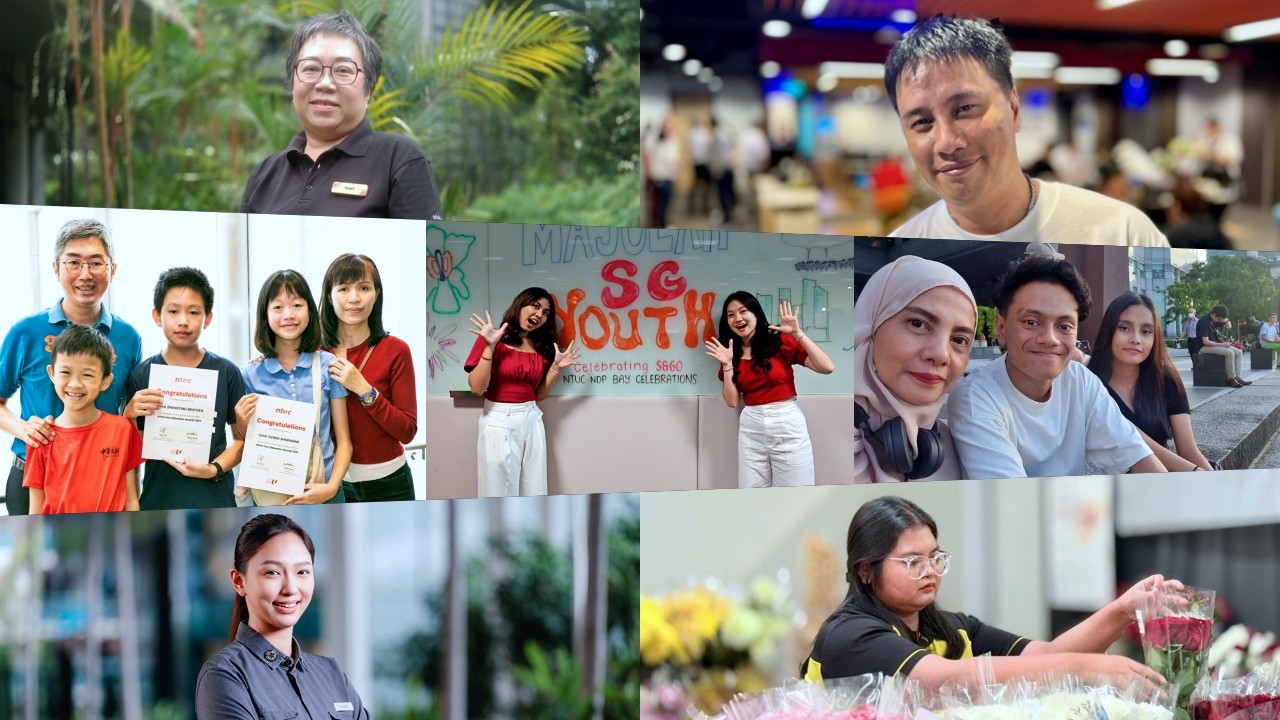
    When we look back at the various worker stories from NTUC, we might find it easy to dismiss them as just another headline—quickly skimmed and just as swiftly forgotten.

    Yet behind every headline are real people: workers finding their footing, families trying to catch a break, and young Singaporeans hoping to realise their dreams.


    Over the last 12 months, NTUC’s efforts have resulted in achievements such as structured training opportunities, wage increases through the Progressive Wage Model, and financial aid for students, all of which led to better outcomes for workers and their families.


    Opportunities like a worker discovering a clearer career path, a parent better supporting their child’s education, or a youth having the chance to step onto a national stage.


    These moments reflect the Labour Movement’s continued walk alongside workers and their families. From work to home and at every stage of life.


    Supporting families through the NTUC-U Care Fund

    Beyond workplace progression, NTUC’s commitment extended into the homes of many.

    Lower-wage workers and their families often face daily financial pressures, and the NTUC-U Care Fund was a vital lifeline for them throughout 2025.

    Through the NTUC Care (Education Awards) 2025, 534 students received a total of $170,400 in awards to help with their educational needs.

    For private hire driver Chua Sim Yee, the support meant more than just funds; it was a boost for his family’s peace of mind.


    Chua Sim Yee (top left) and his family.

    “The extra support from NTUC gives my family a lift-up, especially for our kids. And for me, it matters that my voice is heard,” he said.

    For others, support from the NTUC-U Care Fund came at a time when life felt especially overwhelming.

    Caregiver Zuridah Hassan, 56, found herself supporting four dependents on a single income while trying to stay afloat after a sudden job loss.


    Zuridah and Family 1.jpeg

    Zuridah Hassan (left) and her children.

    While the assistance she received from the NTUC-U Care Fund did not erase her struggles, it did help to ease them.

    “It’s not much, but it helps,” she shared.

    For families living paycheck to paycheck, that reassurance can make all the difference.


    Building stronger careers


    Through stronger representation

    The enactment of the Platform Workers Act in 2025 marked a significant step forward in strengthening protections for platform workers.

    Championed by NTUC, the move gave associations rights to represent workers’ interests just like unions, and allowed associations to work more closely with platform companies to improve workers’ livelihoods and welfare.

    With clearer protections and stronger representation in place, this shift quickly translated into action on the ground.

    One such example was the National Delivery Champions Association’s (NDCA) partnership with GoGoX to boost driver-partner well-being and skills.

    The collaboration introduced structured training and incentives, showing how unions and companies can work together to deliver better outcomes by helping workers upskill, feel supported and build confidence on the job.

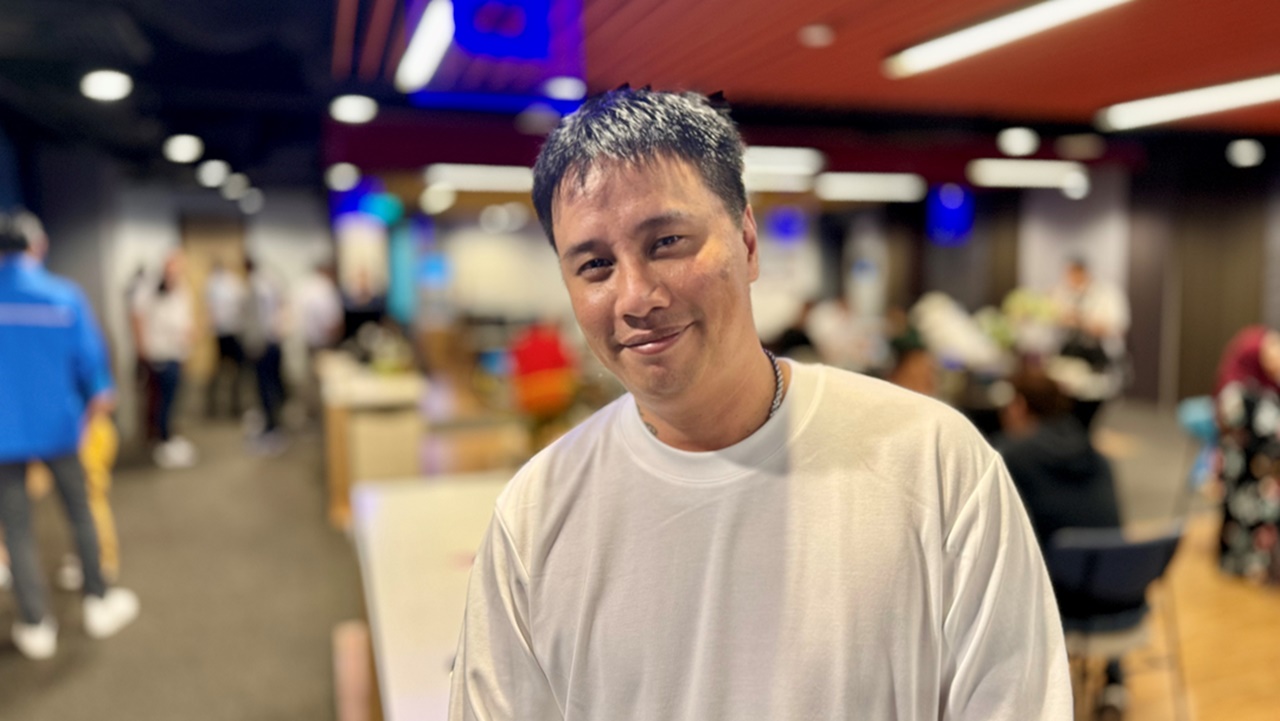
    For 44-year-old GoGoX driver-partner Jeremy Ooi, continuous upskilling has been key to making work more sustainable.


    jeremy_1280.jpg

    Jeremy Ooi.


    He said: “At the end of the day, the more skills you have, the more productive and more efficient you become, you work less but earn more.”


    The Progressive Wage Model

    Cassandra Neo’s career journey illustrates how the Progressive Wage Model (PWM) has helped reshape traditionally static jobs into more dynamic professions.


    Casandra_cover_1080.jpeg

    Cassandra Neo.

    She began her hospitality career in housekeeping. Shortly after, she progressed to leading a team as a Loss Prevention Supervisor at JW Marriott Hotel Singapore South Beach.

    This came after her company embraced the PWM, creating a structured career ladder for the hotel’s security team.

    “The PWM provides clarity on career progression and remuneration. It outlines the mandatory and elective modules required to advance, which motivates staff by showing the path to better recognition and positions,” Cassandra shared.

    In the retail sector, workers like found new confidence and stability through the PWM.


    Natasha_9_1280.jpeg

    Sharifah Natasha Mohd Onran.


    She shared how wage increases have allowed her to support her family while building savings for her future.

    “The wage increases help me feel more stable. Now I can help my family with groceries and save for my future,” she said.


    Helping seniors stay relevant


    NTUC also continued to work with employers in 2025 to create meaningful opportunities for older workers who want to remain active and employed.

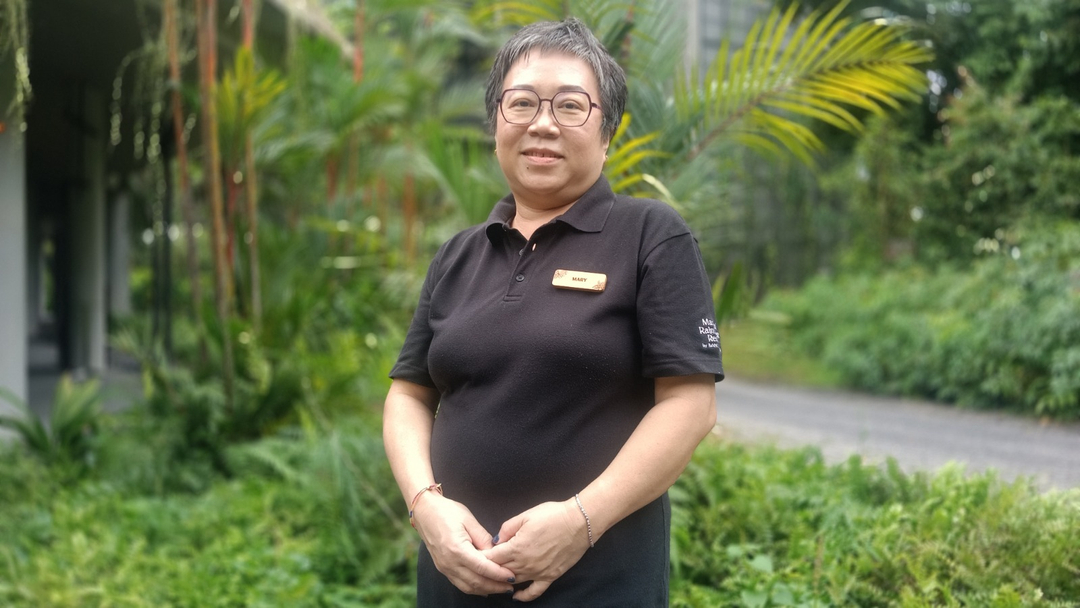
    One such example is Mary Ho, a senior worker at Mandai Rainforest Resort. Through agreements between the resort, NTUC’s e2i (Employment and Employability Institute) and the Food, Drinks and Allied Workers’ Union (FDAWU), senior workers like Mary were offered redesigned roles, training and flexible work arrangements.


    Mary Ho MRSS.jpg

    Mary Ho.


    NTUC’s e2i even helped her with her resume and interview skills to ensure she would secure a role she desired.

    “I was impressed by e2i’s speed and efficiency. They were involved in every step of my hiring process, from arranging the interview at the mass recruitment drive to interview preparation, and ensuring that I was placed in a role that was suitable for me,” Mary shared.

    The resort will also work with FDAWU to form a Company Training Committee (CTC) to transform its business and upskill its workforce.


    Empowering youth to shine


    NTUC’s work in 2025 was not just about helping workers stay afloat.

    It was also about helping young people step forward with confidence.

    Through NTUC Youth, young Singaporeans were given opportunities to explore their interests, build skills, and test themselves on bigger stages.

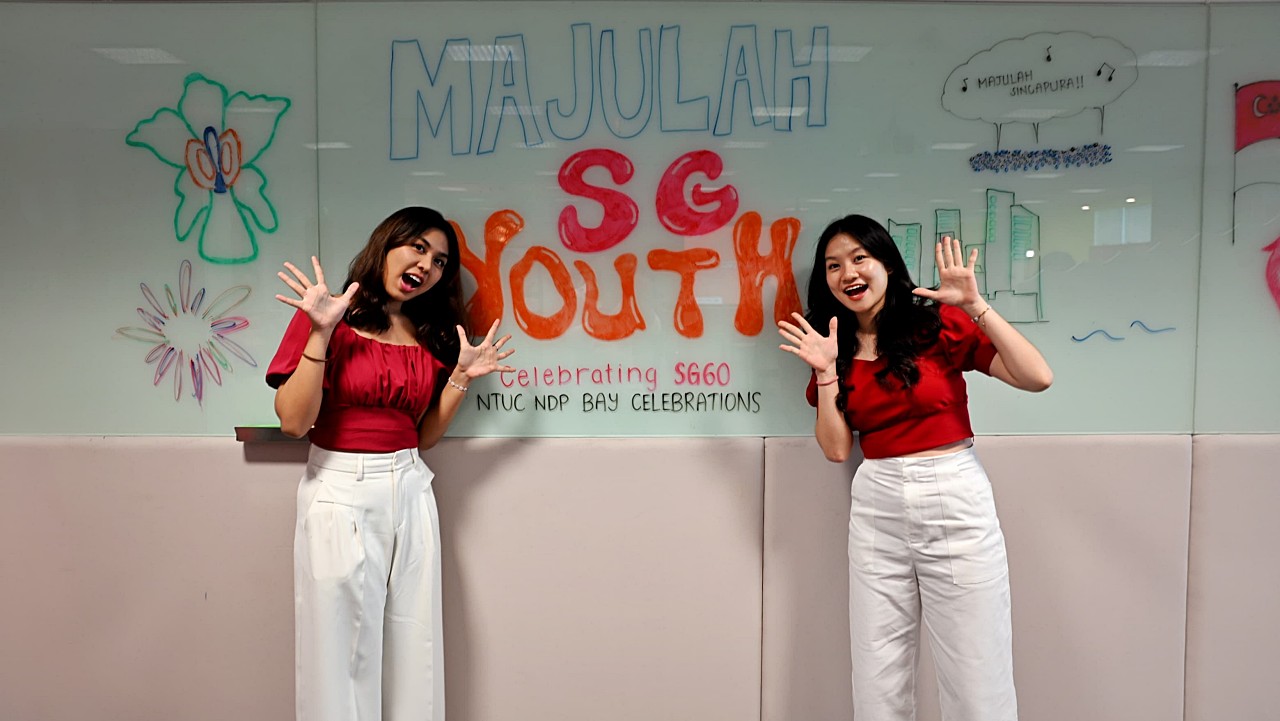
    For polytechnic students Cheyanne Immanuel Ng and Evelyn Carolyn Indriani, what began as hosting school events eventually led to something much bigger.


    Cheyanne and Evelyn at NTUC NDP Bay Celebrations Media Briefing.jpeg

    Evelyn Carolyn Indriani (left) and Cheyanne Immanuel Ng (right).


    With support and platforms provided through NTUC Youth, they found themselves hosting major events such as the NTUC NDP Bay Celebrations.

    “I think NTUC provides a lot of opportunities for youth to try things out and also encourages other youth. ‘For youth, by youth’ is what I always hear NTUC Youth say, and that is what sticks with me the most,” said Evelyn.


    Looking Ahead to 2026


    These stories highlight NTUC’s core mission on the ground: clear career paths, timely family support, and empowering youth to pursue their dreams.

    As 2026 approaches, NTUC remains committed to listening closely, adapting to workers’ needs, and finding new ways to uplift lives.


    Every headline is a real story. And each NTUC effort brings Singapore’s workers and families closer to lasting hope and opportunity.


    Not an NTUC member yet? Sign up for the NTUC membership and get better protection today!


    Continue Reading