According to the Local Democracy Reporting Service, plans included installing a new shower and heated lockers on the first floor to encourage staff to walk and cycle to work.
Existing changing rooms would also be upgraded, along with the staff canteen and servery areas.
Works are also planned to try and reduce the damage to the building’s fabric which could be caused by business operations.
Existing offices would be sound-proofed and a dedicated, separated meeting space would also be created, along with storage improvements.
A quiet space would be expanded and a universal toilet added, with existing and outdated male and female ones also updated.
Plans stated: “The building has stood under the stewardship of Bettys & Taylors for more than 80 years during which period it has been sensitively maintained and adapted to suit the operational needs of the business.
“The proposals are intended to secure the future of the building as Bettys home in York.”
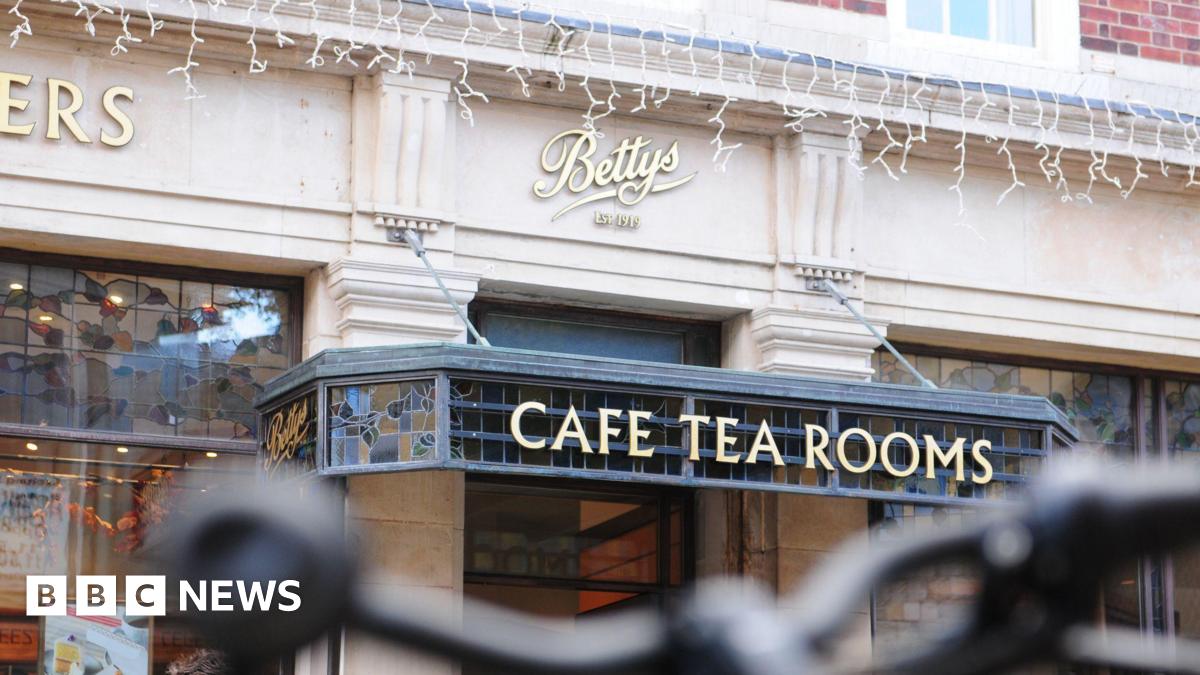
Plans have been submitted to refurbish the upper floors of Bettys tea rooms in York and install solar panels on the building’s roof.
An application from owners Bettys & Taylors Group proposes improvements to staff facilities including changing rooms, lockers and meeting spaces.
Solar panels and tiles which are designed to blend in with the St Helen’s Square building’s existing roof tiles would also be installed, if the plans were approved by City of York Council.
The application stated the changes would improve the working environment for staff while preserving the building’s historic value.
According to the Local Democracy Reporting Service, plans included installing a new shower and heated lockers on the first floor to encourage staff to walk and cycle to work.
Existing changing rooms would also be upgraded, along with the staff canteen and servery areas.
Works are also planned to try and reduce the damage to the building’s fabric which could be caused by business operations.
Existing offices would be sound-proofed and a dedicated, separated meeting space would also be created, along with storage improvements.
A quiet space would be expanded and a universal toilet added, with existing and outdated male and female ones also updated.
Plans stated: “The building has stood under the stewardship of Bettys & Taylors for more than 80 years during which period it has been sensitively maintained and adapted to suit the operational needs of the business.
“The proposals are intended to secure the future of the building as Bettys home in York.”
€25 million portfolio risk-sharing to unlock €50 million in MSME lending
Two loans of €3 million each, under the Go Digital and GEFF programmes, to drive digitalisation, energy efficiency and green technologies
Package supported by the EU through the WBIF and EFSD+
The European Bank for Reconstruction and Development (EBRD) is expanding its cooperation with Raiffeisen Bank Kosovo through a comprehensive €31 million financing package that will strengthen access to finance for micro, small and medium sized enterprises (MSMEs), accelerate digital transformation and foster green investment across Kosovo.
The package comprises an unfunded portfolio risk-sharing guarantee of up to €25 million, a €3 million loan under the Go Digital in the Western Balkans programme, and a €3 million loan under the EBRD Green Economy Financing Facility (GEFF).*
Under the expanded portfolio risk-sharing facility, the EBRD will provide an unfunded guarantee of up to €25 million, covering up to 50 per cent of a newly generated €50 million MSME loan portfolio originated by Raiffeisen Bank Kosovo. The arrangement includes European Union-backed first loss risk cover of up to €2 million under the EU’s European Fund for Sustainable Development Plus (EFSD+). By sharing risk on a pro rata basis, the programme unlocks new lending with Raiffeisen Bank Kosovo’s own funds to businesses across Kosovo. The funds will be used to finance sub-loans to eligible MSMEs, with at least 30 per cent directed to green investments aligned with the EBRD’s Green Economy Transition (GET) approach, and focusing on youth- and women-led enterprises, firms outside Prishtina, and the agribusiness and tourism sectors.
The EBRD will also extend €3 million under its Go Digital in the Western Balkans programme to help SMEs modernise through automation, digital tools and green technologies. At least 60 per cent of the financing will support digitalisation projects, and at least 60 per cent of the total investments will be GET-eligible. The EU will provide support through the Western Balkans Investment Framework (WBIF), including expert technical assistance and investment incentives for eligible automation and digitalisation projects of up to 10 per cent of the individual loan, payable upon verified completion of the project. The programme promotes inclusion, providing targeted training and support for women-led SMEs to strengthen their competitiveness and sustainability.
Under its GEFF facility, the EBRD will provide €3 million to expand GET-eligible, energy-efficiency and renewable-energy financing for MSMEs. The funds will help firms cut energy use and emissions by financing building upgrades (insulation, windows, heating and cooling systems), efficient equipment and processes, and small-scale renewable generation through solar panels. The package is supported by the EU, Japan, Denmark and other donors, with financing for technical assistance and investment incentives for eligible green projects, to be paid after the investments have been completed and verified.
Sergiy Maslichenko, EBRD Head of Kosovo, said: “Kosovo’s small businesses can benefit significantly from finance that rewards innovation and green investment. In partnership with Raiffeisen Bank Kosovo, this package expands lending capacity, shares risk and channels capital to projects that strengthen competitiveness and resilience, reaching underserved regions and women- and youth-led enterprises. With EU support through the WBIF, the project will accelerate Kosovo’s transition to a low-carbon, digitally enabled economy.”
Alessandro Bianciardi, Deputy Head of Cooperation at the European Union office in Kosovo, commented: “The Go Digital and GEFF initiatives demonstrate the European Union’s strong commitment to supporting sustainable growth, digital transformation, and competitiveness across the region. Through the support of the WBIF and EFSD+, this package will help businesses modernise, adopt greener technologies and unlock new opportunities for innovation, productivity and job creation.”
Anita Kovacic, CEO of Raiffeisen Bank Kosovo, said: “These agreements with the EBRD further strengthen our longstanding partnership and our shared commitment to supporting Kosovo’s economy. By combining risk sharing, digitalisation financing and green investments, this package enables us to expand access to finance for MSMEs across the country, particularly women- and youth-led enterprises.”
Raiffeisen Bank Kosovo is the largest commercial bank in the country and a longstanding EBRD partner, with a successful record of implementing EBRD projects since 2006. Headquartered in Pristina, it serves a wide range of clients, from private individuals and small firms to large corporates.
The EBRD is a leading institutional investor in the country, with a cumulative investment of €871 million in Kosovo through 139 projects to date.
* The EBRD GEFF in the Western Balkans is co-funded by the European Union through the Western Balkans Investment Framework, by Austria, Japan and Denmark, and by Austria and Switzerland through the High-Impact Partnership on Climate Action (HIPCA). The EBRD’s HIPCA is supported by Austria, Canada, Finland, Germany, the Netherlands, South Korea, Spain, Switzerland, the TaiwanICDF, the United Kingdom and the United States of America.
A prestigious national award has been presented to a hospital director for their significant contribution to healthcare finance.
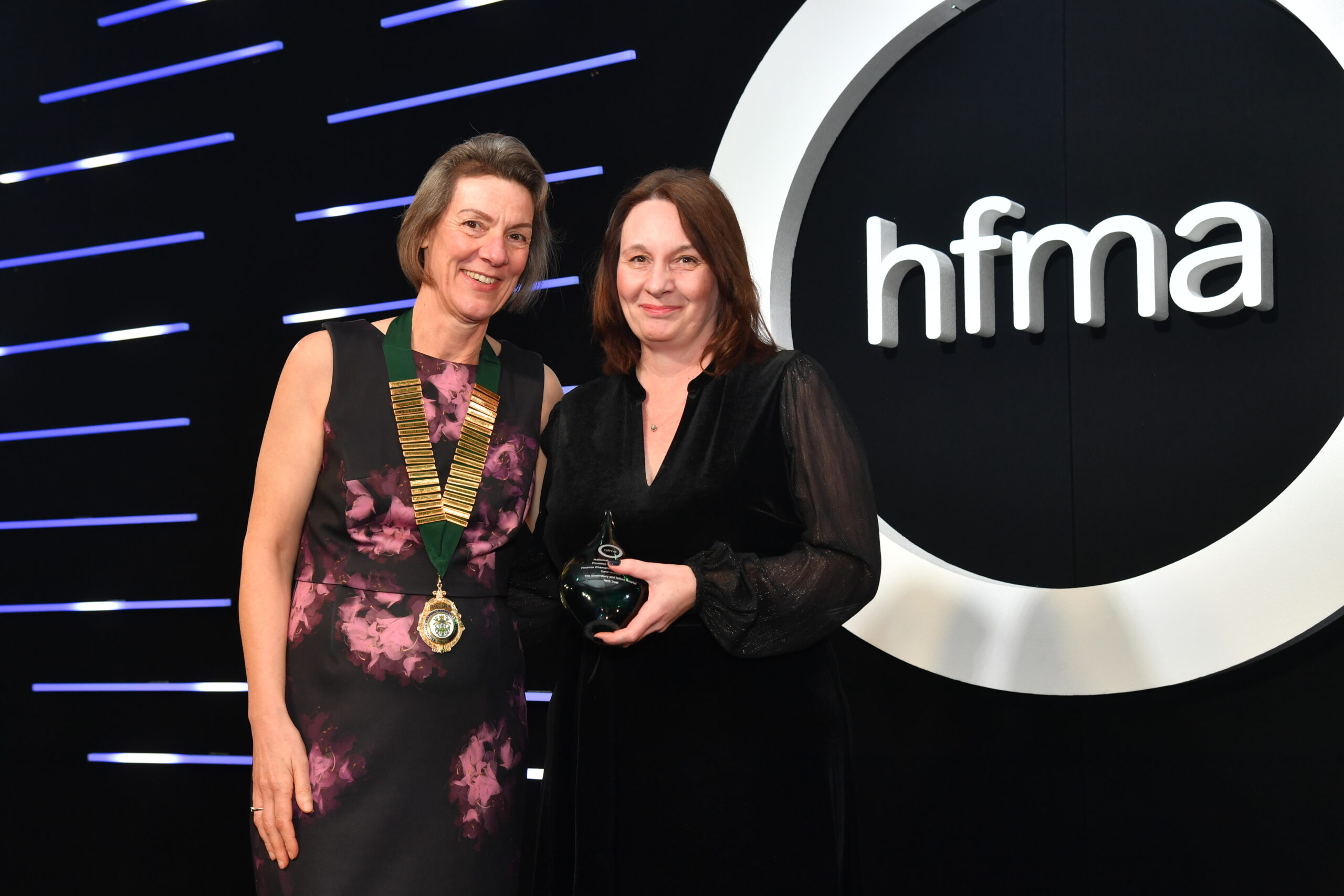
Carol McInnes, Director of Planning and Transformation at The Shrewsbury and Telford Hospital NHS Trust (SaTH) has been named ‘Finance Champion of the Year’ at the Healthcare Financial Management Association (HFMA) Awards.
The award recognises and celebrates someone who stands out for demonstrating exceptional dedication and initiatives within their organisation.
Carol has led the financial recovery work at the Trust, which runs the Royal Shrewsbury Hospital (RSH) and Princess Royal Hospital (PRH) in Telford, since November 2024 and has been instrumental in driving transformation and cost improvements.
She started her healthcare management career as a specialist nurse in 2009 and joined SaTH in 2016 as Director of Operations for Medicine and Emergency Care, before moving across to the Women and Children’s division in 2021.
In her current role as Director of Planning and Transformation, Carol works closely with colleagues across the Trust to identify and support projects which improve efficiency while maintaining patient safety and quality.
The judges praised Carol’s ‘skill and humility in engaging people in the critical work of recovery, transformation and cost improvement’.
They went on to say how she is a ‘role model who is driving momentum and growing optimism for the future’ and an ‘exceptional finance champion’.
In addition to Carol’s success, SaTH’s Deputy Chief Nurse, Kara Blackwell, was highly commended in the ‘Working with Finance – Clinician of the Year’ category.
Since establishing the Trust’s Financial Recovery Taskforce in 2024, Carol and the team have built strong relationships with system partners and have been asked to share their learning beyond SaTH and support other NHS providers.
Carol said: “This award is recognition for the whole team and all that it has achieved over the last few years. SaTH is heading in the right direction and it’s great to see this progress being showcased on a national stage.”
Adam Winstanley, Acting Director of Finance, said: “I’m delighted that Carol has been recognised with a national award for her hard work and dedication – it is a huge achievement which is thoroughly deserved.
“As a Trust we have a responsibility to achieve financial stability whilst delivering the best, safest care for our patients.
“Getting the balance right is challenging, but we are moving in the right direction and have made £24.9m of efficiency savings so far this year. We are currently on track to meet our target of £41.4m for 2025/26.
“I am really proud of colleagues like Carol, who are working hard behind the scenes to support teams and add value for our patients.”
Photo caption: Carol McInnes (right), Director of Planning and Transformation at SaTH, collecting her ‘Finance Champion of the Year’ award at the Healthcare Financial Management Association (HFMA) Awards.
2. Understanding inclusive income and wealth measures
Inclusive income and wealth measures provide a broader measure of the economic welfare of the UK population. They reflect the economic value of both paid activities, included in gross domestic product (GDP), and unpaid activities, which include ecosystem services and unpaid household services. These accounts also look at the assets that support these activities – produced capital, human capital and natural capital, rather than focusing primarily on market production. The result is measures of economic progress that include activities and assets beyond those currently included in GDP.
Because of data unavailability, this release will only be focused on inclusive income measures. Future editions of this release will include updates to our inclusive wealth measures.
Gross inclusive income (GII) per person is a broader measure of economic activity in the UK, which reflects the impact of a wider set of assets and their impact on production and hence consumption. It builds on the concept of GDP, with the following adjustments:
quality adjustment of public service output
inclusion of unpaid household services within the production boundary
inclusion of regulating and cultural ecosystem services, which currently include greenhouse gas regulation, air pollution regulation and urban heat regulation
expansion of the definition of intellectual property products, or intangible investment, to include products currently uncapitalised in the national accounts
These adjustments, alongside the additional components subtracted from GII to calculate net inclusive income (NII) are summarised in Figure 1.
Figure 1: GII per person was 64% higher than GDP per person in 2023 in current price terms
Inclusive income in £ per person, 2023 current prices
Notes:
Figure 1 shows the various components to our final net measure of inclusive income. Each horizontal bar represents a component’s contribution in monetary terms.
Quality adjusted public services are only applied in volume terms and therefore are reflected as £0 in monetary terms.
In 2023, GII per person was approximately £66,000 in current prices, while GDP per person was approximately £40,000 per person. This reflects the broader array of economic benefits captured by GII in contrast to GDP, such that GII is 64% higher than GDP.
Household production comprises the largest positive contribution to GII over and above GDP, highlighting the economic importance of unpaid work such as childcare, adult care and home transport. The magnitude of this is larger than the government sector and second only to market activity, highlighting the diverse models of delivery of goods and services used by consumers.
NII per person is a broad measure of sustainable income, recognising the depreciation of the full array of capitals contained in the framework. It builds on GII by:
subtracting the capital consumption, or depreciation, of fixed assets, including the depreciation of additional intangible capitals
subtracting the depreciation of household durables used in unpaid household production
subtracting the depreciation of human capital
subtracting the depletion of oil and gas
subtracting the value of depletion and degradation of the atmosphere from UK greenhouse gas emissions
adding income from abroad, minus transfers from abroad
NII was approximately £48,000 per person in current prices in 2023. NII was 27% lower than GII in 2023; in effect, this left 73% of economic production available for consumption without affecting the overall expected value of the UK’s stock of (inclusive) wealth. By accounting for the depreciation of the UK’s capital stocks and the value needed to replace these, NII captures the extent to which economic activity may come at the expense of the UK’s human, natural, or produced capital – or whether economic activity is adding to these sources of wealth over and above the rate at which we are depleting them.
Back to table of contents
3. Inclusive income summary
Annual net inclusive income (NII) growth per person in volume terms fell to negative 1.2% in 2023 from positive 4.9% in 2022. Gross inclusive income (GII) growth per person in volume terms declined by negative 0.1% in 2023, down from positive 3.1% in 2022.
In per person terms, in 2020, GII contracted by negative 6.7% and NII by negative 11.2% relative to 2019 in volume terms. While NII and GII continued to recover after the coronavirus (COVID-19) pandemic, they have not yet returned to their pre-coronavirus peak, contrasting to GDP per person, which returned to its pre-coronavirus peak in 2022. This reflects wider weaknesses in those elements of total production that sit outside the traditional economic estimates, particularly home-produced transport services, which remain lower than pre-pandemic levels.
Figure 2 shows trends in these data series since 2005, alongside GDP per person.
Figure 2: GII and NII per person have not yet returned to their pre-coronavirus peak, while GDP per person did in 2022
Per person measures of gross domestic product (GDP), gross inclusive income (GII) and net inclusive income (NII), chained volume measures, UK, 2005 to 2023
Source: Inclusive income and wealth accounts from the Office for National Statistics
Download this chart Figure 2: GII and NII per person have not yet returned to their pre-coronavirus peak, while GDP per person did in 2022
Image
.csv
.xls
All three series show general upward trends over the past 18 years, aside from the two major downturn events in 2008 (great financial crisis) and 2020 (coronavirus pandemic). While all three show similar behaviour around these events, it is worthwhile considering the relative differences and what drives these, reflecting the different ways they measure economic activity.
The sharpest divergence in the three measures can be seen in the 2020 pandemic period; while GDP and GII contracted, NII fell more sharply. This divergence can be explained by the different inclusions and exclusions in the three measures.
GDP mainly comprises market production, which fell significantly during the pandemic. GII includes unpaid household services and ecosystem services (childcare and transport contributing positively to GII as more people remained home and undertook more unpaid activities, which would have otherwise been contracted out). NII fell more sharply because it is a net measure reflecting ongoing capital consumption of the different capitals (produced, human and natural).
Recovery following the pandemic period has been strongest for GDP, while being moderate for GII and weakest for NII. GDP alone suggests a strong rebound from the pandemic, exceeding the pre-coronavirus peak by 2022. Inclusive income measures reveal a more complex picture where household production added a positive contribution to GII of 0.6 percentage points in 2023 and 0.4 percentage points in 2022 (mainly driven by increases in transport services and adult care) while ongoing capital consumption and natural capital depletion erodes net gains in NII terms.
Back to table of contents
4. Gross inclusive income per person
Gross inclusive income (GII) per person grew by 0.4% a year on average between 2005 and 2023, using a compound average growth rate. Figure 3 shows the contributions to this growth since 2005.
Figure 3: Both market and household production are important for understanding movements in GII per person since 2005
Contributions to cumulative growth in chained volume measure gross inclusive income (GII) per person relative to 2005, UK, 2005 to 2023
Source: Inclusive income and wealth accounts from the Office for National Statistics
Notes:
“GVA” stands for gross value added.
“Market (excluding ecosystem services) GVA” includes gross value added for the market sector, as defined in the national accounts and gross domestic product. This includes the value (in volume terms) of investment in intangible capitals not currently capitalised in the national accounts, like branding, design, organisational capital, firm-specific training, and financial product innovation. We then subtract the value of ecosystem services that contribute to market GVA, called provisioning services.
Ecosystem services include provisioning, regulating, and cultural services provided by natural capital.
“NPISH” stands for non-profit institutions serving households.
Download this chart Figure 3: Both market and household production are important for understanding movements in GII per person since 2005
Image
.csv
.xls
While ecosystem services have contributed negatively to GII over time, the size of the negative contributions from ecosystem services has been declining since 2005 reflecting environmental progress.
Back to table of contents
5. Net inclusive income per person
Net inclusive income (NII) per person grew by 0.2% per year on average between 2005 and 2023 using a compound average growth rate. Figure 4 shows contributions to NII growth since 2005.
Figure 4: Different trends among different kinds of capital have affected NII per person since 2005
Contributions to cumulative growth in chained volume measure net inclusive income (NII) per person relative to 2005, UK, 2005 to 2023
Source: Inclusive income and wealth accounts from the Office for National Statistics
Download this chart Figure 4: Different trends among different kinds of capital have affected NII per person since 2005
Image
.csv
.xls
Produced capital depreciation is the largest negative component to NII over time; this is because the stock of produced capital per person has increased over time resulting in more wear and tear.
Human capital depreciation has contributed negatively since 2005, with the proportion increasing over time, suggesting human capital is being eroded at a faster rate.
The positive contribution from natural capital depreciation compared with 2005 is caused by falling greenhouse gas emissions over the last 20 years. The negative impact on the atmosphere as an asset from greenhouse gas emissions has fallen over time, resulting in a positive impact on this measure of the UK’s sustainable economic activity. While still positive, the fall in total greenhouse gas emissions reflects the efforts to transform energy and industrial production, and therefore better reflects the value of these investments, which is currently omitted from the national accounts.
Back to table of contents
6. Household production following coronavirus recovery
Unpaid household services per person remain below their pre-coronavirus (COVID-19) levels (Figure 5). During the height of the coronavirus pandemic in 2020 to 2021, despite an increase in adult care, childcare and home cooking, unpaid household services fell on a per-person basis. This was largely because of a substantial negative contribution from transport services, which declined in line with lockdowns and travel restrictions. Despite transport services growing again in 2022 and 2023, they remain below their pre-downturn levels (which is one factor underlying the decrease in UK greenhouse gas emissions highlighted in the analysis of Figure 4).
Alongside childcare and nutritional service volumes falling from their pandemic peaks, such that they are now below their 2019 levels, together these trends have resulted in total unpaid household services per person remaining 3.2% below their 2019 volumes in 2023.
Figure 5: Transport services were the hardest hit during the 2020 to 2021 coronavirus period and have contributed largely to the fall in per head unpaid household services
Contributions to cumulative growth in per head chained volume measure unpaid household services relative to 2019, UK, 2019 to 2023
Source: Inclusive income and wealth accounts from the Office for National Statistics
Download this chart Figure 5: Transport services were the hardest hit during the 2020 to 2021 coronavirus period and have contributed largely to the fall in per head unpaid household services
Image
.csv
.xls
Back to table of contents
8. Glossary
Production boundary
Under the System of National Accounts 2008, the production boundary is defined as “activity carried out under the control and responsibility of an institutional unit that uses inputs of labour, capital, and goods and services to produce outputs of goods or services. There must be an institutional unit that assumes responsibility for the process of production and owns any resulting goods or knowledge-capturing products or is entitled to be paid, or otherwise compensated, for the change-effecting or margin services provided”.
Back to table of contents
9. Data sources and quality
Quality and methods information
More information on what the inclusive income and wealth statistics cover, how we produce them, and their quality and comparability is available in our Inclusive income and wealth, UK quality and methods guide.
Official statistics in development
These statistics are labelled as “official statistics in development”. Until September 2023, these were called “experimental statistics”. Read more about the change in the Guide to official statistics in development.
We are developing how we collect and produce the data to improve the quality of these statistics. Once the developments are complete, we will review the statistics with the Statistics Head of Profession. We will decide whether the statistics are of sufficient quality and value to be published as official statistics, or whether further development is needed. Production may be stopped if they are not of sufficient quality or value. Users will be informed of the outcome and any changes.
We value your feedback on these statistics. Contact us at inclusive.wealth@ons.gov.uk.
News release from Vestas Northen and Central Europe Hamburg, 23 December 2025
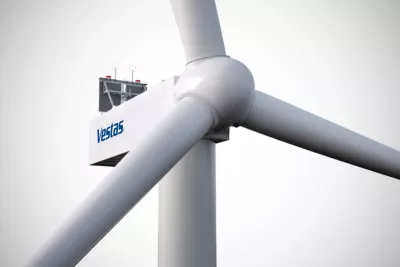
Vestas is proud to announce the following orders as part of our Q4 order intake:
Country
Region
Customer
Project name
MW
Turbine variant
Service agreement
Delivery & commissioning
Germany
EMEA
Windkraft Presen-Burgstaaken GmbH & Co. KG
Presen-Burgstaaken
43
7 x V162-6.2 MW
20-year AOM 5000 Service Agreement
Delivery planned to begin in Q1 2027; commissioning scheduled to begin in Q2 2027
Germany
EMEA
Projekt Projektierungsgesellschaft für regenerative Energiesysteme mbH
Oldenbroker Feld Niederort
49
6 x V162-7.2 MW,1 x V150-5.6 MW
20-year AOM 5000 Service Agreement
Delivery planned to begin in Q1 2027; commissioning scheduled to begin in Q2 2027
Germany
EMEA
iterra energy GmbH
Frielendorf-Waltersberg
48
8 x V150-6.0 MW
25-year AOM 4000 Service Agreement
Delivery planned to begin in Q2 2027; commissioning scheduled to begin in Q3 2027
Germany
EMEA
iterra energy GmbH
Frielendorf-Dorheim
24
4 x V150-6.0 MW
25-year AOM 4000 Service Agreement
Delivery and commissioning planned to begin in Q1 2027
Germany
EMEA
JUWI GmbH
Arneburg Sanne
38
5 x V162-6.2 MW,1 x V162-7.2 MW
25-year AOM 4000 Service Agreement
Delivery planned to begin in Q2 2027; commissioning scheduled to begin in Q3 2027
Germany
EMEA
JUWI GmbH
Reichenbach-Steegen
25
4 x V162-6.2 MW
20-year AOM 4000 Service Agreement
Delivery planned to begin in Q1 2027; commissioning scheduled to begin in Q2 2027
Germany
EMEA
Undisclosed
Günstedt 2
46
3 x V172-7.2 MW, 3 x V162-6.2 MW, 1 x V150-6.0 MW
20-year AOM 4000 Service Agreement
Delivery planned to begin in Q2 2027; commissioning scheduled to begin in Q4 2027
For more information, please contact: Yannick Kramm External Communications Specialist, Vestas Northern & Central Europe Mail: yankr@vestas.com Tel: +44 (0)77 9528 4694
About Vestas Vestas is the energy industry’s global partner on sustainable energy solutions. We design, manufacture, install, and service onshore and offshore wind turbines across the globe, and with more than 197 GW of wind turbines in 88 countries, we have installed more wind power than anyone else. Through our industry-leading smart data capabilities and unparalleled more than 159 GW of wind turbines under service, we use data to interpret, forecast, and exploit wind resources and deliver best-in-class wind power solutions. Together with our customers, Vestas’ more than 37,000 employees are bringing the world sustainable energy solutions to power a bright future.
For updated Vestas photographs and videos, please visit our media images page on: https://www.vestas.com/en/media/images.
We invite you to learn more about Vestas by visiting our website at www.vestas.com and following us on our social media channels:
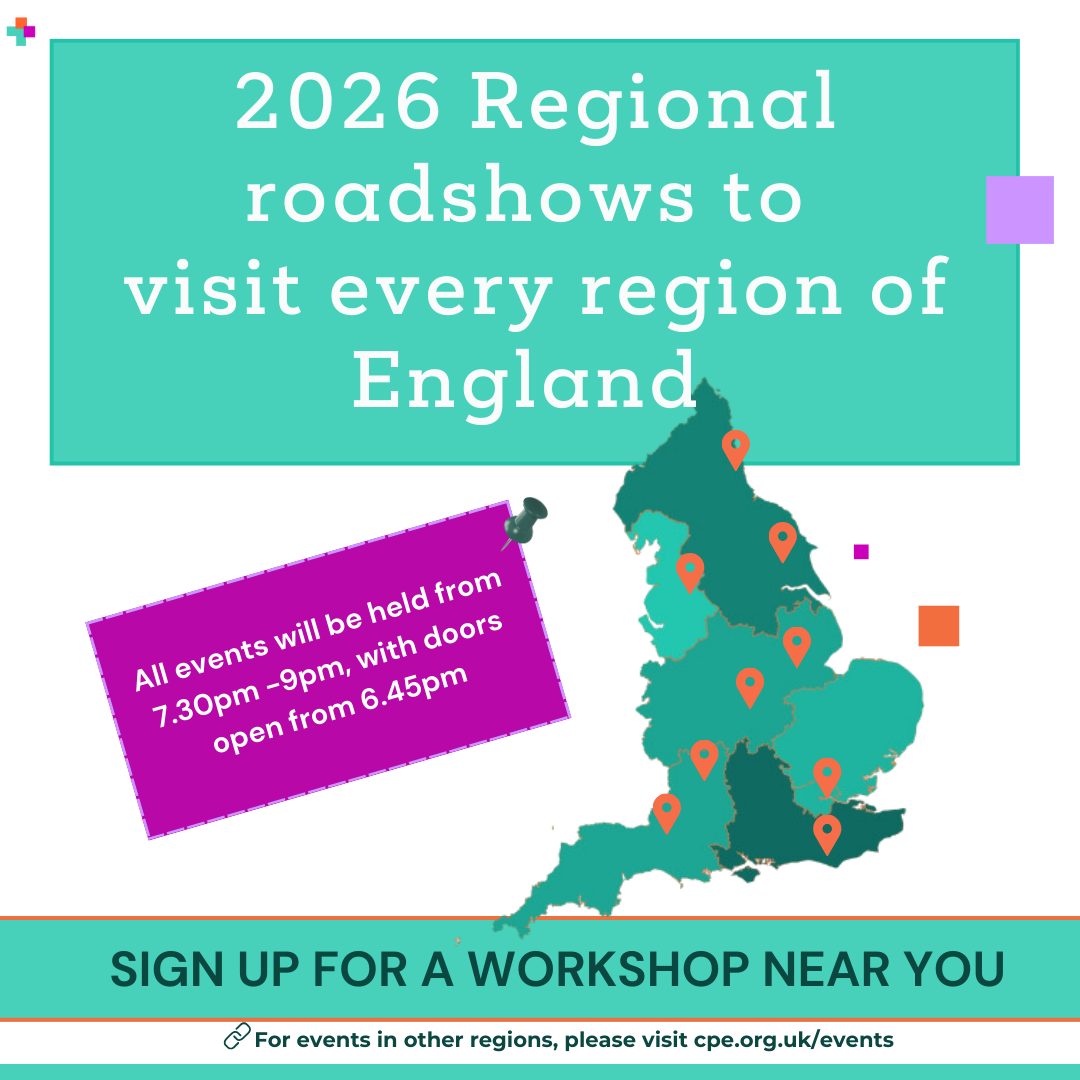
As part of our ongoing commitment to speak directly with pharmacy owners and LPCs, Community Pharmacy England will be holding a series of regional roadshow events across the country in 2026.
Taking place throughout June and early July, the events will see members of the Executive Leadership Team, as well as Committee Members, visiting every region to hear directly from pharmacy owners and LPCs who we hope will want to attend to share views, ask questions, and engage in discussion sessions.
These events are a chance to meet with peers and talk with us about the many issues that matter to you and your future. We’d like to hear directly from as many pharmacy owners or their representatives as possible, so that our work continues to truly reflect the priorities and challenges you face as pharmacy owners.
By next summer you will have the opportunity to hear more about the outcome of the CPCF negotiations for 2026/27, and importantly to feed directly into our priorities for the 2027/28 CPCF negotiations and beyond. There will be time to ask questions of the team and share your views and insights as part of polling and table discussions.
The face-to-face events for pharmacy owners and their representatives will be held during the evening, after the team has spent the afternoon having discussions with LPC Chairs and Chief Officers in the region.
Community Pharmacy England’s Regional Representatives, as the representatives of independent pharmacy owners in their region, and other Committee Members, will also be available at their local roadshow events.
Save the date
Please see below for a list of our regional roadshow events. All events will be held from 7.30pm -9pm, with doors open from 6.45pm when a hot buffet and light refreshments will be available.
Attendance is for pharmacy owners or their representatives only, with places made available on a first come first served basis. The events are funded by Community Pharmacy England and free to attend.
For those who may be unable to attend their region’s event, please contact us (comms.team@cpe.org.uk) if there is an alternative event you would like to attend, and we will be continuing to engage with pharmacy owners throughout the year via our regular polling and our attendance at numerous sector conferences, including the Pharmacy Show.
Your input is vital to shaping the future of community pharmacy. We look forward to seeing you at one of our regional events.
Regional events
Yorkshire and the Humber – Tuesday 2nd June 2026, York
North East – Wednesday 3rd June 2026, Durham
East of England – Tuesday 9th June 2026, Newmarket
East and North Midlands – Wednesday 10th June 2026, Nottingham
West Midlands – Tuesday 30th June 2026, Birmingham
The Sunday Magazine24:11Goodbye FOMO, hello ‘JOMO’: Alone doesn’t always mean lonely, says psychologist
It’s called the most wonderful time of the year, but everyone could use a break around the holidays.
“I’d like to get up on the rooftops and cry out, ‘It’s OK to ask for some me time,’” psychologist Robert Coplan told The Sunday Magazine host Piya Chattopadhyay.
Between office parties, family gatherings and plans with friends, there can be lots of socializing crammed into the final weeks of the calendar. But Coplan, a chancellor’s professor of psychology at Carleton University, says spending time in solitude can offer a chance to “catch our breath.”
While people tend to equate loneliness and solitude, Coplan, author of The Joy of Solitude: How to Reconnect with Yourself in an Overconnected World, says they’re distinct.
“Solitude is often construed as a punishment, but if we flip it around in our head and think of it more as a reward — even a gift — time to do things that we want to do…reframing positive thoughts improves our experiences,” he said.
Psychologist Robert Coplan says loneliness and solitude are not the same. (JEMMAN Photography)
In fact, University of Michigan researchers who analyzed hundreds of U.S. news stories published between 2020 and 2022, found that negative portrayals and discussions of being alone can contribute to the perception that solitude is harmful. The researchers found that negative beliefs about being alone increased participants’ feelings of loneliness.
Coplan acknowledges that loneliness can have negative impacts on our mental and physical health, particularly “when there’s a mismatch between how we would like our social lives to be and how they’re actually going.”
He likens loneliness to a bad feeling whereas solitude is a state that could allow for positive experiences for us.
‘We have to get out of this scarcity mentality’
People tend to prioritize others’ needs to the detriment of their own, but Toronto-based psychiatrist Marcia Sirota argues we should spend our time on things we find enriching.
“If you don’t take enough time to be alone and tune into who you are, how you feel and what you need, it’s impossible to pursue things that are going to really feed your true being,” she said.
That lack of alone time can evoke negative feelings, too, Coplan says.
Researchers coined the term “aloneliness” to describe those wanting more alone time or a dissatisfaction with one’s solitary life.
“They feel more stressed, tend to have more negative moods, they even suffer sometimes from symptoms of depression,” Coplan said.
He encourages people to choose solitude and embrace the joy of missing out, better known as JOMO.
Marcia Sirota is a psychiatrist, author and founder of the Ruthless Compassion Institute. She encourages clients to take time for themselves. (Ryan Faubert)
While it’s normal to feel guilt or disappointment about missing a social gathering or not seeing a loved one, Sirota says people who care about you will understand.
“True friends don’t want us to deplete ourselves to be there for them,” she said.
Sirota is the founder of the Ruthless Compassion Institute, a wellness podcast that promotes self-awareness and empowerment.
She asks clients to consider what they’re really losing when they make choices to take time for themselves.
“A lot of the time, what we think we’re losing isn’t real. It’s not the end of the world,” she said.
Sirota likes to remind people that life isn’t a competition; there isn’t a finite amount of cool or fun things in the world and missing them won’t hurt.
“There’s so much goodness that we can have and we can create for ourselves, we can pursue. So, we have to get out of this scarcity mentality,” she said.
She encourages people to spend time alone and examine their feelings to help them find something meaningful to replace unfulfilling socializing.
Finding your core values
Similarly, Christina Crook sees solitude as a way to manage our biggest asset: time.
Crook is the author of The Joy of Missing Out: Finding Balance in a Wired World and the founder of the digital wellness education platform JOMO Campus.
She says when we intentionally miss out on things, we leave space for what matters most.
“Even thinking about our core values for 10 minutes a day empowers us to say no to the things that are not aligned with our values,” said Crook, who is based in Toronto.
Christina Crook says people can spend more time doing what matters most to them by focusing on their core values. (Submitted by Christina Crook)
Crook suggests doing an exercise created by Harvard University psychologist Susan David.
Ask yourself a series of questions like: What do I value? Or, who and what is dear to me?
Then, she adds, sort those values into two categories — most and least important — using a process of elimination until you’re left with three values.
“It actually helps us to come into alignment and say, ‘Why am I even wanting for those things? Or why am I even feeling bad about not going to that thing because it’s not even something that I value,’” Crook said.
She says the exercise could be a good New Year’s resolution activity to discover more joy.
“If we have awareness about what’s life-giving, we’re not going to intentionally keep choosing the life-taking things. We’re going to start to notice and choose to do more of what’s life-giving,” she said.
For Crook, the most fulfilling activity was playing catch with her son.
“It was such a minor time commitment but it was hands down the thing that brought me most joy every single time.”
The project company Videberg Kraft, that will build and operate nuclear reactors, is applying for state aid for an investment in new nuclear power on the Värö Peninsula on the West coast of Sweden. The application has been submitted to the Swedish Government. Industrikraft has entered into an agreement with Vattenfall to acquire a 20 percent stake in Videberg Kraft.
On Tuesday, 23 December, Videberg Kraft’s CEO Desirée Comstedt submitted an application for financing and risk-sharing to the Swedish Government. This marks the next step towards new nuclear power on the Värö Peninsula.
The application is written in accordance with the framework for financing and risk sharing that is set out by the Government Bill on Financing and Risk Sharing in New Nuclear Power – a bill that was adopted by the Swedish Parliament (the Riksdag) in May 2025. The model encompasses provisions for state aid to companies seeking to invest in nuclear reactors.
As previously announced, nine companies within the consortium Industrikraft have entered into an agreement with Vattenfall to formally acquire a 20 per cent stake in Videberg Kraft. The aim is to complete the transaction in January 2026, provided that the Swedish Inspectorate for Strategic Products approve the acquisition.
As stated in the conditions in the financing and risk sharing framework, the sole focus for Videberg Kraft will be to develop and own the reactors on the Värö Peninsula.
Negotiations regarding the conditions that will apply to the project will begin once the Swedish Government Offices have processed the application. When an agreement between the state and Videberg Kraft has been reached, the government may initiate the formal state aid process with the European Commission. The Commission recently approved the Polish application for financing of the construction and operation of Poland’s first commercial nuclear power plant, declaring it compatible with EU state aid rules.
“We are pleased that Videberg Kraft is now taking a significant step towards enabling an investment in new nuclear power by submitting an application for state aid. Governmental risk-sharing will be pivotal for the project,” says Desirée Comstedt, VP of New Nuclear at Vattenfall and CEO of Videberg Kraft.
Videberg Kraft is planning a project with either five BWRX-300 reactors from GE Vernova Hitachi or three reactors from Rolls-Royce SMR, which will provide a total output of approximately 1,500 MW. There is currently an intensive evaluation process of the two remaining suppliers, and a decision on the final supplier is planned for 2026.
For further information, please contact: Vattenfall’s Press Office, 08-739 50 10, press@vattenfall.com