
“Amazon has stepped up when disasters strike since 2017, contributing more than 26 million in emergency supplies and technology in response to more than 200 disasters around the world. This time, a disaster is impacting communities in our home state of Washington, and we’re committed to being the best employer and neighbor that we can be and mobilizing our strengths in volunteering, logistics, and speed to support our teammates and neighbors,” said Amazon’s Head of Community Impact Bettina Stix.
Category: 3. Business
-
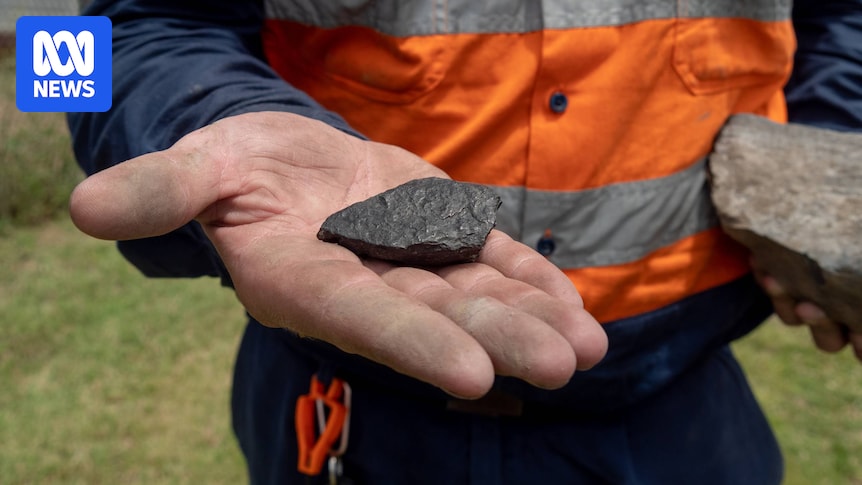
Government-formed agency recommends against NSW coal industry expansion
Coal mining extensions and expansions will continue, the New South Wales premier says, despite a government-appointed agency finding further approvals would be inconsistent with emissions targets.
The Net Zero Commission was set up in 2023 to advise the state government on progress towards its legislated goals, including a 50 per cent reduction by 2030 and net-zero emissions by 2050.
In a report released on Friday, the agency found extensions or expansions to coal mining in the state were neither consistent with those targets nor the Paris Agreement to limit global warming.
The Net Zero Commission report found expansions to coal mining were inconsistent with NSW’s emissions goals. (ABC News: Michael Barnett)
But Premier Chris Minns on Saturday said it would be “irresponsible” to stop project approvals with immediate effect.
“We’re not going to make that ruling, and I’m not going to make that promise,” he said.
“I’ve said from the very beginning … mining, particularly in the Hunter [region], is still important for the New South Wales economy, it’s our single biggest export.
Chris MInns says it would be “irresponsible” to stop coal mining project approvals in NSW. (ABC News)
“Yes, our trading partners are getting out of it. Yes the people that buy that coal will buy less of it in the years ahead.
“At the same time as we are running a million miles an hour to bring on renewable energy in New South Wales, we are trying to manage this transition in the economy as best as we can, and that’s just not consistent with shutting it down overnight.”
Industry critical of report
The NSW Minerals Council, which represents the state’s coal mining industry, said the commission’s report was a “flawed and superficial analysis” that risked thousands of mining jobs.
NSW has 37 operating coal mines, according to the Net Zero Commission report, with 17 expansion or extension projects in the planning pipeline, which the agency warned would significantly increase emissions if approved.
The commission found the existing process for determining the approval of mine extensions failed to robustly address emissions implications.
BHP’s Mt Arthur site is one of 37 operating coal mines in NSW. (ABC Upper Hunter: Jake Lapham)
It recommended consent authorities be required to consider the impact of indirect emissions, called “scope 3” emissions, which are beyond the company’s control.
The report found the vast majority of emissions associated with NSW coal mines were generated overseas as 87 per cent of the state’s coal was exported.
NSW Minerals Council CEO Stephen Galilee said the state’s coal mining industry had cut emissions faster than any other sector.
Stephen Galilee says coal mining contributes about 12 per cent of the state’s total emissions. (Supplied)
“Coal mining contributes around 12 per cent of the state’s total emissions,” Mr Galilee said in a statement.
“That means around 88 per cent of New South Wales emissions are generated by sectors other than coal mining.
“If the Net Zero Commission was truly ‘independent’ it would focus on emissions across the wider economy.”
‘Very serious moment’
Nic Clyde from activist group Lock the Gate said the report was believed to be the first instance of a government agency in Australia calling for an end to the expansion of coal mining.
“It’s a very serious moment. It’s a real rock in the pond for climate politics in NSW,” Mr Clyde said.
“It really does require an urgent response from the government.”
Continue Reading
-

News Releases from Department of Health
DOH ALERTS PUBLIC ABOUT MEDINATURA NEW MEXICO’S REBOOST NASAL SPRAY DUE TO POTENTIAL YEAST/MOLD AND MICROBIAL CONTAMINATION
Posted on Dec 12, 2025 in Newsroom
HONOLULU — The Hawai‘i Department of Health (DOH) Food and Drug Branch (FDB) is alerting residents to a recall issued by MediNatura New Mexico, Inc. for its ReBoost Nasal Spray. The recall was issued because of potential yeast/mold and microbial contamination, with one species identified as Achromobacter, at levels above specifications.
The recalled product was distributed nationwide, including retailers like Foodland in Hawai‘i, as well as direct-to-consumer via internet sales (medinatura.com). FDB is working with the local stores to ensure that the recalled product is no longer available for sale. The recalled product information is as follows:
Product NDC UPC Lot Expiration ReBoost Nasal Spray 20 mL 62795-4005-9 7 87647 10186 3 224268 12/2027 Microbial contamination in nasal spray may lead to adverse health consequences, including life-threatening effects in immunocompromised individuals who use the product. Symptoms may include fever, swollen sinuses, headaches, face pain or pressure and facial numbness. Consumers should contact their physician or healthcare provider if they have experienced any problems that may be related to taking or using this product. To date, there have been no reports of adverse events related to this recall.
The FDB advises consumers to verify that they possess the recalled product and stop using it immediately. Customers who purchased the product directly from MediNatura New Mexico, Inc. may request a refund by emailing [email protected]. Consumers who purchased it at a local store may return it to the place of purchase.
Consumers with questions regarding this recall may contact MediNatura New Mexico, Inc. at 800-621-7644 Monday through Friday from 5 a.m. to 2 p.m. HST, or by email at [email protected].
Representative images of the recalled product are displayed below:
# # #
Continue Reading
-
Development and validation of a predictive model for cervical insufficiency incorporating AMH and androstenedione
Guo, Y. Wang Yong-qing. Confusion in diagnosis and treatment of cervical insufficiency[J]. Int. Reprod. Health/Fam Plan. 37 (05), 417–421 (2018).
DaCosta, V. et al. Laparoscopic cervicoisthmic cerclage for the treatment of cervical incompetence: case reports. West. Indian Med. J. 60 (5), 590–593 (2011).
Brown, R., Gagnon, R. & Delisle, M. F. 373-Cervical insufficiency and cervical cerclage. J. Obstet. Gynaecol. Can. 41 (2), 233–247 (2019).
Goldenberg, R. L., Culhane, J. F., Iams, J. D. & Romero, R. Epidemiology and causes of preterm birth. Lancet 371 (9606), 75–84 (2008).
Roman, A., Suhag, A. & Berghella, V. Overview of cervical insufficiency: diagnosis, etiologies, and risk factors. Clin. Obstet. Gynecol. 59, 23–40 (2016).
Han, Y., Li, M., Ma, H. & Yang, H. Cervical insufficiency: a noteworthy disease with controversies. J. Perinat. Med. 48 (7), 648–655 (2020).
Gascón, A. et al. Cervical cerclage vs cervical Pessary in women with cervical insufficiency: A multicentric, open-label, randomised, controlled pilot trial [the CEPEIC trial]. Eur. J. Obstet. Gynecol. Reprod. Biol. X. 24, 100347 (2024).
Zhu, L. Q. et al. Effects of emergency cervical cerclage on pregnancy outcome: a retrospective study of 158 cases. Med. Sci. Monit. 21, 1395–1401 (2015).
Chen, Q., Chen, G. & Li, N. Clinical effect of emergency cervical cerclage and elective cervical cerclage on pregnancy outcome in the cervical-incompetent pregnant women. Arch. Gynecol. Obstet. 297 (2), 401–407 (2018).
Wang, Y., Gu, X., Tao, L. & Zhao, Y. Co-morbidity of cervical incompetence with polycystic ovarian syndrome (PCOS) negatively impacts prognosis: A retrospective analysis of 178 patients. BMC Pregnancy Childbirth. 16 (1), 308 (2016).
Feigenbaum, S. L. et al. Prevalence of cervical insufficiency in polycystic ovarian syndrome. Hum. Reprod. 27 (9), 2837–2842 (2012).
Meng, L., Öberg, S., Sandström, A., Wang, C. & Reilly, M. Identification of risk factors for incident cervical insufficiency in nulliparous and Parous women: a population-based case-control study. BMC Med. 20 (1), 348 (2022).
Anum, E. A., Hill, L. D., Pandya, A. & Strauss, J. F. 3rd Connective tissue and related disorders and preterm birth: clues to genes contributing to prematurity. Placenta 30 (3), 207–215 (2009).
Spiegel, E., Nicholls-Dempsey, L., Czuzoj-Shulman, N. & Abenhaim, H. A. Pregnancy outcomes in women with Ehlers-Danlos syndrome. J. Matern Fetal Neonatal Med. 35 (9), 1683–1689 (2022).
Richard, D. et al. Calculating the sample size required for developing a clinical prediction model. BMJ 368, m441 (2020).
Meng, L., Öberg, S., Sandström, A. & Reilly, M. Association between infertility and cervical insufficiency in nulliparous women- the contribution of fertility treatment. Am. J. Obstet. Gynecol. 28, S0002-9378(24)01107-4.
Wu, Y. et al. Development and validation of a model for individualized prediction of cervical insufficiency risks in patients undergoing IVF/ICSI treatment. Reprod. Biol. Endocrinol. 19 (1), 6 (2021).
Sun, X. et al. Independent value of PMOI on hCG day in predicting pregnancy outcomes in IVF/ICSI cycles. Front. Endocrinol. (Lausanne). 14, 1086998 (2023).
Liu, B. et al. Association between maternal pre-pregnancy obesity and preterm birth according to maternal age and race or ethnicity: a population-based study. Lancet Diabetes Endocrinol. 7 (9), 707–714 (2019).
Shetelig Løvvik, T., Stridsklev, S., Carlsen, S. M., Salvesen, Ø. & Vanky, E. Cervical length and androgens in pregnant women with polycystic ovary syndrome: has Metformin any effect? J. Clin. Endocrinol. Metab. 101 (6), 2325–2331 (2016).
Makieva, S., Saunders, P. T. & Norman, J. E. Androgens in pregnancy: roles in parturition[J]. Hum. Reprod. Update. 20 (4), 542–559 (2014).
Sundtoft, I., Langhoff-Roos, J., Sandager, P., Sommer, S. & Uldbjerg, N. Cervical collagen is reduced in non-pregnant women with a history of cervical insufficiency and a short cervix. Acta Obstet. Gynecol. Scand. 96 (8), 984–990 (2017).
Timmons, B., Akins, M. & Mahendroo, M. Cervical remodeling during pregnancy and parturition. Trends Endocrinol. Metab. 21 (6), 353–361 (2010).
Biffignandi, P., Massucchetti, C. & Molinatti, G. M. Female hirsutism: pathophysiological considerations and therapeutic implications. Endocr. Rev. 5 (4), 498–513 (1984).
Wu Jing, L. & Ruojia, C. Significance of different androgen indexes in the diagnosis of hyperandrogenemia in polycystic ovary syndrome. Zhejiang Med. J. 43 (5), 537–539 (2021).
Pankhurst, M. W. A putative role for anti-Mullerian hormone (AMH) in optimising ovarian reserve expenditure. J. Endocrinol. 233 (1), R1–R13 (2017).
Sun, X. et al. Comparison of the predictive capability of antral follicle count vs. the anti-Müllerian hormone for ovarian response in infertile women. Front. Endocrinol. (Lausanne). 13, 862733 (2022).
Sun, X. Y. et al. Relationship between Anti-Müllerian hormone and in vitro Fertilization-Embryo transfer in clinical pregnancy. Front. Endocrinol. (Lausanne). 11, 595448 (2020).
Hu, K. L., Liu, F. T., Xu, H., Li, R. & Qiao, J. High antimüllerian hormone levels are associated with preterm delivery in patients with polycystic ovary syndrome. Fertil. Steril. 113 (2), 444–452e1 (2020).
Hsu, J. Y. et al. Mullerian-Inhibiting Substance/Anti-Mullerian hormone as a predictor of preterm birth in polycystic ovary syndrome. J. Clin. Endocrinol. Metab. 103 (11), 4187–4196 (2018).
Kaing, A. et al. Highly elevated level of antimüllerian hormone associated with preterm delivery in polycystic ovary syndrome patients who underwent ovulation induction. Fertil. Steril. 115 (2), 438–446 (2021).
Kang, J. Molecular Mechaisms of Mouse Mullerian Duct development[D] (Beijing, Beijing Xiehe Medical College Hospital, Chinese Academy of Medical Sciences,, 2020).
Song, J. Y. et al. Expression of Müllerian inhibiting substance type II receptor and antiproliferative effects of MIS on human cervical cancer. Int. J. Oncol. 40 (6), 2013–2021 (2012).
Wei, Y. et al. Preconception diabetes mellitus and adverse pregnancy outcomes in over 6.4 million women: A population-based cohort study in China. PLoS Med. 16 (10), e1002926 (2019).
Michalik, L. & Wahli, W. Involvement of PPAR nuclear receptors in tissue injury and wound repair. J. Clin. Invest. 116 (3), 598–606 (2006).
Werner, S. & Grose, R. Regulation of wound healing by growth factors and cytokines. Physiol. Rev. 83 (3), 835–870 (2003).
Khamaisi, M. et al. PKCδ Inhibition normalizes the wound-healing capacity of diabetic human fibroblasts. J. Clin. Invest. 126 (3), 837–853 (2016).
Li, R. et al. Prevalence of polycystic ovary syndrome in women in china: A large Community-Based study. Hum. Reprod. 28 (9), 2562–2569 (2013).
Hawkins, L. K., Correia, K. F., Srouji, S. S., Hornstein, M. D. & Missmer, S. A. Uterine length and fertility outcomes: a cohort study in the IVF population. Hum. Reprod. 28 (11), 3000–3006 (2013).
Gökçe, A. et al. The association between operative hysteroscopy prior to assisted reproductive technology and cervical insufficiency in second trimester. Arch. Gynecol. Obstet. 303 (5), 1347–1352 (2021).
Shi, Y. et al. Transfer of fresh versus frozen embryos in ovulatory women. N Engl. J. Med. 378 (2), 126–136 (2018).
Liu, Y., Li, R. & Wang, Y. Clinical outcomes and placental pathological characteristics after fresh embryo transfer and frozen-thawed embryo transfer with different endometrial Preparation protocols. Placenta 131, 65–70 (2023).
Continue Reading
-
U.S. FDA approves AKEEGA® as the first precision therapy for BRCA2-mutated metastatic castration-sensitive prostate cancer with 54% reduction in disease progression vs standard of care*
HORSHAM, PA, December 12, 2025/PRNewswire/ – Johnson & Johnson (NYSE:JNJ) announced today the U.S. Food and Drug Administration (FDA) approved the supplemental New Drug Application (sNDA) for AKEEGA® (niraparib and abiraterone acetate dual-action tablet) plus prednisone for the treatment of patients with BRCA2-mutated metastatic castration-sensitive prostate cancer (mCSPC).1 Patients with BRCA mutations often have more aggressive forms of prostate cancer leading to poor prognosis, representing a significant unmet need not addressed by previously available therapies.2
“There remains an urgent need for novel therapies for patients with BRCA2-mutated mCSPC, who face significantly faster disease progression and often shorter survival compared to those without the mutation,” said Bradley McGregor, M.D., Director of Clinical Research for the Lank Center of Genitourinary Oncology at Dana-Farber Cancer Institute. “AMPLITUDE is the first study to show that this precision medicine combination of a PARP inhibitor with an androgen receptor pathway inhibitor delays both radiographic and symptomatic disease progression.”
The approval is based on positive results from AMPLITUDE (NCT04497844), a randomized, double-blind, placebo-controlled, international Phase 3 clinical study. In patients with BRCA2-mutated mCSPC, treatment with AKEEGA® plus prednisone and androgen deprivation therapy (ADT) significantly reduced the risk of radiographic progression or death by 54 percent (hazard ratio [HR] 0.46; 95 percent confidence interval [CI], 0.32–0.66) compared to placebo/abiraterone acetate plus prednisone and ADT, which is the current standard of care.1 AKEEGA® plus prednisone and ADT also significantly prolonged the time to symptomatic progression by 59 percent (HR 0.41; 95 percent CI, 0.29–0.65).1
The observed safety profile of the combination of AKEEGA® plus prednisone was consistent with the known safety profile of each FDA-approved monotherapy. In the AMPLITUDE clinical study, the most common adverse reactions (≥20%) including laboratory abnormalities, were decreased hemoglobin, decreased lymphocytes, musculoskeletal pain, fatigue, decreased platelets, increased alkaline phosphatase, constipation, hypertension, nausea, decreased neutrophils, increased creatinine, increased potassium, decreased potassium, decreased aspartate aminotransferase, fluid retention/edema, increased bilirubin, respiratory tract infection and arrhythmia.1
“This expanded indication for AKEEGA reflects our commitment to push the boundaries of science and deliver more personalized, effective treatment options across the prostate cancer continuum,” said Mahadi Baig, M.D., M.H.C.M., Vice President, Head of Solid Tumors, U.S. Medical Affairs, Johnson & Johnson Innovative Medicine. “Supported by strong clinical data, AKEEGA is now the first and only PARP-based precision medicine combination treatment in BRCA2-mutated mCSPC, offering patients hope for more time with a new way to potentially delay their cancer from progressing.”
Johnson & Johnson is committed to helping patients access our treatments. Once a patient and their doctor have decided that AKEEGA® is right for the patient, J&J withMe provides a simple, comprehensive patient support program offering cost support and educational resources, at no cost to the patient.
*The hazard ratio [HR] 0.46; 95 percent confidence interval [CI], 0.32–0.66) compared to standard of care, AKEEGA® plus prednisone and ADT also significantly prolonged the time to symptomatic progression by 59 percent (HR 0.41; 95 percent CI, 0.29–0.65).1
About AMPLITUDE
AMPLITUDE (NCT04497844) is an ongoing, Phase 3, randomized, double-blind, placebo-controlled, multicenter, global study evaluating the efficacy and safety of niraparib and abiraterone acetate in a dual-action tablet (DAT) formulation with prednisone plus androgen deprivation therapy (ADT) compared to matching oral placebo/abiraterone acetate with prednisone plus ADT in patients with deleterious germline or somatic homologous recombination repair (HRR) gene-altered metastatic castration-sensitive prostate cancer (mCSPC). The primary endpoint is radiographic progression-free survival (rPFS). The study enrolled 696 participants from 32 countries.About Metastatic Castration-Sensitive Prostate Cancer
Metastatic castration-sensitive prostate cancer (mCSPC), also known as metastatic hormone-sensitive prostate cancer (mHSPC), refers to prostate cancer that has spread to other parts of the body but still responds to hormone therapy (androgen deprivation therapy).3 While the treatment landscape has advanced in recent years, almost all patients eventually develop resistance to therapy, and the disease progresses to metastatic castration-resistant prostate cancer (mCRPC) – an aggressive and currently incurable disease stage.4 Approximately 25 percent of patients with mCSPC have HRR gene alterations, including BRCA, which have been shown to negatively impact outcomes.2,5 Patients with BRCA mutations experience approximately 50 percent faster disease progression and shorter survival, representing a significant unmet medical need not addressed by previously available therapies.2About AKEEGA® (niraparib and abiraterone acetate)
AKEEGA® is a dual-action tablet (DAT), combining niraparib, a highly selective poly (ADP-ribose) polymerase (PARP) inhibitor, and abiraterone acetate, a CYP17 inhibitor. AKEEGA® together with prednisone or prednisolone was approved in April 2023 by the European Medicines Agency, and in August 2023 by the U.S. FDA following Priority Review, for the treatment of patients with BRCA-mutated metastatic castration-resistant prostate cancer (mCRPC). AKEEGA® plus prednisone was approved by the U.S. FDA in December 2025 under Priority Review for the treatment of patients with BRCA2-mutated metastatic castration-sensitive prostate cancer (mCSPC). Patients are selected for therapy based on an FDA-approved test for genetic alterations. Additional marketing authorization applications are under review across a number of countries globally.In April 2016, Janssen Biotech, Inc. entered a worldwide (except Japan) collaboration and license agreement with TESARO, Inc. (acquired by GlaxoSmithKline [GSK] in 2019) for exclusive rights to niraparib in prostate cancer.
For more information visit www.akeegahcp.com.
AKEEGA® INDICATIONS AND IMPORTANT SAFETY INFORMATION
INDICATIONS
AKEEGA® is a combination of niraparib, a poly (ADP-ribose) polymerase (PARP) inhibitor, and abiraterone acetate, a CYP17 inhibitor indicated with prednisone for the treatment of adult patients with:
- deleterious or suspected deleterious BRCA2-mutated (BRCA2m) metastatic castration-sensitive prostate cancer (mCSPC).
- deleterious or suspected deleterious BRCA-mutated (BRCAm) metastatic castration-resistant prostate cancer (mCRPC).
- Select patients for therapy based on an FDA approved test for AKEEGA®
IMPORTANT SAFETY INFORMATION
WARNINGS AND PRECAUTIONS
Myelodysplastic Syndrome/Acute Myeloid Leukemia
AKEEGA® may cause myelodysplastic syndrome/acute myeloid leukemia (MDS/AML).In the individual AMPLITUDE and MAGNITUDE studies, MDS or AML, including cases with fatal outcomes, were reported in 0.6% (2/347) and 0.5% (1/212) of patients treated with AKEEGA® plus prednisone, respectively.
All patients in other tumor types treated with niraparib, a component of AKEEGA®, who developed secondary MDS/cancer-therapy-related AML had received previous chemotherapy with platinum agents and/or other DNA-damaging agents, including radiotherapy.
For suspected MDS/AML or prolonged hematological toxicities, refer the patient to a hematologist for further evaluation. Discontinue AKEEGA® if MDS/AML is confirmed.
Myelosuppression
AKEEGA® may cause myelosuppression (anemia, thrombocytopenia, or neutropenia).In AMPLITUDE, Grade 3-4 anemia, neutropenia, and thrombocytopenia were reported, respectively in 29 %, 10 %, and 4.9% of patients receiving AKEEGA®. Overall, 25% of patients with anemia required a red blood cell transfusion, including 15% who required more than one transfusion. Discontinuation due to anemia occurred in 1.2% of patients.
In MAGNITUDE Cohort 1, Grade 3-4 anemia, thrombocytopenia, and neutropenia were reported, respectively in 28%, 8%, and 7% of patients receiving AKEEGA®. Overall, 27% of patients with anemia required a red blood cell transfusion, including 19.5% who required more than one transfusion. Discontinuation due to anemia occurred in 3% of patients.
Monitor complete blood counts weekly during the first month of AKEEGA® treatment, every two weeks for the next two months, monthly for the remainder of the first year and then every other month, and as clinically indicated. Do not start AKEEGA® until patients have adequately recovered from hematologic toxicity caused by previous therapy. If hematologic toxicities do not resolve within 28 days following interruption, discontinue AKEEGA® and refer the patient to a hematologist for further investigations, including bone marrow analysis and blood sample for cytogenetics.
Hypokalemia, Fluid Retention, and Cardiovascular Adverse Reactions
AKEEGA® may cause hypokalemia and fluid retention as a consequence of increased mineralocorticoid levels resulting from CYP17 inhibition. In post-marketing experience, QT prolongation and Torsades de Pointes have been observed in patients who develop hypokalemia while taking abiraterone acetate, a component of AKEEGA®.Hypertension and hypertensive crisis have also been reported in patients treated with niraparib, a component of AKEEGA®.In AMPLITUDE, which used prednisone 5 mg daily in combination with AKEEGA®, Grades 3-4 hypokalemia was detected in 9% of patients on the AKEEGA® arm, and Grades 3-4 hypertension was observed in 30% of patients on the AKEEGA® arm.
In MAGNITUDE Cohort 1, which used prednisone 10 mg daily in combination with AKEEGA®, Grades 3-4 hypokalemia was detected in 2.7% of patients on the AKEEGA® arm and Grades 3-4 hypertension was observed in 14% of patients on the AKEEGA® arm.
Monitor patients for hypertension, hypokalemia, and fluid retention at least weekly for the first two months, then once a month. Closely monitor patients whose underlying medical conditions might be compromised by increases in blood pressure, hypokalemia, or fluid retention, such as those with heart failure, recent myocardial infarction, cardiovascular disease, or ventricular arrhythmia. Control hypertension and correct hypokalemia before and during treatment with AKEEGA®. Discontinue AKEEGA® in patients who develop hypertensive crisis or other severe cardiovascular adverse reactions.
The safety of AKEEGA® in patients with New York Heart Association (NYHA) Class II to IV heart failure has not been established because these patients were excluded from AMPLITUDE and MAGNITUDE.
Hepatotoxicity
AKEEGA® may cause hepatotoxicity.Hepatotoxicity in patients receiving abiraterone acetate, a component of AKEEGA®, has been reported in clinical trials. In post-marketing experience, there have been abiraterone acetate-associated severe hepatic toxicity, including fulminant hepatitis, acute liver failure, and deaths.
In AMPLITUDE, Grade 3-4 ALT or AST increases (at least 5x ULN) were reported in 1.9% and 1.3% of patients, respectively.
In MAGNITUDE Cohort 1, Grade 3-4 ALT or AST increases (at least 5x ULN) were reported in 1.8% and 0.9% of patients respectively.
The safety of AKEEGA in patients with moderate or severe hepatic impairment has not been established as these patients were excluded from AMPLITUDE and MAGNITUDE.
Measure serum transaminases (ALT and AST) and bilirubin levels prior to starting treatment with AKEEGA®, every two weeks for the first three months of treatment and monthly thereafter. Promptly measure serum total bilirubin, AST, and ALT if clinical symptoms or signs suggestive of hepatotoxicity develop.Elevations of AST, ALT, or bilirubin from the patient’s baseline should prompt more frequent monitoring and may require dosage modifications.
Permanently discontinue AKEEGA® for patients who develop a concurrent elevation of ALT greater than 3 x ULN and total bilirubin greater than 2 x ULN in the absence of biliary obstruction or other causes responsible for the concurrent elevation, or in patients who develop ALT or AST ≥20 x ULN at any time after receiving AKEEGA®.
Adrenocortical Insufficiency
AKEEGA® may cause adrenal insufficiency.Adrenocortical insufficiency has been reported in clinical trials in patients receiving abiraterone acetate, a component of AKEEGA®, in combination with prednisone, following interruption of daily steroids and/or with concurrent infection or stress. Monitor patients for symptoms and signs of adrenocortical insufficiency, particularly if patients are withdrawn from prednisone, have prednisone dose reductions, or experience unusual stress. Symptoms and signs of adrenocortical insufficiency may be masked by adverse reactions associated with mineralocorticoid excess seen in patients treated with abiraterone acetate. If clinically indicated, perform appropriate tests to confirm the diagnosis of adrenocortical insufficiency. Increased doses of corticosteroids may be indicated before, during, and after stressful situations.
Hypoglycemia
AKEEGA® may cause hypoglycemia in patients being treated with other medications for diabetes.Severe hypoglycemia has been reported when abiraterone acetate, a component of AKEEGA®, was administered to patients receiving medications containing thiazolidinediones (including pioglitazone) or repaglinide.
Monitor blood glucose in patients with diabetes during and after discontinuation of treatment with AKEEGA®. Assess if antidiabetic drug dosage needs to be adjusted to minimize the risk of hypoglycemia.
Increased Fractures and Mortality in Combination with Radium 223 Dichloride
AKEEGA® with prednisone is not recommended for use in combination with Ra-223 dichloride outside of clinical trials.The clinical efficacy and safety of concurrent initiation of abiraterone acetate plus prednisone/prednisolone and radium Ra 223 dichloride was assessed in a randomized, placebo-controlled multicenter study (ERA-223 trial) in 806 patients with asymptomatic or mildly symptomatic castration-resistant prostate cancer with bone metastases. The study was unblinded early based on an Independent Data Monitoring Committee recommendation.
At the primary analysis, increased incidences of fractures (29% vs 11%) and deaths (39% vs 36%) have been observed in patients who received abiraterone acetate plus prednisone/prednisolone in combination with radium Ra 223 dichloride compared to patients who received placebo in combination with abiraterone acetate plus prednisone.
It is recommended that subsequent treatment with Ra-223 not be initiated for at least five days after the last administration of AKEEGA®, in combination with prednisone.
Posterior Reversible Encephalopathy Syndrome
AKEEGA® may cause Posterior Reversible Encephalopathy Syndrome (PRES).
PRES has been observed in patients treated with niraparib as a single agent at higher than the recommended dose of niraparib included in AKEEGA®.Monitor all patients treated with AKEEGA® for signs and symptoms of PRES. If PRES is suspected, promptly discontinue AKEEGA® and administer appropriate treatment. The safety of reinitiating AKEEGA® in patients previously experiencing PRES is not known.
Embryo-Fetal Toxicity
The safety and efficacy of AKEEGA® have not been established in females. Based on animal reproductive studies and mechanism of action, AKEEGA® can cause fetal harm and loss of pregnancy when administered to a pregnant female.Niraparib has the potential to cause teratogenicity and/or embryo-fetal death since niraparib is genotoxic and targets actively dividing cells in animals and patients (e.g., bone marrow).
In animal reproduction studies, oral administration of abiraterone acetate to pregnant rats during organogenesis caused adverse developmental effects at maternal exposures approximately ≥ 0.03 times the human exposure (AUC) at the recommended dose.
Advise males with female partners of reproductive potential to use effective contraception during treatment and for 4 months after the last dose of AKEEGA®. Females who are or may become pregnant should handle AKEEGA® with protection, e.g., gloves.
ADVERSE REACTIONS
BRCA2-mutated Metastatic Castration-Sensitive Prostate Cancer (mCSPC)
Serious adverse reactions occurred in 36% of patients who received AKEEGA®. Serious adverse reactions reported in >2% of patients included anemia (4.9%), and pneumonia (3.7%). Fatal adverse reactions occurred in 4.9% of patients who received AKEEGA®, including sudden death (1. 9%), COVID-19 pneumonia (1.2%), pneumocystis jirovecii pneumonia (0.6%), pneumonia (0.6%), and cardio-respiratory arrest (0.6%).The most common adverse reactions (>20%), including laboratory abnormalities, in patients who received AKEEGA® were decreased hemoglobin, decreased lymphocyte count, hypertension, decreased neutrophil count, musculoskeletal pain, decreased platelet count, constipation, fatigue, decreased potassium, increase creatinine, nausea, increased alkaline phosphate, increased aspartate aminotransferase, respiratory tract infection, arrhythmia, increased blood bilirubin, and fluid retention/edema.
BRCA-mutated Metastatic Castration-Resistant Prostate Cancer (mCRPC)
Serious adverse reactions occurred in 41% of patients who received AKEEGA®. Serious adverse reactions reported in >2% of patients included COVID-19 (7%), anemia (4.4%), pneumonia (3.5%), and hemorrhage (3.5%). Fatal adverse reactions occurred in 9% of patients who received AKEEGA®, including COVID-19 (5%), cardiopulmonary arrest (1%), dyspnea (1%), pneumonia (1%), and septic shock (1%).
The most common adverse reactions (>20%), including laboratory abnormalities, in patients who received AKEEGA® were hemoglobin decreased, lymphocyte decreased, musculoskeletal pain, fatigue, platelets decreased, constipation, alkaline phosphatase increased, hypertension, nausea, neutrophils decreased, creatinine increased, potassium increased, potassium decreased, and aspartate aminotransferase increased.
DRUG INTERACTIONS
Effect of Other Drugs on AKEEGA®
Avoid coadministration with strong CYP3A4 inducers.
Abiraterone is a substrate of CYP3A4. Strong CYP3A4 inducers may decrease abiraterone concentrations, which may reduce the effectiveness of abiraterone.Effects of AKEEGA® on Other Drugs
CYP2D6 Substrates
Avoid coadministration unless otherwise recommended in the Prescribing Information for CYP2D6 substrates for which minimal changes in concentration may lead to serious toxicities. If alternative treatments cannot be used, consider a dose reduction of the concomitant CYP2D6 substrate drug.Abiraterone is a CYP2D6 moderate inhibitor. AKEEGA® increases the concentration of CYP2D6 substrates, which may increase the risk of adverse reactions related to these substrates.
CYP2C8 Substrates
Monitor patients for signs of toxicity related to a CYP2C8 substrate for which a minimal change in plasma concentration may lead to serious or life-threatening adverse reactions.Abiraterone is a CYP2C8 inhibitor. AKEEGA® increases the concentration of CYP2C8 substrates, which may increase the risk of adverse reactions related to these substrates.
USE IN SPECIFIC POPULATIONS
Geriatric Use
Of the 162 patients with BRCA2 gene alteration(s) who received AKEEGA® in AMPLITUDE, 40% of patients were less than 65 years, 36% of patients were 65 years to 74 years, and 23% were 75 years and over.
Of the 113 patients with BRCA gene alteration(s) who received AKEEGA® in MAGNITUDE, 34.5% of patients were less than 65 years, 38.9% of patients were 65 years to 74 years, and 26.5% were 75 years and over.
No overall differences in effectiveness were observed between patients 65 years of age or older and younger patients in AMPLITUDE or MAGNITUDE. Patients 75 years of age or older who received AKEEGA® experienced a higher incidence of fatal adverse reactions than younger patients. The incidence of fatal adverse reactions was 4.3% in patients younger than 75 and 13% in patients 75 or older.
Hepatic Impairment
Avoid use in patients with moderate or severe hepatic impairment. No dosage modification is necessary for patients with mild hepatic impairment.
Renal Impairment
Monitor patients with severe renal impairment for increased adverse reactions and modify dosage as recommended for adverse reactions. No dosage modification is recommended for patients with mild to moderate renal impairment.
Please see the full Prescribing Information for AKEEGA®.
About Johnson & Johnson
At Johnson & Johnson, we believe health is everything. Our strength in healthcare innovation empowers us to build a world where complex diseases are prevented, treated, and cured, where treatments are smarter and less invasive, and solutions are personal. Through our expertise in Innovative Medicine and MedTech, we are uniquely positioned to innovate across the full spectrum of healthcare solutions today to deliver the breakthroughs of tomorrow, and profoundly impact health for humanity. Learn more at https://www.jnj.com/ or at www.innovativemedicine.jnj.com. Janssen Research & Development, LLC and Janssen Biotech, Inc. are Johnson & Johnson companies.Cautions Concerning Forward-Looking Statements
This press release contains “forward-looking statements” as defined in the Private Securities Litigation Reform Act of 1995 regarding product development and the potential benefits and treatment impact of AKEEGA®. The reader is cautioned not to rely on these forward-looking statements. These statements are based on current expectations of future events. If underlying assumptions prove inaccurate or known or unknown risks or uncertainties materialize, actual results could vary materially from the expectations and projections of Johnson & Johnson. Risks and uncertainties include, but are not limited to: challenges and uncertainties inherent in product research and development, including the uncertainty of clinical success and of obtaining regulatory approvals; uncertainty of commercial success; manufacturing difficulties and delays; competition, including technological advances, new products and patents attained by competitors; challenges to patents; product efficacy or safety concerns resulting in product recalls or regulatory action; changes in behavior and spending patterns of purchasers of health care products and services; changes to applicable laws and regulations, including global health care reforms; and trends toward health care cost containment. A further list and descriptions of these risks, uncertainties and other factors can be found in Johnson & Johnson’s most recent Annual Report on Form 10-K, including in the sections captioned “Cautionary Note Regarding Forward-Looking Statements” and “Item 1A. Risk Factors,” and in Johnson & Johnson’s subsequent Quarterly Reports on Form 10-Q and other filings with the Securities and Exchange Commission. Copies of these filings are available online at www.sec.gov, www.jnj.com or on request from Johnson & Johnson. Johnson & Johnson does not undertake to update any forward-looking statement as a result of new information or future events or developments.Footnotes
1 AKEEGA® U.S. Prescribing Information.2 Olmos D, Lorente D, Jambrina A, et al. BRCA1/2 and homologous recombination repair alterations in high- and low-volume metastatic hormone-sensitive prostate cancer: prevalence and impact on outcomes. Ann Oncol. 2025;36(10):1190-1202. doi:10.1016/j.annonc.2025.05.534
3 National Cancer Institute. Hormone-sensitive prostate cancer. Accessed December 2025. https://www.cancer.gov/publications/dictionaries/cancer-terms/def/hormone-sensitive-prostate-cancer
4 Narayan V, et al. Treatment patterns and survival outcomes among androgen receptor pathway inhibitor-experienced patients with metastatic castration-resistant prostate cancer. Clin Genitourin Cancer. 2024;22(6):1-14. doi:10.1016/j.clgc.2024.102188
5 Gonzalez D, Mateo J, Stenzinger A, et al. Practical considerations for optimising homologous recombination repair mutation testing in patients with metastatic prostate cancer. J Pathol Clin Res. 2021;7(4):311-325. doi:10.1002/cjp2.203
Continue Reading
-
Corebridge Financial Set to Join S&P MidCap 400
NEW YORK, Dec. 12, 2025 /PRNewswire/ — Corebridge Financial Inc. (NYSE: CRBG) will replace Allete Inc. (NYSE: ALE) in the S&P MidCap 400 effective prior to the open of trading on Wednesday, December 17. Canada Pension Plan Investment Board and Global Infrastructure Partners are acquiring Allete in a deal expected to close soon, pending final closing conditions.
Following is a summary of the change that will take place prior to the open of trading on the effective date:
Effective Date
Index Name
Action
Company Name
Ticker
GICS Sector
Dec 17, 2025
S&P MidCap 400
Addition
Corebridge Financial
CRBG
Financials
Dec 17, 2025
S&P MidCap 400
Deletion
Allete
ALE
Utilities
ABOUT S&P DOW JONES INDICES
S&P Dow Jones Indices is the largest global resource for essential index-based concepts, data and research, and home to iconic financial market indicators, such as the S&P 500® and the Dow Jones Industrial Average®. More assets are invested in products based on our indices than products based on indices from any other provider in the world. Since Charles Dow invented the first index in 1884, S&P DJI has been innovating and developing indices across the spectrum of asset classes helping to define the way investors measure and trade the markets.
S&P Dow Jones Indices is a division of S&P Global (NYSE: SPGI), which provides essential intelligence for individuals, companies, and governments to make decisions with confidence. For more information, visit www.spglobal.com/spdji/en/.
FOR MORE INFORMATION:
S&P Dow Jones Indices
index_services@spglobal.comMedia Inquiries
spdji.comms@spglobal.comSOURCE S&P Dow Jones Indices
Continue Reading
-
Access Denied
Access Denied
You don’t have permission to access “http://www.spglobal.com/energy/en/news-research/latest-news/crude-oil/121225-nigerias-dangote-refinery-begins-turnaround-to-stabilize-operations-executive” on this server.
Reference #18.c46656b8.1765696669.bdd0bf62
https://errors.edgesuite.net/18.c46656b8.1765696669.bdd0bf62
Continue Reading
-
News Releases from Department of Health
To request language or accessibility for HDOH programs or public meetings, please contact the HDOH Non-Discrimination Coordinator, at (808) 586-4400 or email: [email protected]. Please allow sufficient time for HDOH to meet accommodation requests.
如欲針對在 HDOH 計劃或公開會議中提出語言或無障礙便利方面的要求,請聯絡 HDOH 非歧視協調員,致電 (808) 586-4400 或發送電子郵件至: [email protected]。請為 HDOH 留出足夠的時間來滿足您的便利要求。
Ren eom kopwe tungor fosun fonu ika atotongeni ren HDOH programs kena ika mwichen aramas meinisin kena, kose mochen kori ewe HDOH Non-Discrimination Coordinator, non (808)586-4400 ika email: [email protected]. Kose mochen mut ngenitamenon fansoun ren an HDOH epwe tori anenian tungor kena.
No ke noi ‘ana i kōkua ma ka māhele ‘ōlelo a i ‘ole ka lawelawe kīnānā ‘ana no nā papa hana a ka HDOH a i ‘ole nā hālāwai no ka lehulehu, e kūkā me ka Luna Ho‘okae o ka HDOH ma ka helu (808) 586-4400 a i ‘ole e leka uila i ka [email protected]. E ‘ae aku i ka manawa lō‘ihi kūpono e ho‘oponopono ai ka HDOH i kāu noi.
Tapno agkiddaw ti lenggwahe wenno pannaka-access ti programa ti HDOH wenno pampubliko nga miting, pangaasim ta kontakem ti non-discrimination nga coordinator ti HDOH sadjay (808) 586-4400 wenno email: [email protected]. Pangaasim ta ipaayam tiHDOH ti undas a tiempo a mangasikaso dagiti kiddaw ti pagdagusan.
HDOHのプログラムまたはオープンな会議における言語やアクセシビリティのリクエストは、HDOH無差別コーディネーター(電話:(808) 586-4400、またはメール: [email protected])までご連絡ください。HDOHがご要望にお応えできるよう、十分な時間をお取りください。
HDOH 프로그램 또는 공개 회의에 대한 언어 지원 또는 장애인 편의를 요청하시려면 HDOH 차별금지 조정관에게 (808) 5864400으로 전화하거나 이메일( [email protected])로 연락해 주십시오. HDOH에서 요청된 편의 사항을 마련할 수 있도록 충분한 시간을 주시기 바랍니다.
如需申请针对 HDOH 计划或公开会议的语言或无障碍服务,请致电 (808) 586-4400,或发送电子邮件至: :[email protected] 联系 HDOH 非歧视协调员。请留出足够的时间,以便 HDOH 有充足的时间来满足便利安排请求。
Ñan kajjitõk am maron bõk melele ikijen kajin ak lale melele ko ñan burokraam ko an HDOH ak kwelok ko aoleb armij remaron etal ñane, jouj im kebaak Rikõlaajrak eo ej lale Ejellok Kalijeklok an HDOH, ilo (808) 586-4400 ñe ejab email: [email protected]. Jouj im lelok ien ñan an HDOH kõtõbrak kajjitõk ko ikijen mennin jibañ.
Ina ia talosagaina le gagana po o le mauaina o polokalama o le HDOH po o fonotaga lautele, faamolemole faafesootai le Taitai Faamaopoopo o le HDOH e Le FaailogaLanu, i le (808) 586-4400 po o le imeli: [email protected]. Faamolemole ia faʻaavanoa se taimi talafeagai mo le HDOH e faataunuʻu ai ia talosaga.
Si desea solicitar servicios lingüísticos o accesibilidad para los programas o reuniones públicas del HDOH, contáctese con la coordinadora de actos de no discriminación del HDOH al (808) 586-4400 o por correo electrónico: [email protected]. Le pedimos que nosconceda tiempo suficiente para que el HDOH pueda satisfacer sus solicitudes de ayuda.
Para humiling ng wika o pagiging magagamit para sa mga programa o mga pampublikong pagpupulong ng HDOH, pakikontak ang Koordinador ng Walang Diskriminasyon ng HDOH, sa (808)586-4400 o mag-email sa: [email protected]. Mangyaring bigyan ngsapat na oras ang HDOH para makatugon sa mga kahilingan sa akomodasyon.
Ke kole ʻa e lea fakafonua pe lava ʻo ngāue ʻaki ʻa e ngaahi polokalama HDOH pe ngaahi fakataha fakapuleʻangá, kātaki ʻo fetuʻutaki ki he Kōʻotineita ʻIkai-Filifilimānako ʻa e HDOH, ʻi he (808) 586-4400 pe ʻīmeili: [email protected]. Kātaki ʻo ʻoange ha taimi feʻunga maʻá e HDOH ke fakakakao ʻa e ngaahi kole ki he nofoʻangá.
หากต้องการขอภาษาอื่นเพิ่มเติมหรือการเข้าถึงโปรแกรม HDOH หรือการประชุมสาธารณะ โปรดติดต่อผู้ประสานงานด้านการไม่เลือกปฏิบัติของ HDOH ที่หมายเลข (808) 586-4400 หรืออีเมล: [email protected] โปรดให้เวลาอย่างเพียงพอเพื่อให้ทาง HDOH สามารถตอบสนองต่อคาขอที่พ ักได้
Để yêu cầu ngôn ngữ hoặc quyền tiếp cận các chương trình HDOH hoặc các cuộc họp công khai, vui lòng liên hệ với Điều phối viên Phụ trách về Không phân biệt Đối xử của HDOH theo số (808)586-4400 hoặc gửi email tới: [email protected]. Vui lòng choHDOH đủ thời gian để đáp ứng các yêu cầu về biện pháp trợ giúp đặc biệt.
Aron mohangyo og pinulongan o access para sa mga programa sa HDOH o publikong mga miting, palihog kontaka ang HDOH Non-Discrimination Coordinator, sa (808) 586-4400 o pag-email sa: [email protected]. Palihog paghatag og igong panahon aron maatiman sa HDOH ang hangyo para sa akomodasyon.
Continue Reading
-
Annual Changes to the Nasdaq-100 Index® – Nasdaq
- Annual Changes to the Nasdaq-100 Index® Nasdaq
- Seagate, Alnylam Are Among Six Companies Set to Join Nasdaq 100 Bloomberg.com
- Nasdaq Announces Annual Reconstitution of Nasdaq-100 Index, Adding Six New Companies Quiver Quantitative
- NDX News Today, Dec 13: Nasdaq-100 Index’s Strategic Shake-Up for 2025 Meyka
- Walmart was too late for a Nasdaq-100 spot — but these 6 stocks made the cut MSN
Continue Reading
-

Home batteries subsidy overhauled with $7.2bn injection as Australians rush to take up discount | Renewable energy
Discounts for larger systems will be wound back under a popular home battery scheme as the program’s budget is tripled.
The federal subsidy, which has been in place for five months, will get a generous top-up to $7.2bn across four years after initially being earmarked to cost $2.3bn, the energy minister, Chris Bowen, said.
The fund was thought to be running out rapidly, in part because households were installing systems up to the maximum subsidised size to take full advantage of the one-time offer.
Bowen said he expected the $2.3bn to be depleated in the coming year.
“We’ve been installing consistently 1,000 a day batteries each and every working day and a little bit less on Saturdays, but still around 500 every Saturday and around 1,000 every working day,” Bowen said.
“I would say it was even more successful than we thought.”
Under the scheme, eligible households and small businesses have been able to secure a 30% discount on a home battery when installed alongside new or existing rooftop solar.
Sign up: AU Breaking News email
Subsidies were available on batteries with capacities of between 5kWh and 100kWh, with the rebate applied to the first 50kWh.
Bowen on Saturday confirmed the first 50kWh of a system would still be eligible for support, but discounting would not be as generous per kWh for medium- and larger-sized batteries.
Staggering support in line with battery size would encourage more households to get the “right-sized” battery, the government said, and keep the scheme open to more households.
“We know that someone who puts a battery in can reduce their bills by up to 90% and if they already have solar panels, that’s a saving of around $1,000 a year,” Bowen said.
“And if you put solar panels in a battery in at the same time, that’s a saving of around $2,000 a year.”
From 1 May, systems up to 14kWh – deemed suitable for small households – would get the full 30% discount for each kWh.
Discounting would then taper off for medium-sized kits and again for large systems above 28 kWh.
Nepean Solar chief executive, Jim Hill, said the changes were a “huge relief”.
“A boom-and-bust cycle has been a hugely impactful feature of this industry, so this sensible change that ensures the long-term viability of our sector is a huge relief and we welcome it,” the head of the Sydney-based solar and battery installer said.
“As a small business, we need to be able to plan for the ordering of stock, training and upskilling staff, and indeed the taking on of new apprentices. This approach allows us to do this with confidence.”
The Smart Energy Council chief executive, John Grimes, welcomed the funding boost and backed the rebate changes to allow more households and businesses to get access.
“We are a responsible industry that believes in spreading the benefits of solar and batteries to as many people as possible,” he said.
“If that means changes to the rebate, we support that.”
Households that add a home battery can expect $600-$900 per year in savings on energy costs on top of the bill benefits from solar, based on Australian Energy Market Commission figures.
Continue Reading