- Microsoft plans $23bn AI investments with big focus on India Dawn
- Microsoft announces $17.5 bn investment in India, its ‘largest ever’ in Asia Dawn
- Ashwini Vaishnaw discusses AI, tech collaboration with Microsoft CEO Satya Nadella ANI News
- Evening digest: China tightens Nvidia access, Microsoft bets on India, Bitcoin surges ahead of Fed TradingView
- Microsoft Plans to Invest $23 Billion on AI in India, Canada The Wall Street Journal
Category: 3. Business
-
Microsoft plans $23bn AI investments with big focus on India – Dawn
-

First Australian Airbus H160 order Linfox
Brisbane, Australia, 10 December 2025 – Airbus has secured the first order for its H160 helicopter in Australia, with Australia’s privately-owned logistics and supply chain enterprise, Linfox, placing the purchase. The new aircraft, which will be used for passenger transportation missions across Australia, marks Linfox’s first purchase with Airbus.
The order follows a four-week demonstration tour in Australia, during which the H160 performed over 60 flights and flew more than 2,000 kilometres across the country. This successful demo tour and subsequent order underscore the aircraft’s suitability for diverse Australian operational environments and the growing demand for the next generation of rotary-wing aircraft in the region.
“We’re excited to take delivery of the Airbus H160. It is our first aircraft with Airbus and we look forward to a long relationship with such a trusted company that has a proven record of performance, safety and reliability,” said Lindsay Fox, Founder, Linfox Group of Companies.
“We’re truly honoured by Linfox’s endorsement of the H160’s capabilities and delighted to welcome Linfox as a new Airbus Helicopters customer,” said Olivier Michalon, Executive Vice President of Global Business at Airbus Helicopters. “This first order marks an important milestone for Airbus in Australia. We look forward to seeing the H160 take flight in the country soon, delivering exceptional value, enhanced safety and efficiency to private and business missions as well as all the other missions it was designed to excel in, such as EMS, law enforcement, and other public services.”
The multi-mission H160 continues to gain momentum across the globe, supporting a wide range of missions from emergency medical services and rescue missions, to private travel and offshore operations.
The H160 is one of the world’s most technologically advanced helicopters, designed and built to deliver the highest levels of operational safety while providing unmatched comfort for rotorcraft in its class. Equipped with the Helionix avionics suite, the H160 offers intuitive flight controls, enhanced situational awareness and reduced pilot workload.
Beyond cabin ergonomics, the H160’s design reduces environmental and community impact while boosting mission performance. Its innovative Blue Edge main rotor blades and canted Fenestron tail rotor cut perceived sound by up to 50% compared to conventional designs.
Optimised with Safran Arrano engines, the H160 delivers 18% reduction in fuel burn. It is also certified to fly with a 50% blend of sustainable aviation fuel (SAF). With a reduced maintenance footprint and streamlined support architecture, the aircraft delivers exceptional availability and cost-efficiency for operators across sectors.
Designed to meet the demands of diverse and high-stakes missions, the H160 excels in environments where reliability and adaptability are paramount. Its expansive cabin, unobstructed visibility, and swift reconfiguration capabilities position it as a standout choice for multi-role operations.
The H160 has entered into service in Brazil, Canada, China, France, India, Japan, Korea, Malaysia, Philippines, Saudi Arabia, U.K., U.S. and many other European countries.
@AirbusHeli #H160 #makingmissionspossible
Continue Reading
-
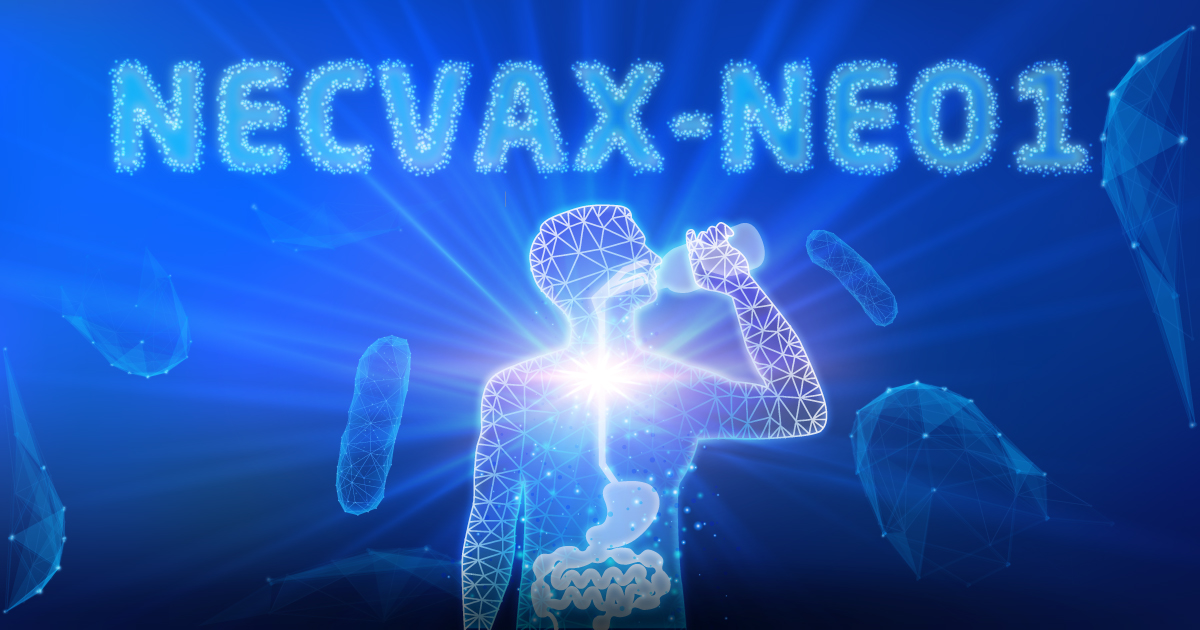
NEC Presents Oral Cancer Vaccine NECVAX-NEO1 at ESMO Immuno-Oncology Congress 2025: Press Releases
Tokyo, Japan — December 10, 2025, 10:00 AM JST — NEC Bio Therapeutics today presents results from the Phase I basket clinical trial of an orally administered cancer vaccine, NECVAX-NEO1, used in combination with checkpoint inhibitors (CPIs) for treating patients with solid tumors. The findings are being presented in a poster at the ESMO Immuno-Oncology Congress in London, United Kingdom, from December 10 to 12, 2025.
NECVAX-NEO1 is a personalized bacteria-based oral DNA therapeutic vaccine, developed using AI prediction of the most immunogenic patient-specific neoepitopes. This vaccine is designed to activate a patient’s immune system, prompting a T-cell response that can precisely target and eliminate tumor cells based on an individual’s unique neoantigens.
In the phase I study, 6 patients with melanoma, renal cell cancer, or head and neck cancer, who have been on CPI treatment for at least three months, were treated with NECVAX-NEO1. The safety run-in phase showed no treatment-related toxicities, allowing a dose increase. Clinically, 83% of the patients achieved stable disease at the end of 24 weeks of treatment, which was followed by a 12 week follow-up period. In all patients immunogenic neoepitopes used in the vaccine, were detected, as demonstrated by ELISPOT analysis.
Regarding the results of the clinical study, Dr. Heinz Lubenau, CEO of NEC Bio Therapeutics, commented, “Our clinical Phase I data are demonstrating promising immune responses in treated cancer patients. The translational biomarker data are in line with the clinical data so that we are presenting a consistent data set. The progress is encouraging as we advance two additional clinical studies in 3 European countries in both early- and later-stage cancer settings. We look forward to further evaluating NECVAX-NEO1 as a potential treatment option for cancer patients with hard-to-treat tumors.”
Motoo Nishihara, Corporate Executive Vice President and CTO of NEC Corporation, further commented, “We are proud to present the progress of the NECVAX-NEO1 trial, which demonstrates safety as well as signs of immunogenicity and early efficacy. NECVAX-NEO1 is the first oral cancer vaccine asset to be clinically developed by NEC. The results of this trial are a testament to our proprietary AI predictive software that supports immunological and clinical readouts. This development aligns closely with NEC’s broader mission to deliver global healthcare solutions using state-of-the-art technologies developed in-house.”
Details of the poster are below:
Poster title: NECVAX-NEO1, a bacteria-based personalized neoepitope vaccine combined with PD-1/PD-L1 checkpoint inhibition in a phase I, open-label, multicenter study: safety, immunogenicity and early efficacy signals. NCT05354323
Authors: D. Vaitiekus, E. Juozaityte, L. Puzauskienė, S. Tulyte-Kirzova, L. Gatijatullin, M. Platten, I. Poschke, I.Hülsmeyer, A. Kuhn, A. Aranguren, H. Lubenau, R. Stratford, T. Clancy, H. Fontenelle, B. Simovski, Y. Yamashita, C. Chaput, A. Meiser, V. Urbonas
Poster Number: 258P
Date: 10 December 2025
The poster may also be found here: https://www.nec-bio.com/en_DD/img/20251210_ESMO2025_NECVAX-NEO1_poster.pdf
Trial details can also be viewed at: NCT05354323
NECVAX-NEO1 is currently under evaluation at additional clinical trial sites in Germany, Spain, and Lithuania.
Continue Reading
-

Why Nvidia’s stock is now shrugging off Trump’s approval of chip sales to China
By Britney Nguyen
Some analysts see ample opportunity now that the U.S. plans to allow chip sales to China again, but others worry about further geopolitical roadblocks
President Donald Trump, seen at the White House with Nvidia CEO Jensen Huang on April 30, said Monday that he will allow Nvidia to sell its H200 chips to some customers in China.
After months of twists and turns, Nvidia may be able to start selling its chips in China again, but the market is shrugging off the news.
Some analysts see billions of dollars’ worth of opportunity every quarter if all goes according to plan, but others on Wall Street are less certain about whether the company will be able to capture meaningful China business in a fraught geopolitical landscape.
Nvidia’s stock (NVDA) slipped 0.3% on Tuesday despite a social-media post from President Donald Trump on Monday afternoon in which he said he would allow shipments of the company’s H200 chip to China, provided that Nvidia gives the U.S. government a 25% cut of sales.
While China has its own budding chip companies, those might only be able to serve about 20% of the country’s total market for chips, while Nvidia, Advanced Micro Devices (AMD) and other global chip makers would need to supply the remaining 80%, UBS analyst Timothy Arcuri wrote in a note to clients.
That means that upon receiving government approval, Nvidia “may return to shipping” between $5 billion and $10 billion of its chips per quarter, Arcuri said.
China was once a hot topic for Nvidia investors and a driver of meaningful stock moves. But Tuesday’s muted share-price action suggests to Arcuri that “many investors view this as a less important catalyst” than the debate over how Nvidia’s graphics processing units will fare as custom chips from rivals catch on.
Don’t miss: Nvidia’s stock drops on Google fears. Are investors missing the point?
TD Cowen analyst Joshua Buchalter said that while allowing H200 sales is “clearly a tailwind,” he is “skeptical” that investors will give much weight to China revenue for Nvidia after the back-and-forth decision-making by the Trump administration.
There’s also the concern that the Chinese government and local companies will not want to buy older generations of chips, Buchalter said.
The Financial Times reported on Tuesday that the Chinese government is looking to limit access to H200 chips as the country aims to build up a self-reliant chip industry.
Chinese regulators could require buyers to go through an approval process that includes submitting purchasing requests outlining why homegrown chips are not sufficient, the Financial Times reported, citing unnamed people familiar with the matter.
Read on: ‘China’s Nvidia’ shows that the global chip race is heating up as it basks in post-IPO glow
TD Cowen technology, media and telecommunications policy analyst Paul Gallant said that the H200 chips “may not be available to companies with Chinese [government] investments but will be available to other significant buyers.” Given that Trump said that he discussed the sales with Chinese President Xi Jinping, it could be that “both countries are on the same page regarding Chinese buyers of H200s,” Gallant said in a Monday note.
While he was surprised about the 25% U.S. government cut due to “real legal uncertainties around it,” Gallant said he sees Trump’s approval “as driven far more by geopolitical considerations,” since Nvidia and other U.S. tech companies make up much of global [artificial-intelligence] infrastructure. Therefore, he wrote, “we don’t view Nvidia’s new H200 licenses as at risk of withdrawal should the [government’s] 25% cut be deemed invalid at some future date.”
See more: Trump blesses China sales for Nvidia. Here’s how big the opportunity could be.
The H200 has been used by companies such as OpenAI and Meta Platforms for training advanced AI models and is a more advanced version of the reduced-capability H20 chips Nvidia designed to comply with existing export controls. However, the H200 is a generation behind the Blackwell chips that Nvidia is currently rolling out to customers and will be two generations behind the upcoming Rubin platform.
Read: Why the once-invincible Nvidia can’t save the AI trade
Nvidia said during its earning call in August that some of its China-based customers had received licenses to receive H20 shipments again but that it had not shipped any. The H20 and AMD’s MI308, which was also specially designed for China, were banned for sale to the country by the Trump administration in April. Trump later reversed the decision and said he wanted a 15% cut of the revenue for the U.S. government.
-Britney Nguyen
This content was created by MarketWatch, which is operated by Dow Jones & Co. MarketWatch is published independently from Dow Jones Newswires and The Wall Street Journal.
(END) Dow Jones Newswires
12-09-25 1934ET
Copyright (c) 2025 Dow Jones & Company, Inc.
Continue Reading
-

Asian Stocks Edge Higher as Investors Await Fed: Markets Wrap
(Bloomberg) — Asian stocks crept higher following a sluggish session on Wall Street as investors awaited clues on the Federal Reserve’s policy path in its final interest-rate decision of the year.
Benchmark share indexes in Japan and South Korea both gained, while US equity futures were little changed after the S&P 500 closed almost flat Tuesday. The Treasury 10-year yield hovered at around 4.18% following an auction of the securities on Tuesday, while the dollar was mixed against its major peers.
Traders are anticipating a third consecutive Fed rate cut Wednesday, while the focus will be on the central bank’s latest dot plot, economic projections and comments from Chair Jerome Powell. Volatility around the decision has been among the defining characteristics of equity trading in the past six weeks, superseding concern about a potential AI bubble and the impact of President Donald Trump’s trade policies.
Money markets are pricing around two Fed cuts in 2026 after a likely quarter-point reduction on Wednesday, a retreat from more optimistic forecasts in recent weeks.
“It’s not too much of an exaggeration to say that the rate cut is actually the least important part of this meeting,” said Tom Essaye, the founder of The Sevens Report. The market “cares much more that the Fed signals it will continue to cut rates and does not signal a pause in the rate-cut cycle,” he said.
Treasury yields climbed from earlier lows Tuesday after data showed October US job openings increased to the highest level in five months. The Fed’s two previous cuts this year were intended to address weakening employment conditions, including a rise in the unemployment rate to nearly 4.5%.
Kevin Hassett, the frontrunner in Trump’s search to replace Powell, said on Tuesday that he sees plenty of room to substantially lower rates, even more than a quarter-point cut.
“If the Fed is too hawkish, we expect the White House to soon announce Powell’s replacement,” said Fundstrat’s Tom Lee. That would be a “market clearing event” in his view.
In Asia, market watchers will be focusing on the yen after Bank of Japan Governor Kazuo Ueda said the central bank is getting closer to attaining its inflation target, adding to signals that the BOJ may raise its interest rate at a policy meeting next week.
The yen strengthened a touch as Ueda’s comments were streamed, briefly dipping below the 156 mark against the dollar.
Globally, government debt markets have been under pressure as central bankers signal that their easing cycles are coming to an end. On Tuesday, Australia’s Michele Bullock declared her country’s easing phase over, following comments from the European Central Bank’s Isabel Schnabel that she’s comfortable with the next move being higher.
“Given all the tension in global bond markets at the moment, the meeting of the Fed could potentially add fuel to the fire,” said Vincent Juvyns, chief investment strategist at ING in Brussels. “Investors will also be watching very closely the results of Oracle and Broadcom. There’s a lot at stake this week.”
In commodities, silver topped $60 an ounce on Tuesday for the first time on continued supply tightness. Gold also climbed.
Corporate News:
SpaceX is moving ahead with plans for an initial public offering that would seek to raise significantly more than $30 billion, people familiar with the matter said, in a transaction that would make it the biggest listing of all time. JPMorgan Chase & Co.’s Marianne Lake said the bank anticipates spending $105 billion next year, an outlook that surpasses analyst estimates and sent shares tumbling. Major investors in First Brands Group have offloaded stakes in the bankrupt auto supplier’s debt in recent days, causing the value of its most senior loan to collapse and prompting it to pull forward a lender call to calm nerves. Microsoft Corp. pledged to invest $17.5 billion in artificial intelligence and cloud computing in India over four years, targeting the world’s most populous nation to help fuel its growth. Indian food delivery major Swiggy Ltd. on Tuesday launched a new share offering for institutional investors to raise up to 100 billion rupees ($1.1 billion), just a year after its market debut. Some of the main moves in markets:
Stocks
S&P 500 futures were little changed as of 9:40 a.m. Tokyo time Hang Seng futures fell 0.2% Nikkei 225 futures (OSE) rose 0.2% Japan’s Topix rose 0.6% Australia’s S&P/ASX 200 was little changed Euro Stoxx 50 futures fell 0.3% Currencies
The Bloomberg Dollar Spot Index was little changed The euro was unchanged at $1.1627 The Japanese yen was little changed at 156.84 per dollar The offshore yuan was little changed at 7.0622 per dollar Cryptocurrencies
Bitcoin fell 0.2% to $92,505.1 Ether rose 0.4% to $3,315.94 Bonds
The yield on 10-year Treasuries was little changed at 4.18% Japan’s 10-year yield was unchanged at 1.960% Australia’s 10-year yield advanced three basis points to 4.79% Commodities
West Texas Intermediate crude rose 0.2% to $58.39 a barrel Spot gold was little changed This story was produced with the assistance of Bloomberg Automation.
©2025 Bloomberg L.P.
Continue Reading
-

FDA approves first gene therapy for rare immune disorder
Item 1 of 2 The corporate logo of the U.S. Food and Drug Administration (FDA) is shown in Silver Spring, Maryland, November 4, 2009. REUTERS/Jason Reed/File Photo
[1/2]The corporate logo of the U.S. Food and Drug Administration (FDA) is shown in Silver Spring, Maryland, November 4, 2009. REUTERS/Jason Reed/File Photo Purchase Licensing RightsDec 9 (Reuters) – The U.S. Food and Drug Administration said on Tuesday it had approved the first gene therapy for a rare and life-threatening immune disorder.
The therapy, Waskyra, was approved for Wiskott-Aldrich syndrome (WAS), which weakens the immune system, making patients prone to frequent infections, easy bleeding and bruising, and skin problems such as eczema.
Sign up here.
Waskyra, also known as etuvetidigene autotemcel, is designed for patients aged 6 months and older and adults with a mutation in the WAS gene.
The approval was granted to Italian non-profit Fondazione Telethon ETS.
It uses the patient’s own blood stem cells, which are genetically modified to include functional copies of the WAS gene, the FDA said.
The approval was based on two open-label studies and an expanded access program totaling 27 patients in which the therapy helped reduce the rate of severe infections by 93% in the first six to 18 months, and moderate and severe bleeding by 60% in the first 12 months after treatment, the agency said.
The most common side effects associated with Waskyra include rash, respiratory tract infection, vomiting, and diarrhea.
“The FDA continues to exercise flexibility in the regulatory approach for rare diseases by considering all available data sources, including, as appropriate, data from expanded access programs,” said FDA chief medical and scientific officer Vinay Prasad.
Reporting by Sahil Pandey and Mariam Sunny in Bengaluru; Editing by Maju Samuel and Rashmi Aich
Our Standards: The Thomson Reuters Trust Principles.
Continue Reading
-
Rocket Lab Brings Forward Earth Observation Launch for KAIST, Liftoff Scheduled for Tomorrow
Long Beach, Calif. December 9, 2025: Rocket Lab Corporation (Nasdaq: RKLB) (“Rocket Lab” or “the Company”), a global leader in launch services and space systems, today announced it is expediting a dedicated Electron mission for the Korea Advanced Institute of Science and Technology (KAIST) and is scheduling the launch from Launch Complex 1 in less than 24 hours’ time.
The mission, named ‘Bridging The Swarm’, is scheduled to launch no earlier than Thursday, December 11 UTC from Rocket Lab Launch Complex 1 in New Zealand. The mission now precedes the upcoming launch for the Japan Aerospace Exploration Agency (JAXA).
This launch rescheduling is a demonstration of Rocket Lab’s operational efficiency, responsiveness, and flexibility to meet the ever-evolving needs of its customers, while continuing to launch more missions every year to support a growing manifest. ‘Bridging The Swarm’ will be Electron’s 19th launch of the year, closely followed by the ‘RAISE and Shine’ mission for JAXA. With these missions Rocket Lab well exceeds the Company’s 2024 launch tally of 16 missions.
Upcoming Electron Launch Schedule
Mission name: Bridging The Swarm
Launch Window Open: 1:45 pm NZDT, December 11 (00:45 UTC)
Customer: Korea Advanced Institute of Science and Technology (KAIST)
Launch Site: Launch Complex 1, New ZealandMission name: RAISE and Shine
Launch Window Open: no earlier than 4:00 pm NZDT, December 13 (03:00 UTC)
Customer: Japan Aerospace Exploration Agency (JAXA)
Launch Site: Launch Complex 1, New ZealandAbout ‘Bridging The Swarm’:
‘Bridging The Swarm’ is a dedicated launch for the Satellite Technology Research Center (SaTReC) at the Korea Advanced Institute of Science and Technology (KAIST). The mission will deploy NEONSAT-1A, an advanced Earth observation satellite equipped with a high-resolution optical camera to monitor natural disasters along the Korean Peninsula. NEONSAT-1A is a sub-satellite of KAIST’s NEONSAT satellites, which altogether will form two orbital planes of a constellation in a sun-synchronous orbit.The first of the NEONSAT satellites, NEONSAT-1, was launched and deployed by Rocket Lab during the April 2024 mission ‘Beginning Of The Swarm’, and has been successfully carrying out its Earth-monitoring objective. The new NEONSAT-1A satellite will be deployed to validate KAIST’s advanced satellite’s capability, boost operational utility, and pave the way for the single NEONSAT satellite to become a constellation – thus fulfilling the mission’s name, “Bridging the Swarm”. More NEONSAT satellites are scheduled for launch in 2026 and 2027.
The NEONSAT program is a collaboration across multiple Korean academic, industry, and research institutions: SaTReC, which is leading the system architecture design and engineering; the Satrec Initiative(SI), a satellite manufacturer that has successfully developed a number of remote sensing satellites for low Earth orbit; and the Korea Aerospace Research Institute (KARI), which is managing the mission’s ground segments for the NEONSAT program. The NEONSAT program is funded by the Korean government’s Ministry of Science and ICT (MSIT) and is supervised by Korea AeroSpace Administration (KASA), a newly established agency overseeing the development of aerospace technology and preparing for space-related hazards in the Republic of Korea.
About ‘RAISE and Shine’:
This mission will deploy JAXA’s RApid Innovative payload demonstration SatellitE-4 (RAISE-4) spacecraft, a single satellite that will demonstrate eight technologies developed by private companies, universities, and research institutions throughout Japan. “RAISE And Shine” is the first of two dedicated launches for JAXA’s Innovative Satellite Technology Demonstration Program, an initiative by the agency to demonstrate new and innovative capabilities and technologies developed by Japan’s space economy. The second dedicated launch on Electron for the program is scheduled take place from Q1 2026. The missions are Rocket Lab’s first dedicated Electron launches directly contracted with JAXA, emphasizing Electron’s importance to reliable global space access for both domestic and allied international space agencies.Visit Rocket Lab’s website and follow on on social media for live launch updates: X, Facebook, LinkedIn, Instagram. Launch broadcasts will be aired live on YouTube.
###
Rocket Lab Media Contact
Murielle Baker
media@rocketlabusa.comAbout Rocket Lab
About Rocket Lab Rocket Lab is a leading space company that provides launch services, spacecraft, payloads and satellite components serving commercial, government, and national security markets. Rocket Lab’s Electron rocket is the world’s most frequently launched orbital small rocket; its HASTE rocket provides hypersonic test launch capability for the U.S. government and allied nations; and its Neutron launch vehicle in development will unlock medium launch for constellation deployment, national security and exploration missions. Rocket Lab’s spacecraft and satellite components have enabled more than 1,700 missions spanning commercial, defense and national security missions including GPS, constellations, and exploration missions to the Moon, Mars, and Venus. Rocket Lab is a publicly listed company on the Nasdaq stock exchange (RKLB). Learn more at www.rocketlabcorp.com.Forward Looking Statements
This press release contains forward-looking statements within the meaning of the Private Securities Litigation Reform Act of 1995. We intend such forward-looking statements to be covered by the safe harbor provisions for forward-looking statements contained in Section 27A of the Securities Act of 1933, as amended (the “Securities Act”) and Section 21E of the Securities Exchange Act of 1934, as amended (the “Exchange Act”). All statements contained in this press release other than statements of historical fact, including, without limitation, statements regarding our launch and space systems operations, launch schedule and window, safe and repeatable access to space, Neutron development, operational expansion and business strategy, are forward-looking statements. The words “believe,” “may,” “will,” “estimate,” “potential,” “continue,” “anticipate,” “intend,” “expect,” “strategy,” “future,” “could,” “would,” “project,” “plan,” “target,” and similar expressions are intended to identify forward-looking statements, though not all forward-looking statements use these words or expressions. These statements are neither promises nor guarantees, but involve known and unknown risks, uncertainties and other important factors that may cause our actual results, performance or achievements to be materially different from any future results, performance or achievements expressed or implied by the forward-looking statements, including but not limited to the factors, risks and uncertainties included in our Annual Report on Form 10-K for the fiscal year ended December 31, 2024, as such factors may be updated from time to time in our other filings with the Securities and Exchange Commission (the “SEC”), accessible on the SEC’s website at www.sec.gov and the Investor Relations section of our website at https://investors.rocketlabcorp.com which could cause our actual results to differ materially from those indicated by the forward-looking statements made in this press release. Any such forward-looking statements represent management’s estimates as of the date of this press release. While we may elect to update such forward-looking statements at some point in the future, we disclaim any obligation to do so, even if subsequent events cause our views to change.Continue Reading
-
Access Denied
Access Denied
You don’t have permission to access “http://www.spglobal.com/energy/en/news-research/latest-news/metals/120925-top-zinc-miners-boost-q3-output-12-on-year-to-14-million-mt” on this server.
Reference #18.c8a0d517.1765339900.4cd2d910
https://errors.edgesuite.net/18.c8a0d517.1765339900.4cd2d910
Continue Reading
-
Innovent Announces First Participant Dosed in a Phase 1 Clinical Trial of IBI3011, a Recombinant Anti-Human Interleukin 1 Receptor Accessory Protein Monoclonal Antibody
SAN FRANCISCO and SUZHOU, China, Dec. 9, 2025 /PRNewswire/ — Innovent Biologics, Inc. (Innovent) (HKEX: 01801), a world-class biopharmaceutical company that develops, manufactures and commercializes high-quality medicines for the treatment of oncology, cardiovascular and metabolic, autoimmune, ophthalmology and other major disease areas, announced that the first participant has been successfully dosed in a Phase 1 clinical trial of IBI3011, an anti-human Interleukin 1 receptor accessory protein (IL-1RAP) monoclonal antibody developed by Innovent.
This study is a single ascending dose (SAD) study to evaluate the safety, tolerability, and pharmacokinetics of IBI3011 for the first-in-human administration, so as to support the subsequent clinical development of IBI3011. A total of 40 healthy volunteers and 24 patients with gout flares are planned to be enrolled.
With economic development and rising living standards, the number of gout patients in China is increasing. By 2019, the estimated number of patients had exceeded 3 million.[1],[2] When serum uric acid rises above its saturation point, urate crystals can deposit in joints, triggering local inflammation and tissue damage and causing gout flares.[3] Recurrent flares can lead to joint destruction and functional impairment, limiting patients’ social roles and seriously reducing quality of life.
At present, first-line pharmacologic treatments for gout flare mainly consist of nonsteroidal anti-inflammatory drugs and colchicine, to which certain patients have contraindications or cannot tolerate, lacking targeted therapies. Second-line therapies as glucocorticoids are also associated with numerous adverse effects. In addition, only one IL‑1β–targeted agent has been approved in China for the treatment of gout flare, and there remains a large unmet need in clinical practice.
IL-1RAP, a member of the IL-1 family, serves as a co-receptor that forms receptor complexes with IL-1R1, ST2, and IL-36R and mediates downstream signaling pathways triggered by IL1α/β, IL33 and IL36, respectively. These cytokines are implicated in a broad spectrum of autoimmune and inflammatory diseases including acute gouty arthritis, hidradenitis suppurativa, etc. Compared with anti‑IL‑1β antibodies, targeting IL‑1RAP can simultaneously block multiple IL‑1 family inflammatory pathways, with the potential to rapidly control inflammation, relieve gout symptoms, and enable earlier initiation of urate‑lowering therapy.
IBI3011 is the first anti-IL‑1RAP monoclonal antibody in China aimed to address inflammatory and autoimmune diseases. Preclinical data show that IBI3011 can significantly suppress gout flares in models of acute gouty arthritis, highlighting its clinical potential for the treatment of gout flares. In this therapeutic area, Innovent plans to initiate a Phase 3 trial of IBI128 (tigulixostat) in gout patients with hyperuricemia. Previously, the Phase 2 clinical results of IBI128 were presented at APLAR 2025 showing strong efficacy in reducing serum uric acid in patients with gout. On top of that, IBI3011 has the potential to further suppress gout flares, complementing tigulixostat’s uric acid-lowering effect to provide a more comprehensive treatment approach for patients with hyperuricemia and gout. Additionally, Mazdutide could also provide the benefit of reducing blood uric acid in the obesity population. Together, these assets provide more personalized treatment options for patients with gout and hyperuricemia. With IBI3011 now entering the clinical stage, Innovent will further strengthen its pipeline in metabolic and autoimmune diseases.
Dr. Lei Qian, Chief R&D Officer of General Biomedicine of Innovent Biologics, stated, “I am very pleased that the first participant has been dosed in the Phase 1 clinical study of IBI3011, and I look forward to its result supporting the development of treatments for gout flares and other indications. Innovent Biologics’ general biomedicine pipeline reflects a well-structured, echeloned and matrix-like strategy across the fields of cardiovascular and metabolic diseases (CVM), autoimmune diseases, and ophthalmology. For gout, a metabolic and immune-related condition, IB3011 complements the promising Phase 2 clinical results of IBI128 (tigulixostat), which demonstrated excellent efficacy in targeting XOI and is now advancing to Phase 3. By focusing on next-generation global innovations, Innovent is accelerating the development of high-potential molecules and the synergy of these products is expected to bring more innovative therapies that improve the quality of life to patients around the world.”
About IBI3011
IBI3011 is a monoclonal antibody targeting IL‑1RAP. As a co‑receptor, IL‑1RAP forms receptor complex with IL‑1R1, ST2, and IL‑36R, hence mediating activation of the IL‑1α/β, IL‑33, and IL‑36α/β/γ signaling pathways and contributing to the development of multiple autoimmune and inflammatory diseases. Consequently, targeting IL‑1RAP can simultaneously block several IL‑1 family inflammatory pathways, with the potential to rapidly control inflammation, alleviate gout symptoms, and allow earlier initiation of urate‑lowering therapy. Preclinical data indicate that IBI3011 can significantly suppress gout flares in models of acute gouty arthritis, underscoring the clinical potential of IBI3011.
About Innovent Biologics
Innovent is a leading biopharmaceutical company founded in 2011 with the mission to empower patients worldwide with affordable, high-quality biopharmaceuticals. The company discovers, develops, manufactures and commercializes innovative medicines that target some of the most intractable diseases. Its pioneering therapies treat cancer, cardiovascular and metabolic, autoimmune and eye diseases. Innovent has launched 17 products in the market. It has 1 new drug applications under regulatory review, 4 assets in Phase 3 or pivotal clinical trials and 15 more molecules in early clinical stage. Innovent partners with over 30 global healthcare companies, including Eli Lilly, Roche, Takeda, Sanofi, Incyte, LG Chem and MD Anderson Cancer Center.
Guided by the motto, “Start with Integrity, Succeed through Action” Innovent maintains the highest standard of industry practices and works collaboratively to advance the biopharmaceutical industry so that first-rate pharmaceutical drugs can become widely accessible. For more information, visit www.innoventbio.com, or follow Innovent on Facebook and LinkedIn.
Statement: Innovent Biologics does not recommend the use of unapproved drugs/indications.
Forward-Looking Statement
This news release may contain certain forward-looking statements that are, by their nature, subject to significant risks and uncertainties. The words “anticipate”, “believe”, “estimate”, “expect”, “intend” and similar expressions, as they relate to Innovent, are intended to identify certain of such forward-looking statements. Innovent does not intend to update these forward-looking statements regularly.
These forward-looking statements are based on the existing beliefs, assumptions, expectations, estimates, projections and understandings of the management of Innovent with respect to future events at the time these statements are made. These statements are not a guarantee of future developments and are subject to risks, uncertainties and other factors, some of which are beyond Innovent’s control and are difficult to predict. Consequently, actual results may differ materially from information contained in the forward-looking statements as a result of future changes or developments in our business, Innovent’s competitive environment and political, economic, legal and social conditions.
Innovent, the Directors and the employees of Innovent assume (a) no obligation to correct or update the forward-looking statements contained in this site; and (b) no liability in the event that any of the forward-looking statements does not materialize or turn out to be incorrect.
References
[1]. J Transl Int Med. 2022;10(2):134-145
[2]. Sci Rep. 2025;15(1):3310.
[3]. Sun M, Lyu Z, Wang C, et al. 2024 Update of Chinese Guidelines for Diagnosis and Treatment of Hyperuricemia and Gout Part I: Recommendations for General Patients. Int J Rheum Dis. 2025;28(7):e70375.
SOURCE Innovent Biologics

Continue Reading
-

UK spending half an hour longer online than in pandemic, says Ofcom
Laura CressTechnology reporter
 Getty Images
UK adults spent over half an hour longer online every day in 2025 than they did during the pandemic, according to an annual survey of internet habits by the regulator Ofcom.
The Online Nation report found on average, people in the UK spent four hours and 30 minutes online every day in 2025 – 31 minutes longer than in 2021.
Psychologist Dr Aric Sigman told the BBC this was not a problem in itself, but what mattered was “what this time is displacing and how this may harm mental health”.
He added the “good news” was society was “beginning to question online time more critically”.
In a year where the major UK Netflix drama Adolescence won praise and politicial attention for shining a light on misogynistic online content, the survey found adults were feeling less positive about the impact of the internet overall.
Only a third (33%) said they felt it was “good for society” – down from 40% in 2024.
However, nearly two thirds of people still believed the benefits of being online outweighed the risks.
And many adults said they found the internet to be a source of creativity, with roughly three quarters agreeing being online helped them to broaden their understanding of the world.
Children wary of ‘brain rot’
The report also explored children’s experiences of being online.
While more than eight in ten aged 8-17 said they were happy with the amount of time they spent on the internet, they also recognised there were negative impacts of endlessly scrolling on smartphones.
The term “brain rot” was used by some children surveyed to describe the feeling they were left with after spending too long on their devices.
It has become a popular phrase to describe overconsuming online posts and videos considered to be the opposite of mentally challenging.
And Ofcom found across four of the main services used by children – YouTube, Snapchat, TikTok and WhatsApp – up to a quarter of the time 8 to 14-year-olds spent online was between 2100 and 0500.
VPN use more than doubles
From 25 July, Ofcom required websites operating in the UK with pornographic content to “robustly” age-check users, under the Online Safety Act.
Some people began using a virtual private network (VPN) at this time – tools which can disguise your location online to allow you to use the internet as though you are in another country.
The increase indicates people are likely using them to bypass requirements of the Act.
After the age checks became mandatory, the survey said VPN use more than doubled, rising from roughly 650,000 daily users before July and peaking at over 1.4 million in mid-August
But it also found the number had since declined to around 900,000 in November.
ASMR ‘relaxing’
The report also found 69% of children aged 13 to 17 said they used online services to help with their wellbeing, either to relax or improve their mood.
More than half named ASMR as a tool they had used in particular to help them relax.
These videos became an online phenomenon more than a decade ago – which some people claim causes them to feel a tingling sensation.
It has led to an entire industry of online creators making special content viewed on platforms such as YouTube.
But children were not solely positive about their online experiences.
Seventy percent said they had issues with self-improvement media – involving toxic messaging or body shaming.

Continue Reading
