Category: 3. Business

  • BSR enforcement ripple effect: a wave of risk for contractors, consultants, and insurers : Clyde & Co

    BSR enforcement ripple effect: a wave of risk for contractors, consultants, and insurers : Clyde & Co

    The Building Safety Regulator has recently acted through the Health and Safety Executive to prevent the occupation of student accommodation in Newcastle-under-Lyme by obtaining an injunction, after concluding that Building Regulations compliance had not been achieved.

    This type of enforcement action has significant implications for contractors, consultants, and their insurers, impacting both ongoing claims and remedial works, as well as future claims. If building owners are unable to sell or lease their developments, claim values may increase substantially due to increased or new claims for loss of profit or rent, loss of opportunity, LADs, and/or extended programme periods.

    Key takeaway: If you or one of your Insureds act as a Dutyholder for a development or are undertaking remedial works commencing after 6 April 2024, there is an increased risk that, should the Building Safety Regulator deem those works non-compliant, the sale or occupation of the development may be prohibited, potentially resulting in significant increases in claimed losses and values.

    Overview of Dutyholder Regime

    The Building Safety Act 2022 introduced the Dutyholder Regime, which applies to all building work subject to building control under the Building Regulations 2010 (as amended), not just Higher-Risk Buildings (HRBs). It places legal responsibilities on clients, building owners, principal designers, and principal contractors to ensure compliance with Building Regulations and maintain accurate records, including the Golden Thread of information.

    The roles of Building Regulations Principal Designer and Principal Contractor under the Act are distinct from those under CDM 2015 (the Construction (Design and Management) Regulations 2015). While responsibilities may overlap, they must be clearly defined in formal appointments to avoid liability risks.

    The Building Safety Regulator (BSR) can enforce these duties with broad powers, including investigations, notices, and court applications. Its first emergency injunction at Deakins Yard, a student accommodation project, prevented occupation until compliance was achieved, setting a strong precedent for enforcement under the new regime.

    Emerging Risk for Contractors, Consultants, and Insurers

    The BSR’s injunction at Deakins Yard signals a significant shift in potential liabilities for Dutyholders, introducing the potential for an additional head of loss where the financial consequences of non-compliance could be severe. In sectors such as student accommodation or commercial premises, delays in selling or leasing developments can result in substantial losses.

    Dutyholders now face heightened exposure following the recent judgment in respect of any developments that fail to comply with Building Regulations. 

    Where occupation of new buildings or remediated buildings are prohibited by an injunction, contractors, sub-contractors, and consultants may face claims with new or far greater measures of loss and damages than anticipated. As set out above, claims for loss of profit or rent; loss of opportunity; or liquidated and ascertained damages can quickly extend beyond the direct costs of remediating the alleged defects. 

    Existing claims where negotiations are ongoing, but ‘building work’ has not yet commenced may require reassessment given the potential for additional losses arising from BSR scrutiny. A common example that we are seeing is in relation to complex claims which were first commenced by building owners before the Grenfell Fire, c. 7 years ago. During the intervening period, the issues complained of – as well as potential remedial solutions – have evolved. There are therefore a significant number of developments across the UK where there are known issues but no definitive remedial scheme and/or settlement agreement. It is therefore entirely possible that the BSR’s views could differ from the relevant parties that have spent potentially years investigating and have multiple experts’ inputs.

    Conclusion

    Contractors, sub-contractors, consultants, and their insurers must therefore recognise that the BSR not only holds these powers but is prepared to proactively exercise them. The potential impact of a development remaining vacant while compliance issues are resolved would be significant.  

    It is therefore paramount that, in respect of any claims (whether new or existing), rigorous attention is given to remedial schemes and/or settlement strategies to mitigate the risk of potential BSR intervention.

    If you have any questions in relation to the BSR or Dutyholder liabilities, please do not hesitate to contact Clyde & Co. 


    What trends and challenges do you see on the horizon for construction professionals? We’d love to hear from you.

    Register your interest to take part in our upcoming PI Market Survey here
    Continue Reading

  • Dizal Showcases its Strong Hematology Pipeline with New Data from Golidocitinib and Birelentinib at ASH 2025

    Dizal Showcases its Strong Hematology Pipeline with New Data from Golidocitinib and Birelentinib at ASH 2025

    SHANGHAI, Dec. 9, 2025 /PRNewswire/ — Dizal (SSE:688192), a biopharmaceutical company committed to developing novel medicines for cancer and immunological diseases, announced new data from its hematology portfolio at the 67th American Society of Hematology (ASH) Annual Meeting. Highlights include golidocitinib, a Janus kinase 1 (JAK1) only inhibitor, in T-cell lymphoma, and birelentinib, a non-covalent LYN/BTK dual inhibitor, in B-cell lymphoma.

    Golidocitinib

    Two dose regimes of golidocitinib combined with CHOP have been explored for the treatment of newly diagnosed PTCL. Both demonstrated promising antitumor activities and a manageable safety profiles.

      • Golidocitinib 75mg daily with CHOP, followed by 150mg maintenance after CHOP, showed an ORR of 94.1% and a CR rate of 64.7%. By the data cutoff date, 85% of patients remained on treatment.
      • Golidocitinib 150mg daily with CHOP, followed by 150mg maintenance after CHOP, showed an ORR of 88.9% and a CR rate of 61.1%
         
    • R/R PTCL

    An updated 2-year follow-up from the MD Anderson Cancer Center cohort of the multinational pivotal trial JACKPOT8 Part B showed that golidocitinib monotherapy in patients with relapsed or refractory peripheral T-cell lymphoma (r/r PTCL) achieved an objective response rate (ORR) of 53.8% and a complete response (CR) rate of 46.1%. Median progression-free survival (PFS) was 37.9 months and the 2-year PFS rate was 58.3%. The research findings validated golidocitinib’s long-lasting efficacy and tolerability in the U.S. patient population.

    Golidocitinib monotherapy demonstrated compelling clinical activity with a favorable safety profile in heavily pretreated relapsed or refractory T-cell and NK-cell large granular lymphocyte leukemia (r/r T-LGLL) patients. Results from a prospective study showed an ORR of 92.3% and a CR rate of 61.15%. Additionally, the study reported a 100% response among STAT3-wildtype patients.

    A Phase II clinical study showed that golidocitinib in combination with CHOP demonstrated profound antitumor activity in treatment-naïve monomorphic epitheliotropic intestinal T-cell lymphoma (MEITL). The ORR was 85.7% and the CR rate was 71.4%, demonstrating a significant therapeutic advance over conventional chemotherapy.

    In r/r PTCL-associated hemophagocytic lymphohistiocytosis (HLH), golidocitinib-based regimens demonstrated dual anti-HLH and antitumor efficacy, with rapid clinical improvement and an ORR of 46.7%. Most patients achieved systemic and hematologic recovery with a manageable safety profile. These findings highlight the potential of JAK1 inhibition in this high-risk disease.

    Birelentinib

    Chronic lymphocytic leukemia/small lymphocytic lymphoma (CLL/SLL) is a malignancy originating from mature B-cell non-Hodgkin lymphoma (B-NHL). While Bruton’s tyrosine kinase (BTK) inhibitors have transformed the treatment of B-cell lymphomas, resistance remains a significant challenge. Two primary types of resistance mutations have been identified after BTK inhibitor treatment for B-NHL: BTK-dependent and non-BTK pathway-mediated resistance. Although the BTK-dependent resistance is well-characterized, the emergence of kinase-impaired BTK mutations underscores the increasingly recognized role of non-BTK pathways.

    Birelentinib is designed to block both BTK-dependent and BTK independent BCR signaling. Building upon promising data presented orally at the 2025 ASCO Annual Meeting and the 18th International Conference on Malignant Lymphoma (ICML), updated follow-up data of birelentinib reported at this ASH Annual Meeting demonstrated potent anti-tumor efficacy with a manageable safety profile in heavily pre-treated CLL/SLL patients.

    At 50 mg QD (RP3D), birelentinib achieved an ORR of 84.2%. Tumor responses were observed irrespective of prior BTK inhibitor, BCL-2 inhibitor or BTK degrader treatment, and in patients with kinase-proficient or kinase-impaired BTK mutation. Antitumor efficacy proved durable, with no new safety concerns identified during follow-up.

    Based on the encouraging results, birelentinib has received Fast Track Designation (FTD) from the U.S. Food and Drug Administration (FDA). The global multicenter Phase III study in r/r CLL/SLL is currently ongoing.

    About Golidocitinib (DZD4205)

    Golidocitinib is currently the first and only Janus kinase 1 (JAK1) inhibitor being evaluated for the treatment of r/r PTCL. In June 2024, golidocitinib was approved by the National Medical Products Administration (NMPA) of China for the treatment of adult patients with relapsed or refractory peripheral T-cell lymphoma (r/r PTCL).

    At the data cut-off date of August 31, 2023, golidocitinib has demonstrated robust and durable anti-tumor efficacy, with an ORR of 44.3%. All subtypes benefited well, and the ORR of common subtypes exceeded 40%. More than 50% of the patients with tumor remission achieved a complete response with a CRR of 23.9%. Per IRC assessment, the median duration of response (mDoR) reached 20.7 months. As of February 2024, golidocitinib showed a median overall survival (mOS) of 24.3 months.

    Golidocitinib was granted Fast Track Designation by the U.S. FDA for the treatment of r/r PTCL in February 2022. In September 2023, the CDE accepted its NDA and granted Priority Review for the treatment of r/r PTCL. The Phase I clinical data of golidocitinib (JACKPOT8 PART A) were published in Annals of Oncology (Impact Factor: 51.8), and global pivotal trial data of golidocitinib for the treatment of r/r PTCL (JACKPOT PART B) were published in The Lancet Oncology (Impact Factor: 54.4).

    About Birelentinib (DZD8586)

    Two resistance mechanisms have been found in patients whose diseases have progressed on a BTK inhibitor treatment: the BTK C481X mutation and BTK-independent BCR signaling pathway activation. Birelentinib is a first-in-class, non-covalent, LYN/BTK dual inhibitor with full blood-brain barrier (BBB) penetration, designed to treat both BTK-dependent and BTK-independent B-cell non-Hodgkin lymphoma (B-NHL).

    In August 2025, birelentinib was granted Fast Track Designation by the U.S. FDA for the treatment of adult patients with relapsed/refractory chronic lymphocytic leukemia or small lymphocytic lymphoma (CLL/SLL) who have received at least two prior lines of therapy, including a BTK inhibitor and a BCL-2 inhibitor.

    About Dizal

    Dizal is a biopharmaceutical company, dedicated to the discovery, development and commercialization of differentiated therapeutics for the treatment of cancer and immunological diseases worldwide. Deep-rooted in translational science and molecular design, it has established an internationally competitive portfolio. ZEGFROVY is the first and only small molecule drug approved in both the U.S. and China, for the treatment of non-small cell lung cancer with EGFR exon20 insertion mutations. Golidocitinib has been approved in China for the treatment of relapsed and refractory PTCL. To learn more about Dizal, please visit www.dizalpharma.com, or follow us on Linkedin or X.

    Forward-Looking Statements

    This news release may contain certain forward-looking statements that are, by their nature, subject to significant risks and uncertainties. The words “anticipate”, “believe”, “estimate”, “expect”, and “intend” and similar expressions, as they relate to Dizal, are intended to identify certain forward-looking statements. Dizal does not intend to update these forward-looking statements regularly.

    These forward-looking statements are based on the existing beliefs, assumptions, expectations, estimates, projections, and understandings of the management of Dizal with respect to future events at the time these statements are made. These statements are not a guarantee of future developments and are subject to risks, uncertainties, and other factors, some of which are beyond Dizal’s control and are difficult to predict. Consequently, actual results may differ materially from information contained in the forward-looking statements as a result of future changes or developments in our business, Dizal’s competitive environment, and political, economic, legal, and social conditions.

    Dizal, the Directors, and the employees of Dizal assume (a) no obligation to correct or update the forward-looking statements contained on this site; and (b) no liability in the event that any of the forward-looking statements does not materialize or turnout to be incorrect.

    Contacts
    Investor Relations: [email protected]
    Business Development: [email protected]
    Media Contact: [email protected]

    SOURCE Dizal Pharmaceutical


    Continue Reading

  • Cyber Insurance Market Outlook 2026: Resilient Earnings, Tougher Competition, Pockets Of Growth – S&P Global

    1. Cyber Insurance Market Outlook 2026: Resilient Earnings, Tougher Competition, Pockets Of Growth  S&P Global
    2. Beazley committed to US cyber but warns market pricing ‘not sustainable’  The Insurer
    3. Why insurers must take charge on cybersecurity  Business Daily
    4. UK specialty insurer Beazley lowers written premiums outlook  Global Banking And Finance Awards®
    5. Cyber Insurance Quotes: Compare Rates Online  HowMuch.net

    Continue Reading

  • Hydrogen Europe

    Hydrogen Europe

    Hystar announces strategic collaboration with McDermott to develop 100 MW green hydrogen plant design

    Hystar AS (www.hystar.com), a leading provider of the world’s most efficient PEM electrolysers, today announced a strategic collaboration with McDermott (www.mcdermott.com) to develop a comprehensive 100-megawatt (MW) green hydrogen plant design. This collaboration marks a significant milestone in Hystar’s mission to accelerate global deployment of its large-scale green hydrogen solution.

    Under the agreement, Hystar will provide its proprietary, high-efficiency and high-safety PEM electrolyser technology. McDermott will leverage its extensive global expertise as an engineering, procurement and construction (EPC) provider for major energy infrastructure. With more than a century of engineering excellence, McDermott has delivered numerous large-scale hydrogen, ammonia, and low-carbon projects. Its portfolio includes pre-FEED, FEED and EPC execution for blue and green hydrogen facilities, ammonia plants, hydrogen hubs, and modularized energy projects worldwide.

    Click here to read more

    Continue Reading

  • Rate the Raters 2025 | EMEA/APAC webinar

    Rate the Raters 2025 | EMEA/APAC webinar

    The ERM Sustainability Institute is pleased to present the latest Rate the Raters 2025: ESG Ratings in Evolution – results of the Corporate Survey.

    To help you make sense of the findings and their implications for your business, ERM will host a webinar on February 05 (Europe and Asia friendly). Join us as we unpack the results and explore what they mean for shaping effective ESG strategies.

    Why ESG Ratings Matter More Than Ever

    ESG ratings remain integral to corporate sustainability strategies despite ongoing challenges with 88% of companies planning to continue engaging with them. At the same time, new regulations are reshaping the landscape by requiring increased transparency. Strategic engagement is also evolving, as companies are actively engaging with fewer raters.

    What you’ll learn:

    • Which ESG raters are seen as the most useful and highest quality
    • What drived engagement with rating agencies
    • Regional differences in corporate perspectives

    Why Attend?

    This is your chance to hear directly from ERM experts and explore how ESG ratings are shifting.

    Continue Reading

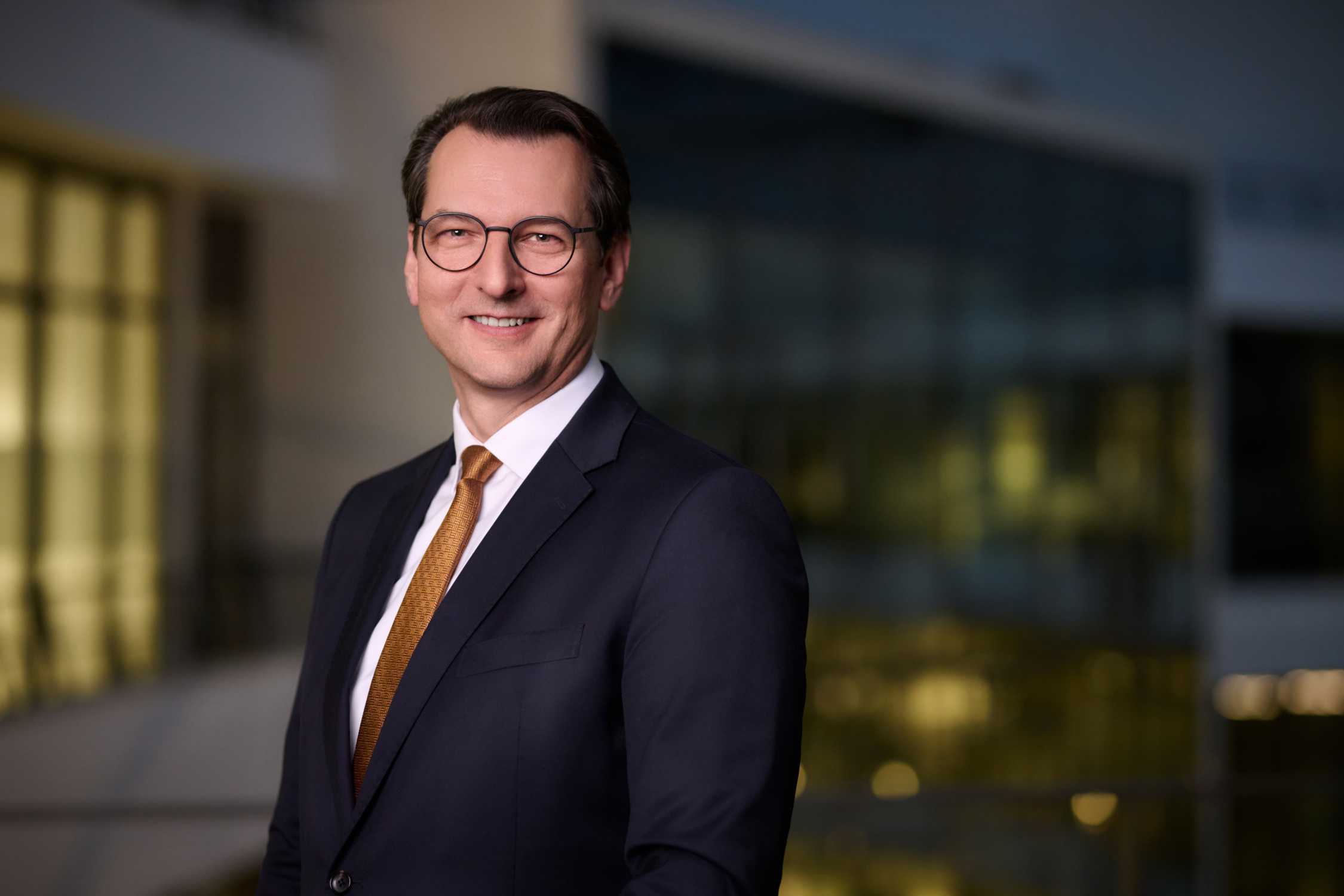
  • Milan Nedeljković appointed new Chairman of the Board of Management of BMW AG

    Milan Nedeljković appointed new Chairman of the Board of Management of BMW AG

    • Oliver Zipse will leave the Board of Management after the Annual
      General Meeting in May 2026 as planned
    • Nicolas Peter: „Nedeljković convinces with strategic foresight,
      strong implementation skills, and entrepreneurial thinking“
    • Appreciation to Oliver Zipse: „Significant contribution to BMW“


    Munich. Dr.-Ing. Milan Nedeljković will assume the
    role of Chairman of the Board of Management of BMW AG effective on 14
    May 2026. The company’s Supervisory Board took this decision today.
    Following the successful launch of the Neue Klasse, Nedeljković will
    succeed Oliver Zipse, who has been a member of the Board of Management
    of BMW AG for more than ten years and has served as its Chairman since
    August 2019. The Supervisory Board extends its sincere thanks to
    Oliver Zipse for his outstanding achievements for the BMW Group.


    “Milan Nedeljković convinces with his strategic foresight,
    strong implementation skills, and entrepreneurial thinking. He stands
    for very focused management of resources—whether financial or
    ecological,” said Dr. Nicolas Peter, Chairman of the Supervisory
    Board of BMW AG. ” Milan Nedeljković inspires people with ideas,
    unites them behind shared values, and thereby motivates them to
    realize peak performance. This is a crucial leadership quality to
    maintain the BMW Group’s successful course in this time of transformation.”


    In 2023, Oliver Zipse’s contract as Chairman of the Board of
    Management of BMW AG was extended beyond the usual retirement age
    until 2026. Subsequently, he will leave the Board of Management as
    planned after the Annual General Meeting on 13 May 2026, concluding a
    total of 35 years with the BMW Group. 


    “Oliver Zipse has made a significant contribution to the BMW
    Group and deserves our sincere gratitude. He has led BMW through
    global crises such as the COVID-19 pandemic and represents the Neue
    Klasse as the largest strategic project in the company’s
    history,” said Peter. “Oliver Zipse has always prioritized
    BMW’s success. He consistently took a clear stance—even in the face of
    great external headwinds—and thus kept the company on track during
    turbulent times.”


    Milan Nedeljković, the designated Chairman of the Board of
    Management, has been a member of the Board of Management of BMW AG
    since 2019 and is currently responsible for the Production division.
    The 56-year-old began his professional career at BMW as a Trainee in
    1993 and has accumulated extensive international experience. He has
    held senior leadership positions at Plant Oxford, as Managing Director
    Plant Leipzig and Munich and as Senior Vice President Corporate
    Quality. His contract as Chairman of the Board of Management will
    extend into 2031.


    Dr. Martin Kimmich, Chairman of the Global Works Council and deputy
    Chairman of the Supervisory Board, said: “Milan Nedeljković is
    held in high regard by and enjoys the trust of BMW’s workforce.
    Together with him, we look forward to continuing the long tradition of
    cooperative collaboration between the Works Council and corporate
    management as a foundation for our BMW success story.”


    If you have any questions, please contact:


    BMW Group Corporate Communications


    Max-Morten Borgmann, Head of Communications BMW Group, Finance, Sales

    Telephone: +49 89 382-24118

    Email: max-morten.borgmann@bmwgroup.com


    Media website: www.press.bmwgroup.com/deutschland

    Email: presse@bmwgroup.com


    The BMW Group


    With its four brands, BMW, MINI, Rolls-Royce and BMW Motorrad, the
    BMW Group is the world’s leading premium manufacturer of automobiles
    and motorcycles and also provides premium financial and mobility
    services. The BMW Group production network comprises over 30
    production sites worldwide; the company has a global sales network in
    more than 140 countries.


    In 2024, the BMW Group sold 2.45 million passenger vehicles and more
    than 210,000 motorcycles worldwide. The profit before tax in the
    financial year 2024 was € 11.0 billion on revenues amounting to €
    142.4 billion. As of 31 December 2024, the BMW Group had a workforce
    of 159,104 employees.


    The success of the BMW Group has always been based on long-term
    thinking and responsible action. Sustainability is a key component of
    the BMW Group’s corporate strategy – from the supply chain through
    production to the end of the use phase of all products. 


    www.bmwgroup.com

    LinkedIn: http://www.linkedin.com/company/bmw-group/

    YouTube: https://www.youtube.com/bmwgroup

    Instagram: https://www.instagram.com/bmwgroup

    Facebook: https://www.facebook.com/bmwgroup

    X: https://www.x.com/bmwgroup


    Continue Reading

  • Webinar: EU Green Deal Policies and their Relevance in Asia-Pacific

    Webinar: EU Green Deal Policies and their Relevance in Asia-Pacific

    In December 2015, the Paris Agreement was adopted. It aims to limit the global average temperature increase to well below 2°C above pre-industrial levels, and to increase parties’ ability to adapt to the adverse impacts of climate change and make financial flows consistent with a pathway toward low GHG emissions and climate resilient development. Each party shall communicate, at five-year intervals, successively more ambitious NDCs.  

    At COP29 in Baku last year, a new collective quantified goal (NCQG) on climate finance, to at least USD 300 billion per year by 2035, was reached, calling on all actors to work together to scale up financing to developing countries for climate action from all public and private sources.  

    Meanwhile, it is expected that the next round of NDCs must deliver on the promise to ramp up renewables and transition away from fossil fuels. At the Bonn June Climate meetings in preparation of annual COP, the closing statement includes a renewed call for fossil fuel phase out, concerns about limited progress on technology and the need for a clear roadmap to the USD 1.3 trillion in climate finance to deliver concrete milestones. It also puts the most vulnerable at the center and supports a tripling of adaptation finance.

    Expectations from COP30 in Belem are very high, including synthesis reports on NDCs and biennial transparency reports. While concerns about climate change are on the rise and negotiations will continue for many years to come, it is important to remind ourselves that climate change is not just about CO2; it is about overconsumption and irresponsible production, irresponsible extraction and use of material. If actions at individual level are important, it is through collective action for a common good, based on the principles of SCP and circular economy, that the fight against climate impacts and building the path towards sustainability can be achieved.

    Guided by science and economy, policy makers can bridge the gap between what is possible and what is needed by knowingly advancing policies that will be well received by most, embracing pragmatism to build trust before handling the most serious and complicated issues, starting with what is possible, creating momentum and helping catalyze new technologies, new economics, and new politics, making accelerated change possible.  


    Webinar Session: 

    The EU SWITCH-Asia Policy Support Component and the European Environmental Bureau, are convening the webinar, Between Ambitions and Pragmatism for actionable climate outcomes: the circular economy enabler.

    The objectives of the webinar are:  

    • To assess the key conclusions, decisions and directions from UNFCCC COP30 with special reference to integration of circular economy principles into climate mitigation and adaptation strategies.
       
    • To explore how the circular economy-climate linkages could support the operationalization of the COP30 outcomes and their potential impacts to de-risk and attract public and private finance, thereby transforming markets and value chains towards low-carbon and climate-resilient economies.
       
    • To discuss the policies, partnerships, and support mechanisms required to empower businesses, particularly SMEs, as central actors in implementing circular, low-carbon, and resilient solutions at scale.
       
    • To discuss and derive concrete policy guidance and actionable strategies from the COP30 stocktake, focusing on how to effectively implement the material-CE-climate nexus for accelerated on-the-ground results. 

    Continue Reading

  • Energy efficiency in buildings tops organizations’ infrastructure priorities: Siemens study | Press | Company

    Energy efficiency in buildings tops organizations’ infrastructure priorities: Siemens study | Press | Company

    [{“nid”:0,”name”:”Products & Solutions”,”tid”:0,”url_str”:”https://www.siemens.com/global/en/products.html”,”alias”:”https://www.siemens.com/global/en/products.html”,”level”:1,”image”:{“fid”:false,”furl”:””},”options”:{“menu_icon”:{“fid”:false},”external”:true},”depth”:1,”parent”:false,”children”:[]},{“nid”:0,”name”:”Industries”,”tid”:1,”url_str”:”https://xcelerator.siemens.com/global/en/industries.html”,”alias”:”https://xcelerator.siemens.com/global/en/industries.html”,”level”:1,”image”:{“fid”:false,”furl”:””},”options”:{“menu_icon”:{“fid”:false},”external”:true},”depth”:1,”parent”:false,”children”:[]},{“nid”:0,”name”:”Company”,”tid”:2,”url_str”:”https://www.siemens.com/global/en/company.html”,”alias”:”https://www.siemens.com/global/en/company.html”,”level”:1,”image”:{“fid”:false,”furl”:””},”options”:{“menu_icon”:{“fid”:false},”external”:true},”depth”:1,”parent”:false,”children”:[]}]

    Continue Reading

  • Fixed-Duration Regimens Noninferior to Continuous in CLL – Medscape

    1. Fixed-Duration Regimens Noninferior to Continuous in CLL  Medscape
    2. Fixed-duration therapy works as effectively as continuous treatment for chronic lymphocytic leukemia  news-medical.net
    3. Fixed-Duration Venetoclax Combos Show Noninferior PFS to Ibrutinib in CLL  CancerNetwork
    4. In CLL, Fixed-Duration Venetoclax Combos Are Equal to Continuous Ibrutinib in Head-to-Head Comparison  AJMC
    5. Fixed-Duration Venetoclax (Venclexta) Matches Continuous Ibrutinib (Imbruvica) in Frontline CLL  Oncology News Central

    Continue Reading

  • Ben & Jerry’s brand could be destroyed, says co-founder

    Ben & Jerry’s brand could be destroyed, says co-founder

    Ben & Jerry’s will be destroyed as a brand if it remains with parent company Magnum, the company’s co-founder Ben Cohen has told the BBC.

    His remarks are the latest in a long-running spat between the ice cream brand and its parent company over its ability to express its social activism and the continued independence of its board.

    It comes on the day that the Magnum Ice Cream Company (TMICC) started trading on the European stock market – spinning off from owner Unilever.

    A spokesperson for Magnum said the firm wanted to build and strengthen Ben & Jerry’s “powerful, non-partisan values-based position in the world”.

    Ben & Jerry’s was sold to Unilever in 2000 in a deal which allowed it to retain an independent board and the right to make decisions about its social mission.

    Since the sale there have been deepening clashes between the Vermont-based brand and Unilever, with this conflict now inherited by Magnum.

    In 2021, Ben & Jerry’s refused to sell its products in areas occupied by Israel, resulting in its Israeli operation being sold by Unilever to a local licensee, and in October, Ben Cohen said it was prevented from launching an ice cream which expressed “solidarity with Palestine”.

    Last month, ahead of its spin off from Unilever, Magnum said the chair of Ben & Jerry’s board Anuradha Mittal, who has held the position since 2018, “no longer meets the criteria to serve” – saying this was the result of an internal audit.

    A spokesperson for Magnum said it had found “a series of material deficiencies in financial controls, governance and other compliance policies, including conflicts of interest”.

    “So far, the trustees have not fully addressed the deficiencies identified,” they said.

    In a statement to Reuters, Ms Mittal said: “The so-called audit of the foundation was a manufactured inquiry – engineered to attempt to discredit me.

    “It is important to understand that this is not simply an attack on me as chair. It is Unilever’s attempt to undermine the authority of the Board itself.”

    The BBC has contacted Ben & Jerry’s to request this statement.

    Mr Cohen said Magnum “has no standing to determine who the chair of the independent board should be”.

    “Therefore, by trying to [change the chair of the board], I would say that Magnum is not fit to own Ben & Jerry’s,” he added.

    Mr Cohen called for either the business to be “owned by a group of investors that support the brand and want to encourage the values” or for Magnum to make a “180 degree turn around and say they support the chairman of the independent board”.

    Ahead of the spin off on Monday, news agency Reuters reported that Ms Mittal said she had no plans to step down from the board.

    Ben Cohen remains an employee of Ben & Jerry’s and the brand’s most high-profile spokesperson.

    He told the BBC he feared under the current ownership the ice cream maker’s “loyal” followers would be lost for good.

    “If the company continues to be owned by Magnum, not only will the values be lost, but the essence of the brand will be lost,” he said.

    On Sunday, Magnum’s chief executive Peter ter Kulve told the Financial Times the Ben & Jerry’s founders were in their seventies and “at a certain moment they need to hand over to a new generation”.

    Jerry Greenfield, Mr Cohen’s co-founder, left the ice cream maker in September after almost half a century at the firm – citing concerns about the stifling of its social mission.

    “It’s absurd,” said Mr Cohen.

    “This is about values and abiding by a legally binding agreement.”

    Mr Cohen added investors in Magnum were being asked to pay a premium for the Ben & Jerry’s brand “because it has such a loyal following”.

    “As they destroy Ben and Jerry’s values, they will destroy that following and they will destroy that brand,” he said.

    “It’ll become just another piece of frozen mush that just going to lose a lot of market share.”

    A spokesperson for Magnum said Ben & Jerry’s was “not for sale” and it had “always respected” the brand’s commitment to continue its “social mission”.

    The demerger of Unilever’s ice cream business saw primary shares in Magnum open at €12.20 (£10.66) – down on the expected €12.80 (£11.18) reference price set by the EuroNext exchange in Amsterdam. But it bounced back up by 1.3% at close of trading.

    The spin off means Magnum is now the world’s biggest standalone ice cream business.

    Continue Reading