Category: 3. Business

  • Regeneron’s experimental therapy combo effective in untreated cancer patients

    Regeneron’s experimental therapy combo effective in untreated cancer patients

    Dec 6 (Reuters) – Regeneron (REGN.O), opens new tab said on Saturday its experimental cancer combination therapy was effective and showed disappearance of the disease in previously untreated patients with a type of blood cancer in the first part of a late-stage trial.

    The trial, which enrolled 22 patients, studied safety and preliminary efficacy of the company’s therapy, odronextamab, in combination with chemotherapy in patients with Diffuse Large B-Cell Lymphoma or DLBCL.

    Sign up here.

    Odronextamab belongs to a class of treatments called bispecific antibodies that are designed to attach to a cancer cell and an immune cell, bringing them together so that the body’s immune system can kill the cancer.

    At the 160 mg dose of the combination, patients showed 100% complete response rate, the company said.

    DLBCL is a fast-growing blood cancer that affects the lymphatic system, which is a network of tissues, vessels and organs that help fight infection in the body. It involves changes in the B cells, a particular type of white blood cell.

    B-cell counts were cleared completely after the first dose of the therapy, the company said in a presentation at the American Society of Hematology Annual Meeting.

    Most patients completed six cycles of the combination at both 80 mg and 160 mg dose levels. The higher dose has been selected for further studies.

    Data also suggested that when combining odronextamab with the chemotherapy regimen known as CHOP, deep and lasting responses were achieved without the need for rituximab.

    “Part of our focus here at Regeneron is to develop bispecifics which are extremely potent and which don’t require a very heavy burdensome additional cocktail of drugs to be combined with because their activity in itself is very potent,” said Aafia Chaudhry, global program head.

    The company will be initiating enrollment of patients for the second part of the study to see how effective the combination is in comparison with the combination of rituximab and chemotherapy, the current standard of care treatment approved for DLBCL.

    “Our strategy is to replace rituximab rather than to add on to rituximab,” Chaudhry added.

    Reporting by Sriparna Roy in Bengaluru; Editing by Maju Samuel

    Our Standards: The Thomson Reuters Trust Principles., opens new tab

    Continue Reading

  • Earlier use of CARVYKTI® demonstrated lasting treatment-free remissions at 2.5 years in patients with relapsed or refractory multiple myeloma

    Earlier use of CARVYKTI® demonstrated lasting treatment-free remissions at 2.5 years in patients with relapsed or refractory multiple myeloma

    Follow-up data from CARTITUDE-4 show at least 80 percent of as-treated standard-risk patients remained progression and treatment-free following a single infusion as early as second line

    Data suggest stronger immune fitness in earlier lines may be associated with longer progression free survival

    ORLANDO, Fla., Dec. 6, 2025 /PRNewswire/ — Johnson & Johnson (NYSE: JNJ) announced today updated results from the Phase 3 CARTITUDE-4 study supporting durable treatment-free remissions as early as second line treatment with CARVYKTI® (ciltacabtagene autoleucel; cilta-cel). In 80 percent of as-treated patients with relapsed or refractory multiple myeloma (RRMM) and standard-risk cytogenetics who were treated with CARVYKTI® as early as first relapse, the disease did not progress and no further treatment was required at 2.5 years (30 months).1 These results add to the body of clinical and real-world experience established across more than 9,000 patients treated with CARVYKTI® globally.1

    Additional translational analyses demonstrated that patients receiving CARVYKTI® in earlier lines had improved immune fitness, which suggests a correlation with longer progression-free survival (PFS).1 These data (Abstracts #92, #94) were featured in oral presentations at the 2025 American Society of Hematology (ASH) Annual Meeting.

    “These data suggest that a single infusion of CARVYKTI for standard-risk patients may provide additional benefit to patients as early as second line of therapy,” said Luciano J. Costa, M.D., Ph.D.,* Professor of Medicine at the University of Alabama and principal investigator of the CARTITUDE-4 study. “Treating patients with multiple myeloma after first relapse offers the opportunity to achieve deeper and more durable responses, shifting the treatment paradigm closer to the possibility of long-term remission and, ultimately, cure.”

    “Our goal is to treat patients as early as possible, when they have the best chance for lasting remission,” said Jordan Schecter, M.D., Vice President, Research & Development, Multiple Myeloma, Johnson & Johnson Innovative Medicine. “With more than 9,000 patients treated globally, CARVYKTI has demonstrated robust efficacy as soon as first relapse and is the first and only CAR-T to significantly extend overall survival versus standard therapies.”

    In the analysis of CARTITUDE-4 data, 176 patients received CARVYKTI® as early as second line and 59 of those patients had standard-risk cytogenetics.1 At a median follow-up of 33.6 months, the 30-month PFS rate among the standard-risk patients in the as-treated population appeared to plateau at 80.5 percent (95 percent CI, 67.2–88.8) following a single infusion of CARVYKTI®.1 Notably, all 26 patients (100%) from this group who achieved minimal residual disease (MRD)-negative complete response at 12 months following CARVYKTI® infusion remained progression-free at 30 months.1

    Additionally, a translational analysis evaluated the relationship between immune biomarkers and PFS in patients treated with CARVYKTI® in CARTITUDE-1 and CARTITUDE-4.2 Using CARVYKTI® after one or two prior lines of therapy demonstrated stronger immune fitness versus patients with three or more prior lines of therapy, characterized by increased baseline CD4⁺ naïve T cells (a type of immune cell that has not encountered an antigen) in peripheral blood.2 Bone marrow tumor analyses from patients treated with CARVYKTI® in CARTITUDE-4 also demonstrated a more immune-activated profile in patients treated after one prior line of therapy versus three.2 These biomarker data identify potential immunologic factors associated with longer PFS and support the improved survival outcomes exhibited with CARVYKTI® for patients treated as early as second line.2 

    As CARVYKTI® use has broadened across academic centers and community practices, Johnson & Johnson continues to collect and analyze clinical and real-world data to further characterize long-term remission outcomes and safety trends. This comprehensive experience across diverse patient populations provides an important foundation for expanding use into earlier treatment settings.

    About the CARTITUDE-1 Study 

    CARTITUDE-1 (NCT03548207) is a Phase 1b/2, open-label, multicenter study that evaluated the efficacy and safety of cilta-cel in adults with relapsed and/or refractory multiple myeloma (RRMM), 99 percent of whom were refractory to the last line of treatment; 88 percent of whom were triple-class refractory, meaning their cancer did not or no longer responds to an immunomodulatory agent, a proteasome inhibitor and an anti-CD38 antibody.3 

    The primary objective of the Phase 1b portion of the study, involving 29 patients, was to characterize the safety and confirm the dose of cilta-cel, informed by the first-in-human study with LCAR-B38M CAR-T cells (LEGEND-2). Based on the safety profile observed in this portion of the study, outpatient dosing is being evaluated in additional CARTITUDE studies. The Phase 2 portion of the study is evaluating the efficacy of cilta-cel with overall response as the primary endpoint. The study involved patients with heavily pretreated RRMM who historically have an expected median PFS of <6 months and median overall survival of ~1 year.

    About the CARTITUDE-4 Study

    CARTITUDE-4 (NCT04181827) is the first randomized Phase 3 study evaluating the efficacy and safety of CARVYKTI®. The study compares CARVYKTI® with standard of care treatments PVd or DPd in adult patients with relapsed and lenalidomide-refractory multiple myeloma who received one to three prior lines of therapy. The primary endpoint of the study is PFS; safety, OS, minimal residual disease negative rate and overall response rate are secondary endpoints. 

    About CARVYKTI® (ciltacabtagene autoleucel; cilta-cel)

    CARVYKTI® (cilta-cel) received U.S. Food and Drug Administration approval in February 2022 for the treatment of adults with relapsed or refractory multiple myeloma after four or more prior lines of therapy, including a proteasome inhibitor, an immunomodulatory agent, and an anti-CD38 monoclonal antibody.4 In April 2024, CARVYKTI® was approved as the first and only cell therapy in the U.S. for treatment of adult patients with relapsed or refractory multiple myeloma who have received at least one prior line of therapy including a proteasome inhibitor, an immunomodulatory agent, and who are refractory to lenalidomide. In April 2024, the European Medicines Agency (EMA) approved a Type II variation for CARVYKTI® for the treatment of adults with relapsed and refractory multiple myeloma who have received at least one prior therapy, including an immunomodulatory agent and a proteasome inhibitor, have demonstrated disease progression on the last therapy, and are refractory to lenalidomide.

    CARVYKTI® is a BCMA-directed, genetically modified autologous T-cell immunotherapy that involves reprogramming a patient’s own T-cells with a transgene encoding chimeric antigen receptor (CAR) that directs the CAR-positive T cells to eliminate cells that express BCMA. BCMA is primarily expressed on the surface of malignant multiple myeloma B-lineage cells, as well as late-stage B cells and plasma cells. The CARVYKTI® CAR protein features two BCMA-targeting single domains designed to confer high avidity against human BCMA. Upon binding to BCMA-expressing cells, the CAR promotes T-cell activation, expansion, and elimination of target cells.

    In December 2017, Janssen Biotech, Inc., a Johnson & Johnson company, entered into an exclusive worldwide license and collaboration agreement with Legend Biotech USA, Inc. to develop and commercialize CARVYKTI®.

    For more information, visit www.CARVYKTI.com.

    About Multiple Myeloma 

    Multiple myeloma is an incurable blood cancer that affects a type of white blood cell called plasma cells, which are found in the bone marrow.5 In multiple myeloma, these plasma cells proliferate and spread rapidly and replace normal cells in the bone marrow with tumors.6 Multiple myeloma is the third most common blood cancer worldwide and remains an incurable disease.7 In 2024, it was estimated that more than 35,000 people will be diagnosed with multiple myeloma in the U.S. and more than 12,000 people would die from the disease.8 People living with multiple myeloma have a 5-year survival rate of 59.8 percent.9 While some people diagnosed with multiple myeloma initially have no symptoms, most patients are diagnosed due to symptoms that can include bone fracture or pain, low red blood cell counts, tiredness, high calcium levels and kidney problems or infections.10,11

    CARVYKTI® IMPORTANT SAFETY INFORMATION  

    INDICATIONS AND USAGE 

    CARVYKTI® (ciltacabtagene autoleucel) is a B-cell maturation antigen (BCMA)-directed genetically modified autologous T cell immunotherapy indicated for the treatment of adult patients with relapsed or refractory multiple myeloma, who have received at least 1 prior line of therapy, including a proteasome inhibitor and an immunomodulatory agent, and are refractory to lenalidomide.

    IMPORTANT SAFETY INFORMATION

    WARNING: CYTOKINE RELEASE SYNDROME, NEUROLOGIC TOXICITIES, HLH/MAS, PROLONGED and RECURRENT CYTOPENIA, and
    SECONDARY HEMATOLOGICAL MALIGNANCIES


    Cytokine Release Syndrome (CRS), including fatal or life-threatening reactions, occurred in patients following treatment with CARVYKTI®. Do not administer CARVYKTI® to patients with active infection or inflammatory disorders. Treat severe or life-threatening CRS with tocilizumab or tocilizumab and corticosteroids.


    Immune Effector Cell-associated Neurotoxicity Syndrome (ICANS), which may be fatal or life-threatening, occurred following treatment with CARVYKTI®, including before CRS onset, concurrently with CRS, after CRS resolution, or in the absence of CRS. Monitor for neurologic events after treatment with CARVYKTI®. Provide supportive care and/or corticosteroids as needed.


    Parkinsonism and Guillain-Barré syndrome (GBS) and their associated complications resulting in fatal or life-threatening reactions have occurred following treatment with CARVYKTI®.


    Hemophagocytic Lymphohistiocytosis/Macrophage Activation Syndrome (HLH/MAS), including fatal and life-threatening reactions, occurred in patients following treatment with CARVYKTI®. HLH/MAS can occur with CRS or neurologic toxicities.


    Prolonged and/or recurrent cytopenias with bleeding and infection and requirement for stem cell transplantation for hematopoietic recovery occurred following treatment with CARVYKTI®.


    Immune Effector Cell-associated Enterocolitis (IEC-EC), including fatal or life-threatening reactions, occurred following treatment with CARVYKTI®.


    Secondary hematological malignancies, including myelodysplastic syndrome and acute myeloid leukemia, have occurred in patients following treatment with CARVYKTI®. T-cell malignancies have occurred following treatment of hematologic malignancies with BCMA- and CD19-directed genetically modified autologous T-cell immunotherapies, including CARVYKTI®.

    WARNINGS AND PRECAUTIONS

    Increased early mortality. In CARTITUDE-4, a (1:1) randomized controlled trial, there was a numerically higher percentage of early deaths in patients randomized to the CARVYKTI® treatment arm compared to the control arm. Among patients with deaths occurring within the first 10 months from randomization, a greater proportion (29/208; 14%) occurred in the CARVYKTI® arm compared to (25/211; 12%) in the control arm. Of the 29 deaths that occurred in the CARVYKTI® arm within the first 10 months of randomization, 10 deaths occurred prior to CARVYKTI® infusion, and 19 deaths occurred after CARVYKTI® infusion. Of the 10 deaths that occurred prior to CARVYKTI® infusion, all occurred due to disease progression, and none occurred due to adverse events. Of the 19 deaths that occurred after CARVYKTI® infusion, 3 occurred due to disease progression, and 16 occurred due to adverse events. The most common adverse events were due to infection (n=12).

    Cytokine release syndrome (CRS), including fatal or life-threatening reactions, occurred following treatment with CARVYKTI®. Among patients receiving CARVYKTI® for RRMM in the CARTITUDE-1 & -4 studies (N=285), CRS occurred in 84% (238/285), including ≥ Grade 3 CRS (ASTCT 2019) in 4% (11/285) of patients. Median time to onset of CRS, any grade, was 7 days (range: 1 to 23 days). CRS resolved in 82% with a median duration of 4 days (range: 1 to 97 days). The most common manifestations of CRS in all patients combined (≥10%) included fever (84%), hypotension (29%) and aspartate aminotransferase increased (11%). Serious events that may be associated with CRS include pyrexia, hemophagocytic lymphohistiocytosis, respiratory failure, disseminated intravascular coagulation, capillary leak syndrome, and supraventricular and ventricular tachycardia. CRS occurred in 78% of patients in CARTITUDE-4 (3% Grade 3 to 4) and in 95% of patients in CARTITUDE-1 (4% Grade 3 to 4).

    Identify CRS based on clinical presentation. Evaluate for and treat other causes of fever, hypoxia, and hypotension. CRS has been reported to be associated with findings of HLH/MAS, and the physiology of the syndromes may overlap. HLH/MAS is a potentially life-threatening condition. In patients with progressive symptoms of CRS or refractory CRS despite treatment, evaluate for evidence of HLH/MAS.

    Confirm that a minimum of 2 doses of tocilizumab are available prior to infusion of CARVYKTI®.

    Of the 285 patients who received CARVYKTI® in clinical trials, 53% (150/285) patients received tocilizumab; 35% (100/285) received a single dose, while 18% (50/285) received more than 1 dose of tocilizumab. Overall, 14% (39/285) of patients received at least 1 dose of corticosteroids for treatment of CRS.

    Monitor patients at least daily for 7 days following CARVYKTI® infusion for signs and symptoms of CRS. Monitor patients for signs or symptoms of CRS for at least 2 weeks after infusion. At the first sign of CRS, immediately institute treatment with supportive care, tocilizumab, or tocilizumab and corticosteroids.

    Counsel patients to seek immediate medical attention should signs or symptoms of CRS occur at any time.

    Neurologic toxicities, which may be severe, life-threatening, or fatal, occurred following treatment with CARVYKTI®. Neurologic toxicities included ICANS, neurologic toxicity with signs and symptoms of Parkinsonism, GBS, immune mediated myelitis, peripheral neuropathies, and cranial nerve palsies. Counsel patients on the signs and symptoms of these neurologic toxicities, and on the delayed nature of onset of some of these toxicities. Instruct patients to seek immediate medical attention for further assessment and management if signs or symptoms of any of these neurologic toxicities occur at any time.

    Among patients receiving CARVYKTI® in the CARTITUDE-1 & 4 studies for RRMM, one or more neurologic toxicities occurred in 24% (69/285), including ≥ Grade 3 cases in 7% (19/285) of patients. Median time to onset was 10 days (range: 1 to 101) with 63/69 (91%) of cases developing by 30 days. Neurologic toxicities resolved in 72% (50/69) of patients with a median duration to resolution of 23 days (range: 1 to 544). Of patients developing neurotoxicity, 96% (66/69) also developed CRS. Subtypes of neurologic toxicities included ICANS in 13%, peripheral neuropathy in 7%, cranial nerve palsy in 7%, parkinsonism in 3%, and immune mediated myelitis in 0.4% of the patients.

    Immune Effector Cell-associated Neurotoxicity Syndrome (ICANS): Patients receiving CARVYKTI® may experience fatal or life-threatening ICANS following treatment with CARVYKTI®, including before CRS onset, concurrently with CRS, after CRS resolution, or in the absence of CRS.

    Among patients receiving CARVYKTI® in the CARTITUDE-1 & -4 studies, ICANS occurred in 13% (36/285), including Grade ≥3 in 2% (6/285) of the patients. Median time to onset of ICANS was 8 days (range: 1 to 28 days). ICANS resolved in 30 of 36 (83%) of patients, with a median time to resolution of 3 days (range: 1 to 143 days). Median duration of ICANS was 6 days (range: 1 to 1229 days) in all patients, including those with ongoing neurologic events at the time of death or data cutoff. Of patients with ICANS, 97% (35/36) had CRS. The onset of ICANS occurred during CRS in 69% of patients, before and after the onset of CRS in 14% of patients, respectively.

    Immune Effector Cell-associated Neurotoxicity Syndrome occurred in 7% of patients in CARTITUDE-4 (0.5% Grade 3) and in 23% of patients in CARTITUDE-1 (3% Grade 3). The most frequent (≥2%) manifestations of ICANS included encephalopathy (12%), aphasia (4%), headache (3%), motor dysfunction (3%), ataxia (2%), and sleep disorder (2%).

    Monitor patients at least daily for 7 days following CARVYKTI® infusion for signs and symptoms of ICANS. Rule out other causes of ICANS symptoms. Monitor patients for signs or symptoms of ICANS for at least 2 weeks after infusion and treat promptly. Neurologic toxicity should be managed with supportive care and/or corticosteroids as needed. Advise patients to avoid driving for at least 2 weeks following infusion.

    Parkinsonism: Neurologic toxicity with parkinsonism has been reported in clinical trials of CARVYKTI®. Among patients receiving CARVYKTI® in the CARTITUDE-1 & -4 studies, parkinsonism occurred in 3% (8/285), including Grade ≥3 in 2% (5/285) of the patients. Median time to onset of parkinsonism was 56 days (range: 14 to 914 days). Parkinsonism resolved in 1 of 8 (13%) of patients with a median time to resolution of 523 days. Median duration of parkinsonism was 243.5 days (range: 62 to 720 days) in all patients, including those with ongoing neurologic events at the time of death or data cutoff. The onset of parkinsonism occurred after CRS for all patients and after ICANS for 6 patients.

    Parkinsonism occurred in 1% of patients in CARTITUDE-4 (no Grade 3 to 4) and in 6% of patients in CARTITUDE-1 (4% Grade 3 to 4).

    Manifestations of parkinsonism included movement disorders, cognitive impairment, and personality changes. Monitor patients for signs and symptoms of parkinsonism that may be delayed in onset and managed with supportive care measures. There is limited efficacy information with medications used for the treatment of Parkinson’s disease for the improvement or resolution of parkinsonism symptoms following CARVYKTI® treatment.

    Guillain-Barré syndrome: A fatal outcome following GBS occurred following treatment with CARVYKTI® despite treatment with intravenous immunoglobulins. Symptoms reported include those consistent with Miller-Fisher variant of GBS, encephalopathy, motor weakness, speech disturbances, and polyradiculoneuritis.

    Monitor for GBS. Evaluate patients presenting with peripheral neuropathy for GBS. Consider treatment of GBS with supportive care measures and in conjunction with immunoglobulins and plasma exchange, depending on severity of GBS.

    Immune mediated myelitis: Grade 3 myelitis occurred 25 days following treatment with CARVYKTI® in CARTITUDE-4 in a patient who received CARVYKTI® as subsequent therapy. Symptoms reported included hypoesthesia of the lower extremities and the lower abdomen with impaired sphincter control. Symptoms improved with the use of corticosteroids and intravenous immune globulin. Myelitis was ongoing at the time of death from other cause.

    Peripheral neuropathy occurred following treatment with CARVYKTI®. Among patients receiving CARVYKTI® in the CARTITUDE-1 & -4 studies, peripheral neuropathy occurred in 7% (21/285), including Grade ≥3 in 1% (3/285) of the patients. Median time to onset of peripheral neuropathy was 57 days (range: 1 to 914 days). Peripheral neuropathy resolved in 11 of 21 (52%) of patients with a median time to resolution of 58 days (range: 1 to 215 days). Median duration of peripheral neuropathy was 149.5 days (range: 1 to 692 days) in all patients including those with ongoing neurologic events at the time of death or data
    cutoff.

    Peripheral neuropathies occurred in 7% of patients in CARTITUDE-4 (0.5% Grade 3 to 4) and in 7% of patients in CARTITUDE-1 (2% Grade 3 to 4). Monitor patients for signs and symptoms of peripheral neuropathies. Patients who experience peripheral neuropathy may also experience cranial nerve palsies or GBS.

    Cranial nerve palsies occurred following treatment with CARVYKTI®. Among patients receiving CARVYKTI® in the CARTITUDE-1 & -4 studies, cranial nerve palsies occurred in 7% (19/285), including Grade ≥3 in 1% (1/285) of the patients. Median time to onset of cranial nerve palsies was 21 days (range: 17 to 101 days). Cranial nerve palsies resolved in 17 of 19 (89%) of patients with a median time to resolution of 66 days (range: 1 to 209 days). Median duration of cranial nerve palsies was 70 days (range: 1 to 262 days) in all patients, including those with ongoing neurologic events at the time of death or data cutoff. Cranial nerve palsies occurred in 9% of patients in CARTITUDE-4 (1% Grade 3 to 4) and in 3% of patients in CARTITUDE-1 (1% Grade 3 to 4).

    The most frequent cranial nerve affected was the 7th cranial nerve. Additionally, cranial nerves III, V, and VI have been reported to be affected.

    Monitor patients for signs and symptoms of cranial nerve palsies. Consider management with systemic corticosteroids, depending on the severity and progression of signs and symptoms.

    Hemophagocytic Lymphohistiocytosis (HLH)/Macrophage Activation Syndrome (MAS): Among patients receiving CARVYKTI® in the CARTITUDE-1 & -4 studies, HLH/MAS occurred in 1% (3/285) of patients. All events of HLH/MAS had onset within 99 days of receiving CARVYKTI®, with a median onset of 10 days (range: 8 to 99 days), and all occurred in the setting of ongoing or worsening CRS. The manifestations of HLH/MAS included hyperferritinemia, hypotension, hypoxia with diffuse alveolar damage, coagulopathy and hemorrhage, cytopenia, and multi-organ dysfunction, including renal dysfunction and respiratory failure.

    Patients who develop HLH/MAS have an increased risk of severe bleeding. Monitor hematologic parameters in patients with HLH/MAS and transfuse per institutional guidelines. Fatal cases of HLH/MAS occurred following treatment with CARVYKTI®.

    HLH is a life-threatening condition with a high mortality rate if not recognized and treated early. Treatment of HLH/MAS should be administered per institutional standards.

    Prolonged and Recurrent Cytopenias: Patients may exhibit prolonged and recurrent cytopenias following lymphodepleting chemotherapy and CARVYKTI® infusion.

    Among patients receiving CARVYKTI® in the CARTITUDE-1 & -4 studies, Grade 3 or higher cytopenias not resolved by Day 30 following CARVYKTI® infusion occurred in 62% (176/285) of the patients and included thrombocytopenia 33% (94/285), neutropenia 27% (76/285), lymphopenia 24% (67/285), and anemia 2% (6/285). After Day 60 following CARVYKTI® infusion, 22%, 20%, 5%, and 6% of patients had a recurrence of Grade 3 or 4 lymphopenia, neutropenia, thrombocytopenia, and anemia, respectively, after initial recovery of their Grade 3 or 4 cytopenia. Seventy-seven percent (219/285) of patients had one, two, or three or more recurrences of Grade 3 or 4 cytopenias after initial recovery of Grade 3 or 4 cytopenia. Sixteen and 25 patients had Grade 3 or 4 neutropenia and thrombocytopenia, respectively, at the time of death.

    Monitor blood counts prior to and after CARVYKTI® infusion. Manage cytopenias with growth factors and blood product transfusion support according to local institutional guidelines.

    Infections: CARVYKTI® should not be administered to patients with active infection or inflammatory disorders. Severe, life-threatening, or fatal infections occurred in patients after CARVYKTI® infusion.

    Among patients receiving CARVYKTI® in the CARTITUDE-1 & -4 studies, infections occurred in 57% (163/285), including Grade ≥3 in 24% (69/285) of patients. Grade 3 or 4 infections with an unspecified pathogen occurred in 12%, viral infections in 6%, bacterial infections in 5%, and fungal infections in 1% of patients. Overall, 5% (13/285) of patients had Grade 5 infections, 2.5% of which were due to COVID-19. Patients treated with CARVYKTI® had an increased rate of fatal COVID-19 infections compared to the standard therapy arm.

    Monitor patients for signs and symptoms of infection before and after CARVYKTI® infusion and treat patients appropriately. Administer prophylactic, pre-emptive, and/or therapeutic antimicrobials according to the standard institutional guidelines. Febrile neutropenia was observed in 5% of patients after CARVYKTI® infusion and may be concurrent with CRS. In the event of febrile neutropenia, evaluate for infection and manage with broad-spectrum antibiotics, fluids, and other supportive care, as medically indicated. Counsel patients on the importance of prevention measures. Follow institutional guidelines for the vaccination and management of immunocompromised patients with COVID-19.

    Viral Reactivation: Hepatitis B virus (HBV) reactivation, in some cases resulting in fulminant hepatitis, hepatic failure, and death, can occur in patients with hypogammaglobulinemia. Perform screening for Cytomegalovirus (CMV), HBV, hepatitis C virus (HCV), and human immunodeficiency virus (HIV) or any other infectious agents if clinically indicated in accordance with clinical guidelines before collection of cells for manufacturing. Consider antiviral therapy to prevent viral reactivation per local institutional guidelines/clinical practice.

    Reactivation of John Cunningham (JC) virus, leading to progressive multifocal leukoencephalopathy (PML), including cases with fatal outcomes, have been reported following treatment. Perform appropriate diagnostic evaluations in patients with neurological adverse events.

    Hypogammaglobulinemia can occur in patients receiving treatment with CARVYKTI®. Among patients receiving CARVYKTI® in the CARTITUDE-1 & -4 studies, hypogammaglobulinemia adverse event was reported in 36% (102/285) of patients; laboratory IgG levels fell below 500 mg/dL after infusion in 93% (265/285) of patients. Hypogammaglobulinemia either as an adverse reaction or laboratory IgG level below 500 mg/dL after infusion occurred in 94% (267/285) of patients treated. Fifty-six percent (161/285) of patients received intravenous immunoglobulin (IVIG) post CARVYKTI® for either an adverse reaction or prophylaxis.

    Monitor immunoglobulin levels after treatment with CARVYKTI® and administer IVIG for IgG <400 mg/dL. Manage per local institutional guidelines, including infection precautions and antibiotic or antiviral prophylaxis.

    Use of Live Vaccines: The safety of immunization with live viral vaccines during or following CARVYKTI® treatment has not been studied. Vaccination with live virus vaccines is not recommended for at least 6 weeks prior to the start of lymphodepleting chemotherapy, during CARVYKTI® treatment, and until immune recovery following treatment with CARVYKTI®.

    Hypersensitivity Reactions occurred following treatment with CARVYKTI®. Among patients receiving CARVYKTI® in the CARTITUDE-1 & -4 studies, hypersensitivity reactions occurred in 5% (13/285), all of which were ≤2 Grade. Manifestations of hypersensitivity reactions included flushing, chest discomfort, tachycardia, wheezing, tremor, burning sensation, non-cardiac chest pain, and pyrexia.

    Serious hypersensitivity reactions, including anaphylaxis, may be due to the dimethyl sulfoxide (DMSO) in CARVYKTI®. Patients should be carefully monitored for 2 hours after infusion for signs and symptoms of severe reaction. Treat promptly and manage patients appropriately according to the severity of the hypersensitivity reaction.

    Immune effector cell-associated enterocolitis (IEC-EC) has occurred in patients treated with CARVYKTI®. Manifestations include severe or prolonged diarrhea, abdominal pain, and weight loss requiring parenteral nutrition. IEC-EC has been associated with fatal outcome from perforation or sepsis. Manage according to institutional guidelines, including referral to gastroenterology and infectious disease specialists.

    In cases of refractory IEC-EC, consider additional workup to exclude alternative etiologies, including T-cell lymphoma of the GI tract, which has been reported in the post marketing setting.

    Secondary Malignancies: Patients treated with CARVYKTI® may develop secondary malignancies. Among patients receiving CARVYKTI® in the CARTITUDE-1 & -4 studies, myeloid neoplasms occurred in 5% (13/285) of patients (9 cases of myelodysplastic syndrome, 3 cases of acute myeloid leukemia, and 1 case of myelodysplastic syndrome followed by acute myeloid leukemia). The median time to onset of myeloid neoplasms was 447 days (range: 56 to 870 days) after treatment with CARVYKTI®. Ten of these 13 patients died following the development of myeloid neoplasms; 2 of the 13 cases of myeloid neoplasm occurred after initiation of subsequent antimyeloma therapy. Cases of myelodysplastic syndrome and acute myeloid leukemia have also been reported in the post marketing setting. T-cell malignancies have occurred following treatment of hematologic malignancies with BCMA- and CD19-directed genetically modified autologous T-cell immunotherapies, including CARVYKTI®. Mature T-cell malignancies, including CAR-positive tumors, may present as soon as weeks following infusions, and may include fatal outcomes.

    Monitor lifelong for secondary malignancies. In the event that a secondary malignancy occurs, contact Janssen Biotech, Inc., at 1-800-526-7736 for reporting and to obtain instructions on collection of patient samples.

    ADVERSE REACTIONS

    The most common nonlaboratory adverse reactions (incidence greater than 20%) are pyrexia, cytokine release syndrome, hypogammaglobulinemia, hypotension, musculoskeletal pain, fatigue, infections-pathogen unspecified, cough, chills, diarrhea, nausea, encephalopathy, decreased appetite, upper respiratory tract infection, headache, tachycardia, dizziness, dyspnea, edema, viral infections, coagulopathy, constipation, and vomiting. The most common Grade 3 or 4 laboratory adverse reactions (incidence greater than or equal to 50%) include lymphopenia, neutropenia, white blood cell decreased, thrombocytopenia, and anemia.

    Please read full Prescribing Information, including Boxed Warning, for CARVYKTI®

    About Johnson & Johnson

    At Johnson & Johnson, we believe health is everything. Our strength in healthcare innovation empowers us to build a world where complex diseases are prevented, treated, and cured, where treatments are smarter and less invasive, and solutions are personal. Through our expertise in Innovative Medicine and MedTech, we are uniquely positioned to innovate across the full spectrum of healthcare solutions today to deliver the breakthroughs of tomorrow, and profoundly impact health for humanity. Learn more at https://www.jnj.com/ or at https://www.innovativemedicine.jnj.com. Follow us at @JNJInnovMed.

    Cautions Concerning Forward-Looking Statements 
    This press release contains “forward-looking statements” as defined in the Private Securities Litigation Reform Act of 1995 regarding product development and the potential benefits and treatment impact of CARVYKTI®. The reader is cautioned not to rely on these forward-looking statements. These statements are based on current expectations of future events. If underlying assumptions prove inaccurate or known or unknown risks or uncertainties materialize, actual results could vary materially from the expectations and projections of Johnson & Johnson. Risks and uncertainties include, but are not limited to: challenges and uncertainties inherent in product research and development, including the uncertainty of clinical success and of obtaining regulatory approvals; uncertainty of commercial success; manufacturing difficulties and delays; competition, including technological advances, new products and patents attained by competitors; challenges to patents; product efficacy or safety concerns resulting in product recalls or regulatory action; changes in behavior and spending patterns of purchasers of health care products and services; changes to applicable laws and regulations, including global health care reforms; and trends toward health care cost containment. A further list and descriptions of these risks, uncertainties and other factors can be found in Johnson & Johnson’s most recent Annual Report on Form 10-K, including in the sections captioned “Cautionary Note Regarding Forward-Looking Statements” and “Item 1A. Risk Factors,” and in Johnson & Johnson’s subsequent Quarterly Reports on Form 10-Q and other filings with the Securities and Exchange Commission. Copies of these filings are available online at www.sec.gov, www.jnj.com or on request from Johnson & Johnson. Johnson & Johnson does not undertake to update any forward-looking statement as a result of new information or future events or developments.

    Footnotes:

    * Luciano J. Costa, M.D., Ph.D., Professor of Medicine at the University of Alabama, has provided consulting, advisory, and speaking services to Johnson & Johnson; he has not been paid for any media work.

    1 Dr. Parekh S, et al. Earlier use of ciltacabtagene autoleucel (cilta-cel) is associated with better immune fitness and stronger immune effects as shown by correlative analysis of peripheral blood and the bone marrow tumor microenvironment (TME) from the CARTITUDE-4 study. American Society of Hematology 2025 Annual Meeting. Accessed December 2025.
    2 Dr. Costa L, et al. Long-term progression-free survival benefit with ciltacabtagene autoleucel in standard-risk relapsed/refractory multiple myeloma. American Society of Hematology 2025 Annual Meeting. Accessed December 2025.
    3 Usmani S. Phase 1b/2 study of ciltacabtagene autoleucel, a BCMA-directed CAR-T cell therapy, in patients with relapsed/refractory multiple myeloma (CARTITUDE-1): Two years post-LPI. Abstract #8028 [Poster]. Presented at the 2022 American Society of Clinical Oncology Annual Meeting.
    4 CARVYKTI® U.S. Prescribing Information. 
    5 Rajkumar SV. Multiple myeloma: 2020 update on diagnosis, risk-stratification and management. Am J Hematol. 2020;95(5):548-5672020;95(5):548-567. http://www.ncbi.nlm.nih.gov/pubmed/32212178
    6 National Cancer Institute. Plasma Cell Neoplasms. https://www.cancer.gov/types/myeloma/patient/myeloma-treatment-pdq. Accessed December 2025.
    7 City of Hope. Multiple Myeloma: Causes, Symptoms & Treatments. https://www.cancercenter.com/cancer-types/multiple-myeloma. Accessed December 2025.
    8 American Cancer Society. Key Statistics About Multiple Myeloma. https://www.cancer.org/cancer/multiple-myeloma/about/key-statistics.html#:~:text=Multiple%20myeloma%20is%20a%20relatively,men%20and%2015%2C370%20in%20women. Accessed December 2025.
    9 SEER Explorer: An interactive website for SEER cancer statistics [Internet]. Surveillance Research Program, National Cancer Institute. https://seer.cancer.gov/explorer/. Accessed December 2025.
    10 American Cancer Society. What is Multiple Myeloma? https://www.cancer.org/cancer/multiple-myeloma/about/what-is-multiple-myeloma.html. Accessed December 2025.
    11 American Cancer Society. Multiple Myeloma Early Detection, Diagnosis, and Staging https://www.cancer.org/cancer/types/multiple-myeloma/detection-diagnosis-staging/detection.html. Accessed December 2025.

    SOURCE Johnson & Johnson


    Continue Reading

  • New Gates-QFFD Partnership Advances Health & Food Security

    New Gates-QFFD Partnership Advances Health & Food Security

    New catalytic funding will expand access to health, climate-resilient agriculture, and access to education across Africa and South Asia

    DOHA, QATAR (December 6, 2025) – On the sidelines of the Doha Forum, the Gates Foundation and the Qatar Fund for Development (QFFD) announced a five-year strategic partnership, committing US$500 million to drive accelerated progress in global health, climate-resilient agriculture, and education. The goal of the partnership is to help improve outcomes for mothers, children, and young people across Africa, South Asia, and Southeast Asia. The signing ceremony was held in the presence of H.E. Sheikh Thani bin Hamad Al-Thani, Chairperson of Qatar Fund for Development, and Bill Gates, chair of the Gates Foundation, who witnessed the formalization of the agreement.”

    “Solving big global health and development challenges takes more than good intentions. It requires practical innovation and partners committed to making sure those breakthroughs reach the people who need them most,” said Bill Gates. “Our partnership with the Qatar Fund for Development will help expand access to the tools that let families build healthier, more productive lives.”

    Strengthening Multilateral Health Platforms

    Both parties have agreed to strengthen multilateral platforms such as Gavi, the Vaccine Alliance; the Global Fund to Fight Aids, Tuberculosis and Malaria; and the Lives and Livelihoods Fund.

    Fahad Hamad Al- Sulaiti, Director General of the Qatar Fund for Development, stated:

    “This partnership reinforces Qatar’s commitment to tackling global development challenges through innovative and scalable financing. By deploying QFFD’s non-grant instruments, concessional loans, equity, guarantees, and transaction structuring, we are setting a new standard for sustainable, impact-driven cooperation. Together, we aim to mobilize US$500 million over five years to unlock transformative solutions for health, food security, climate resilience, and beyond.”

    A History of Collaboration

    The partnership follows the longstanding collaboration between the Gates Foundation and QFFD, including Nanmo, an initiative investing in climate-adaptive agricultural tools and technologies launched in 2022 to support smallholder farmers in sub-Saharan Africa, and the Doha Global South Health Policy Initiative, a South-South community of practice convening senior public health civil servants to address the unmet needs of low- and middle-income countries on policy implementation and solutions. Through the Nanmo partnership, the new funding announced today will expand climate-resilient catalytic projects, such as the aquaculture and nutrition work led by Worldfish, the development of aquaculture in Kenya, and the creation of jobs and improving food security for thousands of smallholder farmers.

    About the Gates Foundation 

    Guided by the belief that every life has equal value, the Gates Foundation works to help all people lead healthy, productive lives. In developing countries, we work with partners to create impactful solutions so that people can take charge of their futures and achieve their full potential. In the United States, we aim to ensure that everyone—especially those with the fewest resources—has access to the opportunities needed to succeed in school and life. Based in Seattle, Washington, the foundation is led by CEO Mark Suzman, under the direction of Bill Gates and our governing board. 

    About the Qatar Fund for Development

    The Qatar Fund for Development (QFFD) is the State of Qatar’s official institution for international development and humanitarian assistance. Guided by Qatar’s National Vision 2030 and the State’s International Cooperation Strategy, QFFD works to empower communities and improve lives by investing in education, health, economic opportunity, and resilience across more than 100 countries. Leveraging a diversified financing toolkit including concessional loans, guarantees, grants, and blended finance QFFD delivers scalable, sustainable solutions that promote inclusive growth and long-term stability.

    Continue Reading

  • This week's Fed meeting will highlight the central bank's challenge: Preventing a recession while tackling inflation – Morningstar

    1. This week’s Fed meeting will highlight the central bank’s challenge: Preventing a recession while tackling inflation  Morningstar
    2. The last Fed meeting of the year is approaching. Here’s where we could be headed  NPR
    3. This week’s Fed meeting will highlight the central bank’s challenge: Preventing a recession while tackling inflation  MarketWatch
    4. When Does the Fed Meet Again? Final 2025 Meeting & 2026 Dates  EBC Financial Group
    5. Final Federal Reserve Meeting  Southeast AgNET

    Continue Reading

  • Viatris Announces Agreement to Monetize its Equity Stake in Biocon Biologics Limited

    Viatris Announces Agreement to Monetize its Equity Stake in Biocon Biologics Limited

    Viatris to Receive $400 Million in Cash and $415 Million in Equity Shares of Biocon Limited

    Transaction Accelerates the Expiration of Biosimilars Non-Compete Restrictions

    PITTSBURGH, Dec. 6, 2025 /PRNewswire/ — Viatris Inc. (Nasdaq: VTRS) today announced that it has entered into definitive agreements with Biocon Limited (“Biocon”) for the sale of Viatris’ equity stake in Biocon Biologics Limited (“Biocon Biologics”). Under the definitive agreements, Biocon will acquire all of Viatris’ convertible preferred equity in Biocon Biologics for total consideration of $815 million, consisting of $400 million in cash and $415 million in newly issued equity shares of Biocon.

    “This agreement is another important step in Viatris’ evolution,” said Scott A. Smith, Chief Executive Officer, Viatris. “Monetizing the value of our equity stake in Biocon Biologics and regaining access to the biosimilars market globally provides significant additional optionality as we continue to build a portfolio of generics, established brands and innovative brands that can contribute to our future growth.”

    Key Terms of Transaction
    Under the terms of the agreements, Viatris will sell its equity stake in Biocon Biologics to Biocon for $400 million in cash and $415 million in equity shares of Biocon Limited, which will be listed and traded on the National Stock Exchange of India. The shares are subject to a six-month lock up period. Transaction value will be subject to related taxes. In addition, the terms of the definitive agreements accelerate the expiration of biosimilars non-compete restrictions previously placed on Viatris in 2022 in connection with Viatris’ sale of its biosimilars portfolio and related commercial and other capabilities to Biocon Biologics. These restrictions will expire immediately at the time of close for all ex-U.S. markets and in November 2026 for U.S. markets. The transaction is expected to close in Q1 2026, subject to satisfaction of closing conditions.

    Citi is acting as financial advisor to Viatris. Cravath, Swaine & Moore LLP and Indian law firm Khaitan & Co. are acting as legal advisors to Viatris.

    About Viatris
    Viatris Inc. (Nasdaq: VTRS) is a global healthcare company uniquely positioned to bridge the traditional divide between generics and brands, combining the best of both to more holistically address healthcare needs globally. With a mission to empower people worldwide to live healthier at every stage of life, we provide access at scale, currently supplying high-quality medicines to approximately 1 billion patients around the world annually and touching all of life’s moments, from birth to the end of life, acute conditions to chronic diseases. With our exceptionally extensive and diverse portfolio of medicines, a one-of-a-kind global supply chain designed to reach more people when and where they need them, and the scientific expertise to address some of the world’s most enduring health challenges, access takes on deep meaning at Viatris. We are headquartered in the U.S., with global centers in Pittsburgh, Shanghai and Hyderabad, India. Learn more at viatris.com and investor.viatris.com, and connect with us on LinkedIn, Instagram, YouTube and X.

    Forward-Looking Statements
    This press release includes statements that constitute “forward-looking statements.” These statements are made pursuant to the safe harbor provisions of the Private Securities Litigation Reform Act of 1995. Such forward-looking statements may include statements that Viatris has entered into definitive agreements with Biocon for the sale of Viatris’ equity stake in Biocon Biologics; under the definitive agreements, Biocon will acquire all of Viatris’ convertible preferred equity in Biocon Biologics for total consideration of $815 million, consisting of $400 million in cash and $415 million in newly issued equity shares of Biocon; this agreement is another important step in Viatris’ evolution; monetizing the value of our equity stake in Biocon Biologics and regaining access to the biosimilars market globally provides significant additional optionality as we continue to build a portfolio of generics, established brands and innovative brands that can contribute to our future growth; under the terms of the agreements, Viatris will sell its equity stake in Biocon Biologics to Biocon for $400 million in cash and $415 million in equity shares of Biocon Limited, which will be listed and traded on the National Stock Exchange of India; the shares are subject to a six-month lock up period; transaction value will be subject to related taxes; the terms of the definitive agreements accelerate the expiration of biosimilars non-compete restrictions previously placed on Viatris in 2022 in connection with Viatris’ sale of its biosimilars portfolio and related commercial and other capabilities to Biocon Biologics; these restrictions will expire immediately at the time of close for all ex-U.S. markets and in November 2026 for U.S. markets; the transaction is expected to close in Q1 2026, subject to satisfaction of closing conditions. Because forward-looking statements inherently involve risks and uncertainties, actual future results may differ materially from those expressed or implied by such forward-looking statements. Factors that could cause or contribute to such differences include, but are not limited to: actions and decisions of healthcare and pharmaceutical regulators; our ability to comply with applicable laws and regulations; changes in healthcare and pharmaceutical laws and regulations in the U.S. and abroad; any regulatory, legal or other impediments to Viatris’ ability to bring new products to market; products in development and/or that receive regulatory approval may not achieve expected levels of market acceptance, efficacy or safety; longer review, response and approval times as a result of evolving regulatory priorities and reductions in personnel at health agencies; Viatris’ or its partners’ ability to develop, manufacture, and commercialize products; the scope, timing and outcome of any ongoing legal proceedings, and the impact of any such proceedings on Viatris; Viatris’ failure to achieve expected or targeted future financial and operating performance and results; goodwill or impairment charges or other losses; any changes in or difficulties with the Company’s manufacturing facilities; risks associated with international operations; changes in third-party relationships; the effect of any changes in Viatris’ or its partners’ customer and supplier relationships and customer purchasing patterns; the impacts of competition; changes in the economic and financial conditions of Viatris or its partners; uncertainties regarding future demand, pricing and reimbursement for the Company’s products; uncertainties and matters beyond the control of management, including but not limited to general political and economic conditions, potential adverse impacts from future tariffs and trade restrictions, inflation rates and global exchange rates; and the other risks described in Viatris’ filings with the Securities and Exchange Commission (“SEC”). Viatris routinely uses its website as a means of disclosing material information to the public in a broad, non-exclusionary manner for purposes of the SEC’s Regulation Fair Disclosure (Reg FD). Viatris undertakes no obligation to update these statements for revisions or changes after the date of this press release other than as required by law.

    SOURCE Viatris Inc.


    Continue Reading

  • Elliott’s activism could drive upside as Barrick Mining hunts for new CEO

    Elliott’s activism could drive upside as Barrick Mining hunts for new CEO

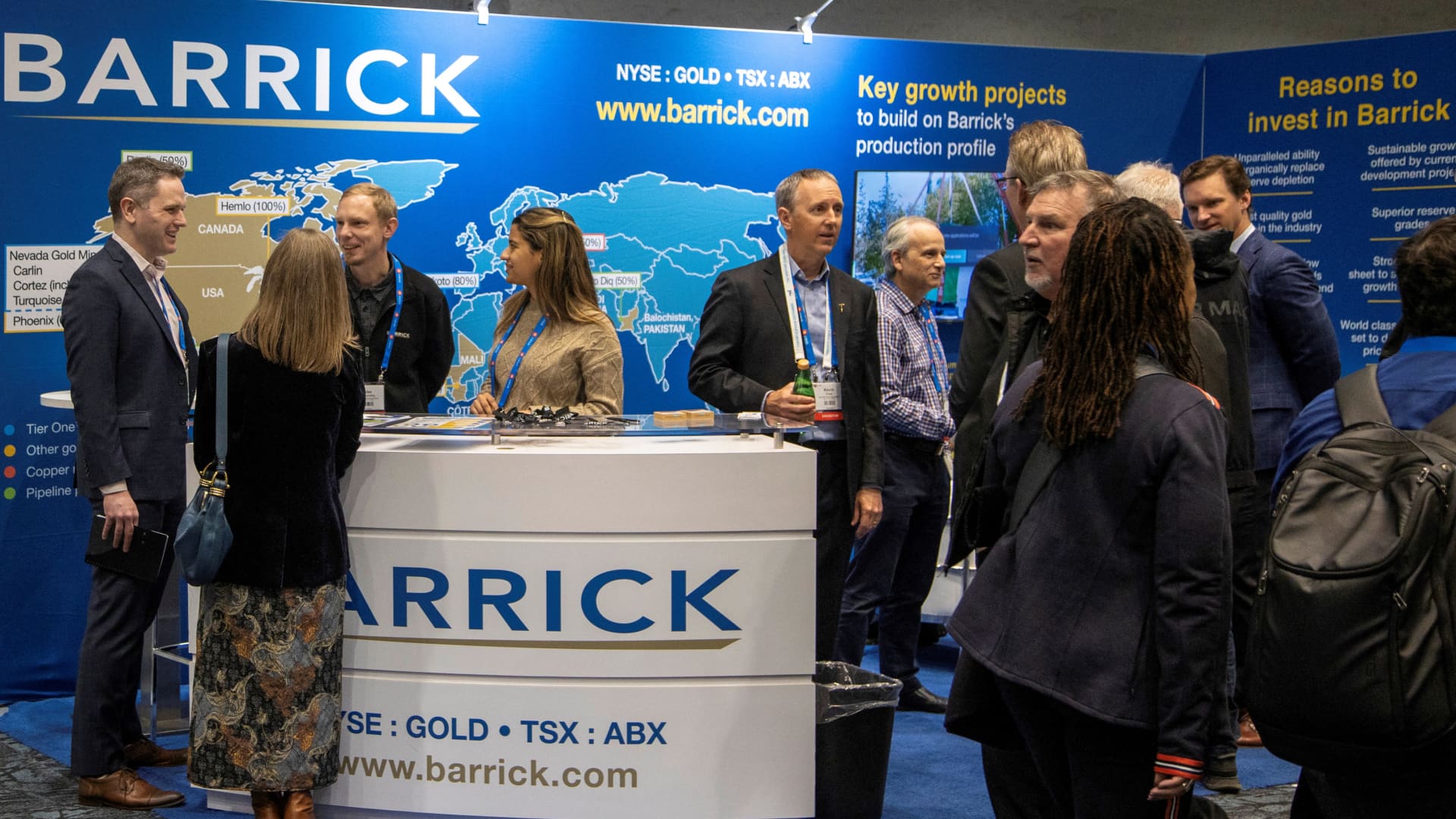
    Attendees speak with representatives at the Barrick booth, at the Prospectors and Developers Association of Canada (PDAC) annual mining conference in Toronto, Ontario, Canada March 3, 2025.

    Carlos Osorio | Reuters

    Company: Barrick Mining (B)

    Business: Barrick Mining, formerly Barrick Gold Corporation, is a gold and copper producer, which is engaged in the production and sale of gold and copper, as well as related activities, such as exploration and mine development. It has ownership interests in producing gold mines in Argentina, Canada, Cote d’Ivoire, the Democratic Republic of Congo, the Dominican Republic, Papua New Guinea, Tanzania and the United States. Its copper mines are in Zambia, Chile and Saudi Arabia. Its operations include Nevada Gold Mines, Bulyanhulu, Hemlo, Jabal Sayid, Kibali, Loulo-Gounkoto, Lumwana, North Mara, Porgera, Pueblo Viejo, Tongon, Veladero and Zaldivar. Its Bulyanhulu operation is located in northwest Tanzania, over 55 kilometers south of Lake Victoria and 150 km southwest of the city of Mwanza. The Jabal Sayid copper operation is located 350 km northeast of Jeddah in the Kingdom of Saudi Arabia. The Lumwana copper mine is a conventional open pit operation.

    Stock Market Value: $69.16 billion ($40.38 per share)

    Stock Chart IconStock chart icon

    Barrick Mining shares year to date

    Activist: Elliott Investment Management

    Ownership: n/a

    Average Cost: n/a

    Activist Commentary: Elliott is a multistrategy investment firm that manages about $76.1 billion in assets (as of June 30, 2025) and is one of the oldest firms of its type under continuous management. Known for its extensive due diligence and resources, Elliott regularly follows companies for years before making an investment. Elliott is the most active of activist investors, engaging with companies across industries and multiple geographies.

    What’s happening

    On Nov. 18, Elliott announced a position in Barrick Mining and expressed its interest in seeing a potential separation of North American assets from its mines in riskier regions across Asia and Africa. Most recently, on Dec. 1, Barrick announced that the board has authorized the company to explore a potential separation of the North American assets.

    Behind the scenes

    Barrick Mining is a Toronto-based global mining company focused predominantly on gold, operating 14 gold mines, as well as three additional cooper mines. The core of this business is its North America Gold assets, which consists of some of the highest quality deposits in the world, specifically Nevada Gold Mines, a joint venture with Newmont in which Barrick owns 61.5% and serves as its operator. The company also operates gold mines in Africa, the Middle East, Latin America, and Asia. Its copper portfolio is centered around Africa and the Middle East, including Reko Diq, a new copper development project in Pakistan.

    With the recent bull market for gold, Barrick’s stock has more than doubled over the past six months. Despite this, Barrick continues to trade at 0.9 times its price to net asset value ratio, a significant discount to North American peers, who trade well above 1x, with best-in-class peers like Agnico Eagle trading at approximately 1.5x.

    Investors buy gold companies primarily for gold price exposure, and from there prefer the companies with the best management teams that operate the companies most efficiently to best isolate the value of the commodity. Barrick has not been a top operator amongst its peers and, as a result, they abruptly parted ways with their CEO in September and replaced him with Mark Hill, the former COO, as interim CEO.

    An interim CEO creates two very valuable opportunities for an activist in a company like Barrick. First and most importantly, they get to have a voice in who the new CEO will be regardless of whether they settle with the company for a board seat or just remain an outspoken shareholder. While they may not always be in the room when the discussions are had or the decision is made, we know of no CEO who would take a job at a company with an activist like Elliott engaging unless they knew that Elliott approved of the hiring.

    Second, when a company has an interim CEO, it is an advantageous time to explore strategic alternatives, and a breakup of this company has always been the elephant in the room.

    Barrick’s North American operations have been sullied by the company’s exposure to higher-risk regions and separating the two would go a long way to close the valuation gap between Barrick and Agnico Eagle.

    The value proposition for a breakup is clear and even something management has discussed. In a presentation released in May, management demonstrated that applying a peer-like multiple to Barrick’s North American assets could unlock as much as 49% of unrealized value. Since then, the price of gold has appreciated by over 70% but the company’s stock has appreciated by more than 100%, so much of that gain has been realized but there is still some value to be realized from a breakup.

    Elliott has a history of taking board seats at companies not for activist’s sake, but only when they feel that the director they are putting on the board could genuinely add value for shareholders. In this case, the breakup of the company is something that is being seriously considered by the board, and Elliott, just by its existence, is likely to have at least negative approval power over the new CEO.

    Moreover, Elliott does not act impetuously in its activism. They have likely had a position in Barrick for many months at this point and have already received a great return from the company’s 100% appreciation in the past six months. We would not expect them to escalate their activism here unless either the board goes down a path they didn’t expect and don’t agree with, or it is at the company’s invitation to join the board to assist with the tasks ahead.

    Ken Squire is the founder and president of 13D Monitor, an institutional research service on shareholder activism, and the founder and portfolio manager of the 13D Activist Fund, a mutual fund that invests in a portfolio of activist investments.

    Continue Reading

  • Elon Musk says EU should be abolished after X slapped with $140 million fine

    Elon Musk says EU should be abolished after X slapped with $140 million fine

    Elon Musk sharply criticised the European Union on Saturday, declaring that the bloc “should be abolished” after his social media platform X was slapped with a $140 million fine just a day before.

    The penalty was imposed for alleged violations of the EU’s strict content and transparency rules. These rules, enforced in August 2023, set out what big tech companies can and cannot do when it comes to moderating content and handling user data.

    Musk argued that sovereignty must be returned to individual nations, so that governments can truly represent the interests of their people. His remarks come amid rising tensions between X and European regulators over the 27-nation bloc’s Digital Services Act.

    “The EU should be abolished and sovereignty returned to individual countries, so that governments can better represent their people,” he wrote on X (formerly Twitter), which his startup xAI acquired in 2022.

    In another tweet, Musk made a controversial comment, stating, “how long before the EU is gone? AbolishTheEU.”

    What did X do to attract the penalty?

    The European Commission said in a statement that it was penalising Elon Musk’s social media platform for violating three different transparency requirements under the law, AP reported.

    According to the regulators, the platform’s blue checkmarks broke the law because of their “deceptive design” that could potentially expose X users to various scams and manipulation.

    X also fell short of the requirements for its ad database and giving access to researchers access to public data, AP reported.

    The platform received a formal warning last year, as EU claimed that it has failed to combat dangerous content.

    All about the Digital Services Act

    The Digital Services Act or DSA, is a comprehensive rulebook aimed at holding online platforms more accountable for the safety and integrity of their digital spaces.

    It mandates these businesses to take proactive measures to protect European users, clean up harmful or illegal content and products on their sites, and additionally ensure transparency in how their algorithms work.

    The law grants regulators greater enforcement powers, including the authority to levy hefty penalties on platforms that fail to comply, making non-compliance a costly risk for companies operating in the region.

    At least two other major tecg companies, including Apple and Meta were also fined by the EU regulators this year, in order to make them comply with the Digital Markets Act. These companies were asked to pay a combined $797 million under the law, CNN reported earlier.

    Continue Reading

  • Integrated Colorisensing Platform with Microneedles and Metal-Phenol N

    Integrated Colorisensing Platform with Microneedles and Metal-Phenol N

    Introduction

    Acetylcholinesterase (AChE), an essential enzyme in the cholinergic nervous system, is responsible for breaking down the neurotransmitter acetylcholine (ACh) into choline and acetate, thereby modulating the levels of ACh at synapses in a dynamic manner.1,2 Dysregulation of AChE activity—whether excessive or deficient—is closely associated with severe neurological disorders. Notably, enhanced AChE activity leads to the depletion of ACh, a hallmark of neurodegenerative diseases such as Alzheimer’s disease (AD), Parkinson’s disease, and Huntington’s disease.3 Conversely, elevated ACh accumulation due to suppressed AChE activity can disrupt neurotransmission, potentially resulting in fatal outcomes.4 Given its central role in neuroregulation, AChE has emerged as a key biomarker for neurodegenerative conditions,5 particularly AD, where its activity is significantly elevated in patients. Consequently, AChE inhibitors have garnered substantial attention as potential therapeutic agents for AD treatment. The development of highly sensitive and efficient biosensors to detect AChE activity and evaluate inhibitor efficacy is thus imperative—not only for early diagnosis of neurodegenerative diseases but also for accelerating drug discovery and personalized therapeutic strategies.

    Various sensing strategies have been developed for detecting AChE activity or screening its inhibitors, including colorimetric assays,6 fluorescent assays,7 chromatography-mass spectrometry,8 electrochemical sensors,8 and others. Among these, colorimetric analysis has gained significant attention in AChE activity assays due to its convenience, low cost, fast readout, ease of visual detection, and strong potential for point-of-care or ready-to-use applications.9,10 Nowadays, colorimetric detections of acetylcholinesterase and its drug inhibitors have been developed using molecularly imprinted polymers,11 nanomaterials,12 antibodies,13 and natural enzymes14 as recognition units. Nanoenzymes are a series of biological nanomaterials with enzyme-like catalytic capabilities, which have many advantages such as high catalytic activity, low cost, and ease of large-scale preparation.15,16 In addition, nanoenzymes also overcome some limitations of natural enzymes, such as low tolerance to pH, temperature, and organic solvents, impaired activity during long-term use, and difficult purification.17 For example, Lin’s research group prepared manganese dioxide (MnO2) nanosheets as an oxidase-mimicking nanomaterial, which could directly oxidize TMB into oxTMB without the need for horseradish peroxidase (HRP) and H2O2,18 supporting the colorimetric detection of acetylcholinesterase activity and its inhibitor. Other biomimetic enzyme-like nanomaterials, such as 2D Zn-TCPP(Fe) nanosheets,1 α-FeOOH nanorods,19 and FeMn DSAs/N-CNTs nanozymes,20 are also employed to develop colorimetric biosensors for the detection of AChE and its inhibitor. Although great progress in nanozyme-based colorimetric sensors has been made, it is necessary to develop a real-time, on-site, and portable approach for AChE detection and inhibitor screening. Amazingly, the development of microneedle-mediated POCT strategies hinges on the synergistic integration of biosensing and biofluid sampling. On one hand, the emergence of highly sensitive microneedle-mediated biosensors allows for the direct transduction of biochemical signals in the dermal layers, paving the way for novel closed-loop diagnostic systems.21 For instance, Ruan et al constructed a dual-continuous microneedle patch integrating transdermal delivery of pH-sensitive licorzinc MOFs and Zn2+ hydrogel sensors for managing alopecia areata.22 Meanwhile, these microneedle-based biosensors are powerfully complemented by substantial progress in using microneedles to efficiently extract interstitial fluid,23–25 which establishes a reliable, minimally invasive method to obtain a rich source of biomarkers, making subsequent laboratory-grade analysis possible at the point-of-care. Therefore, the integration of microneedle-mediated POCT strategies into nanozyme-based colorimetric sensors probably offer a potential approach for on-site monitoring of AChE in interstitial fluid, heralding a new era in point-of-care diagnostics of neurodegenerative diseases. A key advantage of this POCT platform is its ability to provide rapid, real-time feedback on AChE levels through minimally invasive sample analysis, enabling immediate clinical or therapeutic decision-making at the point of sampling.26 This capability empowers healthcare providers to optimize treatment protocols and monitor disease progression dynamically. Moreover, the developing smartphone-assisted POCT colorimetric system streamlines traditional AChE detection workflows, effectively shifting the diagnostic paradigm from centralized laboratories to decentralized settings such as clinics or even home care conditions. Importantly, this microneedle-based user-friendly smart POCT colorimetric sensor not only enhances patient engagement in biomarker monitoring but also supports data-driven choices for personalized healthcare interventions.27,28

    To achieve this aim, we ingeniously designed and constructed a portable Colorisensor coupling with microneedle and metal-phenol nanozyme for smartphone-assisted point-of-care testings of acetylcholinesterase activity and its drug inhibitor (Scheme 1). When pressing the microneedle array for contacting with the skin layer, the analytes in ISF could respond to Fe-PD nanozymes. In the presence of AChE, it catalytically hydrolyzes ATCh into TCh. With its high reducing ability, TCh induces the decomposition of Fe-PD nanozymes, causing the inhibition of their POD-like activity. Hence, with the increasing concentration of AChE, there is an apparently fading change in the color of the oxTMB solution oxidized by H2O2 under the catalysis of Fe-PD nanozymes. Furthermore, to make the detection more smart, convenient, and minimally invasive, we have combined colorimetric methods with microneedle technology and an RGB identification strategy to create a colorimetric microneedle-mediated biosensing array for intelligent detection of AChE activity and its inhibitors. The developed Colorisensor exhibits outstanding sensitivity, selectivity, repeatability, and long-term stability, which hold promising prospects in the early diagnosis and screening of therapeutic drugs for neurodegenerative diseases.

    Scheme 1 Schematic illustration of point-of-care testings of acetylcholinesterase activity and its drug inhibitor by the integrated smart color-sensing platform with microneedle arrays and metal-phenol nanozymes.

    Materials and Methods

    Reagents and Materials

    Dopamine hydrochloride (DA·HCl), iron(III) chloride hexahydrate (FeCl3·6H2O), hydrogen peroxide (H2O2), 3,3′,5,5′-tetramethylbenzidine (TMB), acetylcholinesterase (AChE), acetylthiocholine iodide (ATCh), berberine hydrochloride, potassium chloride (KCl), glucose (Glu), L-cysteine (L-Cys), glutathione (GSH), glucoseoxidase (GOx), lysozyme (Lyz), tyrosinase (Tyr), N-vinylpyrrolidone (NVP), ethoxylated trimethylolpropane triacrylate (ETPTA), 2-hydroxy-2-methylpropiophenone (HMPP), ethylene glycol dimethacrylate (EGDMA), 1×PBS buffer (pH=7.4), acetic acid (HAc), and sodium acetate (NaAc) were purchased from NanJing WanQing Chemical Glassware Instrument Co., Ltd. All chemicals were of analytical grade and used without further purification. All porcine ear skin samples were collected from healthy male domestic pigs, aged 8 months and weighing ~100 kg, obtained from a local market. The sacrifice of the pigs were not involved in this study. These specific sources and application basis of porcine skins were stated in Source Declaration of Porcine Ear Skin.

    Preparation and Characterization of Fe-PD Nanozymes

    To synthesize Fe-PD nanozymes, NH3·H2O was initially added to a conical flask containing a mixture of ethanol and deionized water (2/8, v/v), followed by stirring for 1 hour until the solution became homogeneous at a pH of 10. Subsequently, solutions of DA (15 mL, 50 mg/mL) and FeCl3·6H2O (5 mL, 50 mg/mL) were sequentially introduced into the aforementioned flask. The reaction solution was maintained at room temperature and stirred for 7 hours. Thereafter, the resulting Fe-PD product was subjected to centrifugation (13500 rpm, 30 min) and washed three times with deionized water and ethanol, respectively. Ultimately, the Fe-PD nanozymes were dried at 45 °C.

    The morphology and chemical composition of the synthesized Fe-PD nanozymes were thoroughly characterized using various analytical techniques. Scanning electron microscopy (SEM, Hitachi S4800) was employed to investigate the nanozymes’ structural features at an accelerating voltage of 5.0 kV, a beam current of 10 μA, and a working distance of 13.5 mm, with micrographs captured at a magnification of 30.0k. The detailed morphology and elemental composition of the nanozymes were analyzed using high-resolution transmission electron microscopy (HRTEM) and energy-dispersive X-ray spectroscopy (EDX) on an FEI Talos 200x instrument. The analysis was conducted in STEM mode with a high tension of 200 kV. Key parameters for the EDX spectrum imaging included a beam convergence of 10.5 rmad, a camera length of 98 mm, a spot size of 5, and a dwell time of 10.0 μm. The spectrum image was acquired at a magnification of 261kx with an image size of 1024×1024 pixels over 24 frames. The UV-Vis absorption spectrum of the Fe-PD nanozyme-based colorimetric system was recorded using an ultraviolet-visible spectrophotometer (UV-Vis, Shanghai MAPADA). The UV-Vis absorption spectra within the range of 550–750 nm were recorded at 25 °C. Quantitative analysis was performed based on the maximum absorption peak observed at 652 nm. Additionally, the zeta potential was measured with a laser particle size analyzer (Brookhaven, ZetaPALS) to evaluate the surface charge of the nanozymes.

    Enzyme-Like Activity and Steady-State Kinetics of Fe-PD Nanozymes

    The Enzyme-like activity of Fe-PD nanozymes was evaluated by the system, including Fe-PD (50 µL, 50 µg/mL), TMB (100 µL,2 mM), and H2O2 (100 µL, 10 mM) in the NaAC-HAC buffer (0.1 M, pH 4.0). After incubation for 6 minutes at 37 °C, UV-Vis absorption spectra were recorded at 652 nm, and corresponding photographs were taken to visually assess the reaction process. Steady-state kinetic analysis of Fe-PD nanozymes was conducted by varying the substrate concentrations of TMB (0.05 mM to 8.0 mM) and H2O2 (0.125 mM to 32.0 mM), while keeping the concentration of Fe-PD nanozymes constant. Absorbance spectra of the solutions were recorded at 652 nm. The Michaelis-Menten constant (Km) and the maximum reaction velocity (Vmax) were then calculated using the Michaelis-Menten equation, based on the relationship between substrate concentrations and reaction velocity.29,30

    Colorimetric Detection of AChE Activity and Its Inhibitor

    According to previous studies,31,32 the enzymatic activity of AChE and its inhibition by berberine hydrochloride were evaluated using a colorimetric assay of an aqueous TMB + H2O2 system. The assay was based on the oxidation of TMB catalyzed by Fe-PD nanozymes in the presence of H2O2, with the enzymatic hydrolysis product thiocholine (TCh) serving as an inhibitor of the oxidation reaction. Then, Fe-PD suspension (0.05 mg/mL in acetate buffer, pH 4.0), TMB solution (2 mM in ethanol), H2O2 solution (10 mM in deionized water), AChE solution (0.1–1000 mU/mL in PBS, pH 7.4), ATCh solution (30 mM in PBS), NaAc-HAc buffer (0.1 M, pH 4.0) were prepared. To validate the sensing mechanism, five control experiments were conducted: Group a (Control): NaAc-HAc buffer only. Group b (Fe-PD + H2O2 + TMB): To confirm TMB oxidation by Fe-PD/H2O2. Group c (Fe-PD + H2O2 + TMB + AChE): To assess AChE’s direct effect. Group d (Fe-PD + H2O2 + TMB + ATCh): To examine ATCh interference. Group e (Fe-PD + H2O2 + TMB + AChE + ATCh): To verify TCh-mediated inhibition of TMB oxidation. Then, different concentrations of AChE (0.01–1000.0 mU/mL) were incubated with ATCh (5 mM, 20 min, 37°C) to generate TCh. The reaction mixture was then added to a solution containing Fe-PD, H2O2, and TMB. The absorbance at 652 nm (oxTMB) was recorded using a UV-Vis spectrophotometer. To evaluate inhibitory effects, varying concentrations of berberine hydrochloride (0.1–150 μM) were pre-incubated with AChE (50 mU/mL) for 15 min at 37°C before adding ATCh. The residual AChE activity was determined by measuring the UV-Vis absorbance peak intensity at 652 nm from the suppression of TMB oxidation.

    Construction of Microneedle-Based Colorimetric Sensing Array and Characterizations of the Micronnedle Patch

    First, 23.75 mg of 3A-PBA, 750 μL of NVP, 100 μL of ETPTA, and 19 μL of EGDMA were added to a centrifuge tube, followed by shaking and ultrasonic treatment until the solution was thoroughly dissolved. Then, 9 μL of HMPP was added as a photoinitiator, and the mixture was shaken to ensure complete blending. The resulting solution was carefully injected into a designed polydimethylsiloxane (PDMS) microneedle mold (depth: 800 μm, base width: 400 μm, center space: 900 μm and placed in a vacuum chamber for 5 minutes. Subsequently, photo-crosslinking was performed under UV light (360 nm, 5 W) to form the microneedle array. The microneedle array was then carefully removed from the PDMS mold and stored in a desiccator for future use. Microneedle arrays were first incubated in Fe-PD nanozyme solution (0.05 mg/mL) for 1 h to allow boronate ester bond formation, then rinsed with PBS to remove unbound nanozymes. For ATCh loading, the above pre-functionalized microneedle arrays were incubated in the 30 mM ATCh solution for 30 min and dried under nitrogen.

    For the microneedle characterization, SEM imaging was performed under an accelerating voltage of 5.0 kV and a beam current of 10 μA, with a working distance of 18.5 mm, a stage tilt of 30°, and a magnification of 50. The demolding rate was calculated following the defined equation 1:


    Where No. Demolded microneedles represents the number of needles in the demolded microneedle patch, and No. Designed microneedles represents the number of needles in the designed microneedle mold.

    For the mechanical hardness of the microneedles, we positioned the microneedle patch on the sample stage of a single-column material testing machine (Instron 5940). Relevant test parameters were configured prior to the experiment, and the compression table was carefully adjusted to achieve proper clamping of the microneedle patch. Subsequently, a compression test was performed at a constant speed of 1.0 mm/min to determine the corresponding compressive mechanical curve.

    The microneedle array was immersed in 1× PBS solution (pH 7.4), and its weight was recorded at various soaking time points (0 min, 1 min, 3 min, 5 min, 7 min, 10 min, 20 min, 30 min, 60 min). According to the previous reference,33 the water absorption expansion rate was calculated following the equation 2:


    Where Ws is the weight of the microneedle patch after swelling, and W0 is the initial weight of the microneedle patch.

    POCT Analysis of AChE and Its Drug Inhibitor in Simulated Samples

    Before detection, fresh porcine ear skin purchased from the local market were used as model samples simulating human skin and processed through the following steps: (1) The pig skin was disinfected with 75% ethanol, followed by cleaning with phosphate-buffered saline (PBS, 10 mM, pH 7.4) to remove surface contaminants; (2) The clean skin was cut into uniform small pieces and incubated overnight at 4°C in an artificial interstitial fluid (AISF) containing different concentrations of AChE (1, 10, 100, 1000 mU/mL) and varying concentrations of berberine (0.1, 10, 20, 40, 80, 120, 160 μM); (3) After incubation, the excess liquid on the surface of the skin sample, containing the AChE or its inhibitor-AISF complex, was gently blotted with a lint-free cloth. This pre-treatment ensured the uniform distribution of AChE or its inhibitor in the dermal matrix, thereby ensuring the accuracy of the subsequent detection results. Next, the engineered nanozyme-based microneedle Colorisensor patches were pressed onto the surface of the pre-treated porcine skin. After 20 minutes of contact, the patches were immersed in TMB (2 mM, 1000 μL) and H2O2 (10 mM, 1000 μL) for 3 minutes. The patches were then removed, and the color change of the patches was observed. The RGB values of the patches were measured using a color detection app on a smartphone.

    Statistical Analysis

    Statistical analysis of the data was performed using GraphPad Prism 10 Software. All data were presented as the mean ± the standard deviation (SD). Specifically, Tukey’s multiple comparison test was employed to further elaborate on significant differences among various groups. The data were marked as (*) P < 0.05, (**) P < 0.01, (***) P < 0.001, and (****) P < 0.0001. The P-value above 0.05 was considered non-significant (ns).

    Results and Discussions

    Preparation and Characterization of Fe-PD Nanorods

    To our knowledge, dopamine tends to form the 0D sphere or 2D film when metal and ligands undergo cross-linking.34,35 In this study, we employed a novel approach through Fe (III)-catechol coordination interaction, producing Fe-PD nanorods that served as catalytic components of the POCT colorimetric sensor. Our template-free strategy has overcome key issues in the fabrication process of nanorod-structured synthesized enzymes, including complicated experimental routines, strict conditions, long time-consuming, difficult removal, and residual side effects of the template.36 To prepare Fe-PD nanorods, dopamine and Fe3+ were successively added for chelation in an alkaline ethanol/water reaction system (Figure 1A). During the reaction stage, the catechol groups of dopamine can strongly chelate and cross-link with Fe to form Fe-PD precursor.37,38 These chemical chelates were further aggregated and polymerized by radical polymerization, resulting in Fe-PD nanorods for the next step of ATCh sensing. The SEM images in Figure 1B and C exhibited the change of the resulting DA-Fe chelates from nanospheres to nanorods. The Fe-PD nanorods were synthesized with a length of about 346.0 nm and a diameter of about 88.2 nm in a mold alkaline environment, as shown in the high-angle angular dark field-scanning transmission electron microscope (HAADF-STEM) image of Figure 1D. The EDS spectroscopy characterization (Figure 1E and Table S1 in Supporting Information) indicated that ≈6.0 wt% Fe element is uniformly distributed in the Fe-PD nanorods, which means effective Fe (III) chelate with dopamine molecules. Meanwhile, the zeta potential of the Fe-PD⁺ nanorods was measured at −17.2 mV, representing a notable positive shift compared to pristine PDA (−38.7 mV) (Figure S1). These findings collectively confirm the successful formation of Fe-PD nanorods.

    Figure 1 (A) The synthesis procedure of Fe-PD nanozymes. (B) The SEM image of the initial coordinated Fe-PD nanospheres; (C) The SEM image of the finally prepared Fe-PD nanorods. (D) HAADF-STEM image of Fe-PD nanorods. (E) EDS mapping of the Fe-PD nanorods. (F) Schematic illustration of the POD-like catalytic process of Fe-PD nanozymes. (G) Kinetics for POD-like activity of Fe-PD nanozymes with different concentrations of TMB (0.05–8 mM). Inset: Corresponding Lineweaver-Burk plot with a resulting linear equation of y = 0.055x + 0.065 (R2 = 0.9992). (H) Kinetics for POD-like activity of Fe-PD nanozymes with different concentrations of H2O2 (0.125–32.0 mM). Inset: Corresponding Lineweaver-Burk plot with a resulting linear equation of y = 0.0262x + 0.1092 (R2 = 0.9974).

    Afterwards, potential possibilities of Fe-PD nanorods were investigated for the role of nanozymes in POCT colorimetric sensors. Herein, to determine the enzymatic-like activity of Fe-PD nanorods, we further studied their enzymatic catalytic behavior using the TMB-H2O2 reaction system. Generally, peroxidase can catalyze colorless TMB to produce blue oxTMB by generating active hydroxyl radicals in the presence of H2O2,39 accompanied by the appearance of a characteristic absorption peak at 652 nm.40 To systematically evaluate the catalytic efficiency of Fe-PD nanorods as nanoenzymes (Figure 1F), we conducted steady-state kinetic parameter analysis, including the Michaelis constant (Km) and maximum reaction rate (Vmax). By adjusting the concentrations of TMB and H2O2, the steady-state kinetics were investigated to better understand the enzyme-like activity of the prepared Fe-PD nanorods. In Figure 1G and H, Fe-PD nanorods exhibit typical Michaelis-Menten models at different concentrations of TMB and H2O2, respectively. Moreover, when changing the concentration of the other substrate, Lineweaver-Burk curves can be obtained (Insets of Figure 1G and H). The resulting Km value and Vmax of Fe-PD nanorods were evaluated by fitting the Lineweaver-Burk equation in the double reciprocal plot. The Km of Fe-PD nanorods for TMB and H2O2 are calculated as 0.85 and 0.24 mM, respectively. Its Km (TMB) value is lower compared to that of the HRP [Km (TMB): 0.43 mM]; meanwhile, its Km (H2O2) value is smaller than that of the HRP [Km (H2O2): 3.7 mM].41 Additionally, when using the TMB as the substrate, Fe-PD nanorods achieved a stronger affinity with higher catalytic efficiency (Vmax = 15.38×10⁻⁸ MS−1) compared to that of previously reported other nanozymes using TMB as substrate (Table S2). Further, this nanorod-structured Fe-PD enzyme exhibits outstanding affinity with a higher maximum reaction rate (9.16×10⁻⁸ MS−1) when using H2O2 as the substrate, which exceeds most of the counterpart nanozymes (Table S3). The outstanding POD-like activity of the Fe-PD nanozyme is attributed to its three-dimensional rod-shaped structure (as illustrated in Figure 1C) and numerous catalytic sites, significantly promoting electron transfer.42 The inclusion of Fe3+ serves to reconfigure the electronic distribution,43 further enhancing its POD-like activity. More importantly, Fe-PD nanorods, as metal-catechol ligand cross-linking nanomaterials, could maintain their enzymatic-like catalytic activity over a long time with a low RSD value of 1.06% and attenuation rate less than 3.0% (until 85 days, Figure S2). These exciting results indicate the stronger affinity and catalytic activity of Fe-PD nanozymes than natural HRP and other reported POD-like nanozymes, with excellent practical stability. This further proves that Fe-PD nanozymes have reliable POD-like behavior, and this preparation approach could be advantageous for practical applications.

    Analytical Performance of This Colorisensor for AChE

    Taking advantage of excellent POD-like activity, Fe-PD nanozymes could effectively catalyze the oxidation of colorless TMB (Curve a in Figure 2A) to produce the blue oxTMB (Curve b in Figure 2A) in the presence of hydrogen peroxide, resulting in a marked increase in absorbance at 652 nm. Experimental results showed that the only addition of AChE (Curve c in Figure 2A) or ATCh (Curve d in Figure 2A) had no significant impact on the absorbance of the system, indicating that these components did not interfere with the colorimetric assay. As shown in Figure 2A-Curve e and Figure 2B, when both AChE and ATCh were present in the system (with their pre-reaction producing TCh), the absorbance significantly decreased, suggesting that TCh generated by AChE-catalyzed hydrolysis of ATCh could effectively inhibit the catalytic activity of Fe-PD nanozymes and prevent the oxidation of TMB. These findings demonstrate that the Colorisensor, based on the specific inhibition effect of TCh on Fe-PD nanozyme activity, can achieve AChE detection. This proves the AChE analytical feasibility of the colorimetric assay.

    Figure 2 (A) UV-vis spectra of the colorimetric biosensing system in the absence and in the presence of AA. The colorimetric biosensing system includes a: TMB + Fe-PD, b: TMB + Fe-PD + H2O2, c: TMB + Fe-PD + H2O2 + AChE, d: TMB + Fe-PD + H2O2 + ATCh, and e: TMB + Fe-PD + H2O2 + AChE + ATCh. Inset: corresponding solution color photographs. (B) Comparison of the above corresponding absorbance peak intensity. (C) Effects of Different incubation time (3 min, 5 min, 10 min, 20 min, and 60 min), (D) Different incubation temperature (4 °C, 25 °C, 37 °C, 45 °C, and 60 °C), and (E) added volume ratio of ATCh and AChE on the absorbance peak intensity of the Colorisensor system. VATCh and VAChE represent the added volumes of ATCh and AChE, respectively. (F) The relationship calibration curve between the absorbance of the Colorisensor system and the logarithm of the AChE activities (CAChE: from 0.01 to 1000.0 mU/mL) obtained by the Colorisensor. Inset: corresponding solution color photographs. Lg(CAChE) represents the logarithm values of AChE concentration to the base 10. R2 represents fitting coefficient of the linear relationship curve. Data were expressed as mean ± SD, n = 4, nsP> 0.05, *P< 0.05, **P< 0.01, ***P< 0.001, ****P< 0.0001.

    To obtain better analytical performance of this Colorisensor, the experimental conditions, including incubation time, incubation temperature, and content ratio of ATCh and AChE, were optimized. As shown in Figure 2C, the relationship between incubation time and the absorbance peak intensity of oxTMB at 652 nm decreased with increasing incubation time, ranging from 3 to 60 min. When the reaction time was 20 min, the peak intensity almost reached the plateau. Thus, 20 min was chosen as the optimal reaction time. Similarly, reaction temperature and content ratio of ATCh and AChE were also optimized as 37 °C (Figure 2D) and 1:1 (Figure 2E), respectively. Under the optimal experimental conditions, we conducted a detailed analysis of the detection performance of the Colorisensor. Plotting the longitudinal absorbance values versus the logarithm of the AChE activities within the range of 0.01–1000.0 mU/mL (Figure 2F), exhibits a good linear relationship. According to the linear regression equation of y = −0.0954x + 0.2907 (R2=0.9990), the detection limit of this Colorisensor was estimated as 0.007 mU/mL. Correspondingly, the solution color changed from blue to colorless with the increase of AChE (Inset in Figure 2F), further validating the excellent detection ability of the Colorisensor for AChE activities.

    Repeatability, Stability, and Selectivity of This Colorisensor

    Before practical analysis, other key detection parameters (including repeatability, stability, and selectivity) of this Colorisensor were tested. As shown in Figure 3A, the relative standard deviation (RSD) of eight independent sensors for 50 mU/mL of AChE detection is about 1.29%, suggesting that the Colorisensor holds outstanding repeatability. To investigate the selectivity of our developed colorimetric biosensing system, several potential interfering substances, including KCl, Glu, L-Cys, GSH, GOx, Lyz, and Tyr, were selected. In Figure 3B, the detection of AChE could not be interfered by these interfering substances, proving that this Colorisensor has excellent selectivity. Prominently, the colorimetric sensor also has long-term storage stability. The RSD of this Colorisensor for 50 mU/mL of AChE detection over 30 days is only 1.83% (Figure 3C). The above results demonstrate the great potential analytical performance of the Colorisensor for the diagnosis of degenerative diseases.

    Figure 3 (A) Repeatability of eight independent Colorisensors used to detect 50 mU/mL of AChE in AISF. (B) Effect of several interferences on the absorbance of the developed Colorisensor at 652 nm in the presence of interferences [KCl (0.15 mM); Glu (4 mM); L-cys and GSH (0.18 mM); GOx, Lyz, and Tyr (50 mU/mL)]; and AChE (50 mU/mL). (C) Storage stability of our Colorisensors for 30 days.

    Detection of the AChE Inhibitor

    Because of the great performance of the colorimetric sensing platform, it was further expanded by exploring its potential application for the determination of AChE inhibitor. Berberine is a promising effective inhibitor of the activity of AChE owing to its neuroprotective effects and treatment of Alzheimer’s Disease.44 As shown in Figure 4A, the absorption intensity gradually increased with increasing berberine concentrations. Figure 4B displayed the trend of inhibition efficiency with berberine concentration ranging from 0.1 to 40.0 μM, which can be determined by the equation: y = 0.0089x + 0.0418 (R2=0.9920). The corresponding solution gradually returned to its blue color of oxTMB. The LOD was 0.034 μM by using the 3σ/slope method, suggesting that the proposed Colorisensor platform was able to achieve berberine detection visually.

    Figure 4 (A) Absorbance of the colorimetric system at 652 nm with increasing berberine concentration from 0.1 to 160 μM. (B) Corresponding relationship between absorption peak intensity and the berberine concentration (0.1–40 μM). The linear equation: y=0.0089x + 0.0418 (R2=0.9920).

    POCT Analysis in Simulated Samples by the Microneedle-Based Color-Sensing Array

    To evaluate the POCT application in the condition surrounding simulated complex components in vivo, we first constructed the microneedle-based colorisensing array to carry out the actual detection of the activity of target AChE or the inhibiting effects of drug berberine on enzyme activity. The microscopic images of the microneedle array in Figure 5A displayed the well-arranged microneedle structures with uniform morphology, which is the basis for sampling and analyzing biofluid in the sensing platform. To ensure optimal penetration into the skin while minimizing tissue damage, the microneedle arrays were designed with a specific geometry. As shown in Figure 5B, dimensional information of the microneedle array could be provided with their height (H) of 775.4 μm, width (W) of 393.8 μm at the base, and center space (S) of 984.6 μm, ensuring an appropriate size to penetrate the epidermis layer and perform sensing functions. The Colorisensor microneedle array was fabricated via a photopolymerization-micromold method, as Figure 5C exhibited its SEM image for revealing the uniformity and sharpness of the microneedle tips, which are crucial for effective contact with tissue fluid. As shown in Figure S3, the microneedle patch was fabricated with a calculated demolding rate of 99.73%. To test the mechanical hardness of the microneedles, we conducted compression mechanical experiments at the speed of 1.0 mm/min to obtaining a force of approximately 0.18 N per needle (Figure S4), which exceeds the transdermal threshold ~0.058 N per needle.45 The resulting penetration depth of microneedles to pig skin was about 716 μm (Figure S5), indicating their ability to penetrate the stratum corneum and access the dermis layer for analyte detections. To better exhibit the sample ability, we investigated the swelling behavior of the microneedle patch, and defined the water absorption expansion rate as the evaluation index of its swelling performance. As a result, the water absorption expansion rate was calculated as about 156% (Figure S6).

    Figure 5 (A) microscopic image of part regions, (B) Cross-section image of the microneedle sensing array, and (C) SEM image of the microneedle sensing array. (D) Schematic illustration of Fe-PD nanozyme-mediated colorisensing visual evaluation of AChE activity and its drug inhibitors by the easy-to-use smartphone-assisted microneedle array platform. (E) Change of visible light G·B/R values of microneedle arrays with AChE concentrations of 1, 10, 100, and 1000 mU/mL, along with 30 mM of ATCh in porcine ear skin. Inset: Corresponding color photographs of the microneedle arrays. (F) Corresponding relationship between Visible light G·B/R values of microneedle arrays and Lg(AChE concentration), with the linear equation of y = −35.1x + 228.4 and R2= 0.9873. (G) Change of visible light G·B/R values of microneedle arrays with berberine concentrations (0.1, 1, 10, 20, 40 μM) in porcine skin. Inset: Corresponding color photographs of the microneedle arrays. (H) Corresponding relationship between visible light G·B/R values of microneedle arrays and berberine concentration, with the linear equation of y = 3.789x + 140.5 and R2= 0.9827.

    Afterwards, the sampling duration for the microneedle patch was determined through a combination of quantitative in vitro kinetics and ex vivo visual confirmation. We immersed the microneedle patches in artificial interstitial fluid (AISF) and quantitatively monitored the water absorption expansion rate over time. The data indicated that the water absorption expansion rate reached a plateau (the equilibrium stage) after approximately 20 min (Figure S7), suggesting that the patch’s fluid uptake capacity was nearly saturated. To corroborate the in vitro findings and visually demonstrate the sampling process, we applied the patches to pig skin. The microneedle patch contains a colorimetric indicator (CoCl2) whose color changes from blue to pink upon interaction with the extracted interstitial fluid. We observed that the color change progressed gradually and then stabilized, reaching a consistent and unchanging state after a period of 20 minutes (Figure S8). This visual endpoint provided direct evidence that the active sampling process was complete. The strong agreement between the quantitative swelling equilibrium and the qualitative color stabilization gave us high confidence that a 20-min sampling duration is sufficient to ensure the patch operates at its full capacity, guaranteeing complete and efficient sample collection for reliable analysis. The covalent linkage between 3A-PBA and Fe-PD nanozymes minimized the nanozyme detachment, while the low RSD values (2.80%, Figure S9) verified the consistent loading efficiency across batches. The characterization of nanozyme coating stability via continuous washing tests (RSD=3.12%, Figure S10) to further validate the robustness of the modification on the microneedle arrays. To evaluate the actual POCT performance of the Colorisensor platform, we conducted the detection experiment of AChE and its inhibitor on a fresh porcine ear skin as the simulated real in vivo condition, which is reported as a typical in vitro model due to its content of ISF (about 70% of human skin).46,47 The RGB recognition strategy was employed to quantify the color changes induced by the enzymatic activity of AChE. As depicted in Figure 5D, the microneedle array was applied to the porcine skin spiked with different activities of AChE, and the resulting color changes were captured using a smartphone app. The RGB values were then analyzed to determine the AChE activity. The visible light intensity was defined as (G·B)/R values for quantitative analysis of enzyme activity. As shown in Figure 5E, a clear activity-dependent response to different concentrations of AChE was exhibited. The linear relationship between the logarithm of AChE concentration and the visible light (G·B)/R value is illustrated in Figure 5F, with a correlation coefficient (R2) of 0.9973. This indicates that the Colorisensor platform can accurately detect AChE activity over a broad range from 0.01 mU/mL to 1000 mU/mL at point-of-care (POC), with a limit of detection (LOD) as low as 0.049 mU/mL. Meanwhile, the developed Colorisensor demonstrates comparable accuracy to the standard Ellman’s method under spiked conditions (Figure S11), while exhibiting a wider detection range and a lower detection limit compared to both traditional assays and emerging nanomaterial-based colorimetric methods (Table S4).

    To further validate the inhibitor detection utility of the Colorisensor platform, we chose berberine hydrochloride as an inhibitor candidate of AChE. The results presented in Figure 5G and H demonstrate a significant decrease in the visible light intensity (G·B)/R value with increasing concentrations of berberine. The linear regression analysis showed a strong correlation (R2 = 0.9827) between the berberine concentration and the observed color changes from 0.1 μM to 40 μM, with a low LOD of 0.098 μM indicating the high sensitivity and accuracy of the Colorisensor for POC detecting AChE inhibitors.

    Potential Applications and Future Perspectives

    This study primarily demonstrates the application of our microneedle and nanozyme-based Colorisensor for AChE detection, focusing on its potential in the early diagnosis and drug screening of neurodegenerative diseases. The minimally invasive nature, high sensitivity, and portability of our platform address a critical need for point-of-care monitoring of chronic biochemical changes, such as the subtle fluctuations in AChE activity associated with the onset and progression of conditions like Alzheimer’s disease.48,49

    Beyond this primary focus, we recognize that the significant potential of our platform in other AChE-related testing scenarios. A prominent example is the rapid screening of organophosphate and carbamate pesticide poisoning, where AChE inhibition is a well-established clinical biomarker.50,51 While current field tests for poisoning are often qualitative, our Colorisensor offers a quantitative, highly sensitive, and user-friendly alternative. It could not only confirm exposure but also help stratify poisoning severity and objectively monitor the efficacy of antidote administration at the point of care, which is crucial in agricultural and low-resource settings. We envision that our Colorisensor will evolve into a multi-scenario POCT tool, capable of addressing diverse needs in both chronic disease management and emergency medicine.

    Conclusion

    In summary, we develop a highly sensitive acetylcholinesterase assay based on a microneedle-based colorimetric nanosensing platform. Integrating metal-phenol nanozymes with peroxidase-like activity that responds to target-induced changes, and combining smartphone-based RGB color recognition, the platform achieves rapid and easy-to-operate AChE activity detection with a broad linear range of 0.01–1000 mU/mL and excellent selectivity. It successfully identifies berberine as a candidate AChE inhibitor, demonstrating promising potential for applications in drug inhibitor screening fields. Notably, the microneedle-based sensing concept presented herein is a proof-of-concept. To realize point-of-care testing, further engineering optimizations, such as miniaturization of supporting detection devices, improvement of on-site readout convenience, and enhancement of practical applicability in complex biological scenarios are required. Furthermore, the versatility of this sensing strategy suggests promising potential for expansion into other application fields, such as rapid on-site screening for pesticide exposure, highlighting its broad impact in both clinical and public health settings.

    Author Contributions

    All authors made a significant contribution to the work reported, whether that is in the conception, study design, execution, acquisition of data, analysis and interpretation, or in all these areas; took part in drafting, revising or critically reviewing the article; gave final approval of the version to be published; have agreed on the journal to which the article has been submitted; and agree to be accountable for all aspects of the work.

    Funding

    This research was supported by Science and Technology Program of Suzhou (SYW2025037) and Science and Technology Program of Taicang (TC2024JCYL23).

    Disclosure

    The authors declare no conflict of interest.

    References

    1. Wang Y, Xue Y, Zhao Q, Wang S, Sun J, Yang X. Colorimetric assay for acetylcholinesterase activity and inhibitor screening based on metal-organic framework nanosheets. Analy Chem. 2022;94:16345–16352. doi:10.1021/acs.analchem.2c03290

    2. Walczak-Nowicka LJ, Herbet M. Acetylcholinesterase inhibitors in the treatment of neurodegenerative diseases and the role of acetylcholinesterase in their pathogenesis. Int J Mol Sci. 2021;22:9290.

    3. Liu D-M, Xu B, Dong C. Recent advances in colorimetric strategies for acetylcholinesterase assay and their applications. TRAC-Trends Anal Chem. 2021;142:116320. doi:10.1016/j.trac.2021.116320

    4. Zhang M, Wang C, Wang Y, Li F, Zhu D. Visual evaluation of acetylcholinesterase inhibition by an easy-to-operate assay based on N-doped carbon nanozyme with high stability and oxidase-like activity. J Mater Chem B. 2023;11:4014–4019. doi:10.1039/D3TB00238A

    5. Zheng M, Liu M, Ma F, et al. Novel colorimetric-fluorescent dual-mode biosensing platform for detecting acetylcholinesterase and screening acetylcholinesterase inhibitors based on trimetallic nanozymes. Chem Eng J. 2025;505:159482. doi:10.1016/j.cej.2025.159482

    6. Wan X, Wu P, He X, et al. Nanosilver supported CoAl layered double hydroxide: a high-activity peroxidase-like nanozyme for colorimetric sensing of acetylcholinesterase. Microchem J. 2025;215:114321. doi:10.1016/j.microc.2025.114321

    7. Zhao Y, Shen A, Hao X, et al. Ultrasensitivity detecting AChE through “covalent assembly” and signal amplification strategic approaches and applied to screen its inhibitor. Analy Chem. 2023;95:4503–4512. doi:10.1021/acs.analchem.2c05313

    8. Stuetz L, Schulz W, Winzenbacher R. Identification of acetylcholinesterase inhibitors in water by combining two-dimensional thin-layer chromatography and high-resolution mass spectrometry. J Chromatogr A. 2020;1624:461239. doi:10.1016/j.chroma.2020.461239

    9. Liu Y, Wei X, Chen J, Yu Y-L, Wang J-H, Qiu H. Acetylcholinesterase activity monitoring and natural anti-neurological disease drug screening via rational design of deepeutectic solvents and CeO2-Co(OH)2 nanosheets. Analy Chem. 2022;94:5970–5979. doi:10.1021/acs.analchem.2c00428

    10. Cheng H, Wang Y, Wang Y, Ge L, Liu X, Li F. A visualized sensor based on layered double hydroxides with peroxidase-like activity for sensitive acetylcholinesterase assay. Anal Methods. 2023;15:3700–3708. doi:10.1039/D3AY00776F

    11. Qi J-F, Tan D, Wang X-J, et al. A novel acetylcholinesterase biosensor with dual-recognized strategy based on molecularly imprinted polymer. Sens Actuators B. 2021;337:129760. doi:10.1016/j.snb.2021.129760

    12. Liu X, Zhang X, Wei D, Liu Z, Yang L. Innovative bioinspired hydrogel scaffolds enabling in-situ hybrid nanoflower integration for dual-mode acetylcholinesterase inhibitor profiling. Biosens Bioelectron. 2025;271:117032. doi:10.1016/j.bios.2024.117032

    13. Grassi J, Frobert Y, Lamourette P, Lagoutte B. Screening of monoclonal-antibodies using antigens labeled with acetylcholinesterase-application to the peripheral proteins of photosystem-1. Analy Biochem. 1988;168:436–450. doi:10.1016/0003-2697(88)90341-7

    14. Chen Y, Zhang X, Luo X. Enzyme colorimetric cellulose membrane bioactivity strips based on acetylcholinesterase immobilization for inhibitors preliminary screening. Colloids Surf B. 2023;223:113184. doi:10.1016/j.colsurfb.2023.113184

    15. Yuan Z, Fu M, Wang X, et al. A colorimetric strategy and smartphone-based test strip for the detection of glucose based on the peroxidase activity of a hemin-derived nanozyme. Anal Methods. 2025;17:320–329. doi:10.1039/D4AY01878H

    16. Anderson S, Shepherd H, Boggavarapu K, Paudyal J. Colorimetric detection of dopamine based on peroxidase-like activity of β-CD functionalized AuNPs. Molecules. 2025;30:423. doi:10.3390/molecules30020423

    17. Wu J, Wang X, Wang Q, et al. Nanomaterials with enzyme-like characteristics (nanozymes): next-generation artificial enzymes (II). Chem Soc Rev. 2019;48:1004–1076. doi:10.1039/c8cs00457a

    18. Yan X, Song Y, Wu X, et al. Oxidase-mimicking activity of ultrathin MnO2 nanosheets in colorimetric assay of acetylcholinesterase activity. Nanoscale. 2017;9:2317–2323. doi:10.1039/C6NR08473G

    19. Li DY, Chen L, Li CY, et al. Nanoplasmonic biosensors for multicolor visual analysis of acetylcholinesterase activity and drug inhibitor screening in point-of-care testing. Biosens Bioelectron. 2024;247:115912. doi:10.1016/j.bios.2023.115912

    20. Mao Y-W, Zhang J, Zhang R, et al. N-doped carbon nanotubes supported Fe-Mn dual-single-atoms nanozyme with synergistically enhanced peroxidase activity for sensitive colorimetric detection of acetylcholinesterase and its inhibitor. Analy Chem. 2023;95:8640–8648. doi:10.1021/acs.analchem.3c01070

    21. Guo J, Zhu X, Liang B, et al. Application and recent progress of MXene-based bioactive materials in wound management. Nano TransMed. 2025;4:100079. doi:10.1016/j.ntm.2025.100079

    22. Ruan H, Zhong Y, Ding H, et al. Dual-continuous microneedle patch integrating transdermal delivery of pH-sensitive licorzinc MOFs and Zn2+ hydrogel sensors for treating alopecia areata. Chem Eng J. 2024;499:155961. doi:10.1016/j.cej.2024.155961

    23. Ma S, Li J, Pei L, Feng N, Zhang Y. Microneedle-based interstitial fluid extraction for drug analysis: advances, challenges, and prospects. J Pharm Anal. 2023;13:111–126. doi:10.1016/j.jpha.2022.12.004

    24. Chen Z-B, Luo Y-W, Zhen Y, et al. Advancements in hyaluronic acid cross-linking modalities and implant strategies for mitigating skin aging. Biomed Eng Commun. 2025;4:3. doi:10.53388/BMEC2025003

    25. Mohammed Y, Kumeria T, Benson HAE, Ali M, Namjoshi S. Skin biomechanics: breaking the dermal barriers with microneedles. Nano TransMed. 2022;1:e9130002. doi:10.26599/NTM.2022.9130002

    26. Haghayegh F, Norouziazad A, Haghani E, et al. Revolutionary point-of-care wearable diagnostics for early disease detection and biomarker discovery through intelligent technologies. Adv Sci. 2024;11:2400595. doi:10.1002/advs.202400595

    27. Rabiee N. Revolutionizing biosensing with wearable microneedle patches: innovations and applications. J Mater Chem B. 2025;13:5264–5289. doi:10.1039/D5TB00251F

    28. Wasilewski T, Kamysz W, Gebicki J. AI-assisted detection of biomarkers by sensors and biosensors for early diagnosis and monitoring. Biosensors-Basel. 2024;14:356. doi:10.3390/bios14070356

    29. Yuan R, Wang C, Cai J, et al. A rodlike polydopamine-Fe (III) nanozyme-based colorimetric sensor for on-site smartphone readout of ascorbic acid in perishable fruits. Microchem J. 2025;208:112318. doi:10.1016/j.microc.2024.112318

    30. Lou Z, Zhao S, Wang Q, Wei H. N-doped carbon as peroxidase-like nanozymes for total antioxidant capacity assay. Analy Chem. 2019;91:15267–15274. doi:10.1021/acs.analchem.9b04333

    31. Cao Y, Chen Y, Zhou Y, Chen X, Peng J. Direct detection of acetylcholinesterase by Fe(HCOO)2.6(OH)0.3. H2O nanosheets with oxidase-like activity on a smartphone platform. Talanta. 2024;274:126074. doi:10.1016/j.talanta.2024.126074

    32. Zhou Y, Luan T, Fang Q, Zhang Y, Du Y. Molecularly tailored Pd@Pt nanozymes for real-time smartphone-assisted acetylcholinesterase detection and therapeutic inhibitor assessment. Sens Actuators B. 2025;440:137889. doi:10.1016/j.snb.2025.137889

    33. Zhu Z-R, Huang J-N, Li J-Z, Cao H, Lin Z-Y, Li Y. Janus hydrogel/electrospun-membrane dressing enhancing wound healing in rats. Biomed Eng Commun. 2024;3:10. doi:10.53388/BMEC2024010

    34. Wang Z, Zou Y, Li Y, Cheng Y. Metal-containing polydopamine nanomaterials: catalysis, energy, and theranostics. Small. 2020;16:1907042. doi:10.1002/smll.201907042

    35. Liu Q, Wang N, Caro J, Huang A. Bio-inspired polydopamine: a versatile and powerful platform for covalent synthesis of molecular sieve membranes. J Am Chem Soc. 2013;135:17679–17682. doi:10.1021/ja4080562

    36. Hebbar RS, Isloor AM, Ananda K, Ismail AF. Fabrication of polydopamine functionalized halloysite nanotube/polyetherimide membranes for heavy metal removal. J Mater Chem A. 2016;4:764–774. doi:10.1039/C5TA09281G

    37. Liu Q, Wang H, Wu C, Wei Z, Wang H. In-situ generation of iron-dopamine nanoparticles with hybridization and cross-linking dual-functions in poly (vinyl alcohol) membranes for ethanol dehydration via pervaporation. Sep Purif Technol. 2017;188:282–292. doi:10.1016/j.seppur.2017.06.038

    38. Ai Y, Sun H, Gao Z, et al. Dual enzyme mimics based on metal-ligand cross-linking strategy for accelerating ascorbate oxidation and enhancing tumor therapy. Adv Funct Mater. 2021;31:2103581. doi:10.1002/adfm.202103581

    39. Wang Y, Feng Q, Liu M, et al. S Codoped carbon nanozymes with enhanced peroxidase-like activity and binding affinity for total antioxidant capacity assay. ACS Appl Nano Mater. 2023;6:23303–23312. doi:10.1021/acsanm.3c04650

    40. Wu Y, Tan X, Gong H, et al. Self-assembled TMB-CuO2 nanosheets for dual-mode colorimetric and NIR-II photothermal detection of uranyl ion. Anal Chim Acta. 2025;1356:344041. doi:10.1016/j.aca.2025.344041

    41. Gao L, Zhuang J, Nie L, et al. Intrinsic peroxidase-like activity of ferromagnetic nanoparticles. Nat Nanotechnol. 2007;2:577–583. doi:10.1038/nnano.2007.260

    42. Huang K, Hu C, Tan Q, et al. Nanozymes as a tool to boost agricultural production: from preparation to application. Environ Sci Nano. 2025;12:98–120. doi:10.1039/D4EN00780H

    43. Ma Y, Chen P, Liao J, Dong XA, He W, Zhang W. Fe3+-induced surface hole generation for selective ‘OH formation and efficient NO2 suppression in photocatalytic NO oxidation. Chem Eng J. 2025;515:163634. doi:10.1016/j.cej.2025.163634

    44. Dan L, Hao Y, Li J, et al. Neuroprotective effects and possible mechanisms of berberine in animal models of Alzheimer’s disease: a systematic review and meta-analysis. Front Pharmacol. 2024;14:1287750. doi:10.3389/fphar.2023.1287750

    45. Chang H, Chew SWT, Zheng M, et al. Cryomicroneedles for transdermal cell delivery. Nat Biomed Eng. 2021;5:1008–1018. doi:10.1038/s41551-021-00720-1

    46. Samant PP, Prausnitz MR. Mechanisms of sampling interstitial fluid from skin using a microneedle patch. Proc Natl Acad Sci U S A. 2018;115:4583–4588. doi:10.1073/pnas.1716772115

    47. Yuan R, Cai J, Li J, et al. Integrated microneedle aptasensing platform toward point-of-care monitoring of bacterial infections and treatment. ACS Sens. 2025;10:5684–5693. doi:10.1021/acssensors.5c00804

    48. Loganathan C, Sakayanathan P, Thayumanavan P. Isolation of bioactive components from Corallocarpus epigaeus tuber and inhibitory potential against various molecular forms of acetylcholinesterase. Alzheimers Dement. 2020;16:e043402. doi:10.1002/alz.043402

    49. Stavrakov G, Philipova I, Lukarski A, et al. Galantamine-curcumin hybrids as dual-site binding acetylcholinesterase inhibitors. Molecules. 2020;25:3341. doi:10.3390/molecules25153341

    50. Wille T, Djordjevic S, Worek F, Thiermann H, Vucinic S. Early diagnosis of nerve agent exposure with a mobile test kit and implications for medical countermeasures: a trigger to react. BMJ Mil Health. 2020;166:99–102. doi:10.1136/jramc-2019-001310

    51. Eyer P, Worek F, Thiermann H, Eddleston M. Paradox findings may challenge orthodox reasoning in acute organophosphate poisoning. Chem Biol Interact. 2010;187:270–278. doi:10.1016/j.cbi.2009.10.014

    Continue Reading

  • Deutsche Bank to move into Revolut’s Canary Wharf headquarters, FT reports

    Deutsche Bank to move into Revolut’s Canary Wharf headquarters, FT reports

    Dec 6 (Reuters) – Germany’s Deutsche Bank (DBKGn.DE), opens new tab has opted to take about 250,000 square feet of London’s Canary Wharf office space in a building that carries the logo of British fintech Revolut, the Financial Times reported on Saturday.

    The German bank will take about twice as much space in the YY building on South Colonnade as Revolut, the report said, citing people familiar with the matter.

    Sign up here.

    Deutsche Bank declined to comment on the report. Canary Wharf Group referred Reuters to asset manager Oaktree Capital Management, which owns the building, when asked for a comment. Oaktree declined to comment.

    Oaktree bought the building in a joint venture with real estate firm Quadrant Estates in 2019, according to Quadrant’s website. Quadrant could not be reached for comment.

    Revolut became the first tenant of the building last year, taking on 40% more floor space for its new headquarters.
    Canary Wharf Group, which runs the wider financial district and is co-owned by QIA and Canada’s Brookfield (BN.TO), opens new tab, was hit by the pandemic-induced fall in office demand. The area has rebounded as more firms push staff to return to the office.
    Visa (V.N), opens new tab is relocating its European headquarters to the district, Canary Wharf Group said on Friday.
    JPMorgan Chase (JPM.N), opens new tab last week made public a plan to build a tower in Canary Wharf that it said would contribute 9.9 billion pounds ($13 billion) over six years to the local economy – including the cost of construction – and create 7,800 jobs.

    ($1 = 0.7502 pounds)

    Reporting by Angela Christy and Gnaneshwar Rajan in Bengaluru; Editing by Sam Holmes, William Mallard and Barbara Lewis

    Our Standards: The Thomson Reuters Trust Principles., opens new tab

    Continue Reading

  • Assessing First Quantum Minerals After Its 76% Rally and Copper Price Optimism

    Assessing First Quantum Minerals After Its 76% Rally and Copper Price Optimism

    • Wondering if First Quantum Minerals is still good value after its big run, or if you are late to the party? This breakdown will help you decide whether the current price makes sense or is getting ahead of itself.

    • The stock has climbed 4.6% over the last week, 16.8% over the past month, and 76.0% year to date, with a 63.4% gain over the past year that has clearly caught the market’s attention.

    • Much of this move has been driven by shifting sentiment around copper prices and expectations for long term supply constraints, as investors increasingly treat copper exposed miners as leveraged plays on the energy transition. On top of that, headlines around First Quantum’s asset mix, project pipeline, and jurisdictional risks have kept the stock in the spotlight and added volatility to how investors are pricing its future cash flows.

    • Despite the rally, First Quantum Minerals currently scores 5 out of 6 on our valuation checks, suggesting it still screens as undervalued on most metrics. Next, we will dig into those different valuation approaches, before finishing with a more holistic way to think about what the stock is really worth.

    Find out why First Quantum Minerals’s 63.4% return over the last year is lagging behind its peers.

    The Discounted Cash Flow model estimates what a business is worth by projecting the cash it could generate in the future and then discounting those cash flows back to today in dollar terms. For First Quantum Minerals, the 2 Stage Free Cash Flow to Equity model starts from last twelve month free cash flow of about $1.5 billion, and then applies analyst forecasts for the next few years before extrapolating longer term trends.

    Analysts and model estimates see free cash flow rising to roughly $4.0 billion by 2029, with detailed projections stepping up from the low hundreds of millions in 2026 into the multi billion range later in the decade as new projects and higher copper volumes are factored in. Simply Wall St then extends these growth patterns into the following years to capture a full value for the business.

    Bringing all of those cash flows back to today, the DCF fair value is estimated at $93.10 per share. That implies the shares trade at about a 64.2% discount to intrinsic value, which suggests material upside if these cash flow assumptions prove broadly correct.

    Result: UNDERVALUED

    Our Discounted Cash Flow (DCF) analysis suggests First Quantum Minerals is undervalued by 64.2%. Track this in your watchlist or portfolio, or discover 906 more undervalued stocks based on cash flows.

    Continue Reading