Category: 3. Business

  • Consistency key to startup success

    Consistency key to startup success


    KARACHI:

    Consistency is emerging as the defining currency of startup success, overshadowing capital, connections and even innovative ideas. This was the dominant message at Build Up 2025, an annual entrepreneurship forum hosted by Invest2Innovate (i2i) in Karachi.

    Across high-impact panel discussions, founders and investors agreed that persistence, clarity of purpose, and disciplined financial behaviour are the pillars that determine which startups break through Pakistan’s challenging market environment.

    The panel, “The Art of Selling: Convincing Customers, Partners & Investors,” moderated by Qist Bazaar’s Arif Lakhani, spotlighted the emotional and practical exhaustion that accompanies early-stage sales. Speakers stressed that rejection is not an obstacle but an unavoidable phase that founders must survive to get their product accepted.

    One of the day’s most powerful illustrations came from Haball’s Omar bin Ahsan, who recalled meeting the same potential clients up to 40 times before finally closing a major deal, and being rejected an equal number of times along the way. “You must not give up,” he said, calling persistence the only reliable predictor of sales success in Pakistan’s B2B landscape.

    Panellists explained that before a product can be sold, the founder must “sell themselves.” Building trust, they said, is the make-or-break factor in an ecosystem where clients often refuse a pitch simply because they “have not heard your name.”

    For BusCaro’s Maha Shahzad and others on the panel, trust building begins with the founder’s credibility, image and consistency in fulfilling commitments. “You must deliver every promise you make about your product,” one speaker said, emphasising that quality and reliability form the foundation of customer acceptance.

    Contrary to the instinct of many new entrepreneurs, some panellists strongly discouraged placing products directly in large supermarkets. Launching in big retail chains too early, they warned, destroys margins due to high listing fees, tight payment cycles and promotional costs. Instead, founders were advised to first sell through neighbourhood stores and street-level retail to build organic demand.

    The panel also tackled the sensitive question of whether references to father or uncle could accelerate sales. Speakers acknowledged that powerful references may help secure an introductory meeting. A large retailer may entertain a pitch if a senior official recommends it. But beyond that initial opening, they agreed, influence has no power. Poor-quality products pushed through influence may see early traction, but cannot achieve long-term success.

    Another discussion, “The Pressure to Raise & What Happens After,” moderated by i2i Ventures’ Misbah Naqvi, shifted focus from sales to funding, a topic that brought equally candid reflections. Panellists included Salesflo’s Sharoon Saleem, Myco’s Somair Rizvi and Sehat Kahani’s Dr Sara Saeed.

    If consistency defines sales, the speakers argued, then clarity defines fundraising. Founders must be able to state the problem they are solving and the solution in a single sentence. Pitching, they added, is not an inherent skill but an art that must be practised repeatedly. Speakers agreed that funding comes with responsibilities.

    The fundraising panel, moderated by Misbah Naqvi, Co-founder of i2i Ventures, highlighted a fundamental debate: is external funding necessary?

    Panellist Sharoon Saleem of Salesflo emphasised bootstrapping, noting, “We don’t go to fundraising.” This perspective contrasts with the traditional view, acknowledging that capital infusion brings added responsibilities. Dr Sara Saeed of Sehat Kahani and other panellists agreed that funding is a continuous process that presents new tasks and challenges, as founders are liable to deliver on their promises to investors.

    The key takeaway was that capital deployment demands rigour. Founders must be clear on where the money will be used and be flexible with their plans. If funds are wasted, the next investor will know, making prudent capital deployment as crucial as the pitch itself.

    Omar bin Ahsan of Haball advised founders to take market risks to gauge where and why rejection is occurring. “You must assess the reasons for rejection, then effectively sell yourself and your product. Ultimately, you need to establish and earn client trust as the trust factor is critical for sales.”

    Continue Reading

  • With 46% ownership in Sims Limited (ASX:SGM), institutional investors have a lot riding on the business

    With 46% ownership in Sims Limited (ASX:SGM), institutional investors have a lot riding on the business

    • Significantly high institutional ownership implies Sims’ stock price is sensitive to their trading actions

    • A total of 6 investors have a majority stake in the company with 51% ownership

    • Recent sales by insiders

    We’ve found 21 US stocks that are forecast to pay a dividend yield of over 6% next year. See the full list for free.

    A look at the shareholders of Sims Limited (ASX:SGM) can tell us which group is most powerful. And the group that holds the biggest piece of the pie are institutions with 46% ownership. That is, the group stands to benefit the most if the stock rises (or lose the most if there is a downturn).

    And things are looking up for institutional investors after the company gained AU$390m in market cap last week. The one-year return on investment is currently 33% and last week’s gain would have been more than welcomed.

    Let’s take a closer look to see what the different types of shareholders can tell us about Sims.

    Check out our latest analysis for Sims

    ASX:SGM Ownership Breakdown November 30th 2025

    Institutional investors commonly compare their own returns to the returns of a commonly followed index. So they generally do consider buying larger companies that are included in the relevant benchmark index.

    As you can see, institutional investors have a fair amount of stake in Sims. This suggests some credibility amongst professional investors. But we can’t rely on that fact alone since institutions make bad investments sometimes, just like everyone does. It is not uncommon to see a big share price drop if two large institutional investors try to sell out of a stock at the same time. So it is worth checking the past earnings trajectory of Sims, (below). Of course, keep in mind that there are other factors to consider, too.

    earnings-and-revenue-growth
    ASX:SGM Earnings and Revenue Growth November 30th 2025

    Sims is not owned by hedge funds. Looking at our data, we can see that the largest shareholder is Mitsui & Co., Ltd. with 17% of shares outstanding. Meanwhile, the second and third largest shareholders, hold 13% and 6.2%, of the shares outstanding, respectively.

    We did some more digging and found that 6 of the top shareholders account for roughly 51% of the register, implying that along with larger shareholders, there are a few smaller shareholders, thereby balancing out each others interests somewhat.

    While it makes sense to study institutional ownership data for a company, it also makes sense to study analyst sentiments to know which way the wind is blowing. There are a reasonable number of analysts covering the stock, so it might be useful to find out their aggregate view on the future.

    Continue Reading

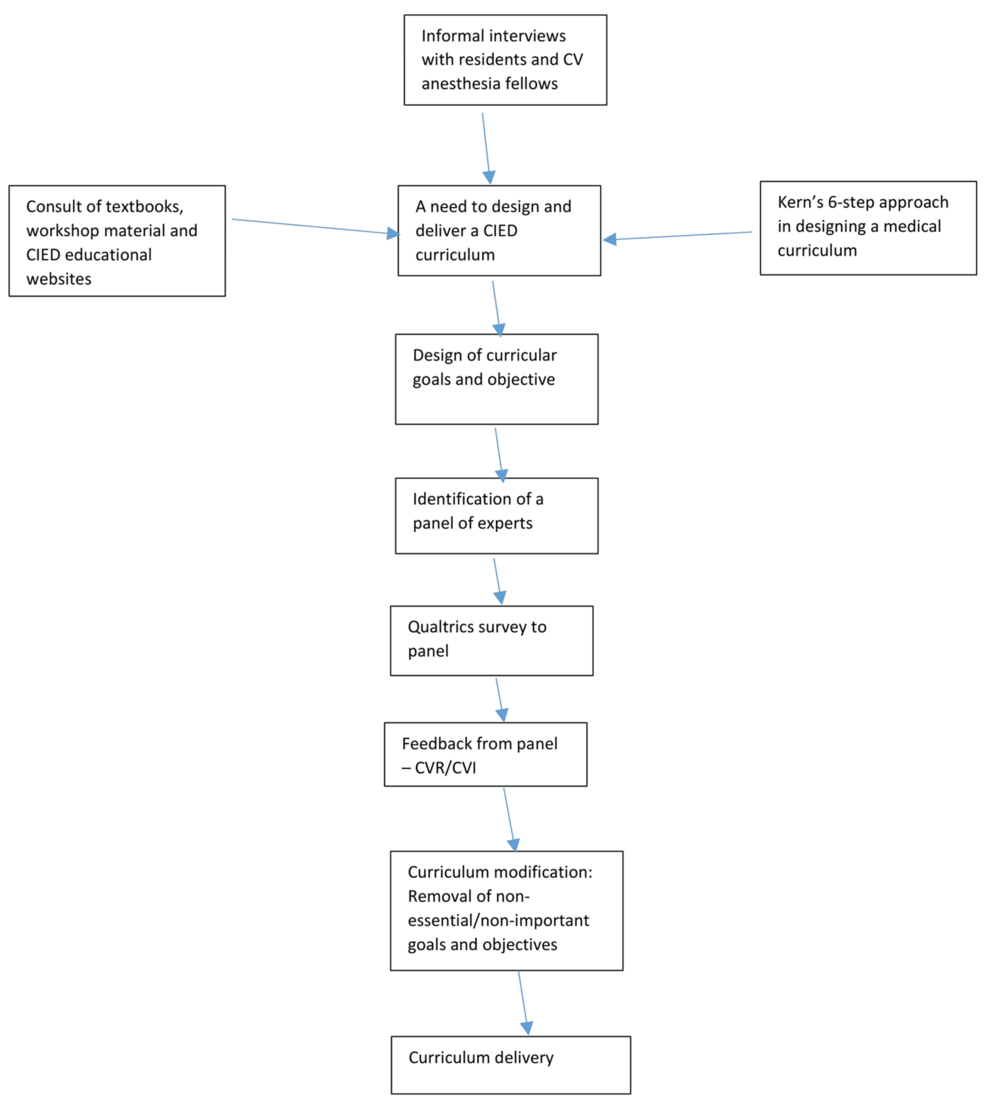
  • Validation of a Curricular Map on Cardiac Implantable Electronic Devices (CIEDs) for Cardiac Anesthesia Trainees

    Validation of a Curricular Map on Cardiac Implantable Electronic Devices (CIEDs) for Cardiac Anesthesia Trainees

    Continue Reading

  • A Look at American Eagle Outfitters’s Valuation After Strong Earnings and Sydney Sweeney Campaign Boost

    A Look at American Eagle Outfitters’s Valuation After Strong Earnings and Sydney Sweeney Campaign Boost

    American Eagle Outfitters has caught the market’s attention after the company’s latest earnings exceeded expectations on both revenue and profit. The brand’s Sydney Sweeney campaign is getting credit for boosting investor interest and sales growth.

    See our latest analysis for American Eagle Outfitters.

    American Eagle’s share price has been on a hot streak, jumping 20% in the past month and delivering a 58% gain over the last 90 days, as upbeat earnings and the Sydney Sweeney campaign have reinvigorated momentum. While the 1-year total shareholder return of 10% is not as eye-catching, recent trends suggest growing investor confidence, especially as institutional buyers and analysts show increased interest in its growth story.

    If American Eagle’s recent run has you interested in what else could be taking off, it’s a great moment to explore fast growing stocks with high insider ownership

    With American Eagle’s shares surging and momentum building, investors are now debating a critical question: is the current price an entry point for further gains, or is all the future growth already reflected in the stock?

    At $20.40, American Eagle Outfitters is trading well above the fair value estimate of $16.44 set by the most widely followed narrative. The gap between valuation and market enthusiasm prompts investors to consider the sustainability of this rally.

    The analysts have a consensus price target of $15.167 for American Eagle Outfitters based on their expectations of its future earnings growth, profit margins and other risk factors. However, there is a degree of disagreement amongst analysts, with the most bullish reporting a price target of $21.5, and the most bearish reporting a price target of just $10.0.

    Read the complete narrative.

    What if the crowd is wrong? The valuation depends on significant changes in future margin forecasts, ambitious profit assumptions, and a strongly debated multiple that could surprise even experienced investors. The calculations behind the forecast involve some unusual factors. See what is driving these projections.

    Result: Fair Value of $16.44 (OVERVALUED)

    Have a read of the narrative in full and understand what’s behind the forecasts.

    However, ongoing consumer uncertainty and rising tariffs remain notable risks that could quickly shift the outlook for American Eagle Outfitters in the future.

    Find out about the key risks to this American Eagle Outfitters narrative.

    Stepping away from price targets, our DCF model offers a longer-term take. Using projected cash flows, the SWS DCF model suggests fair value is much lower, at just $11.04 per share. This is well below both market price and analyst targets. This raises questions about whether recent optimism can last.

    Look into how the SWS DCF model arrives at its fair value.

    AEO Discounted Cash Flow as at Nov 2025

    If you want to see the numbers for yourself or take a different approach, you can easily craft your own American Eagle Outfitters narrative in under three minutes. Do it your way

    A great starting point for your American Eagle Outfitters research is our analysis highlighting 3 key rewards and 3 important warning signs that could impact your investment decision.

    Smart investors know the next breakout stock can be found where the crowd isn’t looking. Use the powerful Simply Wall Street Screener to unlock unique opportunities before they hit the headlines.

    This article by Simply Wall St is general in nature. We provide commentary based on historical data and analyst forecasts only using an unbiased methodology and our articles are not intended to be financial advice. It does not constitute a recommendation to buy or sell any stock, and does not take account of your objectives, or your financial situation. We aim to bring you long-term focused analysis driven by fundamental data. Note that our analysis may not factor in the latest price-sensitive company announcements or qualitative material. Simply Wall St has no position in any stocks mentioned.

    Companies discussed in this article include AEO.

    Have feedback on this article? Concerned about the content? Get in touch with us directly. Alternatively, email editorial-team@simplywallst.com

    Continue Reading

  • Assessing Valuation After Strong Q3 Earnings Beat and Raised Guidance

    Assessing Valuation After Strong Q3 Earnings Beat and Raised Guidance

    TJX Companies (TJX) delivered a strong third-quarter earnings report, easily outpacing sales and profit expectations for fiscal 2026. The company followed up by raising its full-year sales and earnings forecasts, which signals management’s confidence in ongoing growth and market share gains.

    See our latest analysis for TJX Companies.

    TJX shares recently hit a new all-time high, reflecting a wave of investor optimism after the company beat estimates and raised its outlook for the year. The momentum is clear in the numbers, with a share price return of 25.4% year-to-date and a one-year total shareholder return of 22.4%, compounded by an impressive 97.5% over three years. With upbeat earnings and rising investor confidence, TJX is showing strong signs of durable long-term growth.

    If TJX’s market momentum has you thinking bigger, now’s the perfect time to broaden your horizons and explore fast growing stocks with high insider ownership

    With TJX shares pushing to fresh highs, investors face a pressing question: does the stock have further room to run, or has upbeat performance led the market to already price in sustained earnings growth?

    With TJX Companies’ last close of $151.92 and the most-followed narrative fair value at $159.16, market consensus suggests there is still some upside for the stock based on updated business momentum.

    The company’s strong portfolio of brands and ability to adjust pricing across nearly all categories have allowed it to maintain value proposition scores, supporting customer loyalty in a dynamic retail environment.

    Read the complete narrative.

    Want to know the secret behind this premium valuation? There is a delicate mix of ambitious earnings forecasts, margin improvements, and bold assumptions for future growth. Click through to uncover what figures drive this narrative’s punchy price target and just how bullish those projections really are.

    Result: Fair Value of $159.16 (UNDERVALUED)

    Have a read of the narrative in full and understand what’s behind the forecasts.

    However, risks remain. An accelerating shift to e-commerce or changes in sourcing dynamics could dampen TJX’s future growth story and margin outlook.

    Find out about the key risks to this TJX Companies narrative.

    Looking through a different lens, TJX shares are trading at a price-to-earnings ratio of 33x. This is much higher than the US Specialty Retail industry average of 18x and the peer group at 20.2x. The market’s fair ratio points to 21x, so today’s valuation carries added risk if expectations slip. Does this premium suggest the stock has already run too far ahead?

    See what the numbers say about this price — find out in our valuation breakdown.

    NYSE:TJX PE Ratio as at Nov 2025

    If you want to dig deeper or see the story through your own lens, crafting a personal narrative only takes a few minutes. Do it your way

    A great starting point for your TJX Companies research is our analysis highlighting 2 key rewards and 1 important warning sign that could impact your investment decision.

    Don’t let opportunity pass you by. Set yourself up for investing success by checking out unique stocks beyond TJX. There’s a world of potential to capture right now.

    This article by Simply Wall St is general in nature. We provide commentary based on historical data and analyst forecasts only using an unbiased methodology and our articles are not intended to be financial advice. It does not constitute a recommendation to buy or sell any stock, and does not take account of your objectives, or your financial situation. We aim to bring you long-term focused analysis driven by fundamental data. Note that our analysis may not factor in the latest price-sensitive company announcements or qualitative material. Simply Wall St has no position in any stocks mentioned.

    Companies discussed in this article include TJX.

    Have feedback on this article? Concerned about the content? Get in touch with us directly. Alternatively, email editorial-team@simplywallst.com

    Continue Reading

  • South Korean e-commerce firm Coupang says 33.7 million customer accounts breached – Reuters

    1. South Korean e-commerce firm Coupang says 33.7 million customer accounts breached  Reuters
    2. Coupang says 33.7 mln customer accounts exposed in data leak  Yonhap News Agency
    3. The Seoul Metropolitan Police Agency’s cyber investigation team received a complaint from Coupang on..  매일경제
    4. Coupang Data Breach: Police Investigate Internal Employee  조선일보
    5. Coupang Personal Data Leak Expands to 30 Million Accounts… Government Launches Joint Public-Private Investigation Team  아시아경제

    Continue Reading

  • How The Sephience Launch Is Reshaping The Story For PTC Therapeutics’s Valuation

    How The Sephience Launch Is Reshaping The Story For PTC Therapeutics’s Valuation

    PTC Therapeutics’ stock narrative has shifted as analysts raise their consensus price target from $77.93 to $80.50. This reflects heightened optimism around the company’s outlook. This change comes in the wake of strong earnings results and the robust launch of Sephience, which has exceeded early sales expectations. Stay tuned to discover how you can track these evolving analyst perspectives and remain informed about future updates to PTC’s growth story.

    Stay updated as the Fair Value for PTC Therapeutics shifts by adding it to your watchlist or portfolio. Alternatively, explore our Community to discover new perspectives on PTC Therapeutics.

    Analyst commentary on PTC Therapeutics has been notably active following the company’s recent earnings and the launch of Sephience. Several firms have updated their perspectives, reflecting both growing optimism and measured caution regarding the company’s fundamental strengths, ongoing execution, and outlook for growth.

    🐂 Bullish Takeaways

    • RBC Capital raised its price target to $82 from $70 and reiterated an Outperform rating, citing an excellent start for the Sephience launch and signs of strong near- and medium-term durability in the business.

    • JPMorgan lifted its price target to $80 from $68 while maintaining an Overweight rating, highlighting favorable and sustained business momentum observed in October following the Q3 earnings report.

    • Citi increased its price target to $75 from $50 and kept a Neutral rating, praising PTC for reporting a strong first quarter of Sephience sales.

    • BofA raised its price target to $87 from $76 and kept the stock as one of its top picks for 2025. The firm referenced survey data from neurologists and geneticists that indicate high community interest in Sephience. BofA continues to view Sephience as a potential blockbuster opportunity.

    • TD Cowen increased its price target to $63 from $50, noting a significant topline beat and initial Sephience sales of $19.2 million versus a $4 million consensus, which far exceeded expectations.

    The bullish sentiment reflects analysts rewarding PTC’s successful execution surrounding the Sephience launch, robust sales momentum, and continued transparency in reporting. Firms point to PTC’s ability to not only meet but exceed expectations, supporting upgraded valuations and ongoing optimism about future growth.

    🐻 Bearish Takeaways

    • Citi pointed out, in addition to its price target revision to $75, that its overall rating remains Neutral. The firm previously noted concerns after competitive data from uniQure regarding Huntington’s disease. Citi has also kept a $50 target in earlier communications, citing competitive pressures around votoplam data and potential challenges in maintaining momentum if rivals set a higher regulatory or clinical bar.

    • Truist commented that recent negative developments at uniQure have no direct negative read-throughs for PTC but did not express a notably bullish stance either, keeping a neutral-to-cautious tone on related programs.

    Continue Reading

  • Stock market outlook: analysts see the S&P 500 hitting 8000 next year

    Stock market outlook: analysts see the S&P 500 hitting 8000 next year

    The Santa Claus rally typically begins at the end of December, but Wall Street is already showing signs of holiday cheer, potentially leading up to another big year for stocks in 2026.

    During the Thanksgiving-shortened week, the Dow Jones Industrial Average jumped more than 3%, the S&P 500 surged nearly 4%, and the Nasdaq leapt more than 4%.

    That’s after selling off sharply earlier this month on fears that the AI bubble will burst and hints that the Federal Reserve won’t cut interest rates as much as anticipated.

    “Santa’s back,” market veteran Ed Yardeni declared in a note on Saturday.

    But panic-selling of bitcoin, which he and others on Wall Street have said was a factor in the earlier downturn, has subsided, and stocks are poised for a year-end rally.

    Yardeni backed his view that the S&P 500 will hit 7,000 by the end of the year and suggested the broad market index could even reach that milestone in the coming week.

    If that happens, the S&P 500 will finish 2025 with a 19% gain, following surges of more than 20% in each of the past two years.

    And the market could still post double-digit advances from there. Earlier in the week, Yardeni reaffirmed his forecast for the index to soar to 7,700 in 2026, indicating a 10% increase from his 2025 view.

    “We expect that 2026 will be just another year of the Roaring 2020s, which remains our base-case scenario,” he wrote. “Our Roaring 2020s scenario has had a good six-year run since we first predicted it in 2020.”

    GDP growth, consumption and corporate profits have been chugging along, and Yardeni said the decade should avoid an economy-wide recession, while “rolling recessions” may hit different industries at different times.

    Deutsche Bank is even more bullish and predicted the S&P 500 will finish next year at 8,000, representing a 17% jump from Friday’s close.

    “We see equities continuing to benefit from the cross-asset inflows boom,” analysts wrote in a note. “With earnings continuing to rise and companies indicating they are sticking with their capital allocation plans we expect robust buybacks to continue.”

    Elsewhere, JPMorgan expects the S&P 500 to end 2026 at 7,500, but added that it could go to 8,000 if the Federal Reserve keeps cutting rates.

    Analysts cited above-trend earnings growth, the AI capital spending boom, rising shareholder payouts, and fiscal policy easing via tax cuts in President Donald Trump’s One Big Beautiful Bill Act.

    And if inflation cools more than anticipated, that would clear the way for extra Fed rate cuts beyond the two addition reductions JPMorgan sees.

    “More so, the earnings benefit tied to deregulation and broadening AI-related productivity gains remain underappreciated,” the bank said.

    Continue Reading

  • K-shaped economy and inflation boost Black Friday sales by 4.1% from last year, online spending jumps 9.1%

    K-shaped economy and inflation boost Black Friday sales by 4.1% from last year, online spending jumps 9.1%

    US retail sales on Black Friday, the busiest shopping day of the year, climbed 4.1% compared with last year, according to data released Saturday by Mastercard SpendingPulse. Online shoppers alone spent $11.8 billion, up 9.1% from 2024, according to data collection platform Adobe Analytics.

    But those gains don’t account for higher prices due to inflation, so actual spending could be flat.

    “We have 3% inflation, so maybe (the 4.1% increase in spending) is a real increase of just 1% or so, which is not that much of an increase,” Rick Newman, who writes The Pinpoint Press, a newsletter on the US economy, told CNN on Friday.

    There’s also a bifurcation in who’s spending. The Federal Reserve’s most recent Beige Book, a collection of anecdotes about the economy, showed consumer spending among low- and middle-income consumers is on the decline. Meanwhile, the Fed found high-end consumers are continuing to spend — including on luxury items and travel.

    Consumers have bought fewer items this holiday season, but the average selling prices are higher, according to Claudia Lombana, a national consumer expert.

    “The ones that have higher income are spending at will, but those who are less affluent are budgeting,” Lombana told CNN’s Omar Jimenez on Saturday.

    It’s part of the so-called K-shaped economy, in which higher earners get a boost from their stock market investments and home valuations and use their fatter paychecks to spend. But lower earners increasingly live paycheck to paycheck and look for discounts — or curtail their spending to cope with rising prices.

    “The story of the economy right now is it’s a bifurcated economy. If you’re lucky enough to own stocks and own a home, you’re part of the upper slant of that cave, that K-shaped economy … you’re going to be comfortable spending a fair amount of money this year,” Newman said.

    But Newman added that people on the lower slant of the K — those who don’t own stocks or a home — are increasingly worried about job security.

    “I think those people are going to be pinching pennies this holiday season,” he said, adding that they will be more frugal with gift purchases and necessities. Heating bills, for instance, are higher because of natural gas prices going up. And grocery prices are on the rise, while rent hikes outpace income growth, he noted.

    Eighty-five percent of consumers expect higher prices because of President Donald Trump’s tariffs, according to the National Retail Federation, or NRF. And it’s a factor in how they shop.

    “Nobody is sort of going on an item-by-item basis and saying, ‘Oh, the Trump tariffs have pushed up costs here by 4% or 10%,’ but it’s on people’s minds,” Newman said.

    Value is more important than ever these days for consumers. Consumer sentiment is glum, job growth has slowed, and the federal government shutdown forced low-income shoppers to pull back spending amid a pause in Supplemental Nutrition Assistance Program funding.

    As goods and services become harder for everyday Americans to afford, shoppers have grown pickier about how they spend their money and hunt for deals. They are gravitating toward retailers they feel can help them stretch their dollars further on groceries, household essentials, clothing and electronics.

    Chains such as Walmart, TJ Maxx, Gap and others are benefiting, reporting strong sales during their latest quarters. Walmart is now gaining market share against competitors across all income groups and in several merchandise categories.

    But others, such as Target and Bath & Body Works, are struggling.

    And people are splurging less on gifts for themselves, according to Bath & Body Works.

    Shoppers are expected to continue to splash out this holiday season, despite the cost-of-living squeeze and other economic pressures. The NRF expects retail sales in November and December to grow 3.7% to 4.2% compared with a year ago. That growth would be similar to last year’s rise.

    The NRF projects a record $1 trillion in holiday spending this year, up from $976 billion last year.

    Spending growth on apparel grew 6.1% online and 5.4% in-store on Black Friday, with Mastercard suggesting that “shoppers refreshed wardrobes while leaning into value-driven choices and convenience.” Consumers spent a record $6.4 billion online on Thanksgiving, up 5.3% from a year ago, according to Adobe Analytics, as big deals drew them to shop online.

    “The magnitude of discounts was the big story on Thanksgiving yesterday, as retailers leaned into delivering great deals to drive consumer demand online,” Vivek Pandya, lead analyst at Adobe, said in a statement Friday.

    Meanwhile, “buy now, pay later” continues to be an important payment option for consumers this holiday season. Adobe forecasts $20.2 billion will be spent through the payment method from November 1 to December 31, an 11% uptick over 2024.

    “We saw half the people in America already shopping by Halloween this year for the holiday period,” said Lombana. “Of course, this five-day period from Thanksgiving Day through Cyber Monday is significant for retailers, both online and in store. We are expecting to see Cyber Monday deliver strong.”

    She noted that “consumers are definitely being more cautious, but during the holidays, they also want to engage in the holiday spirit.”

    Continue Reading

  • Even the Pope couldn’t avoid the Airbus software fix that disrupted flights across the world

    Even the Pope couldn’t avoid the Airbus software fix that disrupted flights across the world

    Airlines around the world reported short-term disruptions heading into the weekend as they fixed software on a widely used commercial aircraft, after an analysis found the computer code may have contributed to a sudden drop in the altitude of a JetBlue plane last month.

    Airbus said Friday that an examination of the JetBlue incident revealed that intense solar radiation may corrupt data critical to the functioning of flight controls on the A320 family of aircraft.

    The FAA joined the European Union Aviation Safety Agency in requiring airlines to address the issue with a new software update. More than 500 U.S.-registered aircraft will be impacted.

    The EU safety agency said it may cause “short-term disruption” to flight schedules. The problem was introduced by a software update to the plane’s onboard computers, according to the agency.

    Airbus CEO Guillaume Faury apologized to customers after the required fix led to “significant logistical challenges and delays.”

    “Our teams are working around the clock to support our operators and ensure these updates are deployed as swiftly as possible to get planes back in the sky and resume normal operations, with the safety assurance you expect from Airbus,” he wrote in a message posted on LinkedIn on Saturday.

    Thanksgiving disruptions in US

    In Japan, All Nippon Airways, which operates more than 30 planes, canceled 65 domestic flights for Saturday. Additional cancellations on Sunday were possible, it said.

    The software change comes as U.S. passengers were beginning to head home from the Thanksgiving holiday, which is the busiest travel time in the country.

    American Airlines has about 480 planes from the A320 family, of which 209 are affected. The fix should take about two hours for many aircraft and updates should be completed for the overwhelming majority on Friday, the airline said.

    On Saturday, the airline said in a statement that only four planes still needed to be updated and that it “expects no further operational impact.”

    Air India said on X that its engineers were working on the fix and completed the reset on more 40% of aircraft that need it. There were no cancellations, it said.

    Delta said it expected the issue to affect less than 50 of its A321neo aircraft. United said six planes in its fleet are affected and it expects minor disruptions to a few flights. Hawaiian Airlines said it was unaffected.

    Pope’s plane also needs a software fix

    Pope Leo XIV is on his inaugural foreign trip, to Turkey and Lebanon, and is flying along with the papal delegation and press corps aboard an ITA Airways Airbus A320neo charter.

    The Vatican spokesman, Matteo Bruni, said Saturday that ITA was working on the issue. He said the necessary component to update the aircraft was on its way to Istanbul along with the technician to install it. Leo was scheduled to fly from Istanbul, Turkey to Beirut, Lebanon on Sunday afternoon.

    European flights return to normal

    In France, Transport Minister Philippe Tabarot said the situation has stabilized as several software updates had already been installed. He told BFM-TV that the impact was limited in the country with an “almost complete return to normal in French airports.”

    In the U.K., disruption also was minimal. British Airways, for example, said only three of its aircraft required the update, while EasyJet indicated there may be changes to its flying schedule as a result of the update, in which case passengers will be informed.

    Germany’s Lufthansa said most software updates were completed during the night and on Saturday morning. No Lufthansa Group Airlines flights are expected to be canceled due to the current situation, but there may be minor delays over the weekend, it said.

    Scandinavia’s SAS said its flights were operating as normal Saturday, after teams worked overnight to install the required software.

    Mike Stengel, a partner with the aerospace industry management consulting firm AeroDynamic Advisory, said the fix could be addressed between flights or on overnight plane checks.

    “Definitely not ideal for this to be happening on a very ubiquitous aircraft on a busy holiday weekend,” Stengel said from Ann Arbor, Michigan. “Although again the silver lining being that it only should take a few hours to update the software.”

    At least 15 JetBlue passengers were injured and taken to the hospital after the Oct. 30 incident on board the flight from Cancun, Mexico, to Newark, New Jersey. The plane was diverted to Tampa, Florida.

    Airbus, which is registered in the Netherlands but has its main headquarters in France, is one of the world’s biggest airplane manufacturers, alongside Boeing.

    The A320 is the primary competitor to Boeing’s 737, Stengel said. Airbus updated its engine in the mid-2010s, and planes in this category are called A320neo, he said.

    The A320 is the world’s bestselling single-aisle aircraft family, according to Airbus’ website.

    ___

    Associated Press writers Mari Yamaguchi in Tokyo, Jennifer Kelleher in Honolulu, Geir Moulson in Berlin, Samuel Petrequin, Pan Pylas in London and Nicole Winfield in Istanbul contributed to this report.

    Continue Reading