Category: 3. Business

  • At 3 Years, Eque-Cel Displays Deep and Durable Responses in Relapsed Multiple Myeloma

    At 3 Years, Eque-Cel Displays Deep and Durable Responses in Relapsed Multiple Myeloma

    The therapeutic landscape of relapsed or refractory multiple myeloma has evolved rapidly with the advent of BCMA-directed cellular therapies, offering the possibility of deep and durable responses in a setting historically characterized by diminishing treatment returns with each subsequent line of therapy. However, questions have remained regarding long-term durability, late relapse, and safety with extended follow-up. Updated 3-year results from the phase 1b/2 FUMANBA-1 trial (NCT05066646; CTR20192510) presented by investigators from the China Academy of Chinese Medical Sciences at the 22nd Annual International Myeloma Society (IMS) Meeting and Exposition begin to address these gaps.1

    In the study, equecabtagene autoleucel (eque-cel; Fucaso), a fully human anti-BCMA CAR T-cell therapy, continued to demonstrate sustained clinical activity at a median follow-up of 36 months. Among 107 efficacy-evaluable patients, the objective response rate (ORR) reached 96.3%, including an 83.2% complete response (CR) or better rate. In CAR T-cell therapy–naive patients (n = 95), outcomes were even more pronounced, with ORR and CR rates of 98.9% and 88.4%, respectively. The median progression-free survival (PFS) was 30.46 months (95% CI, 24.11-42.15) in the overall population, extending to 39.82 months (95% CI, 30.26-not reached) among patients achieving at least a CR and 35.91 months (95% CI, 25.95-47.67) among those without prior CAR T-cell therapy. The median overall survival (OS) had not yet been reached, with 66.3% of patients alive at 3 years.

    “Eque-cel is an excellent product, and I hope it [will] benefit patients around the world,” lead study author Lugui Qiu, MD, shared in an interview with OncLive®, where he expanded on the clinical significance of these results, the durability of responses observed with eque-cel, and how these data inform the positioning of BCMA-directed CAR T-cell therapy in contemporary myeloma treatment sequencing.

    Qiu is part of the National Clinical Research Center for Blood Diseases, the State Key Laboratory of Experimental Hematology, and the Blood Diseases Hospital & Institute of Hematology at the Chinese Academy of Medical Sciences & Peking Union Medical College.

    OncLive: How was the phase 1b/2 FUMANBA-1 trial designed?

    Qiu: The study was designed as a registrational trial that evaluated eque-cel, a fully human anti-BCMA CAR-T cell therapy originally from a biotech [company] in China. This study started in 2019, and the enrollment finished in 1 year, so it went well.

    On June 30, 2023, eque-cel was approved by China’s National Medical Products Administration for relapsed and refractory multiple myeloma patients who had received at least 3 lines of prior therapy, including at least 1 proteasome inhibitor and an immunomodulatory drug [IMiD].2

    What long-term findings were presented at IMS?

    There were a total of 109 patients enrolled in this clinical trial, and 107 patients were efficacy evaluable. The total response rate was [96.3]%, and the CR [or better] rate was [83.2]%. We enrolled 12 patients who had received prior BCMA-directed CAR-T therapy. For those patients, the total response rate was 75%, with a median PFS of [approximately] 1 year. For patients without prior BCMA-directed CAR T-cell therapy, the total response was [98.9]%, and the CR rate was [88.4]%.

    After a median follow-up of 3 years, in the whole group, the median PFS was [30.46] months. For the 95 patients without prior CAR-T therapy, the median PFS was [35.91] months, and the median OS was not yet reached. [In total], 66.3% of patients were still alive at the 3-year follow-up.

    What was observed with regard to the safety profile?

    The safety profile is [good]. During the trial, [93.6]% of patients [experienced CRS], but mostly grade 1 or grade 2. Only 1 patient experienced grade 3 CRS, and there were only 2 patients who [developed] ICANS. There were no toxicity-related deaths in this trial.

    Several commercial BCMA-directed CAR-T therapies are [available globally]. In my impression, eque-cel has efficacy comparable with ciltacabtagene ciloleucel, and the safety profile is better than idecabtagene vicleucel. Eque-cel is a good product balancing [both] the efficacy and safety profiles.

    What are the next steps for analyzing eque-cel in patients with relapsed/refractory multiple myeloma?

    We have also launched a real-world study of eque-cel in relapsed and refractory multiple myeloma following market approval. [At IMS, we had] a poster reporting 150 cases from this real-world study. The results show that the efficacy and safety profile in the real-world setting were similar to [those in] our clinical trial.

    This product has benefited many heavily pretreated patients, including those previously treated with proteasome inhibitors, IMiDs, anti-CD38 antibodies, and even some patients who had prior BCMA-directed CAR T-cell therapy. [These patients] can still benefit from eque-cel.

    References

    1. Li C, Zou D, Zhou K, et al. Three-year follow-up of FUMANBA-1: a phase 1b/2 study of fully human anti-BCMA CAR-T equecabtagene autoleucel in patients with relapsed/refractory multiple myeloma. Presented at the 22nd Annual International Myeloma Society Meeting and Exposition; September 17-20, 2025; Toronto, Canada. Abstract OA-08.
    2. Innovent and IASO Bio announce the NMPA approval of Fucaso, the first fully-human BCMA CAR-T therapy for the treatment of relapsed or refractory multiple myeloma. News release. Innovent Biologics, Inc. July 3, 2023. Accessed November 11, 2025. https://www.iasobio.com/info.php?id=224

    Continue Reading

  • S&P Global to Present at J.P. Morgan 2025 Ultimate Services Investor Conference on November 18, 2025

    S&P Global to Present at J.P. Morgan 2025 Ultimate Services Investor Conference on November 18, 2025

    Session will be Webcast

    NEW YORK, Nov. 11, 2025 /PRNewswire/ — Martina Cheung, President and Chief Executive Officer of S&P Global (NYSE: SPGI), will participate in J.P. Morgan’s 2025 Ultimate Services Investor Conference on November 18, 2025 in New York, New York. Ms. Cheung is scheduled to speak from 9:00 a.m. to 9:30 a.m. (Eastern Standard Time). The “fireside chat” will be webcast and may include forward-looking information.

    Webcast Instructions: Live and Replay
    The webcast (audio-only) will be available live and in replay through the Company’s Investor Relations website http://investor.spglobal.com/Investor-Presentations (please copy and paste URL into web browser). The webcast replay will be available within 24 hours after the end of the presentation and will remain accessible for 30 days, ending on December 18, 2025. Any additional information presented during the session will be made available on the Company’s Investor Presentations web page.

    About S&P Global 
    S&P Global (NYSE: SPGI) provides essential intelligence. We enable governments, businesses and individuals with the right data, expertise and connected technology so that they can make decisions with conviction. From helping our customers assess new investments to guiding them through sustainability and energy transition across supply chains, we unlock new opportunities, solve challenges and accelerate progress for the world.

    We are widely sought after by many of the world’s leading organizations to provide credit ratings, benchmarks, analytics and workflow solutions in the global capital, commodity and automotive markets. With every one of our offerings, we help the world’s leading organizations plan for tomorrow, today. For more information, visit www.spglobal.com.

    Investor Relations: http://investor.spglobal.com

    Contacts:

    Investor Relations
    Mark Grant
    Senior Vice President, Investor Relations and Treasurer
    Tel: + 1 (347) 640-1521
    mark.grant@spglobal.com

    Media
    Orla O’Brien
    Global Head of Public Relations
    Tel: +1 (857) 407-8559
    orla.obrien@spglobal.com

    SOURCE S&P Global

    Continue Reading

  • Crypto trading protocol Lighter raises $68 million at $1.5 billion valuation

    Crypto trading protocol Lighter raises $68 million at $1.5 billion valuation

    “Pivot from crypto to AI” became a refrain in Silicon Valley after ChatGPT launched in 2022. Opportunistic founders looked to jump from one flagging hype cycle to the newer, shinier thing in tech. Vladimir Novakovski, though, pivoted from AI to crypto—and he’s attracted a who’s who of investors to back his startup Lighter, one of the fastest growing projects in digital assets.

    Lighter is both a decentralized exchange designed to not be controlled by a single entity as well as a blockchain. It allows users to trade perpetual futures, a type of derivative that lets traders speculate on future prices for cryptocurrencies. It will also soon roll out spot trading for tokens like Bitcoin, Novakovski said.

    On Tuesday, Lighter announced that it has raised $68 million in a new funding round. According to the 40-year-old Novakovski, who founded Lighter in 2022 and serves as CEO, the fundraise was led by Peter Thiel’s Founders Fund and the fintech investor Ribbit Capital. Other participants included Haun Ventures and the online brokerage Robinhood, which rarely makes venture investments.

    The round valued Lighter at around $1.5 billion, according to two sources familiar with the deal, who asked for anonymity to discuss private business dealings. Novakovski declined to comment on Lighter’s valuation but said the deal was for equity and token warrants, or allocations of a yet-to-be-released cryptocurrency.

    “What we want to do is to be the infrastructure layer that verifies that everything that happens in finance happens fairly, happens correctly, happens transparently,” Novakovski said in an interview.

    Trading to AI to trading

    The fundraise for Lighter comes amid a wave of buzz for crypto “perps,” or perpetuals. These are derivatives popular in the crypto industry and let traders hold futures contracts that don’t expire, provided they maintain the necessary margin requirement. 

    While so-called perps have been around for years, the recent rise of Hyperliquid, another decentralized exchange, has shaken up the market. With only 11 employees, Hyperliquid cofounder Jeff Yan managed to challenge centralized behemoths like Binance, which has responded by closely aligning itself with its own Hyperliquid competitor: Aster.

    Lighter is entering an intensely competitive market, but Novakovski has the intellectual chops to compete. “Vlad and the team that he’s built is like 85% to 90% of why we made the investment,” Joey Krug, a partner at Founders Fund, told Fortune.

    After Novakovski immigrated from Russia to the U.S. as a child, he won a place on the U.S. national teams for the International Olympiad in informatics and physics. At the age of 16, he went to Harvard, graduated early, and, at only 18 years old, began working at the hedge fund Citadel Investment Group. (Ken Griffin, CEO of Citadel, personally recruited him, Novakovski said.)

    Novakovski then had an almost 15-year career at various companies as an engineer and trader before he became a founder himself. In 2017, he and Scott Wu, whom Novakovski previously worked with at the investment firm Addepar, founded their own startup together: Lunchclub, an AI-powered platform for social networking. 

    They raised around $30 million, and, in the beginning of the pandemic, saw their product attract a swathe of isolated users looking to meet new people. But, in 2022, growth plateaued. “We had three paths, which is: try to make it into something profitable but small, try to figure out a way for it to go from what it was to like a TikTok or Snapchat, which didn’t seem particularly viable,” said Novakovski. “The third path: to pivot to something else we were really excited about.”

    Wu left Lunchclub to found the AI coding startup Cognition, which has since notched a valuation of $10.2 billion, and Novakovski decided to return to his roots as a trader.

    He pivoted Lunchclub to Lighter, retained 80% of the team, and raised a new stash of capital: $21 million in a previously unreported round in 2024 led by Haun Ventures and Craft Ventures. Other participants included Dragonfly and Robot Ventures. That, combined with Lighter’s most recent round, puts the amount that Lighter has raised so far at almost $90 million.

    After two years of development and testing, he launched Lighter in January. As opposed to Hyperliquid, which runs on its own layer 1 blockchain, Lighter runs on its own layer 2 on Ethereum, which Novakovski mentioned as a key distinguisher between the two competing products.

    Lighter’s blockchain has quickly become one of the top layer 2 blockchains on Ethereum by total volume locked, or the total amount of funds on a blockchain, according to data from the crypto analytics site L2BEAT. And his business is already profitable, Novakovski said. “We’re pretty happy about our position right now,”  he added, when asked about how his product compares to Hyperliquid, “but we’re working hard.”

    Continue Reading

  • FTSE 100 hits record high as job market data weakens pound; AstraZeneca shines – Reuters

    1. FTSE 100 hits record high as job market data weakens pound; AstraZeneca shines  Reuters
    2. FTSE 100 Live: Blue-chip record run continues, Vodafone dividend cheer  London Evening Standard
    3. Will the Bank of England now play Santa with a December rate cut?  The Times
    4. FTSE 100 LIVE: Markets rally as UK jobs data suggests interest rate cut in December  Yahoo Finance UK
    5. FTSE 100 Set For Gains As Market Optimism Grows  Finimize

    Continue Reading

  • Rocket Lab delays first Neutron launch to 2026

    Rocket Lab delays first Neutron launch to 2026

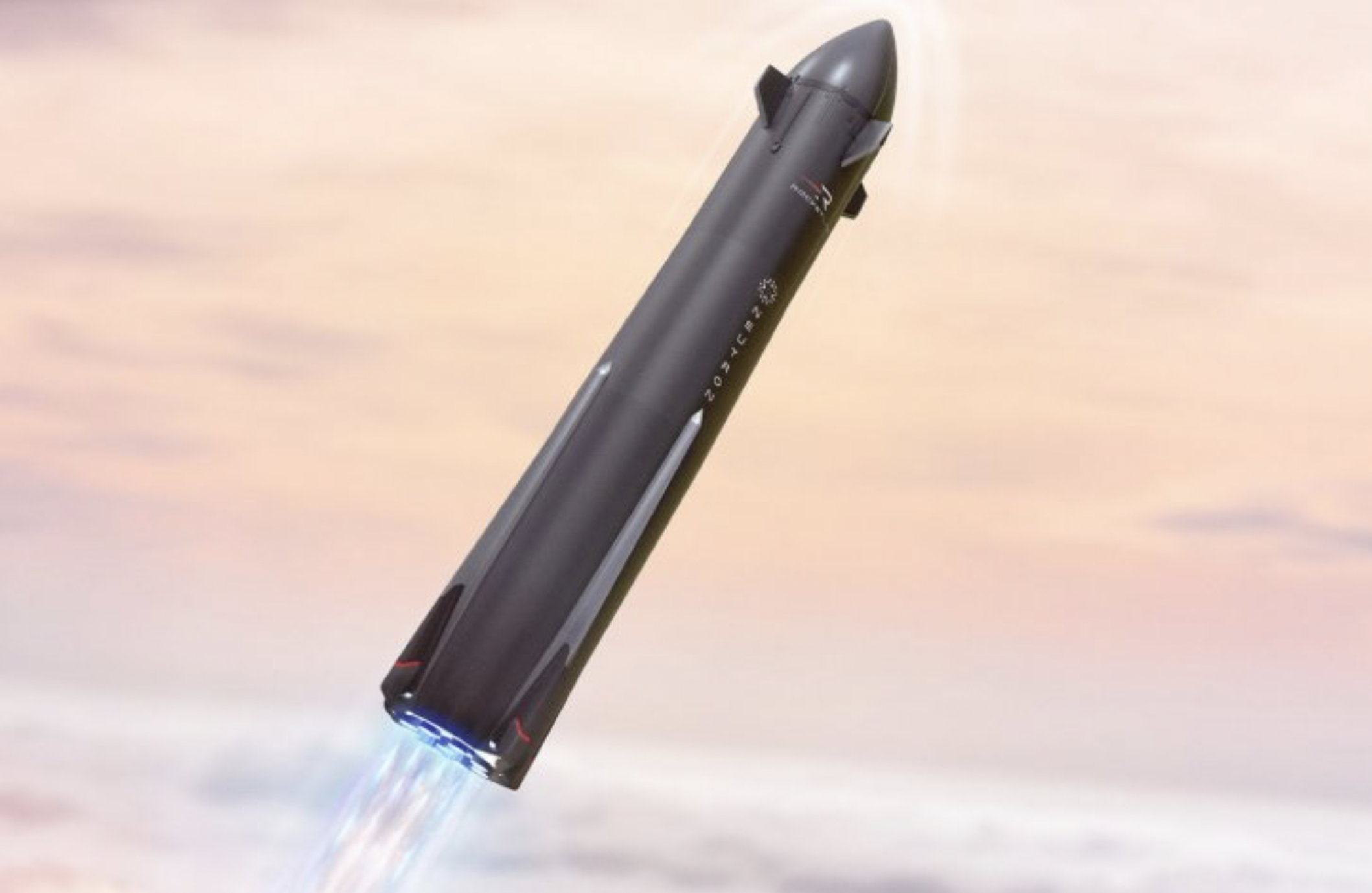
    WASHINGTON — Rocket Lab has delayed the first launch of its reusable Neutron rocket to 2026, saying it wants to maximize the chances that the flight will be a success.

    The company disclosed in its third-quarter financial results Nov. 10 that it now expects the first Neutron to be on the pad at Launch Complex 3 in Virginia in the first quarter of 2026, “with the first launch thereafter,” it stated.

    Rocket Lab had been working toward a first launch before the end of this year. In February, after a report by a financial firm suggested Neutron’s debut could slip to as late as mid-2027, the company defended its 2025 target. By August, Chief Executive Peter Beck said the company was working “extremely hard” to fly Neutron this year but would need a “green-light schedule,” or one with no setbacks, to achieve that.

    Beck, speaking on a Nov. 10 earnings call, did not cite any specific issues that caused the latest delay. Instead, he said the company was taking a meticulous approach to testing Neutron before its first flight.

    “With all of the hardware in front of us now and significant testing programs underway across all parts of the vehicle, we can say we need a little bit more time to retire the risks,” he said. That approach, he added, reflects the “Rocket Lab process,” in which “our hardware is always looking beautiful and, more importantly, always working beautifully.”

    That involves extensive ground testing of integrated systems down to individual subcomponents, he explained, from the Archimedes engines that will power Neutron to the vehicle’s distinctive “hungry hippo” payload fairing, which remains attached for reuse.

    “We’ve seen what happens when others rush to the pad with an unproven product, and we just refuse to do that,” Beck said. He reiterated that the company’s goal is to reach orbit on the first Neutron launch. “You won’t see us minimizing some qualifier about just clearing the pad and claiming success.”

    While Rocket Lab is now projecting Neutron will be on the pad in the first quarter of 2026, Beck said he could not be more specific about when it will actually launch. “It really depends on what you find” during testing, he said, including a hot-fire test of the first-stage engines. If those tests uncover no major issues, “then it’s a fairly straightforward path.”

    “I’m suspicious if everything just flies through,” he added. “Generally, you expect to see something.”

    Beck said the latest schedule shift will have “insignificant” long-term financial impacts. However, the cost of developing Neutron has grown from earlier estimates of $250 million to $300 million. Adam Spice, Rocket Lab’s chief financial officer, said the company will have spent $360 million on Neutron development through the end of 2025, including about $15 million per quarter for workforce costs.

    Overall spending on Neutron will “hopefully” peak in the fourth quarter of this year, Spice said. “It all depends on the timing of that first launch.”

    Billion-dollar war chest

    Despite the delay, Rocket Lab shares rose more than 8% in after-hours trading Nov. 10. Investors appeared to respond to strong quarterly results, including record revenue of $155 million for the third quarter. The company projects $592.1 million to $602.1 million in revenue for the full year.

    Rocket Lab shares have surged more than 150% in the last six months. The company took advantage of the rise with an “at-the-market” sale of shares in the third quarter, raising $468.8 million. It now holds a little more than $1 billion in cash and equivalents.

    Part of those funds will be used to complete Rocket Lab’s planned acquisition of Mynaric, a German optical communications terminal manufacturer, announced in March. The deal has not yet closed amid questions over whether the German government will approve the sale to a U.S. company.

    On the call, Beck expressed confidence the Mynaric acquisition will move forward. Mynaric completed a financial restructuring in August, “which was a pivotal moment in the acquisition process,” he said. “Rocket Lab has been a force multiplier for the U.S. space industry, and we’re ready to bring that same energy to the European space sector with our first foothold and expansion into Germany.”

    Beck said the company also has an active pipeline of potential acquisitions that could be financed with its new capital. He declined to name specific targets but said they range from “tuck-ins,” or companies offering specialized capabilities, to larger, more strategic deals.

    “We’re always looking for big, needle-moving stuff,” he said. “We always look for things that we think have a step change in the scale or other elements of the company.”

    Continue Reading

  • Sub-Saharan Africa’s sovereign debt outlook 2026

    Sub-Saharan Africa’s sovereign debt outlook 2026

    As global interest rates stabilise and capital flows begin to re-orient towards emerging and frontier markets, Sub-Saharan African issuers are navigating an evolving landscape shaped by fiscal consolidation, higher borrowing costs and unclear sovereign credit ratings. Against this backdrop, 2026 is expected to be a defining year for Sub-Saharan African debt issuance and investor engagement.

    This virtual session brings together sovereign issuers from across Sub-Saharan Africa, alongside investors and financial intermediaries, to discuss the outlook debt capital markets in 2026

    The discussion examines key macroeconomic drivers, funding strategies and investor sentiment shaping the market in the year ahead. Participants also explore policy initiatives and market innovations that can enhance resilience, deepen liquidity, and strengthen Africa’s position within the global fixed-income ecosystem.

    Continue Reading

  • IKEA becoming more affordable, accessible and sustainable – serving more customers and delivering EUR 41.5 billion in revenue

    IKEA becoming more affordable, accessible and sustainable – serving more customers and delivering EUR 41.5 billion in revenue

    Today, Ingka Group* released its FY25** financial performance. In a year marked by economic uncertainty, supply chain challenges, and cost-of-living pressures that impacted consumer confidence across many markets, Ingka Group and its three business areas – IKEA Retail, Ingka Investments and Ingka Centres, reached EUR 41.5 billion in revenue.

    Throughout the year, Ingka Group continued to meet more customers where they are, expanding beyond its traditional IKEA stores into new formats, pick-up points and digital channels. With total capital expenditure of EUR 3.4 billion, the company continued to invest in building a more sustainable and resilient business. This included investing in responsible forestry and accelerating investments in recycling companies to bring back materials to the IKEA value chain. In addition, the company continued to invest in renewable energy with new solar parks in the Netherlands and Poland. The year also saw the full acquisition of Ikano Bank offering integrated financial services and supporting IKEA affordability.

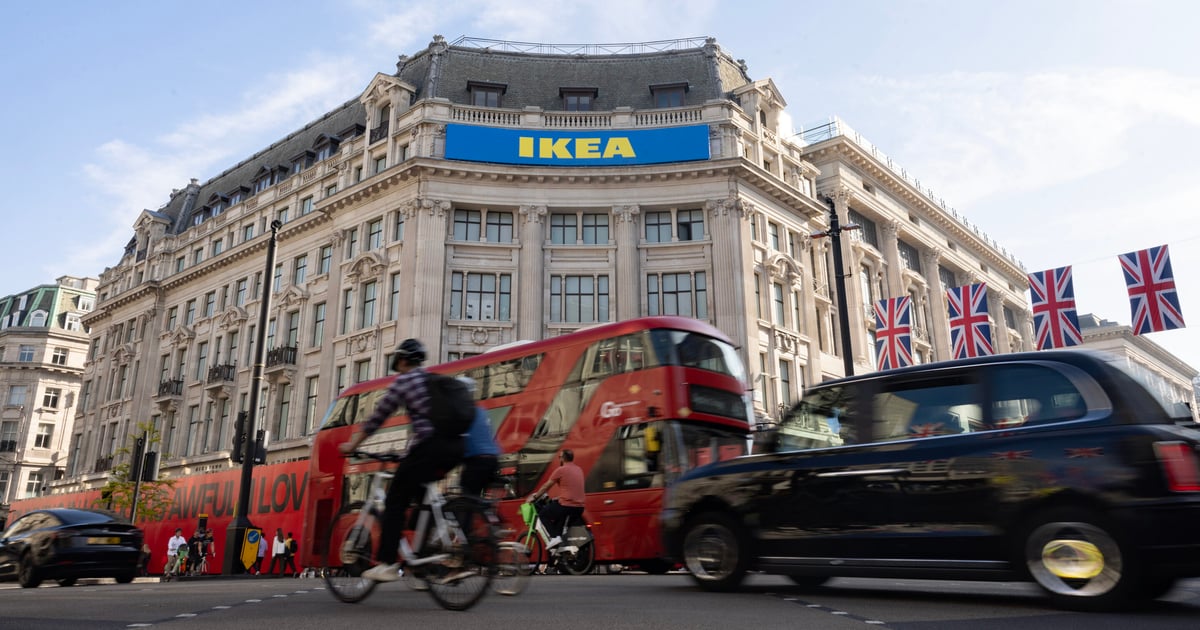
    IKEA Retail is serving more customers and increasing visits to stores with 1.3% and online visitors by 4.6%. While IKEA Retail delivered sales of EUR 39 billion, a decrease of –1.6% compared with last year (EUR 39.6 billion in FY24), it sold more quantities, up 1.6%, due to a continued focus on keeping prices low. The year brought new customer meeting points in key cities such as Delhi, London and Paris, and fresh ways to blend online and in-store shopping, from the IKEA Pre-owned marketplace to a digitally integrated mixed-use store at IKEA Shanghai Linkong.

    “As we look ahead, our commitment to the many people remains stronger than ever by offering a wide range of well-designed, functional home furnishing products at prices so low that as many people as possible will be able to afford them. Our resilience depends on how well we adapt to the fast-changing world and retail environment, so speed, low cost and simplicity will be important to keep prices low”, added Maeztu.

    Ingka Group delivered an operating income of EUR 1.5 billion (FY24: EUR 1.3 billion) with FY25 net profit increasing to EUR 1.4 billion (FY24: EUR 0.8 billion), reflecting balanced performance across the business. Enabled by the company’s unique ownership model, 85% of net profit is reinvested back into the business, while the remaining 15% is paid as a dividend to its sole owner, the Stichting INGKA Foundation, which funds the IKEA Foundation, an independent philanthropy that fights global warming with and for the many people.

    In FY25, Ingka Group corporate income tax was EUR 0.7 billion (FY24 EUR 0.8 billion), giving an effective tax rate of 32.8%, globally. The total tax bill, including other taxes and duties such as property, environmental and customs taxes, amounted to approximately EUR 1.2 billion (FY24: EUR 1.2 billion), as outlined in the Ingka Group Tax Report.

    Ingka Centres delivered a strong performance, particularly in Europe and China, supported by strategic moves such as the opening of Livat Shanghai, the acquisition of Pasing Arcaden, a major shopping centre in Munich, the launch of Livli as a new European consumer brand, and the announced development of Lykli Noida in India. Visitation across meeting places reached 320 million in FY25, an 18% increase year-on-year.

    Ingka Investments, which plays an important role in supporting Ingka Group’s long-term growth and sustainability ambitions, has invested and committed EUR 4.3 billion in off-site renewable energy to date, as part of a EUR 7.5 billion programme to 2030. In FY25 it advanced its circularity agenda, such as mattress and plastics recovery through RetourMatras in France and Re-mall in China.

    Reflecting its long-term approach, Ingka Group published its first Net Zero Transition Plan in February 2025, marking an important milestone in its sustainability journey. The plan outlines the company’s roadmap to reduce absolute greenhouse gas emissions from its value chain by at least 50% by 2030 and 90% by 2050, reinforcing its long-term commitment to climate action while continuing to grow the business.

    The Ingka Group FY25 Annual Summary & Sustainability Report will be published at the end of January 2026 and will include the company’s progress on sustainability targets, evaluated through the four areas of Value Creation: Better homes, Better lives, Better planet and Better company, reflecting its long-term, integrated approach to creating value for people, society and the planet – building a better everyday life for today and future generations.                                                                                                           

    *Ingka Group business areas:

    IKEA Retail: Ingka Group is the largest IKEA retailer with IKEA retail operations in 31 markets. It is a strategic partner to develop and innovate the IKEA business and help define common IKEA strategies.

    Ingka Centres has 52 years of experience in shopping centres and today works with over 2,600 brands across its portfolio of 37 meeting places in 14 markets.

    Ingka Investments is the investment arm of Ingka Group managing six different portfolios: Real Estate Investments, Renewable Energy Investments, Forestland Investments, Business Acquisition and Venture Investments, Circular Investments, and Financial Markets Investments.

    **Fiscal year 25: 1 September 2024 – 31 August 2025.


    About Ingka Group

    With IKEA retail operations in 31 markets, Ingka Group is the largest IKEA retailer and represents 88% of IKEA retail sales. It is a strategic partner to develop and innovate the IKEA business and help define common IKEA strategies. Ingka Group owns and operates IKEA sales channels under franchise agreements with Inter IKEA Systems B.V. It has three business areas: IKEA Retail, Ingka Investments and Ingka Centres. Read more on Ingka.com.

    Continue Reading

  • MFS Investment Management and Crayola Collaborate to Champion Creativity and Financial Literacy

    MFS Investment Management and Crayola Collaborate to Champion Creativity and Financial Literacy

    Investing in Creativity Sweepstakes and free financial literacy resources
    support educators and parents as part of Crayola Creativity Week 2026

    EASTON, Pa., Nov. 11, 2025 /PRNewswire/ — Crayola and MFS® Investment Management announced today a partnership that will leverage the power of creativity to support teaching and learning financial literacy in schools and homes as part of Crayola Creativity Week 2026. Together, the brands will provide free financial literacy resources for educators and families to help children learn creative ways to save, avoid money mishaps, and plan for the future.

    More than 13 million students from over 120 countries and 90,000 learning sites participated in Crayola Creativity Week last year. The collaboration with MFS Investment Management, an official sponsor of Crayola Creativity Week 2026, features the Investing in Creativity Sweepstakes, which runs through Dec. 8 and includes opportunities for educators and parents. In total, 10 educators will receive $2,500, along with $1,000 in Crayola arts supplies, for their schools to host a family engagement event that focuses on creativity and financial literacy. MFS Investment Management is supporting family engagement in schools because student outcomes improve when schools host events for their entire learning community.

    As part of the sweepstakes, one family also will win $4,500 to establish or contribute to a 529 Savings Plan, along with $500 in Crayola art supplies. A 529 Savings Plan is a tax-advantaged investment account that helps families with qualified K-12 and college education expenses.

    “At MFS, we believe financial literacy and creativity are powerful tools for helping young people reach their full potential,” said Maureen Bryan, VP, Director of Corporate Citizenship. “Through our partnership with Crayola Creativity Week, we’re inspiring students to think boldly, build confidence, and make meaningful connections between imagination and their financial futures.”

    In addition to the sweepstakes, educators and parents have access to free financial literacy resources including activity sheets, a family engagement event guide, and a learning video featuring actor Michael Rainey, Jr. As part of the 2026 Creativity Week line-up, Rainey will share creative ways to build financial literacy skills and vocabulary and read aloud a selection of pages from the book A Quick History of Money (published by Quarto). The book’s illustrator, Rob Flowers, will help kids make their thinking visible by showing them how to illustrate the money smart words they’ve learned and imagine themselves as savvy-shopper detectives.

    “Creativity is a critical life skill that helps children reach their full potential. Using creativity to help kids become money smart brightens their future,” said Cheri Sterman, Senior Director of Education, Crayola. “Our partnership with MFS underscores a shared commitment to empowering students with both creative confidence and financial literacy skills.”

    The partnership comes as Crayola approaches the fifth year of Crayola Creativity Week, taking place Jan. 26 through Feb. 1, 2026. The free, week-long educational event provides schools, families, and libraries with inspiring and interactive content delivered by world-renowned creative talent to support creative learning across subject areas. The annual virtual event gives educators and parents resources to help nurture children’s creativity and supplies children with the tools to bring their ideas to life, encouraging imaginative expression and innovative thinking.

    Through engaging, standards-aligned activities and resources, Crayola Creativity Week integrates hands-on experiences with literacy, STEAM, and social-emotional learning. The brand partners with companies, education associations, artists, actors, authors, and entrepreneurs to bring this program to life through hands-on videos from celebrity talent, downloadable handouts to follow and create along, daily prizes, and a livestream virtual school assembly. The daily themes address embracing ideas, reaching goals, empowering communities, and more to make creativity an essential part of the classroom, which extends beyond the week.

    Crayola Creativity Week is a signature activation of Crayola’s Campaign for Creativity, the brand’s advocacy initiative that reframes, champions and celebrates creativity as a mindset essential to lifelong growth and wellbeing, and provides resources and inspiration to encourage more creative moments at home and in school.

    Entries for the Investing in Creativity Sweepstakes are being accepted now. For more information about Crayola Creativity Week, visit Crayola.com/CreativityWeek.

    About Crayola
    Crayola LLC, based in Easton, Pa., and a subsidiary of Hallmark Cards, Incorporated, is a global leader in creative experiences. Through its innovative and vibrant portfolio of products, content and experiences, the iconic brand has unleashed imaginations and enabled colorful self-expression for more than 120 years. Crayola is committed to nurturing creativity as a lifelong journey. From sparking a child’s first artistic adventure and helping parents and educators raise creatively alive children, to inspiring adults to embrace their creative spirit, the brand empowers individuals of all ages to explore, discover, celebrate and connect through the joy of making. Learn more at www.crayola.com or join the conversation at www.Facebook.com/Crayola.

    About MFS® Investment Management
    In 1924, MFS launched the first US open-end mutual fund, opening the door to the markets for millions of everyday investors. Today, as a full-service global investment manager serving financial advisors, intermediaries and institutional clients, MFS still serves a single purpose: to create long-term value for clients by allocating capital responsibly. That takes our powerful investment approach combining collective expertise, thoughtful risk management and long-term discipline. Supported by our culture of shared values and collaboration, our teams of diverse thinkers actively debate ideas and assess material risks to uncover what we believe are the best investment opportunities in the market. As of September 30, 2025, MFS manages US$658.7 billion in assets on behalf of individual and institutional investors worldwide. Please visit mfs.com for more information.

    SOURCE Crayola

    Continue Reading

  • Levi’s to sell $300 jeans in more stores to tap growing demand for premium denim

    Levi’s to sell $300 jeans in more stores to tap growing demand for premium denim

    • Blue Tab line to be expanded to more stores in 2026, CFO says
    • Jeans cost up to 350 euros vs up to 130 euros for Red Tab
    • Premium market growing faster than regular denim
    • Levi’s may outline new revenue timeline next year
    PARIS, Nov 11 (Reuters) – Levi’s (LEVI.N), opens new tab will sell its new line of $300 jeans in more stores next year as it looks to boost growth by tapping into strong demand for premium denim, Chief Financial and Growth Officer Harmit Singh told Reuters.

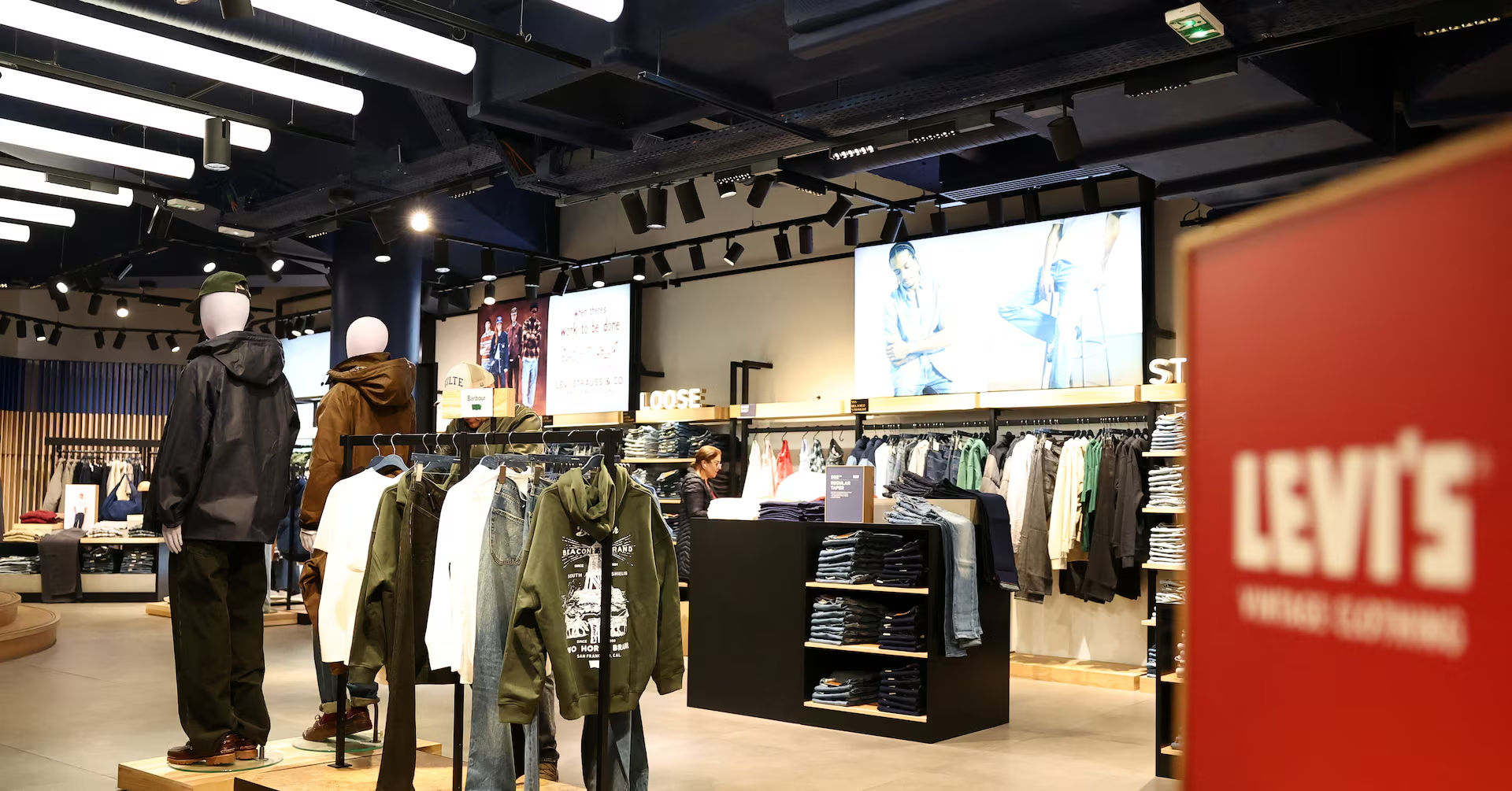
    Launched in Asia earlier this year, and in around two dozen stores in Europe and the U.S. since September, the Blue Tab range of higher quality jeans and shirts is part of an ongoing push to broaden the Levi’s brand and attract more women.

    Sign up here.

    “We’re coming back with a larger scale in ’26, because it’s done really well,” said Singh, dressed in a shirt and jacket from the new line inspired by heavier and stiffer Japanese selvedge denim.

    PREMIUM DENIM GROWING FASTER

    In Europe, Blue Tab jeans sell for between about 250 and 350 euros ($290-410), compared with between 70 and 130 euros for its Red Tab line. Blue Tab jackets sell for around 700 euros.

    Levi’s, which currently sells mostly mid-market denim under its Red Tab range, as well as a mass market range for outlet stores and Walmart, faces a delicate balance to cater to both budget and premium markets.

    While premium denim accounts for about 10% of the roughly $100 billion global denim market, it is growing faster than the mid-single-digits of the regular jeans category, Singh said.

    “The price point is one thing, but it’s also the quality of the product. So Japanese denim inspired, selvedge,” Singh said in an interview in the group’s Paris showroom.

    Selvedge denim is woven on traditional looms that produce self-finished edges and a tightly woven, denser fabric.

    Design is also key with a stronger pipeline planned for next year across men’s and women’s ranges, he said.

    TARIFFS AND INFLATION CAUSE HEADWINDS

    The maker of 501s, which reported sales of $6.4 billion last year, had set a target of reaching $10 billion in revenues and a 15% operating earnings margin by 2027, but scrapped the timeline during the pandemic as high inflation slowed growth.

    U.S. President Donald Trump’s trade tariffs have added further headwinds for the company, but after high-single-digit percentage revenue growth in recent quarters, Singh said the company may be ready to outline a new timeline next year.

    Levi’s is expecting a strong holiday season, said Singh, with the company currently selling more full-priced product this year compared with a year ago.

    “The consumer has largely been resilient. And we’re not seeing any demand contraction,” he said, adding that Levi’s would limit discounts as much as possible.

    Expanding into non-denim fabrics that attract new customers and collaborations with brands like Barbour and Nike is helping to sell at full prices, said Singh, while a lower cotton commodity price this year has helped keep down costs.

    Later on, Levi’s could buy a new brand to drive faster growth, said Singh, adding to its $150 million Beyond Yoga business, acquired in 2021.

    “Right now, we have two brands. We have left the door open for another brand,” said Singh.

    While “anything that could accelerate our tops business faster is something we’d look at,” an acquisition is not needed right now, he said.

    ($1 = 0.8575 euros)

    Reporting by Dominique Patton; Editing by Conor Humphries

    Our Standards: The Thomson Reuters Trust Principles., opens new tab

    Continue Reading

  • showcasing customer-centric farming innovations across AI, Autonomy, Robotics and Automation

    showcasing customer-centric farming innovations across AI, Autonomy, Robotics and Automation

    CNH (NYSE: CNH) is hosting its 2025 Tech Day today at Agritechnica, the world’s largest tradeshow dedicated to agriculture. Under the banner ‘Every Field Feeds the Future’, the Company presents a robust portfolio of current and upcoming technologies designed to serve and support the world’s farmers.

    CNH is building a connected ecosystem powered by AI and autonomy, with a vision to deliver predictive, sustainable systems that help farmers see ahead, act smarter, and produce more with less. The Company’s intelligent Ag Tech solutions support every phase of the crop cycle from field preparation to seeding and planting, crop protection, and harvesting.

    The world depends on agriculture, and agriculture depends on innovation. Agriculture’s biggest challenge is to feed more people, with less land, under increasingly difficult conditions,” said Gerrit Marx, Chief Executive Officer at CNH. “The transformation underway in this sector is not just necessary, it is strategic, and we believe AI to be one of the biggest enablers for rapid innovation across our products, people and processes.”

    To drive this transformation, CNH is focused on generating incremental value for farmers through its expanding technology portfolio. The Company’s 2030 strategy is focused on nearly doubling Precision Tech sales as a percentage of Agriculture Net Sales.

    CNH’S CURRENT & FUTURE AG TECH SOLUTIONS ACROSS THE CROP CYCLE

    • Prescription Tillage is already solving key challenges from soil erosion and residue management to improving soil health and fertility. Field trials show significant productivity increases, yield improvements, and fuel savings.
       
    • Autonomous Tillage (in development) builds on these technologies, enabling farmers to reallocate labor and maximize efficiency for better agronomic outcomes.
       
    • Planter Automation with Active Implement Guidance (currently available) and Passive Implement Guidance (launching in 2026) ensures over 95% of seeds are placed within 0–5 cm of the intended path, optimizing nutrient placement and root development. This leads to higher yields and savings on seed and fertilizer.
       
    • Next-Generation Planters (by 2030) will feature integrated guidance, enhanced automation for precise seed placement, remote software management, and real-time monitoring via our integrated digital platform FieldOps™, reducing labor needs and maximizing uptime.
       
    • Sense and Act Spraying Portfolio uses AI for targeted Green-on-Brown weed detection and variable rate application, delivering up to 60% in herbicide savings.
       
    • Green-on-Green Spraying (launching 2027 in North America with One Smart Spray) will reduce herbicide use by up to 80%, supporting sustainability and cost savings.
       
    • Combine Automation (2023 Agritechnica Gold Innovation winner) leverages industry leading technologies, using sensors and AI to continuously adjust machine settings, simplifying operations and boosting productivity. In wheat operations, our combine automation delivers €70 more per hectare in net revenue and 7.4% more tons per hour harvested.
       
    • Corn Header Automation (2025 Agritechnica Silver Innovation winner) uses AI and advanced sensing to reduce crop losses, enhance performance, and cut fuel usage.
       
    • Kernel Processing System (2025 Agritechnica Silver Innovation winner) – installed on Forage Harvesters – employs sensors, cameras, and AI to tailor kernel processing for livestock feed, improving meat and milk nutrition.
       
    • FILLAutomation (future proof of concept) is mounted on the spout of a forage harvester. It scans the trailer pulled alongside it and automatically guides the spout for precise, even and efficient filling. This reduces operator fatigue and prevents spillage.
       
    • Advanced Guidance Systems for specialty tractors combine GPS and LIDAR to recognize row ends and automate path planning, supporting less experienced operators and boosting productivity.
       
    • R4 Autonomous Robot Family (a proof of concept debuting at Agritechnica) fully autonomous and cab-less vehicles featuring a hybrid or full electric powertrain. They execute repetitive, lower-value tasks – such as inter-row mowing, tillage, or spraying. This increases efficiency in high-value crops by alleviating labor shortages across the season and can deliver up to 100% CO2 reduction.

    AG TECH THAT THRIVES IN A CONNECTED ECOSYSTEM

    The commercially available CNH technologies listed above are fully integrated and enhanced through the FieldOps™ Digital Farm Management Platform, providing real-time data, fleet management, and remote support for customers of CNH brands Case IH, New Holland, and STEYR. This open digital ecosystem allows users to integrate with third parties such as agronomists and seed suppliers. Furthermore, dealers are equipped with CNH’s AI Tech Assistant to facilitate predictive maintenance and faster issue resolution.

    And all these technologies rely on uninterrupted connectivity. That is why CNH is committed to ensuring full connectivity in even the most remote, and currently under-served, rural areas through collaborations such as its latest satellite connectivity agreement with Starlink™. This open approach to connectivity enables farmers to work with their preferred partners, ensuring flexibility and compatibility across platforms.

    SOIL IN THE SPOTLIGHT

    A farmer’s number one asset is their land – often passed down through generations and vital for future productivity. Soil health determines not only yield but also the quality of the food we eat.

    With only 3% of the Earth’s surface suitable for crop production and 33% of soils already degraded, CNH’s technology is helping farmers increase productivity sustainably to preserve soil through:

    • Nutrient Stratification: Precision tillage and planting technologies ensure nutrients are optimally placed for each crop.
    • Crop Residue Management: Automation systems evenly distribute residue, improving soil fertility and reducing erosion.
    • Water Conservation: Variable rate applications and advanced irrigation management help conserve water and reduce waste.
    • Integrated Pest Management: AI-driven spraying targets only the necessary areas, reducing chemical use and environmental impact.

    As agriculture enters a new era of growth and innovation, CNH is committed to helping farmers protect their legacy and feed the future, one field at a time.

    CONNECT WITH CNH @ AGRITECHNICA

    Hanover, November 11, 2025

    Continue Reading