Category: 3. Business

  • Results from the Phase 2 POLAR Trial: Pembrolizumab and Olaparib in HRD Metastatic Pancreatic Cancer

    Results from the Phase 2 POLAR Trial: Pembrolizumab and Olaparib in HRD Metastatic Pancreatic Cancer

    Pancreatic cancer remains one of the most challenging malignancies to treat, particularly in the metastatic setting, where immunotherapy has historically shown minimal activity. However, a biologically defined subset of patients with homologous recombination deficiency (HRD), especially those harboring BRCA1, BRCA2, or PALB2 mutations, may be more sensitive to DNA-damaging agents and potentially to immunotherapy-based strategies.

    In this context, the POLAR trial explored whether combining PARP inhibition with PD-1 blockade could provide durable disease control in patients who had already benefited from platinum-based chemotherapy.

    The study was published in Nature Medicine on March 25, 2026.

    Title: Pembrolizumab and olaparib in homologous-recombination-deficient metastatic pancreatic cancer: the phase 2 POLAR trial

    Authors: Wungki Park, Catherine A. O’Connor, Joanne F. Chou, Marc Hilmi, Zeynep Tarcan, Carly Schwartz, Mary Larsen, Ramzi Homsi, Karthigayini Sivaprakasam, Shigeaki Umeda, Maria A. Perry, Anna M. Varghese, Kenneth H. Yu, Fiyinfolu Balogun, Alice Zervoudakis, Seth S. Katz, Tae-Hyung Kim, Ken Zhao, Allison L. Richards, Nicolas Lecomte, Daniel Martin Muldoon, Elias Karnoub, Walid Chatila, Jessica Yang, Imane El-Dika, Devika Rao, Smita Joshi, Michael B. Foote, Ryan Sugarman, James J. Harding, Andrew S. Epstein, David Kelsen, Sree Chalassani, Fergus Keane, Joshua D. Schoenfeld, Anupriya Singhal, Erin Diguglielmo, Chaitanya Bandlamudi, Junmin Song, Hulya Sahin

    Ozkan, Junguei Hong, Haochen Zhang, Agustin III Cardenas, Maria Lao, Jerry Melchor, Ronak Shah, Wenfei Kang, Francesca Mazzoni, Kevin Soares, Mark TA Donoghue, Ernesto Santos, Vineet Rolston, Marsha Reyngold, Alice Chia-chi Wei, Murray Tipping, Olca Basturk, Michael Berger, Richard Kihn Do, Mark Schattner, William R. Jarnagin, Nadeem Riaz, Vinod Balachandran, Dana Pe’er, Marinela Capanu, Christine Iacobuzio-Donahue, and Eileen M. O’Reilly

    Methods

    POLAR is a phase 2, single-center, non-randomized basket trial evaluating maintenance pembrolizumab in combination with olaparib in patients with metastatic pancreatic cancer who had achieved at least stable disease after platinum-based chemotherapy.

    A total of 63 patients were enrolled and prospectively assigned to three biomarker-defined cohorts. Cohort A included patients with core HRD mutations (BRCA1, BRCA2, or PALB2), cohort B included patients with non-core HRD mutations (such as ATM, CHEK2, and others), and cohort C included patients without HRD alterations but with platinum-sensitive disease.

    All patients received olaparib 300 mg twice daily and pembrolizumab administered intravenously every 3 weeks for 6 months, followed by every 6 weeks until disease progression or unacceptable toxicity.

    The co-primary endpoints in cohort A were an objective response rate of at least 43% and a 6-month progression-free survival rate of at least 77%.

    Schema of the POLAR

    Results

    At the time of analysis, 63 patients had been treated, and 46 were evaluable by RECIST criteria. Among RECIST-evaluable patients in cohort A (n=20), the objective response rate was 35% (95% CI: 15–59%), and the 6-month progression-free survival rate was 64% (95% CI: 49–82%), compared with 47% in cohort B and 13% in cohort C. These results did not meet the predefined primary endpoints. At a median follow-up of 37 months (95% CI: 27–47), outcomes were durable in cohort A.

    Despite this, clinically meaningful activity was observed. Median progression-free survival in cohort A was 8.3 months (95% CI: 5.3–not reached), and median overall survival reached 28 months (95% CI: 12–not reached). Long-term outcomes were notable, with 2-year and 3-year overall survival rates of 56% and 44%, respectively.

    Importantly, a subgroup of patients demonstrated particularly durable benefit, with 7.9% of patients achieving progression-free survival beyond 36 months. When including patients with non-measurable disease at baseline—many of whom had already experienced deep responses to platinum chemotherapy— the exploratory response rate increased to 52% (95% CI: 34–69%), and prolonged disease control was observed in several patients.

    Across cohorts, outcomes followed a clear biomarker gradient. In cohort B, the objective response rate was 8%, with a median progression-free survival of 4.8 months and median overall survival of 18 months. In cohort C, which included HRD-negative patients, outcomes were more limited, with an objective response rate of 14%, median progression-free survival of 3.3 months, and median overall survival of 10 months. Baseline CA19-9 was independently associated with progression-free survival, with a hazard ratio of 1.02 (95% CI: 1.02–1.03).

    Polar trial results

    Disease control was achieved in the majority of patients, particularly in cohort A, where the disease control rate reached 80%, compared with 75% in cohort B and 50% in cohort C. Among responders in cohort A, the median duration of response was 6.8 months, while the median duration of disease control reached 32 months when including patients with non-measurable disease.

    Subgroup analyses within cohort A revealed heterogeneity according to mutation type. Patients with BRCA2 and PALB2 mutations demonstrated longer progression-free and overall survival compared with those harboring BRCA1 mutations. Median progression-free survival was 9.9 months for BRCA2, 12.0 months for PALB2, and 6.1 months for BRCA1. Median overall survival was 28.0, 27.0, and 18.0 months, respectively.

    Translational insights

    The study incorporated an extensive translational program that provided important biological insights. Circulating tumor DNA analyses showed that patients with durable benefit often had very low or undetectable variant allele frequencies, whereas increases in ctDNA were associated with shorter progression-free survival.

    Tumors in cohort A exhibited a more immunogenic profile, including higher frameshift indel burden, increased tumor mutational burden, and higher genomic instability scores. These features were associated with increased tumor-infiltrating lymphocytes, particularly CD8+ T cells, which correlated with improved clinical outcomes.

    Together, these findings support the hypothesis that HRD tumors may be inherently more immunogenic and therefore more susceptible to combined PARP inhibition and immune checkpoint blockade.

    Results from the Phase 2 POLAR Trial: Pembrolizumab and Olaparib in HRD Metastatic Pancreatic Cancer

    Safety

    The combination was generally well tolerated, with no new safety signals. No grade 4 or 5 treatment-related adverse events were reported.

    The most common grade 3 treatment-related adverse event was anemia, occurring in 15% of patients, along with rare abdominal infection (1.6%). Immune-related adverse events included pneumonitis, colitis, hyperthyroidism, and hyperglycemia, with grade 3 immune toxicities observed in a small number of patients.

    Expert Highlights

    The POLAR trial contributes to a growing shift in how pancreatic cancer is conceptualized, moving away from the idea of a uniformly immunotherapy-resistant disease toward a more nuanced, biology-driven approach.

    Wungki Park, a clinician-scientist at Memorial Sloan Kettering Cancer Center and the Gerstner Sloan Kettering Graduate School of Biomedical Sciences, focusing on next-generation therapies in GI cancers, including KRAS-directed strategies and immune reprogramming, highlights:

    “The POLAR study was designed around the idea that pancreatic cancer should not be approached as a uniformly immunotherapy-resistant disease. Instead, we focused on whether a biologically defined subset, specifically homologous recombination-deficient tumors, may have increased susceptibility when treated in the right clinical context, particularly in the maintenance setting after platinum response. In that sense, I see POLAR as contributing to a shift toward more biomarker-driven and context-specific strategies in metastatic pancreatic cancer.”

    Wungki Park

    Beyond the clinical outcomes, the study also provides an important conceptual framework for future treatment strategies, emphasizing the role of tumor biology in guiding therapeutic decisions rather than broadly applying immunotherapy across all patients.

    “From a practice and field perspective, the key insight is not just the clinical signal itself, but the framework it supports. The data suggest that genomic features such as HRD may be linked to underlying tumor immunogenicity, which opens the door to more rational combinations and sequencing strategies, not broadly applying immunotherapy across all patients. It reinforces the importance of aligning treatment with tumor biology and continuing to refine patient selection.”

    Conclusion

    Although the POLAR trial did not meet its prespecified primary endpoints, it demonstrated meaningful and durable clinical activity in a subset of patients with HRD metastatic pancreatic cancer.

    The results suggest that combining PARP inhibition with PD-1 blockade may extend disease control beyond chemotherapy in biologically selected patients, particularly those with BRCA2 and PALB2 mutations.

    These findings reinforce the importance of biomarker-driven strategies and support further investigation of precision immunotherapy approaches in pancreatic cancer.

    The full article is available in Nature Medicine.

    Continue Reading

  • Cellnex strengthens its corporate governance with annual director re-election and two new independent appointments

    Cellnex strengthens its corporate governance with annual director re-election and two new independent appointments

    Madrid, 27th March 2026.- Cellnex will submit to its General Shareholders’ Meeting, convened for 30th April, a set of corporate governance proposals that mark a significant step in the evolution of the Board’s oversight model.

    The most significant measure is the transition to annual director re-election, replacing the current three-year term. This model — standard in leading international markets — reinforces accountability to shareholders, enables a more dynamic evaluation of Board performance, and facilitates orderly Board refreshment when circumstances require it.

    The Meeting will also vote on the appointment of Cynthia Gordon and Kais Ben Hamida as new independent directors, together with the re-election of Marco Patuano (CEO), Christian Coco and Jonathan Amouyal (proprietary directors), and Óscar Fanjul (Chairman), Marieta del Rivero, Ana García Fau, Maite Ballester and Dominique D’Hinnin (independent directors).

    If the full set of proposals is approved, the Board would comprise 12 members, with a reinforced non-executive majority: 11 out of 12, of whom 8 are independent (67%) and 5 are women (42%).

    Executive continuity

    Marco Patuano’s re-election as executive director underscores a deliberate alignment: a Board renewing itself in governance standards and composition, partnering with executive leadership that has already begun deploying Cellnex’s operational and strategic priorities.

    Two profiles aligned with the Company’s strategic priorities

    Cynthia Gordon brings over three decades of executive experience in the telecommunications sector, with direct expertise in strategy, operations and M&A across multiple geographies. She has held senior leadership roles at Millicom, Ooredoo and Orange, and currently serves on the board of Airtel Africa. Her appointment broadens the Board’s operational and sectoral perspective at a time when Cellnex is deepening the optimisation of its business model.

    Kais Ben Hamida brings strong financial and transactional expertise, combining CFO roles — currently at Emirates Integrated Telecommunications Company (du), and previously at Mobily and Orange Egypt — with senior positions in M&A and investment, including at Orange Group and Valiance Capital. His profile strengthens the Board’s capacity to accompany capital allocation decisions and balance sheet evolution.

    Statement from the Chairman

    Óscar Fanjul, Chairman of Cellnex, stated: “Corporate governance is ultimately about trust — the trust of shareholders that the people overseeing this company have both the independence to challenge and the expertise to guide. The proposals before our shareholders reflect that conviction: a Board that is more accountable, more independent, and better equipped — technically and professionally — to support the execution of a strategy built around their expectations.”


    Cynthia Gordon

    Ms. Cynthia Gordon has over 30 years of experience in the telecommunications sector across multiple geographies, with extensive expertise in strategy development, operational execution and mergers and acquisitions. With significant board experience in leading telecoms companies, including Airtel Africa, Tele2 and Eutelsat, she brings a strong and diverse international perspective to the Company’s Board of Directors.

    Ms. Gordon currently serves as Non‑Executive Chair of Global Fashion Group and as a non‑executive director of Severfield plc and Airtel Africa plc. She also sits on various board committees across these organisations.

    Since 2019, she has served as Senior Advisor to Tillman Global Holdings, where she has evaluated and supported investments in digital and physical infrastructure, including towers, data centres, in‑building connectivity and energy solutions.

    Previously, Ms. Gordon served as Chief Executive Officer of Millicom Africa (2015–2017), leading a transformation of the company’s strategy, leadership and financial performance across six countries. Prior to that, she was Group Chief Commercial Officer at Ooredoo (2012–2015) and held several senior leadership roles at Orange – France Telecom, including Vice President of Partnerships & Emerging Markets and Vice President of Business Marketing.

    Earlier in her career, she held senior positions at BT, One to One (T‑Mobile), AT&T International, Scottish Telecom and Unilever.

    Ms. Cynthia Gordon holds a degree in Business Studies from the University of Brighton.


    Kais Ben Hamida

    Mr. Kais Ben Hamida currently serves as Chief Financial Officer of Emirates Integrated Telecommunications Company (du), listed on the Dubai Stock Exchange, and as a Board Member of du’s fintech subsidiary.

    Previously, Mr. Ben Hamida served as Chief Financial Officer of Mobily (Etisalat Group), listed on the Riyadh Stock Exchange, and as Chief Financial Officer of Orange Egypt (formerly Mobinil), listed on the Cairo Stock Exchange.

    He was also a Partner at Valiance Capital, a €1.5 billion infrastructure fund sponsored by Generali. Earlier in his career at Orange Group, he held the positions of Director of the Group CFO Office and Senior Vice President of the Mergers and Acquisitions Department, where he structured and executed cross‑border transactions with a total value exceeding €30 billion.

    Mr. Ben Hamida began his professional career at the World Bank, Société Générale, and France Telecom Mobiles International.

    He holds a degree from INSEAD’s International Directors Programme, a Master’s degree in Engineering from École Nationale des Ponts et Chaussées, a Master’s degree in Economics from Sorbonne University, and a Bachelor’s degree in Financial Engineering from École Polytechnique.

    Continue Reading

  • MR Fingerprinting Predicts Shunt Efficacy in NPH

    MR Fingerprinting Predicts Shunt Efficacy in NPH

    Alongside cognitive impairment and urinary incontinence, gait disturbance is a cardinal symptom of normal pressure hydrocephalus (NPH). People with NPH can experience slower movements, gait freezing and trouble lifting their feet, which may be caused by irregular cerebrospinal fluid (CFS) distribution and dynamics.

    Advertisement

    Cleveland Clinic is a non-profit academic medical center. Advertising on our site helps support our mission. We do not endorse non-Cleveland Clinic products or services. Policy

    In a recent trial involving 20 individuals with NPH, magnetic resonance fingerprinting (MRF), a fast quantitative imaging technique, accurately predicted which participants would experience gait improvements after extended lumbar cerebrospinal fluid drainage (ELD).

    Cleveland Clinic researchers published results of their prospective cohort study in the Journal of Magnetic Resonance Imaging.

    The goal of the study was to assess whether MRF – a non-invasive and relatively quick procedure – could reliably predict which patients with NPH would and would not respond to permanently placed shunt catheters.

    Results showed that MRF T1 and T2 relaxation-time measures were significantly associated with gait assessment metrics. If those results are sustained in larger studies, patients with NPH might someday be able to avoid more invasive preoperative assessments, such as lumbar puncture testing, to determine the likely success of shunt surgery.

    “The holy grail might be that one day we don’t have to do any (invasive) testing,” says Cleveland Clinic neurologist and corresponding author Stephen E. Jones, MD, PhD. “If Mrs. Smith has a gait disorder, rather than having a two-day inpatient stay, we might be able to do the fingerprinting exam and the mathematical analysis and say the data indicates she will or will not benefit from having a ventriculostomy catheter implanted.”

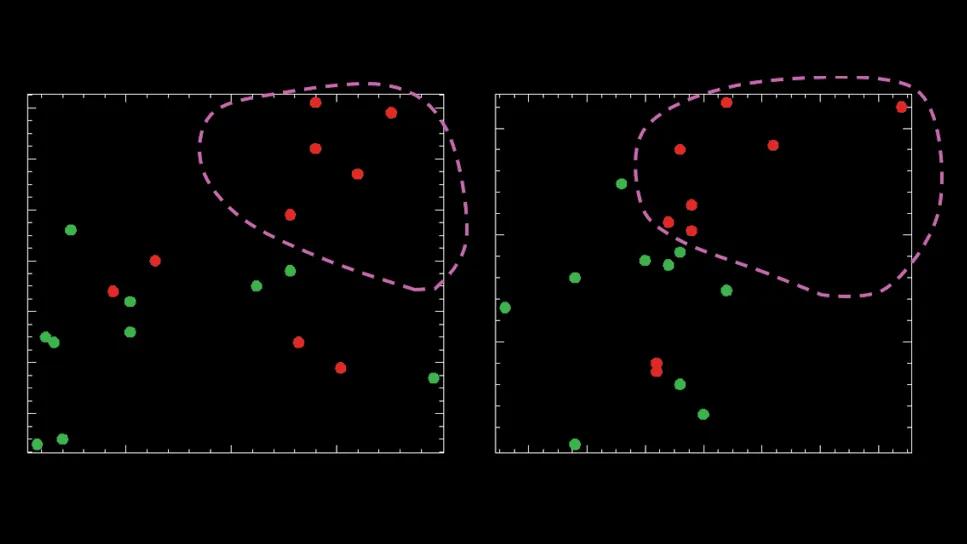
    Two-dimensional scatter plot of peak T1 versus T2 times from pre-extended lumbar drainage MRI, for white matter (left) and gray matter (right).

    Trial details

    Participants were adults with presumed NPH (idiopathic or secondary), progressive gait disorders, and urinary incontinence or cognitive dysfunction. They were recruited from a group of patients who had been referred for external lumbar drainage trial. A movement disorders neurologist, neuropsychologist and neurosurgeon screened candidates for comorbidities that could confound study results.

    Participants were hospitalized for two nights and three days. They underwent initial MRF and clinical assessments, then performed multiple tests, including a 10-meter walking test, during which the number of steps and the time taken were recorded.

    The lumbar drain was then inserted, and a standard 36-hour ELD trial began. Ten milliliters of CSF were removed every hour for 36 hours. After completion of ELD, the walking test, MRF and clinical assessments were repeated.

    Participants were considered treatment-responsive if the number of steps needed to walk 10 meters was reduced or stayed the same; the time to complete the walk was reduced by at least one second; and a neurosurgeon noted overall improvement in the participant’s condition.

    The study used a 3T MRI scanner and implemented a 2D MRF sequence that captured 20 axial slices of 5 mm thickness at 19.5 seconds per slice.

    To generate maps of T1 and T2 relaxation times, the signal evolution at each voxel matched against a database of signal patterns, known as the “MRF dictionary.”

    Brain metrics before and after drainage were analyzed to determine whether the procedure caused meaningful changes in relaxation times. The study also compared relaxation times in study participants to normal values from previously gathered healthy controls, and evaluated differences in demographics between responders and non-responders.

    Results

    After ELD, T1 relaxation times showed no consistent changes for white matter, but for gray matter there was a noticeable difference. Responders tended to have lower T1 times after treatment, while nonresponders often had higher T1 times. This suggests that changes in T1 times for gray matter may be linked to treatment effectiveness.

    Most participants showed reduced T2 relaxation times in both GM and WM after treatment regardless of whether they experienced clinical improvement. Higher pre-treatment peak T1 and T2 relaxation times in GM or WM were associated with less post-treatment gait improvement.

    Broadening the MRF field

    Developed at Case Western Reserve University by a team led by physicist Mark Griswold, PhD, a coauthor on the study, MRF earned FDA approval for clinical use in 2023. Cleveland Clinic has applied it in epilepsy clinical trials and continues to explore its utility.

    Beyond access to the MRF technology itself, says Dr. Jones, clinical application requires advanced analytic tools.

    “Almost anyone could do this, but they would have to follow our analysis method. We had to get the pictures and then put them onto a laboratory computer, and I wrote the program that analyzes them,” he says. “We also need a good high-resolution image of brain structure volumetrics. That is going to be something that has like one-millimeter isotropic resolution, so it looks at the brain with very fine detail.”

    The researchers hope to continue the inquiry with a larger cohort and an expanded timeline that considers durability of shunt performance.

    “We would like to do fingerprinting a year later and see how the participants’ brains changed with the shunt,” says Dr. Jones. “Could we predict instances where too much damage has already been done and the shunt might fail or might help for only a short time? Can we learn anything about those who continue to benefit and those who do not?”

    Continue Reading

  • New “L00 Series” Train for the Seibu Railway’s Yamaguchi Line Begins Commercial Operation

    New “L00 Series” Train for the Seibu Railway’s Yamaguchi Line Begins Commercial Operation

    The Frst New Leo Liner “L00 Series”

    Tokyo, March 27, 2026 – Mitsubishi Heavy Industries, Ltd. (MHI) has completed delivery of the first trainsets L00 Series (“Leo-kei”) trains (4 cars per trainset, total 12 cars) ordered by Seibu Railway Co., Ltd. for its Yamaguchi Line, an automated guideway transit (AGT) system. Commercial operation of the first train began on March 27th. That same day, Seibu Railway held a commemorative ceremony for the start of commercial operation, attended by Tokorozawa City Mayor Masatoshi Onozuka and Higashimurayama City Mayor Takashi Watanabe.

    The new L00 Series are being manufactured at MHI’s Mihara Machinery Works in Hiroshima Prefecture, and are scheduled to be delivered sequentially by FY2027. The seating arrangement has been changed from the bench seats used in the existing 8500 Series vehicles to longitudinal seats to increase transport capacity to BELLUNA DOME baseball stadium and Seibuen Amusement Park. To meet diverse passenger needs, wheelchair spaces, children’s seats, and in-car information displays have been installed to enhance convenience.

    In addition, the new trains incorporate many unique specifications designed by MHI especially for AGT system vehicles, including aluminum bodyshells, the MHI bogie,(Note1), a ceiling duct air conditioning system,(Note2) and A-MVCS (Advanced Mitsubishi Vehicle Control System). The A-MVCS in particular, in addition to the vehicle control function, has monitoring and commissioning functions for each piece of on-board equipment, allowing it to flexibly meet the needs of railway operators.

    Further, a large glass window has been installed in the partition wall between the driver’s cab and the children’s seat, allowing children to enjoy the view from the front window and driver’s seat, enhancing the sense of excitement for passengers.

    Driver’s Cab kids SEAT

    This AGT system utilizes rubber tires for a smooth ride and low noise. In addition, as a type of clean mobility with low CO2 emissions, the system has a reduced environmental impact, supporting the realization of a decarbonized and energy-efficient world. The adoption of vehicles that combine excellent design and environmental performance also enhances the impression of the surrounding facilities.

    Going forward, MHI Group will continue to strive for technological innovation, and through services that safely and comfortably transport people and goods, contribute to the development of public transport that supports the lives of people around the world.

    • 1A bogie developed by MHI for AGT systems. It is compatible with general rubber tire operation for AGTs.
    • 2A system that directs air through ducts behind the ceiling to provide air conditioning.

    Continue Reading

  • Ships forgo cargo to carry fuel as Iran war sends prices soaring – Financial Times

    1. Ships forgo cargo to carry fuel as Iran war sends prices soaring  Financial Times
    2. Bunker fuel shortages in Asia at tipping point as war disruption continues  Journal of Commerce
    3. Shipowners fear fuel shortages if Iran war continues  Seatrade Maritime News
    4. Bunker fuel supply tightening amid Hormuz disruption  Chamber of Shipping

    Continue Reading

  • Akeso Reports Full-Year 2025 Financial Results

    HONG KONG, March 26, 2026 /PRNewswire/ — Akeso, Inc. (9926.HK) (“Akeso” or the “Company”) announced its 2025 annual results, highlighting a year of comprehensive, strategic leaps across all facets of its business.

    Commercial Operations Enter a New Phase of Growth

    In 2025, Akeso achieved record commercial sales revenue of RMB3,033.1 million, a 51.48% year-on-year increase. All approved products and indications are now included in China’s National Reimbursement Drug List (NRDL). The strong commercial growth in 2025 was fueled by strong clinical validation and widespread adoption by both healthcare professionals and patients.

    By the end of 2025, several high-impact indications were added to the latest NRDL, including:

    • Ivonescimab: 1L PD-L1(+) NSCLC
    • Cadonilimab: 1L gastric cancer and 1L cervical cancer
    • Other products: Multiple indications for penpulimab, ebdarokimab and ebronucimab

    With stable pricing for core first-line (1L) indications and improved hospital access, Akeso’s commercial platform is positioned for a transformative 2026.

    Advanced Clinical Development of IO 2.0 Bispecifics

    Ivonescimab (PD-1/VEGF):

    As the world’s first and only approved PD-1/VEGF bispecific antibody, ivonescimab solidified its global leadership in 2025 by iterating upon existing Standards of Care (SOC) to reshape the oncology landscape. Ivonescimab has benefited approximately 70,000 patients to date.

    Ivonescimab’s IO 2.0 value is anchored by a series of landmark Phase III victories: in the HARMONi-2 study, ivonescimab achieved a head-to-head win against pembrolizumab in 1L PD-L1(+) NSCLC, establishing a new “chemo-free” standard. Additionally, the HARMONi-A study marked it as the first immunotherapy to reach dual PFS and OS positivity in EGFR-TKI resistant NSCLC, while HARMONi-6 demonstrated its superiority over tislelizumab (anti-PD-1 monoclonal antibody) in combination with chemotherapy in 1L squamous NSCLC, successfully overcoming traditional anti-VEGF contraindications for squamous histology.

    Currently, the U.S. FDA has accepted the BLA from our partner Summit Therapeutics for ivonescimab plus chemotherapy in nsq-NSCLC following third-generation EGFR-TKI failure. As the only commercialized PD-1/VEGF bispecific globally, ivonescimab has secured two approved lung cancer indications in China (both NRDL-listed) with another sNDA under review for the first-line treatment of advanced squamous NSCLC. The Company’s expansive global development program now encompasses 15 Phase III trials, including 5 global studies and 7 head-to-head studies against PD-1/L1 therapies, targeting critical 1L indications, IO-resistant, and “cold” tumors.

    Cadonilimab (PD-1/CTLA-4):

    Cadonilimab (PD-1/CTLA-4) is the world’s first and only approved bispecific antibody of its class. With approximately 120,000 patients treated to date, it has demonstrated “all-comer” clinical benefits across multiple tumor types. Its exceptional efficacy in treating challenging cases, such as IO-resistant and “cold” tumors, has solidified its status as a cornerstone therapy in the IO 2.0 era.

    Akeso is advancing 12 registrational or Phase III clinical trials for cadonilimab globally, covering more than 10 major cancer types and spanning the full treatment lifecycle and clinical scenarios. Furthermore, the Company is spearheading two international registrational studies: a head-to-head Phase III trial against nivolumab in first line gastric cancer, and a registrational trial for IO-resistant hepatocellular carcinoma (HCC). These high-efficiency global studies aim to address significant unmet medical needs, further unlocking cadonilimab’s global therapeutic value.

    Oncology Therapy Matrix Continues to Expand

    Akeso is pioneering the IO 2.0 + ADC 2.0 strategy, expanding its portfolio from bispecifics into trispecifics and TCE platforms. the Company is fast-tracking the global development of its next-gen ADCs, such as the bispecific Trop2/Nectin4 AK146D1, and the HER3 AK138D1. By combining these with its core IO assets (cadonilimab and ivonescimab), Akeso aims to address the narrow therapeutic windows associated with traditional ADCs. With AK150 (trispecific) now in the clinic and more trispecific/multispecific antibodies and TCE bispecific/multispecific antibodies approaching clinical entry, Akeso is rapidly building a formidable, next-generation oncology matrix.

    Paradigm Shift in Bispecific Excellence: Continuous Expansion of the Oncology Portfolio

    Akeso is methodically extending its IO 2.0 leadership into the emerging ADC 2.0 landscape, thereby operationalizing its integrated “IO 2.0 + ADC 2.0” platform thesis while systematically advancing bispecific antibody expertise into higher order trispecific/multispecific antibodies and TCE platforms. In the area of IO, Akeso remains the sole global player with two approved immuno-oncology bispecifics, a distinction that confers both first-mover clinical validation and a proprietary data moat in dual-check point/dual-pathway blockade. On the ADC front, the Company’s next-generation candidates, notably bispecific ADC AK146D1 and novel ADC AK138D1, are purpose-engineered to overcome the narrow therapeutic window that chronically plagues current ADCs, advancing the field into ADC 2.0.

    Phase II trials combining these proprietary ADCs with cadonilimab and ivonescimab are now underway, with global expansion planned. Both IO bispecifics are also being explored broadly with external high-potential ADCs. Meanwhile, the Company’s first trispecific antibody, AK150, is in clinical development, with more trispecific/multispecific and TCE assets approaching the clinic.

    Immune and CNS Diseases Enter the Dual-Target Era

    Beyond building global competitiveness in oncology, Akeso has created a powerful new growth engine in immune-related diseases. Leveraging its bispecific and multispecific antibody platforms, the Company is advancing a pipeline of novel candidates in autoimmune, respiratory, allergy, and CNS indications, including AK139, AK152 (siRNA), KF111 (siRNA), and KF115 (siRNA), alongside commercial-stage products like ebdarokimab, gumokimab and manfidokimab. This layered portfolio is rapidly strengthening Akeso’s global presence beyond oncology.

    AI-Powered R&D and Cutting-Edge Platforms

    Building atop its globally competitive command in monoclonal and bispecific antibody development, Akeso has executed a deliberate expansion into frontier therapeutic modalities by embedding AI end-to-end across the entire R&D and manufacturing continuum – from discovery and cell-line/process development through to smart manufacturing. The outcome is a tightly orchestrated portfolio of differentiated platforms: the Tetrabody antibody technology platform, the AI-powered drug R&D platform, the Dual-Shield ADC technology platform, the Dual-Lock T-cell engager (TCE) technology platform, the Tissue-Smart siRNA/mRNA technology platform, and the cell therapy technology platform. These assets collectively solidifies Akeso’s global innovation edge, unlocking 0-to-N breakthroughs across multiple high-barrier domains where conventional therapeutic modalities have historically stalled.

    Akeso continues to iterate and scale its AI-powered, integrated drug discovery platform, which now provides comprehensive coverage across the entire R&D lifecycle for both antibody and nucleic acid therapeutics, while extending into additional frontier modalities. At its core lies a proprietary AI technology matrix that fuses high-precision structure prediction, immunogenicity prediction, fully automated humanization, and one-step sequence optimization. This closed-loop, data-rich architecture enables end-to-end precise engineering from sequence design to clinical development, significantly accelerating the efficient and high throughput development of innovative therapies.

    Dr. Michelle Xia, Founder, Chairwoman, President, and CEO of Akeso, commented:

    “2025 marked a definitive strategic leap for Akeso across commercialization, global clinical expansion, and our broadening multi-platform innovation ecosystem. We achieved over 50% sales revenue growth. This success provides a powerful springboard for continued commercial and clinical execution in 2026.

    We are now pioneering a shift in therapeutic paradigms. Leveraging our leadership in IO bispecifics, we are expanding into ‘IO 2.0 + ADC 2.0,’ including bispecific ADCs, trispecifics, and TCE platforms. Beyond oncology, we are bringing the immense therapeutic benefit of bispecific antibodies to immunology, respiratory, and CNS diseases, all powered by our integrated AI discovery engine.

    Our vision to bring transformative and life saving medicine to every patient on Earth is coming to fruition. With over ten products in international trials, including studies that includes ivonescimab and cadonilimab, we are advancing our mission to deliver world-class medicines to patients worldwide. By integrating global talent, capital, and R&D resources, and integrating AI into our research and development efforts, we are building a robust institutional framework to sustain Akeso’s long-term leadership in innovation in the global biopharmaceutical industry.”

    About Akeso

    Akeso (HKEX: 9926.HK) is a leading biopharmaceutical company committed to the research, development, manufacturing and commercialization of the world’s first or best-in-class innovative biological medicines. Founded in 2012, the company has established a robust R&D innovation ecosystem centered on its Tetrabody antibody technology platform, AI-powered drug R&D platform, Dual-Shield ADC technology platform, Dual-Lock T-cell engager (TCE) technology platform, Tissue-Smart siRNA/mRNA technology platform, and cell therapy technology platforms. Supported by a global-standard GMP manufacturing infrastructure and a highly efficient, integrated commercialization model, the company has evolved into a globally competitive biopharmaceutical focused on innovative solutions. With fully integrated multi-functional platform, Akeso is internally working on a robust pipeline of over 50 innovative assets in the fields of cancer, autoimmune disease, inflammation, metabolic disease and other major diseases. Among them, 27 candidates have entered clinical trials (including 15 bispecific/multispecific antibodies and bispecific ADCs. Additionally, 7 new drugs are commercially available. Through efficient and breakthrough R&D innovation, Akeso always integrates superior global resources, develops the first-in-class and best-in-class new drugs, provides affordable therapeutic antibodies for patients worldwide, and continuously creates more commercial and social values to become a global leading biopharmaceutical enterprise.

    Forward-Looking Statements

    This announcement by Akeso, Inc. (9926.HK, “Akeso”) contains “forward-looking statements”. These statements reflect the current beliefs and expectations of Akeso’s management and are subject to significant risks and uncertainties. These statements are not intended to form the basis of any investment decision or any decision to purchase securities of Akeso. There can be no assurance that the drug candidate(s) indicated in this announcement or Akeso’s other pipeline candidates will obtain the required regulatory approvals or achieve commercial success. If underlying assumptions prove inaccurate or risks or uncertainties materialize, actual results may differ materially from those set forth in the forward-looking statements.

    Risks and uncertainties include but are not limited to, general industry conditions and competition; general economic factors, including interest rate and currency exchange rate fluctuations; the impact of pharmaceutical industry regulation and health care legislation in P.R.China, the United States and internationally; global trends toward health care cost containment; technological advances, new products and patents attained by competitors; challenges inherent in new product development, including obtaining regulatory approval; Akeso’s ability to accurately predict future market conditions; manufacturing difficulties or delays; financial instability of international economies and sovereign risk; dependence on the effectiveness of the Akeso’s patents and other protections for innovative products; and the exposure to litigation, including patent litigation, and/or regulatory actions.

    Akeso does not undertake any obligation to publicly revise these forward-looking statements to reflect events or circumstances after the date hereof, except as required by law.


    SOURCE Akeso, Inc.

    Continue Reading

  • ST Engineering iDirect and G&S SatCom Win Satcoms Innovation Group Best Cooperation Award for Advancing Unified Network and Service Management

    ST Engineering iDirect and G&S SatCom Win Satcoms Innovation Group Best Cooperation Award for Advancing Unified Network and Service Management

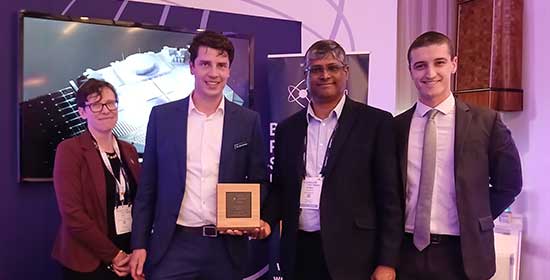
    WASHINGTON, 26 March 2026 – ST Engineering iDirect and G&S SatCom today received the Satcoms Innovation Group (SIG) Best Cooperation Award for their joint work to unify network and service management for satellite operators. The award recognizes how the integration of G&S SatConnect® into ST Engineering iDirect’s next‑generation Intuition ground system addresses key industry challenges and drives innovation in satellite communications, through a single operational and commercial platform that simplifies how operators manage and scale services across multi-network and multi-vendor environments.

    The combined platform brings together network operations, service management, and OSS/BSS integration through standardized APIs and a single interface. This unified approach reduces operational complexity, eliminates siloed workflows, and enables operators to introduce new services without disrupting existing networks or re‑architecting legacy systems.

    “Operators need a clear, efficient path to modernize while supporting new multi orbit and software defined services,” said Sridhar Kuppanna, Chief Technology Officer, ST Engineering iDirect. “Our partnership with G&S SatCom delivers unified management, orchestration, and interoperability across diverse multi-network environments. This award underscores the value of cooperation in moving the industry forward.”

    “The collaboration with ST Engineering iDirect removes barriers for satellite operators and service providers,” said David Schmitz, CEO of G&S SatCom. “By streamlining workflows and reducing operational complexity, ST Engineering iDirect empowers its customers to enhance user value and maximize the potential of their network. We’re honored that SIG has recognized the impact of this work.”

    Designed to support multi-network and multi-technology environments, the integrated ecosystem allows for the rapid deployment of new features. This ensures that operators can focus on business growth rather than complex system integration challenges as satellite networks continue to evolve.

    *****

    Media contact:
    Donna Armstrong 
    Brodeur
    Email: darmstrong@brodeur.com


    Continue Reading

  • ‘Accountability has arrived’: dual US court losses show shifting tide against Meta and co | Meta

    ‘Accountability has arrived’: dual US court losses show shifting tide against Meta and co | Meta

    In the span of just two days, the most powerful social media company in the world faced a more severe public reckoning than it has in years.

    Jurors in California and New Mexico gave back-to-back verdicts this week that for the first time ever found Meta liable for products that inflict harm on young people. For years, lawmakers, parents and advocates have raised red flags over how social media can hurt children, but now the tech firms are being held to account via court rulings that could set long-lasting precedents.

    A jury in New Mexico ordered Meta to pay $375m in damages on Tuesday over claims that its products led to child sexual exploitation, among other harms. The following day, a jury in California ordered Meta and YouTube to pay $6m over claims that both companies deliberately designed addictive products to hook young users.

    These cases were the first to go to court, and soon will be followed by more trials from two coordinated groups of more than 2,000 plaintiffs, including families, school districts and state attorneys general, who have brought lawsuits against Meta, YouTube, TikTok and Snap.

    In a rare rebuke on Wednesday, jurors in the California case found Meta and YouTube acted with malice, oppression and fraud. Their verdict, reached by a 10-2 vote in favor of the plaintiff, signals that public perception of social media and its makers is shifting – now laying blame on the business practices of a multi-trillion-dollar industry that has long operated with minimal regulation and few consequences in the US.

    “This verdict is bigger than one case,” the lead plaintiff lawyers for the California case said in a joint statement on Wednesday. “For years, social media companies have profited from targeting children while concealing their addictive and dangerous design features. Today’s verdict is a referendum – from a jury, to an entire industry – that accountability has arrived.”

    Meta and YouTube both say they disagree with the verdicts and will appeal. A YouTube spokesperson said the California case “misunderstands” the company, which maintains it is a video streaming platform and “not a social media site”.

    For its part, Meta has emphasized the specifics of the case rather than litigate its own public image. A company spokesperson said: “Teen mental health is profoundly complex and cannot be linked to a single app. We will continue to defend ourselves vigorously, as every case is different, and we remain confident in our record of protecting teens online.” The spokesperson also pointed to the California ruling not being unanimous.

    James Rubinowitz, a trial attorney and lecturer at the Cardozo School of Law who observed the case but was not involved in the litigation, saw the jury’s decision as firmly in the plaintiff’s camp.

    “Ten out of 12 jurors voted for the plaintiff on every single question. That is not a compromise verdict,” Rubinowitz said. “That is a jury that heard six weeks of testimony, sat through 44 hours of deliberation, and reached a resounding conclusion that these platforms were defectively designed and that both companies knew it.”

    Flood of suits borrow from familiar playbook

    Online safety advocates are focusing on a multi-pronged tactic to challenge tech companies’ practices. They are urging Congress to pass regulation, forming coalitions of parents, teens and advocates who can create attention-grabbing public campaigns and bringing thousands of lawsuits front and center. Mike Proulx, who leads Forrester’s research team, said the tactic appears to be working.

    “These verdicts mark an unsurprising breaking point,” Proulx said. “Negative sentiment toward social media has been building for years, and now it’s finally boiled over.”

    The goal is to force social media companies to redesign their products and do more to protect children online. In the group of consolidated cases in California, juries can only award damages and not dictate changes to the platforms. Plaintiff lawyers have said that if they bring enough cases and keep winning, eventually it will be simpler for the companies to change their platforms than to keep fighting in court.

    The thousands of lawsuits against the social media companies echo those brought against big tobacco companies in the 1990s, which focused on cigarettes’ addictive qualities and their makers’ public denials despite knowledge of their products’ harms. Plaintiff lawyers in both cases alleged some of the features that social media companies built into their platforms, such as an infinitely scrollable feed and video autoplay, are designed to keep people on the apps – thus making the products addictive.

    Neama Rahmani, a former federal prosecutor and president of West Coast Trial Lawyers, who was not involved in the litigation, likened the verdicts to what happened with big tobacco, calling the rulings “just the beginning”.

    “I’m old enough to remember when we had smoking sections on airplanes, and now, because of litigation, anyone who buys a pack of cigarettes sees cancer warnings all over the packaging,” Rahmani said. Such verdicts “are going to dramatically change the way we view social media apps”.

    The California case focused on one plaintiff, a 20-year-old woman who was identified by her initials KGM. She testified that she became addicted to YouTube at six and Instagram at nine, which she said instigated mental health issues. By age 10, she said, she had become depressed and was engaging in self-harm as a result. When she was 13, KGM’s therapist diagnosed her with body dysmorphic disorder and social phobia, which KGM attributes to her use of Instagram and YouTube.

    The New Mexico lawsuit was brought by the state’s attorney general, Raúl Torrez, and focused on Meta enabling predators on its platforms, essentially creating an ad-hoc marketplace for child sex trafficking. The state carried out undercover sting operations on Meta’s platform to illustrate how the company failed to stop such exploitation. Torrez’s case also accused Meta of designing its platforms for maximum engagement, leading to addictive behavior in young people.

    Jurors heard testimony from company executives, whistleblowers and expert witnesses. But both cases heavily relied on internal documents from the tech firms, which included emails between employees and research commissioned by the companies themselves. The majority of the documents were under seal until the trials commenced. Meta and YouTube’s lawyers had difficulty negating evidence they themselves had produced.

    An internal document from YouTube in 2021 read at the Los Angeles trial poses the question, “How are we measuring wellbeing?” and adds the response: “We’re not.” Internal reports from Meta had statements including “the young ones are the best ones” for long-term retention, and that targeting teens is a good “gateway” to entice other family members to join. One email has an employee saying “targetting [sic] 11 year olds feels like tobacco companies a couple decades ago”.

    Read to the court in Santa Fe was an email that a member of Meta’s product team sent to Adam Mosseri, the head of Instagram, in 2019, saying: “Data shows that Instagram had become the leading two-sided marketplace for human trafficking.”

    KGM’s case was the first of more than 20 “bellwether” cases, which are slated to go to trial over the next couple of years and are used to gauge juries’ reactions and set legal precedent. The fact that jurors sided with KGM is expected to influence trial outcomes in the remaining cases.

    For the next phase in the New Mexico lawsuit, beginning in May, Torrez said he was seeking court-mandated changes to Meta’s platforms that “offer stronger protections for children”. Those design feature changes include “enacting effective age verification, removing predators from the platform, and protecting minors from encrypted communications that shield bad actors”.

    Plaintiffs lawyers say they are not slowing down their lawsuits, calling the effect of social media on children “one of the landmark issues of the 21st century”.

    A separate series of federal lawsuits with hundreds of plaintiffs making similar allegations is slated to start trial in San Francisco in June. The next California bellwether case is scheduled to go to trial in July.

    Josh Autry, an attorney with Morgan & Morgan, which was part of the trial team that represented KGM, said he was hopeful their legal strategy is working: “As we push forward with additional bellwether trials against these and other social media companies, we expect jurors will continue to protect the mental health of future generations.”

    Continue Reading

  • Japan’s diversified LNG procurement strategy cannot fully shield it from global price spikes

    Japan’s diversified LNG procurement strategy cannot fully shield it from global price spikes

    Following the Middle East conflict and closure of the Strait of Hormuz, the Takaichi government has stated that Japan is insulated from direct impacts because only 6% of Japan’s total liquefied natural gas (LNG) imports pass through the Strait and that it holds three weeks of domestic LNG inventory.

    However, this view overlooks several indirect risks if the Strait of Hormuz closure continues. First, Japan would be exposed to greater volatility in LNG spot prices, raising overall import costs. Second, higher fuels costs would translate into electricity price hikes at a time when Japanese households and businesses are already struggling with inflation. Third, government efforts to curtail these price increases would exacerbate Japan’s macroeconomic and fiscal pressures. The risks of fuel price volatility to domestic electricity prices and macroeconomic and fiscal stability were strikingly clear during the global energy crisis triggered by Russia’s invasion of Ukraine. Similar dynamics are beginning to play out as a result of the Iran conflict.

    The severity of these risks depends on the duration of the Strait of Hormuz closure. In the medium to long term, Japan should prioritize deployment of domestic energy sources — particularly renewable energy — to hedge against volatile energy markets amid geopolitical uncertainty.

    LNG price exposure cannot be mitigated through diversification

    LNG accounts for over 30% of Japan’s power generation. A central pillar of the country’s LNG procurement strategy is portfolio diversification. Japanese utilities and trading houses source LNG from geographically diverse suppliers to reduce concentration risk and hedge against disruptions in any single production region. However, diversification does not shield Japan from price volatility resulting from severe global supply shocks.

    This vulnerability became evident during the Russia-Ukraine war when Japan’s LNG import costs surged. In April 2021, LNG imports amounted to JPY221.3 billion. As Russia began to limit its pipeline gas exports to Europe, forcing European buyers to import more LNG and driving up global LNG prices, Japan’s monthly LNG import bill rose to nearly JPY600 billion. By August 2022, six months after the invasion, Japan paid over JPY878 billion for LNG imports in a single month — nearly a fourfold increase compared to April 2021 — despite Russian LNG accounting for only 8.7% of Japan’s total imports in 2021. Notably, Japan has not significantly reduced imports of Russian LNG since.

    On an annual basis, and in United States (US) dollar terms, the total value of Japan’s LNG imports increased by 65% between 2021 and 2022, even as import volumes declined by 3%. In local currency terms, Japan’s LNG import bill increased by 98% over the same period due to the weakening yen. The country’s annual LNG spending remains above 2021 levels even though imports were 8.8 million tonnes lower in 2025 than four years prior, according to Kpler data. This underscores that diversification of supply sources does little to protect Japan from global LNG price hikes.

    LNG spot prices for Japan followed a similar trend. From a low of USD5 per million British thermal units (MMBtu) in February 2021, rising European gas prices pushed Japan’s spot prices up to USD56/MMBtu in October 2021. Following the outbreak of the Russia-Ukraine war, spot prices spiked above USD70/MMBtu in 2022. Although Japan procures almost all of its LNG through long-term contracts, volatility in spot prices means Japanese buyers must bear the cost when they are forced to turn to the spot market.

    Rising LNG costs have also prompted questions about whether Japan should deepen LNG procurement from the US to further diversify its supply. In 2025, Japanese companies signed 7.5 million tonnes per annum (MTPA) worth of new LNG contracts with US companies. These contracts are indexed to Henry Hub prices, which are expected to average USD5/MMBtu over the next five years, up from USD2.19/MMBtu in 2024. The US Energy Information Administration also forecasts an increase in average annual Henry Hub prices from USD3.53/MMBtu in 2025 to nearly USD4.40/MMBtu in 2027.

    A similar dynamic is already emerging following the conflict in Iran that began in late February 2026. Since the closure of the Strait of Hormuz, the Japan-Korea Marker (JKM) — Asia’s benchmark LNG spot price — has doubled, reflecting tighter supply and intensifying  competition between Asia and Europe for available cargoes.

    Although Japan’s LNG supply portfolio remains highly diversified and most long-term contracts are indexed to crude oil benchmarks, Japanese buyers remain materially exposed to supply disruptions in the Middle East.

    Higher fuel costs lead to higher electricity prices

    The rise in LNG prices and import costs directly translates to higher domestic electricity prices. Increased LNG costs in 2022 quickly passed through to Japan’s wholesale power markets and retail tariffs. On the Japan Electric Power Exchange (JEPX) wholesale market, the annual average system price rose from JPY13.43 per kilowatt-hour (kWh) in fiscal year (FY) 2021 to JPY20.41/kWh in FY2022, with temporary spikes exceeding JPY65/kWh during periods of extreme fuel price volatility. Retailers reliant on short-term procurement from the wholesale market faced sharp cost increases. By March 2023, 195 electricity retailers — about 27.6% of those registered by April 2021 — had suspended contracts, withdrawn, or exited the market, up from 31 a year earlier, a 6.3-fold increase.

    Fuel price shocks also strained incumbent utilities. Nine of Japan’s ten major utilities reported net losses for the April–December 2022 period amid surging LNG procurement costs. Although electricity tariffs include a fuel cost adjustment mechanism, caps under regulated tariffs limited utilities’ ability to fully recover these costs during the price spike.

    TEPCO’s and KEPCO’s average modelled monthly household electricity bills and JEPX electricity price

    Household bills also increased sharply during this period. The Consumer Price Index (CPI) shows that household electricity charges rose 20% in 2022, reflecting the pass-through of higher fuel costs in Japan’s fuel-dependent power system. Tokyo Electric Power Company’s (TEPCO) average modelled monthly bill increased from JPY6,546 (USD36) in April 2021 to JPY9,126 (USD50) in late 2022, while Kansai Electric Power Company’s (KEPCO) rose from JPY6,499 (USD36.6) to JPY7,497 (USD41). As fuel costs climbed, seven utilities applied to revise regulated retail tariffs between late 2022 and early 2023, prompting regulators to reassess tariff assumptions based on updated fuel and wholesale market prices.

    With fuel costs rising again amid the Iran conflict, TEPCO and Chubu Electric plan to accelerate the pass-through of higher procurement costs to retail tariffs from April 2026. Assuming crude oil prices of USD97 per barrel, annual household electricity costs are projected to increase by JPY15,000 (USD 95).

    Price shocks will lead to further inflation and fiscal burden

    Rising electricity and fuel costs weigh on consumption and economic growth, amplified by the depreciation of the yen — from JPY109.78/USD in 2021 to JPY131.37 in 2022, JPY140.5 in 2023, and exceeding JPY150 since 2024 — which directly increases the cost of imported energy.

    Currency depreciation and rising fuel prices caused Japan’s total fossil fuel import bill to nearly double, from JPY17 trillion in 2021 to JPY33.7 trillion in 2022. This increase pushed the trade deficit to a record level of over JPY20 trillion (USD155 billion). Although prices have since moderated and LNG import volumes have declined, fossil fuel imports remained around JPY22 trillion in 2025, well above pre-2022 levels.

    Japan’s CPI, which was negative in 2020 and 2021, rose to 2.5% in 2022 — exceeding the Bank of Japan’s (BOJ) 2% target for the first time in many years. It remained elevated at 3.2% in 2023 and 2025 as higher energy and import costs fed through to consumer prices.

    Sustained Middle East tensions and a continued closure of the Strait of Hormuz would likely place additional upward pressure on prices. A USD10 increase in crude oil prices, for example, is estimated to raise inflation by 0.3–0.4 percentage points, underscoring Japan’s continued exposure to energy price shocks. Brent crude oil prices have already risen from USD72 per barrel on 27 February to USD103 on 17 March. Iran has warned that oil prices could reach as high as USD200 per barrel.

    Unlike the US and the European Union (EU), which aggressively tightened monetary policy, the BOJ maintained negative rates and yield curve control through the 2022 energy crisis. Though policy normalization has begun — rates reached 0.75% in early 2026 — the BOJ remains cautious amid geopolitical uncertainty, leaving fiscal measures as the primary shock absorber.

    Gross Domestic Product (GDP) growth has remained fragile, slowing to 0.9% in 2022 and just 0.1% in 2024. A 10% increase in oil prices could trim GDP by 0.1–0.3 percentage points in the near term. A prolonged shock in which fuel prices double could lead to a 3% GDP contraction in 2026, reversing the modest recovery underway.

    These pressures constrain fiscal policy. Japan’s government debt is projected at 235% of GDP in 2025 — the highest among advanced economies — yet total energy subsidies amounted to JPY13.4 trillion between 2022 and 2025. A further JPY5 trillion (USD32 billion) support package approved immediately before the Iran conflict in February 2026 allocated JPY2.2 trillion to petrol price stabilization. In March 2026, as domestic gasoline prices rose to record levels, the Prime Minister announced subsidies to cap them at JPY170 per liter. While such measures may soften the impact of spiking crude oil prices, they also raise concerns about Japan’s long-term fiscal sustainability.

     Japan’s energy subsidies, 2022–2026

    Domestic renewable energy is key to Japan’s energy security

    Japanese policymakers have insisted that Japan is insulated from the most severe impacts from a closure of the Strait of Hormuz, citing the country’s limited physical exposure to LNG imports from the Middle East and the availability of domestic LNG inventories. Such claims may help reassure markets, but they may also understate the extent of the risks Japan faces.

    A halt in Qatari LNG cargoes spells a 20% reduction in global LNG supply, reviving competition between Europe and Asia and putting upward pressure on prices. Japan’s total LNG import costs are likely to spike as they did in the wake of Russia’s invasion of Ukraine in 2022, even as its LNG import volumes declined. Higher LNG import costs are further compounded by the weakening of the Japanese yen. If the Strait of Hormuz remains closed,  escalating LNG prices could continue to raise domestic electricity rates for households and businesses well into 2026 and 2027. The government may attempt to ease the burden of high electricity prices through subsidies, but doing so would place additional strain on the country’s already fragile macroeconomic and fiscal position.

    These risks underscore the limits of Japan’s LNG diversification strategy, which has not insulated the country from the global price shocks triggered by geopolitical disruptions. 

    In the medium term, the Japanese government may attempt to strengthen energy security by accelerating nuclear reactor restarts. A recent Bloomberg New Energy Finance analysis suggests that restarting Japan’s largest nuclear reactor, Kashiwazaki-Kariwa Unit 6, could replace 10% of the LNG that was imported from the Persian Gulf in 2025. The restart was expected in January 2025 but has been delayed due to technical malfunctions. These delays illustrate the complex and protracted process of bringing the country’s nuclear fleet back online.

    Japan’s energy security will be best served by scaling up domestic renewable energy generation. However, several factors currently constrain the rapid deployment of large-scale renewables. One challenge is that Japan’s largest utilities, including Tokyo Gas and JERA, have scaled back on their renewable energy commitments. Between 2021 and 2023, major utilities have added less than 2 gigawatts (GW) of renewable capacity, compared with more than 10GW of solar capacity installed during the period when generous feed-in tariffs were in place. 

    Another, more fundamental, barrier for renewables is the persistent policy ambiguity that shapes these utilities’ investment strategies. Notably, Japan’s Green Transformation (GX) strategy places LNG, hydrogen, and ammonia co-firing on equal footing with renewables, limiting the incentives for renewable deployment. The 7th Strategic Energy Plan further reinforces this ambiguity by including a scenario in which renewables stagnate — implying greater reliance on LNG imports to close the supply gap.

    Energy security is of paramount concern for Japanese policymakers. They can safeguard the country against global energy shocks by prioritizing renewables, providing clearer policy signals for utilities to make ambitious domestic renewable energy commitments, and introducing stronger incentives to support these investments.

    Continue Reading

  • FDA approves Novo Nordisk’s Awiqli®, the first and only once-weekly basal insulin treatment for adults with type 2 diabetes

    FDA approves Novo Nordisk’s Awiqli®, the first and only once-weekly basal insulin treatment for adults with type 2 diabetes

    • Awiqli® (insulin icodec-abae) injection is the first-ever once-weekly basal insulin approved by the FDA1
    • Awiqli® offers adults with type 2 diabetes an alternative to daily basal insulin injections, reducing these injections from seven to one per week1
    • The Awiqli® approval reflects Novo Nordisk’s ongoing efforts to advance healthcare innovation and strengthen support for people living with diabetes

    PLAINSBORO, N.J., March 26, 2026 /PRNewswire/ — Novo Nordisk today announced that the US Food and Drug Administration (FDA) has approved Awiqli® (insulin icodec-abae) injection 700 units/mL, the first and only once-weekly, long-acting basal insulin, indicated as an adjunct to diet and exercise to improve glycemic control (blood sugar) in adults living with type 2 diabetes.1 This new approval offers the only once‑weekly basal insulin option, recognizing the importance of personalized care and the need for treatments that fit different patient routines and preferences for adults living with type 2 diabetes.1,2

    “Awiqli® is an important new option that meets a real need as the first FDA-approved, once-weekly basal insulin for adult patients with type 2 diabetes. It’s helping to reframe what basal insulin care can look like,” said Anna Windle, PhD, Group Vice President, Clinical Development, Medical & Regulatory Affairs at Novo Nordisk Inc. “Awiqli® may address challenges associated with the frequency of daily basal injections, by reducing them from seven to one per week. It is an important advancement for adults with type 2 diabetes who may benefit from an alternative treatment option.”

    This approval is based on results from the ONWARDS type 2 diabetes phase 3a program for once-weekly Awiqli® injection which comprises four randomized, active-controlled, treat-to-target trials in approximately 2,680 adults with uncontrolled type 2 diabetes, used in combination with a mealtime insulin or in combination with common oral anti-diabetic agents and/or GLP-1 receptor agonists. The clinical program evaluated once-weekly Awiqli® vs. daily basal insulin and demonstrated efficacy in the primary endpoint of reduction of A1C across the ONWARDS pivotal clinical trial program for adults with type 2 diabetes. Across these ONWARDS trials, the safety profile of Awiqli® was overall consistent with the daily basal insulin class.3-6 Common adverse events include hypoglycemia (low blood sugar), serious allergic reactions (whole body reactions), reactions at the injection site, skin thickening or pits at the injection site (lipodystrophy), itching, rash, swelling of your hands and feet, and weight gain.1

    Please see below for Important Safety Information and please click here for the full Prescribing Information.

    “The introduction of daily long-acting basal insulin injections more than 20 years ago, with the concept of “treat-to-target,” was a major contribution for adults with type 2 diabetes needing basal insulin therapy. However, some adults living with type 2 diabetes may still find it difficult to begin and stay on this type of daily basal insulin therapy. This underscores the need for new alternative insulin options that may help patients work with their health care providers to determine what treatment works best for them,” said Julio Rosenstock, MD, a Principal Investigator for the ONWARDS trial program and Clinical Professor of Medicine at the University of Texas Southwestern Medical Center. “Research supports weekly injectable diabetes medications can be associated with improved patient adherence. Having a weekly basal insulin option like insulin icodec-abae, may reshape insulin management in adults with type 2 diabetes, giving them a routine that feels more manageable as they work toward their blood sugar goals.”

    Awiqli® will be available nationwide in the US in the coming months. More information is available at www.awiqli.com.

    About Awiqli®
    Awiqli® (insulin icodec-abae) injection 700 units/mL is a prescription medicine and is the first and only FDA-approved once-weekly basal insulin indicated as an adjunct to diet and exercise for adults with type 2 diabetes.1 Awiqli® is designed as an alternative to daily basal insulin and its approval is supported by the ONWARDS clinical program, which evaluated its efficacy and safety across diverse adult populations living with type 2 diabetes.3-6 Awiqli® is administered once-weekly on the same day each week using the Awiqli® FlexTouch®.1

    Awiqli® is approved in the US, EU, and 13 additional countries, with market-specific indications for diabetes.

    What is Awiqli® (insulin icodec-abae) injection 700 units/mL?

    • Prescription Awiqli ® is a long-acting insulin (U-700) that is used to control high blood sugar in adults with type 2 diabetes mellitus
    • It is not known if Awiqli® is safe and effective in children and adolescents
    • Awiqli® is available in 1 concentration: U-700 

    Important Safety Information
    Do not share your Awiqli® FlexTouch® pen or needles with other people, even if the needle has been changed. You may give other people a serious infection, or get a serious infection from them.

    Make sure you use the right type and dose of insulin. Always check the label on your insulin pen before each injection to avoid mix-ups with Awiqli® and other insulin products or injectable medicines used to treat diabetes. If you use another injectable medicine to treat your diabetes, pay close attention to how you select your Awiqli® dosage. The dosage of Awiqli® is different from other injectable medicines used to treat diabetes.

    Always make sure that you select the correct dosage of your Awiqli® FlexTouch® pen as prescribed by your healthcare provider, to avoid dosing errors and accidental overdose. People who are blind or have vision problems should not use this pen without help from a person trained to use the pen.

    Do not dial the maximum single dosage (700 units) of your Awiqli® FlexTouch® pen, unless prescribed by your healthcare provider.

    Do not use a syringe to withdraw Awiqli® from your pen.

    Talk to your healthcare provider if you have any questions about how to correctly dose Awiqli® FlexTouch®

    Who should not take Awiqli®?
    Do not take Awiqli® if you:

    • are having an episode of low blood sugar (hypoglycemia)
    • have an allergy to Awiqli® or any of the ingredients in Awiqli®. See the full Patient Information for a complete listing of ingredients in Awiqli®

    Before taking Awiqli®, tell your healthcare provider about all your medical conditions, including if you are:

    • have liver or kidney problems
    • take other medicines, especially ones called TZDs (thiazolidinediones)
    • have heart failure or other heart problems. If you have heart failure, it may get worse while you take TZDs with Awiqli®
    • pregnant, planning to become pregnant, or are breastfeeding
    • taking new prescription or over-the-counter medicines, vitamins, or herbal supplements

    Talk to your health care provider about low blood sugar and how to manage it.

    How should I take Awiqli® FlexTouch®?

    • Read the Instructions for Use that come with your Awiqli® FlexTouch® pen
    • Your healthcare provider should show you how to use Awiqli® FlexTouch® pen before you use it for the first time
    • Take Awiqli® exactly as your healthcare provider tells you to. Do not do any conversion of your dose. The dose counter always shows the selected dose in units. Awiqli® FlexTouch® pens are made to deliver your insulin dose in units
    • Know the type and strength of insulin you take. Do not change the type of insulin you take unless your health care provider tells you to. The amount of insulin and best time for you to take your insulin may need to change if you take different types of insulin
    • Inject Awiqli® FlexTouch® 1 time each week on any day of the week on the same day each week
    • If you need to change the day of the week, you may do so if your last dose has been at least 4 days
    • If you have missed your dose, take your missed dose as soon as possible as long as it has been 4 days or less. Then continue the 1 time each week schedule 1 week from the day your missed dose was taken
    • If more than 4 days has passed, skip the missed dose and take your next Awiqli® dose on your regularly scheduled day.
    • Check your blood sugar levels. Ask your health care provider what your blood sugar levels should be and when you should check them
    • Never inject Awiqli® FlexTouch® into a vein or muscle or use Awiqli® in an infusion pump
    • Never use a syringe to remove Awiqli® from the FlexTouch® pen
    • Do not dilute or mix Awiqli® with any other insulin or solution
    • Awiqli® FlexTouch® can be injected under the skin (subcutaneously) of your upper legs (thighs), upper arms, or stomach area (abdomen)
    • Change (rotate) your injection sites within the area you choose with each dose to reduce your risk of getting lipodystrophy (pits in skin or thickened skin) and localized cutaneous amyloidosis (skin with lumps) at the injection sites.
      • Do not use the exact same spot for each injection
      • Do not inject where the skin has pits, is thickened, or has lumps
      • Do not inject where the skin is tender, bruised, scaly or hard, or into scars or damaged skin
    • Keep Awiqli and all medicines out of the reach of children.

    What should I avoid while taking Awiqli®?

    • Do not drive or operate heavy machinery, until you know how Awiqli® affects you
    • Do not drink alcohol or use prescription or over-the-counter medicines that contain alcohol

    What are the possible side effects of Awiqli®?

    Awiqli® may cause serious side effects that can be life-threatening, including:

    • Low blood sugar (hypoglycemia). Signs and symptoms that may indicate low blood sugar include: dizziness or light-headedness, sweating, confusion, fast heartbeat, blurred vision, slurred speech, shakiness, anxiety, irritability, mood changes, hunger and headache
    • Severe allergic reactions (whole body reaction). Stop using Awiqli and get medical help right away, if you have any of these signs or symptoms of a severe allergic reaction: a rash over you whole body, trouble breathing, a fast heartbeat or sweating
    • Low potassium in your blood (hypokalemia)
    • Heart failure in some people if taken with thiazolidinediones (TZDs). This can happen even if you have never had heart failure or heart problems. If you already have heart failure, it may get worse while you take TZDs with Awiqli®. Tell your health care provider if you have any new or worse symptoms of heart failure including shortness of breath, tiredness, swelling of your ankles or feet, and sudden weight gain

    Your insulin dose may need to change because of change in level of physical activity or exercise, increased stress, change in diet, weight gain or loss, or illness

    Common side effects may include: hypoglycemia, serious allergic reactions (whole body reactions), reactions at the injection site, skin thickening or pits at the injection site (lipodystrophy), itching, rash, swelling of your hands and feet, and weight gain

    Get emergency medical help if you have trouble breathing, shortness of breath, fast heartbeat, swelling of your face, tongue, or throat, sweating, extreme drowsiness, dizziness, or confusion

    These are not all the possible side effects of Awiqli®. Call your doctor for medical advice about side effects. You may report side effects to FDA at 1-800-FDA-1088

    Please click here for the full Prescribing Information.

    About Novo Nordisk
    Novo Nordisk is a leading global healthcare company that’s been making innovative medicines to help people with diabetes lead longer, healthier lives for more than 100 years. This heritage has given us experience and capabilities that also enable us to drive change to help people defeat other serious chronic diseases such as obesity, rare blood, and endocrine disorders. We remain steadfast in our conviction that the formula for lasting success is to stay focused, think long-term, and do business in a financially, socially, and environmentally responsible way. With a US presence spanning 40 years, Novo Nordisk US is headquartered in New Jersey and employs approximately 10,000 people throughout the country across more than 10 manufacturing, R&D and corporate locations in seven states plus Washington DC. For more information, visit novonordisk-us.comFacebookInstagram, and X.

    References:

    1. Awiqli® (insulin icodec-abae) [package insert]. Plainsboro, NJ: Novo Nordisk Inc.
    2. American Diabetes Association Professional Practice Committee for Diabetes*; Facilitating positive health behaviors and well-being to improve health outcomes: Standards of care in diabetes—2026. Diabetes Care 1 January 2026; 49(suppl 1-5):S89–S131. https://doi.org/10.2337/dc26-S005
    3. Rosenstock J, Gowda A, Liang B. Weekly icodec versus daily glargine U100 in type 2 diabetes without previous insulin. N Engl J Med. 2023 2023;389(16):1533. doi:10.1056/NEJMc2310221
    4. Philis-Tsimikas A, Asong M, Franek E, et al. Switching to once-weekly insulin icodec versus once-daily insulin degludec in individuals with basal insulin-treated type 2 diabetes (ONWARDS 2): a phase 3a, randomised, open label, multicentre, treat-to-target trial. Lancet Diabetes Endocrinol. 2023 https://doi.org/10.1016/S2213-8587(23)00093-1
    5. Lingvay I, Asong M, Desouza C, et al. Once-weekly insulin icodec vs once-daily insulin degludec in adults with insulin-naive type 2 diabetes: the ONWARDS 3 randomized clinical trial. JAMA. 2023;330(3):228–237. doi:10.1001/jama.2023.11313
    6. Mathieu C, Ásbjörnsdóttir B, Bajaj H, et al. Switching to once-weekly insulin icodec versus once-daily insulin glargine U100 in individuals with basal-bolus insulin-treated type 2 diabetes (ONWARDS 4): a phase 3a, randomised, open-label, multicentre, treat-to-target, non-inferiority trial. 2023 https://doi.org/10.1016/S0140-6736(23)00520-

    Awiqli® is a registered trademark of Novo Nordisk A/S.
    Novo Nordisk is a registered trademark of Novo Nordisk A/S.
    © 2026 Novo Nordisk All rights reserved. US26AWQ00001 March 2026

    SOURCE Novo Nordisk


    Continue Reading