Category: 3. Business

  • Republic of Colombia Announces the Expiration of the Tender Offer for its Non-U.S. Dollar Bonds and Final Results of Tender Offer

    BOGOTÁ, Colombia, Nov. 22, 2025 /PRNewswire/ — The Republic of Colombia’s (“Colombia“) previously announced tender offer (the “Tender Offer“) to purchase its outstanding global bonds listed in the table below (“Old Bonds“), on the terms and subject to the conditions contained in the Offer to Purchase, dated November 14, 2025 (the “Offer to Purchase“), expired as scheduled (i) for the U.S. Dollar Bonds at 5:00 p.m., New York City time, on Wednesday, November 19, 2025 (the “U.S. Dollar Bonds Tender Period Expiration Time“) and (ii) for the Non-U.S. Dollar Bonds at 5:00 p.m., New York City time, on Friday, November 21, 2025 (the “Non-U.S. Dollar Bonds Tender Period Expiration Time” and, together with the Non-U.S. Dollar Bonds Tender Period Expiration Time, the “Expiration Time“).

    The aggregate purchase price to be paid for the Old Bonds to be acquired in the Tender Offer (the “Maximum Purchase Amount“) is U.S.$4,004,530,326.16 in the aggregate and as set out below for each of the accepted Old Bonds, excluding accrued interest. As such, Colombia has decided to accept validly tendered Old Bonds in the amounts shown in the table below. The table below also provides the aggregate principal amount of Old Bonds tendered at or before the applicable Expiration Time. Appropriate adjustments will be made so that purchases are made in the minimum denominations set forth in the Offer to Purchase.

    Old Bonds

    Old Bonds

    Security Identifier

    Maximum Purchase

    Amount

    Aggregate Principal

    Amount of Old Bonds

    Tendered at the

    Applicable Expiration Time

    Aggregate Principal

    Amount of Old Bonds

    Accepted

    3.875% Global Bonds due 2026
    (the “EUR 2026 Global Bonds“)

    ISIN: XS1385239006

    Common Code:

    138523900

    U.S.$319,719,576.20

    €275,552,000

    €275,552,000

    9.850% Global TES Bonds due
    2027(1) (the “COP 2027 Global
    Bonds
    “, and together with the
    EUR 2026 Global Bonds, the
    Non-U.S. Dollar Bonds“)

    ISIN: XS0306322065

    Common Code:

    030632206

    U.S.$430,413,562.46

    Ps.1,599,731,000,000

    Ps.1,599,731,000,000

    3.875% Global Bonds due 2027

    CUSIP: 195325DL6

    ISIN: US195325DL65

    U.S.$0

    U.S.$342,668,000

    U.S.$0

    4.500% Global Bonds due 2029

    CUSIP: 195325DP7

    ISIN: US195325DP79

    U.S.$0

    U.S.$656,155,000

    U.S.$0

    3.000% Global Bonds due 2030

    CUSIP: 195325DR3

    ISIN: US195325DR36

    U.S.$0

    U.S.$635,568,000

    U.S.$0

    7.375% Global Bonds due 2030

    CUSIP: 195325 ER2

    ISIN: US195325ER27

    U.S.$0

    U.S.$1,193,626,000

    U.S.$0

    10.375% Global Bonds due 2033

    CUSIP: 195325BB0

    ISIN: US195325BB02

    U.S.$201,047,840.00

    U.S.$157,376,000

    U.S.$157,376,000

    8.000% Global Bonds due 2033

    CUSIP: 195325EF8

    ISIN: US195325EF88

    U.S.$0

    U.S.$804,328,000

    U.S.$0

    7.500% Global Bonds due 2034

    CUSIP: 195325EG6

    ISIN: US195325EG61

    U.S.$0

    U.S.$1,193,528,000

    U.S.$0

    8.500% Global Bonds due 2035

    CUSIP: 195325ES0

    ISIN: US195325ES00

    U.S.$1,541,757,160.00

    U.S.$1,329,101,000

    U.S.$1,329,101,000

    8.000% Global Bonds due 2035

    CUSIP: 195325EL5

    ISIN: US195325EL56

    U.S.$253,951,875.00

    U.S.$954,847,000

    U.S.$227,250,000

    7.750% Global Bonds due 2036

    CUSIP: 195325EP6

    ISIN: US195325EP60

    U.S.$0

    U.S.$1,098,921,000

    U.S.$0

    7.375% Global Bonds due 2037

    CUSIP: 195325BK0

    ISIN: US195325BK01

    U.S.$0

    U.S.$484,810,000

    U.S.$0

    6.125% Global Bonds due 2041

    CUSIP:195325BM6

    ISIN: US195325BM66

    U.S.$0

    U.S.$427,136,000

    U.S.$0

    5.000% Global Bonds due 2045

    CUSIP: 195325CU7

    ISIN: US195325CU73

    U.S.$0

    U.S.$622,372,000

    U.S.$0

    8.750% Global Bonds due 2053

    CUSIP: 195325EM3

    ISIN: US195325EM30

    U.S.$1,257,640,312.50

    U.S.$1,054,625,000

    U.S.$1,054,625,000

    8.375% Global Bonds due 2054
    (together with the other U.S.
    dollar denominated bonds listed
    above, the “U.S. Dollar Bonds“)

    CUSIP: 195325EQ4

    ISIN: US195325EQ44

    U.S.$0

    U.S.$1,085,538,000

    U.S.$0

    (1) In the case of the COP 2027 Global Bonds, the Purchase Price and related accrued interest is to be paid in U.S. dollars, in an amount determined by converting the Purchase Price and related accrued interest to U.S. dollars at a currency exchange rate equal to COP 3,716.73 per U.S. Dollar.

    The settlement of the Tender Offer is scheduled to occur on Wednesday, November 26, 2025 (the “Tender Offer Settlement Date“), subject to the conditions in the Offer to Purchase, including the Financing Condition (as defined in the Offer to Purchase) and subject to change without notice. Completion of the Tender Offer remains subject to the conditions contained in the Offer to Purchase and Colombia’s sole discretion. 

    As provided in the Offer to Purchase, in determining the amount of Old Bonds to be purchased against the Maximum Purchase Amount and available for purchases pursuant to the Offer, the aggregate U.S. dollar-equivalent purchase price of (i) the EUR 2026 Global Bonds was calculated at the exchange rate for the Euro to U.S. Dollar equal to U.S.$ 1.1537 per Euro, and (ii) the COP 2027 Global Bonds, was calculated at the exchange rate equal to COP 3,716.73 per U.S. Dollar.

    The Offer to Purchase may be downloaded from the Information Agent’s website at www.gbsc-usa.com/colombia or obtained from the Information Agent, Global Bondholder Services Corporation, at  +1 (855) 654-2014 or from any of the Dealer Managers.

    The Dealer Managers for the Tender Offer are:

    Dealer Managers


    Goldman Sachs & Co. LLC

    Attention: Liability Management

    200 West Street

    New York, New York 10282

    United States of America

    Toll Free: +1 (800) 828-3182

    Collect: +1 (212) 357-1452

    J.P. Morgan Securities LLC

    Attention: Latin American Debt Capital Markets

    270 Park Avenue

    New York, New York 10017

    United States of America

    Toll-Free: +1 (866) 846-2874

    Collect: +1 (212) 834-7279

    Santander U.S. Capital Markets LLC

    Attention: Liability Management

    437 Madison Avenue

    New York, New York 10022

    United States of America

    U.S. Toll Free: +1 (855) 404-3636

    U.S. Collect: +1 (212) 350-0660

    Email (U.S.): [email protected] 

    Email (Europe) (Banco Santander, S.A.): [email protected] 


    Questions regarding the Tender Offer may be directed to the Dealer Managers at the above contact.

    Contact information for the Tender Agent and Information Agent:
    Global Bondholder Services Corporation
    65 Broadway, Suite 404
    New York, New York 10006
    Attn: Corporate Actions Banks and Brokers call: +1 (212) 430-3774
    Toll free: +1 (855) 654-2014
    Email: [email protected]
    Website: https://www.gbsc-usa.com/colombia/ 

    Important Notice

    The distribution of materials relating to the Tender Offer and the transactions contemplated by the Tender Offer may be restricted by law in certain jurisdictions. The Tender Offer is void in all jurisdictions where it is prohibited. If materials relating to the Tender Offer come into a holder’s possession, the holder is required by Colombia to inform itself of and to observe all of these restrictions. The materials relating to the Tender Offer, including this communication, do not constitute, and may not be used in connection with, an offer or solicitation in any place where offers or solicitations are not permitted by law. If a jurisdiction requires that the Tender Offer be made by a licensed broker or dealer and a Dealer Manager or any affiliate of a Dealer Manager is a licensed broker or dealer in that jurisdiction, the Tender Offer, as the case may be, shall be deemed to be made by the Dealer Manager or such affiliate on behalf of Colombia in that jurisdiction. Owners who may lawfully participate in the Tender Offer in accordance with the terms thereof are referred to as “holders.”

    This press release shall not constitute an offer to sell or the solicitation of an offer to buy any securities nor will there be any sale of Old Bonds or any offer made pursuant to the Tender Offer in any state or other jurisdiction in which such offer, solicitation or sale would be unlawful prior to registration or qualification under the securities laws of any such state or other jurisdiction. The offering of any securities will be made only by means of a prospectus supplement and the accompanying prospectus and an offer to purchase in Canada, under applicable exemptions from any prospectus or registration requirements.

    The Tender Offer is made in Canada only to a person deemed to be a principal that is an accredited investor, as defined in National Instrument 45-106 Prospectus Exemptions or subsection 73.3(1) of the Securities Act (Ontario), and is a permitted client, as defined in National Instrument 31-103 Registration Requirements, Exemptions and Ongoing Registrant Obligations, and who is not an individual. 

    The Offer to Purchase, and any other documents or materials related to such offers have not been and will not be registered with the Italian Securities Exchange Commission (Commissione Nazionale per le Società e la Borsa, the “CONSOB“) pursuant to applicable Italian laws and regulations. The Tender Offer is being carried out pursuant to the exemptions provided for, with respect to the Tender Offer, in Article 101 bis, paragraph 3 bis of Legislative Decree No. 58 of 24 February 1998, as amended (the “Consolidated Financial Act“) and Article 35 bis, paragraph 4, of CONSOB Regulation No. 11971 of 14 May 1999, as amended.

    Holders or beneficial owners of the Old Bonds that are resident and/or located in Italy can tender the Old Bonds for purchase through authorized persons (such as investment firms, banks or financial intermediaries permitted to conduct such activities in Italy in accordance with Regulation (EU) 2017/1129, the Consolidated Financial Act, the CONSOB Regulation No. 20307 of 15 February 2018, as amended, and Legislative Decree No. 385 of September 1, 1993, as amended) and in compliance with any other applicable laws and regulations or with any requirements imposed by CONSOB or any other Italian authority. Each intermediary must comply with the applicable laws and regulations concerning information duties vis à vis its clients in connection with the bonds or the relevant offering.

    The Offer to Purchase, nor any other documents or materials relating to the Tender Offer have been approved by, or will be submitted for the approval of, the Mexican National Banking and Securities Commission (Comisión Nacional Bancaria y de Valores, the “CNBV“) and, therefore, the Old Bonds have not been, and may not be offered or sold publicly in Mexico. However, investors that qualify as institutional or qualified investors pursuant to the private placement exemption set forth in article 8 of the Mexican Securities Market Law (Ley del Mercado de Valores) may be contacted in connection with, and may participate in, the Tender Offer. The participation in the Tender Offer will be made under such investor’s own responsibility.

    The Tender Offer is not intended for any person who is not qualified as an institutional investor, in accordance with provisions set forth in Resolution SMV No. 021-2013-SMV-01 issued by Superintendency of Capital Markets (Superintendencia del Mercado de Valores) of Peru, and as subsequently amended. No legal, financial, tax or any other kind of advice is hereby being provided.

    The Offer to Purchase has not been and will not be registered as a prospectus with the Monetary Authority of Singapore. The Tender Offer constitutes an offering of securities in Singapore pursuant to the Securities and Futures Act, Chapter 289 of Singapore (the “SFA“). 

    Neither the communication of the Offer to Purchase nor any other offer material relating to the Tender Offer has been approved by an authorized person for the purposes of section 21 of the Financial Services and Markets Act 2000 (as amended, the “FSMA“). Accordingly, the Offer to Purchase is not being distributed to, and must not be passed on to, the general public in the United Kingdom (“UK“). The Offer to Purchase is only being distributed to and is only directed at (i) persons who are outside the UK; (ii) investment professionals falling within Article 19(5) of the Financial Services and Markets Act 2000 (Financial Promotion) Order 2005 (as amended, the “Order“); or (iii) high net worth entities and other persons to whom it may be lawfully communicated falling within Article 49(2)(a) to (d) of the Order (all such persons falling within (i)-(iii) together being referred to as “relevant persons”). Any investment or investment activity to which the Offer to Purchase relates is available only to relevant persons and will be engaged in only with relevant persons. Any person who is not a relevant person should not act or rely on the Offer to Purchase or any of its contents.

    SOURCE Republic of Colombia

    Continue Reading

  • Weekend rail disruption warning for Network Rail works

    Weekend rail disruption warning for Network Rail works

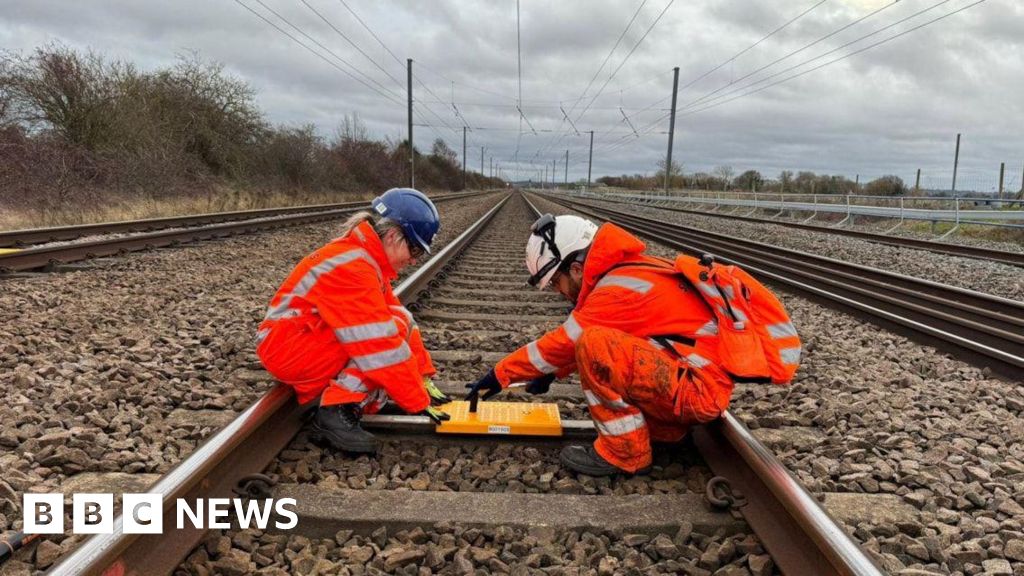
    Passengers have been warned of train disruptions across parts of the East of England, including Bedfordshire, Hertfordshire and parts of Cambridgeshire, due to planned signalling upgrade works.

    Network Rail said a large section of the railway south of Peterborough will be closed between Saturday and Sunday.

    This was due to in-cab digital signalling being installed as part of a £1.4bn East Coast Digital Programme (ECDP), which aimed to create greener, safer and more reliable journeys for passengers.

    As a result, London North Eastern Railway (LNER) will have rail replacement coaches between Peterborough and Bedford, where customers can join train services to London St Pancras.

    Other works taking place on the same weekend include track renewal at Letchworth Garden City, rerailing at Welwyn and Wymondley and drainage improvements at Stevenage.

    This means there will be no Grand Central services, while Hull Trains will operate an amended service running to and from London St Pancras.

    In addition, there will be no Thameslink or Great Northern trains between Potters Bar and Peterborough/Royston, or between Hertford North and Stevenage.

    Additionally, before 09:40 BST on Sunday, buses will replace trains between Finsbury Park and Stevenage via Hertford North.

    Ricky Barsby, Network Rail’s head of access integration, ECDP, said: “The work taking place, including further testing, is part of our preparations for the introduction of digital in-cab signalling on the East Coast Main Line.

    “We are also taking the opportunity to carry out vital work at other East Coast locations during the same weekend.

    Further information regarding disruptions can be found on Network Rail’s website.

    Continue Reading

  • Sikkes SAM, Tang Y, Jutten RJ, Wesselman LMP, Turkstra LS, Brodaty H, Clare L, Cassidy-Eagle E, Cox KL, Chételat G, Dautricourt S, Dhana K, Dodge H, Dröes RM, Hampstead BM, Holland T, Lampit A, Laver K, Lutz A, Lautenschlager NT, McCurry SM, Meiland FJM, Morris MC, Mueller KD, Peters R, Ridel G, Spector A, van der Steen JT, Tamplin J, Thompson Z. ISTAART non-pharmacological interventions professional interest Area; bahar-Fuchs A. Toward a theory-based specification of non-pharmacological treatments in aging and dementia: focused reviews and methodological recommendations. Alzheimers Dement. 2021, Feb;17(2):255–70. https://doi.org/10.1002/alz.12188. Epub 2020 Nov 20. PMID: 33215876; PMCID: PMC7970750.

    Google Scholar 

  • Roach JC, Edens L, Markewych DR, Rapozo MK, Hara J, Glusman G, Funk C, Bramen J, Baloni P, Shankle WR, Hood L. A multimodal intervention for Alzheimer’s disease results in multifaceted systemic effects reflected in blood and ameliorates functional and cognitive outcomes. medRxiv. 2022. https://www.medrxiv.org/content/10.1101/2022.09.27.22280385v2.

  • Patnode CD, Perdue LA, Rossom RC, et al. Screening for cognitive impairment in older adults: an evidence update for the U.S. Preventive Services Task Force [Internet]. Rockville (MD): Agency for Healthcare Research and Quality (US); 2020 Feb. (Evidence Synthesis, No. 189.) Chapter 1, Introduction. Available from: https://www.ncbi.nlm.nih.gov/books/NBK554658.

  • Cr J Jr, Andrews JS, Beach TG, Buracchio T, Dunn B, Graf A, Hansson O, Ho C, Jagust W, E M, Molinuevo JL, Okonkwo OC, Pani L, Rafii MS, Scheltens P, Siemers E, Snyder HM, Sperling R, Teunissen CE, Carrillo MC. Revised criteria for diagnosis and staging of Alzheimer’s disease: Alzheimer’s association Workgroup. Alzheimers Dement. 2024, Aug;20(8):5143–69. https://doi.org/10.1002/alz.13859. Epub 2024 Jun 27. PMID: 38934362; PMCID: PMC11350039.

    Google Scholar 

  • Association A. Alzheimer’s disease facts and figures. Alzheimers Dement. 2025 . 2025 Apr 29;21(4):e70235. https://doi.org/10.1002/alz.70235. PMCID: PMC12040760.

  • George DR, Qualls SH, Camp CJ, Pj W. Renovating Alzheimer’s: “constructive” reflections on the new clinical and research diagnostic guidelines. The Gerontologist. 2013, Jun;53(3):378–87. https://doi.org/10.1093/geront/gns096. Epub 2012 Aug 30. PMID: 22936533.

    Google Scholar 

  • Jagust WJ. The changing definition of Alzheimer’s disease. The Lancet Neurol. 2021, Jun;20(6):414–15. https://doi.org/10.1016/S1474-4422(21)00077-6. Epub 2021 Apr 29. PMID: 33933185.

    Google Scholar 

  • Knopman DS, Petersen RC, Cr J Jr. A brief history of “alzheimer disease”: multiple meanings separated by a common name. Neurology. 2019, May, 28;92(22):1053–59. https://doi.org/10.1212/WNL.0000000000007583. Epub 2019 Apr 26. PMID: 31028129; PMCID: PMC6556090.

    Google Scholar 

  • De Ninno G, Giuffrè GM, Urbani A, Baroni S. Current perspectives on Alzheimer’s disease fluid biomarkers and future challenges: a narrative review. J Lab Precis Med. 2024;9:25. https://doi.org/10.21037/jlpm-24-1.

    Google Scholar 

  • Mulumba J, Duan R, Luo B, Wu J, Sulaiman M, Wang F, et al. The role of neuroimaging in Alzheimer’s disease: implications for the diagnosis, monitoring disease progression, and treatment. Explor Neurosci. 2025;4:100675. https://doi.org/10.37349/en.2025.100675.

  • Ross JA, Dodel R. Preclinical CSF proteomic changes: a milestone in biomarker detection for autosomal dominant Alzheimer’s disease. Signal Transduct Target Ther. 2025, Jan, 20;10(1):16. https://doi.org/10.1038/s41392-024-02109-3. PMID: 39828719; PMCID: PMC11743781.

    Google Scholar 

  • Dubois B, Villain N, Schneider L, Fox N, Campbell N, Galasko D, Kivipelto M, Jessen F, Hanseeuw B, Boada M, Barkhof F, Nordberg A, Froelich L, Waldemar G, Frederiksen KS, Padovani A, Planche V, Rowe C, Bejanin A, Ibanez A, Cappa S, Caramelli P, Nitrini R, Allegri R, Slachevsky A, de Souza Lc, Bozoki A, Widera E, Blennow K, Ritchie C, Agronin M, Lopera F, Delano-Wood L, Bombois S, Levy R, Thambisetty M, Georges J, Jones DT, Lavretsky H, Schott J, et al. Alzheimer disease as a clinical-biological construct-an International working group recommendation. JAMA Neurol. 2024, Dec 1;81(12):1304–11. https://doi.org/10.1001/jamaneurol.2024.3770. PMID: 39483064.

    Google Scholar 

  • Petersen RC, Mormino E, Schneider JA. Alzheimer disease—What’s in a name? JAMA Neurol. 2024;81(12):1245–46. https://doi.org/10.1001/jamaneurol.2024.3766.

    Google Scholar 

  • Zhang J, Zhang Y, Wang J, Xia Y, Zhang J, Chen L. Recent advances in Alzheimer’s disease: mechanisms, clinical trials and new drug development strategies. Signal Transduct Target Ther. 2024, Aug, 23;9(1):211. https://doi.org/10.1038/s41392-024-01911-3. PMID: 39174535; PMCID: PMC11344989.

    Google Scholar 

  • Rothman KC. Am J Epidemiol. 1976;141(2):90–95; discussion 89. https://doi.org/10.1093/oxfordjournals.aje.a117417. 1995 Jan 15. PMID: 7817976.

  • Kaufman JS, Poole C. Looking back on “causal thinking in the health sciences”. Annu Rev Public Health. 2000;21:101–19. https://doi.org/10.1146/annurev.publhealth.21.1.101. PMID: 10884948.

    Google Scholar 

  • Smith GD, Zena Stein SE. Mervyn Susser and epidemiology: observation, causation and action. Int J Epidemiol. 2002, Feb;31(1):34–37. https://doi.org/10.1093/ije/31.1.34. PMID: 11914289.

    Google Scholar 

  • Peterson D, Keeley JW. Syndrome, disorder, and disease. In: Eds R.L. Cautin, Lilienfeld SO. In The encyclopedia of clinical psychology. 2015. https://doi.org/10.1002/9781118625392.wbecp154.

  • Espay AJ, Lang AE. Parkinson diseases in the 2020s and beyond: replacing clinico-pathologic convergence with systems biology divergence. J Parkinsons Dis. 2018;8(s1):S59–64. https://doi.org/10.3233/JPD-181465. PMID: 30584155; PMCID: PMC6311362.

    Google Scholar 

  • Gong CX, Dai CL, Liu F, Iqbal K. Multi-targets: an unconventional drug development strategy for Alzheimer’s disease. Front Aging Neurosci. 2022, Feb, 9;14:837649. https://doi.org/10.3389/fnagi.2022.837649. PMID: 35222001; PMCID: PMC8864545.

    Google Scholar 

  • Huang Y, Mucke L. Alzheimer mechanisms and therapeutic strategies. Cell. 2012, Mar, 16;148(6):1204–22. https://doi.org/10.1016/j.cell.2012.02.040. PMID: 22424230; PMCID: PMC3319071.

    Google Scholar 

  • Zhang X, Fu Z, Meng L, He M, Zhang Z. The early events that initiate β-amyloid aggregation in Alzheimer’s disease. Front Aging Neurosci. 2018, Nov, 13;10:359. https://doi.org/10.3389/fnagi.2018.00359. PMID: 30542277; PMCID: PMC6277872.

    Google Scholar 

  • Ferrer I. Hypothesis review: Alzheimer’s overture guidelines. Brain Pathol. 2023, Jan;33(1):e13122. https://doi.org/10.1111/bpa.13122. Epub 2022 Oct 12. PMID: 36223647; PMCID: PMC9836379.

    Google Scholar 

  • Masurkar AV, Marsh K, Morgan B, Leitner D, Wisniewski T. Factors affecting resilience and prevention of Alzheimer’s disease and related dementias. Ann Neurol. 2024, Oct;96(4):633–49. https://doi.org/10.1002/ana.27055. Epub 2024 Aug 17. PMID: 39152774; PMCID: PMC11534551.

    Google Scholar 

  • Delport A, Hewer R. The amyloid precursor protein: a converging point in Alzheimer’s disease. Mol Neurobiol. 2022, Jul;59(7):4501–16. https://doi.org/10.1007/s12035-022-02863-x. Epub 2022 May 17. PMID: 35579846.

    Google Scholar 

  • Kikuchi M, Kobayashi K, Itoh S, Kasuga K, Miyashita A, Ikeuchi T, Yumoto E, Kosaka Y, Fushimi Y, Takeda T, Manabe S, Hattori S, Disease Neuroimaging Initiative A, Nakaya A, Kamijo K, Matsumura Y. Identification of mild cognitive impairment subtypes predicting conversion to Alzheimer’s disease using multimodal data. Comput Struct Biotechnol J. 2022 Aug 22;20:5296–308. https://doi.org/10.1016/j.csbj.2022.08.007. PMID: 36212530; PMCID: PMC9513733.

    Google Scholar 

  • Aihara K, Liu R, Koizumi K, Liu X, Chen L. Dynamical network biomarkers: theory and applications. Gene. 2022, Jan, 15;808:145997. https://doi.org/10.1016/j.gene.2021.145997. Epub 2021 Oct 6. PMID: 34626720.

    Google Scholar 

  • Chen P, Li Y, Liu X, Liu R, Chen L. Detecting the tipping points in a three-state model of complex diseases by temporal differential networks. J Transl Med. 2017, Oct, 26;15(1):217. https://doi.org/10.1186/s12967-017-1320-7. PMID: 29073904; PMCID: PMC5658963.

    Google Scholar 

  • Liu R, Chen P, Chen L. Single-sample landscape entropy reveals the imminent phase transition during disease progression. Bioinformatics. 2020, Mar;1(36(5):1522–32. https://doi.org/10.1093/bioinformatics/btz758. Erratum in: Bioinformatics. 2020 Apr 15;36(8):2644. PMID: 31598632.

  • Uleman JF, Quax R, Melis RJF, Hoekstra AG, Olde Rikkert MGM. The need for systems thinking to advance Alzheimer’s disease research. Psychiatry Res. 2024, Mar;333:115741. https://doi.org/10.1016/j.psychres.2024.115741. Epub 2024 Jan 17. PMID: 38277813.

    Google Scholar 

  • Taherian Fard A, Ragan MA. Modeling the attractor landscape of disease progression: a network-based approach. Front Genet. 2017, Apr, 18;8:48. https://doi.org/10.3389/fgene.2017.00048. PMID: 28458684; PMCID: PMC5394169.

    Google Scholar 

  • Higginbotham L, Carter EK, Dammer EB, Haque RU, Johnson ECB, Duong DM, Yin L, De Jager PL, Bennett DA, Felsky D, Tio ES, Lah JJ, Levey AI, Seyfried NT. Unbiased classification of the elderly human brain proteome resolves distinct clinical and pathophysiological subtypes of cognitive impairment. Neurobiol Dis. 2023, Oct, 1;186:106286. https://doi.org/10.1016/j.nbd.2023.106286. Epub 2023 Sep 7. PMID: 37689213; PMCID: PMC10750427.

    Google Scholar 

  • Neff RA, Wang M, Vatansever S, Guo L, Ming C, Wang Q, Wang E, Horgusluoglu-Moloch E, Song WM, Li A, Castranio EL, Tcw J, Ho L, Goate A, Fossati V, Noggle S, Gandy S, Ehrlich ME, Katsel P, Schadt E, Cai D, Brennand KJ, Haroutunian V, Zhang B. Molecular subtyping of Alzheimer’s disease using RNA sequencing data reveals novel mechanisms and targets. Sci Adv. 2021 Jan 6;7(2):eabb5398. https://doi.org/10.1126/sciadv.abb5398. PMID: 33523961; PMCID: PMC7787497. https://doi.org/10.37349/en.2025.100675.

  • Tijms BM, Vromen EM, Mjaavatten O, Holstege H, Reus LM, van der Lee S, Wesenhagen KEJ, Lorenzini L, Vermunt L, Venkatraghavan V, Tesi N, Tomassen J, den Braber A, Goossens J, Vanmechelen E, Barkhof F, Pijnenburg YAL, van der Flier Wm, Teunissen CE, Berven FS, Visser PJ. Cerebrospinal fluid proteomics in patients with Alzheimer’s disease reveals five molecular subtypes with distinct genetic risk profiles. Nat Aging. 2024, Jan;4(1):33–47. https://doi.org/10.1038/s43587-023-00550-7. Epub 2024 Jan 9. PMID: 38195725; PMCID: PMC10798889.

    Google Scholar 

  • Arnold M, Nho K, Kueider-Paisley A, Massaro T, Huynh K, Brauner B, MahmoudianDehkordi S, Louie G, Moseley MA, Thompson JW, John-Williams LS, Tenenbaum JD, Blach C, Chang R, Brinton RD, Baillie R, Han X, Trojanowski JQ, Shaw LM, Martins R, Weiner MW, Trushina E, Toledo JB, Meikle PJ, Bennett DA, Krumsiek J, Doraiswamy PM, Saykin AJ, Kaddurah-Daouk R, Kastenmüller G. Sex and apoe ε4 genotype modify the Alzheimer’s disease serum metabolome. Nat Commun. 2020, Mar, 2;11(1):1148. https://doi.org/10.1038/s41467-020-14959-w. PMID: 32123170; PMCID: PMC7052223.

    Google Scholar 

  • Fortea J, Pegueroles J, Alcolea D, Belbin O, Dols-Icardo O, Vaqué-Alcázar L, Videla L, Gispert JD, Suárez-Calvet M, Johnson SC, Sperling R, Bejanin A, Lleó A, Montal V. APOE4 homozygozity represents a distinct genetic form of Alzheimer’s disease. Nat Med. 2024 May;30(5):1284–91. https://doi.org/10.1038/s41591-024-02931-w. Epub 2024 May 6. Erratum in: Nat Med. 2024 Jul;30(7):2093. https://doi.org/10.1038/s41591-024-03127-y. PMID: 38710950.

  • Reisberg B, Jamil IA, Khan S, Monteiro I, Torossian C, Ferris S, Sabbagh M, Gauthier S, Auer S, Shulman MB, Kluger A, Franssen E, Wegiel J. Staging dementia. In: Abou-Saleh MT, Katona C, Kumar A, editors. Principles and practice of geriatric psychiatry. 3rd. John Wiley & Sons, Ltd; 2010. p. 162–69.

    Google Scholar 

  • Lanctôt KL, Boada M, Tariot PN, Dabbous F, Hahn-Pedersen J, Udayachalerm S, Raket LL, Saiontz-Martinez C, Michalak W, Weidner W, Cummings J. Association between clinical dementia rating and clinical outcomes in Alzheimer’s disease. Alzheimers Dement (amst). 2024, Jan, 17;16(1):e12522. https://doi.org/10.1002/dad2.12522. PMID: 38239329; PMCID: PMC10794857.

    Google Scholar 

  • Tzeng RC, Yang YW, Hsu KC, Chang HT, Chiu PY. Sum of boxes of the clinical dementia rating scale highly predicts conversion or reversion in predementia stages. Front Aging Neurosci. 2022, Sep 23;14:1021792. https://doi.org/10.3389/fnagi.2022.1021792. PMID: 36212036; PMCID: PMC9537043.

    Google Scholar 

  • Paterson T, Rohrs J, Hohman TJ, Mapstone M, Levey AI, Hood L, Cory CF. Alzheimer’s disease neuroimaging initiative. In: Multi-omic adni CSF and plasma data integration identifies distinct metabolic transitions in disease progression in Alzheimer’s disease. bioRxiv 2024.07.23.604835;.

  • Zhang Y, Chen H, Li R, Sterling K, Song W. Amyloid β-based therapy for Alzheimer’s disease: challenges, successes and future. Signal Transduct Target Ther. 2023 Jun 30;8(1):248. https://doi.org/10.1038/s41392-023-01484-7. PMID: 37386015; PMCID: PMC10310781.

    Google Scholar 

  • Abramowitz A, Weber M. Management of mci in the outpatient setting. Curr Psychiatry Rep. 2024, Aug;26(8):413–21. https://doi.org/10.1007/s11920-024-01514-3. Epub 2024 Jun 10. PMID: 38856858.

    Google Scholar 

  • Soldevila-Domenech N, Ayala-Garcia A, Barbera M, Lehtisalo J, Forcano L, Diaz-Ponce A, Zwan M, van der Flier Wm, Ngandu T, Kivipelto M, Solomon A, de la Torre R. Adherence and intensity in multimodal lifestyle-based interventions for cognitive decline prevention: state-of-the-art and future directions. Alzheimers Res Ther. 2025 Mar 17;17(1):61. https://doi.org/10.1186/s13195-025-01691-0. PMID: 40098201; PMCID: PMC11912746.

    Google Scholar 

  • Norton S, Matthews FE, Barnes DE, Yaffe K, Brayne C. Potential for primary prevention of Alzheimer’s disease: an analysis of population-based data. The Lancet Neurol. 2014, Aug;13(8):788–94. https://doi.org/10.1016/S1474-4422(14)70136-X. Erratum in: Lancet Neurol. 2014 Nov;13(11):1070. PMID10.1038/s42255-025-01284-z.

  • Livingston G, Huntley J, Sommerlad A, Ames D, Ballard C, Banerjee S, Brayne C, Burns A, Cohen-Mansfield J, Cooper C, Costafreda SG, Dias A, Fox N, Gitlin LN, Howard R, Kales HC, Kivimäki M, Larson EB, Ogunniyi A, Orgeta V, Ritchie K, Rockwood K, Sampson EL, Samus Q, Schneider LS, Selbæk G, Teri L, Mukadam N. Dementia prevention, intervention, and care: 2020 report of the lancet commission. Lancet. 2020 Aug 8;396(10248):413–46. https://doi.org/10.1016/S0140-6736(20)30367-6. Epub 2020 Jul 30. PMID: 32738937; PMCID: PMC7392084.

    Google Scholar 

  • Livingston G, Huntley J, Liu KY, Costafreda SG, Selbæk G, Alladi S, Ames D, Banerjee S, Burns A, Brayne C, Fox NC, Ferri CP, Gitlin LN, Howard R, Kales HC, Kivimäki M, Larson EB, Nakasujja N, Rockwood K, Samus Q, Shirai K, Singh-Manoux A, Schneider LS, Walsh S, Yao Y, Sommerlad A, Mukadam N. Dementia prevention, intervention, and care: 2024 report of the lancet standing commission. Lancet. 2024, Aug, 10;404(10452):572–628. https://doi.org/10.1016/S0140-6736(24)01296-0. Epub 2024 Jul 31. PMID: 39096926.

    Google Scholar 

  • Uleman JF, Melis RJF, Hoekstra AG, Olde Rikkert MGM, Quax R, Imaging A. Biomarker and lifestyle study of aging and Alzheimer’s disease neuroimaging initiative studies. Exploring the potential impact of multi-factor precision interventions in Alzheimer’s disease with system dynamics. J Biomed Inf. 2023, Sep;145:104462. https://doi.org/10.1016/j.jbi.2023.104462. Epub 2023 Jul 27. PMID: 37516375.

    Google Scholar 

  • Birks JS, Harvey RJ. Donepezil for dementia due to Alzheimer’s disease. Cochrane Database Syst Rev. 2018 Jun 18;6(6):CD001190. doi: https://doi.org/10.1002/14651858.CD001190.pub3. PMID: 29923184; PMCID: PMC6513124.

  • Diener C, Holscher HD, Filek K, Corbin KD, Moissl-Eichinger C, Gibbons SM. Metagenomic estimation of dietary intake from human stool. Nat Metab. 2025, Mar;7(3):617–30. https://doi.org/10.1038/s42255-025-01220-1. Epub Feb 18.Erratum in date-in-citation:633. https://doi.org/10.1038/s42255-025-01284-z. PMID: 39966520; PMCID: PMC11949708.

  • Ridenour TA, Wittenborn AK, Raiff BR, Benedict N, Kane-Gill S. Illustrating idiographic methods for translation research: moderation effects, natural clinical experiments, and complex treatment-by-subgroup interactions. Transl Behav Med. 2016, Mar;6(1):125–34. https://doi.org/10.1007/s13142-015-0357-5. PMID: 27012260; PMCID: PMC4807195.

    Google Scholar 

  • Tueller S, Ramirez D, Cance JD, Ye A, Wheeler AC, Fan Z, Hornik C, Ridenour TA. Power analysis for idiographic (within-subject) clinical trials: implications for treatments of rare conditions and precision medicine. Behav Res Methods. 2023, Dec;55(8):4175–99. https://doi.org/10.3758/s13428-022-02012-1. Epub 2022 Dec 16. PMID: 36526885; PMCID: PMC9757638.

    Google Scholar 

  • Zülke AE, Pabst A, Luppa M, Roehr S, Seidling H, Oey A, Cardona MI, Blotenberg I, Bauer A, Weise S, Zöllinger I, Sanftenberg L, Brettschneider C, Döhring J, Lunden L, Czock D, Haefeli WE, Wiese B, Hoffmann W, Frese T, Gensichen J, König HH, Kaduszkiewicz H, Thyrian JR, Riedel-Heller SG. A multidomain intervention against cognitive decline in an at-risk-population in Germany: results from the cluster-randomized AgeWell.De trial. Alzheimers Dement. 2024, Jan;20(1):615–28. https://doi.org/10.1002/alz.13486. Epub 2023 Sep 28. PMID: 37768074; PMCID: PMC10917033.

    Google Scholar 

  • Damirchi A, Hosseini F, Babaei P. Mental training enhances cognitive function and BDNF more than either physical or combined training in elderly women with mci: a small-scale study. Am J Alzheimers Dis Other Demen. 2018, Feb;33(1):20–29. https://doi.org/10.1177/1533317517727068. Epub 2017 Sep 25. PMID: 28946752; PMCID: PMC10852433.

    Google Scholar 

  • Bae S, Lee S, Lee S, Jung S, Makino K, Harada K, Harada K, Shinkai Y, Chiba I, Shimada H. The effect of a multicomponent intervention to promote community activity on cognitive function in older adults with mild cognitive impairment: a randomized controlled trial. Complementary Therapies In Med. 2019, Feb;42:164–69. https://doi.org/10.1016/j.ctim.2018.11.011. Epub 2018 Nov 13. PMID: 30670238.

    Google Scholar 

  • Niotis K, Janney C, Helfman S, Hristov H, Clute-Reinig N, Angerbauer D, Saperia C, Murray S, Westine J, Seifan A, Melendez-Herencia J, Parthasarathy P, Colvee H, Lewis B, Lakis J, Sisser P, Dishary J, Mosse M, Saville D, Rumberger A, McCullough M, Isaacson R. A blood biomarker-guided precision medicine approach for individualized neurodegenerative disease risk reduction and treatment: The future of preventive neurology? (P7-3.016). Neurology. 2025, Apr, 8;104(7_Suppl_1):S7–3.016. https://doi.org/10.1212/WNL.0000000000208443.

    Google Scholar 

  • Isaacson RS, Hristov H, Saif N, Hackett K, Hendrix S, Melendez J, Safdieh J, Fink M, Thambisetty M, Sadek G, Bellara S, Lee P, Berkowitz C, Rahman A, Meléndez-Cabrero J, Caesar E, Cohen R, Lu PL, Dickson SP, Hwang MJ, Scheyer O, Mureb M, Schelke MW, Niotis K, Greer CE, Attia P, Mosconi L, Krikorian R. Individualized clinical management of patients at risk for Alzheimer’s dementia. Alzheimers Dement. 2019, Dec;15(12):1588–602. https://doi.org/10.1016/j.jalz.2019.08.198. Epub 2019 Oct 31. PMID: 31677936; PMCID: PMC6925647.

    Google Scholar 

  • Saif N, Hristov H, Akiyoshi K, Niotis K, Ariza IE, Malviya N, Lee P, Melendez J, Sadek G, Hackett K, Rahman A, Meléndez-Cabrero J, Greer CE, Mosconi L, Krikorian R, Isaacson RS. Sex-driven differences in the effectiveness of individualized clinical management of Alzheimer’s disease risk. J Prev Alzheimers Dis. 2022;9(4):731–42. https://doi.org/10.14283/jpad.2022.44. PMID: 36281678.

    Google Scholar 

  • Roach JC, Rapozo MK, Hara J, Glusman G, Lovejoy J, Shankle WR, Hood L, Consortium COCOA. A remotely coached multimodal lifestyle intervention for Alzheimer’s disease ameliorates functional and cognitive outcomes. J Alzheimers Dis. 2023;96(2):591–607. https://doi.org/10.3233/JAD-230403. PMID: 37840487.

    Google Scholar 

  • Liu X, Ma Z, Zhu X, Zheng Z, Li J, Fu J, Shao Q, Han X, Wang X, Wang Z, Yin Z, Qiu C, Li J. Cognitive Benefit of a Multidomain Intervention for Older Adults at Risk of Cognitive Decline: A Cluster-Randomized Controlled Trial. Am J Geriatr Psychiatry. 2023;31(3):197–209. https://doi.org/10.1016/j.jagp.2022.10.006. Epub 2022 Nov 1. PMID: 36414488.

  • Blumenthal JA, Smith PJ, Mabe S, Hinderliter A, Welsh-Bohmer K, Browndyke JN, Doraiswamy PM, Lin PH, Kraus WE, Burke JR, Sherwood A. Longer term effects of diet and exercise on neurocognition: 1-year follow-up of the enlighten trial. J Am Geriatr Soc. 2020, Mar;68(3):559–68. https://doi.org/10.1111/jgs.16252. Epub 2019 Nov 22. PMID: 31755550; PMCID: PMC7056586.

    Google Scholar 

  • Ngandu T, Lehtisalo J, Korkki S, Solomon A, Coley N, Antikainen R, Bäckman L, Hänninen T, Lindström J, Laatikainen T, Paajanen T, Havulinna S, Peltonen M, Neely AS, Strandberg T, Tuomilehto J, Soininen H, Kivipelto M. The effect of adherence on cognition in a multidomain lifestyle intervention (finger). Alzheimers Dement. 2022, Jul;18(7):1325–34. https://doi.org/10.1002/alz.12492. Epub 2021 Oct 20. PMID: 34668644.

    Google Scholar 

  • Sandison H, Callan NGL, Rao RV, Phipps J, Bradley R. Observed improvement in cognition during a personalized lifestyle intervention in people with cognitive decline. J Alzheimers Dis. 2023, Jun, 19. https://doi.org/10.3233/JAD-230004. Epub ahead of print. PMID: 37355891.

    Google Scholar 

  • Sakurai T, Sugimoto T, Akatsu H, Doi T, Fujiwara Y, Hirakawa A, Kinoshita F, Kuzuya M, Lee S, Matsumoto N, Matsuo K, Michikawa M, Nakamura A, Ogawa S, Otsuka R, Sato K, Shimada H, Suzuki H, Suzuki H, Takechi H, Takeda S, Uchida K, Umegaki H, Wakayama S, Arai H. J-MINT study group. Japan-multimodal intervention trial for the prevention of dementia: a randomized controlled trial. Alzheimers Dement. 2024, Jun;20(6):3918–30. https://doi.org/10.1002/alz.13838. Epub 2024 Apr 22. PMID: 38646854; PMCID: PMC11180858.

    Google Scholar 

  • Rosenberg A, Untersteiner H, Guazzarini AG, Bödenler M, Bruinsma J, Buchgraber-Schnalzer B, Colombo M, Crutzen R, Diaz A, Fotiadis DI, Hilberger H, Huber S, Kaartinen N, Kassiotis T, Kivipelto M, Lehtisalo J, Loukas VS, Lötjönen J, Pirani M, Thunborg C, Hanke S, Mangialasche F, Mecocci P, Stögmann E, Ngandu T. On behaf of the lethe consortium. A digitally supported multimodal lifestyle program to promote brain health among older adults (the lethe randomized controlled feasibility trial): study design, progress, and first results. Alzheimers Res Ther. 2024, Nov, 21;16(1):252. https://doi.org/10.1186/s13195-024-01615-4. PMID: 39574193; PMCID: PMC11580696.

    Google Scholar 

  • Ornish D, Madison C, Kivipelto M, et al. Effects of intensive lifestyle changes on the progression of mild cognitive impairment or early dementia due to Alzheimer’s disease: a randomized, controlled clinical trial. Alz Res Ther. 2024;16:122. https://doi.org/10.1186/s13195-024-01482-z.

    Google Scholar 

  • Chhetri JK, de Souto Barreto P, Cantet C, Pothier K, Cesari M, Andrieu S, Coley N, Vellas B. Effects of a 3-year multi-Domain intervention with or without omega-3 supplementation on cognitive functions in Older subjects with increased caide dementia scores. J Alzheimers Dis. 2018;64(1):71–78. https://doi.org/10.3233/JAD-180209. PMID: 29865075.

    Google Scholar 

  • Andrieu S, Guyonnet S, Coley N, Cantet C, Bonnefoy M, Bordes S, Bories L, Cufi MN, Dantoine T, Dartigues JF, Desclaux F, Gabelle A, Gasnier Y, Pesce A, Sudres K, Touchon J, Robert P, Rouaud O, Legrand P, Payoux P, Caubere JP, Weiner M, Carrié I, Ousset PJ, Vellas B, Study Group MAPT. Effect of long-term omega 3 polyunsaturated fatty acid supplementation with or without multidomain intervention on cognitive function in elderly adults with memory complaints (MAPT): a randomised, placebo-controlled trial. The Lancet Neurol. 2017, May;16(5):377–89. https://doi.org/10.1016/S1474-4422(17)30040-6. Epub 2017 Mar 27. PMID: 28359749.

    Google Scholar 

  • Brodaty H, Chau T, Heffernan M, Ginige JA, Andrews G, Millard M, Sachdev PS, Anstey KJ, Lautenschlager NT, Jj M, Jorm L, Kochan NA, Maeder A, Welberry H, San Jose JC, Briggs NE, Popovic G, Mavros Y, Almendrales Rangel C, Noble Y, Radd-Vagenas S, Flood VM, O’Leary F, Lampit A, Walton CC, Barr P, Fiatarone Singh M, Valenzuela M. An online multidomain lifestyle intervention to prevent cognitive decline in at-risk older adults: a randomized controlled trial. Nat Med. 2025, Feb;31(2):565–73. https://doi.org/10.1038/s41591-024-03351-6. Epub 2025 Jan 28. PMID: 39875685.

    Google Scholar 

  • McEwen SC, Merrill DA, Bramen J, Porter V, Panos S, Kaiser S, Hodes J, Ganapathi A, Bell L, Bookheimer T, Glatt R, Rapozo M, Ross MK, Price ND, Kelly D, Funk CC, Hood L, Roach JC. A systems-biology clinical trial of a personalized multimodal lifestyle intervention for early Alzheimer’s disease. Alzheimers Dement (N Y). 2021, Jul, 20;7(1):e12191. https://doi.org/10.1002/trc2.12191. PMID: 34295960; PMCID: PMC8290633.

    Google Scholar 

  • Toups K, Hathaway A, Gordon D, Chung H, Raji C, Boyd A, Hill BD, Hausman-Cohen S, Attarha M, Chwa WJ, Jarrett M, Bredesen DE. Precision medicine approach to Alzheimer’s disease: successful Pilot project. J Alzheimers Dis. 2022;88(4):1411–21. https://doi.org/10.3233/JAD-215707. PMID: 35811518; PMCID: PMC9484109.

    Google Scholar 

  • Yaffe K, Vittinghoff E, Dublin S, Peltz CB, Fleckenstein LE, Rosenberg DE, Barnes DE, Balderson BH, Larson EB. Effect of personalized risk‑reduction strategies on cognition and dementia risk profile among older adults: the SMARRT randomized clinical trial. JAMA Intern Med. 2023;e236279. https://doi.org/10.1001/jamainternmed.2023.6279. Epub ahead of print. PMID: 38010725; PMCID: PMC10682943.

  • Chen LK, Hwang AC, Lee WJ, Peng LN, Lin MH, Neil DL, Shih SF, Loh CH, Chiou ST. Taiwan health promotion intervention study for elders research group. Efficacy of multidomain interventions to improve physical frailty, depression and cognition: data from cluster-randomized controlled trials. J Cachexia, Sarcopenia Muscle. 2020, Jun;11(3):650–62. https://doi.org/10.1002/jcsm.12534. Epub 2020 Mar 5. PMID: 32134208; PMCID: PMC7296266.

    Google Scholar 

  • Baker LD, Espeland MA, Whitmer RA, Snyder HM, Leng X, Lovato L, Papp KV, Yu M, Kivipelto M, Alexander AS, Antkowiak S, Cleveland M, Day C, Elbein R, Tomaszewski Farias S, Felton D, Garcia KR, Gitelman DR, Graef S, Howard M, Katula J, Lambert K, Matongo O, Am M, Pavlik V, Raman R, Salloway S, Tangney C, Ventrelle J, Wilmoth S, Willliams BJ, Wing R, Woolard N, Carrillo MC. Structured vs self-guided multidomain lifestyle interventions for global cognitive function: the us pointer randomized clinical trial. Jama. 2025 Jul 28:e2512923. https://doi.org/10.1001/jama.2025.12923. Epub ahead of print. PMID: 40720610; PMCID: PMC12305445.

  • Baker LD, Snyder HM, Espeland MA, Whitmer RA, Kivipelto M, Woolard N, Katula J, Papp KV, Ventrelle J, Graef S, Hill MA, Rushing S, Spell J, Lovato L, Felton D, Williams BJ, Ghadimi Nouran M, Raman R, Ngandu T, Solomon A, Wilmoth S, Cleveland ML, Williamson JD, Lambert KL, Tomaszewski Farias S, Day CE, Tangney CC, Gitelman DR, Matongo O, Reynolds T, Pavlik VN, Yu MM, Alexander AS, Elbein R, Am M, Salloway S, Wing RR, Antkowiak S, Morris MC, Carrillo MC, et al. Study design and methods: U.S. study to protect brain health through lifestyle intervention to reduce risk (U.S. pointer). Alzheimers Dement. 2024, Feb;20(2):769–82. https://doi.org/10.1002/alz.13365. Epub 2023 Sep 30. PMID: 37776210; PMCID: PMC10916955.

    Google Scholar 

  • Fan M, Li Q, Yang T, Yang Y, Chen Z, Xuan G, Ruan Y, Sun S, Wang M, Chen X, Huang Y, Yang Z, Wang Y. Effect of multimodal intervention in individuals with mild cognitive impairment: a randomized clinical trial in Shanghai. J Alzheimers Dis. 2024;101(1):235–48. https://doi.org/10.3233/JAD-231370. PMID: 39031354; PMCID: PMC11380217.

    Google Scholar 

  • Yang QH, Lyu X, Lin QR, Wang ZW, Tang L, Zhao Y, Lyu QY. Effects of a multicomponent intervention to slow mild cognitive impairment progression: a randomized controlled trial. Int J Nurs Stud. 2022, Jan;125:104110. https://doi.org/10.1016/j.ijnurstu.2021.104110. Epub 2021 Oct 10. PMID: 34736073.

    Google Scholar 

  • Rosenberg A, Ngandu T, Rusanen M, Antikainen R, Bäckman L, Havulinna S, Hänninen T, Laatikainen T, Lehtisalo J, Levälahti E, Lindström J, Paajanen T, Peltonen M, Soininen H, Stigsdotter-Neely A, Strandberg T, Tuomilehto J, Solomon A, Kivipelto M. Multidomain lifestyle intervention benefits a large elderly population at risk for cognitive decline and dementia regardless of baseline characteristics: the finger trial. Alzheimers Dement. 2018, Mar;14(3):263–70. https://doi.org/10.1016/j.jalz.2017.09.006. Epub 2017 Oct 19. PMID: 29055814.

    Google Scholar 

  • Kivipelto M, Mangialasche F, Snyder HM, Allegri R, Andrieu S, Arai H, Baker L, Belleville S, Brodaty H, Brucki SM, Calandri I, Caramelli P, Chen C, Chertkow H, Chew E, Choi SH, Chowdhary N, Crivelli L, Torre R, Du Y, Dua T, Espeland M, Feldman HH, Hartmanis M, Hartmann T, Heffernan M, Henry CJ, Hong CH, Håkansson K, Iwatsubo T, Jeong JH, Jimenez-Maggiora G, Koo EH, Launer LJ, Lehtisalo J, Lopera F, Martínez-Lage P, Martins R, Middleton L, Molinuevo JL, et al. World-wide fingers network: a global approach to risk reduction and prevention of dementia. Alzheimers Dement. 2020, Jul;16(7):1078–94. https://doi.org/10.1002/alz.12123. Epub 2020 Jul 5. PMID: 32627328; PMCID: PMC9527644.

    Google Scholar 

  • Rosenberg A, Mangialasche F, Ngandu T, Solomon A, Kivipelto M. Multidomain interventions to prevent cognitive impairment, Alzheimer’s disease, and dementia: from finger to world-wide fingers. J Prev Alzheimers Dis. 2020;7(1):29–36. https://doi.org/10.14283/jpad.2019.41. PMID: 32010923; PMCID: PMC7222931.

    Google Scholar 

  • Salzman T, Sarquis-Adamson Y, Son S, Montero-Odasso M, Fraser S. Associations of multidomain interventions with improvements in cognition in mild cognitive impairment: a systematic review and meta-analysis. JAMA Netw Open. 2022, May, 2;5(5):e226744. https://doi.org/10.1001/jamanetworkopen.2022.6744. PMID: 35503222; PMCID: PMC9066287.

    Google Scholar 

  • Bermejo-Pareja F, Del Ser T. Controversial past, splendid present, unpredictable future: a brief review of alzheimer disease history. J Clin Med. 2024, Jan, 17;13(2):536. https://doi.org/10.3390/jcm13020536. PMID: 38256670; PMCID: PMC10816332.

    Google Scholar 

  • Petersen RC, Caracciolo B, Brayne C, Gauthier S, Jelic V, Fratiglioni L. Mild cognitive impairment: a concept in evolution. J Intern Med. 2014, Mar;275(3):214–28. https://doi.org/10.1111/joim.12190. PMID: 24605806; PMCID: PMC3967548.

    Google Scholar 

  • Alzheimer’s network for treatment and diagnostics (ALZ-NET). ALZ-NET protocol. Version. 2025 January 10.

  • Roach JC, Hodes JF, Funk CC, Shankle WR, Merrill DA, Hood L, Bramen J. Dense data enables twenty-first century clinical trials. Alzheimers Dement (N Y). 2022, Jun, 13;8(1):e12297. https://doi.org/10.1002/trc2.12297. PMID: 35733645; PMCID: PMC9191823.

  • Pontzer H. Burn: new research blows the lid off How we really burn calories, stay healthy, and lose weight. New York, NY: Avery, an imprint of Penguin Random House; 2021.

    Google Scholar 

  • Niotis K, Saperia C, Saif N, Carlton C, Isaacson RS. Alzheimer’s disease risk reduction in clinical practice: a priority in the emerging field of preventive neurology. Nat Ment Health. 2024, Jan;2(1):25–40. https://doi.org/10.1038/s44220-023-00191-0.

    Google Scholar 

  • Solomon A, Stephen R, Altomare D, Carrera E, Frisoni GB, Kulmala J, Molinuevo JL, Nilsson P, Ngandu T, Ribaldi F, Vellas B, Scheltens P, Kivipelto M. European task force for brain health services. Multidomain interventions: state-of-the-art and future directions for protocols to implement precision dementia risk reduction. A user manual for brain health services-part 4 of 6. Alzheimers Res Ther. 2021, Oct, 11;13(1):171. https://doi.org/10.1186/s13195-021-00875-8. PMID: 34635167; PMCID: PMC8507202.

    Google Scholar 

  • Amini Y, Saif N, Greer C, Hristov H, Isaacson R. The role of nutrition in individualized Alzheimer’s risk reduction. Curr Nutr Rep. 2020, Jun;9(2):55–63. https://doi.org/10.1007/s13668-020-00311-7. PMID: 32277428.

    Google Scholar 

  • Norwitz NG, Saif N, Ariza IE, Isaacson RS. Precision nutrition for Alzheimer’s prevention in ApoE4 carriers. Nutrients. 2021, Apr, 19;13(4):1362. https://doi.org/10.3390/nu13041362. PMID: 33921683; PMCID: PMC8073598.

    Google Scholar 

  • Soldozy S, Galindo J, Snyder H, Ali Y, Norat P, Yağmurlu K, Sokolowski JD, Sharifi K, Tvrdik P, Park MS, Kalani MYS. Clinical utility of arterial spin labeling imaging in disorders of the nervous system. Neurosurg Focus. 2019, Dec, 1;47(6):E5. https://doi.org/10.3171/2019.9.FOCUS19567. PMID: 31786550.

    Google Scholar 

  • Tessier AJ, Wang F, Korat AA, Eliassen AH, Chavarro J, Grodstein F, Li J, Liang L, Willett WC, Sun Q, Stampfer MJ, Hu FB, Guasch-Ferré M. Optimal dietary patterns for healthy aging. Nat Med. 2025, Mar, 24. https://doi.org/10.1038/s41591-025-03570-5. Epub ahead of print. PMID: 40128348.

    Google Scholar 

  • McEwen SC, Siddarth P, Rahi B, Kim Y, Mui W, Wu P, Emerson ND, Lee J, Greenberg S, Shelton T, Kaiser S, Small GW, Merrill DA. Simultaneous aerobic exercise and Memory training program in older adults with subjective memory impairments. J Alzheimers Dis. 2018;62(2):795–806. https://doi.org/10.3233/JAD-170846. Erratum in: J Alzheimers Dis. 2019;67(3):1107. https://doi.org/10.3233/JAD-189014. PMID: 29480182; PMCID: PMC5870016.

    Google Scholar 

  • Yang J, Dong Y, Yan S, Yi L, Qiu J. Which specific exercise models are most effective on global cognition in patients with cognitive impairment? A network meta-analysis. Int J Environ Res Public Health. 2023 Feb 4;20(4):2790. https://doi.org/10.3390/ijerph20042790. PMID: 36833483; PMCID: PMC9957167.

    Google Scholar 

  • Roach JC, Hara J, Fridman D, Lovejoy JC, Jade K, Heim L, Romansik R, Swietlikowski A, Phillips S, Rapozo MK, Shay MA, Fischer D, Funk C, Dill L, Brant-Zawadzki M, Hood L, Shankle WR. The coaching for cognition in Alzheimer’s (cocoa) trial: study design. Alzheimers Dement (N Y). 2022 Jul 26;8(1):e12318. https://doi.org/10.1002/trc2.12318. PMID: 35910672; PMCID: PMC9322829.

    Google Scholar 

  • Appel LJ, Moore TJ, Obarzanek E, Vollmer WM, Svetkey LP, Sacks FM, Bray GA, Vogt TM, Cutler JA, Windhauser MM, Lin PH, Karanja N. A clinical trial of the effects of dietary patterns on blood pressure. DASH Collaborative Res Group. N Engl J Med. 1997 Apr 17;336(16):1117–24. https://doi.org/10.1056/NEJM199704173361601. PMID: 9099655.

    Google Scholar 

  • Bougea A, Gourzis P. Biomarker-based precision therapy for Alzheimer’s disease: multidimensional evidence leading a new breakthrough in personalized medicine. J Clin Med. 2024 Aug 8;13(16):4661. https://doi.org/10.3390/jcm13164661. PMID: 39200803; PMCID: PMC11355840.

    Google Scholar 

  • Mielke MM, Anderson M, Ashford JW, Jeromin A, Lin PJ, Rosen A, Tyrone J, Vandevrede L, Willis DR, Hansson O, Khachaturian AS, Schindler SE, Weiss J, Batrla R, Bozeat S, Dwyer JR, Holzapfel D, Jones DR, Murray JF, Partrick KA, Scholler E, Vradenburg G, Young D, Braunstein JB, Burnham SC, de Oliveira Ff, Hu YH, Mattke S, Merali Z, Monane M, Sabbagh MN, Shobin E, Weiner M, Udeh-Momoh CT. Recommendations for clinical implementation of blood-based biomarkers for Alzheimer’s disease. Alzheimers Dement. 2024, Nov;20(11):8216–24. https://doi.org/10.1002/alz.14184. Epub 2024 Oct 1. PMID: 39351838; PMCID: PMC11567872.

    Google Scholar 

  • Dementia prevention needs clinical trials. Nat Med. 2025, Feb;31(2):353. https://doi.org/10.1038/s41591-025-03552-7. PMID: 39972238.

    Google Scholar 

  • McLaughlin J, Scotton WJ, Ryan NS, Hardy JA, Shoai M. Assessing clinical progression measures in Alzheimer’s disease trials: a systematic review and meta-analysis. Alzheimers Dement. 2024, Dec;20(12):8673–83. https://doi.org/10.1002/alz.14314. Epub 2024 Oct 22. PMID: 39439251; PMCID: PMC11667530.

    Google Scholar 

  • Benoit JS, Chan W, Piller L, Doody R. Longitudinal sensitivity of Alzheimer’s disease severity staging. Am J Alzheimers Dis Other Demen. 2020, Jan-Dec;35:1533317520918719. https://doi.org/10.1177/1533317520918719. PMID: 32573256; PMCID: PMC10624049.

    Google Scholar 

  • Bock JR, Russell J, Hara J, Fortier D. Optimizing cognitive assessment outcome measures for Alzheimer’s disease by matching wordlist memory test features to scoring methodology. Front Digit Health. 2021, Nov, 3;3:750549. https://doi.org/10.3389/fdgth.2021.750549. PMID: 34806078; PMCID: PMC8595108.

    Google Scholar 

  • Gary ST, Davis-Aoki R, Verma P, McDowell B. Trends in Alzheimer’s disease clinical outcome assessments in phase 2 and 3 clinical trials from 1993 to present. Alzheimer’s & Dementia. 2025;20(S1):e089137. https://doi.org/10.1002/alz.089137.

    Google Scholar 

  • Burns A, Gauthier S, Perdomo C. Efficacy and safety of donepezil over 3 years: an open-label, multicentre study in patients with Alzheimer’s disease. Int J Geriatr Psychiatry. 2007, Aug;22(8):806–12. https://doi.org/10.1002/gps.1746. PMID: 17199235.

    Google Scholar 

  • World Health Organization. Guidance for best practices for clinical trials. (2024). https://www.who.int/publications/i/item/9789240097711.

  • Wilkinson MD, Dumontier M, Aalbersberg IJ, Appleton G, Axton M, Baak A, Mons B. The fair guiding principles for scientific data management and stewardship. Sci Data. 2016;3:160018. https://doi.org/10.1038/sdata.2016.18.

    Google Scholar 

  • Simera I, Moher D, Hirst A, Hoey J, Schulz KF, Altman DG. Transparent and accurate reporting increases reliability, utility, and impact of your research: reporting guidelines and the equator network. BMC Med. 2010;8:24. https://doi.org/10.1186/1741-7015-8-24.

    Google Scholar 

  • El Cheikh J, Hamed F, Rifi H, Dakroub AH, Eid AH. Genetic polymorphisms influencing antihypertensive drug responses. Br J Pharmacol. 2025, Feb;182(4):929–50. https://doi.org/10.1111/bph.17414. Epub 2024 Dec 3.

    Google Scholar 

  • Bolívar JJ. Essential hypertension: an approach to its etiology and neurogenic pathophysiology. Int J Hypertens. 2013;2013:547809. https://doi.org/10.1155/2013/547809. Epub 2013 Dec 9. PMID: 24386559; PMCID: PMC3872229.

    Google Scholar 

  • Humphrey JD. Mechanisms of vascular remodeling in hypertension. Am J Hypertens. 2021, May, 22;34(5):432–41. https://doi.org/10.1093/ajh/hpaa195. PMID: 33245319; PMCID: PMC8140657.

    Google Scholar 

  • Yeh CH, Chen CY, Kuo YE, Chen CW, Kuo TBJ, Kuo KL, Chen HM, Huang HY, Chern CM, Yang CCH. Role of the autonomic nervous system in young, middle-aged, and older individuals with essential hypertension and sleep-related changes in neurocardiac regulation. Sci Rep. 2023, Dec, 18;13(1):22623. https://doi.org/10.1038/s41598-023-49649-2. PMID: 38114517; PMCID: PMC10730708.

    Google Scholar 

  • Hengel FE, Benitah JP, Wenzel UO. Mosaic theory revised: inflammation and salt play central roles in arterial hypertension. Cell Mol Immunol. 2022, May;19(5):561–76. https://doi.org/10.1038/s41423-022-00851-8. Epub 2022 Mar 30. PMID: 35354938; PMCID: PMC9061754.

    Google Scholar 

  • Crowley SD, Coffman TM. The inextricable role of the kidney in hypertension. J. Clin. Invest. 2014, Jun;124(6):2341–47. https://doi.org/10.1172/JCI72274. Epub 2014 Jun 2. PMID: 24892708; PMCID: PMC4092877.

    Google Scholar 

  • Moiz A, Zolotarova T, Eisenberg MJ. Outpatient management of essential hypertension: a review based on the latest clinical guidelines. Ann Med. 2024, Dec;56(1):2338242. https://doi.org/10.1080/07853890.2024.2338242. Epub 2024 Apr 11. PMID: 38604225; PMCID: PMC11011233.

    Google Scholar 

  • Osborne OM, Naranjo O, Heckmann BL, Dykxhoorn D, Toborek M. Anti-amyloid: an antibody to cure Alzheimer’s or an attitude. iScience. 2023, Jul, 24;26(8):107461. https://doi.org/10.1016/j.isci.2023.107461. PMID: 37588168; PMCID: PMC10425904.

    Google Scholar 

  • Atwood CS, Perry G. Playing Russian roulette with Alzheimer’s disease patients: do the cognitive benefits of lecanemab outweigh the risk of edema, stroke and encephalitis? J Alzheimers Dis. 2023;92(3):799–801. https://doi.org/10.3233/JAD-230040. PMID: 36847013.

    Google Scholar 

  • Association A. Basic resources on Alzheimer’s for primary care physicians. Alzheimer’s Assoc Green-Field Lib. 2019.

  • Coon DW, Gómez-Morales A. Modifiable risk factors for brain health and dementia and opportunities for intervention: a brief review. Clin Gerontol. 2022, Aug;22:1–12. https://doi.org/10.1080/07317115.2022.2114396. Epub ahead of print. PMID: 35996225.

    Google Scholar 

  • Lin J, Dong B, Vellas B. Editorial: preventive trials for Alzheimer’s diseases: the multi-domain and the targeted therapies approaches will have to Be associated. J Nutr Health Aging. 2016;20(5):494–95. https://doi.org/10.1007/s12603-016-0724-z. PMID: 27102785.

    Google Scholar 

  • Rost NS, Salinas J, Jordan JT, Banwell B, Correa DJ, Said RR, Selwa LM, Song S, Evans DA. American Academy of Neurology’s committee on public engagement. The Brain Health Imperative In The 21st Century-A Call To Action: The AAN Brain Health Platf And Position Statement. Neurol. 2023, Sep, 26;101(13):570–79. https://doi.org/10.1212/WNL.0000000000207739. PMID: 37730439; PMCID: PMC10558159.

    Google Scholar 

  • Bassetti CLA, Heldner MR, Adorjan K, Albanese E, Allali G, Arnold M, Bègue I, Bochud M, Chan A, Do Cuénod KQ, et al. The Swiss brain health plan 2023–2033. Clin Transl Neurosci. 2023;7(4):38. https://doi.org/10.3390/ctn7040038.

    Google Scholar 

  • Zülke AE, Riedel-Heller SG, Wittmann F, Pabst A, Röhr S, Luppa M. Gender-specific design and effectiveness of non-pharmacological interventions against cognitive decline – systematic review and meta-analysis of randomized controlled trials. J Prev Alzheimers Dis. 2023;10(1):69–82. https://doi.org/10.14283/jpad.2022.80. PMID: 36641611.

    Google Scholar 

  • Roach JC, Mb F. Editorial: insights in human and medical genomics: 2022. Front Genet. 2023, Sep, 25;14:1287894. https://doi.org/10.3389/fgene.2023.1287894. PMID: 37818104; PMCID: PMC10561311.

    Google Scholar 

  • Aisen PS, Jimenez-Maggiora GA, Rafii MS, Walter S, Raman R. Early-stage alzheimer disease: getting trial-ready. Nat Rev Neurol. 2022, Jul;18(7):389–99. https://doi.org/10.1038/s41582-022-00645-6. Epub 2022 Apr 4. PMID: 35379951; PMCID: PMC8978175.

    Google Scholar 

Continue Reading

  • The warning signal from bitcoin’s fall

    The warning signal from bitcoin’s fall

    Unlock the Editor’s Digest for free

    It has taken 17 years, significant investment, a string of false dawns and multiple broken promises but finally one of the key innovations to arise from the era of the great financial crisis has done something useful: my son made dinner last night. (I was out, but I gather it was a pretty decent effort at cream of tomato soup.)

    Similarly, bitcoin — the bouncing bundle of promise and potential that launched into the world around the same time as Martin kid B — has in the past week or so actually performed a pretty useful service. Proponents have told me for years that bitcoin is money (it’s not, really), that it’s an inflation hedge (come on, now), or that it’s a haven asset for times of stress (LOL), but it turns out that its most useful function is to serve as an early warning system that markets are unwell.

    On several occasions of late, it has been a lurch lower in bitcoin that has led a decline in global stocks. It sinks, stocks follow. And it has sunk a lot, down by a third since early October to $84,000 or so. Only another $84,000 to go before it reaches fair value. 

    Stocks had regained their footing somewhat following a shaky start to the week after robust earnings results from chipmaking behemoth Nvidia on Wednesday. But it was a tumble in the price of bitcoin that soured the mood again on Thursday, and stocks quickly followed. The big beast of crypto is now mainstream investors’ go-to barometer of vibes and speculative exuberance — a genuinely useful application at last.

    This could prove to be a very valuable tool for investors as we move on from the debate around whether we are in an artificial intelligence investment bubble — most investors I’ve spoken to recently agree that we are, or at the very least that pullbacks in the coming weeks and months after a spectacular bull run are a near-certainty. Not a crash, necessarily, but a correction, maybe several of them. Instead, the key debate is about whether and when to get out.

    Some content could not load. Check your internet connection or browser settings.

    The boring answer is to always be diversified, and while that is right, leaning out of big tech stocks does mean you have probably sacrificed a lot of returns this year. Those brave souls trying to time the market face a trickier task. Get out of stocks too early, and you risk losing out on the last rungs of the ladder. Being early is essentially the same thing as being wrong. 

    This is annoying, for one thing, but for the professionals, it is also potentially career-limiting. No one in fund management enjoys the conversation with their boss to explain why they have trailed behind the most basic stock indices by trying to be too clever. In addition, even if you do, by luck or skill, get out in time, figuring out when to get back in is also a fool’s errand. Too soon, and you lose money and look rather foolish. Too late and you miss those big turning points on the way back up, giving up a surprisingly large amount of performance in the process.

    At a presentation this week, Mark Haefele, chief investment officer at UBS Global Wealth Management, reflected on that point. He acknowledges that a lot of “glory and hopes” are now baked into the AI trade, and he’s not “100 per cent sure” it’s going to keep running. But he chooses to be optimistic, is diversifying to try to avoid excessive reliance on a small clutch of stocks, and he’s certainly right that even if this theme does fall over, we could be months, even years away from that happening. 

    Haefele recounted that in 1999, right before the crash (not a correction, a proper crash) in dotcom stocks, he was running other people’s money and was deeply worried about a bubble, and said so to clients. At the time he was far too bearish. “We felt terrible,” he said. “We were too early and we looked like idiots for a while.” He was later vindicated, of course, but not looking like an idiot is an important, often underrated element of how markets and investment really work.

    At Amundi, the Paris-based European asset manager, the mood is similar. Chief investment officer Vincent Mortier said this week that he is concerned about pockets of excessive spending on AI technology and infrastructure. Markets could be at a turning point right now but equally they might pick up again soon.

    “You know you are in a bubble when it bursts,” Mortier said. A big drop in big tech stocks could well be a “bloodbath”, he added. But timing is everything. His answer is to hold on to those stocks for now, but to buy insurance policies against a downturn. Hedge, don’t sell, is the motto. Sacrificing a little performance on options that pay out in a downturn is a less bitter pill than selling successful stocks too early. 

    Mortier has no allocation to bitcoin but he is watching it unusually closely, as it serves as a reminder that “trees are not growing to the sky”.

    A full-on market crash at the end of this year or at some point in 2026 is still a tail risk. Pullbacks and corrections, on the other hand, are highly likely. Keeping half an eye on the bitcoin price as a gauge of the market mood might just help in navigating this very challenging period.

    katie.martin@ft.com

    Continue Reading

  • Coming soon from Tech Tonic: Defying death

    Coming soon from Tech Tonic: Defying death

    Investors are spending billions of dollars on novel ways to extend human life through inventive treatments, therapies, and even manipulating our genes. And increasingly, it seems as though anti-ageing efforts have moved from the super rich to a mass market consumer industry. In this series, we’re covering the past, present and future of the longevity movement. We’ll be looking at where the fixation on longevity is coming from, and trying to understand the practical and ethical issues at the heart of this cutting-edge field of research.

    From Silicon Valley fantasies, to Singaporean health spas, to Colombian genetic clinics and beyond, the FT’s Hannah Kuchler and Michael Peel ask whether breakthroughs in science and technology can really help us live longer, and even stop us aging altogether.

    Free to read:

    US ‘wellness’ industry scents opportunity to go mainstream

    The quest to make young blood into a drug

    This season of Tech Tonic was produced by Josh Gabert-Doyon. The senior producer is Edwin Lane. Flo Phillips is the executive producer. Sound design by Breen Turner and Samantha Giovinco. Fact checking by Simon Greaves, Lucy Baldwin and Tara Cromie. Original music by Metaphor Music. Manuela Saragosa is the FT’s acting co-head of audio.

    The FT does not use generative AI to voice its podcasts.

    View our accessibility guide.

    Continue Reading

  • Pakistan loses $600 million to illegal crypto transactions as dollar sales to banks fall 23%

    Pakistan loses $600 million to illegal crypto transactions as dollar sales to banks fall 23%

    Pakistan has lost an estimated $600 million to illegal cryptocurrency transactions this year, reducing the flow of dollars into the banking system by 23% as buyers purchase cash from exchange companies and divert it into crypto through unlawful channels, Dawn reported. 

    Exchange companies say customers continue to buy dollars from licensed firms, deposit them into their foreign currency (FCY) accounts and then withdraw the cash to purchase cryptocurrencies through unregulated platforms. Between January and October, around $400 million was retained in FCY accounts, while roughly $600 million exited the system without trace.

    The Exchange Companies Association of Pakistan reported that dollar sales to banks fell significantly during the first 10 months of the year. Banks received about $4 billion from exchange firms last year over the same period, compared to only $3 billion this year. 

    “These disappeared dollars were mostly invested in cryptocurrencies,” the association’s chairman Malik Bostan said.

    Recent State Bank directives require both banks and exchange firms to avoid issuing cash dollars for FCY deposits and instead transfer the funds directly into customers’ accounts. Exchange firms now transfer money electronically or issue cheques, but the dollars are still being withdrawn from banks before being routed into crypto, Bostan added.

    Despite tight monitoring at borders with Afghanistan and Iran, the downward trend in dollar sales continued during the first four months of FY25. Exchange firms sold $280 million in July ($333 million in 2024), $163 million in August ($295 million), $186 million in September ($214 million) and $244 million in October ($297 million). Total sales fell from $1.139 billion in July–Oct 2024 to $873 million in the same period this year, a 23% decline.

    Meanwhile, State Bank data shows commercial banks’ dollar holdings increased from $4.180 billion in January to $4.625 billion, a rise of $425 million, reflecting changes in market behaviour and tighter controls on informal flows.

    Pakistan’s dollar pressures have persisted for years, leaving the country close to default in 2023 before it secured an IMF bailout. Import restrictions and crackdowns on illegal currency trading helped stabilise the situation, but rising use of cryptocurrencies now poses new challenges for policymakers trying to conserve foreign exchange.

    The government is preparing to re-enter the international debt market with fresh bonds, including Panda Bonds in China. SBP reserves currently stand at $14.551 billion and officials expect them to reach $17 billion by the end of FY26, supported by stronger remittances and an anticipated $1.2 billion IMF tranche.


    Continue Reading

  • BP crew excavates Olympic Pipeline, yet to find cause of leak – Reuters

    1. BP crew excavates Olympic Pipeline, yet to find cause of leak  Reuters
    2. Gasoline cracks fall  TradingView
    3. Emergency Declared To Maintain Seattle Airport’s Jet Fuel Supply  Aviation Week Network
    4. Truckers up to the task of hauling jet fuel from Blaine to Sea-Tac Airport  Yahoo
    5. Seattle Airport Faces Threat of Fuel Crunch on Shut Pipeline  Bloomberg.com

    Continue Reading

  • Dynamic graph-based quantum feature selection for accurate fetal plane classification in ultrasound imaging

  • Chen, C., Isa, N. A. M. & Liu, X. A review of convolutional neural network-based methods for medical image classification. Comput. Biol. Med. 185, 109507. https://doi.org/10.1016/j.compbiomed.2024.109507 (2025).

    Google Scholar 

  • Yu, M., Xu, Z. & Lukasiewicz, T. A general survey on medical image super-resolution via deep learning. Comput. Biol. Med. 193, 110345 (2025).

    Google Scholar 

  • Jia, Y., Dong, L. & Jiao, Y. Medical image classification based on contour processing attention mechanism. Comput. Biol. Med. 191, 110102 (2025).

    Google Scholar 

  • Zhong, C., Li, G., Meng, Z., Li, H. & He, W. A self-adaptive quantum equilibrium optimizer with artificial bee colony for feature selection. Comput. Biol. Med. 153, 106520. https://doi.org/10.1016/j.compbiomed.2022.106520 (2023).

    Google Scholar 

  • Yue, J., Guo, Y. & Gao, H. Wrapper-based feature selection for general dataset: the quantum sand cat swarm optimization. In 2024 2nd International Conference on Computer, Vision and Intelligent Technology (ICCVIT) (pp. 1–6). IEEE. (2024)

  • Haribabu, M. & Guruviah, V. FFSWOAFuse: Multi-modal medical image fusion via fermatean fuzzy set and Whale optimization algorithm. Comput. Biol. Med. 189, 109889 (2025).

    Google Scholar 

  • Krishna, T. B. & Kokil, P. Standard fetal ultrasound plane classification based on stacked ensemble of deep learning models. Expert Syst. Appl. 238, 122153. https://doi.org/10.1016/j.eswa.2023.122153 (2024).

    Google Scholar 

  • Rahman, R. et al. Demystifying evidential dempster Shafer-based CNN architecture for fetal plane detection from 2D ultrasound images leveraging fuzzy-contrast enhancement and explainable AI. Ultrasonics 132, 107017. https://doi.org/10.1016/j.ultras.2023.107017 (2023).

    Google Scholar 

  • Sarker, M. M. K. et al. COMFormer: Classification of maternal-fetal and Brain Anatomy Using a Residual cross-covariance attention-guided Transformer in Ultrasound (IEEE Transactions on Ultrasonics, Ferroelectrics, and Frequency Control, 2023).

  • Burgos-Artizzu, X. P. et al. Evaluation of deep convolutional neural networks for automatic classification of common maternal fetal ultrasound planes. Sci. Rep. 10 (1), 10200. https://doi.org/10.1038/s41598-020-67076-5 (2020).

    Google Scholar 

  • Rathika, S., Mahendran, K., Sudarsan, H. & Ananth, S. V. Novel neural network classification of maternal fetal ultrasound planes through optimized feature selection. BMC Med. Imaging. 24 (1), 337. https://doi.org/10.1186/s12880-024-01453-8 (2024).

    Google Scholar 

  • Rauf, F. et al. Automated deep bottleneck residual 82-layered architecture with bayesian optimization for the classification of brain and common maternal fetal ultrasound planes. Front. Med. 10, 1330218. https://doi.org/10.3389/fmed.2023.1330218 (2023).

    Google Scholar 

  • Al-Razgan, M., Ali, Y. A. & Awwad, E. M. Enhancing fetal medical image analysis through attention-guided convolution: A comparative study with established models. J. Disabil. Res. 3 (2), 20240005. https://doi.org/10.57197/JDR-2024-0005 (2024).

    Google Scholar 

  • Pratap, T., Dhulipalla, V. R. & Kokil, P. Exploring the potential of pre-trained CNN models for robust maternal–fetal ultrasound plane classification. Biomed. Signal Process. Control. 108, 107918. https://doi.org/10.1016/j.bspc.2025.107918 (2025).

    Google Scholar 

  • Guo, J., Tan, G., Wu, F., Wen, H. & Li, K. Fetal ultrasound standard plane detection with coarse-to-fine. (2022).

  • Li, F. et al. FHUSP-NET: A multi-task model for fetal heart ultrasound standard plane recognition and key anatomical structures detection. Comput. Biol. Med. 168, 107741 (2024).

    Google Scholar 

  • Oghli, M. G. et al. Automatic fetal biometry prediction using a novel deep convolutional network architecture. Physica Med. 88, 127–137. https://doi.org/10.1016/j.ejmp.2021.06.015 (2021).

    Google Scholar 

  • Turkan, M., Dandil, E., Urfali, F. E. & Korkmaz, M. FetalMovNet: A Novel Deep Learning Model Based on Attention Mechanism for Fetal Movement Classification in US (IEEE Access, 2025).

  • Zhao, L. et al. An ultrasound standard plane detection model of fetal head based on multi-task learning and hybrid knowledge graph. Future Generation Comput. Syst. 135, 234–243. https://doi.org/10.1016/j.future.2022.05.010 (2022).

    Google Scholar 

  • Lasala, A., Fiorentino, M. C., Micera, S., Bandini, A. & Moccia, S. Exploiting class activation mappings as prior to generate fetal brain ultrasound images with GANs. In 2023 45th Annual International Conference of the IEEE Engineering in Medicine & Biology Society (EMBC) (pp. 1–4). IEEE. https://doi.org/10.1109/EMBC40787.2023.10340253(2023).

  • Lasala, A., Fiorentino, M. C., Bandini, A. & Moccia, S. FetalBrainAwareNet: bridging GANs with anatomical insight for fetal ultrasound brain plane synthesis. Comput. Med. Imaging Graph. 116, 102405. https://doi.org/10.1016/j.compmedimag.2024.102405 (2024).

    Google Scholar 

  • Prabakaran, B. S., Hamelmann, P., Ostrowski, E. & Shafique, M. FPUS23: an ultrasound fetus Phantom dataset with deep neural network evaluations for fetus orientations, fetal planes, and anatomical features. IEEE Access. 11, 58308–58317 (2023).

    Google Scholar 

  • Henderson, M., Shakya, S., Pradhan, S. & Cook, T. Quanvolutional neural networks: powering image recognition with quantum circuits. Quantum Mach. Intell. 2 (1), 2 (2020).

    Google Scholar 

  • Hassan, E. et al. A quantum convolutional network and ResNet-50-based classification architecture for the MNIST medical dataset. Biomed. Signal Process. Control. 87, 105560. https://doi.org/10.1016/j.bspc.2023.105560 (2024).

    Google Scholar 

  • Bilal, A. et al. BC-QNet: A quantum-infused ELM model for breast cancer diagnosis. Comput. Biol. Med. 108, 108483. https://doi.org/10.1016/j.compbiomed.2024.108483 (2024).

    Google Scholar 

  • Rao, G. E., Rajitha, B., Srinivasu, P. N., Ijaz, M. F. & Woźniak, M. Hybrid framework for respiratory lung diseases detection based on classical CNN and quantum classifiers from chest X-rays. Biomed. Signal Process. Control. 88, 105567. https://doi.org/10.1016/j.bspc.2023.105567 (2024).

    Google Scholar 

  • Toledo-Cortés, S., Useche, D. H., Müller, H. & González, F. A. Grading diabetic retinopathy and prostate cancer diagnostic images with deep quantum ordinal regression. Comput. Biol. Med. 145, 105472. https://doi.org/10.1016/j.compbiomed.2022.105472 (2022).

    Google Scholar 

  • Gao, Z. et al. Graph-enhanced ensembles of multi-scale structure perception deep architecture for fetal ultrasound plane recognition. Eng. Appl. Artif. Intell. 136, 108885. https://doi.org/10.1016/j.engappai.2024.108885 (2024).

    Google Scholar 

  • Harikumar, A., Surendran, S. & Gargi, S. Explainable AI in deep learning based classification of fetal ultrasound image planes. Procedia Comput. Sci. 233, 1023–1033 (2024).

    Google Scholar 

  • Mandal, A. K., Sen, R., Goswami, S., Chakrabarti, A. & Chakraborty, B. A new approach for feature subset selection using quantum-inspired owl search algorithm. In 2020 10th International Conference on Information Science and Technology (ICIST) (pp. 266–273). IEEE. (2020)

  • Pu, Z., Koutti, L., Masmoudi, L. & de Oliveira, J. V. A super-resolution method based on generative adversarial networks with quantum feature enhancement: application to aerial agricultural images. Neurocomputing 577, 127346 (2024).

    Google Scholar 

  • Abdulhussien, A. A., Nasrudin, M. F., Darwish, S. M. & Alyasseri, Z. A. A. Feature selection method based on quantum inspired genetic algorithm for Arabic signature verification. J. King Saud Univ. – Comput. Inform. Sci. 35 (3), 141–156. https://doi.org/10.1016/j.jksuci.2021.08.005 (2023).

    Google Scholar 

  • Li, M., Zhang, H., Fan, L. & Han, Z. A quantum feature selection method for network intrusion detection. In 2022 IEEE 19th International Conference on Mobile Ad Hoc and Smart Systems (MASS) (pp. 281–289). IEEE. (2022)

  • Turati, G., Dacrema, M. F. & Cremonesi, P. Feature selection for classification with QAOA. In 2022 IEEE International Conference on Quantum Computing and Engineering (QCE) (pp. 782–785). IEEE. (2022)

  • Chikhaoui, B. Enhancing Classification Accuracy with Quantum Non-Negative Matrix Factorization and Quantum Support Vector Machines. In 2025 International Conference on Quantum Communications, Networking, and Computing (QCNC) (pp. 539–543). IEEE. (2025)

  • Chen, K. C., Matsuyama, H. & Huang, W. H. Learning to learn with quantum optimization via quantum neural networks. arXiv preprint arXiv:2505.00561. https://arxiv.org/abs/2505.00561(2025).

  • Akhavan, M. & Hasheminejad, S. M. H. A graph-based feature selection using class-feature association map (CFAM). In 2021 11th International Conference on Computer Engineering and Knowledge (ICCKE) (pp. 19–24). IEEE. (2021)

  • Hatami, M., Mahmood, S. R. & Moradi, P. A graph-based multi-label feature selection using ant colony optimization. In 2020 10th International Symposium on Telecommunications (IST) (pp. 175–180). IEEE. (2020)

  • Akhiat, Y., Asnaoui, Y., Chahhou, M. & Zinedine, A. June). A new graph feature selection approach. In 2020 6th IEEE Congress on Information Science and Technology (CiSt) (156–161). IEEE. (2021).

  • Dalvand, A., Dowlatshahi, M. B. & Hashemi, A. SGFS: A semi-supervised graph-based feature selection algorithm based on the PageRank algorithm. In 2022 27th International Computer Conference, Computer Society of Iran (CSICC) (pp. 1–6). IEEE. (2022)

  • Cheng, F. et al. Graph-based feature selection in classification: structure and node dynamic mechanisms. IEEE Trans. Emerg. Top. Comput. Intell. 7 (4), 1314–1328 (2022).

    Google Scholar 

  • Zhong, J., Shang, R., Xu, S. & Li, Y. Graph embedding orthogonal decomposition: A synchronous feature selection technique based on collaborative particle swarm optimization. Pattern Recogn. 152, 110453. https://doi.org/10.1016/j.patcog.2024.110453 (2024).

    Google Scholar 

  • Jiang, L., Zhang, C. & Chen, F. QSeer: A Quantum-Inspired Graph Neural Network for Parameter Initialization in Quantum Approximate Optimization Algorithm Circuits. arXiv preprint arXiv:2505.06810. https://arxiv.org/abs/2505.06810(2025).

  • Li, Y. et al. Implementing graph-theoretic feature selection by quantum approximate optimization algorithm. IEEE Trans. Neural Networks Learn. Syst. 35 (2), 2364–2377 (2022).

    Google Scholar 

  • Turaka, P. & Panigrahy, S. K. Chaotic Adaptive Particle Swarm Optimization and Quantum-Inspired Genetic Algorithm for Robust Feature Selection in IoT Intrusion Detection. In 2025 International Conference on Sustainable Energy Technologies and Computational Intelligence (SETCOM) (pp. 1–6). IEEE. (2025)

  • Shahriyar, M. F., Tanbhir, G., Chy, A. M. R., Tanzin, M. A. A. A. & Mashrafi, M. J. PhishVQC: Optimizing Phishing URL Detection with Correlation Based Feature Selection and Variational Quantum Classifier. In 2025 3rd International Conference on Intelligent Systems, Advanced Computing and Communication (ISACC) (pp. 1226–1231). IEEE. (2025)

  • Yin, T. et al. A robust multilabel feature selection approach based on graph structure considering fuzzy dependency and feature interaction. IEEE Trans. Fuzzy Syst. 31 (12), 4516–4528 (2023).

    Google Scholar 

  • Nath, R. K., Thapliyal, H. & Humble, T. S. Quantum annealing for automated feature selection in stress detection. In 2021 IEEE Computer Society Annual Symposium on VLSI (ISVLSI) (pp. 453–457). IEEE. (2021)

  • Ye, Z., Yu, K., Guo, G. D. & Lin, S. Quantum self-organizing feature mapping neural network algorithm based on Grover search algorithm. Phys. A: Stat. Mech. Its Appl. 639, 129690. https://doi.org/10.1016/j.physa.2024.129690 (2024).

    Google Scholar 

  • He, Z. et al. Gradient-based optimization for quantum architecture search. Neural Netw. 179, 106508. https://doi.org/10.1016/j.neunet.2024.106508 (2024).

    Google Scholar 

  • Lu, S. Y., Zhang, Y. D. & Yao, Y. D. A regularized transformer with adaptive token fusion for alzheimer’s disease diagnosis in brain magnetic resonance images. Eng. Appl. Artif. Intell. 155, 111058. https://doi.org/10.1016/j.engappai.2025.111058 (2025).

    Google Scholar 

  • Lu, S. Y., Zhu, Z., Zhang, Y. D. & Yao, Y. D. Tuberculosis and pneumonia diagnosis in chest X-rays by large adaptive filter and aligning normalized network with report-guided multi-level alignment. Eng. Appl. Artif. Intell. 158, 111575. https://doi.org/10.1016/j.engappai.2025.111575 (2025).

    Google Scholar 

  • Lu, S. Y., Zhu, Z., Tang, Y., Zhang, X. & Liu, X. CTBViT: A novel ViT for tuberculosis classification with efficient block and randomized classifier. Biomed. Signal Process. Control https://doi.org/10.1016/j.bspc.2024.106981 (2025).

    Google Scholar 

  • Hekal, A. A., Elnakib, A., Moustafa, H. E. D. & Amer, H. M. Breast cancer segmentation from ultrasound images using deep dual-decoder technology with attention network. IEEE Access. 12, 10087–10101 (2024).

    Google Scholar 

  • Hekal, A. A., Amer, H. M., Elnakib, A. & https://doi.org/10.1016/j.bspc.2024.107434H. E. D., & Automatic measurement of head circumference in fetal ultrasound images using a squeeze atrous pooling UNet. Biomed. Signal Process. Control. 103, 107434 (2025).

    Google Scholar 

  • Stoean, C. et al. An assessment of the usefulness of image pre-processing for the classification of first trimester fetal heart ultrasound using convolutional neural networks. In 2021 25th International Conference on System Theory, Control and Computing (ICSTCC) (pp. 242–248). IEEE. (2021)

  • Yasrab, R. et al. A machine learning method for automated description and workflow analysis of first trimester ultrasound scans. IEEE Trans. Med. Imaging. 42 (5), 1301–1313 (2022).

    Google Scholar 

  • Li, J., Gao, Z., Wang, C., Pu, B. & Li, K. A rule-guided interpretable lightweight framework for fetal standard ultrasound plane capture and biometric measurement. Neurocomputing 621, 129290. https://doi.org/10.1016/j.neucom.2024.129290 (2025).

    Google Scholar 

  • Li, Y. et al. FNBUI-NET: A multi-task model for fetal nasal bone ultrasound image defect detection and classification. Biomed. Signal Process. Control. 104, 107586 (2025).

    Google Scholar 

  • Migliorelli, G. et al. On the use of contrastive learning for standard-plane classification in fetal ultrasound imaging. Comput. Biol. Med. 174, 108430. https://doi.org/10.1016/j.compbiomed.2024.108430 (2024).

    Google Scholar 

  • Torres, H. R. et al. A review of image processing methods for fetal head and brain analysis in ultrasound images. Comput. Methods Programs Biomed. 215, 106629. https://doi.org/10.1016/j.cmpb.2022.106629 (2022).

    Google Scholar 

  • Fiorentino, M. C., Villani, F. P., Di Cosmo, M., Frontoni, E. & Moccia, S. A review on deep-learning algorithms for fetal ultrasound-image analysis. Med. Image. Anal. 83, 102629 (2023).

    Google Scholar 

  • Burgos-Artizzu, X. P. et al. Analysis of maturation features in fetal brain ultrasound via artificial intelligence for the Estimation of gestational age. Am. J. Obstet. Gynecol. MFM. 3 (6), 100462. https://doi.org/10.1016/j.ajogmf.2021.100462 (2021).

    Google Scholar 

  • Płotka, S. et al. BabyNet++: fetal birth weight prediction using biometry multimodal data acquired less than 24 hours before delivery. Comput. Biol. Med. 167, 107602. https://doi.org/10.1016/j.compbiomed.2023.107602 (2023).

    Google Scholar 

  • Belciug, S. & Iliescu, D. G. Deep learning and Gaussian mixture modelling clustering mix: A new approach for fetal morphology view plane differentiation. J. Biomed. Inform. 143, 104402. https://doi.org/10.1016/j.jbi.2023.104402 (2023).

    Google Scholar 

  • Płotka, S. S. et al. Deep learning for Estimation of fetal weight throughout the pregnancy from fetal abdominal ultrasound. Am. J. Obstet. Gynecol. MFM. 5 (12), 101182. https://doi.org/10.1016/j.ajogmf.2023.101182 (2023).

    Google Scholar 

  • Dan, T. et al. DeepGA for automatically estimating fetal gestational age through ultrasound imaging. Artif. Intell. Med. 135, 102453 (2023).

    Google Scholar 

  • Ghabri, H., Fathallah, W., Sakli, H. & Abdelkarim, M. N. Enhancing maternofetal ultrasound images toward boosting classification performance on a diverse and comprehensive data. In 2023 International Conference on Innovations in Intelligent Systems and Applications (INISTA) (pp. 1–6). IEEE. (2023)

  • Alasmawi, H., Bricker, L. & Yaqub, M. FUSC: fetal ultrasound semantic clustering of second-trimester scans using deep self-supervised learning. Ultrasound. Med. Biol. 50 (5), 703–711. https://doi.org/10.1016/j.ultrasmedbio.2024.01.010 (2024).

    Google Scholar 

  • Dawood, Y. et al. November). Imaging fetal anatomy. Semin. Cell Dev. Biol. 131, 78–92. https://doi.org/10.1016/j.semcdb.2022.02.023 (2022).

    Google Scholar 

  • Alzubaidi, M. et al. Large-scale annotation dataset for fetal head biometry in ultrasound images. Data Brief. 51, 109708. https://doi.org/10.1016/j.dib.2023.109708 (2023).

    Google Scholar 

  • Zhao, H. et al. Memory-based unsupervised video clinical quality assessment with multi-modality data in fetal ultrasound. Med. Image. Anal. 90, 102977. https://doi.org/10.1016/j.media.2023.102977 (2023).

    Google Scholar 

  • Cai, Y. et al. Spatio-temporal visual attention modelling of standard biometry plane-finding navigation. Med. Image. Anal. 65, 101762. https://doi.org/10.1016/j.media.2020.101762 (2020).

    Google Scholar 

  • Pitchal, P., Ponnusamy, S. & Soundararajan, V. Heart disease prediction: improved quantum convolutional neural network and enhanced features. Expert Syst. Appl. 249, 123534 (2024).

    Google Scholar 

  • Saranya, R. & Jaichandran, R. Enhancing COVID-19 diagnosis from lung CT scans using optimized quantum-inspired complex convolutional neural network with ResNeXt-50. Biomed. Signal Process. Control. 95, 106295. https://doi.org/10.1016/j.bspc.2024.106295 (2024).

    Google Scholar 

  • S., Priyadharshni V., Ravi (2025) Hybrid Quantum-Convolutional Neural Network With Spatial Attention for Accurate Classification of Maternal-Fetal Planes in Ultrasound Images IEEE Access 13188306-188325 10.1109/ACCESS.2025.3625205

    Google Scholar 

  • Continue Reading

  • Prognostic value of CD28⁻CD57⁺CD8⁺ T cells for early immunotherapy response in hepatocellular carcinoma: a prospective observational study

  • Bray, F. et al. Global cancer statistics 2018: GLOBOCAN estimates of incidence and mortality worldwide for 36 cancers in 185 countries. CA Cancer J. Clin. 68 (6), 394–424 (2018).

    Google Scholar 

  • Lee, D. H., Kim, D., Park, Y. H., Yoon, J. & Kim, J. S. Long-term surgical outcomes in patients with hepatocellular carcinoma undergoing laparoscopic vs. open liver resection: A retrospective and propensity score-matched study. Asian J. Surg. 44 (1), 206–212 (2021).

    Google Scholar 

  • Brahmer, J. R. et al. Safety and activity of anti-PD-L1 antibody in patients with advanced cancer. N Engl. J. Med. 366 (26), 2455–2465 (2012).

    Google Scholar 

  • Finn, R. S. et al. Atezolizumab plus bevacizumab in unresectable hepatocellular carcinoma. N Engl. J. Med. 382 (20), 1894–1905 (2020).

    Google Scholar 

  • Budhu, A. et al. Tumor biology and immune infiltration define primary liver cancer subsets linked to overall survival after immunotherapy. Cell. Rep. Med. 4 (6), 101052 (2023).

    Google Scholar 

  • Xu, X. et al. High proportion of circulating CD8+ CD28 senescent T cells is an independent predictor of distant metastasis in nasopharyngeal canrcinoma after radiotherapy. J. Transl Med. 21 (1), 64 (2023).

    Google Scholar 

  • Reschke, R. et al. Distinct Immune Signatures Indicative of Treatment Response and Immune-Related Adverse Events in Melanoma Patients under Immune Checkpoint Inhibitor Therapy. Int J Mol Sci. ;22(15). (2021).

  • Ferrara, R. et al. Circulating T-cell Immunosenescence in patients with advanced Non-small cell lung cancer treated with Single-agent PD-1/PD-L1 inhibitors or Platinum-based chemotherapy. Clin. Cancer Res. 27 (2), 492–503 (2021).

    Google Scholar 

  • Therasse, P. et al. New guidelines to evaluate the response to treatment in solid tumors. European organization for research and treatment of cancer, National cancer Institute of the united States, National cancer Institute of Canada. J. Natl. Cancer Inst. 92 (3), 205–216 (2000).

    Google Scholar 

  • Llovet, J. M., Brú, C. & Bruix, J. Prognosis of hepatocellular carcinoma: the BCLC staging classification. Semin Liver Dis. 19 (3), 329–338 (1999).

    Google Scholar 

  • Zheng, Y., Wang, S., Cai, J., Ke, A. & Fan, J. The progress of immune checkpoint therapy in primary liver cancer. Biochim. Biophys. Acta Rev. Cancer. 1876 (2), 188638 (2021).

    Google Scholar 

  • Huang, A., Yang, X. R., Chung, W. Y., Dennison, A. R. & Zhou, J. Targeted therapy for hepatocellular carcinoma. Signal. Transduct. Target. Ther. 5 (1), 146 (2020).

    Google Scholar 

  • Conche, C. et al. Combining ferroptosis induction with MDSC Blockade renders primary tumours and metastases in liver sensitive to immune checkpoint Blockade. Gut 72 (9), 1774–1782 (2023).

    Google Scholar 

  • Lyu, N., Yi, J. Z. & Zhao, M. Immunotherapy in older patients with hepatocellular carcinoma. Eur. J. Cancer. 162, 76–98 (2022).

    Google Scholar 

  • Özkan, A. et al. Geriatric predictors of response and adverse events in older patients with cancer treated with immune checkpoint inhibitors: A systematic review. Crit. Rev. Oncol. Hematol. 194, 104259 (2024).

    Google Scholar 

  • Zhang, J. et al. LAMA4+ CD90+ eCAFs provide immunosuppressive microenvironment for liver cancer through induction of CD8+ T cell senescence. Cell. Commun. Signal. 23 (1), 203 (2025).

    Google Scholar 

  • Naigeon, M. et al. Human Virome profiling identified CMV as the major viral driver of a high accumulation of senescent CD8+ T cells in patients with advanced NSCLC. Sci. Adv. 9 (45), eadh0708 (2023).

    Google Scholar 

  • Ramello, M. C. et al. Polyfunctional KLRG-1+CD57+ senescent CD4+ T cells infiltrate tumors and are expanded in peripheral blood from breast cancer patients. Front. Immunol. 12, 713132 (2021).

    Google Scholar 

  • Zhang, L., Chen, X., Zu, S. & Lu, Y. Characteristics of Circulating adaptive immune cells in patients with colorectal cancer. Sci. Rep. 12 (1), 18166 (2022).

    Google Scholar 

  • Wistuba-Hamprecht, K. et al. Peripheral CD8 effector-memory type 1 T-cells correlate with outcome in ipilimumab-treated stage IV melanoma patients. Eur. J. Cancer. 73, 61–70 (2017).

    Google Scholar 

  • Giunco, S. et al. Immune senescence and immune activation in elderly colorectal cancer patients. Aging (Albany NY). 11 (11), 3864–3875 (2019).

    Google Scholar 

  • Pei, S. et al. Age-related decline in CD8+ tissue resident memory T cells compromises antitumor immunity. Nat. Aging. 4 (12), 1828–1844 (2024).

    Google Scholar 

  • Chowdhury, R. R. et al. Human coronary plaque T cells are clonal and Cross-React to virus and self. Circ. Res. 130 (10), 1510–1530 (2022).

    Google Scholar 

  • Tong, Z. et al. Single-Cell Multi-Omics identifies specialized cytotoxic and migratory CD8+ effector T cells in acute myocarditis. Circulation 152 (14), 1003–1022 (2025).

    Google Scholar 

  • Carrasco, E. et al. The role of T cells in age-related diseases. Nat. Rev. Immunol. 22 (2), 97–111 (2022).

    Google Scholar 

  • Song, M. et al. Low-Dose IFNγ induces tumor cell stemness in tumor microenvironment of Non-Small cell lung cancer. Cancer Res. 79 (14), 3737–3748 (2019).

    Google Scholar 

  • Yarchoan, M., Hopkins, A. & Jaffee, E. M. Tumor mutational burden and response rate to PD-1 Inhibition. N Engl. J. Med. 377 (25), 2500–2501 (2017).

    Google Scholar 

  • Ang, C. et al. Prevalence of established and emerging biomarkers of immune checkpoint inhibitor response in advanced hepatocellular carcinoma. Oncotarget 10 (40), 4018–4025 (2019).

    Google Scholar 

  • Xu, J. et al. Anti-PD-1 antibody SHR-1210 combined with apatinib for advanced hepatocellular Carcinoma, Gastric, or esophagogastric junction cancer: an Open-label, dose escalation and expansion study. Clin. Cancer Res. 25 (2), 515–523 (2019).

    Google Scholar 

  • Shrestha, R. et al. Monitoring immune checkpoint regulators as predictive biomarkers in hepatocellular carcinoma. Front. Oncol. 8, 269 (2018).

    Google Scholar 

  • Zhu, A. X. et al. Pembrolizumab in patients with advanced hepatocellular carcinoma previously treated with Sorafenib (KEYNOTE-224): a non-randomised, open-label phase 2 trial. Lancet Oncol. 19 (7), 940–952 (2018).

    Google Scholar 

  • El-Khoueiry, A. B. et al. Nivolumab in patients with advanced hepatocellular carcinoma (CheckMate 040): an open-label, non-comparative, phase 1/2 dose escalation and expansion trial. Lancet 389 (10088), 2492–2502 (2017).

    Google Scholar 

  • Le, D. T. et al. Mismatch repair deficiency predicts response of solid tumors to PD-1 Blockade. Science 357 (6349), 409–413 (2017).

    Google Scholar 

  • Llovet, J. M., Montal, R., Sia, D. & Finn, R. S. Molecular therapies and precision medicine for hepatocellular carcinoma. Nat. Rev. Clin. Oncol. 15 (10), 599–616 (2018).

    Google Scholar 

  • Xu, X. et al. Clinicopathologic and prognostic significance of tumor-infiltrating CD8+ T cells in patients with hepatocellular carcinoma: A meta-analysis. Med. (Baltim). 98 (2), e13923 (2019).

    Google Scholar 

  • Zheng, Y. et al. Gut Microbiome affects the response to anti-PD-1 immunotherapy in patients with hepatocellular carcinoma. J. Immunother Cancer. 7 (1), 193 (2019).

    Google Scholar 

  • Shao, Y. Y. et al. Early alpha-foetoprotein response associated with treatment efficacy of immune checkpoint inhibitors for advanced hepatocellular carcinoma. Liver Int. 39 (11), 2184–2189 (2019).

    Google Scholar 

  • Continue Reading

  • FOCUS: Concerns Grow over Japan’s Massive Fiscal Spending under Takaichi

    FOCUS: Concerns Grow over Japan’s Massive Fiscal Spending under Takaichi

    Society

    Tokyo, Nov. 22 (Jiji Press)–A large-scale economic package adopted by the government of Japanese Prime Minister Sanae Takaichi on Friday has sparked worries about massive fiscal spending.

    The package, worth 21.3 trillion yen in terms of government spending, is the first under Takaichi, who took office a month ago.

    General-account spending under the government’s planned fiscal 2025 supplementary budget to finance measures in the package is expected to total roughly 17.7 trillion yen, up sharply from 13.9 trillion yen under the fiscal 2024 extra budget and the largest since the end of the COVID-19 pandemic.

    The new Japanese leader, who is eager to leverage fiscal spending to achieve high economic growth under the banner of “responsible and proactive” public finances, does not rule out the possibility of increasing the issuance of Japanese government bonds.

    With the Japanese government continuing to compile large-scale supplementary budgets even after the end of the pandemic, however, financial markets’ confidence in the country’s public finances and its currency is apparently starting to wane.

    [Copyright The Jiji Press, Ltd.]

    Jiji Press

    Continue Reading