Category: 3. Business

  • The agreement between Leonardo and EDGE Group covered by the media

    The agreement between Leonardo and EDGE Group covered by the media

    The joint venture, whose activities will now be evaluated by the two partners, will be responsible for producing a range of Leonardo’s solutions, covering various business areas spanning sensors, system integration, and platforms. EDGE Group would own 51% of the new company, which will be based in Abu Dhabi, with Leonardo owning the remaining 49%.

    As Roberto Cingolani, Chief Executive Officer and General Manager of Leonardo, explains, “This latest milestone, which follows months of intense work between the partners, testifies our mutual understanding of the added value we can create paving the path for an even stronger collaboration.”


    Continue Reading

  • TCS Secures $1Bn Investment from TPG to Accelerate AI Data Center Business HyperVault

    TCS Secures $1Bn Investment from TPG to Accelerate AI Data Center Business HyperVault

    HyperVault aims to establish AI data centers with capacity in excess of a GW and address the growing need for AI-ready data centers

    Press Release

    MUMBAI, INDIA | November 20, 2025: Tata Consultancy Services (TCS) (BSE: 532540, NSE: TCS), a global leader in IT services, consulting, and business solutions, has today announced a strategic partnership with TPG, a leading global alternative asset management firm to support the growth of its AI data center business, HyperVault. This investment will support HyperVault’s GW-scale AI-ready infrastructure build and aligns with TCS’ plan to create AI-ready data centers with capacity in excess of a GW over the next few years. This partnership marks a significant milestone in TCS’ ambition to become the largest AI-led technology services company.

    TCS’ HyperVault will be funded through a mix of equity from TCS and TPG, and debt. Both partners combined, will commit to invest up to Rs 18,000 crore over the next few years. Out of the total commitment of up to Rs 18,000 crore, TPG will invest up to Rs 8,820 crore and is envisaged to have final shareholding between 27.5% and 49% in HyperVault. Bringing in TPG as a strategic investment partner will help TCS drive stronger returns to its shareholders, reduce its capital outlay, and create long-term value for the data center platform.

    TPG’s investment in HyperVault is being facilitated through TPG Rise Climate and its Global South Initiative, a private equity strategy launched in partnership with ALTÉRRA. Additionally, TPG is also partnering through its Asia Real Estate business, marking an important milestone for the platform in India.

    N. Chandrasekaran, Chairman, TCS, commented, “I am delighted to have TPG join us in our journey to build large GW-scale AI data centers in India, tapping the rapidly growing AI demand. It will further strengthen our partnership with hyperscalers and AI companies. With this capability, TCS is uniquely positioned to deliver complete AI solutions for its customers and partners. We are excited and committed to play a leading role in creating world-class AI infrastructure and solutions for the industry and work towards making TCS the largest AI-led technology services company.”

    Jim Coulter, Executive Chairman of TPG and a Managing Partner of TPG Rise Climate, said, “We are excited to partner with TCS and are grateful for our long-standing partnership with the Tata Group, both who share our vision and commitment to innovation and sustainability. Data centers are a multifaceted asset class and sit at the intersection of green energy infrastructure, technology and real estate. We look forward to bringing TPG’s sectoral expertise across these asset classes and working together with TCS to drive India’s next wave of digital infrastructure innovation in a climate-positive manner and build a more resilient future for the country’s digital and data economy.”

    With AI demand surging, AI-data centers play a crucial role by providing the necessary infrastructure to hyperscalers, AI companies, private enterprises and the public sector, for hosting their compute hardware, high-speed storage, and low-latency networks needed to run real-time, large-scale AI models and applications across industries.

    India currently has a data center capacity of about 1.5 GW which is expected to exceed 10GW by 2030. According to industry estimates, India’s data center market has attracted nearly $94 billion in investments since 2019.

    TCS’ HyperVault will deliver secure, reliable, large-scale AI-ready infrastructure for hyperscalers and AI-driven organizations. It will offer purpose-built, liquid-cooled data centers with high rack densities, energy efficiency and network connectivity across all key cloud regions.

    TCS will work closely with hyperscalers and AI companies to design, deploy, and optimize AI infrastructure, to enable world class service delivery of AI services. TCS is poised to lead the AI-driven transformation globally, with its deep partnerships with hyperscalers and AI companies, and full suite of AI solutions spanning AI data centers, Cloud, AI platforms, AI-led IT services and industry solutions to help its customers thrive in an AI-first world.

    TCS was advised by AZB & Partners as legal counsel, and Deloitte Touche Tohmatsu India LLP as tax advisors.

    TPG was advised by Cyril Amarchand Mangaldas and Latham & Watkins LLP as legal counsel, and Price Waterhouse & Co. LLP as tax advisors.

    The transaction is subject to conditions precedent and statutory approvals.

    Continue Reading

  • 5 things to know before the stock market opens Thursday

    5 things to know before the stock market opens Thursday

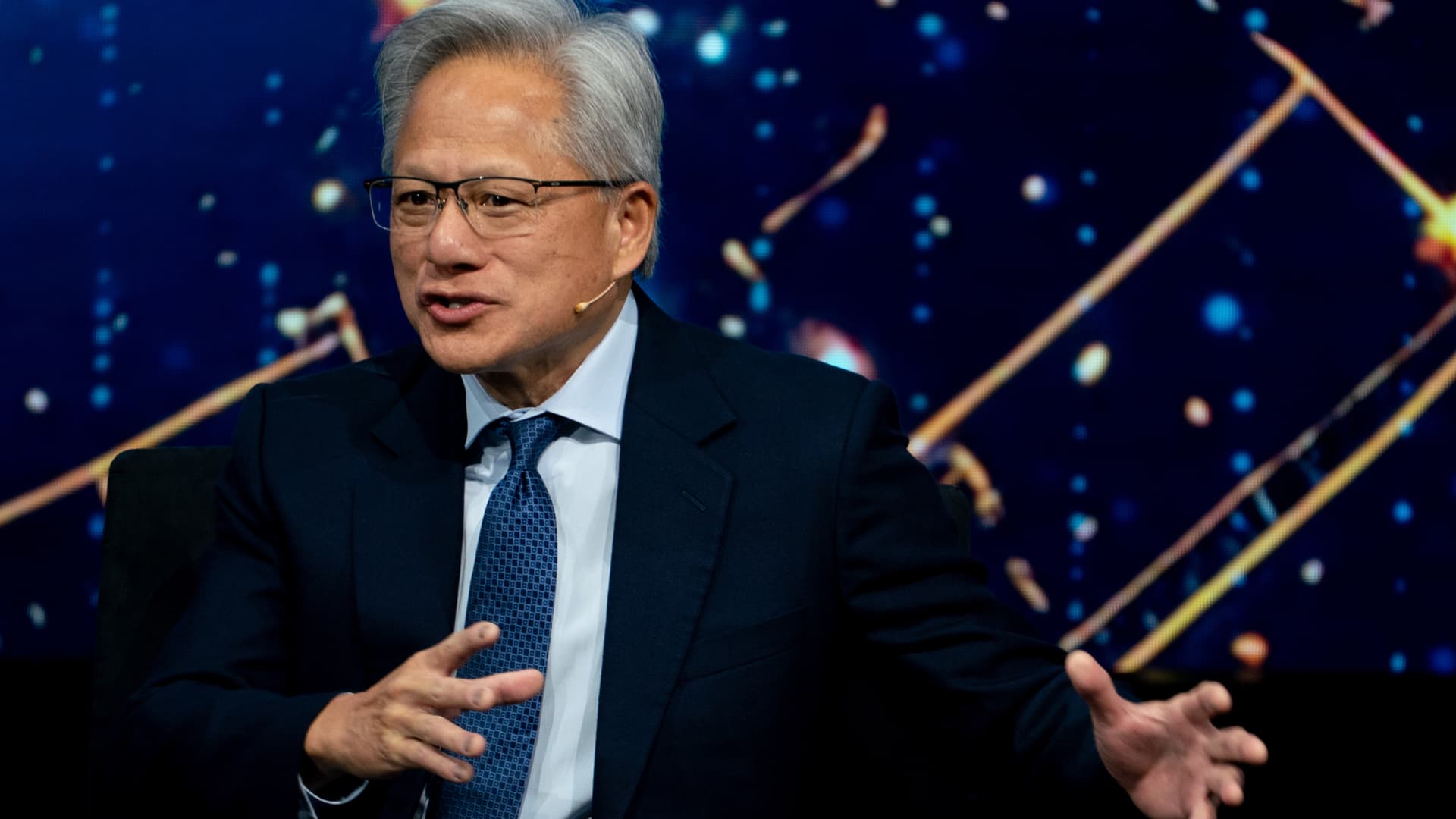
    Jensen Huang, chief executive officer of Nvidia Corp., during the US-Saudi Investment Forum at the Kennedy Center in Washington, DC, US, on Wednesday, Nov. 19, 2025.

    Stefani Reynolds | Bloomberg | Getty Images

    This is CNBC’s Morning Squawk newsletter. Subscribe here to receive future editions in your inbox.

    Here are five key things investors need to know to start the trading day:

    1. No bubble, no trouble?

    Nvidia blew past Wall Street’s earnings and revenue expectations last night, also providing a stronger-than-expected forecast for the current quarter. If futures trading is any indication, the results convinced investors that their concerns around the health of the artificial intelligence trade can be put to rest.

    Here’s what to know:

    • The chipmaker said revenue topped $57 billion for the third quarter and expects sales to rise to around about $65 billion in the current three-month period.
    • CEO Jensen Huang described sales for Nvidia’s Blackwell chips as “off the charts.”
    • Huang also brushed off concerns of an AI bubble, saying the company sees “something very different.”
    • The comments are significant as Nvidia is somewhat of a linchpin in the AI trade: It counts Amazon, Microsoft, Google and Oracle as customers, as well as most major AI developers.
    • Yet despite announcing a $100 billion investment in OpenAI two months ago, Nvidia said there was “no assurance” of a final agreement with the ChatGPT maker.
    • Shares of Nvidia climbed 5% overnight, igniting a broader rebound in futures this morning.
    • Fellow chip stocks Advanced Micro Devices and Broadcom, as well as power infrastructure names including Eaton, also jumped as the report restored faith in the AI trade.
    • Follow live markets updates here.

    2. Walmart’s win

    Sign at the entrance to a Walmart in Venice, Florida.

    Erik Mcgregor | Lightrocket | Getty Images

    Walmart beat analysts’ expectations on both lines this morning and raised its outlook for the second straight quarter, boosted by strength in its e-commerce business and new customers.

    CFO John David Rainey told CNBC that Walmart won over “value-seeking” customers from varying income brackets. While the company saw an impact from the SNAP pause during the government shutdown, Rainey said the retailer is seeing a “rebound” as funds begin to be distributed again.

    CNBC reported yesterday that Walmart is in talks to acquire R&A Data, an Israeli startup that monitors online marketplaces for scams and counterfeits. Two months ago, a CNBC investigation found Walmart over time loosened its controls for vetting online sellers and products to better compete with Amazon.

    3. Fed feuds

    Jerome Powell, chairman of the US Federal Reserve, during a news conference following a Federal Open Market Committee (FOMC) meeting in Washington, DC, US, on Wednesday, Oct. 29, 2025.

    Al Drago | Bloomberg | Getty Images

    Federal Reserve officials were divided over whether to cut interest rates at last month’s policy meeting, minutes released yesterday showed. The report also threw cold water on hopes for another rate cut at the central bank’s December meeting: “Many” of the officials, according to the minutes, said no more cuts are needed this year.

    Meanwhile, Trump once again took aim at Fed Chair Jerome Powell yesterday, saying “I’d love to fire his ass.” The president urged Treasury Secretary Scott Bessent to “work on” Powell to lower rates.

    We’re awaiting September’s jobs report due out this morning after it was delayed by the government shutdown. The Bureau of Labor Statistics said yesterday that October’s nonfarm payrolls won’t include an employment rate because the data “could not be collected” during the shutdown.

    3. Epstein bill

    A participant holds a banner that reads ‘Release the files now’ during the press conference on the Epstein Files Transparency Act with the Epstein abuse survivors at the US Capitol in Washington, DC, on November 18, 2025.

    Celal Gunes | Anadolu | Getty Images

    President Donald Trump said last night that he signed a bill ordering the release of files related to sex offender Jeffrey Epstein. The bill gives Attorney General Pam Bondi 30 days to publicly release unclassified records tied to Epstein and his accomplice Ghislaine Maxwell.

    The legislation has exceptions to what can be released, such as information that personally identifies victims or materials tied to child sexual abuse. Records that would “jeopardize” an ongoing federal investigation or prosecution are also excluded from the order.

    Get Morning Squawk directly in your inbox

    5. American dream

    A For Sale sign is posted in front of a home for sale in San Marino, California on September 6, 2023. 

    Frederic J. Brown | AFP | Getty Images

    Home buyers are seeing their strongest market in more than a decade, according to a report from Redfin. But there’s a catch: You have to be able to afford one.

    The firm found there were over 36% more sellers than buyers last month, the biggest gap since 2013. But Redfin researchers noted that many Americans have been “priced out” of the housing market as affordability has cratered. “It’s only a buyer’s market for those who can afford to buy,” they said.

    New data out yesterday also showed mortgage rates rose for a third straight week, causing a slide in demand from both current and and potential homeowners.

    The Daily Dividend

    Semrush shares surged 74% yesterday after Adobe said it reached a deal to acquire the search engine marketing firm for $1.9 billion.

    CNBC’s Kif Leswing, Ari Levy, Pia Singh, Gabrielle Fonrouge, Melissa Repko, Kevin Breuninger, Ashley Capoot, Jeff Cox, Fred Imbert, Samantha Subin and Diana Olick contributed to this report. Josephine Rozzelle edited this edition.

    Continue Reading

  • Accord BioPharma, Inc. Announces FDA Approval of Denosumab Biosimilars OSVYRTI® (denosumab-desu) and JUBEREQ® (denosumab-desu)

    Accord BioPharma, Inc. Announces FDA Approval of Denosumab Biosimilars OSVYRTI® (denosumab-desu) and JUBEREQ® (denosumab-desu)

    Products will treat osteoporosis and skeletal-related events from certain types of bone cancer, expanding the company’s biosimilar portfolio

    RALEIGH, N.C., Nov. 20, 2025 /PRNewswire/ — Accord BioPharma, Inc., the specialty division of Intas Pharmaceuticals, Ltd., focused on development of oncology, immunology, and critical care therapies, announced today the U.S. Food and Drug Administration (FDA) approval of OSVYRTI® (denosumab-desu), a biosimilar to Prolia® (denosumab), and JUBEREQ® (denosumab-desu), a biosimilar to Xgeva® (denosumab).1-2 The dual approvals mark Accord BioPharma’s fourth and fifth biosimilars, demonstrating the company’s continued growth in the U.S. market.

    Approved for all of the same indications of its reference product Prolia, developed by Amgen, OSVYRTI is indicated for treatment of postmenopausal women with osteoporosis at high risk for fracture, to increase bone mass in men with osteoporosis at high risk for fracture, treatment of glucocorticoid-induced osteoporosis in men and women at high risk for fracture, to increase bone mass in men at high risk for fracture receiving androgen deprivation therapy for nonmetastatic prostate cancer, and to increase bone mass in women at high risk for fracture receiving adjuvant aromatase inhibitor therapy for breast cancer. OSVYRTI carries a Boxed Warning for severe hypocalcemia in patients with advanced kidney disease. Like Prolia, OSVYRTI is approved with a REMS program.1

    JUBEREQ was also approved for all indications of its reference product (Xgeva, developed by Amgen).  JUBEREQ is indicated for the prevention of skeletal-related events in patients with multiple myeloma and in patients with bone metastases from solid tumors, treatment of adults and skeletally mature adolescents with giant cell tumor of bone that is unresectable or where surgical resection is likely to result in severe morbidity, and treatment of hypercalcemia of malignancy refractory to bisphosphonate therapy.2

    “Both OSVYRTI and JUBEREQ have been approved for a wide variety of bone-related indications, including osteoporosis and bone loss from the treatment of certain kinds of cancer,” said Chrys Kokino, President, Accord North America. “These biosimilars have the potential to provide a large number of patients with treatment alternatives that lessen cost as a barrier to accessing proven therapies. At Accord, we are passionate about leading biosimilar adoption, and OSVYRTI and JUBEREQ represent significant steps in our mission to make biosimilars more accessible.”

    In 2024, global Prolia sales increased 8% year over year to more than $4.374 billion, while Xgeva revenues climbed 5% to $2.225 billion, putting both products among Amgen’s top five highest-selling drugs.3

    The approval of OSVYRTI and JUBEREQ is based on results from two trials: a Phase I trial and a Phase III trial that met their primary endpoints. The Phase I trial was a randomized, double-blind, three-arm pharmacokinetic (PK) study comparing JUBEREQ to Xgeva in healthy adult males. The study demonstrated that PK parameters were found to be comparable between the two products.4 The Phase III study was a randomized, double-blind, active-controlled, parallel arm, multicenter study comparing PK/PD, efficacy and safety of OSVYRTI to Prolia in postmenopausal women with osteoporosis. The clinical study results demonstrated that OSVYRTI and its reference product, Prolia, are highly similar, and have no clinically meaningful differences in terms of PK, PD, safety and efficacy.2,4

    Accord is currently working to commercialize OSVYRTI and JUBEREQ and bring these brands to the marketplace in 2026. More details will be provided closer to availability.

    “OSVYRTI and JUBEREQ are the first biosimilars Accord has developed completely on its own, and we will manufacture these products internally without a third-party partnership,” said Mr. Binish Chudgar, Chairman and Managing Director of Intas Pharmaceuticals. “We believe biosimilars are here to stay, and we are investing in their promise of cost savings for patients and the entire U.S. healthcare system.”

    Accord BioPharma’s portfolio has experienced sizable growth within the past year. The company assumed U.S. operations earlier this year for the full UDENYCA® (pegfilgrastim-cbqv) franchise, including the UDENYCA pre-filled syringe, the UDENYCA autoinjector, and UDENYCA ONBODY®. Accord BioPharma is also marketing IMULDOSA® (ustekinumab-srlf), a biosimilar to Stelara® (ustekinumab), HERCESSI™ (trastuzumab-strf), a biosimilar to Herceptin® (trastuzumab), and CAMCEVI® (leuprolide) 42 mg injectable emulsion. Please refer to the Important Safety Information and full Prescribing Information for all products, and to the Boxed Warning for HERCESSI.

    Intas Pharmaceuticals, Ltd. has an exclusive agreement with Bio-Thera Solutions to enable Accord BioPharma to bring Bio-Thera’s golimumab candidate BAT2506 – a biosimilar to Simponi® (golimumab) – to the U.S. market.

    Contact: 
    [email protected]

    IMPORTANT SAFETY INFORMATION FOR OSVYRTI® (denosumab-desu) injection, for subcutaneous use 

    OSVYRTI® (denosumab-desu) is biosimilar to PROLIA® (denosumab)

    BOXED WARNING AND ADDITIONAL IMPORTANT SAFETY INFORMATION


    WARNING: SEVERE HYPOCALCEMIA IN PATIENTS WITH ADVANCED KIDNEY DISEASE


    See full prescribing information for complete boxed warning.


    Patients with advanced chronic kidney disease are at greater risk of severe hypocalcemia following denosumab products administration. Severe hypocalcemia resulting in hospitalization, life-threatening events and fatal cases have been reported.


    The presence of chronic kidney disease-mineral bone disorder (CKD­-MBD) markedly increases the risk of hypocalcemia.  


    Prior to initiating OSVYRTI in patients with advanced chronic kidney disease, evaluate for the presence of CKD-MBD. Treatment with OSVYRTI in these patients should be supervised by a healthcare provider with expertise in the diagnosis and management of CKD-MBD.

    Contraindications: OSVYRTI is contraindicated in patients with hypocalcemia. Pre-existing hypocalcemia must be corrected prior to initiating OSVYRTI. OSVYRTI is contraindicated in women who are pregnant and may cause fetal harm. In women of reproductive potential, pregnancy testing should be performed prior to initiating treatment. OSVYRTI is contraindicated in patients with hypersensitivity to denosumab products. Reactions have included anaphylaxis, facial swelling and urticaria.

    Severe Hypocalcemia and Mineral Metabolism Changes: Pre-existing hypocalcemia must be corrected prior to initiating therapy; severe hypocalcemia and fatal cases have been reported with denosumab products. Adequately supplement all patients with calcium and vitamin D.

    In patients without advanced CKD who are predisposed to hypocalcemia and disturbances of mineral metabolism, assess serum calcium and mineral levels (phosphorus and magnesium) 10 to 14 days after OSVYRTI injection. In some postmarketing cases, hypocalcemia persisted for weeks or months and required frequent monitoring and intravenous and/or oral calcium replacement, with or without vitamin D.

    Patients with Advanced Chronic Kidney Disease 
    Patients with advanced chronic kidney disease (eGFR <30 mL/min/1.73 m²), including dialysis-dependent patients, are at high risk for severe hypocalcemia after denosumab products administration, which can lead to hospitalization, life-threatening events, or death. CDK-MBD and concomitant calcimimetic use further increase risk.

    Assess for mineral bone disorder before OSVYRTI treatment, monitor serum calcium weekly for the first month, then monthly, and educate patients on hypocalcemia symptoms and the need for adequate calcium and activated vitamin D supplementation.

    Same Active Ingredient: Patients receiving OSVYRTI should not receive other denosumab products concomitantly.

    Hypersensitivity: Clinically significant hypersensitivity including anaphylaxis has been reported with denosumab products. Symptoms included hypotension, dyspnea, throat tightness, facial and upper airway edema, pruritus and urticaria. If an anaphylactic or other clinically significant allergic reaction occurs, initiate appropriate therapy and discontinue further use of OSVYRTI.

    Osteonecrosis of the Jaw (ONJ): ONJ, which can occur spontaneously, is generally associated with tooth extraction and/or local infection with delayed healing and has been reported in patients receiving denosumab products. An oral exam should be performed prior to initiation of OSVYRTI. Concomitant administration of drugs associated with ONJ may increase the risk of developing ONJ. The risk of ONJ may increase with duration of exposure to denosumab products.

    For patients requiring invasive dental procedures, clinical judgment should guide the management plan based on individual benefit-risk assessment.

    Patients suspected of having or who develop ONJ should receive care by a dentist or an oral surgeon. Extensive dental surgery to treat ONJ may exacerbate the condition. Discontinuation of OSVYRTI should be considered based on individual benefit-risk assessment.

    Atypical Subtrochanteric and Diaphyseal Femoral Fractures: Atypical low-energy, or low trauma fractures of the shaft have been reported with denosumab products. These fractures can occur anywhere in the femoral shaft from just below the lesser trochanter to above the supracondylar flare and are transverse or short oblique in orientation without evidence of comminution. Causality has not been established as these fractures also occur in osteoporotic patients who have not been treated with antiresorptive agents.

    Atypical femoral fractures most commonly occur with minimal or no trauma to the affected area. They may be bilateral, and many patients report prodromal pain in the affected area, usually presenting as dull, aching thigh pain, weeks to months before a complete fracture occurs. A number of reports note that patients were also receiving treatment with glucocorticoids (e.g. prednisone) at the time of fracture. 

    During OSVYRTI treatment, advise patients to report new or unusual thigh, hip, or groin pain. Any patient who presents with thigh or groin pain should be evaluated to rule out an incomplete femur fracture. Patients presenting with an atypical femur fracture should also be assessed for symptoms and signs of fracture in the contralateral limb. Interruption of OSVYRTI therapy should be considered, pending a risk/benefit assessment, on an individual basis.

    Multiple Vertebral Fractures Following Discontinuation of Treatment: Following discontinuation of denosumab treatment, fracture risk increases, including the risk of multiple vertebral fractures.

    New vertebral fractures occurred as early as 7 months (on average 19 months) after the last dose of denosumab. Prior vertebral fracture was a predictor of multiple vertebral fractures after denosumab discontinuation. Evaluate an individual’s benefit/risk before initiating treatment with OSVYRTI. If OSVYRTI treatment is discontinued, patients should be transitioned to an alternative antiresorptive therapy.

    Serious Infections: Serious infections leading to hospitalization were reported more frequently in patients taking denosumab. Serious skin infections, and infections of the abdomen, urinary tract and ear were more frequent in patients treated with denosumab.

    Endocarditis was also reported more frequently in denosumab-treated patients. Advise patients to seek prompt medical attention if they develop signs or symptoms of severe infection, including cellulitis.

    Patients on concomitant immunosuppressant agents or with impaired immune systems may be at increased risk for serious infections. In patients who develop serious infections while on OSVYRTI, prescribers should assess the need for continued therapy.

    Dermatologic Adverse Reactions: Epidermal and dermal adverse events such as dermatitis, eczema and rashes occurred at a significantly higher rate in patients taking denosumab. Most of these events were not specific to the injection site. Consider discontinuing OSVYRTI if severe symptoms develop.

    Musculoskeletal Pain: Severe and occasionally incapacitating bone, joint, and/or muscle pain has been reported with denosumab products. Consider discontinuing OSVYRTI use if severe symptoms develop.

    Suppression of Bone Turnover: Treatment with denosumab resulted in significant suppression of bone remodeling as evidenced by markers of bone turnover and bone histomorphometry. The significance and effect of long-term treatment with denosumab products are unknown. Monitor patients for consequences, including ONJ, atypical fractures, and delayed fracture healing.

    Hypercalcemia in Pediatric Patients with Osteogenesis Imperfecta: OSVYRTI is not approved for use in pediatric patients. Hypercalcemia has been reported in pediatric patients with osteogenesis imperfecta treated with denosumab products. Some cases required hospitalization.

    Most Common Adverse Reactions: 

    • Postmenopausal osteoporosis: Greater than 5% and more common than placebo: back pain, pain in extremity, hypercholesterolemia, musculoskeletal pain, and cystitis. Pancreatitis has been reported in clinical trials.
    • Male osteoporosis: Greater than 5% and more common than placebo: back pain, arthralgia, and nasopharyngitis.
    • Glucocorticoid-induced osteoporosis: Greater than 3% and more common than active-control group were: back pain, hypertension, bronchitis, and headache.
    • Bone loss due to hormone ablation for cancer: Greater than or equal to 10% and more common than placebo: arthralgia and back pain. Pain in extremity and musculoskeletal pain have also been reported in clinical trials.

    INDICATIONS
    OSVYRTI is a RANK ligand (RANKL) inhibitor indicated for treatment:

    • of postmenopausal women with osteoporosis at high risk for fracture
    • to increase bone mass in men with osteoporosis at high risk for fracture
    • of glucocorticoid-induced osteoporosis in men and women at high risk for fracture
    • to increase bone mass in men at high risk for fracture receiving androgen deprivation therapy for nonmetastatic prostate cancer
    • to increase bone mass in women at high risk for fracture receiving adjuvant aromatase inhibitor therapy for breast cancer

    To report SUSPECTED ADVERSE REACTIONS, contact Accord BioPharma Inc at 1-866-941-7875 or FDA at 1-800-FDA-1088 or www.fda.gov/medwatch.

    OSVYRTI (denosumab-desu) injection is supplied in a 60 mg/mL single-dose prefilled syringe. 

    Click here for full Prescribing Information, including Boxed Warning.

    IMPORTANT SAFETY INFORMATION FOR JUBEREQ® (denosumab-desu) injection, for subcutaneous use 

    JUBEREQ® (denosumab-desu) is biosimilar to XGEVA® (denosumab)]

    IMPORTANT SAFETY INFORMATION
    Contraindications: JUBEREQ is contraindicated in patients with hypocalcemia. Pre-existing hypocalcemia must be corrected prior to initiating therapy. JUBEREQ is contraindicated in patients with known clinically significant hypersensitivity to denosumab products.

    Same Active Ingredient: Patients receiving JUBEREQ should not receive other denosumab products concomitantly.

    Hypersensitivity: Clinically significant hypersensitivity including anaphylaxis has been reported with denosumab products. Reactions may include hypotension, dyspnea, upper airway edema, lip swelling, rash, pruritus, and urticaria. If an anaphylactic or other clinically significant allergic reaction occurs, initiate appropriate therapy and discontinue JUBEREQ therapy permanently.

    Hypocalcemia: Severe symptomatic hypocalcemia and fatal cases have been reported. Correct pre-existing hypocalcemia prior to JUBEREQ treatment, and fatal cases have been reported. Monitor calcium levels throughout therapy, especially in the first weeks, and administer calcium, magnesium, and vitamin D as necessary. Concomitant use of calcimimetics and other drugs that can lower calcium levels may worsen hypocalcemia risk and serum calcium should be closely monitored. Advise patients to contact a healthcare provider for symptoms of hypocalcemia.

    Increased risk of hypocalcemia has been observed in patients with increasing renal dysfunction, most commonly with worsening CrCl (<30 mL/min and/or on dialysis), and with inadequate/no calcium supplementation. Monitor calcium levels and calcium and vitamin D intake.

    Osteonecrosis of the Jaw (ONJ): ONJ has been reported manifesting as jaw pain, osteomyelitis, osteitis, bone erosion, tooth or periodontal infection, toothache, gingival ulceration, or gingival erosion. Persistent pain or slow healing of the mouth or jaw after dental surgery may also be manifestations of ONJ. In clinical trials the incidence of ONJ was higher with longer duration of exposure.

    Predisposing factors for developing ONJ include a history of tooth extraction, poor oral hygiene, and use of a dental appliance. Other risk factors include immunosuppressive therapy, use of angiogenesis inhibitors, systemic corticosteroids, diabetes, and gingival infections.

    Perform an oral examination and appropriate preventive dentistry prior to the initiation of JUBEREQ and periodically during therapy. Advise patients regarding oral hygiene practices. Avoid invasive dental procedures during treatment. Consider temporary discontinuation of JUBEREQ if an invasive dental procedure must be performed.

    Patients who are suspected of having or who develop ONJ while on JUBEREQ should receive care by a dentist or an oral surgeon. In these patients, extensive dental surgery to treat ONJ may exacerbate the condition.

    Atypical Subtrochanteric and Diaphyseal Femoral Fractures: Atypical femoral fractures have been reported with denosumab products. These fractures can occur anywhere in the femoral shaft from just below the lesser trochanter to above the supracondylar flare and are transverse or short oblique in orientation without evidence of comminution.  

    During JUBEREQ treatment, advise patients to report new or unusual thigh, hip, or groin pain. Any patient who presents with thigh or groin pain should be evaluated to rule out an incomplete femur fracture. Patients presenting with an atypical femur fracture should also be assessed for symptoms and signs of fracture in the contralateral limb. Interruption of JUBEREQ therapy should be considered, pending a risk/benefit assessment. 

    Hypercalcemia Following Treatment Discontinuation in Patients with Giant Cell Tumor of Bone and in Patients with Growing Skeletons: Clinically significant hypercalcemia requiring hospitalization and complicated by acute renal injury has been reported in denosumab product-treated patients with giant cell tumor of bone and patients with growing skeletons within one year of treatment discontinuation. Monitor for signs and symptoms of hypercalcemia after treatment discontinuation and treat appropriately.

    Multiple Vertebral Fractures (MVF) Following Treatment Discontinuation: MVF have been reported following discontinuation of treatment with denosumab products. Patients at higher risk for MVF include those with risk factors for or a history of osteoporosis or prior fractures. When JUBEREQ treatment is discontinued, evaluate the patient’s risk for vertebral fractures.

    Embryo-Fetal Toxicity: JUBEREQ can cause fetal harm when administered to a pregnant woman. Based on data from animal studies and its mechanism of action, JUBEREQ is expected to result in adverse reproductive effects. 

    Verify the pregnancy status of females of reproductive potential prior to the initiation of JUBEREQ. Advise pregnant women and females of reproductive potential that exposure to JUBEREQ during pregnancy or within 5 months prior to conception can result in fetal harm. Advise females of reproductive potential to use effective contraception during therapy, and for at least 5 months after the last dose of JUBEREQ.

    Most Common Adverse Reactions: 

    • Bone Metastasis from Solid Tumors: Greater than or equal to 25%: fatigue/asthenia, hypophosphatemia, and nausea.
    • Multiple Myeloma: Greater than or equal to 10%: diarrhea, nausea, anemia, back pain, thrombocytopenia, peripheral edema, hypocalcemia, upper respiratory tract infection, rash, and headache.
    • Giant Cell Tumor of Bone: Greater than or equal to 10%: arthralgia, headache, nausea, back pain, fatigue, and pain in extremity.
    • Hypercalcemia of Malignancy: Greater than 20%: nausea, dyspnea, decreased appetite, headache, peripheral edema, vomiting, anemia, constipation, and diarrhea.

    INDICATIONS
    JUBEREQ is a RANK ligand (RANKL) inhibitor indicated for:

    • Prevention of skeletal-related events in patients with multiple myeloma and in patients with bone metastases from solid tumors.
    • Treatment of adults and skeletally mature adolescents with giant cell tumor of bone that is unresectable or where surgical resection is likely to result in severe morbidity.
    • Treatment of hypercalcemia of malignancy refractory to bisphosphonate therapy.

    To report SUSPECTED ADVERSE REACTIONS, contact Accord BioPharma Inc at 1-866-941-7875 or FDA at 1-800-FDA-1088 or www.fda.gov/medwatch .

    JUBEREQ (denosumab-desu) injection is supplied in a 120 mg/1.7 mL (70 mg/mL) single-dose vial.

    Click here for  full Prescribing Information .

    About Accord BioPharma 
    Accord BioPharma, Inc., the U.S. specialty division of Intas Pharmaceuticals, Ltd., seeks to provide affordable, accessible, patient-centric therapies in oncology, immunology, and critical care. With a focus on improving the patient experience, Accord BioPharma goes beyond the biology of medicine to see disease from the patients’ perspective and develop high-quality therapies that impact patients’ lives. Accord BioPharma believes in the ability of biosimilars to increase access and options for patients and deliver savings to the U.S. healthcare system, and is striving to offer one of the deepest biosimilar portfolios in the industry. For more information, visit AccordBioPharma.com.

    References:

    1. OSVYRTI® (denosumab-desu) Prescribing Information. Accord BioPharma.
    2. JUBEREQ® (denosumab-desu) Prescribing Information. Accord BioPharma.
    3. Amgen Reports Fourth Quarter and Full Year 2024 Financial Results.
      https://www.amgen.com/newsroom/press-releases/2025/02/amgen-reports-fourth-quarter-and-full-year-2024-financial-results
    4. Accord BioPharma. Data on file.

    All trademarks, logos and brand names are the property of their respective owners.

    SOURCE Accord BioPharma

    Continue Reading

  • CapVest recapitalizes Curium to accelerate its growth strategy, marking the largest transaction in nuclear medicine globally

    CapVest recapitalizes Curium to accelerate its growth strategy, marking the largest transaction in nuclear medicine globally

    • Curium and CapVest have announced the recapitalization of Curium via a new Continuation Vehicle
    • The transaction values Curium at circa $7 billion, representing the largest transaction in nuclear medicine globally
    • The recapitalization will accelerate Curium’s strategy to launch innovative, life-changing diagnostic and therapeutic solutions for patients with cancer globally  

    Curium, a leading producer of radiopharmaceuticals, and CapVest Partners LLP (CapVest), a global investment firm, have announced the recapitalization of Curium via a new Continuation Vehicle (CV).  The CV values Curium at circa $7 billion, representing the largest transaction in nuclear medicine globally.

    The transaction elicited wide support from existing and new institutional investors across the US, Europe, the Middle East and APAC. This includes lead investors ICG, TPG GP Solutions, CVC Secondary Partners and other investors such as Goldman Sachs Alternatives, Lunate, Pantheon, and Ardian. Curium also secured a minority investment from TPG Life Sciences Innovations, TPG’s life sciences platform focused on innovative companies developing disruptive science to improve outcomes for patients in areas of high unmet medical needs. The high caliber of this investor base represents a strong endorsement of Curium’s track record of growth and innovation, as well as a strong belief in the future trajectory of the company in a market poised for exponential growth in the next 15 years.

    Over the last decade, Curium has positioned itself as a global leader in nuclear medicine. Its vertically integrated, global supply chain reliably delivers diagnostic and therapeutic radiopharmaceuticals to more than 14 million patients in over 70 countries across 6 continents every year. Curium boasts a broad portfolio of diagnostic radiopharmaceuticals and has an exciting, late-stage pipeline of Radioligand Therapies (RLTs) targeting neuroendocrine and prostate cancers, the two largest indications in nuclear medicine.

    The new CV broadens Curium’s investor base, increasing the financial resources available to support Curium in the next phase of its growth. Going forward, the company will continue to launch innovative, life-changing diagnostic and therapeutic solutions for cancer patients, whilst building its pipeline of “next-generation” radiopharmaceuticals through internal development and strategic acquisitions or partnerships.  

    The completion of the Transaction is expected in Q1 2026 and is subject to customary regulatory approvals.  CapVest will remain the controlling shareholder of Curium.  

    Renaud Dehareng, CEO of Curium, said “We are delighted to have successfully agreed this transaction with our partners at CapVest in record time.  We are also proud to have received such strong investor interest, which endorses our unique positioning as the largest independent platform in nuclear medicine, with strong end-to-end capabilities across development, manufacturing, logistics and market access. This transaction positions us to accelerate the roll-out of our ambitious global strategy and drive further product launches, innovation and growth – all true to our passion to deliver life-changing solutions for healthcare professionals and millions of patients around the world.”

    Kate Briant, Senior Partner at CapVest, said: “We are proud to continue supporting Curium on what has been a phenomenal journey since 2016. We are grateful to our existing investors for their continued partnership and are also very pleased to welcome new investors into Curium, for what we believe will be a compelling investment opportunity. Building on our successes delivered to date, we are confident that Curium is exceptionally positioned to continue to play a major role in an industry that we expect to double in size over the next 5 years and then double again.”

    PJT Partners acted as lead financial advisor on the transaction, with Kirkland & Ellis acting as lead legal advisor.

    Continue Reading

  • Prada heir Lorenzo Bertelli will have strategic role at Versace as executive chairman

    Prada heir Lorenzo Bertelli will have strategic role at Versace as executive chairman

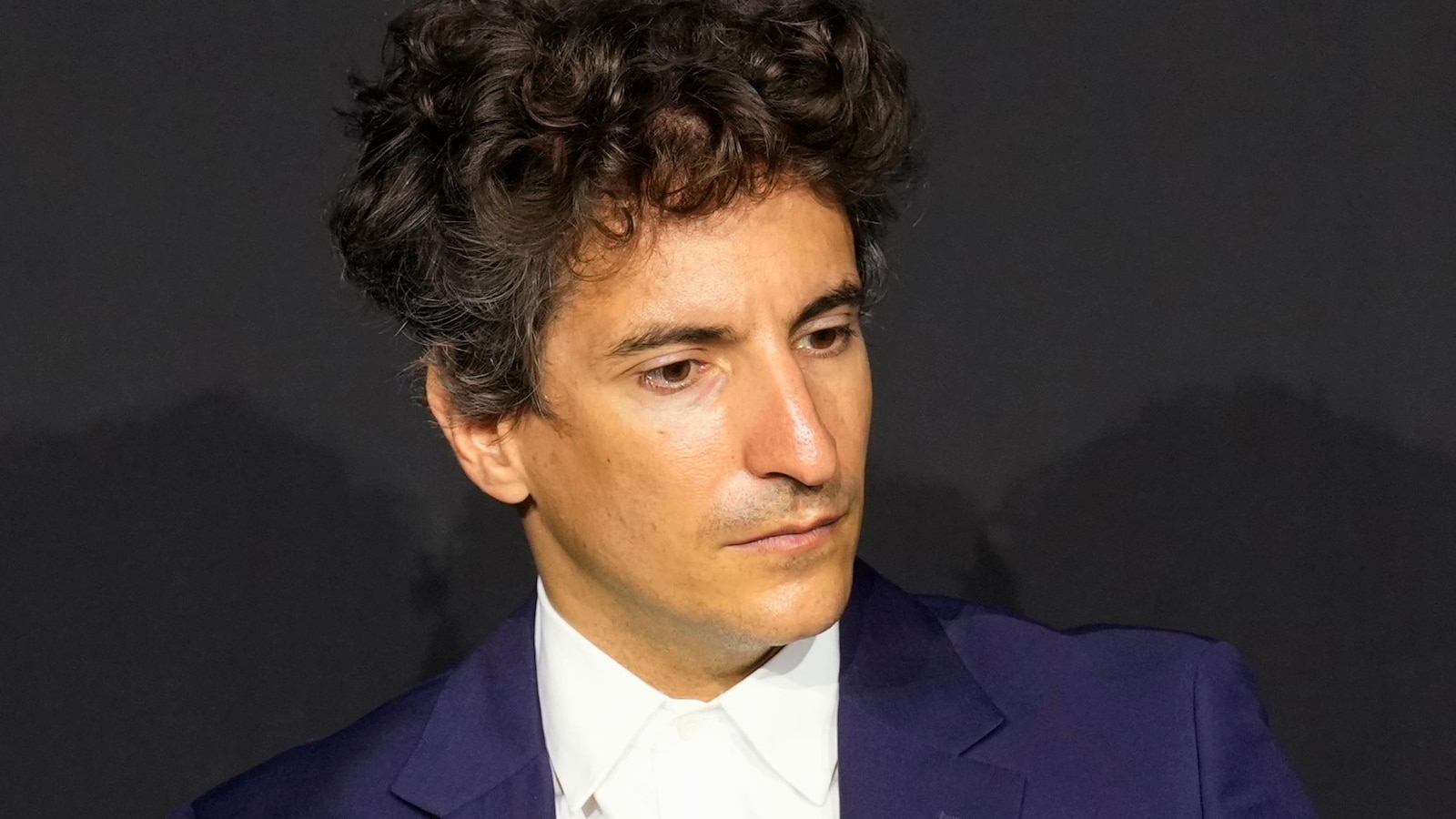
    MILAN — MILAN (AP) — Prada heir Lorenzo Bertelli will have a major strategic role as executive chairman of Versace after the Prada Group completes its 1.25 billion-euro ($1.4 billion) deal to buy its rival, expected in the coming weeks, the Prada Group confirmed Thursday.

    Bertelli, 37, has been previously announced as the future leader of the Prada Group, where he has been marketing director since 2019 and head of corporate responsibility since 2020. The elder son of acclaimed designer Miuccia Prada and Prada Group chairman Patrizio Bertelli joined the group in 2017 as head of digital communication.

    Bertelli made the announcement about his next role on an Italian-language Bloomberg podcast Wednesday.

    He said he doesn’t expect any big shake-ups at Versace at least for the first year after the acquisition is complete as he gets to know the company and its executive team. But he underlined that the 47-year-old fashion house founded by the late Gianni Versace has been underperforming its potential.

    “The brand is much bigger than the revenue that it is generating,’’ Bertelli said, noting that Versace remains among the top global fashion brands.

    The Prada Group announced in April the deal to buy crosstown fashion rival Versace from the U.S. luxury group Capri Holding, putting Versace’s sexy silhouettes under the same roof as Prada’s “ugly chic” aesthetic and Miu Miu’s youth-driven market.

    Versace represented 20% of its current owner’s 2024 revenue of 5.2 billion euros.

    In a presentation on the deal last spring, Prada estimated that Versace would make up 13% of the Prada Group’s pro-forma revenues, with Miu Miu coming in at 22% and Prada at 64%. The Prada Group, which also includes the Church’s and Car Shoe brands, reported a 17% boost in revenues to 5.4 billion euros last year.

    Continue Reading

  • Biogen to Highlight New Lecanemab Data and Scientific Advances at the 18th Clinical Trials on Alzheimer’s Disease Conference – Biogen

    1. Biogen to Highlight New Lecanemab Data and Scientific Advances at the 18th Clinical Trials on Alzheimer’s Disease Conference  Biogen
    2. Two Alzheimer Disease Therapies to Watch at CTAD 2025: Lecanemab and Sabirnetug Updates  Patient Care Online
    3. How New Lecanemab Data Releases at CTAD 2023 Could Shape BioArctic’s (OM:BIOA B) Investment Case  simplywall.st
    4. Bioarctic’s Partner to Present New Lecanemab Results at CTAD Conference  MarketScreener
    5. Eisai to Present Data on Lecanemab Continued Treatment, Subcutaneous Initiation Dosing, and Real-World Experience at the 18th Clinical Trials on Alzheimer’s Disease (CTAD) Conference  BioSpace

    Continue Reading

  • IATA Urges ITU to Strengthen Safeguards for Aircraft Safety Systems as 5G/6G Expands

    IATA Urges ITU to Strengthen Safeguards for Aircraft Safety Systems as 5G/6G Expands

    Geneva – The International Air Transport Association (IATA) urged the International Telecommunication Union (ITU) and national telecommunications regulators to ensure that 5G and future 6G networks operating near aviation frequencies do not impair radio altimeters and other avionic systems.

    Ahead of the World Radiocommunication Conference 2027 (WRC-27), the ITU is conducting detailed studies to determine the technical conditions for global 5G/6G deployment. This guidance, developed with national telecom regulators and aviation safety authorities, will set the long-term framework for protecting essential aviation systems while enabling future telecom connectivity.

    To support this process, IATA submitted a working paper—being presented at the ITU WP5B Meeting (Geneva, 18-27 November 2025) outlining the operational scenarios and safety requirements that must guide future spectrum policy.

    IATA’s Call to Action


    IATA’s paper calls for future spectrum policy to take into consideration all key safety scenarios, including take-off, landing, taxi, and go-arounds; adverse weather conditions (turbulence and windshear); and emergency or off-nominal situations. Radio altimeters, which rely on spectrum availability, provide essential height information in all these conditions and support both flight crews and automated safety systems. IATA also reaffirmed the importance of maintaining a minimum separation of 35 ft (11 m) between aircraft and terrestrial 5G transmitters.

    “The benefits of 5G and 6G can never come at the cost of aviation safety. Spectrum decisions must be based on real-world aircraft operations, not idealized telecommunications industry modeling. That means ensuring ITU studies fully reflect the most demanding conditions pilots face. With input from aviation users, WRC-27 must deliver clear global rules to ensure the safe coexistence of radio altimeters and other safety-critical avionic systems with next-generation telecom networks across all phases of flight,” said Nick Careen, IATA Senior Vice President Operations, Safety and Security.

    Persistent 5G Challenges


    5G networks use a variety of frequency bands and power levels. Of particular importance to aviation is the 5G band located adjacent to the Radio Altimeter (RAD ALT) allocation (4.2–4.4 GHz). In several countries, telecommunications providers have voluntarily implemented 5G mitigation strategies to mitigate potential interference with RAD ALT systems, including reducing transmission power, applying runway exclusion zones, and tilting antenna downwards.

    Some of these temporary measures are now approaching expiry. In Canada (1 January 2026) and Australia (1 April 2026), key mitigations will lapse within months. In the US, plans to auction the Upper C-Band (3.98-4.2 GHz)—immediately adjacent to the 4.2 GHz altimeter band—are advancing this month, and existing 5G mitigations are scheduled to be removed in 2028.

    However, next-generation radio altimeters that are more resistant to 5G are not expected to be available to airlines before the early 2030s. This creates a mitigation gap which adds to the complexity of maintaining safe airline operations.

    “Current 5G mitigations were never designed as a long-term solution and several will expire within months. At the same time, more resilient radio altimeters will not reach airlines until the next decade. That leaves a significant mitigation gap. With new spectrum auctions underway and protections being lifted in key markets, regulators must not assume safety will take care of itself. The industry needs clear, consistent safeguards to bridge the period before new altimeters are available,” said Careen.


    For more information, please contact:

    Corporate Communications

    Tel: +41 22 770 2967

    Email: corpcomms@iata.org

    Notes for Editors:

    • IATA (International Air Transport Association) represents some 350 airlines comprising over 80% of global air traffic.
    • You can follow us on X for announcements, policy positions, and other useful industry information.
    • Fly Net Zero

    Continue Reading

  • There’s no turning back on AI now, this firm says as it boosts S&P 500 forecast

    There’s no turning back on AI now, this firm says as it boosts S&P 500 forecast

    By Barbara Kollmeyer

    ‘This is a truly game-changing technology that will reshape the world economy in the years to come,’ says the bank.

    For investors, there’s no ‘turning back’ on AI now, says Barclays.

    On a day of blowout results and forecasts from Nvidia, our call of the day says investors have reached the point of no return with AI, which is all that matters heading into 2026 and beyond.

    “We expect AI to be the most important macro factor in 2026, as traditional drivers such as monetary policy and trade policy fade,” writes Ajay Rajadhyaksha, global chairman of research at Barclays in the bank’s 2026 outlook – “As Goes AI.”

    “We think fears of a collapse in the AI narrative are overdone and expect the economic expansion to continue for yet another year,” Rajadhyaksha adds. The U.K. bank that is one of Treasury dealers says its outlook includes a boosted 2026 forecast for the S&P 500 SPX to 7400 from 7000.

    Fears that AI companies may not be able to deliver on the vast amounts of spending on the technology have been a major driver of hiccups for stocks in recent weeks. That’s as investors also fret over waning expectations the Fed will make one last rate cut this year.

    Driving home AI importance, Rajadhyaksha estimates about 1% of U.S. growth in 2025 came from spending on the technology, with “old” economy spillover for construction on data centers, telecoms firms putting down networking equipment, etc.

    “The scale of the build-out will probably dwarf the telecom rollout; the U.S. is likely in the middle of its biggest capex cycle in many decades,” Rajadhyaksha says.

    AI has also been playing a massive role in boosting stock markets and investor wealth, he says, estimating that since end-2022, AI-related equities have driven 75% to 80% of the S&P 500’s earnings and total performance. That’s as the U.S. consumer has faced down trade worries, job uncertainty and housing market troubles.

    “Strong wealth gains, powered by AI-sensitive equities, are a large part of why. AI spending helped investment, and AI equities helped consumption,” says Rajadhyaksha.

    The biggest risk to investors and the U.S. is the AI revolution running out of steam, he says. With households holding $45 to $47 trillion in equities, a 30% fall in valuations, for example, would lead to a household hit of $15 trillion, hitting that wealth effect and consumption, collapsing AI capex and likely triggering a recession, says the strategist.

    “We remain believers; we think comparisons to 2000-02 are exaggerated, even if total spending will likely be greater,” he says. Supporting that view he notes that markets have rebounded from each AI-related scare, such as DeepSeek, as hyperscalers margins and profits are strong and AI use cases are increasingly showing up.

    The firm forecasts 2.1% U.S. growth next year, as tariff drags fade and the One Big Beautiful Bill’s fiscal boost kicks in. They don’t expect material AI-caused job losses but do expect productivity will drive the next four quarters of growth.

    So how to play the AI revolution? Barclays has shifted to a positive view on the whole technology, media and telecom sector as a secular growth story, with expectations for AI-driven capex and double-digit growth for cloud and digital advertising businesses.

    Other themes Barclays likes: cyclical/growth equities that would benefit from Fed rate cuts; potential for deal activity driven by easier financial conditions; and financials owing to U.S. economic resiliency. The bank also lifted utilities to positive, on expectations of a boost from lower rates, plus data-center power demand. Consumer, commodity-linked and healthcare sectors will lag behind the S&P 500, due to inflation firming up, commodity oversupply and regulatory headwinds, says the strategist.

    Style-wise, they are betting on growth over value, helped by tech-led earnings strength.

    Barclays also recommends exposure to 2-year Treasury yields, with Fed cuts unlikely to go away. Elsewhere, Chile, Peru, Australia and South Africa will likely benefit from demand for metals and critical minerals by AI.

    Read: While Nvidia is thriving, this CEO hails an anti-AI bet – and is winning

    The markets

    U.S. stock futures (ES00) (YM00) (NQ00) are stronger, led by tech, Treasury yields BX:TMUBMUSD10Y are steady, gold (GC00) is lower and bitcoin (BTCUSD) is rising.

       Key asset performance                                                Last       5d      1m      YTD      1y 
       S&P 500                                                              6642.16    -3.05%  -0.85%  12.93%   12.25% 
       Nasdaq Composite                                                     22,564.23  -3.60%  -0.77%  16.85%   18.97% 
       10-year Treasury                                                     4.144      1.80    13.90   -43.20   -28.10 
       Gold                                                                 4065.8     -2.60%  -1.87%  54.05%   52.15% 
       Oil                                                                  59.41      1.38%   -3.79%  -17.34%  -15.29% 
       Data: MarketWatch. Treasury yields change expressed in basis points 

    The buzz

    Walmart (WMT) earnings are ahead, with Ross Stores (ROST) after the close.

    Nvidia shares (NVDA) are up 6% after the AI-chipmaker beat revenue expectations by more than $2 billion, and its outlook exceeded consensus by nearly $3 billion. And from CEO Jensen Huang: “AI is going everywhere, doing everything, all at once.”

    Datacenter operators Super Micro Computer (SMCI) and CoreWeave (CRWV) are getting a Nvidia-fueled boost, along with Vertiv (VRT), a maker of air conditioning systems for server racks.

    Palo Alto Networks shares (PANW) are falling after the cybersecurity group’s earnings just beat forecasts and its outlook was in line.

    IBM (IBM) and Cisco Systems (CSCO) announced a new partnership over quantum computers.

    September jobs data is due at 8:30 a.m., with economists forecasting 50,000 jobs created after just 22,000 gains in August. Other data on tap: Weekly jobless claims and the Philly Fed survey, followed by existing-home sales at 10 a.m.

    Federal Reserve Governor Lisa Cook speaks at 11 a.m., Chicago Fed President Austan Goolsbee at 1:40 p.m. and Philly Fed President Anna Paulson at 6:45 p.m.

    Best of the web

    How Americans’ nest eggs built a private-equity loan revolution.

    Help wanted: The changing face of job listings from the 1970s to now.

    Opinion: If robots replace workers, what happens to Social Security?

    The chart

    Nike shares (NKE) have entered a so-called “death cross,” a pessimistic setup that bodes for tougher times ahead for the stock. The definition of a death cross is when the 50-day average of the stock falls below the 200-day and the worry is that the decline could keep going. Tariffs and a tough China market are issues for the stock that has lost 17% so far in 2025. Read more here.

    Top tickers

    These were the top-searched tickers on MarketWatch as of 6 a.m.:

       Ticker  Security name 
       NVDA    Nvidia 
       TSLA    Tesla 
       AMD     Advanced Micro Devices 
       PLTR    Palantir 
       TSM     Taiwan Semiconductor Manufacturing 
       GME     GameStop 
       AMZN    Amazon 
       AAPL    Apple 
       MSFT    Microsoft 
       GOOGL   Alphabet 

    Random reads

    The fight to save the “Dazed and Confused” middle school.

    A record $2.6 million sale – for the most “complicated pocketwatch ever made.

    What you can’t say on the internet.

    -Barbara Kollmeyer

    This content was created by MarketWatch, which is operated by Dow Jones & Co. MarketWatch is published independently from Dow Jones Newswires and The Wall Street Journal.

    (END) Dow Jones Newswires

    11-20-25 0655ET

    Copyright (c) 2025 Dow Jones & Company, Inc.

    Continue Reading

  • FOMC notes show Powell facing a divided Fed as odds of interest cut falls

    FOMC notes show Powell facing a divided Fed as odds of interest cut falls

    It’s looking increasingly likely that Jerome Powell’s Christmas gift to markets will be an economic lump of coal, rather than what’s on Wall Street’s wish list. Odds for a December cut to interest rates at the Federal Open Market Committee’s (FOMC) final meeting of the year are fading fast, despite hopes all year for one last reduction. At the time of writing, CME’s FedWatch barometer shows a 32% probability of a 25bps cut next month. That’s compared to a 98.9% conviction of a cut a month ago.

    The general consensus is now for the Fed to keep rates hold, with the base rate sitting at 3.75% to 4%. This will likely infuriate the White House, which has been pushing throughout 2025 for significant reductions—with President Trump blaming “Too Late Powell” for a housing crisis in the U.S.

    While Wall Street won’t love a hold, it does have some justification for betting on one in advance of the U.S. Federal Reserve decision. Notes from the FOMC’s most recent meeting in October, released yesterday, painted a picture of a divided committee.

    Fed members were split on inflation, which should be at 2%, but currently sits at 3%. The notes described how several members were comfortable with current levels, arguing it’s “close” to target.

    “Close” isn’t close enough for others, the report adds: “Many participants, however, remarked that overall inflation had been above target for some time and had shown little sign of returning sustainably to the 2% objective in a timely manner.”

    This split in opinion was the running theme of the meeting, it seems, with the notes observing there were “strongly differing views” about the appropriate action for monetary policy at the December meeting. “Several participants” called for a December cut, while “many participants” said it would be appropriate to leave the rate unchanged. The one thing they agreed on? “Monetary policy was not on a preset course.”

    While it’s Powell’s job to rally the committee toward as great a consensus as possible, it’s clear where the outliers in December may be. Trump appointee Stephen Miran, for example, advocated for a 50bps reduction in October.

    The Fed’s dual mandates—control inflation and aim for full employment—are now in contradiction to each other: While inflation is a check in the box for a rate hold, the deteriorating employment situation runs counter to that, tempting the FOMC toward another cut.

    The committee said it is “attentive to the risks to both sides of its dual mandate and that downside risks to employment had risen in recent months.” America’s labor market has stagnated into a low-hire, low-fire economy, according to Chairman Powell, the full details of which have been obscured by a data blackout during the government shutdown.

    Even without this information, the FOMC expects the jobs landscape to deteriorate gradually in the coming months, with a less dynamic market into next year.

    “Participants generally attributed the slowdown in job creation to both reduced labor supply—stemming from lower immigration and labor force participation—and less labor demand amid moderate economic growth and elevated uncertainty,” the notes add. “Many participants remarked that structural factors such as investment related to AI and other productivity-enhancing technologies may be contributing to softer labor demand.”

    Jobs report furthers hold bets

    Despite the gloomy outlook for the jobs market—which would be a motivator for a cut if it worsened—economists are widely expecting an increase in reported roles in today’s jobs report.

    Goldman Sachs’s David Mericle wrote in a note to clients overnight that he expects the employment rate to hold steady at 4.3%. He wrote: “Our job growth tracker based on alternative data rose in September to a pace of 85,000 private sector jobs. We expect a 5,000 decline in government payrolls, reflecting a 10,000 decline in federal payrolls. 

    “We also expect the usual upward revision to August payroll growth, where the seasonal factors appear to be inappropriate for the initial print. August has been revised up by an average of 38,000 on the second release and about 60,000 on the second and third releases combined.”

    This minimally upward trajectory was echoed by RSM chief economist Joe Brusuelas, who wrote in a note shared with Fortune this week he expects a 50,000 increase in the September report. He also anticipates upward revisions to both the July and August jobs estimates, increasing employment to near 100,000 roles in the report.

    This, in turn, will “likely further dampen expectations of any prospective rate cut at the Fed December policy meeting.”

    Continue Reading