

Key events
The Bank of England also cites the credit markets as a potential risk to the economy.
It points to the failure this autumn of US companies First Brands and Tricolor, which have already raised concerns about weak lending standards and potential threats from the so-called shadow banking sector.
The financial stability report says:
Credit spreads remain compressed by historical standards.
Two recent high-profile corporate defaults in the US have intensified focus on potential weaknesses in risky credit markets previously flagged by the FPC. These include high leverage, weak underwriting standards, opacity, complex structures, and the degree of reliance on credit rating agencies, and illustrate how corporate defaults could impact bank resilience and credit markets simultaneously.
Good morning, and welcome to our rolling coverage of business, the financial markets and the world economy.
Risks to the financial stability of the UK have increased during 2025, the Bank of England is warning this morning, as it cites the risk of a stock market crash triggered by highly-valued AI companies.
The Bank is issuing its latest assessment of the UK financial system, and warning that the global risks threatening the country remain “elevated”, citing geopolitical tensions, fragmentation of trade and financial markets, and pressures on sovereign debt markets.
These elevated geopolitical tensions increase the likelihood of cyberattacks and other operational disruptions, the Bank points out, also citing the “material uncertainty in the global macroeconomic outlook”.
And the Bank singles out the surge in valuations of artificial intelligence companies this year, saying that this “heightens the risk of a sharp correction”.
The Bank’s Financial Policy Committee say that many risky asset valuations remain “materially stretched”, particularly for technology companies focused on AI, adding:
Equity valuations in the US are close to the most stretched they have been since the dot-com bubble, and in the UK since the global financial crisis (GFC). This heightens the risk of a sharp correction.
AI companies have been driving the US stock market higher this year. Shares in chipmaker Nvidia, for example, are up 34% this year despite a 10% drop in the last month.
The FPC also sounds the alarm about the use of debt financing in the AI sector, and the web of multi-billion dollar deals between the various companies, explaining:
By some industry estimates, AI infrastructure spending over the next five years could exceed five trillion US dollars. While AI hyperscalers will continue to fund much of this from their operating cash flows, approximately half is expected to be financed externally, mostly through debt.
Deeper links between AI firms and credit markets, and increasing interconnections between those firms, mean that, should an asset price correction occur, losses on lending could increase financial stability risks.
More details to follow…
7am GMT: Nationwide house price index for November
7am GMT: Bank of England publishes its latest Financial Stability Report,
7am GMT: Bank of England publishes its latest stress test results
10am GMT: Bank of England press conference with governor Andrew Bailey, and deputy governors Sarah Breeden and Sam Woods
10am GMT: OECD releases its latest economic outlook
10am GMT: Treasury Committee hearing on the budget with the OBR
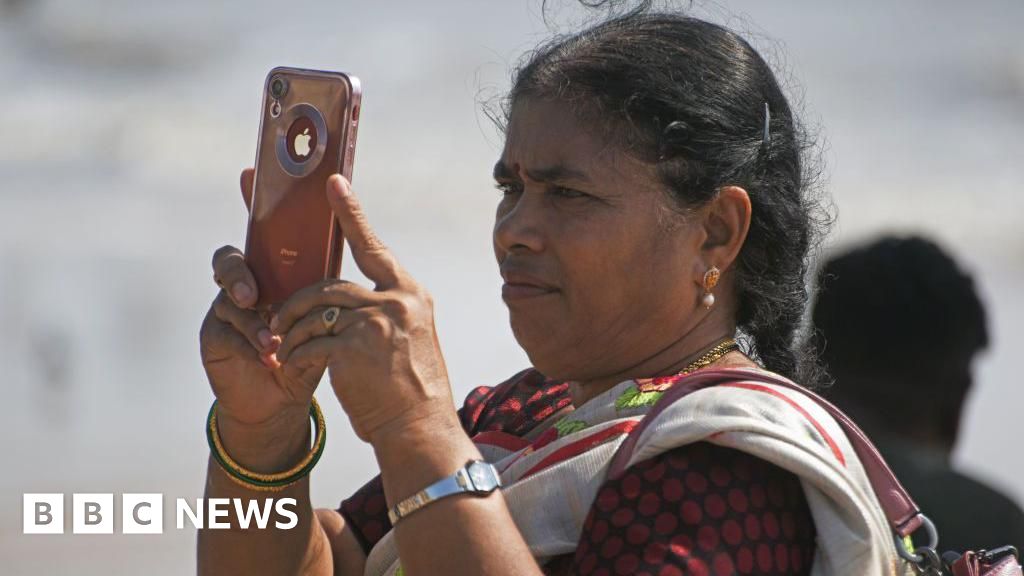
India has ordered all new smartphones to come pre-loaded with a non-removable, state-run cybersecurity app, sparking privacy concerns.
Under the order – passed last week but made public on Monday – smartphone makers have 90 days to ensure all new devices come with the government’s Sanchar Saathi app.
It says this is necessary to help citizens verify the authenticity of a handset and report the suspected misuse of telecom resources.
The move – which comes in one of the world’s largest phone markets, with more than 1.2 billion mobile users – has been criticised by cyber experts, who say it breaches citizens’ right to privacy.
Launched in January, the Sanchar Saathi app allows users to check a device’s IMEI, report lost or stolen phones and flag suspected fraud communications.
An IMEI – the International Mobile Equipment Identity – is a unique 15-digit code that identifies and authenticates a mobile device on cellular networks. The code is essentially the phone’s serial number.
In a statement, India’s Department of Telecommunications said that mobile handsets with duplicate or spoofed IMEI numbers pose “serious endangerment” to telecom cyber security.
“India has big second-hand mobile device market. Cases have also been observed where stolen or blacklisted devices are being re-sold,” it said, adding that this makes the purchaser an “abetter in crime and causes financial loss to them”.
Under the new rules, the pre-installed app must be “readily visible and accessible” to users when they set up a device and its functionalities cannot be disabled or restricted.
Smartphone makers must also “make an endeavour” to provide the app through software updates for devices that are out of factories but haven’t been sold yet, the statement said.
All companies have been asked to give compliance reports on the order in 120 days.
The government says the move will bolster telecom cybersecurity. A Reuters report, citing official figures, says the app has helped recover more than 700,000 lost phones – including 50,000 in October alone.
But experts say the app’s broad permissions raise concerns about how much data it can collect, widening the scope for surveillance.
“In plain terms, this converts every smartphone sold in India into a vessel for state mandated software that the user cannot meaningfully refuse, control, or remove,” advocacy group Internet Freedom Foundation said in a statement.
The design – making the app impossible to disable – would also weaken the safeguards that normally stop one app from accessing another’s data, the group said.
This, it adds, effectively turns the app into “a permanent, non-consensual point of access sitting inside the operating system of every Indian smartphone user.”
Technology analyst and writer Prasanto K Roy says the bigger concern is about how much access an app might eventually be allowed on the handset.
“We can’t see exactly what it’s doing, but we can see that it’s asking for a great deal of permissions – potential access to just about everything from flashlight to camera. This is itself worrying,” he told the BBC.
On Google’s Play Store, the app says it doesn’t collect or share any user data. The BBC has reached out to the department of telecommunications with questions about the app and the privacy concerns related to it.
Mr Roy adds that compliance will be difficult, since the order runs counter to the policies of most handset-makers, including Apple.
“Most companies prohibit installation of any government or third-party app before the sale of a smartphone,” he says.
While India’s smartphone market is dominated by Android, Apple’s iOS powered an estimated 4.5% of the 735 million smartphones in the country by mid-2025, according to Counterpoint Research.
“Apple has historically refused such requests from governments,” Tarun Pathak, a research director at Counterpoint, told Reuters.
Apple has not commented publicly, but Reuters reports it does not intend to comply and “will convey its concerns to Delhi.”
India is not the only country to have tightened rules on device verification.
In August, Russia ordered all phones and tablets sold in the country to come pre-installed with the state-backed MAX messenger app, sparking similar privacy and surveillance concerns.
Follow BBC News India on Instagram, YouTube, Twitter and Facebook.

1Department of Occupational Disease, Hangzhou Hospital for the Prevention and Treatment of Occupational Disease, Hangzhou, Zhejiang, People’s Republic of China; 2Department of Dermatology, Zhuji People’s Hospital of Zhejiang Province, Shaoxing, Zhejiang, People’s Republic of China
Correspondence: Jie Chen, Department of Dermatology, Zhuji People’s Hospital of Zhejiang Province, 9 Jianmin Road, Shaoxing, Zhejiang, 311800, People’s Republic of China, Tel +86 15068586037, Email [email protected]
Abstract: Clonal seborrheic keratosis (SK) represents a rare histological subtype of seborrheic keratosis that is challenging to distinguish from conventional SK and other skin neoplasms based solely on clinical presentation and dermoscopic features. Current clinical observations indicate that vascular-related manifestations in this subtype are exceedingly rare. Our report herein reports the uncommon globular vascular findings identified on dermoscopic examination of clonal SK, which not only holds great significance for the diagnosis and differential diagnosis between clonal SK, ordinary SK and other cutaneous tumors, but also provides strong support for the development of standardized dermoscopic diagnostic criteria and treatment advice for clonal SK.
Keywords: clonal, seborrheic keratosis, Borst-Jadassohn phenomenon, vessel, dermoscopy
Seborrheic keratosis (SK) is one of the most common benign epidermal tumors encountered in dermatological practice. While typically diagnosed based on characteristic clinical and dermoscopic features-such as comedo-like openings, milia-like cysts, and fissures-certain variants may pose diagnostic challenges.1,2 The presence of vessels, notably hairpin vessels, can also be observed in SK, especially when inflamed.3 Among these, clonal SK represents a distinct histopathological subtype characterized by intraepidermal nests of monomorphic keratinocytes. Dermoscopically, it often presents with a pattern of sharply demarcated, round to oval, whitish or bluish-gray globules and structureless areas.4 Notably, vascular features have rarely been described in association with this variant,4–6 and their presence may lead to diagnostic uncertainty, potentially mimicking ordinary SK and other benign or malignant neoplasms such as melanocytic lesion and basal cell carcinoma (BCC).7 Under such circumstances, the early identification and diagnosis, along with the selection of a suitable individualized treatment regimen, are of significant importance. Herein, we report a case of clonal SK presenting with uncommon globular vascular findings on dermoscopic examination, aims to provide a reference and therapeutic basis for the future dermoscopic diagnosis of clonal SK.
A 70-year-old woman presented with a 10 years history of a growing-gradually, asymptomatic, pigmented lesion on her left lower leg. No treatment had been received during this period. The physical examination showed an irregular, reddish-brown flat plaque with 2cm×1.5cm of dimension, medium hardness, and non-tender (Figure 1A). Dermoscopy revealed a demarcated border lesion with diffuse yellowish-pink background with moth-eaten edges, globular blood vessels distributed in a circular pattern, multiple blue-brown globules, comedo-like and fingerprint-like pigment structures (Figure 1C and D).
|
Figure 1 (A) Physical examination showed an irregular, reddish-brown flat plaque with 2cm×1.5cm with a rough surface on the left lower leg. (B) The histopathology disclosed classical Borst-Jadassohn phenomenon include intraepidermal nests, horn cysts and melanin within the basaloid cells (hematoxylin-eosin staining; original magnification, ×40). (C) Dermoscopic imagines revealed multiple blue-brown globules, comedo-like and fingerprint-like pigment structures within a demarcated border lesion with diffuse yellowish-pink background with moth-eaten edges. (D) Globular blood vessels distributed in a circular pattern.
|
Based on the atypical dermoscopic appearance, an excisional biopsy was performed to rule out malignancy. Histopathological examination disclosed hyperkeratosis of the epidermis, the epithelial cells are arranged in a concentric whorled configuration, aggregating to form nests containing brownish pigment granules, along with lymphocytic infiltration and dilated capillaries within the dermis, corresponding to the Borst-Jadassohn phenomenon (BJP). No cytologic atypia, which diagnosis is consistent with clonal SK (Figure 1B).
The dermoscopic identification of unequivocal vascular structures in clonal SK is exceptionally uncommon.4–6,8 While the classic dermoscopic criteria for clonal SK primarily focus on keratin-related and pigmentary patterns, our case illustrates that a distinct globular vascular pattern. This finding confirms and expands the known dermoscopic characterize of this histologic variant.
The presence of vessels in SK is generally considered uncommon and is more frequently reported in irritated or inflamed lesions.3 However, in our case, there was no histological evidence of irritation or significant inflammation. The observed dermoscopic circular-pattern globular blood vessels likely correspond to dilated capillaries trapped between the intraepidermal nests of tumor cells, representing an intrinsic architectural feature rather than a secondary change. This unique anatomical configuration explains why they manifest dermoscopically as well-defined, globular structures, as opposed to the more superficial, linear, hairpin or dotted vessels seen in conventional SK.5 Furthermore, in contrast to the classic dermoscopic pattern of SK (comedo-like and fingerprint-like pigment structures), our case exhibited a predominance of blue-brown globules, corresponding histopathologically to pigmented intraepidermal, tightly aggregated keratinocyte nests, which offers a compelling illustration of the direct correlation between its underlying histopathology and dermoscopic features.
Clinically, it is difficult to distinguish clonal SK from typical SK or other cutaneous neoplasms based on lesion morphology, as they often present as similar light brown or black papules or plaques with either a smooth or rough surface.5,9,10 As the most widely utilized non-invasive diagnostic modality in dermatology, dermoscopy holds clinical precedence over cutaneous biopsy. The presence of characteristic dermoscopic features permits a preliminary diagnosis for certain diseases.11 However, the combination of dermoscopic blue-brown globules and circular-pattern globular blood vessels in clonal SK could potentially be mistaken for the vascular patterns seen in melanocytic lesions, BCC, or Spitz nevus, creating a potential for misdiagnosis.1,7,12–15 Thus, the identification of dermoscopic hallmarks specific to clonal SK for the differentiation between clonal SK and other skin tumors would substantially contribute to refine the preoperative differential diagnosis and therapeutic decision-making.
The BJP as histopathological hallmark of clonal SK is not pathognomonic for a single entity but represents a shared architectural pattern seen in a spectrum of benign and malignant skin tumors mainly include Hidroacanthoma simplex (HS) and Bowen’s disease.16–18 Therefore, accurate diagnosis requires a thorough clinicopathological correlation, integrating key clinical features with detailed histopathological analysis. HS is a benign cutaneous tumor that poses a significant challenge for clinical differentiation from clonal SK. The key distinction lies in their differing cellular lineages on histopathology-HS comprise nests of poroid cells within an acanthotic epidermis and contain cystic or ductal structures in the nests which are absent in the basaloid keratinocyte nests of clonal SK.18 Bowen’s Disease is a in situ lesion of squamous cell carcinoma (SCC), classically presents as a solitary, slowly enlarging, well-demarcated erythematous plaque with fine scale and a crusted surface, also pose a significant diagnostic challenge by mimicking clonal SK.19 Histopathologically, Bowen’s disease can exhibit intraepidermal nesting, but the nests are composed of severely atypical keratinocytes with pleomorphic, hyperchromatic nuclei and abundant mitotic figures, characteristics that are not present in clonal SK.19 For the purpose of distinguishing clonal SK from typical SK, HS, melanocytic nevus, BCC, Bowen’s disease and Spitz nevus, a detailed summary of key diagnostic points is provided in Table 1.
 |
Table 1 Comprehensive Differential Diagnosis of Clonal Seborrheic Keratosis
|
Currently, clonal SK is classified as benign cutaneous neoplasm. The polymorphic vascular patterns include linear-irregular, dotted, corkscrew, arborizing, glomerular and hairpin vessels observed under dermoscopy are generally indicative of malignant lesions due to the dysregulation of the intracellular environment.3 In contrast, the monomorphic, uniform circular-pattern globular vessels observed in our case of clonal SK are unlikely a result of active, tumor-driven angiogenesis. Instead, they are best explained by mechanically compresses and distorts of the progressive expansion intraepidermal “clonal” nests of keratinocytes, indicate not a marker of malignant potential. However, we propose that clonal SK requires a more radical therapeutic strategy as it exhibits a significantly elevated recurrence rate and a higher likelihood of progressing to SCC in comparison with typical SK, especially in incomplete excision and cytologic atypia.13,20,21 The immunohistochemical investigation of BJP reveals a core hyperproliferative phenotype with strong epidermal growth factor-receptors (EGF-R), Ki-67, p63 and p53 expression within intraepidermal nests, indicate enhanced invasive potential.22 The lesion was excised with a 1-cm margin of surrounding tissue in our case due to regarding the underlying risk of malignancy and no recurrence was observed after one-year follow-up.
In conclusion, our case does more than simply document a rare dermoscopic finding, it elucidates how the microscopic anatomy of clonal SK directly dictates its macroscopic dermoscopic pattern. Bridging specific dermoscopic features with their underlying pathological substrates is a crucial step towards achieving more precise, non-invasive diagnosis in clinical dermatology. In addition, the presence of the BJP in SK or other skin tumors mandates a nuanced diagnostic evaluation and therapeutic approach to rule out potential malignancy. However, evidence from reported cases remains exceedingly limited currently. Consequently, more robust data from larger cohorts with extended follow-up are necessary to confirm this finding.
The data that support the findings of this study are available from the corresponding author upon reasonable request.
Institutional approval for the publication of anonymized case details was granted by the Ethics Committee of Zhuji People’s Hospital of Zhejiang Province. This study was performed in accordance with the Declaration of Helsinki.
A written informed consent form has been obtained from the patient, consenting to the publication of anonymous patient information in this article.
All authors made a significant contribution to the work reported, whether that is in the conception, study design, execution, acquisition of data, analysis and interpretation, or in all these areas; took part in drafting, revising or critically reviewing the article; gave final approval of the version to be published; have agreed on the journal to which the article has been submitted; and agree to be accountable for all aspects of the work.
This work was supported by grants from the Zhejiang Province Medical and Health Science and Technology Plan Project (No. 2023XY199) and the Zhuji Medical and Health Technology Plan Project (No. 2023YW048).
The authors declare no conflicts of interest in this work.
1. Minagawa A. Dermoscopy-pathology relationship in seborrheic keratosis. J Dermatol. 2017;44(5):518–524. doi:10.1111/1346-8138.13657
2. Bujoreanu FC, Radaschin DS, Badea MA, et al. Psoriasis and seborrheic keratoses: insights from biologic therapy and skin imaging. Life. 2025;15(3). doi:10.3390/life15030485
3. Alvarez-Salafranca M, Gomez-Martin I, Banuls J, et al. Dermoscopy of inflamed seborrheic keratosis: a great mimic of malignancy. Australas J Dermatol. 2022;63(1):53–61. doi:10.1111/ajd.13781
4. Uzuncakmak TK, Akay BN, Ozkanli S. Different dermoscopic features of clonal seborrhoeic keratoses. Br J Dermatol. 2019;180(1):197–198. doi:10.1111/bjd.17087
5. Ramyead S, Diaz-Cano SJ, Pozo-Garcia L. Dermoscopy of clonal seborrheic keratosis. J Am Acad Dermatol. 2015;73(2):e47–9. doi:10.1016/j.jaad.2015.04.013
6. Wang JC, Liu J. A case of clonal seborrheic keratosis with characteristic dermoscopic features. Chin Med J. 2020;133(4):499–500. doi:10.1097/CM9.0000000000000630
7. Vatamanesku I, Parasca SV, Parasca OM, et al. Basal cell carcinoma of the nasal pyramid excision margins: a retrospective study. Rom J Morphol Embryol. 2019;60(4):1261–1268.
8. Namiki T, Nojima K, Hashimoto T, et al. Borst-Jadassohn phenomenon arising from a seborrhoeic keratosis and its characteristic dermoscopic features. Clin Exp Dermatol. 2018;43(8):940–941. doi:10.1111/ced.13653
9. Wozniak-Rito AM, Rudnicka L. Bowen’s disease in dermoscopy. Acta Dermatovenerol Croat. 2018;26(2):157–161.
10. Yagerman SE, Marghoob AA. Clonal seborrheic keratosis versus epidermal nevus. J Am Acad Dermatol. 2013;69(2):e43–4. doi:10.1016/j.jaad.2013.02.023
11. Campos-do-Carmo G, Ramos-e-Silva M. Dermoscopy: basic concepts. Int J Dermatol. 2008;47(7):712–719. doi:10.1111/j.1365-4632.2008.03556.x
12. Udare S, Patil P. Clonal seborrheic keratosis: a diagnostic dilemma. Dermatol Pract Concept. 2021;11(4):e2021095. doi:10.5826/dpc.1104a95
13. Goldsmith JF, Montaser Kouhsari L, Tahan SR. Clonal-pattern seborrheic keratosis: risk of recurrence and progression to carcinoma. Am J Surg Pathol. 2022;46(12):1642–1649. doi:10.1097/PAS.0000000000001973
14. Lallas A, Apalla Z, Ioannides D, et al. Update on dermoscopy of Spitz/Reed naevi and management guidelines by the international dermoscopy society. Br J Dermatol. 2017;177(3):645–655. doi:10.1111/bjd.15339
15. Cabrera R, Recule F. Unusual clinical presentations of malignant melanoma: a review of clinical and histologic features with special emphasis on dermatoscopic findings. Am J Clin Dermatol. 2018;19(Suppl 1):15–23. doi:10.1007/s40257-018-0373-6
16. Yanagihara S, Oiso N, Hirota N, et al. Acantholytic bowen’s disease histopathologically showing the borst-jadassohn phenomenon. Eur J Dermatol. 2019;29(3):332–333. doi:10.1684/ejd.2019.3545
17. Baykal C, Buyukbabani N, Babuna G, et al. Giant bowen’s disease histologically showing borst-jadassohn phenomenon and complicated with squamous cell carcinoma development. J Eur Acad Dermatol Venereol. 2016;30(10):e88–e89. doi:10.1111/jdv.13335
18. Souza BCE, Luce MCA, Cunha T, et al. Dermatoscopy of the borst-jadassohn phenomenon in hidroacanthoma simplex. An Bras Dermatol. 2020;95(1):95–97. doi:10.1016/j.abd.2019.03.004
19. Palaniappan V, Karthikeyan K. Bowen’s disease. Indian Dermatol Online J. 2022;13(2):177–189. doi:10.4103/idoj.idoj_257_21
20. Takayama E, Takai T, Fujimoto M, et al. Bowen disease with sebaceous differentiation arising from clonal seborrheic keratosis. J Dermatol. 2024;51(10):1350–1354. doi:10.1111/1346-8138.17180
21. Bouhamed M, Bacha D, Abdelmoula F, et al. Clonal seborrheic keratosis: a rare skin tumor. Pan Afr Med J. 2019;34:54. doi:10.11604/pamj.2019.34.54.13415
22. Lora V, Chouvet B, Kanitakis J. The “intraepidermal epithelioma” revisited: immunohistochemical study of the borst-jadassohn phenomenon. Am J Dermatopathol. 2011;33(5):492–497. doi:10.1097/DAD.0b013e3181fe6f90
Ovarian cancer (OC) is one of the most common gynaecological cancers and is challenging to detect at an early stage.1 In recent years, the global incidence of ovarian cancer has increased annually, accompanied by a trend toward diagnosis at younger ages.2 Within this global context, China accounts for 15.45% of ovarian cancer cases and 14.66% of related mortality.3 Current ovarian cancer treatments involve multimodal therapies, including surgery, chemotherapy, immunotherapy, and targeted therapy, with approximately 97% of patients requiring postoperative chemotherapy.4,5 Although these treatments extend patient survival, the long-term treatment burden often causes negative emotions, such as anxiety and depression, which can harm mental health and quality of life.6,7 Mental health includes the absence of mental illness and positive psychological functioning. The concept of flourishing has gained prominence in positive psychology, representing a state of optimal mental health characterised by positive emotions and robust psychological and social functioning.8 Interventions aimed at fostering flourishing improve the well-being and quality of life of patients with cancer.9 Recent research has focused primarily on patients with thyroid cancer, breast cancer, and head and neck cancer.10–12 These studies demonstrate that flourishing significantly affects the psychological health of patients with cancer. Notably, while latent profile analysis has been applied to explore variations in flourishing levels in breast cancer populations,11 the flourishing status of patients with ovarian cancer, particularly through the theoretical lens of Self-Determination Theory, remains unexamined. This represents a critical gap, as patients with ovarian cancer face substantially more severe clinical challenges than those with breast or thyroid cancer, including difficulty in detecting early symptoms, diagnosis at an advanced stage in approximately 75% of patients, and a lower 5-year survival rate, all of which may contribute to a uniquely elevated risk of psychological distress and distinct flourishing profiles.13 Our research addresses this gap by being the first to conduct a latent profile analysis of flourishing specifically among postoperative ovarian cancer patients, using Self-determination theory as the lens to interpret these clinically grounded profiles. A comprehensive assessment of the psychological well-being of patients with OCs should focus on reducing distress and encouraging positive states.14 Historically, the emphasis has been primarily on alleviating distress; our focus on flourishing aims to balance this view. Studying flourishing does not seek to replace the important task of reducing suffering but complements it by addressing a broader aspect of the human experience with cancer. This is particularly crucial in ovarian cancer, in which the chronic nature of the disease makes striving for positive functioning vital to long-term survival.
Self-determination theory (SDT) offers a comprehensive framework for examining psychological flourishing.15 It conceptualises human behavioural motivation along a continuum of autonomous choices, suggesting that motivation increases when three basic psychological needs are met: autonomy, competence, and relatedness.16 Furthermore, the expression of these three basic needs is influenced by sociocultural context. In Shanxi, factors such as family expectations and access to support services are likely to shape how patients experience autonomy, competence, and relatedness, thereby affecting their overall ability to thrive. To explore the heterogeneity of flourishing among patients with ovarian cancer, this study used latent profile analysis based on SDT. We explored the impact of three core needs, autonomy (measured by the Index of Autonomous Functioning), competence (assessed through learned helplessness), and relatedness (indicated by perceived social support), on the well-being of patients undergoing postoperative chemotherapy. This approach aims to establish a scientific foundation for developing targeted clinical interventions that promote the flourishing of this vulnerable population.
This cross-sectional study employed convenience sampling to recruit participants from the gynaecological oncology ward of a tertiary hospital in Shanxi Province between May 2024 and May 2025. The participants were patients with ovarian cancer who received postoperative chemotherapy. The inclusion criteria were as follows: (1) age 18 years or older, (2) a confirmed diagnosis of ovarian cancer via pathology, (3) currently undergoing postoperative chemotherapy, (4) good communication skills, verbal expression, and literacy, and (5) willingness to provide informed consent. The exclusion criteria were as follows: (1) other malignancies, severe heart or kidney disease, or autoimmune conditions; (2) severe psychological or psychiatric disorders; and (3) cognitive impairment. The sample size was calculated using Kendall’s method, which recommends 5–10 times the number of independent variables.17 With 20 variables in this study, the initial target was 100–200 participants. Considering an expected dropout rate of 20%, the minimum sample size was planned to be 120–240.
Based on a review of the literature, the research team created a two-part questionnaire. The first part collected general personal information, including age, current residence, family income per capita, marital status, and education level. The second part gathered information about the disease, such as the number of chemotherapy sessions, length of illness, number of comorbidities, and tumor stage.
Developed by Diener et al18 in 2010 and translated into Chinese by Lai Qiaozhen,19 this scale comprises eight dimensions: meaning, self-acceptance, interpersonal relationships, helping others, commitment, self-efficacy, optimism about the future, and respect from others. Responses are recorded on a 7-point Likert scale ranging from “strongly disagree” to “strongly agree”, with total scores ranging from 8 to 56. Higher scores indicate greater levels of Flourishing. In this study, the scale demonstrated a Cronbach’s α coefficient of 0.846.
Developed by Joy et al20 and translated into Chinese by Yan Sisi et al,21 this 19-item scale assesses three dimensions: locus of causality (internal-external), stability (stable-unstable), and globality (general-specific). Responses are recorded on a 4-point Likert scale (1 = “strongly disagree” to 4 = “strongly agree”), yielding total scores ranging from 19 to 76. Higher scores indicate stronger learned helplessness. In this study, the scale demonstrated a Cronbach’s α coefficient of 0.858.
Developed by Weinstein et al22 and translated into Chinese by Wang Jiayu et al,23 this 15-item instrument measures three dimensions: self-congruence, interest-taking, and susceptibility to control. Items use a 5-point Likert scale (1 = “completely untrue” to 5 = “completely true”), with the interest-taking subscale reverse-scored. Total scores range from 15 to 75, where higher scores reflect greater autonomy. Cronbach’s α was 0.891 in this study.
The PSSS was compiled by Zimet et al24 in 1987 and translated into Chinese by Jiang Qianjin.25 It includes three dimensions: family support, friend support, and other support, with a total of 12 items. Scoring is based on a 7-point Likert scale, ranging from “strongly disagree” to “strongly agree”, with scores ranging from 1 to 7, respectively. The total score ranges from 12 to 48 points, with higher scores indicating better perceived social support. In this study, the Cronbach’s α coefficient for this scale was 0.853.
The researchers explained the study purpose, questionnaire completion requirements, and confidentiality protocols to patients with OC undergoing postoperative chemotherapy and their family members before administering the questionnaire. After obtaining informed consent, researchers uniformly trained in the study procedures distributed paper questionnaires to the participants. A key part of our protocol was the immediate on-site verification of each completed questionnaire. Researchers addressed questions in real time during completion and conducted a thorough check for missing or unclear responses immediately after collection, requesting prompt supplementation from participants. This proactive approach successfully prevented missing data, resulting in a complete dataset for analysis.
This study used Mplus 8.3 software to perform latent profile analysis and evaluate the model fit of 1 to 5 profiles. Model fit was assessed using the Akaike Information Criterion (AIC), Bayesian Information Criterion (BIC), and adjusted Bayesian Information Criterion (aBIC), with smaller values indicating a better fit. Classification accuracy was measured with information entropy (Entropy), where values closer to 1 reflect higher accuracy. Differences in model fit were compared using the Lo-Mendell-Rubin likelihood ratio test (LMRT) and the Bootstrap likelihood ratio test (BLRT). If P < 0.05, it suggests that the k-category model is better than the k-1-category model. Statistical analysis was performed using SPSS 27.0 software. For normally distributed quantitative data, the mean ± standard deviation was reported, and intergroup comparisons were conducted with one-way analysis of variance. Qualitative data were described using frequencies and proportions, with intergroup comparisons performed via the χ2 test. Additionally, multivariate logistic regression analysis was utilized to identify factors influencing postoperative chemotherapy patients with ovarian cancer across different categories. All statistical analyses were considered statistically significant at P < 0.05.
A total of 260 questionnaires were distributed in this survey, and 237 were ultimately returned, resulting in an effective response rate of 91.15%. The general information on the 237 patients undergoing postoperative chemotherapy for ovarian cancer is shown in Table 1.
|
Table 1 General Information on 237 Patients Who Underwent Postoperative Chemotherapy for Ovarian Cancer
|
The mean scores for each scale were as follows: Flourishing Scale (FS): Total score = 28.86 ± 7.91. Learned Helplessness Scale (LHS): Total = 45.67 ± 8.73; Internal-External = 16.94 ± 3.78; Stable-Unstable = 19.00 ± 4.00; Global-Specific = 9.73 ± 2.31. Index of Autonomous Functioning (IAF): Total = 39.30 ± 10.11; Self-Congruence = 13.41 ± 4.08; Interest-Taking = 13.19 ± 4.09; Susceptibility to Control = 12.70 ± 4.18; Perceived Social Support Scale (PSSS): Total = 44.83 ± 8.71; Family Support = 14.60 ± 3.74; Friend Support = 14.57 ± 4.01; Other Support = 15.65 ± 3.96.
 |
Table 2 Potential Profile Analysis of Flourishing in 237 Patients Undergoing Postoperative Chemotherapy for Ovarian Cancer
|
 |
Figure 1 Entry Equalization Score across Flourishing Scale Entries (S1–S8) in different flourishing groups. (1) low flourishing group (38.1%): Dotted line with square markers (2) moderately flourishing group (34.2%): Dotted line with triangle markers (3) high flourishing group (27.7%): Solid line with triangle markers.
|
Univariate analysis revealed no statistically significant differences among the three latent profile groups of postoperative ovarian cancer chemotherapy patients in terms of age, residence, average monthly household income per capita, marital status, number of chemotherapy cycles, or tumor stage (p > 0.05). Nevertheless, significant differences between groups were observed in education level, body mass index (BMI), illness duration, and comorbidity burden (p < 0.05). Refer to Table 3.
 |
Table 3 Univariate Analysis of General Information and Potential Profiles of Flourishing in 237 Patients Undergoing Postoperative Chemotherapy for Ovarian Cancer
|
Using the three potential profiles of flourishing as the dependent variable and the high flourishing group as the reference, multivariate logistic regression analysis was conducted with the variables that showed statistically significant differences in the univariate analysis as independent variables. Variable values: Learned Helplessness, Index of Autonomous Functioning, and Perceived Social Support were entered in their original forms; educational level was coded as follows: Junior high school or below = 1, high school/vocational high school = 2, college and above = 3; Body Mass Index (BMI): <18.5 kg/m2 = 1, 24.0 > BMI ≥18.5 kg/m2 = 2, ≥24.0 kg/m2 = 3; Duration of illness: 3–6 months = 1, 7–12 months = 2, >12 months = 3; Number of comorbidities: ≥2 = 1, <2 = 2. Compared to the high flourishing group, patients undergoing chemotherapy after ovarian cancer surgery with higher Learned Helplessness Scale scores, shorter illness duration, and more comorbidities were more likely to be classified into the low flourishing group (P<0.05). Perceived Social Support Scale and Index of Autonomous Functioning scores were higher, increasing the likelihood of classification into the moderate and high-Flourishing groups (P<0.05), as shown in Table 4.
 |
Table 4 Multivariate Logistic Regression Analysis of Potential Categories of Flourishing in 237 Patients Undergoing Postoperative Chemotherapy for Ovarian Cancer
|
This study clarified the variability in flourishing among patients with postoperative ovarian cancer undergoing chemotherapy and identified different psychological profiles and their predictive factors. The following discussion interprets these findings in light of existing research and examines their clinical implications for tailored psychosocial care.
This study found lower flourishing scores (28.86 ± 7.91) than that reported in Ma Huili et al’s study on patients with thyroid cancer.8 Potential explanations are as follows: (1) Despite advances in treatment, the survival rates for ovarian cancer remain lower than those for other cancers. This disease trajectory creates heightened psychological stress and diminishes coping capacity in patients; (2) most patients are middle-aged and older women. Middle-aged patients often experience guilt and anxiety due to disrupted family caregiving roles,26 while elderly patients face greater treatment side effects, develop negative treatment attitudes, and demonstrate poorer resource utilisation.27 (3) High comorbidity burden and severe physical/mental impairment in our cohort increased the disease burden, further reducing flourishing levels.28
This study found medium-to-low levels of overall flourishing among postoperative patients with ovarian cancer, aligning with the work of Wang Ran et al10 and extending its relevance internationally through consistency with Cerezo et al’s research on breast cancer survivors in Spain.29 Critically, these studies collectively show that patients with lower flourishing levels consistently demonstrate impaired psychosocial functioning. This recurring cross-cultural pattern highlights the urgent need to move beyond identifying these issues and to implement stratified, actionable psychosocial interventions as part of routine oncologic care. Our latent profile analysis provides a clear framework for this stratified care approach. Three distinct profiles were identified, each offering specific guidance for psychological screening and survivorship care planning.
(1) Low flourishing group (38.1%): This profile had significantly lower flourishing scores and was associated with a longer illness duration and a greater sense of loss of control. Elevated learned helplessness indicates challenges in managing chronic conditions, weak coping strategies, and reduced self-efficacy.30 Clinical implications: This group should be prioritised for routine psychological screening. Their care should focus on an intensive, personalised survivorship plan that includes structured interventions to help them concentrate on controllable factors, establish realistic short-term goals, and regain confidence in disease management.31
(2) Moderately flourishing group (34.2%): Scores suggest partial adaptation to illness. Patients remain optimistic but experience residual “coping frustration” from ineffective strategies, which limits their flourishing. Clinical implications: This group is crucial for preventive screening during follow-up. Survivorship care plans should be proactive, offering timely psychoeducation and skill training at key moments, such as before chemotherapy or during the transition to survivorship, to help prevent adverse outcomes and improve adaptive coping strategies.
(3) High flourishing group (27.7%): Patients demonstrated significant autonomy, perception of disease control, proactive self-management, and resource use. Clinical implications: Screening this group helps preserve its strengths. Survivorship care plans should focus on maintenance, detailed disease information, effective therapeutic communication, and peer-led support to foster well-being. Additionally, several important predictive factors provided further insights into the identification of these profiles. First, patients who underwent chemotherapy after ovarian cancer surgery and scored higher on the Learned Helplessness Scale were more likely to fall into the low-flourishing group. Learned helplessness describes the negative emotional and behavioural responses that develop when individuals repeatedly face uncontrollable adverse events, such as ongoing setbacks, trauma, or inescapable stressors.32 Among ovarian cancer patients receiving postoperative chemotherapy, prolonged treatment often induces debilitating symptoms, including nausea, vomiting, fatigue, and pain. Chronic exposure to these unmodifiable stressors fosters helplessness, potentially triggering learned helplessness, which diminishes the flourishing of individuals.33 Furthermore, most patients with ovarian cancer are diagnosed at an advanced stage, when the uncertainty of the disease leads to feelings of helplessness and diminishes psychological resilience. To address this, clinicians should systematically evaluate learned helplessness using validated tools to identify high-risk patients; implement specific interventions, such as prophylactic antiemetics prior to chemotherapy and evidence-based complementary therapies, such as acupressure for nausea; instruct patients on self-regulation techniques to improve their ability to cope with the disease; and help patients recall mastery experiences to strengthen their confidence in the treatment.30 These strategies could collectively enhance patients’ flourishing levels. Additionally, among patients with ovarian cancer receiving postoperative chemotherapy, a shorter duration of illness was associated with classification into the low-flourishing group. This study found an inverse relationship between illness duration and flourishing, with patients diagnosed more recently being significantly more likely to fall into the low-flourishing group. This may indicate severe psychological distress during the diagnostic transition, as patients often struggle to accept their diagnoses and exhibit reduced psychological resilience. As the illness persists, patients typically undergo several adaptive stages: they gain a better understanding of their condition, their fear decreases as they perceive less uncontrollability, and they transition from passive resistance to active coping strategies.34 To enhance psychological adaptation and facilitate flourishing, clinicians should implement a three-step approach: first, provide early psychoeducation through structured disease counselling at diagnosis to encourage acceptance of the illness; second, offer prompt psychological support to transform avoidance behaviours into active coping and help realign life goals; and finally, establish formal peer networks connecting newly diagnosed patients with long-term survivors. These coordinated interventions enhanced resilience and promoted higher levels of flourishing. Moreover, patients with ovarian cancer undergoing postoperative chemotherapy were more likely to be classified into the low-flourishing group if they had more comorbidities. This study indicated that patients with ovarian cancer and higher comorbidity burden tended to have significantly lower flourishing levels. This connection likely results from increased clinical complexity, which impacts the quality of life, worsens long-term treatment symptoms, and causes negative emotional states such as despair, fear, and anxiety, which together decrease flourishing.35 Furthermore, complex medical information on multiple conditions can lead to cognitive overload, which may reduce treatment adherence and weaken self-efficacy. To reduce these effects, clinicians should (1) conduct multidisciplinary consultations to create personalised care plans and (2) offer targeted health education to bridge knowledge gaps and reduce psychological distress, thereby supporting patients’ flourishing trajectories. Protective factors were also identified. Patients undergoing postoperative chemotherapy for ovarian cancer with higher Perceived Social Support Scale scores were more likely to be classified into the high flourishing group. This study shows that higher perceived social support is associated with increased levels of flourishing among patients with ovarian cancer undergoing postoperative chemotherapy, consistent with the findings of Ma Huili et al.7 Since most patients face late-stage diagnoses and treatment-related uncertainty, reduced confidence often leads to negative emotions that hinder well-being. Social support is a vital external resource that positively influences attitudes toward the disease and behaviour during treatment. Consequently, clinicians should prioritise assessing social support at baseline during initial hospitalisation, focus on patients with low support by engaging peer, partner, family, and friendship networks, and maintain higher-support patients through increased communication channels. Complementary strategies, such as peer exchange platforms, family caregiver training in collaborative disease management, and clinician-delivered cognitive behavioural therapy, may further improve flourishing trajectories.36 Finally, patients with ovarian cancer receiving postoperative chemotherapy who scored higher on the autonomous functioning index were more likely to be in the high-flourishing group. This study showed that patients with ovarian cancer who underwent postoperative chemotherapy and had higher autonomous functioning were significantly more likely to belong to the high-flourishing group. This connection stems from a greater internal motivation to manage the disease; autonomous patients are proactive in seeking treatment resources, adjust more readily to illness-related lifestyles, and implement self-care measures early.37 Clinicians should use autonomy-supportive strategies, such as collaborative decision-making and motivational interviewing, which specifically examine the alignment of patient values with treatment goals. These approaches help improve autonomous functioning and, consequently, increase flourishing levels.
This study has some limitations. First, using a convenience sample from a single tertiary centre limits the extent to which the results can be applied to others. Second, the lack of data on clinical confounders, such as performance status and specific chemotherapy regimens, increases the risk of residual confounding. Future research should involve multicentre, long-term studies that include a broader range of potential confounders to confirm these findings.
Our results revealed notable variations in thriving levels among patients undergoing postoperative chemotherapy for ovarian cancer, highlighting the importance of personalised psychological support. To support clinical adoption, we suggest a brief assessment protocol during routine follow-ups, which can be measured using short-form psychometric scales (such as those for helplessness, autonomy, and social support), supplemented by data from medical records (including illness duration and comorbidities) and structured clinical interviews. The thresholds identified in our “moderate-to-low Flourishing” subgroup provide clear indicators for intervention. In practice, if a patient scores above any of these cut-offs (for example, Learned Helplessness >44.78 or Perceived Social Support <45.64), a targeted intervention should be implemented. This aligns with a stepped-care model in which, high helplessness scores suggest the need for strategies that promote active coping, whereas low social support indicates the benefits of joining support groups.28,34 Furthermore, promoting flourishing may offer clinical benefits beyond psychological health. Improved flourishing can increase adherence to treatment by fostering self-efficacy and encouraging healthy coping strategies. Additionally, resilience associated with flourishing may support physical recovery by promoting health-focused behaviours and better stress management. Future research should aim to validate this operational protocol, develop structured nursing strategies, and explore how flourishing enhancements influence specific clinical outcomes, such as chemotherapy completion and physical recovery. Other studies should confirm this protocol and establish organised nursing procedures to improve patient well-being. The inclusion of biological markers, such as BRAF mutations, can also help create more personalised and holistic treatment plans.38
The data that support the findings of this study are available from the corresponding author upon reasonable request.
The research involving human subjects was approved by Fenyang Hospital of Shanxi Province (Permit No. 2024026). Participants provided written informed consent to participate in the study. The study adheres to the principles of the Declaration of Helsinki.
All authors approved the final manuscript and the submission to this journal.
We want to thank Xiaoyu Xu and Xishu Bai for collecting the survey data, and we are grateful to all the participants for their participation in the present study.
All authors made a significant contribution to the work reported, whether that is in the conception, study design, execution, acquisition of data, analysis and interpretation, or in all these areas; took part in drafting, revising or critically reviewing the article; gave final approval of the version to be published; have agreed on the journal to which the article has been submitted; and agree to be accountable for all aspects of the work.
This study was supported by Lvliang Key R&D Projects (2024SHFZ17).
The authors declare that the research was conducted in the absence of any commercial or financial relationships that could be construed as a potential conflict of interest.
1. Tavares V, Marques IS, de Melo IG, et al. Paradigm shift: a comprehensive review of ovarian cancer management in an era of advancements. Int J Mol Sci. 2024;25(3):28. doi:10.3390/ijms25031845
2. Lheureux S, Braunstein M, Oza AM. Epithelial ovarian cancer: evolution of management in the era of precision medicine. CA Cancer J Clin. 2019;69(4):280–304. doi:10.3322/caac.21559
3. Xiting H, Changqing S, Liangxing C, et al. Analysis of the burden of ovarian cancer in China from 1990 to 2019 and its changing trends. Chin J Oncol. 2023;32(05):333–338.
4. Perrone C, Angioli R, Luvero D, et al. Targeting BRAF pathway in low-grade serous ovarian cancer. J Gynecol Oncol. 2024;35(4):e104. doi:10.3802/jgo.2024.35
5. Moffitt LR, Karimnia N, Wilson AL, et al. Challenges in implementing comprehensive precision medicine screening for ovarian cancer. Curr Oncol. 2024;31(12):8023–8038. doi:10.3390/curroncol31120592
6. Harris E, Yorke J, Law K, et al. Advanced ovarian cancer patients’ experiences of surgical treatment: a qualitative analysis. Semin Oncol Nurs. 2024;40(4):151679. doi:10.1016/j.soncn.2024.151679
7. Sarkar S, K SP, Pal R, et al. Assessment of quality of life among advanced ovarian cancer patients in a tertiary care hospital in India. Support Care Cancer. 2022;30(4):3371–3378. doi:10.1007/s00520-021-06735-3
8. Rule A, Abbey C, Wang H, et al. Measurement of flourishing: a scoping review. Front Psychol. 2024;15:1293943. doi:10.3389/fpsyg.2024.1293943
9. Casellas-Grau A, Font A, Vives J. Positive psychology interventions in breast cancer. A systematic review. Psychooncology. 2014;23(1):9–19. doi:10.1002/pon.3353
10. Huili M, Rui Z, Yunli F, et al. Analysis of the current status and influencing factors of flourishing in patients after thyroid cancer surgery. J Nurs. 2025;40(05):11–16.
11. Ran W, Junjie L, Shuxing L.A study on the potential profile analysis and influencing factors of the flourishing category in middle-aged and young breast cancer patients. Psychological Monthly. 2025;20(05):12–16.
12. Harris A, Li J, Atchison K, et al. Flourishing in head and neck cancer survivors. Cancer Med. 2022;11(13):2561–2575. doi:10.1002/cam4.4636
13. Sung H, Ferlay J, Siegel RL, et al. Global cancer statistics 2020: GLOBOCAN estimates of incidence and mortality worldwide for 36 cancers in 185 countries. CA Cancer J Clin. 2021;71(3):209–249. doi:10.3322/caac.21660
14. Tian X, Zhou X, Sun M, et al. The effectiveness of positive psychological interventions for patients with cancer: a systematic review and meta-analysis. J Clin Nurs. 2024;33(9):3752–3774. doi:10.1111/jocn.17358
15. Curren R, Park SS. Flourishing and integrative emotion regulation: an SDT perspective. Front Psychol. 2024;15:1409377. doi:10.3389/fpsyg.2024.1409377
16. Flannery M. Self-determination theory: intrinsic motivation and behavioral change. Oncol nurs forum. 2017;44(2):155. doi:10.1188/17.ONF.155-156
17. Ping N, Jingli C, Liu N.Sample size estimation in quantitative research in nursing studies. Chin J Nurs. 2010;45(04):378–380.
18. Diener E, Wirtz D, Tov W, et al. New well-being measures: short scales to assess flourishing and positive and negative feelings. Soc Indic Res. 2010;97(2):143–156. doi:10.1007/s11205-009-9493-y
19. Qiaozhen L. Research on the Flourishing State of College Students and Its Application in the Dual-Factor Model of Mental Health. Southern Medical University; 2017.
20. Joy JL, Ramachandran M, George S. Learned helplessness, psychological wellbeing, and proenvironment care behavior among victims of frequent floods in Kerala. J Neurosci Rural Pract. 2021;12(1):137–144. doi:10.1055/s-0040-1721566
21. Sisi Y, Zhaoli Z, Ling T, et al. Chinese translation of the learned helplessness scale and its reliability and validity testing among cancer patients. Chongqing Med. 2023;52(23):3672–3675.
22. Weinstein NPAKR, Przybylski AK, Ryan RM. The index of autonomous functioning: development of a scale of human autonomy. J Res Personality. 2012;46(4):397–413. doi:10.1016/j.jrp.2012.03.007
23. Jiayu W, Lei L, Hui C, et al. Chinese translation and reliability and validity testing of the index of autonomous functioning. Nursres. 2023;37(24):4413–4416.
24. Zimet GD, Powell SS, Farley GK, et al. Psychometric characteristics of the multidimensional scale of perceived social support. J Pers Assess. 1990;55(3–4):610–617. doi:10.1080/00223891.1990.9674095
25. Jiang Q.Perceived social support scale. Chin J Behav Med. 2001;10(10):41–43.
26. Yuping C, Tao J, Qingwen S, et al. A study on the development trajectory of psychological distress in patients with ovarian cancer after surgery and its influencing factors. J Nurs Manage. 2024;24(11):968–972.
27. Wall JA, Lipking K, Smith HJ, Huh WK, Salter T, Liang MI. Moderate to severe distress in half of ovarian cancer patients undergoing treatment highlights a need for more proactive symptom and psychosocial management. Gynecol Oncol. 2022;166(3):503–507. doi:10.1016/j.ygyno.2022.06.016
28. Ou M, Wang G, Yan Y, Chen H, Xu X. Perioperative symptom burden and its influencing factors in patients with oral cancer: a longitudinal study. Asia Pac J Oncol Nurs. 2022;9(8):100073. doi:10.1016/j.apjon.2022.100073
29. Cerezo MV, Soria-Reyes LM, Alarcón R, Blanca MJ. The flourishing scale: psychometric properties in breast cancer patients. Integr Cancer Ther. 2024;23:15347354241249935. doi:10.1177/15347354241249935
30. Huang F, Shi Y, Ding L, Huang J, Zhang Z. Learned helplessness and associated factors among patients with lung cancer. Patient Prefer Adhere. 2024;18:467–474. doi:10.2147/PPA.S446523
31. de Rooij BH, Thomas TH, Post KE, et al. Survivorship care planning in gynecologic oncology-perspectives from patients, caregivers, and health care providers. J Cancer Surviv. 2018;12(6):762–774. doi:10.1007/s11764-018-0713-9
32. Maier SF, Seligman ME. Learned helplessness at fifty: insights from neuroscience. Psychol Rev. 2016;123(4):349–367. doi:10.1037/rev0000033
33. Siqin L, Hong L, Manbo W, et al. Current status and influencing factors of learned helplessness in breast cancer patients. Chin Nurs Educ. 2024;21(01):68–73.(in.
34. Shihui L, Tiantian W, Chao Z, et al. Current status and influencing factors of personal sense of control in ovarian cancer patients. Tianjin Nursing. 2023;31(06):637–641.(in.
35. Noto B, Asmus I, Schäfers M, Görlich D, Riemann B. Predictors of anxiety and depression in differentiated thyroid cancer survivors: results of a cross-sectional study. Thyroid. 2022;32(9):1077–1085. doi:10.1089/thy.2022.0067
36. Lau N, Steineck A, Walsh C, et al. Social support resources in adolescents and young adults with advanced cancer: a qualitative analysis. BMC Palliat Care. 2024;23(1):193. doi:10.1186/s12904-024-01527-y
37. van Dongen SI, de Nooijer K, Cramm JM, et al. Self-management of patients with advanced cancer: a systematic review of experiences and attitudes. Palliat Med. 2020;34(2):160–178. doi:10.1177/026921631988397
38. Tonti N, Golia D’Augè T, Cuccu I, et al. The role of tumor biomarkers in tailoring the approach to advanced ovarian cancer. Int J Mol Sci. 2024;25(20):11239. doi:10.3390/ijms252011239

“Families in need of help” will get supermarket food vouchers during the Christmas school holiday, a council said.
Peterborough City Council will send £30 vouchers to eligible families by text and email from 17 December.
The authority urged families who may be entitled but have not yet signed up for the initiative to do so as soon as possible.
Katy Cole, cabinet member for children’s services, said: “I’m delighted that once again we will be providing this worthwhile scheme over the Christmas break.”
The vouchers will be sent automatically to eligible families, using school data and information held by the council.
The eligible families are those who receive:
Cole said: “We remain fully committed to supporting families in need of help.
“As always, I would strongly urge anyone who is eligible for the scheme but has not already signed up to please consider doing so as soon as possible.
“The free school meals scheme not only helps families save around £450 a year per child, but also helps their child’s primary school receive much-needed additional funding.”
The vouchers, which must be claimed by 21:00 GMT on 18 December, could be used at up to 10 supermarkets.
They must also be activated by 18 January; otherwise, they become invalid.

Private equity giant Advent will weigh up offshore expansion opportunities for its newly acquired share registry, technology and fund services firm Automic, after locking down a local board led by Woolworths and Telstra director Maxine Brenner.
Advent’s head of Australia and New Zealand Beau Dixon said following the completion this week of the $725 million Automic acquisition, attention was turning to the firm’s growth options.
Loading…

Cambridge, MA, 1 December 2025 – MAK Technologies (MAK), a company of ST Engineering North America, will showcase its MAK ONE suite of simulation software and integrated training solutions at the Interservice/Industry Training, Simulation and Education Conference (I/ITSEC) 2025. Highlights include its advanced synthetic environment, new SAR simulation product, and AI-enhanced training applications showcasing its multi-domain capabilities through ground, naval and air demonstrations.
“MAK is proud to offer a simulation platform that’s both deeply trusted and continuously evolving,” said Bill Cole, CEO of MAK Technologies. “Our presence at I/ITSEC 2025 reflects our commitment to interoperability, innovation, and the enduring strength of the MAK ONE ecosystem.”
MAK ONE 2025 with Demonstrations for Multi-Domain Training and Simulation
MAK will showcase its latest MAK ONE 2025 release, featuring the Common Synthetic Environment platform and its capabilities, along with integrated product demonstrations that highlight its support for multi-domain training and simulation across diverse operational environments. This includes VR-Forces, VR-Vantage, VR-Engage, VR-Link, MAK RTI, and new SAR simulation product, RFView® for MAK ONE, alongside integrated ground, naval and air demonstrations. The demonstrations will feature high-fidelity MAK ONE plugins for electronic warfare training, including CogSim Technologies’ Tactical Data Link for VR-Force.
AI-Enhanced End-User Training Applications Powered by MAK ONE
MAK ONE will also exhibit training applications with AI capabilities, based on MAK ONE, to improve realism, usability and decision-making. These include:
Visit MAK at Booths 1221 and 1123 from December 1 to 4 at the Orange County Convention Center in Orlando, Florida. MAK will also host a MAK ONE User Group on December 2, from 8:30AM–11:30 AM at the Rosen Centre Hotel in Salon 3/4. Open to all I/ITSEC attendees, this session will showcase presentations from MAK ONE users worldwide, highlighting how they are leveraging the platform for real-world projects.
To learn more about the MAK ONE suite of simulation software or schedule a demonstration, click here.
*****
media contacts:
Morgan McElroy
Marketing Director
MAK Technologies
Email: mmcelroy@mak.com
Rula Malky
ST Engineering North America
Email: Rula.MALKY@stengg.us

Givaudan, the global leader in Fragrance & Beauty, today announced that it has successfully acquired Belle Aire Creations, a prominent US-based fragrance house known for its creative expertise and strong regional customer relationships. This milestone is aligned with Givaudan’s 2030 strategy to strengthen its presence with local and regional customers and expanding creative capabilities across North America.
Since its founding in 1982, Belle Aire Creations has been fuelled by creativity, passion, and an unwavering drive for excellence. From its entrepreneurial beginnings to its current industry leadership, the company has remained a beacon of innovation and growth – always guided by the belief that true success is measured by customer satisfaction.
Gilles Andrier, CEO of Givaudan, said: “We are thrilled to officially welcome the employees of Belle Aire Creations to the Givaudan family. The company’s strong reach with local and regional customers, combined with our global creative expertise and innovation capabilities, will enable us to serve the dynamic North American market even more closely and effectively.”
Maurizio Volpi, President Fragrance & Beauty at Givaudan, added: “This acquisition reinforces our commitment to offering tailored fragrance solutions that reflect the diversity and vibrancy of the US market. Together, we will create even greater value for our customers through agility, creativity, and shared passion for scent. I am also very happy to remind that, as part of this integration, Stacey David will keep the leadership of Belle Aire Creations, building on her outstanding track record and drive for growth that will be strongly beneficial to Givaudan.”
Stacey David, CEO of Belle Aire Creations, commented: “We are delighted to join Givaudan and collaborate in shaping the future of fragrance creation. This partnership will build on our entrepreneurial spirit and customer intimacy, giving us access to global resources while maintaining the unique relationships that define Belle Aire Creations.”
While the terms of the deal will not be disclosed, Belle Aire Creations’ business would have represented approximately CHF 65 million of incremental sales to Givaudan’s results in 2024 on a proforma basis. Givaudan plans to fund the transaction from existing resources.
About Givaudan
Givaudan is a global leader in Fragrance & Beauty and Taste & Wellbeing. We celebrate the beauty of human experience by creating for happier, healthier lives with love for nature. Together with our customers we deliver food experiences, craft inspired fragrances and develop beauty and wellbeing solutions that make people look and feel good. In 2024, Givaudan employed over 16,900 people worldwide and achieved CHF 7.4 billion in sales with a free cash flow of 15.6%. With a heritage that stretches back over 250 years, we are committed to driving long-term, purpose-led growth by improving people’s health and happiness and increasing our positive impact on nature. This is Givaudan. Human by nature. Discover more at www.givaudan.com.
About Givaudan Fragrance & Beauty
Givaudan Fragrance & Beauty crafts inspired fragrances to perfume lives and memories, and develops innovative beauty and wellbeing solutions that make people look and feel good all over the world. Nature is both our responsibility and our most precious muse. We are just as committed to sustainability as we are to creating innovative products that satisfy consumer needs and anticipate their desires. With a collaborative approach that favours co-creation, we have built a diverse portfolio across personal care, fabric care, hygiene, home care, fine fragrances, and beauty, reflecting our multidisciplinary expertise. This is Givaudan. Human by nature. Learn more at www.givaudan.com/fragrance-beauty.
About Belle Aire Creations
Founded in 1982, Belle Aire Creations® is a premier full-service fragrance manufacturer at the forefront of the industry. Renowned for developing innovative and captivating fragrances, the company skilfully blends scientific precision with perfumery artistry and the compelling art of storytelling. Dedicated to delivering the latest innovations in perfumery and malodour technology, Belle Aire Creations® provides exceptional service and reliability, offering clear solutions to complex fragrance and ingredient challenges. https://belleairecreations.com.
For further information please contact
Claudia Pedretti, Head of Investor and Media Relations
T +41 523 540 132
E claudia.pedretti@givaudan.com
Pauline Martin, Fragrance & Beauty Communications
E pauline.martin.pm1@givaudan.com

The latest data release from Chevron on its Gorgon carbon capture and storage (CCS) project, the world’s largest, showed the lowest amount of carbon dioxide (CO2) captured and stored for a year since it started in August 2019.
This matters as CCS has been promoted as a climate solution by the fossil fuel sector, which last year pumped a collective 37.8 billion tonnes of CO2 into the atmosphere. This puts the world on a trajectory to reach a global average temperature rise of 2.6°C above pre-industrial levels, according to Climate Action Tracker.
According to the oil and gas sector, one way to avoid this is to adopt CCS, and government should be putting taxpayer funds into this “solution”. However, CCS has a chequered history and is beset by technical issues that its proponents, often engineers, say can be overcome. Yet Gorgon CCS shows no signs of improving; its performance has declined significantly since the first year of operation, as the chart below shows.
Source: Chevron. Gorgon Gas Development and Jansz Feed Gas Pipeline Five-year Environmental Performance Report 2020-2025. Page 112.
To put Gorgon CCS’s underperformance into context, the 1.33 million tonnes (Mt) of CO2 it captured in FY2024-25 represents 25% of the CO2 removed (5.22MtCO2) in that period from the Gorgon and associated gas fields that feed the Gorgon LNG plant on Barrow Island off Western Australia. This is a fraction of the total greenhouse gas (GHG) emissions by the gas produced at Gorgon.
Chevron is not obliged to disclose the amount of CO2 released into the atmosphere from its largest source of emissions: when the gas is combusted by its customers (or Scope 3 emissions). This makes up about 90% of the total emissions released by Gorgon CCS and its associated gas and LNG projects. However, in one of its Gorgon CCS planning documents, Chevron estimated that if all the gas from the project were consumed at gas-powered generation stations in the Asia-Pacific, emissions would amount to 50MtCO2 a year. Based on the assumptions in that scenario, Gorgon CCS captured just 2.66% of the total emissions from extracting, processing and burning gas from the Gorgon fields.
So even if Gorgon were working at its design rate of capturing and storing 4MtCO2 a year, it would still just amount to 8% of the total emissions from the associated projects. This is the case for any gas field promoting a CCS project, such as Woodside’s Browse gas project and Inpex’s Bonaparte CCS project. The latter is slated to host some of the CO2 from Inpex’s Ichthys gas project in the Browse Basin in the Timor Sea.
Nonetheless, Gorgon CCS remains a bellwether for the CCS sector. Despite the relatively small amounts of CO2 it captures, it still represents a significant proportion of the world’s dedicated CCS projects. The Global CCS Institute’s (GCCSI) annual report on the status of CCS around the world does not provide data on how much CO2 is captured each year, only projects’ nameplate capacity. As is evident at Gorgon CCS, it stored only about one-third of its annual target capacity in FY2024-25. Trawling through the dedicated CCS projects in the GCCSI annual report, the total CO2 stored by the world’s CCS projects is little more than 10MtCO2 a year or 0.00026% of global fossil fuel emissions. (Note: CCS is distinct from CCUS projects; the U stands for the utilisation of captured CO2 to squeeze more oil out of the ground, also known as enhanced oil recovery.)
However, you’re unlikely to find any mention of these facts in the oil and gas sector narrative, which promotes CCS as a solution to reduce the industry’s emissions and justify opening new gas reserves.
Yet there are more economical ways to reduce global emissions. The costs of solar PV and storing electricity through grid-scale batteries have come down sharply in the nine years since Chevron started building Gorgon CCS. This year, renewables overtook coal for the first time in generating electricity whereas the costs of CCS and its technical challenges remain.
This commentary was originally published in RenewEconomy.