(Bloomberg) — Alibaba Group Holding Ltd. and Tencent Holdings Ltd. lost $66 billion of market value in roughly 24 hours, after the market punished the twin leaders of China’s tech arena for failing to lay out clear visions for how to profit off artificial intelligence.
Alibaba’s US shares fell their most since October, following Tencent’s worst drubbing in almost a year on Thursday. Investors that had piled into the sector’s biggest names over the past week — betting the advent of OpenClaw-style AI agents would galvanize the industry — reversed course after disappointing results, with no clear path to monetization in sight.
Most Read from Bloomberg
The dramatic reaction reflects investors’ anxiety about the increasing amounts that China’s tech leaders are plowing into data centers, talent hires and model development — without a roadmap to actual revenue.
While those outlays remain a fraction of the $650 billion that US hyperscalers like Meta Platforms Inc. and Amazon.com Inc. are spending this year alone, the rising budgets coincide with a Chinese consumer downturn that’s compressing margins. Alibaba reported a 67% drop in quarterly net income, exacerbating those concerns.
“Investors are not pushing back on AI spending itself, but on the lack of near-term visibility on monetization,” Bloomberg Intelligence analyst Catherine Lim said. “The key inflection will be when companies can show that AI is driving measurable revenue uplift, whether through cloud, advertising, or transaction conversion. Until then, markets will likely stay cautious.”
Tencent held steady after shedding $43 billion of market value Thursday. Alibaba’s US-listed shares lost $23 billion overnight, while its Hong Kong stock was down as much as 6.4% in early Friday trade.
The market’s about-face stems in part from a burst of exuberance this month, when Chinese consumers returned from their Lunar New Year breaks to fall head-over-heels for OpenClaw — a viral agentic AI platform that promises to take over a litany of mind-numbing tasks from managing email inboxes to arranging travel itineraries.
From fledging firms such as MiniMax Group Inc. to incumbents like Baidu Inc., companies scrambled to release apps and services to tap that frenzy, feeding optimism around the technology. Tencent’s shares gained more than 10% at one point earlier this month, riding excitement about its OpenClaw products.
China’s most valuable firm is considered well-positioned to build agentic AI because it sits on a trove of user data, and controls access to a universe of domestic apps via WeChat. Such services tend to perform best when granted access to users’ information, like message logs.
But executives fell short of specifics when plied with questions on post-earnings calls about how the company would turn its built-in advantages into money spinners. They didn’t provide the concrete investment targets or specific products that many investors had hoped for.
“Recent results from Tencent and Alibaba have only added to doubts about the returns and margins from their massive investments,” said Paul Pong, managing director at Pegasus Fund Managers Ltd., who sold Alibaba shares in December last year. “At the same time, Middle East tensions make it extremely difficult to take advantage of dips in Chinese AI stocks.”
Morgan Stanley slashed its target price on Tencent by 11% to HK$650. “These front-loaded AI investments will likely weigh on near-term margins, driving profit to grow more slowly than revenue in 2026,” analysts including Gary Yu wrote.
In Alibaba’s case, it’s also grappling with a slowdown in its core business.
Alibaba is considered a frontrunner in China’s race toward artificial general intelligence. It’s also the most aggressive in terms of spending: it pledged more than $53 billion of AI investment over several years. On Thursday, it declared a target of $100 billion of cloud and AI revenue in five years.
It’s now keen to monetize a growing AI portfolio in part to counter weakness in its e-commerce division, which is grappling with fierce domestic competition. The company this week launched an agentic AI service known as Wukong for company clients, and hiked prices for its cloud and storage services by as much as 34%.
“At this moment the war in the Middle East is driving funds toward safer investments,” said Vey Sern Ling, a managing director at Union Bancaire Privee. “China tech companies in a spending phase with high uncertainty of returns is not one of them. Of course the narrative can change quickly if the war ends.”
Meanwhile, costs are rising on other fronts. Over last month’s week-long Lunar New Year holiday, Alibaba, Tencent, ByteDance Ltd. and Baidu Inc. gave out billions of yuan in coupons to acquire users for their consumer-facing agentic apps.
“We do share market concerns around the visibility for Alibaba to reach $100 billion annual cloud and AI revenue in five years,” Barclays Capital Inc. analysts including Jiong Shao write in a note after trimming their target on the firm. The market has “no room for anything less than perfect.”
–With assistance from Mark Anderson and Abhishek Vishnoi.
This week brought a sharp reminder of the challenge ahead for our economy and the nation, and why our sector matters more than ever. The Treasurer has downgraded Australia’s productivity outlook, warning it could take five years, not two, to return to long-term growth. At the same time, economic growth has been revised down, with persistent inflation continuing to weigh on living standards.
This isn’t just an economic story. It’s a national one. If productivity stalls, wages stagnate, living standards slip and the pressure on households only grows. Against this backdrop, the release of Ambitious Australia: Strategic Examination of Research and Development final report this week could not be more timely.
This is a moment for the government to reset Australia’s ambition. For too long, we have relied on the strengths of the past – natural resources, favourable conditions and a strong labour market – without doing enough to build the industries of the future. This has earned Australia the moniker of the “lucky country”, but as those advantages fade, we must now start making new luck.
The SERD makes clear that if Australia wants stronger productivity, we need a stronger research and innovation system. That means backing R&D as a core economic priority. It means recognising that research is not a “nice to have” – it’s the engine room of productivity growth, new and lasting industries and secure jobs. And it means being ambitious and acting.
Encouragingly, significant parts of the final report reflect UA’s long-standing advocacy on how to strengthen the system. This includes a stronger focus on national coordination, increased investment in foundational research, properly funding the indirect costs of research, building more industry-engaged research training and PhDs and taking a more strategic approach to research infrastructure.
The final report provides a credible blueprint for reform, but it will only make a difference if it is met with a coordinated and ambitious response. Incremental change will not be enough. We need a system that better connects research with industry, supports businesses of all sizes to innovate and fully leverages the world-class talent and capability we already have.
Universities are critical to the task. Our institutions are where much of the nation’s research happens. We train the skilled workforce that translates ideas into impact, and we partner with industry to turn discovery into application. But we cannot keep doing it alone. A step change in national effort is required – one that puts R&D at the centre of economic policy and backs it accordingly.
The Treasurer has flagged that the upcoming federal budget will include a dedicated productivity and investment package. This is welcome. But if it is to make a meaningful difference, R&D must be front and centre. This is the opportunity to align economic policy with what we know drives long-term growth and to invest accordingly. We will continue to press this case strongly in the weeks and months ahead.
This week, we also made a submissionto the Higher Education Standards Panel on proposed amendments to the Threshold Standards. Our message was grounded in principles. Strong governance and accountability are essential to maintaining public trust, and universities take that responsibility seriously. But regulatory reform must be proportionate, coherent and fit for purpose. It should strengthen the system as a whole, not add unnecessary complexity or duplication. And it must recognise the diversity of the sector and the existing frameworks under which institutions operate.
Above all, regulation should enable universities to deliver on their core mission – in teaching, research and community engagement – not constrain it. We will continue working with government to ensure the right balance is struck.
The focus on getting the balance right in regulation is a core part of our advocacy agenda, not only through the Better Regulation Working Group but also through our work with the Alliance of Industry Associations. With this broad coalition across business and the economy, we are pushing for a coordinated national effort to reduce unnecessary red tape and improve the overall regulatory environment.
This is about ensuring regulation is streamlined, proportionate and working as intended – not duplicative or counterproductive. It’s also central to the broader productivity challenge. We will be stepping up this work in the coming weeks as part of a joint campaign, making the case for a simpler, more effective regulatory system that helps rather than hinders our sector.
Finally, Parliament returns next week, and we expect the ATEC legislation to be on the agenda. We’ll be monitoring proceedings closely and advocating for an amended bill that establishes a strong, capable and independent system steward to support a sustainable and globally competitive university system into the future – one that can deliver for students, for communities and for the nation.
Thanks, as always, for supporting and engaging with us. Have a wonderful and relaxing weekend!
Parliamentary update
Media update
Submissions
View all submissions here
Publications
Events
WEBINAR | Guidance on collecting annual reporting data (GBV Code)
The Higher Education Gender-based Violence Regulator has released new guidance to support providers in meeting annual reporting requirements under the National Code. A webinar will be held on 1 April (1:00–1:45 pm) to step through the guidance and answer questions, with the option to submit queries in advance via email. Register here.
FORUM | DFAT Foreign Engagement Forum
DFAT will host its annual Foreign Engagement Forum, formerly known as the DFAT-University Forum, on 23 April, bringing together university leaders and government stakeholders to discuss foreign policy and strategic issues. Invitations were issued in late January, with RSVPs due by Friday 27 March. Email international@uniaus.edu.au for more information.
New tools are connecting production systems to make data more usable in operations
Oil and gas assets are aging, and operations are becoming more complex. Operators are rethinking how wells, facilities and pipelines are managed. New digital tools are emerging to connect these systems, turning fragmented production data into coordinated, actionable insight.
Across the energy industry, production systems generate enormous volumes of operational data. Yet much of that information remains difficult to translate into timely decisions. Engineers often rely on multiple, disconnected systems to monitor performance and make operational decisions.
As assets mature and operations grow more complex, operators are looking for ways to better connect those systems.
At SLB, engineers and digital specialists are developing technologies aimed at addressing the challenge. OptiFlow™ production assurance solutions, OptiSite™ facility, equipment and pipeline solutions and the Tela™ agentic AI assistant are designed to integrate data and workflows across production operations, from reservoirs and wells to facilities and pipelines.
Together, these technologies help operators connect data and workflows across reservoirs, wells, facilities and pipelines, allowing production systems to be managed with greater visibility and coordination.
From field operations to digital design
For Melody Cao, product manager for OptiSite solutions, the effort grew out of years working in field operations.
Cao began her career as a design engineer working on petrochemical and chemical plants before moving into construction and operations roles. She later worked on projects across China, the Middle East and Australia, including pipelines, offshore developments and production facilities.
During a gas development project in Yanbei, China, she encountered a problem common across the industry. Control systems were generating large volumes of data, but engineers still struggled to convert that information into timely operational decisions.
“The data existed, but extracting value from it could take too long,” Cao said.
The experience led her to explore digital technologies and predictive analytics. After joining SLB and relocating to London, Cao worked with digital teams to develop predictive models, including a system designed to anticipate compressor failures.
Bringing facilities, equipment and pipelines into focus
Those efforts developed into OptiSite solutions, with a focus on improving the performance and reliability of facilities, equipment and pipelines.
OptiSite solutions integrate operational data with simulation models and predictive analytics to help operators identify emerging issues before they lead to downtime. Rather than replacing existing control systems, the solutions work alongside them, combining data that would otherwise remain scattered across different systems.
The system builds on SLB’s long-standing engineering modeling technologies, including Olga™ dynamic multiphase flow simulator, Pipesim™ steady-state multiphase flow simulator and Symmetry™ process simulation software, which engineers use to simulate flow, wells and processing systems.
By combining those simulation foundations with real-time operational data and analytics, OptiSite solutions provide earlier insight into potential equipment and infrastructure issues.
Managing production as one system
Improving performance across the broader production system, including reservoirs, wells and production networks, is the focus of OptiFlow production assurance solutions.
Production assurance requires balancing multiple variables, including reservoir pressure, well performance, fluid flow and infrastructure constraints. Mahyer Mohajer, who goes by Matt and is product manager for OptiFlow solutions, said operators increasingly expect digital tools to simplify that complexity.
“Customers no longer want access to raw data alone,” Mohajer said. “They want insights that help them understand what is happening and what actions to take.”
OptiFlow solutions combine advanced simulation capabilities with AI, including generative and physics-informed AI, to monitor production systems and model possible outcomes. Engineers can test operational scenarios, detect problems earlier and adjust production strategies more quickly.
The objective is to connect parts of the production system that have traditionally been managed separately.
Reservoir engineers, well engineers and facility operators often rely on different tools and datasets, even though they work on the same physical system. By connecting these domains digitally, OptiFlow solutions and OptiSite solutions enable operators to manage production from reservoir to facility with greater coordination.
How AI changes interaction with production data
SLB is also integrating these systems with the Tela agentic AI assistant, designed to help engineers interact with operational data more easily. Instead of gathering information across multiple software platforms, engineers can use Tela to analyze trends, run simulations and generate operational recommendations.
For Cao, the shift recalls changes she witnessed growing up in rural China.
Harvesting wheat once required days of manual labor across entire fields. Today, modern machines can complete the same work automatically in a fraction of the time.
She believes production operations could undergo a similar transformation.
“In the future, engineers will not spend their time gathering data or running routine analysis,” Cao said. “They will begin the day with insights that help them focus on higher-value decisions.”
From monitoring to insight-led operations
As digital technologies mature, production operations are moving beyond monitoring individual assets toward managing entire systems in context.
By linking data, models and workflows across reservoirs, wells, facilities and pipelines, integrated digital solutions are enabling earlier insight, more informed decisions and closer coordination across disciplines. For operators facing increasingly complex production challenges, that shift could redefine how production systems are managed in the years ahead.
The judgment, following a successful termination of the external administration and delivered in a costs dispute, examined the conduct of administrators overseeing a sporting club. The Federal Court found that delays in convening a creditors’ meeting forced stakeholders to seek court intervention, an outcome the court ultimately deemed unnecessary.
Hannah Griffiths, an expert in insolvency at Pinsent Masons, said: “Central to the Federal Court’s criticism was the administrators’ handling of a proposed ‘white knight’ refinancing package intended to resolve creditor claims and restore the club to solvency.”
“According to the judgment, the administrators did not initially request additional information about the funding facility and only later complained about the absence of a term sheet,” she said.
“The Federal Court held that this omission was decisive in the solvency assessment and contributed to delays in progressing the termination request.”
The Federal Court determined that the administrators’ continued investigations into historic issues were irrelevant to the immediate question of the club’s solvency and amounted to an “unnecessary distraction” that influenced the company and its creditors.
While the court questioned whether the administrators were misguided in their approach, overly rigid in following standard processes, or consciously accumulating fees, it noted that the underlying reason “did not matter” and what mattered was the resulting delay in convening a meeting of the company’s creditors.
Griffiths said: “Voluntary administrators should carefully consider requests to terminate external administrations and cite early the relevant matters central to forming their opinion on the company’s solvency including any barriers to convening the creditors’ meeting, what documents and information is required to form an opinion on solvency and whether the company is in fact solvent.”
“Timely and transparent issuance of correspondence, explaining the “why” of decision making, is critical for insolvency appointees. Any requests to end an external administration must be dealt with efficiently by the voluntary administrator and their lawyer, even if there is a process to be followed, information required for reporting to creditors, notifications to be made or tax clearances to be obtained,” she said.
“There were no strategic letters that the voluntary administrator could produce to the court to support his decision making and communication to creditors even though litigation was threatened to terminate the external administration and this turned out to be quite detrimental for the insolvency practitioners in this case.”
Once refinancing was available, the Federal Court said the administrators should have acted “as swiftly as possible” by reporting the funding position to creditors, recommending termination of the external administration, and convening a meeting under section 439A of the Corporations Act within five days. Their failure to do so constituted unreasonable conduct on their part.
The Federal Court ultimately refused the administrators’ claim to be indemnified for their legal costs from the club’s assets finding the termination application only became necessary because of their inaction.
Griffiths said: “The judgment reinforces that administrators’ remuneration and indemnity rights may be at risk if they fail to make the right enquiries when confronted with prospective litigation and where their inactions are inexplicable based on satisfying themselves of the key consideration: whether or not the company was in fact insolvent and reporting to creditors.”
Traders prepare as sales of MDA Space Ltd begin at the New York Stock Exchange during morning trading on March 12, 2026 in New York City.
Michael M. Santiago | Getty Images News | Getty Images
Stock futures ticked higher on Thursday night after new comments from Israel Prime Minister Benjamin Netanyahu appeared to somewhat ease concerns around the U.S.-Iran war.
Dow Jones Industrial Average futures were up 70 points, or 0.2%. S&P 500 futures gained 0.2%, along with Nasdaq-100 futures.
Stocks fell on Thursday but closed well off their lows after Netanyahu said Israel was assisting the U.S. “in intel and other means” to open the Strait of Hormuz. He added that Iran had lost the ability to enrich uranium and produce ballistic missiles, noting the conflict may end faster than many fear.
West Texas Intermediate futures fell sharply post-settle following those comments, giving stocks a boost off their lows of the day. Still, WTI remains more than 48% higher this month.
SPX since U.S.-Iran war began
“All the near-term action depends on the Strait opening,” said Scott Wren, senior global market strategist at Wells Fargo Investment Institute. “We think it opens in a matter of weeks not months.”
The major averages are still on pace to post their fourth losing week in a row, however. The S&P 500 and Dow enter Friday’s session down 0.4% and 1.2%, respectively. The Nasdaq Composite has shed 0.1%.
Both the Dow and Nasdaq are also nearing correction territory. The Dow is 8.3% below its record close set Feb. 10, and the Nasdaq sits nearly 8% away from its all-time closing high reached Oct. 29.
Still, with the S&P 500 holding around 5% off of its all-time high, Unlimited CEO Bob Elliott thinks the market is still too optimistic about the impact the war could have on earnings and the economy.
“When you look at stocks compared to bonds, the markets are pricing in stronger growth since the beginning of this conflict. That doesn’t make any sense,” he told CNBC’s “Closing Bell: Overtime” in an interview. “Households basically getting something like 1% to 2% of real purchasing power taken away from them, even if this conflict resolves tomorrow.”
The2026 Physician Survey on Augmented Intelligencefrom the American Medical Association’s (AMA) Center for Digital Health and AI indicates that physician adoption of AI is increasing alongside growing confidence in the technology’s ability to address clinical challenges.
This annual survey on physicians’ use of and perspectives on AI found that four in five physicians (81%) are using AI in their practices, a significant increase from 38% reported in 2023.
Although physicians continue to express some caution about the overall promise of AI—particularly regarding patient use of the technology without physician guidance—they are increasingly using AI tools for clinical care documentation and summarization to help prevent and manage burnout.
“AI has quickly become part of everyday medical practice. Physicians see real promise in its ability to support clinical decisions and cut down on administrative burden. But as this technology advances, it is critical that augmented intelligence be designed to enhance—not replace—physicians,” saidJohn Whyte, MD, MPH, Chief Executive Officer of the AMA.
Survey Methods
The AMA surveyed 1,692 physicians across specialties, practice settings, and career stages between January 15 and February 2, 2026; participation was voluntary and confidential.
Prior waves of the study were conducted in 2023 (n = 1,081) and 2024 (n = 1,183) to assess the evolving role of AI in clinical practice.
Survey questions addressed the perceived impact of AI on clinical care; awareness of AI tools; familiarity with use cases; governance, liability, and regulatory frameworks; trust in AI; the influence of technology on decision-making; perspectives on patient use of AI; privacy concerns; and more. Additions to the 2026 survey reflected emerging areas of adoption, including patient-facing medical chatbots and other patient-directed uses of AI tools in health care.
Key Survey Insights
Respondents to the 2026 survey had a median of 20 years in practice (excluding residency/fellowship), a median of 35 hours per week of direct patient care, and were part of practices with a median of 26 physicians. The largest proportion worked in group practices (38%), followed by hospital settings (24%). In addition, 23% were full- or part-time owners of their practice. Primary care physicians represented the largest specialty group (25%).
Physician use of AI is currently focused primarily on workflow efficiency, particularly tasks such as medical research summarization, with 39% of respondents reporting use of AI tools for this purpose in 2026, up from 13% in 2024. About 70% of respondents believe AI can help automate tasks that contribute to burnout.
Overall, physicians appear optimistic about the possible benefits of AI, with 76% of participants reporting that its use enhances their ability to care for patients. However, despite increased professional use, about 40% remain as concerned as they are excited about AI’s impact on their practice.
Participating physicians expect AI to positively impact most areas of their work, with efficiency and diagnostic ability cited most often. However, patient privacy is one area in which physicians anticipate that AI could cause more harm than good.
Another area of concern is potential skill loss, cited by 88% of physicians, with most of that concern focused on early-career physicians.
Regarding patient use of AI medical tools, 29% of participating physicians reported that none of their patients had disclosed using AI chatbots, whereas 30% believed that at least half of their patients were using these tools.
Seventy percent of physicians reported that patient use of general-purpose AI tools for routine health information, when used appropriately, is beneficial or has no impact. However, most indicated that they preferred patient use of AI to be focused on medication use and adverse effects rather than the interpretation of radiology and pathology reports. For areas requiring clinical judgment, most preferred that patients consult physicians rather than AI chatbots.
Physicians prioritize validation of the safety, efficacy, and data privacy of AI tools when considering their adoption. Concerns about patient data privacy are greatest with noninstitutional tools. When patient safety or data privacy is compromised, respondents want clarity on the legal responsibility and accountability. Most participants believe that clear liability frameworks would strengthen trust in AI in health care.
Most physicians expressed a desire to be involved in AI implementation decisions (55%) to evaluate the clinical evidence supporting these tools.
Additionally, 92% reported a desire for more education and training in AI, with 27% noting they had not received any training on AI use cases from any source.
Digital technologies offer new ways to improve health care coverage and quality, particularly in settings with limited resources and widespread geographic dispersion. Integrating digital technologies has made care more efficient, accessible, and patient-centered. The global adoption of digital health care, such as telemedicine, was accelerated by the COVID-19 pandemic [-]. Telemedicine has gained prominence as a crucial component of health care delivery. It was strongly advocated during the pandemic for its potential to address immediate health care needs while reducing the risk associated with in-person visits [-]. This shift was not just a temporary solution; it marked the beginning of a permanent transformation in health care delivery models in both the Global North and the Global South. Importantly, telemedicine also holds potential to support progress toward sustainable development goal (SDG) 3 (good health and well-being) and goal 10 (reducing inequalities) by enabling more equitable access to health care services across diverse socioeconomic and geographic contexts.
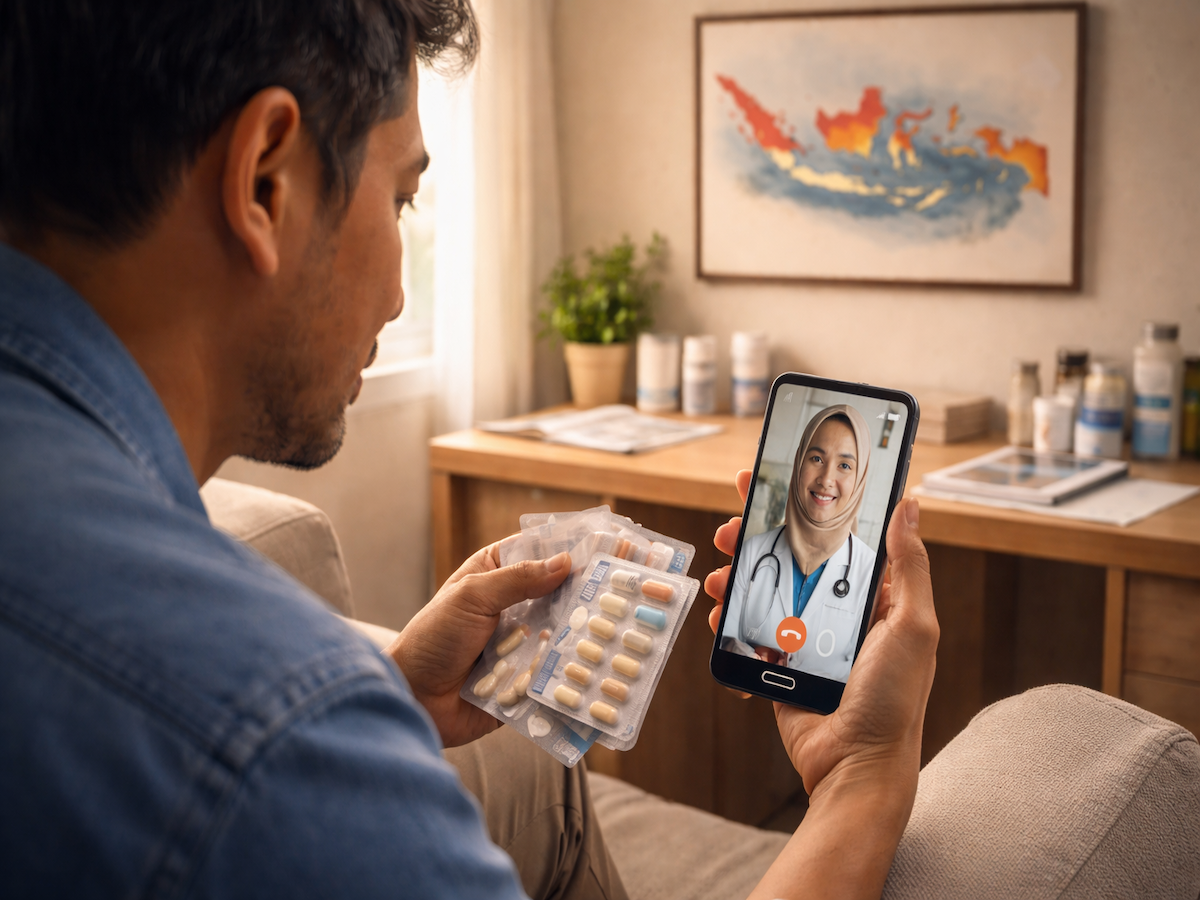
With a population exceeding 270 million and more than 17,500 islands, Indonesia faces significant disparities in health care access due to its fast-growing population, urbanization, and huge distances between health care providers and patients. This intensified during the pandemic, particularly among individuals with chronic, noncommunicable diseases (NCDs) []. Therefore, digital health solutions have the potential to ensure equitable and continuous care in this region. Early evidence suggests that telemedicine could reduce transportation costs by 4% and shorten patient travel times without compromising the level of care []. However, amidst the effectiveness of telemedicine, barriers such as digital literacy, educational level, age, rural residence, and internet access continue to affect its adoption [-].
Evolution, Definitions, and Current Relevance
The digital transformation of health care systems has the potential to greatly improve quality while reducing costs [,]. Telemedicine, which originated in the early 20th century with the use of telephone lines to transmit medical data, has evolved significantly and become a vital component of modern health care delivery. Early applications, such as remotely transmitting electrocardiograms and X-rays, laid the groundwork for telemedicine’s role in improving health care access, particularly in emergencies and rural areas [].
The World Health Organization defines telemedicine as the use of information and communication technology to provide health care remotely, particularly in regions with limited access to medical services []. Telemedicine is highly patient-centered because it is convenient and caters to patients’ digital preferences. This makes telemedicine an essential component of patient care management in areas with limited traditional options []. Telemedicine enables communication between health care providers and patients through technology []. It encompasses both synchronous and asynchronous methods of delivering health care services remotely and is provided through various digital platforms, including secure messaging, mobile apps, and video conferencing [-]. Telemedicine is a broad health care service that uses telecommunication and electronic technologies to support remote consultations, monitoring, nursing, and rehabilitation between patients and health care providers [,].
Telemedicine Adoption in Asia-Pacific and Organization for Economic Cooperation and Development Countries
In the Asia-Pacific region, telemedicine experienced substantial growth during the COVID-19 pandemic, nearly doubling between 2019 and 2021. Australia recorded a ninefold increase in usage during this period [,]. However, postpandemic trends show a stabilization or decline in some countries. For instance, between 2021 and 2023, Singapore and Australia each saw a 9 percentage points rise in telemedicine adoption (from 34% to 43% and 45% to 54%, respectively), while Indonesia’s adoption increased by 7 percentage points (from 51% to 58%) [,]. Conversely, from the same study, India experienced a 4 percentage points decline (from 59% to 55%), reflecting regional disparities in digital infrastructure, regulatory support, and user engagement.
In Organization for Economic Cooperation and Development countries, telemedicine use was limited before the pandemic, with an average of only 0.6 teleconsultations per patient annually in 2019 []. Sweden led in adoption, with 47% of Swedish adults reporting in early 2021 that they had at least 1 teleconsultation since the start of the pandemic [,]. France also saw a dramatic spike, from 136,882 consultations in 2019 to 4.5 million in April 2020 alone, driven by policy changes such as full reimbursement []. Germany’s growth was short-lived; after a surge from 3000 consultations in 2019 to 2.7 million in 2020, usage declined by 40% in 2022 [,]. Physician adoption mirrored this trend: in Sweden, 50% of physicians conducted 25%‐75% of consultations online weekly, compared to just 6% in France and 14 % in Germany []. These patterns underscore the need for adaptive digital health policies tailored to each country’s health care context [].
Digital Health Adoption and COVID-19
The COVID-19 pandemic catalyzed an unprecedented acceleration in digital adoption across health care systems globally, particularly in the area of telemedicine. Mobile apps offering teleconsultation, contact tracing, symptom monitoring, and remote patient management became essential tools for maintaining health care continuity during lockdowns. Regional distinctions shaped the design and use of these platforms: for example, Asian countries emphasized user accessibility and functional simplicity to promote widespread adoption, while North American and European apps primarily focused on disseminating health information with limited interactivity []. Additionally, global differences in regulatory environments, such as Germany’s stringent data privacy laws compared to India’s more rapid, utilitarian deployment of contact-tracing apps, reflect diverse policy priorities during the pandemic []. These variances underscore the importance of localized strategies for telehealth implementation and regulation, particularly as countries transition into the postpandemic phase.
Post-COVID-19 telemedicine is increasingly recognized as a foundational element of modern health care, extending far beyond its initial role as an emergency response. The World Health Organization emphasized its potential not only for acute care but also as a sustainable solution for managing long-term health conditions. Chronic diseases, which demand ongoing monitoring and personalized care, have emerged as a central focus for telehealth apps [,]. This is particularly relevant for rare diseases, which often require specialist consultations and coordinated care that may not be readily available in all geographic regions. The decentralized model enabled by telemedicine can mitigate geographic and systemic barriers, facilitating access to specialist expertise for rare disease patients and improving outcomes through timely interventions and continuity of care [,].
Indonesia exemplifies the strategic integration of telemedicine into national health planning in the postpandemic context. With a population exceeding 270 million distributed across thousands of islands, the government has prioritized digital health to overcome logistical challenges and expand health care accessibility []. The Ministry of Health’s “Blueprint of Digital Transformation Strategy 2024” developed in collaboration with the United Nations Development Program outlines a comprehensive framework for digital health system development [,]. This includes infrastructure to support the management of chronic and rare diseases, particularly in view of the increasing prevalence of NCDs in the country [,]. The blueprint reflects a broader regional trend toward embedding telehealth within long-term health care policy, signaling a shift from reactive digital health adoption to proactive, system-wide transformation. Such strategies are vital to ensuring equitable care for patients with chronic and rare diseases in both urban and remote settings.
Use of Telemedicine for Chronic and Rare Disease Management
Chronic and rare disease management requires a continuous, coordinated, and patient-centered approach, focusing on monitoring, medication adherence, education, and preventive care to improve outcomes and quality of life [,]. Chronic NCD diseases such as diabetes, cardiovascular conditions, and autoimmune disorders—including rare diseases like systemic lupus erythematosus and Sjögren’s disease—demand sustained health care interventions due to their complexity and long-term nature [,]. Telemedicine has emerged as a critical enabler of chronic care, particularly during and after the COVID-19 pandemic, by bridging geographic gaps, reducing travel costs, and supporting remote management for patients in underserved areas [,,]. In Indonesia, for example, the Program Pengelolaan Penyakit Kronis under Badan Pengelola Jaminan Sosial Kesehatan (BPJS; National Health Insurance Agency) illustrates the integration of telemedicine in chronic disease management, offering education, routine monitoring, and preventive care for diabetes and hypertension [,].
The post-pandemic era has highlighted telemedicine’s broader clinical use in managing both chronic and rare diseases. Studies demonstrate its efficacy in improving medication adherence and reducing psychological distress among patients with conditions such as rheumatoid arthritis, while also enhancing satisfaction in postoperative and psychiatric care when delivered via video consultations [-]. Although many autoimmune patients still prefer initial face-to-face consultations, hybrid models—where video is used for follow-ups—have been well received, with 84% reporting video consultations as effective when paired with subsequent in-person visits []. Beyond synchronous video, asynchronous tools such as SMS have proven particularly effective among younger patients, promoting continuous engagement through reminders and 2-way communication []. To ensure quality and patient safety, frameworks like the Asia-Pacific League of Associations for Rheumatology telemedicine guidelines recommend time-limited follow-ups, prioritization through preconsultation screening, and strict adherence to data privacy standards []. Collectively, these strategies underscore telemedicine’s critical role in enhancing access, continuity, and personalization of care for patients with complex and chronic conditions.
Cost-Benefit Analysis
Telemedicine has emerged as a cost-effective solution for improving health care access and quality, particularly in regions facing shortages of medical professionals. In Association of Southeast Asian Nation countries, including Indonesia, the scarcity of physicians in rural areas exacerbates health care challenges. With only 7.5 medical practitioners per 10,000 population, Indonesia lags behind other nations like Malaysia and Singapore, where the availability of physicians is much higher. Telemedicine closes this gap by offering remote consultations, which reduces the need for patients to travel and minimizes health care costs for patients and providers alike []. The increasing adoption of telemedicine has proven to reduce consultation, travel, and time-related expenses, while also enhancing the overall quality of care.
Studies from Europe also highlight the cost-effectiveness of telemedicine. A comprehensive analysis found that telemedicine was cost-effective in 73.3% of cases, with reduced consultation costs and travel expenses being significant contributors to savings []. In Sweden, for example, digital consultations cost 41.5% less than in-person visits []. Similarly, a remote monitoring program for diabetic patients in France demonstrated cost savings, with the remote group spending €1334 (US $1513, December 2021 exchange rate) less compared to the control group over 1 year []. These findings underscore the potential of telemedicine to reduce both health care costs and improve patient outcomes, particularly in systems where teleconsultations are integrated into public health systems with reimbursement options.
Telemedicine also shows considerable promise in reducing nonmedical expenses, such as transportation costs and lost time from work or school. Studies from Bangladesh and pediatric rheumatology research highlight the substantial savings telemedicine provides by cutting travel time by 56% and associated costs by 94% [,]. In Indonesia, the cost of teleconsultations varies depending on the platform, with independent companies offering more affordable options compared to hospital-integrated services. However, telemedicine remains largely inaccessible through public health insurance, as it is only reimbursed via private insurance or self-payment []. Despite these limitations, text messaging and other telemedicine tools continue to be cost-effective solutions for chronic disease management, particularly in underserved areas with limited health care access [,]. This qualitative study aims to examine how access to telemedicine supports care for managing chronic and rare diseases in Indonesia, drawing on perspectives from both patients and health care professionals in the post-pandemic context.
Methods
Ethical Considerations
Informed consent was obtained from all participants prior to data collection. Data were collected, anonymized, and stored securely in line with international ethical standards. No personal or social information was collected, and all data was fully anonymized to ensure privacy and confidentiality. Participants were not offered any compensation for taking part in the study.
This study was conducted in accordance with the principles of the Declaration of Helsinki. Ethical approval was obtained from the German Association for Experimental Economic Research Institutional Review Board (certificate number syBSVy9b). No identifying images or personal or clinical details of participants are included.
Research Design
This study adopts a qualitative research design following the Consolidated Criteria for Reporting Qualitative Research (COREQ) 32-item checklist as provided as [,]. The topic guides were developed by RN and CGP in accordance with the COREQ 32-item checklist to ensure comprehensive coverage of key methodological domains. Guide development was informed by prior literature on telemedicine adoption and qualitative interviewing and subsequently reviewed by MG to establish content validity. A deductive analytic approach was applied, drawing on established theories and frameworks to inform the research questions and interview guide development.
The study comprises two primary participant groups: physicians and patients. Semistructured interviews were chosen as the main data collection method due to their suitability for eliciting in-depth responses on telemedicine experiences and challenges [,]. The interviews were conducted in 2 phases. First, physicians from different regions and medical specialties were interviewed. Next, case studies of patients diagnosed with autoimmune diseases were examined.
Data Collection
Recruitment
Recruitment followed a systematic multistage procedure suited to the context of Indonesia, an upper-middle-income country and Group of Twenty member characterized by wide regional and socioeconomic disparities []. For physicians, the inclusion criteria required active medical practice in Indonesia, prior experience using or familiarity with telemedicine in managing chronic or rare diseases, and willingness to participate in an online interview. For patients, inclusion criteria included having a clinically confirmed chronic or rare autoimmune condition and experience with telemedicine services. A social media-based strategy was used, as it has proven effective in engaging participants and achieving broader outreach across socioeconomic categories [-]. Physicians were approached through professional platforms (LinkedIn and ResearchGate), email, and Instagram, while patients were recruited through content-sharing platforms (Instagram and TikTok) and WhatsApp community groups. This multiplatform strategy enabled access to both health care professionals and hard-to-reach patient populations [,,]. Previous studies underscored notable gender disparities, revealing a predominance of female patients, which corresponds with the higher incidence of autoimmune diseases observed in women [].
Furthermore, standardized invitations outlining the study, eligibility criteria, and confidentiality were shared, thus participation occurred according to respondents’ availability. Digital consent was obtained prior to interviews. Although social media enabled broad outreach, engagement from marginalized groups remained uneven [].
For this study, Indonesia was categorized into Western and Eastern regions. Western Indonesia comprises Sumatra, Java, and Kalimantan, while Eastern Indonesia includes Nusa Tenggara, Sulawesi, Maluku, and Papua. Participants were drawn from 6 of Indonesia’s 7 major regions, including Sumatra, Java, Kalimantan, Nusa Tenggara, Sulawesi, and Papua. Recruitment from the Maluku Islands proved challenging due to the absence of referral connections with physicians or patients with autoimmune conditions, as well as the region’s small population.
National telecommunications statistics indicate substantial regional disparities in digital connectivity. Western Indonesia generally demonstrates higher internet access, with an average of 80% of the population, compared to around 40% in the Eastern regions []. The lowest internet penetration was observed in parts of Papua, where access declined to approximately 6% in 2024 []. Similar results were found for cellular signal coverage across 7 Indonesian regions [].
Interviews With Physicians and Patients
A total of 35 physicians were approached, resulting in 15 semistructured interviews conducted between August and November 2024. The participants, representing 6 medical specialties, were chosen for their experience with telemedicine, research involvement, or public health advocacy. For physicians, the inclusion criteria required active medical practice in Indonesia, prior experience using or familiarity with telemedicine in managing chronic or rare diseases, and willingness to participate in an online interview. For patients, inclusion criteria included having a clinically confirmed chronic or rare autoimmune condition and experience with telemedicine services. Each interview, conducted in Bahasa Indonesia via Zoom (Zoom Communications, Inc) or WhatsApp (Meta Platforms, Inc), lasted 25 to 63 minutes (mean 48, SD 13.4), following a 5-section interview guide with 27 questions as shown in Appendix S1 (). In total, the interviews yielded 743 minutes of recordings and 163 pages of transcripts. The interviews were primarily conducted by RN, with several sessions co-led or supported by CGP. Physicians were recruited through social media, professional platforms, and referrals, with 1 session including a passive observer (a community leader).
In the second phase, 15 patients diagnosed with autoimmune diseases were contacted, leading to 9 interviews conducted between November 15 and December 15, 2024. All interviews were conducted by RN. Recruitment took place through patient communities on Instagram (Meta Platforms, Inc) and WhatsApp (Meta Platforms, Inc), with consent from community leaders. Each interview had a typical duration of 26 to 70 minutes (mean 54, SD 16.1), guided by a 6-section, 34-question format, and transcribed verbatim. Appendix S3 () contains the interview guide, and a detailed interview summary is attached in Appendix S4 (). The total output was 539 minutes of recordings and 197 transcript pages, with 1 session also involving a nonparticipant community leader. summarizes key details of both phases.
Table 1. Overview of interview characteristics and participant details.
Category
Physicians
Patients
Interview period
October 10-November 10, 2024
November 15-December 15, 2024
Participants reached
35 physicians
15 patients
Number of participants
15 physicians
9 patients
Recruitment method
Direct outreach via ResearchGate, LinkedIn, Instagram, and referral through mutual connections
Community posts and broadcasts on Instagram and WhatsApp
Language
Bahasa Indonesia
Bahasa Indonesia
Interview duration
25-63 min (mean 48, SD 13.4)
26-70 min (mean 54, SD 16.1)
Interview format
Semistructured (5 sections and 27 questions)
Semistructured (6 sections and 34 questions)
Total recorded time
743 min
539 min
Transcript length
163 pages
197 pages
Data Analysis
Thematic analysis is used to systematically identify, analyze, and interpret patterns within qualitative data []. Transcripts were initially reviewed for accuracy and completeness. Zoom (Zoom Communications, Inc) interviews were transcribed using built-in features, while WhatsApp (Meta Platform) recordings were processed using QuickTime Player (Apple Inc) and TurboScribe (Leif Erikson Ventures, LLC). All transcripts were manually checked and then translated into English using ChatGPT 4.0 (OpenAI) and DeepL (DeepL SE) to ensure consistency and accessibility for non-Indonesian—speaking readers. All translated transcripts were then reviewed again manually by 2 of the authors, both of whom are native speakers and 1 of whom has medical knowledge. To maintain confidentiality and reduce participant burden, transcripts were not returned to participants for verification. Identifying details were anonymized throughout. The data analysis process is displayed in .
Figure 1. Steps involved in the qualitative data analysis process.
Data were analyzed using MAXQDA (VERBI Software GmbH), following a structured, 3-level coding process []. First-level coding identified broad themes that served as the foundation for analysis. Second-level coding, or fine coding, further refined these categories into specific subcategories for deeper analysis of telemedicine experiences. Third-level coding introduced additional granularity, breaking down subcategories into more specific classifications to capture nuanced patterns within the data. Coding was primarily conducted by RN, while CGP and MG independently reviewed portions of the transcripts to validate emerging codes and themes. Theme validation extended beyond partial co-coding through iterative comparison of the final themes with the original transcripts to ensure accurate representation of participants’ perspectives. Interpretive discrepancies were discussed among the authors and resolved through consensus. In addition, the researchers also held regular discussions throughout the coding process and participated in debriefing sessions with MG to further strengthen analytical rigor. Data saturation was determined by RN during the coding process and subsequently confirmed through joint discussions with CGP and MG. Saturation was considered achieved once participants from all major Indonesian regions were represented and recurring patterns consistently emerged across interviews. This determination was further supported by verification through field notes and preliminary coding reviews, with no additional first-order concepts or second-order themes identified [].
In addition to thematic analysis, cost-related data mentioned in patient interviews (eg, transportation, consultation, and medication costs) were extracted and compiled using Microsoft Excel (Microsoft Corporation) to support an exploratory cost-benefit dimension.
Interviews with physicians were thematically coded across 6 domains: general experience, telemedicine usage, perceived benefits, challenges, health care accessibility, and future outlook. Physicians highlighted telemedicine’s effectiveness in monitoring stable patients, especially in remote areas, citing improved accessibility and cost-efficiency. However, they also noted challenges such as diagnostic limitations, poor internet connectivity, legal concerns, and disparities in patient digital literacy. Telemedicine adoption varied by region, case complexity, and health care setting, with usage patterns influenced by the COVID-19 pandemic and shifting postpandemic practices. The coding structure is visualized in Appendix S5 ().
Patient interviews were classified according to demographics, medical history, telemedicine usage, health care access and costs, challenges, and overall perceptions. Participants reported diverse experiences shaped by illness severity, hospital class, payment methods (eg, BPJS and private insurance), and regional access to specialists. Many appreciated the reduced travel and financial burden telemedicine offered, while others preferred in-person care for complex diagnostics. Barriers included infrastructure limitations, insurance gaps, and varying levels of digital literacy. Overall, patients valued the flexibility of telemedicine but saw it as a complementary tool rather than a full replacement for face-to-face consultations. Cost-related findings were supported by comparative analysis using MAXQDA (VERBI Software GmbH) and Microsoft Excel (Microsoft Corporation) to highlight reductions in nonmedical expenses. Appendix S6 () presents the coding analysis level of the patient.
Results
Geographic Distribution of Participants
illustrates the geographic distribution of study participants across Indonesia. Physicians and patients are represented according to their respective regions. This highlights the coverage across 6 major regions and shows regional representation.
Figure 2. Distribution of physician and patient interviews across Indonesia.
Physicians’ Perspectives
Overview
The study involved 15 physicians from 6 regions in Indonesia, as illustrated in , representing a range of specialties: general practice (n=5), immunology (n=4), rheumatology (n=3), plastic surgery (n=1), pediatrics (n=1), and ophthalmology (n=1). Participants’ clinical experience varied, with 2 participants having over 20 years of practice, 6 having 16‐20 years, 2 having 6‐10 years, and 5 having between 1‐5 years of experience.
Additionally, the physicians practiced across all hospital classifications, as defined in Article 340/MENKES/PER/III/2010, which categorizes hospitals based on service capabilities, infrastructure, and available resources [-]. The classification system categorizes hospitals into four types: class A, B, C, and D. Class A hospitals, primarily located in major cities, serve as top referral centers with extensive facilities and a wide range of medical and subspecialty services. Class B hospitals, mostly found in regional areas, provide at least 11 specialist and limited subspecialist services. Class C hospitals focus on essential specialist care and are equipped with a minimum number of medical specialties. Class D hospitals, commonly referred to as Community Health Centers (Pusat Kesehatan Masyarakat), offer basic medical services with limited specialized care.
Evolution of Telemedicine Adoption
Before the COVID-19 pandemic, telemedicine adoption in Indonesia was sporadic and limited. Among 15 physicians surveyed, 12 reported using telemedicine. Additionally, 1 physician recalled that “telemedicine didn’t exist yet” around 2015, reflecting the nascent state of digital health at the time.
The pandemic became a turning point. A total of 11 out of 15 physicians began using virtual platforms such as WhatsApp (Meta Platforms, Inc), Zoom (Zoom Communications, Inc), standalone health tech apps like HaloDoc (PT Media Dokter Investama) and Alodokter (PT Alodokter Teknologi Indonesia), as well as hospital-based telemedicine systems [-]. During this period, telemedicine was particularly valuable for triaging patients, conducting follow-ups, and managing medications. The need to reduce physical contact due to infection risks made remote consultations not just practical but essential. Many hospitals and clinics swiftly adopted telemedicine services, though often with basic tools or improvised infrastructure.
As COVID-19 cases declined, physicians observed a reduction in telemedicine usage as patients gradually returned to in-person visits. Still, telemedicine continues to serve an important role, especially for follow-up care and for managing chronic or rare conditions. This transition is reflected in 1 physician’s experience:
At one point, I was handling up to 23 patients a day, but during a single Zoom call, there could be five family members present. Afterward, I would continue treating the rest of my patients. That was mostly in 2019‐2020, but then the numbers started declining. Post-COVID, it’s been fewer, I primarily manage autoimmune patients from remote areas. [D13]
While full replacement of in-person care remains unlikely, the pandemic has established telemedicine as a lasting complement within hybrid care models. Half of the physicians viewed it as unsuitable for initial diagnoses, but they now use it for monitoring, education, second opinions, and psychological support. This approach is particularly effective for extending care and reducing financial burdens to patients in remote locations. In this context, pediatric cardiologists in Jakarta conduct monthly follow-ups via video consultation with patients in Aceh, located in the westernmost part of Indonesia. Given the long waiting times and the need for continuous monitoring, a process known as the surgical conference is used to assess and prioritize patient conditions. One physician shared:
They are usually asked to have monthly follow-ups via the online clinic. They also check the status of the surgical conference queue. So, it just keeps moving along. [D4]
Challenges
In total, 14 out of 15 physicians identified the lack of physical examination as a key limitation in telemedicine, as noted:
However, if I’ve never met a patient in person, never done a physical examination, or never had direct contact, it’s challenging to diagnose complex diseases […] for diagnoses that require physical examinations, telemedicine can’t fully replace in-person visits. [D7]
Telemedicine has also increased workloads. Two physicians reported burnout due to additional consultation demands. A physician explained:
Right now, telemedicine is just a replacement for face-to-face consultations. It does not reduce the workload; it adds to it. […] So, telemedicine adds extra time slots. To reduce burnout, we need more doctors and better networking. [D7]
Legal uncertainty adds another layer of concern. Five physicians questioned data ownership when using third-party apps, emphasizing “[a]nother issue is significant patient privacy concerns regarding data security and encryption measures” (D9).
Future Directions
Telemedicine is advancing toward greater accessibility, efficiency, and diagnostic accuracy. A key innovation is the creation of specialized hubs linking medical teams across hospitals. As explained by a physician, this hub-and-spoke model is underway at his or her hospital, beginning with neurosurgery:
For example, at our hospital, what we plan for the future is to have this. Currently, our neurosurgery team is already working on it. The main hub for the neurosurgery team is at our hospital. But then, in every hospital branch, there is a hub that becomes part of the neurosurgery network. [D7]
Another promising development is artificial intelligence (AI)–assisted diagnostics. A physician highlighted a project targeting diabetic retinopathy:
We are currently developing AI tools for diabetic retinopathy […] The AI analyzes the photos to categorize them automatically […] In remote regions, access to equipment is still a challenge. [D8]
Additionally, a physician cited virtual reality (VR) integration in Japan to support remote assessments:
As currently being implemented at the University of Nagasaki, Japan […] Patients visit a clinic on a remote island, and physicians remotely assess their condition using VR. [D15]
Patients’ Perspectives
Participant Characteristics
The data is based on interviews with 9 patients diagnosed with various autoimmune conditions, including rheumatoid arthritis, systemic lupus erythematosus, Sjögren’s disease, psoriasis, antiphospholipid syndrome, Graves’ disease, and scleroderma, with time since diagnosis ranging from 2 to 17 years. Participants, aged between 26 and 59 years, came from diverse professional backgrounds and lived in both urban and rural areas. Seven were covered by Indonesia’s national health insurance (BPJS), while 2 financed their health care independently.
Telemedicine Adoption Shaped by Health Care Access
Patients with autoimmune diseases in Indonesia face significant disparities in health care access. Accurate diagnosis typically requires referral to class A hospitals located in major cities, due to the scarcity of subspecialists in rural or outer island regions. The average diagnosis delay exceeded 1 year. One patient was diagnosed in Malaysia due to the lack of domestic expertise during the early 2000s, as local specialists were unavailable at the time.
While some patients now receive initial evaluations at class B hospitals, advanced care still necessitates travel to central facilities. A patient from eastern Indonesia reported a 400 km journey, taking 10 hours by bus through mountainous terrain, costing up to IDR 10 million (€580) per visit.
The eight to ten hours by land is really far, especially with the poor infrastructure with mountain roads and winding paths […], so my mother called instead. There is no consultation fee; only the medicine has a cost, but it is expensive. [P6]
Due to the physical and financial burden, the patient was later transferred to a nearer class B hospital, albeit with limited specialist support.
Telemedicine has emerged as a critical solution for bridging these access gaps. Among the 9 patients interviewed, those living in urban or semiurban areas within 5 km of a hospital preferred in-person care, citing convenience and minimal travel time.
The distance is probably one kilometer. You can walk or ride a motorbike. It usually takes about 5-10 minutes by motorbike. [P9]
In contrast, 6 patients residing over 50 km from the nearest hospital relied heavily on telemedicine for follow-ups and flare-ups. Poor infrastructure meant that a 50 km trip could take up to 3 hours, pushing patients to communicate directly with their physicians via WhatsApp text and video calls. This is an informal, yet reliable channel in the absence of more robust telehealth systems.
I once had a check-up, and everything was fine, with no complaints for a month. Then, just a week after the check-up, I suddenly experienced pain in my hand, swelling, and an unusual toothache. When I consulted a dentist, they found no inflammation, but the pain persisted. […] I messaged the doctor directly and sent a photo of the dental examination results. [P2]
Notably, 3 patients with multiple chronic conditions reported using WhatsApp video calls during emergencies to replace in-person visits. They maintained direct contact with their physicians with whom they had been in care for more than 5 years.
I was able to video call my personal doctor directly via WhatsApp while I was in isolation due to COVID-19 to discuss my symptoms along with my autoimmune conditions. The consultation lasted 10‐15 minutes and was free of charge. [P5]
Telemedicine was also used for prescription renewals and noncritical follow-ups. Two patients receiving care at specialized autoimmune clinics reported being notified via WhatsApp when their condition was stable, skipping the usual in-person appointment. Interestingly, none of the patients used commercial health-tech apps (eg, Halodoc), preferring direct contact with trusted physicians. As 1 patient explained:
I already know the doctor, so I just message them directly. [P2]
In remote regions where specialist access remains sparse and health literacy is rising, patients have begun turning to social media for medical advice. This noted the role of social media in improving access to medical information and direct physician interaction [,].
I asked him on Instagram or TikTok, “Doctor, is there an alternative to Myfortic because it’s hard to find?” [P1]
Together, these findings highlight how geography, infrastructure, and personal networks shape health care access and telemedicine use. Patients in remote areas, particularly those with long-term physician relationships, increasingly rely on digital tools to overcome systemic barriers to consistent and affordable care.
Cost-Effectiveness
Telemedicine significantly reduced financial burdens for patients requiring frequent monitoring. Of the 9 participants, 6 reported measurable cost savings after switching from monthly in-person visits to a hybrid model with 1 in-person visit and 5 virtual consultations over 6 months.
At the time of the study, the exchange rate was approximately €1=17,400 IDR (US $1=IDR 15,500 [2024 average]) [,]. The average cost per in-person visit was IDR 2 million (€115), with transportation and accommodation expenses increasing the total cost substantially for remote patients. In comparison, teleconsultations conducted via WhatsApp were free. below summarizes the financial impact, as reported by multiple participants in this study.
These results reflect a cost reduction of 65%, from IDR 42.0 million (€2484) to IDR 16.5 million (€869), corresponding to an absolute savings of IDR 25.5 million (€1615), without compromising care quality for stable patients. However, public insurance (BPJS) does not fully cover all lab tests or medications. Out-of-pocket costs varied from IDR 200,000 (€12) to IDR 7 million (€405) per month, depending on the disease progression. One patient noted paying IDR 7 million monthly during the first year post diagnosis due to uncovered medications.
Hence, telemedicine offers significant financial and logistical relief for patients in eastern Indonesia, reducing the need for costly and exhausting multileg hospital trips. Thus, telemedicine is highly valued, not only for its economic advantages but also for its emotional and physical relief.
Table 2. Exemplary comparison of cost savings based on patient interviews.
Category
In-person visits
Hybrid model
Cost savings
Visit frequency (6 mo)
6 in-person visits (monthly)
1 in-person visit+5 telemedicine consultations
—
Cost per in-person visit (IDR)
2,000,000
2,000,000
0
Total in-person visit cost (IDR)
12,000,000 (IDR 2,000,000×6)
2,000,000 (1 visit)
10,000,000
Telemedicine consultation cost (IDR)
0
0 (via WhatsApp)
0
Medication costs (IDR)
9,000,000 (IDR 1,500,000 x 6)
9,000,000 (IDR 1,500,000 x 6)
0
Transportation costs (IDR)
12,000,000 (round-trip for all visits)
2,000,000 (1 trip)
10,000,000
Additional costs (accommodation, meals) (IDR)
9,000,000 (overnight stays, meals)
1,500,000
7,500,000
Total cost (IDR)
42,000,000
16,500,000
25,500,000 saved
aNot applicable.
bAll costs are reported in Indonesian Rupiah (IDR). Conversion to US dollars (US $) was performed using an exchange rate of US $1=IDR 15,500 (2024 average).
cFree, under specific conditions (eg, a close physician-patient relationship, typically established for at least 5 years since the initial diagnosis).
Discussion
Overview
This study examines the impact of telemedicine adoption on the management of chronic and rare diseases in Indonesia. Telemedicine has demonstrated significant potential in enhancing chronic illness care and has been recognized as a critical component of Indonesia’s health care response during the COVID-19 pandemic [-]. By exploring the perspectives of both patients and health care professionals, this research offers valuable insights into the effectiveness, challenges, and opportunities of telemedicine for managing chronic and rare diseases in the postpandemic era.
Principal Findings and Alignment With Prior Literature
The results confirm existing theoretical insights into telemedicine adoption, particularly in Indonesia. The findings align with previous studies, which highlight both synchronous (real-time consultations) and asynchronous (store-and-forward) telemedicine models [,]. Physicians’ reliance on WhatsApp, Zoom, and hospital-based platforms demonstrates the transition from minimal telemedicine adoption prepandemic to a more structured implementation during and post–COVID-19.
However, the results reveal that despite growing adoption, telemedicine is still not evenly distributed. This reflects reports that, although telemedicine adoption increased during the pandemic, its growth has since plateaued or declined in some regions [,]. The Indonesian data aligns particularly well with the trend observed in India, where slow adoption is due to remote infrastructure challenges.
From the perspectives of both patients and health care providers, telemedicine was associated with improved access to care, reduced travel time and costs, and was particularly useful for follow-ups and managing chronic diseases. However, shared concerns included clinical limitations, unreliable internet connections, and legal uncertainties. Referring to , health care professionals benefit from expanded patient reach and improved remote monitoring but face limitations such as the inability to conduct physical examinations and increased administrative burdens. On the patient side, benefits like improved access to specialists and reduced travel are offset by challenges such as low digital literacy and poor internet access.
However, this analysis may not fully capture variations across rural Indonesia. Some areas, particularly those with digitally literate younger chronic patients and stable internet access, face physician shortages rather than technological barriers. In such cases, patients often turn to social media messaging platforms to seek timely medical guidance from appropriate specialists, reflecting the evolving role of asynchronous telemedicine in bridging health care gaps [,,]. Telemedicine is most effective and feasible for patients with high digital literacy, stable internet access, and low disease activity []. This further supports the trend in Indonesia, where telemedicine serves as a viable alternative for patients who meet these criteria but lack immediate access to physicians. Our study contributes that access to medical specialists is very limited outside the capital, and that telemedicine could significantly improve care across the country by improving access and lowering cost. Regarding chronic and rare disease management, the physicians’ insights reflect the Asia-Pacific League of Associations for Rheumatology recommendations that telemedicine is effective for follow-ups but should not replace face-to-face visits for initial diagnoses []. This aligns with findings that emphasize the importance of physical examinations in clinical decision-making []. Moreover, the results echo research showing that over half of autoimmune patients prefer in-person consultations, particularly for first-time visits []. However, once a patient-physician relationship is established, they are more open to telemedicine follow-ups, reflecting evidence that patients prefer continuity with familiar physicians [].
Figure 3. Summary of the benefits and limitations of telemedicine in Indonesia.
The cost-effectiveness of telemedicine in chronic disease management is also validated. Telemedicine has been shown to reduce travel costs and improve medication adherence, a pattern echoed in physicians’ reports of its benefits for remote patients in Kalimantan and Sulawesi [,]. These results reinforce previous findings that telemedicine reduces costs for patients and providers, reducing inequalities in health care delivery and thus advancing SDGs 3 and 10. A systematic review of studies conducted in high-income countries further indicates that patients with chronic diseases show a measurable willingness to pay for telemedicine, ranging between 19% and 70% across studies, with higher willingness linked to greater distance from health facilities, while older patients were less willing to pay []. In Sweden, digital consultations led to a 41.5% reduction in health care expenses [], a trend mirrored in Indonesia, where chat-based teleconsultations are considerably more affordable than face-to-face visits [,]. However, the study also highlights barriers to affordability. Unlike Sweden and France, where telemedicine consultations are reimbursed by statutory health insurances, Indonesia’s system still relies on private insurance or out-of-pocket payments [,]. This limits access for low-income populations and supports concerns that telemedicine may exacerbate health care inequalities if not implemented equitably [,].
Beyond cost savings, telemedicine improves access to specialists for patients in remote areas who require consultations with rare disease specialists without geographical constraints [,]. This is evident in Indonesia’s surgical conference model, where pediatric cardiologists conduct video consultations to assess and monitor children awaiting congenital heart disease surgery. Therefore, this study confirms existing challenges from the literature.
Practical Implications: Potential for Future Telemedicine Advancement
While telemedicine presents substantial benefits, physicians continue to recognize its limitations, particularly the necessity of physical examinations for certain medical fields such as rheumatology, neurology, and surgery []. Although effective for initial screenings and follow-ups, these specialties often require in-person assessments. Additionally, concerns have been raised about physician burnout, as virtual consultations expand patient reach beyond local boundaries and increase workload [,]. While the phenomenon of an increased workload and the resulting risk of burnout is not new to health care professionals, it certainly needs more attention in the context of telemedicine, from scholars and regulators alike. Similarly, concerns have been raised in the Association of Southeast Asian Nation-Japan Center report, where Indonesian health care providers express uncertainty over data security and ownership when using independent telemedicine platforms []. While unregulated platforms such as WhatsApp and Zoom are widely used at the moment (also in other health-related contexts such as nutrition monitoring), it remains to be seen whether regulators will enforce other platforms in the future to increase privacy and security, while maintaining low entry barriers and an easy-to-use system []. Furthermore, infrastructural challenges—specifically unreliable electricity and limited internet connectivity in remote areas—continue to hinder telemedicine implementation in rural Indonesia [,].
Despite these challenges, the findings point to significant opportunities for advancing telemedicine. Physicians’ vision for the development of telemedicine hubs across Indonesia aligns with Sweden’s integrated telehealth model, which connects regional hospitals and primary care centers with specialized institutions to optimize care delivery []. Technological innovations such as VR can enhance remote diagnostics and treatment by offering immersive patient experiences, particularly beneficial in underserved regions [,]. Moreover, AI-assisted tools, including automated retinal screening for diabetic retinopathy, show promise in increasing diagnostic accuracy and early intervention. Integrating such tools into national health programs like Program Pengelolaan Penyakit Kronis could significantly strengthen chronic disease management, especially for diabetes, by facilitating proactive care and reducing complications [].
Study Limitations and Directions for Future Research
While this study provides valuable insight into telemedicine implementation in a low-resource setting such as Indonesia, it is not without limitations. First, the sample size and scope were limited to a specific group of physicians and patients, which may not fully capture the diversity of Indonesia’s health care landscape. Although our qualitative analysis did not reveal notable differences in telemedicine use based on gender or socioeconomic status within the small patient sample, we acknowledge that the composition of the sample was limited and skewed. Most of the participants were female and were predominantly insured by BPJS. Second, the study did not sufficiently account for regional disparities. Although adoption trends were discussed, variations in infrastructure quality, digital literacy, and health care accessibility between urban and rural areas were not comprehensively addressed. These disparities significantly influence the rate of telemedicine uptake and its overall effectiveness. Third, the study adopts a primarily short-term perspective, focusing on current patterns of telemedicine use without evaluating its long-term impact on patient outcomes, health care systems, or cost-efficiency. Longitudinal studies are needed to assess whether telemedicine can sustainably support health care delivery in Indonesia over time. At last, while the study acknowledges certain challenges related to technology and policy, it does not provide an in-depth analysis of regulatory environments, reimbursement structures, or technological readiness. These factors are crucial for understanding the scalability and sustainability of telemedicine services.
Future research should aim to expand sample diversity by including a wider range of health care professionals, patient populations, facility types, and geographic regions. In particular, studies with larger and more demographically diverse participant groups are needed to explore potential variations in telemedicine access, use, and user experience across gender, income, and insurance categories. This broader scope would enable a more representative and comprehensive understanding of telemedicine adoption across Indonesia. Additionally, long-term studies are necessary to evaluate the effects of telemedicine on patient health outcomes, cost-effectiveness, and physician workload. Exploring alternatives to in-person examinations, such as VR-based assessments, as trialed in Japan, may offer innovative solutions to address diagnostic challenges in remote settings. Furthermore, a detailed analysis of policy frameworks, legal regulations, data security protocols, and funding mechanisms is essential to assess their influence on telemedicine integration. Comparative studies with countries facing similar health care challenges could also provide valuable benchmarks and help identify best practices for more effective and equitable telemedicine implementation in Indonesia.
Conclusions
The findings of this study align with existing literature while providing additional insights into the regional disparities and infrastructure challenges related to telemedicine adoption in a major South-East Asian country. A noticeable shift in telemedicine usage occurred before, during, and after the COVID-19 pandemic. Prior to the pandemic, telemedicine adoption was minimal, with limited engagement from both physicians and patients. During the pandemic, there was a significant increase in the use of telemedicine platforms, as remote consultations became essential for managing patient volumes through tools like WhatsApp, Zoom, independent health technology applications, and hospital-based systems. Therefore, targeted investment in digital infrastructure and internet connectivity, particularly in underserved regions, would help reduce geographic inequities.
Postpandemic, the use of telemedicine for general consultations has decreased, though it continues to be important for follow-up care, the management of chronic and rare diseases, and improving access to specialists in remote areas, thereby supporting progress toward SDGs 3 and 10. While telemedicine has contributed to increased health care accessibility and cost-effectiveness, challenges remain, such as inadequate infrastructure, physician burnout, legal uncertainties, and the inability to conduct physical examinations remotely, which can hinder its impact on health equity. Hence, implementing support mechanisms for health care professionals, such as workload management systems and mental health progress, is crucial for long-term adoption.
Emerging models, such as telemedicine hubs, VR-based diagnostics, and AI-assisted screening, offer potential solutions to bridge these gaps and further promote equitable health care delivery in line with SDG 3 and SDG 10. However, the long-term success and broader adoption of telemedicine in Indonesia require sustainable regulatory frameworks, adequate funding models, consideration of the well-being of health care professionals, and continued investment in digital infrastructure. Addressing these challenges will be essential to maximize telemedicine’s contribution to more inclusive and resilient health care systems that advance global commitments to SDG 3 and 10.
The authors declare the use of generative artificial intelligence (GAI) tools in the research and manuscript preparation process. In accordance with the GAIDeT taxonomy (2025), the following tasks were delegated to GAI tools under full human supervision: proofreading and language editing and translation of interview data. The GAI tools used were ChatGPT (versions 4o and 5; OpenAI) and DeepL (DeepL SE). The authors take full responsibility for the integrity, accuracy, and final content of the manuscript. GAI tools are not listed as authors and do not bear responsibility for the study’s findings or conclusions. Declaration submitted by: CGP, RN, CH, and MG.
This research received no specific grant from any funding agency in the public, commercial, or not-for-profit sectors.
The datasets generated and/or analyzed during the current study are not publicly available due to privacy and confidentiality agreements with participants, but deidentified data are available from the corresponding author on reasonable request.
None declared.
Edited by Alicia Stone; submitted 03.Sep.2025; peer-reviewed by Abdur Rasool, Ivan Alejandro Pulido Tarquino; accepted 02.Feb.2026; published 19.Mar.2026.
This is an open-access article distributed under the terms of the Creative Commons Attribution License (https://creativecommons.org/licenses/by/4.0/), which permits unrestricted use, distribution, and reproduction in any medium, provided the original work, first published in the Journal of Medical Internet Research (ISSN 1438-8871), is properly cited. The complete bibliographic information, a link to the original publication on https://www.jmir.org/, as well as this copyright and license information must be included.