- Fitch Upgrades MEG Energy Corp. to ‘BBB’; Outlook Stable Following Cenovus Acquisition Fitch Ratings
- MEG takeover saga draws to a close as Cenovus completes purchase CBC
- CVE Completes Acquisition of MEG Energy to Enhance Oil Sands Por GuruFocus
- Cenovus Energy Finalizes MEG Energy Deal, Expanding Oil Sands Output Finimize
- MEG Energy upgraded to ’BBB’ at S&P after Cenovus acquisition Investing.com
Category: 3. Business
-
Fitch Upgrades MEG Energy Corp. to 'BBB'; Outlook Stable Following Cenovus Acquisition – Fitch Ratings
-
New deal to see hundreds more e-scooters in Liverpool
Jonny HumphriesNorth West
 Bolt
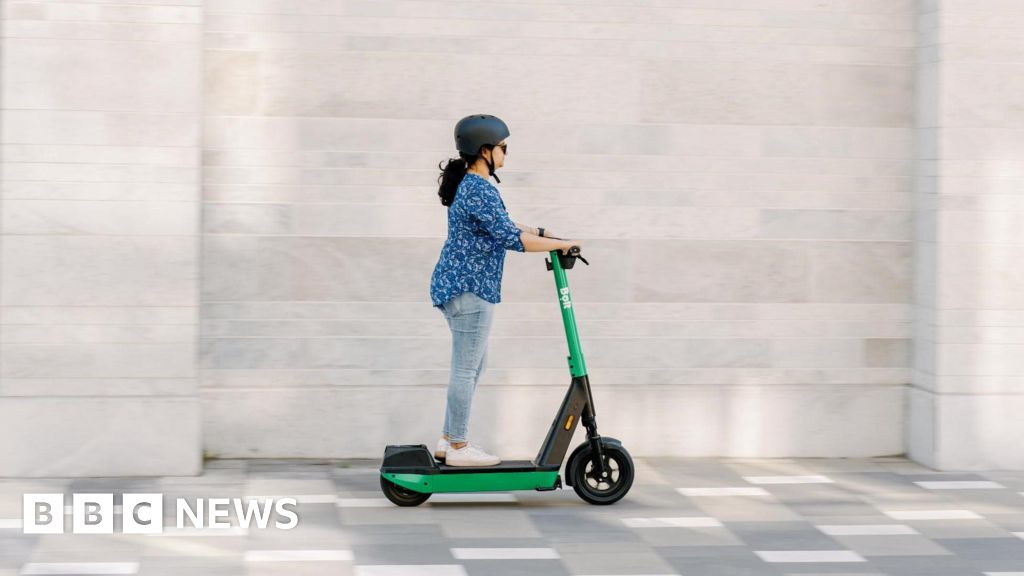
BoltBolt will take over the contract from existing provider Voi in February Liverpool has awarded micromobility firm Bolt a contract to provide rental e-scooters and bikes after its deal with existing provider Voi comes to an end.
The new service will see 2,000 scooters and 100 e-bikes deployed, operating 24 hours a day, seven days a week, from February next year.
It will cover the entire city, with areas such as Speke and Garston set to have scooters for the first time.
Nick Small, cabinet member for growth and economy at Liverpool City Council, told the BBC the new deal with Bolt is “a much better offer than we’ve got at the moment from Voi”.
Voi had been operating rental scooters in the city since October 2020 as part of a Department for Transport pilot to provide low-carbon alternatives to public transport.
Private scooters are still illegal to ride on public roads, but the pilot scheme allowed users to unlock approved pink Voi scooters using a smartphone app, and leave them in designated areas.
 Getty Images
Voi e-scooters had become familiar on the streets of Liverpool However Bolt had offered to provide around 500 more scooters and 100 e-bikes, and offer a 24/7 service rather than the current arrangement of between 06:00 GMT and 00:00.
Mr Small said: “I think the e-scooter trial has been a massive success in Liverpool and it’s opened up new transport options for people.
“It’s reduced car dependency, it’s reduced the number of times that people are spending on car journeys and that’s good for everyone, it’s good for the planet but it’s also opening up opportunities for people to get to work and with different modes of transport and to change their lifestyles.”
He said he understood some people were not convinced by the pilot scheme, with concerns over scooters being parked inappropriately or ridden unsafely.
‘Better urban transport’
However he said Bolt e-scooters and e-bikes would be “well-regulated”, with users needing to be over 18 and to provide driving licences before use.
A maximum speed limit of 15.5 mph would be set for both scooters and e-bikes and cognitive reaction tests will be in force on the app to prevent drunk riding.
The service will also use A.I powered facial recognition and geofencing technology to prevent bad parking.
Liverpool Council said research from Bolt showed almost half of its e-bike and scooter trips around the world are to and from bus and train stations, which it said showed how Liverpool’s service could reduce reliance on private cars.
John Buckley, Bolt’s head of micromobility for the UK, said: “With over 230,000 scooters and e-bikes operating in more than 270 cities across Europe, we’ve seen how micromobility can encourage environmentally friendlier travel, reduce car traffic, and connect people to public transport.
“Launching micromobility in Liverpool, and our first ever scooter service in the UK, is a key step in Bolt’s commitment to building better urban transport.”
Continue Reading
-
Urban Outfitters Launches In-Store Return Program with Rental Platform Nuuly
Urban Outfitters stores now offer faster Nuuly returns, instant account updates, and surprise-and-delight perks
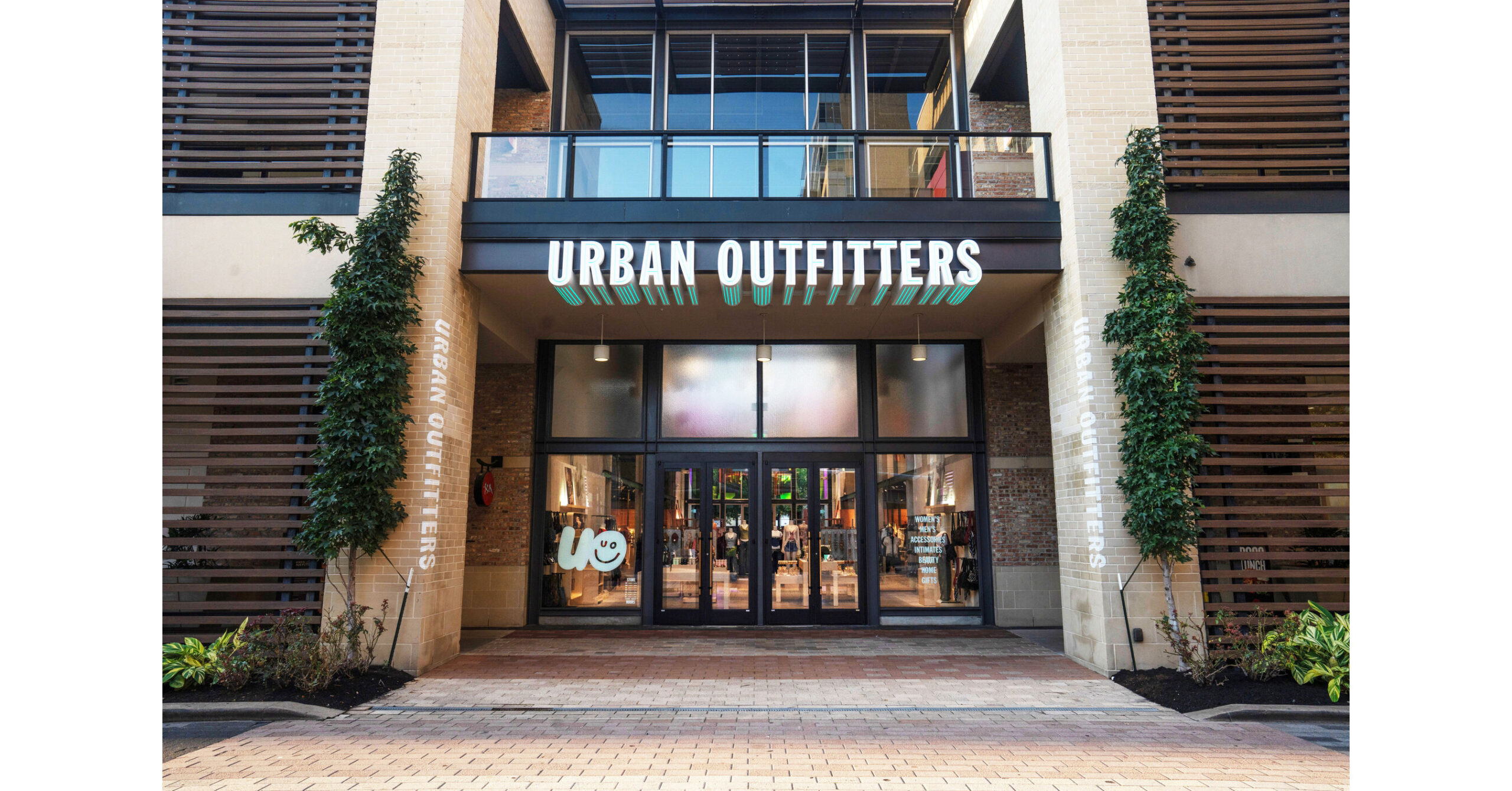
PHILADELPHIA, Nov. 14, 2025 /PRNewswire/ — Urban Outfitters and Nuuly announced a new in-store service built for the next-generation shopper. Beginning today, Nuuly subscribers to URBN’s leading clothing rental subscription platform can now return their monthly Nuuly totes to all U.S. Urban Outfitters stores. With this program, shoppers can now unlock perks like faster processing, instant updates, and surprise offers. By bringing Nuuly rental returns into the UO ecosystem, the brands are creating a more seamless shopping journey that blends digital ease with in-store discovery, uniquely developed for Gen Z in mind.
Urban Outfitters x Nuuly
Customer Return Process:
- Easy Drop-Off: Customers can return Nuuly totes at all UO stores; associates scan the 18-digit UPS tracking number at checkout.
- Instant Confirmation: No “Check for Drop Off” needed. Subscribers will get a return confirmation email within minutes with tracking info and a link to their account.
- Automated Updates: Upon Drop Off, customers will receive standard emails such as “Return Confirmed,” “Your Nuuly is Unlocked,” “Unlock Early,” “Your Pause is Confirmed,” and “Your Subscription is Cancelled.”
- UO Surprise Offers: To celebrate, shoppers who utilize the UO drop off will receive 15% discount codes for Urban Outfitters in-store and online purchases each time they return their Nuuly through December 24, 2025. The codes are redeemable until December 31, 2025. Additionally, five select UO doors will offer an exclusive Nuuly “Gift with Return” while supplies last.
“Our stores have always been more than just places to shop, they’re spaces for discovery, connection, and convenience,” said Urban Outfitters President Shea Jensen. “By bringing Nuuly returns into select UO locations, we’re making it easier than ever for customers to manage their wardrobes and discover what’s next. It’s another step in blending our digital and in-store experiences to meet our community where they are.”
Nuuly launched in 2019 as a new way to engage with fashion, marrying a robust offering of URBN’s own brands, third-party labels, and one-of-a-kind vintage pieces into a custom-built, digital platform for rentals. Since then, the platform has performed exceedingly well, growing its subscribers by 53% this year. Now, with the Urban Outfitters in-store drop off as a key part of Nuuly’s returns experience, the stage is set for even more meaningful consumer connections and continued growth.
“We’ve been excited to see the enthusiasm behind Nuuly and are so pleased to bring this in-store program to life with Urban Outfitters to give our community more return options,” said David Hayne, President of Nuuly. “We’re always looking for fresh ways to engage our Gen Z consumers and streamline the shopping experience. This partnership is a strong example of what’s possible when we come together. “
The in-store return program is available in all U.S. Urban Outfitters locations. To learn more, visit UrbanOutfitters.com or @urbanoutfitters on Instagram.
About Urban Outfitters
Urban Outfitters is a global lifestyle brand dedicated to fueling the next generation’s individuality through a unique blend of product, creativity, music, and youth culture. Founded in 1970 in a small space across from the University of Pennsylvania, Urban Outfitters now operates over 200 stores across the United States, Canada, and Europe, alongside a dynamic digital presence. Empowering bold self-expression, Urban Outfitters leads with its distinctive designs and curated selection of women’s, men’s, accessories, and home products, and best-in-class brand partnerships. For more information, visit Urban Outfitters at www.urbanoutfitters.com.About Nuuly
Nuuly is the leading women’s clothing rental subscription service with over 380,000 active subscribers and growing. For $98 per month, customers can rent any six items from 500+ brands, including Anthropologie, Free People and Urban Outfitters, as well as 22,000+ curated styles from well-known contemporary brands to up-and-coming designers, premium denim labels, and exclusive vintage pieces. Nuuly is committed to all everyday wear categories with options in sizes 00-40/5X, including a substantial selection of petites and maternity. For more information, visit www.nuuly.com/rent and follow @nuuly on Instagram. Press inquiries should be directed to [email protected].SOURCE Urban Outfitters
Continue Reading
-

Princess Cruises Partners with Handshake Speakeasy, North America’s Best Bar, to Create Five Exclusive Cocktails at Sea
Two-Time Best Bar in North America Brings
Award-Winning Mixology Onboard Princess ShipsFORT LAUDERDALE, Fla., Nov. 14, 2025 /PRNewswire/ — Princess Cruises has partnered with Handshake Speakeasy, named The Best Bar in North America 2025 by World’s 50 Best Bars for two consecutive years and celebrated for its inventive cocktail craftsmanship in the heart of Mexico City. This groundbreaking collaboration introduces five exclusive, bespoke cocktails, meticulously composed by Handshake’s award-winning mixologists and are set to debut aboard Princess Cruises.
Green Tea cocktail available at Crooners Fleet Wide
Bringing the spirit and sophistication of Mexico City’s cocktail scene to sea, the partnership marks Handshake Speakeasy’s first-ever venture with a cruise line. The five signature cocktails will be available with three featured in the guest-favorite Crooners bar and two reserved exclusively for guests of The Sanctuary Collection beginning November 14, 2025, on Star Princess, with availability expanding fleetwide across all 17 Princess ships in the weeks that follow.
“At Princess, we’re always searching for ways to elevate our guests’ experiences, and this partnership with Handshake Speakeasy represents the best of the best in cocktail culture,” said Sami Kohen, Princess Cruises Vice President of Food and Beverage. “These are cocktails you simply can’t get anywhere else in the world. We’re thrilled to bring these world-class creations to the Princess fleet and offer our guests an unforgettable experience at sea.”
The partnership comes to life through a digital storytelling journey led by Rob Floyd, world-renowned mixologist and global ambassador of Princess Cruises. Recently filmed in Mexico City, the journey captures Floyd exploring vibrant markets as Eric Van Beek, Handshake’s co-owner and lead mixologist, designs cocktails that embody what he calls “the soul of the cocktail.”
Where to Sip at Sea
The exclusive creations include:Crooners
- Pan Am Punch
Bacardi Superior, Aperol, Lemon, Orgeat - Green Tea
Bombay Sapphire Gin, Lemon, Vanilla, Coconut, Matcha Tea - Banana Bread O.F.
Rittenhouse Rye Whiskey, Banana, Walnut Brown Butter, Maple
The Sanctuary Club (part of The Sanctuary Collection)
- Hibiscus & Spice
Pantalones Tequila Blanco, Hibiscus, Lime, Cinnamon, Cointreau, Vanilla - Red Fruit & Roses
Elyx Vodka, Strawberry, Rose Water, Jasmine Tea, Lime
Handshake’s magic of cocktail-making is celebrated for its innovative drinks, sophisticated ambiance, and unique Mexican hospitality, which includes a hidden on-site flavor lab for crafting its cocktails. Recognized globally, Handshake has earned the titles of World’s Best Bar 2024 and North America’s Best Bar 2024 and 2025 by World’s 50 Best Bars.
“Working with Handshake Speakeasy is about more than mixing spirits – it’s about telling a story in every sip,” said Rob Floyd, Princess Cruises Global Mixologist Ambassador. “These five cocktails are unique, playful, and carry with them the soul of Mexico City’s vibrant bar culture.”
“We are really excited with this collaboration, because we can bring a piece of Handshake to more guests and show a little bit of our work with a great partner,” said Rodrigo Urraca, co-owner Handshake Speakeasy.
In addition to this new collaboration, Princess continues to elevate its bar scene with the popular Love Line Premium Liquors collection. The collection includes a selection of thoughtfully curated wines and spirits, offering both spirited selections and non-alcoholic* creations by renowned celebrities, including:
- Pantalones Organic Tequila by Camila and Matthew McConaughey
- Meili Vodka by Jason Momoa and Blaine Halvorson
- Sláinte Irish Whiskey by Liev Schreiber
- Archer Roose co-owned by Elizabeth Banks
- Seven Daughters Moscato by Taraji P. Henson
- Melorosa Sauvignon Blanc and Red Blend co-founded by Jason Aldean, Kasi Wicks and Chuck Wicks
- Love Prosecco by Romero Britto
- Zero Alcohol Sparkling Rosé by Kylie Minogue
- Betty Booze by Blake Lively
Additional information about Princess Cruises is available through a professional travel advisor, by calling 1-800-PRINCESS (1-800-774-6237), or by visiting the company’s website at www.princess.com.
*Some beverages labeled as “non-alcohol” may contain trace amounts of alcohol up to 0.5% alcohol by volume due to natural fermentation or flavoring extracts. In accordance with FDA and TTB guidelines, the term “non-alcoholic” does not mean “alcohol-free.” These drinks are intended for adults aged 21 and over. Please consume responsibly.
About Princess Cruises
Princess Cruises is The Love Boat, the world’s most iconic cruise brand that delivers dream vacations to millions of guests every year in the most sought-after destinations on the largest ships that offer elite service personalization and simplicity customary of small, yacht-class ships. Well-appointed staterooms, world class dining, grand performances, award-winning casinos and entertainment, luxurious spas, imaginative experiences and boundless activities blend with exclusive Princess MedallionClass service to create meaningful connections and unforgettable moments in the most incredible settings in the world – the Caribbean, Alaska, Panama Canal, Mexican Riviera, Europe, South America, Australia/New Zealand, the South Pacific, Hawaii, Asia, Canada/New England, Antarctica, and World Cruises. Sun Princess, the brand’s new, next-level Love Boat named Condé Nast Traveler’s Mega Ship of the Year, introduces the groundbreaking Sphere Class platform and will be joined by sister ship, Star Princess, in Fall 2025. The company is part of Carnival Corporation & plc (NYSE/LSE: CCL; NYSE: CUK).SOURCE Princess Cruises
Continue Reading
- Pan Am Punch
-

New cyber security requirements for energy industry as UK ramps up scrutiny
The Cyber Security and Resilience Bill, launched this week, will enable regulators to enforce larger, turnover-based penalties for serious cybersecurity breaches by companies with ties to important infrastructure, strengthening the existing Network and Information Systems Regulations 2018 (NIS).
In addition to changes to the existing scope of NIS, the bill proposes to increase its scope to include ‘large load controllers’, which manage electrical load for smart appliances. This will introduce a new category of OES for providers of energy smart appliances (ESAs) including electric vehicles, charge points for electric vehicles, and infrastructure such as battery energy storage systems and virtual power plants.
Bringing them alongside existing operators as part of the bill will mean providers of ESA will now need to show they have robust plans in place to deal with cyber attacks, along with adapting to reporting processes to flag significant or potentially significant incidents to regulators and customers.
The most notable changes being proposed, which will affect all OESs will be changes to notification requirements. Regulators and the National Cyber Security Centre will need to be initially notified of incidents within 24 hours, and full reporting within 72 hours. The timescales have changed, but so too have the triggers for notification, with near-miss incidents or those “capable of having… adverse effect” also included within the reporting requirements. Customers who are likely to be impacted by a cyber incident will also now need to be informed promptly by the security providers.
Stuart Davey, a cyber readiness expert with Pinsent Masons, said the increased scope of the bill would offer an extra challenge to those affected, including in the energy industry.
“The inclusion of large load controllers was a surprise, having not been originally trailed in the consultation exercise,” he explained.
“For the first time, those providers will have specific obligations to ensure they comply with the new security requirements. This demonstrates the importance the government places on clean tech and electronic charging infrastructure.”
In addition, the bill proposes a new category of OESs that are ‘critical suppliers’. This is targeted at organisations that provide “goods or services” to an OES, where they rely on network and information systems to carry out supply.
“The briefing paper and consultation documents emphasised the importance of supply chain management, and the bill delivers this by proposing that critical suppliers can be designated by a competent authority,” said Davey.
“At the consultation stage, this appeared to be one of the hardest points to pin down. The current drafting will need careful review, but the fact that there is six pages of lengthy drafting, dealing with designation, consultation, revocation and coordination, suggests this has not been a straightforward process. This is likely to lead to further engagement between ‘operators of essential services’, those potentially to be designated, and competent authorities”
Chris Martin, a technology and cyber readiness expert with Pinsent Masons, said the bill will give both operators of essential services and their key suppliers cause to consider how cyber security and resilience is addressed in supply chain contracts.
“Existing good practice for operators of essential services in the energy sector means imposing appropriate cyber security obligations on key suppliers,” he said.
“Existing contractual practices will now need a thorough review in light of the bill’s proposed changes to NIS. Energy operators and their suppliers should expect regulators to demand demonstrable cyber resilience, which means contracts must go beyond generic security obligations. Practical considerations include embedding clear cybersecurity standards aligned with NCSC guidance, setting mandatory incident reporting timelines, granting audit and assurance rights, allocating liability for regulatory fines, and including termination provisions for non-compliance.”
Martin added that, for suppliers to the energy sector, the focus on supply chain means that they must make strong cyber resilience the hallmark of the goods and services they provide. to ensure any contractual allocation of the risk of enforcement action is fair.
In addition to the changes that are directly relevant to OES, the bill also strengthens the powers of, and obligations on, competent authorities.
“On the one hand, there may be a recognition that competent authorities have not introduced enough guidance under NIS, and the bill explains what guidance is expected to be published,” said Davey.
“The bill also further empowers competent authorities, including by providing more powers for information gathering, with potential penalties for any parties failing to cooperate with such information requests. It is highly likely that regulators will use these new powers to bolster the enforcement actions that are already being taken under NIS.”
Accompanying the bill is a guide which sets out the government’s intent to simplify the penalty band structure under NIS, allow for further factors to be considered as to what constitutes a proportionate penalty, and introduce new maximum penalties. These are proposed to include a new top band of up to £17 million, or 4% of a regulated entity’s worldwide turnover.
In addition, proposed changes include allowing those regulators to recover the full costs associated with their NIS duties – but they will also be required to show how they are using these funds as part of a new charging scheme to strengthen the enforcement process.
Some of the changes less likely to hit headlines relate to the increased powers of the government to instruct regulators – and the organisations in their remit – to take preventative steps when national security is at risk, which could also have significant implications for operators if cyber attacks are threatened.
The bill comes in the wake of warnings from the National Cyber Security Centre in October that companies needed to step up their preparations after a rise in significant attacks.
Continue Reading
-

Eviden signs contract with the SKAO to support the data infrastructure of next-generation radio telescopes
Paris, France – November 14, 2025
Eviden, the Atos Group product brand leading in advanced computing, has been awarded a contract by the SKA Observatory (SKAO) to deliver the Science Data Processing Centre (SDP) Computing work package for both the SKA-Low and SKA-Mid telescope sites in Australia and South Africa.
The signature ceremony for the contract took place in France, an SKAO observing member that announced its decision to join the Observatory in 2021. Formal entry to the SKAO awaits parliamentary ratification of the intergovernmental agreement following the French government signing accession agreement with the Observatory in April 2022. The CNRS, which leads the SKA-France coordination, signed a collaboration agreement with SKAO in March 2022 which facilitates interaction with the French science community.
For more information, please click here
Continue Reading
-
Walmart CEO Doug McMillon to step down after more than a decade in role | Walmart
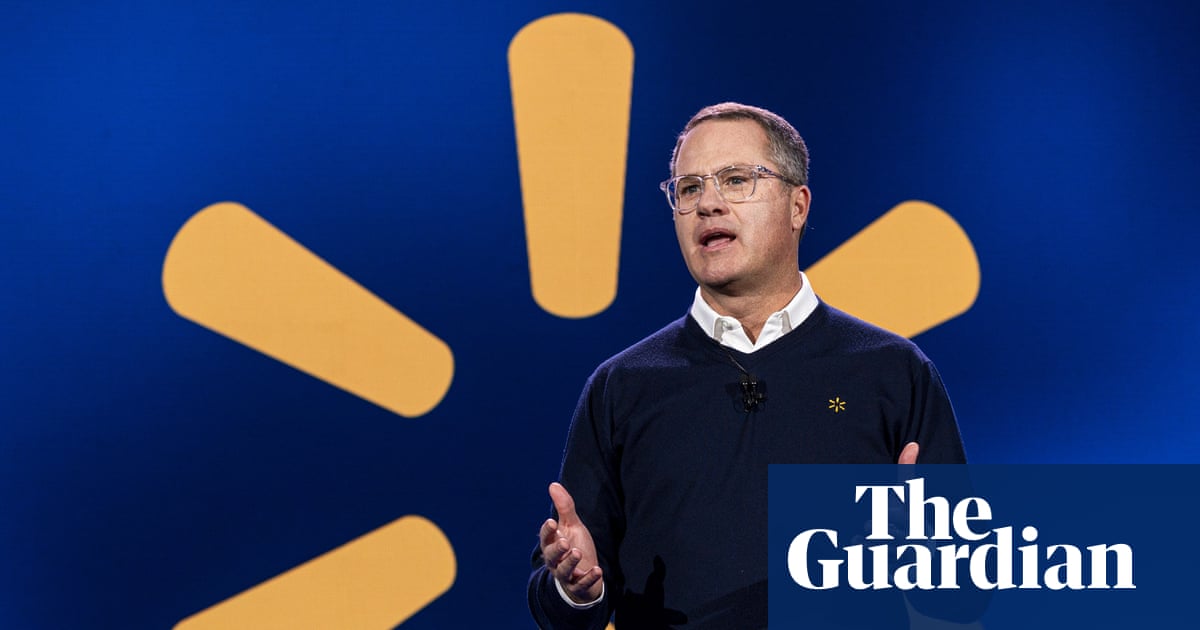
Walmart CEO Doug McMillon will retire next year after more than a decade in charge of one of the world’s largest retailers.
John Furner, the chain’s boss in the US, will succeed McMillion as the Bentonville, Arkansas-based grocery retailer’s global CEO after 31 January.
Shares in Walmart fell about 3% during premarket trading.
Walmart employs 2.1 million workers across the world, including about 1.6 million in the US. With a stock market value of about $800bn, it generated sales of $681bn last year – up 5.1% on the previous year.
As CEO of the retail company, McMillon, 59, became one of the most influential executives in corporate America.
On his watch, Walmart, which has more than 10,000 stores across the world, invested heavily in e-commerce – maintaining its dominance over the retail sector, as more consumers shopped online. It also built a fast-growing advertising business, and sold the British grocery chain Asda in a £6.8bn deal in 2020.
McMillon’s exit at Walmart is the latest in a string of leadership changes sweeping through the US retail sector as companies tackle tariff pressures, an uncertain economy and choppy consumer spending backdrop. Target also named insider Michael Fiddelke as its new CEO earlier this year.
Furner, 51, joined Walmart as an hourly associate around three decades ago, and has held leadership roles across merchandising, operations and sourcing, the company said. He has also served as president and CEO of Sam’s Club.
McMillon, who has been heading the retail bellwether since 2014, will retire in January next year, but continue to be employed as an adviser until early 2027, Walmart said.
“Our family and Board have stated many times that Doug was uniquely qualified to be CEO at the necessary time for Walmart,” said Greg Penner, chair of Walmart. “He leaves Walmart stronger, more innovative, and better aligned with our purpose to help people save money and live better.”
The company reports quarterly results next week.
Reuters contributed reporting
Continue Reading
-
LBS-led task force highlights EU risks from multi‑issuer stablecoins
On Thursday 13 November in Brussels, the European Systemic Risk Board (ESRB) presented its October 2025 report on crypto-assets and systemic risk at the House of the Euro. Francesco Mazzaferro (ESRB Secretariat), Anton van der Kraaij (ECB), and Richard Portes (LBS Professor and ESRB Crypto‑Assets Task Force Co-Chair) outlined the recommendation addressing third-country multi‑issuer stablecoins, tokens jointly issued by EU and non-EU entities that are treated as fungible across jurisdictions.
The ESRB warns these schemes create regulatory gaps, fragmented reserves, and potential runs, which could spill over into banks or disrupt EU financial stability. Its Recommendation urges the European Commission to clarify that such multi-issuer models are incompatible with MiCAR, or impose strict safeguards, including enhanced liquidity, reserve management, and cross-border supervision.
Portes’s VoxEU / CEPR column, Multi‑issuer stablecoins: A threat to financial stability, explains how these arrangements amplify systemic risk, undermine investor protection, and invite regulatory arbitrage. The Brussels presentation builds on earlier LBS coverage of the ESRB report, which highlighted Europe’s move toward macroprudential oversight of crypto-assets.
The event underscores that Europe is now translating academic analysis into concrete policy action, with the fate of multi-issuer stablecoins, cross-border regulation, and crypto-linked bank exposure at stake.
Read more: Major European report on crypto‑asset stability risks
Continue Reading
-

KPMG Private Enterprise crowns Rhinoflux as the 2025 Global Tech Innovator competition winner
Japan’s Rhinoflux has taken home the top prize for its visionary capability of unlocking biomass to create clean energy economically in the 2025 KPMG Private Enterprise Global Tech Innovator competition.
On November 12th, 21 national winners made their final pitches to four industry-leading judges to select the 2025 KPMG Global Tech Innovator winner. Before a sizeable Web Summit audience in Lisbon, Portugal, KPMG Private Enterprise announced that Japan and Rhinoflux has been named the 2025 Global Tech Innovator winner for its unique ability to unlock biomass to create clean energy at a reduced cost.
Continue Reading
-

‘Red cup rebellion’: striking Starbucks baristas urge customers to stay away | Starbucks
At a popular Starbucks in Brooklyn’s Clinton Hill, hundreds of people – including workers, union allies, and community supporters – filled the sidewalks. In 40F (4.4C) weather, picketers held signs, marched, and chanted “What’s disgusting? Union-busting!” and “No contract, no coffee!”
More than a thousand Starbucks workers across the US walked off the job on Thursday in over 40 cities, marking one of the largest coordinated actions yet by the rapidly-growing union movement inside the world’s largest coffee chain.
The strike, timed to coincide with the company’s lucrative “red cup day” festivities, is designed to pressure Starbucks back to the bargaining table after months of stalled contract negotiations.
In Clinton Hill, many potential customers who stopped by for coffee were successfully deterred, choosing instead to support the strike. Those who chose to enter anyway were met with boos.
Kaari Harsila, a 21-year-old shift supervisor at Starbucks and one of the lead organizers of the rally, said the strike was among their biggest actions yet. “We’re changing red cup day into the red cup rebellion to show Starbucks that we are serious about our demands,” she said.
Workers were heartened by the response. “I think we have had a great turnout,” said Harsila. “I am honestly so impressed by all of the support that we’re getting from the community and from people that come here and we are able to turn away.”
More than half of potential customers, she estimated, refused to cross the picket line. Many of those protesting, she explained, were Starbucks workers, joined by “a bunch of allies that have come out from other unions” and local supporters.
Inside the store, however, Harsila said Starbucks had brought in managers and higher-level supervisors to keep operations running. “They brought in the regional and the district manager to work because they are scared. They don’t want to close it down.”
Jacob Muldoon, 25, who previously worked at Starbucks and now works at the delivery giant UPS, said he came because he knows firsthand what a union can deliver. “I used to be a Starbucks worker as well … and I really understood those conditions, those early mornings, and that bad pay,” he said. “I know what a good union contract does. I saw my pay go up $8.”
Muldoon said the benefits he now receives at UPS, including free healthcare, could transform life for baristas. “I hope that they get the same kind of benefits like that, especially now with everything becoming so expensive.”
“It’s looking good out here,” said Edwin Augustly, a 50-year-old member of Local 79 who currently works at John F Kennedy airport. “It’s pretty empty in the store right now. I live in the neighborhood, and this Starbucks is pretty much always full. And today it’s not like that at all.”
New York assembly member Claire Valdez, who previously chaired UAW Local 2110 at Columbia University, told workersthat their struggle resonated far beyond Starbucks.
“I have lost count of the number of times I’ve been in a Starbucks picket line, and I’m never not proud to do it,” Valdez said. She praised baristas for fighting not only for themselves, but broader causes. “When you fight for your trans co-workers to have healthcare, that is everyone’s fight. When you organize for Palestinian human rights, that is everyone’s fight.”
Randi Weingarten, president of the American Federation of Teachers, spoke about the struggle for fair pay. “Why is it that these gazillionaires think it is OK to nickel-and-dime baristas?” she asked. “We need to make sure that the people who do the work to make America what it is get treated with respect and dignity.”
Starbucks Workers United announced last week that workers had voted to authorize an open-ended unfair labor practice (ULP) strike. The union had spent months demanding that managers consider new proposals to improve staffing and pay, and resolve hundreds of ULP charges filed by the union against Starbucks throughout its organizing campaign.
Since 2021, more than 650 Starbucks stores have unionized, despite pushback from management. Contract talks broke down earlier this year, after the union rejected Starbucks’ economic proposals.
Starbucks said it was “disappointed” that Workers United had voted to strike, rather than continue bargaining, but insisted the “vast majority” of stores would be unaffected by the action.
In Brooklyn, however, business certainly did seem affected, at least when it comes to the number of customers walking into the store on Lafayette Avenue. For Harsila, seeing people choose to turn away from their daily Starbucks to support the union was inspiring, a sign of a successful strike.
With three nearby stores already closed, the store had been “very busy” in recent months, she said, but not today. “I am so happy to say that it has been a lot slower than it has been in the previous days.”
Continue Reading
