Category: 3. Business

  • Current State and Challenges of Dental Intervention in Aspiration Pneu

    Current State and Challenges of Dental Intervention in Aspiration Pneu

    Introduction

    The world is trending toward an aging society, and this trend is expected to continue.1 In Japan, this impact is particularly pronounced, with projections suggesting that by 2060, nearly 40% of the population will be older than 65 years.2 In addition, the incidence of aspiration pneumonia in Japan increased by 53.7% between 2005 and 2019.3 The United States has a similar substantial burden: a recent epidemiological analysis identified over 1.1 million aspiration pneumonia-related deaths from 1999 to 2017, averaging about 58,000 deaths per year.4 Although the incidence decreased between 2002 and 2012, the median total cost of hospitalization for patients aged ≥ 65 years doubled over the decade, rising from US $16,173 to US $30,280.5 Addressing these issues has become an urgent global challenge.4,6

    Generally, the risk of aspiration pneumonia is influenced by diminished swallowing function and the intraoral environment.7 In particular, disruption of the oral microbiome and biofilm formation is a core mechanism linking oral conditions to systemic health.8 Poor oral hygiene plays a pivotal role in this process by increasing the oropharyngeal bacterial load. Pathogenic microorganisms that proliferate in unclean mouths, including anaerobes, such as Fusobacterium spp., and Gram-negative bacilli, such as Klebsiella pneumoniae, can be aspirated into the lungs, especially in patients with dysphagia or an altered gag reflex.9 Therefore, it has been shown that indicators of good oral hygiene, such as receiving regular professional dental cleanings and frequent toothbrushing (≥3 times a day), are independently associated with lower pneumonia incidence.10 Also, specialized oral health care provided by dentists and dental hygienists has been shown to significantly reduce the incidence of aspiration pneumonia during the perioperative period for esophageal cancer.11 Furthermore, recent reports suggest that oral health care by dentists can prevent the recurrence of aspiration pneumonia, highlighting the critical importance of dental intervention in the management of aspiration pneumonia.12–14

    Given the clear link between oral health interventions and pneumonia, dental professionals have a vital role to play in the multidisciplinary management of aspiration pneumonia. However, some barriers persist in achieving collaboration between physicians and dentists. One challenge is the separation of the healthcare system: in many countries, dentistry has operated largely in parallel to medicine rather than integrated within it.15 Also, the number of dentists in hospitals is limited: only 28% of hospitals in Japan currently employ full-time dentists.16 Furthermore, another barrier is the limited awareness and training across professions. Some physicians and nurses underestimate the impact of oral hygiene on systemic health or view oral care as a “nursing task” rather than a medical priority.14,17

    Hospitalists, through their interventions, have been reported to reduce the length of hospital stays, improve the quality of medical care, and have a favorable impact on healthcare economics.18,19 Also, it is shown that hospitalist management of pneumonia is associated with shorter length of stay and lower costs compared with non-hospitalist care.20 Although they are familiar with aspiration pneumonia, to the best of our knowledge, there have been no investigations into the frequency or specific nature of hospitalists’ collaboration with dentists in the management of aspiration pneumonia.

    Therefore, we aimed to clarify the state of dental involvement in aspiration pneumonia management and identify challenges that need to be addressed.

    Materials and Methods

    Study Design, Setting, and Participants

    This study was an observational cross-sectional survey based on questionnaires sent to all individuals listed on the Japanese Society of Hospital General Medicine (JSHGM) mailing lists. JSHGM is primarily responsible for the board certification of hospitalists, whereas the Japan Primary Care Association (JPCA) is mainly responsible for the board certification of family physicians. Many hospitals in Japan belong to both organizations. Since this study focused on hospitalists, the survey was conducted among members of JSHGM,21 as it was considered suitable for surveying hospitalists in Japan. In this study, hospitalists were defined as general medicine doctors working in a hospital, which was defined as a hospital with 20 or more beds.22 The participants of this study were Japanese hospitalists. We included data collected from August 23 to November 15, 2023. Individuals who did not provide consent and those who were not hospitalists were excluded.

    Survey Instrument Variable

    In this study, we developed an original questionnaire to collect baseline data on participants’ basic attributes and work environments, as well as outcome data on the extent to which dentistry-related practices are being implemented (Appendix Figure 1). Baseline data included age, gender, years of experience as a doctor, type of hospital (community-based hospital or university hospital), the presence or absence of an oral surgery department, the number of full-time dentists (0, 1, 2, or 3 or more), and the availability of dental hygienists.

    For the outcome data, we examined whether the following actions, considered important steps in consulting an oral surgery department when treating aspiration pneumonia, were performed: oral evaluation, use of oral healthcare assessment tools, checking dentures, identifying the patient’s primary care dentist, recommending a dental visit after discharge, and encouraging a dental visit for patients with relevant medical histories. These items were evaluated in 20% increments (0%, 1–20%, 21–40%, 41–60%, 61–80%, 81–100%) and recategorized into four groups: 0% as “never”, 1–40% as “sometimes”, 41–80% as “often”, and 81–100% as “always”.

    Our primary outcome was whether respondents made any dental referral for aspiration-pneumonia management (0% vs 1–100%). A prespecified secondary outcome was routine referral, defined as a referral frequency of 81–100%. Explanatory variables comprised (i) system-level resources—the presence of an oral surgery department, the number of full-time dentists, the presence of dental hygienists, and hospital type; (ii) clinician practices—six oral-care activities (oral evaluation, use of an oral health assessment tool, denture check, identifying the patient’s primary-care dentist, recommending a dental visit after discharge, and encouraging a dental visit in those with a relevant history), each recorded on a six-category frequency scale and recoded as never/sometimes/often/always; and (iii) demographics—age, sex, and years in practice.

    We evaluated whether respondents initiated dental referrals for the management of aspiration pneumonia by classifying their referral frequency into 20% increments (0%, 1–20%, 21–40%, 41–60%, 61–80%, 81–100%). Those who referred between 1% and 100% were assigned to the “refer group”, while those with 0% referral were categorized as the “non-refer group”. Within the Refer group, individuals referring 81–100% of the time were identified as the “routinely refer group”. Furthermore, the referral rate was examined among respondents who reported performing multiple actions in the always group. Specifically, we identified respondents who consistently performed both “oral evaluation” and “use of oral healthcare assessment tools” or both “oral evaluation” and “checking dentures” in the always group. Among these respondents, the routinely refer group was calculated and compared with the proportion in the non-refer group.

    Respondents were also asked, through multiple-choice questions, to indicate their reasons for referring or not referring. These options were determined through discussions involving TM, ST, and TM (Matsumoto). We then analyzed the clinical practices (“always”) routinely performed by hospitalists in the Refer group. Furthermore, we analyzed the sum of these practices.

    Data Analysis

    All statistical analyses were performed using JMP version 18.1 (SAS Institute, Cary, NC). Patient-level variables are presented as medians and interquartile ranges (IQR) for continuous variables and as numbers and percentages for categorical variables. For continuous variables, the Mann–Whitney U-test was used after normality was assessed. Statistical significance was defined as a p-value of < 0.05 using a two-tailed test. Regarding missing data, analyses were conducted using only the non-missing portions of the dataset.

    Ethics

    The study was approved by the ethics committee of the Ashikaga Red Cross Hospital (No.2024–34) and was conducted in accordance with the principles of the Declaration of Helsinki. All participants reviewed the study document detailing data anonymization, voluntary participation, and the dissemination of research results prior to participation. Only participants who provided informed consent (opt-in) were included in the study. Additionally, participants could withdraw from the study at any time.

    Results

    A total of 370 hospitalists participated in this study. Of these, 18 worked in clinics and were excluded from the analysis, leaving 352 participants in the final study sample.

    Among the participants, 305 (86.7%) were male, and the median age (IQR) was 48 (40–56) years. The median number of years of practice was 22 (13–31) years. A total of 255 (72.4%) worked at community-based hospitals, and 234 (66.4%) worked at institutions with an affiliated oral surgery department. Regarding the number of full-time dentists, hospitals with three or more full-time dentists were common, accounting for 159 participants (45.1%). Finally, 237 participants (67.3%) reported having dental hygienists available at their workplaces.

    Among these participants, 141 (40.1%) referred patients for dental consultation as part of their treatment for aspiration pneumonia. In this group, the following factors showed significant differences. Hospitalists whose hospitals had an affiliated oral surgery department were more likely to make referrals (affiliated: 118 [50.4%] vs unaffiliated: 23 [19.5%], P<0.001). Similarly, those working in hospitals with full-time dentists showed a higher referral rate (0 full-time dentists: 26 [20.8%], 1 full-time dentist: 12 [42.9%], 2 full-time dentists: 25 [62.5%], 3 or more full-time dentists: 78 [49.1%], P<0.001). A similar difference was observed regarding the presence of dental hygienists (presence: 118 [49.8%] vs absence: 23 [20%]; P<0.001). Moreover, hospitalists at university hospitals were more likely to make referrals than those at community-based hospitals (university hospitals: 51 [52.6%] vs community-based hospitals: 90 [35.3%]; P<0.01) (Table 1).

    Table 1 Participant Characteristics

    Furthermore, among the participants, the proportion of those who routinely performed the following practices in aspiration pneumonia care (always group) was as follows: 138 (39.2%) reported conducting oral evaluations themselves for patients admitted with aspiration pneumonia. Of these, 37 (11.3%) used the oral health assessment tool. In addition, 169 (48.0%) checked whether patients had dentures. Only 30 (8.5%) recommended a dental visit after discharge, and 36 (10.2%) encouraged dental visits for patients with a history of aspiration pneumonia (Table 2).

    Table 2 Regarding the Treatment of Aspiration Pneumonia by Japanese Hospitalists

    A total of 126 (89.4%) participants were referred for oral healthcare, 85 (60.3%) for denture adjustment, 61 (43.3%) for swallowing function assessment, and 58 (41.1%) for tooth extraction. Meanwhile, 95 (45.0%) did not make referrals because they consulted other healthcare professionals, such as speech-language therapists and nurses. Additionally, 91 (43.1%) cited a lack of a habit of making referrals and 87 (41.2%) mentioned the absence of a dentist in the hospital as reasons for not referring patients (Table 3).

    Table 3 The Reasons for Each Group of Patients Who Were (a) Referred to a Dentist or (b) Not Referred to a Dentist

    The referral frequency results for those who routinely referred patients were as follows: among those in the always oral evaluation group, 75 (54.3%) referred patients with aspiration pneumonia. Within this group, 25 (69.4%) who routinely checked for a primary care dentist had a higher referral rate. Similarly, in the always group, 22 (59.5%) who used the oral healthcare assessment tool referred patients when they developed aspiration pneumonia. Moreover, 14 (73.7%) in this group who routinely consulted their primary care dentists also had a high referral rate (Table 4).

    Table 4 Comparison of Medical Care Between Groups That are Always and are Not Introduced

    Discussion

    This study investigated the involvement of dentists in the management of aspiration pneumonia among hospitalists in Japan. Our findings revealed that the most common reason for not referring patients was consultation with other non-dental professionals. This study identified the hospital and practice characteristics of hospitalists who routinely referred patients to dentists.

    Reasons Why Hospitalists Do Not Refer Patients to Dentists

    In this study, the main reasons for not referring patients to dentists were consultation with other medical professionals, such as speech-language therapists and nurses, lack of a referral habit, and absence of dentists within the hospital. The first reason was reliance on others. Oral bacteria predispose patients to aspiration pneumonia, and previous studies have suggested that oral health care provided by dentists can reduce bacterial levels.23,24 Although oral rehabilitation by speech-language therapists has been shown to shorten hospital stay and improve outcomes,25 they are unable to provide oral health care themselves, making it difficult to fully address oral health issues. In contrast, while 80.2% of nurses recognized the importance of oral health care in preventing aspiration pneumonia, studies suggest that collaborative care with dentists is more effective than nurse-led care alone.12,26 In a Japanese stroke unit, embedding a full-time dentist to develop and lead an oral care system (including nurse training and standardized techniques) significantly lowered pneumonia incidence compared to periods without dentist involvement.14 These studies emphasize the importance of oral health care by dentists.

    The second reason was the lack of referral habits. Studies in Japan and the United States have highlighted the limited collaboration between hospitalists and dentists in routine clinical practice.27,28 Similarly, our study suggests that the lack of a habit of referring patients to dentists may be reflected in the low referral rates observed during aspiration pneumonia management. In contrast, a qualitative study from Germany indicated that while hospitalists did not perceive the need for collaboration with dentists, they considered such collaboration important.29 This suggests that the lack of collaboration between hospitalists and dentists may be driven by hospitalists’ attitudes. To address this challenge, implementing systematic referral prompts in electronic health records (EHR) may be beneficial. A study of oral health promotion in primary care found that automatically bundling dental referrals with related medical orders in EHR systems significantly improved referral consistency.30 One Japanese hospital’s program assigned a dentist to its acute stroke ward and defined procedures for nurses to request dental intervention promptly for any patient with compromised oral health.14 Additionally, borrowing core elements from antimicrobial stewardship programs, which are widely implemented to address antibiotic resistance, may be beneficial.31 These interventions reduce the referral barrier, potentially enhancing dental referral rates during aspiration pneumonia management.

    The third reason was the absence of dentists in hospitals. The proportion of dentists working in hospitals is as low as 0.4% and 3.0% in the United States and Japan, respectively.32,33 Furthermore, only about 28% of hospitals with dental departments have full-time dentists.16 This highlights the current shortage of hospital-based dentists capable of providing specialized oral health care. Teledentistry, a hub-and-spoke model in which intra-oral images and other clinical data are transmitted electronically from “spoke” wards to a central (hub) dentist, enables a university-hospital dentist to monitor and advise on the oral health of inpatients in surrounding hospitals even when no onsite dentist is available.34 Although there is limited direct evidence linking teledentistry to a reduction in the risk of aspiration pneumonia, it can enable hospitals to access dental care services remotely, potentially improving oral health management for at-risk patients.

    Background of Hospitalists Who Refer Patients to Dentists

    Several key characteristics were identified among hospitalists who referred patients to dentists. The first was the number of dentists in the hospital. Referral rates were higher in hospitals with dentists. Dentists have been reported to desire greater collaboration with their doctors.29 Our study found that hospitals with two or more dentists had higher referral rates than hospitals with no dentists or only one dentist. This suggests that hospitals with a larger dental workforce may be better equipped to provide a wider range of oral healthcare services, such as oral hygiene management and swallowing function support. The second factor was the presence of dental hygienists. Oral health care provided by dental hygienists has been shown to be effective in preventing aspiration pneumonia.35,36 Additionally, dental hygienists have been reported to play a key managerial role in medical-dental collaborations.37 The presence of dental hygienists may improve access to oral health care and facilitate collaboration between medical and dental professionals. The third factor was hospital type. Our findings indicate that hospitalists working in university hospitals had higher referral rates than those working in community-based hospitals. In Japan, university hospitals are legally required to offer 16 medical departments, including dentistry,38 whereas community-based hospitals have no such requirement. Consequently, university hospitals are guaranteed to have at least one dentist, which may have contributed to a more established referral habit. Additionally, university hospitals in Japan often treat patients with multiple underlying conditions, resulting in increased complexity and potentially higher referral rates. Moreover, because referrals to other specialties are more common for diseases outside one’s own expertise, this practice may have contributed to the higher referral rate observed in our study.39

    Actions Taken by Hospitalists Who Refer Patients for Dental Consultation

    A key finding of this study was the clear association between hospitalists’ attention to oral health in daily practice and the likelihood of referring patients to dentists. Hospitalists who routinely performed oral evaluations had higher referral rates than those who did not. Furthermore, among those who not only used the oral healthcare assessment tool but also confirmed whether patients had a primary care dentist, the referral rate exceeded 70%, suggesting that performing both actions as part of routine care further increased the likelihood of referral. Therefore, it is critical to conduct oral healthcare assessments. Paying attention to oral health can increase referral rates.

    The oral healthcare assessment tool is a screening method that evaluates oral health across eight categories and can be used for patients with dementia.40 Studies have shown that patients with Oral Health Assessment Tool (OHAT) scores of 3 or higher have significantly lower 60-day survival rates post-hospitalization compared to those with lower scores.41 Additionally, OHAT scores have been found to be significantly worse in patients with aspiration pneumonia compared to those with other types of community-acquired pneumonia.42 However, the utilization of OHAT remains low, with fewer than 5% of initial outpatient visits, including OHAT assessments.43 The findings of this study suggest that when hospitalists prioritize oral health using assessment tools and primary care dentists, they are more likely to refer patients to dentists. In Australian acute-care hospitals, national safety-and-quality guidance stipulates that an oral-health assessment, performed with a validated tool such as the OHAT, must be completed and documented within 24 hours of admission, alongside other vital signs.44 Consistent with earlier quality-improvement projects,30 embedding two mandatory EHR pop-up prompts at admission: (i) confirmation that the oral-health assessment is complete and (ii) documentation of whether the patient has a primary-care dentist, would ensure these checkpoints are actioned in real time. Designating these two assessments as mandatory Day-1 tasks within the admission order set is expected to expedite dental referrals and reduce the incidence of aspiration pneumonia.

    Limitations

    This study had some limitations. First, it focused on hospitalists in Japan, and the findings may not be generalizable to other countries with different healthcare systems and cultural backgrounds. Second, the survey targeted hospitalists primarily from general medicine departments, meaning that physicians from other medical specialties were excluded. This limitation should be considered when interpreting the results. Moreover, the questionnaire was designed by two of the authors and reviewed by the other authors. Because this is the original version, no external reference exists.

    Additionally, there is a possibility of selection bias, as the physicians who participated in this study may have had a greater interest in the research topic. Consequently, the perspectives of hospitalists with lower motivation to participate in such surveys may not have been adequately captured. Furthermore, because this study was based on a cross-sectional, self-report survey, it did not establish a causal relationship between actual clinical behavior and dental referrals. Nevertheless, there has never been a survey on medical-dental collaboration with a large number of respondents before, making this research an important baseline for future study.

    Future research should include a broader range of medical professionals, such as physicians from various specialties. Moreover, prospective studies are necessary to clarify the causal relationship between hospitalists’ actions and dental consultations.

    Conclusions

    This study investigated the status of collaboration between hospitalists and dentists in Japan regarding the management of aspiration pneumonia. The results revealed that organizational factors, such as the presence of a dental specialist, and individual factors, such as the degree to which an oral evaluation was performed, significantly affected the referral rates to dentists in aspiration pneumonia management. Attention to the oral environment during examinations may improve dental collaboration.

    Abbreviations

    JSHGM, Japanese Society of Hospital General Medicine; JPCA, Japanese Primary Care Association; OHAT, Oral Health Assessment Tool.

    Data Sharing Statement

    The datasets used and analyzed during the current study are available from the corresponding author upon reasonable request.

    Ethics Approval and Informed Consent

    The study was approved by the ethics committee of the Ashikaga Red Cross Hospital (No.2024-34) and was conducted in accordance with the principles of the Declaration of Helsinki. All participants reviewed the study document detailing data anonymization, voluntary participation, and the dissemination of research results prior to participation. Only participants who provided informed consent (opt-in) were included in the study. Additionally, the participants could withdraw from the study at any time.

    Author Contributions

    All authors made a significant contribution to the work reported, whether that is in the conception, study design, execution, acquisition of data, analysis and interpretation, or in all these areas; took part in drafting, revising, or critically reviewing the article; gave final approval of the version to be published; have agreed on the journal to which the article has been submitted; and agree to be accountable for all aspects of the work.

    Funding

    This research received no specific grant from any funding agency in the public, commercial, or not-for-profit sectors.

    Disclosure

    The authors report no conflicts of interest in this work.

    References

    1. United Nations. 2019. World population prospects. Available from: https://population.un.org/wpp/. Accessed February 21, 2025.

    2. Arai H, Ouchi Y, Toba K, et al. Japan as the front-runner of super-aged societies: perspectives from medicine and medical care in Japan. Geriatr Gerontol Int. 2015;15(6):673–687. doi:10.1111/ggi.12450

    3. Tomonaga I, Koseki H, Imai C, et al. Incidence and characteristics of aspiration pneumonia in the Nagasaki Prefecture from 2005 to 2019. BMC Pulm Med. 2024;24(1):191. doi:10.1186/s12890-024-03015-8

    4. Gupte T, Knack A, Cramer JD. Mortality from aspiration pneumonia: incidence, trends, and risk factors. Dysphagia. 2022;37(6):14931500. doi:10.1007/s00455-022-10412-w

    5. Wu CP, Chen YW, Wang MJ, Pinelis E. National trends in admission for aspiration pneumonia in the United States, 2002-2012. Ann Am Thorac Soc. 2017;14(6):874–879. doi:10.1513/AnnalsATS.201611-867OC

    6. Ocrospoma S, Restrepo MI. Severe aspiration pneumonia in the elderly. J Intensive Med. 2024;4(3):307–317. doi:10.1016/j.jointm.2023.12.009

    7. Uno I, Kubo T. Risk factors for aspiration pneumonia among elderly patients in a community-based integrated care unit: a retrospective cohort study. Geriatrics. 2021;6(4):113. doi:10.3390/geriatrics6040113

    8. Abdelaziz AA, Doghish AS, Salah AN, et al. (When oral health affects overall health: biofilms, dental infections, and emerging antimicrobial strategies. Infection. 2025. doi:10.1007/s15010-025-02533-9

    9. Khadka S, Khan S, King A, Goldberg LR, Crocombe L, Bettiol S. Poor oral hygiene, oral microorganisms and aspiration pneumonia risk in older people in residential aged care: a systematic review. Age Ageing. 2021;50(1):81–87. doi:10.1093/ageing/afaa102

    10. Son M, Jo S, Lee JS, Lee DH. Association between oral health and incidence of pneumonia: a population-based cohort study from Korea. Sci Rep. 2020;10(1):9576. doi:10.1038/s41598-020-66312-2

    11. Soutome S, Yanamoto S, Funahara M, et al. Preventive effect on post-operative pneumonia of oral health care among patients who undergo esophageal resection: a multi-center retrospective study. Surg Infect. 2016;17(4):479–484. doi:10.1089/sur.2015.158

    12. Miyagami T, Nishizaki Y, Imada R, et al. Dental care to reduce aspiration pneumonia recurrence: a prospective cohort study. Int Dent J. 2024;74(4):816–822. doi:10.1016/j.identj.2023.11.010

    13. van der Maarel-Wierink CD, Vanobbergen JN, Bronkhorst EM, Schols JM, de Baat C. Oral Health care and aspiration pneumonia in frail older people: a systematic literature review. Gerodontology. 2013;30(1):3–9. doi:10.1111/j.1741-2358.2012.00637.x

    14. Ozaki K, Teranaka S, Tohara H, Minakuchi S, Komatsumoto S. Oral management by a full-time resident dentist in the hospital ward reduces the incidence of pneumonia in patients with acute stroke. Int J Dent. 2022;2022:6193818. doi:10.1155/2022/6193818

    15. Chan AKY, Tsang YC, Jiang CM, Leung KCM, Ecm L, Chu CH. Integration of oral health into general health services for older adults. Geriatrics. 2023;8(1):20. doi:10.3390/geriatrics8010020

    16. Medical Division. HIB, Ministry of Health, Labour and Welfare. Summary of Revision of Medical Service Fee in Reiwa 4 years (Dentistry). Available from: https://www.mhlw.go.jp/content/12400000/000922373.pdf. Accessed January 31, 2025.

    17. Miyagami T, Teranaka S, Mine Y, et al. Lack of physician-dentist collaboration in aspiration pneumonia prevention. Int J Gen Med. 2024;17:1293–1295. doi:10.2147/IJGM.S405712

    18. Hamada O, Tsutsumi T, Tsunemitsu A, Fukui T, Shimokawa T, Imanaka Y. Impact of the hospitalist system in Japan on the quality of care and healthcare economics. Intern Med. 2019;58(23):3385–3391. doi:10.2169/internalmedicine.2872-19

    19. Peterson MC. A systematic review of outcomes and quality measures in adult patients cared for by hospitalists vs nonhospitalists. Mayo Clin Proc. 2009;84(3):248–254. doi:10.4065/84.3.248

    20. Rifkin WD, Conner D, Silver A, Eichorn A. Comparison of processes and outcomes of pneumonia care between hospitalists and community-based primary care physicians. Mayo Clin Proc. 2002;77(10):1053–1058. doi:10.4065/77.10.1053

    21. Miyagami T, Shimizu T, Kosugi S, et al. Roles considered important for hospitalist and non-hospitalist generalist practice in Japan: a survey study. BMC Prim Care. 2023;24(1):139. doi:10.1186/s12875-023-02090-w

    22. Ministry of Health Labour and Welfare. Summary of the 2023 medical facilities (Movement) survey and hospital report. Available from: https://www.mhlw.go.jp/toukei/saikin/hw/iryosd/23/. Accessed January 31, 2025.

    23. Ishikawa A, Yoneyama T, Hirota K, Miyake Y, Miyatake K. Professional oral health care reduces the number of oropharyngeal bacteria. J Dent Res. 2008;87(6):594–598. doi:10.1177/154405910808700602

    24. Terpenning M. Geriatric oral health and pneumonia risk. Clin Infect Dis. 2005;40(12):1807–1810. doi:10.1086/430603

    25. Nakamura T, Kurosaki S. Effects of early dysphagia rehabilitation by speech-language-hearing therapists on patients with severe aspiration pneumonia. Prog Rehabil Med. 2020;5:20200020. doi:10.2490/prm.20200020

    26. Haresaku S, Aoki H, Kubota K, et al. Nurses’ perceptions of Oral Health care provision after the COVID-19 lockdown. Int Dent J. 2022;72(2):242–248. doi:10.1016/j.identj.2021.06.004

    27. Wakabayashi H. Medical-dental collaboration in general and family medicine. J Gen Fam Med. 2019;20(2):47. doi:10.1002/jgf2.237

    28. Shimpi N, Schroeder D, Kilsdonk J, et al. Medical providers’ Oral Health knowledgeability, attitudes, and practice behaviors: an opportunity for interprofessional collaboration. J Evid Based Dent Pract. 2016;16(1):19–29. doi:10.1016/j.jebdp.2016.01.002

    29. Sippli K, Rieger MA, Huettig F. GPs’ and dentists’ experiences and expectations of interprofessional collaboration: findings from a qualitative study in Germany. BMC Health Serv Res. 2017;17(1):179. doi:10.1186/s12913-017-2116-4

    30. Mitchell-Royston L, Nowak A, Silverman J. Interprofessional Study of Oral Health in Primary Care: Final Report. Chicago (IL): American Academy of Pediatric Dentistry, Pediatric Oral Health and Policy Research Center; 2014.

    31. Salah A, El-Housseiny G, Elleboudy N, Yassien M. Antimicrobial stewardship programs: a review. Arch Pharmaceut Sci Ain Shams Univ. 2021;5(1):143–157. doi:10.21608/aps.2021.76105.1059

    32. Institute of Medicine. Advancing Oral Health in America. Washington, DC: National Academies Press; 2011.

    33. Ministry of Health. LaW: statistics of physicians, dentists and pharmacists. Available from: https://www.mhlw.go.jp/toukei/list/33-20.html. Accessed January 22, 2025.

    34. Langelier M, Rodat C, Moore J. Case Studies of 6 Teledentistry Programs: Strategies to Increase Access to General and Specialty Dental Services. Rensselaer, NY: Oral Health Workforce Research Center, Center for Health Workforce Studies, School of Public Health, SUNY Albany; 2016.

    35. Adachi M, Ishihara K, Abe S, Okuda K. Professional oral health care by dental hygienists reduced respiratory infections in elderly persons requiring nursing care. Int J Dent Hyg. 2007;5(2):69–74. doi:10.1111/j.1601-5037.2007.00233.x

    36. Hama K, Iwasa Y, Ohara Y, et al. Pneumonia incidence and oral health management by dental hygienists in long-term care facilities: a 1-year prospective multicentre cohort study. Gerodontology. 2022;39(4):374–383. doi:10.1111/ger.12604

    37. Nakayama R, Soga Y, Fujii S, et al. Expanding on the professional role of dental hygienists as key managers of medical-dental and hospital-dental clinic collaboration in a local Japanese hospital without a dentistry department: from a questionnaire survey after a web seminar. Int J Dent Hyg. 2023;21(3):533–540. doi:10.1111/idh.12684

    38. Ministry of Health. LaW: outline of advanced treatment hospital. Available from: https://www.mhlw.go.jp/file/05-Shingikai-10801000-Iseikyoku-Soumuka/0000087302.pdf. Accessed January 31, 2025.

    39. Nishizaki Y, Nozawa K, Shinozaki T, et al. Difference in the general medicine in-training examination score between community-based hospitals and university hospitals: a cross-sectional study based on 15,188 Japanese resident physicians. BMC Med Educ. 2021;21(1):214. doi:10.1186/s12909-021-02649-0

    40. Chalmers JM, King PL, Spencer AJ, Wright FA, Carter KD. The oral health assessment tool—validity and reliability. Aust Dent J. 2005;50(3):191–199. doi:10.1111/j.1834-7819.2005.tb00360.x

    41. Maeda K, Mori N. Poor oral health and mortality in geriatric patients admitted to an acute hospital: an observational study. BMC Geriatr. 2020;20(1):26. doi:10.1186/s12877-020-1429-z

    42. Nishizawa T, Niikura Y, Akasaka K, et al. Pilot study for risk assessment of aspiration pneumonia based on oral bacteria levels and serum biomarkers. BMC Infect Dis. 2019;19(1):761. doi:10.1186/s12879-019-4327-2

    43. Scherr S, Idzik S, Williams D. Integrating oral health screening into primary care to promote dental referrals in Maryland. J Dr Nurs Pract. 2020;13(1):42–63. doi:10.1891/2380-9418.JDNP-D-19-00041

    44. Australian Commission on Safety and Quality in Health Care. Oral Health Care for Adult Inpatients: recommendations. Sydney: ACSQHC; 2023. Available from: https://www.safetyandquality.gov.au/publications-and-resources/resource-library/oral-health-care-adult-inpatients-recommendations. Accessed June 24, 2025.

    Continue Reading

  • The global burden of motor neuron disease: a systematic and additional analysis of global burden disease study 2021 | Orphanet Journal of Rare Diseases

    The global burden of motor neuron disease: a systematic and additional analysis of global burden disease study 2021 | Orphanet Journal of Rare Diseases

    Data source

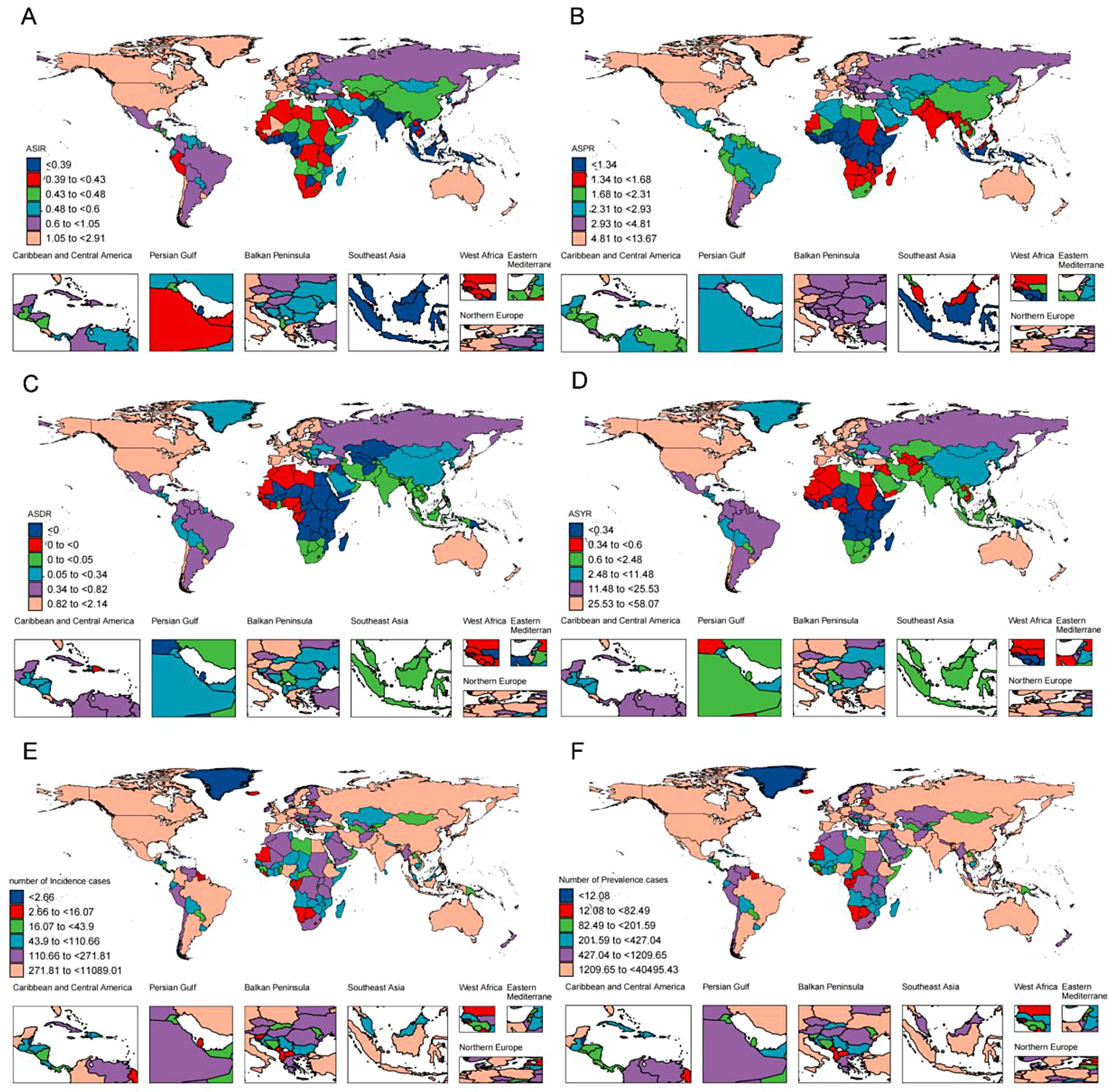
    The GBD 2021 employed the most up-to-date epidemiological data, complemented by refined and standardized methodologies, to systematically and comprehensively quantify health losses across 369 diseases and injuries, as well as 87 risk factors, stratified by age, sex, and geographical location, encompassing 204 countries and territories. The GBD team is committed to annual updates to ensure the accuracy and relevance of their estimates [12]. The intricacies of the methodologies applied within GBD 2021 have been thoroughly documented in prior publications [13].

    To address data gaps and ensure smoothness across age, time, and location, the collected data underwent modeling via spatiotemporal Gaussian process regression. This approach facilitated interpolation in regions with incomplete datasets. Furthermore, to correct for biases stemming from diverse case definitions and study methodologies across regions, a meta-regression framework incorporating Bayesian priors, regularization, and trimming techniques was employed.

    From GBD 2021, we extracted estimates and their corresponding 95% uncertainty intervals (UIs) for incidence, deaths, prevalence, and DALYs attributed to MND. All rates reported herein are standardized to per 10,000 population. Additionally, the sociodemographic index (SDI), a composite indicator reflecting income, education, and fertility levels, serving as a proxy for sociodemographic development, was utilized to categorize the 204 countries and territories into five distinct groups: high, high-middle, middle, low-middle, and low, as defined by their SDI values [14].

    Descriptive analysis

    To gain a holistic understanding of the burden of MND, we conducted descriptive analyses at the global, regional, and national levels. Specifically, we visually presented the global trends in the number of cases, crude rate, and age-standardized rate (ASR) for incidence, deaths, prevalence, and DALYs related to MND, disaggregated by sex (both sexes, males, and females) and spanning the period from 1990 to 2021. Furthermore, we compared the number of cases and ASR for the aforementioned indicators across global, regional (comprising 54 GBD geographic regions), and national (encompassing 204 countries and territories) levels, as well as within the five SDI groups.

    Trend analysis

    In the Trend Analysis section, we initially employed the Estimated Annual Percentage Change (EAPC) to quantify the overarching trend in the burden of MND. Given the importance of standardization when comparing diverse groups with varying age structures or a single group experiencing temporal changes in its age profile, the EAPC-measured trend of the ASR emerges as a more robust metric for monitoring shifts in disease patterns [15]. To derive this metric, we constructed a linear regression model where the natural logarithm of the ASR (ln(ASR)) served as the dependent variable (y), and the calendar year acted as the independent variable (x). Subsequently, the EAPC was calculated using the formula (exp(β)-1) * 100%, with its 95% confidence interval (CI) also being extracted from the model [16]. In interpreting the EAPC estimates, if both the EAPC value and the lower bound of its 95% CI are greater than 0, the ASR is deemed to be in an increasing trend. Conversely, if both the EAPC value and the upper bound of its 95% CI are less than 0, the ASR is considered to be in a decreasing trend. In all other cases, the ASR is classified as stable. This approach ensures a rigorous and standardized methodology for assessing temporal trends in the ASR of MND.

    Furthermore, we used age-period-cohort (APC) model to explore the underlying trends in DALYs stratified by age, period, and birth cohort. Typically, the APC model fits a log-linear Poisson model on the Lexis diagram of observed rates and quantifies the additional effects of age, period, and birth cohort. The methodological details of APC model are described in previous literature [17]. The multicollinearity between age, period, and birth cohort inevitably leads to identification issues, making it difficult to estimate the unique effects of each age, period, and birth cohort. To address this issue, the intrinsic estimator (IE) algorithm was used to estimate the coefficients of the APC model. This study employed the IE to solve the APC model, where coefficients greater than 0 indicate increased risk, and those less than 0 indicate decreased risk. The effect coefficients were transformed into natural logarithms to calculate the relative risk (RR), enabling the observation of the effects of age, period, and cohort on MND DALYs trends. The DALYs for MND and population data of each country or region were served as data input for APC model. The data was re-coded into consecutive six 5-year periods (1990–1994, 1995–1999, … , 2015–2019), consecutive 5-year age groups (0–4, 5–9, … , 90–94, 95 plus), consecutive 5-year birth cohorts (1895–1899, 1900–1904, … , 2015–2019) to estimate the overall temporal trend in incidence, prevalence, deaths, and DALYs.

    Cross-country inequality analysis

    To ensure evidence-based health planning, we conducted a comprehensive cross-country inequality analysis aimed at monitoring health disparities. Specifically, we employed the Slope Index of Inequality (SII) as a key metric, which was derived from regressing the country-level prevalence of the disease across all age groups against a relative position scale tied to sociodemographic development. To account for heteroscedasticity, a robust linear regression model was applied. This method utilizes iteratively reweighted least squares, giving smaller weights to observations with larger residuals, thus minimizing the influence of outliers and ensuring more stable and reliable trend estimates [18]. This approach allowed us to quantify inequalities in MND at global level and across 21 GBD regions.

    Furthermore, we calculated the Health Inequality Concentration Index by numerically integrating the area beneath the Lorenz Concentration Curve. This curve was meticulously fitted using the cumulative relative distribution of populations, ordered by their SDI, and the corresponding incidence, prevalence, deaths, and DALYs attributable to the disease [19, 20]. This methodology provided a robust assessment of the concentration of health burden across nations, enabling us to identify disparities and inform targeted interventions. A negative SII/concentration index indicates that as SDI increases, ASDR decreases, and vice versa. The greater the absolute value of the SII/concentration index, the greater the degree of inequality. Their inequality value and implications are presented in Table 1.

    Table 1 The changing pattern of inequalities from 1990 to 2021 and their implications [21]

    Decomposition analysis

    To gain a profound understanding of the explanatory factors underpinning the variations in MND incidence, prevalence, deaths, and DALYs from 1990 to 2021, we performed a comprehensive decomposition analysis. This analysis dissected the contributions of population size, age structure, and epidemiological changes to the observed trends [22, 23]. By disentangling these components, we aimed to quantify the specific impact of each factor on the evolution of MND burden over time.

    The decomposition methodology enabled us to estimate the number of incidence cases, prevalent cases, deaths, and DALYs attributable to each factor at every location under consideration. The calculation of these metrics for each component was carried out as follows:

    ({X_{ay,py,ey}} = sumnolimits_{i = 1}^{20} {left( {{a_{i,y}} * {p_y} * {e_{i,y}}} right)} )(X = incidence, prevalence, deaths and DALYs)

    Where the ({X_{ay,py,ey}}) represented X based on the factors of age structure, population, and specific year (y); ({a_{i,y}}) represented the proportion of population for the age category (i) of the 20 age categories in year (y); ({p_{y}}) represented the total population in year (y) and ({e_{i,y}}) represented X rate for the age category (i) in year (y).

    The contribution of each factor to the change in incidence, prevalence, deaths and DALYs from 1990 to 2021 was defined by the effect of one factor changing while the other factors were held constant.

    Predictive analysis

    To inform the formulation of effective public health policies and the optimal allocation of healthcare resources, we conducted a predictive analysis of the MND burden in the coming decades. For this purpose, we employed the Bayesian age-period-cohort (BAPC) model, augmented with the integrated nested Laplace approximation (INLA) technique. This advanced approach, which has been shown to outperform the conventional annual percentage change model in terms of coverage and precision, was utilized to forecast the global MND burden until 2046.

    The adoption of INLA within the BAPC framework offers several advantages. By approximating marginal posterior distributions, it mitigates the mixing and convergence issues that are often encountered with the Markov Chain Monte Carlo sampling techniques traditionally applied in Bayesian methods [24]. This enhancement ensures more reliable and accurate predictions of the future MND burden, thereby supporting evidence-based decision-making in public health planning.

    Frontier analysis

    To assess the interplay between the burden of MND and sociodemographic development, we employed a frontier analysis approach. This methodology aimed to delineate the lowest potentially attainable ASR of incidence, prevalence, deaths, and DALYs for each country or territory, contingent upon its SDI. The frontier serves as a benchmark, indicating the minimal achievable level given a country’s or territory’s development status. The deviation from this frontier, termed the effective difference, highlights potential untapped opportunities for improvement or gains, commensurate with the country’s or territory’s position on the development spectrum.

    To accommodate non-linear relationships, we conducted a data envelope analysis utilizing the free disposal hull method. This analysis generated an age-adjusted frontier by SDI, utilizing data spanning from 1990 to 2021 [25]. To account for uncertainty, we implemented a bootstrapping procedure, drawing 1,000 samples with replacement from the entire dataset encompassing all countries and territories across all years. From these bootstrapped samples, we computed the mean incidence, prevalence, deaths, and DALYs at each SDI value.

    Subsequently, we employed LOESS (Locally Estimated Scatterplot Smoothing) regression with a local polynomial degree of 1 and a span of 0.2 to produce a smooth frontier line [25]. This approach ensured a robust and visually interpretable representation of the frontier, while mitigating the influence of outliers. To further refine the analysis, super-efficient countries, which may distort the frontier due to exceptional performance, were excluded from the frontier generation process.

    Continue Reading

  • Evaluation of intraductal carcinoma and invasive cribriform carcinoma as predictors of genetic mutations in systemic treatment-naïve prostate cancer patients | BMC Cancer

    Evaluation of intraductal carcinoma and invasive cribriform carcinoma as predictors of genetic mutations in systemic treatment-naïve prostate cancer patients | BMC Cancer

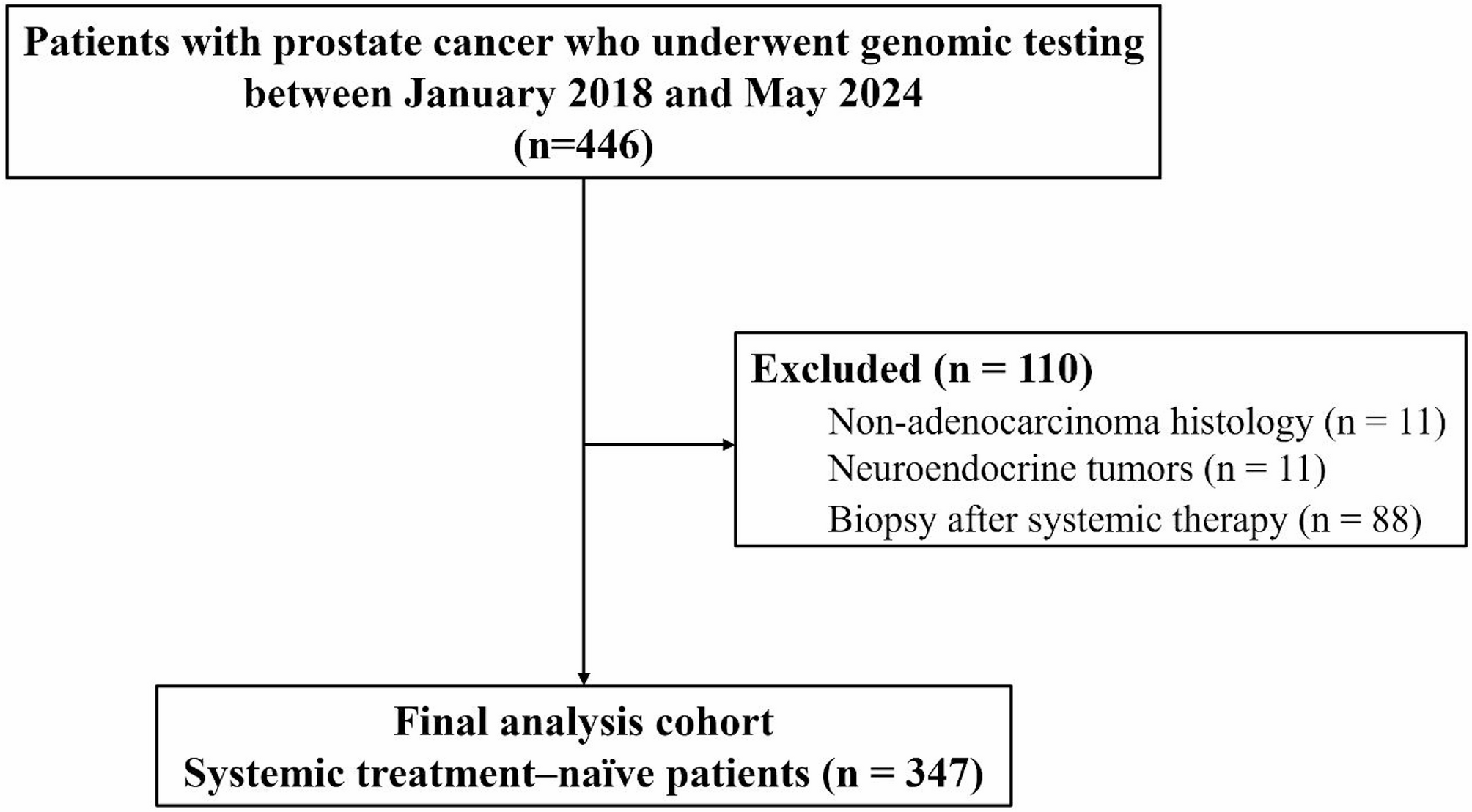
    The primary aim of this study was to investigate the relationship between IDC-P/ICC and HRR mutations in a real-world cohort of 347 patients with prostate cancer. We further assessed the association between IDC-P/ICC and other molecular alterations, including MMR status, MSI, and TMB. Our study revealed that the presence of IDC-P/ICC was not associated with HRR mutations or MMR status. Notably, mutations in HRR were linked to a younger age and a higher Grade Group, yet they showed no correlation with IDC-P/ICC status or metastatic stage.

    IDC-P and ICC are histologically distinct entities but exhibit similarly aggressive clinical courses, both being associated with advanced disease stages, recurrence, and poor outcomes [24, 25]. Although the 2019 ISUP consensus recommends that IDC-P and ICC be reported separately due to their distinct diagnostic and prognostic implications, in real-world practice, this distinction can be challenging because of overlapping morphologic features [21, 26]. Accordingly, the NCCN guidelines recommend germline testing for patients with either IDC-P or cribriform morphology, reflecting their shared clinical significance and association with genetic mutations [11]. At our institution, consistent with contemporaneous diagnostic practice during the study period, IDC-P and ICC were evaluated morphologically without the use of routine basal cell immunohistochemistry and were reported together rather than separately. While this approach reflects actual clinical practice, it differs from current consensus recommendations and may have introduced variability in histologic classification, which should be considered a limitation of our study.

    Additionally, our data revealed discrepancies between biopsy and prostatectomy findings. While most IDC-P/ICC cases were detected on biopsy, approximately 13% were identified only on prostatectomy specimens, and one case was positive on biopsy but negative on prostatectomy, suggesting sampling variation or intratumoral heterogeneity. These findings align with prior studies showing the limited sensitivity of biopsy. Ericson et al. [27] reported a sensitivity of 56.5% with no added benefit from MRI fusion, and Masoomian et al. [28] found that biopsy detected IDC-P/ICC in only 26.9% of cases compared with 51.8% at prostatectomy, corresponding to a sensitivity of 47.2%. More recently, Bernardino et al. demonstrated that false-negative biopsies were associated with higher pathological stage and increased risk of biochemical recurrence [29]. Taken together, these results highlight that prostate biopsy has limited sensitivity for IDC-P/ICC detection, as reflected by the 13% underdetection rate in our cohort. This reinforces that biopsy IDC-P/ICC status alone is insufficient to guide genetic testing and underscores the need to integrate additional clinical and pathological factors.

    Contrary to previous studies suggesting a link between IDC-P/ICC and HRR mutations [7,8,9], our multivariable analysis revealed that IDC-P/ICC is not a significant predictor of HRR mutation status. These findings are in line with those of recent studies [30, 31]. Mahlow et al. [31] concluded that pathologic patterns alone are insufficient to predict HRR mutations in advanced prostate cancer. While their study included only six IDC-P cases, our larger cohort of 254 patients with IDC-P/ICC provides robust support for their conclusions. Lozano et al. [30] found no significant differences in IDC-P/ICC between germline BRCA2 (gBRCA2) carriers and non-carriers. However, they discovered that bi-allelic BRCA2 loss in primary prostate tumors was independently associated with both IDC-P and cribriform morphologies. They proposed that tumors with a gBRCA2 mutation and intact second allele may preserve some BRCA2 function, potentially preventing these histologies. Our study extends these findings by examining a broader spectrum of HRR genes, showing that somatic HRR mutation status is not indicated by the presence of IDC-P/ICC. Since our cohort primarily consisted of metastatic cases, it is important to note that while some non-metastatic patients were included, further studies are required to fully understand the role of IDC-P/ICC in localized prostate cancer. With HRR gene mutation prevalence around 25% in metastatic disease [32] but less than 10% in localized disease [33], the consistent lack of association between IDC-P/ICC and HRR mutations across studies raises questions about the appropriateness of relying on cribriform pattern status as a trigger for genetic testing, particularly as outlined in current NCCN guidelines [11].

    Another potential explanation for the discrepancy between IDC-P/ICC and HRR mutations lies in our limited understanding of IDC-P pathogenesis and its underlying molecular events. The pathogenesis of IDC-P can vary, with most cases resulting from retrograde spreading of adjacent aggressive prostate cancer into ducts, but de novo IDC-P can also occur [2]. These different origins might contribute to the observed variability in HRR gene alterations in IDC-P/ICC. The heterogeneity in IDC-P origins could explain why our study and others have found inconsistent associations between IDC-P/ICC and not only HRR but also other mutations. Contrary to previous studies’ results [9, 10], our data do not show a statistical difference in MMR mutations between IDC-P/ICC positive and negative groups (2.8% vs. 1.1%, P = 0.687). Additionally, another potential poor prognostic marker, MSI-high status, was also not significantly different between the two groups (1.1% vs. 1.2%, P > 0.999). These findings prompt us to reconsider the use of IDC-P/ICC as a sole indicator for genetic testing and suggest that a combination of clinical and pathological factors may provide better stratification for identifying patients who would benefit from comprehensive genomic profiling. Given the relatively low prevalence of IDC-P/ICC, future research would benefit from multicenter collaborations with centralized pathologic review of specimens for genetic testing. Such large-scale efforts could provide more definitive insights into the relationship between IDC-P/ICC and molecular alterations.

    HRR mutations occur not only in metastatic disease but also in locally advanced or regional diseases. Our study found that HRR gene mutations are associated with high Grade Groups and younger age at diagnosis, regardless of metastatic status. While current guidelines focus on metastatic disease for recommending genetic testing, emerging evidence suggests HRR status may provide valuable prognostic information even in localized disease [22]. With PARP inhibitors now showing efficacy in metastatic prostate cancer [13,14,15,16], there is potential for their application in localized disease as well [34]. This evolving landscape underscores the need for a more stratified approach to genetic testing in prostate cancer. Based on our study, a combination of younger age and higher Grade Group may be good indicators for genetic testing, rather than relying solely on a single morphological factor.

    The major limitations of this study are its retrospective, single-center design, which may limit the generalizability of our findings to broader populations. Additionally, the lack of a standardized NGS testing protocol introduces potential selection bias, as genomic testing was performed at the discretion of the treating physician and was most often applied to patients with aggressive clinicopathological features, rather than uniformly across all prostate cancer cases. Furthermore, as we collected somatic NGS test data, the results cannot be directly applied to germline findings. Another limitation is that IDC-P and ICC were assessed morphologically without routine basal cell immunohistochemistry and were not reported separately, which may have introduced variability in classification. Despite these limitations, our study provides real-world evidence of the correlation of IDC-P/ICC with HRR, MMR, MSI, and TMB, which are important predictors in the era of molecularly targeted systemic treatments.

    Continue Reading

  • Development and characterization of a chitosan-stabilized pickering emulsion incorporating thyme essential oil to extend the shelf life of strawberries during cold storage | BMC Plant Biology

    Development and characterization of a chitosan-stabilized pickering emulsion incorporating thyme essential oil to extend the shelf life of strawberries during cold storage | BMC Plant Biology

    Nanogel chitosan characterization

    Fourier-transform infrared spectroscopy (FTIR)

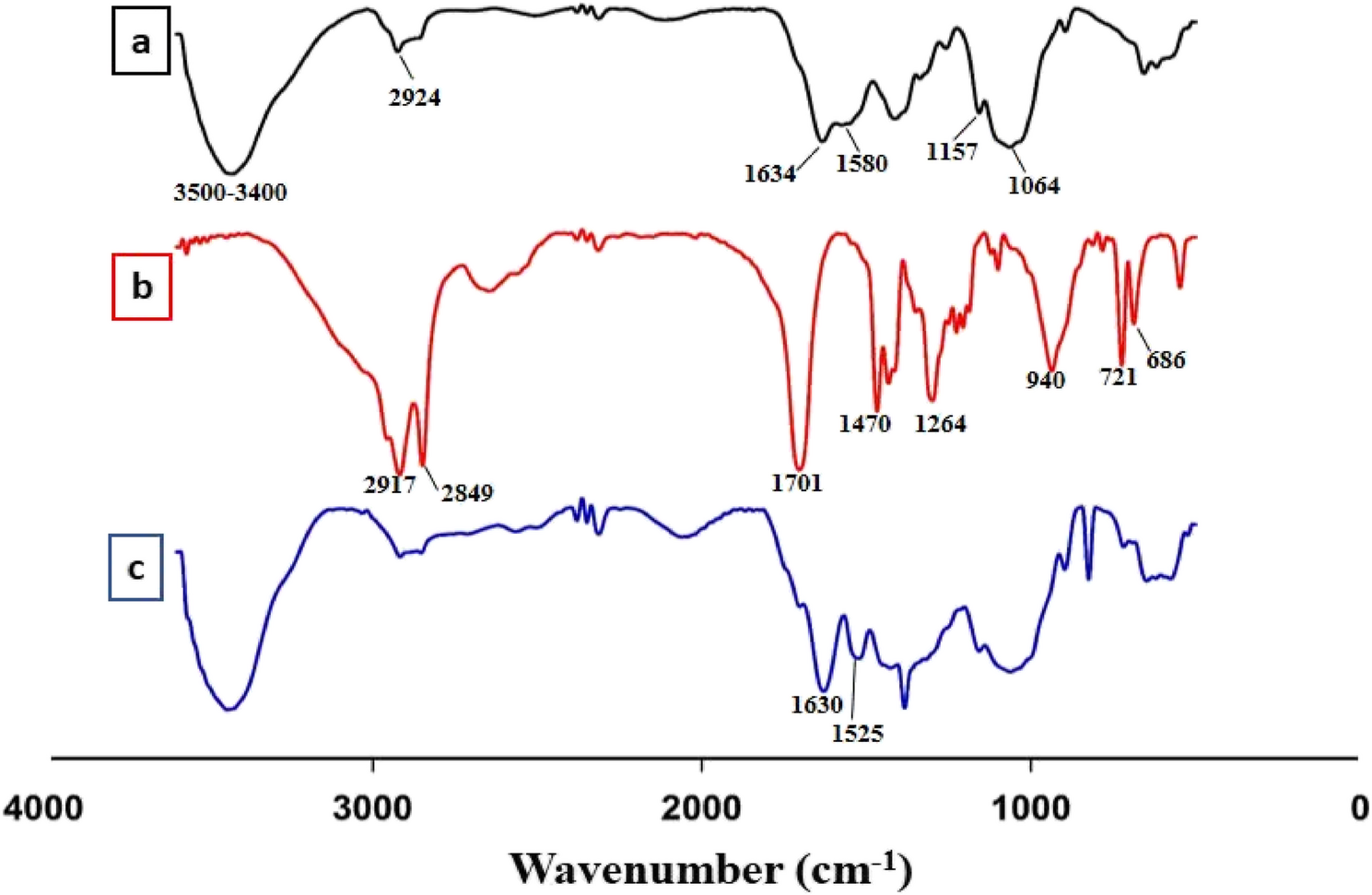
    In this study, the nanogel was initially synthesized using modified chitosan. To achieve this modification, a portion of the free amine groups in chitosan react with stearate esters to form amide bonds, which can enhance the properties of chitosan, such as its solubility and bioactivity via the intermediate coupling agent 1-Ethyl-3-(3-dimethylaminopropyl) carbodiimide (EDC). The conjugation was performed at different molar ratios to assess the reaction efficiency. To confirm the formation of a chemical bond between the amine groups of chitosan and the carboxyl groups of stearate ester, Fourier Transform Infrared Spectroscopy (FT-IR) was employed. Figure 1 presents the FT-IR spectra of pure chitosan, stearate ester, and the resulting nanogels synthesized through the chitosan-stearate ester linkage.

    Figure 1a presents the FT-IR spectrum of chitosan. A broad absorption band is observed in the range of 3400–3500 cm⁻¹, which is attributed to the hydroxyl (–OH) groups present in the chitosan structure. At around 1580 cm⁻¹, a peak appears that corresponds to bending vibrations of amide and amine bonds. The peak observed at 2924 cm⁻¹ is related to C–H stretching vibrations, indicating the presence of methyl (–CH₃) and methylene (–CH₂) groups in the chitosan backbone. A distinct peak at 1634 cm⁻¹ is assigned to the stretching vibrations of the amide carbonyl group (C = O), which is associated with the non-deacetylated amine groups. In the region around 1157 cm⁻¹, an asymmetric stretching band related to the ether group (C–O–C) is detected, which is a characteristic feature of chitosan’s molecular structure. Finally, a band at 1064 cm⁻¹ is observed, representing the C–O stretching vibrations, which are also commonly found in the chitosan structure. These findings are consistent with previous reports by Chiono et al. and Peng et al. [24, 25].

    Figure 1b displays the FT-IR spectrum of stearate ester. In this spectrum, distinct peaks appear at 2917 cm⁻¹ and 2849 cm⁻¹, which correspond to the stretching vibrations of C–H bonds. The peak observed at 1701 cm⁻¹ is attributed to the stretching vibration of the carbonyl group (C = O) present in the stearate ester structure. Additionally, a peak at 1470 cm⁻¹ is associated with the bending vibration of C–H bonds. In the region of 1261 cm⁻¹, a peak corresponding to the stretching vibrations of the C–O group is observed. The peak at 940 cm⁻¹ indicates the bending vibrations of hydroxyl groups (O–H). Finally, two additional peaks at 721 cm⁻¹ and 686 cm⁻¹ are related to the bending vibrations of C–H bonds within the long hydrocarbon chain of stearate ester.

    Figure 1c presents the FT-IR spectrum of the chitosan–stearate ester nanogel. When compared to the spectrum of pure chitosan, notable changes in the intensity of several peaks can be observed. Specifically, the peak intensity around 1630 cm⁻¹, which corresponds to the carbonyl (C = O) group, is markedly increased in the chitosan–stearate ester nanogel. In contrast, the peak at 1525 cm⁻¹, attributed to the free amine (–NH₂) groups, also exhibits changes in intensity. The increased ratio of the C = O peak intensity to that of NH₂ suggests the formation of a higher number of amide bonds in the final nanogel structure. These alterations in peak intensities provide strong evidence for a successful reaction between the amine groups of chitosan and the carboxyl groups of stearate ester. Similar findings have been reported in previous studies, including those conducted by Guo et al., Hadian et al., Waldron et al., and Wang et al. [26,27,28,29].

    Fig. 1

    FTIR spectra of chitosan a stearate ester b and nongel-chitosan/stearate ester c

    SEM analysis of chitosan–stearate ester nanogel

    Figure 2 displays the scanning electron microscopy (SEM) image of the nanogels synthesized from chitosan and stearate ester. According to this image, the nanogels exhibit a predominantly spherical morphology, with particle sizes estimated to be less than 100 nanometers. This spherical structure forms when the hydrophobic fatty acid stearate ester is incorporated into the chitosan polymer. In a polar medium, this combination tends to self-assemble into micelle-like spherical structures, where the hydrophobic tails orient inward while the hydrophilic heads face outward.

    Fig. 2
    figure 2

    The scanning electron microscopy (SEM) image of the chitosan– stearate ester nanogel containing thyme essential oil

    As a biocompatible polymer, chitosan does not trigger allergic responses, and its metabolic byproducts, including amino sugars, are non-toxic and fully absorbed by the body. Numerous studies have explored chitosan-based nanogels formulated with various cross-linking agents. For instance, Nasti et al. developed chitosan nanoparticles with sizes ranging from 160 to 260 nm using tripolyphosphate as a cross-linker [30]. In another study, Lee et al. prepared nanogels of approximately 200 nm in size from a combination of chitosan and glycol [31]. They emphasized that achieving a balance between hydrophobic and hydrophilic interactions is critical for micelle formation, which serves as the primary mechanism behind the nanostructure’s self-assembly. Previous findings have demonstrated that reducing particle size enhances the efficiency of coating materials. Moreover, the use of smaller particles in fruit coatings leads to a reduction in the diameter of surface stomatal pores. This, in turn, decreases the permeability to oxygen and water vapor, effectively limiting enzymatic activity and delaying the onset of fruit spoilage [32].

    TEO release from chitosan-based nanogel encapsulation

    Evaluating the release profile of encapsulated essential oil is critical to determine whether the chitosan nanogel delivers thymol essential oil in a rapid (burst release) or gradual (sustained release) manner to the fruit matrix. To this end, a spectrophotometric method was employed to monitor the release of thymol essential oil from the chitosan capsules. The release behavior of thymol essential oil from chitosan–stearate ester nanogels under ambient temperature conditions (as shown in Fig. 3) exhibited a biphasic pattern. An initial burst release phase was observed up to day 2, followed by a sustained release phase lasting until day 10. Subsequently, a second burst release phase occurred until day 16, after which a second sustained release phase continued until the end of day 28.

    Fig. 3
    figure 3

    Kinetics of thyme essential oil (TEO) release from chitosan– stearate ester nanogels

    The nanogel developed in this study, due to its amphiphilic structure comprising polar (chitosan region) and nonpolar (stearate ester chains) domains, provided an appropriate matrix for the gradual release of the hydrophobic constituents of thyme essential oil into the surrounding environment. This structural characteristic facilitated the slow and controlled release of the active compounds. These findings align with Mohammadi et al. [33], who demonstrated the controlled release of Shirazi thyme essential oil from encapsulated delivery systems. Similarly, Abdalla et al. [34] observed a biphasic release pattern for lemon essential oil encapsulated in pectin–chitosan matrices, consisting of an initial burst followed by sustained release.

    Weight loss

    Statistical analysis revealed significant differences (p < 0.05) in fruit weight loss during the storage period as influenced by the applied treatments. Although weight loss was observed across all treatments and the control over time, the control group exhibited a markedly higher reduction from day 8 onward compared to the treated samples. All treatment groups effectively delayed weight loss throughout the storage period (Fig. 4).

    Fig. 4
    figure 4

    Effects of encapsulated thyme essential oil on the weight loss of strawberry fruits during 16 days of storage at 4 °C. Data are presented as means ± standard deviation (n = 3). Treatments: C (control), E1 (thyme essential oil coating, 600 µL/L), E2 (thyme essential oil coating, 1200 µL/L), NE1 (encapsulated thyme essential oil coating, 600 µL/L), and NE2 (encapsulated thyme essential oil coating, 1200 µL/L)

    Interestingly, the application of the essential oil coating at lower concentrations resulted in a more favorable reduction in weight loss. In contrast, higher concentrations of the free essential oil led to increased weight loss. However, encapsulation of the essential oil using chitosan altered this trend; the highest concentration of encapsulated essential oil resulted in the lowest weight loss during storage. By the end of the storage period (day 16), the control fruits had lost 19.66% of their initial weight, while the corresponding weight loss for the E1, E2, NE1, and NE2 treatments was 10.03%, 11.83%, 9.06%, and 7.8%, respectively.

    The primary causes of fruit weight loss appear to be moisture transfer from the fruit tissue to the surrounding environment [35] and increased respiration intensity [36]. Additionally, the reduced weight loss observed in fruits coated with thyme essential oil may be attributed to stomatal blockage, which ultimately slows down active metabolic processes and respiration rates. The decrease in weight loss in thyme oil-treated fruits may also result from the semi-permeable nature of the thyme oil coating, which affects moisture loss, respiration, and solute transport across membranes [37]. From day 8 onward, treatments containing higher concentrations of free essential oil exhibited increased weight loss, possibly due to greater evaporation of the essential oil over prolonged storage. The volatile nature of the essential oil may alter the fruit’s tissue structure and molecular integrity, a phenomenon previously reported during investigations of different concentrations of thyme essential oil on strawberry shelf life [37]. Encapsulation of thyme essential oil within chitosan significantly reduced its evaporation rate and prolonged its effectiveness in preserving tissue moisture content by limiting gas exchange between the atmosphere and the fruit tissue. Consequently, unlike the free essential oil treatment at higher concentration (E2), the most pronounced effect was observed in the corresponding encapsulated treatment (NE2). Reduced water loss following the application of plant essential oils and nano-encapsulated formulations has also been reported in sweet marjoram [38], as well as in other horticultural crops such as strawberries [39], wine grapes [40], and bell peppers [37, 41]. One of the advantages of using nanoparticles lies in their high surface-area-to-volume ratio, which enhances reactivity and cellular penetration [42]. Therefore, nanoencapsulation of thyme essential oil using chitosan in the present study effectively contributed to preserving the fresh weight of strawberries over the storage period.

    Firmness

    The effect of thyme essential oil (E1 and E2) and nano-encapsulated thyme essential oil (NE1 and NE2) in chitosan-based nanogels on the firmness of strawberry fruit during storage is presented in Fig. 5. Regardless of the treatment type, fruit firmness declined over the storage period, decreasing from an initial value of 2.66 N at the beginning of the experiment. Over the 16-day storage period, the reduction in firmness for the coating treatments E1, E2, NE1, and NE2 was 58.47%, 37%, 23%, and 9.06%, respectively. In contrast, the control group exhibited a significantly greater firmness loss of 66%, particularly when compared to the NE2 treatments. The highest firmness retention was observed in the NE2 treatment (2.03 N), followed by NE1 (1.66 N).

    Fig. 5
    figure 5

    Effects of encapsulated thyme essential oil on the firmness of strawberry fruits during 16 days of storage at 4 °C. Data were represented as means ± standard deviation (n = 3). Treatments: C (control), E1 (thyme essential oil coating 600 µL/L), E2 (thyme essential oil coating 1200 µL/L), NE1 (encapsulated thyme essential oil coating 600 µL/L) and NE2 (encapsulated thyme essential oil coating 1200 µL/L)

    The notable reduction in firmness is primarily attributed to tissue water loss and the activation of cell wall–degrading enzymes such as pectin methyl esterase and polygalacturonase [43]. The reduced weight loss observed in the TEO and NE-TEO treatments highlights the efficacy of these coatings in limiting moisture loss and consequently slowing down respiratory metabolism in strawberries. Moreover, the gradual release of TEO from the chitosan nanogel matrix likely disrupted enzyme activity, particularly those involved in cell wall softening, thereby reducing the rate of pectin hydrolysis and contributing to better firmness retention. These findings align with previous reports showing that coatings enriched with citrus essential oils reduced metabolic rates and preserved the firmness of strawberries by inhibiting enzymes responsible for pectin degradation [43]. Furthermore, a recent study by Li et al. [44] demonstrated that nanoencapsulation of thyme essential oil using chitosan cross-linked with sodium tripolyphosphate (TPP) preserved strawberry firmness over 7 days of storage at 25 °C. In contrast, this study used stearate ester as the cross-linking agent in chitosan–thyme oil nanogels and observed substantial firmness retention over an extended 16-day storage period at 4 °C.

    Total soluble solids (TSS), titratable acidity (TA), and pH

    The changes in TSS content in control and treated strawberry fruits during storage are presented in Fig. 6a. The most pronounced variation in TSS was observed in the control group, followed by the treatment with a higher concentration of free essential oil (E2). In these two treatments, TSS levels initially increased by day 4, followed by a sharp decline from day 8 until the end of the storage period, compared to the other treatments. The remaining treatments exhibited a similar trend, though the changes were less intense and progressed more gradually. Specifically, the highest TSS values in the NE2, NE1, and E1 treatments decreased from an initial 7.2 °Brix at the start of storage to 7.13, 6.53, and 6.56 °Brix, respectively, by the end of the storage period.

    The observed increase in TSS accumulation in fruits coated with nano-encapsulated thyme essential oil in chitosan nanogels may be attributed to a reduction in respiratory rate and overall metabolic activity, resulting in lower consumption of sugars through these pathways. Furthermore, interactions between the essential oil and cellular membranes may influence the fruit’s metabolic pathways and senescence processes. Moreover, interactions between the essential oil and cellular membranes may influence the fruit’s metabolic pathways and senescence process. The observed reduction in TSS content at higher concentrations of free essential oil indicates a potential adverse effect on fruit tissue, possibly accelerating ripening or senescence, consistent with previous reports [9]. Additionally, Velichkova et al. [45] reported that reduced weight loss may lead to an apparent increase in sugar concentration due to lower water loss, while decreased decay incidence can limit sugar consumption by fungal pathogens.

    According to Fig. 6b, the trend of changes in titratable acidity (TA) of strawberry fruit juice during storage showed a general decline from day 4 until the end of the storage period, except for the control fruits, which exhibited an increasing trend from day 12 to day 16. The most minor in TA was observed in the NE2 and NE1 treatments, where acidity levels decreased from an initial 5.8% to 5.09% and 4.32%, respectively, by day 16. In contrast, the TA in the control group decreased from 5.8% at the beginning to 3.6% by day 12, followed by an increase to 6.5% by the end of storage.

    As expected, with prolonged storage and the progressive loss of organic acids, the pH of the fruit juice exhibited an increasing trend (Fig. 6c). The evaluation of pH levels in both control and treated fruits (with free and nano-encapsulated thyme essential oil) revealed statistically significant differences among treatments. The highest pH value (4.25) was recorded in the control fruits after 16 days, while the corresponding values for the E1, E2, NE1, and NE2 treatments were 4.18, 4.23, 4.16, and 4.16, respectively. The most effective preservation of organic acid content and pH stability was achieved in fruits coated with nano-encapsulated thyme essential oil in the chitosan nanogel matrix.

    Fig. 6
    figure 6

    Effects of encapsulated thyme essential oil on TSS a TA b and, pH c of strawberry fruits during 16 days of storage at 4 °C. Data were represented as means ± standard deviation (n = 3). Treatments: C (control), E1 (thyme essential oil coating 600 µL/L), E2 (thyme essential oil coating 1200 µL/L), NE1 (encapsulated thyme essential oil coating 600 µL/L) and NE2 (encapsulated thyme essential oil coating 1200 µL/L)

    The reduction in TA and the concurrent increase in pH is commonly associated with enhanced respiratory activity and the progression of fruit senescence. These changes are primarily attributed to the consumption of organic acids during respiration [46]. It appears that the application of essential oil coatings—particularly nano-encapsulated thyme essential oil within a chitosan matrix—effectively reduced metabolic activity and respiration rate, likely by partially blocking stomata and limiting oxygen diffusion. These findings are consistent with previous reports on the use of CMC coatings combined with garlic oil, which extended the shelf life of strawberries by modulating physiological processes [9]. The gradual increase in titratable acidity observed at the end of the storage period in control fruits may be attributed to a potential rise in fungal population. Increased fungal activity can lead to the production of acidic metabolites and mucilage in the fruit tissue—a phenomenon also reported in earlier studies involving edible coatings based on chitosan and Aloe vera extract applied to blueberries [47].

    Total anthocyanin content

    The changes in total anthocyanin content of strawberry fruits during storage revealed significant differences over time (Fig. 7a). The highest accumulation of anthocyanins was observed in the untreated control fruits and those treated with a high concentration of free essential oil (E2) by the end of the storage period. In contrast, the initial anthocyanin content was 18.34 mg/kg. The lowest increase and the least fluctuation in anthocyanin levels were recorded in fruits treated with nonencapsulated thyme essential oil in chitosan nanogels, followed by treatment E1. The percentage increases in anthocyanin content compared to day 0 for the control, E1, E2, NE1, and NE2 treatments were 55%, 30%, 39%, 31%, and 17.7%, respectively.

    The significant rise in anthocyanin, particularly in control fruits, may reflect more advanced ripening during storage and greater weight loss, both of which can influence pigment concentration. However, strawberries treated with thyme essential oil showed lower anthocyanin levels than the untreated fruits. Moreover, statistically significant differences in anthocyanin content were observed among fruits coated with nano-encapsulated thyme essential oil. Anthocyanins, the red pigments in strawberries, are classified as polyphenols. Their biosynthesis is regulated by the activity of phenylalanine ammonia-lyase (PAL) [48]. Key factors influencing total phenolic and anthocyanin synthesis include cultivar and fruit maturity at harvest. The reduced accumulation of anthocyanins in coated fruits could be due to delayed biosynthesis of anthocyanins and other red pigments, consistent with findings from previous studies [49]. Similar results have been reported for other fruits treated with chitosan-based coatings [50]. Notably, more favorable results were achieved when thyme essential oil was nano-encapsulated in chitosan nanogels, effectively mitigating the potential tissue-damaging effects of high concentrations of free essential oil. This encapsulation provided a more controlled release and prolonged effectiveness, as observed in the NE1 and NE2 treatments. These findings align with prior research on the application of lemongrass essential oil in alginate-based edible coatings to extend shelf life and preserve quality in fresh-cut pineapple [51]. The reduced anthocyanin accumulation in treated fruits may also be linked to the semi-permeable properties of thyme essential oil, which can reduce oxygen diffusion and increase localized CO₂ concentration around the fruit surface. This shift in gas composition could suppress biochemical pathways responsible for anthocyanin biosynthesis [52]. Similarly, Pelayo et al. [53] reported that elevated CO₂ levels during storage inhibited anthocyanin synthesis in strawberries. In addition, essential oil treatments can significantly reduce fruit respiration rates, thereby minimizing water loss from the surface, which may explain the lower anthocyanin concentrations in coated fruits compared to uncoated controls. Thus, treatment with essential oils can effectively delay fruit ripening and enhance the postharvest shelf life of strawberries.

    Ascorbic acid

    One of the key factors in preserving the quality attributes of fruits during storage is their ascorbic acid content [54]. Figure 7b shows the changes in ascorbic acid concentration in strawberries during storage. Total ascorbic acid levels in both control and treated fruits decreased significantly over time. At the end of the storage period, strawberries treated with nano-encapsulated thyme essential oil exhibited higher ascorbic acid levels compared to the control and to those coated with the non-encapsulated essential oil. The most significant reduction in L-ascorbic acid content was observed in the control fruit, decreasing from 52.6 to 17.74 mg/100 g FW, whereas the smallest decrease was seen in treatment NE2, with a final value of 25.98 mg/100 g FW. This decline may be attributed to enhanced oxidation caused by the accumulation of reactive oxygen species, such as superoxide and hydroxyl radicals, in strawberries [14]. The present findings indicate that nanoencapsulation of thyme essential oil in a chitosan-based nanogel can more effectively preserve vitamin C during storage compared to the free essential oil. This may be attributed to the antioxidant properties of the essential oil, as illustrated in Fig. 7b, as well as its ability to reduce oxygen diffusion and consequently lower the respiration rate in treated fruits, thereby slowing the oxidation process of ascorbic acid [55, 56]. These results are consistent with previous studies reporting that edible coatings containing citrus essential oil improved postharvest attributes of strawberries more effectively than lemon oil coatings [43].

    Fig. 7
    figure 7

    Effects of encapsulated thyme essential oil on the anthocyanin content a and, ascorbic acid b of strawberry fruits during 16 days of storage at 4 °C. Data were represented as means ± standard deviation (n = 3). Treatments: C (control), E1 (thyme essential oil coating 600 µL/L), E2 (thyme essential oil coating 1200 µL/L), NE1 (encapsulated thyme essential oil coating 600 µL/L) and NE2 (encapsulated thyme essential oil coating 1200 µL/L)

    Polyphenol oxidase (PPO) activity

    During storage, PPO activity in the control fruits increased sharply. In contrast, this increase was significantly (P ≤ 0.05) suppressed in coated samples, particularly in treatments with nanochitosan-encapsulated thyme essential oil (Fig. 8). At the end of the storage period, the lowest PPO activity was observed in NE2 and NE1 treatments, followed by E1. PPO catalyzes the oxidation of phenolic compounds to o-quinones in the presence of oxygen, which are responsible for enzymatic browning in fresh produce tissues. This enzyme can be considered a key indicator for assessing senescence during the postharvest period in fresh fruits and vegetables [57]. The present findings indicate that thyme essential oil, when applied with enhanced stability in the NE2 coating, inhibited oxygen penetration into fruit tissues and prevented tissue degradation, thereby reducing PPO activity. These findings align with previous studies showing that chitosan coatings containing thymol (0.02%) or geraniol (0.04%) effectively reduce PPO activity and extend strawberry shelf life up to 7 days at 4 °C [50]. In the present study, nano-chitosan encapsulation of thyme essential oil appears to further prolong strawberry shelf life compared to these earlier reports.

    Fig. 8
    figure 8

    Effects of encapsulated thyme essential oil on the PPO activity of strawberry fruits during 16 days of storage at 4 °C. Data were represented as means ± standard deviation (n = 3). Treatments: C (control), E1 (thyme essential oil coating 600 µL/L), E2 (thyme essential oil coating 1200 µL/L), NE1 (encapsulated thyme essential oil coating 600 µL/L) and NE2 (encapsulated thyme essential oil coating 1200 µL/L)

    Antioxidant enzymes

    The activities of the antioxidant enzymes peroxidase (POD) and catalase (CAT) increased markedly in coated strawberries compared with the control fruits throughout the storage period (Fig. 9a and b). In the control group, POD and CAT activities began to decline on days 12 and 8, respectively. In treatments containing free essential oil, the initial increase in enzyme activity was slightly higher than that.

    Fig. 9
    figure 9

    Effects of encapsulated thyme essential oil POD a and, CAT b activity of strawberry fruits during 16 days of storage at 4 °C. Data were represented as means ± standard deviation (n = 3). Treatments: C (control), E1 (thyme essential oil coating 600 µL/L), E2 (thyme essential oil coating 1200 µL/L), NE1 (encapsulated thyme essential oil coating 600 µL/L) and NE2 (encapsulated thyme essential oil coating 1200 µL/L)

    in the nanochitosan-encapsulated essential oil treatments until the mid-storage period; however, the latter showed a significantly greater increase thereafter until the end of storage. By the end of storage, POD and CAT activities in the control were recorded at 3.0 and 0.6 U/mg FW, respectively, whereas the highest values were observed in NE2, reaching 9.02 and 6.7 U/mg FW, respectively.

    The activation of plant antioxidant defense systems—both enzymatic and non-enzymatic—plays a crucial role in mitigating oxidative damage caused by the accumulation of reactive oxygen species (ROS) [16]. The sustained and pronounced increase in POD and CAT activities observed in strawberries treated with nanochitosan-encapsulated thyme essential oil compared to the control and other treatments clearly indicates suppression of ROS in the treated fruits. Although free thyme essential oil also reduced ROS levels more effectively than the control, its protective effect diminished over time.

    POD and CAT mitigate oxidative stress by converting hydrogen peroxide (H₂O₂) into water and oxygen, thereby preventing its deleterious effects [58]. In the present study, the prevention of cellular degradation in strawberries may be attributed to the enhanced POD and CAT activities induced by the encapsulated essential oil, facilitating the breakdown of H₂O₂ into harmless products. In agreement with our findings, Adiletta et al. [59] reported that chitosan/nano-silica coatings increased CAT and SOD activities in loquat fruits, while Hassan et al. [16] demonstrated that thyme essential oil encapsulated in chitosan enhanced CAT and SOD activities in sweet basil leaves, thereby extending their shelf life. It appears that the elevated antioxidant enzyme activities in NE2-treated strawberries contributed to reducing H₂O₂-induced cellular damage and preventing tissue degradation, ultimately prolonging their storage life.

    Antioxidant activity

    Throughout the storage period, antioxidant activity in all treatments and the control increased until day 8, followed by a gradual decline until the end of storage (Fig. 10). Strawberries coated with chitosan-based formulations exhibited the most minor fluctuations compared with other treatments. In NE2, antioxidant activity increased from 20.1% to 26.16%, whereas the lowest value was recorded in the control fruit at 10.73%. The highest antioxidant activity was observed in coatings containing nanochitosan-encapsulated thyme essential oil at concentrations of 1200 and 600 µL/L (NE2 and NE1), followed by the free essential oil coating (E1).

    Fig. 10
    figure 10

    Effects of encapsulated thyme essential oil on the antioxidant activity of strawberry fruits during 16 days of storage at 4 °C. Data were represented as means ± standard deviation (n = 3). Treatments: C (control), E1 (thyme essential oil coating 600 µL/L), E2 (thyme essential oil coating 1200 µL/L), NE1 (encapsulated thyme essential oil coating 600 µL/L) and NE2 (encapsulated thyme essential oil coating 1200 µL/L)

    The decline in antioxidant activity in the control fruit at the end of storage can be attributed to natural senescence and spoilage. These results suggest that encapsulation of thyme essential oil in nanochitosan not only extends shelf life but also preserves higher antioxidant activity in strawberries over prolonged storage. Thymol, one of the most common phenolic compounds in essential oils, has been previously reported to possess potent antioxidant properties [50, 60]. Consistent with our findings, Wang and Gao [29] reported that chitosan coatings enhanced radical scavenging capacity, phenylpropanoid compound levels, and antioxidant enzyme activities in strawberries. Moreover, the antioxidant activity of chitosan can be further enhanced by incorporating compounds such as certain sugars, essential oils, and gelatin [61]. Our findings are also in agreement with earlier reports indicating that the antioxidant mechanism of chitosan may arise from its ability to chelate metal ions such as copper and iron at enzyme active sites, thereby inactivating oxidizing enzymes, and/or to interact with lipids in these enzymes [50, 60].

    Pathogenic contamination assessment

    Microbial colony enumeration is an effective method to evaluate the antimicrobial performance of different coating formulations for strawberry preservation. According to established standards, fresh fruits or vegetables are considered unsuitable for consumption when total microbial counts exceed 4 Log CFU/g [62]. As shown in Fig. 11, a gradual increase in microbial colony numbers over time was evident across all treatments.

    Fig. 11
    figure 11

    Effects of encapsulated thyme essential oil on the decay incidence of strawberry fruits during 16 days of storage at 4 °C. Data were represented as means ± the standard deviation (n = 3). Treatments: C (control), E1 (thyme essential oil coating 600 µL/L), E2 (thyme essential oil coating 1200 µL/L), NE1 (encapsulated thyme essential oil coating 600 µL/L) and NE2 (encapsulated thyme essential oil coating 1200 µL/L)

    Among the groups, untreated fruits (control) exhibited the highest microbial proliferation. At the beginning of storage, microbial counts in the control group were 0.85 Log CFU/g, which rose to 4.75 Log CFU/g by day 8—exceeding the permissible consumption threshold. By day 16, colony counts in the control group were 1.5-fold higher than those on day 8, indicating severe microbial contamination. In contrast, samples treated with NE2 showed a markedly slower increase in colony numbers. However, counts rose during storage, the final value was only two logarithmic cycles higher than the initial level and remained below the unfit-for-consumption limit. This suggests that NE2 treatment significantly suppressed microbial growth up to day 16. Under cold storage conditions, the shelf life of strawberries varied between 4 and 16 days depending on the treatment. The application of free thyme essential oil in coatings also delayed microbial growth, extending fruit longevity by approximately four and eight days in treatments E1 and E2, respectively.

    Since fungal spoilage is one of the primary factors reducing strawberry quality and shelf life, a separate evaluation of yeast and mold growth across treatments was conducted [63]. As depicted in Fig. 11, yeast and mold counts increased progressively in all groups during storage. However, coatings containing chitosan-encapsulated thyme essential oil exhibited slower fungal proliferation, particularly in NE2, where the essential oil concentration was doubled. In this treatment, yeast and mold counts were reduced from 7.41 to 3.10 Log CFU/g compared with the control, representing a decrease of more than two logarithmic cycles. These findings are consistent with the results of De Oliveira Filho et al. [64] and Li et al. [44], who also reported that nano-chitosan coatings containing thyme essential oil and nano-emulsions with Cymbopogon martinii or Mentha spicata essential oils significantly inhibited yeast and mold growth compared to essential-oil-free controls [44, 64]. This antimicrobial effect is likely due to the combined action of chitosan and thyme essential oil, which disrupts fungal membrane integrity, thereby reducing contamination and inhibiting respiration [65].

    Overall, these results indicate that nanochitosan-encapsulated thyme essential oil at a concentration of 1200 µL/L plays a critical role in reducing fungal growth and extending strawberry shelf life. The NE2 coating formulation effectively prevented yeast and mold proliferation, thereby mitigating fruit spoilage during storage.

    Continue Reading

  • Development of a patient-specific epicardial guide for ventricular tachycardia ablation surgery using high-consistency rubber silicone molding | BioMedical Engineering OnLine

    Development of a patient-specific epicardial guide for ventricular tachycardia ablation surgery using high-consistency rubber silicone molding | BioMedical Engineering OnLine

    This preliminary study is the first to assess the use of HCR wrapping for patient-specific guides in VT scar ablation.

    Innovative solutions are needed to precisely identify and target complex epicardial substrate during concomitant open-chest surgery—enabling accurate localization on the arrested heart—and in stand-alone procedures, where prolonged surgery and the need for an EP team in the room present additional challenges. Epicardial guides would allow the surgeon to improve navigation, accuracy, safety, and therapeutic efficacy in difficult-to-treat ablation patients.

    Herein, we aimed to develop a feasible, cost-effective, and rapid method for creating epicardial surgical guides, focusing on early feasibility and technical viability. Compared to traditional 3D printing methods, HCR molding offers an efficient and affordable alternative that yields promising potential.

    Rationale behind silicone and molding

    The emergence of 3D printing technologies in the last decade has created abundant application opportunities in the field of precision medicine and surgical education [10]. However, 3D printing resins face challenges, such as brittleness, poor dimensional accuracy and low mechanical strength, especially after post-processing and sterilization, as well as limited material options, high costs, and lack of standardization [11,12,13]. In addition, uncured monomers or leachates may release cytotoxic byproducts, further complicating their use in surgical environments [14]. To overcome the limitations of traditional 3D printing resins, we chose a silicone-based solution—an elastomer widely used in the medical field [15]. Some silicones are approved for long-term implantation and have a proven track record in dynamic (cardiovascular) surgical environments. With its flexibility, durability, stability, versatility, and resistance to extreme temperatures, silicone can be fully customized to meet the specific needs of this epicardial application.

    Although silicone modeling has been used to create customized molds [16,17,18], no studies have fabricated silicone specifically as an epicardial guide, posing unique challenges in identifying a material that meets all necessary criteria. Material choice is a critical factor to the success of a patient-specific medical device. Properties such as silicone hardness and flexibility help the guide maintain shape and function despite the heart’s constant motion, which prevents gaps that could lead to uneven lesions.

    We also considered liquid silicone rubber molding, a widely used technique in medical device manufacturing and studies. However, this method requires creating an inverted mold with several components (multi-part mold system, vent channels, and silicone channels) that must be precisely aligned and securely connected using interlocks to prevent movement. This makes the process significantly more labor-intensive and less suitable for a streamlined, efficient, and rapid customized workflow for ablation treatments. Another barrier is that the liquid silicone for our required durometer would be too viscous at room temperature, making injection into the mold difficult and prone to air entrapment. We also considered direct 3D silicone printing, a more novel approach. However, it was not our preferred choice due to potential challenges with support structures, layer adhesion, and viscosity control, which could compromise integrity and make the process tedious.

    An advantage of silicone wrapping is that sculpting results in a smoother inside surface due to the natural smoothness of milled silicone; unlike 3D printing, which can create rougher surfaces. This technique also allows customization using different silicones, curing times, and pigments to meet tailored requirements.

    Thermal insulation and procedural safety

    The guide manufacturer is responsible for ensuring compliance with design requirements (form, fit, and function) throughout the entire device’s life cycle [19]. A critical consideration in the development of surgical guides is their thermal insulation performance under ablative stress. These properties are vital for two primary reasons: ensuring procedural safety during targeted ablation and protecting adjacent, non-target anatomy from thermal injury. The material’s electrical non-conductivity reduces the risk of unintended heating when ablation instruments come into accidental contact with the guide’s edges—a scenario that can result in localized temperatures as high as 70–90 °C during radiofrequency ablation or below 0 °C during cryo-ablation, potentially causing collateral tissue damage. Due to the lack of conductivity data in the material datasheet, preliminary tests were conducted simulating accidental instrument-guide contact. These experiments confirmed that the guide effectively prevented thermal injury to underlying tissue. However, further comprehensive thermal and mechanical characterization—particularly post-processing and sterilization—remains necessary to validate the material’s suitability for clinical application.

    Design considerations

    Guide stability on the epicardial surface is of critical importance to ensure precise lesion placement. Material testing indicated that silicone with a 70 Shore A hardness and 2–3 mm thickness provided an optimal balance between flexibility and intraoperative stability on the beating heart. In addition, preliminary foldability tests were conducted to assess suitability for minimally invasive approaches, revealing that the current guide designs are too bulky for efficient trocar introduction, largely due to excess material at the apex base. However, this limitation is expected to be less significant in smaller, target-specific guide designs. Future work should explore alternative silicones and ensure uniform thickness without excess material. Moreover, to facilitate insertion and removal of the guide through a trocar, incorporating a secure locking system with small tabs on the lateral sides that click when folded might prove useful.

    Finally, an important challenge in epicardial guide use for minimally invasive stand-alone ablation is achieving stable anchoring of the model on a beating heart. Potential solutions we considered include micro-suction ports, adhesive surfaces, or specialized gripping materials.

    Broader clinical applicability and translational pathway

    While the guide in this feasibility study was designed to cover a broad scar region, the end objective is to use preprocedural input from the EP to incorporate predefined ablation targets in form of ‘windows’ in the mask, directly providing the surgeon with an ablation roadmap or lesion set. By providing intra-operative guidance, it could enhance precision and reduce reliance on full real-time mapping and a complete EP team, since lesions are identified pre-operatively. However, the customization of these ablation openings requires further finetuning as they depend on patient pathology, surgical approach (open-chest or minimally invasive), and the type and size of the catheter used.

    A crucial early step in clinical translation is assessing biocompatibility and characterizing the sterilized silicone material to confirm its suitability, thermal stability, mechanical integrity, and overall safety for clinical use. Preclinical validation is essential to rule out risks, such as loose fragments or allergic reactions, and to assess the guide’s fit, stability, efficacy and precise electro-anatomic alignment. Swine models are commonly used due to physiological similarity to humans and comparable heart rates, beginning with open-chest studies and advancing to minimally invasive approaches [20]. For these experiments, subject-specific guides are fabricated from pre-operative cardiac CT. While device alignment partially relies on visible anatomical landmarks (aorta, pulmonary artery ring, and left ventricular apex)—which are accessible via both open-chest and thoracoscopic approaches—epicardial electro-anatomic mapping is still needed during early translational phases. Alignment accuracy can be quantified by measuring the percentage overlap between pre-operative targets (scar and mapping) and post-ablation areas confirmed by mapping, and post-explant TTC staining and histology.

    The expected benefits—allowing concomitant VT ablation, improved consistency, shorter procedures, fewer repeat ablations—translate into both clinical and economic value. Though regulatory and compliance efforts for clinical translation are significant, they are minor compared to the costs of repeat ablations, prolonged procedures, and hospital stay/visits—especially once integrated into routine practice. While the training and integration of the device into the surgical workflow may initially add time to the procedure, it is expected to reduce overall operative time over the long term—particularly if intraoperative mapping can be reduced, potentially eliminating the need for an EP team in the operating room.

    This silicone-based approach can serve as a basis for the engineering and development of other customizable guides. The potential for further applications is vast, as this can be adapted to meet specific mapping and procedural requirements. For example, our group previously developed an epicardial guide for Brugada syndrome ablation, highlighting the arrhythmogenic substrate in the right ventricular outflow tract, based on electro-anatomical mapping data [21]. In addition, we have created guides for coronary artery mapping and optimal bypass target placement during coronary artery bypass grafting [22], and sinus node protection for inappropriate sinus tachycardia ablation. Furthermore, this approach could extend to other (non-)cardiac procedures for anatomical modeling, pre-operative planning, and surgical training.

    Limitations and future considerations

    Several limitations should be considered. As this was an early proof-of-concept study, the 3D-printed mold was fabricated from non-biocompatible PLA. Thus, biocompatibility testing, including in vitro cytotoxicity assessments as per ISO 10993–5:2009 (https://www.iso.org/standard/36406.html), as well as post-sterilization material characterization assessments are warranted for future research. Following, in vivo porcine experiments are needed on the beating heart to assess stability, fit, ablation efficacy, and electro-anatomic alignment more in-depth.

    Continue Reading

  • TGF-β signaling and tumor microenvironment dynamics in bladder cancer progression post-BCG therapy: a longitudinal single-nucleus RNA-seq study | BMC Cancer

    TGF-β signaling and tumor microenvironment dynamics in bladder cancer progression post-BCG therapy: a longitudinal single-nucleus RNA-seq study | BMC Cancer

    Landscape of single cell nuclei of bladder cancers

    Nine patients diagnosed with NMIBC were enrolled in this study. All patients were treated with adjuvant BCG after endoscopic resection. Three patients experienced disease progression. They were classified as “progressors”. The remaining six patients who did not experience disease progression were classified as “non-progressors.” Detailed clinicopathological information of these patients is provided in Fig. 1A.

    To characterize cell types in the tumor microenvironment (TME) of NMIBC, a total of 14 specimens (P-2, P-8 and P-9 specimens per patients including three post-progression specimens, 1 cell-free specimen) were subjected to snRNA-seq using resection specimens before BCG treatment. A total of 73,979 nuclei were obtained after removing cell doublets (median of 5,804 nuclei, 1,000–8,720 nuclei per patient) and profiled for mRNA quantification. Detailed information on snRNA-seq is available in Supplementary Table S1. Clustering of snRNA-seq revealed six major cell types: 61,837 epithelial cells, 898 endothelial cells, 5,973 T cells, 1,907 B cells, 1,712 myeloid cells, and 1,652 fibroblasts.

    A t-distributed stochastic neighbor embedding (tSNE) plot was used to illustrate cell distribution as shown in Fig. 1B. Notably, epithelial cells constituted a significant fraction of cells, indicative of high tumor purity across samples. Moreover, heterogeneity between Progression and NP samples was observed as shown in pairwise tSNE plots (P-2, P-8, and P-9), Primary and progression samples formed well-separated clusters, indicating distinct transcriptional differences (Fig. 1C). The expression of marker genes for each major cell type is depicted in Fig. 1D, including CDH1 [18] for epithelial cells, VWF [19] for endothelial cells, COL1A1 [20] for fibroblasts, CSF1R [21] for myeloid cells, CD2 [22] for T cells, and MS4A1 [18] for B cells. Additionally, cluster-specific gene expression of selected markers is presented in Fig. 1E.

    The TGF-β signaling pathway is activated in malignant cells with disease progression

    Epithelial cells were further subject to fine-clustering. tSNE plots of epithelial cells revealed that the clustering of epithelial cells was largely determined with respect to individual patients, indicative of a substantial level of inter-patient heterogeneity of malignant cells (Fig. 2A). We then performed inferCNV to determine copy number alterations (CNA) based on gene expression. Using inferCNV analysis, we identified significant interpatient heterogeneity in inferred CNA profiles across nine bladder cancer malignant cells (Fig. 2B). Notable arm-level gains were observed in chromosomes 1q, 5p, and 20p, while frequent losses were detected in 9p, 11p, 17p, and 19p. Hurst et al. [23] have reported that gains of 1q and 5q and losses of 9p, 11p, 17p, and 19p are associated with disease progression of bladder cancers. In addition, Bellmunt et al. [24] have found that gains in 20p are linked to disease recurrence, while López et al. [25] have identified a connection between gains in 5q and bladder cancer recurrence.

    Fig. 2

    Identification of malignant and defined malignant functions using ssGSEA (A) tSNE plot of 61,837 epithelial cells. (B) Chromosomal gains and losses in malignant epithelial cells were predicted using inferCNV. (C) A heatmap displaying enrichment scores from the ssGSEA analysis and correlation values between the ssGSEA score and monocle pseudotime results of the progression samples by Cell ID. (D)-(F) Monocle analysis of the development of malignant cells between P-2/P-8/P-9 Progression (Before BCG) and P-2/P-8/P-9 (Progression) with pseudotime, as well as the pseudotime trajectory of TGF-β signaling for P-2/P-8/P-9 Progression (Before BCG) and P-2/P-8/P-9 (Progression)

    We analyzed malignant cells using longitudinal specimens obtained before treatment and after disease progression. Functional gene sets were identified using ssGSEA with representing sample-specific disease progression using Hallmark pathway. This analysis identified molecular functions enriched in the difference of NES values between Progression and Primary specimens. It highlighted tumor progression-related functions, such as WNT–β-catenin signaling and TGF-β signaling, which are consistently enriched across malignant cells during disease progression (Fig. 2C). This result suggests that TGF-β might play a key progression-related molecular function in disease progression after BCG (Figs. 2D–2F). Pseudo-temporal analysis representing the transition from treatment-naïve to progression samples indicated that each paired sample of malignant cells passed through smooth one-dimensional curves. Specifically, cells from treatment-naïve samples were ordered at early pseudotime points, followed by cells from progression samples at later pseudotime points. This indicates a clear separation in differentiation trajectories of treatment-naïve and progression cells. Results of the ssGSEA analysis of TGF-β signaling along the pseudotime trajectory showed that TGF-β signaling enrichment scores increased progressively from treatment-naïve to progression samples, consistent with the trajectory analysis.

    TME cell subtypes associated with disease progression

    Sub-clustering of macrophages (Fig. 3A; proliferating, M2 and SPP1 + macrophages) revealed three distinct subtypes. Pseudotime trajectory analysis showed bifurcation into two major branches, with proliferating and some subtypes located in earlier stages, M2 macrophages diverging into another branch, and SPP1 + macrophages appearing in the later phase (Fig. 3B). M2 macrophages were relatively more abundant in the Progression group than in the Progression-Before BCG group. Proliferating myeloid cells showed a gradual increase from NP to Progression-Before BCG and remained elevated in the Progression group, whereas SPP1 + macrophages exhibited a consistent decrease across groups, with the lowest proportion observed in the Progression group (Fig. 3C). The top 10 marker genes of macrophage subtypes are shown in Fig. 3D. The LYZ gene was identified as a marker gene for proliferating myeloid cells [26, 27]. In previous studies on bladder cancer, LYZ has been used as a myeloid cell marker. Moreover, Gu et al. have demonstrated a significant association between these cells and proliferation. Regarding the TTC7B gene, He et al. have found notable correlations between its expression and infiltration levels of various immune cells, including M2 macrophages [28].

    Fig. 3
    figure 3

    Characterization and profiling of four subtypes. A tSNE plot of 508 macrophage cells, showing the composition of three main subtypes. B Monocle analysis of the development between subtypes with pseudotime. C Cell proportion of subtypes by NP, Progression Before BCG, and Progression. D Heatmap of Top 10 marker genes of each subtype. E tSNE plot of 245 dendritic cells, showing the composition of 3 main subtypes. F Monocle analysis of the development between subtypes with pseudotime. G Cell proportion of subtypes by NP, Progression Before BCG, and Progression. H Heatmap of Top 10 marker genes of each subtype. I tSNE plot of 1,652 fibroblasts, showing the composition of the 3 main subtypes. (J) Monocle analysis of the development between subtypes with pseudotime. K Cell proportion of subtypes by NP, Progression Before BCG, and Progression. L Heatmap of Top 10 marker genes of each subtype. M tSNE plot of 898 endothelial cells, showing compositions of 4 main subtypes. N Monocle analysis of development between subtypes with pseudotime. O Cell proportion of subtypes by NP, Progression Before BCG, and Progression. P Heatmap of Top 10 marker genes of each subtype

    Sub-clustering of dendritic cells (Fig. 3E; DC1, DC2, and DC3) demonstrated sequential differentiation. The pseudotime trajectory (Fig. 3F) followed an order from DC3 (LAMP3 +) at the earliest stage, through DC2 (CD1A +), and finally to DC1 (XCR1 +) at the latest stage, highlighting dynamic changes in cell states. For dendritic subtypes, CD1A (DC2) cells showed only a modest and variable increase in the Progression group compared with NP and Progression-Before BCG, without a consistent trend across patients (Fig. 3G). Dendritic cells are known for their roles in antigen presentation and immune response orchestration. They exhibited CADM1 expression, particularly in XCR1 (DC1), as highlighted by our DEG results where CADM1 emerged as a marker (Fig. 3H). To understand CADM1’s function [29], future research needs to be conducted on tumor progression where CADM1’s role has been extensively studied. Kang et al. have found that the ADGRG5 gene in CD1A (DC2) is associated with dendritic cells, showing a stronger correlation with ADGRG5 expression than in other types of immune cells tested [30]. In our study, ADGRG5 was identified as a marker in DC2. In DCs, CCR7-dependent migration from peripheral tissues to lymphoid tissues plays a critical role in host defense against pathogens and immune tolerance maintenance [31]. This migratory process is governed by complex intracellular signaling pathways that can regulate both DC movement and inflammatory responses. Our analysis identified CCR7 as a marker gene specifically in LAMP3-expressing DCs (DC3), as shown in our differential gene expression data (Fig. 3H).

    Fibroblast subtypes (Fig. 3I; myoCAF, iCAF, and SMC) also showed distinct developmental patterns. Pseudotime analysis (Fig. 3J) indicated that myoCAF and iCAF dominated the early phase, while SMC and iCAF became predominant later, with the trajectory culminating in iCAF and SMC states. Results revealed a higher proportion of myoCAF cells in the Progression Before BCG group compared with the Progression group. Additionally, SMC cells showed a consistent proportion across all groups. Notably, iCAF cells maintained the highest proportion in all groups, although they were slightly reduced in the Progression group compared with NP and Progression Before BCG groups (Fig. 3K). Both iCAF and myoCAF showed similar cell proportions, although iCAF demonstrated a stronger correlation with reduced survival rates. The top 10 marker genes of fibroblast subtypes are displayed in Fig. 3L.

    Sub-clustering of endothelial cells (Fig. 3M; venous, tip-like, arterial, and lymphatic) revealed further heterogeneity. Pseudotime trajectory analysis (Fig. 3N) indicated that venous and tip-like cells appeared in early stages, arterial and lymphatic cells arose but later disappeared, leaving tip-like cells predominant at the end. The distribution of endothelial cell subtypes within each group is illustrated in Fig. 3O. In the NP group, venous cells constituted the highest proportion, followed by tip-like cells. Arterial and lymphatic cells were present in relatively smaller proportions. In the Progression Before BCG group, tip-like cells dominated almost entirely, with a small presence of venous cells. Arterial and lymphatic cells were nearly absent. In the Progression group, tip-like cells also constituted the highest proportion, although the proportion of venous cells was significantly reduced compared with levels in NP and Progression-Before BCG groups. Additionally, proportions of arterial and lymphatic cells slightly increased. The top 10 marker genes of endothelial subtypes are shown in Fig. 3P. In humans, loss-of-function mutations in VEGFC or VEGFR3 can lead to lymphedema, while the application of recombinant VEGFC can stimulate robust lymphangiogenesis in adults, suggesting its therapeutic potential for lymphedema and tissue repair.

    To distinguish the function of each subtype, we performed hallmark pathway analysis using ssGSEA and selected the top 10 hallmark pathways. As shown in Supplementary Fig. 1A, Proliferating Macrophage subtype was enriched in the EMT and MYC-TARGETS-V2 pathways, while the M2 subtype was enriched in the PI3K-AKT-mTOR-SIGNALING and TGF-BETA-SIGNALING pathways. Additionally, the SPP1 subtype was enriched in the MYC-TARGETS-V1, HYPOXIA, and DNA-REPAIR pathways. The population of dendritic cells was clustered into three subtypes (DC1, DC2, and DC3), although they were not clearly separated in ssGSEA Hallmark pathway. However, DC2 tended to be enriched in the DNA-REPAIR pathway, while DC showed a tendency to be enriched in the EMT pathway (Supplementary Fig. 1B). Additionally, fibroblasts were divided into three sub-clusters (myoCAF, iCAF, and SMC). The myoCAF subtype was enriched in immune-related pathways and the INFLAMMATORY-RESPONSE pathway, whereas iCAF and SMC subtypes were not clearly distinguished as shown in Supplemantary Fig. 1C. The venous subtype, a subset of endothelial cells, was enriched in immune-related pathways and the INFLAMMATORY-RESPONSE pathway, while the Tip-like sub-cluster was enriched in the MYC-TARGETS-V1 pathway. Additionally, the arterial subtype was enriched in the COMPLEMENT and ANGIOGENESIS pathways, whereas the Lymphatic sub-cluster was enriched in the NOTCH-SIGNALING pathway, as shown in Supplementary Fig. 1D.

    Cell–cell interactions across malignant cells and TME cells

    To investigate differences in cell–cell communication among various cell subpopulations, we analyzed interaction numbers and interaction strength using CellChat [16]. Our study included three conditions: No Progression (NP), Primary Before BCG, and Progression. Results in Fig. 4A illustrate variations in interaction patterns across these conditions. In the NP condition, interactions were relatively sparse, with notable communication occurring primarily between epithelial cells and other cell types. In the Primary condition (Before BCG), the interaction network became more complex, indicating increased communication among T cells, B cells, myeloid cells, and other subpopulations. The Progression condition showed the most extensive and robust interactions, suggesting a heightened level of cell–cell communication. We conducted a pathway-based ligand-receptor interaction analysis between TME cells. Results (Fig. 4A) demonstrated dynamic changes in cell–cell communication networks across different conditions, emphasizing the importance of epithelial cell interactions in NP, Progression Before BCG, and Progression. Notably, the interaction strength between epithelial cells and myeloid cells, as well as fibroblasts, increased from Progression Before BCG to Progression.

    Fig. 4
    figure 4

    Estimation of cell–cell communication and interactions between malignant and macrophage/fibroblasts using TGF- β signaling pathway geneset. A Interaction plot for major cell types. The strength of communication was assessed via CellChat across NP, Progression Before BCG, and Progression. B Using the TGF- β signaling pathway geneset in Nichenet, interactions between malignant cells and Macrophages were examined. C A heatmap displays active ligand-receptor pairs, highlighting interaction potential between receptors on malignant receiver cells and ligands on Macrophage sender cells. D Top 30 ligand-receptor (L-R) pairs ordered by interaction potential score. E Interactions between malignant cells and fibroblast using the TGF- β signaling pathway geneset in Nichenet. F A heatmap displays active ligand-receptor pairs, highlighting interaction potential between receptors on malignant receiver cells and ligands on fibroblast sender cells. G Top 30 ligand-receptor (LR) pairs ordered by interaction potential score

    According to Browaeys et al. [17], a validation study can substantiate the proposed methodology, illustrating that the final prior model of ligand–target interactions can be broadly applied to various biological systems, thereby supporting the applicability of Nichenet to a wide range of biological contexts. Consequently, we employed the TGF-β signaling pathway identified in Fig. 2 to analyze Nichenet. We defined the gene set of interest as those genes within the receiver cell type that are likely to be influenced by the cell–cell communication event.

    Results shown in Fig. 4A revealed that the interaction strength between epithelial cells and myeloid cells, as well as fibroblasts, increased from the Progression Before BCG stage to the Progression stage. Consequently, we analyzed ligand-receptor interactions during muscle regeneration in Progression samples using NicheNet. By applying stringent cutoffs, we identified differentially expressed ligands predicted to interact with receptors on malignant cell (top 20 by differential expression). We compiled a list of ligand-receptor pairs expressed in relevant cell types and predicted them to act upstream of TGF-b signaling specific genes. To narrow down the extensive list of candidates, we focused on ligands with high activation scores for TGF-b signaling genes and complementary targets in macrophages (Figs. 4B–4C) and fibroblasts (Figs. 4E–4F). In addition, we identified the top 30 ligand-receptor pairs in macrophages (Fig. 4D) and fibroblasts (Fig. 4G).

    Establishment and validation of prognostic significance marker genes

    Using TCGA data, we employed CIBERSORTx to estimate proportions of M2 macrophages and fibroblasts. As shown in Figs. 4D and 4G, top 30 ligand-receptor pairs were identified the. Based on these results, we examined the expression of the DSC2(L)-DSG2(R) pair in epithelial and myeloid cells and the expression of the ENG(L)-BMPR2(R) pair in epithelial and fibroblast cells from our snRNA-Seq data. We then analyzed their survival associations in TCGA BLCA data. Results are shown in Fig. 5. Patients with a higher average proportion of M2 macrophages and elevated expression of the DSC2(L)-DSG2(R) pair demonstrated a significant difference in survival with a p-value of 0.016 (Fig. 5A). Similarly, patients with a higher average proportion of fibroblasts and increased expression of the ENG(L)-BMPR2(R) pair also showed a significant survival difference, with a p-value of 0.017 (Fig. 5B). According to Nakauma-González et al. [32], DSC2 and DSG2 in bladder cancer are markers of intratumoral genomic and immunologic heterogeneity, particularly evident through squamous differentiation. This morphological heterogeneity can serve as a biomarker for intrinsic immunotherapy resistance in bladder cancer patients.

    Fig. 5
    figure 5

    Kaplan–Meier analysis of BLCA progression-free survival (PFS) associated with ligand–receptor pairs. A Expression heatmap and correlation matrix of DSC2 (myeloid cells) and DSG2 (epithelial cells). B Expression heatmap and correlation matrix of ENG (fibroblasts) and BMPR2 (epithelial cells). C Kaplan–Meier PFS curve comparing high vs. low expression of the DSC2–DSG2 pair (p = 0.016). D Kaplan–Meier PFS curve comparing high vs. low expression of the ENG–BMPR2 pair (p = 0.017)

    Continue Reading

  • Lloyds the landlord: how the bank quietly became a big rental property player | Lloyds Banking Group

    Lloyds the landlord: how the bank quietly became a big rental property player | Lloyds Banking Group

    The black horse of Lloyds’ banks are a familiar sight on UK high streets, but the lender has quietly become one of the country’s biggest landlords too, amassing £2bn in residential property, according to new analysis.

    The company has reached the landmark valuation on its property assets after a drive to buy more than 7,000 properties, according to the Financial Times.

    Already the UK’s largest mortgage lender, it set out ambitious plans four years ago to acquire 50,000 rental homes by 2030 to become the country’s biggest landlord.

    It launched its Lloyds Living division in July 2021, then called Citra Living, which provides homes for rent and shared ownership at 42 developments across the country. They are a mix of houses and low-rise apartment blocks, usually located in suburban areas, rather than city centres.

    Lloyds Living now manages 7,500 homes, “from one bedroom apartments for young professionals to four bedroom houses for growing families”. This puts it among the UK’s biggest private sector landlords, which include the insurance and pension group Legal & General, the fund manager M&G and the property developer Grainger.

    A spokesperson for the bank said: “We are pleased with the significant progress made to grow the Lloyds Living business since its launch in 2021, and how – in line with the strategic aims set out from the start – it is helping to increase access to good quality, affordable housing nationwide and is already contributing significantly to the group’s diversified income streams.”

    Lloyds has said most of its acquisition activity has been funding its development partners to build more housing.

    In June, the bank struck its second big property deal with Barratt Redrow, the UK’s largest housebuilder, as part of the companies’ build-to-rent partnership. It added 598 two-, three- and four-bedroom homes in 11 new and existing Lloyds Living sites including Berkshire, Oxfordshire, Buckinghamshire, Kent, Cheshire and Gloucestershire.

    Last summer, Lloyds started turning former office buildings into social homes, at a site in Pudsey in West Yorkshire, with plans for 93 homes to be rented at half the usual rate, making it the first UK bank to enter the social housing market directly.

    skip past newsletter promotion

    The bank held a social housing conference in July, convening housing associations and then-housing secretary Angela Rayner, to discuss the desperate need for more affordable housing in the UK. Lloyds chief executive Charlie Nunn cautioned: “The challenge is considerable and complex,” but added that there are “countless brownfield sites that lie empty”.

    Diversifying away from lending into private home rentals means Lloyds is less reliant on interest income, which was squeezed in recent years by record low UK interest rates.

    Lloyds has reported “strong income growth” from Lloyds Living. However, its performance has been overshadowed by the ongoing car loans commission scandal. The lender is also the UK’s biggest car lender through its Black Horse division and is expected to foot the largest bill compensation bill for the scandal among its peers.

    Continue Reading

  • Repeated mesenchymal stem cell delivery attenuates UHMWPE wear particl

    Repeated mesenchymal stem cell delivery attenuates UHMWPE wear particl

    Introduction

    Total joint arthroplasty (TJA) is widely recognized as one of the most effective surgical interventions for managing end-stage joint disease and offers significant pain relief and functional restoration.1,2 However, the long-term success of TJA is often compromised by aseptic loosening caused by wear particle-induced periprosthetic osteolysis (PPO), which remains the leading cause of prosthesis failure and revision surgeries worldwide.3,4 Among the various types of wear debris generated during implant use, ultra-high molecular weight polyethylene (UHMWPE) particles are the most prevalent in modern joint prostheses because of their widespread application as bearing materials.5,6 However, prolonged mechanical wear releases a large number of UHMWPE particles into the peri-implant microenvironment, triggering chronic inflammation and progressive bone resorption.3,7

    Recent projections indicate that the demand for TJA will continue to increase significantly over the coming decades.8 For example, projected models based on Medicare data anticipate a 176% increase in total hip arthroplasty (THA) and a 139% increase in total knee arthroplasty (TKA) by 2040, with further growth expected by 2060, similar trends have been reported in other predictive models.9–11 Concurrently, the incidence of osteoporotic fractures and other bone-related conditions is rising with demographic aging, emphasizing the urgent need for preventive and regenerative strategies to preserve bone integrity and long-term implant stability.12–14

    UHMWPE and titanium particles have been implicated in the pathogenesis of PPO, and despite differences in their physicochemical properties, they share similar macrophage-mediated inflammatory pathways.15,16 Once released, wear particles are recognized and internalized by local immune cells, particularly macrophages, triggering a cascade of chronic inflammatory responses.17 These immune reactions disrupt the bone remodeling balance, primarily by promoting osteoclast differentiation and activity, ultimately leading to progressive bone loss around the prosthesis.18,19 Mounting evidence suggests that the imbalance between pro-inflammatory M1 and anti-inflammatory M2 macrophages plays a pivotal role in this pathological process.20,21 M1 macrophages secrete tumor necrosis factor-alpha (TNF-α), interleukins (IL-1β, IL-6), and reactive oxygen species (ROS), which stimulate osteoclastogenesis.22 In contrast, M2 macrophages support inflammation resolution and tissue regeneration through IL-10 and TGF-β secretion.23 Therefore, Macrophage polarization has emerged as a therapeutic target to prevent or reverse periprosthetic bone loss.24

    Various strategies have been explored to modulate this polarization, such as surface modification of implants, local delivery of anti-inflammatory agents, and use of immune-modulating biomaterials.25 However, these approaches often lack long-term efficacy or are difficult to implement clinically.26,27 Cell-based therapies, particularly those involving mesenchymal stem cells (MSCs), are gaining traction owing to their immunomodulatory potential and regenerative properties.

    Bone marrow-derived mesenchymal stem cells (BMSCs) possess multipotent differentiation potential and exert profound immunomodulatory effects on both innate and adaptive immune systems. Through direct cell-cell contact and paracrine signaling, BMSCs can suppress M1 polarization and promote M2 macrophage differentiation.28 By secreting a range of soluble factors, including IL-10, PGE2, TSG-6, and TGF-β, and modulating key inflammatory signaling pathways, such as the NF-κB, STAT3, and PI3K/Akt pathways.29,30 Clinical and preclinical studies have demonstrated the efficacy of MSC-based therapy in promoting bone repair, reducing inflammation, and improving outcomes in degenerative and osteoporotic bone diseases.31–33 In orthopedic applications, bone marrow-derived mesenchymal stem cells (BMSCs) have shown the ability to regulate the local immune microenvironment, inhibit osteoclastogenesis, and enhance osteogenesis, providing dual benefits in restoring bone balance and mitigating inflammation, which may be highly relevant in lesions involving both bone resorption and inflammation-driven bone loss.34,35

    However, the mechanistic understanding of how BMSCs regulate macrophage polarization and cytokine production in the presence of UHMWPE wear particle-induced osteolysis remains incomplete. Although BMSCs have demonstrated promising therapeutic effects in various inflammatory diseases, their specific roles in orthopedic settings, particularly in wear particle-induced periprosthetic osteolysis, remain to be fully elucidated. In particular, the influence of BMSCs on macrophage polarization and remodeling of the local immune microenvironment has not been systematically studied. The signaling networks and cellular interactions underlying these effects remain unclear and require further investigation.

    Objective: Therefore, this study aims to conduct a comprehensive evaluation of the regulatory effects of BMSCs on macrophage polarization and inflammatory cytokine secretion in response to UHMWPE particles. By integrating an in vitro co-culture system with an in vivo murine calvarial osteolysis model, we assessed the immunomodulatory mechanisms of BMSCs, the impact of treatment frequency on therapeutic efficacy, and their influence on local bone microarchitecture and cytokine profiles.

    By uncovering how BMSCs reprogram macrophage phenotypes and reshape the peri-implant immune milieu, this study seeks to provide a mechanistic foundation for the development of stem cell–based precision immunotherapies or advanced biofunctionalized materials for preventing UHMWPE wear particle-induced osteolysis.

    Materials and Methods

    Preparation of UHMWPE Wear Particles

    The UHMWPE particles (Nanochemazone, Leduc, Alberta, Canada) had a mean particle diameter of 2.6 μm (range from <0.6 to 21 μm), measured by scanning electron microscopy according to the manufacturer’s specifications.36,37 The particles were immersed in 70% ethanol for 24–48 hours, rinsed with sterile PBS, and UV-sterilized for 30 minutes. The particles tested negative for endotoxin using a Limulus Amebocyte Lysate Kit (Beyotime Biotechnology, Shanghai, China). Particles were suspended in DMEM (Gibco, NY, USA) and stored at 4 °C. To prevent aggregation, the suspension was ultrasonicated for 15–30 min before use.

    Isolation and Culture of BMSCs

    Bone marrow-derived mesenchymal stem cells (BMSCs) were isolated from the femurs and tibias of 2-week-old C57BL/6 mice using the compact bone explant method, as previously described.38,39 Cells were cultured in α-Minimum Essential Medium (α-MEM; Gibco, Grand Island, NY, USA) supplemented with 10% fetal bovine serum (FBS, Gibco, Grand Island, NY, USA) and 1% penicillin-streptomycin (Gibco, Grand Island, NY, USA). Cells at passages 3–5 were used for subsequent experiments. To verify their identity and multipotency, BMSCs were induced to differentiate into osteogenic, adipogenic, and chondrogenic lineages using a standard induction medium. Differentiation was confirmed by Alizarin Red S, Oil Red O, and Alcian Blue staining (Sigma-Aldrich, St. Louis, MO, USA).

    Culture of RAW264.7 Macrophages

    The RAW264.7 cell line was purchased from Procell Life Science & Technology Co., Ltd. (Wuhan, China). The cells were cultured in DMEM supplemented with 10% FBS (FBS, Gibco, Grand Island, NY, USA) and 1% penicillin-streptomycin (Gibco, Grand Island, NY, USA), and maintained at 37°C in a humidified incubator with 5% CO2. The culture medium was refreshed every 2–3 days, and cells in the logarithmic growth phase were used for experiments.

    Determination of UHMWPE Particle Concentration

    To determine the appropriate concentration of UHMWPE particles for macrophage polarization assays, RAW264.7 cells were treated with varying concentrations (0.05, 0.1, 0.2, and 0.8 mg/mL) for 24 hours. The expression of the M1 marker CD80 and M2 marker CD206 was assessed using flow cytometry, and the CD80 +/CD206 + cell ratio was calculated to evaluate the polarization shift.

    Co-Culture of BMSCs and RAW264.7 Cells Using a Transwell System

    A non-contact co-culture system was established using Transwell plates with 0.4 μm pore size membrane inserts (Corning, NY, USA). RAW264.7 macrophages were seeded into the lower chambers (1×10⁵ cells/well) in 1 mL DMEM with 10% FBS. For the particle-treated groups, the UHMWPE particles were added at a final concentration of 0.2 mg/mL. After 12 h, BMSCs (1×10⁵ cells/well) were seeded into the upper inserts in 1 mL α-MEM with 10% FBS and co-cultured for 24 h at 37°C with 5% CO2. Five groups were included: A. RAW264.7 alone (M), B. BMSCs alone (BMSCs), C. co-culture without particles (M + BMSCs), D. RAW264.7 with particles (M + UPE), and E. co-culture with particles (M + UPE + BMSCs). After incubation, the supernatants were collected, centrifuged, and stored at −80°C for cytokine assays. RAW264.7 cells were harvested for flow cytometry and immunofluorescence analysis.

    Flow Cytometry Analysis

    Flow Cytometric Characterization of BMSCs

    Flow cytometry (ACEA Biosciences Inc., Hangzhou, China) was performed using a panel of surface markers.BMSCs were harvested, washed, and stained with fluorochrome-conjugated antibodies (BioLegend, San Diego, CA, USA), including CD31-FITC, CD45-FITC, CD34-PE, Sca-1-PE, CD90-APC, CD105-APC, CD11b-PerCP-Cy5.5, and CD44-PerCP-Cy5.5. Isotype controls were used to assess nonspecific binding. At least 10,000 events per sample were acquired and analyzed using FSC/SSC gating to exclude debris and doublets.

    Macrophage Polarization of RAW264.7 Cells

    After co-culture, RAW264.7 cells were harvested, washed, and stained with F4/80-PerCP-Cy5.5, CD80-PE, and CD206-APC (BioLegend, San Diego, CA, USA). Isotype-matched controls were used to assess nonspecific binding. At least 10,000 events were recorded for each sample, and gating strategies were used to quantify the proportions of M1 (F4/80⁺CD80⁺) and M2 (F4/80⁺CD206⁺) macrophages.

    Enzyme-Linked Immunosorbent Assay (ELISA)

    The concentrations of the inflammatory cytokines TNF-α and IL-4 in the culture supernatants were quantified using ELISA kits (Cusabio, Wuhan, Hubei, China) according to the manufacturer’s protocol. Absorbance was measured at 450 nm using a microplate reader (Bio-Rad, Hercules, CA, USA), and cytokine concentrations were calculated based on standard curves.

    Immunofluorescence Staining

    After co-culture, the cells were fixed with 4% paraformaldehyde (Solarbio, Beijing, China), permeabilized with 0.1% Triton X-100 (Solarbio, Beijing, China), and blocked in 1% bovne serum albumin (BSA, Solarbio, Beijing, China). The cells were then incubated with antibodies against F4/80 (red) and either CD80 or CD206 (green, BioLegend, San Diego, CA, USA), followed by nuclear counterstaining with DAPI (blue, Beyotime, Shanghai, China). Fluorescence images (Leica Microsystems, Wetzlar, Germany) were acquired, and merged channels were used to assess marker colocalization with F4/80-positive macrophages.

    Mouse Calvarial Osteolysis Model Induced by UHMWPE Particles

    C57BL/6 male mice (2–3 weeks old) were purchased from Vital River Laboratory Animal Technology Co., Ltd (Beijing, China). The protocols implemented in this study adhered to internationally recognized standards and were approved by the Animal Ethics Committee of the First Affiliated Hospital of Harbin Medical University. A murine calvarial osteolysis model was established using 4-week-old male C57BL/6 mice (n=4/group). After anesthesia with 4% chloral hydrate (Solarbio, Beijing, China), a midline incision was made to expose the parietal bone, and a UHMWPE particle suspension (0.2 mL, 10 mg/mL) or 0.2 mL PBS was applied to the calvarial surface. Mice were randomly assigned to four groups: A. Sham (PBS), B. PIO (UHMWPE), C. BMSCs-1 (UHMWPE + BMSCs on day 7), and D.BMSCs-2 (UHMWPE + BMSCs on days 7 and 14). BMSCs were subcutaneously administered at a dose of 1×10⁶ cells in 0.2 mL PBS. All mice were sacrificed on day 21 for analysis.

    Micro-Computed Tomography (Micro-CT) Analysis

    Calvarial samples were scanned using a VNC-102 micro-CT scanner (VINNO, Suzhou, China) at 90 kV and 0.09 mA with a voxel size of 10 μm. Soft tissue and residual particles were removed before scanning. Three-dimensional reconstructions were generated, and bone parameters were evaluated within a standardized region of interest near the sagittal suture.

    Histological and Immunohistochemical (IHC) Analyses

    After micro-CT scanning, calvarial samples were decalcified in 10% EDTA (Solarbio, Beijing, China) for 14 days at room temperature, dehydrated, embedded in paraffin, and sectioned at 5 μm. Hematoxylin and eosin (HE) staining was performed to evaluate histological changes.

    For IHC, the sections were deparaffinized, antigen retrieval was performed in citrate buffer (pH 6.0, Beyotime, Shanghai, China), and nonspecific binding was blocked with 3% BSA. The Slides were incubated overnight at 4 °C with primary antibodies against CD80 (BioLegend, San Diego, CA, USA) and CD163 (Abcam, Cambridge, UK), followed by incubation with HRP-conjugated secondary antibodies (Abcam, Cambridge, UK). DAB was used for color development, and nuclei were counterstained with hematoxylin. IHC-staining was visualized by Leica DM microscope (Leica Microsystems, Wetzlar, Germany).

    ELISA for Mouse Tissue Samples

    Periosteal tissue samples were collected on day 21 post-surgery, homogenized in lysis buffer containing protease inhibitors, and centrifuged. Supernatants were used to quantify TNF-α and IL-4 levels using ELISA kits (Cusabio, Wuhan, Hubei, China). Subsequent steps followed the same procedure as the ELISA assay described earlier.

    Flow Cytometry of Tissue-Derived Cells

    Periosteal tissues were enzymatically digested with collagenase I, hyaluronidase, and Dnase (Solarbio, Beijing, China) at 37 °C, filtered through a 40 μm mesh, and washed with PBS. Single-cell suspensions (1×10⁶ cells/mL) were stained with F4/80-PerCP-Cy5.5, CD80-PE, and CD206-APC. After incubation and washing, ≥10,000 events per sample were collected and analyzed. Macrophage subsets were defined as M1 (F4/80⁺CD80⁺) and M2 (F4/80⁺CD206⁺).

    Statistical Analyses

    All experiments were performed in triplicate as independent biological replicates. Data are presented as mean ± standard deviation (SD). Data normality was assessed using the Shapiro–Wilk test in GraphPad Prism 9.0 (GraphPad Software, San Diego, CA, USA). Most data sets showed no significant deviation from a normal distribution (p > 0.05), while a few groups exhibited slight deviations (p < 0.05). Given that the overall data were approximately normally distributed, parametric tests were applied for statistical comparisons. Comparisons between two groups were made using an unpaired two-tailed Student’s t-test, and one-way ANOVA followed by Tukey’s post hoc test was used for multiple group comparisons. Statistical significance was set at P < 0.05 (*P < 0.05, **P < 0.01, ***P < 0.001).

    Results

    Characterization of BMSCs Isolated from Mouse Bone Marrow

    BMSCs were successfully isolated from mouse femurs and tibias using the compact bone adhesion method (Figure 1A). By day 3 of primary culture, fibroblast-like cells had migrated from the bone fragments and adhered to the flask surface. They proliferated rapidly and gradually formed whirlpool-like colonies, and by 10–14 days,  most cells exhibited a spindle-shaped morphology, characteristic of mesenchymal stem cells (Figure 1B).

    Figure 1 Characterization of bone marrow-derived mesenchymal stem cells (BMSCs). (A) Surgical isolation of mouse femoral and tibial bone chips for BMSC extraction using the compact bone digestion–explant method. (B) Phase-contrast microscopy showing fibroblast-like morphology and spiral colony formation by 10–14 days. (C) Trilineage differentiation confirmed by Alizarin Red S staining for osteogenesis, Oil Red O staining for adipogenesis, and Alcian Blue staining for chondrogenesis. (D) Flow cytometry analysis showing high expression of CD44, CD90, CD105, and Sca-1, and negative expression of CD31, CD34, CD45, and CD11b.

    To confirm their multipotency, BMSCs were subjected to trilineage differentiation. After 14 days, Alizarin Red S staining revealed extensive calcium deposition, confirming osteogenic differentiation. Oil Red O staining identified intracellular lipid droplets indicative of adipogenic differentiation, whereas Alcian Blue staining demonstrated glycosaminoglycan-rich extracellular matrix deposition, confirming chondrogenic potential (Figure 1C).

    Flow cytometry further validated the immunophenotypic profiles of the isolated cells. BMSCs showed strong expression of CD44, CD90, CD105, and Sca‑1, whereas hematopoietic and endothelial markers (CD31, CD34, CD45, CD11b) were almost absent compared to the isotype controls, meeting the criteria for defining mesenchymal stem cells (Figure 1D).

    BMSCs Alleviate UHMWPE Particle-Induced Calvarial Osteolysis in vivo

    To evaluate the therapeutic effects of BMSCs on UHMWPE particle-induced osteolysis, micro-CT was used to assess the calvarial bone loss. As shown in Figure 2A–D), group A (sham) displayed intact cortical bone and dense trabeculae, whereas group B (PIO model) showed severe cortical erosion and trabecular destruction. The C group (single BMSC injection, BMSCs‑1) slightly reduced bone resorption but lacked clear structural restoration. In contrast, the D group (repeated BMSC injections, BMSCs‑2) demonstrated more evident preservation of trabecular architecture.

    Figure 2 Micro-CT evaluation of UHMWPE particle-induced calvarial osteolysis and the effects of BMSC treatment. (A–D) Representative 3D micro-CT images of murine calvaria: Sham (A), PIO (B) single BMSC injection (BMSCs-1, C), and repeated injections (BMSCs-2, D). Bone resorption was observed in the PIO group and alleviated by BMSC therapy, especially in BMSCs-2. (E) Quantitative analysis of BMD, BV/TV, Tb.Th, and Tb.N showed significant improvement in bone quality after BMSC treatment compared with PIO. Data are mean ± SD (n = 4). *P < 0.05, **P < 0.01, ***P < 0.001, ****P < 0.0001 vs PIO.

    Abbreviation: ns, not significant.

    The quantitative analysis (Figure 2E) confirmed these observations. UHMWPE particles significantly reduced BMD, BV/TV, and Tb. Th, and Tb. N compared to those in the sham (P<0.01–0.0001). A single BMSC injection did not produce significant improvements in any of these parameters. However, repeated BMSC delivery significantly increased BV/TV (P<0.05), Tb. Th (P<0.01), and Tb. N (P<0.05) compared to the B group, although BMD remained lower than that in the sham with only mild, non-significant recovery.

    These findings suggest that repeated BMSC treatment alleviates UHMWPE-induced bone loss primarily by improving trabecular volume and architecture, whereas full mineral density recovery may require longer-term remodeling.

    Histological and Immunohistochemical Evaluation of Calvarial Tissue

    HE staining revealed marked periosteal thickening, dense inflammatory cell infiltration, and extensive bone surface erosion in the PIO group compared with the sham group (Figure 3A). In the BMSCs‑1 injection group, periosteal hyperplasia and inflammatory infiltration were noticeably reduced, and more intact cortical bone could be observed. BMSCs‑2 showed the greatest reduction in inflammatory infiltration and better preservation of bone architecture, with the periosteal morphology approaching that of the sham group.

    Figure 3 Histological and immunohistochemical staining of calvarial sections. (A) HE staining showing periosteal inflammation and bone destruction in the PIO group, partially alleviated by BMSC treatment. (B) IHC staining of CD80 showing reduced pro-inflammatory macrophage infiltration following single and repeated BMSC administration. (C) IHC staining of CD163 showing increased anti-inflammatory macrophage recruitment after BMSC treatment. Scale bars = 100 μm and 50 μm.

    IHC staining further demonstrated changes in macrophage polarization within periosteal tissue (Figure 3B). CD80 was strongly expressed in the PIO group, with numerous CD80⁺ cells distributed along the periosteal surface and within the inflammatory lesion. In the BMSCs‑1 group, CD80 expression was reduced compared with that in the PIO group, and the BMSCs‑2 group showed an even lower density of CD80+ cells.

    Conversely, CD163 expression was markedly reduced in the PIO group compared with that in the sham group (Figure 3C). BMSC treatment restored CD163 expression, with more CD163⁺ cells visible in both single and repeated-injection groups. The BMSCs‑2 group showed the most abundant CD163⁺ macrophage distribution, particularly around the preserved cortical bone.

    Taken together, the histological and IHC staining results suggest that BMSC treatment alleviates UHMWPE-induced inflammatory bone destruction, suppresses M1 macrophage infiltration, and promotes M2 macrophage recruitment, with repeated injection providing a more pronounced effect.

    BMSCs Modulate Periosteal Inflammatory Cytokines and Macrophage Polarization in vivo

    BMSCs Enhance M2 Macrophage Polarization in Periosteal Tissue

    Macrophage polarization in the calvarial periosteum was analyzed using flow cytometry. For CD80 (M1 macrophage marker), the proportion of CD80⁺ macrophages was 25.02 ± 2.00% in the sham group and increased markedly to 36.25 ± 2.86% in the PIO group (P < 0.01). Both BMSC-treated groups showed reduced CD80 expression relative to PIO, with values of 23.48 ± 4.48% in the BMSCs-1 group and 24.98 ± 2.52% in the BMSCs-2 group (P < 0.01 vs PIO) (Figure 4A).

    Figure 4 Flow cytometry and ELISA analyses of macrophage polarization and cytokine expression in periosteal tissue. (A–C) Quantitative analysis of CD80⁺ (M1) and CD206⁺ (M2) macrophages by flow cytometry showing increased CD80 and reduced CD206 in the PIO group, reversed by BMSC treatment, especially after repeated injections. (D and E) Representative gating plots illustrating M1/M2 distribution. (F and G) ELISA results showing elevated TNF-α and IL-10 in the PIO group and a reduction toward sham levels after BMSC therapy. Data are mean ± SD (n = 4). *P < 0.05, **P < 0.01, ***P < 0.001, ****P < 0.0001 vs PIO.

    Abbreviation: ns, not significant.

    The proportion of CD206⁺ (M2) macrophages was significantly lower in the PIO group (14.71 ± 2.65%) than in the sham (24.94 ± 3.33%, P < 0.05). Both BMSC-treated groups showed increased CD206 expression compared with PIO, reaching 24.07 ± 4.98% in BMSCs-1 and 25.40 ± 2.35% in BMSCs-2 (P < 0.05 for both vs PIO) (Figure 4B).

    In addition, the CD80⁺/CD206⁺ polarization ratio (Figure 4C) was markedly elevated in the PIO group (1.64 ± 0.03) compared with the sham (1.20 ± 0.19, P < 0.01), indicating enhanced M1 polarization. This ratio was significantly reduced after BMSC treatment. This ratio decreased to 1.15 ± 0.02 and 1.12 ± 0.05 in the BMSCs-1 and BMSCs-2 groups, respectively, restoring values close to those observed in the sham. Representative flow cytometry plots (Figure 4D and E) further illustrate these changes, showing a clear rightward expansion of CD80⁺ M1 cells under UHMWPE stimulation, which was substantially reversed following BMSC administration, alongside an increase in CD206⁺ M2 macrophages.

    BMSCs Regulate Periosteal Inflammatory Cytokine Levels

    The periosteal tissue was analyzed by ELISA on day 21. TNF-α levels were significantly higher in the PIO group than in the sham (P < 0.05). Single BMSC treatment (BMSCs‑1) slightly reduced TNF‑α but without statistical significance, whereas repeated treatment (BMSCs‑2) markedly suppressed TNF‑α to near-sham levels (P < 0.05 vs PIO) (Figure 4F). For IL‑10, the PIO group showed the highest levels (P<0.05 vs sham), indicating a compensatory anti-inflammatory response. BMSCs‑1 slightly lowered IL‑10 (ns), while BMSCs‑2 significantly reduced IL‑10 compared with PIO (P<0.05), reaching values comparable to those of sham (Figure 4G).

    Overall, repeated BMSC administration more effectively modulated periosteal inflammation and suppressed excessive TNF‑α production, while normalizing dysregulated IL‑10.

    UHMWPE Particles Induce Dose-Dependent Macrophage Polarization in vitro

    RAW264.7 macrophages were exposed to UHMWPE particles at 0.05, 0.1, 0.2, and 0.8 mg/mL for 24 h, and M1 (CD80) and M2 (CD206) expression was analyzed by flow cytometry. Quantitative analysis (Figure 5A–C) showed that the proportion of F4/80⁺CD80⁺ (M1) macrophages significantly increased at 0.05, 0.1, and 0.2 mg/mL compared with control (****P < 0.0001, ***P < 0.001), while 0.8 mg/mL showed no significant difference. The proportion of F4/80⁺CD206⁺ (M2) macrophages remained unchanged at lower concentrations but slightly increased at 0.8 mg/mL (*P < 0.05). The CD80⁺/CD206⁺ polarization ratio was maximally elevated at 0.05 and 0.1 mg/mL (****P < 0.0001), moderately at 0.2 mg/mL (***P < 0.001), and minimally at 0.8 mg/mL (**P < 0.01), indicating a dose-dependent shift toward M1 polarization. Representative flow cytometry plots (Figure 5D and E) illustrate these trends, showing an expansion of the CD80⁺ population with increasing particle concentrations and partial restoration of CD206⁺ expression at the highest dose.

    Figure 5 Dose-dependent effects of UHMWPE particles on macrophage polarization. (A–C) Quantification of CD80⁺, CD206⁺, and the M1/M2 ratio across particle concentrations, showing elevated M1 polarization and reduced M2 expression in a dose-dependent manner. (D and E) Representative flow cytometry plots of CD80 and CD206 expression. Data are presented as mean ± SD (n = 3). **P < 0.01, ***P < 0.001, ****P < 0.0001 vs control.

    Abbreviation: ns, not significant.

    Collectively, 0.2 mg/mL UHMWPE induced a stable and reproducible pro-inflammatory phenotype while maintaining macrophage viability, and was therefore selected for subsequent experiments.

    BMSCs Suppress UHMWPE‑induced Macrophage Polarization and Inflammatory Cytokines in vitro

    BMSCs Modulate Macrophage Polarization in Vitro

    Macrophage polarization in RAW264.7 cells was analyzed using flow cytometry after UHMWPE particle stimulation (Figure 6A–E). The proportion of CD80⁺ (M1) macrophages increased from 44.17 ± 2.79% in the RAW264.7 control group to 89.63 ± 0.46% after UHMWPE stimulation (P < 0.0001). BMSCs co-culture with UHMWPE significantly reduced CD80⁺ expression to 46.94 ± 8.57% (P < 0.0001 vs UHMWPE), restoring values close to the RAW264.7 control group baseline. For CD206⁺ (M2) macrophages, UHMWPE exposure caused only a minor change (10.40 ± 0.11% vs 12.25 ± 0.29% in control, ns), whereas BMSCs alone markedly increased CD206⁺ expression to 35.27 ± 0.91% (P < 0.0001 vs RAW264.7), and BMSCs co-culture with UHMWPE-stimulated macrophages further elevated CD206⁺ expression to 30.69 ± 2.48% (P < 0.0001 vs UHMWPE).

    Figure 6 Effects of BMSCs on UHMWPE‑induced macrophage polarization and cytokine secretion in vitro. (A–C) Quantitative analysis of F4/80⁺CD80⁺ (M1) and F4/80⁺CD206⁺ (M2) macrophages showing increased M1 and reduced M2 polarization after UHMWPE exposure, both reversed by BMSC co-culture. (D and E) Representative flow cytometry plots illustrating polarization shifts. (F and G) ELISA results showing UHMWPE-induced TNF-α elevation and mild IL-4 increase, both further modulated by BMSC co-culture. Data are mean ± SD (n = 3). *P < 0.05, **P < 0.01, ***P < 0.001, ****P < 0.0001 vs control.

    Abbreviation: ns, not significant.

    Consequently, the CD80⁺/CD206⁺ polarization ratio rose from 4.25 ± 0.31 in control to 7.32 ± 0.18 in the UHMWPE group (P < 0.0001), and was significantly reduced to 1.52 ± 0.17 by BMSC co-culture with UHMWPE (P < 0.0001 vs UHMWPE), indicating a clear restoration of the M1/M2 balance.

    BMSCs Regulate Inflammatory Cytokine Secretion in vitro

    ELISA analysis of culture supernatants (Figure 6F and G) showed that UHMWPE particles significantly elevated TNF‑α compared with the RAW264.7 group (P < 0.0001), whereas BMSC co‑culture markedly reduced TNF‑α to near‑baseline levels (P < 0.0001 vs UHMWPE). Conversely, IL‑4 secretion was only slightly increased by UHMWPE particles, but was further enhanced by BMSC co‑culture (P < 0.0001 vs UHMWPE).

    Overall, these in vitro results demonstrate that BMSCs suppress UHMWPE-induced pro-inflammatory M1 polarization while promoting an anti-inflammatory M2 phenotype, accompanied by corresponding cytokine reprogramming.

    BMSCs Modulate UHMWPE‑Induced Macrophage Polarization by Immunofluorescence

    Immunofluorescence staining revealed macrophage polarization under UHMWPE stimulation and BMSC co‑culture (Figure 7). CD80 (green) indicates M1 macrophages, CD206 (green) indicates M2 macrophages, F4/80 (red) indicates all macrophage types, and DAPI (blue) indicates the nuclei. The groups included M (RAW264.7), M + UPE (RAW264.7 + UHMWPE), and M (UPE) + BMSCs (RAW264.7 + UHMWPE + BMSCs).

    Figure 7 Immunofluorescence of macrophage polarization markers.(A) CD80 (green), F4/80 (red), and DAPI (blue) staining showed strong M1 marker expression in RAW264.7 + UHMWPE, reduced by BMSC co‑culture. (B) CD206 (green), F4/80 (red), and DAPI (blue) staining were suppressed by UHMWPE but enhanced after BMSC co‑culture. Scale bar: 50 μm.

    For CD80, the M group showed weak staining, indicating a resting state. The UHMWPE particles markedly increased the CD80 fluorescence, confirming M1 polarization. BMSC co‑culture reduced CD80 staining compared to that in the M+UPE group, suggesting suppression of M1 activation. For CD206, baseline expression in the M group was moderate but further suppressed by UHMWPE particle, indicating reduced M2 polarization. Co‑culture with BMSCs restored CD206 fluorescence, promoting a shift toward the M2 phenotype.

    These qualitative observations align with the flow cytometry results, supporting BMSCs’ role in reprogramming macrophages toward an anti‑inflammatory state.

    Discussion

    Periprosthetic osteolysis remains the leading cause of late implant failure and is primarily driven by macrophage-mediated inflammation in response to wear particles.16,40 Among these, UHMWPE debris is clinically more relevant than titanium because of its higher generation rate in modern prostheses. This paper further indicates that UHMWPE particles elicit stronger sex-dependent macrophage responses than metallic debris, resulting in more persistent inflammation.41 In our study, UHMWPE particles induced robust M1 macrophage polarization, elevated TNF‑α, and significant bone loss, confirming previous findings that particulate debris skews macrophages toward a pro-inflammatory phenotype.42,43

    Consistent with prior studies on wear particle–induced osteolysis, our data demonstrated that UHMWPE particles strongly promote M1 macrophage polarization and pro-inflammatory cytokine secretion. Similar inflammatory profiles have been observed in titanium and nanoparticle exposure models, confirming macrophage activation as a key pathogenic mechanism in periprosthetic osteolysis.44

    However, our results extend these findings by showing that UHMWPE particles not only trigger stronger pro-inflammatory activation than metallic debris but also induce a dysregulated compensatory IL-10 response, suggesting sustained immune stress rather than transient inflammation. Importantly, repeated administration of BMSCs effectively alleviated bone destruction, reduced TNF‑α levels, and enhanced M2 macrophage polarization both in vivo and in vitro.

    The RAW264.7 murine macrophage line, as used in our study, is a well-established in vitro model owing to its stable genotype, consistent phenotype, and reproducible responsiveness to immune stimuli, such as lipopolysaccharides (LPS).45 These cells retain key macrophage functions, including phagocytosis, nitric oxide production, and cytokine secretion, which closely mirror the behavior of primary macrophages under inflammatory stress.46 This supports their reliability in modeling wear particle–induced immune responses and osteolytic processes.

    UHMWPE Particles Induce Persistent M1 Polarization and Dysregulated IL‑10

    UHMWPE particles caused a pronounced increase in CD80⁺ macrophages and TNF‑α secretion, consistent with evidence that wear debris activates NF‑κB and MAPK signaling, amplifying osteoclastogenesis.47,48 Indeed, UHMWPE debris specifically activates the Chemerin/ChemR23–NF‑κB axis, amplifying downstream AP‑1 signaling and sustaining TNF‑α release.49,50 Interestingly, IL‑10, a classical anti-inflammatory cytokine, was also elevated in the particle-stimulated periosteum. Similar paradoxical IL‑10 upregulation has been reported in UHMWPE particle-induced osteolysis models as a transient compensatory response attempting to counterbalance TNF‑α-driven inflammation.51

    Specifically, Loi demonstrated that UHMWPE-induced macrophage activation leads to simultaneous TNF‑α and IL‑10 secretion, reflecting a mixed but imbalanced immune state.52 Likewise, a murine UHMWPE model revealed that while TNF‑α and IL‑6 are strongly induced, IL‑10 also increases at sub-compensatory levels—a response further modulated by metformin treatment.51 However, these endogenous IL‑10 responses remain insufficient to restore immune balance, as the M1/M2 ratio stays skewed, sustaining osteoclast-driven bone resorption.20

    Interestingly, our study also revealed that IL-10 levels decreased following BMSC treatment, concurrent with the reduction of TNF-α. This seemingly paradoxical pattern likely reflects the self-limiting nature of the IL-10 response. During intense inflammatory activation, macrophages upregulate IL-10 as a negative feedback mechanism through STAT3-dependent induction of SOCS3, aiming to restrain excessive NF-κB signaling.53,54 However, once the inflammatory drive subsides—such as after BMSC-mediated suppression of TNF-α and restoration of M2 polarization—the stimulus for IL-10 production is reduced, leading to normalization rather than persistent elevation.54 In mathematical models of LPS-stimulated monocytes, IL-10 expression similarly peaks early and declines as pro-inflammatory signaling wanes.55 Moreover, in wear particle–induced osteolysis, the NF-κB/let-7f-5p–IL-10 pathway has been shown to regulate macrophage polarization, where let-7f-5p suppresses IL-10 expression and reinforces M1 activation.56 Moreover, macrophage models have demonstrated that IL-10 transcription can be initiated within minutes but is transient and subject to remodeling.57 Collectively, these findings indicate that IL-10 expression is dynamically tuned by feedback circuits and does not remain persistently elevated once inflammatory homeostasis is restored.58

    Our flow cytometry and ELISA data confirmed a significant rise in CD80⁺ macrophages, supporting a model-dependent inflammatory shift. These findings reinforce the idea that wear particles generate a “mixed but predominantly pro-inflammatory” immune microenvironment, where IL-10 is present but insufficient to counteract the dominant M1-mediated inflammatory cascade.

    BMSCs Reprogram Macrophage Phenotypes and Modulate Cytokines

    BMSC co-culture significantly suppressed M1 polarization while promoting M2 differentiation, as shown by decreased CD80 and increased CD206 expression. This aligns with previous studies demonstrating that BMSCs exert immunosuppressive effects through paracrine secretion of prostaglandin E2 (PGE2), TSG‑6, IL‑10, and TGF‑β, which inhibit NF‑κB activation and promote STAT3 signaling.29,59 Notably, repeated BMSC administration in vivo achieved more pronounced effects than a single injection, likely due to enhanced local retention and sustained release of immunomodulatory factors.60 Similar trends were observed in rheumatoid arthritis and bone defect models, where multiple BMSC doses improved therapeutic efficacy compared with single dosing.34,61

    Immunofluorescence further confirmed these effects: UHMWPE-stimulated macrophages showed intense CD80 fluorescence colocalizing with F4/80, whereas BMSC co-culture markedly reduced this signal. Conversely, CD206 fluorescence, which was suppressed by UHMWPE, was restored by BMSCs treatment. These findings support the idea that BMSC-derived soluble factors and extracellular vesicles directly drive macrophage phenotype switching.23,28

    Mechanistic Insights and Emerging Pathways

    Based on our flow cytometry and ELISA findings showing a marked TNF‑α reduction but normalized IL‑10 levels after BMSC treatment, we speculate that BMSCs restore immune homeostasis through the NF‑κB/STAT3 feedback network rather than merely amplifying M2 polarization. Besides classical NF‑κB inhibition, recent work suggests IL‑17 signaling and ferroptosis contribute to particle-induced osteolysis.62 Interestingly, some studies link IL‑17 to LCN2-mediated chronic inflammation and bone loss, raising the possibility that IL‑17/LCN2 signaling might underlie the “mixed but imbalanced” immune state we observed.63,64 In our model, UHMWPE stimulation caused robust TNF‑α secretion accompanied by a compensatory but insufficient IL‑10 elevation, suggesting a prolonged low-level inflammatory stress rather than acute necrotic damage, which is consistent with ferroptosis-associated chronic macrophage injury reported in wear debris models.65 Although we did not directly detect ferroptosis markers, the partial restoration of M2 macrophages after BMSC treatment implies their action may converge on rebalancing NF‑κB/STAT3 rather than completely blocking IL‑17 signaling. Furthermore, BMSC-derived exosomal miR‑146a has been shown to suppress TRAF6/NF‑κB, facilitating macrophage repolarization toward M2.60,66

    Compared to titanium debris, UHMWPE particles induced both stronger TNF‑α production and compensatory IL‑10 elevation. This aligns with reports that UHMWPE debris preferentially activates monocyte/macrophage-mediated inflammation with limited lymphocyte involvement, whereas metallic debris triggers a broader innate and adaptive immune response due to ion release and oxidative stress.67 Therefore, the type of wear particle may influence the required immunomodulatory strategy.

    Translational Relevance

    Our study adds two clinically meaningful insights: (1) UHMWPE-induced PPO requires prolonged immune regulation because particle release is chronic; (2) repeated BMSC delivery yields superior bone preservation compared with single dosing. Compared with single-target approaches such as surface-modified titanium implants or small-molecule anti-inflammatory drugs, BMSCs exhibit a dual advantage by simultaneously regulating immune polarization and promoting osteogenic microenvironments, which may explain the superior bone preservation observed with repeated dosing. This supports the concept of optimized BMSC treatment schedules or cell-free therapies using preconditioned exosomes as a future direction. The latest USC-derived exosome and MSC-EV therapies showed immunomodulatory efficacy equivalent to that of live MSCs, suggesting engineered EVs could reduce the need for repeated cell transplantation.68,69 Exosome-based therapies offer several practical advantages over direct stem cell transplantation, including their “off-the-shelf” availability, absence of tumorigenic or differentiation risks, greater stability during storage and transport, and easier standardization for clinical manufacturing.70,71 These features make exosome therapy an attractive and scalable alternative for translational applications in orthopedic and inflammatory bone diseases.

    By combining in vivo periosteal macrophage flow cytometry, cytokine assays, and in vitro transwell co-culture, we provided multi-layer evidence of BMSC-driven macrophage reprogramming. Few PPO studies integrate these complementary approaches, making this work more comprehensive in evaluating immune–bone crosstalk.

    Limitations and Future Directions

    This study has some limitations. First, the 21-day observation period may not capture long-term remodeling, as bone mineral density recovery lagged behind trabecular structure restoration. Second, we did not directly trace BMSC survival or exosome release at the calvarial site. Advanced tools, such as single-cell RNA sequencing and live-cell tracking, can clarify the temporal dynamics of macrophage reprogramming. Third, although previous studies have implicated NF κB, TLR4/MyD88, ferroptosis-related NF κB-SLC7A11, and chemerin/ChemR23-AP 1 signaling in wear particle-induced immune dysregulation, this study did not directly investigate the underlying signaling pathways, which is a notable limitation; nevertheless, subsequent research is planned to elucidate these mechanisms in detail.

    Additionally, exploring BMSC-derived exosomes as a cell-free alternative may overcome logistical barriers to repeated cell transplantation.72 Compared with live cell delivery, exosome-based approaches offer improved delivery consistency, lower immunogenicity, and reduced safety risks associated with uncontrolled differentiation or vascular occlusion.73 Future studies could leverage engineered BMSCs or bone-targeting exosomes (eg, collagen-binding EVs) to achieve “low-dose, high-efficiency” or sustained release, thereby enhancing therapeutic precision and reproducibility while maintaining safety and controllability. Finally, validating these findings in larger, load-bearing models is essential for clinical translation.

    Conclusion

    This study demonstrates that local delivery of bone marrow mesenchymal stem cells (BMSCs), particularly through repeated administration, effectively attenuates UHMWPE wear particle–induced osteolysis by reprogramming macrophage polarization from a pro-inflammatory (M1) to an anti-inflammatory (M2) phenotype. We confirmed that BMSCs exert these effects mainly via paracrine-mediated immune modulation, leading to reduced cytokine secretion and improved bone microarchitecture. These findings provide a mechanistic foundation for developing MSC-based immunomodulatory therapies against periprosthetic osteolysis and related inflammatory bone disorders.

    Despite these promising results, further studies are required to address current challenges, including long-term efficacy, detailed signaling mechanisms, and optimization of delivery strategies. Future work focusing on BMSC-derived exosomes and bone-targeted cell-free systems may offer a more practical, safe, and scalable therapeutic approach for clinical translation.

    Abbreviations

    PPO, periprosthetic osteolysis; UHMWPE, ultra-high molecular weight polyethylene; BMSCs, bone marrow mesenchymal stem cells; TJA, total joint arthroplasty; HE staining, hematoxylin and eosin staining; IHC, immunohistochemical; ELISA, enzyme-linked immunosorbent assay; IF, immunofluorescence; BMD, bone mineral density; BV/TV, bone volume fraction/total volume; TNF-α, tumor necrosis factor alpha; Tb.Th, trabecular thickness; Tb.N, trabecular number; IL-10, Interleukin-10; IL-4, Interleukin-4.

    Data Sharing Statement

    The data that support the findings of this study are available from the corresponding author upon reasonable request.

    Ethics State

    All animal procedures were reviewed and approved by the Ethics Committee of the First Affiliated Hospital of Harbin Medical University. The study strictly followed the National Research Council’s Guide for the Care and Use of Laboratory Animals.

    Author Contributions

    All authors made a significant contribution to the work reported, whether that is in the conception, study design, execution, acquisition of data, analysis and interpretation, or in all these areas; took part in drafting, revising or critically reviewing the article; gave final approval of the version to be published; have agreed on the journal to which the article has been submitted; and agree to be accountable for all aspects of the work.

    Funding

    The authors report no funding associated with the study described in this article.

    Disclosure

    The author(s) report no conflicts of interest in this work.

    References

    1. Matsumae G, Shimizu T, Tian Y, et al. Targeting thymidine phosphorylase as a potential therapy for bone loss associated with periprosthetic osteolysis. Bioengineer Transl Med. 2021;6(3):e10232. doi:10.1002/btm2.10232

    2. Meng J, Zhou C, Hu B, et al. Stevioside prevents wear particle-induced osteolysis by inhibiting osteoclastogenesis and inflammatory response via the suppression of TAK1 activation. Front Pharmacol. 2018;9:1053. doi:10.3389/fphar.2018.01053

    3. Ren Y, Zhang Y, Wang Z, et al. Role of Brd4 in the production of inflammatory cytokines in mouse macrophages treated with titanium particles. Canadian J Physiol Pharmacol. 2019;97(11):1028–1034. doi:10.1139/cjpp-2019-0142

    4. Lin S, Wen Z, Li S, et al. LncRNA Neat1 promotes macrophage inflammatory responses and acts as a therapeutic target in titanium particle-induced osteolysis. SSRN Electronic J. 2021. doi:10.2139/ssrn.3943649

    5. Oral E, Greenbaum ES, Malhi AS, Harris WH, Muratoglu OK. Characterization of irradiated blends of alpha-tocopherol and UHMWPE. Biomaterials. 2005;26(33):6657–6663. doi:10.1016/j.biomaterials.2005.04.026

    6. Yang C, Li J, Zhu K, et al. Puerarin exerts protective effects on wear particle-induced inflammatory osteolysis. Front Pharmacol. 2019;10:1113. doi:10.3389/fphar.2019.01113

    7. Silva-Bermudez LS, Sevastyanova TN, Schmuttermaier C, et al. Titanium nanoparticles enhance production and suppress stabilin-1-mediated clearance of GDF-15 in human primary macrophages. Front Immunol. 2021;12. doi:10.3389/fimmu.2021.760577

    8. Yap E, Wei J, Webb C, Ng K, Behrends M. Neuraxial and general anesthesia for outpatient total joint arthroplasty result in similarly low rates of major perioperative complications: a multicentered cohort study. Regional Anesthesia Pain Med. 2022;47(5):294–300. doi:10.1136/rapm-2021-103189

    9. Shichman I, Roof M, Askew N, et al. Projections and epidemiology of primary hip and knee arthroplasty in medicare patients to 2040-2060. JB JS Open Access. 2023;8(1). doi:10.2106/jbjs.Oa.22.00112

    10. Kurtz S, Ong K, Lau E, Mowat F, Halpern M. Projections of primary and revision hip and knee arthroplasty in the United States from 2005 to 2030. J Bone Joint Surg. 2007;89(4):780–785. doi:10.2106/jbjs.F.00222

    11. Sloan M, Premkumar A, Sheth NP. Projected volume of primary total joint arthroplasty in the U.S. 2014 to 2030. J Bone Joint Surg Am Vol. 2018;100(17):1455–1460. doi:10.2106/jbjs.17.01617

    12. Moldovan F, Moldovan L. A modeling study for hip fracture rates in Romania. J Clin Med. 2025;14(9):3162.

    13. Bradaschia-Correa V, Josephson AM, Mehta D, et al. The selective serotonin reuptake inhibitor fluoxetine directly inhibits osteoblast differentiation and mineralization during fracture healing in mice. J Bone Mineral Res. 2017;32(4):821–833. doi:10.1002/jbmr.3045

    14. Zhou Y, Hu Z, Ge M, et al. Intraosseous injection of calcium phosphate polymer-induced liquid precursor increases bone density and improves early implant osseointegration in ovariectomized rats. Int J Nanomedicine. 2021;16:6217–6229. doi:10.2147/ijn.S321882

    15. Wang W, Wu C, Tian B, et al. The inhibition of RANKL-induced osteoclastogenesis through the suppression of p38 signaling pathway by naringenin and attenuation of titanium-particle-induced osteolysis. Int J Mol Sci. 2014;15(12):21913–21934. doi:10.3390/ijms151221913

    16. Zheng K, Bai J, Li N, et al. Protective effects of sirtuin 3 on titanium particle-induced osteogenic inhibition by regulating the NLRP3 inflammasome via the GSK-3β/β-catenin signalling pathway. Bioact Mater. 2021;6(10):3343–3357. doi:10.1016/j.bioactmat.2021.02.039

    17. Kartikasari N, Yamada M, Watanabe J, et al. Titanium surface with nanospikes tunes macrophage polarization to produce inhibitory factors for osteoclastogenesis through nanotopographic cues. Acta Biomaterialia. 2022;137:316–330. doi:10.1016/j.actbio.2021.10.019

    18. Eger M, Hiram-Bab S, Liron T, et al. Mechanism and prevention of titanium particle-induced inflammation and osteolysis. Front Immunol. 2018;9:2963.

    19. Pajarinen J, Kouri V-P, Jämsen E, T-F L, Mandelin J, Konttinen YT. The response of macrophages to titanium particles is determined by macrophage polarization. Acta Biomaterialia. 2013;9(11):9229–9240. doi:10.1016/j.actbio.2013.06.027

    20. Jiang H, Wang Y, Tang Z, et al. Calycosin alleviates titanium particle‐induced osteolysis by modulating macrophage polarization and subsequent osteogenic differentiation. J Cell Mol Med. 2024;28(7):e18157. doi:10.1111/jcmm.18157

    21. Ge YW, Feng K, Liu XL, et al. Quercetin inhibits macrophage polarization through the p‐38α/β signalling pathway and regulates OPG/RANKL balance in a mouse skull model. J Cell Mol Med. 2020;24(5):3203–3216. doi:10.1111/jcmm.14995

    22. Lu H-L, Huang X-Y, Luo Y-F, Tan W-P, Chen P-F, Guo Y-B. Activation of M1 macrophages plays a critical role in the initiation of acute lung injury. Bioscience Reports. 2018;38(2). doi:10.1042/bsr20171555

    23. Shapouri‐Moghaddam A, Mohammadian S, Vazini H, et al. Macrophage plasticity, polarization, and function in health and disease. Journal of Cellular Physiology. 2018;233(9):6425–6440. doi:10.1002/jcp.26429

    24. Wang L, Wang Q, Wang W, et al. Harmine alleviates titanium particle-induced inflammatory bone destruction by immunomodulatory effect on the macrophage polarization and subsequent osteogenic differentiation. Frontiers in Immunology. 2021;12. doi:10.3389/fimmu.2021.657687

    25. van Hengel IAJ, Gelderman FSA, Athanasiadis S, et al. Functionality-packed additively manufactured porous titanium implants. Materials Today Bio. 2020;7:100060. doi:10.1016/j.mtbio.2020.100060

    26. Abaricia JO, Shah AH, Ruzga MN, Olivares‐Navarrete R. Surface characteristics on commercial dental implants differentially activate macrophages in vitro and in vivo. Clinical Oral Implants Research. 2021;32(4):487–497. doi:10.1111/clr.13717

    27. Zhang G, Pan R, Lai S, et al. Phosphatidylserine-functional polydimethylsiloxane substrates regulate macrophage M2 polarization via modulus-dependent NF-κB/PPARγ pathway. Biomaterials Advances. 2024;165:213997. doi:10.1016/j.bioadv.2024.213997

    28. Yang F, Li W-B, Qu Y-W, et al. Bone marrow mesenchymal stem cells induce M2 microglia polarization through PDGF-AA/MANF signaling. World Journal of Stem Cells. 2020;12(7):633–658. doi:10.4252/wjsc.v12.i7.633

    29. Zhang Y, Liu L, Wang X, Shen X, Pei Y, Liu Y. Bone marrow mesenchymal stem cells suppress activated CD4+ T cells proliferation through TGF-beta and IL10 dependent of autophagy in pathological hypoxic microenvironment. Biochemical and Biophysical Research Communications. 2024;702:149591. doi:10.1016/j.bbrc.2024.149591

    30. Geng J, G-Y L, Shu LS, Zhou H-Y. Effect and mechanism of treating experimental autoimmune encephalomyelitis in mice with butylphthalide combined with bone marrow mesenchymal stem cells. Sichuan da xue xue bao Yi xue ban. 2021;52:759–766. doi:10.12182/20210960206

    31. Niemeyer P, Szalay K, Luginbühl R, Südkamp NP, Kasten P. Transplantation of human mesenchymal stem cells in a non-autogenous setting for bone regeneration in a rabbit critical-size defect model. Acta Biomater. 2010;6(3):900–908. doi:10.1016/j.actbio.2009.09.007

    32. Li B, He X, Dong Z, et al. Ionomycin ameliorates hypophosphatasia via rescuing alkaline phosphatase deficiency-mediated L-type Ca(2+) channel internalization in mesenchymal stem cells. Bone Research. 2020;8:19. doi:10.1038/s41413-020-0090-7

    33. Priya PS, Nayak SPRR, Margesan T, et al. Investigating the osteoprotective effects of quercetin and rutin from Terminalia chebula in glucocorticoid-induced osteoporosis in vitro cell line and in vivo zebrafish model. South African Journal of Botany. 2024;175:712–722. doi:10.1016/j.sajb.2024.10.060

    34. Gao J, Zhang G, Xu K, et al. Bone marrow mesenchymal stem cells improve bone erosion in collagen-induced arthritis by inhibiting osteoclasia-related factors and differentiating into chondrocytes. Stem Cell Research & Therapy. 2020;11(1):171. doi:10.1186/s13287-020-01684-w

    35. Zhang Y, Hao Z, Wang P, et al. Exosomes from human umbilical cord mesenchymal stem cells enhance fracture healing through HIF-1α-mediated promotion of angiogenesis in a rat model of stabilized fracture. Cell Proliferation. Mar. 2019;52(2):e12570. doi:10.1111/cpr.12570

    36. Green TR, Fisher J, Matthews JB, Stone MH, Ingham E. Effect of size and dose on bone resorption activity of macrophages by in vitro clinically relevant ultra high molecular weight polyethylene particles. Journal of Biomedical Materials Research. 2000;53(5):490–497. doi:10.1002/1097-4636(200009)53:5<490::aid-jbm7>3.0.co;2-7

    37. Liu A, Richards L, Bladen CL, Ingham E, Fisher J, Tipper JL. The biological response to nanometre-sized polymer particles. Acta Biomater. 2015;23:38–51. doi:10.1016/j.actbio.2015.05.016

    38. Soleimani M, Nadri S. A protocol for isolation and culture of mesenchymal stem cells from mouse bone marrow. Nature Protocols. 2009;4(1):102–106. doi:10.1038/nprot.2008.221

    39. Zhu H, Guo Z-K, Jiang -X-X, et al. A protocol for isolation and culture of mesenchymal stem cells from mouse compact bone. Nature Protocols. 2010;5(3):550–560. doi:10.1038/nprot.2009.238

    40. Wu Y, Teng Y, Zhang C, et al. The ketone body β-hydroxybutyrate alleviates CoCrMo alloy particles induced osteolysis by regulating NLRP3 inflammasome and osteoclast differentiation. J Nanobiotechnol. 2022;20(1):120. doi:10.1186/s12951-022-01320-0

    41. Landgraeber S, Samelko L, McAllister K, Putz S, Jacobs JJ, Hallab NJ. UHMWPE particulate implant debris induces sex dependent aseptic osteolysis responses in vivo using a murine model. Open Orthopaedics J. 2018;12(1):115–124. doi:10.2174/1874325001812010115

    42. Wang X, Li Y, Feng Y, Cheng H, Li D. Macrophage polarization in aseptic bone resorption around dental implants induced by Ti particles in a murine model. J Periodontal Res. 2019;54(4):329–338. doi:10.1111/jre.12633

    43. Song J, Chao J, Hu X, et al. E3 ligase FBXW7 facilitates mycobacterium immune evasion by modulating TNF-α expression. Front Cell Infect Microbiol. 2022;12:851197. doi:10.3389/fcimb.2022.851197

    44. Wang W, Liang X, Liu X, et al. NOX4 blockade suppresses titanium nanoparticle-induced bone destruction via activation of the Nrf2 signaling pathway. J Nanobiotechnol. 2022;20(1):241. doi:10.1186/s12951-022-01413-w

    45. Szliszka E, Skaba D, Czuba ZP, Krol W. Inhibition of inflammatory mediators by neobavaisoflavone in activated RAW264.7 macrophages. Molecules. 2011;16(5):3701–3712. doi:10.3390/molecules16053701

    46. Raja Namasivayam SK, Venkatachalam G, Arvind Bharani RS. Immuno biocompatibility and anti-quorum sensing activities of chitosan-gum acacia gold nanocomposite (CS-GA-AuNC) against Pseudomonas aeruginosa drug-resistant pathogen. Sustainable Chem Pharm. 2020;17:100300. doi:10.1016/j.scp.2020.100300

    47. Ingham E, Fisher J. Biological reactions to wear debris in total joint replacement. Proceed Institut Mechanical Engineers Part H. 2000;214(1):21–37. doi:10.1243/0954411001535219

    48. Jia Q, Liu L, Yu Y, et al. Inhibition of EGFR pathway suppresses M1 macrophage polarization and osteoclastogenesis, mitigating titanium particle-induced bone resorption. J Inflammation Res. 2024;17:9725–9742. doi:10.2147/jir.S484529

    49. Hu K, Shang Z, Yang X, Zhang Y, Cao LJJo IR. Macrophage polarization and the regulation of bone immunity in bone homeostasis. J Inflammation Res. 2023;3563–3580.

    50. Zhao F, Cang D, Zhang J, Zheng LJAo TM. Chemerin/ChemR23 signaling mediates the effects of ultra-high molecular weight polyethylene wear particles on the balance between osteoblast and osteoclast differentiation. Ann Transl Med. 2021;9(14):1149.

    51. Yan Z, Tian X, Zhu J, et al. Metformin suppresses UHMWPE particle-induced osteolysis in the mouse calvaria by promoting polarization of macrophages to an anti-inflammatory phenotype. Mol Med. 2018;24(1):20. doi:10.1186/s10020-018-0013-x

    52. Kandahari AM, Yang X, Laroche KA, Dighe AS, Pan D, Cui Q. A review of UHMWPE wear-induced osteolysis: the role for early detection of the immune response. Bone Res. 2016;4(1):16014. doi:10.1038/boneres.2016.14

    53. Hutchins AP, Diez D, Miranda-Saavedra D. The IL-10/STAT3-mediated anti-inflammatory response: recent developments and future challenges. Briefings Func Genomics. 2013;12(6):489–498. doi:10.1093/bfgp/elt028

    54. Degboé Y, Rauwel B, Baron M, et al. Polarization of rheumatoid macrophages by TNF targeting through an IL-10/STAT3 mechanism. Front Immunol. 2019;10:3. doi:10.3389/fimmu.2019.00003

    55. Nikaein N, Tuerxun K, Cedersund G, et al. Mathematical models disentangle the role of IL-10 feedbacks in human monocytes upon proinflammatory activation. J Biol Chem. 2023;299(10):105205. doi:10.1016/j.jbc.2023.105205

    56. Gao XR, Ge J, Li WY, Zhou WC, Xu L, Geng DQ. NF-κB/let-7f-5p/IL-10 pathway involves in wear particle-induced osteolysis by inducing M1 macrophage polarization. Cell Cycle. 2018;17(17):2134–2145. doi:10.1080/15384101.2018.1515549

    57. Zhang X, Edwards JP, Mosser DM. Dynamic and transient remodeling of the macrophage IL-10 promoter during transcription. J Immunol. 2006;177(2):1282–1288. doi:10.4049/jimmunol.177.2.1282

    58. Carlini V, Noonan DM, Abdalalem E, et al. The multifaceted nature of IL-10: regulation, role in immunological homeostasis and its relevance to cancer, COVID-19 and post-COVID conditions. Review. 2023;14. doi:10.3389/fimmu.2023.1161067

    59. Németh K, Leelahavanichkul A, Yuen PST, et al. Bone marrow stromal cells attenuate sepsis via prostaglandin E2–dependent reprogramming of host macrophages to increase their interleukin-10 production. Nature Med. 2008;15(1):42–49. doi:10.1038/nm.1905

    60. Wang J, Xia J, Huang R, et al. Mesenchymal stem cell-derived extracellular vesicles alter disease outcomes via endorsement of macrophage polarization. Stem Cell Res Therapy. 2020;11(1):424. doi:10.1186/s13287-020-01937-8

    61. Chen Y, Yang L, Li X. Advances in Mesenchymal stem cells regulating macrophage polarization and treatment of sepsis-induced liver injury. Front Immunol. 2023;14:1238972. doi:10.3389/fimmu.2023.1238972

    62. Bao J, Wang Z, Yang Y, et al. Interleukin‐17 alleviates erastin‐induced alveolar bone loss by suppressing ferroptosis via interaction between NRF2 and p‐STAT3. J Clin Periodontol. 2023;51(2):233–250. doi:10.1111/jcpe.13898

    63. Abu-Amer W, Arra M, Clohisy JCF, Abu-Amer Y, Swarnkar G. Targeting vascular endothelial growth factor ameliorates PMMA-particles induced inflammatory osteolysis in murine calvaria. Bone. 2019;123:86–91. doi:10.1016/j.bone.2019.03.025

    64. Moran MM, Li J, Shen Q, et al. Evidence of an allostatic response by intestinal tissues following induction of joint inflammation. 2025.

    65. Yang M, Chen X, Hu X, et al. The NF-κB-SLC7A11 axis regulates ferroptosis sensitivity in inflammatory macrophages. Cell Insight. 2025;4(4):100257. doi:10.1016/j.cellin.2025.100257

    66. Zhou X, Ye C, Jiang L, et al. The bone mesenchymal stem cell-derived exosomal miR-146a-5p promotes diabetic wound healing in mice via macrophage M1/M2 polarization. Mol Cell Endocrinol. 2024;579:112089. doi:10.1016/j.mce.2023.112089

    67. Connors JP, Stelzer JW, Garvin PM, Wellington IJ, Solovyova O. The role of the innate immune system in wear debris-induced inflammatory peri-implant osteolysis in total joint arthroplasty. Bioengineering. 2022;9(12). doi:10.3390/bioengineering9120764

    68. Ma T, Liu Q, Zhang Z, et al. Fused exosomal targeted therapy in periprosthetic osteolysis through regulation of bone metabolic homeostasis. Bioactive Materials. 2025;50:171–188. doi:10.1016/j.bioactmat.2025.04.006

    69. Tang J, Wang X, Lin X, Wu C. Mesenchymal stem cell-derived extracellular vesicles: a regulator and carrier for targeting bone-related diseases. Cell Death Discovery. 2024;10(1):212. doi:10.1038/s41420-024-01973-w

    70. Colao IL, Corteling R, Bracewell D, Wall I. Manufacturing Exosomes: a Promising Therapeutic Platform. Trends Mol Med. 2018;24(3):242–256. doi:10.1016/j.molmed.2018.01.006

    71. Zhu X, Badawi M, Pomeroy S, et al. Comprehensive toxicity and immunogenicity studies reveal minimal effects in mice following sustained dosing of extracellular vesicles derived from HEK293T cells. J Extracell Vesicles. 2017;6(1):1324730. doi:10.1080/20013078.2017.1324730

    72. Rani S, Ryan AE, Griffin MD, Ritter T. Mesenchymal stem cell-derived extracellular vesicles: toward cell-free therapeutic applications. Mol Therap. 2015;23(5):812–823. doi:10.1038/mt.2015.44

    73. Lemmerman LR, Balch MHH, Moore JT, et al. Nanotransfection-based vasculogenic cell reprogramming drives functional recovery in a mouse model of ischemic stroke. Science Advances. 2021;7(12). doi:10.1126/sciadv.abd4735

    Continue Reading

  • Tesla’s Cybertruck chief Siddhant Awasthi departs after eight years

    Tesla’s Cybertruck chief Siddhant Awasthi departs after eight years

    Tesla’s new Cybertruck is shown on display at a Tesla store in San Diego, California, on Dec. 9, 2023.

    Mike Blake | Reuters

    Tesla’s head of the Cybertruck program, Siddhant Awasthi, said late on Sunday that he is leaving the U.S. electric vehicle maker after more than eight years with the company.

    Awasthi, who began his Tesla journey as an intern, most recently oversaw the Cybertruck program from its engineering phase to large-scale production, leading efforts in product strategy, quality enhancements, and supply chain management, according to his LinkedIn profile.

    In addition to heading the Cybertruck initiative, he also took on leadership of Tesla’s Model 3 program last July.

    “Eight years ago, when I started as an intern, I never dreamed I’d one day have the opportunity to lead the Cybertruck program and bring it to reality,” Awasthi wrote in a LinkedIn post late Sunday.

    The Elon Musk-led automaker posted record deliveries in the third quarter, driven by a rush of U.S. buyers trying to grab a $7,500 tax credit before it expired on September 30. However, analysts expect a sharp slump in the fourth quarter as the incentive for EV purchases vanishes.

    Sales of the Cybertruck have faced challenges, with Tesla offering thousands of dollars in discounts on inventory vehicles in recent months.

    A U.S. recall filing in March indicated that 46,096 Cybertrucks had been produced between the vehicle’s introduction in November 2023 and early this year.

    Continue Reading

  • Executive Vice-President Virkkunen discusses EU support for tech industry at Web Summit 2025 in Lisbon

    The Web Summit 2025 opens today in Lisbon. Henna Virkkunen, Executive Vice-President for Tech Sovereignty, Security and Democracy, will take part in an event tomorrow, 11 November, at 16:40 WET, on the European Union’s support for the tech industry and the future of Europe’s technological sovereignty.

    Executive Vice-President Virkkunen will speak about how the EU is turning its vision of digital sovereignty into opportunities for startups and innovators. The discussion will explore how Europe is strengthening its tech leadership through strategic investments in startups, artificial intelligence and supercomputing, and how EU policies are being designed to simplify growth, attract talent and scale innovation.

    In parallel, the Commission will host two events during the summit. The first, on 11 November, will focus on the Digital Markets Act and how its interoperability rules contribute to creating a fairer and more competitive digital environment for companies across the EU. The second, on 12 November, will address Artificial Intelligence (AI) in Europe, presenting the EU’s AI Strategy and the AI Act and explaining how these initiatives help European industry seize the opportunities offered by this transformative technology.

    The summit will bring together thousands of innovators, entrepreneurs and policymakers from across the world to debate the future of technology and digital transformation.

    Continue Reading